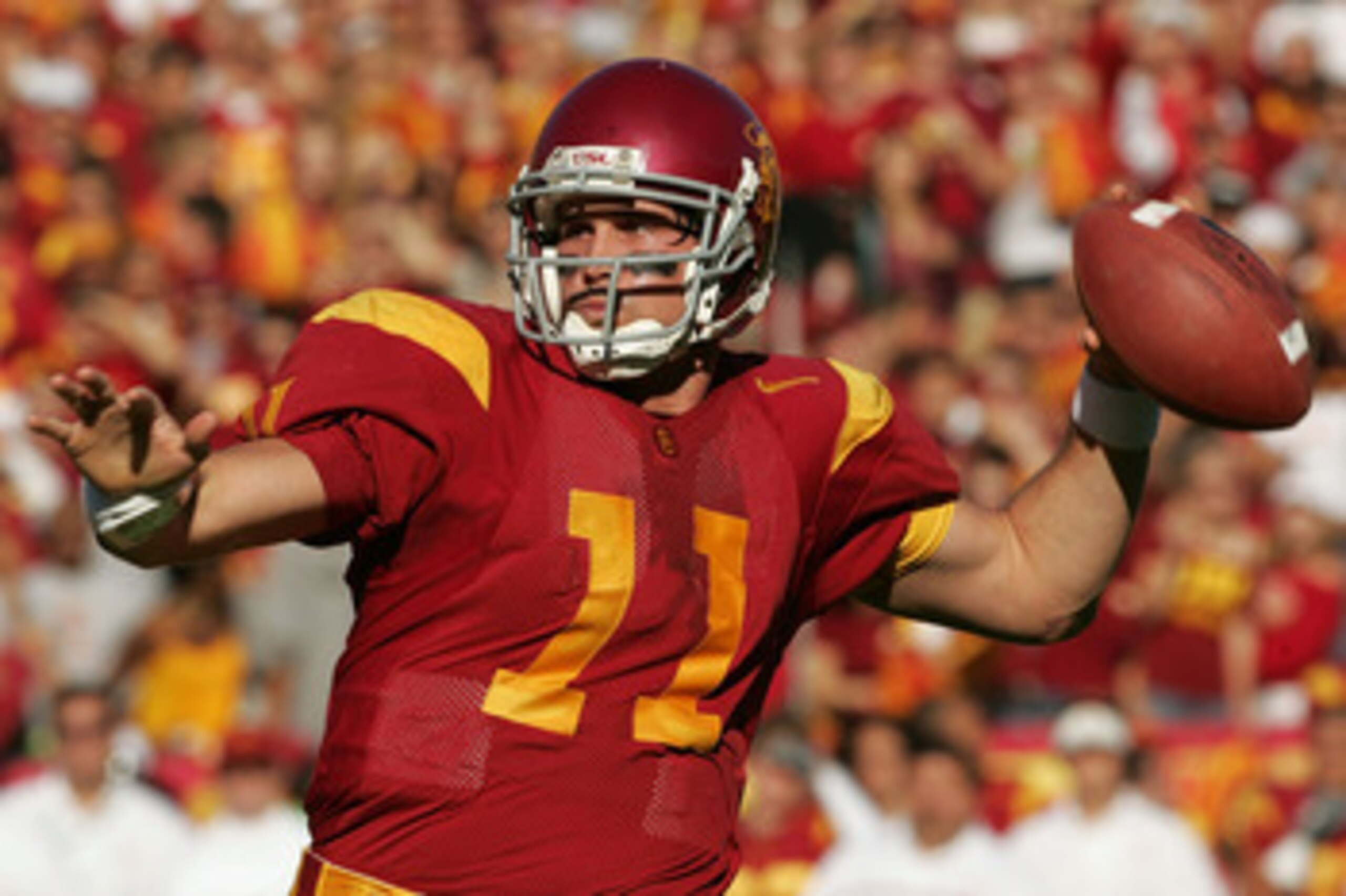

Matt Leinart & 20 College Star QBs Who Couldn't Hack It in the NFL
To be fair to Leinart, and a few others on this list, their final NFL legacy isn't yet set in stone. There is a chance, however small and fleeting, that Leinart could sign on with a QB-needy team and resurrect his career. Well, resurrect may not be accurate, as it implies it was actually alive at some point.
Let's just say a team like the Seattle Seahawks could give Leinart a final opportunity to be a starter in the NFL. In a heads-up competition with Charlie Whitehurst, Leinart could prevail and "earn" starting duties. As the 2010 Seahawks proved, anything can happen
Honorable Mentions...Heisman Trophy Winners That Fizzled
1 of 22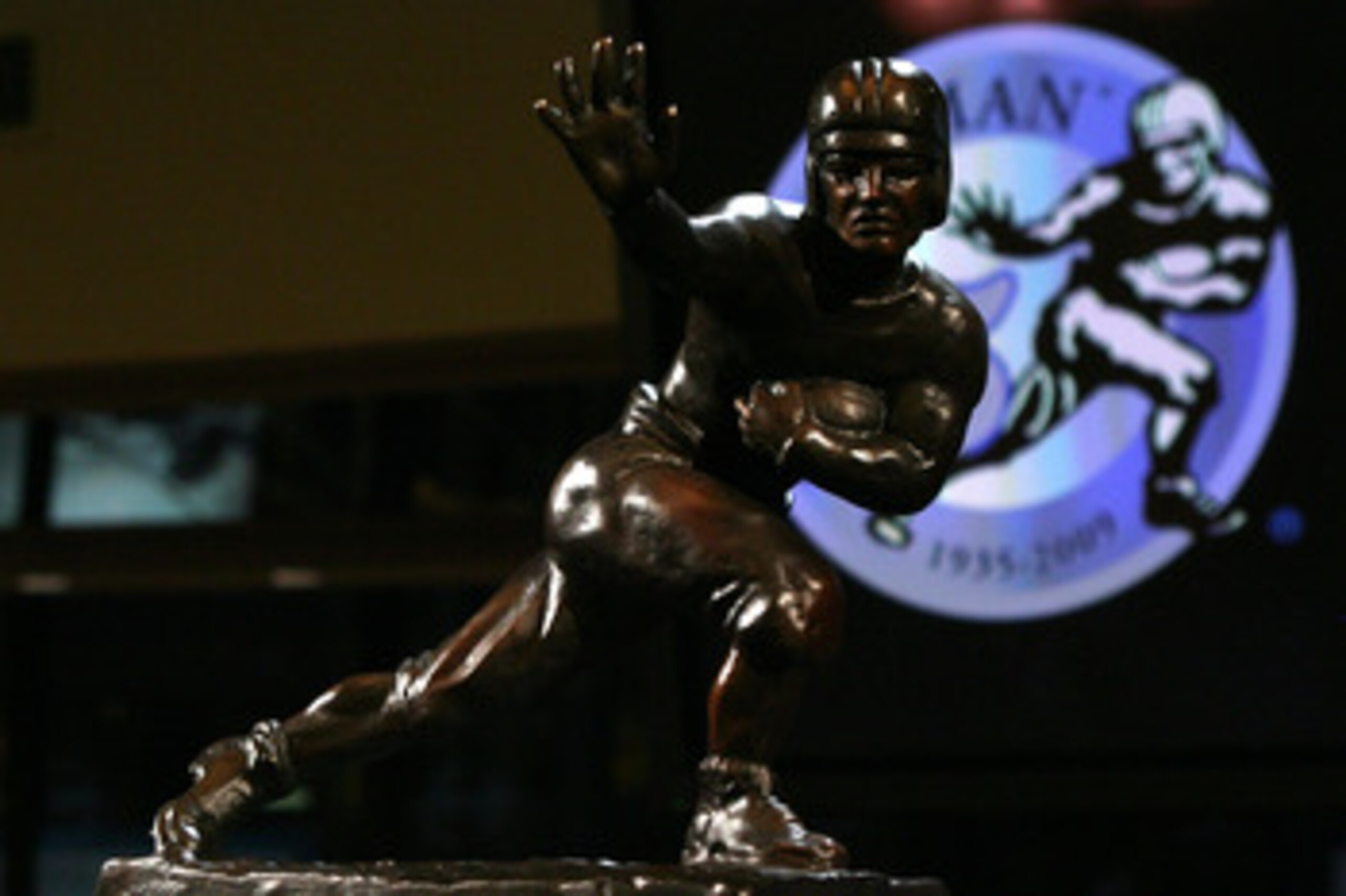
The following QBs managed to win a Heisman Trophy but didn't make it in the NFL.
Technically, Troy Smith still has an opportunity to forge an NFL career, and I thought he'd do a lot more than he showed in San Francisco last season.
They didn't quite crack the top 20, but they still deserve their recognition for a stellar college career.
Troy Smith, Ohio State: 2006 Heisman Trophy Winner
Eric Crouch, Nebraska: 2001 Heisman Trophy Winner
Chris Weinke, Florida State: 2000 Heisman Trophy Winner
Charlie Ward, Florida State 1993 Heisman Trophy Winner
Gino Torretta, Miami 1992 Heisman Trophy Winner
Ty Detmer, Brigham Young 1990 Heisman Trophy Winner
Andre Ware, Houston 1989 Heisman Trophy Winner
Gary Beban, UCLA 1967 Heisman Trophy Winner
Honorable Mentions...Not Quite Great in College, but NFL Busts All the Same
2 of 22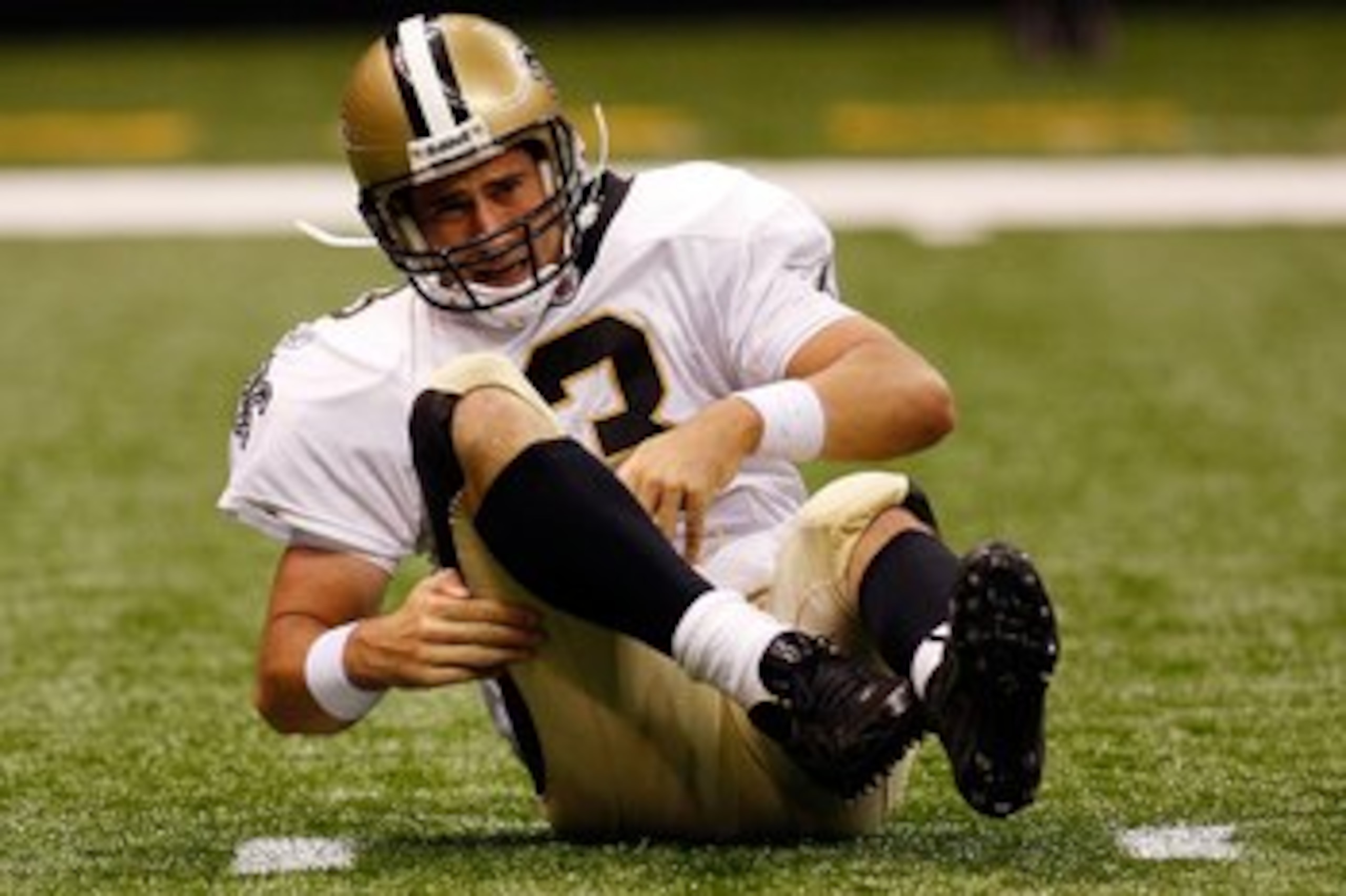
Even with the addition of this slide, I know I'm going to forget someone that should have made the list, or someone is going to throw out a name they feel should have been included.
I welcome the comments and the discussion. I actually look forward to the best nomination that maybe should have made the list.
Please feel free to list your nomination. In the list that follows, the first 15 are in a "rough ranking," but their exact placement seems secondary to making the top 20. The final five are ranked, though.
B.J. Symons, Texas Tech: 7th Round, Houston Texans 2004
David Klinger, Houston: No. 6 overall, Cincinnati Bengals (1992)
Cade McNown, UCLA: No. 12 Overall, Chicago Bears (1999)
Kelly Stouffer, Colorado State: No. 6 Overall Arizona (St.Louis) Cardinals (1987)
Joey Harrington, Oregon: No. 3 Overall, Detroit Lions (2002)
Todd Blackledge, Penn State: No. 7 Overall, Kansas City Chiefs (1983)
Todd Marinovich, USC: No. 24 Overall, Oakland Raiders (1991)
Hawaii: Timothy Kealii'okaaina Awa Chang, Colt Brennan
3 of 22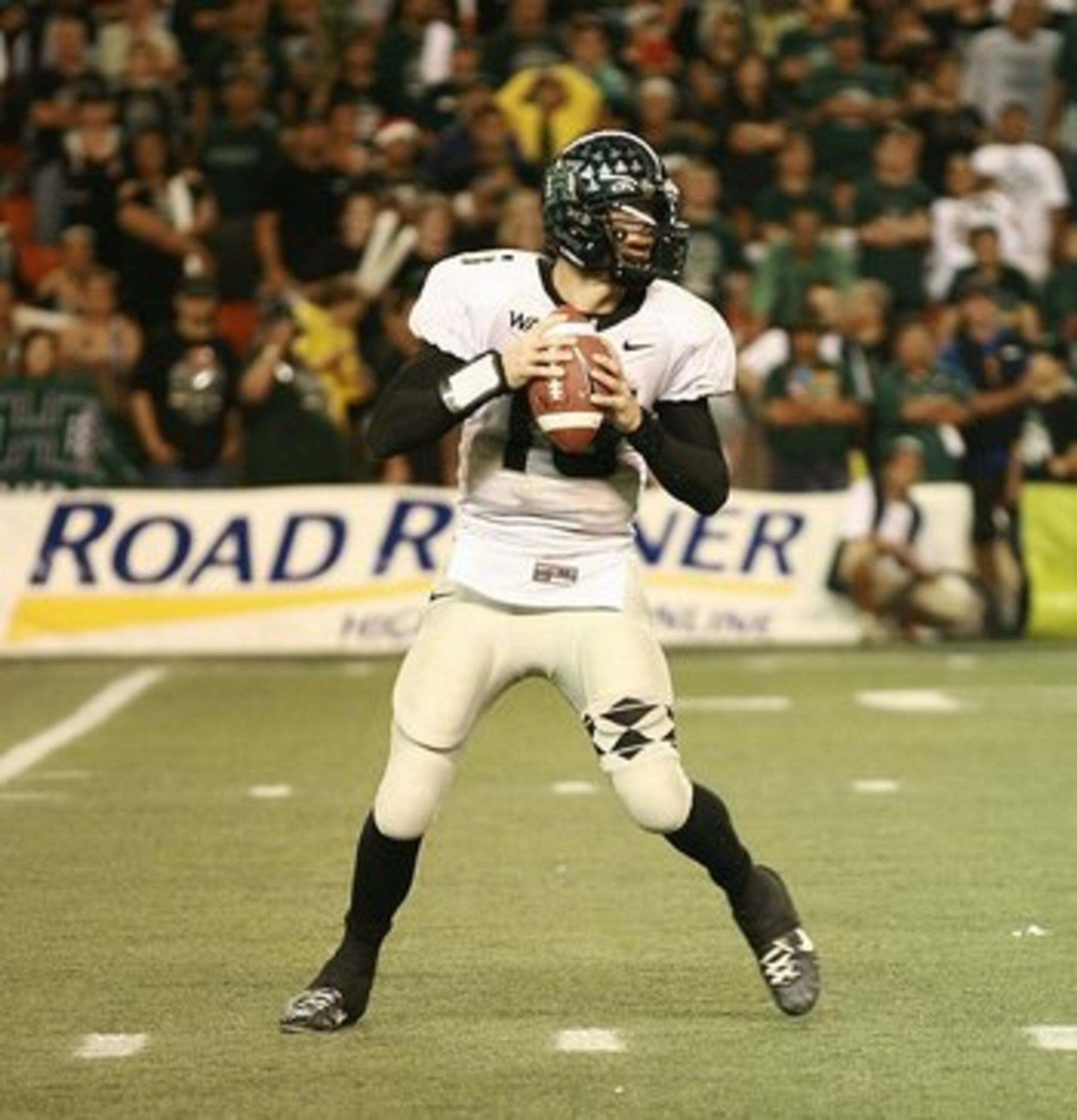
Given the difference in offenses at Hawaii, I opted to combine these two players into one slide. Neither had traction in the NFL, but both were prolific Rainbow passers.

Alex Smith, Utah: No. 1 Overall, San Francisco 49ers 2005
4 of 22To be fair to Smith, he barely makes this list. He still has time to make a positive stamp on his career, and much of his issues can be tracked back to constant turmoil within the 49ers organization during his tenure.
Brady Quinn, Notre Dame: No. 22, Cleveland Browns (2007)
5 of 22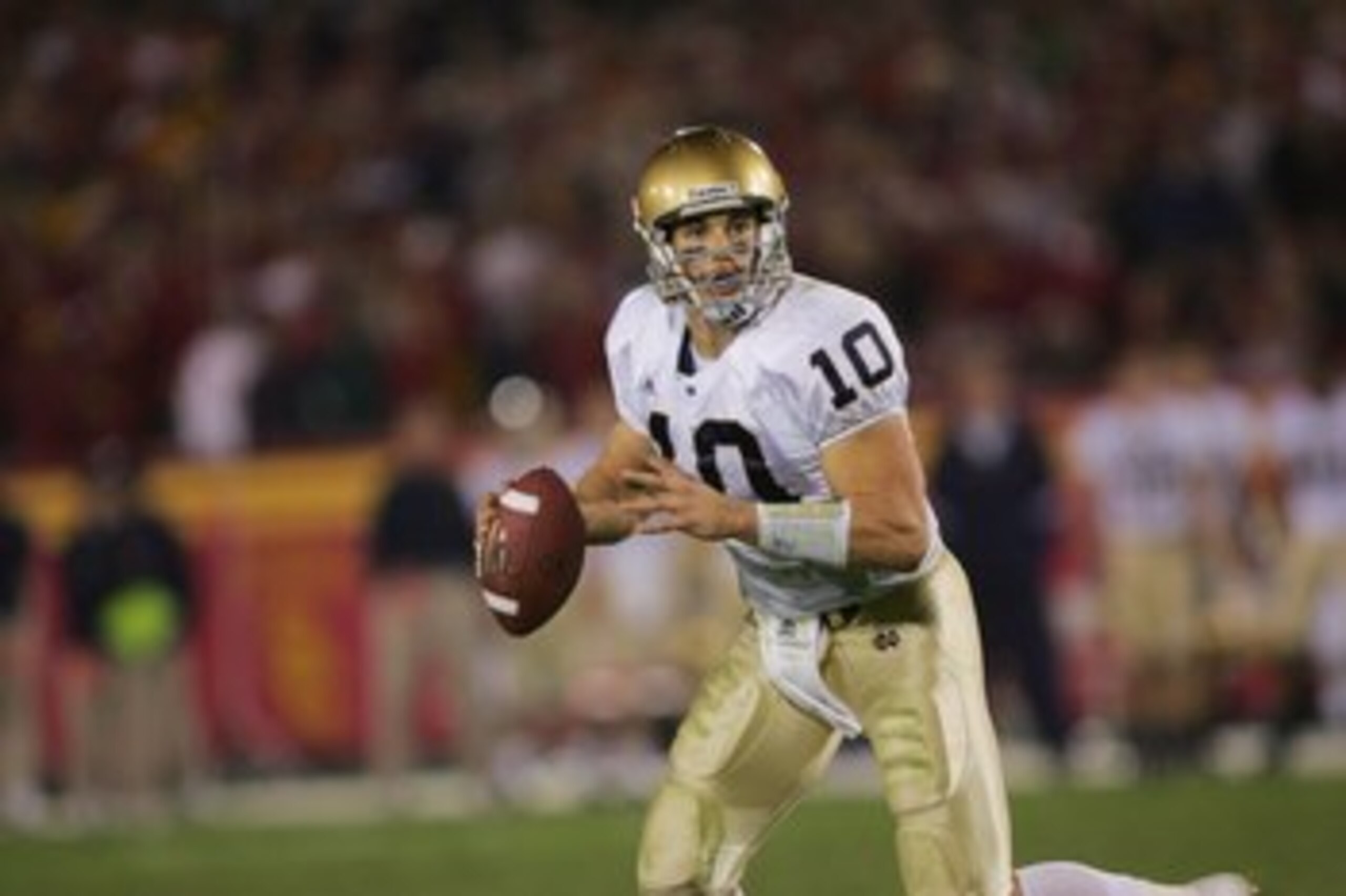
Quinn might not deserve to be on this list, either...at least not yet. His NFL career isn't finished, but it hasn't exactly started yet, either.
Mike Phipps, Purdue: No. 3 Overall, Cleveland Browns (1970)
6 of 22Phipps was the runner-up in Heisman voting. He fizzled in the NFL, though, throwing almost twice as many INTs as TDs.
David Carr, Fresno State: No. 1 Overall, Houston Texans (2002)
7 of 22Carr was a glorified tackling dummy his rookie season and has played snake-bit every since. He still could get a few starts in the NFL, but averaging five sacks a game as a rookie in Houston took its toll.
Jack Thompson, Washington State: No. 3 Overall, Cincinnati Bengals (1979)
8 of 22"The Throwin' Samoan" was one of the most prolific passers in NCAA history. He became the spectating Samoan in the NFL.
Heath Shuler, Tennessee: No. 3 Overall, Washington Redskins (1994)
9 of 22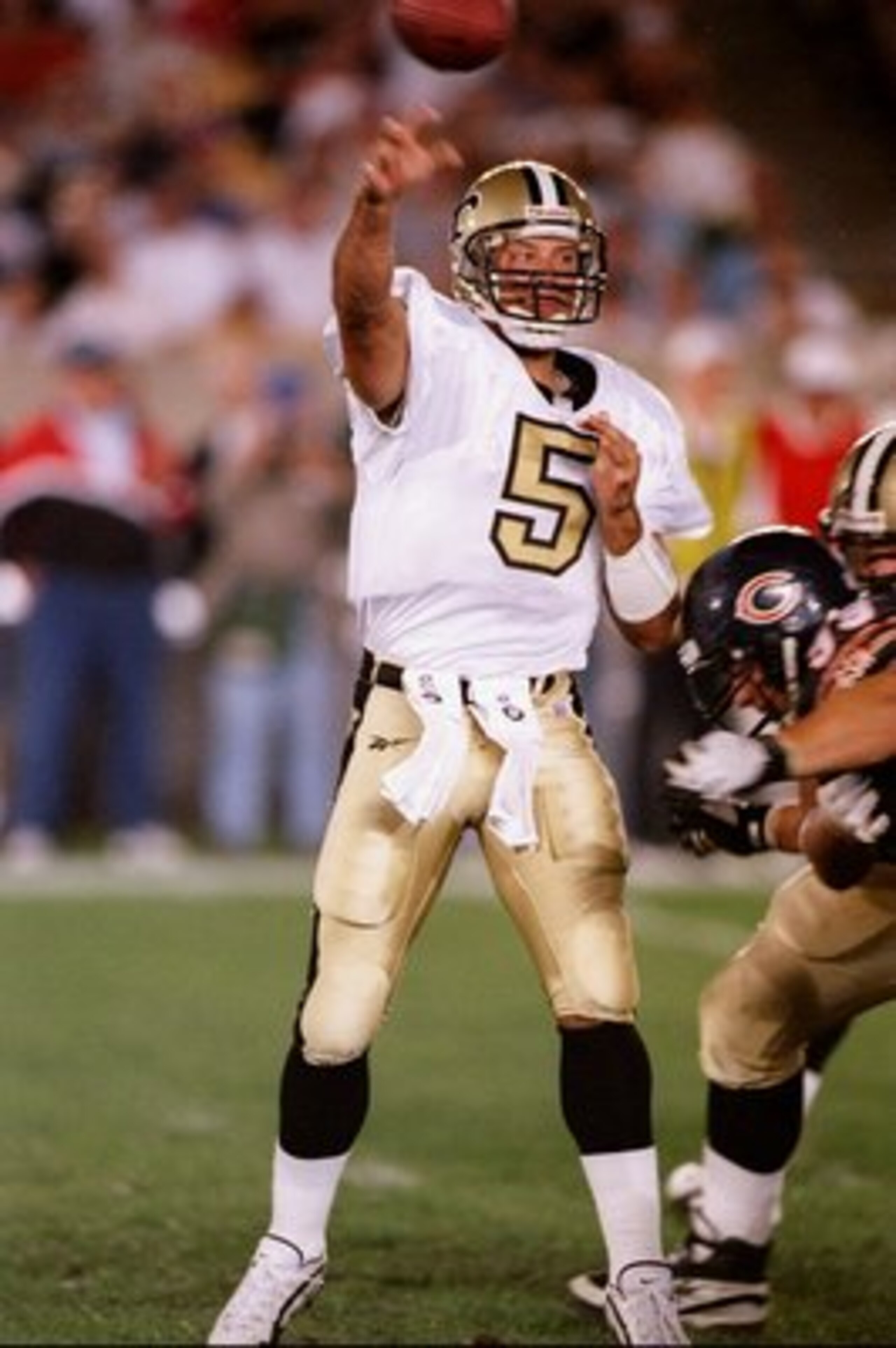
Shuler finally found a career where flash and potential matters just as much as substance, and performance isn't required to keep your job. He was on the right track with working in Washington, D.C. He has been representing North Carolina's 11th congressional district as a Democrat in the United States House of Representatives since 2007.
Jerry Tagge, Nebraska: 11th Overall, Green Bay (1972)
10 of 22Tagge had a terrific college career, leading the Cornhuskers to consecutive national championships.
Tagge scored the winning TD and earned MVP honors vs. LSU in the 1971 Orange Bowl. The following season, he led them against the Oklahoma Sooners in the “Game of the Century.” The two teams were undefeated, and Nebraska's 35-31 win sent them to the 1972 Orange Bowl to face the undefeated Crimson Tide. Tagge again earned MVP honors, as they crushed Alabama 38-6.
His final collegiate stats: 377 of 637 (59.2%), 5,071 yards, 32 TDs.
Tagge struggled in Green Bay, ending up with three touchdowns and 17 interceptions. He did go on to play in the World Football league, where he threw five interceptions in his one game. He found success in the CFL, though, playing three seasons for the BC Lions until a knee injury ended his career.
Rick Mirer, Notre Dame: No. 2 Overall, Seattle Seahawks (1993)
11 of 22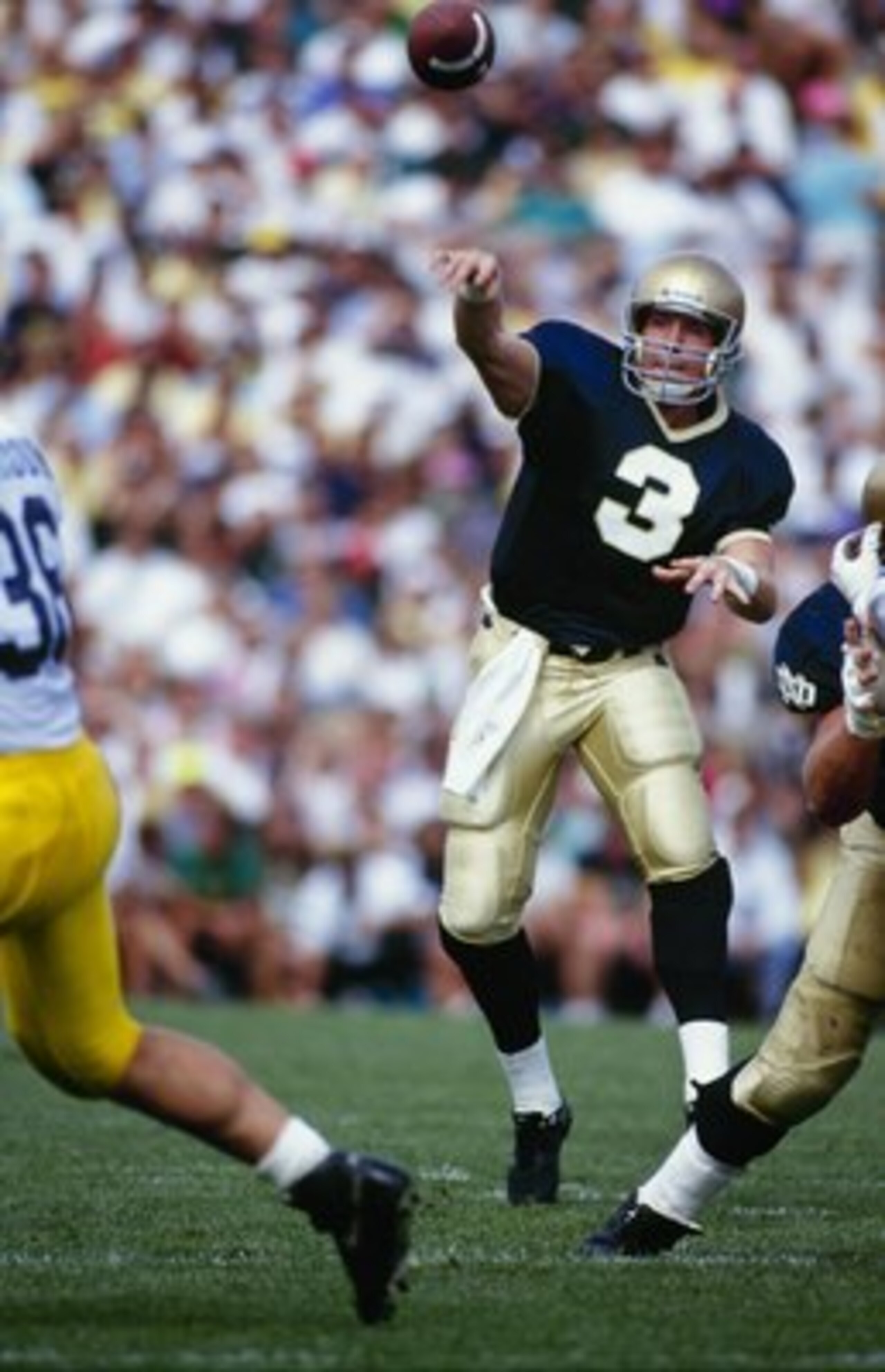
Mirer entered the draft as the also-ran with Drew Bledsoe. There was a lot of speculation on who would be taken first, and who would be left for Seattle.
I'm not sure what is worse, though. Seattle spending the second pick in the draft for him, or the Chicago Bears sending a first round pick to the Seahawks for him after Mirer had already demonstrated his NFL shortcomings. This led to the selection of Walter Jones, thereby minimizing the sting for the Seahawke organization.
Mirer barely makes this list, as he did post one of the better rookie seasons for a QB in the NFL.
Art Schlichter, Ohio State: No. 4 Overall, Baltimore Colts (1982)
12 of 22
Take your pick...poor play or gambling that lead to being arrested and banned from the NFL for life. Perhaps he could have lobbied for an "Unnecessary Roughness II."
He was a four-year starter at The Ohio State University, though, so he'll always have that going for him.
Danny Wuerffel, Florida: 4th Round, New Orleans Saints (1997)
13 of 22Wuerffel performed very well in college, completing 708 of 1,170 passes for 10,875 yards and 114 touchdowns.
He led his team to a national championship, and was the only QB to post back-to-back seasons with a passer rating over 170.
The highlight of Wuerffel's professional career was being named MVP of World Bowl 2000 while playing for Rhein Fire in NFL Europe.
Akili Smith, Oregon: No. 3 Overall, Cincinnati Bengals (1999)
14 of 22Coming out of college, Smith was known for his outstanding athleticism. Smith serves as a reminder that it takes a lot more than athletic talent to succeed as an NFL QB.
Smith was a one-year starter in Oregon, throwing 32 TD passes in 11 games. He ended up with just 5 TDs in the NFL to go with his 13 INTs.
Jason White, Oklahoma: Undrafted (2005)
15 of 22White had a productive collegiate career:
| Year | Att | Comp | Pct | Yds | TD | Int | Rating |
| 2001 | 113 | 73 | 64.6 | 681 | 5 | 3 | 124.5 |
| 2002 | 34 | 20 | 58.8 | 181 | 1 | 2 | 101.5 |
| 2003 | 451 | 278 | 61.6 | 3,846 | 40 | 10 | 158.1 |
| 2004 | 390 | 255 | 65.4 | 3,205 | 35 | 9 | 159.4 |
Despite his success at Oklahoma, White wasn't drafted, nor was he signed soon as an undrafted free agent. Eventually the Tennessee Titans gave him an opportunity, but he wasn't progressing. He opted to "retire" due to weak knees.
Kliff Kingsbury, Texas Tech: 6th Round, New England Patriots (2003)
16 of 22When Kingsbury left Texas Tech, he was the most decorated player in school history. He held 39 school records and seven FBS records. Kingsbury was the third player to throw for over 10,000 yards and complete over 1,000 passes. He threw for over 3,000 yards three times during his career.
Despite his dominance in college, his only professional success came in the now-defunct NFL Europe (sorry, but I'm not fancy enough to call it NFL Europa, so no need to correct me). He did see action in the fourth quarter of a game for the New York Jets.
Matt Leinart, USC: No. 10 Overall, Arizona Cardinals (2006)
17 of 22I fully expect Leinart to make an opening day roster for the 2011 season. What is yet to be seen, though, is if he is signed as an apparent backup or given an opportunity to compete for a starting job. I suspect there are few teams that will afford the latter opportunity, and some will argue Leinart is content to finish out his career as a backup QB.
I still believe that Leinart has enough competitive nature left in him that he wants a chance to earn a starting position and redefine his career, even if it is just marginally.
5. Tim Couch, Kentucky: No. 1 Overall, Cleveland Browns (1999)
18 of 22Cleveland didn't exactly get off on the right foot with their new NFL team. Either that, or Couch wasn't afforded an opportunity to succeed. He battled injuries, due in large part to a poor offensive line. He did lead Cleveland to a playoff appearance, so maybe that alone is enough for him to not make this list.
Perhaps, but does anyone else remember his agent buying into the talent scout's belief that Couch was the best NFL QB prospect since John Elway? If that is your point of comparison, you are pretty much doomed. And you find your way onto this list.
4. Ryan Leaf, Washington State: No. 2 Overall, San Diego Chargers (1998)
19 of 22The San Diego Chargers gave up the farm to get Leaf. In return, they received one hefty bag of fertilizer.
Immaturity, attitude and a bad temper plagued Leaf when he tried to make the step up to the NFL. His athletic talent and arm strength allowed him to get by at WSU, but he simply didn't have the mental side or the ambition and work ethic to make it in the NFL.
His last chance in the league was with the Seattle Seahawks, but he opted to quit because it was too hard.
Some believed the Indianapolis Colts considered taking Leaf with the first selection in the 1998 draft. I think they are doing OK with their decision to draft Peyton Manning.
Ryan, our thoughts are with you as you are dealing with your health issues.
3. Terry Baker, Oregon State: No. 1 Overall, Los Angeles Rams (1963)
20 of 22Baker was the first Heisman Trophy winner to earn "bust" status in the NFL. He compiled 5,000 yards of offense his senior year, throwing for almost 3,500 yards with over 1,500 yards on the ground. He also had 38 touchdowns (passing and rushing combined).
Baker was MVP of the 1962 Liberty Bowl, adding the Heisman and the Maxwell awards that season, leading to his high draft status. He lasted just three seasons.
Some blame does need to fall to Rams' coach Harland Svare. He simply wasn't able to create an offense that would allow Baker to thrive as a passer and a runner.
Baker started one NFL game, rushing for 200 career yards. He threw four INTs and did not throw a TD pass.
The groundwork was laid for Heisman Trophy winners becoming busts in the NFL.
2. JaMarcus Russell, LSU: No. 1 Overall, Oakland Raiders (2007)
21 of 22Topping off the list...or is he? What can be said about Russell? Huge arm, huge ego, huge waistline. Huge bust. Russell will be the primary reason why many scouts give little credence to scripted pro days, and is one of the reasons why the Raiders are struggling.
1. Tommie Frazier, Nebraska: Undrafted (1996)
22 of 22Frazier won't often find a list of "busts" in the NFL, as he wasn't drafted. However, his successful career at Nebraska and no NFL footprint earns him the top spot on this list.
Prior to Frazier's arrival, Nebraska had one win vs. top 20 teams in four seasons. That changed quickly, and his record as a starter was 13-2 vs. AP-ranked teams. Both losses were to Florida State in Orange Bowl games.
Frazier won 33 games and led the Huskers to three consecutive national championship games. They won two, and were a late field goal away from winning the third.
The one negative on Frazier's game, and part of what turned off NFL teams, was his paltry completion percentage that fell just below 50%.
However, he was a threat with his legs and arm. He threw 43 TDs with 11 INTs, and added 36 TDs on the ground. He set numerous records for Nebraska, and a particular highlight was a 199-yard rushing performance over Florida in the 1996 Fiesta Bowl. Nebraska won 62-24, earning the National Championship.
Frazier had some health issues, namely with blood clots in his leg. He missed most of the 1994 season. It impacted his draft consideration, and eventually accounted for the end of his career. He caught pneumonia during his brief stint with the Montreal Alouettes. Complications led to the illness becoming life-threatening, and Frazier retired from football in September, 1996.
As a side note, I'd like to apologize to the University of Nebraska. Their prevalence on this list could lead future QBs with aspirations of playing in the NFL to look elsewhere.

.jpg?w=2560 "Rams Eagles Football")
.jpg?w=2560 "Grading WWE Raw 🔠")