NFL Draft 2011: Jake Locker and the 10 Biggest Reaches in Draft History
Tens of thousands of people watching ESPN or NFL Network coverage of the 2011 NFL Draft were stunned when Commissioner Goodell walked to the podium and announced that the Tennessee Titans were selecting Jake Locker from Washington with the eighth overall pick. There were times he wasn't expected to even be a first-round choice, let alone a top-10 pick.
And if that wasn't enough of a stunner, four picks later, the Minnesota Vikings aimed to one-up the Titans by nabbing Florida State's Christian Ponder with their 12th overall selection. He wasn't expected to go nearly that high either.
Those were certainly two of the biggest reaches this year, but how about all time?
Here's a top 10 for you to debate—with one caveat.
A great, even Hall-of-Fame player can be a "reach."
Being a reach has nothing to do with performance. It's about where they were taken and whether or not they could have been had much later. Obviously we'll never know where a player would have landed had they not been chosen where they were, but hindsight is always 20/20.
No. 10: Tim Tebow, QB (Denver Broncos)
1 of 10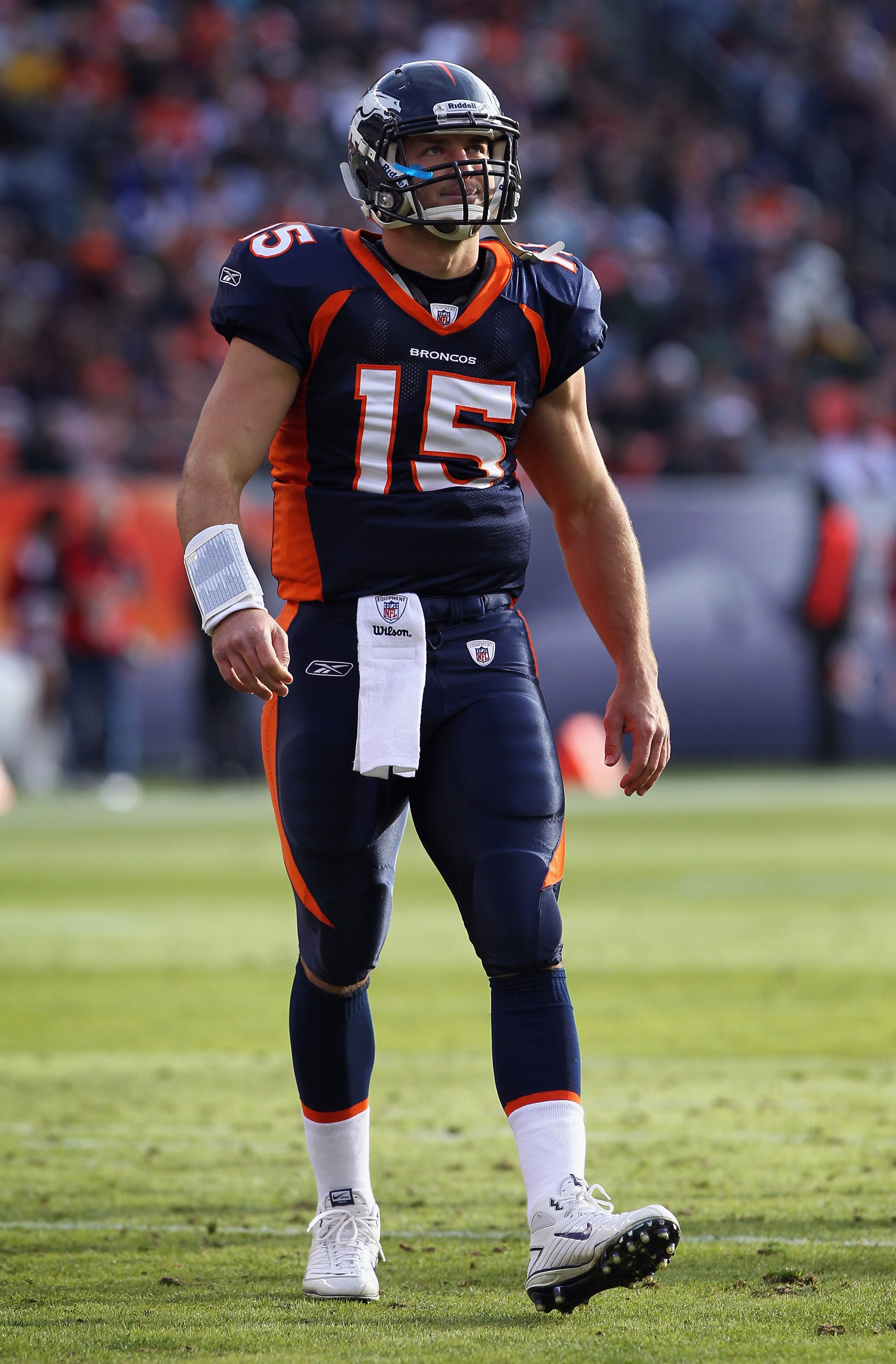
When: 2010
Selection: First round, 25th overall
The debate about Tebow will continue to carry on for several years.
He may be the next Steve Young, he may be the next Matt Leinart.
But it seems pretty safe to assume that the Broncos reached on Tebow when they pulled the questionable passer off the board in the latter part of the first round.
Many teams out there thought he was at best a second-rounder, and Jerry Jones famously said he wouldn't even get on the field for the Cowboys.
Tebow still can prove those doubters wrong, but when you look at all the terrible personnel decisions Denver made under Josh McDaniels, it's hard to keep this pick off the list.
No. 9: Derrick Harvey, DE (Jacksonville Jaguars)
2 of 10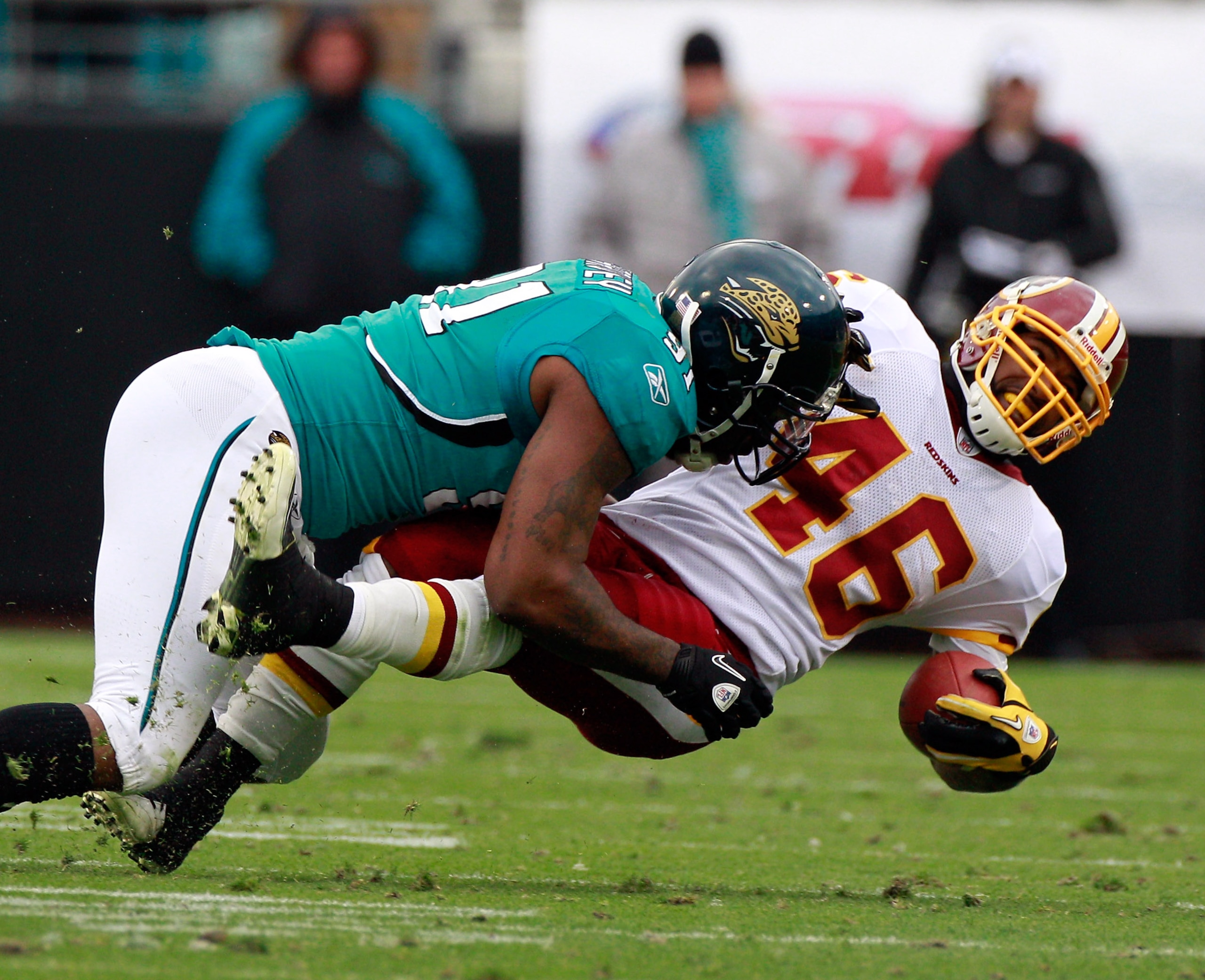
When: 2008
Selection: First round, eighth overall
Hate to do it to you Gator fans, but we've got to pick another Florida product.
Forget for a moment that Harvey really hasn't panned out in Jacksonville; again, this isn't a list of biggest busts of all time.
Harvey was considered a mid-to-late first-round choice by most experts.
Maybe the Jaguars were just desperate for a defensive end (like they still are today), and when both Chris Long and Vernon Gholston came off the board, they had no choice.
Still, the Jaguars are still paying for this reach. They have the AFC's second-worst pass-rush, and Harvey has only recorded eight sacks in his three seasons.
No. 8: QB's Christian Ponder (Minnesota Vikings), Jake Locker (Tennessee Titans)
3 of 10
When: 2011
Selection: (Ponder) first round, 12th overall; (Locker) first round, eighth overall
With enormous potential, both Locker and Ponder could turn out to be great pro quarterbacks.
But neither was a clear-cut first-rounder.
While most people will point to Locker as the biggest reach in the draft—perhaps the biggest reach of all time—I still look at the Ponder pick as slightly more surprising.
There were some out there who thought Locker could go to Minnesota at 12 or the Dolphins at 15, if not his hometown Seahawks at 25. But very few saw Ponder finding a home on the first day. It's safe to assume that the Titans' reach paved the way for the Vikings' reach.
.jpg?w=2560 "Rams Football")
.jpg?w=2560)
No. 7: Eric Turner, CB (Cleveland Browns)
4 of 10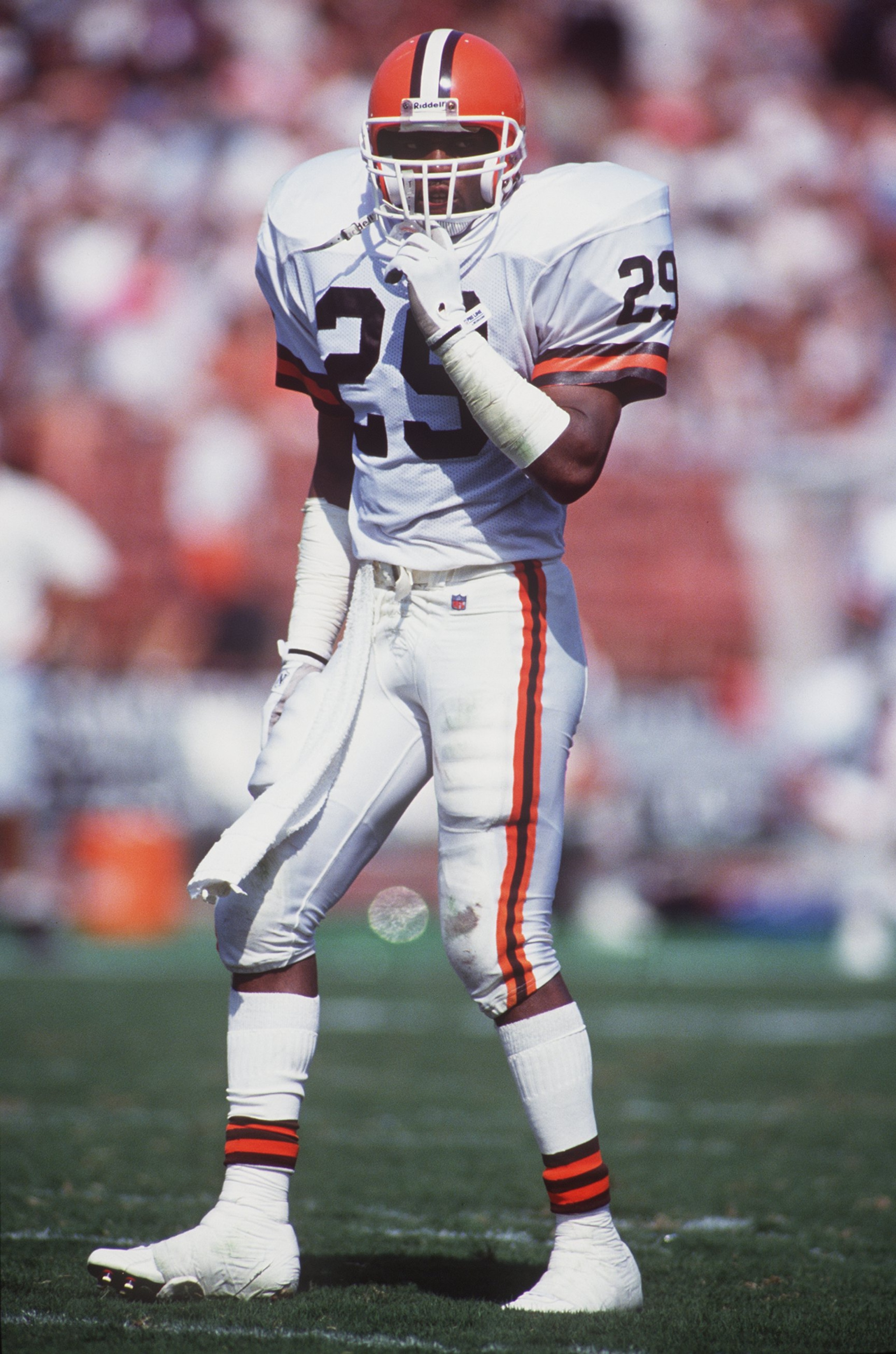
When: 1991
Selection: First round, second overall
A two-time Pro-Bowler, Eric Turner was an outstanding safety in the NFL, and he was a great safety at UCLA certainly worth a high first-round choice.
But since 1956, Turner is the only defensive back to be taken as high as second or first overall; not Ronnie Lott, Troy Polamalu, Ed Reed, Deion Sanders, Rod Woodson, etc.
As great as those players were, it's understandable why corners and safeties never go that high. Patrick Peterson was considered by many the best player in this draft, but four teams passed on him. Defensive backs just don't make the same type of play-to-play impact as a lineman or skill player.
Maybe that's bound to change with the passing game becoming more of a 50/50 split with the running game.
But in 1991, that wasn't the case.
No. 6: John McCargo, DT (Buffalo Bills)
5 of 10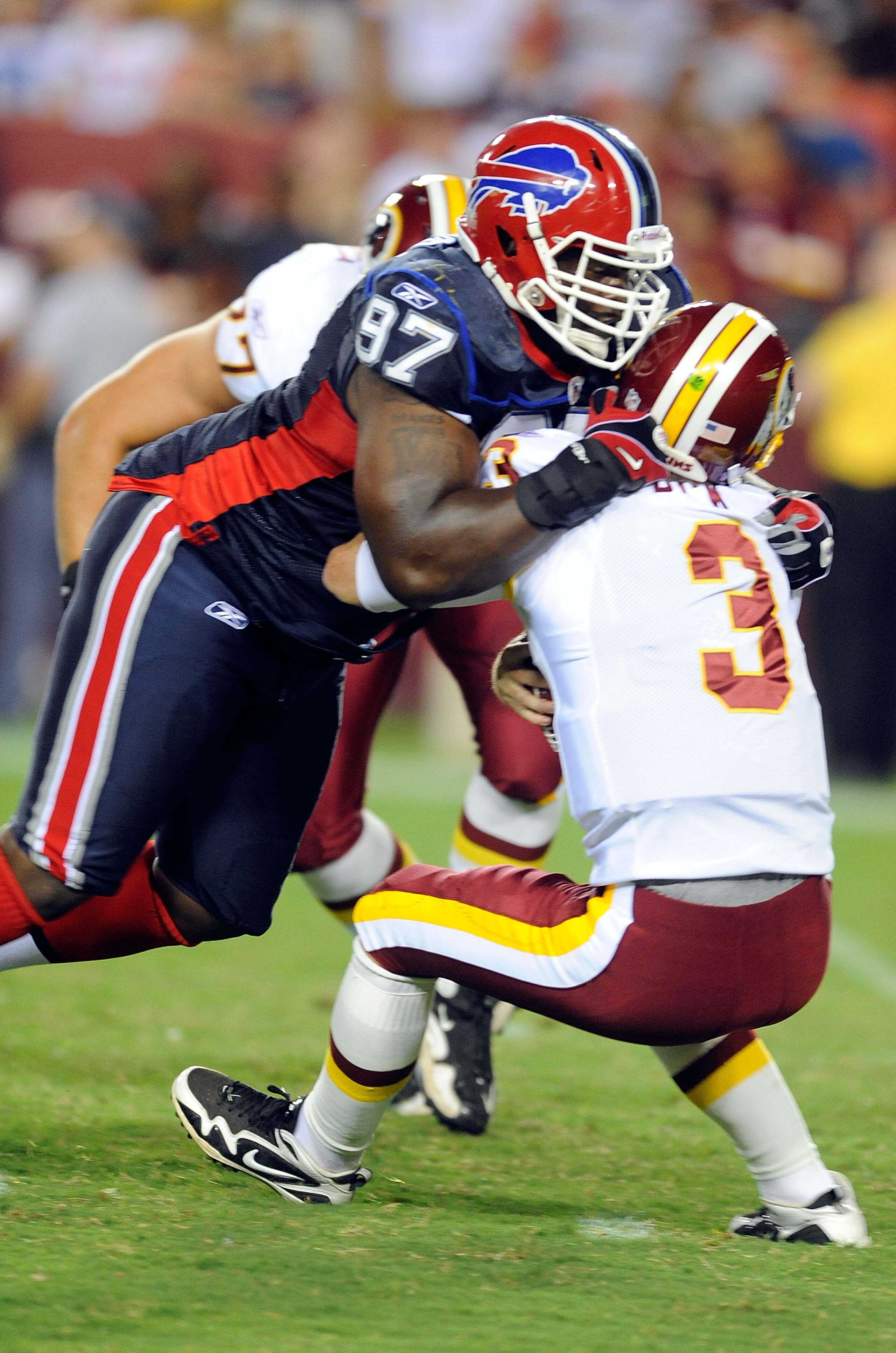
When: 2006
Selection: First round, 26th overall
Marv Levy made some great personnel decisions during his two-plus decades in Buffalo.
This was not one of them.
Not only did the Bills trade up to take McCargo with the 26th overall pick, they took a player who most people expected to be a second, even third-round choice.
Even if you forget all that, consider who McCargo played next to during his senior season at NC State. Fellow Wolfpack linebacker Manny Lawson was the 22nd overall choice to San Francisco, and defensive end Mario Williams went first overall.
It's hard to understand why that wasn't taken into consideration.
No. 5: Matt Jones, WR (Jacksonville Jaguars)
6 of 10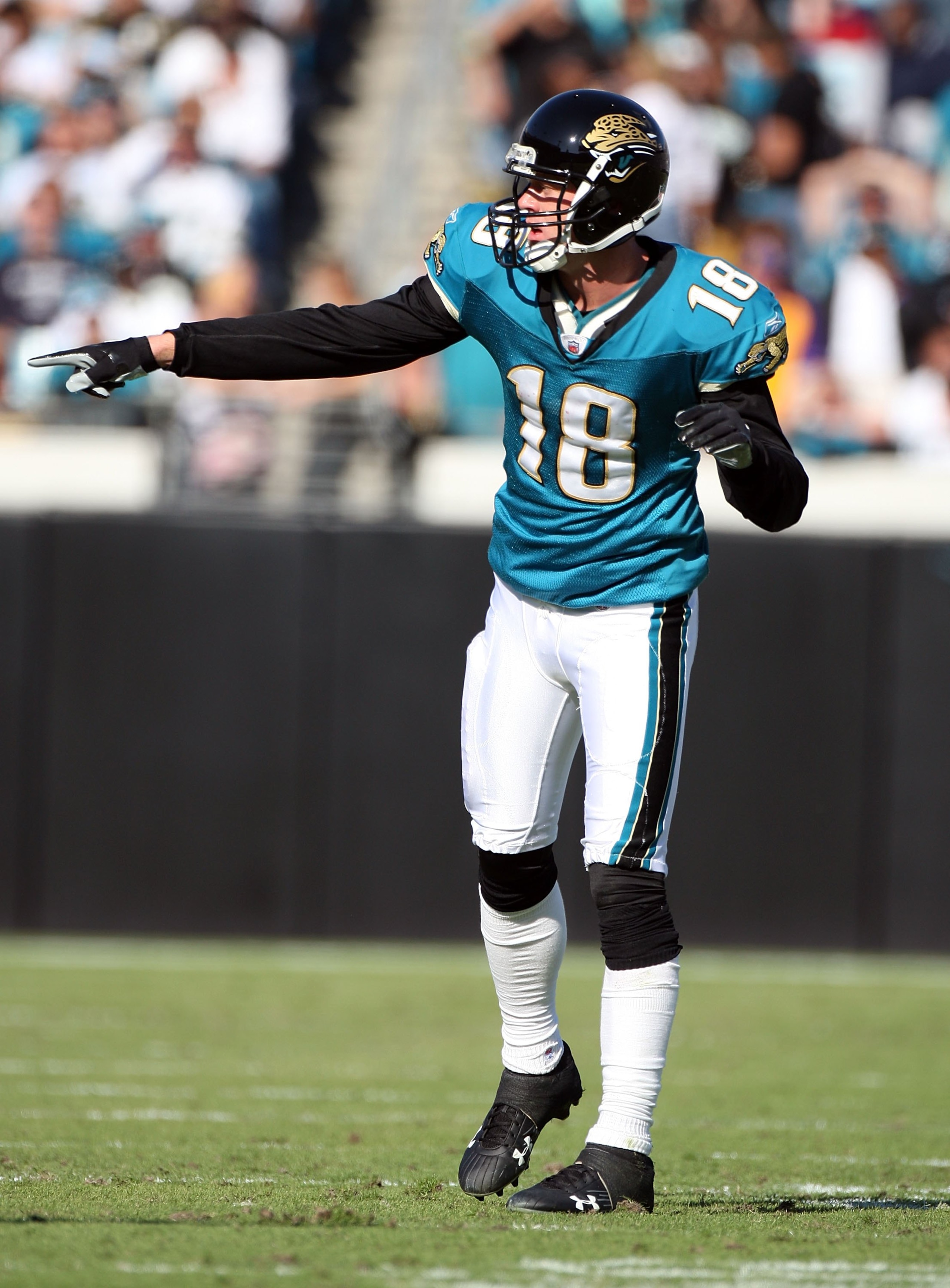
When: 2005
Selection: First round, 21st overall
Matt Jones was, and probably still is, an incredible athlete.
With lesser talent than his SEC rivals, he dominated at Arkansas, then blew away everyone at the combine, running a 4.37 40-yard dash and posting a 39" vertical. All that with a huge 6'6", 235-pound frame.
Those particulars made him very appealing to NFL teams as a wide receiver.
But to spend a first round-pick on a player who never played the position before is a huge risk, no matter what the upside is. A second-rounder I could see, but the 21st overall pick?
And given his rumored lack of desire and work ethic, they certainly reached here.
No. 4: Levi Jones, OT (Cincinnati Bengals)
7 of 10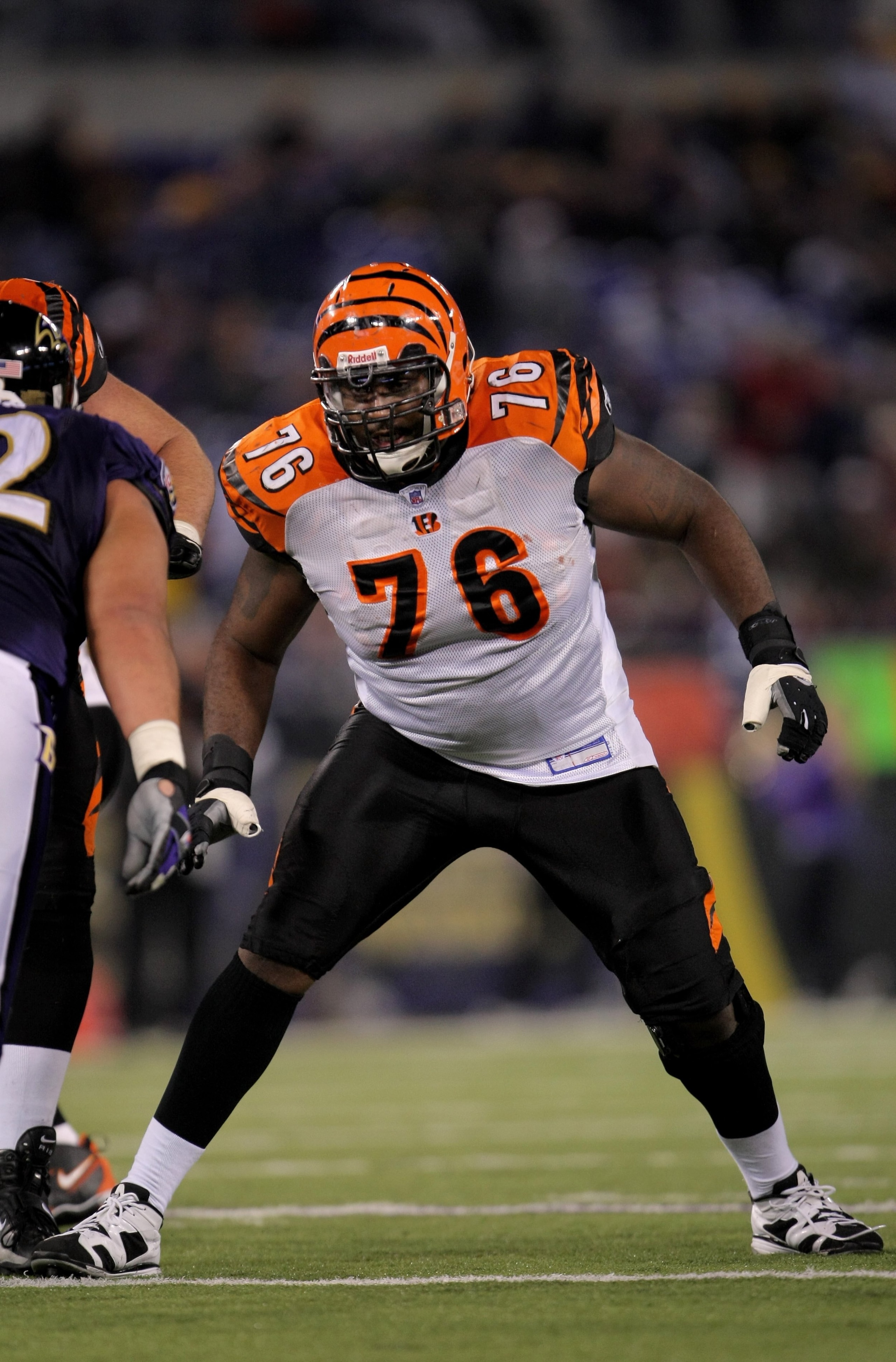
When: 2002
Selection: First round, 10th overall
Jones wasn't a bad player. He started 89 games in the NFL.
But, as Mel Kiper famously noted on draft day in 2002, Jones was a second-round player who the Bengals probably could have had when they chose again early in the second round.
Maybe they just really liked Jones and didn't want to see him go somewhere else. But with an elite selection like 10th overall, you can't reach on a player 20 or so spaces too early.
No. 3: Troy Williamson, WR (Minnesota Vikings)
8 of 10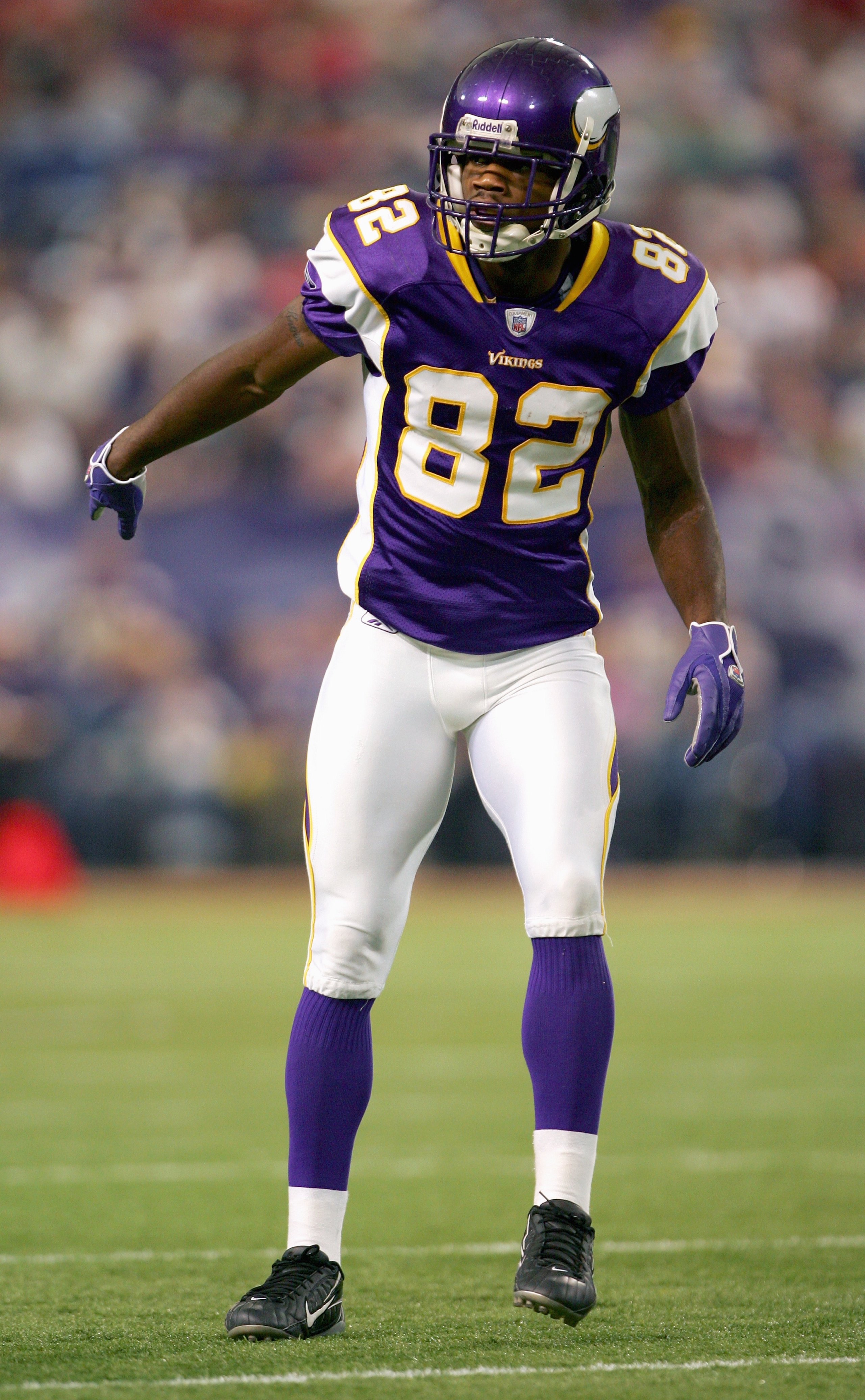
When: 2005
Selection: First round, seventh overall
Much like Matt Jones who was taken 14 spots later, Williamson's speed (4.32 40-yard dash) landed him in Minnesota with the seventh overall choice.
But unlike Jones, at least Williamson played wide receiver in college.
The reason why he lands such a prominent spot on this list though is because of who selected him.
The Vikings had just traded Randy Moss to Oakland two months earlier and were desperate to find a replacement; remember, Mike Tice still needed someone to fill the infamous "Randy Ratio."
So they took whatever speedy wide receiver they could find, without consideration for the player's hands.
Williamson probably was a first-round talent, but a seventh overall choice should have a bit more going for him than pure speed. Otherwise, the Panthers should have considered drafting Usain Bolt instead of Cam Newton.
No. 2: Maurice Clarett, RB (Denver Broncos)
9 of 10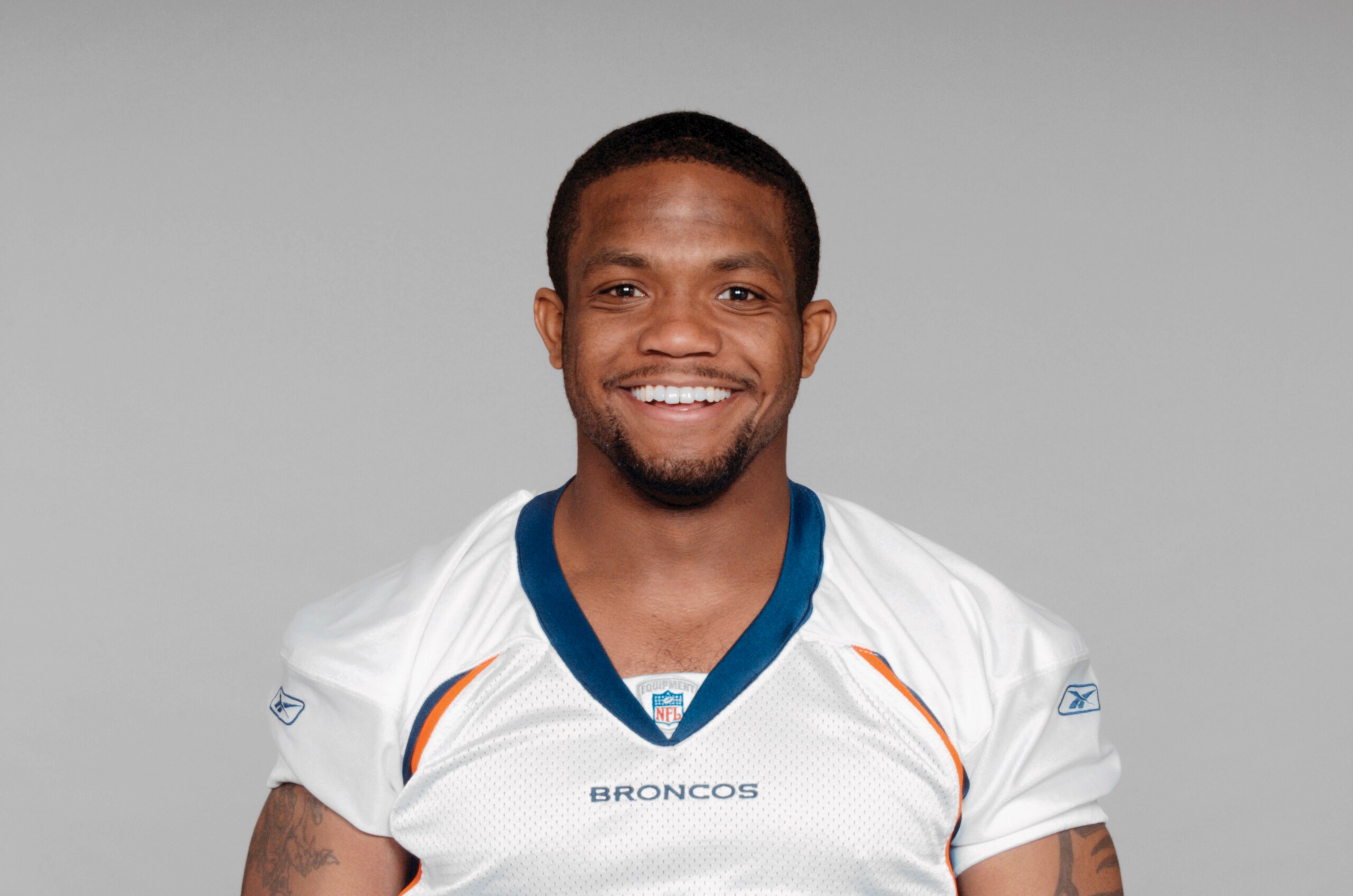
When: 2005
Selection: Third round, 101st overall
Granted, it's really, really hard to see a team reaching on any player in the third round—unless it's the back-up tight end at some Division III school.
Or perhaps a supremely troubled running back with questionable pro talent and speed, who had played zero football games the previous two years.
With the National Champion Ohio State Buckeyes, Clarett had a great freshman season—one of the best ever—in 2002. But he was hardly the dominant player on that team; more than a dozen players went to the NFL from that team.
And considering how slow his 40-time was (4.82 according to some), he was not a player expected to go early, if at all.
So maybe it was faith in his offensive system—the one that produced 1,000-yard rushers in Olandis Gary, Mike Anderson and Reuben Droughns—that prompted Mike Shanahan to select Clarett in the third round.
With all his baggage, there's a good chance he could have signed him as a college free agent.
No. 1: K's Sebastian Janikowski (Oakland Raiders), Russell Erxleben (NO Saints)
10 of 10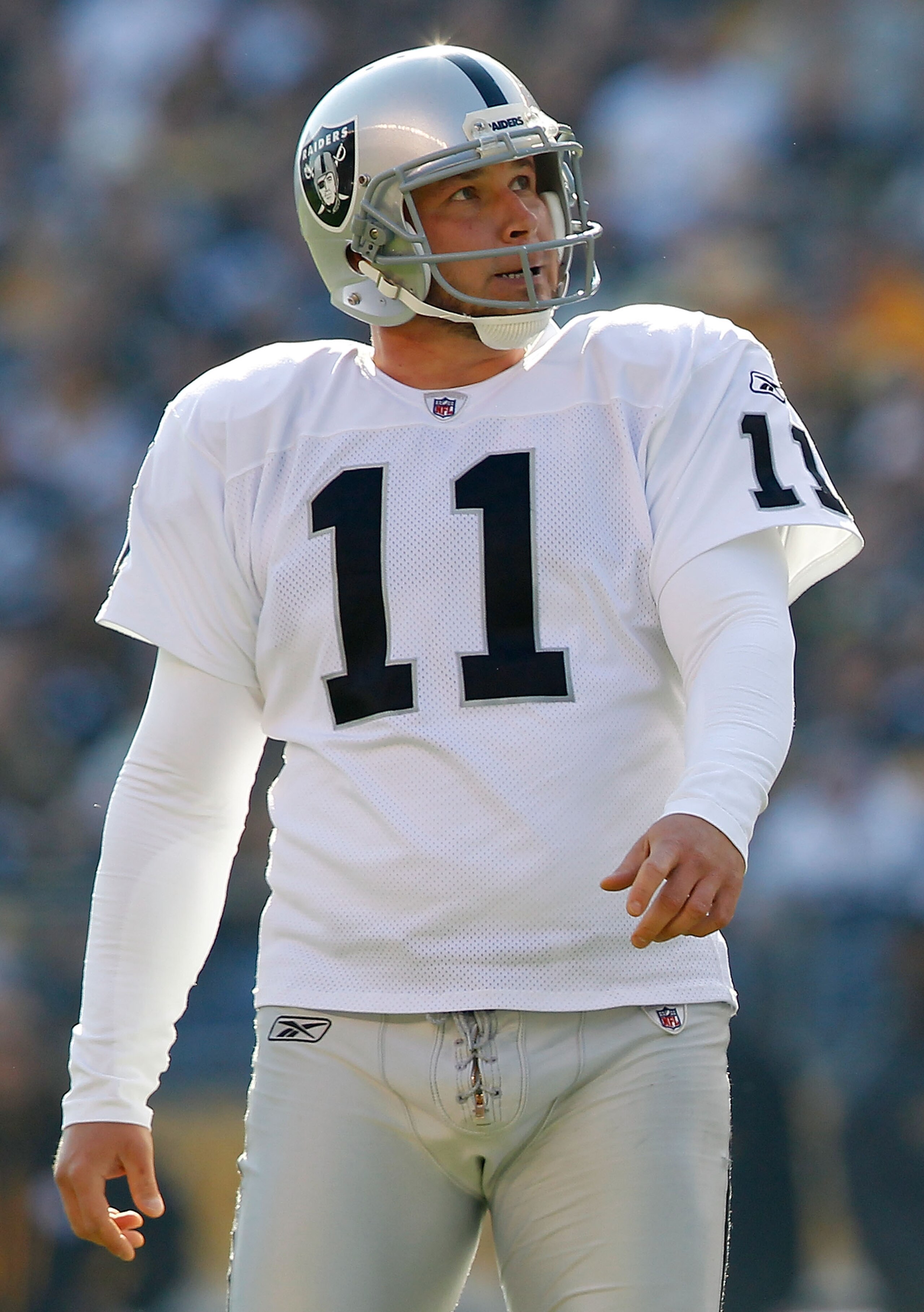
When: 2000
Selection: (Janikowski) first round, 17th overall; (Erxleben) first round, 11th overall
In this year's draft, the Philadelphia Eagles selected Nebraska kicker Alex Henery with their second of two fourth-round choices, 120th overall. That initiated some outrage from plenty of people asking the question, "How can you spend a fourth-round pick on a kicker?!?"
Well, that's nothing compared to what the Raiders did in 2000 and what the Saints did 21 years earlier.
Janikowski was a great kicker for Florida State, regardless of his off-the-field antics. The same was true with Erxleben, who was a great punter and kicker for the Longhorns in the late 1970's.
Although they had mixed NFL results (Janikowski has been pretty good, while Erxleben was not), neither selection was worth a first-round choice; even Adam Vinatieri or Morten Anderson wouldn't be worth a first-round pick!
As a side note, I purposefully left two other extremely high kicker selections off this list.
Ray Guy was a first-round choice (21st overall, 1973) by the Raiders, but since he had experience as a defensive back in college, he shouldn't be lumped in with kickers-only Janikowski and Erxleben. Also aside from the fact, he was a dynamic field position weapon for the three-time Super Bowl champion Raiders.
The other name conspicuously absent is Charlie Gogolak, the sixth overall choice by the Redskins in 1966. Not only was he chosen at a time when the draft was screwed up because of the AFL's draft, but he was also one of the first soccer-style kickers who helped lead a revolution in the game. It's a bit easier to understand why they went after him so early.
.jpg?w=2560 "Ditka Football")