NFL Draft 2011: Should the 49ers Trade Up to Draft a Quarterback?
San Francisco 49ers fans know it, the players know it and, more importantly, new coach Jim Harbaugh and general manager Trent Baalke know it: The team needs better play out of the quarterback position.
The debate centers on Alex Smith, the first player taken in the 2005 draft, who has not developed into one of the league’s elite players. The fact that Green Bay’s Aaron Rodgers, taken 23 selections after Smith, has become, in the eyes of many, the best quarterback in the league, has made Smith’s performance all the more glaring.
Looking for Long-Term Success
1 of 5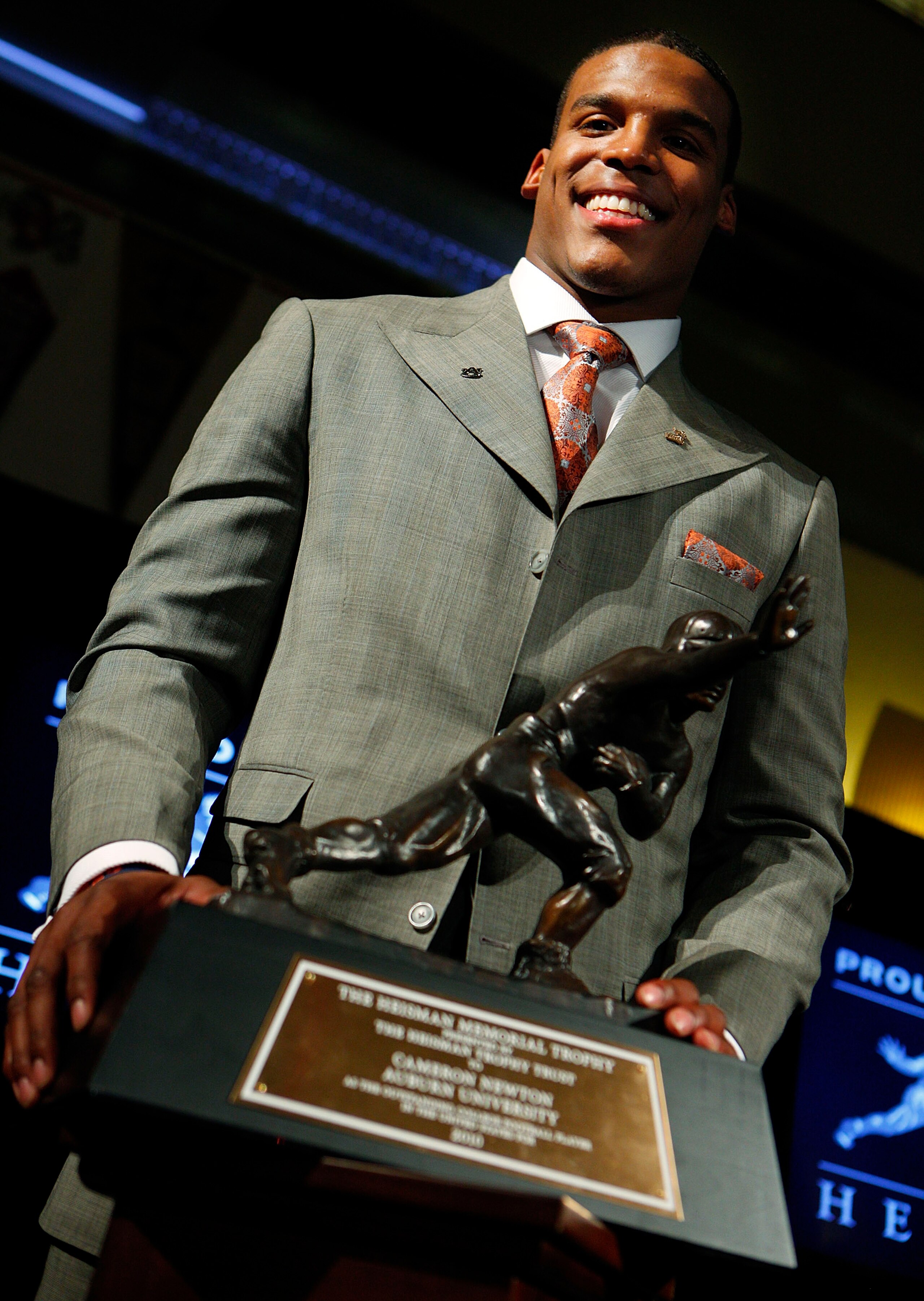
The Niners have the seventh pick in the April 28 draft. There are two quarterbacks—Blaine Gabbert of Missouri and Cam Newton of Auburn—who stand a little higher than the rest. Gabbert, in the eyes of many, is more pro-ready now, whereas Newton, the Heisman Trophy winner, has more overall physical tools.
Of course, which player will help the team more in the near and long-term remains to be seen. But it’s the type of make-or-break move that either propels or stalls a team’s progress, and perhaps the Niners are a first-rate example of this fact.
Move Up or Sit
2 of 5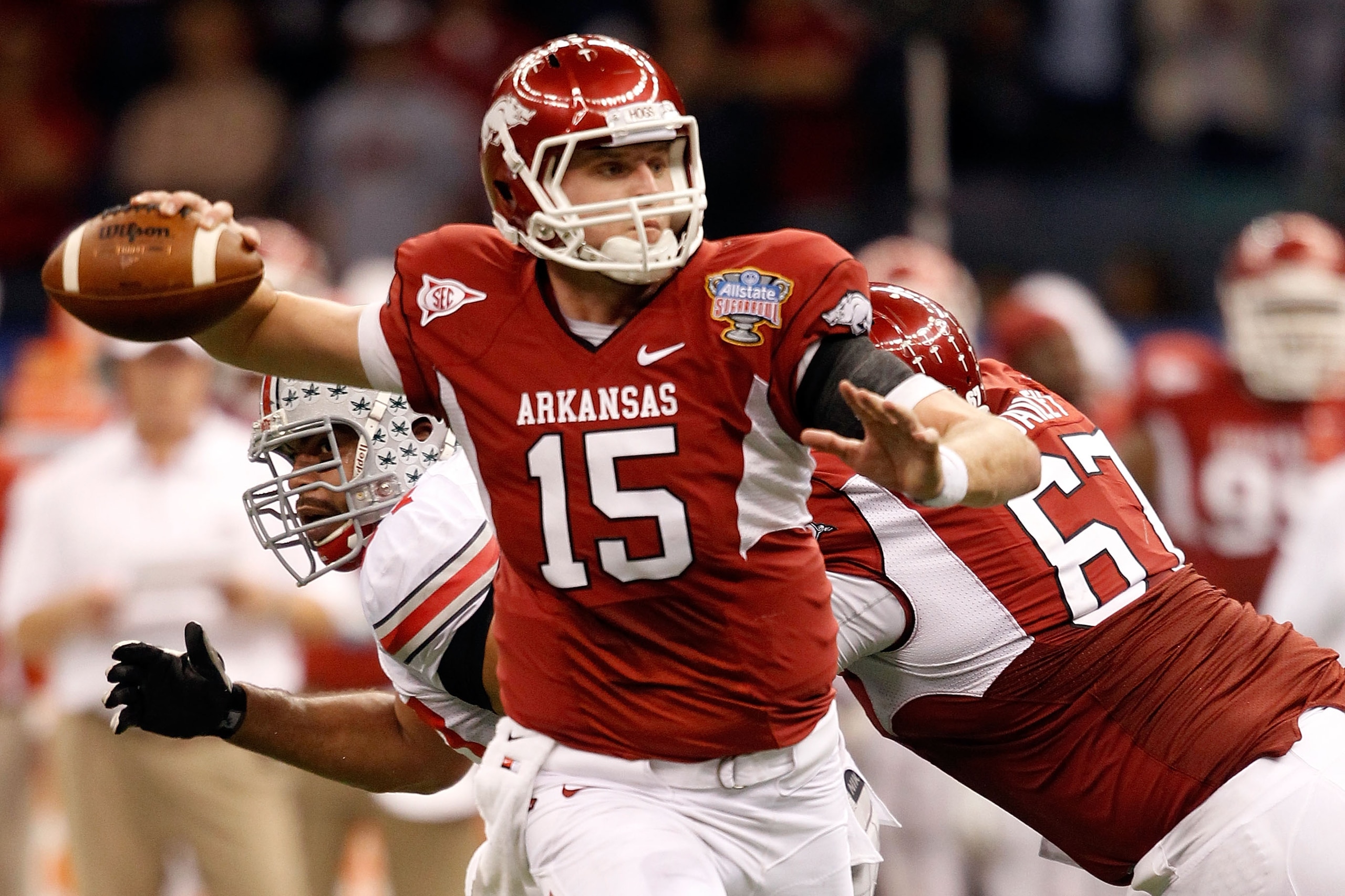
All of which brings up the question of whether it is time to make a concerted effort to arrange a trade of either players or draft picks, or some combination thereof, to move up and pick a new quarterback.
It might be considered drastic, but it seems very clear that Carolina and Buffalo both select before San Francisco and both seem intent on taking a quarterback, with Newton currently ranking among many league experts as the first player taken by Carolina.
What’s more, after these two players are taken it is normal to expect other teams, as well as the Niners, to consider moving up higher out of fear that the likes of second-tier QBs like Colin Kaepernick of Nevada, Ryan Mallet of Arkansas and Jake Locker of Washington, will be gone.
No Real Drop-off
3 of 5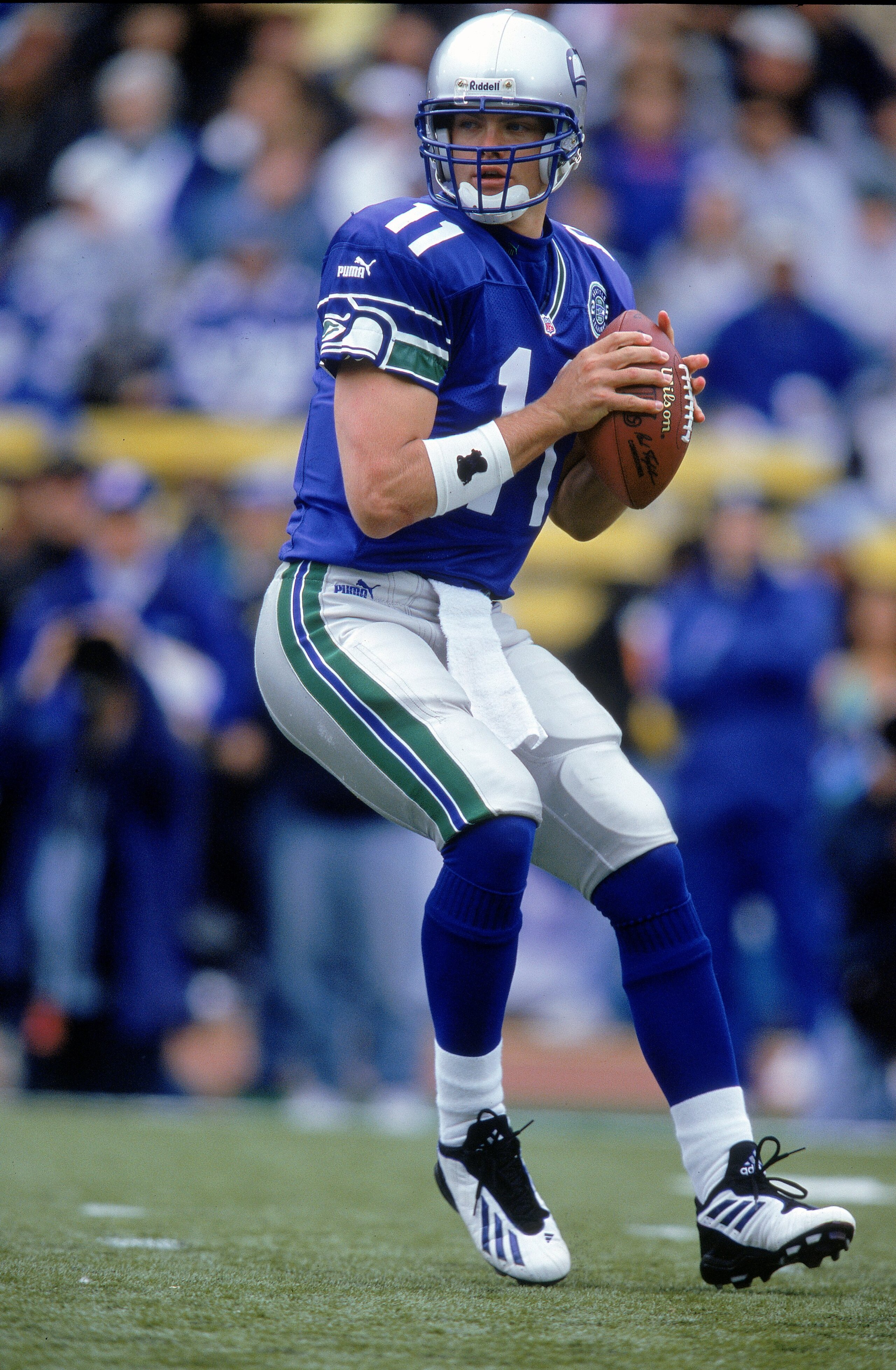
To get some perspective on the issue, Brian Burke runs Advanced NFL Stats, a website where he shows his analysis that uses regression and game theory tools to analyze just such a decision [www.advancenflstats.com].
In analyzing quarterbacks drafted from 1996 to 2008, he found that those taken in the top part of the draft have a much greater history of starting more games and earning more Pro Bowl honors.
“There appears to be a very large drop-off in expected performance from the first QB taken to the second,” Burke writes. “A third of the first QBs taken went to three or more Pro Bowls, but only five percent to 10 percent of the second-through-sixth QBs taken went to three or more.”
.jpg?w=2560 "Cardinals Giants Football")
.jpg?w=2560 "Titans Giants Football")
.jpg?w=2560 "Hill Injury Update Football")
Either the Two Best or Wait
4 of 5
Here is what Baalke and Harbaugh have to consider when it comes to making moves to get one of the two best QBs in this draft, according to Burke: “I interpret these results as an indication that unless a team can get the very first QB, or at least the second taken, in a given year, it shouldn't expect to find a franchise player. It does happen, but it's very rare.”
The Exception
5 of 5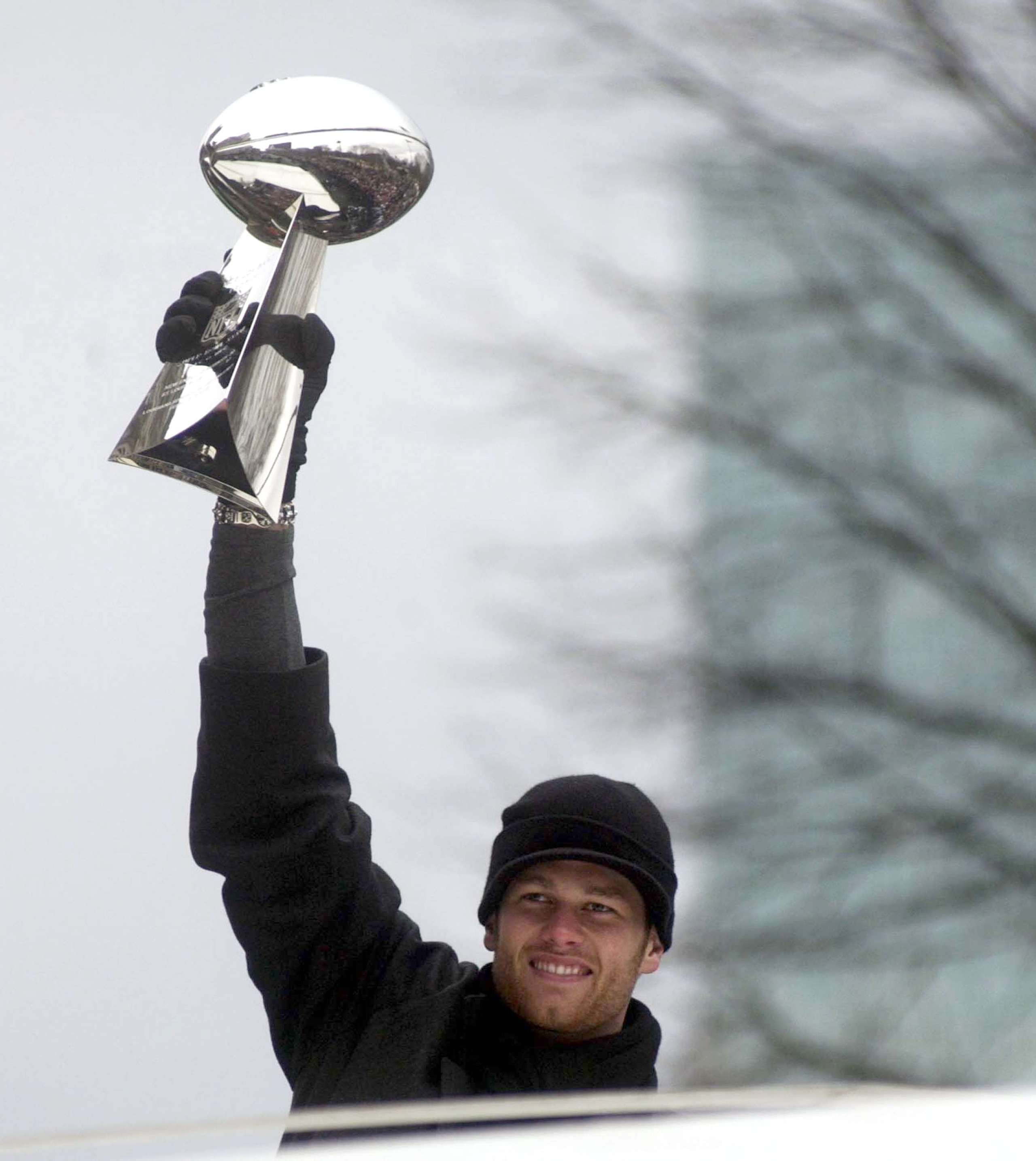
The chief argument against this case comes in the form of Tom Brady, a sixth-round selection in 1999. Brady has developed into what many believe is the best long-thrower in the league and seems headed to a Hall of Fame career.
Burke notes that Brady was a sixth-round pick and a year later Brock Huard was taken in the third round, but both were the seventh quarterback taken in their respective drafts.
In short, Burke’s stats suggest that the Niners, outside of getting Gabbert or Newton, have about as much of a chance of finding an elite quarterback in later rounds as they do if they move up. Of course, it all may not matter because Harbaugh may decide that neither fits his style of offense, meaning Burke’s analysis, as far as the 49ers are concerned, means nothing.
.jpg?w=2560 "Dolphins Bills Football")