
NFL Trades: The 10 Most Lopsided Trades in NFL History
When it comes to putting together a trade, teams typically vie to get the most bang for their buck without intentionally and maliciously screwing over their partners in transaction. The NFL, like any professional sports league, has seen more than its fair share of trades that have had enormous ramifications for the clubs involved.
It has also been witness to plenty of trains that have gone tremendously right for one organization and horribly wrong for the other.
Determining the winners and losers in a given trade is a tricky game, as clear divisions between the two typically don't emerge until at least months, but typically years, after completion.
In some cases, like those that follow, the gap between "winner" and "loser" becomes not only evident over time, but also patently embarrassing, particularly for the team that ends up on the short end of the deal.
And so, without further ado, I present to you the 10 most disparate trades in NFL history.
10. Los Angeles Rams Send Eric Dickerson over the Hill to Indianapolis Colts
1 of 10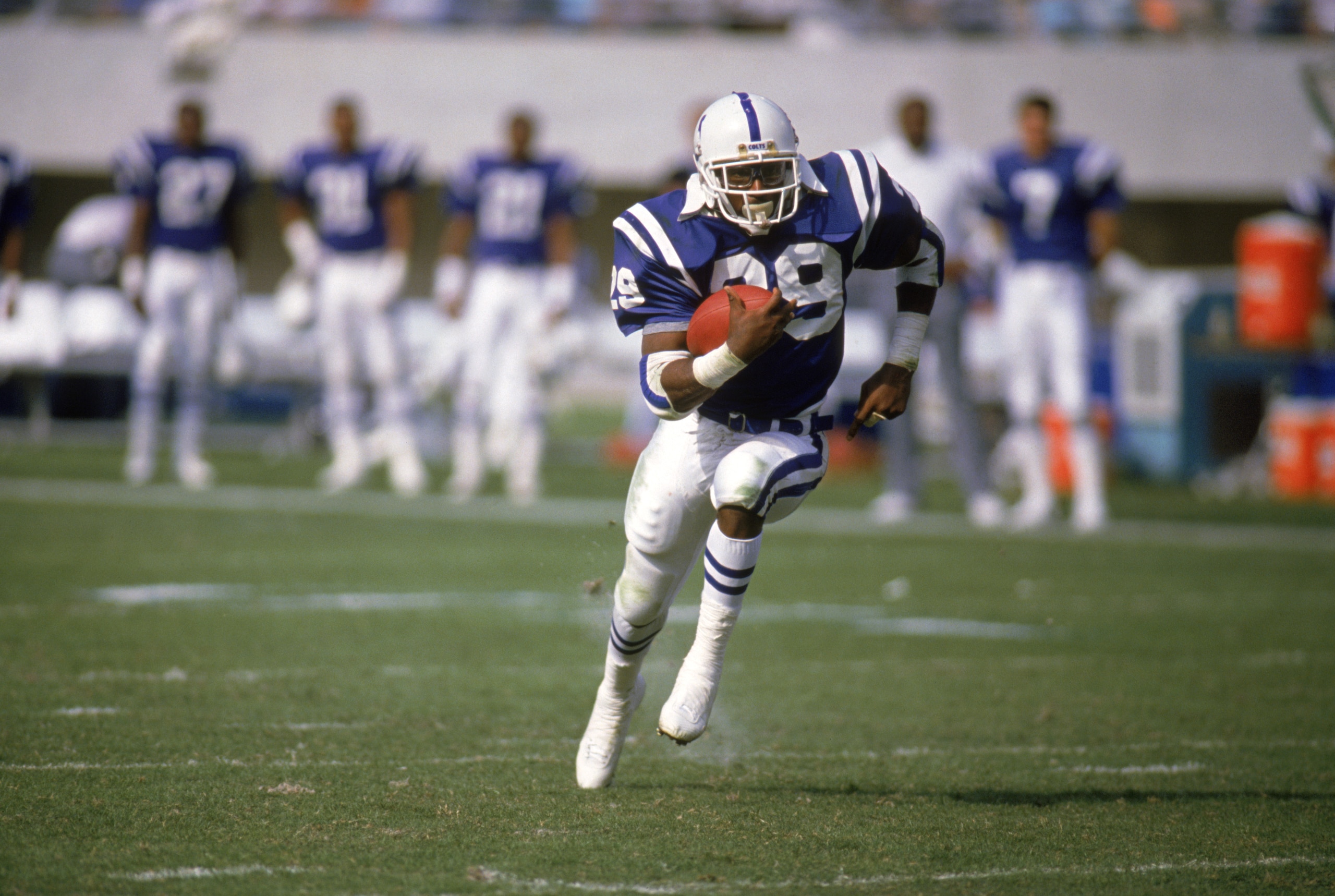
Contract disputes tend to end in trades out of town, especially when such spats involve superstars like, say, Eric Dickerson.
Such was the case in 1987, when the Los Angeles Rams sent Dickerson packing for Indianapolis after nearly two years bickering between him and the club.
All told, the deal, which drew in the Buffalo Bills as a third partner, involved four players and six draft picks, making it one of the biggest the NFL had seen up to that point.
The Rams, in particular, ended up with a few quality players from the flurry, including running backs Greg Bell and Gaston Green.
There's no doubt, though, that the Colts ended up in the winner's circle on this one—a fact that became clear right away, when Dickerson ran for 1,011 in just nine games during the remainder of the strike-shortened 1987 season.
Dickerson shattered the 1,000-yard mark in each of the following two seasons as well, while no player among the nine others bandied about in the deal accomplished anything nearly as noteworthy as Dickerson did.
Unless, of course, you count the off-field exploits of Darryl Henley.
9. Colts Return the Favor with Marshall Faulk Trade
2 of 10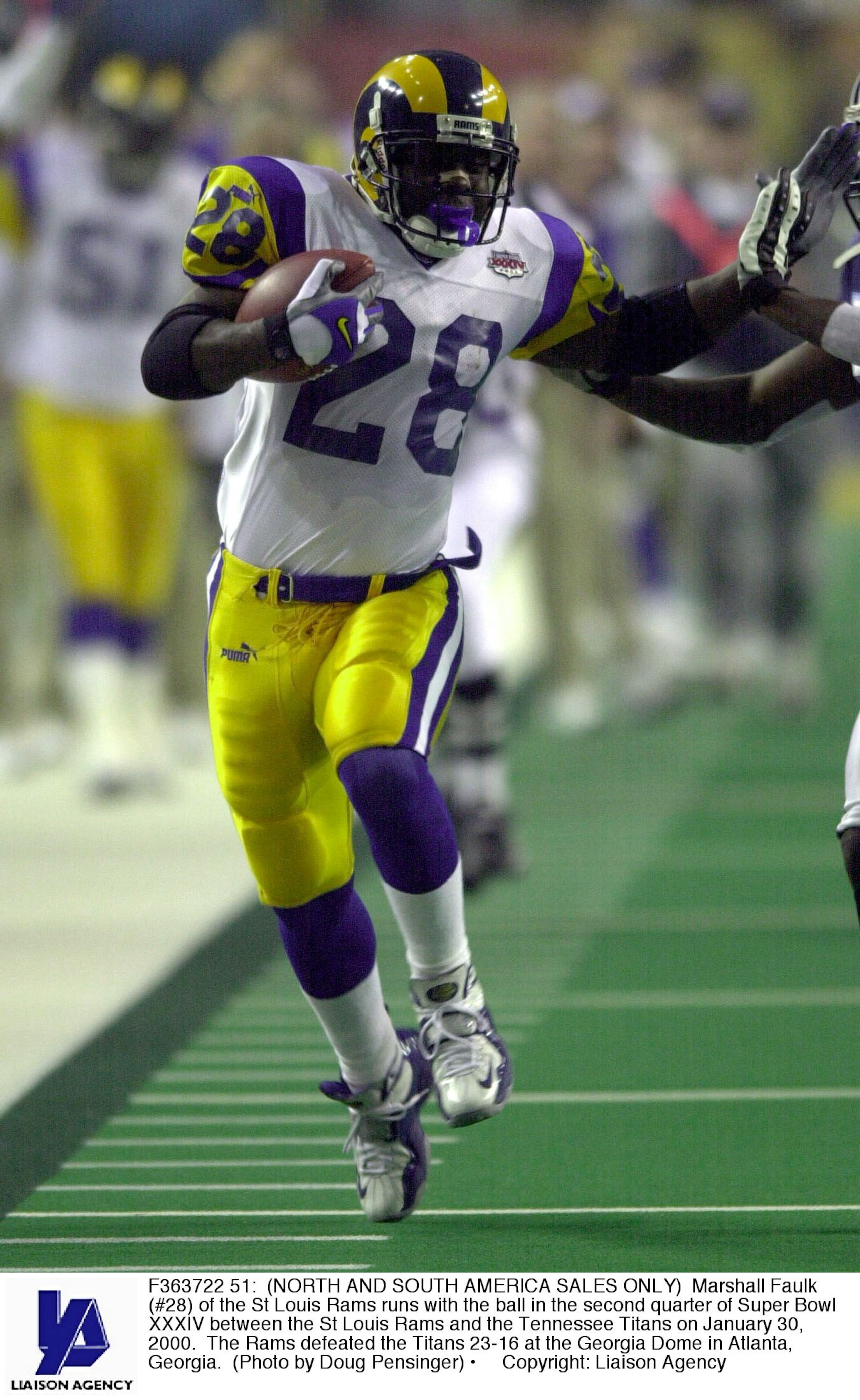
The Colts repaid the Rams' generosity a little more than a decade later when they traded Hall-of-Famer Marshall Faulk to St. Louis.
As had been the case with Dickerson and the Rams in the 1980s, Faulk and the Colts found themselves at an impasse in 1999, when the Pro Bowl running back began skipping practices leading up to a potential hold-out for a new contract.
Rather than allow Faulk's fickleness to disrupt the team's growth and chemistry, Indianapolis GM Bill Polian shipped him off to the Rams in exchange for two picks—a third-rounder and a fifth-rounder—in the upcoming draft.
The Colts used those picks on linebacker Mike Peterson and defensive end Brad Scioli, both of whom had decent NFL careers but neither of whose accomplishments came anywhere close to those of Faulk, who became an integral part of the Rams' "Greatest Show on Turf", earning a Super Bowl ring and an NFL MVP award in the process.
8. Mike Ditka Breaks the Bank to Bring Ricky Williams to New Orleans
3 of 10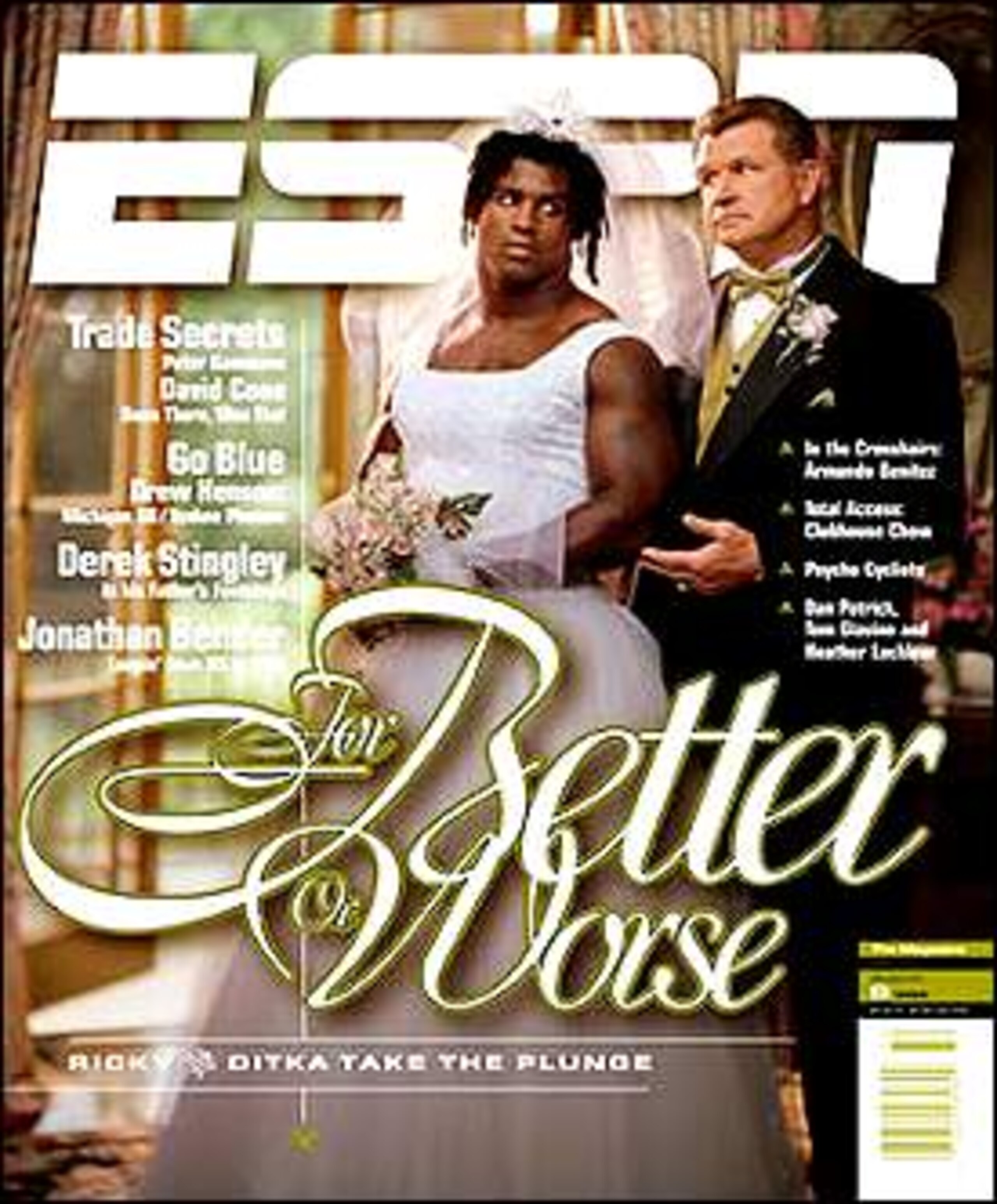
However, it's not always the case that a team trading for a running back talent ends up on the winning side of the ledger.
As a perfect example, consider the case of Ricky Williams. The Heisman Trophy winner out of Texas was in high demand at the top of the 1999 NFL Draft, or so it seemed to Saints head coach Mike Ditka.
"Iron Mike" liked Williams so much that he felt compelled to move up from the 12th-overall pick to the 5th—by way of giving away all six of New Orleans' draft picks in 1999, along with two picks in the 2000 draft, to the Washington Redskins.
Not surprisingly, Ditka was panned far and wide for sacrificing so much for not just one player, but a player who had yet to play a single down of NFL football.
Now, Williams performed pretty well during his three seasons in New Orleans, rushing for at least 1,000 yards in 2000 and 2001, though the poor performance of the team, combined with the stigma of the trade, eventually resulted in Ditka's firing.
And what of the bounty of draft picks from that trade? Well, only two of the choices—Desmond Clark and La'Var Arrington—amounted to anything worth nothing in the NFL, though there's no telling how the Saints might better have spent those picks had they not traded them all away.
.jpg?w=2560 "Cardinals Giants Football")
.jpg?w=2560 "Titans Giants Football")
7. Brett Favre Flies from Atlanta to Green Bay
4 of 10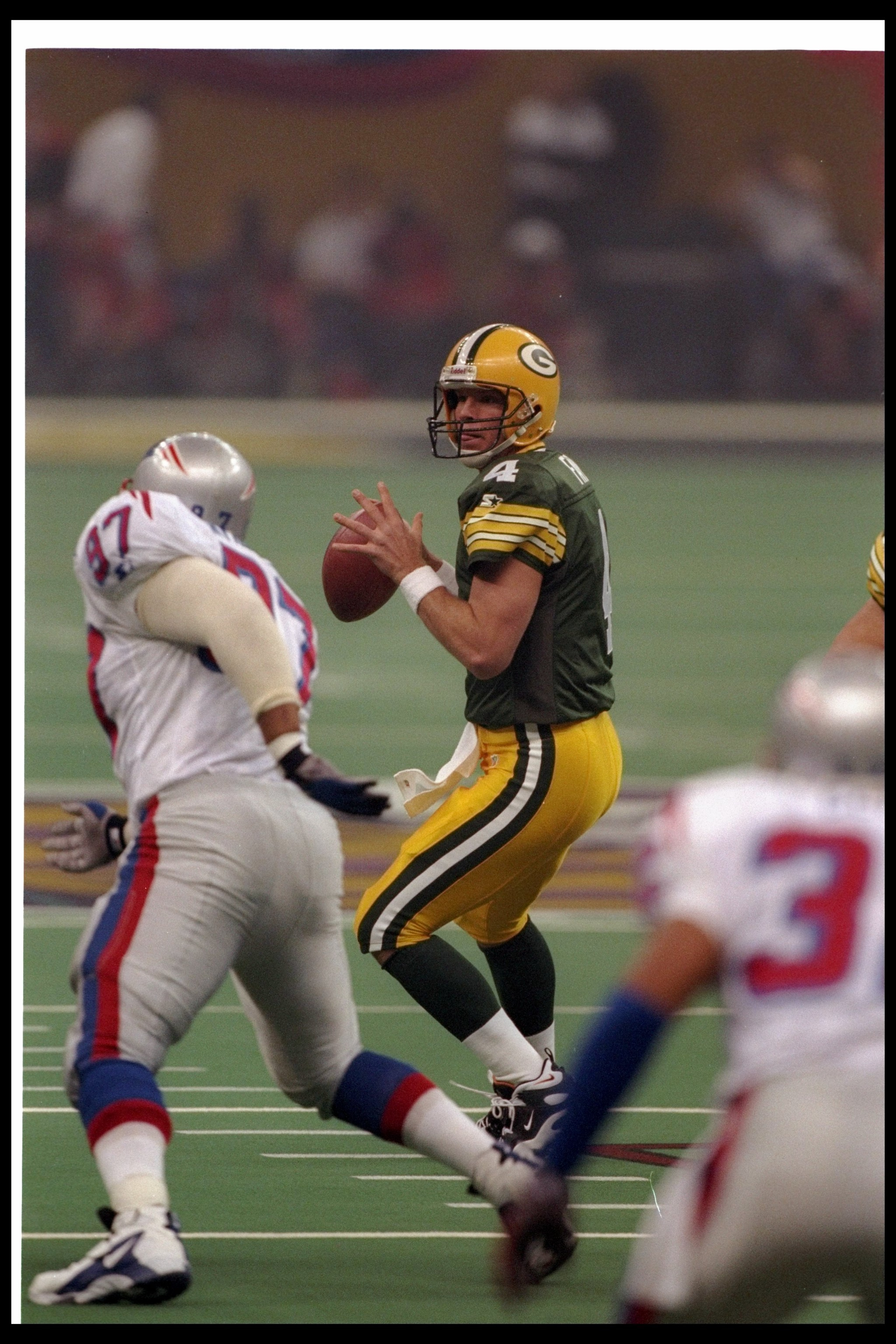
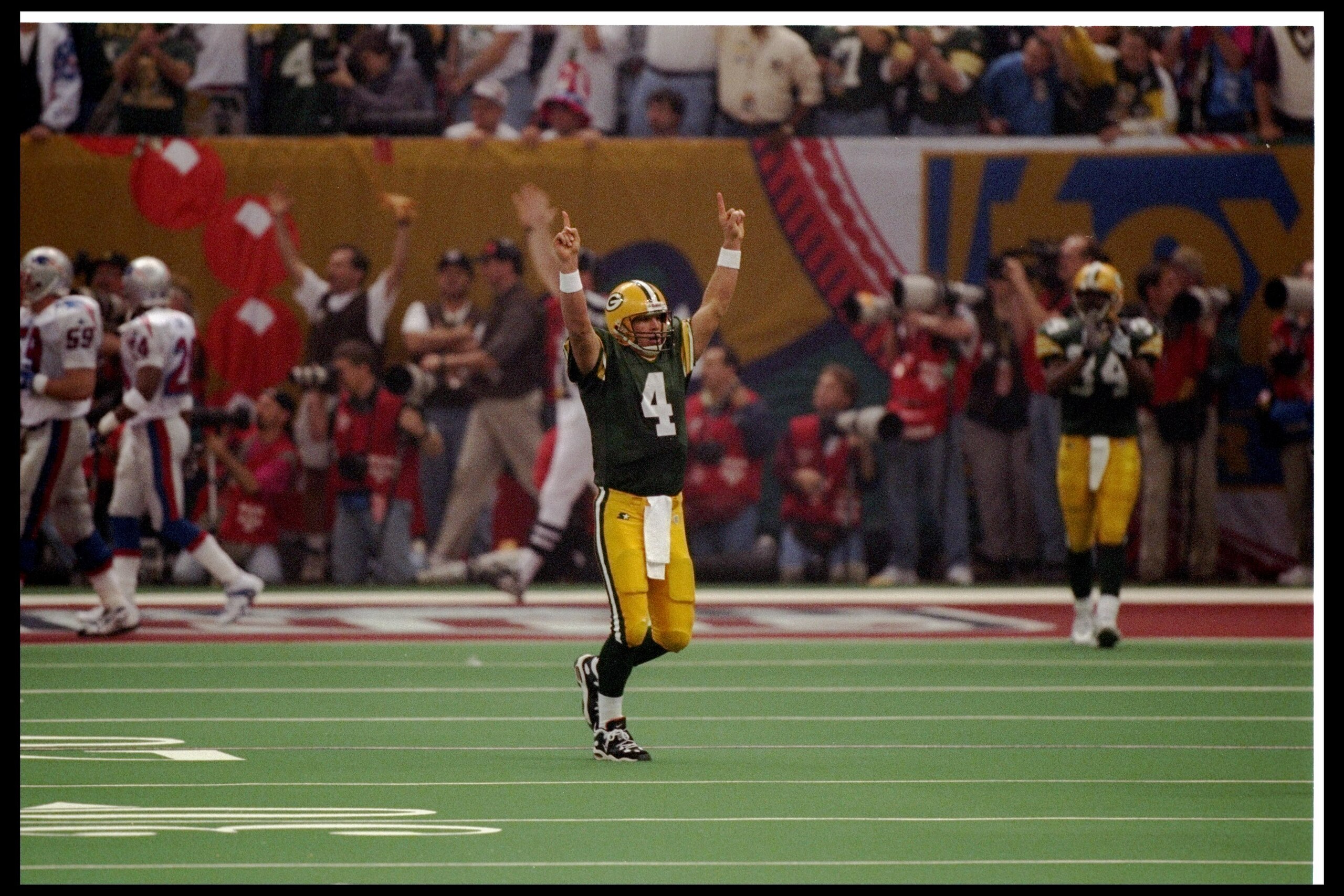
As ultimately inconsequential as the Ricky Williams trade may have been, the same certainly cannot be said for the swap that saw the Atlanta Falcons send a young back-up quarterback out of Southern Mississippi all the way up to Green Bay, Wisconsin.
That little-known player turned out to be Brett Favre, whom the Falcons had taken in the second round of the 1991 but whom coach Jerry Glanville had no intentions of playing.
Interestingly enough, the Favre trade, in which the Packers gave up their first round pick in the 1992 NFL Draft, almost never happened. During a physical after the trade, Favre was diagnosed with avascular necrosis of the hip, a condition that ended Bo Jackson's career and that led doctors to recommend to Packers GM Ron Wolf that the trade be nullified.
However, Wolf, an ardent supporter and admirer of Favre, overruled the doctor's recommendations—a decidedly risky move that paid off handsomely for Green Bay.
Favre spent 16 seasons in Green Bay, winning a Super Bowl title and three straight NFL MVPs while establishing himself as arguably the greatest quarterback of all time.
The Falcons used the pick they acquired from the Packers on running back Tony Smith, a teammate of Favre's at Southern Miss who lasted only two seasons in the NFL.
6. Randy Moss Ruffles Raiders, Romps in New England
5 of 10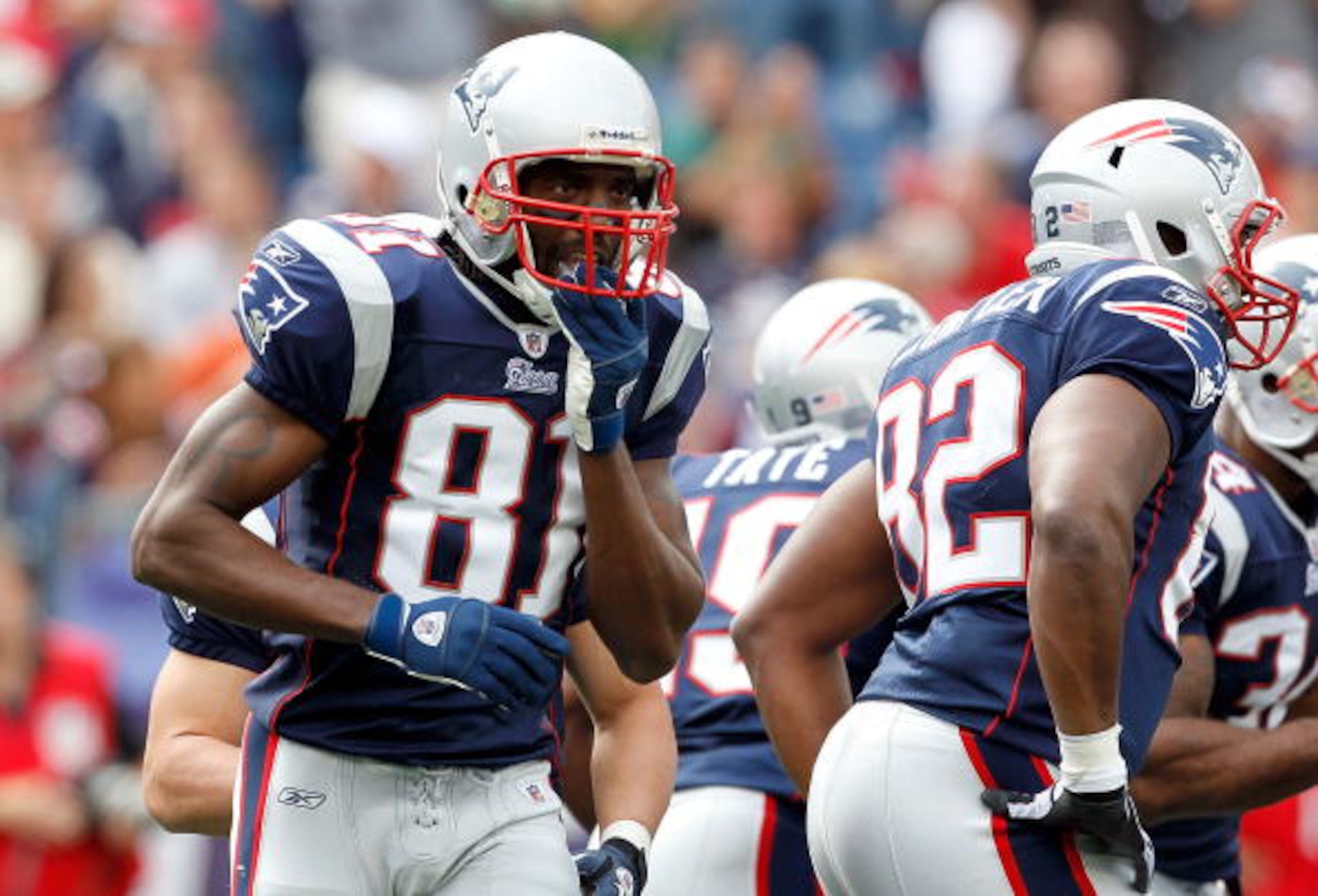
By 2007, Randy Moss, once one of the premiere receivers in the NFL, had officially fallen from grace, trapped in Oakland amidst a string of mediocre seasons that traced back to his latter years in Minnesota without Daunte Culpepper.
Luckily for Moss, the New England Patriots came calling and snagged the future Hall-of-Famer for a fourth-round draft pick.
Moss' play perked up in incredibly short order, as he went on to account for 1,493 yards and an NFL-record 23 touchdowns while playing with Tom Brady on a Patriots team that went 18-0 and shattered record after offensive record.
Things eventually went sour between Moss and the Pats after two more 1,000-yard, 10-touchdown seasons in Foxboro, at which point the Pats traded Moss back to Minnesota along with a seventh-round pick in exchange for a third-round pick.
Thus, in the end, the Pats got some great seasons out of Moss and managed to improve their draft position in the process.
5. Patriots Pass on Jerry Rice
6 of 10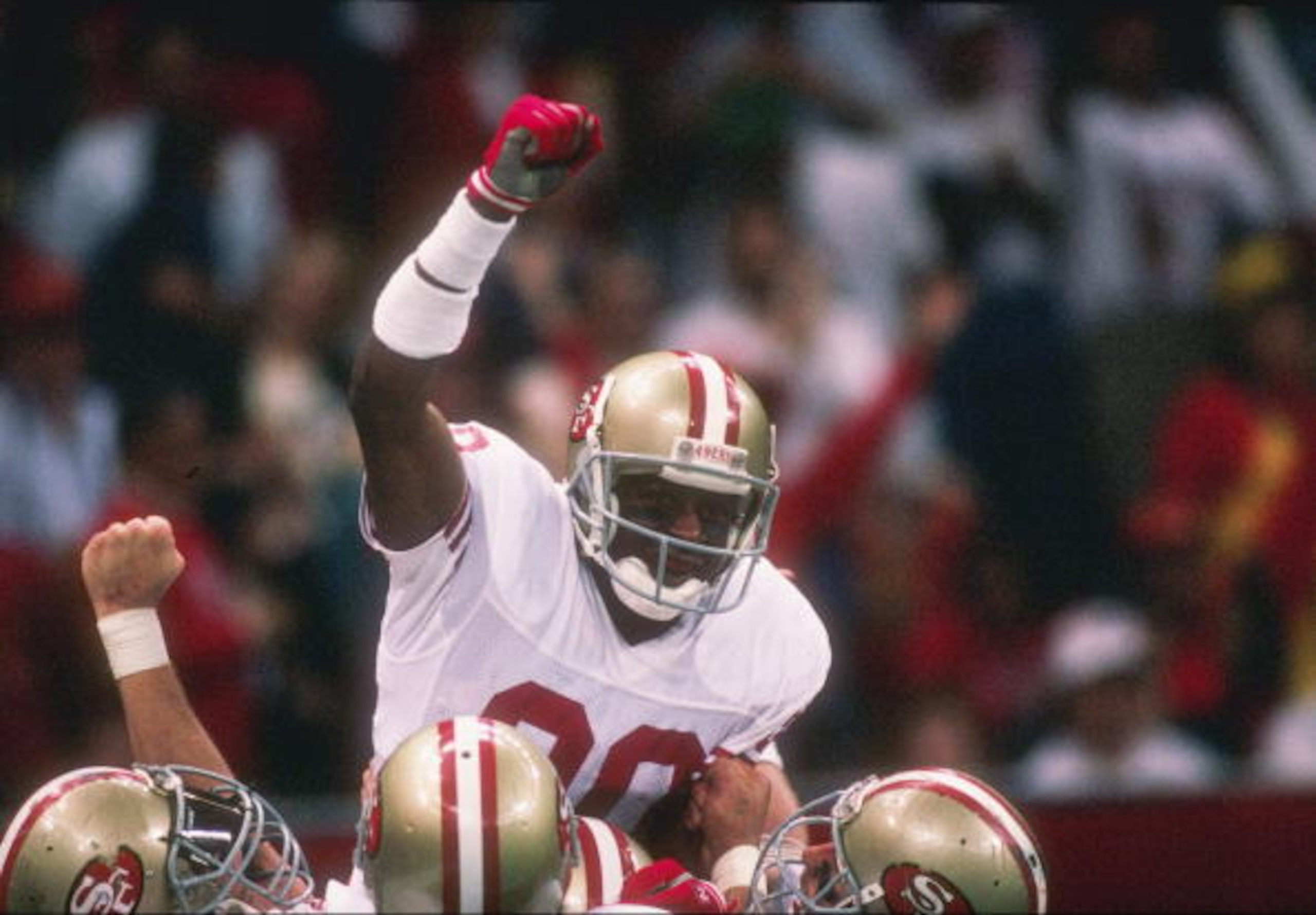
The touchdown record Moss broke in 2007 had previously belonged, of course, to none other than Jerry Rice.
Surprising as it may seem in retrospect, most teams were wary of selecting Rice in the 1985 NFL Draft due to his poor recorded times in the 40-yard dash.
San Francisco, however, was the organizations that were undeterred, as head coach Bill Walsh became a big fan of Rice's after watching his highlights on television.
Such a big fan, in fact, that Walsh felt compelled to trade the 49ers' first two picks in that year's draft to New England in order to move up from 28th to 16th. Of course, the trade was well worth it, as the Niners ended up with the greatest receiver of all time, who was an integral part of three Super Bowl championship teams and holds just about every record in the book for wide-outs.
The Pats, on the other hand, turned San Fran's picks into Trevor Matich and Ben Thomas.
Need I explain which team got the better end of the deal in this one?
4. Niners Stay Forever Young by Swiping Steve from Tampa Bay
7 of 10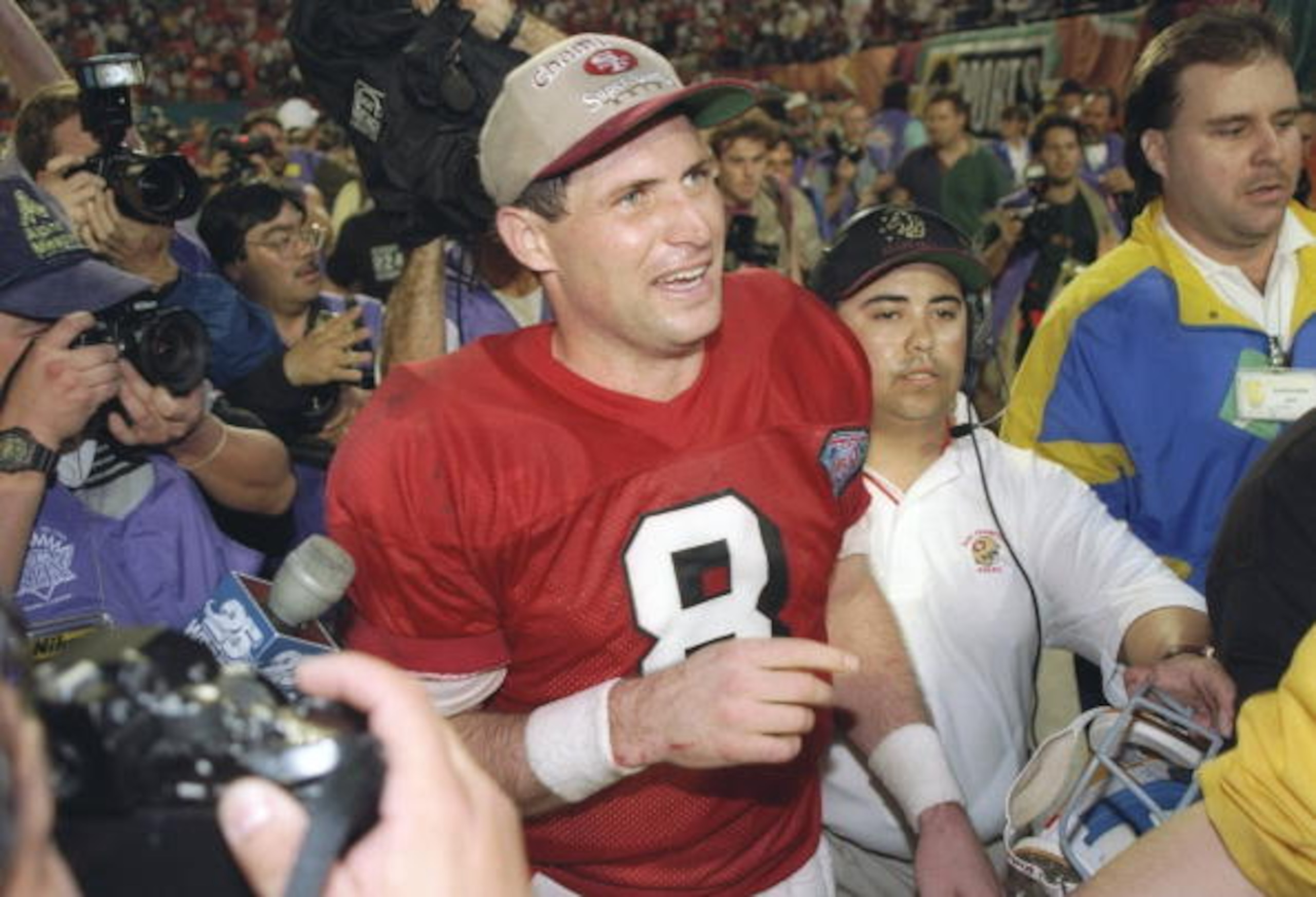
Famous as the "Montana to Rice" connection was, let's not forget about that other quarterback with whom Jerry Rice won a Super Bowl—Steve Young.
One of the most efficient quarterbacks in NFL history, Young began his career in the USFL with the Los Angeles Express in 1984, soon after which the league folded and had its players absorbed into the NFL via a supplemental draft.
Young ended up in Tampa Bay, where he struggled to a 3-16 record as a starter with just 11 touchdowns against 21 interceptions over the course of two seasons.
But Bill Walsh, as with Rice's 40-yard dash times, was not deterred by Young's underwhelming numbers, as he saw through to Young's abilities as a quarterback and attributed his struggles more to the problems inherent in the Buccaneers' organization.
As such, Walsh traded for Young on the day of the 1987 NFL Draft, surrendering a second- and a fourth-round pick for Young while the Bucs drafted Miami quarterback Vinny Testaverde with the first overall pick.
And, as the story goes, Young, a former star at BYU, went on to a Hall-of-Fame career in his 13 years with the 49ers, which included three Super Bowl victories (though not all of them as a starter) and two league MVPs, while the Bucs used the picks they received to draft Winston Moss and Bruce Hill.
3. Jets Trade Some Guy Named Belichick to New England
8 of 10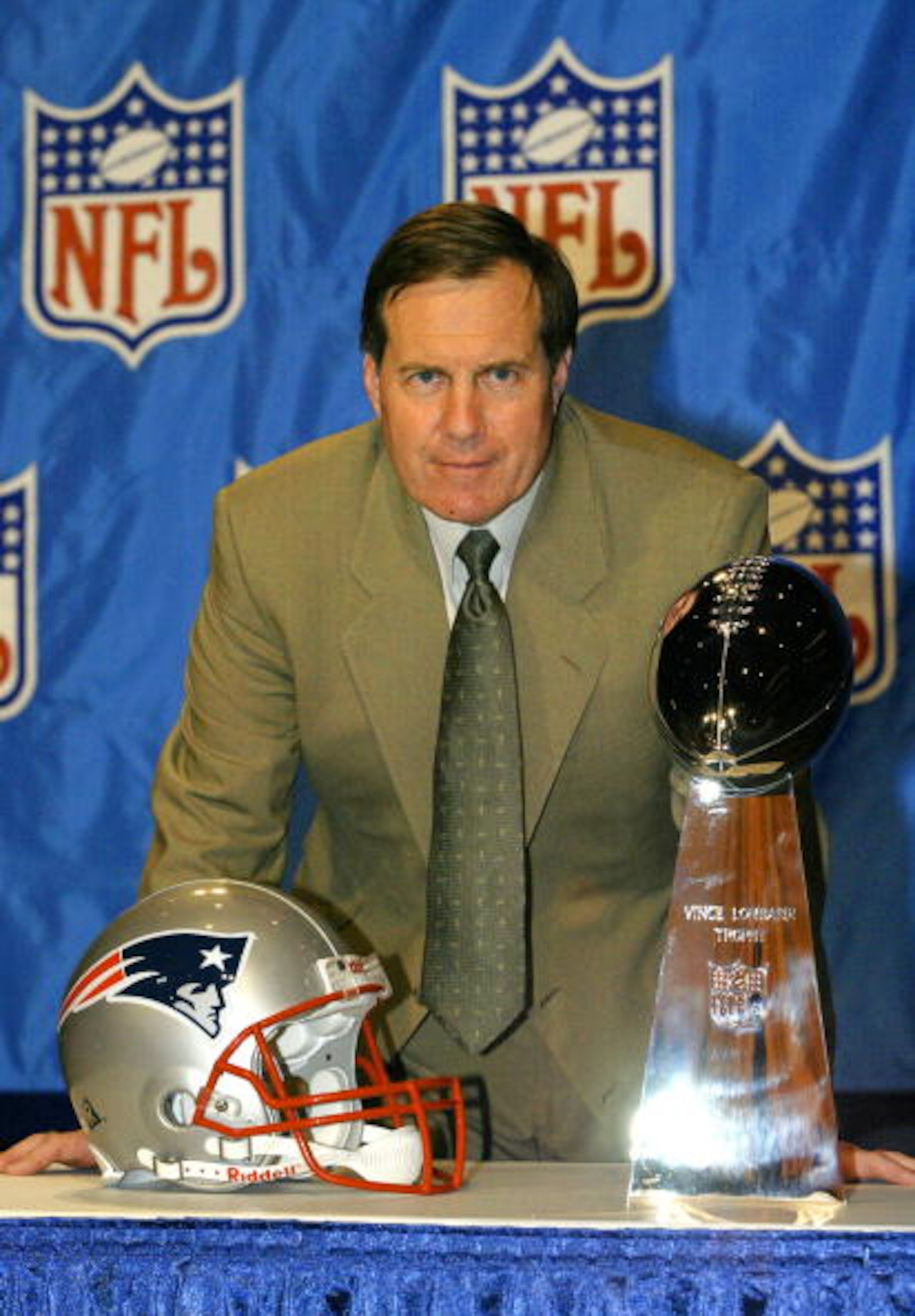
Technically speaking, the move that sent Bill Belichick from the Jets to the Patriots wasn't a trade at all.
Belichick was New York's defensive coordinator when Bill Parcells stepped down as the team's head coach in 1999, and arrangements had been made for Belichick to succeed Parcells as the Jets' next head coach.
However, Belichick would spend only a day as the top cop in the Jets' locker room. In a bizarre course of events, Belichick abruptly resigned just before taking the podium to address the media about his hiring.
Not long after that surreal moment, Belichick was introduced as the head coach of the Pats, soon after which Parcells and the Jets prompted New England for some form of compensation for essentially hiring away their head coach.
Once commissioner Paul Tagliabue got involved, the Pats agreed to send their first-round pick to New York in exchange for Belichick's services.
Through a series of trades, that pick turned into defensive end Shaun Ellis, a Pro Bowler and a fine player in his own right.
But not exactly worth the same as the three Super Bowl rings and eight playoff appearances that Belichick has guided New England to during his 11-year reign in Foxboro.
2. John Elway's Mile-High Threats Land Him in Denver
9 of 10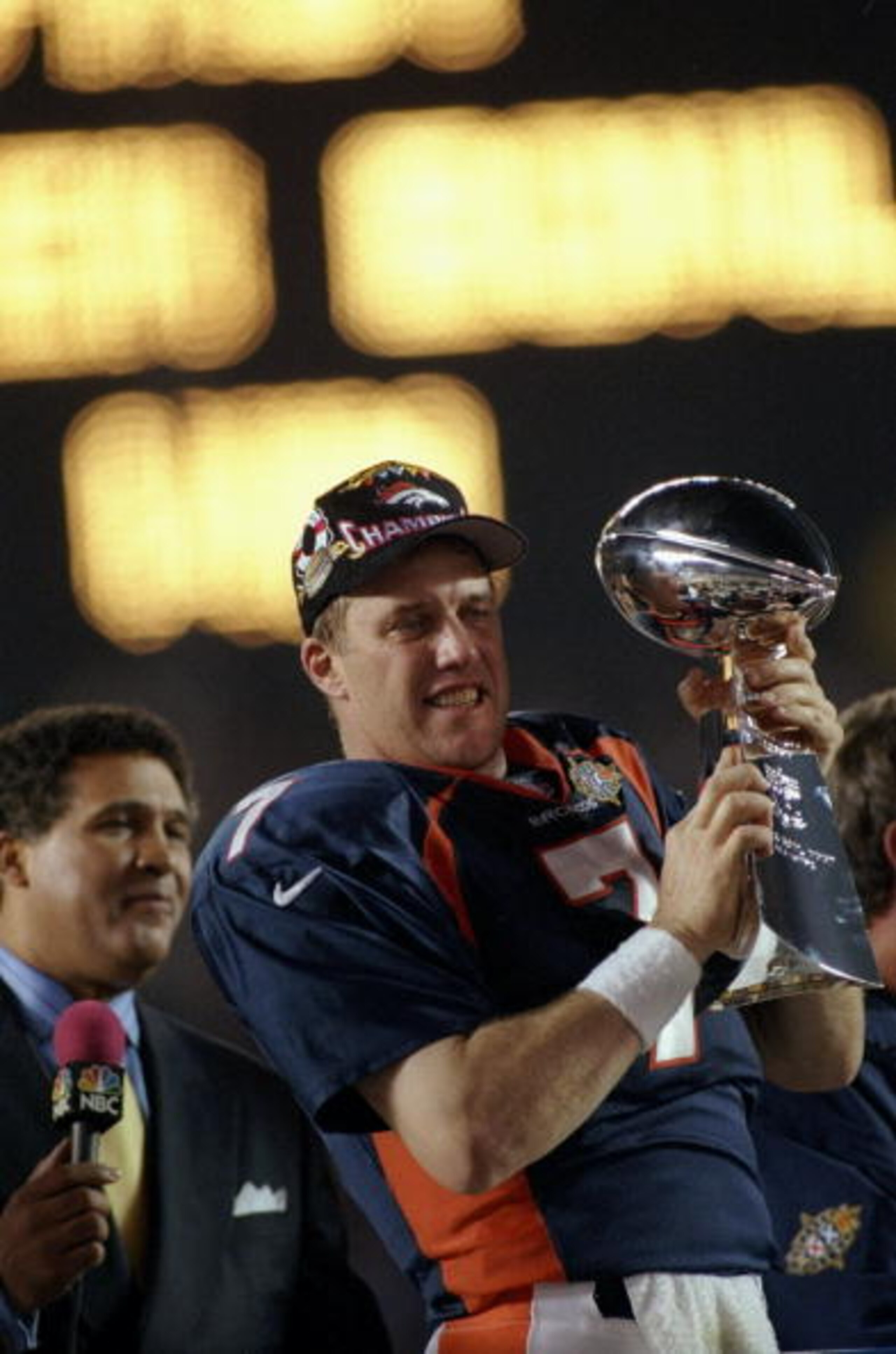
The Colts have been a part of some "interesting" trades over the years, as this list would indicate, though no single transaction carried with it quite the same ramifications as that which dropped John Elway in Denver.
Of course, the Colts didn't exactly have much of a choice back in 1983. Yes, they had the top pick in the NFL Draft that year, but Elway had threatened owner Robert Irsay that he would play baseball for the New York Yankees if he didn't have his way, as he had no desire to play for their coach, Frank Kush.
After some hemming and hawing, Irsay gave in, sending Elway to the Broncos in exchange for quarterback Mark Herrmann, offensive lineman Chris Hinton and Denver's first-round pick in 1984, which turned into guard Ron Solt.
Elway went on to spend his entire 16-year career in Denver, winning the 1987 NFL MVP and going out on top as a two-time Super Bowl champ.
Has anyone heard from Mark Herrman recently? What about Hinton and Solt? Oh...right.
1. "The Great Train Robbery"
10 of 10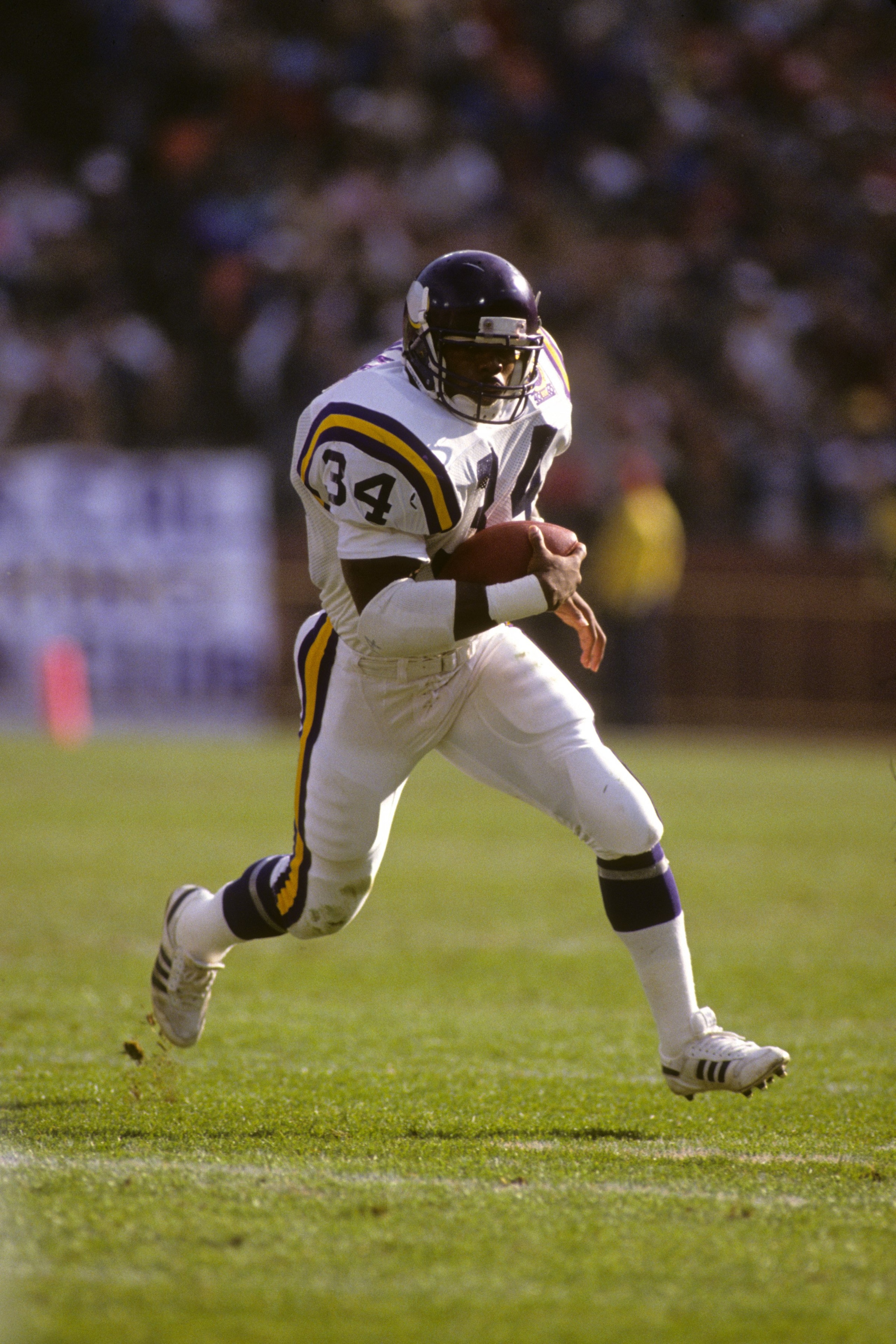
No list of lopsided trades would be complete without at least mentioning "The Great Train Robbery", if not putting it at the top of the list.
For those unfamiliar with the colloquial label, I'm referring to the trade that saw the Dallas Cowboys sending Herschel Walker and four draft picks to the Minnesota Vikings in exchange for five players and eight draft picks.
The trade began as a thought in the mind of Cowboys coach Jimmy Johnson, who first came up with the idea while on a morning jog.
That thought, which came about in response to the organization's desperation to turn itself around while mired in mediocrity, ultimately became the biggest blockbuster trade the NFL has yet seen.
Through a series of crafty maneuvers and wise selections, the Cowboys ended up with the foundation of their 1990s dynasty—including running back Emmitt Smith, defensive back Darren Woodson and defensive tackle Russell Maryland—that brought home the Vince Lombardi trophy in 1992, 1993 and 1995.
Walker, on the other hand, played two and a half seasons in Minnesota, though he never surpassed the 1,000-yard mark in a season for the Vikings. Ironically enough, Walker ended up back in Dallas after a series of other transactions, and recently made his way into the Octagon as a mixed martial arts fighter.
.jpg?w=2560 "Dolphins Bills Football")