
NFL Draft 2011: Is This Year's Quarterback Class Really Elite?
Every year quarterback-hungry teams scour the draft searching for that one franchise-worthy QB that will lead their team for the next decade. With as much time and dedication a team puts into the process, the outcome is all but definite. Gems are found in later rounds while at other times busts are abundant in the opening rounds.
This year's quarterback class features a diverse group of individuals possessing an array of skills ranging from the traditional pocket passer to the athletic mobile quarterback. Headlining the 2011 NFL quarterback class is Missouri's Blaine Gabbert, Washington's Jake Locker, Auburn's Cam Newton, Arkansas' Ryan Mallett, Florida State's Christian Ponder, Nevada's Colin Kaepernick, TCU's Andy Dalton, Delaware's Pat Delvin and Virginia Tech's Tyrod Taylor.
When trying to rate the quarterback class, each quarterback expects to perform at a high level, therefore the standard at which they are held should be no less than exceptional. Last year's No. 1 pick Sam Bradford all but embodies the qualities of an exceptional rookie quarterback. Bradford won the NFL's Offensive Rookie of the Year award in addition to setting the record for most completions by a rookie in NFL history.
Note that each of this year's prospects may not have the same skill set as Bradford, but Bradford's skill set is not the only factor that contributed to his success. His poise, leadership, dedication to improving and confidence are attributes that cannot be quantified by statistics.
To be compared to an individual that has already begun setting NFL records should be considered an honor to these prospects that have yet to even step a foot on an NFL field, so we will investigate how these prospects stack up.
Blaine Gabbert
1 of 9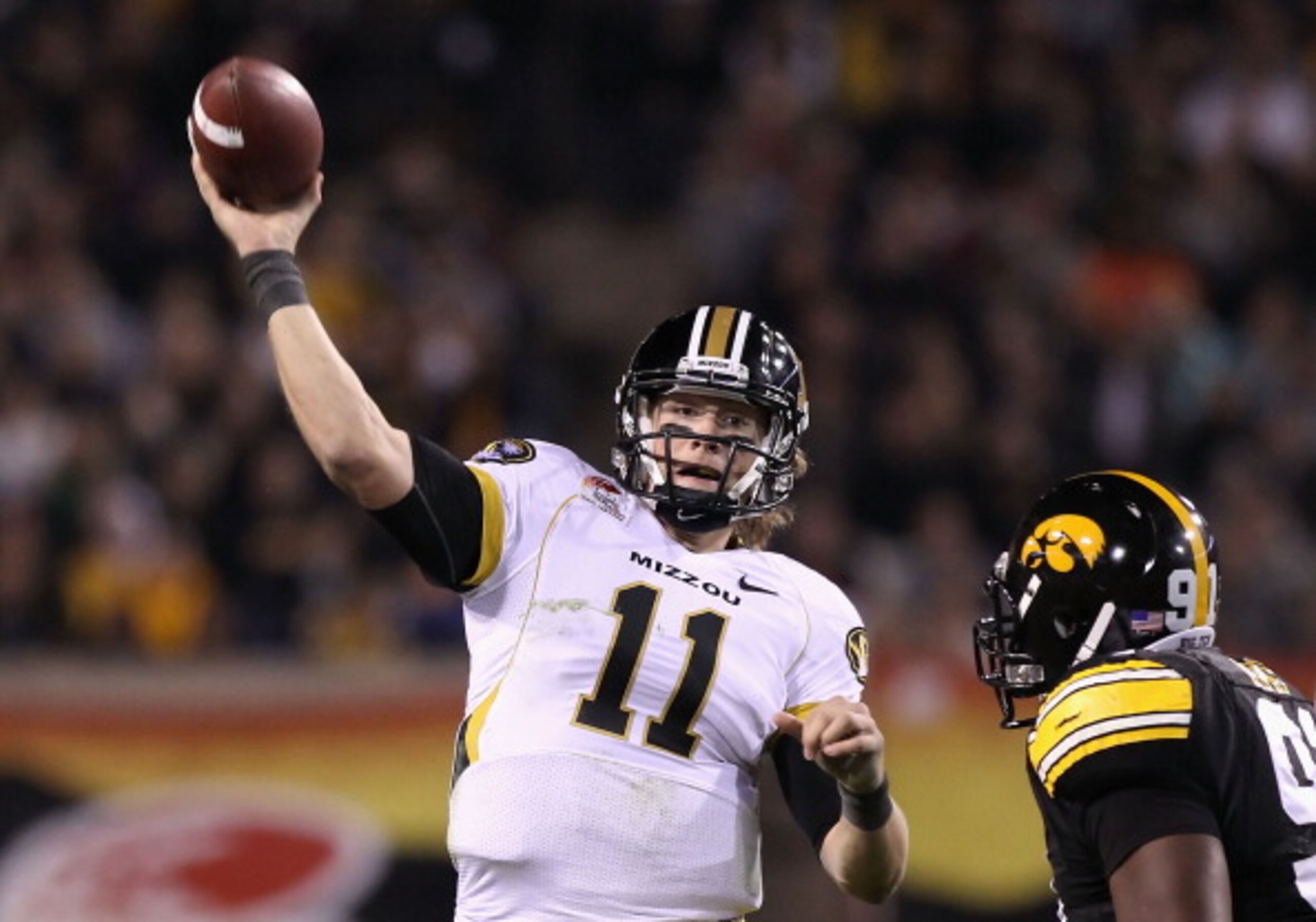
Blaine Gabbert and Sam Bradford are both pocket passers that thrived in their schools' spread offenses. The concerns about whether Bradford would be able to adjust to a pro offense were silenced during his rookie year. He proved that no matter the college system a player has played in, with hard work and dedication in the film room and with the coaches, success can be had in the NFL.
Sometimes a spread offense can initially work in the favor of a rookie quarterback being that they are already familiar with the shotgun formation. So if teams choose to do so, a rookie QB can start by taking a large amount of snaps from the shotgun, which could ultimately help him develop his ability to make complex reads.
Gabbert has the physical tools to succeed in the NFL and has a comparable stature to that of Bradford's, standing at 6'4'' and weighing in at 234 lbs. Like Bradford when he was coming out of Oklahoma, Gabbert does not possess elite arm strength, but his arm is considered well above average and good enough to be a successful QB in the league. Gabbert also possesses good pocket presence—being able to sense rushers and having excellent footwork to the make the proper adjustments—and a quick release. Athletically, Gabbert may not be to the level of his other classmates but by no means is he considered a stiff quarterback.
Gabbert is considered the top quarterback prospect in this year's class but skill-wise coming out of college he does not compare to Bradford. Bradford's skills and stats earned him a Heisman Trophy while Gabbert was nowhere near Bradford's level of performance. As mentioned before, even though Gabbert came from a spread offense, his collegiate numbers did not reflect the type of stats that the system usually dictates, which may be a testament to Gabbert's decision-making abilities.
Like Bradford, Gabbert has shown the leadership qualities and work ethic that teams value in a franchise quarterback. So expect Gabbert to be the first quarterback to hear his name called in this year's draft.
Jake Locker
2 of 9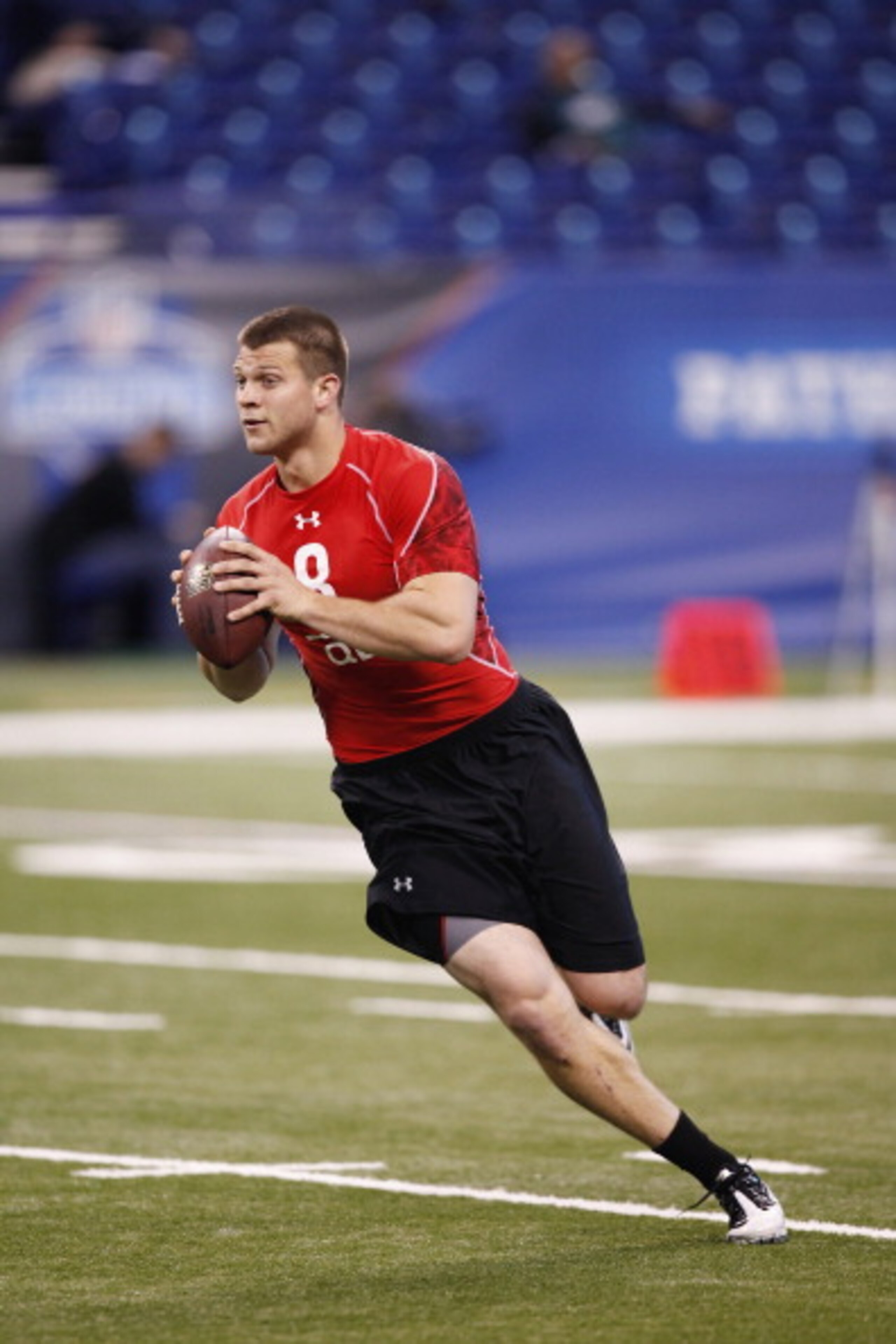
Many scouts and so-called "experts" usually recommend underclassmen to return for their senior year to improve their football skill and increase their draft status. In Jake Locker's case, the total opposite happened. Locker was contemplating entering the draft after his junior year and was considered by many to be a top-10 pick but after another season of having scouts dissect his game Locker's draft position is taking a drastic hit and many have him projected as a mid- to late-first-round pick.
The knock on Locker is that despite his athletic ability and prowess, his talents do not translate to the football field. Locker has all the physical tools a team would want in a quarterback; he is extremely mobile and has the ability to buy time with his feet and throw on the run, he has a strong arm and he is a very tough QB, willing to take a hit to make a play. All the aforementioned attributes contribute to what helps a quarterback succeed in the league, but Locker does not rate well concerning the basics of a QB.
Despite playing in a pro-style offenses at Washington, Locker struggles making quick reads and, in combination with his low accuracy, results in a low completion percentage and an above-average interception-to-touchdown ratio. He also struggles against good defenses, notably a 41-0 shutout versus Standard when the feature of the game was supposed to be a head-to-head matchup of Stanford's Andrew Luck versus Locker. The final stats of both quarterbacks revealed the difference in their abilities and projected draft status.
Locker: 7-of-14 for 64 yards, zero touchdowns and two interceptions
Luck: 19-of-26 for 192 yards, one touchdown and one interception
Given all of Locker's deficiencies, he is still considered a first-round pick because his weaknesses can be improved upon with proper coaching. While he is a completely different type of player than Bradford, with Bradford being more accomplished and polished upon entering the league, both possess intangibles that cannot be taught. Like Bradford, Locker is a proven leader and gives his all on the gridiron. He has shown the ability to play through injuries and recover rather quickly if he does happen to be sidelined.
Locker would perfectly fill the role as a backup quarterback on a team that already has an established starter, as he learns the nuisances to the game, and within a few years ascend to the starter position.
Cam Newton
3 of 9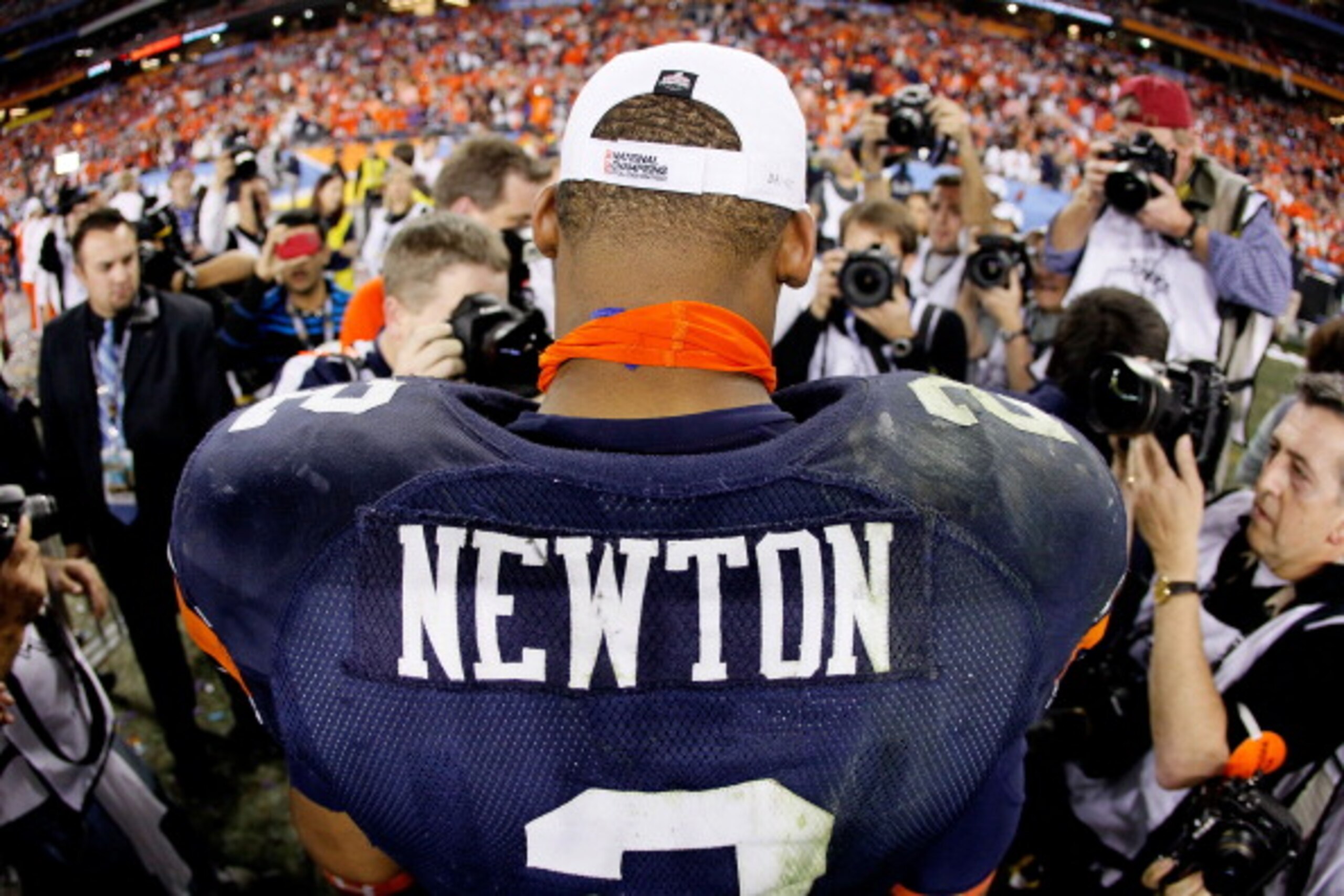
By far, Cam Newton is the most intriguing prospect in this year's quarterback draft class. Cam measures at a legit 6'5'', 248 lbs. while posting a 4.59 40-yard dash. He is a certified beast and can be considered one of the most physically imposing and gifted quarterback prospects of all time. Teams drool over his physical gifts, but the one thing that separates him from past physically gifted QBs is that he wins...and he wins a lot.
Cam's accomplishments: NJCAA national champion, SEC champion, MVP of SEC Championship Game, SEC Offensive Player of the Year, AP Player of the Year, Heisman Trophy winner, NCAA national champion.
And this was all accomplished with only playing one year of junior college football and one year of NCAA Division I football.
Cam has proved plenty in his limited time as a college starter, but while that proves to be an obvious positive it can be also viewed as a negative given that NFL scouts may not have adequate film to evaluate his potential and determine if Newton's success was just a lucky break. The type of offense that was run at Auburn was a quick one-read offense, therefore Cam's ability to progress through his reads may be lacking. This deficiency, in addition to his inconsistent accuracy and unrefined footwork, may spell disaster if he were to be asked to start immediately.
More so than any other quarterback in this class, Cam has the physical tools to eventually become an elite quarterback. At this stage in his career, Bradford had more experience and his mechanics were further along than Cam. But as with Locker, both Bradford and Cam have that innate ability to lead on the field, either vocally or through example. All three possess that kind of quality that teams love in their field general.
Also notice that throughout this article, I have referred to Cam Newton as Cam. He has the type of charisma and personality that can eventually dictate the media referring to him on a one-name basis. He has stated that he would like to become the face of a franchise and a media icon, but this type of brashness may prove to hurt his draft stock, while in other instances teams may jump on him and try to capitalize on revenue from his marketability.
All things considered, Cam's draft position is the most unknown of the first-round quarterbacks. He may be a top-three pick or he may be a top-15 pick; it all comes down to which team views his potential is greater than his risk.
.jpg?w=2560 "Commanders 49ers Football")
.jpg?w=2560 "Colts Football")
.jpg?w=2560 "DOLPHINS-AIKMAN")
Ryan Mallet
4 of 9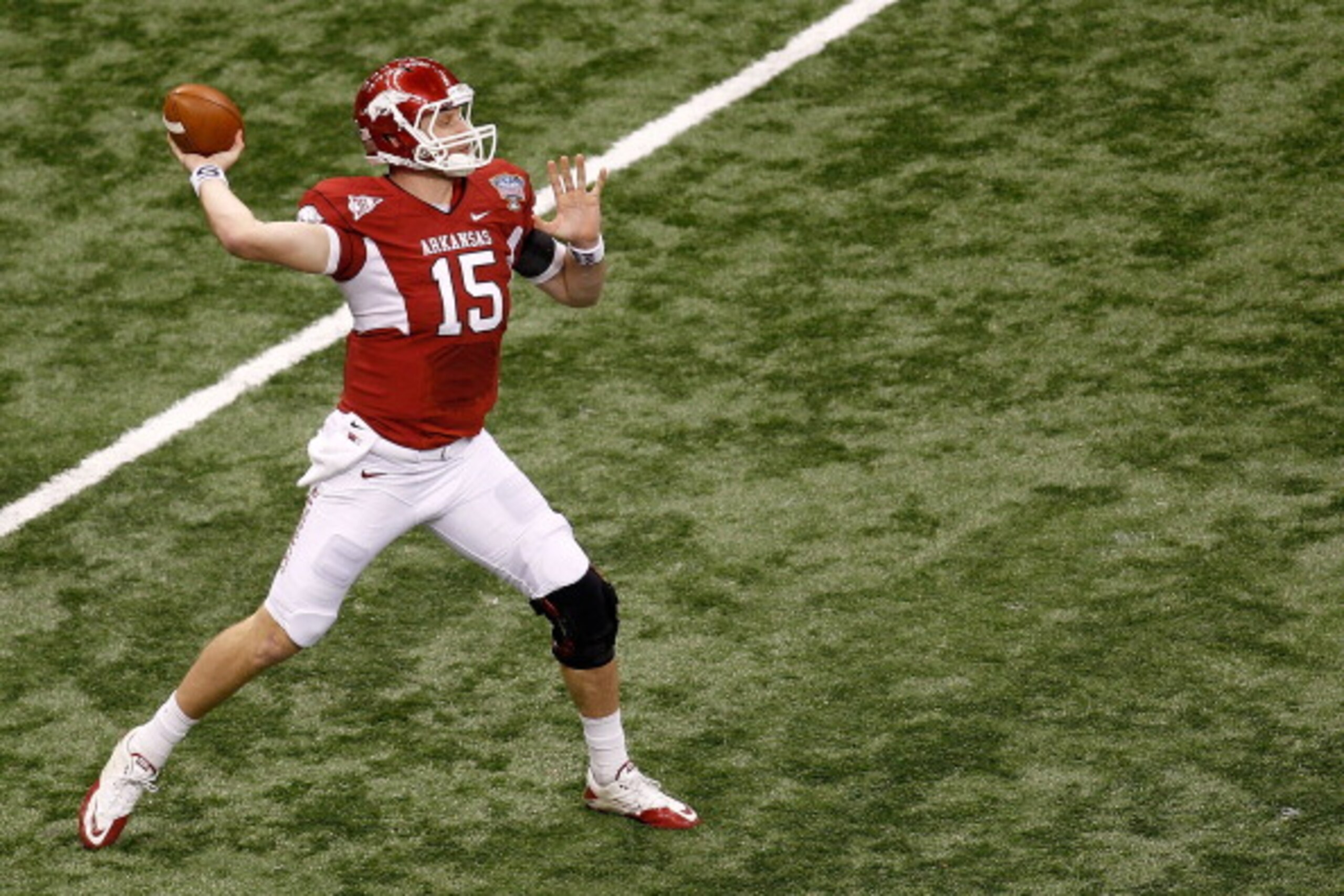
Ryan Mallett should be the first quarterback taken in the second round and deservedly so. Despite his improvement from his sophomore year to his junior year, his play in the Sugar Bowl against Ohio State left a bad taste in the mouth of scouts and observers.
Mallett measures out towards the high end of an NFL quarterback standing at 6'7'' and weighing 253 lbs. But with his height comes an extremely strong arm. On ESPN’s First Take he said he can throw over 80 yards, which is quite impressive. Mallett has also displayed the ability to make difficult throws and squeeze the ball into tight windows, further accentuating his arm strength.
Overall, Mallett has the most fluid throwing mechanics of any quarterback in this draft class and many consider him its most naturally gifted quarterback. A 6'7'' quarterback that is considered a natural would seemingly be considered a top-10 selection, but the red flags arise upon further investigation of Mallett's character and ability to lead.
There have been reports of drug use from Mallett and his inconsistent play gives an impression that he does not take to coaching. Also without regard to his arm strength, Mallet struggles with his accuracy. There have been plays when he has completed a very difficult throw in coverage then the very next play he would attempt a similar throw and numerous defenders would get the chance to deflect or intercept the pass.
One of Bradford's notable positives upon entering the league was that he was considered the most NFL-ready quarterback of his draft class. From a pure natural talent standpoint, Mallett is Bradford's equal. Little time will be needed to hone Mallett's technique, with exception to throwing on the run. But the main difference between the quarterbacks is maturity. Mallett reminds scouts of former No. 1 pick Ryan Leaf and, as a quarterback, that is one name you do not want to be associated with. Hopefully Mallett can learn from Leaf's mistakes and follow Bradford's lead and become the type of quarterback his talent dictates.
Christian Ponder
5 of 9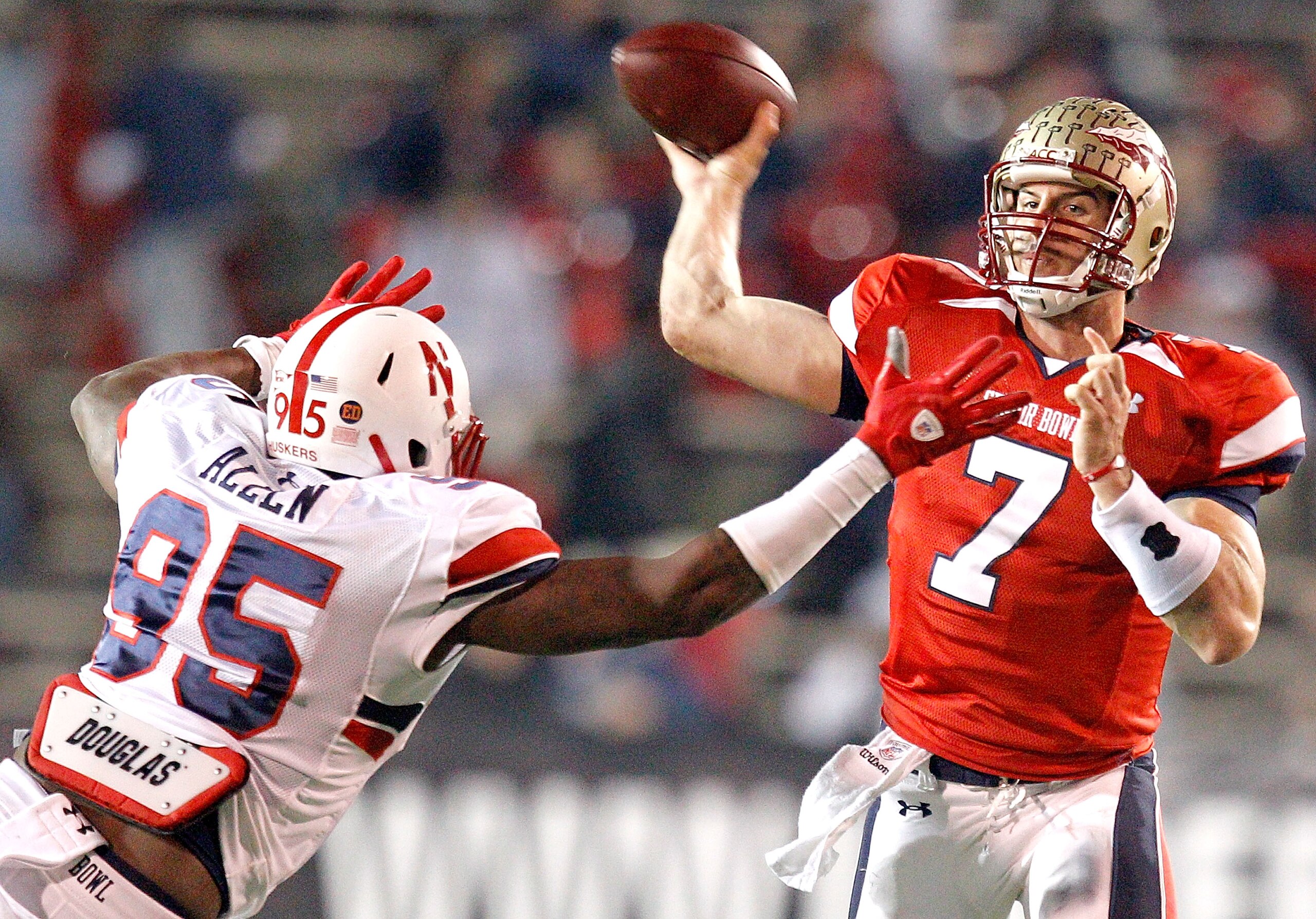
The previous four quarterbacks mentioned all have the ability and talent to start for an NFL team, while in Locker and Mallett's case it may be in their best interests to learn from the sideline, if even for half the season before starting. Christian Ponder is the first name that comes to mind when teams start looking into legitimate backup options.
Ponder is listed as 6'2'', 229 lbs. and falls into the category of the athletic, mobile passer when considering the quarterback types of this draft class. Ponder's main strength is being able to create with his feet and throw on the run. He shows the ability to recognize blitzing defenses and make the proper adjustment, whether it is stepping up in the pocket or rolling out. Ponder was a three-year starter at Florida State, therefore he has the necessary experience and had proven he has the ability to make smart decisions in high-pressure situations. Also with his experience as a three-year starter he has grown into an on-field leader and developed the leadership qualities needed to lead a team.
Injuries sometimes come hand in hand with a mobile quarterback and Ponder has had his fair share. One of the red flags associated with Bradford was his multiple arm injuries in college and Ponder is a similar case. Throwing on the run is part of Ponder's game but if he wants to have a long career in the league he needs to make smarter decisions and avoid putting himself in situations that may lead to injury. But as Bradford has shown, injuries do heal and if Ponder keeps himself out of harm's way concerns about his should slowly fade.
Ponder also does not possess elite arm strength—he is able to make the average throw but if a ball needs that extra zip to make it through a tight window Ponder is not your man for the job. Given his weaknesses, Ponder's draft stock may be on the rise after a solid showing at the Senior Bowl that garnered him the MVP award. Look for Ponder to go somewhere in the second round to a team that has a West Coast-like offense.
Colin Kaepernick
6 of 9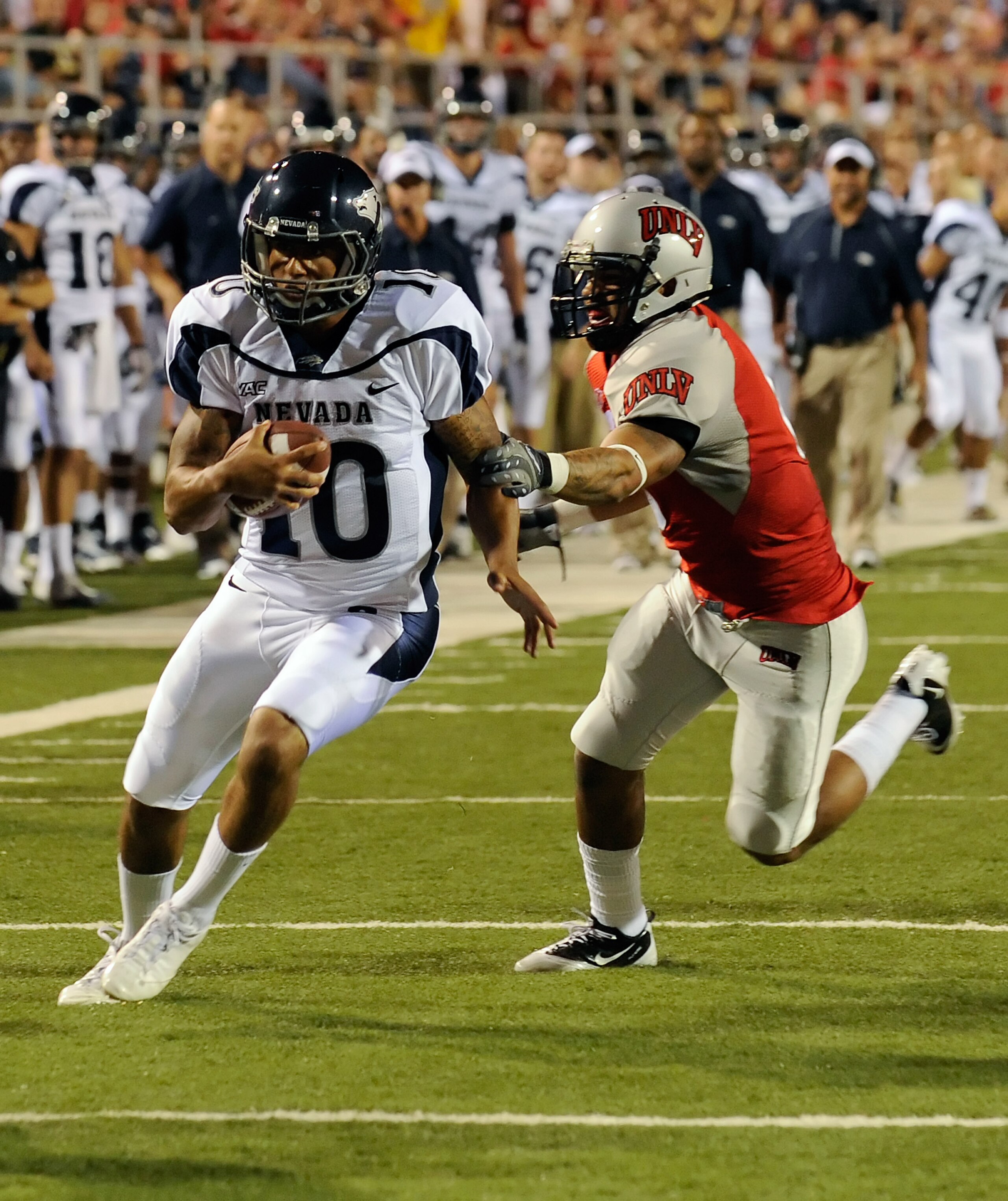
Colin Kaepernick may have the most difficult adjustment period upon entering the league due to the pistol offense run at Nevada. He may lack the experience running a pro-style offense but his measurables are most likely enticing enough to tempt teams to take a chance on him. Kaepernick stands at 6'5'' and weighs 233 lb., which his thin for someone of his height. But with his thin build comes an athletic and mobile QB that measured out to be the third fastest of his draft class.
The thing about Kaepernick is that he knows how to use his speed well. He became the first quarterback in NCAA history to throw for 2,000 yards and rush for 1,000 yards in three straight seasons by using his long stride to gracefully gallop past defenders.
Kaepernick has started four years at Nevada and therefore he has been through many pressure situations and many consider him and Andy Dalton to be the most experienced quarterbacks in this class. Kaepernick has also displayed a strong work ethic by making drastic improvements every year. But even though Kaepernick has improved each year he still has room to grow as a quarterback. His throwing mechanics need a lot of work in the form of tightening his throws, improving his ball control and accuracy and overall becoming more consistent in his delivery.
Like many of the lower-ranked quarterbacks in this class, Kaepernick does not have much in common with Bradford being that Bradford's skill set is far superior. Kaepernick and Bradford both know how to keep their eyes downfield, which is a problem for most rookie quarterbacks, who tend to eye the pass rush in an attempt to avoid it. Being a four-year starter, Kaepernick has most likely developed leadership skills that are superior to that of Bradford's. Plus, like Bradford, Kaepernick has no prior run-ins with the law and no obvious character flaws.
Kaepernick will be considered a project due to his raw talent, but look for teams to acquire his services in either the fourth or fifth round.
Andrew Dalton
7 of 9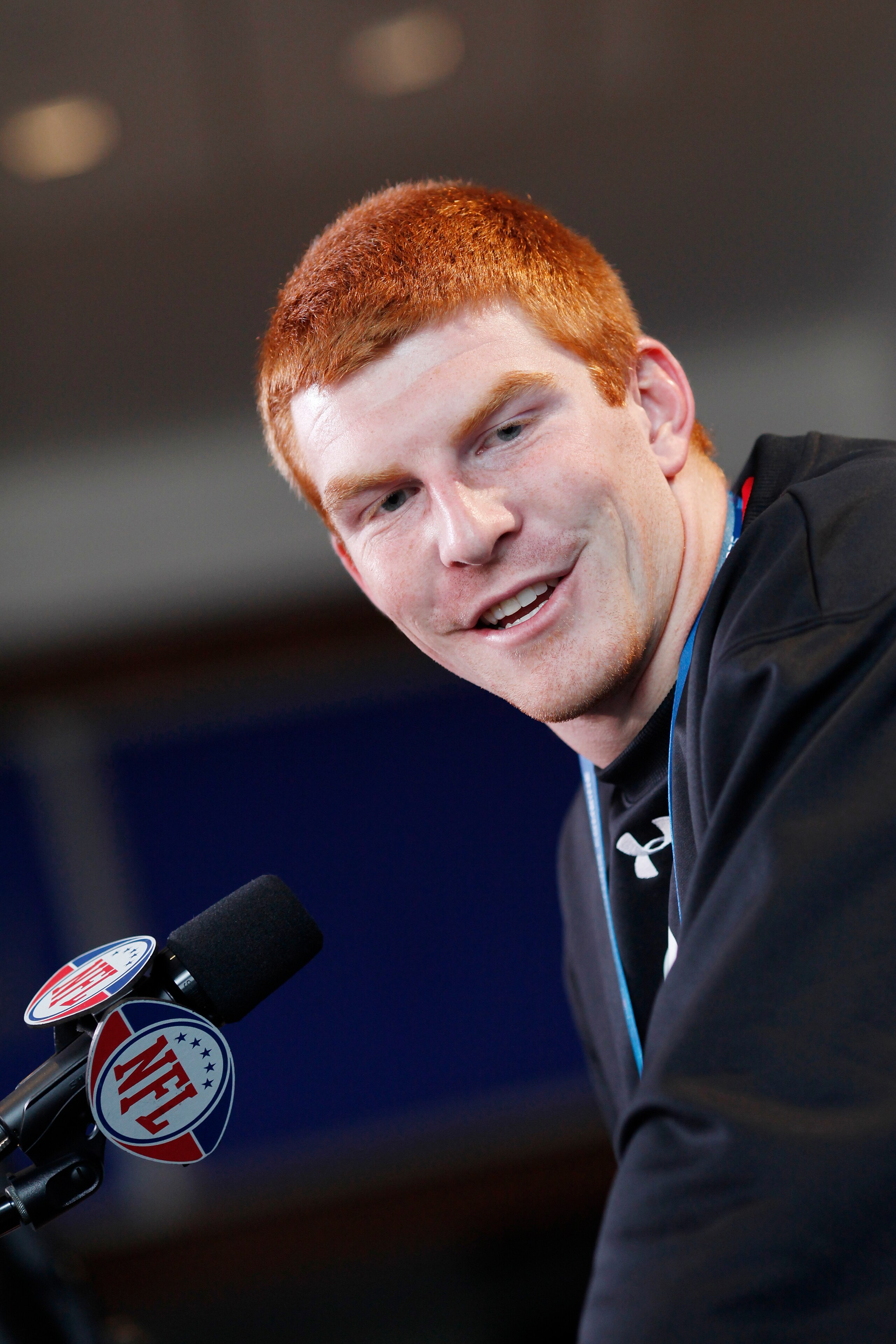
As mentioned before, Andrew Dalton is one of the more experienced quarterbacks in this year's draft class and his on-field play shows exactly that. Dalton has had an extremely productive college career leading the TCU Horned Frogs to two consecutive NCAA bowl berths and a top-five national ranking.
Dalton, 6'2'', 215 lbs., is the best game manager of any quarterback in this class. He knows how to buy time with his feet but still make efficient passes and limit his turnovers, displayed by posting less than 10 interceptions for three straight years. He has also shown the ability to make sound decisions and play within the team's game plan, something scouts took notice of when Bradford was at Oklahoma. The difference between Dalton and Bradford is both can manage the game and limit mistakes, while Bradford has the ability to take control of a game, putting his team on his back.
Dalton's accuracy and efficiency come at the expense of an elite arm. He does not have a full delivery on his throws and occasionally tends to put too much air under his deep throws. Also, like most other quarterbacks in this class, Dalton needs to learn to go through his progressions and reads. His lack of skill in this area can be attributed to playing in a spread offense in college, so the transition to a pro-style offense may take some time for him.
Expect Dalton to be picked in one of the later rounds due to his physical setbacks and age—he will be 24 in October.
Patrick Devlin
8 of 9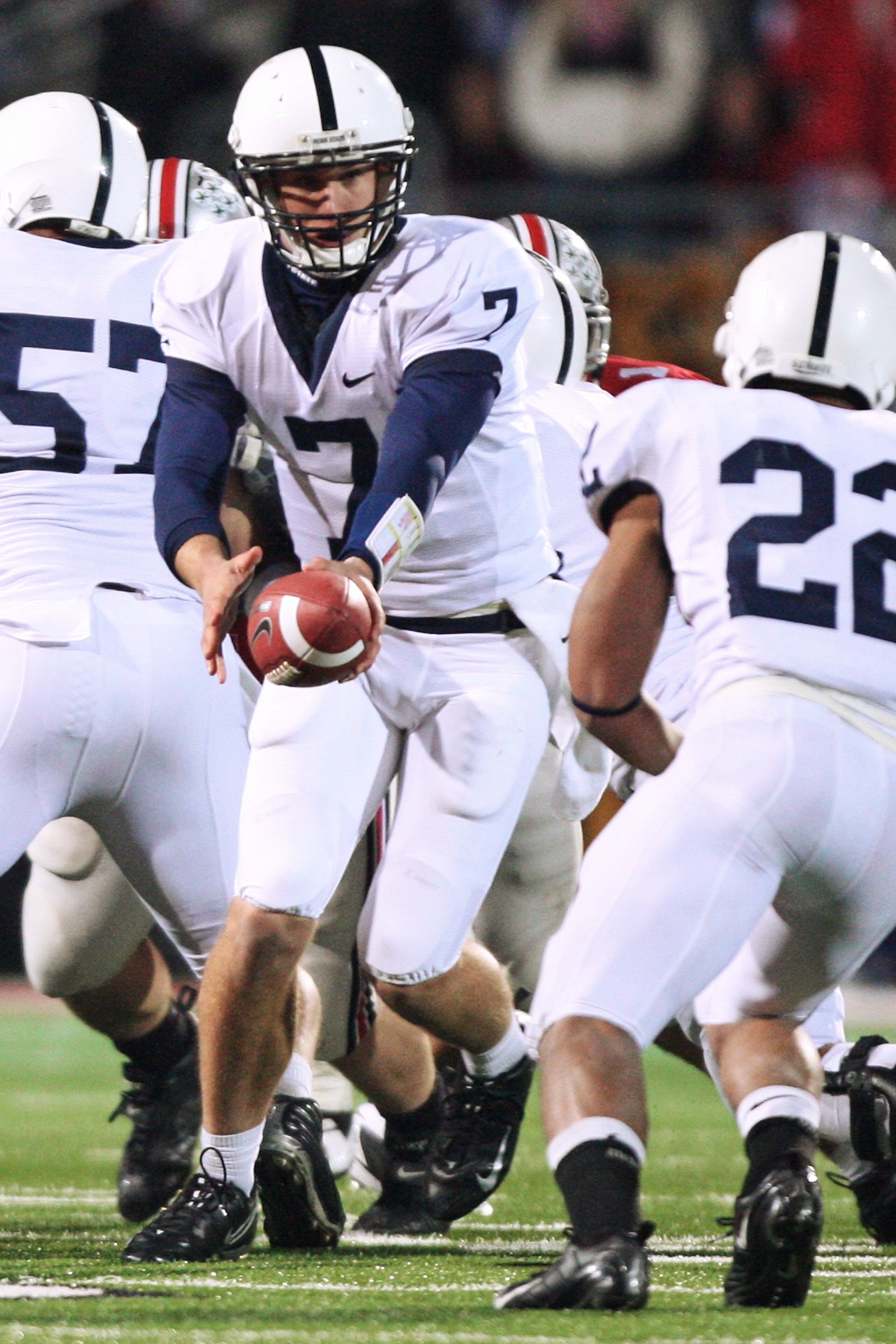
Patrick Devlin has the prototypical size of an NFL quarterback listed at 6'3'', 225 lbs. and is most likely the only small school quarterback to be drafted this year. Even though he attended a small school, Devlin has solid mechanics and efficient game management skills to eventually become a solid NFL player.
Devlin initially attended Penn State from high school but transferred to Delaware and was the Fightin' Blue Hens starting quarterback for the last two seasons. From his time at Delaware, Devlin learned to be a patient passer and limit his turnovers, which resulted in a 22-to-3 touchdown-to-interception ratio this past season. His touchdown-to-interception ratio shows the accuracy he possesses and the ability to go through his progressions and eventually find the open man.
Devlin also has solid throwing mechanics with a quick release and he does not waste any motion during his throwing process. Devlin needs to improve how he responds to pressure. He seems to sometimes panic when faced with a blitzing defense and this is at a small school level—NFL defenses will be considerably faster.
The only things Devlin and Bradford have in common are their similar stature and solid throwing mechanics. While Devlin's accuracy is at an average level, Devlin tends to struggle connecting at a consistent rate on longer throws, unlike Bradford. His arm strength is adequate but definitely not on par with that of Bradford's or even some of the other quarterbacks in this draft.
Expect Devlin to be a mid-round selection and fill the role as a team's second or third quarterback option. He has a lot to learn but Devlin has shown flashes of possibly becoming a capable NFL starter.
Tyrod Taylor
9 of 9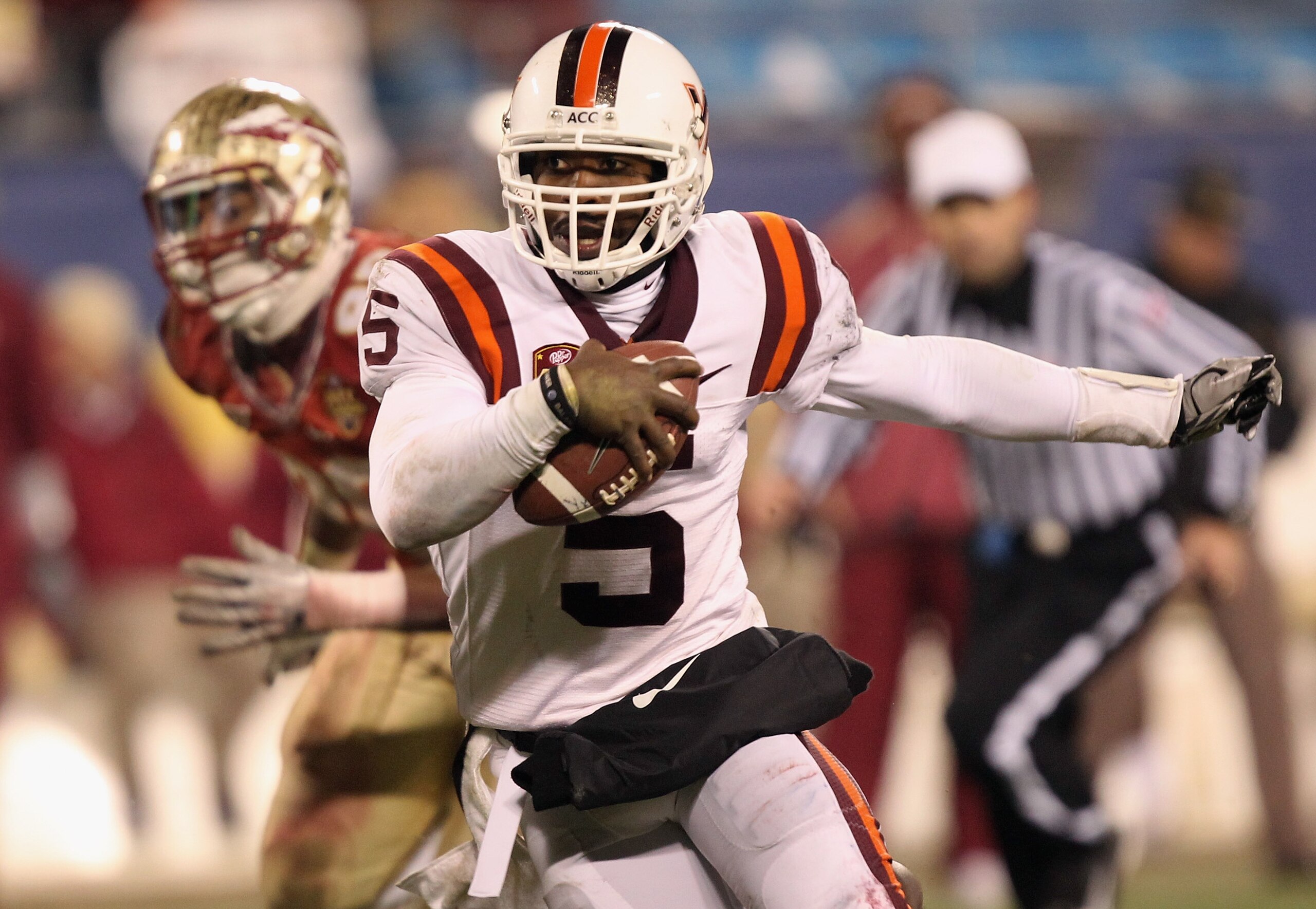
Tyrod Taylor is the type of quarterback that fits in the mold of another Virginia Tech great you may know...he goes by the name of Michael Vick. By no means is Taylor the type of athlete Vick is, but he comes very close measuring out at 6'1'' and 217 lbs., and also posting the second-fastest 40 time for a quarterback this decade at 4.51.
Many scouts do not see Taylor as a quarterback on the next level and envision him more to the liking of a running back, wide receiver or return specialist. Taylor is adamant that he is capable of being a quarterback and his improvement as a passer this past season leads me to believe he can. During his senior year at VT, Taylor posted a 24-to-5 touchdown-to-interception ratio and has shown the dedication, leadership, and competitiveness needed to become a NFL quarterback. He uses his feet well to create outside the pocket, keeps his eyes downfield and possesses above-average arm strength to make the needed throws.
To convince NFL teams that he is worthy of becoming a NFL quarterback, Taylor needs to improve his accuracy, which is inconsistent at times. Also, his sometimes-questionable decision-making and sloppy footwork make scouts question his ability, but these are all areas that can easily be improved through dedication and NFL-quality tutoring.
It would be unfair to compare Taylor to Bradford because they are two totally opposite types of quarterbacks. As mentioned earlier Taylor likens more to Vick and his skill set. Taylor boasts all of the positives and negatives Vick had coming out of college, so to consider Taylor as a "Michael Vick lite" would be a fitting label. This past season, Vick took the next step to becoming an elite quarterback in this league, and in the future Taylor could possibly make that same step given the proper system and coaching. Therefore, depending on which team decides to take the plunge, Taylor could be selected anywhere from the fourth round to the seventh round.
.jpg?w=2560)



.jpg?w=2560 "Malik Beasley Negotiating Plea Deal (AP)")