
2011 NFL Draft: Ranking the Top 20 SEC Players in the 2011 Class
Throughout the past several years, the world of college football has been dominated by one conference.
The Southeastern Conference, which has won the last five BCS title games and produced three of the last four Heisman trophy winners, is widely known as the strongest conference in all of college football.
NFL teams have taken notice of the SEC's talent, and it has shown in the draft.
In 2010, the SEC set an NFL record by having 49 players taken in the draft.
Compare that to 34 players from the Big Ten, 31 from the ACC, 30 from the Big 12 and 29 from the Pac 10.
In this year's draft, potentially the top three picks could be from SEC schools, including six of the first 10.
The SEC has brought so much talent into the world of football, and 2011 is no different.
So, to help sort things out among these SEC players, here are the top 20 players from the SEC in the 2011 NFL Draft.
20. TE D.J. Williams; Arkansas
1 of 20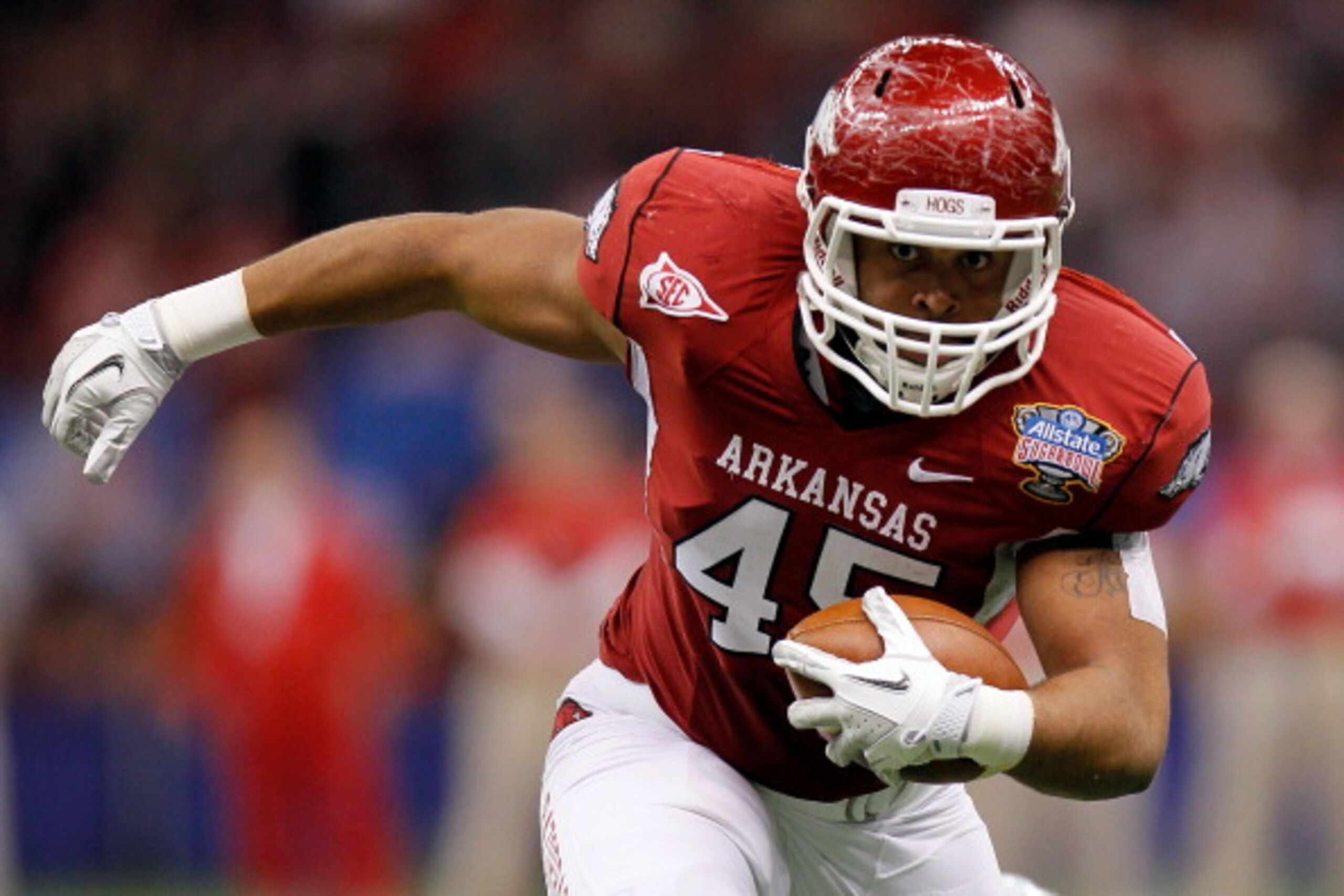
D.J. Williams made a name for himself at the University of Arkansas.
This speedy tight-end established himself over the last two years as a legitimate offensive weapon for the Razorbacks.
He hauled in 54 receptions for 627 yards and four touchdowns in 2010.
Although he lacks ideal height for an NFL tight end, he should still be productive in finding open spaces as an H-back.
The one plus about Williams is his speed. He ranked as the fastest tight end at the combine, posting a 4.67 40-yard dash time. He'll be able to gain some separation from his defenders and has the hands to consistently make catches.
Williams produced well against some of the toughest defenses in the country during his time at Arkansas. He should have no problem finding a home within an NFL offense.
19. LB Akeem Dent; Georgia
2 of 20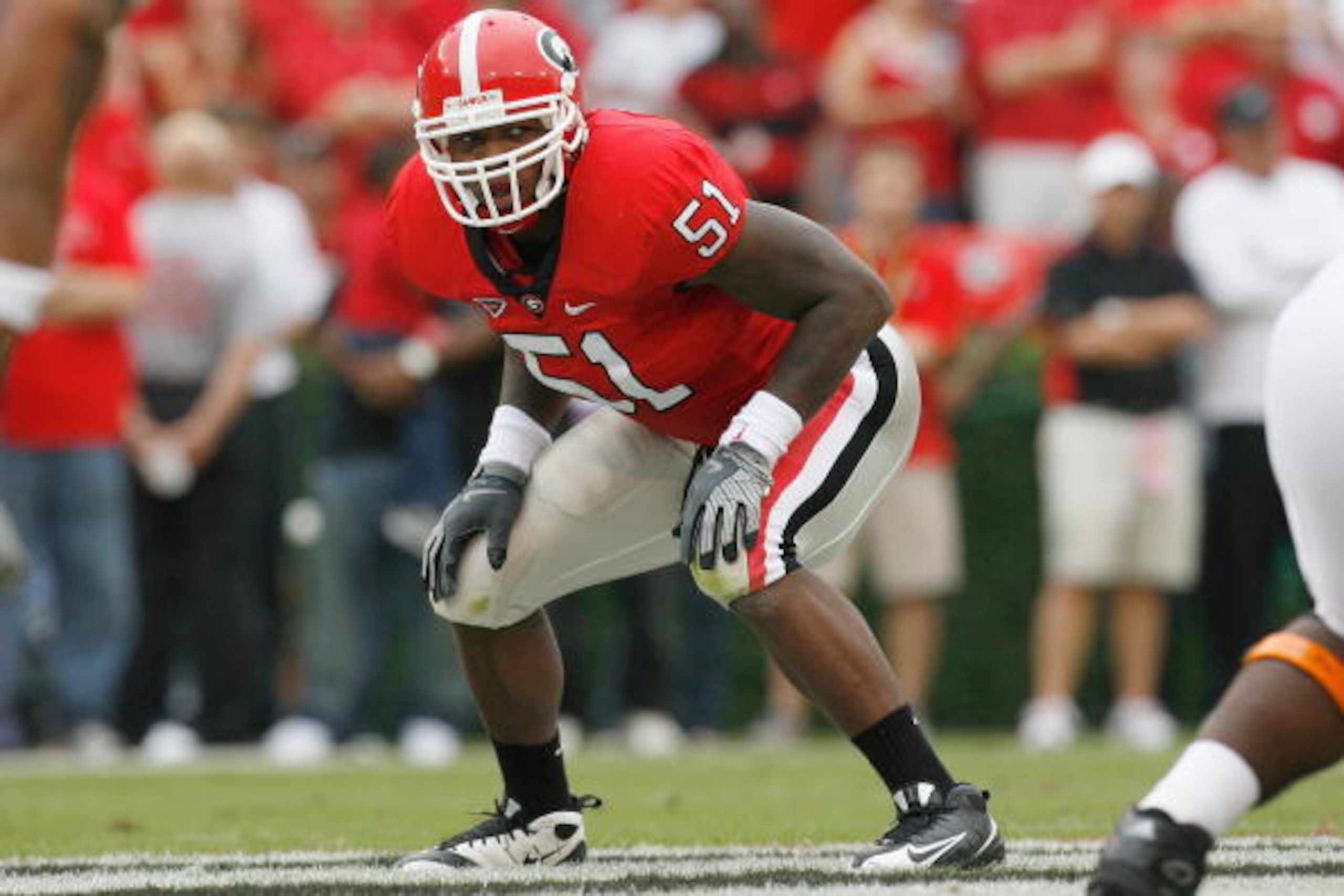
Dent is very undersized for a typical NFL linebacker.
However, at 6'1" and 233 lbs, Dent was one of Georiga's most dominant defensive players.
Over his career, he amassed more than 225 tackles, with 122 of those tackles coming in his senior year.
Dent possesses lots of experience in his four years at Georgia and has the intangibles that NFL teams look for in draft prospects.
Although Dent might not be the fastest linebacker, he should be considered one of the best tacklers. Dent shows great ability in his range by sifting through blocks and tracking down the ball carrier.
It'll take time for Dent to see considerable playing time, but he will be an excellent special teams player for the time being.
18. RB Derrick Locke; Kentucky
3 of 20
Perhaps one of the more underrated running backs in the SEC, Derrick Locke carried the load for the Kentucky offense in 2010 more often than not.
Locke is more of a change-of-pace type back who will be as much of an asset in the passing game as he will in the running game.
Locke is a quick back who can find holes quickly and won't leave anything out on the field.
He rushed for 887 yards and 10 touchdowns while also catching 34 passes in his senior year. Locke only played in nine games due to injury.
Locke could also be a valuable asset in the special teams area, but lacks the overall strength to be an every-down back in the NFL.
He could very well turn out to be a Darren Sproles-type of player.
.jpg?w=2560 "Cardinals Giants Football")
.jpg?w=2560 "Titans Giants Football")
.jpg?w=2560 "Dolphins Bills Football")
17. LB Kelvin Sheppard; LSU
4 of 20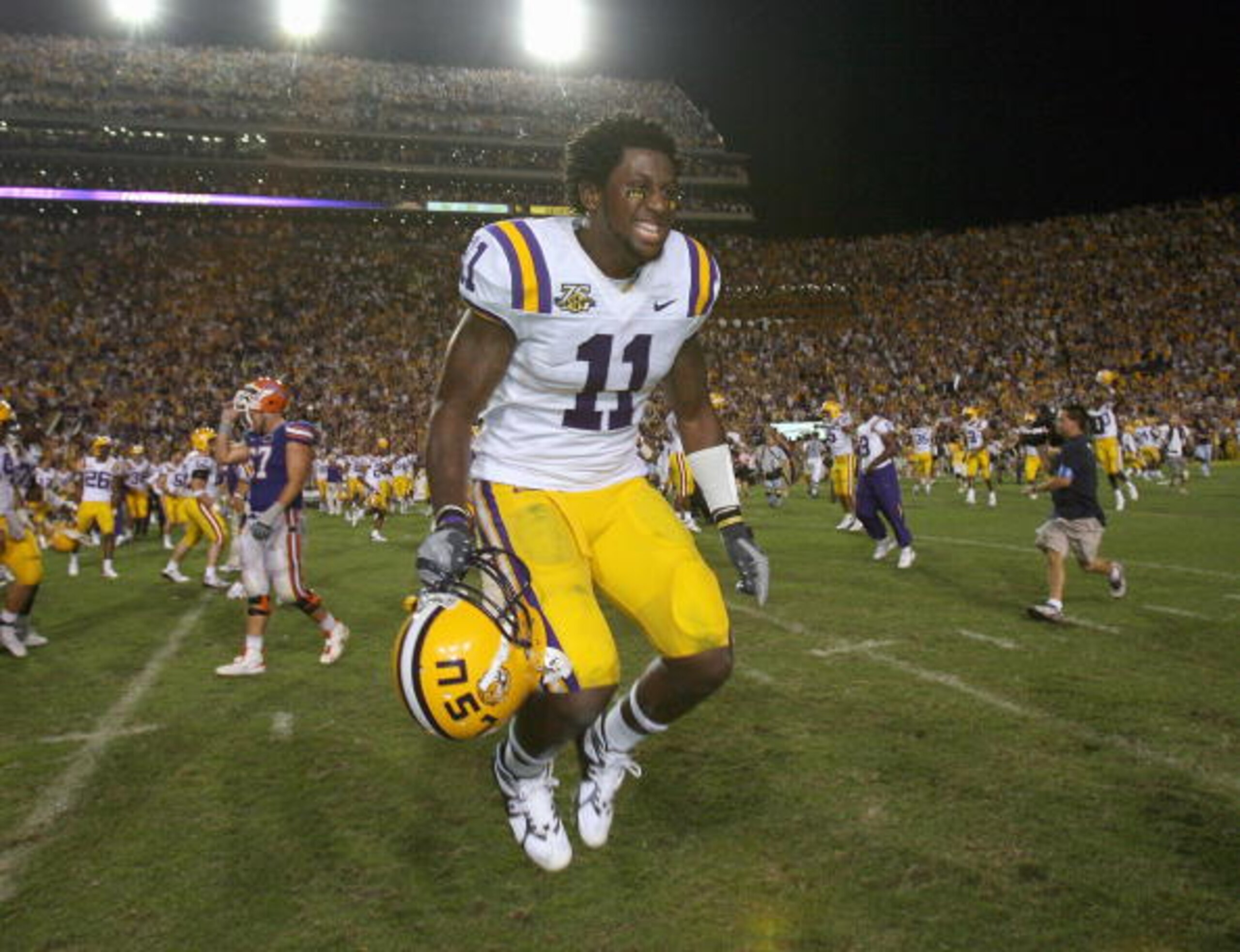
Kelvin Sheppard could be a late steal for any team looking to shore up its linebacker corps.
In four years at LSU, Sheppard recorded more than 300 tackles. He has great instincts and was a playmaker for a very tough LSU defense.
Sheppard is also fast enough that he can play in coverage against most running backs and tight ends.
Many scouts see Sheppard's weaknesses in block shedding and, at times, intelligence on the field.
He won't be the most refined pass rusher in this draft, and he still has a long way to go in terms of earning considerable playing time on an NFL team.
He may get sucked in on play action too often and will have to play a little smarter at times to increase his starting chances.
Despite these flaws, Sheppard has enough raw talent and a high-enough ceiling to make an impact in the league at some point in his career.
16. OL Lee Ziemba; Auburn
5 of 20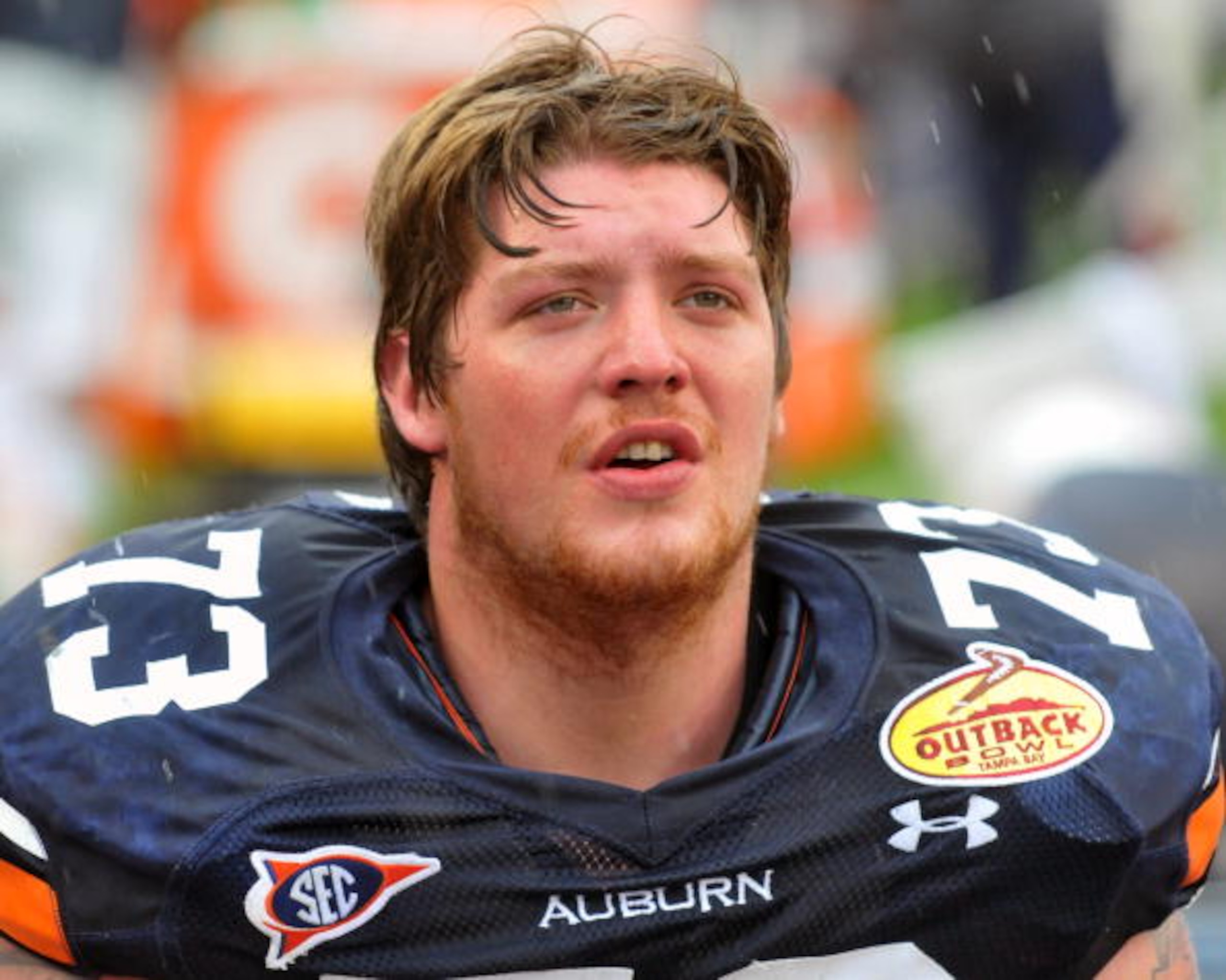
Ziemba has a great chance of becoming a starting right tackle in the NFL early on in his career.
Although he might not be selected until the third-round or later, Ziemba is one of the most experienced offensive lineman in the entire draft.
Ziemba started in 51 games over his four year career.
He has great size and mobility for an offensive lineman. His biggest strength his ability to protect the run as well as his durability.
Ziemba will offer teams a lineman who can get the job done and also be one of the most reliable prospects in this year's draft.
He possess tremendous upside and will be a fantastic selection for whichever team he falls to.
15. DL Drake Nevis; LSU
6 of 20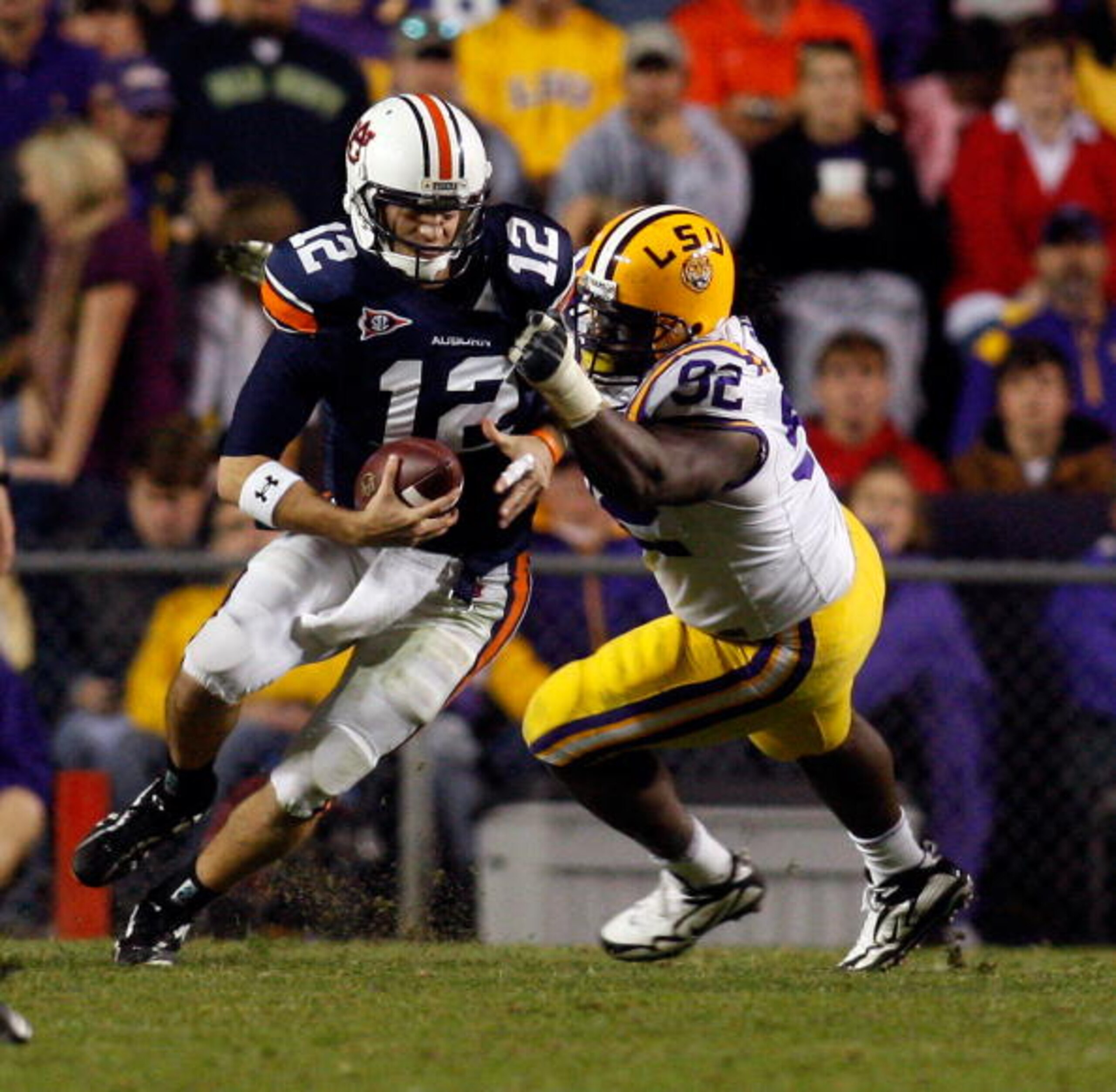
Drake Nevis was a nuisance for anybody who tried to run through the LSU defensive line over the last couple years.
His initial burst and quickness off the line frustrated opposing offenses, and he should do the same at the next level.
He needs to bulk up some to be a more prototypical NFL defensive lineman, but Nevis has the qualities needed to have success in the NFL.
Nevis is an excellent block-shedder and he uses his hands well against offensive lineman.
If Nevis can bulk up through a team's strength program and develop more top-end speed, Nevis could provide a big impact on a team's defensive line.
14. DB Ahmad Black; Florida
7 of 20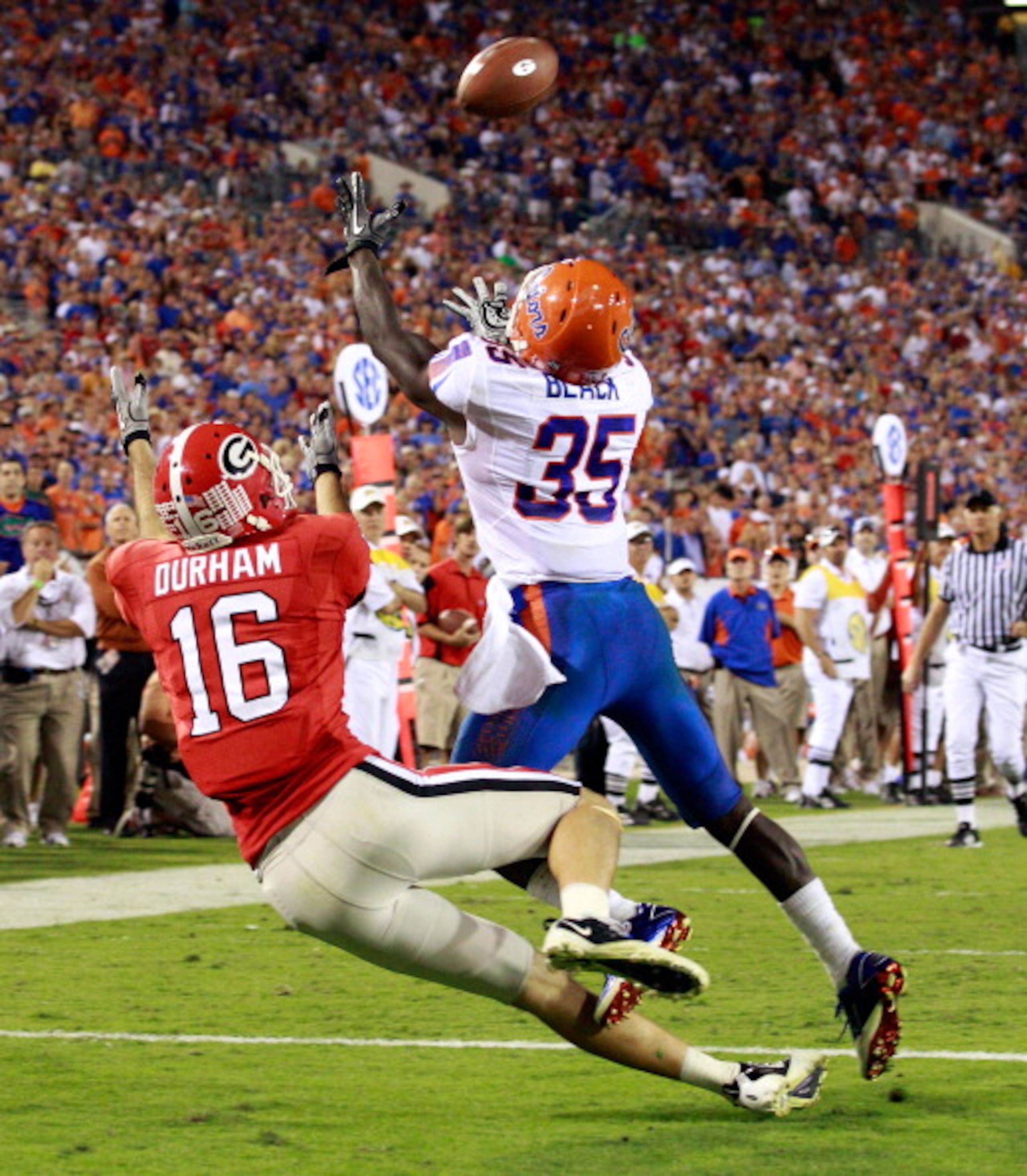
Often criticized for being too small to play safety, Ahmad Black has been proving these critics wrong for much of his college career.
Considered one of the hardest workers on the Gators in his past four years of playing, Black has remarkable intangibles and is one of the hardest working prospects in the 2011 NFL Draft.
As a safety, he was the Gators' leading tackler this past season, totaling more than 100 tackles.
He has excellent awareness in the secondary and always seems to be around the ball. He is able to move instinctively towards the ball and he will never give up on a play.
His height will be an issue at safety in the NFL, but Black has not let that stop him before in his college playing career.
Black should give any team great talent in the later rounds of the draft.
13. OL James Carpenter; Alabama
8 of 20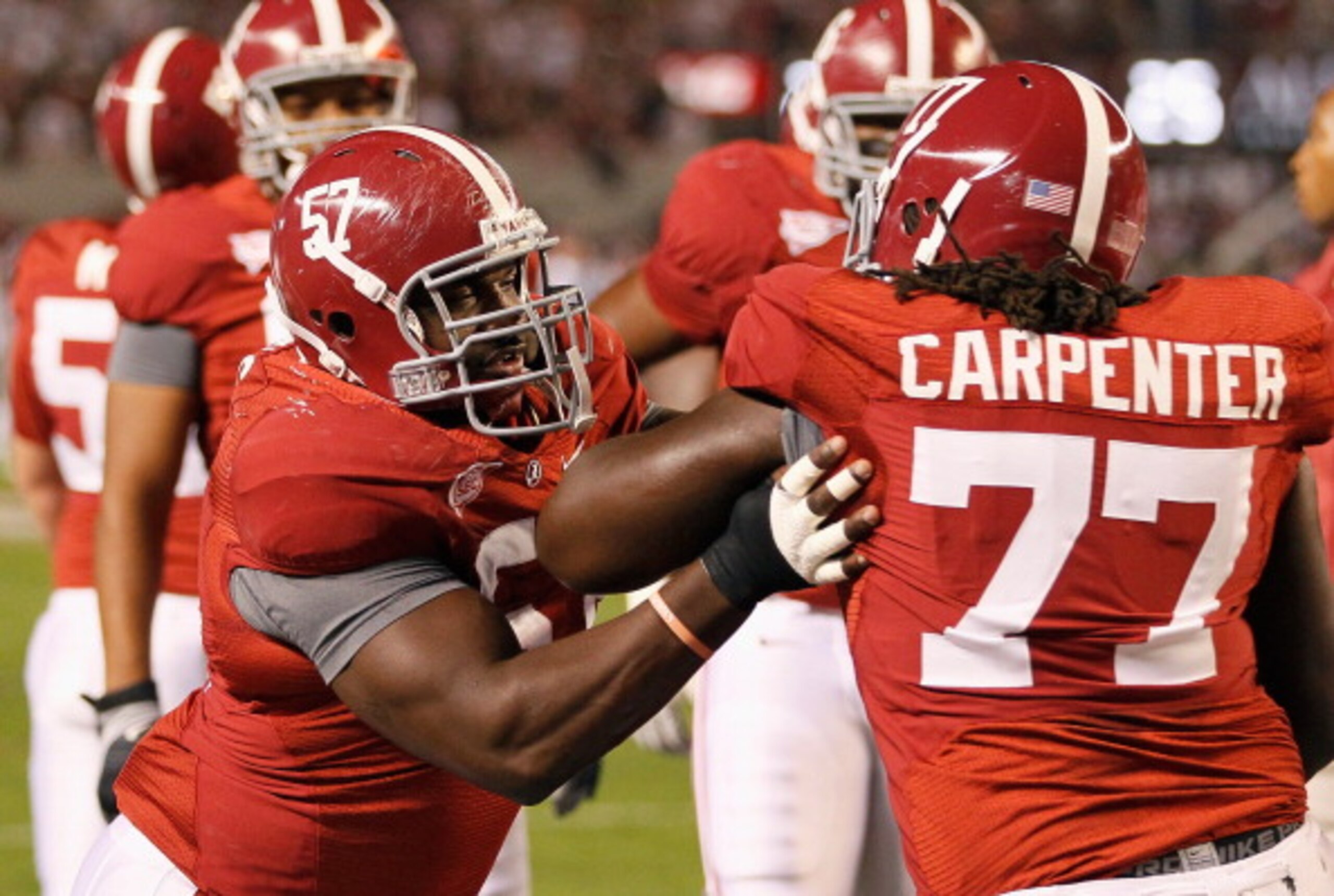
At 6'4" and 321 lbs, Carpenter has an ideal frame when talking about NFL offensive lineman.
Like Ziemba, Carpenter has excellent mobility and footwork for a lineman that allow him to protect very well against blitzes, speedy linebackers and defensive ends.
Carpenter also has excellent durability and will give a team another reliable offensive lineman.
There is still room to grow for Carpenter, but the skills are there.
If given the opportunity to see some playing time over the next couple years, Carpenter should evolve into an excellent NFL offensive lineman.
12. OL Clint Boling; Georgia
9 of 20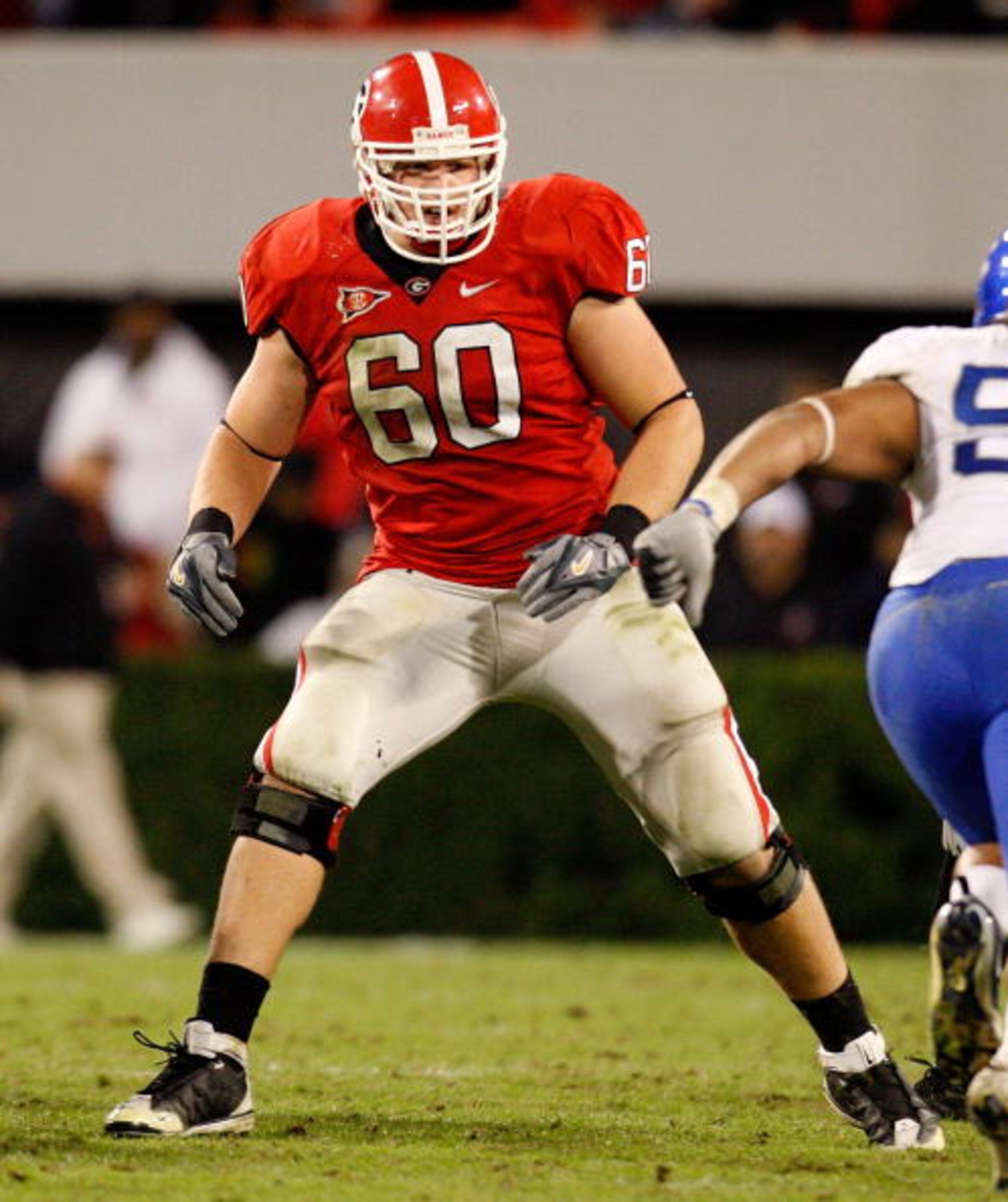
Scouts project Boling as more of a NFL guard than tackle due to his lack of height.
Regardless of where he plays, Boling has a lot of experience at both positions in college.
Boling also has great mobility for a lineman and always competes at a high level. He will never stop on a play, and with his great hands and footwork, Boling protects well against both the pass rush and in run blocking.
Despite an off-the-field incident, Boling brings a lot of experience to the table and should be able to contribute right away.
Look for Boling to be selected in Day 2 of the draft.
11. ATH Randall Cobb; Kentucky
10 of 20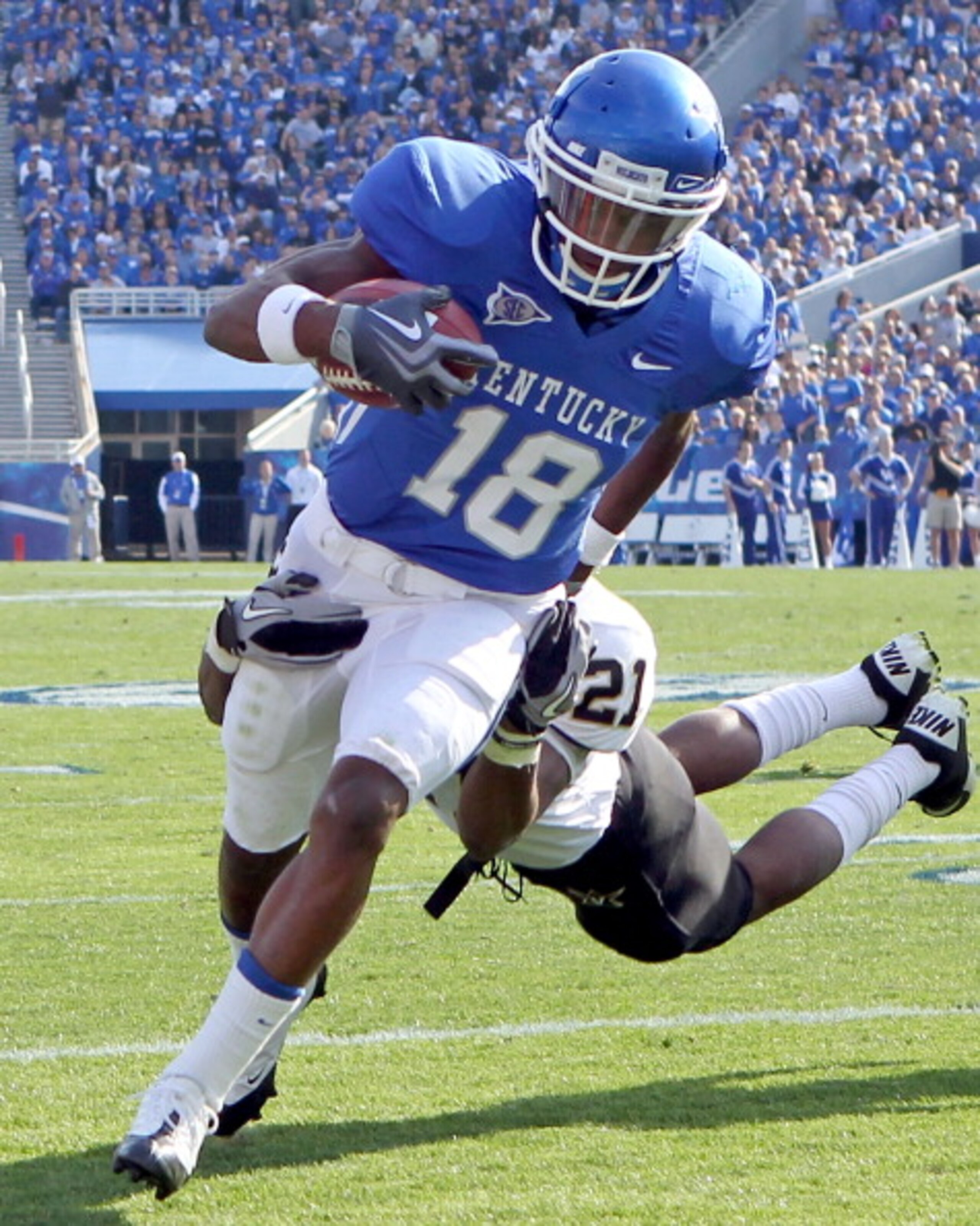
Randall Cobb is one of the most versatile players in the draft.
In college, he played quarterback, wide-receiver and running back.
However, at the NFL level, scouts project him as a better wide reciever than the other positions. Cobb is a great route runner who can make the consistent catches in traffic.
If needed, Cobb can also return kicks at a high level as well.
He is a do-it-all-type of player who will give you everything he has on every play.
The biggest weakness on Cobb, according to scouts, is his lack of strength to push a pile while running the ball.
He will do most of his damage in the open field.
Wherever he is drafted, Cobb will be able to contribute in any one of these positions for an NFL team.
10. QB Ryan Mallett; Arkansas
11 of 20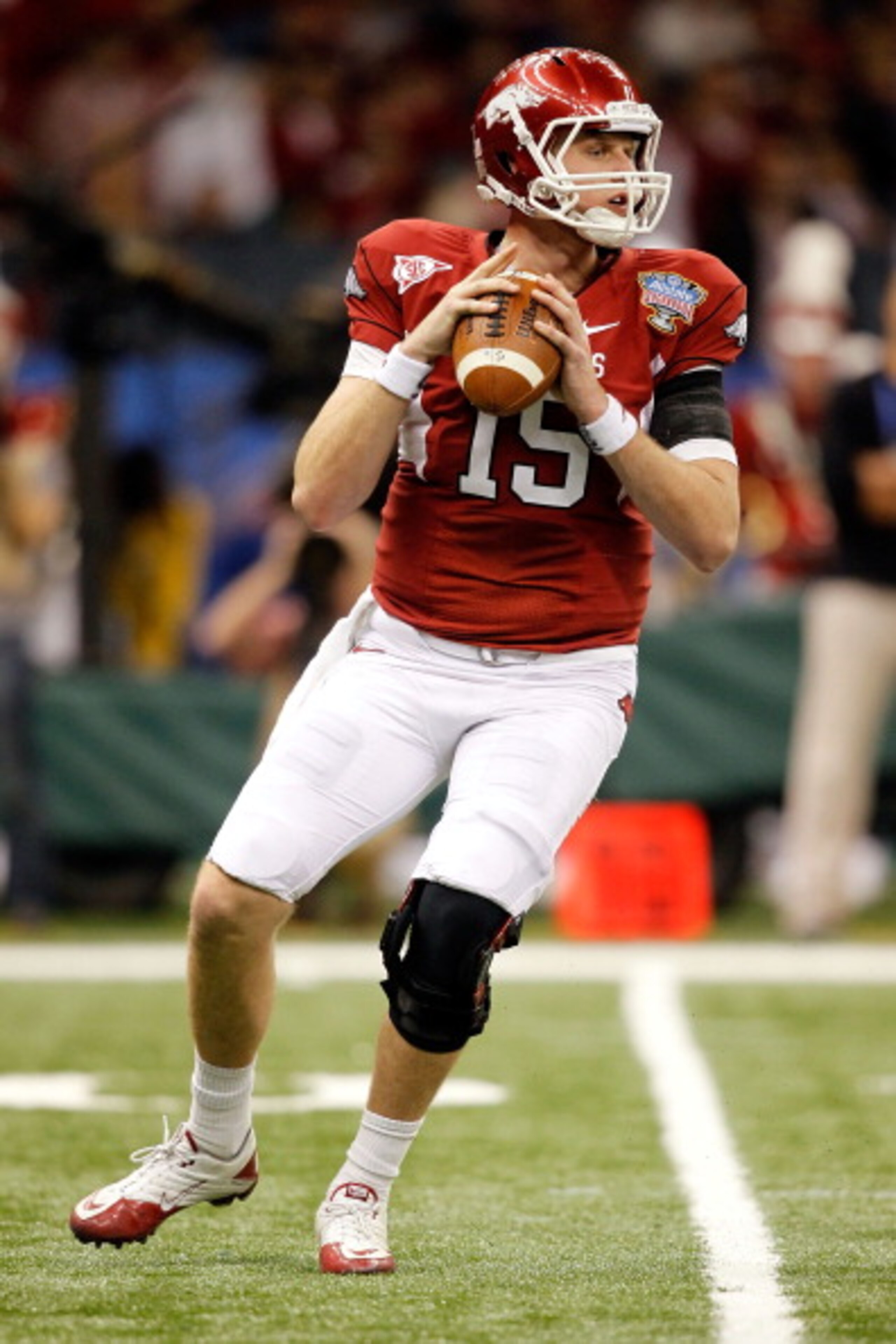
Ryan Mallet, the star of the Razorbacks for the past few years, has made a name for himself through his arm strength.
He has the kind of arm strength that teams look for in their franchise quarterbacks and his fluid throwing motion boosts his stock even more.
Mallet has experienced college football in both the Big 10 and SEC and has performed well against top competition during his college career.
In his junior season at Arkansas, Mallet threw for more than 3,800 yards and 32 touchdowns.
Mallet is one of the most competitive players in this draft and plays with a lot of fire.
However, his off-the-field personality and some poor decision making during games has scouts wondering if he is worthy of a first-round pick.
No matter where he is selected, Mallet has the potential to be the next franchise quarterback for whichever team that drafts him.
9. LB Justin Houston; Georgia
12 of 20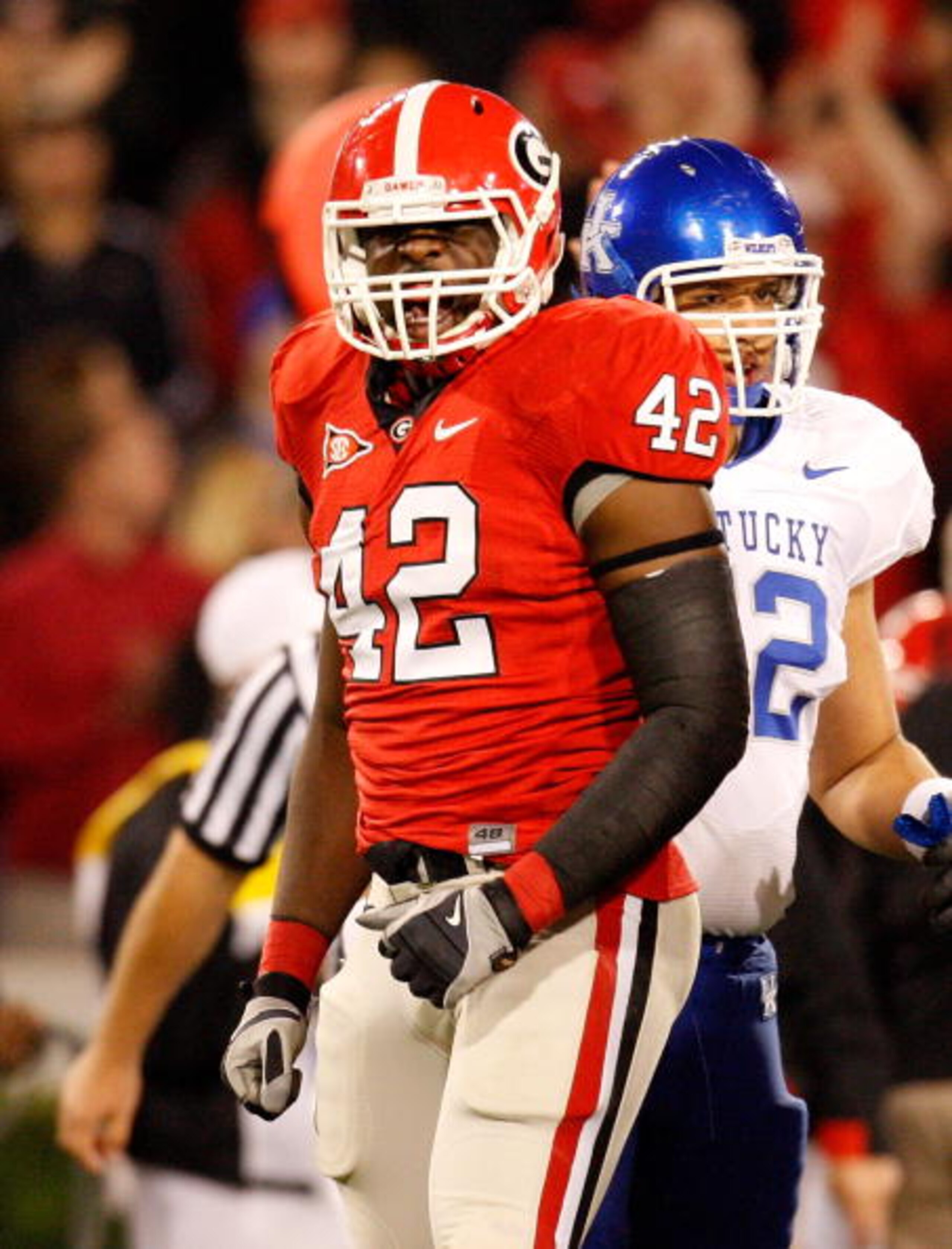
Justin Houston, one of the more athletic linebackers in this year's draft, should be an excellent linebacker in the 3-4 defensive scheme.
Houston shows great movement off the edge and he is a very active pass rusher.
He is also fast enough to be effective in zone coverage when needed.
Houston only played three years at Georgia, so needs to improve his on-field awareness some to have an impact in the NFL.
If he can mature as a player and concentrate on his ability to be an effective pass rusher, Houston could be a big player in a 3-4 defense.
8. RB Mark Ingram; Alabama
13 of 20
As one of the most explosive running backs in college football for the past two years, Mark Ingram was arguably the best in college football.
Ingram has the size and ability to be an every-down back in the NFL.
He is able to bust through the holes with bursts of speed while being able to still make defenders miss.
There have been times where Ingram just does not seem to go down either, no matter how many defenders try to tackle him.
Ingram is also able to protect the ball in almost every circumstance.
His fumble during the 2010 Iron Bowl was only his second in 613 touches. So NFL teams know what they are getting in drafting Ingram.
However, scouts are weary of his durability due to knee issues Ingram has had this past season.
Still, Ingram is the best running back in the 2011 draft.
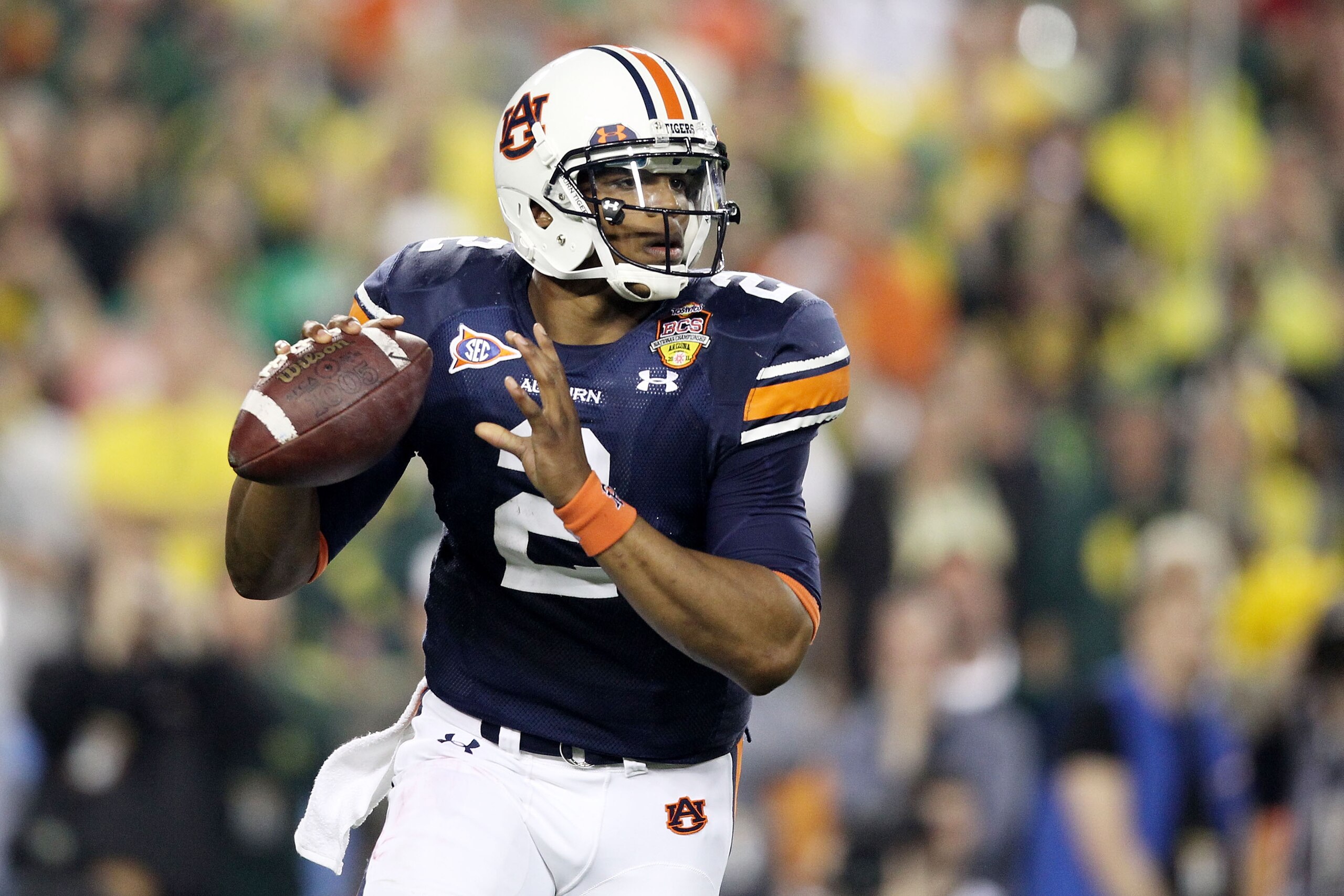
7. QB Cam Newton; Auburn
14 of 20
Probably the most explosive player in the 2011 draft, Cam Newton can beat you with his legs or strong arm.
After seemingly bursting onto the college scene in 2010, Newton took the conference and nation by surprise with his Heisman season and also leading Auburn to a BCS National Championship.
He has a rare blend of height, strength and speed.
At 6'5" and 248 lbs, Newton made cuts and jukes that people are more accustomed to seeing running backs and wide receivers making.
This season, Newton showed that he is an emotional leader and that he will lead his team by example.
He can make all the plays necessary to keep his team in the game.
His athleticism at the quarterback position will be tough to keep on the bench, especially if he is drafted by a team with serious quarterback needs.
Despite the controversy Newton has faced with his off-the-field issues, he will still be selected in the first round and will probably be the most recognizable name in this year's draft.
6. OL Mike Pouncey; Florida
15 of 20
After watching his twin brother declare early for the draft in 2010, Mike Pouncey had to transition over to center for his senior season at Florida.
He struggled throughout the season with snapping the ball from the shotgun formation, oftentimes snapping it too far above or barely ever getting the football of the ground.
At the NFL level, Mike Pouncey should have no trouble adjusting. He is projected at playing more guard than center, since guard is his natural position.
If he is on the field, he has an elite level of awareness on the line that makes him one of the most intelligent players out on the field.
Also, the pedigree that his brother has developed in his first year with the Steelers will only benefit Mike Pouncey in this year's draft.
Pouncey has a quick first step and is arguably the best interior lineman in this draft.
He is an elite offensive line prospect.
5. WR Julio Jones; Alabama
16 of 20
The one thing that stands out about Julio Jones is that he has all the makeup to be a top receiver for whomever he lands with in the draft.
An elite vertical threat in college, Jones can get great separation at the line with his strength and speed.
His strength also allows him to break a lot of tackles in the open field after the catch, which makes him one of the more dynamic offensive players in the draft.
Although Jones struggled with some consistency his sophomore season, that was mainly due to a torn labrum that Jones played through.
He was the focal point of the Alabama passing game. Despite double coverages, Jones made a huge impact by filling up the stat sheets.
At times, Jones struggles with his hands, but he is no doubt a top-10 pick and arguably the top receiver in the 2011 draft.
Look for him to make a difference in his rookie season.
4. DL Nick Fairley; Auburn
17 of 20
It is well known around the football world that some people are turned off by Nick Fairley's "in your face" type of play on the field.
His notoriously late hits on quarterbacks after the whistle could cause teams to be more tentative on drafting the lineman.
But there is no argument when it comes to Fairley's skills on the field.
He has excellent speed of the line and can be very disruptive in both the running and passing game.
Fairley has a great motor and will often be found in the backfield sacking the quarterback.
With his variety of moves, Fairley should be a disruptive force for the next several years.
The only thing that can hold Fairley back is himself. If he can keep his emotions in check during the game, he could be an elite player.
He is easily a top-five pick.
3. WR A.J. Green; Georgia
18 of 20
Green is an explosive playmaker at wide receiver.
He has great height at 6'4" and makes some of the most acrobatic catches since the days of Calvin Johnson at Georgia Tech.
He showed he has excellent speed and is a huge big play threat.
After missing the first four games of this past season, Green still amassed 57 receptions and 848 yards with nine touchdowns.
In his three-year career at Georgia, he had more than 2,500 receiving and 23 touchdowns.
He is one of the most polished wide-receivers that has come through the draft in the past several years.
If he can bulk up in his first few years in the NFL, Green could evolve into an elite wide receiver for many years.
2. DB Patrick Peterson; LSU
19 of 20
Peterson, perhaps the best overall prospect in the draft, is a big-time corner.
He is able to press wide receivers at the line and can keep up with any receiver with his elite speed (he ran a 4.34 40-yard dash).
Peterson is also an absolute ball hawk who always seems to impacting every play.
He can be efficient on special teams, as he was LSU's punt-return man for much of his career.
He totaled seven interceptions over his career at LSU and totaled 135 tackles.
Sometimes Peterson can be too aggressive, which can cause him to gamble and lose on some plays.
However, with Peterson, you are getting the top cornerback in the nation and someone who can arguably start immediately on any team in the NFL.
Peterson is a game-changer.
1. DL Marcell Dareus; Alabama
20 of 20
Considered the top pick by many scouts, Marcell Dareus is the best player in this draft coming out of the SEC.
Much like his Auburn counterpart Nick Fairley, Dareus has a very rare blend of size and speed.
He has a very explosive first step and can be a very powerful pass rusher.
He is constantly moving and constantly shedding blocks. On a stingy Alabama defense the past few years, Dareus has arguably been the Crimson Tide's most disruptive defensive force.
Durability seems to be the only question mark for Dareus as he struggled with some injuries during his junior season.
If he can prove to teams that he is 100 percent and he has the stamina to be a starting pass-rusher, look for Dareus to have a great shot at being the No. 1 overall pick in the 2011 draft.
Dareus is a future All-Pro.
.jpg?w=2560 "Hill Injury Update Football")