
Champions League: The 10 Greatest Winners in History
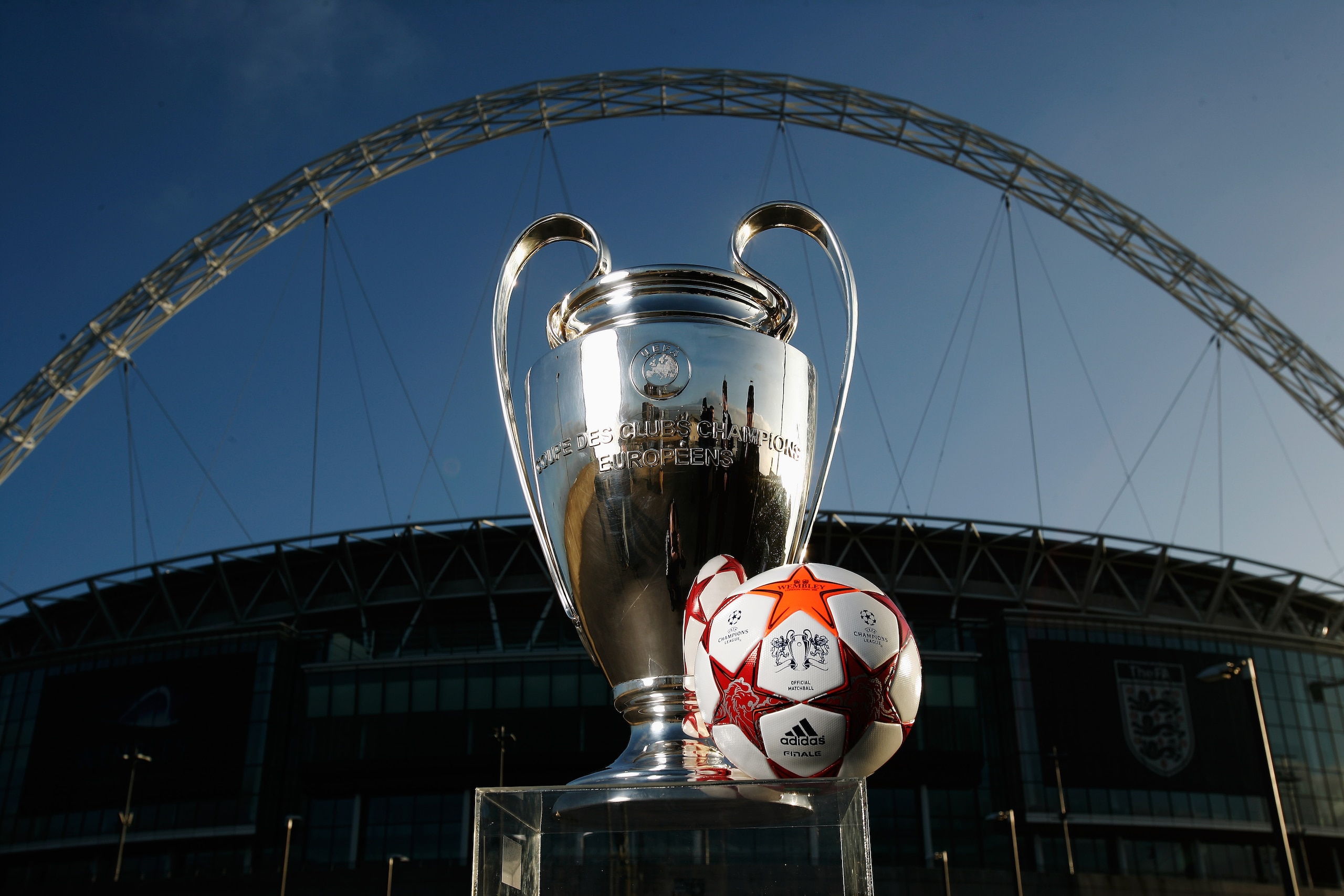
With less than two months to go until the Champions League Final at Wembley in London, the endless discussions will be reprised in every pub and around every water cooler throughout the world.
Just who was the greatest champion?
How would the Real Madrid Cup winning teams of the early 60’s have fared against the all-star teams around the turn of the century featuring the Rauls, Nistelrooys, and Zidanes? Where do the great clubs from Manchester and Milan and Barcelona rank?
Be prepared to continue the discussion and spit up your water and beer if you don't agree.
That said, this is a completely neutral profile of the ten greatest and most dominating clubs to have won the Champions League or its forerunner, the European Club Champions Cup. Note that this does not so much stress dynasties (which would be too easy) but single season champions.
10. Manchester United, 1999
1 of 10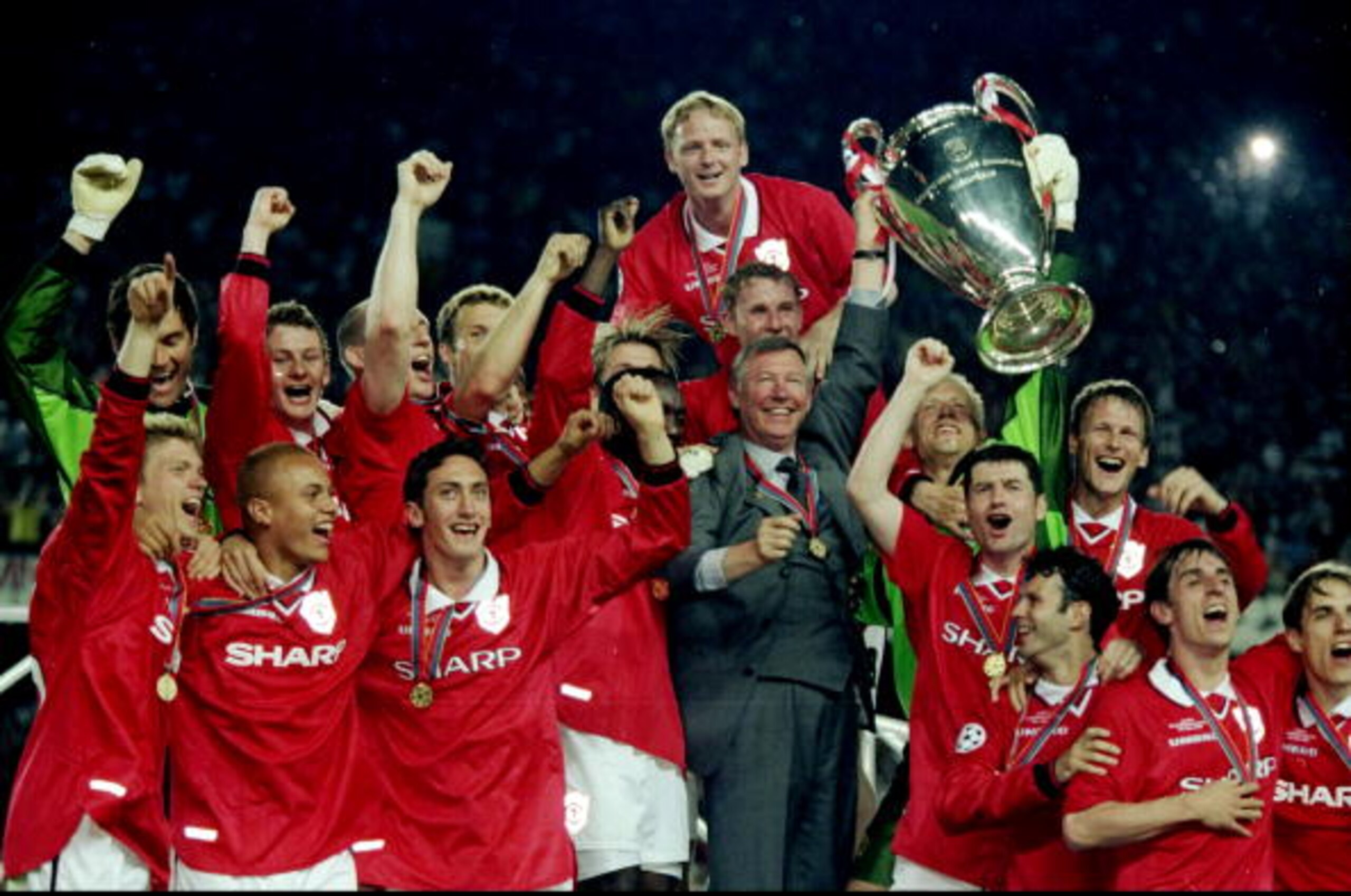
This treble-winning Manchester side featured greats such as Peter Schmeichel in goal, Captain Roy Keane and homegrown stalwarts Paul Scholes, Ryan Giggs and David Beckham.
If their ranking at number ten will send football fans into utter shock, then you know how Bayern Munich's fans and players felt at the end of the 1999 Finals. Conversely, United's own fans would go from utter heartbreak to nirvana literally within minutes.
A seemingly dominant Bayern club took an early lead on a free kick by Mario Basler, would hit the aluminum a couple more times and were then content to bottle it up.
We know the rest of the story.
The referee signals for three minutes of injury time.
The Bayern players must have seen demons and an inferno beginning to envelope Noucamp Stadium, because this is when all hell broke loose. Corner Beckham, Bayern clears, Giggs shoots, Sheringham deflects. Back of the net. Tie ballgame.
Act two: Corner Beckham, Header Sherringham, the ball buried by Solskjær.
Though hardly dominant throughout the tournament—United finished second in their group after the first round with two wins and four draws—and the finals match itself, this team certainly knew how to win.
9. Borussia Dortmund, 1997
2 of 10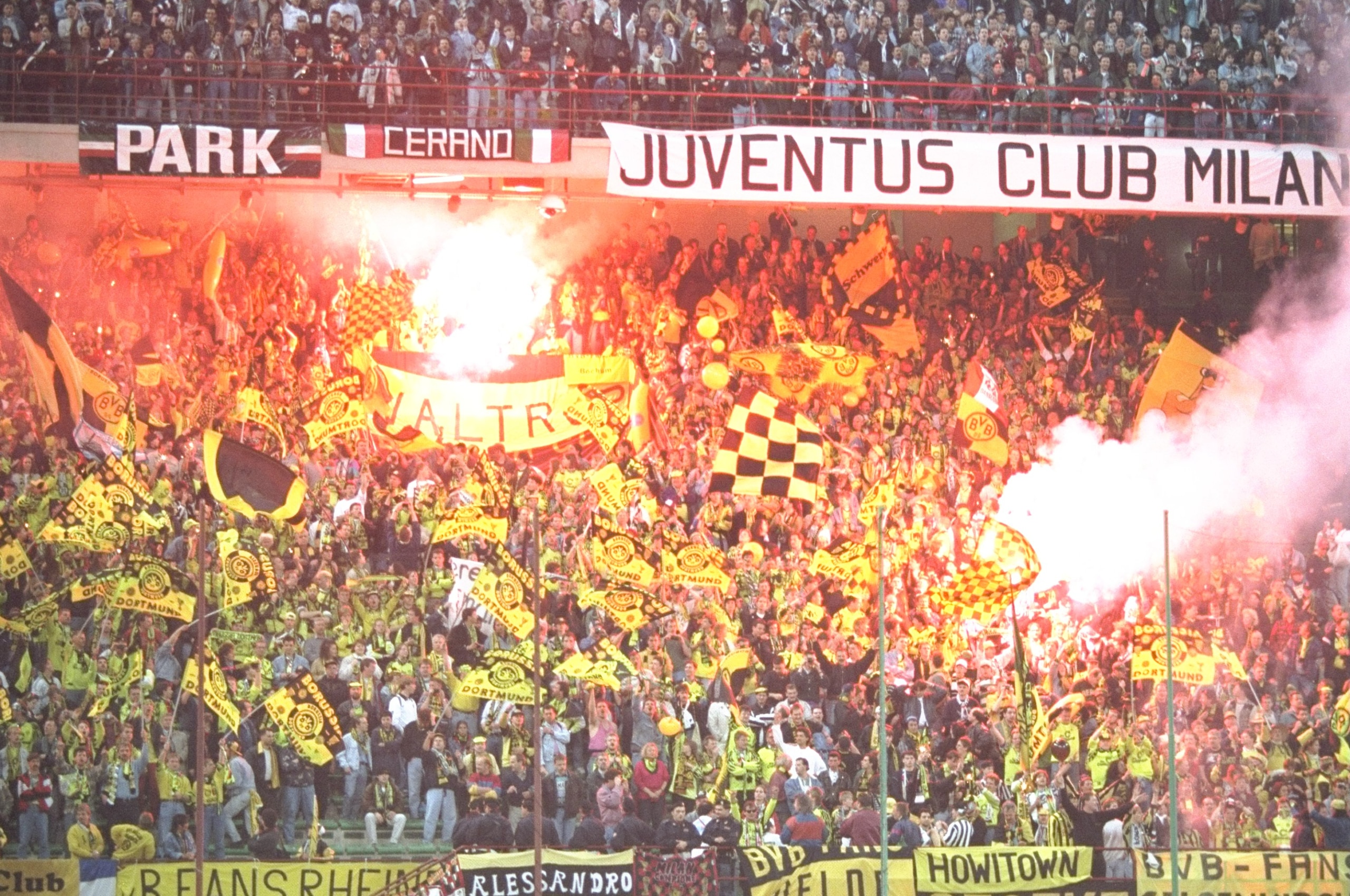
The often forgotten champs with the self-proclaimed 'greatest fans on earth' (photo).
Dortmund might not have been the greatest or the most talented club ever to win the Champions League.
They very well might have been the most underestimated.
Led by veteran head coach Otmar Hitzfeld, the Yellow and Black fielded a team of internationally renowned players in Matthias Sammer at sweeper, World Cup champions Juergen Kohler and Stefan Reuter anchoring the defense, and Andreas ‘Turbo’ Möller leading the offense in midfield.
Defending Bundesliga champs Dortmund found themselves runners up in the group stage behind Atletico Madrid, although at thirteen points, this was by a wide margin over third place Polish champs, Widzew Lodz.
From the knockout stage on, they would win every remaining match, shutting out Manchester United twice before convincingly upending favorites Juventus Turin behind world stars Zidane, Del Piero, Deschamps and Boksic in the finals. The 3-1 final tally would deny Juventus a chance to repeat as European champions.
This was belated satisfaction for the German champions and an entire nation following the national club’s European championship 1996 in England, labeled by many pundits as a fluke. Dortmund certainly proved they weren't.
8. Red Star Belgrade, 1991
3 of 10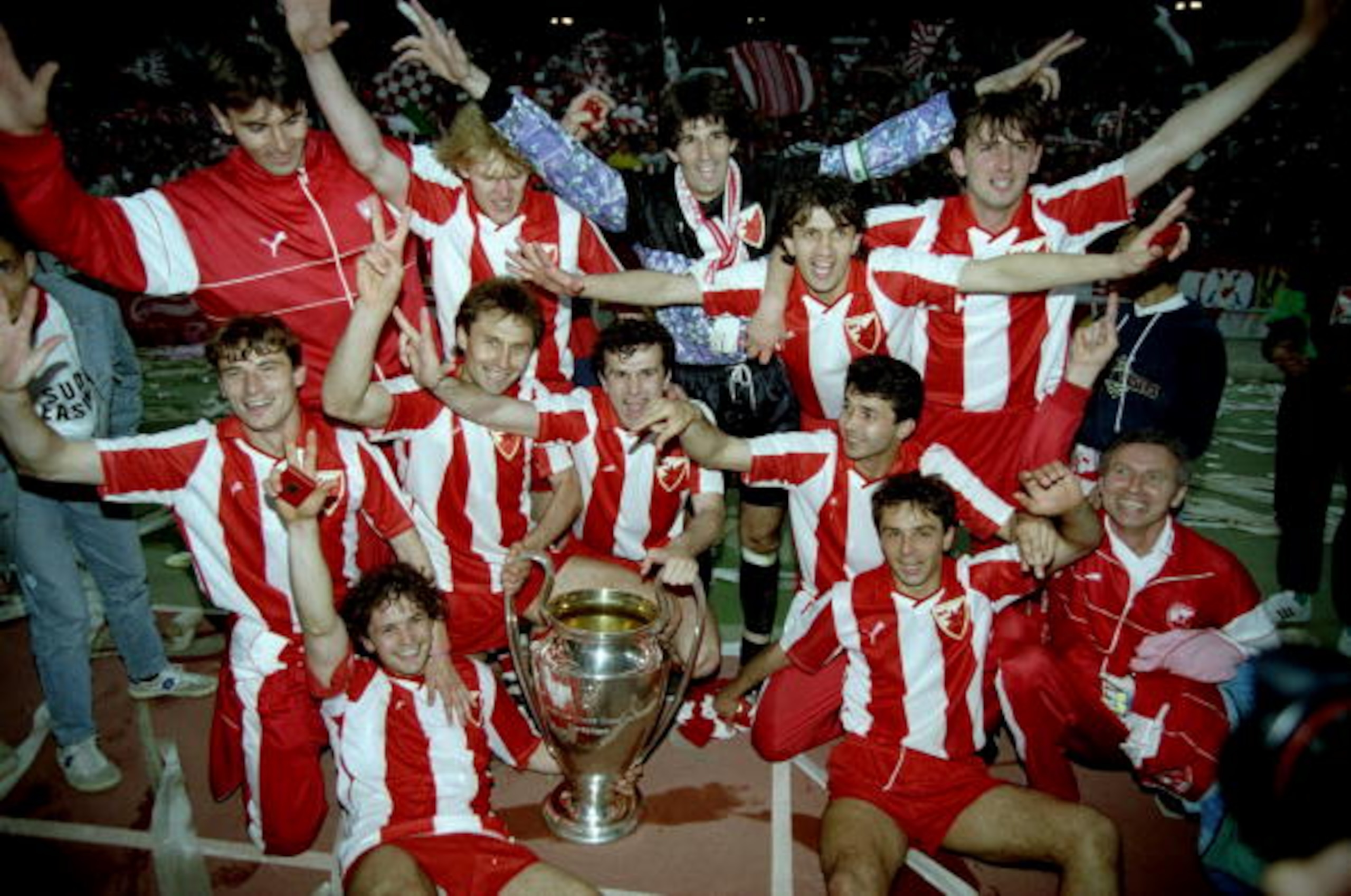
During the Cold War and many years after, Eastern European Soccer was often scoffed at, chiefly owing to their clubs constantly coming up short in European Cup tournaments.
Yet in 1991, all Red Star did was cap off their first and only Club Champions’ Cup in its history with an undefeated tournament.
It shouldn’t have been too surprising, considering the steady improvement Red Star had made on the international stage in years past. Although they had never made it past the quarters in the past two decades, Europe’s elite knew better than to take them lightly, as often the top clubs from Italy and Spain would advance by the skin of their teeth.
In 1991, there would be no denying Red Star.
After knocking out Grasshoppers Zurich in the first round, Red Star would serve early notice to the rest of Europe’s champions by easily dispatching Glasgow Rangers by a surprisingly clear 4-1 aggregate.
Next to bite the dust would be East Germany’s champion Dynamo Dresden, which was soundly defeated in both matches. The second leg in Dresden got so bad that it had to be abandoned when Dresden fans started multiple riots in the stands. The final tally: Red Star advanced on a 6-0 aggregate.
Unperturbed, the boys from Belgrade would continue their rampage, defeating Bayern Munich in the semifinals before facing the stiffest challenge in French Champion Olympique Marseilles in the finals, who would not succumb until after extra time and the ensuing penalty kicks, possibly the only blemish on Red Star’s record for the tournament.
Most impressively was the featured personnel that had led Red Star to glory: youth, and more youth.
The average age of the Cup winning side was 24, with no player older than 27. Effectively recruited by Belgrade’s management from throughout what was then still known as Yugoslavia, Red Star was able to land standouts as Prosinecki and Darko Pancev, whereas players like goalie Stevan Stojanovic would come through their own youth system.
Red Star has often been named the best club to have ever come out of the east, and it was with consistent results in international tournament and especially the Cup win in 1991 that they would solidify that reputation.
Tragically enough, the club would be torn up not so much by the European super clubs vying for their players' services, but by the slow dismantling of Yugoslavia itself, which would find the resulting new nations in a bloody war for much of the decade.
.jpg?w=2560 "Cardinals Giants Football")

.jpg?w=2560 "Hill Injury Update Football")
7. Real Madrid, 1960
4 of 10
Of course there can't be a countdown without the club which has become synonymous with winning the Champions League trophy.
1960 would be the fifth straight European Champions’ Club Cup, as it was then still known, for Real Madrid, won by quite possibly the most dominant team they have ever fielded.
In the first round, Real flexed some early muscle by dispatching Luxembourg’s champion Jeunesse Esch by a whopping 12-2 on aggregate. Though the Milans and the Barcelonas would shrug off the blowouts over a perennial international doormat, little did they know Real was only getting started.
Led by all-world striker Hungarian Ferenc Puskas and attacking partner, Argentine Alberto Di Stefano, Real would have to overcome their first defeat, to French champions Nice (after a two goal lead, no less) in the second round, before snuffing them out 4-0 in a devastating display of football skill back home at Bernabeu. This would turn out to be their last real challenge.
Collectively, the team would proceed to take their seat in the steam roller and raze the competition in short order.
Rival Barcelona would be eliminated behind Puskas’ three goals and a pair of 3-1 victories before Los Blancos would save their best for last, destroying German champions Frankfurt in a 7-3 rout (behind Puskas' four goals and Alfredo Di Stefano's three) at Glasgow’s Hampden Park. To this day, it is still the highest scoring final in a Champions League Final.
With the victory, Real Madrid would establish their supremacy in club football after winning the first five European Clubs’ Champions Cups, a streak unmatched to this day.
Manchester United, 1968
5 of 10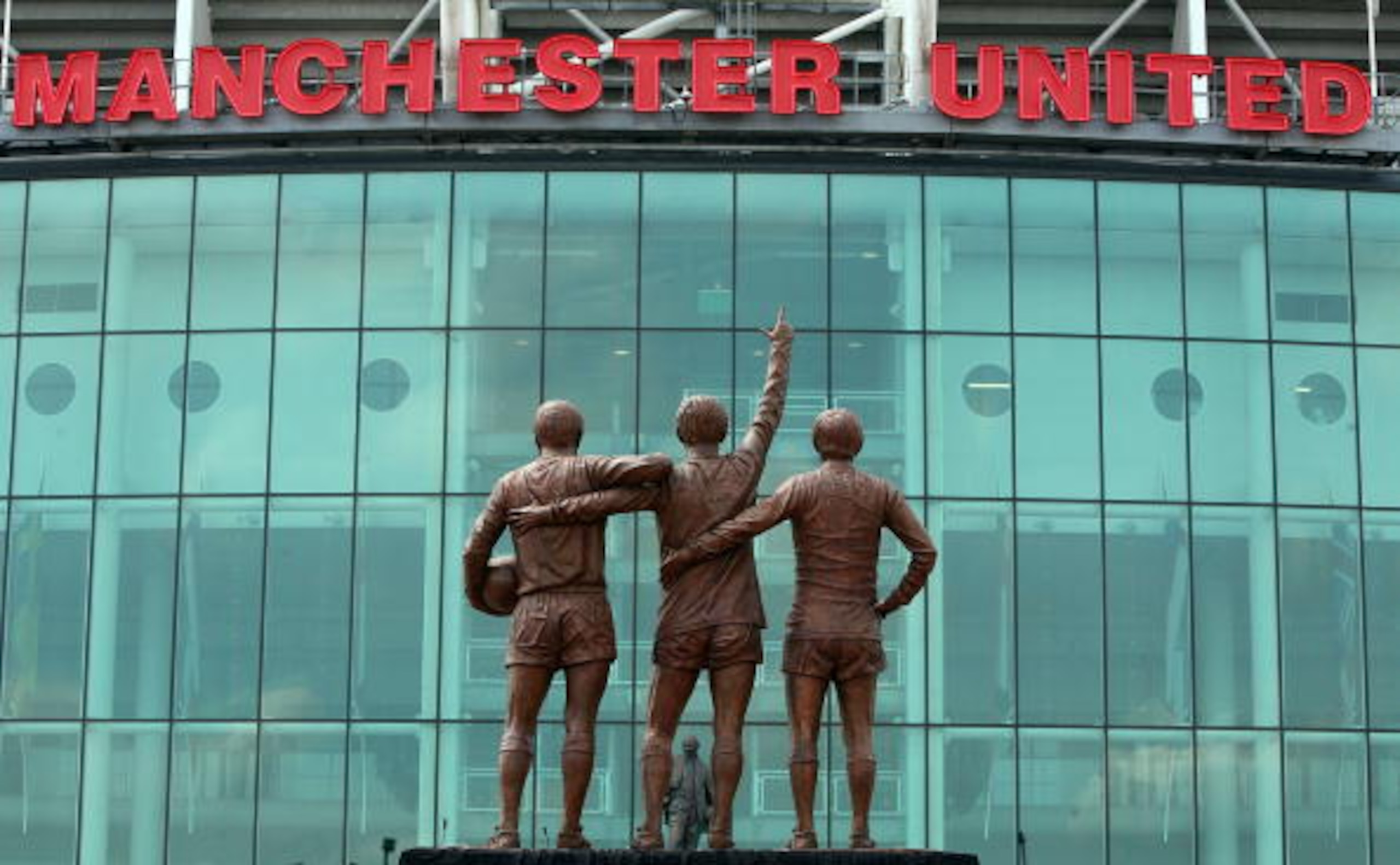
The first English club to hoist the cup, this was an all-star ensemble featuring football greats such as Bobby Charlton, George Best, and ‘King’ Denis Law.
Two years following England’s first World Cup triumph, United would send their fans into a frenzy with a 4-1 win in extra time over two time champion Benfica Lisbon at Wembley in the Cup Final of 1968.
Ten years following the tragic airplane accident in Munich that would claim most players of Manager Sir Matt Busby’s team, Manchester United had come full circle in its rebuilding efforts.
United were, simply put, a team of destiny.
Under the watchful eye of Busby, United would execute its attacking style, usually a 4-3-3, to perfection while displaying a never-say-die spirit that would be sorely needed in the semifinals.
Down two goals to giants Real Madrid in the second leg of the semifinals, United went for broke and fought back to draw even on unlikely goals by their center backs Bill Foulkes and David Sadler, silencing 120,000 fans in a sold out Bernabeu Stadium, and winning a 4-3 aggregate which almost made the finals appear anti-climactic by comparison.
Manchester United would wait another 31 years to return to European Champions League Glory, yet even with the ecstasy surrounding the 1999 and 2008 teams, the first team to bring the Cup to Old Trafford was quite possibly the best.
5. AC Milan, 1994
6 of 10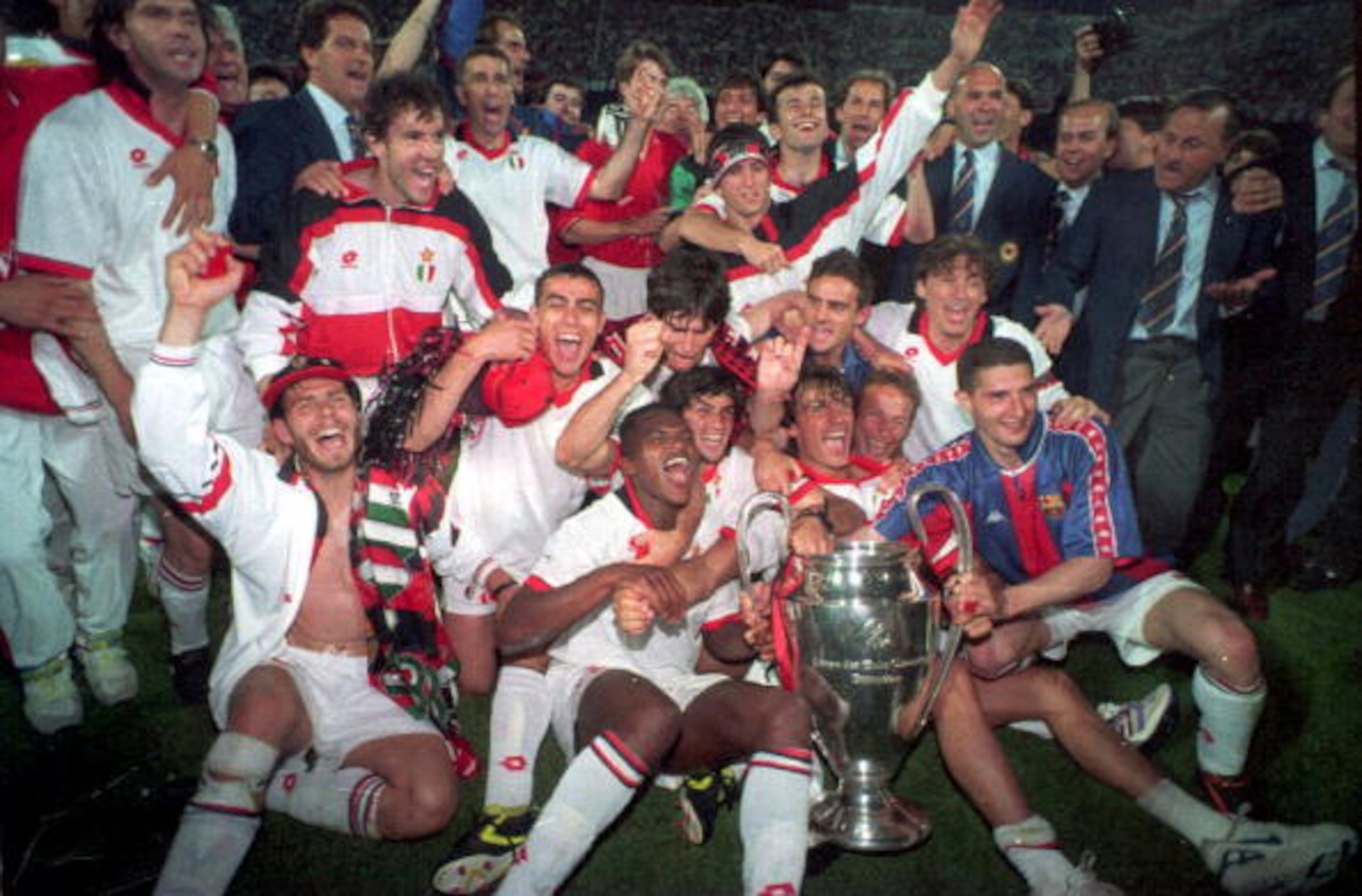
AC Milan had won the European Cup in both 1989 and 1990 with the unforgettable ‘Dutch Axis’ of Frank Rijkaard, Ruud Gullit, and Marco Van Basten.
Four years and the exits of Gullit and Rijkaard later, Milan would need to re-invent themselves.
Led by the genius of coach Fabio Capello, the 1994 side was, although not the most recognizable, quite possibly the most dominant in Milan’s picture book history.
That isn’t to say there weren’t speed bumps along the way.
Although AC would remain undefeated during this European Cup tournament, they would dodge a few bullets, winning the group stage despite drawing four of their six matches. To be fair, this was arguably the murder group of the tournament, pitting Milan against Cup contenders like Porto, Werder Bremen, and Belgium’s perennial champs from Anderlecht.
Once Milan survived the group of death, it would be fun and games.
In the semifinals, they would dominate AS Monaco, disposing easily of the French champs through virtue of a 3-0 shutout.
Then came Milan’s finest hour.
In the days leading up to the finals, Milan was a clear underdog to Manager Johann Cruyff’s Barcelona side that starred some of the finest world stars in their prime, among them Bulgaria’s Hristo Stoichkov, Brazil’s striker deluxe Romario, and Dutch world star Ronald Koeman as the glue in the defense.
Milan would play this game with a severe handicap. Van Basten and young star Lentini were on the shelf with injuries. Captain and sweeper extraordinaire Franco Baresi was suspended. Bona fide forces in the attack, Frenchman Jean Pierre Papin and Denmark’s Brian Laudrup, were forced to watch the game from the stands, since Manager Capello had already exceeded the number of non-nationals allotted to each team (three).
Milan did have the master on the sidelines, Fabio Capello. This would prove to be his, and Milan’s, finest hour.
The final score: Milan 4, Barcelona 0
Till this day, several pundits have claimed this was the greatest performance by a team in finals history, rightfully earning Milan a spot in history’s elite top 10.
4. FC Barcelona, 2006
7 of 10
In the group stage, Barcelona would put on a clinic at home, sending an early statement to Europe’s top tier. In short order, Barcelona would trounce Bremen, Panathinaikos, and Udinese, by the scores of 3-1, 5-0, and 4-1.
If the group’s competition believed Barca would receive its due come-uppance outside the friendly confines of Noucamp, they would find that assessment fatally flawed. In three games played on the road, Barcelona would each win 2-0 in Udinese and Bremen while being held to a scoreless draw in Athens, the only points they would surrender in the group stage. That's zero goals allowed in three road games.
This would only be the beginning of their undefeated 2006 campaign, even though somebody decided to turn off the goal tap.
In the remaining seven games, from the sweet sixteen to the victorious finals, Barcelona would score a total of eight more goals, and yet the competition later admitted they never stood much of a chance.
Why was that?
How about dominating with a stifling defense?
The total goals allowed in seven games versus Chelsea, Benfica, Milan, and Arsenal: a measly three, including four consecutive shutouts of Benfica and Milan, who were knocked out in the quarters and the semis, respectively.
Barca would have to rely on grit for the finals against Arsenal, chasing a one goal deficit until 14 minutes before time, when Eto'o would equalize Campbell's goal for Arsenal in the 37. minute. Five minutes later, Belletti would slot home the winner past substitute goalie Almunia, in since the 16. minute following Jens Lehmann's red card.
How to summarize this 2006 team?
A collection of world stars in their prime, such as Eto’o and Ronaldinho, cagey veterans like Carles Puyol playing center back and Marc Van Bommel as a reliable number six in midfield. On the bench: future midfield stars and World and European Cup Champs, Xavi and Iniesta.
The greatness of this team was shown in their versatility and the ability to adapt to their opponents. If defense was required, Barca would pitch a shutout. If goals were needed, Barca had plenty of golden shoes laced up to provide for these as well.
Simply a great team.
3. Ajax Amsterdam, 1995
8 of 10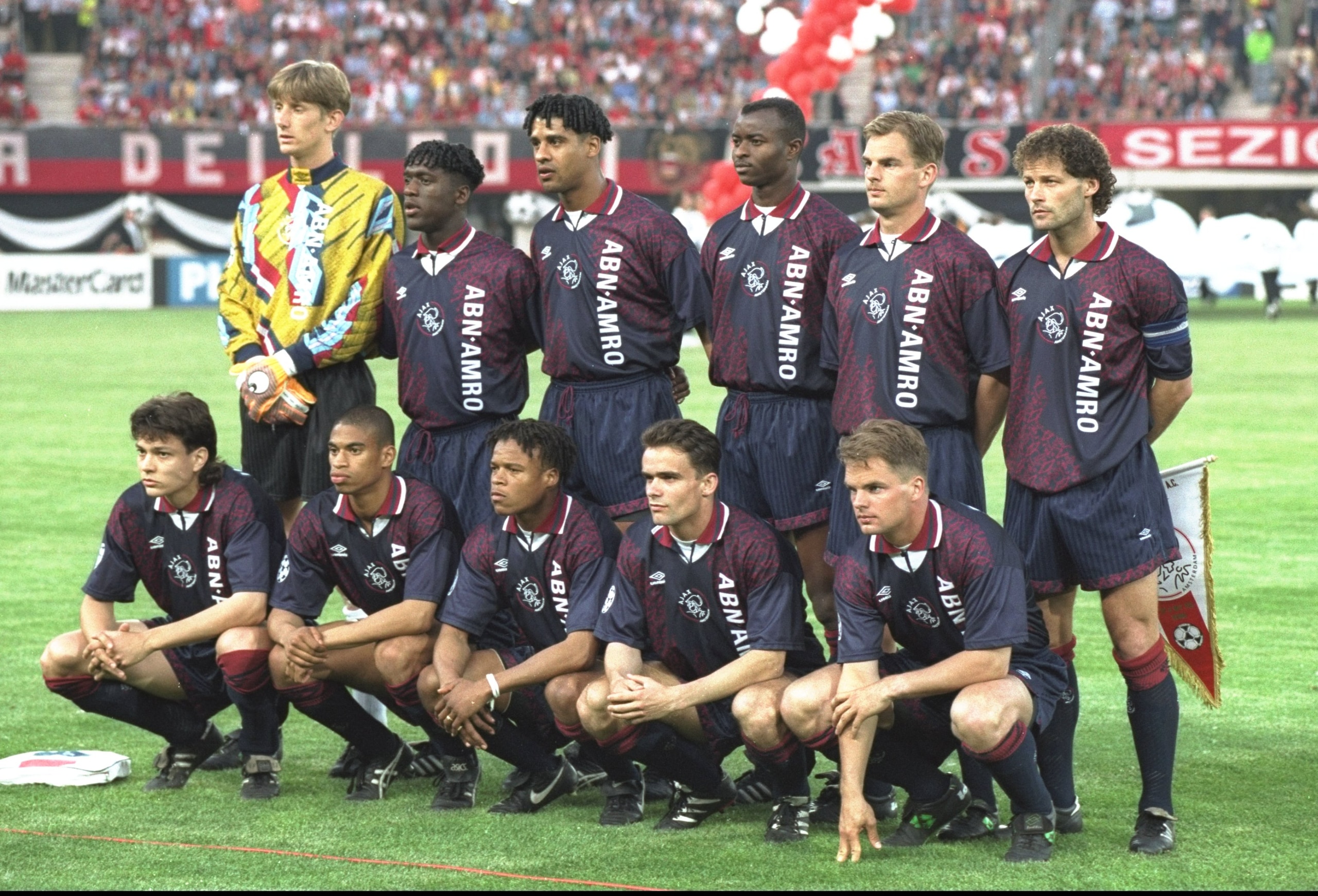
Nobody’s football school has done a better job of cranking out young talent over the years than the one run by Ajax Amsterdam.
This rang true in particular in the year of 1994-1995, when the Ajax first team - mostly players recruited from their youth club - would end up embarrassing the competition like people had rarely witnessed before.
Their style of football harked back to the old days of Total Football, when players were able to demonstrate a complete skill set, from attacking to defending, playing possession ball to mastering the up tempo game. Few teams have ever been able to let the ball run through their own lines as smoothly as the young guns of Ajax in '95.
Opposing teams often needed their IQ’s checked following games with Ajax. Little surprise, since the Dutch team would make most teams look silly at the end of the day.
Ajax breezed through the tournament undefeated, with an incredible eighteen goals scored and only five conceded in eleven matches. Ajax would meet powerhouse and cup defender AC Milan three times, twice in the group stage and later in the finals in Vienna. The results: three games, three wins for Ajax, no goals conceded. Complete domination.
To make matters worse, the competition was staring at the youngest champion in history. Only one player, legend Frank Rijkaard, was over 25. The average age of the squad that would defeat Milan in the finals was a tick under 24.
This Ajax team would field future superstars like goalie Edwin Van Der Saar, Michael Reiziger, Edgar Davids, Clarence Seedorf, and the DeBoer twins, among others. This same lineup would miss repeating the next year when losing out on penalty kicks in the finals against Juventus.
Eventually, the young and brilliant stars would scatter throughout Europe, following the big money Ajax could no longer pay.
We can only wonder what they had accomplished if they had remained a unit. Either way, they will not be forgotten as one of the greatest units to ever lift the Cup.
2. Bayern Munich, 1976
9 of 10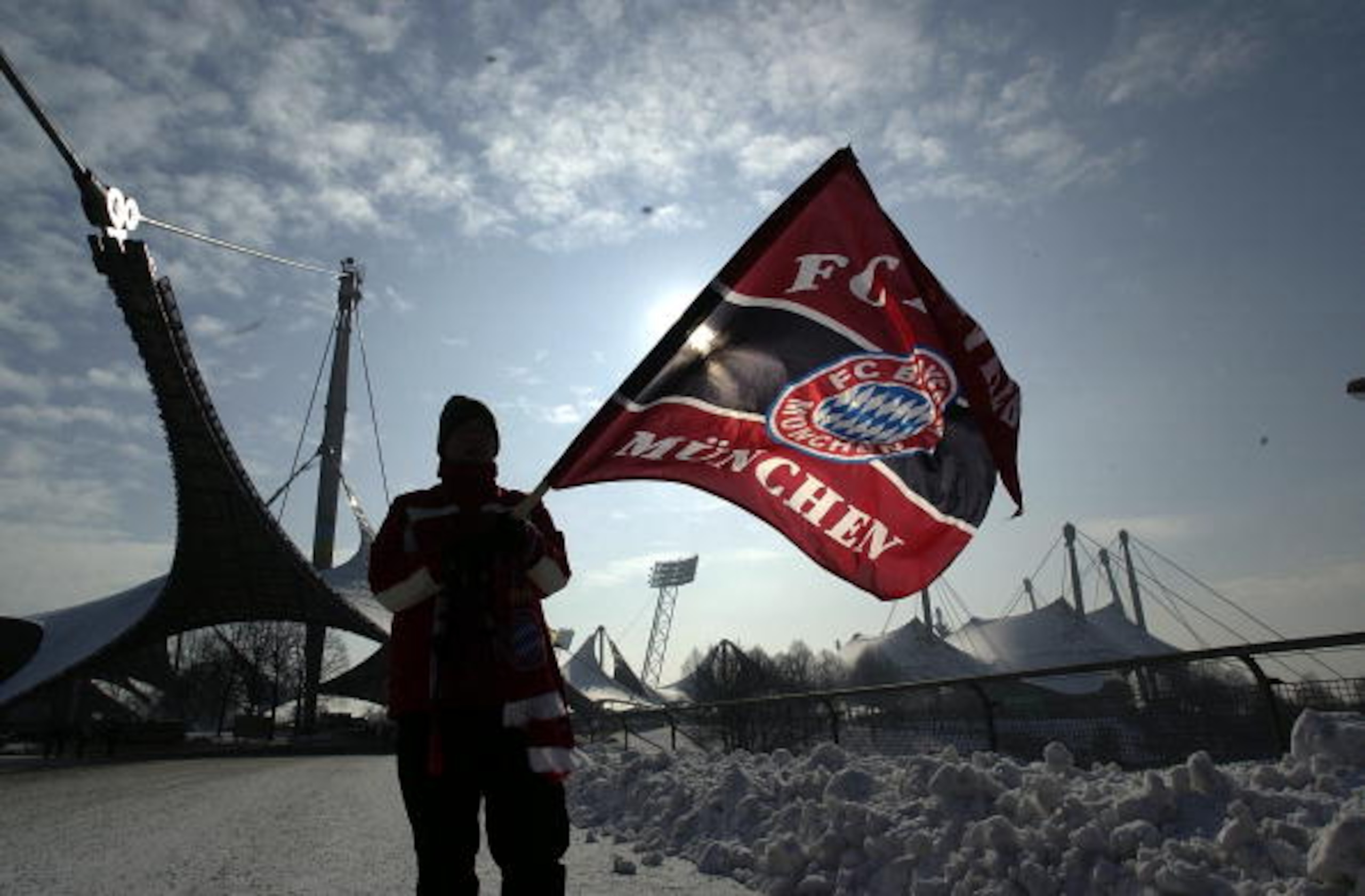
This would be Bayern Munich’s third straight cup win and their final hoorah until 25 years later.
This team was almost a carbon copy of the National team that had won the last World and European cups: world stars Sepp Maier in goal, sweeper ‘Kaiser’ Franz Beckenbauer, the undisputed leader, and the most prolific goal scorer ever outside of Brazil, Gerd Müller, leading the attack.
In addition to the usual suspects who’d contributed to Germany and their domination of world football, there were others who were no strangers to hoisting valuable hardware: there was centerback Georg Schwarzenbeck and midfielder Franz ‘Bulle’ Roth, and finally lightning quick forward Uli Hoeness and a young Karl-Heinz Rummenigge assisting Gerd Müller in terrorizing opposing defenses. An All-German team, with the exception of Danish defender Johnny Hansen.
Gerd Müller, in particular, would destroy teams single footedly, as he scored all three goals against Real Madrid in the semifinals, in a 3-1 aggregate. French Champions St. Etienne would be the last to fall, victims of a 1-0 shutout at Hampden Park in Glasgow.
This dynasty would prove to be an unconquerable force at home at the old Olympic Stadium (pictured above), where Bayern would not surrender a single point throughout the tournament.
Sadly, this would be Bayern Munich’s end of reign for the next few years. It was partially a case of players leaving the club and, as Franz Beckenbauer himself later admitted in his biography, Bayern Munich ‘winning itself to death’.
1. Ajax Amsterdam, 1973
10 of 10
This was the era when Total Football was created, culminating in a third consecutive European Cup for Ajax in 1973.
Invented by former coach Rinus Michels (also the founder of the offside trap), Total Football was a tactical theory that stated that any player could replace any teammate anywhere on the pitch. Sometimes a defender would find himself attacking while a striker would drop back and defend. This required complete skills from the players involved, and they would be used to devastating effect.
Opponents would often find themselves confused, and mismatches would be created, allowing Ajax to exploit the opposing teams’ defenses to the max. Part of this required quick transitions, meaning that the ball, once gained, would be moved up to the attack with a minimum number of touches.
It would take years for Ajax’s opponents to adjust to this system that is still being taught in football schools today.
Of course, it helped very much that this Ajax team had superb talent.
Captained by legendary captain Johann Cruyff in his prime, Ajax would become the main source for the Dutch national teams that would finish as runners up in both 1974 and 1978 World Cups. Johann Neeskens, Arie Haan, Piet Keizer – Amsterdam’s glut of talent seemed to be endless.
The results of the 1973 tournament spoke volumes: CSKA Sofia, Bayern Munich, Real Madrid, and finally Juventus Turin would fall to the Dutch, one by one, one team looking worse than the next.
Incidentally, Juventus had a young midfielder named Fabio Capello, who would later come up short against the 1995 edition of Ajax Amsterdam as a head coach for AC Milan.
When talking about total domination, assisted by an innovative and entertaining style of play, the Ajax team of 1973 still stands alone.
.jpg?w=2560 "Titans Giants Football")
.jpg?w=2560 "Dolphins Bills Football")