

The Craziest Baseball Scandals and Stories in MLB History
While baseball is known as America's pastime, the sport is no stranger to controversy.
Facing on-and-off-field scandals since before the dinosaurs walked the earth, Major League Baseball continues to battle its tarnished reputation.
In a sport that requires class and natural skill, rather technique, many players have tried to cheat the system.
From the most prolific home run hitters in history using steroids during their primes to players purposely losing games to win bets, baseball has faced arguably the most controversy of any professional sport.
While baseball enters a new era with dominant pitching and egotistical millionaires, it is on the way to cleaning itself up.
But let's look back at the craziest scandals and stories in MLB history.
Enjoy.
23. Marge "Should Be" Schott
1 of 23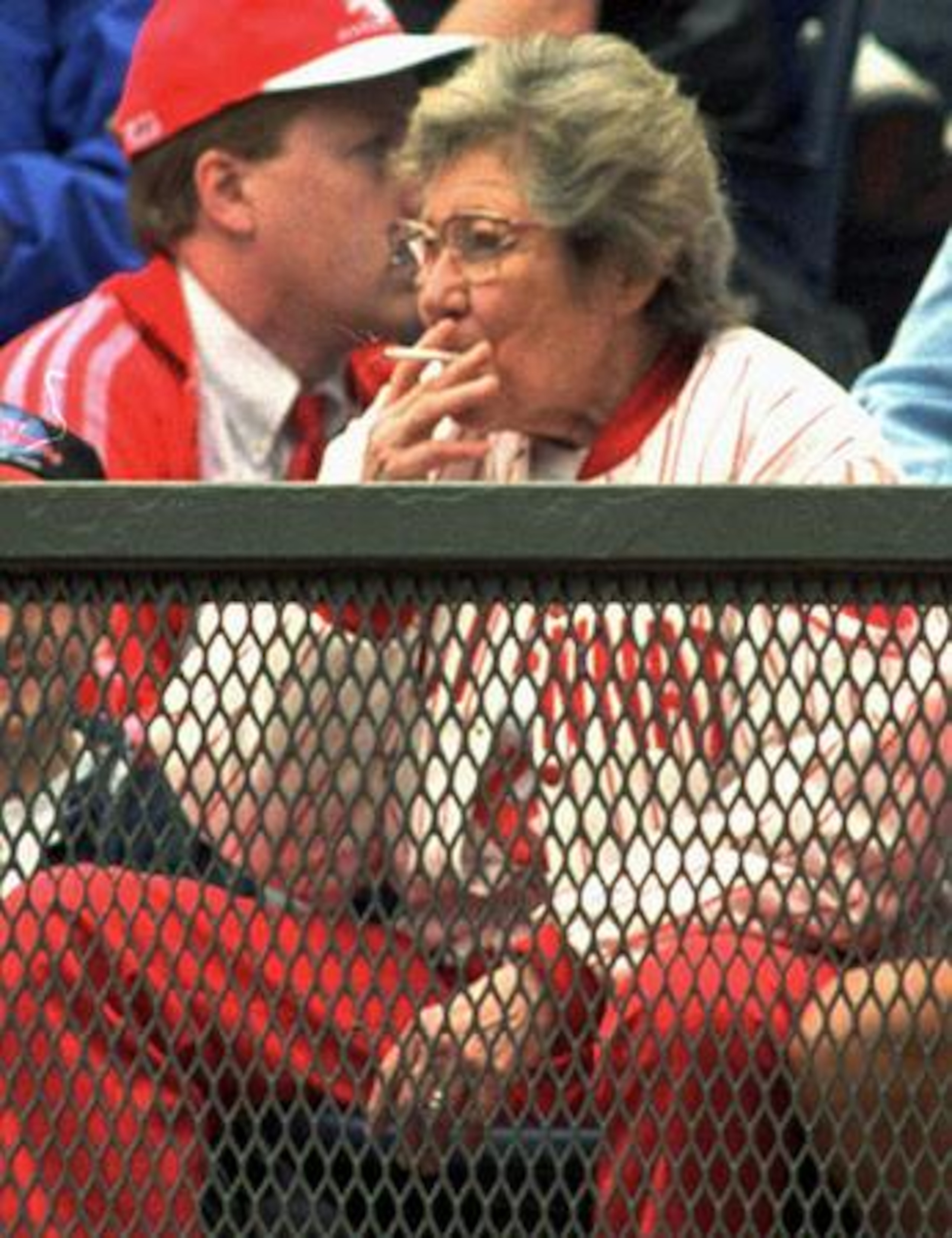
Perhaps Schott was inspiration for former Braves pitcher John Rocker.
The former owner of the Cincinnati Reds made slurs against Blacks, Jews, Asians and homosexuals.
If that wasn't enough, she expressed a sympathetic attitude to Adolf Hitler and the Nazis.
She was banned in 1996 by Commissioner Bud Selig and became the only woman ever to be banned. Unfortunately, she was reinstated in 1998.
22. Circumstances Following 1919 Scandal
2 of 23
While Commissioner Albert Benjamin Chandler's nickname was "Happy," he was far from it.
With a paranoid sense of entitlement, commissioners of the league would suspend any player just for being seen with a gambler in an attempt to rid the league of its gambling influences completely.
Commissioner Happy Chandler suspended Brooklyn Dodgers manager Leo Durocher for the 1947 season for being seen with the wrong people.
After retiring, Hall of Famers Mickey Mantle and Willie Mays greeted customers at gambling casinos and were then banned from the league as well.
Their bans were lifted when Commissioner Peter Ueberroth realized they weren't making millions of dollars when they played baseball.
21. Dock Ellis Pitches No-Hitter on LSD and Bill Lee Makes Special Pancakes
3 of 23
In this picture, Ellis is actually facing center field as the coaches yell for him to turn around.
Dock Ellis thought he had the day off to have a relaxing trip.
When his friend's girlfriend told him he had to pitch against the Padres, he rushed to board a plane and reached his peak when he was on the mound.
"I can only remember bits and pieces of the game. I was psyched. I had a feeling of euphoria," he said.
If that doesn't get you in the Hall of Fame, what does?
Bill Lee was also a unique individual.
Not only did he talk to animals, practice yoga and study Eastern philosophers, he even sprinkled marijuana on his buckwheat pancakes.
He was fined $250 by Commissioner Bowie Kuhn.


20. Gordon McNaughton Fails Twice
4 of 23
After an unsuccessful baseball career, McNaughton earned money as a postal clerk in Chicago.
Things only got worse.
An estranged girlfriend, Eleanor Williams, killed him in his hotel room on August 6, 1942.
Tough road for McNaughton.
19. Ty Cobb Controversy
5 of 23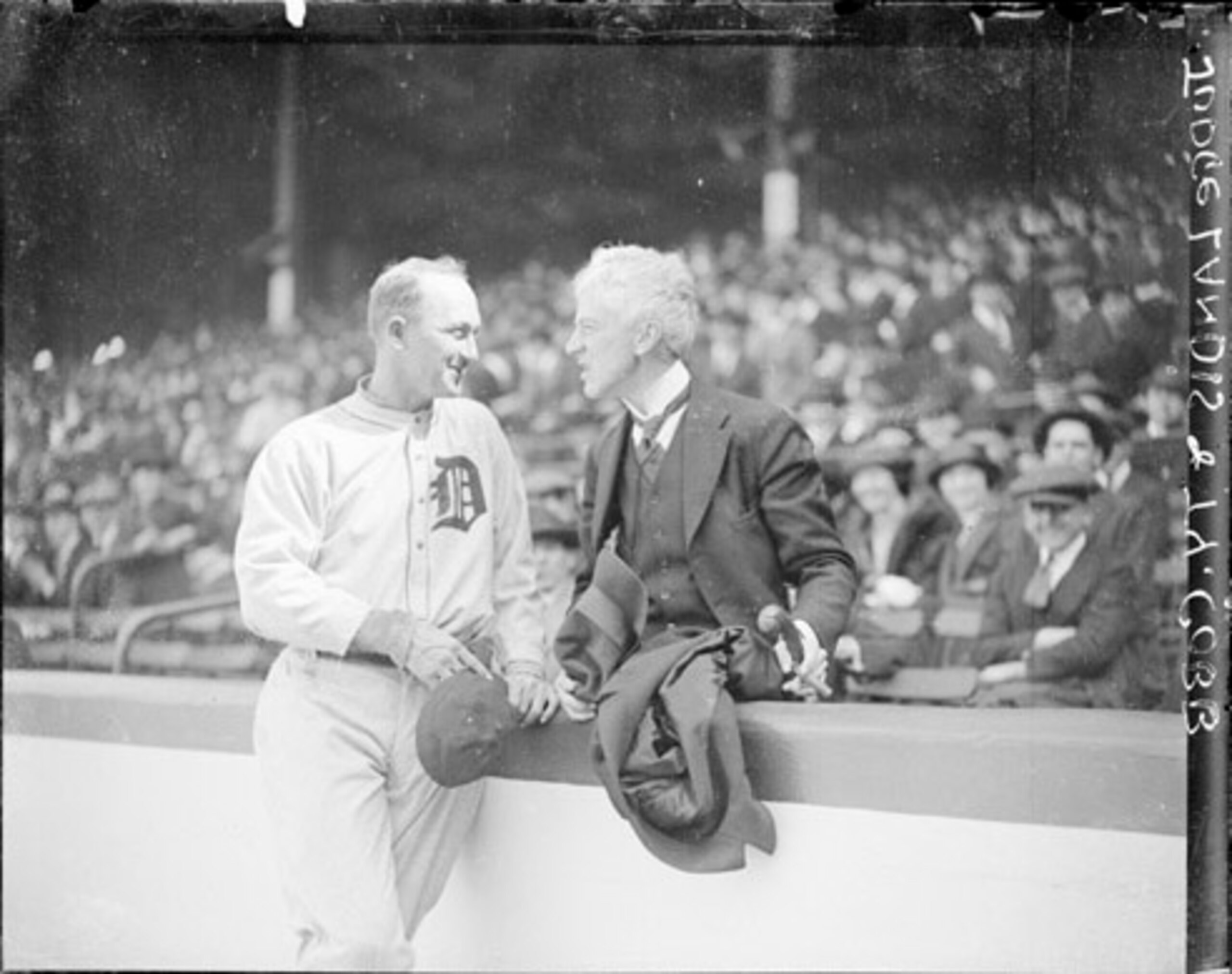
After Cobb and Tris Speaker, a player-manager of the Cleveland team, retired, eyebrows were raised.
It turned out that they were beset into retirement by Dutch Leonard, Cobb's former pitcher.
Cobb and outfielder Smoky Joe Wood were accused of betting on a game between Cleveland and the Tigers in Detroit in 1919 based on letters that Leonard had found between the two.
The two were cleared by Judge Kenesaw Mountain Landis when Leonard repeatedly failed to show up for the hearings.
While Cobb admitted the letters were real, he claimed they were in reference to a horse racing bet.
18. the Winfield/Steinbrenner Feud
6 of 23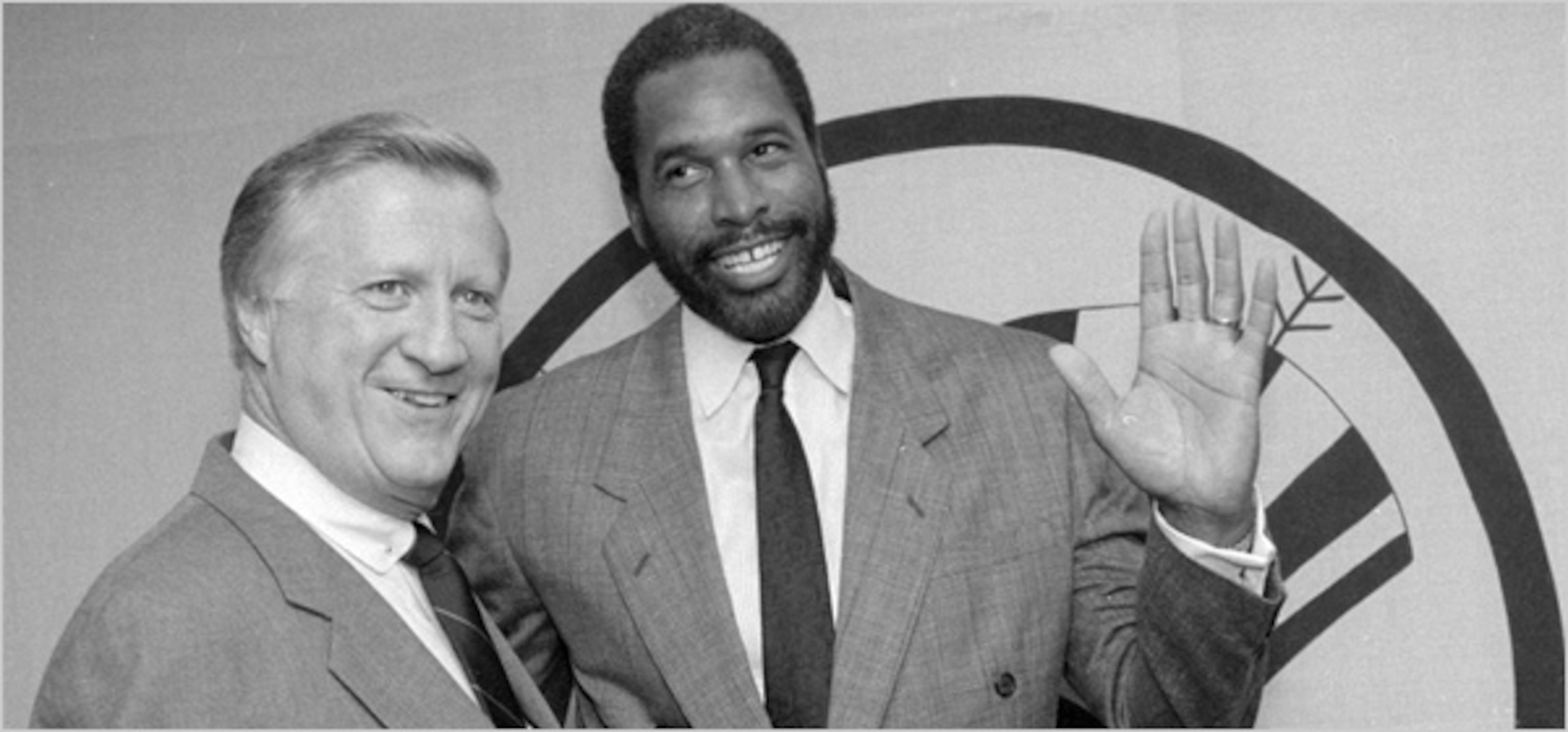
The relationship between George Steinbrenner and Dave Winfield had one moment of harmony.
This picture captured that moment. Then it all went downhill.
The Boss hired gambler Howard Spira in 1987 to dig up dirt on Dave Winfield that didn't exist.
After three years and $40,000 in payoffs, the only thing Steinbrenner could achieve was a ban from day-to-day operations of the Pinstripes for life.
Good job George.
The relationship between Dave Winfield and The Boss hit rock bottom in 1990, after Steinbrenner traded him to the Angels for Mike Witt.
Karma.
17. 1980s Mets Addicts
7 of 23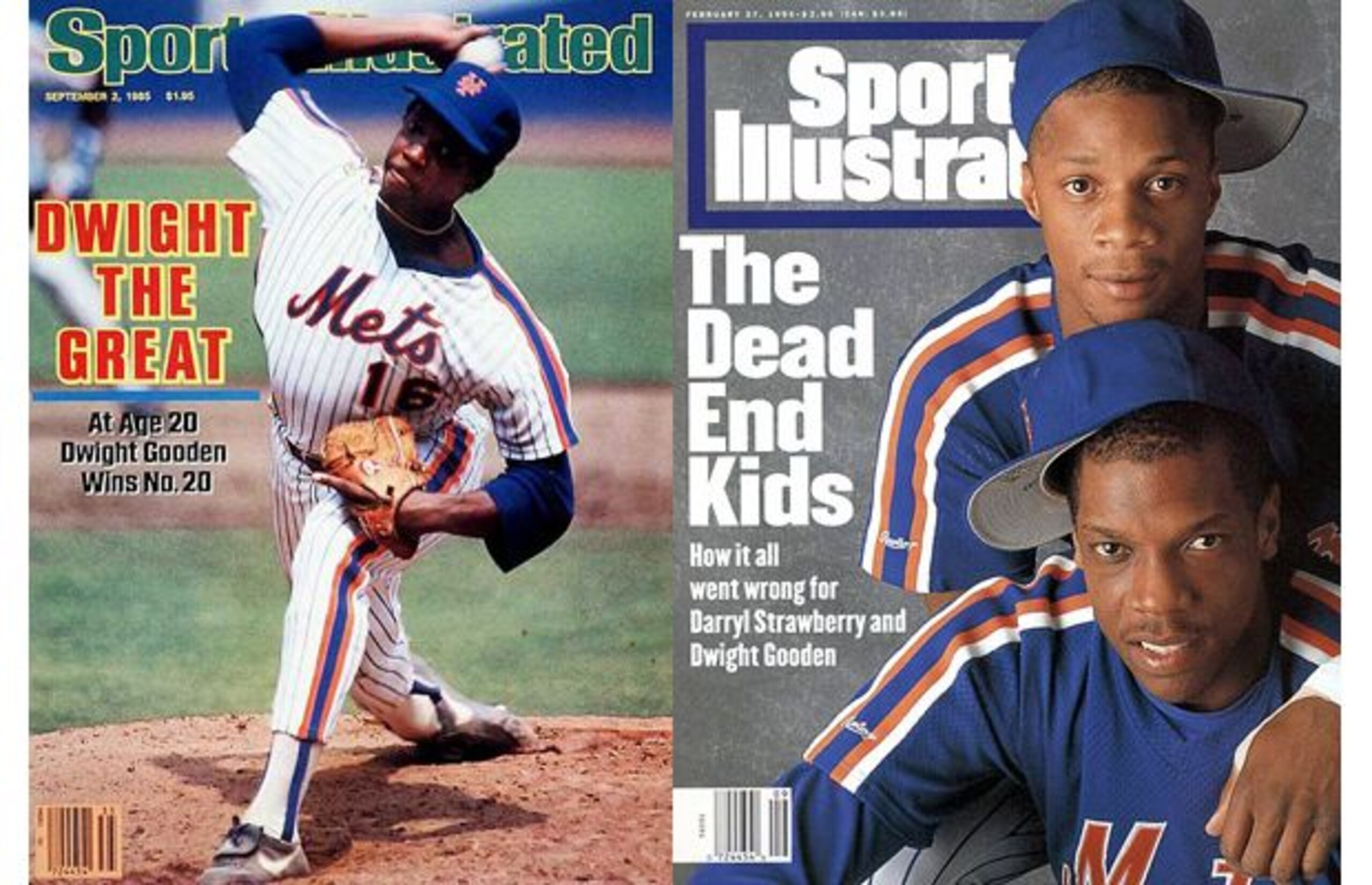
"If we wouldn't have partied so much, we would have won more," said Mets' great Darryl Strawberry.
To think, if they weren't all raging drug addicts, they might have won the 1986 World Series again.
Perhaps Bill Buckner should've laid off the pills.
According to former Met Turk Wendell, "On the Mets, you were a definite outcast if you didn't do amphetamines."
16. Players Defecting to the Mexican League in the 40s
8 of 23
During the 40s, Jorge Pasqual and his four brothers used $50 million to build the Mexican league, which they believed would compete with the major leagues.
He offered players higher salaries, unique gifts and better incentives.
Commissioner Happy Chandler was once again angry, threatening to ban players who boarded the ship to Mexico if they did not return before his designated deadline.
Players weren't exactly scared of the Commissioner as they took lucrative salaries and ignored his threats.
When they returned, Danny Gardella sued the MLB on antitrust grounds for reinstatement.
The hierarchy didn't want a fight so they lifted the ban and paid off Gardella—$60,000.
15. 1877 Conspiracy
9 of 23
This wasn't only the first incident of gambling in professional baseball that reached headlines, but it opened up owners' eyes to how little these players were truly earning.
Average salary in 1877: yearly supply of oatmeal.
Four Louisville Grays players, Jim Devlin, George Hall, Al Nichols and Bill Craver were caught "throwing" games in exchange for bribes from gamblers.
The team suspended the players.
Louisville soon left the league as the Grays and became St. Louis.
14. Years of Racial Segregation
10 of 23
Brooklyn Dodger's general manager Branch Rickey called it "the great experiment."
In 1945, Rickey agreed to a contract with Jackie Robinson of the Kansas City Monarchs and integration in the major leagues was in full swing, no pun intended.
Officially putting on a uniform in 1947, Robinson changed the game forever.
The MLB missed out on perhaps the best players of all time before Robinson because of segregation.
13. Pittsburgh Drug Trials
11 of 23
Why is that parrot drooling and foaming at the mouth?
It is only slightly obvious that the Pirates were a better team when they had drug addicts playing the field.
Prominent figures Dave Parker, Rod Scurry, Lee Mazzilli, Dale Berra, Keith Hernandez and Tim Raines, among others, were all summoned to appear before a grand jury.
Testimony only proved that drugs were omnipresent throughout the league.
Rod Scurry apparently left a game in the late innings to find cocaine, and John Milner bought two grams of cocaine for $200 in the bathroom stalls at Three Rivers Stadium in 1980 during a game against the Astros.
Milner said he was introduced to "greenies" by Willie Mays and Willie Stargell.
Here's a good case for why hiring mascots is a delicate aspect of management. Kevin Koch, the Pirates' mascot, bought cocaine and introduced players to a drug dealer.
12. 1917-1918 Suspicions
12 of 23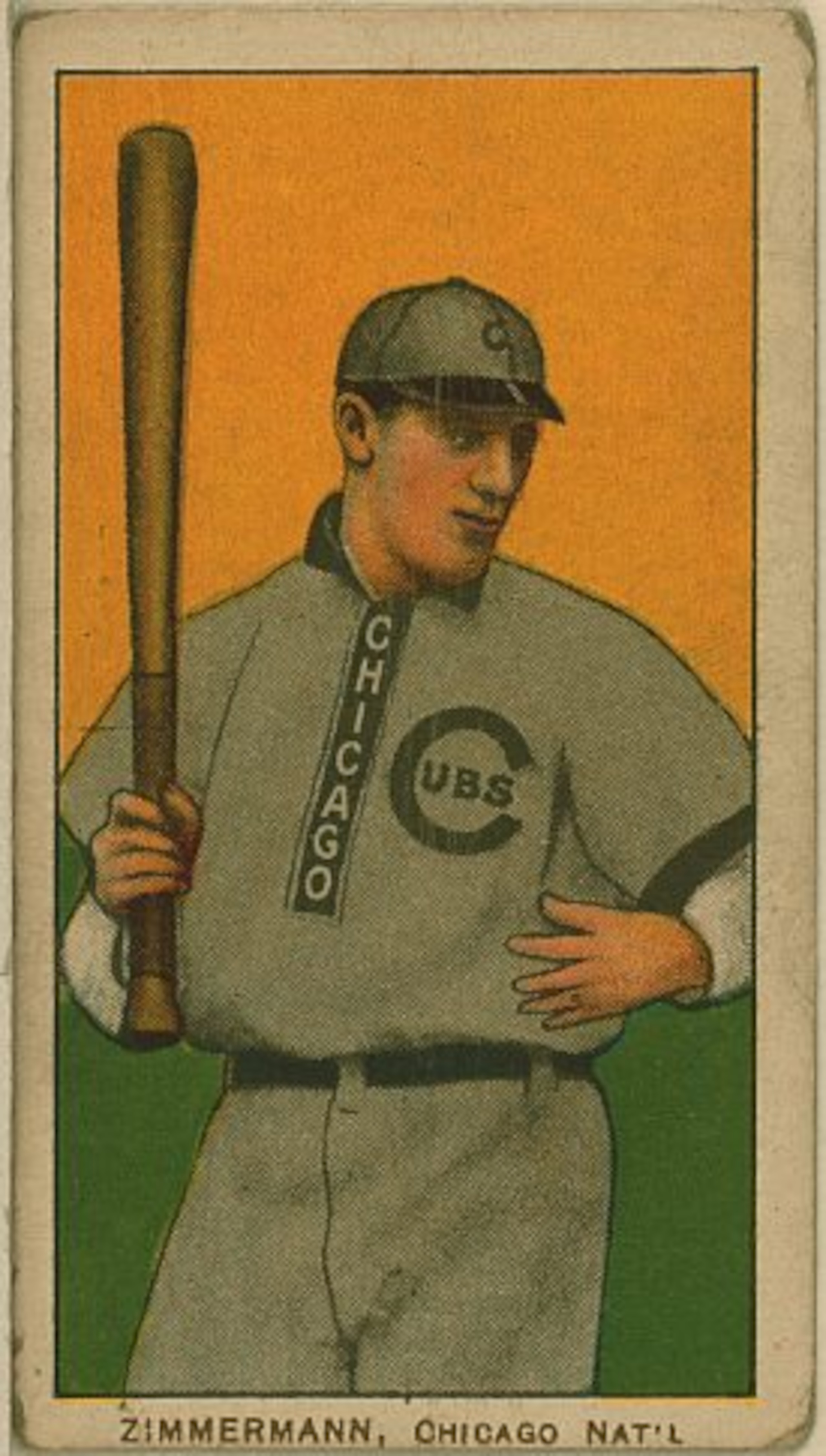
Does that look like an honest face?
Another case of starving baseball players trying to feed their families—or their alcohol and drug addictions.
Either way, when the New York Giants lost to the Chicago White Sox in the 1917 World Series, the league was suspicious of Heinie Zimmerman throwing the game, as he hit .120 during the Series and played questionable defense.
Two years later, he and his teammate Hal Chase were suspended for life for the continuous amount of questionable actions.
In 1918, ubiquitous rumors of World Series fixing by the Chicago Cubs persisted, and the league worried about gamblers' affect on the game.
With World War I dominating the news, the rumors dissipated.
Controversy only worsened a year later.
11. 1908 Bribery Attempt
13 of 23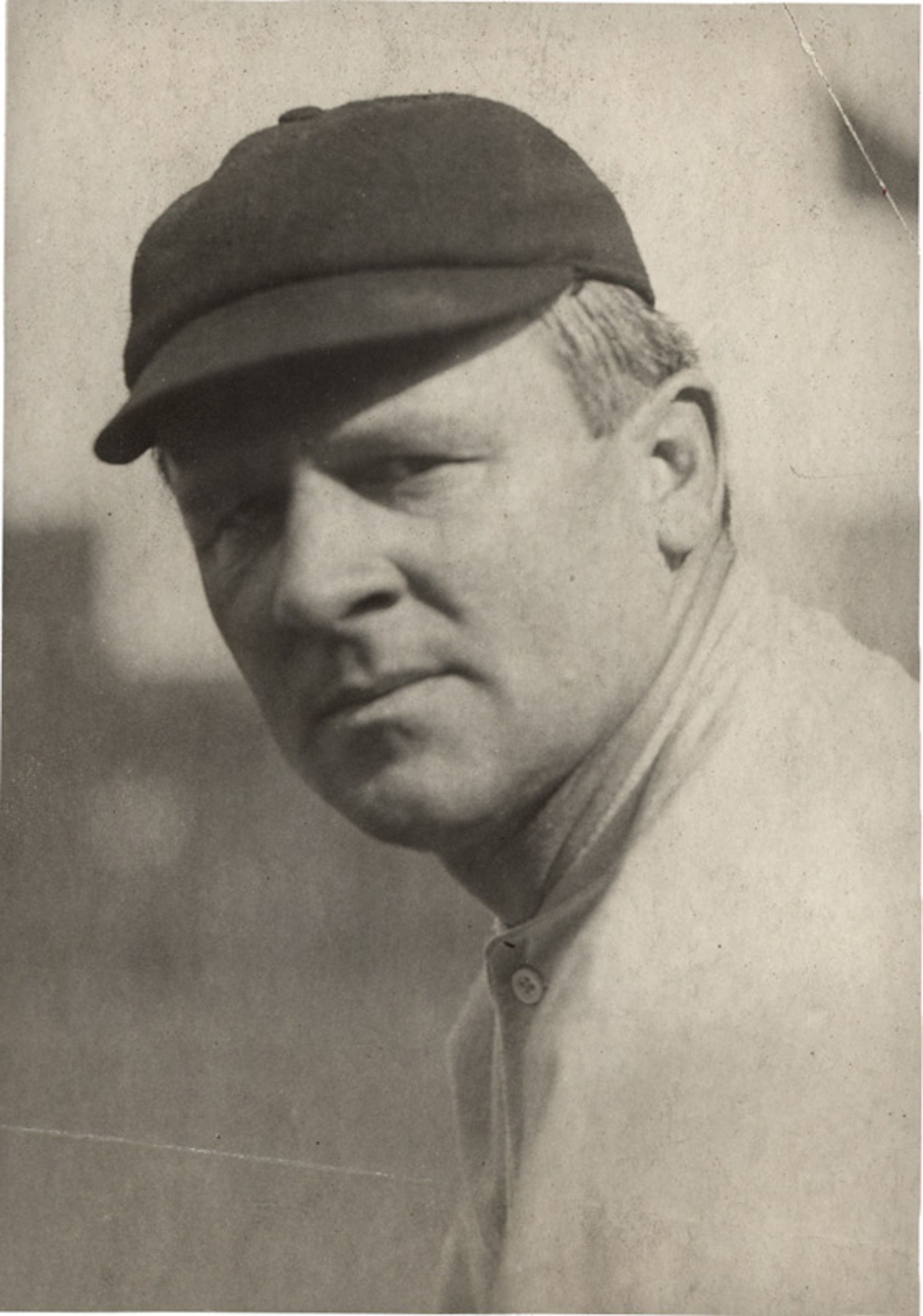
For starters, this is not NFL safety John McGraw's great grandfather.
This may have been more of a conspiracy than the 1877 incident.
A playoff game between the Chicago Cubs and the New York Giants was to be played to decide the National League championship.
An attempt to bribe an umpire took place, albeit quietly.
Not only did the umpire refuse, but the Cubs won the game.
The Giants' team physician became the notorious miscreant and was banned for life.
Research countered that Giants' manager John McGraw may have been the real man behind the scenes, and the team used the physician as a "scapegoat" in an attempt to avoid tarnishing McGraw's prominent reputation.
Don't be naive though, the umpire put karma behind this one and made sure the Cubs won.
10. 1914 World Series Upset
14 of 23
As Dave Chappelle so eloquently shows us, this is a real situation when "keeping it real goes wrong."
When the Philadelphia Athletics were stunningly swept by the Boston Braves in the 1914 World Series, Athletics' owner Connie Mack suspected that his players, who were angry at him, didn't give their best effort to spite him.
Then Mack decided to keep it real and traded or sold all of his star players away.
Within two years, the team finished 36-117, recognized as the worst season win-lost percentage (.235) in the modern era.
9. Steroid Era
15 of 23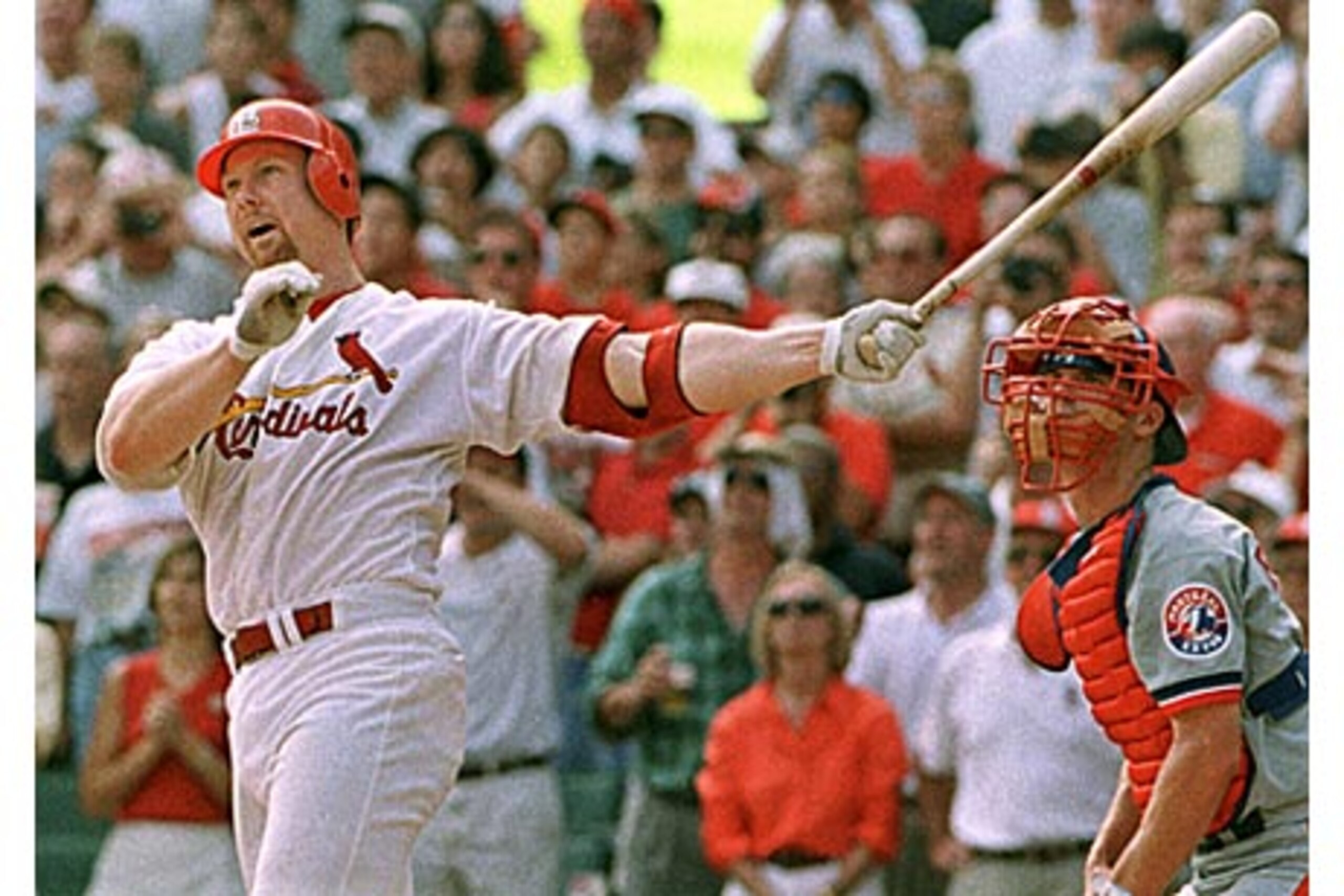
In October of 1988, Jose Canseco becomes known as a player who made himself great with steroids.
Coming off the first 40-home run, 40-steal season in baseball history, he denies using steroids and wins the MVP award.
On November 18th, the anti-drug abuse act of 1988 stated clearly that it is illegal "to distribute or possess anabolic steroids with the intent to distribute for any use in humans other than the treatment of disease based on the order of a physician.”
That didn't stop the junkies.
In 1992, trainer Curtis Wenzlaff is arrested for distributing steroids.
He later admitted to giving Canseco and 30 other players steroids but doesn't discuss another player—the infamous Mark McGwire.
According to Tony Gwynn in 1995 in reference to steroid use, "it's like the big secret we're not supposed to talk about."
In 1996, 17 major league players hit over 40 home runs, easily eclipsing the previous record of eight in 1961.
If there wasn't enough proof already, a jar of androstenedione is found in McGwire's locker during his chase for Roger Maris' single-season home run record of 61.
He went on to hit 70 home runs after admitting his use of the drug.
In 2001, star Barry Bonds, who has never hit 50 home runs in a season, hits 73 to break McGwire's record.
Third Baseman Ken Caminiti admits to using the juice during his MVP season in 1996 with the Padres (.326, 40, 130) Without steroids, he would've hit .246 with 10 home runs and maybe 50 RBI.
BALCO goes under investigation in 2003 and Bonds, Jason Giambi and Gary Sheffield are called to testify in front of the grand jury.
Bonds' trainer Greg Anderson, BALCO vice president James Valente and track coach Remi Korchemny are charged for the distribution of drugs to a plethora of players.
In 2004, the MLB begins testing major leaguers. First offenders are required to talk about their feelings with a counselor.
In 2005, Canseco comes out with "Juiced: Wild Times, Rampant ’Roids, Smash Hits, and How Baseball Got Big" in which he confesses to injecting McGwire and reveals many other players' steroid use.
8. Baseball Collusion
16 of 23
The 1985 offseason saw only four of the 35 free agents change teams.
Star players Kirk Gibson, Phil Niekro and Tommy John didn't even receive offers.
People became suspicious of owners working together to avoid competitive betting for players and by 1986, the MLBPA filed grievance No. 1.
Damages reached $10.5 million.
After the 1986 season, only four free agents switched teams, and for the first time since free agency started, the average major league salary declined, dropping by 16 percent, whereas MLB revenues increased by 15 percent.
The MLBPA filed grievance No. 2.
Damages reached $38 million.
The owners then changed their tactics and created an "information bank" to share information on the offers given to players.
Paul Moliter, Jack Clark and Dennis Martinez were all affected and the MLBPA filed grievance No. 3 in 1988.
Damages reached $64.5 million.
7. John Rocker Spits on New York
17 of 23
In his controversial interview with Sports Illustrated, John Rocker only further proved his raging bigotry.
When asked if he would ever live in New York, the degenerate said...
"I'd retire first. It's the most hectic, nerve-racking city. Imagine having to take the 7 train to the ballpark looking like you're riding through Beirut next to some kid with purple hair, next to some qu*er with AIDS, right next to some dude who just got out of jail for the fourth time, right next to some 20-year-old mom with four kids. It's depressing...
The biggest thing I don't like about New York are the foreigners. You can walk an entire block in Times Square and not hear anybody speaking English. Asians and Koreans and Vietnamese and Indians and Russians and Spanish people and everything up there. How the hell did they get in this country?"
A true role model.
6. George Brett Pine Tar Incident
18 of 23
Trailing 4–3 in the ninth inning, the Royals had their star third baseman, George Brett, up to the plate.
He hit a two-run home run to give his team the lead.
Yankees' manager Billy Martin, however, noticed a lot of pine tar on Brett's bat and asked the umpires to inspect it.
They ruled that it exceeded the amount allowed and instead called him out.
The Royals protested and American League president Lee MacPhail allowed the game to be replayed from the same point in the game.
The game was replayed on August 18 and the Royals won 5-4.
5. Eddie Waitkus Faces Obsession
19 of 23
Quickly becoming a star for the Cubs, Waitkus was a prominent media figure and a hero to many.
Ruth Ann Steinhagen was an obsessed fan.
When Waitkus was traded to the Phillies, Steinhagen decided she couldn't deal with only seeing him 11 games a year.
In 1949, she shot Waitkus in the chest, nearly killing him.
He survived and was named Associated Press Comeback Player of the Year after the 1950 season.
4. Ty Cobb Beats Up a Disabled Fan
20 of 23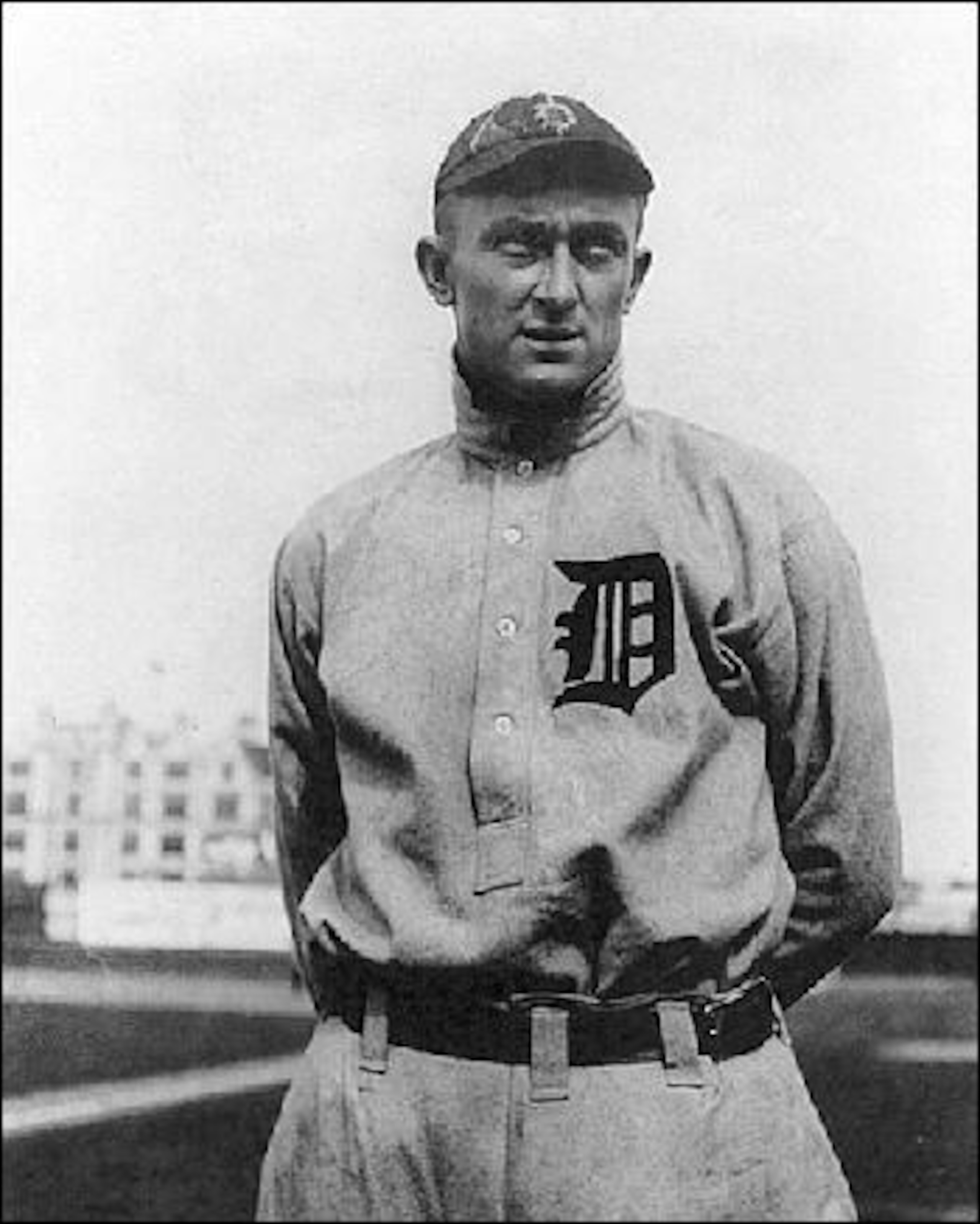
New York Highlanders' fan Claude Lueker decided to harass the Georgia Peach with vicious insults every time he came up to bat in a game against the Detroit Tigers.
There's a reason fans shouldn't heckle players, especially when that player has previously used his spikes as a weapon.
Ty Cobb decided to take matters into his own hands and jumped into the stands.
He recklessly beat the fan down, despite surrounding fans yelling that the man had no hands.
"I don't care if he has no feet," said Cobb.
He didn't after Cobb was done with him.
3. Al Campanis on Nightline
21 of 23Former general manager of the Los Angeles Dodgers' Al Campanis should've thought his statement out before opening his mouth.
In 1987, when he was a guest on "Nightline," the former teammate of Jackie Robinson gave a controversial response when anchor Ted Koppel asked him why there were virtually no black managers or general managers in baseball.
"It's just that they may not have some of the necessities to be, let's say, a field manager, or, perhaps, a general manager," he said. "I know that they have wanted to manage, and many of them haven't managed. But they are outstanding athletes, very God-gifted and wonderful people…They are gifted with great musculature and various other things. They are fleet of foot and this is why there are a number of black ballplayers in the major leagues."
When he tried to rescind his comments the next day, it was clearly too late as the media latched onto his comments like a mouse to cheese.
2. Pete Rose Bets His Way out of Baseball
22 of 23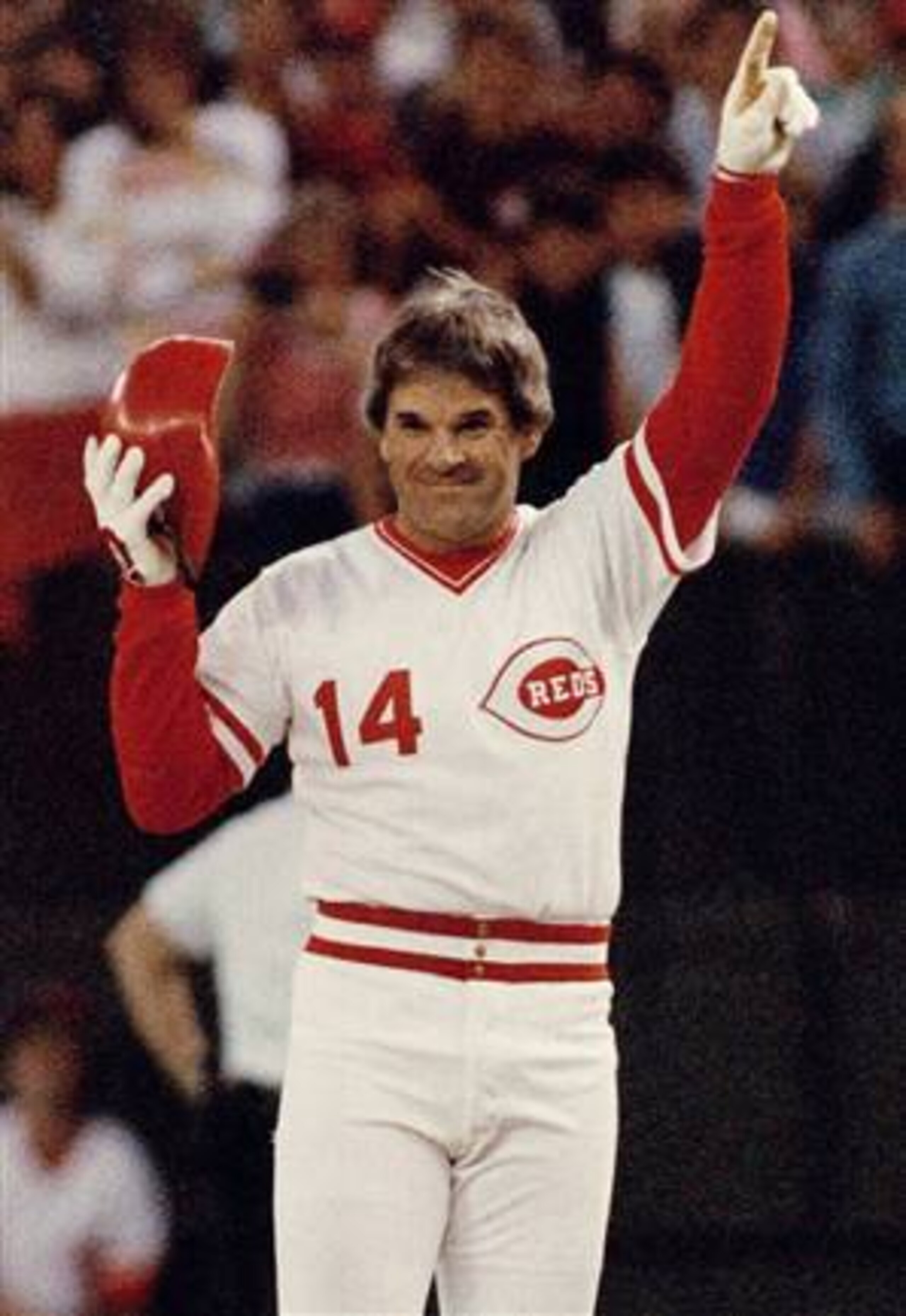
This Rose was far from sweet smelling.
It's remarkable that baseball's all-time hits leader, with 4,256, is not in the Hall of Fame.
That's because in 1987, the Dowd Report found that Pete Rose bet on 52 Reds games in 1987.
He didn't place a bet below $10,000 a day.
After Rose agreed to a lifetime ban from baseball if the charges were dropped and reinstatement possible after one year, Commissioner A. Bartlett Giamatti changed his mind and went public with his thoughts on the matter.
He then suffered a heart attack days later.
In his book "My Prison Without Bars," he admitted to betting on games.
In his defense, he said he always bet on the Reds, never against them.
Too talented for his own good.
1. Black Sox Scandal
23 of 23
The fact that the parents of the players involved in this scandal named their kids "Shoeless," "Lefty," "Buck," "Chick," "Swede" and "Happy" makes this by far the most defaming situation in baseball history.
Eight Chicago White Sox players, also known as the Black Sox, were accused of throwing the 1919 World Series against the Cincinnati Reds.
The scandal made front-page news nationally in 1920, and the players were banned from the majors for life.
This controversial throwing of games, albeit omnipresent since the 1800s, led the league to make significant changes.
The first Commissioner of Baseball, Kenesaw Mountain Landis, was appointed in 1921 to rid the game of its gambling influences.
Perhaps if Joe Jackson had shoes, he could've pawned them off for some cash rather than throw the World Series.

.png?w=2560)



.png?w=2560 "Week 8 Winners & Losers 📊")
.jpg?w=2560 "Malik Beasley Negotiating Plea Deal (AP)")
.jpg?w=2560 "Jonathan Taylor Landing Spots")
