
Boston Red Sox: Analyzing the Best Player at Each Position in Team History
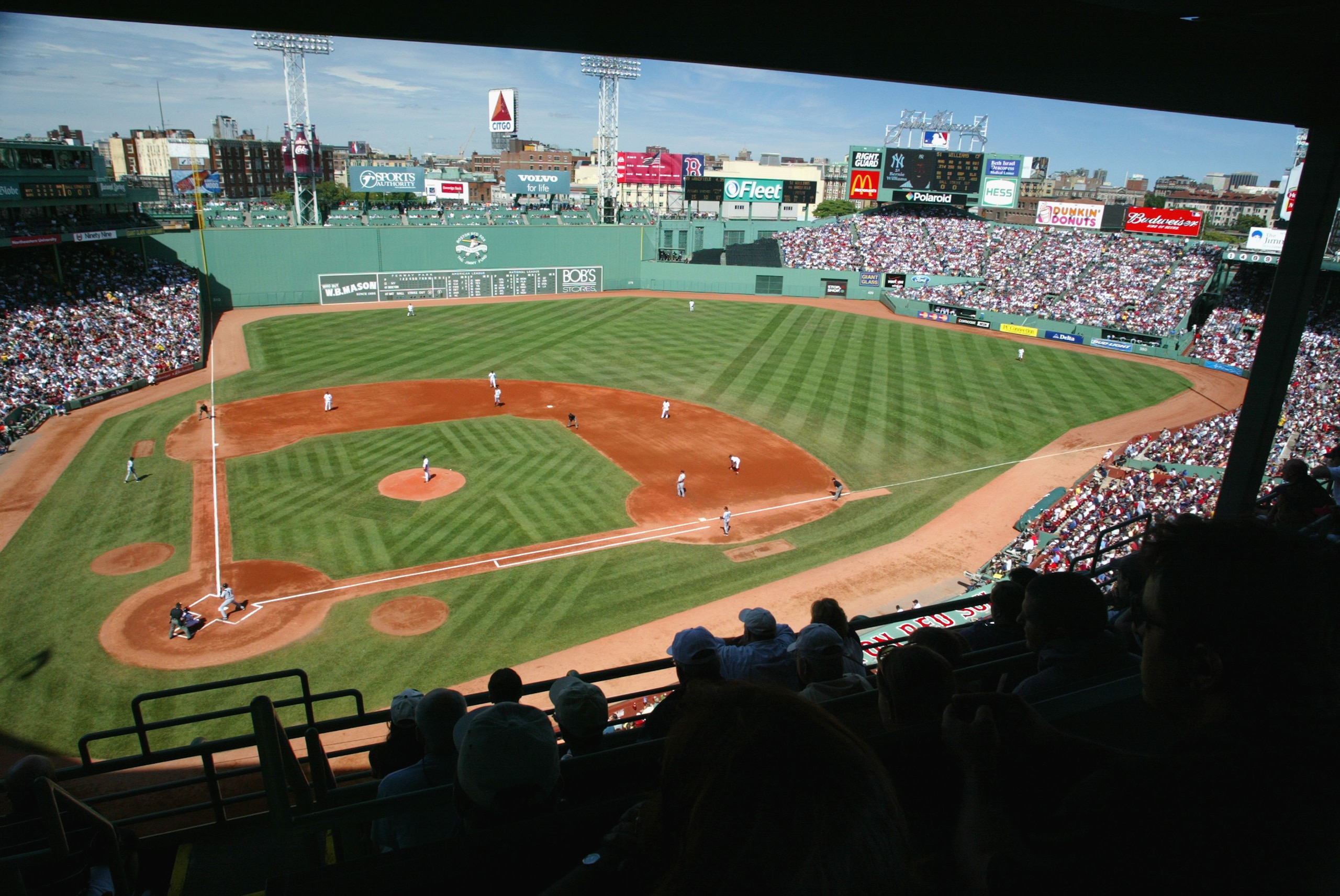
Founded in 1901, the Boston Red Sox are one of the American League's eight charter franchises. Accordingly, with over a century's worth of seasons, many a great player has cycled through the organization.
Deciding which player is the best of all-time at his position in Red Sox history is easier for some positions than others.
It stands to reason that Ted Williams is a lock in left field. However, who gets the nod at catcher—Carlton Fisk or Jason Varitek?
Things are more complicated on the mound. Is the top pitching spot simply a duel between Pedro Martinez and Roger Clemens, or does one dare risk comparing different eras and throw Cy Young into the mix?
Without further ado and speculation, the best players at every position through Red Sox history:
Catcher: Jason Varitek (1997-Present)
1 of 16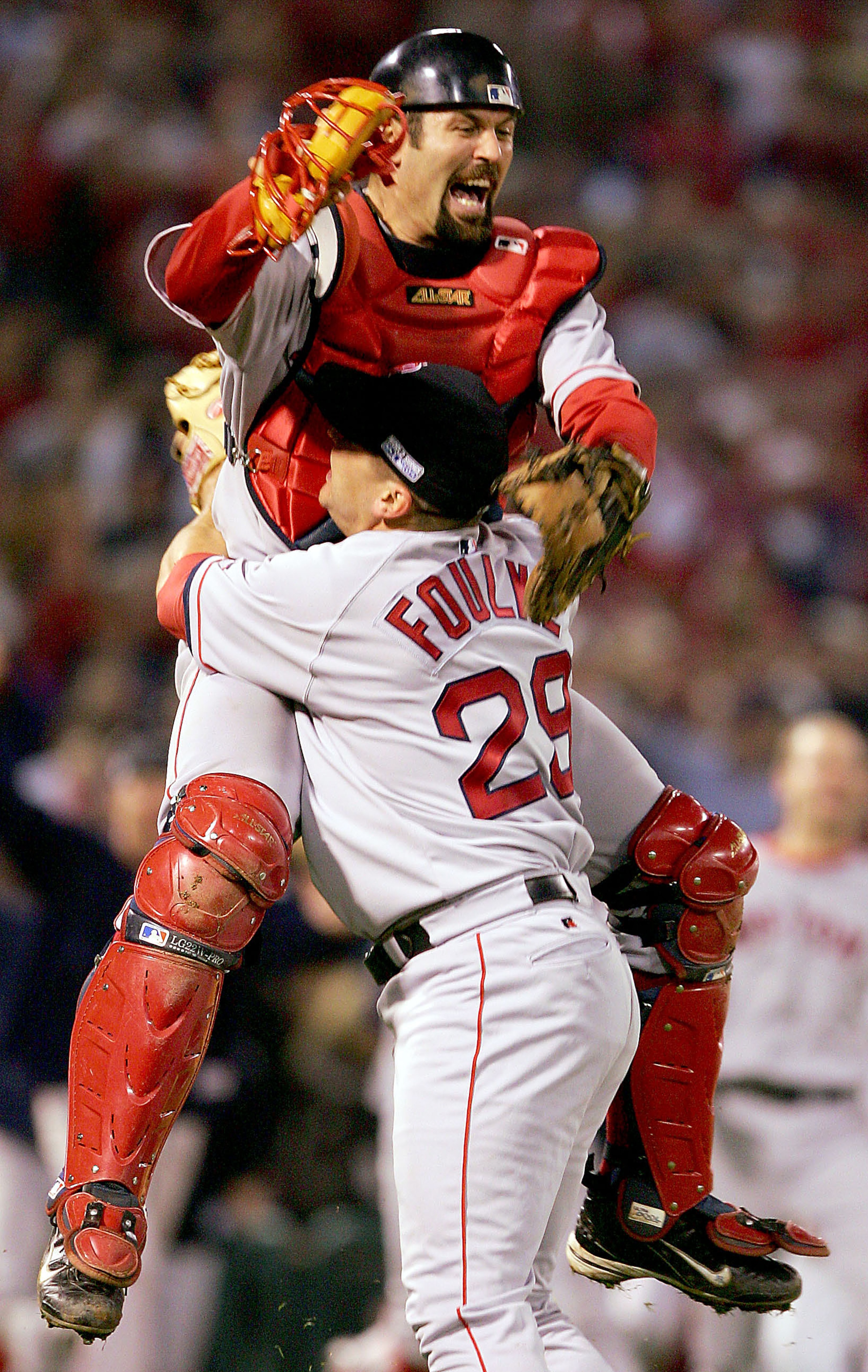
Carlton Fisk has a reputation as a good-hitting catcher, however Jason Varitek, even with his anemic recent seasons, one-ups Pudge as Boston's all-time greatest catcher.
It doesn't hurt that Varitek has played in Boston much longer than Fisk did.
Of course, this was not entirely of Fisk's volition. Boston GM Haywood Sullivan infamously mailed Fisk a contract for the 1981 season one day too late and Fisk, presuming he was unwanted in Boston, signed a deal with the White Sox and never looked back.
Indeed Varitek's .258/.343/.436/.778 are perceptibly worse than Fisk's .284/.356/.481/.837. Varitek has however, hit at least 20 home runs three times in Boston, something Fisk only accomplished once more than Tek.
Fisk does get the nod by a long shot over Varitek in All-Star selections, however, at seven to three.
Regardless of intangibles—both of these guys were strong, clubhouse leaders and rocks on their respective teams—the biggest thing Varitek has going for him over Fisk is his durability.
Fisk inherited the No. 1 catching position in 1972, however, over his subsequent nine seasons in Boston, he played fewer than 100 games three different times.
His notable stretch of missed time occurs over ’74 and ’75. In June 1974, the Indians Leron Lee slid hard into home plate, and Fisk needed intensive reconstructive surgery to repair devastating ligament damage.
Varitek, on the other hand, played in no fewer than 131 games only twice from 1999 through 2008, his indisputable stretch as Boston's No. 1 catcher.
In the vein of durability, Varitek broke Fisk's record of 990 games caught back in July 2006. He has currently run that number up to 1,420.
Varitek also has caught a major league record four no-hitters. Admittedly, he has had the privilege of catching an array of great pitchers, unquestionably a greater array than Fisk did.
Varitek over Fisk is one of the tougher calls in filling out the all-time Red Sox roster, yet doesn't every team need a captain? Or a two-time World Series winner? V-Tek gets the nod.
Honorable Mention: Carlton Fisk (1969, 1971-1980)
1B: Jimmie Foxx (1936-1942)
2 of 16
Jimmie Foxx, "Double X," was among baseball's first great power hitters. He just simply wasn't Babe Ruth.
His six full seasons with Boston marks a torrid stretch to his career. Over that period, Foxx batted .320, hit 222 HR, made five All-Star teams and finished in the top-10 in MVP voting three times, winning the award, his third MVP, in 1938. (Foxx won two NL MVPs, in 1932 and 1933, with the Philadelphia Athletics.)
In 1939, Foxx scored more runs than games played, scoring 130 runs while playing 124 games. This impressive feat would not be replicated until Rickey Henderson scored 146 runs in 143 games in 1985.
Alcoholism-induced or not, Foxx's skill diminished quickly beginning in 1942, and the Red Sox traded Foxx to the Chicago Cubs that year.
Foxx retired in 1945 and was inducted into the Hall of Fame in 1951.
Honorable Mention: Mo Vaughn (1991-1998)
2B: Bobby Doerr (1937-1951)
3 of 16
Bobby Doerr played his entire 14-year career with the Red Sox. A nine-time All-Star, Doerr set a plethora of club records during his time in uniform, all of which were later broken by teammate Ted Williams.
Doerr exemplifies the good-but-never-great career player. His career numbers are .288/.362/.461/.823, with 2,042 hits, 223 home runs and 1,247 RBI.
One of Doerr's stronger points was his durability. His rookie and final year aside, Doerr never played fewer than 125 games over 12 seasons,
Doerr retired in 1951, was elected to the Hall of Fame in 1986 by the Veterans Committee and had his No. 1 retired by the Sox in 1988. He is currently the oldest living Hall of Famer; his 93rd birthday also happens to be next Thursday.
Honorable Mention: Dustin Pedroia (2006-Present)
SS: Nomar Garciaparra (1996-2004)
4 of 16
"Boy, I'm looking at someone who's gonna be as good as anyone who's ever played the game. Boy, I say that, and I believe it too!" (Ted Williams on Nomar Garciaparra)
Gushing praise was heaped upon Nomar from the moment he arrived on the scene. He lived up to it. He was the face of the franchise seemingly from the moment he arrived on the scene. He was a young, likable player whose quirky batting stances and trademark off-balance throws were mimicked by thousands of young boys across New England.
The 1997 AL Rookie of the Year, Garciaparra notched six All-Star selections and five top-10 MVP finishes over his eight years with Boston.
Garciaparra won back-to-back batting titles in 1999 and 2000. He only had one sub-.300 season over his seven full seasons with the club. His career Red Sox figures are .323/.370/.553/.923. His batting average is fourth-best in club history.
In other all-time Red Sox statistics, No. 5 checks in at 10th in doubles, 11th in home runs and 12th in total bases, all from a guy who didn't even played 1,000 games for Boston (966).
A telling number, one that shows the trajectory his career was on, is 746. That's the number of games it took Garciaparra to reach 1,000 hits, the fewest number of games needed by any Red Sox to reach that benchmark.
After a splendid first four full seasons in the majors, things began to sour for Nomar in 2001. A dormant tendon injury in his right wrist flared up in spring training. Surgery that April limited Garciaparra to only 22 games that season, and he never regained the meteoric production that characterized his early years in Boston, walking less and striking out more.
After the brutal ALCS loss of 2003, Garciaparra was linked to the mega-deal that never was, which principally involved Boston sending Manny Ramirez to Texas for Alex Rodriguez. If that trade had gone through, Nomar would have been traded to the White Sox in exchange for Magglio Ordonez.
In 2004, playing in the final year of his rookie contract, Garciaparra grew increasingly, visibly discontent with his shifting role on the team. He was sent to the Chicago Cubs at the trade deadline, in what GM Theo Epstein still considers the toughest call he's ever had to make at the helm of Boston baseball.
Nomar did not return to Boston until July 2009, as an Oakland Athletic. He received a tremendous ovation from the Fenway crowd.
He received a even grander reception last May, when the Red Sox held Nomar Garciaparra Night to celebrate the career of one of Boston's most-beloved players, who had retired in Fort Myers earlier that spring after singing a one-day contract with his old club.
Honorable Mention: Joe Cronin (1935-1945)
3B: Wade Boggs (1982-1992)
5 of 16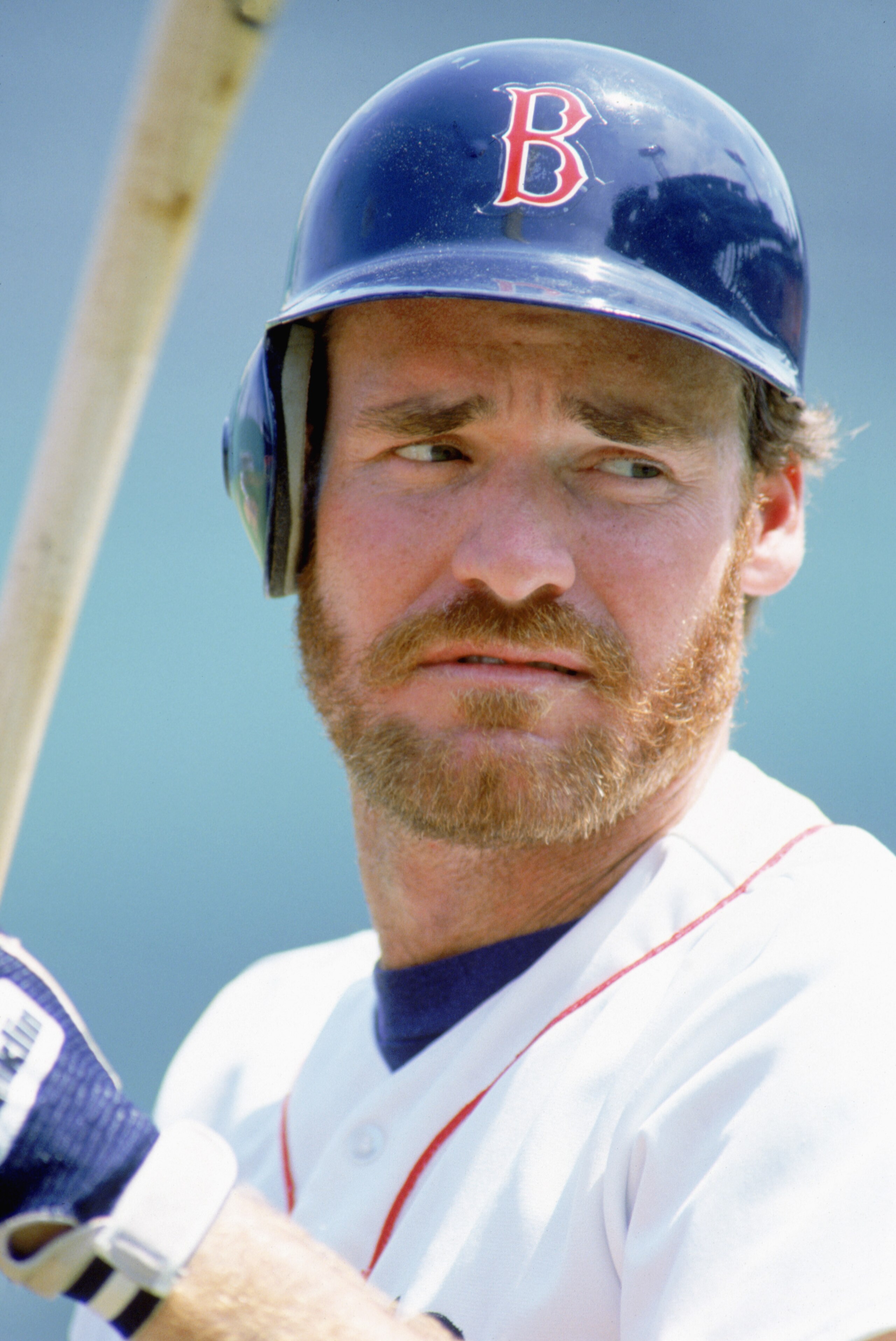
The image of Wade Boggs riding a NYPD horse around Yankee Stadium in celebration of New York's winning the 1996 World Series was not a easy or pleasant one for Red Sox fans to take in.
This was the same Boggs who was famously photographed crying in the Shea Stadium visitors dugout in 1986 after Boston's Game 7 loss to the Mets.
Boggs patrolled the hot corner in Boston for 11 seasons. An eight-time All-Star and six-time Silver Slugger for the Sox, Boggs' career numbers with Boston are a .338/.428/.462/.890.
Beginning in 1983, Boggs had seven straight seasons of at least 200 hits and 100 runs. During that span, he won five batting titles, including four straight from ’85 through ’89.
Boggs never hit below .300 until 1992, his final season in Boston.
He has little competition to his claim on the hot corner on the all-time Red Sox roster, however it would take stiff competition to knock the Chicken Man off his deserved pedestal. He is one of the game's greatest hitters.
Honorable Mention: Jimmy Collins (1901-1907)
LF: Ted Williams (1939-1942, 1946-1960)
6 of 16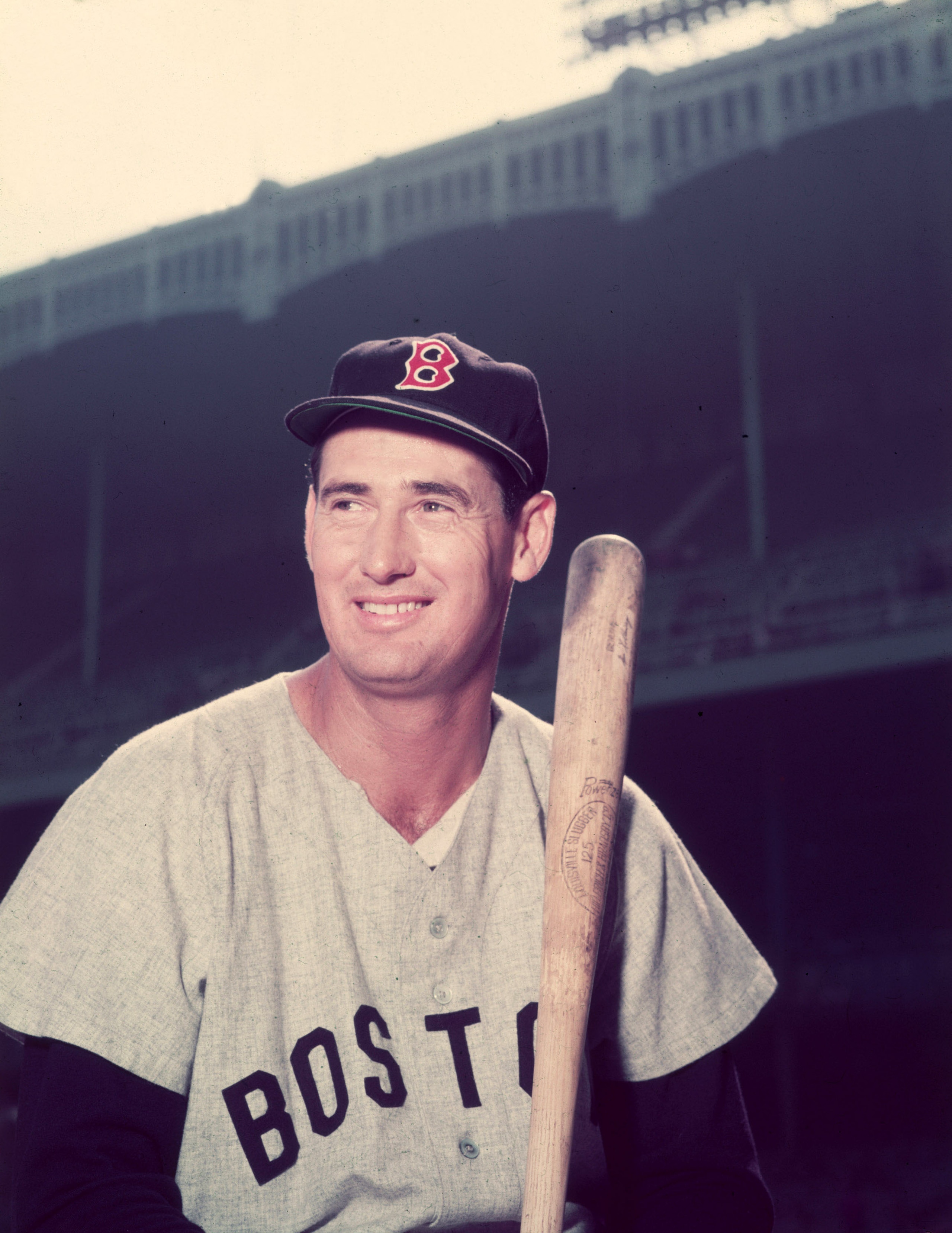
"A man has to have goals—for a day, for a lifetime—and that was mine, to have people say, 'There goes Ted Williams, the greatest hitter who ever lived." (Ted Williams)
Many fine players have patrolled left field for the Red Sox. It is unquestionably the position that has seen the most talent over the course of the club's history.
To put things in perspective, Manny Ramirez (2001-2008), and more astonishingly, Jim Rice (1974-1989), don't even have a shot at an Honorable Mention behind Carl Yastzemski, who takes second behind No. 9.
Even Yaz, a team captain who played his entire 22-year career in Boston, cannot compare to the greatness of Ted Williams. "The Greatest Hitter Who Ever Lived" holds the highest live-ball career batting average, a .344 mark. His slugged an absurd .634 over his career, second only to Babe Ruth. Over a six year period. His mark on the game is inestimable.
The best argument in support of Williams, however, is looking at what he did not do. He missed three full seasons in the 1940s serving in World War II and then only played in a combined 43 games in 1952 and 1953 due to the Korean War.
Not playing a single game of baseball at the ages of 24, 25 and 26 is just an incredible statistic. Williams was at his most dominant both before and after World War II. He finished second in MVP voting in ’41 and ’42, went to Europe, came back in ’46, and subsequently won the AL MVP and then went on to finish no worse than third for the next three years, including his second MVP in ’49.
(Video clip from Ken Burns' Baseball of Williams hitting a home run in his final career at-bat on Sept. 28, 1960, which inspired John Updike's famous essay "Hub Fans Bid Kid Adieu")
Very, Very Honorable Mention: Carl Yastrzemski (1961-1983)
CF: Tris Speaker (1907-1915)
7 of 16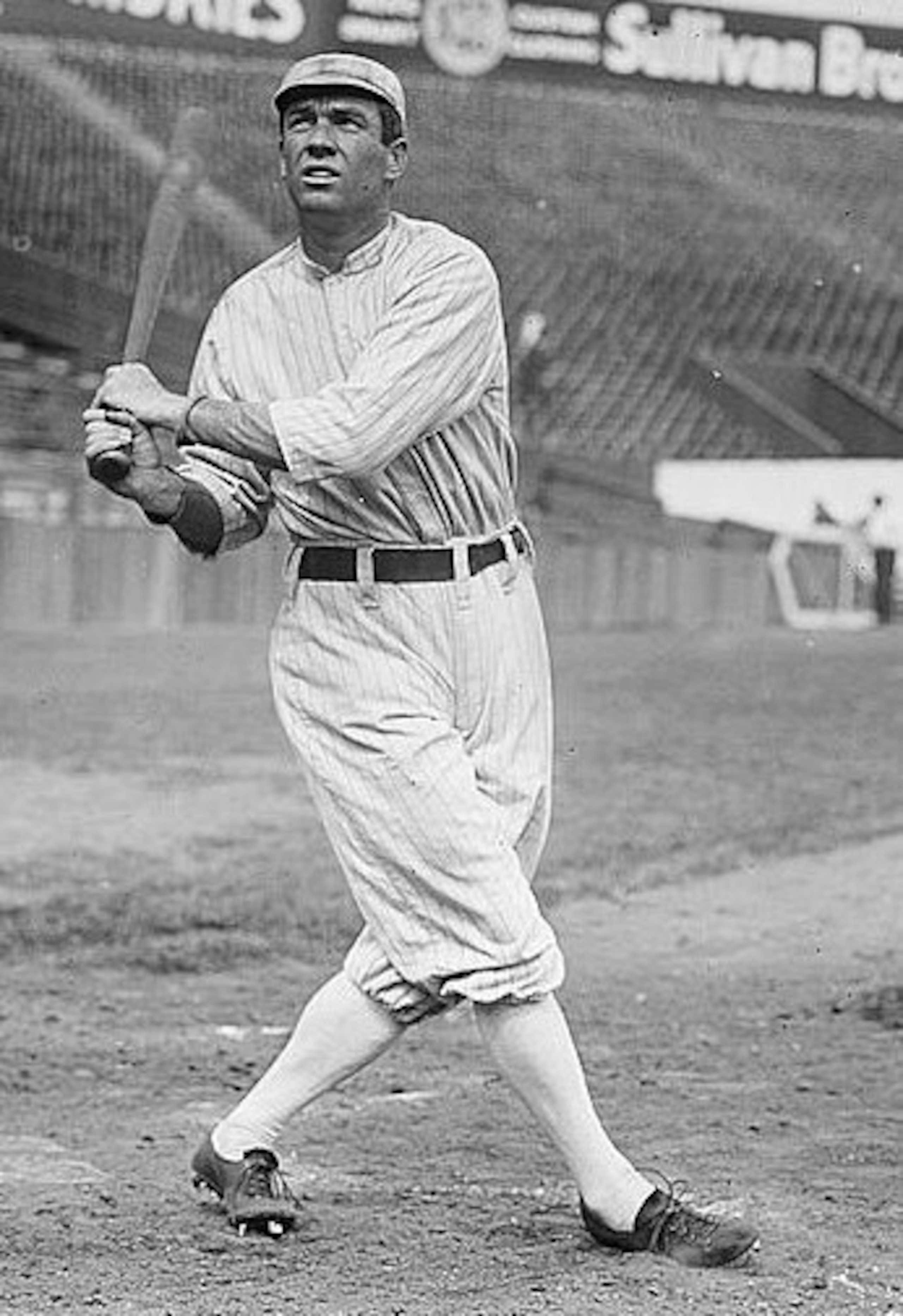
S is for Speaker,
Swift center-field tender,
When the ball saw him coming,
It yelled, "I surrender."
(From "Line-Up for Yesterday" by Odgen Nash)
Tris Speaker gets the nod as Boston's top center fielder—"The Grey Eagle."
It's a safe bet that there's no one who remember watching "The Grey Eagle" play, but what a sight he must have been. A brash, downright brutish bully by most accounts, he was a speedy doubles-swatting fielding virtuoso. He's undoubtedly one of the best offensive and defensive center fielders in major league history and is noted for a terrific rivalry with fellow center fielder Ty Cobb.
Over nine Boston seasons, seven full, Speaker batted .354 with 1,327 hits and 267 stolen bases over 1,065 games. He won the AL MVP in 1912 and anchored World Series-winning teams both that year and in 1915.
In the wake of a contract squabble with with Red Sox president J.J. Lannin, Speaker was traded to the Indians after the 1915 season. He spent 11 years in Cleveland, winning a third World Series there while also serving as player-manager.
(Red Sox FC Dan Hartel aptly ranks the Speaker trade as the second-worst in Red Sox history in March 28 article "Boston Red Sox: The 10 Worst Trades in Franchise History").
Looking at this overall career statistics, Speaker's .345 batting average is fourth all-time, and his 792 doubles are a major league record. He ranks in the top 10 in hits, triples and runs.
Defensively, Speaker is still, nearly a century later, the record holder for in three outfield categories: assists, double plays and a true outfield rarity, unassisted double plays.
He was elected to the Hall of Fame in 1937 as part of Cooperstown's second class of inductees.
Honorable Mention: Dom DiMaggio (1940-1942, 1946-1953)
RF: Dwight Evans (1972-1990)
8 of 16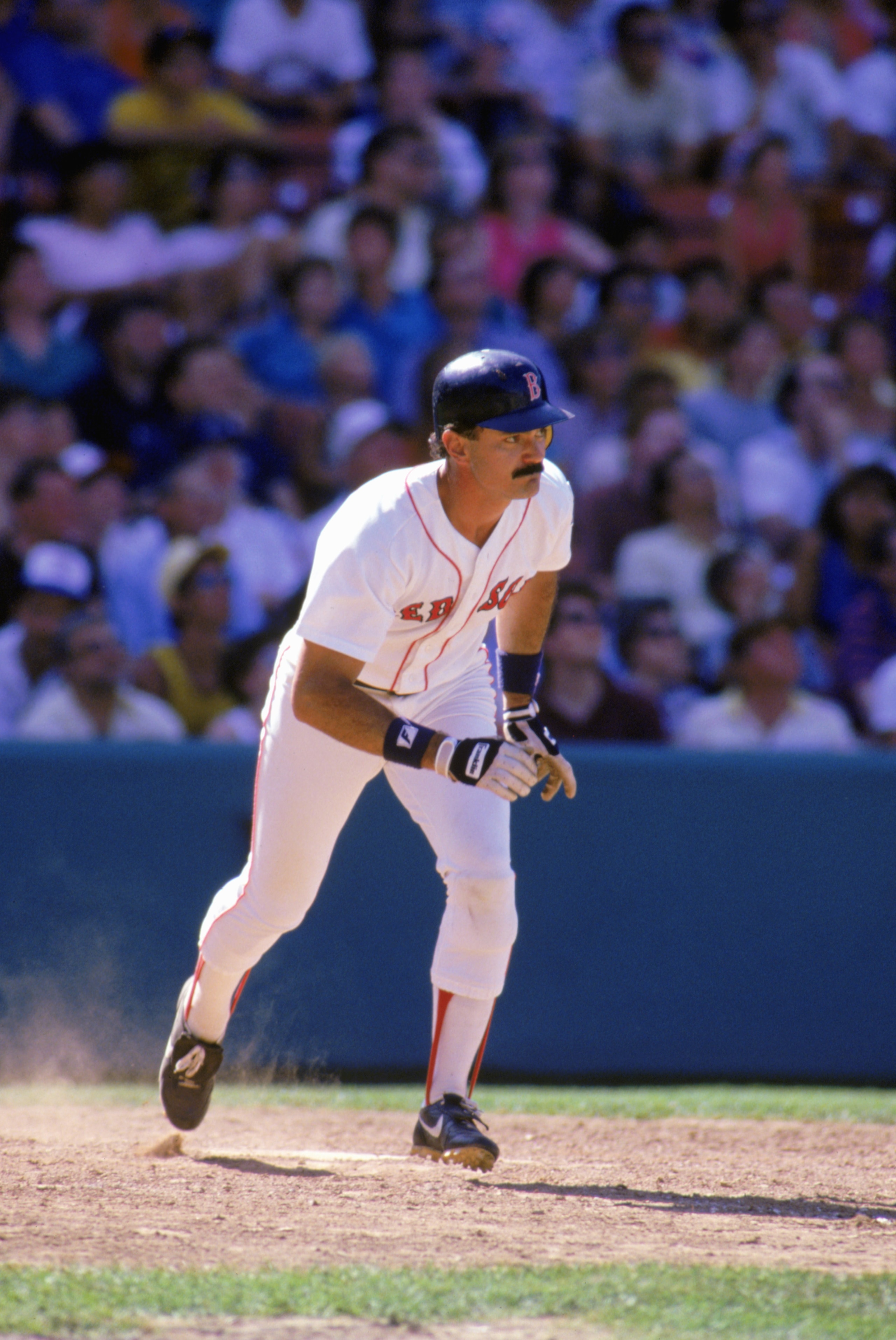
Dwight Evans, "Dewey," an eight-time Gold Glove winner, was Boston's defensive rock for 19 years. He and fellow Hall of Famer, LF Jim Rice (1974-1989), played essentially parallel Red Sox careers, and the two of them were joined in the outfield by CF Fred Lynn (1974-1980) before he was traded to California.
Evans may be best remembered by Red Sox fan for turning a spectacular double play in the top of the 11th in Game 6 of the 1975 World Series (the Carlton Fisk game). Blindly throwing up his glove with his back to home plate, Evans robbed Joe Morgan of a what would have been a go-ahead home run. He then turned around, chucked the ball haphazardly back toward the infield, successfully doubling off Ken Griffey.
(Go to the 3:16 mark on this MLB.com video to watch the play.)
Besides his defensive wizardry, Evans was a consistent power hitter. From 1981 to 1990, Evans hit 251 home runs, the most of any AL player.
Evans remains fourth in franchise history in hits, total bases, home runs and RBI. He is third in runs and second only to Carl Yastrzemski in games played.
Honorable Mention: Trot Nixon (1996-2006)
DH: David Ortiz (2003-Present)
9 of 16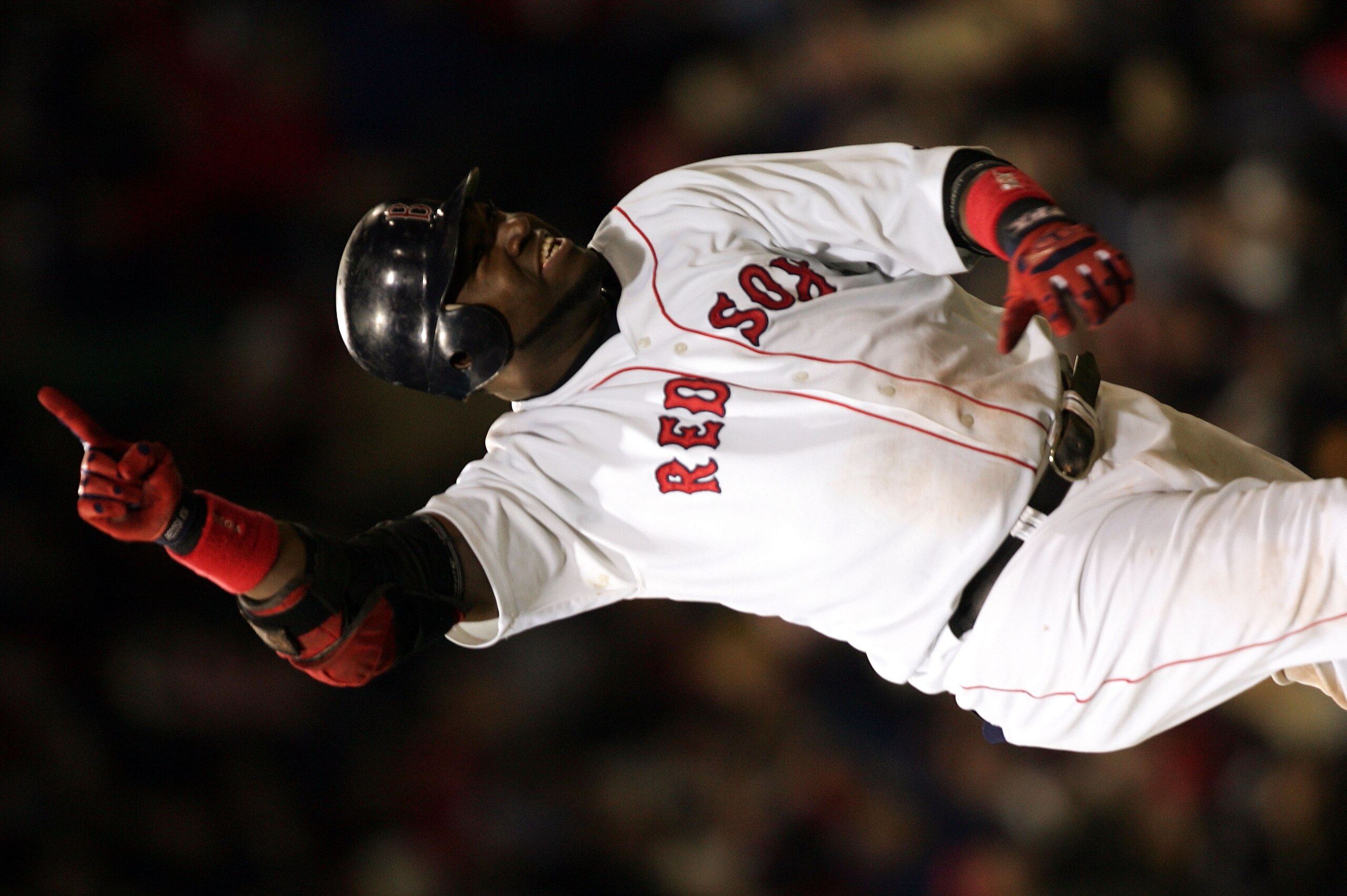
There is just no argument. Or even an honorable mention. David Ortiz is the best designated hitter the Red Sox have ever had. Period.
Incidentally, Ortiz hast to be considered among the greatest DHs of all time. I'd personally peg him second after Seattle's Edgar Martinez.
While he has little competition at his position on this list, Ortiz is nonetheless deserving. Over his eight seasons in Boston, he has belted 291 home runs (fifth-most in franchise history) and slugged at a .572 clip.
He was one-half of an epic 3-4 combination with Manny Ramirez. His heroics in the 2004 postseason are probably enough to earn him a spot on this list, the rest of his excellent resume none withstanding.
2004 through 2007 marks the prime of Big Papi's career. During this torrid four-year stretch, Ortiz was perennially an All-Star and a top-five finisher in MVP voting, including a second-place finish to Alex Rodriguez in 2005.
He scored over 115 runs in three of those four seasons, never hit fewer than 35 home runs in a season, only once miss hitting .300 and never slugged less than .603. His RBI totals over that stretch are 139, 148, 137 and 117.
In 2006, Ortiz broke Jimmie Foxx's 1939 club record of 50 home runs, finishing with an AL-leading 54.
He is now undeniably a lesser player now than he was five, six years ago but is still good for 30/100 and still makes right-handers that can't spot their pitches well tremble in fear.
No. 1 SP: Pedro Martinez (1998-2004)
10 of 16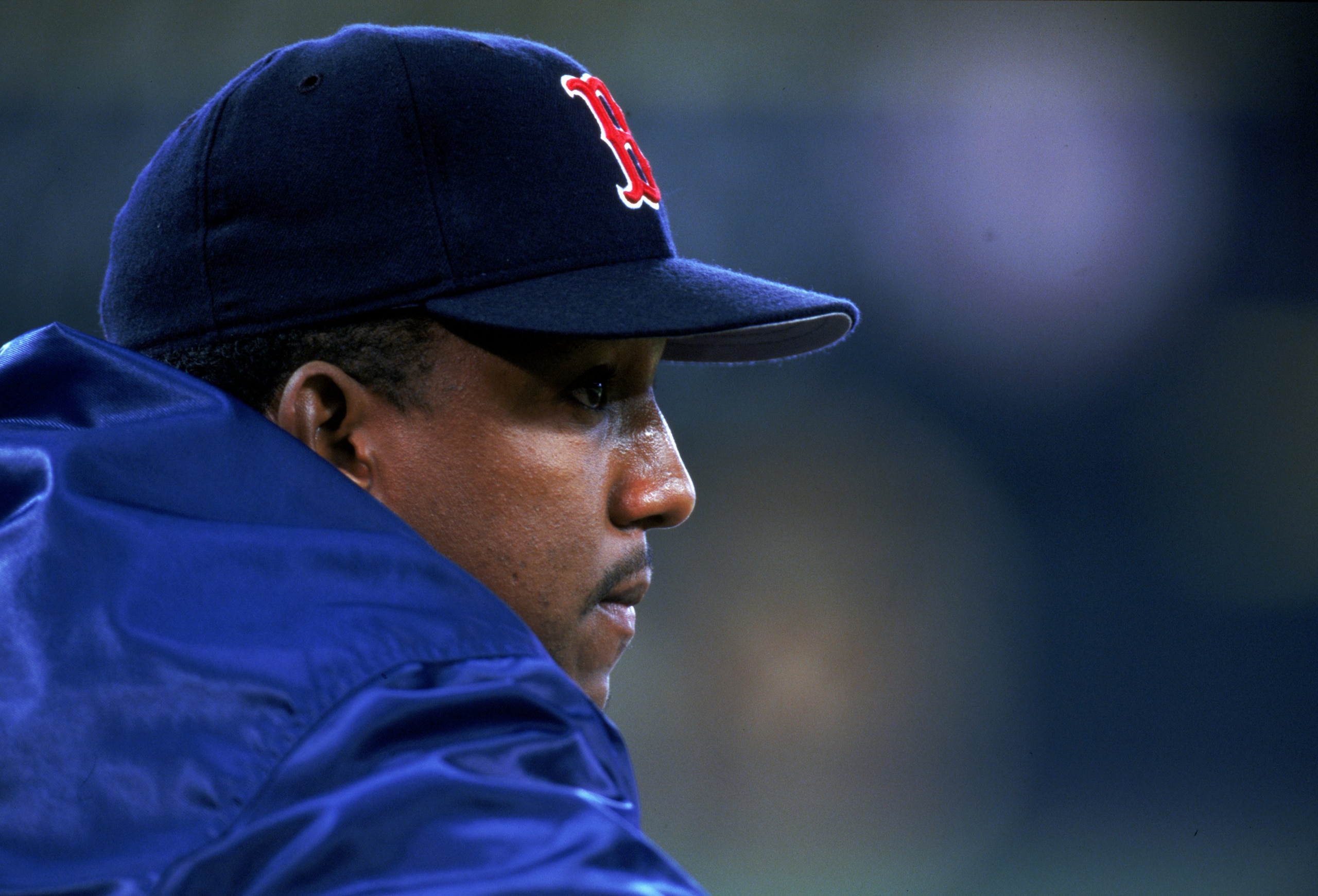
Pedro Martinez, oh Pedro Martinez.
His 1999 and 2000 seasons are often considered as the pinnacle of pitching in the live ball era. Over these two seasons Martinez allowed 288 hits and 69 walks in 430 innings, with 597 strikeouts, a 1.90 ERA and an insane 0.83 WHIP.
Martinez picked up the AL Cy Young both of those years, and controversially, finished second in MVP voting in 1999 behind Rangers catcher Ivan Rodriguez.
Pedro's career numbers over his seven seasons in Boston: 177-37 in 201 starts, 22 complete games, 1,683 strike outs (good for 10.9 K/9!), a 2.52 ERA and a 0.98 WHIP.
He finished in the top-five in Cy Young voting every year in Boston except his injury-shortened 2001 season.
He was a four-time All-Star selection, including his famous appearance in the 1999 All-Star Game at Fenway, during which he fanned Barry Larkin, Larry Walker, Sammy Sosa, Mark McGwire and Jeff Bagwell in order to start the game, on his way to winning the All-Star Game MVP.
(Here are full video clips from the top of the 1st and the top of the 2nd.)
It's honestly hard for me to go on any longer as a rational fan about Pedro anymore. It becomes too personal. There is no other athlete I enjoyed watching more than him. Every game was an event, and more often than not, Martinez would live up to the billing.
For what he accomplished and for the era he accomplished in it, Pedro Martinez gets the nod as ace of the all-time Red Sox pitching staff.
No. 2 SP: Roger Clemens (1984-1996)
11 of 16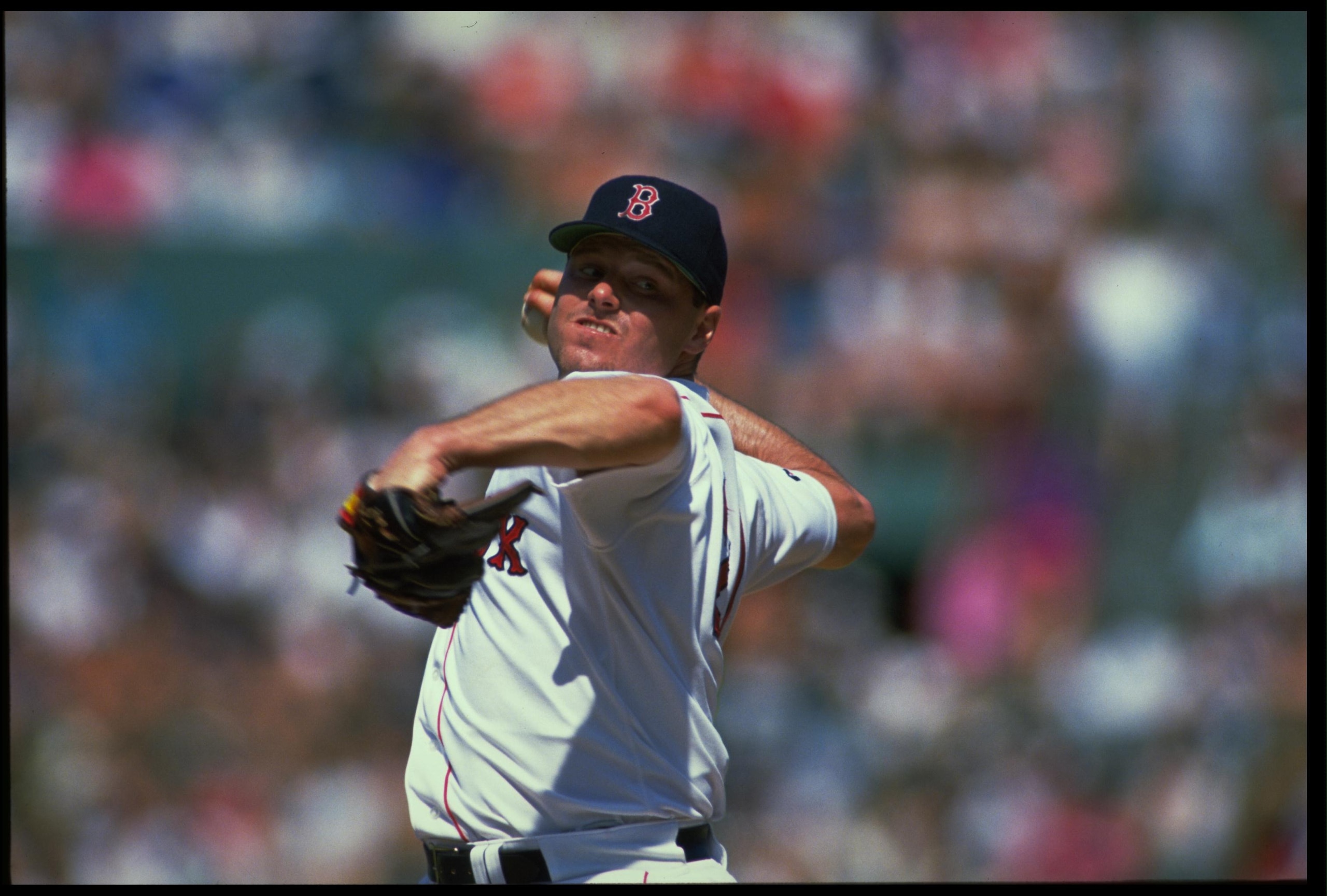
Say what you want to about Roger Clemens now, but there's no denying his greatness, and in particular, his greatness for the Red Sox.
Over 13 seasons with Boston, The Rocket earned a club record 192 wins (he shares this mark with Cy Young). He made 382 stars, 100 of them complete games, logging 2776 innings. He has an 8.4 K/9, a 3.06 ERA and a 1.16 WHIP.
Unlike Pedro Martinez, who enjoyed a shorter and more dominant stint with Boston, Clemens had a longer career and his fair share of mediocrity.
However, when he was great, he was among the game's best. He won three Cy Young awards in Boston (1986, 1987 and 1991) and was a five-time All-Star selection. In ’86 Clemens also took home the AL MVP. He finished third in 1991.
1986 through 1992 marks Clemens' most dominant time as a Red Sox. This seven-season stretch is characterized by Clemens' durability and consistency. He averaged 34 starts and 12 complete games a season during these years, and he pitched now fewer than 228.1 innings.
Correspondingly, 1993 through 1996 were a much rougher stretch for Clemens. Twice his season ERA soared north of 4.00 and only once did his WHIP dip below 1.25. That was during the strike-shortened 1994 season, which was, incidentally, Clemens best during this difficult four-year period.
When GM Dan Duquette let Clemens walk after ’96, he famously remarked that Clemens was heading into the "twilight" of his career. Duquette was roundly blasted for this remark as Clemens moved on to Toronto and won back-to-back Cy Youngs. Duquette has to feel at least some vindication, however, as The Rocket continues to battle rather convincing allegations of PED use in court.
Back in his Red Sox heyday, however, there's little doubt that Clemens was both an excellent pitcher and a clean pitcher. His spot amid the greats is assured and deserved.
No. 3 SP: Cy Young (1901-1908)
12 of 16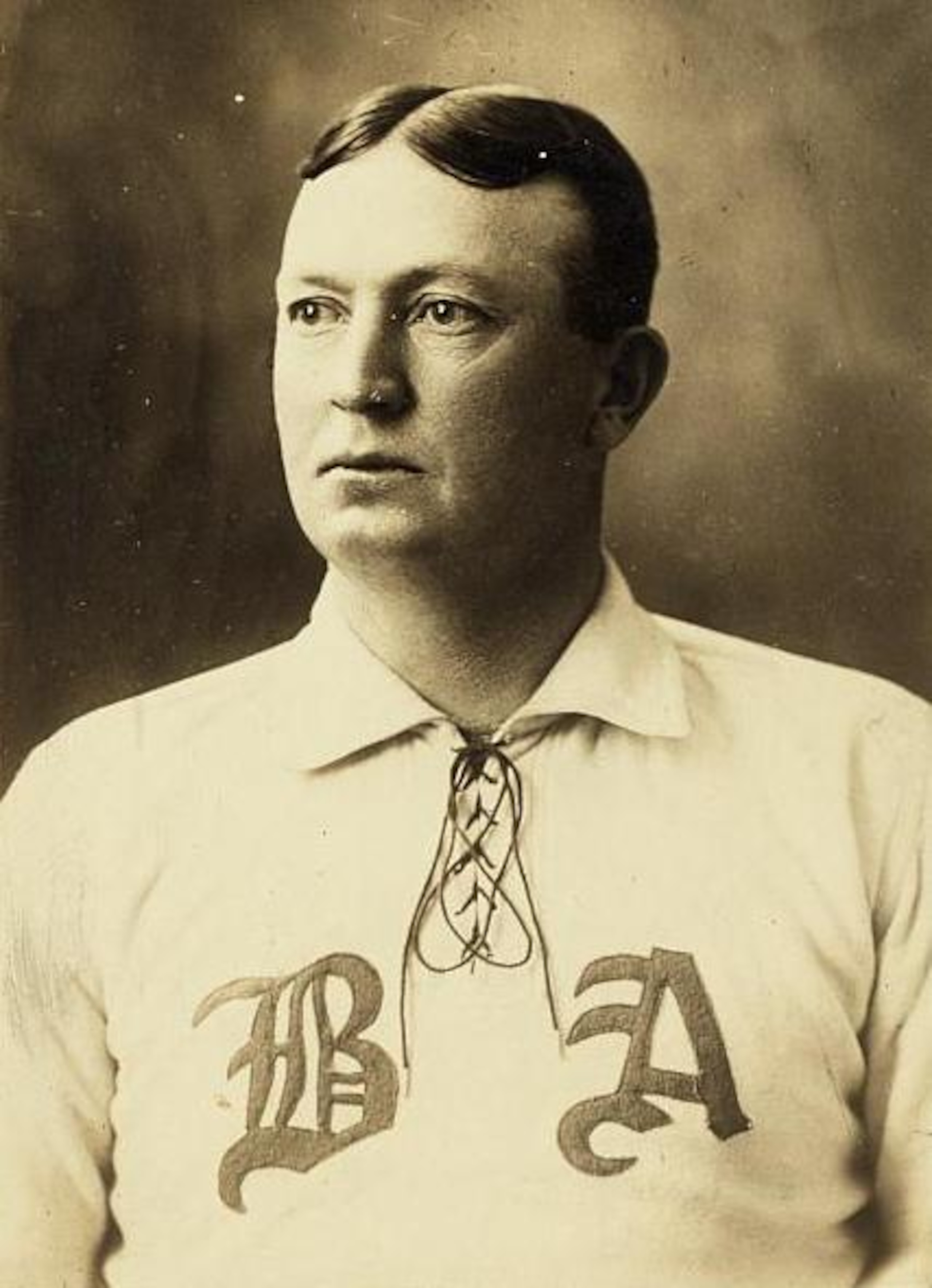
Pedro Martinez and Roger Clemens both have legitimate shots at the No. 1 spot in the all-time Red Sox rotation, and so too does Cy Young. Young slips to third because of just how good the two guys ahead of him were in the live ball era.
Young was very good, however, he also pitched in the dead ball era.
The classic counter-argument, of course, is that Young also pitched in the days before the five-man rotation. His 192 wins are a club record he shares with Roger Clemens, however it took Young nearly half as many years as Clemens to accomplish the feat.
It is also interesting that Young's career in Boston began at age 34. Over his eight seasons with Boston, Young complied a 192-112 record over 327 games, of which 297 were starts. He nearly always finished what he started, racking up 275 complete games and 38 shut outs.
Young's season ERA only once exceeded 3.00. His WHIP only twice exceeded 1.00.
His career averages in Boston are a 2.00 ERA, a 0.97 WHIP, a 7.7 H/9, a 1.0 BB/9 and 4.4 K/9.
To put Young's figures in perspective, during his time in Boston he led the AL in WHIP four times, in both wins and shutouts three times, twice in IP and complete games, and once each in H/9 and ERA.
Some of Young's more interesting stats are his BB/9 and K/9 figures. He led the AL in both marks in five seasons: 1901 and 1903 through 1906.
1901, the inaugural year of the AL, Young took home the pitcher's Triple Crown. He would have won the award that is now in his name if there had been an award to win!
The Red Sox finished in second in 1901 and third in 1902. Then, fueled by another stellar year from Young, the won the AL in 1903 and then beat the Pittsburgh Pirates, 5-3 (best of nine) in the first World Series.
No. 4 SP: Luis Tiant (1971-1978)
13 of 16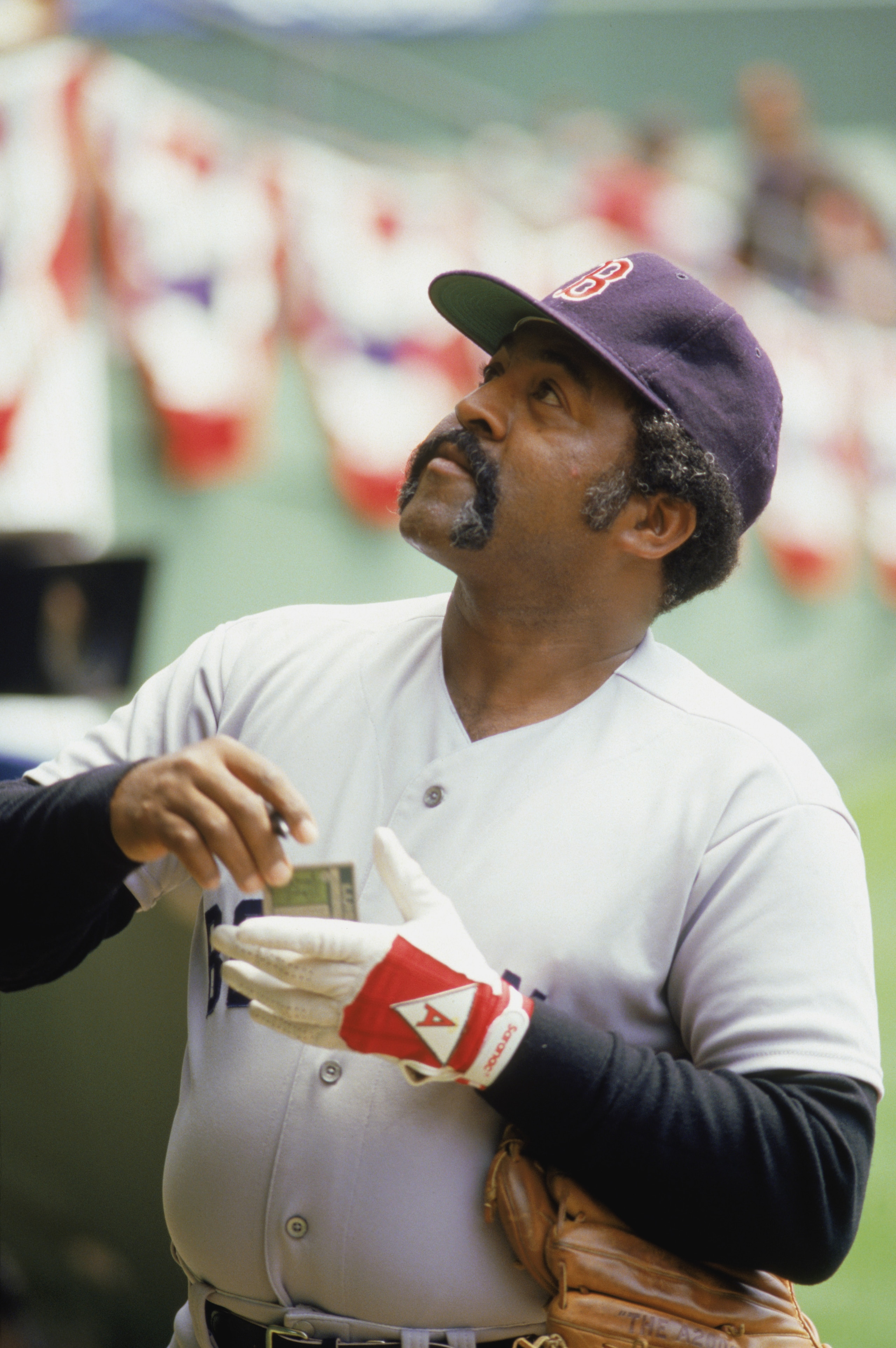
"If we lose today, it will be over my dead body, f--k those guys who want to throw in the towel." (Luis Tiant on the one-game playoff the Red Sox forced with the Yankees in 1978)
So, it's nothing against Luis Tiant, but it's quite a gap between the trio of Martinez-Clemens-Young and the rest of the all-time Red Sox rotation.
That said, Tiant was the cog in the pitching rotation for the strong Boston squads of the 1970s.
"El Tiante," played eight years in Boston, compiling a 122-81 record over 238 starts and 113 complete games. His 1,774.2 IP is the fourth-highest total in franchise history, and his wins are the fifth-highest.
From 1972 through 1976, Tiant was one of the best pitchers in baseball. He won 20 games in three of those six seasons, finished in the top 10 in Cy Young voting three times and even cracked the top 10 in MVP voting in ’72 behind a league-leading 1.91 ERA.
In 1975, Tiant battled back problems all year yet never missed a start. He then submitted a brilliant postseason, going 3-0 in four games with one no-decision in the famous Game 6 of the World Series . His three wins were complete games, including a shutout in Game 1 of the World Series. If the Red Sox had won the Series, Tiant would have likely won the World Series MVP. Tiant did, however, earn the oft-overlooked Babe Ruth Award, the World Series award presented by the Baseball Writers Association of America.
Tiant also earns major brownie points for his regular appearances at El Tiante's, a Cuban sandwich grill on Yawkey Way that is open prior to Red Sox games. The sandwiches are not bad either!
No. 5 SP: Tim Wakefield (1995-Present)
14 of 16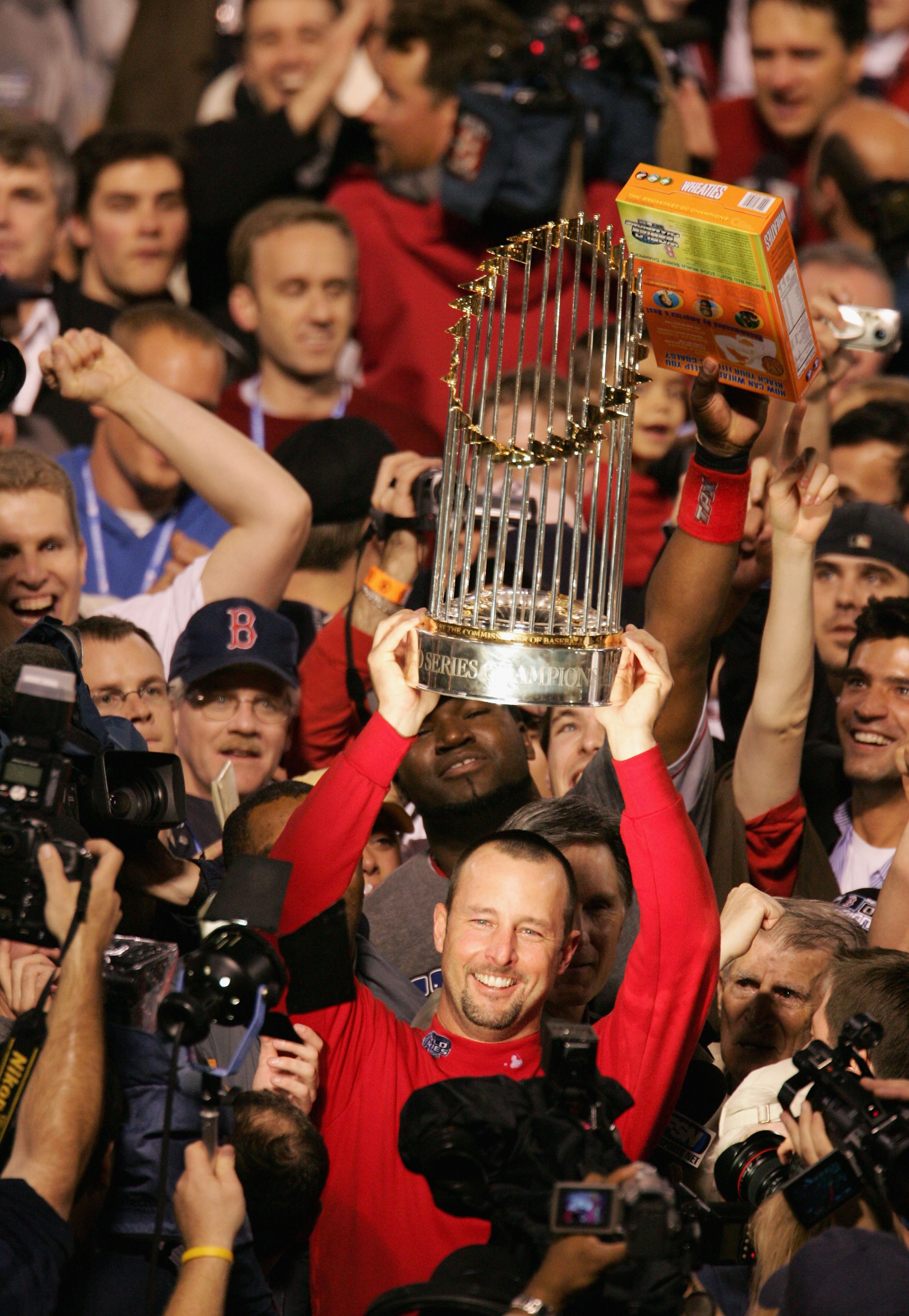
Many Red Sox fans probably feel that Tim Wakefield should take the No. 4 spot over Luis Tiant. If anything however, Wake has a debatable hold on this spot over guys like Lefty Grove and Mel Parnell.
Regardless, Wake has spent an incredible 16 seasons with the Red Sox. Few players last that long in the majors, never mind all with one club. Yes, the knuckleball gives Wakefield a leg up with durability, however the pitch is also a uncertain one, and it's unpredictability is reflected in various meandering paths of Wakefield's stats sheets.
Wake's overall Red Sox numbers are not the prettiest to look at: a 4.39 ERA and a 1.34 WHIP. His 2853.1 innings and 407 starts are the most in franchise history, and he ranks third in wins (179) behind Cy Young and Roger Clemens, who both have 192.
However, Wakefield hasn't hung around with Boston this long just because he's a good guy. He's never been a star, however, he has turned in several fine performances over the years.
In 1995, the young, struggling knuckleballer was released by the Pirates in April and picked up by Boston. After being called up from Triple-A Pawtucket, Wakefield went 16-8 with a 2.95 ERA and 1.18 WHIP, helping push the Red Sox to the AL East division title. His 1995 was good enough for a third-place finish in AL Cy Young voting, and he also won the AL Comeback Player of the Year Award.
Since then, Wakefield has served in seemingly every role imaginable for his team. He's been a starter, He's a been the long man. He's even been the closer.
Wakefield has only recorded a season ERA below 4.00 twice since 1995, however that is, partially at least, reflective of his role. One game he might called upon to spot-start in a big game at Yankee Stadium. A week later, he might be pitching in a mop-up role in a random blow out against the Blue Jays.
It's difficult to firmly ascertain Wakefield's value because of his ever-shifting role and his knack for streakiness.
One thing's for sure though is that Wake holds a special spot in the hearts of Red Sox fans. By and large, no one called for Wake's head in 2003 when he served up Aaron Boone's 11th inning home run Game 7 of the ALCS. He did not become his generation's Bill Buckner, for what that's worth.
When the Red Sox won the pennant the following year, Terry Francona honored Wakefield, who had given up an ALCS start to eat innings out of the bullpen, with the start in Game 1 of the World Series.
In 2005, Wake signed a unique contract with Boston, a "rolling" $4 million club option that essentially makes Wakefield an indentured servant to the Red Sox. Not that $4 million is chump change, but, given this day and age, now there's humility.
Honorable Mention: Lefty Grove (1934-1941)
Closer: Jonathan Papelbon (2005-Present)
15 of 16
Jonathan Papelbon's best days may very well be behind him, however, this does not take away from the fact that is the greatest closer in Red Sox history.
Over his five full seasons in the majors, Papelbon has made four All-Star teams and recorded at least 35 saves and made at least 59 appearances per year.
His career numbers with Boston include a 2.24 ERA, a 1.04 WHIP and 10.5 K/9.
Papelbon was particularly dominant in 2006 and 2007, and his steady excellence in late innings helped the Red Sox secure their second championship of the decade in ’07.
He has struggled, relatively, in the past two seasons, especially last year. His 3.90 ERA was a full run-and-a-half higher than in any previous season.
Bob Stanley had a solid, long career with Boston, however he never approached, at any point, a sustained level of dominance comparable to Papelbon. Dick Radatz, Tom Gordon and even Keith Foulke all had their moments in the sun, however none of them can match up to Jonathan Papelbon.
Honorable Mention: Bob Stanley (1977-1989)
Manager: Terry Francona (2004-Present)
16 of 16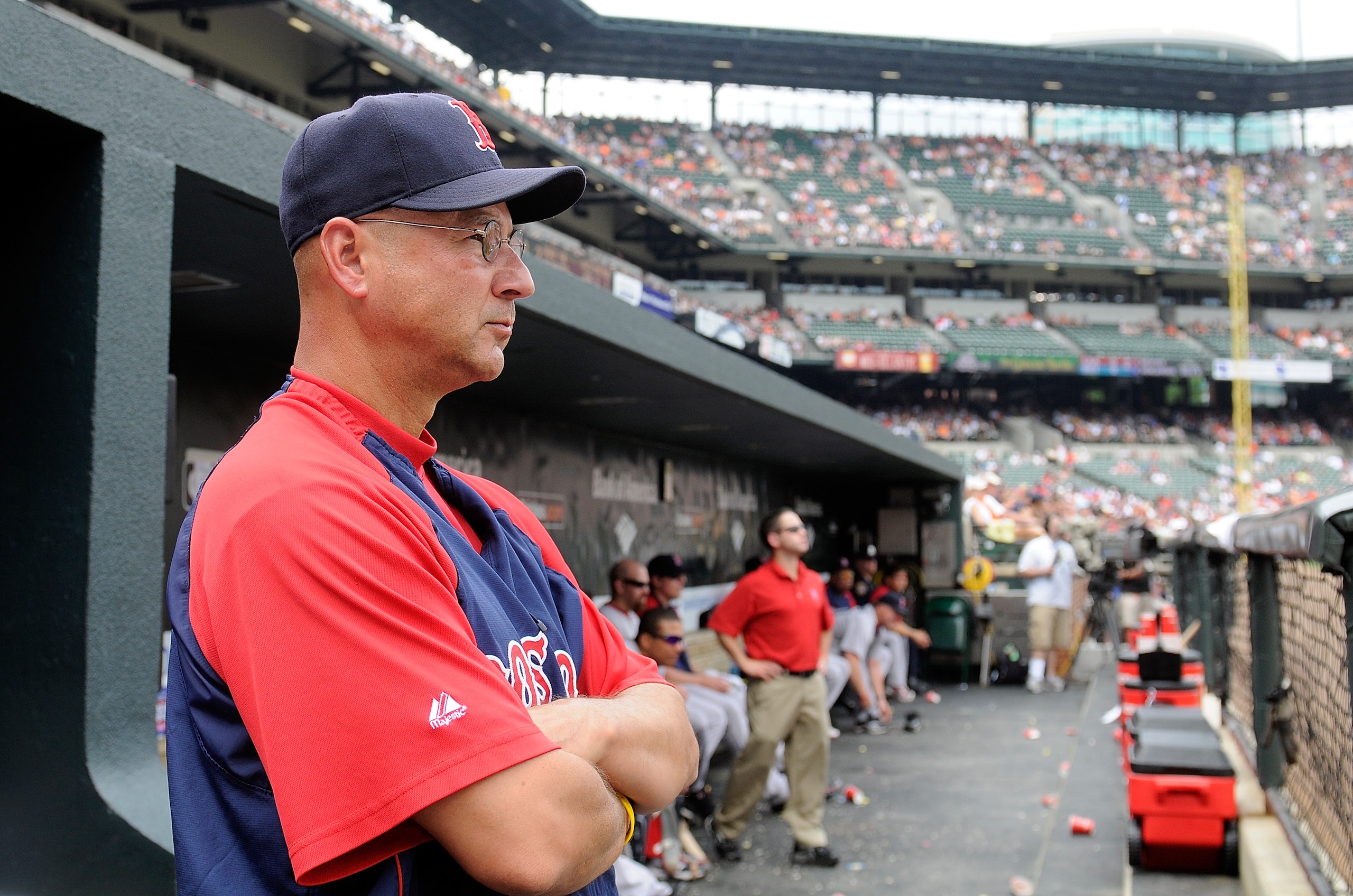
No Boston manager has had a run as long as Terry Francona since the Truman Administration.
Yes, it may be hard to believe, but Terry Francona has kept the desk in the manager's office longer than anyone since player-manager Joe Cronin, who rode the hot seat for more than a decade.
Cronin is also who Francona is second to on many franchise managerial records. Last season, Francona passed Pinky Higgins in games. At 1,137, however, Francona has a long way to go to catch Cronin (2,007). Francona (654) is also second to Cronin (1,071) in wins.
Terry Francona isn't even regarded as a great manager among his contemporaries, seldom keeping company with acknowledged greats like Tony La Russa, Dusty Baker and Mike Scioscia. He's never won manager of the year, despite several deserving seasons.
Admittedly, Francona hasn't had to pull rabbits out of his hat as a manager; he's been give an inordinate amount of talent year-in and year-out, particularly this season.
While Francona will never be regarded as a master strategist like La Russa or even Joe Maddon are. Instead, his strengths are almost never seen, happening before the game and in the office.
He has brought out the best in many of the games more mercurial egos, including Manny Ramirez, David Ortiz, Pedro Martinez, Curt Schilling and Jonathan Papelbon.
Francona also adroitly involves his reserves in the mix, giving them starts and keeping them fresh. He manages platoon situation well and has shown a good hand for when to stick with players through slump or when a break might be needed.
As Francona keeps plugging away in Boston though, his reputation will quietly continue to grow. That he has kept his job as long in a city like Boston is a minor miracle. He won't be going anywhere. He and Theo Epstein are the tied with the White Sox' Ozzie Guillen and Ken Williams as the longest-serving manager/general manager duo in all of baseball.
Honorable Mention: Joe Cronin (1935-1947)
.jpg?w=2560 "NFL investigating 2 referees for separate viral exchanges")
.jpg?w=2560 "OBJ Calls Out Giants After Release")
.jpg?w=2560 "Tyreek makes another cryptic post amid Chiefs rumors")
.jpg?w=2560 "Report: Chiefs Contact Hill's Agent")