
Minnesota Vikings: QBs Kevin Kolb, Vince Young, or Kyle Orton Are Not the Answer
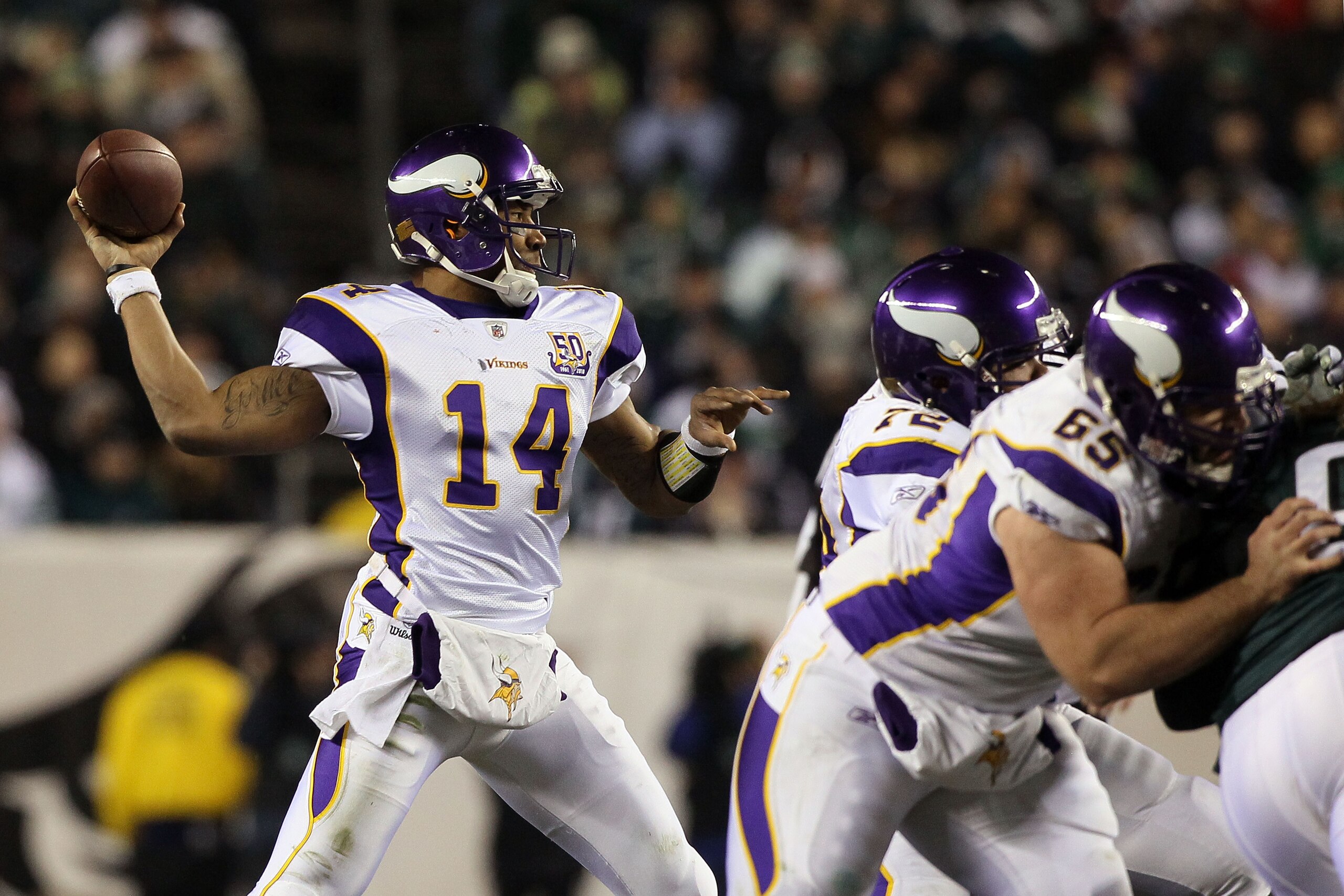
The Minnesota Vikings are in desperate need of a quarterback—there's no debate about that. There are two differing opinions as to how Head Coach Leslie Frazier should fill that need.
With the National Football League draft about two months away, there are many fans who want the Vikings to draft a quarterback in the first round with the 12th overall pick in the draft. The names swirling around are Cam Newton, Blaine Gabbert, Jake Locker and Ryan Mallet—will any on these even be available at No. 12, and should the Vikings select one?
There are those who would prefer that the Vikings acquire a veteran quarterback in hopes of avoiding the development process and take advantage of arguably the best running back in the NFL, Adrian Peterson, while he is in his prime.
Kevin Kolb, Kyle Orton, Vince Young and Donovan McNabb have been mentioned as potential stop gaps until a franchise quarterback can be found or developed. But there are no guarantees, and these players may not be cheap enough for a team like the Vikings with many holes to plug.
Those who prefer the latter may not fully realize that this path is not necessarily any more successful than developing a home grown quarterback.
I analyzed the careers of the Super Bowl winning quarterbacks and found some interesting statistics that suggest developing a quarterback may provide better returns.
Here are five reasons the Minnesota Vikings would be better served developing a quarterback rather than signing another veteran.
Changing Jerseys Doesn't Correlate to Super Success
1 of 6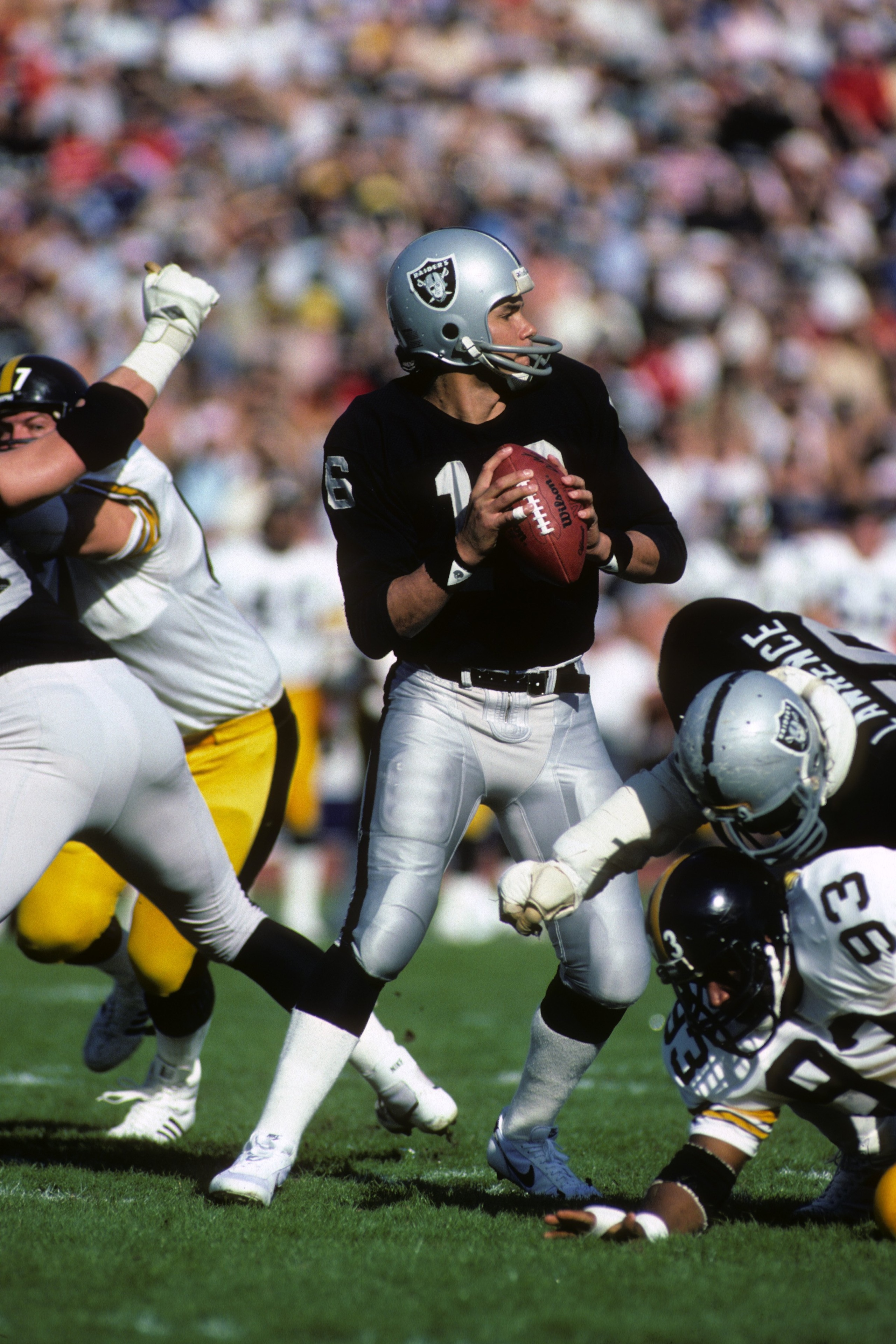
There have been 28 different quarterbacks who have won the Super Bowl.
In the 45 year history of the Super Bowl, only eight of these quarterbacks would win after moving from the team that drafted them.
As well, there have been 11 quarterbacks with multiple Super Bowl victories, and only one, Jim Plunkett, did so with the a different team than the one who drafted him.
Plunkett would play 15 years in the NFL for the new England Patriots, San Francisco 49ers and Oakland Raiders.
In five seasons with New England, he would go 23-38 as a starter.
In two seasons with San Francisco, he would compile an 11-15 record.
In 1979, his first year with the Raiders, he would only throw 15 passes as the back-up quarterback.
By the time he finished his career with Oakland, he would go 38-19 as a starter and win two Super Bowls in 1980 and 1983 in eight seasons with the Raiders.
In 1980, when he won his first Super Bowl, he had been in the league nine seasons.
The odds would favor developing a quarterback as opposed to trading for one in order to win the Super Bowl.
Changing Quarterbacks Does Not Lead to an Instantaneous Championship.
2 of 6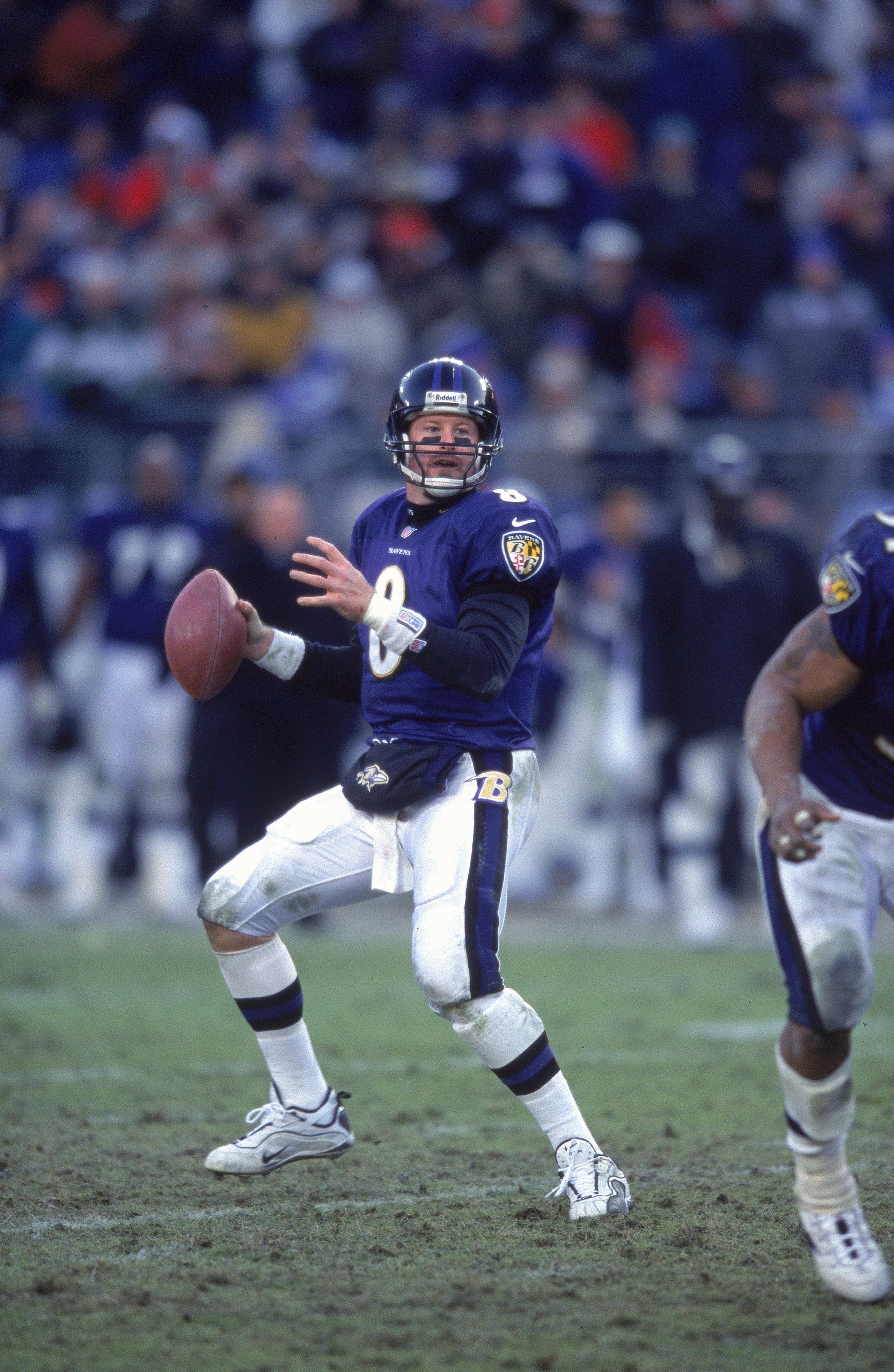
Even if Minnesota signs a veteran quarterback, it could be 2014 before they might be primed for a Super Bowl appearance. History does not support the notion that adding a veteran quarterback is the quick path to the Super Bowl.
On average, it takes four seasons for the new veteran quarterback to lead their team to a Super Bowl victory. This is only two years sooner than those that lead the team that drafted them to the Super Bowl.
For the eight quarterbacks that won a Super Bowl with a different team than the one that drafted them, only Trent Dilfer did it the first season he played with his new team—the Baltimore Ravens in 2000.
Dilfer joined the Ravens after going 38-38 in six seasons with the Tampa Bay Buccaneers.
Even though Dilfer went 7-1 for the Ravens after taking over for Tony Banks, who opened the season as the Baltimore starter, he would not play another season for the Ravens.
Obviously, the Ravens knew that Dilfer's Super Bowl win was an anomaly and dumped him before the 2001 season.
It Takes More Than a Veteran Quarterback To Win the Super Bowl.
3 of 6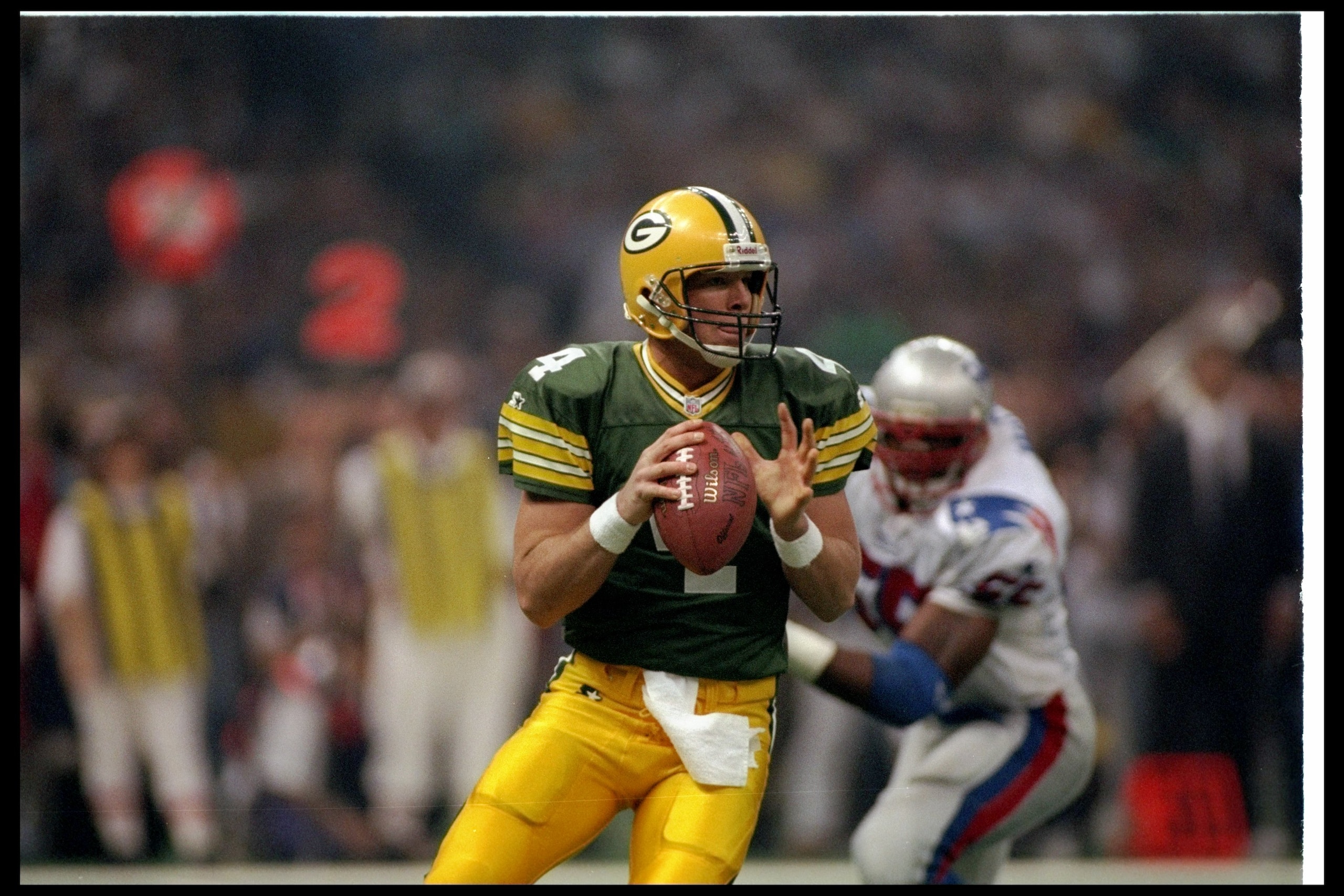
When Brett Favre won the Super Bowl for the Packers in 1996, it was his fifth year with the team after spending his rookie season in Atlanta.
The Packers defense was the number one ranked defense, led by the Minister of Defense—Reggie White.
Fast forward to 2010. The Aaron Rodgers led Packers were supported by the second ranked defense in points allowed and fifth in yards yielded.
A look at the teams who won the Super Bowl once they acquired a veteran quarterback shows that in seven of nine cases, the defense finished in the top 10 in points allowed and four times was the best in the NFL.
Only once since 1999 has the Vikings defense been able to crack the top 10, and that was in 2009 when they were one play away from the Super Bowl when they lost to New Orleans.
In 2010, the defense dropped to 18th in scoring defense.
This supports the need to reinforce an aging defense and that adding a veteran quarterback will not bring a championship to Minnesota any time soon.
The Vikings might as well look to develop a franchise quarterback as they rebuild.
Of course, there are those fans that will point to what Drew Brees was able to do with the New Orleans Saints.
The Saints defense was ranked 20th in scoring defense and 25th in yards allowed; still, it took Brees four seasons to lead the Saints to the Super Bowl. I put this in the anomaly category along with what Trent Dilfer did in one year with the Ravens.
.jpg?w=2560 "Rams Raiders Football")

.jpg?w=2560 "Steelers Saints Football")
Home Grown QBs Get There Faster
4 of 6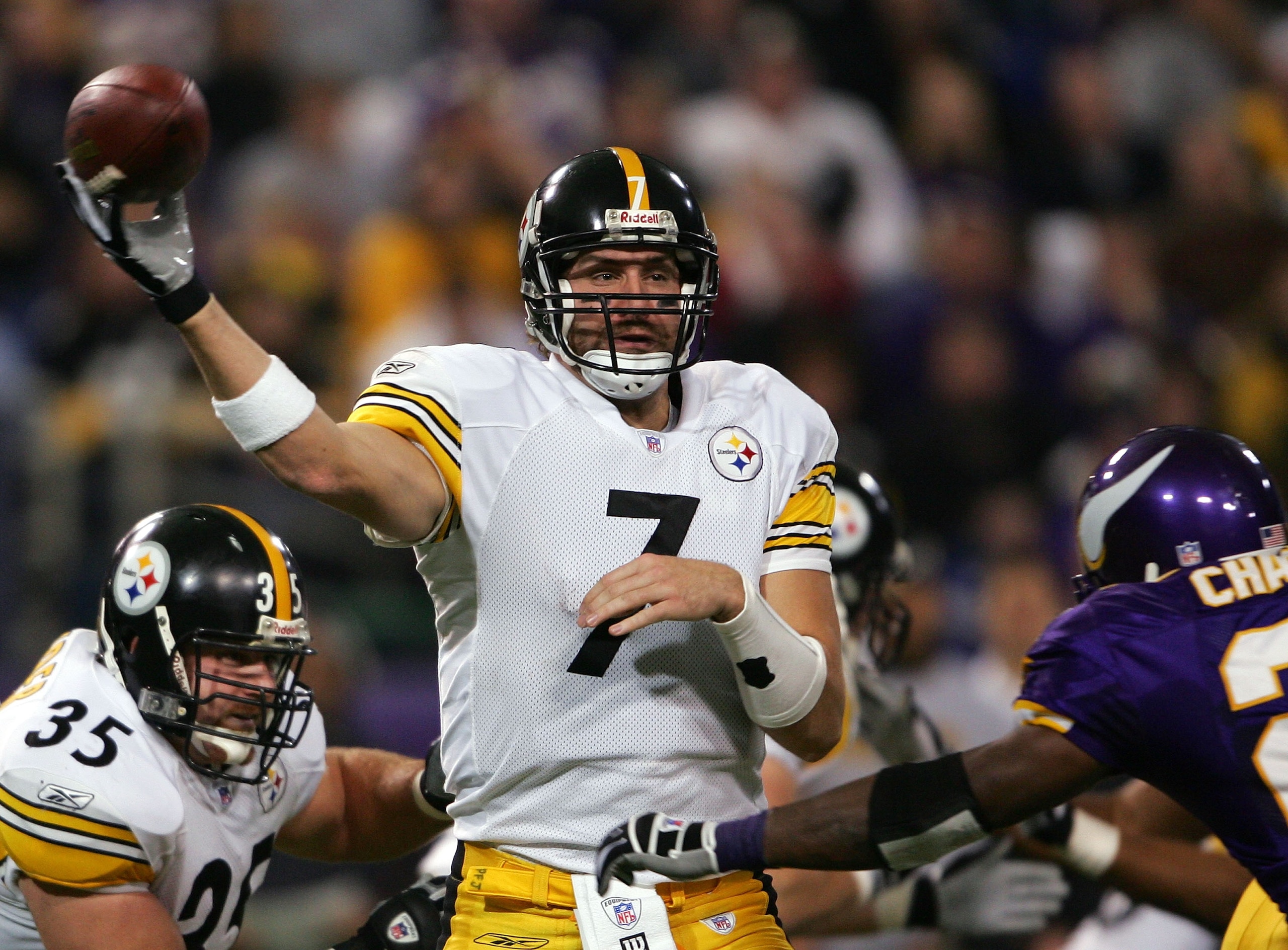
It should not surprise anyone that Super Bowl winning quarterbacks who changed teams were on average 2.7 years older than those that won it with the team that drafted them.
The average age of the each quarterback when they won their first Super Bowl for the team that drafted them was 28.6, while for those who switched teams, they averaged 31.3 years old.
Not only were the quarterbacks that changed teams older, but their average NFL tenure was 2.6 years longer.
This may not sound like much, but if you take into account that Vikings quarterback Joe Webb is 24 years old and has one season under his belt, he may represent the quickest route to the Super Bowl.
In comparison, Ben Roethlisberger is the youngest quarterback to win the Super Bowl when he did it at age 23 in his second season in the NFL with the Pittsburgh Steelers.
Age Matters—a Little
5 of 6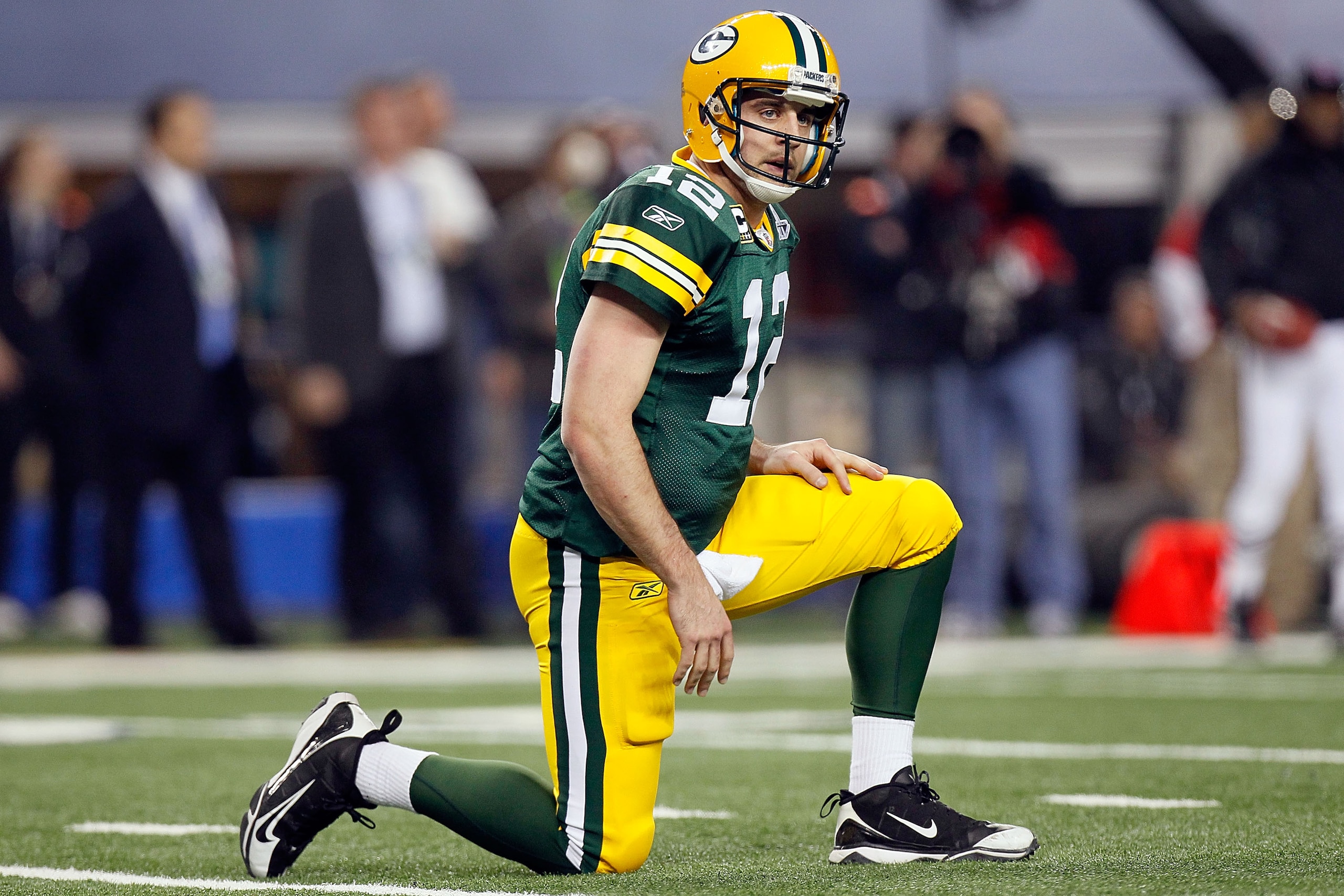
With age comes maturity and experience.
Yet when it comes to Super Bowl winning quarterbacks, the scales tip slightly toward those on the 20 something side of 30.
For the 45 Super Bowls, 23 have been won by quarterbacks in their 20's, while 22 by those in their 30's.
At 38, John Elway is the oldest quarterback to win the Super Bowl when he won his second consecutive title in 1998.
The fact that it takes on average a new quarterback four seasons to lead his team to the Super Bowl, this would put all of the veteran quarterbacks mentioned as possibilities for the Vikings over the age of 30.
In fact, four years from now Donovan McNabb will be 39 years old, one year older than the Elway when he won his last Super Bowl.
Kevin Kolb will be 27 when (and if) the 2011 season starts, while Kyle Orton and Vince Young will be 28. By the time they would be ready to lead the Vikings to the Super Bowl, they would be 31 or 32 years old.
A Historical Fact That May Be Only Coincidence
6 of 6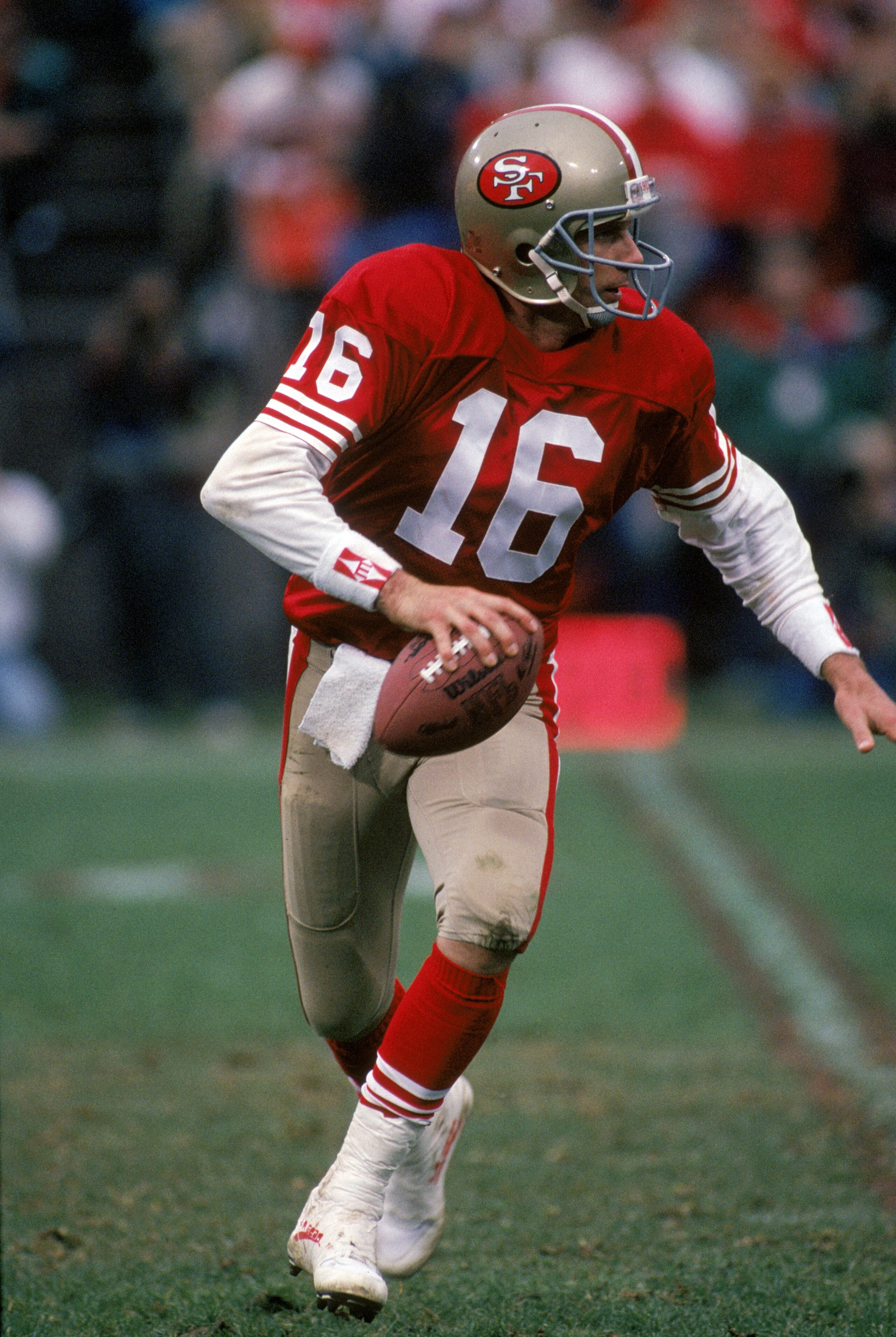
A "Joe" has won the Super Bowl more often than any other quarterback—a total of six times.
With four Super Bowl victories, Joe Montana is tied with Terry Bradshaw for the most in NFL history.
Joe Theismann and Joe Namath provide the other two victories.
Their average age at the time they won the Super Bowl is 29.3 years—including Montana when he won at age 32 and 33.
Perhaps the Vikings should stick with their own Joe, second year player Joe Webb.
The Super Bowl winning quarterback averaged just over six seasons in the NFL by the time they won.
That would make Webb 30 years old for the 2016 when the Vikings could be poised to win the Super Bowl.
Any thoughts of a quick fix dried up when Brett Favre threw that interception in the 2009 NFC Championship game.
.jpg?w=2560 "Cowboys Packers Football")




.jpg?w=2560 "🚨 Week 8 AP Top 25 Poll")