
Duke's Plumlee Brothers and The Best Low Post Duos in The Country
Anyone can tell you how difficult it is to defend an elite post player (just ask anyone that has played Ohio State this season).
But what if you had two?
It is a rarity, but Florida's back-to-back championships in 2006 and 2007 were proof enough that behind two great forwards, teams can achieve greatness. This season has proved once again that a great low-post player can make your team one of the best in the country.
So who has the best low-post duo in the country?
15. JaMychal Green and Chris Hines, Alabama
1 of 15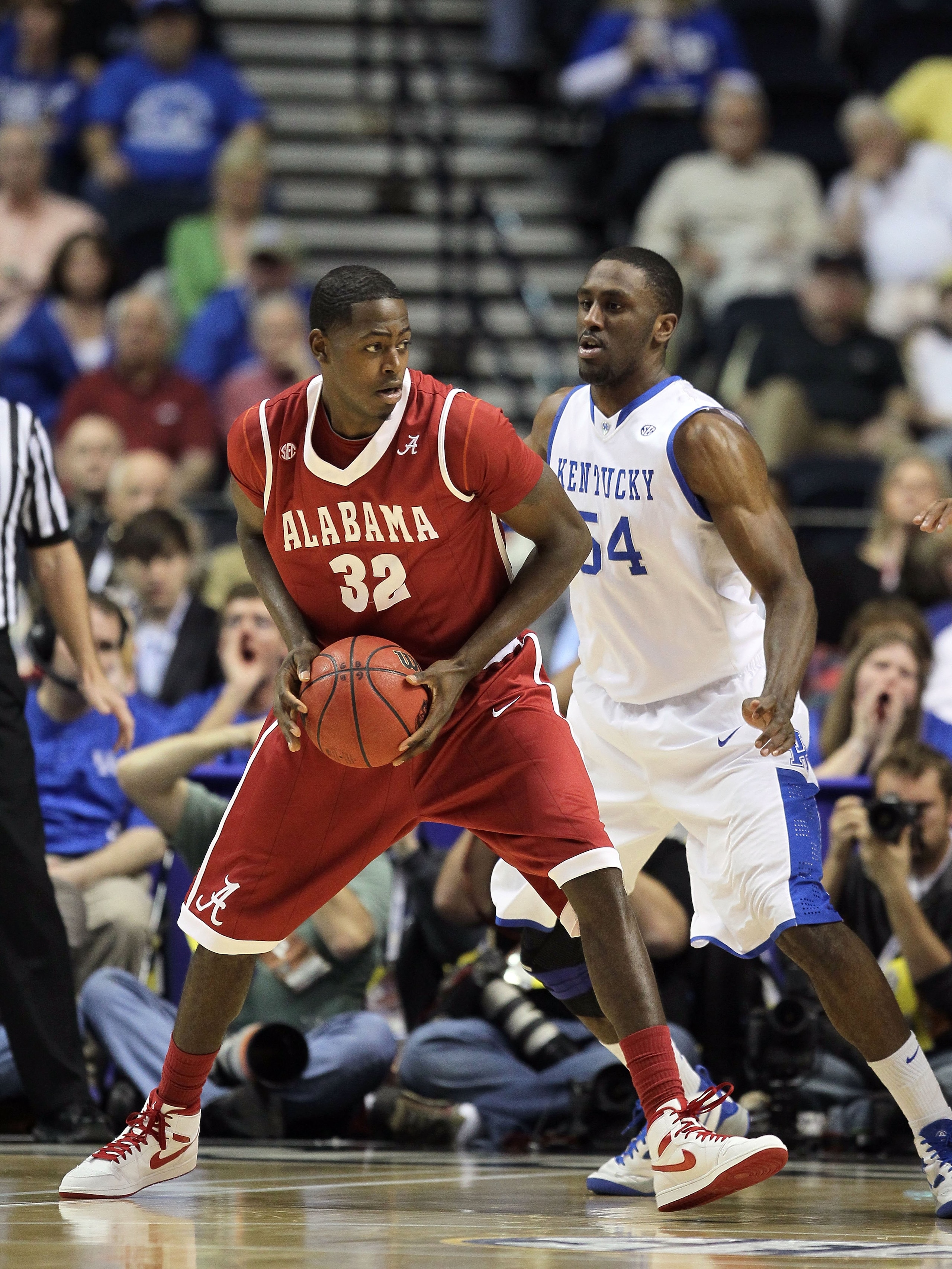
Green (pictured) is much more adept at scoring, but Hines is a solid contributor as a defensive player and does play decently in the halfcourt. Although you'll never see him get tons of accolades, he does his role well, playing in the post with solid consistency. Hines averages about five points and six rebounds per game, but he gives the Tide a block-and-a-half per game and a steal-and-a-half per game as well.
Green manages to help carry the team, averaging 15.6 points, 7.5 rebounds, 1.7 assists, 1.3 steals and 2.1 blocks per game. Green is an athletic forward who has some ability to get to the rim off the bounce, but he does most of his damage with his back to the basket. He has a solid jump shot but inconsistency is his biggest problem.
14. Festus Ezeli and Lance Goulbourne, Vanderbilt
2 of 15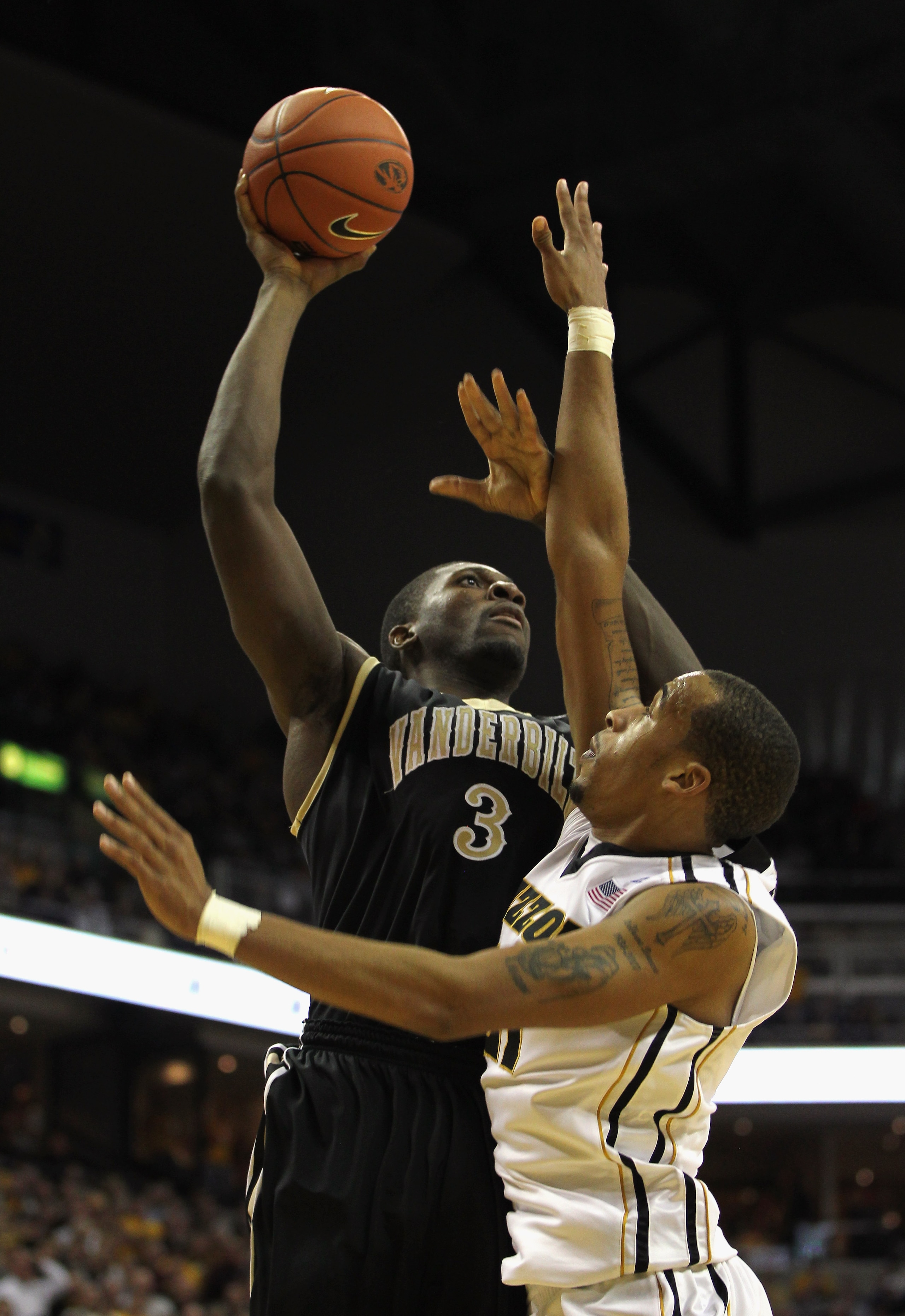
These Commodores may not be the most offensively productive post men in the country, but their presence is certainly felt. Much of Vanderbilt's offense is run through wings John Jenkins and Jeffrey Taylor, but Festus Ezeli (pictured) is a great third option.
He is the Commodores' third-leading scorer and brings in the second-most rebounds, while averaging 2.3 blocks per game—a stat that has NBA scouts starting give to give him a look.
Goulbourne is no slouch in the post either.
While his 7.7 points per game is nothing to look twice at, he leads the young Vanderbilt team in rebounds per game and pulls in 7.6 of those.
While not an elite duo by any means, their ability to clog up the middle of the floor gives the Commodores the ability to score from the outside as well.
13. Trey Thompkins and Jeremy Price, Georgia
3 of 15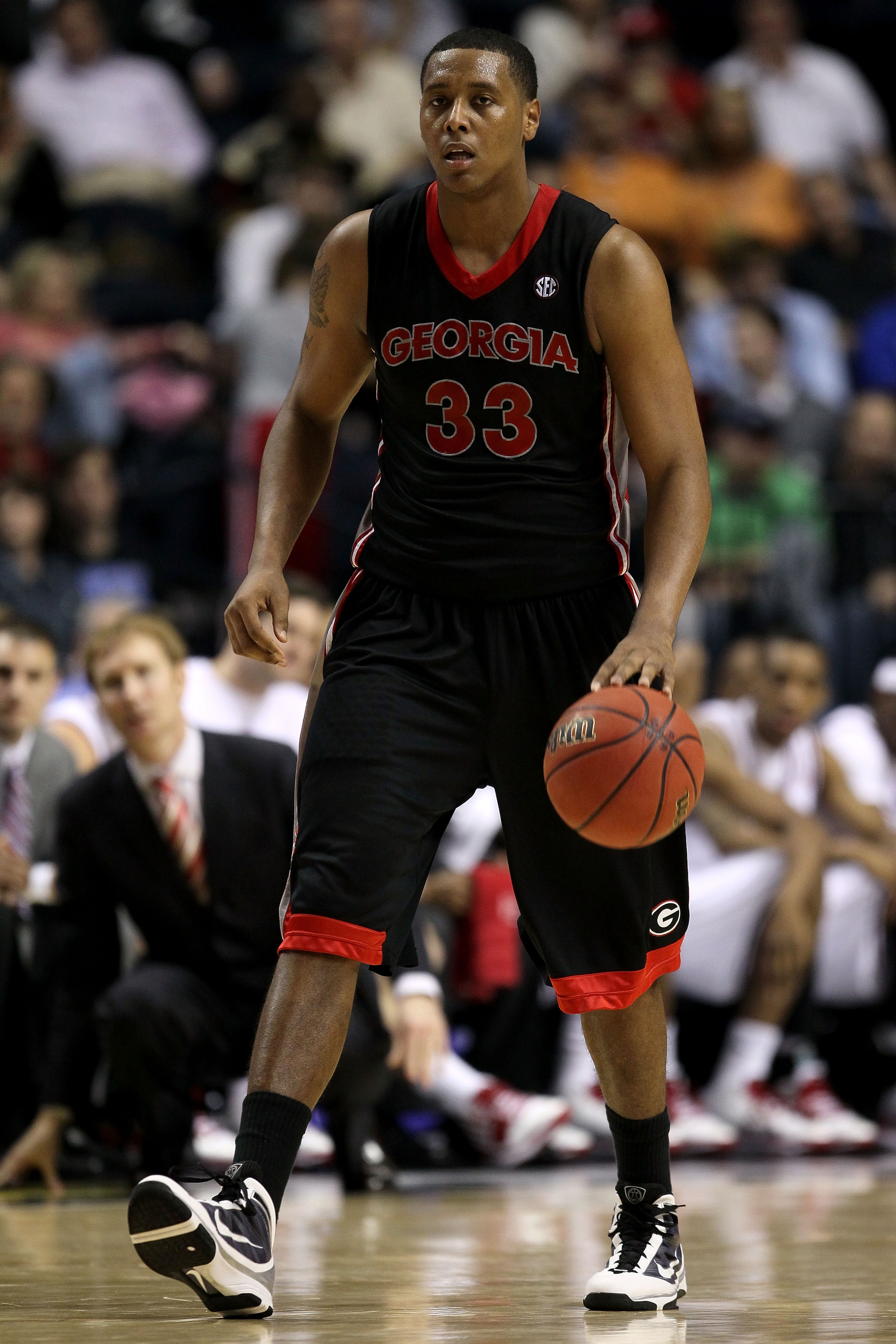
While Thompkins (pictured) is significantly better than Price, the latter provides enough support to make this combo a dangerous one.
Price isn't an all-conference player or anything, but he puts up about nine points per game while grabbing a little over five rebounds per game.
Price's mediocre numbers don't really compare with Trey Thompkins, who obviously carries the load of this duo.
The Bulldogs' leading scorer and rebounder is easily an All-SEC performer, scoring 16.7 points and pulling down just over seven rebounds per game.
Thompkins can bang with anyone down low, but also has decent range on his jump shot and can step out and play further away from the basket.

.jpg?w=2560 "Rams Raiders Football")

12. Alex Oriakhi and Roscoe Smith, Connecticut
4 of 15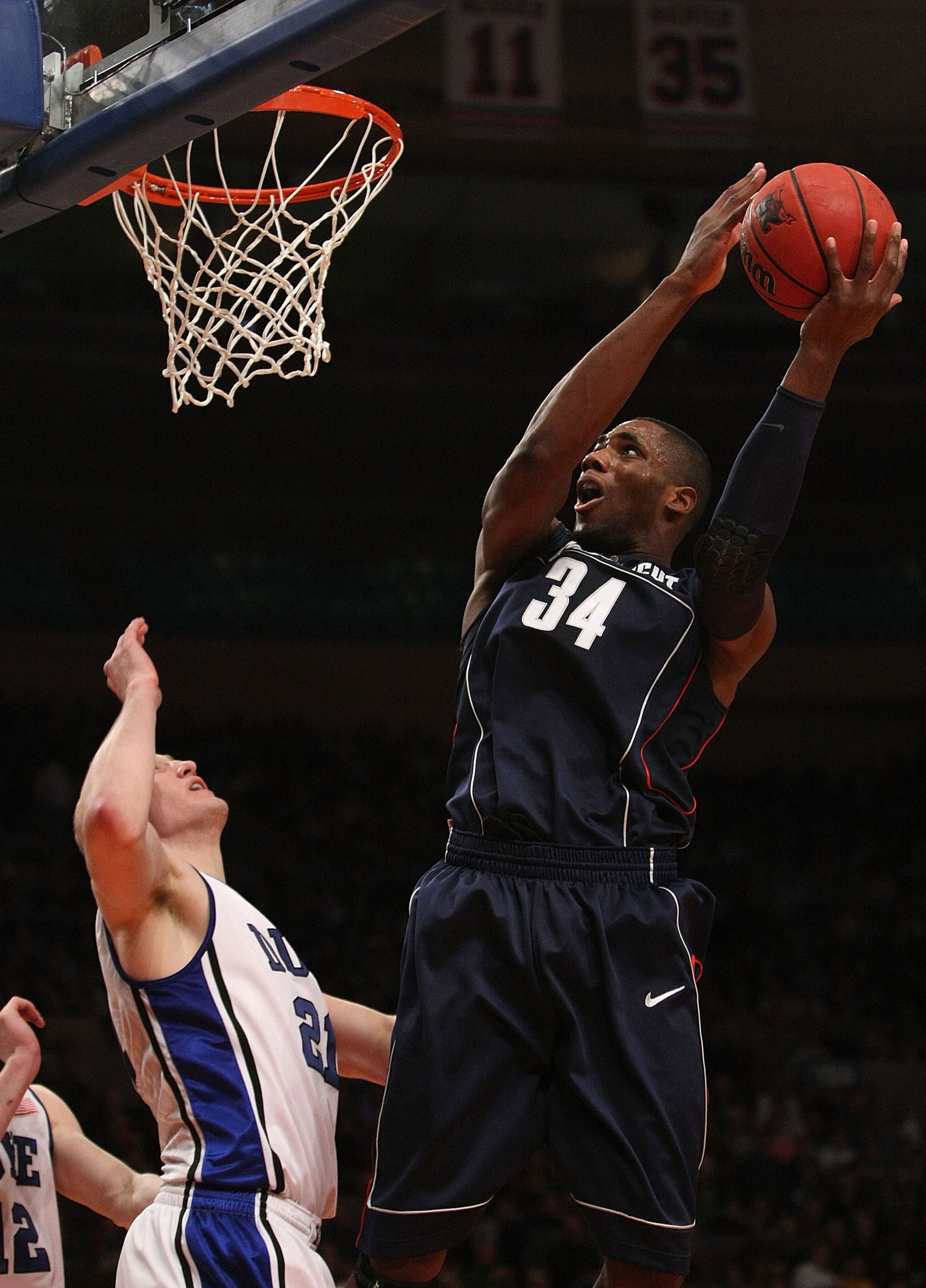
Smith and Oriakhi (pictured) are two of the youngest post players to make this list. A freshman and sophomore respectively, the two Huskies have really started to contribute during Kemba Walker's recent "slump".
Smith's contributions have come mainly on the defensive end.
He's the fifth-leading scorer for UConn, only averaging about seven points per game, but he is the second leading rebounder and also contributes 1.5 blocks per game.
Oriakhi is a little more integrated as a team leader, although he's only a sophomore. Only behind Kemba Walker in the scoring column, Oriakhi puts in just over 10 points per game, but also grabs 8.6 rebounds per game and blocks 2.3 shots per game too.
In an offensive scheme dominated by one player, Oriakhi has proven that he has become the No. 2 option if Walker isn't available and, in doing so, has added another dimension to the Huskies' attack.
11. Jordan Williams and Dino Gregory, Maryland
5 of 15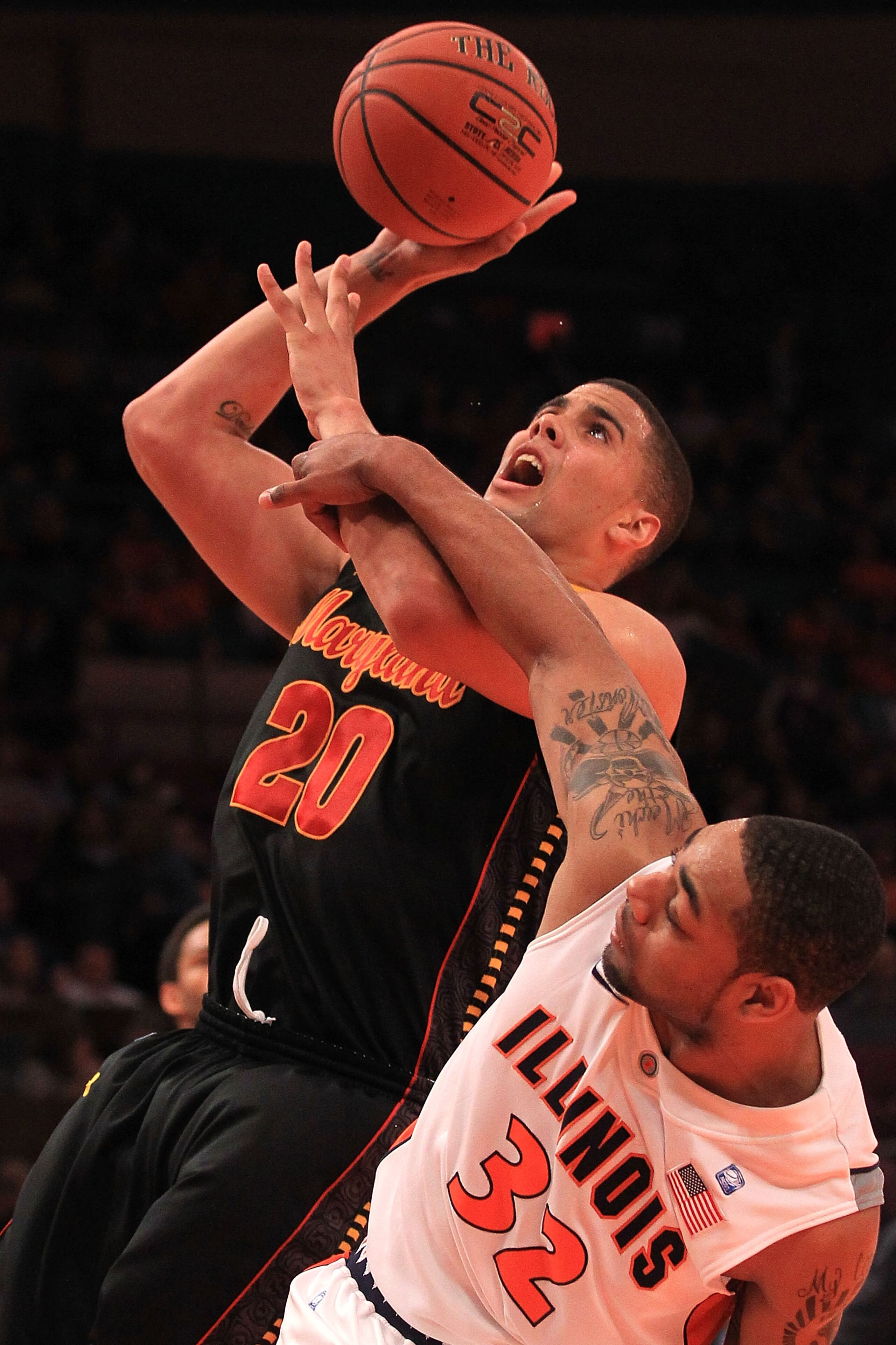
Williams and Gregory are unquestionably one of the toughest tandems in the ACC because of their sheer force.
Dino Gregory is a good player to take some pressure off of the other players. He's not stellar by any means, but he can do exactly what Gary Williams wants him to because he's been in the system for all four years. The 6'7" senior is the second-leading rebounder for the Terps.
Although his offensive production isn't fantastic, his body is his most valuable asset, making people put a body on him to keep from doubling-up on Jordan Williams too often.
While Gregory cleans up a lot of the mess down low as a secondary forward, the Terrapins' best player is easily Williams.
Williams is a monster of a forward and his statistical output shows it. He averages 17.7 points per game and 12.0 rebounds. His rebounding average is good for third in the nation and he's among much better competition than the two higher in the category.
10. Rick Jackson and Fab Melo/Baye Moussa Keita, Syracuse
6 of 15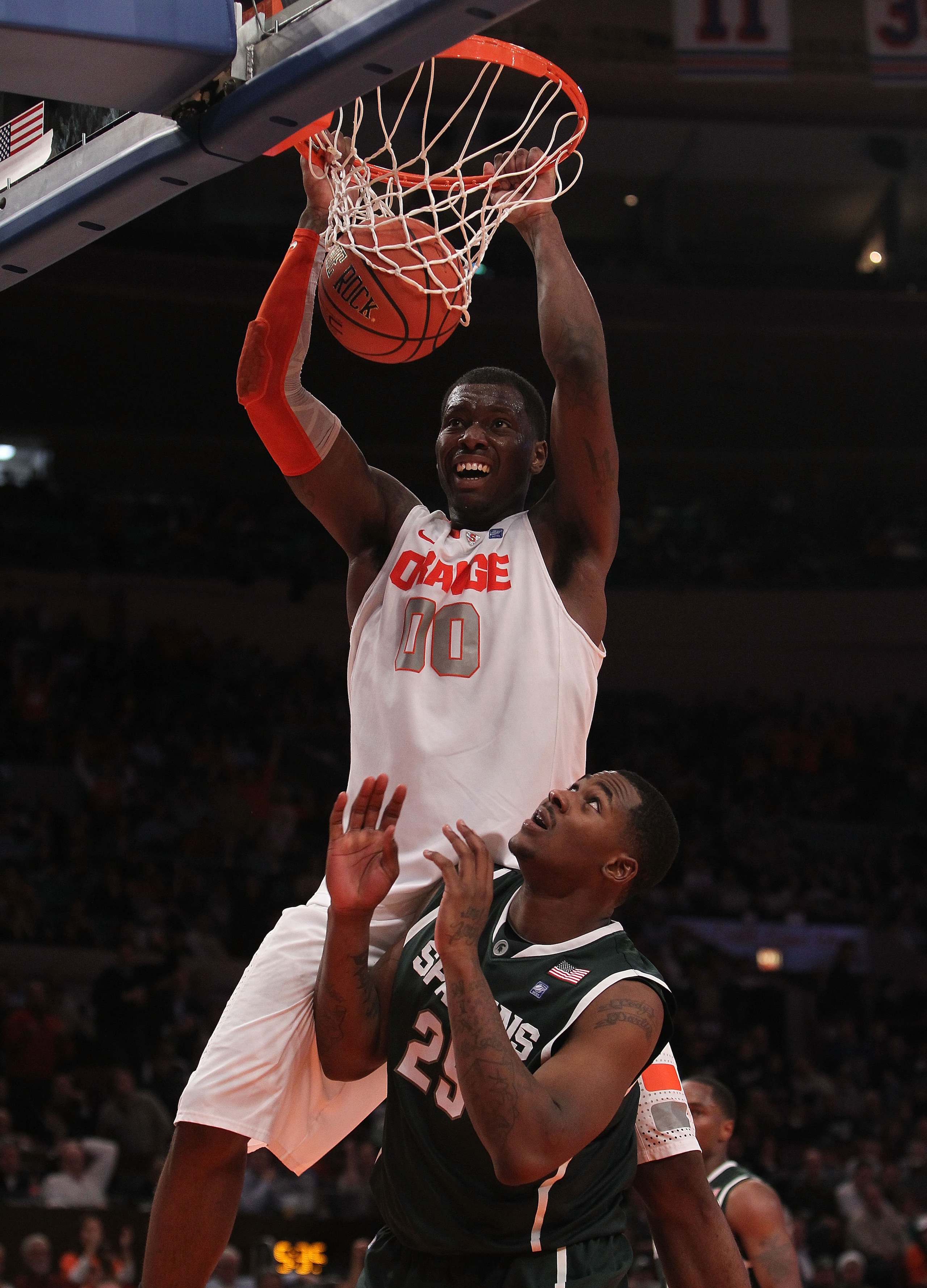
This is a difficult duo to categorize because Jim Boeheim really doesn't use the second part of this tandem with much frequency.
However, Rick Jackson (pictured) is such a force, he has to be included with whoever else plays with him. He averages 13 points per game and pulls down 11.5 rebounds (5th in the nation) among some of the best athletes in college basketball.
Just because they aren't used very often isn't a reason to look down on Fab Melo or Baye Moussa Keita.
The patented 2-3 zone run by the Orange isn't really designed to accommodate more than one dominant big man so they don't play more than 25 combined minutes per game—but both Melo and Keita will be able to step in once Jackson leaves.
Melo was an All-American coming out of high-school and his size may be the most intimidating thing about him. If he polishes his offensive game, he has a dominant defensive game to match it.
Keita isn't a great offensive player and he's a little rough around the edges, but he has shown great athletic ability and rebounding skill.
9. Quincy Acy and Perry Jones, Baylor
7 of 15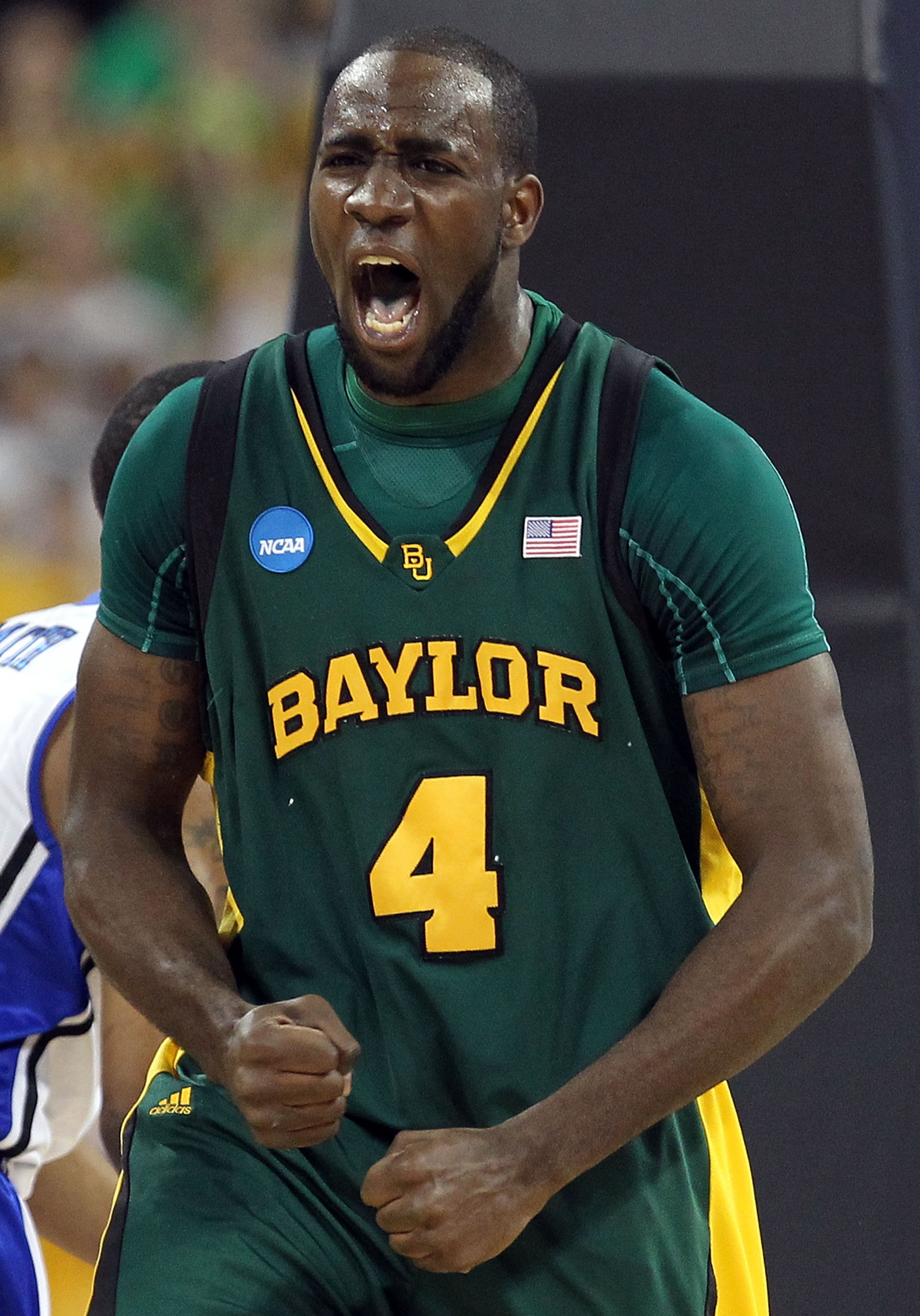
Although the Baylor Bears have had a difficult season, the post play of Quincy Acy (pictured) and Perry Jones has been great.
Quincy Acy has used his increase in playing time to increase his statistical output. At only 6'7", Acy is the Bears' leading rebounder and third-leading scorer as well as the leader in blocks on the team. His incredible athletic ability is a huge reason for his success, as he's able to out-leap and out-hustle other players.
The other half of Baylor's post play is Perry Jones.
Jones is currently near the top of most NBA draft boards and he's widely viewed as one of the best prospects in the country. He averages 14.1 points per game and pulls down 7.0 rebounds, good for second on the team behind Acy.
Jones has proved he's more of an offensive threat, but both Jones and Acy can defend well, and their combined force makes them a scary matchup in the Big 12.
8. Antonio Pena and Mouphtaou Yarou, Villanova
8 of 15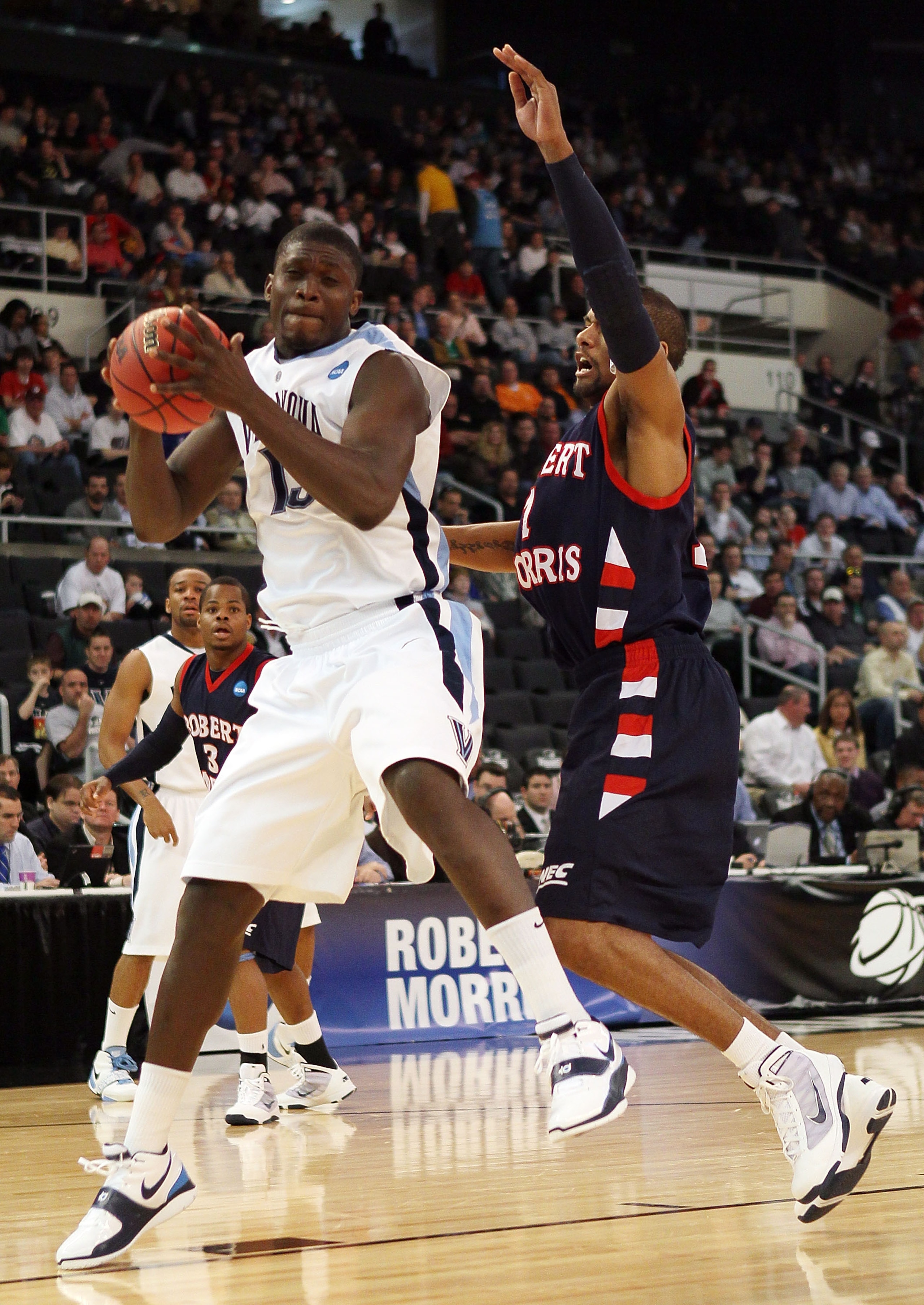
Pena and Yarou (pictured) have emerged as an important part of the Villanova game lately as the duo have been essential in the Wildcats last couple of wins.
Pena is the older of the two and the senior has put together a nice stretch over the last five games. He's averaging 10.1 points per game and 7.3 rebounds, but he's had some big games lately, putting up 17 and 15 against Providence and 14 and 10 in their big win over Marquette.
Yarou is a little different story.
Underutilized for a lot of the year, he just recently gotten more playing time and he has been using it quite well. In his last two games—which he's gotten 31 and 30 minutes of playing time in—Yarou scored 18 points and 11 points, while grabbing six rebounds and four rebounds, respectively.
While these may not be amazing stat lines, he was a crucial part of the Wildcat victories and the learning player has shown plenty of growth in his sophomore season.
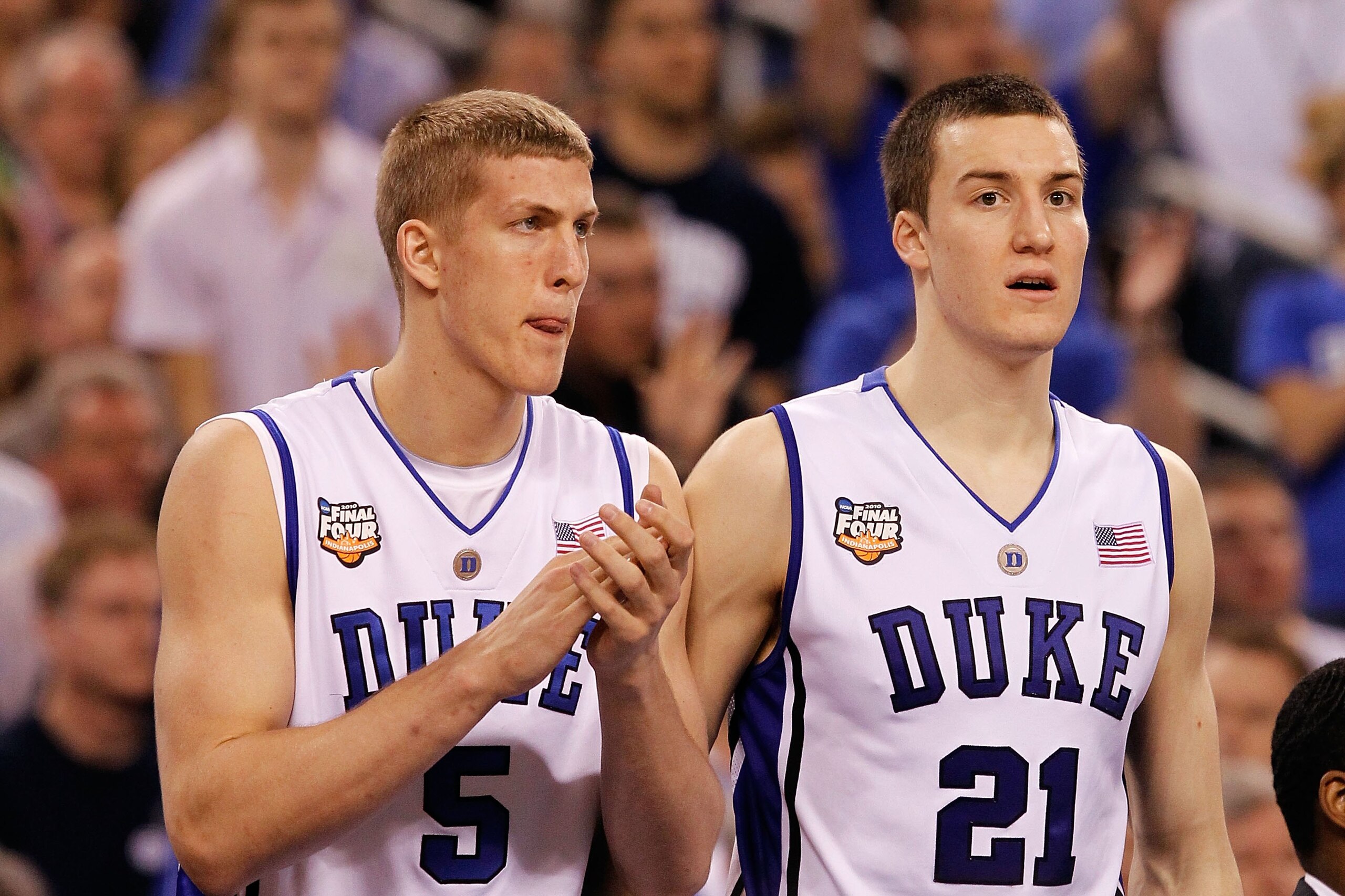
7. Mason and Miles Plumlee, Duke
9 of 15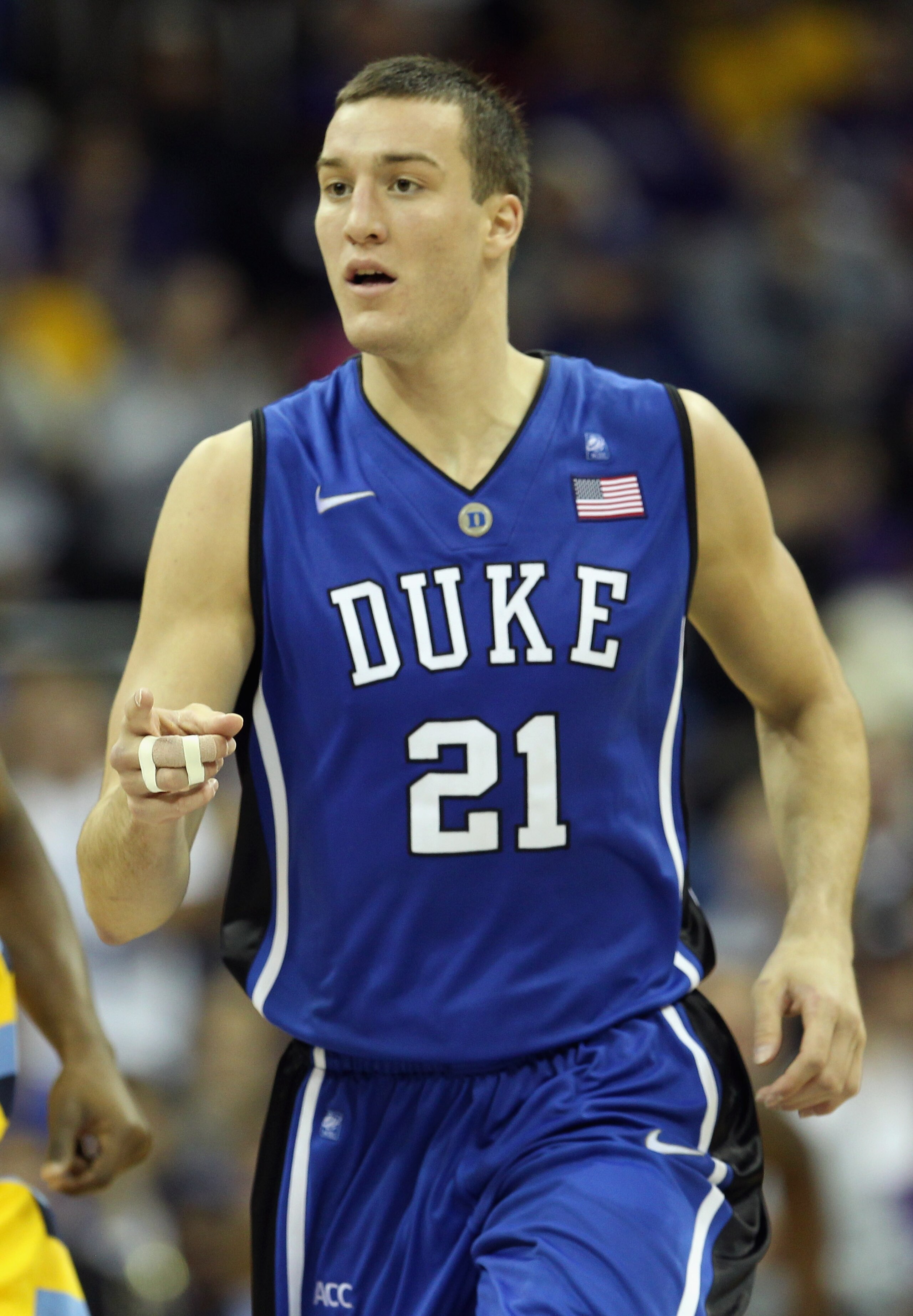
The Plumlee brothers have established themselves as two of the most consistent forwards in the country, playing supporting roles in the Duke offense.
However, the Plumlees are talented enough that, if need be, they could be stars. Miles (pictured) is the lesser-talented brother, but only by a little. While he hasn't gotten tons of playing time this season, Miles is still managing to grab 4.5 rebounds per game and five points. Miles doesn't have the most gifted offensive game, but he does a good job at what is needed.
Mason, on the other hand, seems to be in Coach K's favor. He's the Blue Devils' most consistent post player, averaging 7.1 points per game and pulling down 8.8 rebounds as well.
The only thing holding back the athletic forward is his teammates. He can't help that he's playing on the same team as Nolan Smith and Kyle Singler—two of the best players in the country. They can't both average as many points as they are without cutting someone's production.
Mark my words, the Plumlees will both see an increase in points and playing time next season.
6. Mike Tisdale and Mike Davis, Illinois
10 of 15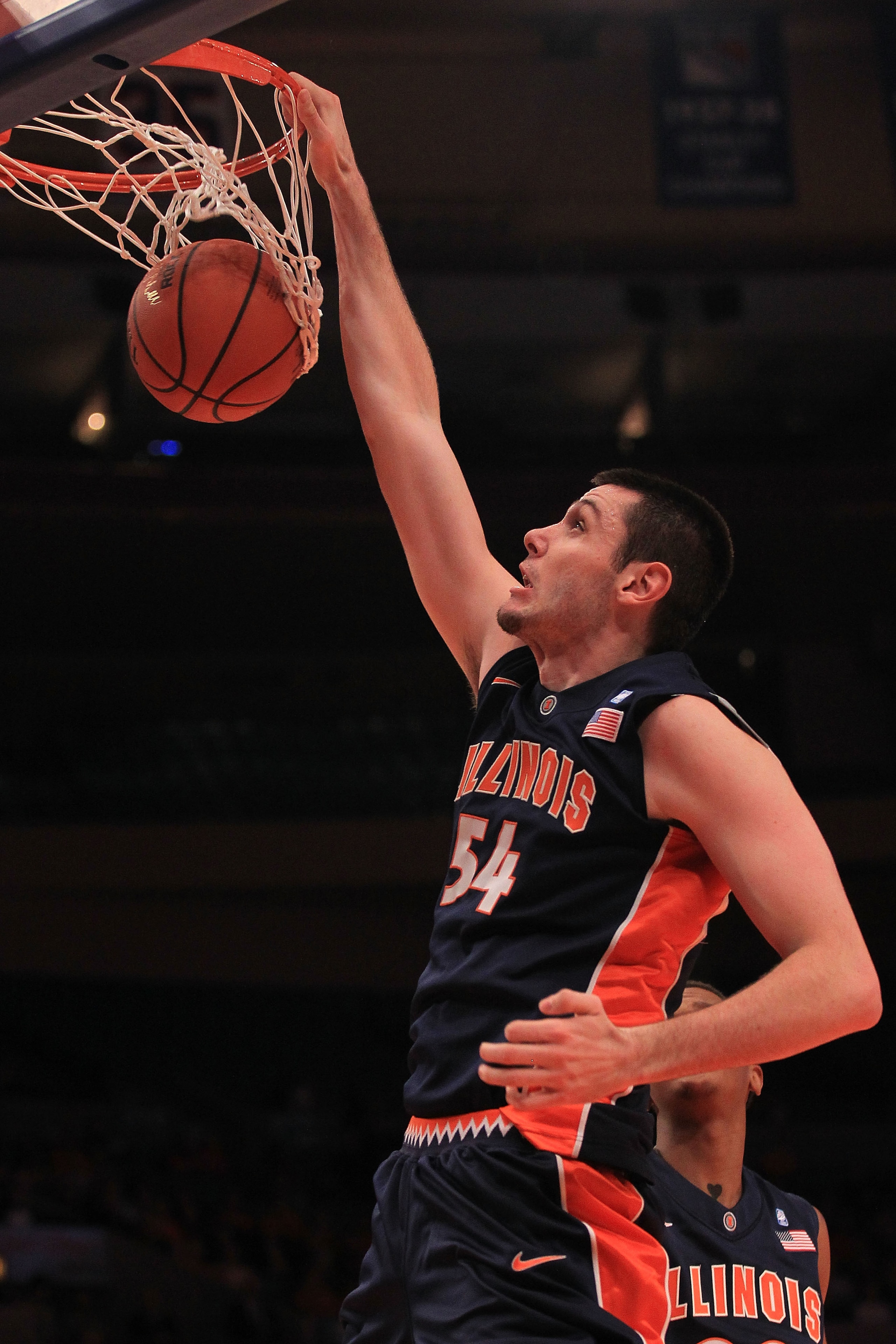
Tisdale (pictured) and Davis have different styles in the post, but both manage to be effective pieces of the puzzle for Illinois.
At 7'1", Tisdale is the pure center for the Illini, but he's not as much of an athletic player as Davis. However, he makes up for it with a decent jump shot that can extend defenses further than most players his size. He also pulls down plenty of rebounds (6.8 per game) and passes well.
Davis, on the other hand, is an athletic forward who can back players down as well as face-up and take the ball to the hole. You won't see him out on the perimeter very often, but his inside game contributes plenty to the offense. Davis is one of two players on the squad who average more than 10 points per game and he's also just behind Tisdale for leading rebounder.
5. Reeves Nelson and Tyler Honeycutt, UCLA
11 of 15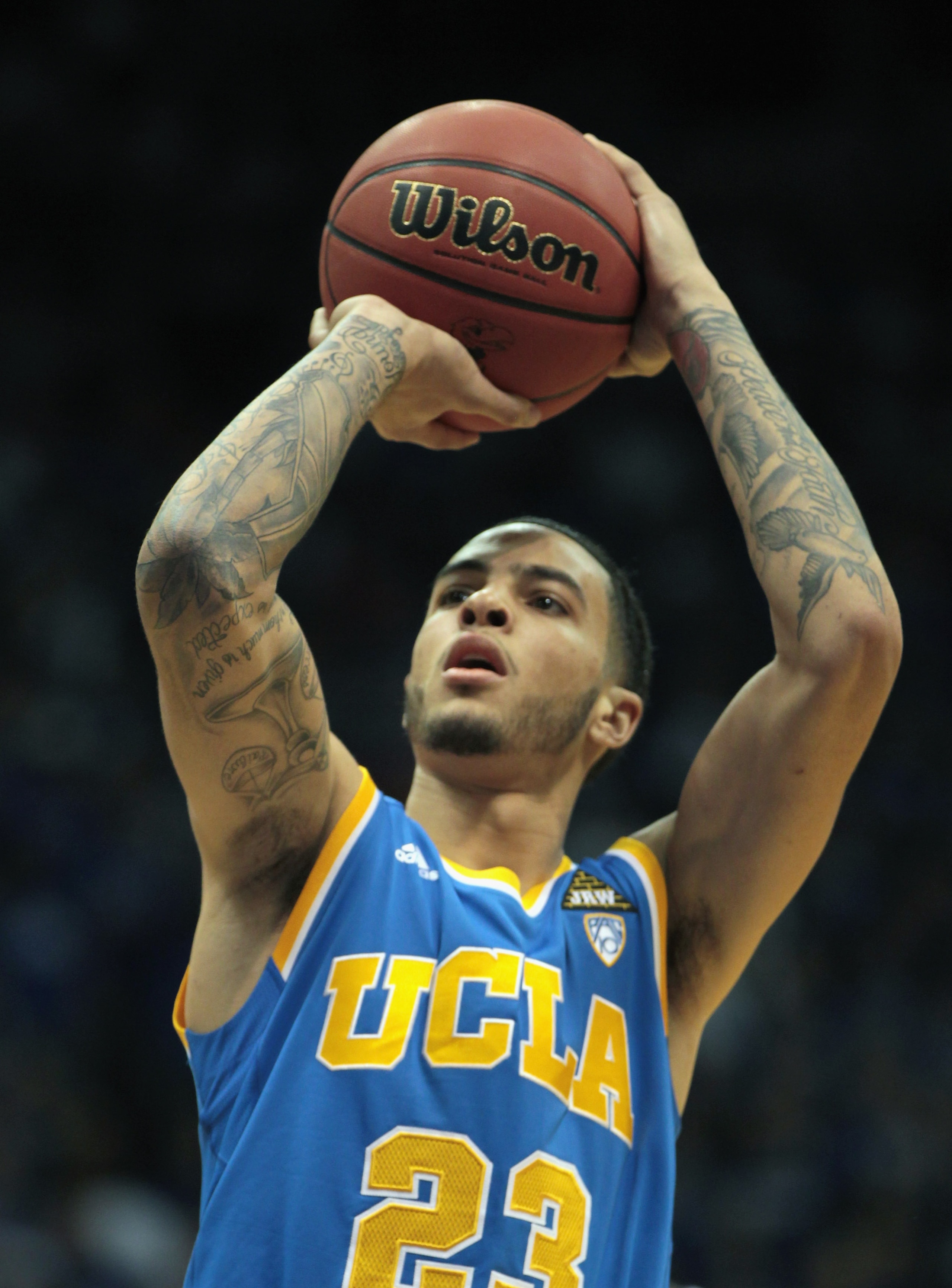
Despite the lack of coverage, the UCLA Bruins have slowly pieced together a solid season—thanks a lot to Nelson and Honeycutt (pictured).
The dynamic sophomores are the two leading scorers on the Bruins roster as well as being the two leading rebounders. Nelson has been a little better on the offensive end, scoring 14.1 points per game but also contributing 8.8 rebounds. His ability to finish around the rim makes him a dangerous scorer with his back to the basket, but he also has a decent jump shot that he can use for scoring as well.
Honeycutt on the other hand is more of an athletic power forward. He's a good athlete and, for his size, he is very fast and a good ball handler. He's not as strong as most forwards his size, so sometimes he will scoot out to play a little further away from the basket—but at 6'9", he's no pushover. He's got a good basketball IQ and he is a very good defender, both in the post and on the perimeter.
I wouldn't be surprised to see the Bruins turn it on in the last month of the season and make a tourney bid this season.
4. Chandler Parsons and Vernon Macklin, Florida
12 of 15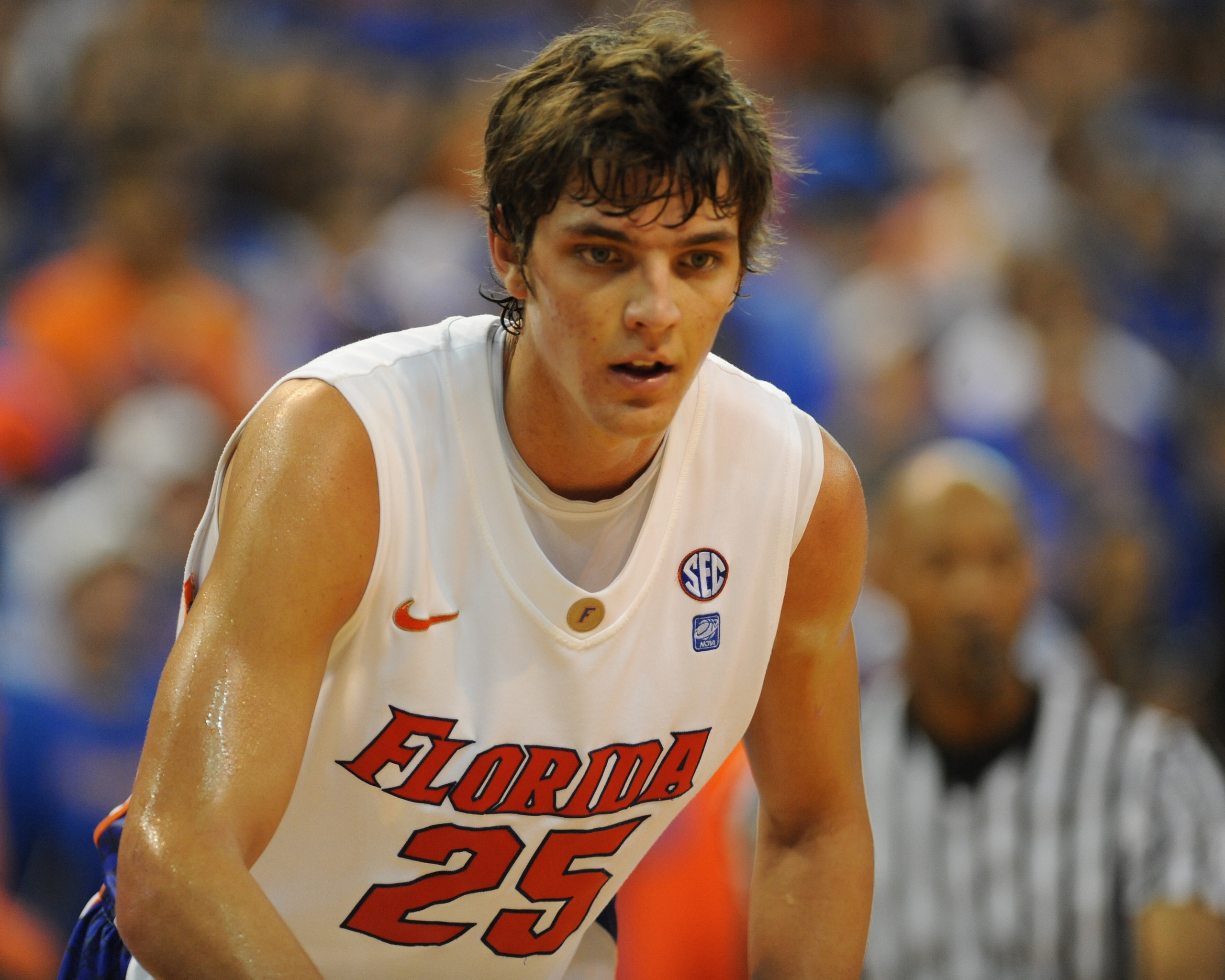
The Florida Gators have rebounded into a solid, but inconsistent team this season and a large part is the performance of their two senior big men.
While the two are only the third and fourth leading scorers on the team, they contribute immensely.
Macklin is the more physical of the two, but also gets less minutes than Parsons as he splits time with Alex Tyus and freshman Patric Young. However, 10 less minutes per game doesn't really translate into points, as Macklin is still barely averaging more than Parsons. He also grabs 6.1 rebounds per game, good for second on the team.
Parsons (pictured) may be less physical than Macklin, but he still manages to pull down more rebounds (7.7 per game)—plus, he plays a little bit differently. While Parsons isn't afraid to play with his back to the basket, he's much more of a face-up player who can step out and hit shots from the perimeter as well.
3. Tyler Zeller and John Henson, North Carolina
13 of 15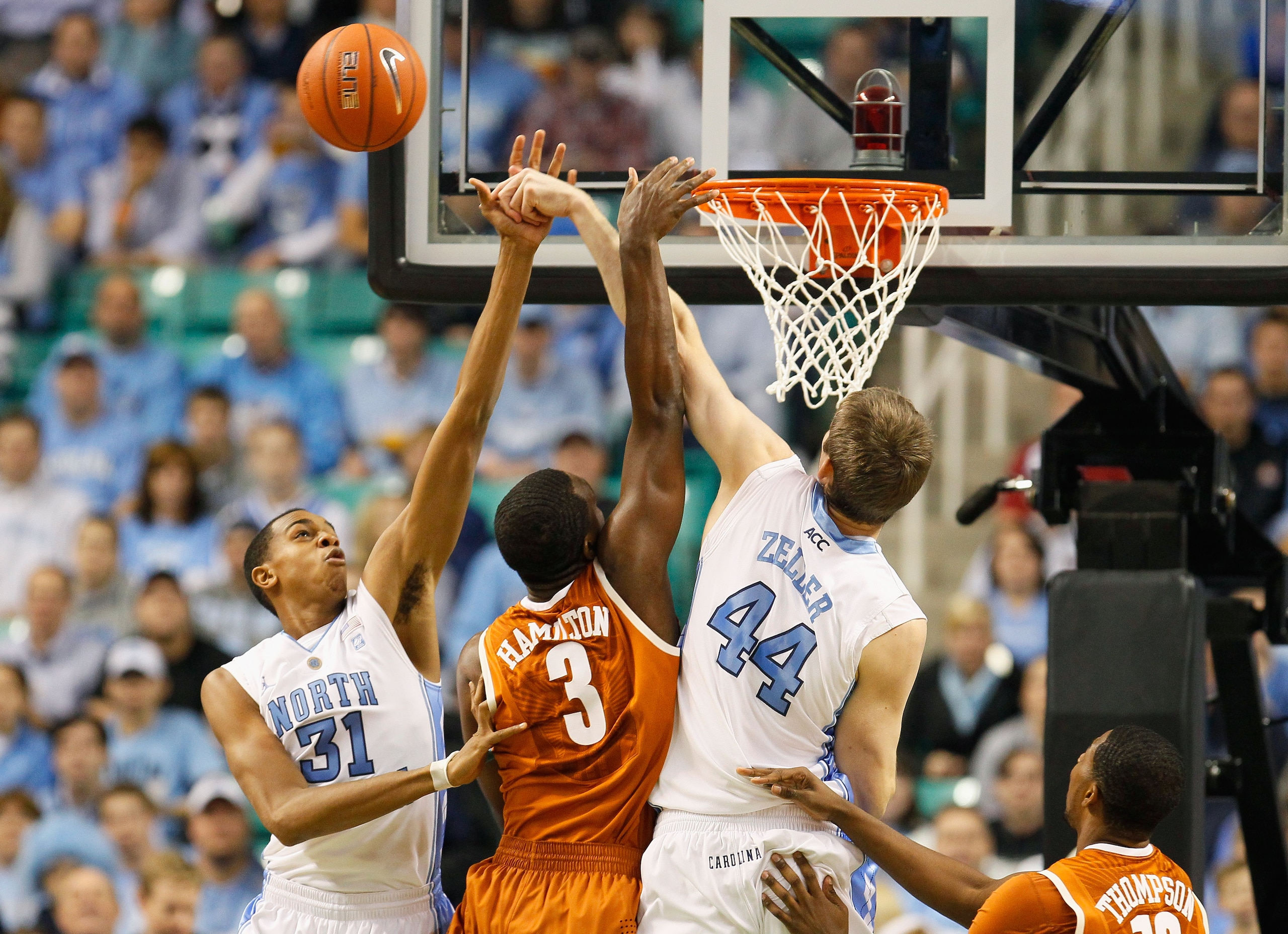
Other than Reeves and Honeycutt of UCLA, none of these duos have been as important to turning their respective teams around as Henson and Zeller have been for the Tar Heels.
Tyler Zeller has easily been the most consistent player on the North Carolina roster this season and he's become a more integrated part of the offense on the block. In the past, he's done the majority of his work from 10-15 feet away from the basket; this season, he's taken more of a physical approach to getting his points and, as a result, he's gotten to the line much more than in the past.
Even more importantly, John Henson has developed into a legitimate threat on the offensive and defensive side. He came into college at a lanky 6'10", only weighing 180 pounds. This season he added 30 pounds of muscle and can bang around in the post more. Added onto that, he's developed a bit of ball-handling skill and has started to attack the basket more. He's also developed his range and now he can actually step back and hit shots from near the three-point line. Plus, he's established himself as one of the most feared shot blockers in the country.
The tandem of Zeller and Henson have slowly brought the UNC team back into the ACC forefront and now they seem poised for a return to the tourney.
2. Jared Sullinger and Dallas Lauderdale, Ohio State
14 of 15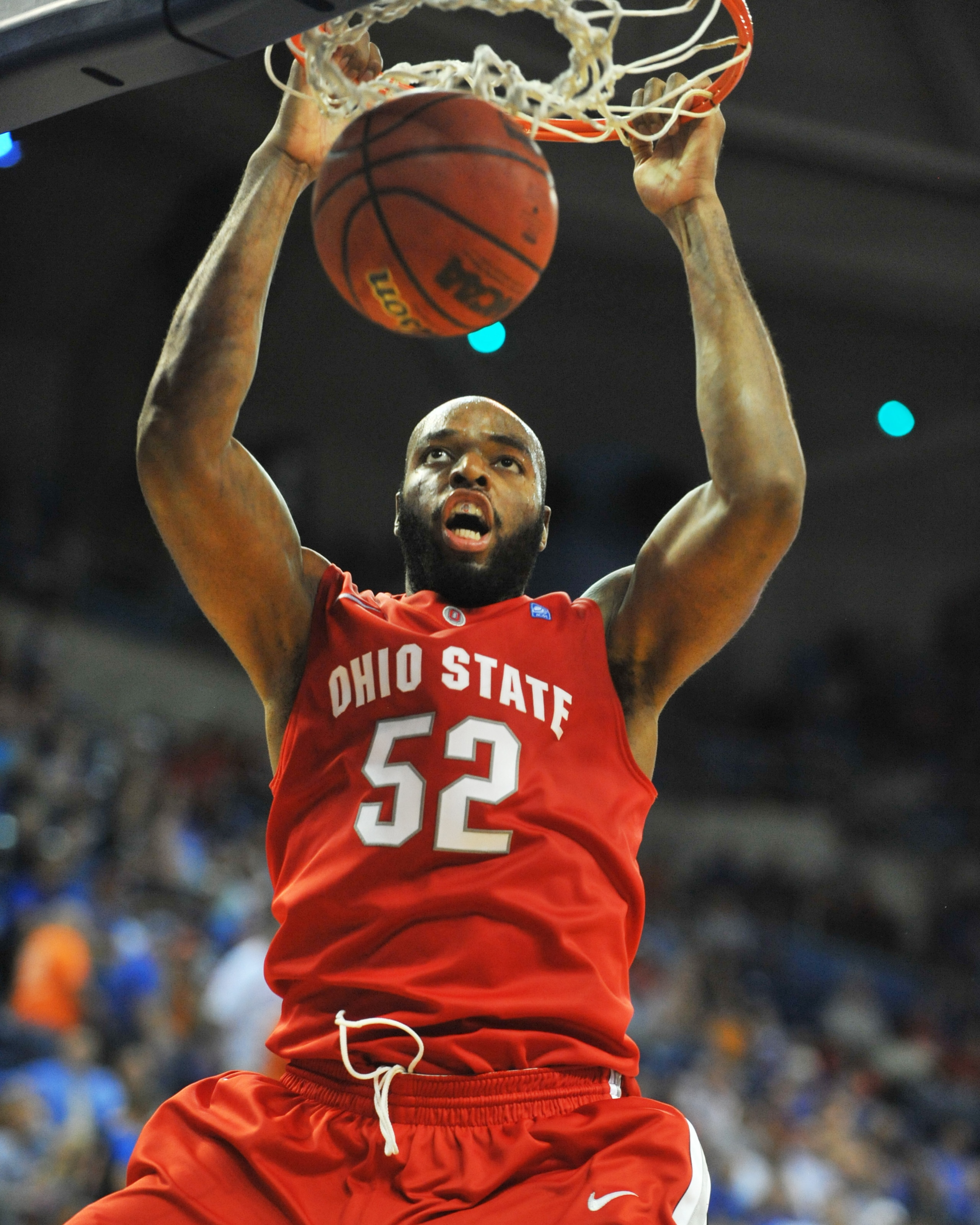
Sullinger is obviously one of if not the best post player in the country. His presence alone makes this tandem something to fear. Add in Lauderdale (pictured) and you have something out of a nightmare. Sullinger's additions barely need to be explained: 18.0 points per game, 10.3 rebounds, 57 percent shooting from the field, etc. His monstrous freshman season has him poised for an All-American bid and he could be in the running for Player of the Year.
Dallas Lauderdale brings more of a intimidation factor. His minutes have been cut, but Lauderdale still brings in four rebounds a game. However, he is one of the most physically imposing players in the country. In an anonymous poll given to NCAA players this preseason, 13.9 percent of players said that Lauderdale was the one player in the NCAA that they wouldn't want to fight.
One player said: "He's just the biggest player I've ever played against...he lets out all these grunts and yells—there's no way I'm fighting that."
His physical dominance has been just another added factor that has helped Ohio State stay undefeated.
1. Marcus and Markieff Morris, Kansas
15 of 15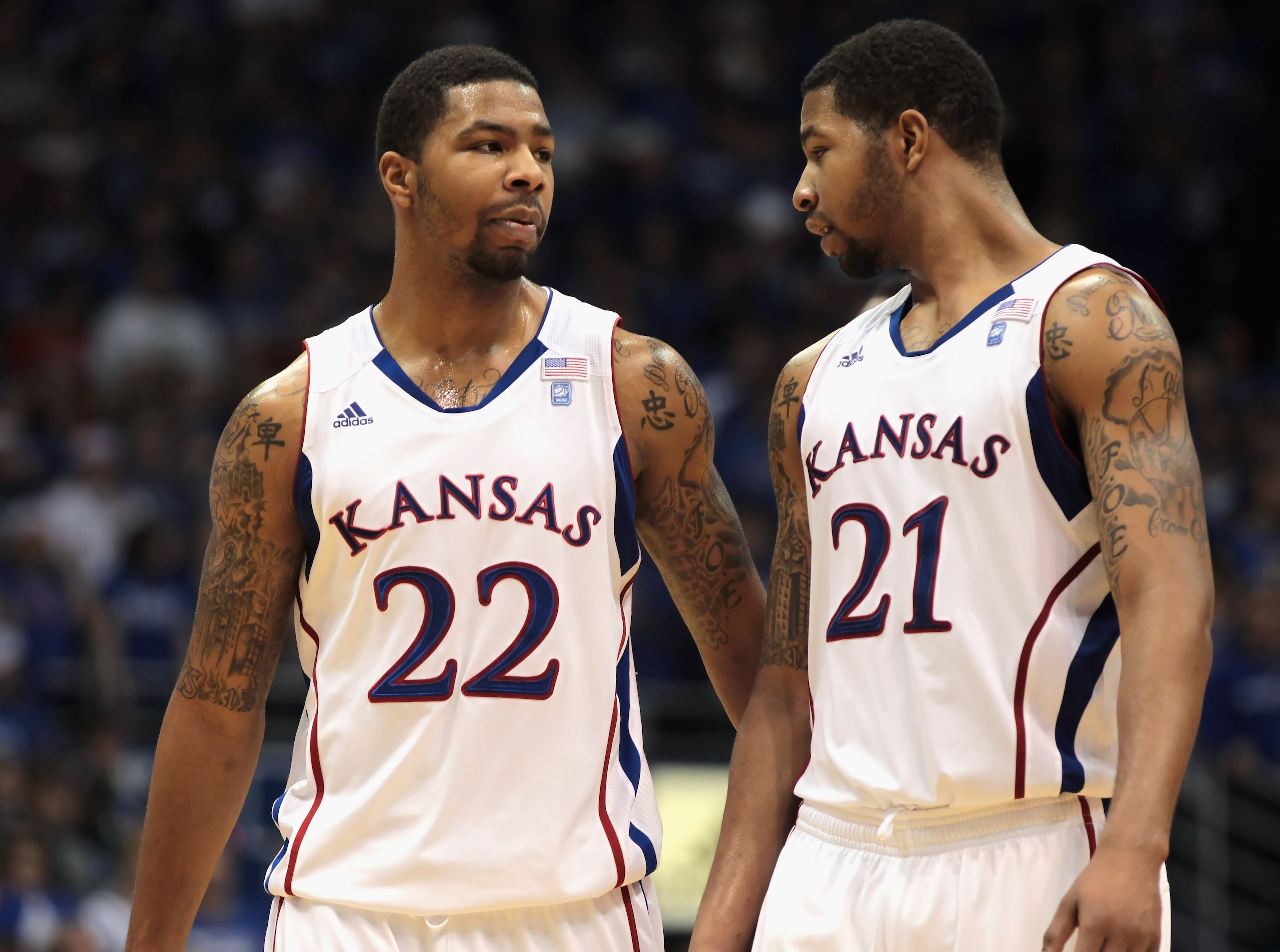
The Morris twins are hands down the best low-post tandem in the country. Marcus is one of the best players in the Big 12 and is sixth in the conference in scoring, while also managing to pull down seven rebounds a game. He has a good perimeter jump shot and also has the ball-handling ability to attack the basket off the dribble.
His brother Markieff, while not as offensively productive (although he's still averaging 13.2 points per game) leads the Big 12 in rebounds, amassing 8.4 per game. What he lacks in developed offensive ability, he makes up for in athletic ability. He's a bit more athletic than his brother and is a good defender as well.
The brothers, despite the differences I just noted, are very similar.
They are both very lengthy, allowing them to grab rebounds among taller opponents. They both have good basketball IQs as well, managing to keep their turnovers low.
More than anything, the brothers have a great work ethic and manage to keep improving their games as they get older. It is rare to see two gifted post players playing on the same team, but it is even more unlikely to see it with twins.
These two have managed to stay together and play together as the best low-post duo in the country and their veteran experience has Kansas poised for another No. 1 seed in the tournament.
.jpg?w=2560 "Steelers Saints Football")

.jpg?w=2560 "Packers Safety Slams Refs 🤬")

.jpg?w=2560 "🚨 Week 8 AP Top 25 Poll")