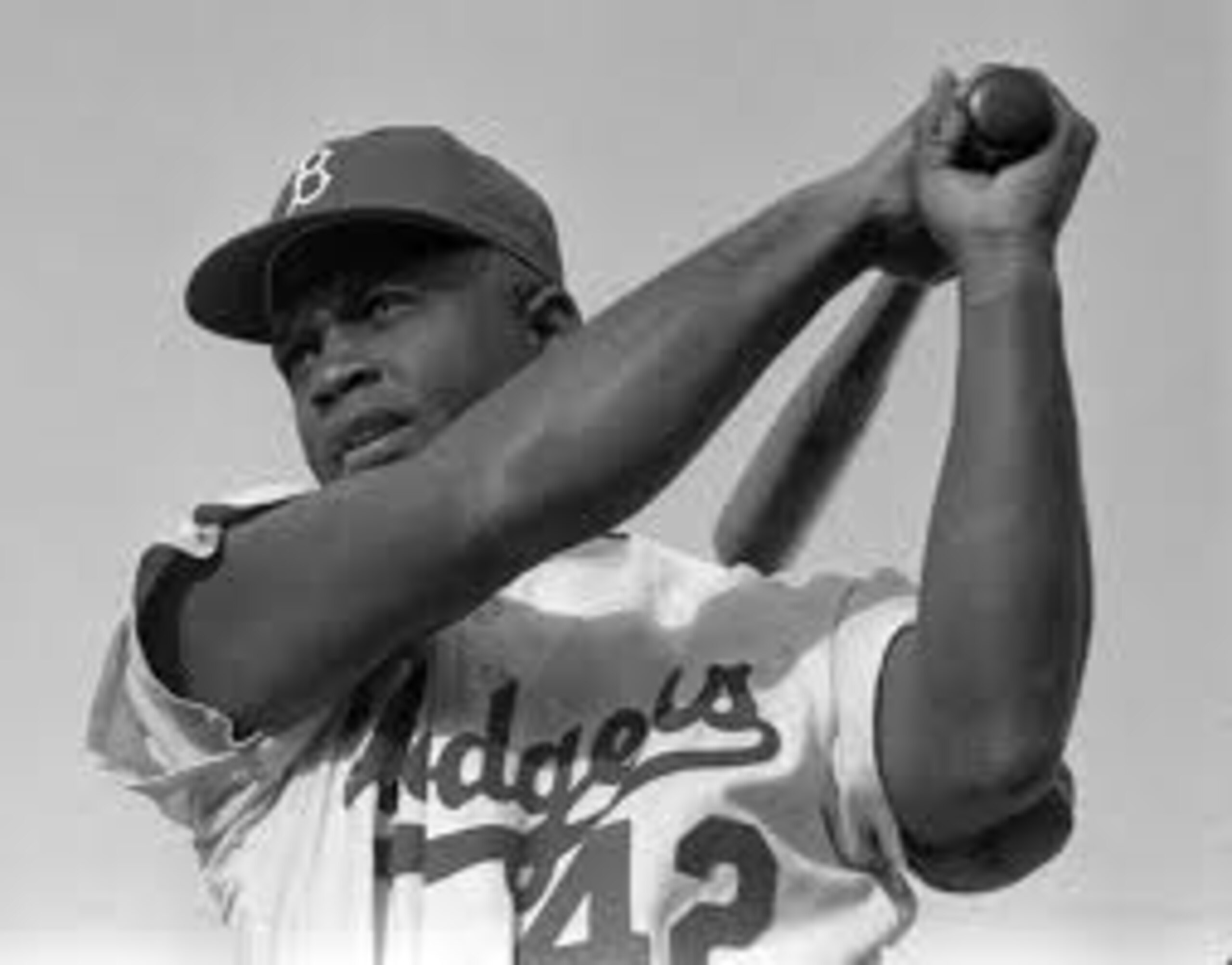

Black History Month: 10 Ways Jackie Robinson Changed The Game
Even non-sports fans know parts of the story.
In 1947, Jackie Robinson became the first black player in the most popular sport in America, and helped change the way the country thought about racial integration. And Robinson’s legacy goes far beyond the already-amazing feat of breaking the color barrier. Herein, ten ways in which #42’s impact can still be seen.
10. Mental Toughness Matters
1 of 10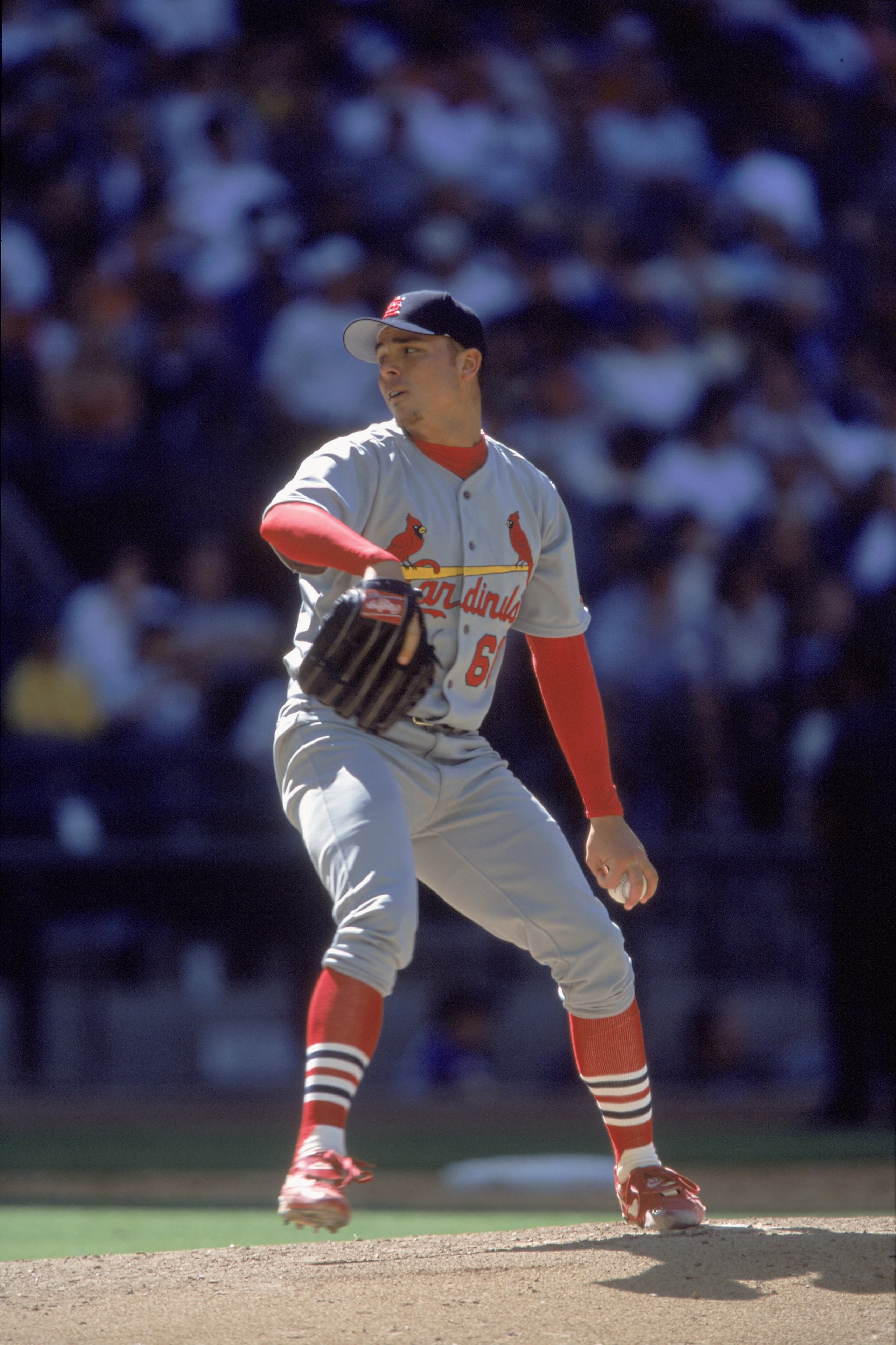
Robinson was probably the first baseball player in history who got his job not only for his baseball skills but also for his mental makeup. Branch Rickey went out of his way to find a player he thought would be able to handle the stresses that would go into integrating the major leagues.
Robinson, of course, passed with flying colors, playing at a Hall-of-Fame level despite unimaginable abuse.
In a sport where a crisis of confidence—like the one that ended Rick Ankiel's pitching career—can seemingly come out of nowhere, the ability to battle through distractions is crucial. Robinson, who had to face far worse distractions than the next runner coming down the base path, exemplified that ability at a time when it wasn't yet appreciated.
9. Life After Retirement
2 of 10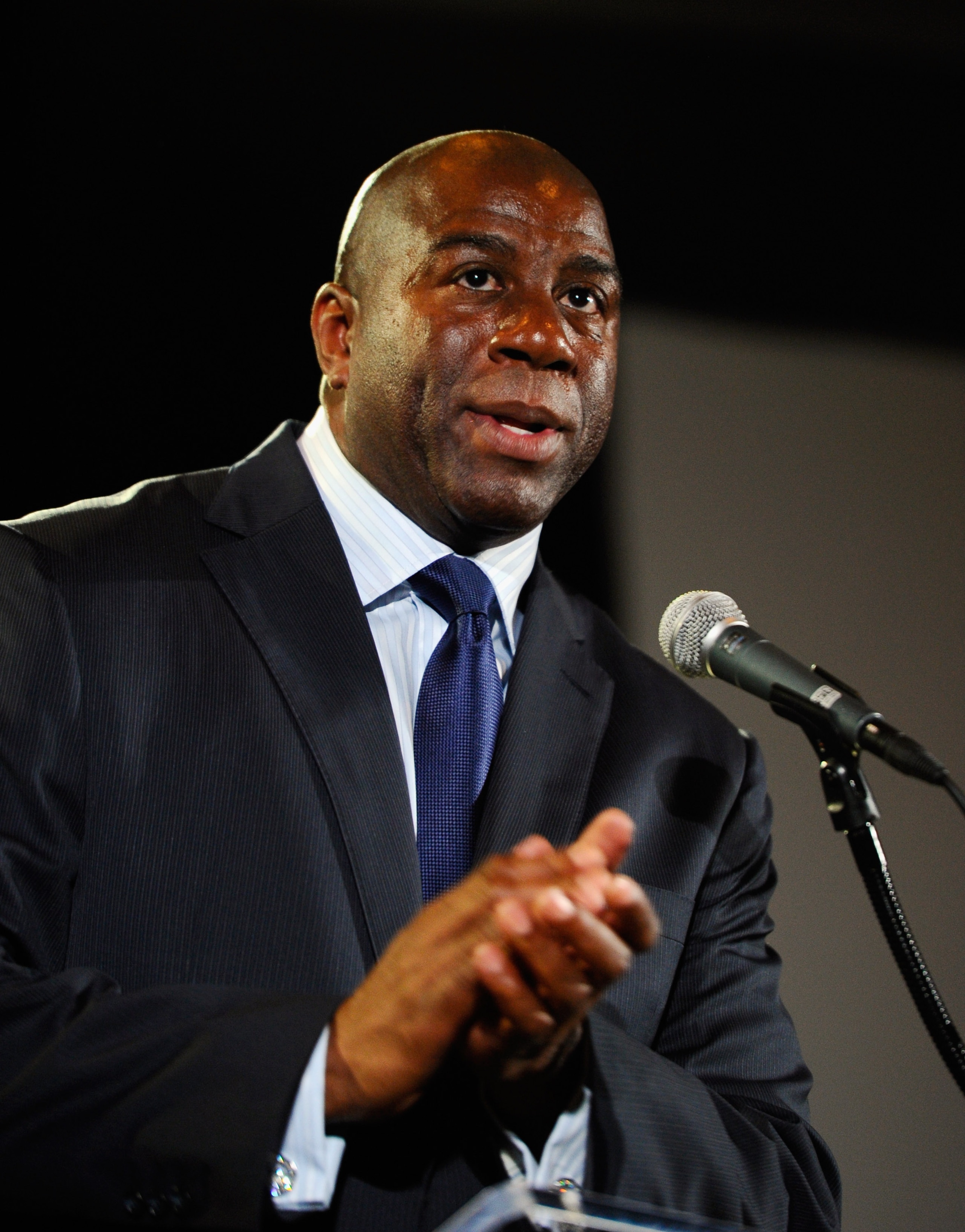
At the time of Robinson's retirement after the 1956 season, baseball players (and athletes in general) more or less disappeared from the national stage after their playing careers ended. The only real exception was for those stayed in the game as coaches, managers or announcers.
Robinson made sure that the end of his career wasn't the end of his story.
He worked as a vice president at Chock full o' Nuts, and served ten years on the board of the NAACP. Both in his service and business ventures, Robinson set the stage for athletes like Magic Johnson to keep making things happen even after their playing days were over.
8. Football Tough
3 of 10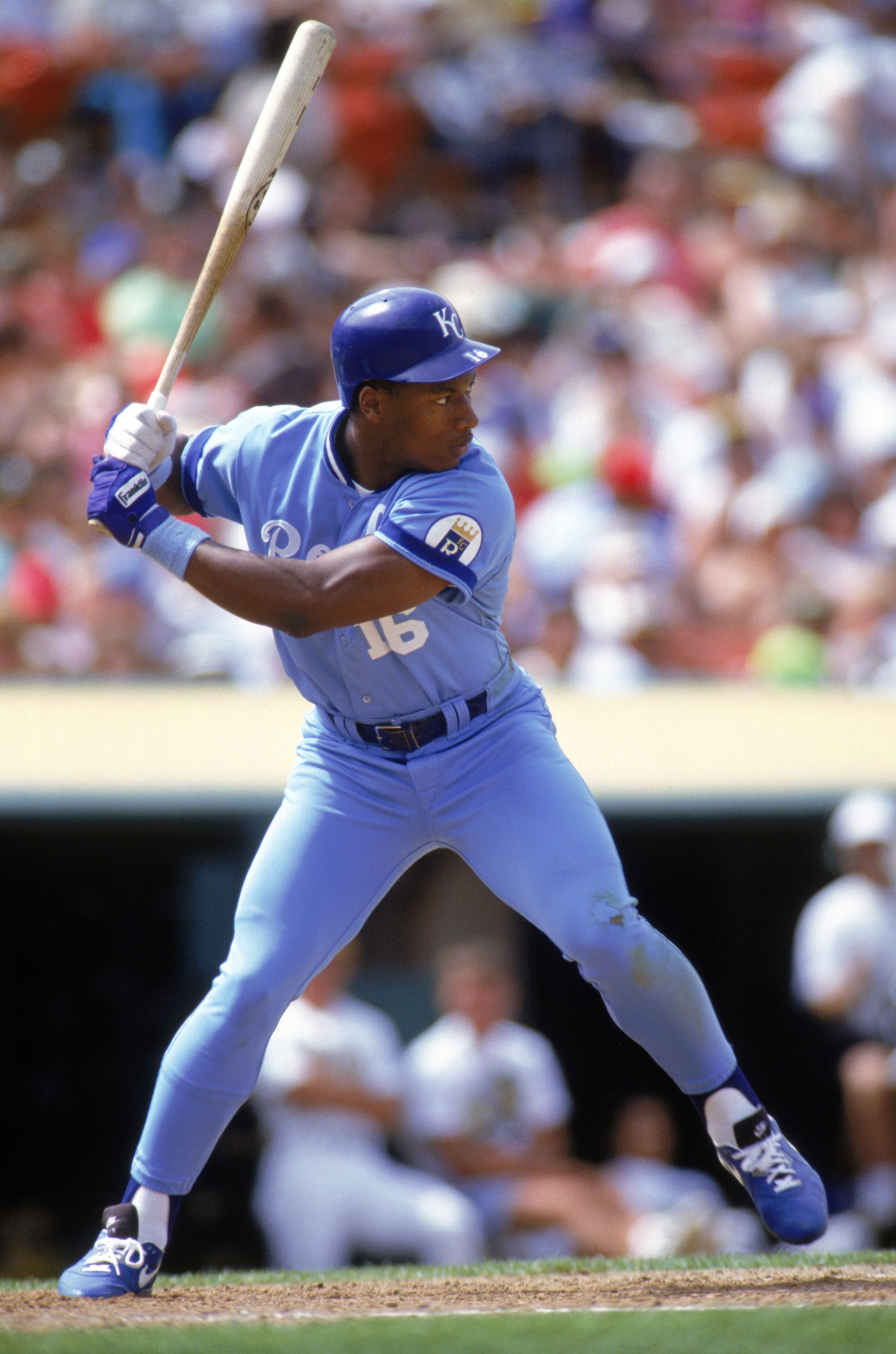
Speed alone was nothing unusual in Robinson’s era. Flyers like Pete Reiser and graceful runners like Joe DiMaggio defined the way speed looked on a baseball diamond.
But Robinson was a football running back (just one of his four sports at UCLA), and he could run an opponent over just as easily as he could beat them to the bag with his speed.
Robinson was the best of a bumper crop of ex-football players in the late 1940s (Jackie Jensen, Alvin Dark), but more recent stars like Brian Jordan and Bo Jackson have also shown how valuable a football background can be in a baseball player.

7. Socially Conscious Athletes
4 of 10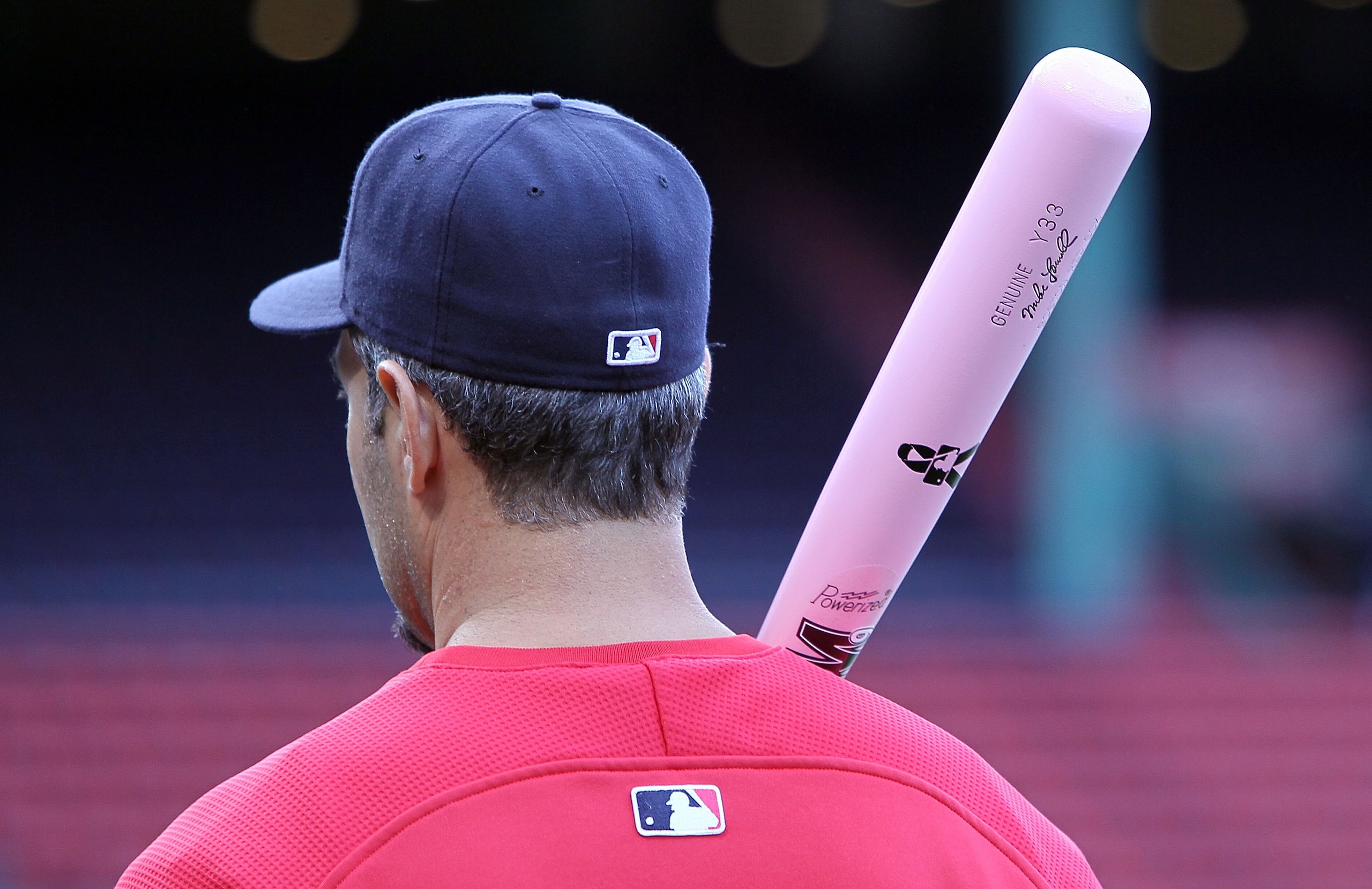
Robinson, on and off the field, fought constantly to improve the lot of black people in America. The national phenomenon that his career became helped show athletes that they could use their fame for more than just endorsement deals (already a growing enterprise in 1947.)
Modern efforts—like the MLB-wide Breast Cancer Awareness promotions on Mother’s Day—owe a lot to Robinson showing how much good an athlete could do in the wider world.
6. Second Base As An Offensive Weapon
5 of 10
When Robinson won the MVP award as a second baseman, his performance was the exception rather than the rule. Second base was a position for defense in Robinson’s time. Offensive contributions, especially power (Robinson had a career .474 slugging percentage), were an afterthought.
Robinson’s prowess with the bat prefigured a modern game in which every team is looking for the next Chase Utley or Robinson Cano.
5. Small Ball
6 of 10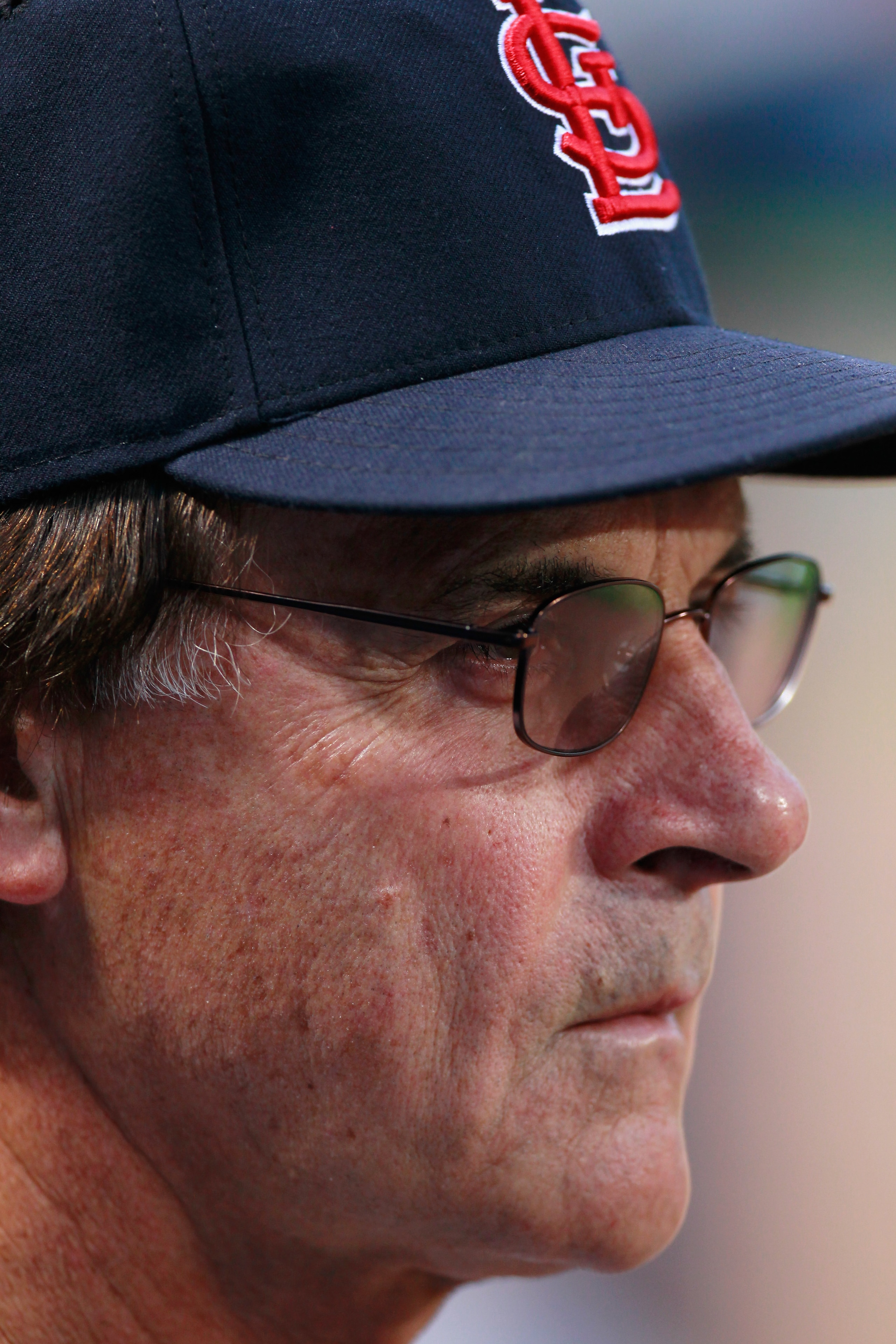
In the post-Babe Ruth era in which Robinson played, teams frequently counted on hulking sluggers like Ted Kluszewski or Ralph Kiner to be their offense. Scratching out runs with bunts and steals took a back seat.
Robinson, who bunted for his first major league hit, had all the skills in the modern small-ball toolkit. He could bunt, hit for average (career .311, with one batting title), walk (74 times a year on average) and steal bases (twice leading the National League).
If he walked into Tony La Russa’s dugout today, he’d fit right in.
4. Multi-Position Stars
7 of 10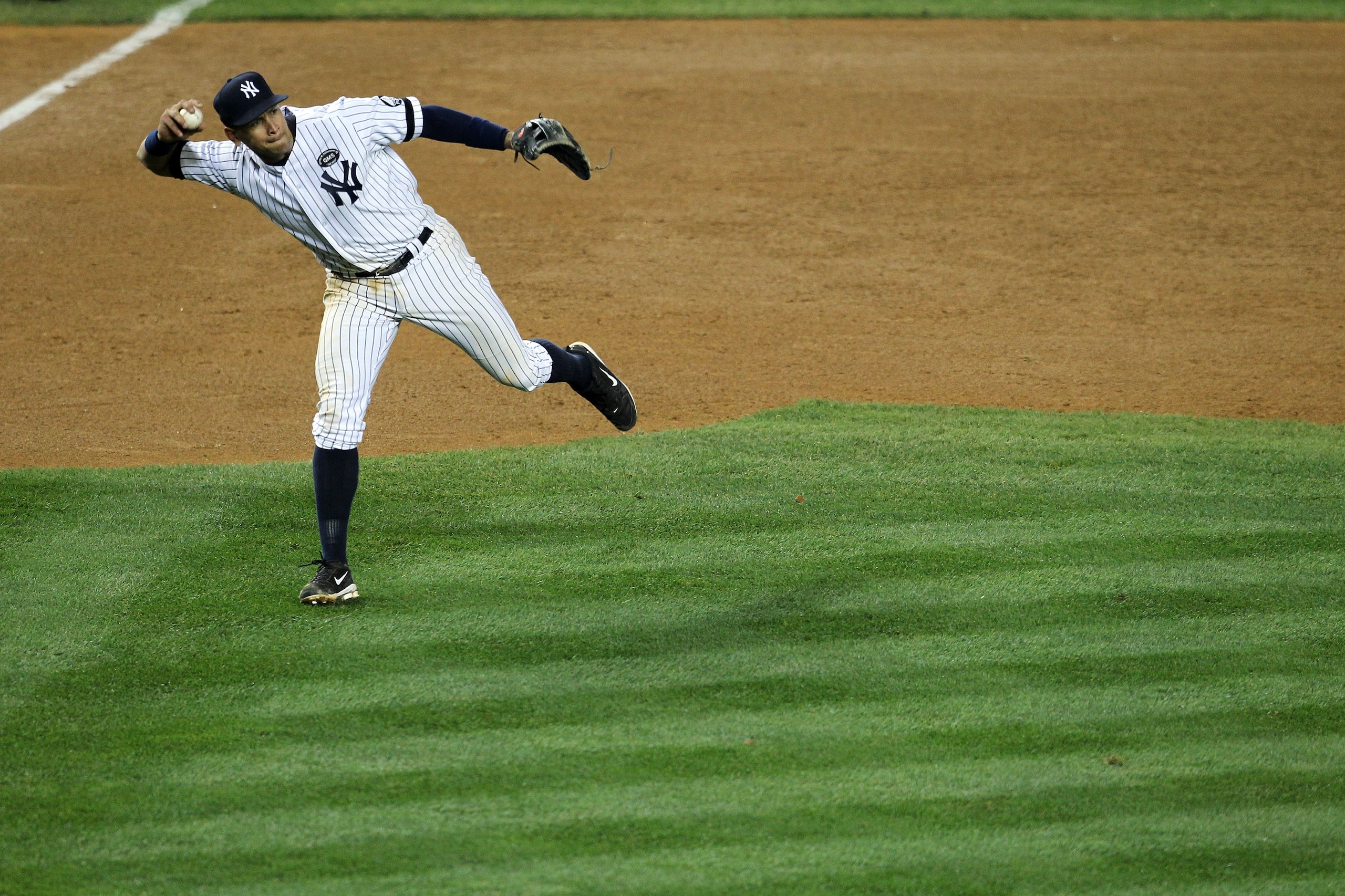
Robinson won the inaugural Rookie of the Year award as a first baseman.
Two years later, he earned MVP honors at second base.
In Robinson’s day, if a star player moved to new position, it was normally because he couldn’t field his old one. Robinson’s famous versatility (he also played third base and the outfield) helped lead to an era where Alex Rodriguez could arrive in New York—having just won the MVP at shortstop—and become a third baseman without missing a beat.
3. Diversity Off The Field
8 of 10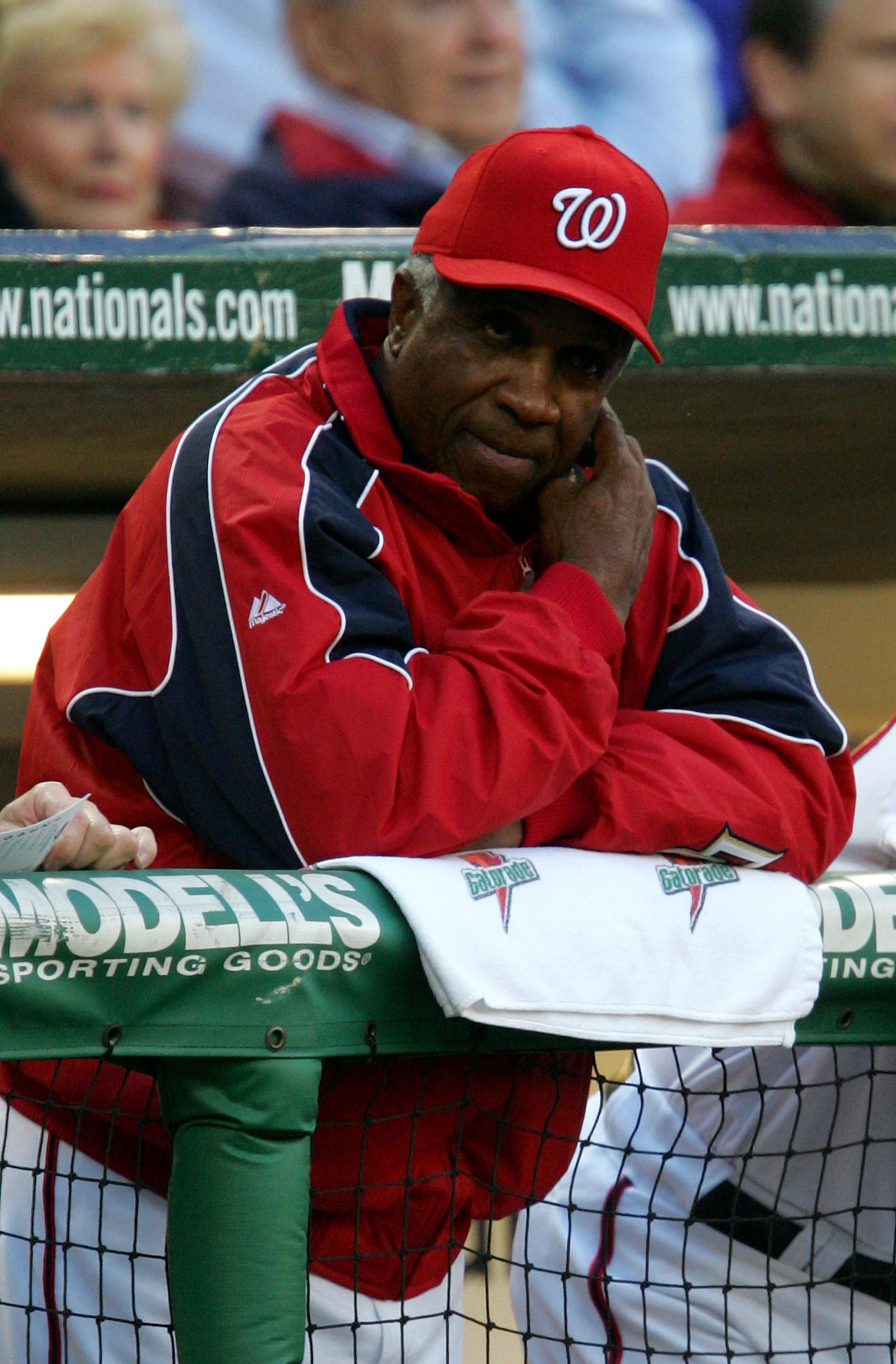
After his playing career ended, Robinson agitated for integration at the level of management. Shortly before his 1972 death, he threw out the first pitch at a World Series game and expressed his hope that he would, “look at that third base coaching line one day and see a black face managing in baseball.”
Thanks in no small part to Robinson’s efforts, Frank Robinson (seen here with the Nationals in 2006) broke the managerial color line in 1975, while Bill Lucas did the same for general managers two years later.
2. The New Art of Baserunning
9 of 10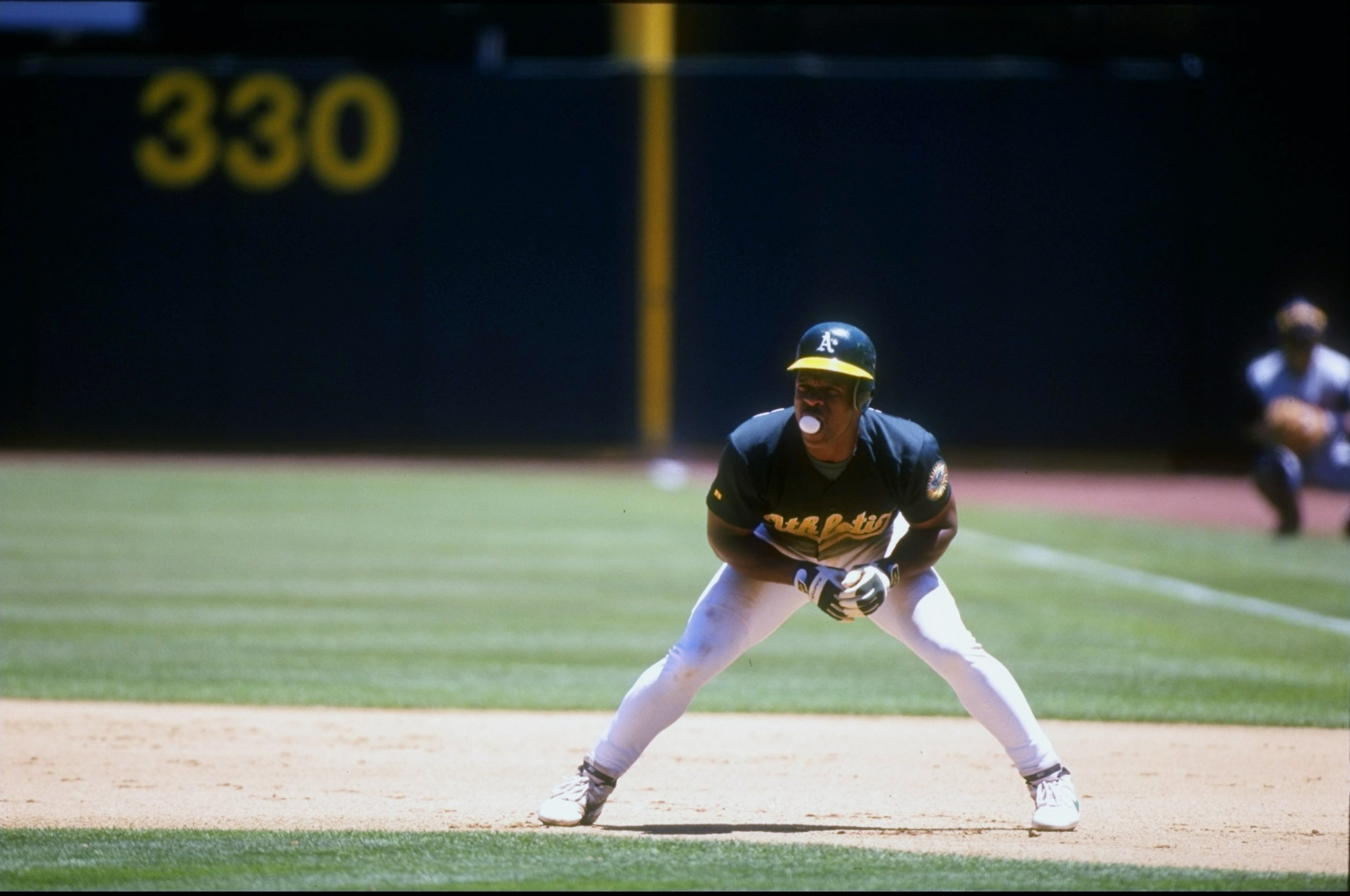
There had, of course, been great base runners and great base-stealers before Robinson. But no one had ever used the base paths as a weapon the way Robinson did. Legend has it that TV producers invented the split screen so that viewers could watch Robinson on the bases without missing the pitcher-batter match-up.
His ability to distract pitchers and create opportunities for his teammates pioneered the role of game-changing base runner that would help make Rickey Henderson a Hall of Famer.
1. Diversity On The Field
10 of 10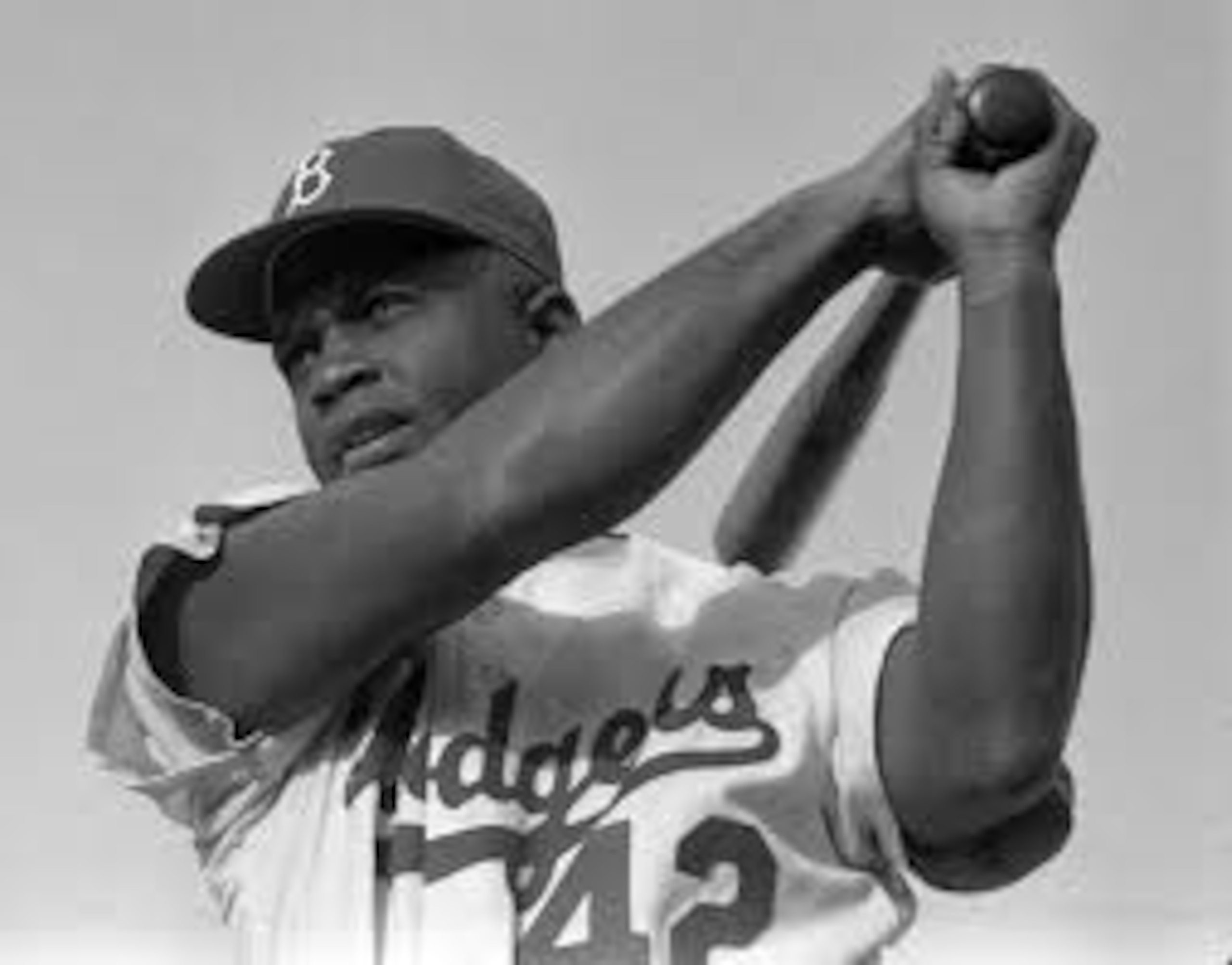
It’s almost too obvious to mention, and yet it’s one of the biggest changes in the history of sports.
Robinson’s pioneering efforts not only changed who played the game, but how the players were seen. Hispanics, already present in the major leagues before 1947, were often marginalized. But thanks in part to Robinson, a young outfielder whose name once read “Bob” on his own baseball card had the chance to become Roberto Clemente, a hero to thousands of Americans of Latino heritage.
Robinson’s success let us see a ballplayer as a ballplayer, regardless of race. It also reminded us of the person inside the uniform in a way that few athletes ever have, before or since.


.jpg?w=2560 "Raiders Could Start Mendoza")

.jpg?w=2560 "Rodgers Iced Out on Plane 💎")

.jpg?w=2560 "Packers Safety Slams Refs 🤬")

.jpg?w=2560 "🚨 Week 8 AP Top 25 Poll")
