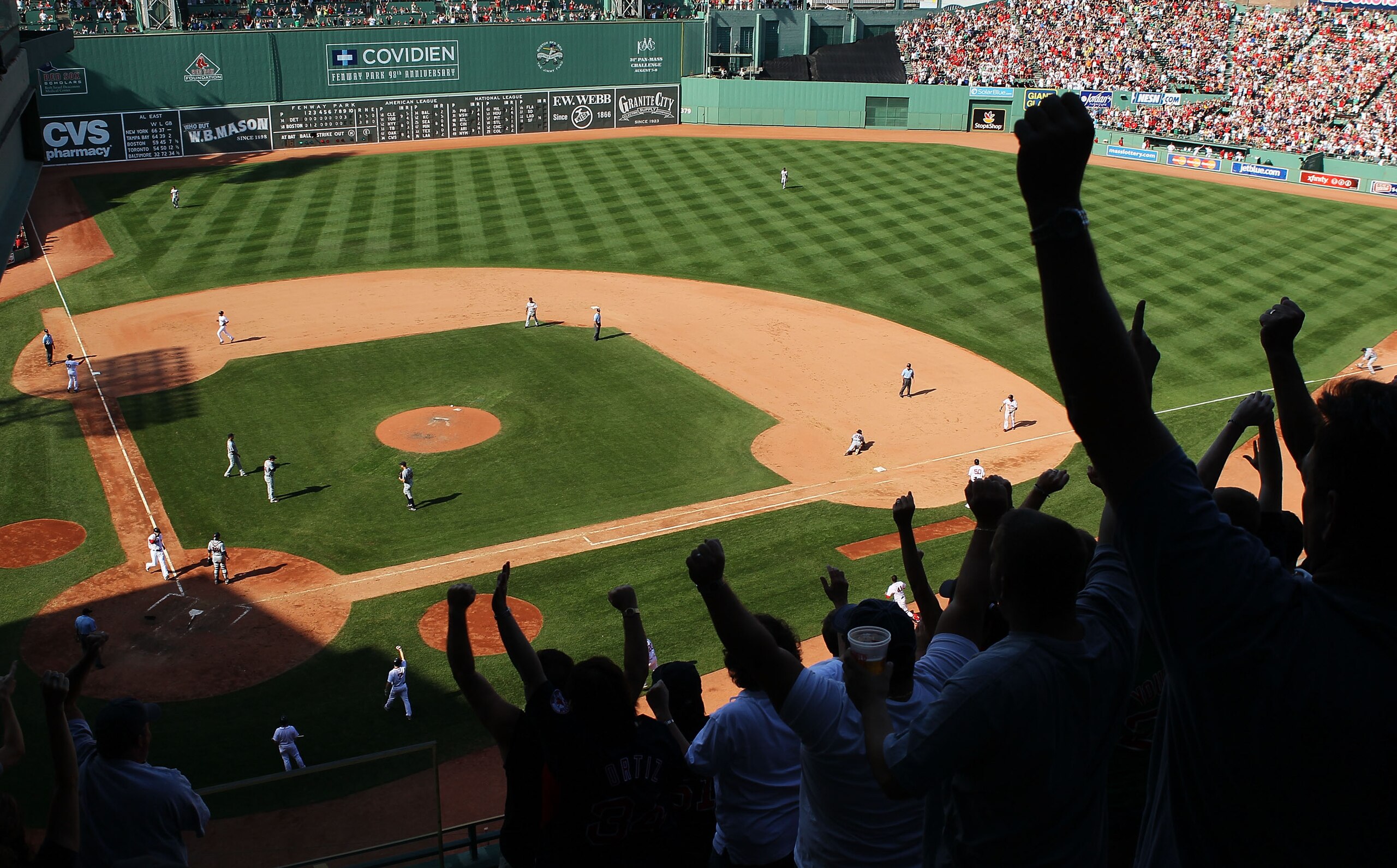

MLB Preview 2011: Full Boston Red Sox Roster Breakdown and Predictions
In just a few days, what was perhaps the most exciting offseason in Red Sox history will officially conclude when pitchers and catchers report to Spring Training in Fort Myers, Florida. Closer Jonathan Papelbon, heading into a contract year and eager to improve on a subpar 2010 campaign, is already there.
Fresh off GM Theo Epstein's acquisitions of 1B Adrian Gonzalez, OF Carl Crawford and RPs Bobby Jenks and Dan Wheeler, the Red Sox are widely perceived to have had the best winter of any club in baseball. The Gonzalez and Crawford moves, in particular, have generated enormous excitement in the fan base and solidified the heart of the lineup for years to come.
But while the groundswell of optimism is quite refreshing after a frustrating season in which the team finished 7 games back in the AL East, the 2011 Red Sox haven't won anything yet.
The team is going to hit, that much is clear. They finished second in all of baseball in runs scored last year, and that was with key regulars Kevin Youkilis, Dustin Pedroia and Jacoby Ellsbury missing a combined 291 games due to injury. With Youkilis, Pedroia and Ellsbury all back healthy, and Gonzalez and Crawford more than capable of replacing the production of departed veterans Victor Martinez and Adrian Beltre, the Red Sox should put even more crooked numbers on the scoreboard this year.
What will determine the team's fate in 2011, then, is pitching.
At this time last year, the Red Sox were widely considered to have one of the best pitching staffs in baseball, and yet they finished 22nd in baseball in team ERA. Ace Jon Lester pitched as advertised and Clay Buchholz had a breakthrough year. But John Lackey had a very tough transition to the hitter-heavy AL East, and Josh Beckett missed two months with a back injury and pitched very poorly when he was on the mound.
It was much the same story in the bullpen. Daniel Bard was a fantastic success story, emerging as a potent late-inning reliever. But Papelbon had his worst season since taking over as the Red Sox' closer, and previously reliable middle men Hideki Okajima, Ramon Ramirez and Manny Delcarmen just didn't get the job done.
The Red Sox revamped their bullpen by adding Jenks, Wheeler and Dennys Reyes, but opted to stick with last year's rotation in the hope that Lackey and Beckett can pitch like they did prior to 2010.
So is this team good enough to win a third World Series title in eight years? Let's take an in-depth look at each facet of the club and find out.
The Lineup
1 of 6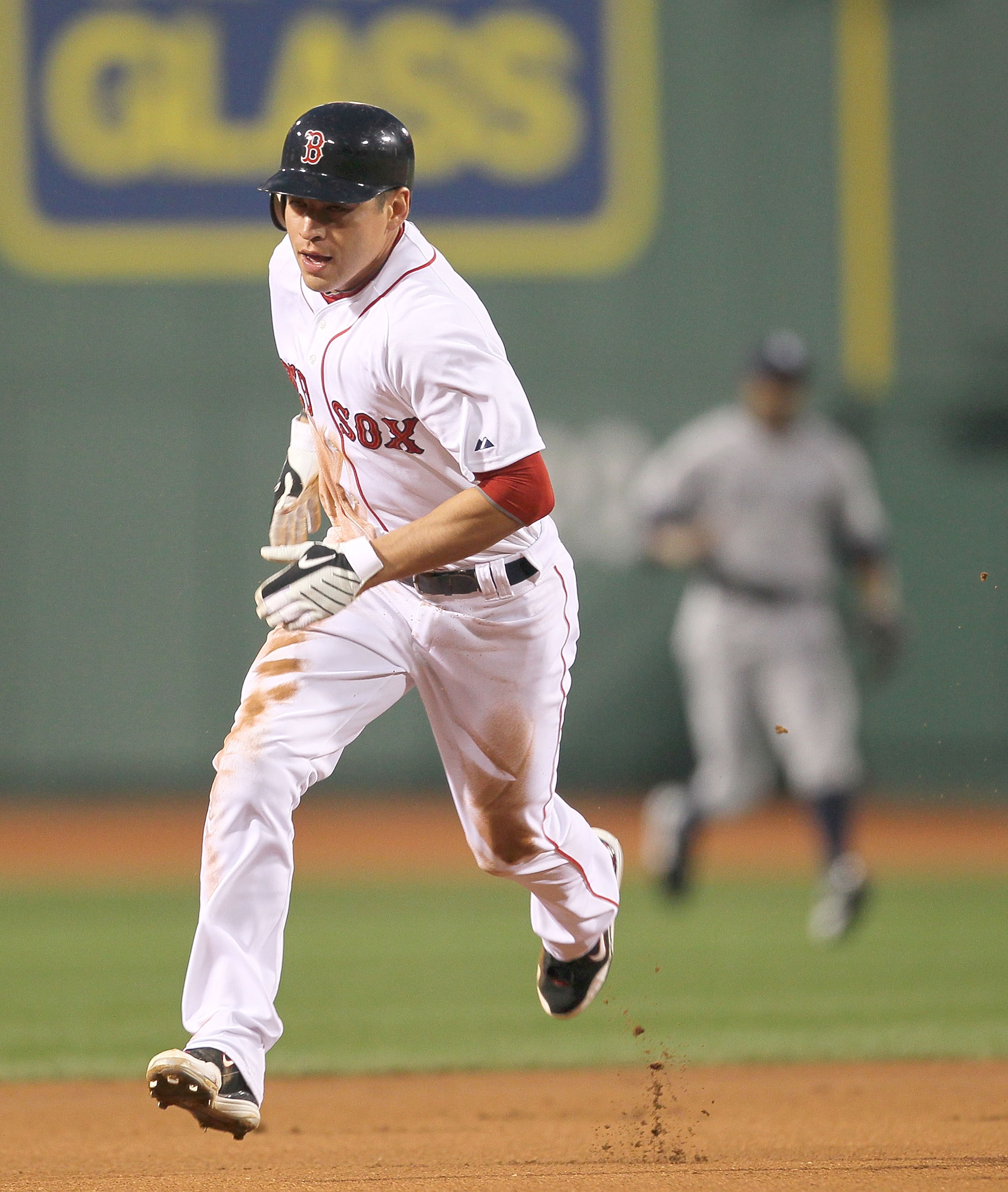
The Red Sox are going to score plenty of runs no matter what the lineup looks like, but that doesn't mean it doesn't make for some fun early February chatter.
As soon as the Red Sox signed Crawford, the debate began about where he'd hit in the lineup. Because of Dustin Pedroia's history of hitting second and Crawford's impressive combination of a keen batting eye, decent pop and incredible speed, the question typically boils down to whether Crawford should hit first or third in Boston.
Of course, the first question to ask might be whether manager Terry Francona will even make the decision himself or whether he'll defer to Crawford. As ESPN's Gordon Edes recently reported, "Francona has mentioned since the acquisition of Crawford that the Sox are at their best when Jacoby Ellsbury bats leadoff, which dovetails nicely with Crawford’s stated aversion to that spot."
Based on Francona's words, you have to consider Ellsbury the favorite to be the first Red Sox hitter to bat in 2011. If so, the Red Sox' opening day lineup will likely look like this:
1. Jacoby Ellsbury, CF
2. Dustin Pedroia, 2B
3. Carl Crawford, LF
4. Adrian Gonzalez, 1B
5. Kevin Youkilis, 3B
6. David Ortiz, DH
7. J.D. Drew, RF
8. Marco Scutaro, SS
9. Jarrod Saltalamacchia, C
What the lineup should look like, however, is a different question entirely.
As NESN's David Grotz recently noted: "In a career where he's posted more than 50 at-bats in four different positions across the batting order, Ellsbury has the lowest batting average and on-base percentage when hitting first with .279 and .330, respectively. In 62 career appearances batting ninth, he has a high .371 batting average and .426 on-base percentage. Even when hitting seventh or eighth, he has a .311 and .415 batting average, respectively. Clearly, he hits best when in the lower spots in the lineup."
Another question is how to mix and match lefties and righties in the lineup. Many have speculated that with the Crawford and Gonzalez additions, the Red Sox have too many lefties and may struggle against tough left-handed pitchers. There is no great way to address that issue, however, unless the team decided to move Scutaro and Saltalamacchia up from the bottom of the lineup, which seems unlikely.
In December, Baseball Reference plugged the Red Sox' hitters into Baseball Musings' lineup generator, which projects run totals based on on-base percentage and slugging percentage. They discovered that in the optimal Red Sox lineup, Crawford wouldn't hit first, second or third. He'd hit eighth:
1. J.D. Drew RF
2. Kevin Youkilis 3B
3. David Ortiz
4. Adrian Gonzalez 1B
5. Dustin Pedroia 2B
6. Jarrod Saltalamacchia C
7. Jacoby Ellsbury CF
8. Carl Crawford LF
9. Marco Scutaro SS
To many Sox fans, that lineup probably looks nonsensical. Drew leading off? Pedroia hitting fifth? Saltalamacchia sixth? At least Adrian Gonzalez is in the cleanup spot and Marco Scutaro's hitting ninth.
More than anything, though, the lineup generator's results suggest that we may want to reconsider some of our basic assumptions about what type of players belong in certain spots in the lineup. Luckily, this Red Sox lineup is so potent that it would probably finish in the top five in runs scored with Scutaro hitting third and Saltalamacchia cleanup.
The Rotation
2 of 6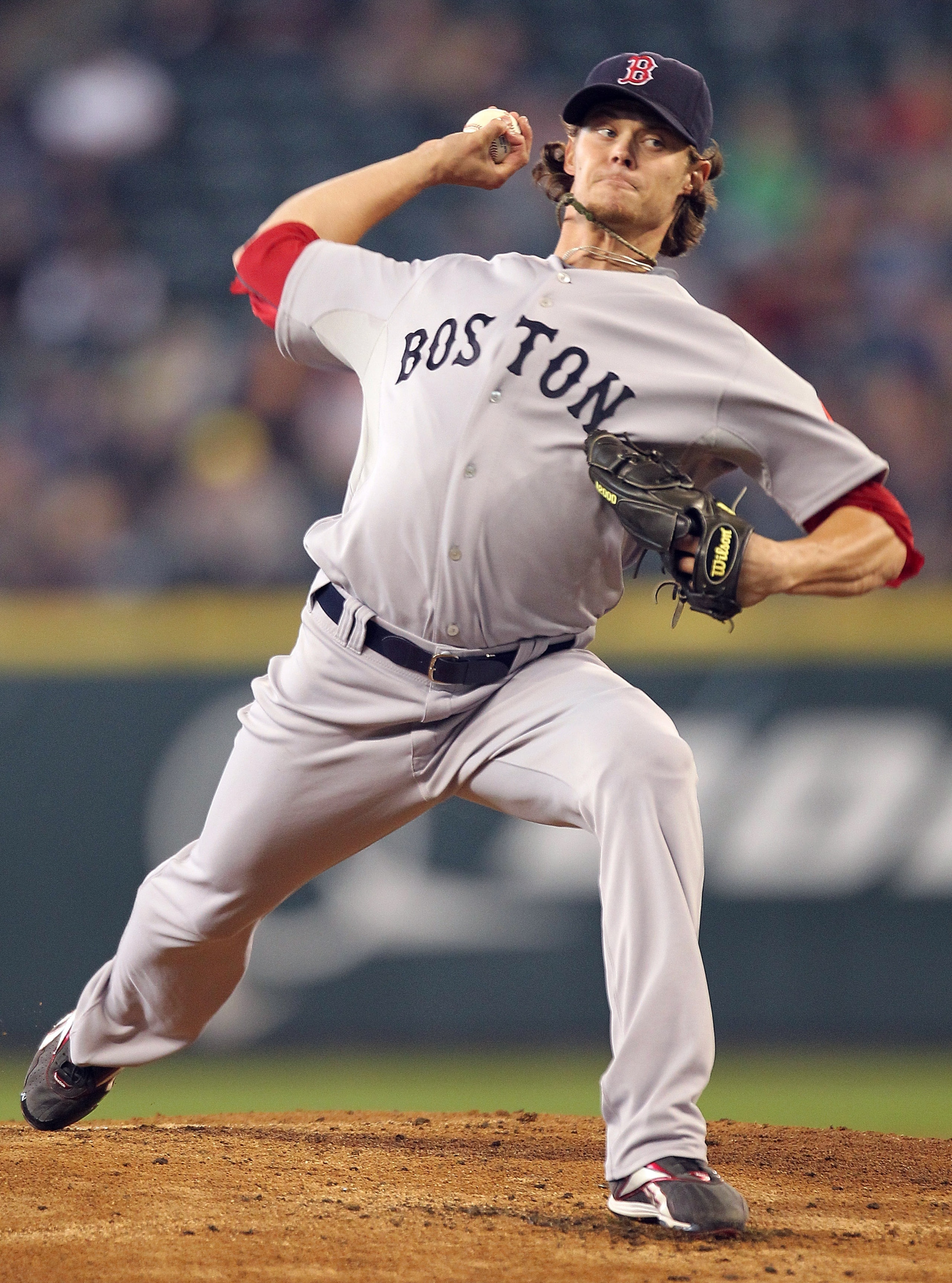
Josh Beckett has been the Red Sox opening day starter each of the last two seasons, but that streak should come to an end this year.
Jon Lester has been the model of consistency each of the last three seasons, finishing each year with an ERA between 3.21 and 3.41, a WHIP between 1.20 and 1.27, 200-plus innings and 15-plus wins. Lester is a true ace, and is very deserving of the opening day nod.
If Beckett pitches the team's second game, it will likely be an attempt by Francona to boost Beckett's confidence after a forgettable 2010 season. Beckett, who will turn 31 in May, needs to prove that he still has it. But if he can rise to the challenge, there is no reason he can't perform on par with his very solid 2008 and 2009 seasons, if not his excellent 2007 campaign.
John Lackey, too, may be in need of a confidence boost. Like Beckett, he struggled big time in 2010. There's no question that Lackey's struggles last year can partially be attributed to his move to a hitter's park in the toughest division in baseball. But other things, like his increased walk rate, suggest Lackey may have been getting too cute instead of challenging hitters. It's reasonable to assume that it would take him awhile to adjust to the pressure cooker of playing in Boston, and his strong September numbers (3.72 ERA and 1.02 WHIP) provide hope that he can be a solid mid-rotation innings-eater in 2011.
Clay Buchholz was the one Red Sox starter who exceeded expectations in 2010. His sparkling 2.33 ERA and 17 wins were major bright spots in an otherwise disappointing Red Sox season. However, there are warning signs that at least a small step backwards could be on the way. Buchholz's .226 batting average against (BAA) was seventh-best in the American League, despite the fact that he had a K/9 rate of just 6.22. Buchholz's walk rate, while not terrible, was also far from elite. The odds are that more batted balls will drop in against Buchholz this year, meaning he's unlikely to have another sub-3 ERA. But Buchholz is young and still developing his craft, so look for him to make the necessary adjustments to remain a strong asset to the Red Sox staff.
Finally, Daisuke Matsuzaka is the favorite to hold the final spot in the Red Sox rotation. Although it now seems abundantly clear that Matsuzaka will not be the impact ace Red Sox fans were hoping for, he is a decent fifth starter as long as he stays healthy. Tim Wakefield will again be ready to step into the fifth spot if necessary.
The Bullpen
3 of 6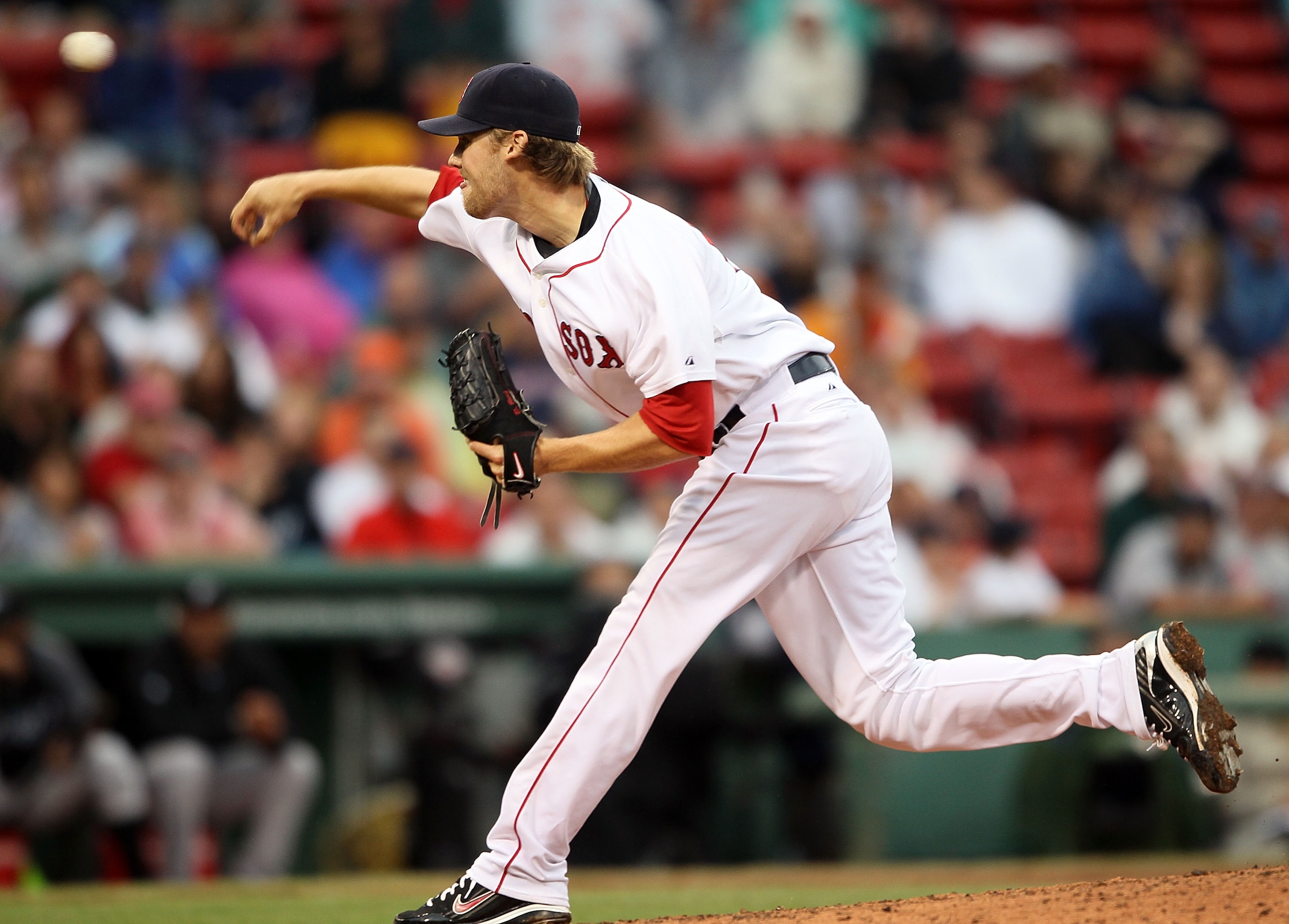
2011 may well prove to be Papelbon's last in a Red Sox uniform. Epstein doesn't seem like the kind of general manager who will shell out more than $10 per year for a closer, and Daniel Bard has shown that he has the stuff and the confidence to succeed in late inning situations.
But while Papelbon may not be the Red Sox closer in 2012, there is no question that he will own the ninth for Boston in 2011. That he will be playing for a new contract only makes it more certain that he will bounce back from his mediocre 2010 season. Plus, while his poor September is likely still fresh in many fans' minds, Papelbon didn't pitch as poorly in 2010 as the numbers appear. While he finished with an eye-catching 3.90 ERA, Papelbon's ERA was just 2.81 on September 5, when he fell apart and gave up eleven runs over his next seven appearances. Papelbon was not quite himself all season long, but it was only in September that he wasn't a serviceable closer. Chalk it up to a bad month.
Despite the addition of two veteran late-inning relievers, Bard deserves the opportunity to be Papelbon's primary set-up man. He led the American League in average fastball velocity (97.9 MPH) and dominated throughout the entire 2010 season. He should also receive a few save opportunities over the course of the year, as the Red Sox would like to learn more about how he handles the ninth.
Jenks and Wheeler are solid veterans who can get the Red Sox from their starters to Bard and Papelbon. Wheeler, who comes over from the Rays, is quite familiar with the AL East and is one of the tougher relievers to reach base against in baseball. Jenks is coming off his worst season as a pro, and he seems like the type of guy who might be more comfortable pitching on the west coast or in a small market than in Chicago or Boston. But he was able to put together several solid years for the White Sox and should benefit from pitching the seventh instead of the ninth.
The biggest question mark facing the bullpen is who will be the team's primary lefty specialist. Although he had a poor 2010, Hideki Okajima should get first crack, since he rattled off three straight effective years from 2007-2009. Okajima is 35 years old, however, and could be on the decline. That may explain why the Red Sox recently signed another veteran southpaw: Dennys Reyes. Reyes, who has been a solid middle man for the Cardinals and Twins the last few years, is no spring chicken himself, but should be a solid second lefty and insurance in case Okajima struggles.



The Defense
4 of 6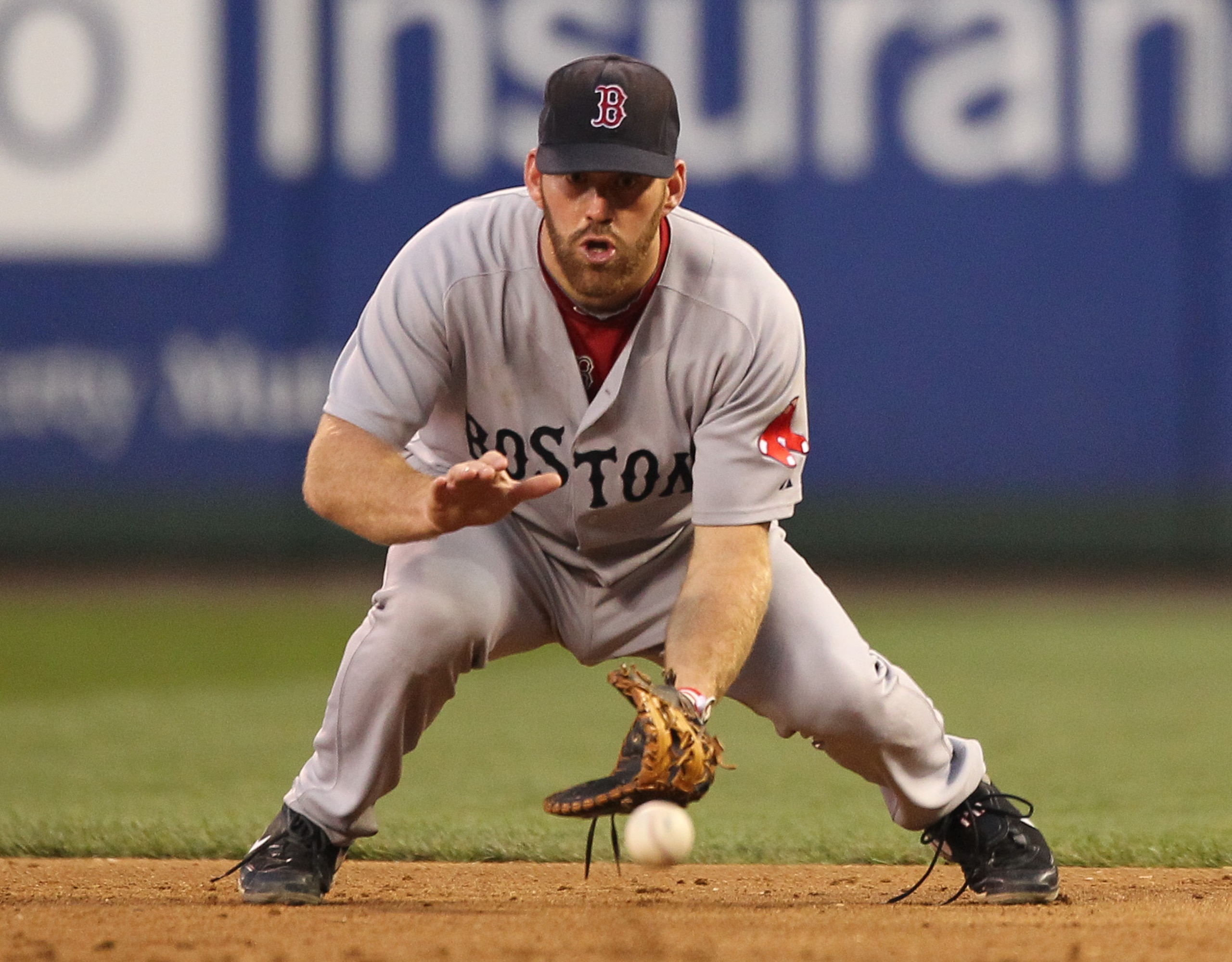
The Red Sox finished 23rd in baseball in fielding percentage in 2010, so a desire to improve the defense probably factored into Epstein's offseason moves. In adding Crawford and Gonzalez, Epstein not only added two excellent hitters in the prime of their careers; he added to excellent fielders who have won a combined three Gold Gloves since 2008.
Youkilis, who won a Gold Glove at first base in 2007, will not be as much of a defensive asset now that he's moving back to third. Youkilis should be considered a defense downgrade from Adrian Beltre, but he still should be able to hold his own at the hot corner.
There is some debate about how good Jacoby Ellsbury and Dustin Pedroia are defensively, but having them back for full seasons should be a net positive defensively. Overall, the Red Sox should be at least middle of the pack with the glove this year.
The Coaching Staff
5 of 6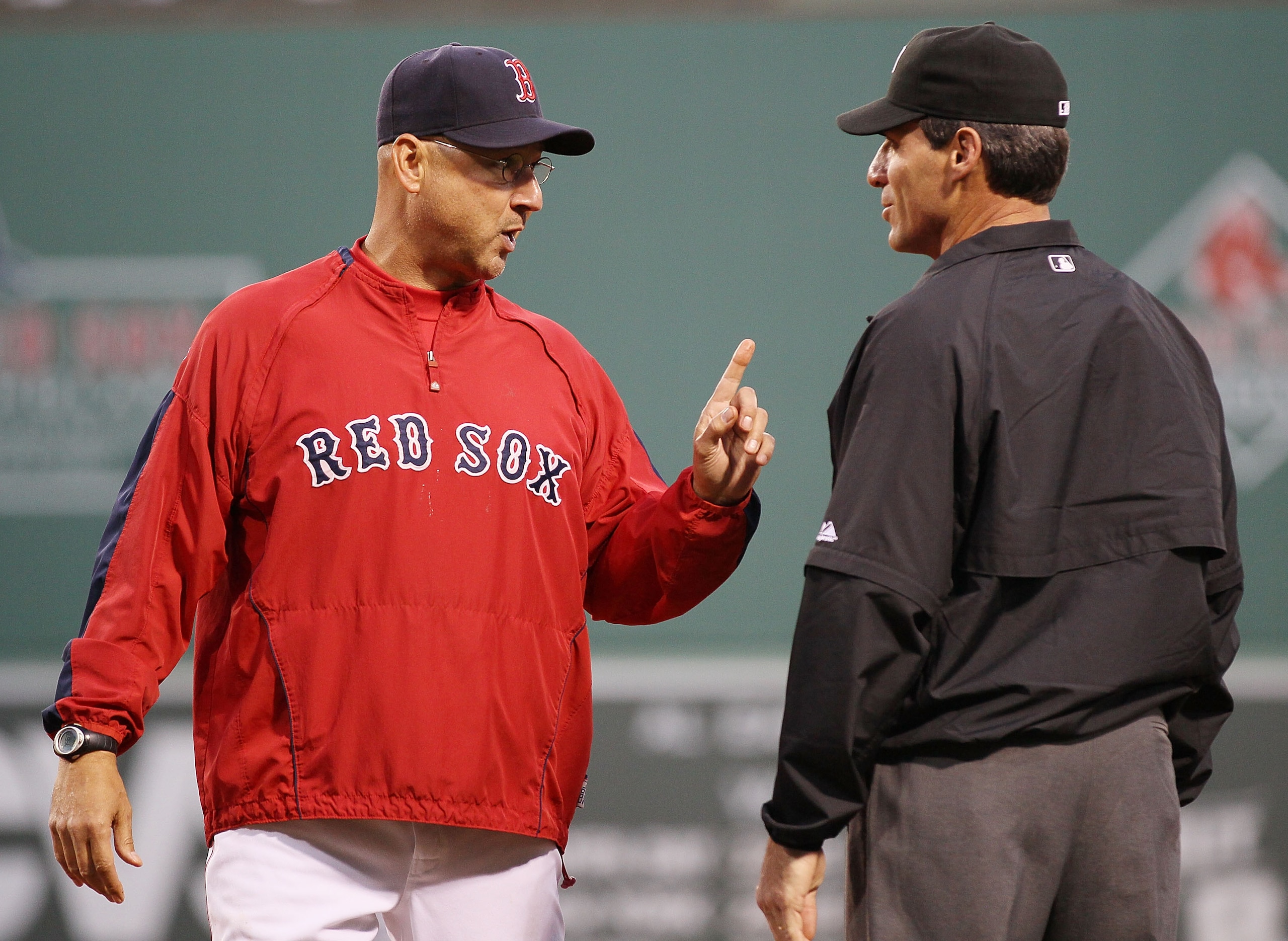
Francona has led the Red Sox to two World Series championships, so it's tough to doubt that he has what it takes to lead the team to glory again. Francona deserves praise for leading the team to 89 wins in 2010, considering all that went wrong with injuries and proven veterans having off-years.
Francona also has lots of help in the dugout. Hitting coach Dave Magadan has served in that position since the 2007 championship season, bringing important stability to the team's approach at the plate. New pitching coach Curt Young comes over from the A's, where he helped a young pitching staff finish first in the American League in ERA (3.56) and shutouts (17) in 2010. And bench coach DeMario Hale, who began his managerial career in the Red Sox farm system in 1993, is a former recipient of the Minor League coach of the year award who received consideration for the Blue Jays' and Mets' managerial openings during the offseason.
The Division
6 of 6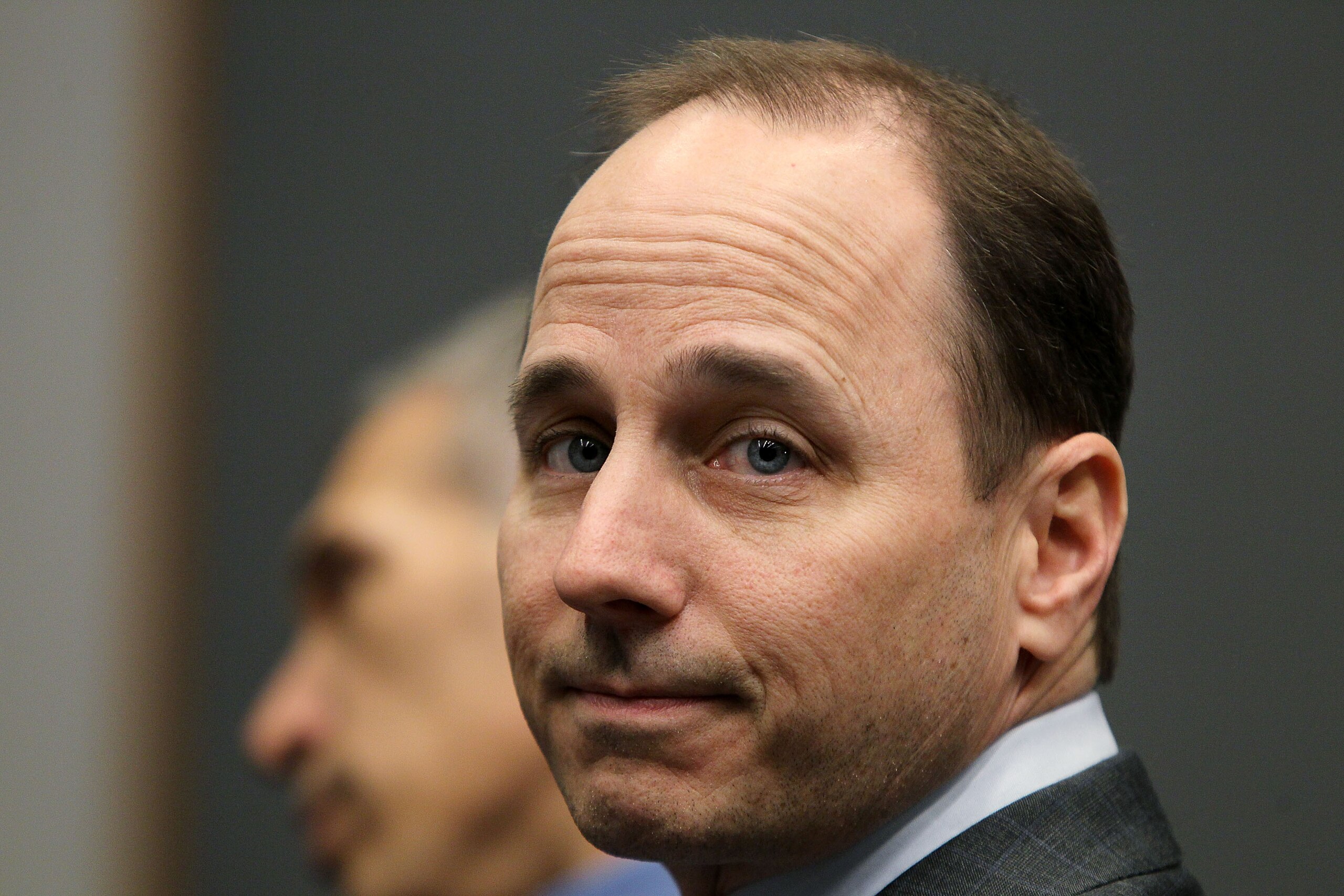
It's unusual that a team that finished third leapfrogs to the top as the odds-on favorite before a pitch has been thrown the following season. But the Red Sox weren't your average third place team, and they certainly didn't have your average offseason.
By contrast, the Yankees had what appears to be their worst offseason in years. Barring a free agent signing from the slim pickings still available, the Yankees will head into the season with a very questionable back end of the starting rotation after missing out on Cliff Lee and watching helplessly as Andy Pettitte decided to call it quits. If that weren't enough to ruin GM Brian Cashman's winter, negotiations with Derek Jeter proved more difficult than expected and then Cashman had to explain away his suggestion that the team may eventually move Jeter to the outfield.
But make no mistake, the Yankees will not be pushovers. They return the core of the most productive offense in baseball last season, and the additions of bounce-back candidate Russell Martin and fourth outfielder Andruw Jones should only help. The Yanks also added Rafael Soriano, who joins Mariano Rivera as arguably the game's most dominating late inning combo.
Whether it's the Red Sox or Yankees who come out on top likely won't be determined until September, and there's a good chance whoever finishes second will still be in the playoffs as the Wild Card. But until the Yankees figure out how to get solid starts out of pitchers besides C.C. Sabathia and Phil Hughes, the Red Sox have to be considered the favorite.
Of course, neither the Red Sox nor the Yankees won the AL East last year; that honor went to the Tampa Bay Rays. But the Rays will have an uphill battle to keep up after an offseason that saw them lose a bunch of key pieces. In addition to losing Crawford to the Red Sox and Soriano to the Yankees, Tampa Bay will also have to do without Matt Garza, Carlos Pena and Jason Bartlett in 2011.
The Rays still have a great young nucleus featuring the likes of Evan Longoria, David Price and B.J. Upton, as well as up-and-coming prospects like Desmond Jennings and Jeremy Hellickson. And the Rays' affordable signings of Manny Ramirez and Johnny Damon should ensure they still put some runs on the board. They might stand a chance of winning any other division, but uncertainty in the bullpen puts them clearly behind the Red Sox and Yankees in the AL East.
As has been the case for quite some time, Baltimore and Toronto are unlikely to challenge the Red Sox for AL East supremacy. It should be mentioned, however, that both the Orioles and Blue Jays have had excellent offseasons.
The Orioles, who finished near the bottom of the league in runs scored last season, have completely rebuilt their offense, adding Mark Reynolds, Vladimir Guerrero, Derrek Lee and J.J. Hardy. And SP Justin Duchscherer could prove to be one of the best low-budget free agent signings of the winter if he can somehow stay healthy.
The Blue Jays added underrated speedster Rajai Davis and several solid bullpen arms: Frank Francisco, Octavio Dotel and Jon Rauch. Most importantly, they somehow managed to convince the Angels to take on the four years and $86 million remaining on Vernon Wells' contract.
The O's and Jays' moves suggest that the AL East is getting deeper, but the Red Sox are the only top team in the division that had a good winter. It's tough enough to win a division, let alone the World Series. The San Francisco Giants epitomize how unpredictable the playoffs can be. But as pitchers and catchers prepare to report to Spring Training, the Red Sox stand as good a chance as anybody of taking home another title.


.jpg?w=2560 "Grading WWE Raw 🔠")
.jpg?w=2560 "Viral Rams Coach Vid 🖕")
.jpg?w=2560 "Injury-stricken Seahawks signing veteran RB")

.jpg?w=2560 "2 NFL Officials Suspended")

.jpg?w=2560 "Mahomes' Wife Trolls Kubiak 💀")
