
I Never Made It to Yankee Stadium
I am from the south. I've never been to New York, although I want to go. And as such, I've never been to Yankee Stadium. When I heard that it was being torn down this year, I decided that I would go see a game and take the stadium tour this summer since it would not be around afterward.
But I let the summer get past me, and then, when I decided it was time to get serious when the calendar rolled to September, I couldn't find a ticket I could buy without first taking out a loan.
I'm very upset about this, and every headline and ESPN clip I see just makes the realization all the more saddening. So why would a guy who has never been to New York and doesn't follow baseball be sad that he didn't get to see a building?
TOP NEWS

Brewers Stun Padres in Game 2 😧
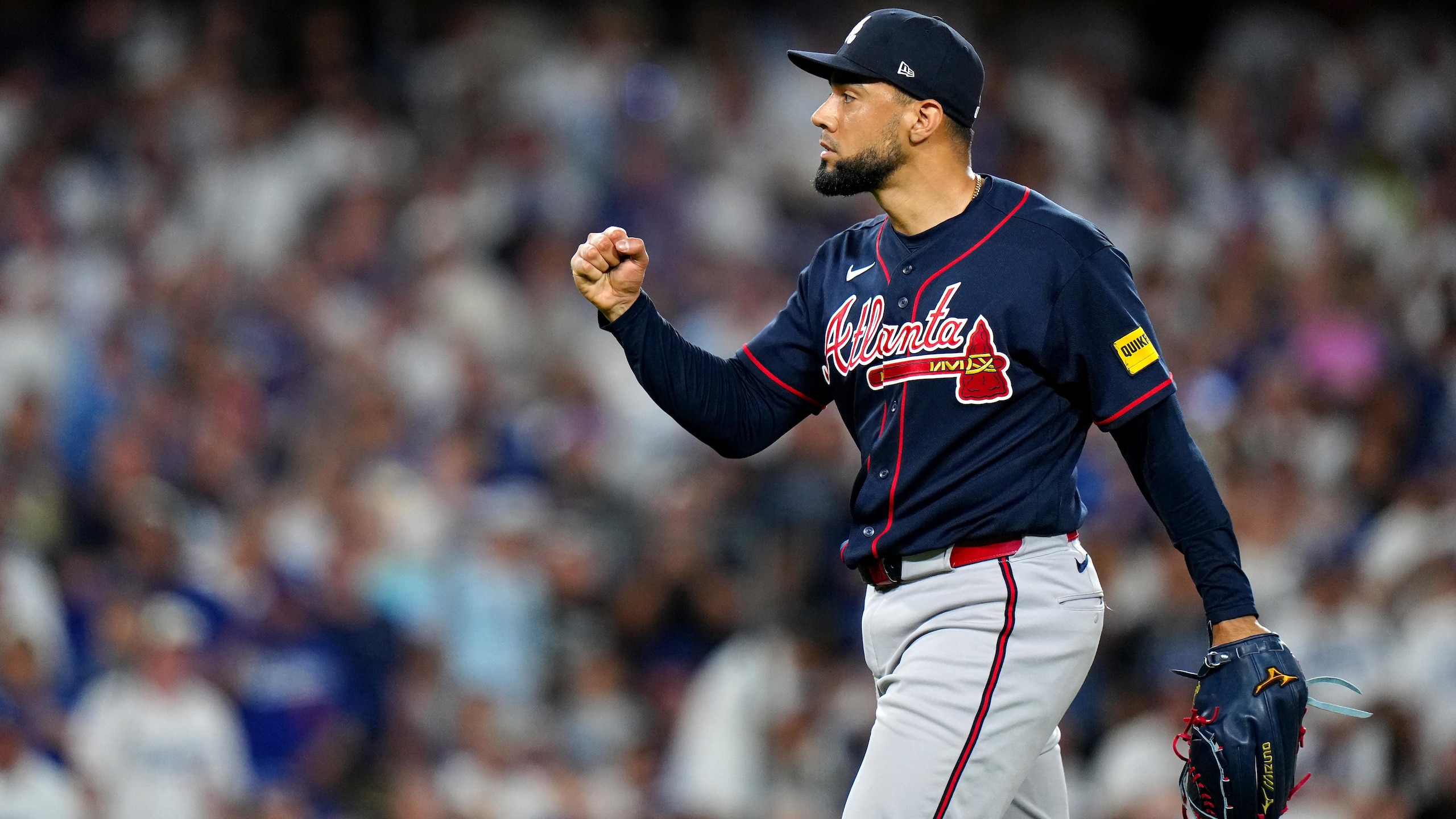
Braves' Opener Shines vs. LA 💪

Every MLB Team's Biggest Surprise and Disappointment ⚾
That's a good question. I may not do a great job here, but I'm going to try to answer it.
The New York Yankees are a lot of things. People either love them or love to hate them, but they are the dominant franchise in all of sports. And the stadium they play in has been part of an inordinately high percentage of the memorable history of the game.
Players come and go, but most are forgotten. Managers come and go but most are forgotten. Even owners come and go. But this stadium has been a part of the Yankee franchise and baseball for over 80 years.
I've heard it wasn't a great stadium as far as the physical structure goes. That may be people just trying to make me feel better that I didn't get to go, but it could also be true, since it is over 80 years old.
But the bricks and mortar are not what makes it Yankee Stadium, and that's not really what I was going there to experience. Maybe I'm being mythical, but I was expecting to be able to "feel" something when I went.
I was expecting to see visions in my head of what it must have been like from days gone by and to have a chill when visiting Monument Park (the tribute to the many greats).
To know the meaning of this stadium, it is essential that one take a look at what has happened to baseball in general during the time this stadium has existed. Baseball helped keep America's collective spirits up through the Great Depression. Baseball distracted our collective minds during two World Wars. Baseball produced legends and generated dreams in boys all over this country.
Baseball helped introduce softball, which enabled girls to delve into sports. The Negro League helped generate black players, who would break the color barrier. And baseball is what kids wanted to do during the precious little time they had to play on the playgrounds in their neighborhoods.
I didn't grow up in the Northeast or Midwest, where baseball was most prominent. And, even though I just had a milestone birthday of 40, I'm still younger than the time when every neighborhood park had a backstop and ball diamond.
But there was a time that a city didn't even build a park without a baseball diamond, and kids would go there to be Babe Ruth or Micky Mantle or Ted Williams for an hour or two a couple of days per week.
During the '40s, '50s, and '60's, Americans didn't have what they have today, in terms of the many things that entertain us. There are arcades, paintball places, water parks, and more. And parents couldn't afford to do things for their kids that parents do now.
So, without living it, I would not be able to tell you how much excitement it stirred up in a kid if his dad was going to take him to the ballpark to see a game. And going to see the Yankees was the cream of the crop (as they've won 26 World Series).
But I do offer this story as some anecdotal experience.
My late grandfather was a product of that era. His family was dirt poor. He got to go to one Saint Louis Cardinal game in person as a kid. They are the oldest franchise west of the Mississippi and hold the second most World Series titles. I can remember him listening to the games on radio on summer nights up until the year he died.
Most of those games he listened to had no bearing at all on that year's pennant race but he was a lifelong devotee of the Cardinals and a lot of that loyalty and devotion was from that one experience during his formative years.
With New York being the largest metropolitan area back then, just as it is now, with baseball being the dominant sport in the U.S. that kids wanted to play, and with the Yankees being so successful, you can start to see why so many kids of that era dreamed of being Yankees.
Those kids are now senior citizens (that is, the ones that are still "with us"). They are the same people who make up the World War II "Greatest Generation." They are an unappreciated national treasure that is slowing dying off but leaving us a proud heritage to reflect upon.
These people have lived long lives. They have seen births, deaths, marriages, divorces, happiness, tragedy, war, famine, depression, boom times, technological advancements, and more.
They witnessed and made history. In other words, they've seen it all, and they've done it all. Therefore, little affects them in profound ways anymore. But you can take a 75-year old man who grew up in or near the New York area to the current Yankee Stadium and you will make him 10 again.
That's the magic of Yankee stadium, and that's why it's more than a building.
Tearing it down means that special place (and with it a large part of that special era of baseball) will no longer physically reside with us, but will only reside in the hearts of those that it meant something to.
Once they are gone, it will all be gone because black and white grainy video clips, old newspaper clippings, and statistical records that may still exist cannot elicit the joy that was baseball in that era.
And that era was a golden age in America and in baseball. Seeing one of its great symbols gone is saddening. You don't have to be a New Yorker, a baseball junkie, or a history buff to appreciate that. You just have to have a sense of perspective and a little bit of a patriotic streak.
.jpg?w=2560 "NFL investigating 2 referees for separate viral exchanges")


.jpg?w=2560 "Report: Chiefs Contact Hill's Agent")
.jpg?w=2560 "OBJ Calls Out Giants After Release")
.jpg?w=2560 "Tyreek makes another cryptic post amid Chiefs rumors")
.jpg?w=2560 "Greenlaw Talks Payton Exchange")

