
BCS Tournament: The Logistics of a Bowl Subdivision Playoff
Everybody has their ideas on how a football playoff, if someday it should ever replace the current one-and-done BCS Championship scheme, should take place.
I haven't seen much in the way of details for the logistics of such a playoff, however.
I've put a lot of thought into this playoff idea, so here I am giving my full breakdown for how a 16-team playoff would determine a national championship in the future.
All match-up results expressed here are purely rhetorical, and are only used for example. They have no statistical basis, and do not seriously represent who I believe would win any particular match-up.
Conferences and participating teams are based on 2010's regular season results and conference line-ups.
Before I continue, I would like to recognize those who have produced ideas of this kind on Bleacher Report before.
I would especially like to recognize Mike Miller, the TCU contributor who has produced a similar idea for allowing all FBS conference champions to participate in the playoff.
I feel I go into much more detail, but I felt I would be remiss to not give some recognition to others who have given their take on a playoff system.
Let's do this!
Who Would Participate In This Playoff?
1 of 5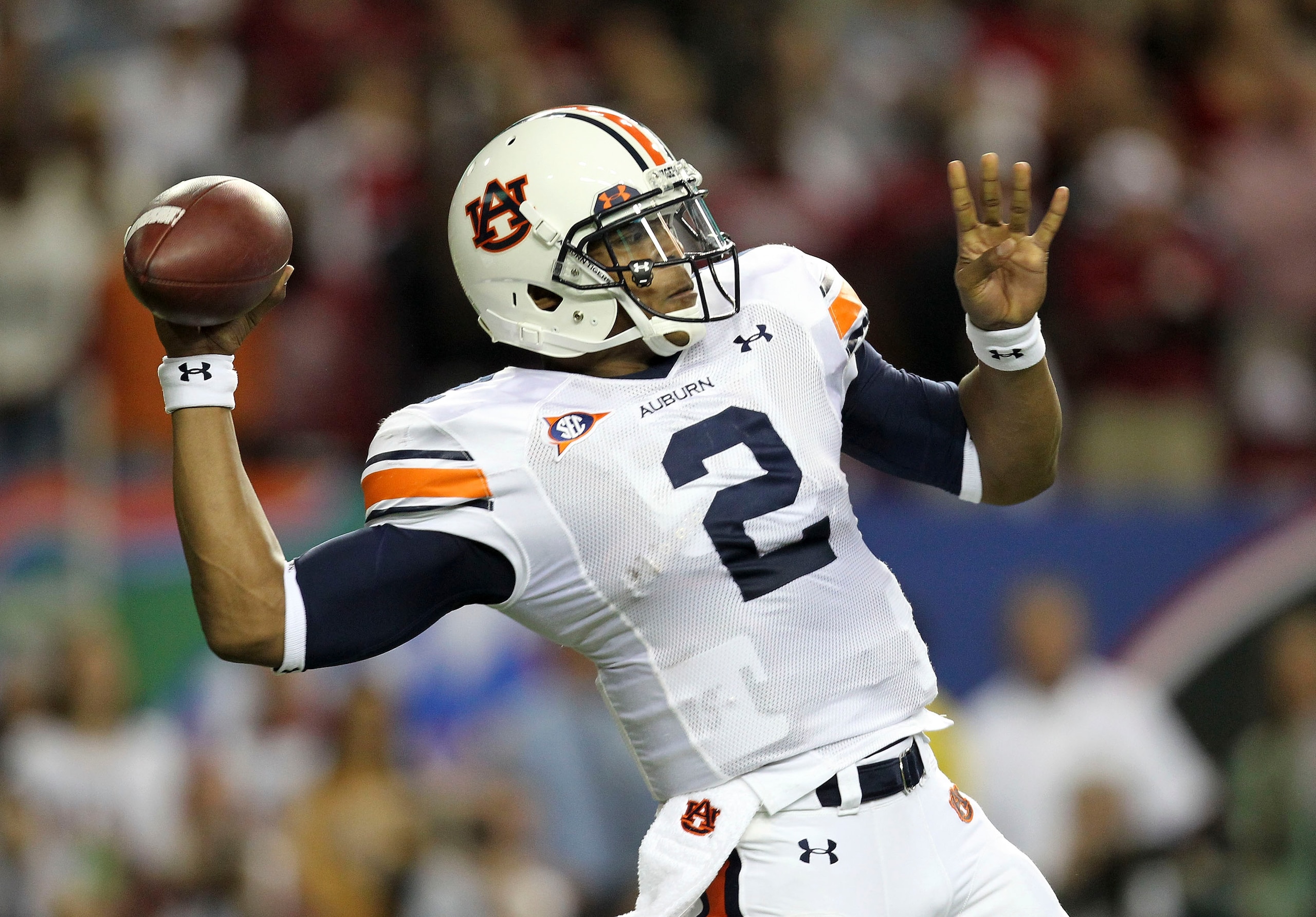
So—who would get to participate in the BCS Tournament?
1) The Current Automatic Qualifiers
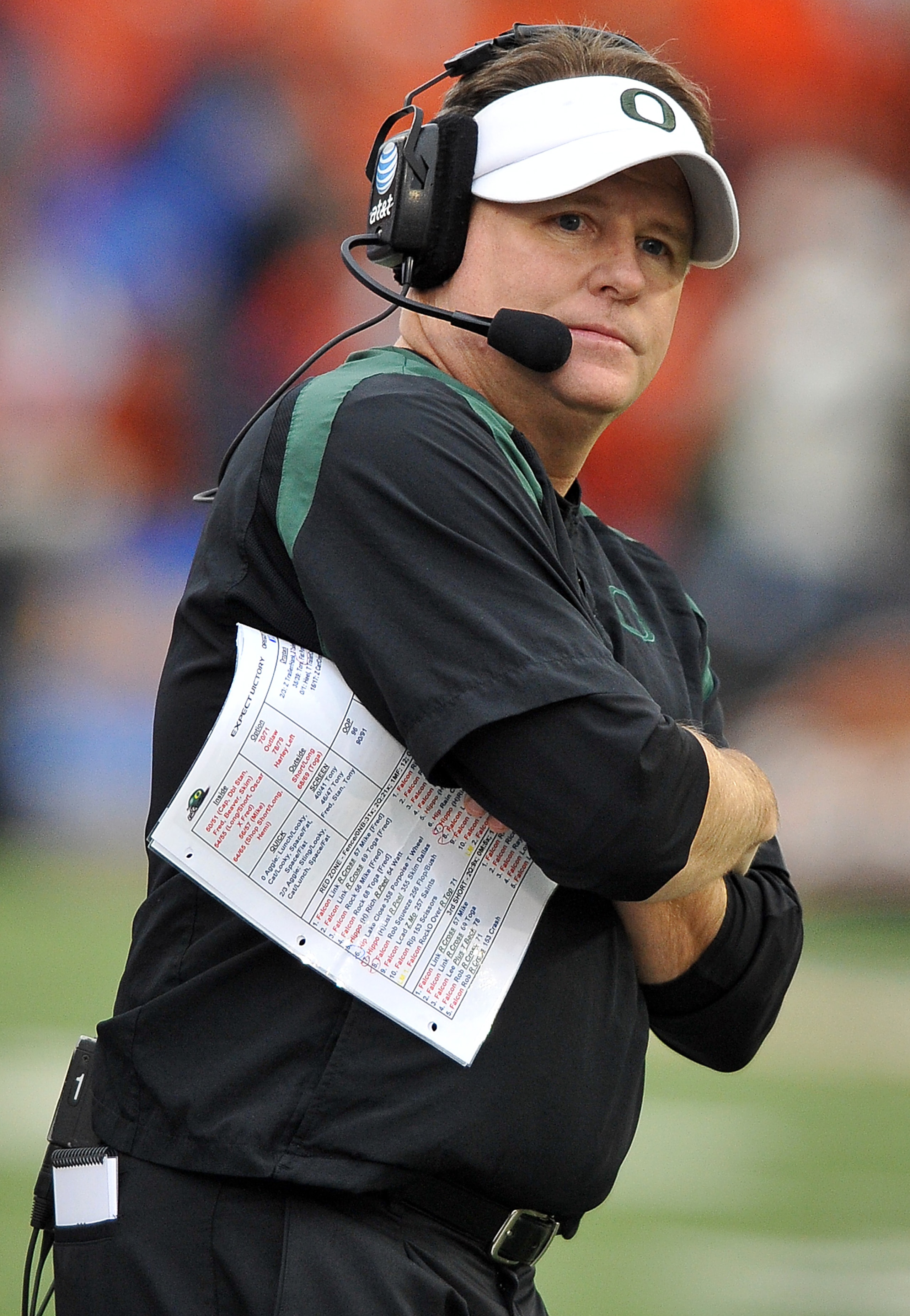
I would not change the current AQ conference list. The champions of the current AQ conferences—the ACC, Big East, Big Ten, Big 12, Pac-10 and SEC—would get automatic bids in the tournament.
As it stands at the moment, those teams are Virginia Tech, UConn, Wisconsin, Oklahoma, Oregon and Auburn, respectively.
2) The Other Conference Champions
A 16-team BCS Tournament would be ridiculous without the other conference champions.
Under this scheme, the other five conferences—Conference USA, the MAC, MWC, Sun Belt and WAC—would also be included.
This would add UCF, Miami-Ohio, TCU, Florida International and Boise State, respectively.
3) The At-Large Bids
After all the conference champions, the five highest-ranked non-conference title-holding teams would be included. Current conference limit regulations would remain in force, preventing each conference from having more than two representatives in the BCS Tournament.
At current, this would add #4 Stanford, #6 Ohio State, #8 Arkansas, #12 Missouri and #15 Nevada.
BCS Tournament Round Of 16: The Spoils Of The Automatic Qualifiers
2 of 5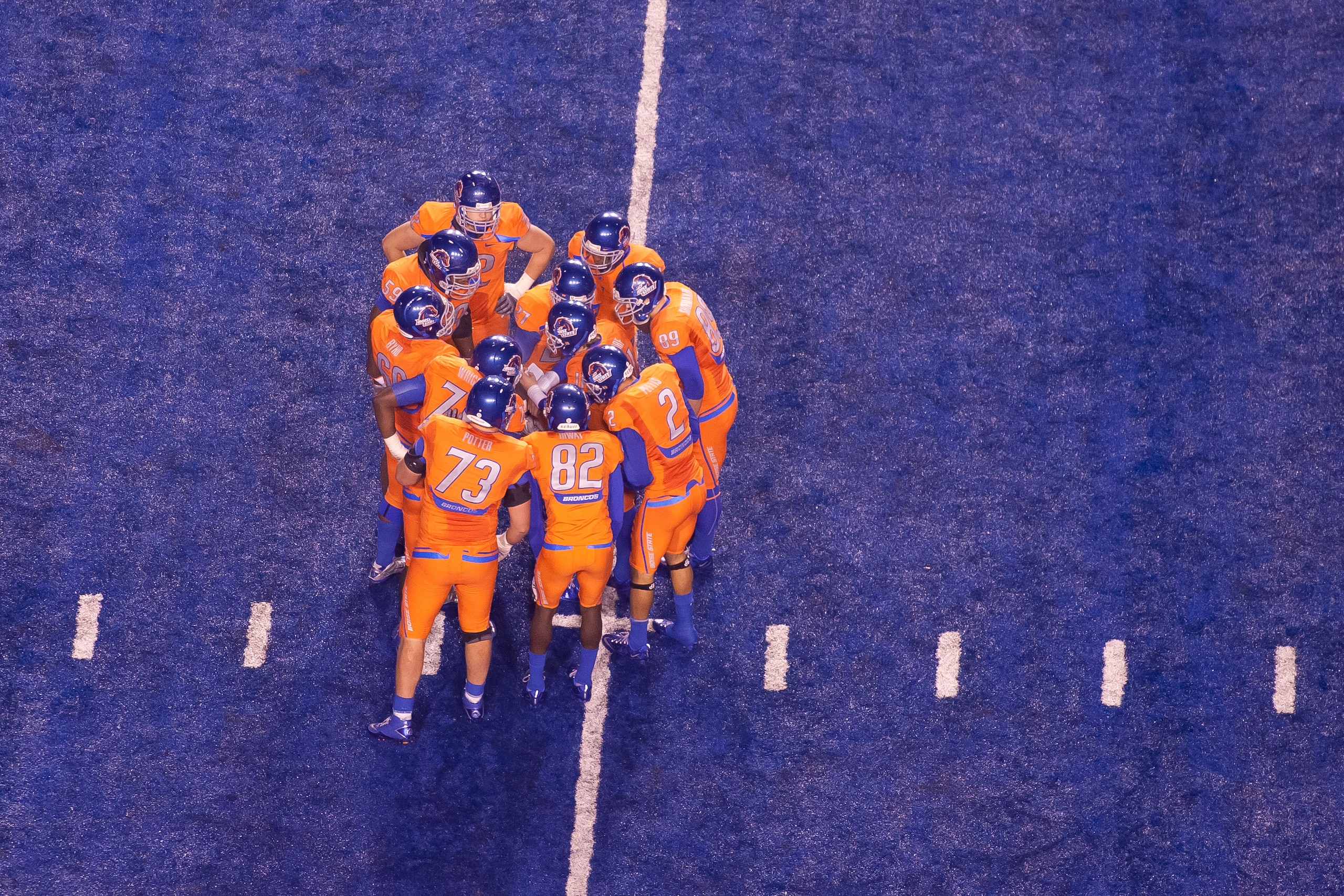
The Round of 16 would take place two weeks following the conference title games, giving one week to prepare for the tournament instead of 4 to 5 weeks to prepare for one game. This is the only round that would not involve the bowl games themselves.
Actual seeding would be based on the BCS.
The automatic qualifiers would be first, followed by any BCS Top 25-ranked conference champions, then everybody else. That means any conference champs not in the Top 25 would be ranked last.
Obviously, the higher eight teams would get homefield in the Round of 16. Here is how they would be ranked in 2010:
1) #1 Auburn (SEC champs)
2) #2 Oregon (Pac-10 champs)
3) #5 Wisconsin (Big Ten co-champs, received AQ by tiebreaker)
4) #7 Oklahoma (Big XII champs)
5) #13 Virginia Tech (ACC champs)
6) UConn (Big East co-champs, received AQ by tiebreaker)
7) #3 TCU (MWC champs)
8) #11 Boise State (WAC champs)
9) #25 UCF (C-USA champs)
10) #4 Stanford (Pac-10)
11) #6 Ohio State (Big Ten co-champs, lost tiebreaker)
12) #8 Arkansas (SEC)
13) #12 Missouri (Big XII)
14) #15 Nevada (WAC)
15) Miami-Ohio (MAC champs, 9-4)
16) Florida International (Sun Belt champs, 6-6)
In a traditional raw face-off, the match-ups that would result are as follows:
#16 FIU @ #1 Auburn
#15 Miami-Ohio @ #2 Oregon
#14 Nevada @ #3 Wisconsin
#13 Missouri @ #4 Oklahoma
#12 Arkansas @ #5 Virginia Tech
#11 Ohio State @ #6 UConn
#10 Stanford @ #7 TCU
#9 UCF @ #8 Boise State
It would be possible to shuffle some of the lower bids to avoid intra-conference match-ups in the first round, like Missouri and Oklahoma.
For example, Arkansas and Missouri could be swapped, meaning Arkansas would go to Oklahoma, while Missouri would go to Virginia Tech.
Keep in mind, the independents will have to be dealt with as well.
In my system, if an FBS independent—currently Notre Dame, Army or Navy, and adding BYU next year—is ranked #8 or higher in the final BCS poll, they would have priority over lower-ranked non-AQ champions. This rule is based on the current rule governing Notre Dame's BCS participation.
For example, if Notre Dame were #8, then Boise State would be denied a home game. But if they were #9 or lower, they would have to get in line with the other at-large contenders. If they were ranked #16 this year—behind Nevada, the current fifth at-large—then they would be out of luck.
Payouts for each Round of 16 game would be augmented by sponsors, and similar to a low-to-mid-level bowl, probably $1 million or so.
BCS Tournament Round Of 8: Enter The BCS Bowls
3 of 5
In the Round of 8, the BCS bowls would start to come into play.
In my system, the current BCS bowls—the Sugar, Fiesta, Orange and Rose Bowls—would be joined by two new BCS bowls. For the sake of this demonstration, the two I have chosen temper high non-BCS payout with geographical spread—the Capital One Bowl in Orlando, and the Cotton Bowl Classic in Dallas.
The payout for the Round of 8 games, coincidentally, would be on-par with the current payouts of the new bowls—approximately $4 million for each game.
It will be a bit of a seismic shift having traditional New Years Day bowl games a week before, but this should be tempered by the fact that the games of the Round of 8 and the Round of 4 will rotate.
Also, one of the bowls hosting the Round of 8 will be the host of the Championship Game.
Either the match-ups can be fixed beforehand—each bowl gets locked into a certain match-up, like the Fiesta Bowl getting the 1-vs.-16 and 8-vs.-9 winners—or the bowls can get the closer regional winners.
I have chosen to set the match-ups regionally, with the Capital One, Cotton, Sugar and Fiesta Bowls getting the Round of 8 games.
However the match-ups are placed in their bowl games, the match-ups themselves would be traditionally paired, with 1/16 vs. 8/9 down to 4/13 vs. 5/12.
The hypothetical matches would be as follows:
Capital One Bowl
Citrus Bowl Stadium, Orlando, FL
#9 UCF vs. #1 Auburn (sorry, Boise State)
Tostitos Fiesta Bowl
University of Phoenix Stadium, Glendale, AZ
#12 Arkansas vs. #4 Oklahoma
Allstate Sugar Bowl
Louisiana Superdome, New Orleans, LA
#11 Ohio State vs. #3 Wisconsin
AT&T Cotton Bowl Classic
Cowboys Stadium, Dallas, TX
#7 TCU vs. #2 Oregon


BCS Tournament Round of 4: Now It Looks More Traditional
4 of 5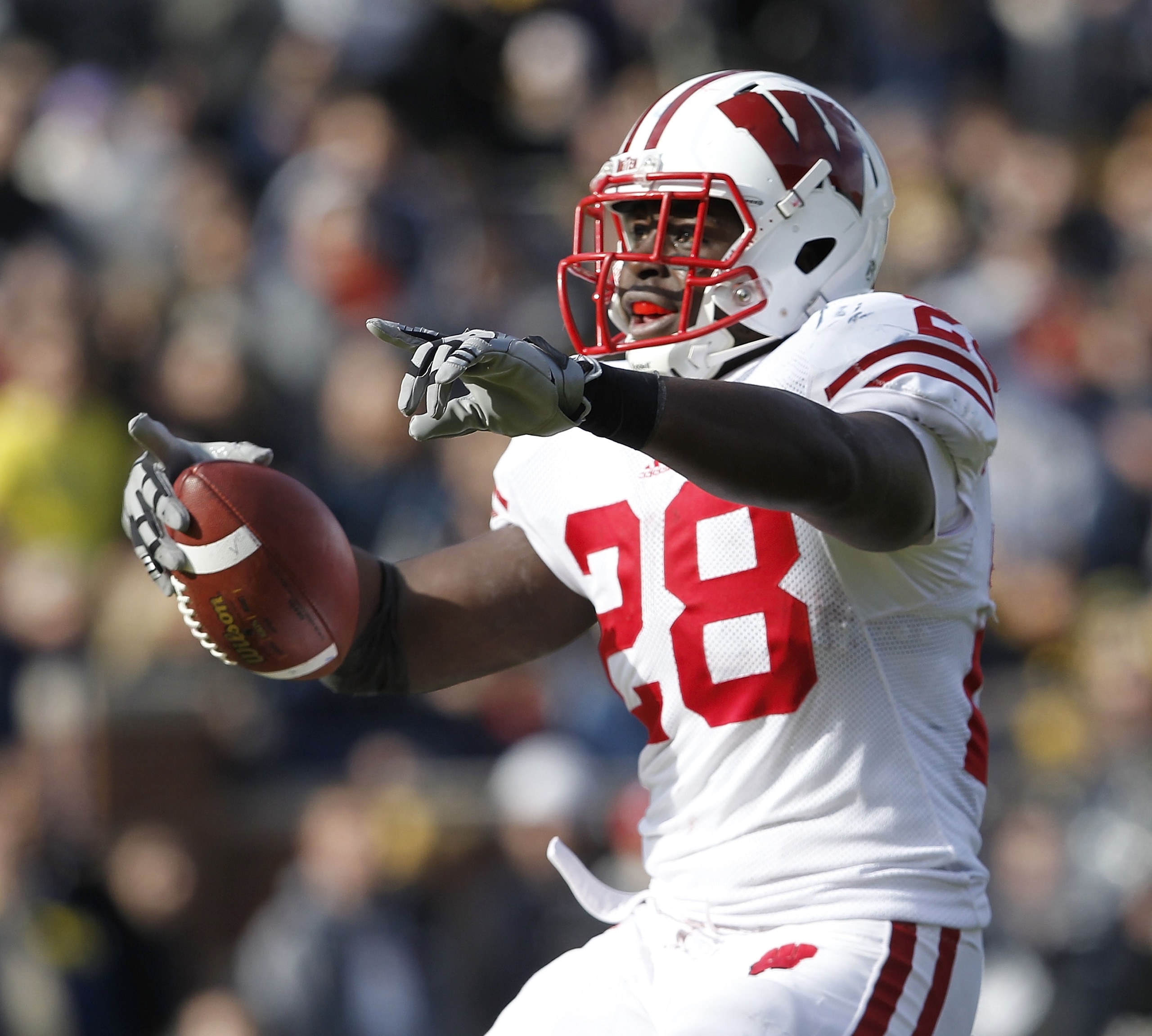
We've finally reached New Year's Day, and the showcase bowls will be the two games that will determine who will play for the National Championship.
In this one, the match-ups will again be set traditionally, with the bowls involved permitted to pick closer match-ups based on the proximity of the higher seed.
The payout would be on-par with the current BCS bowls: approximately $18 million for each game.
Under my hypothetical set-up, this is how the bowl games would pan out:
Discover Orange Bowl
Sun Life Stadium, Miami, FL
#1 Auburn vs. #4 Oklahoma (sorry, UCF)
Rose Bowl Game presented by Vizio
Rose Bowl Stadium, Pasadena, CA
#2 Oregon vs. #3 Wisconsin
BCS National Championship, and The Justification Of The Playoff
5 of 5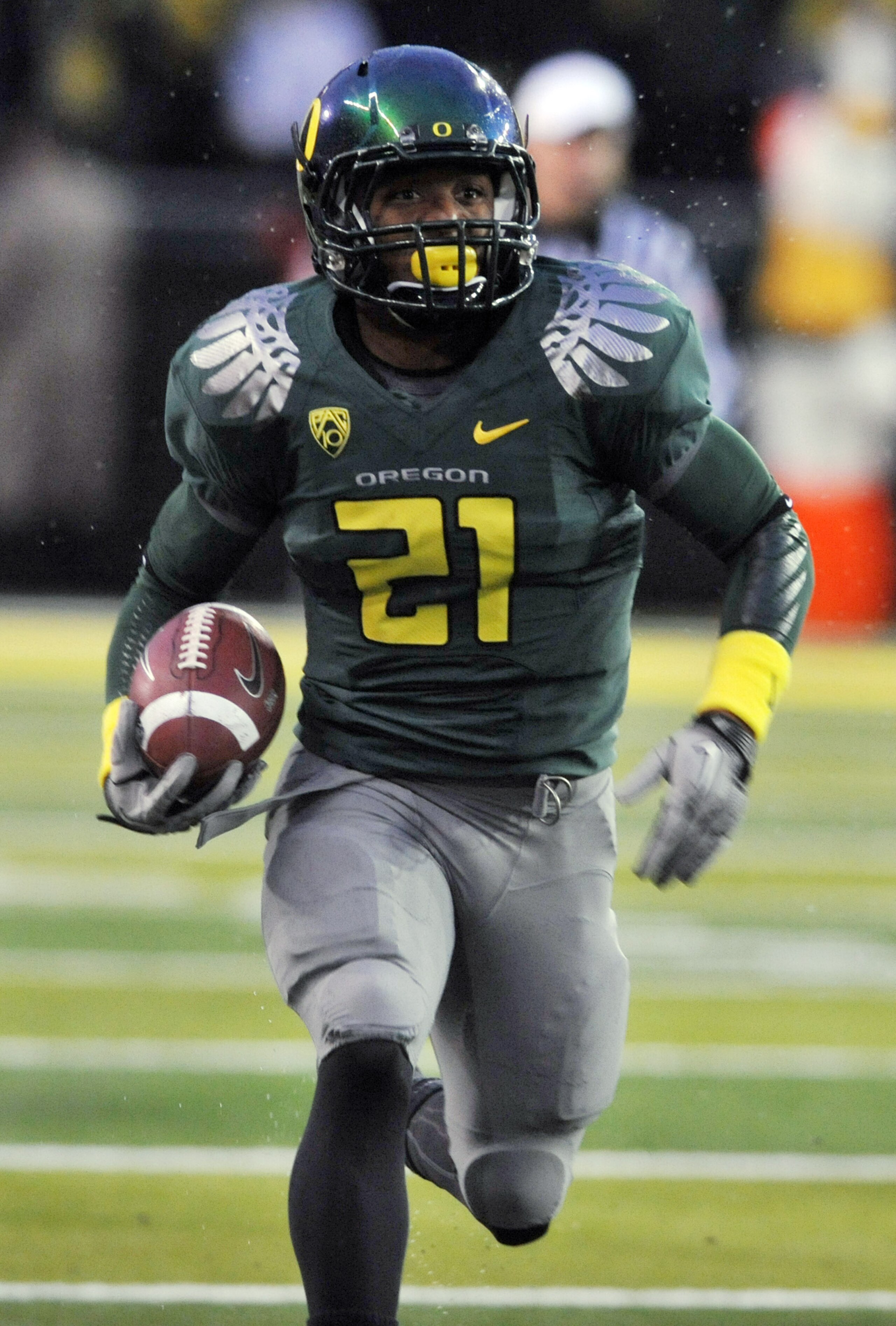
We've finally reached the grand stage—the 2011 Tostitos BCS National Championship Game at University of Phoenix Stadium in Glendale, Arizona, on January 10th.
The game for a split of the final $35-million mega-jackpot.
And in my theoretical playoff, I am placing #2 Oregon vs. #1 Auburn.
The same match-up that was determined by the BCS polls for the all-or-nothing BCS National Championship Game that will be played this year.
I could have easily added a few more plausible upsets. The final game could have easily been Boise State vs. Nevada, or Stanford vs. Oklahoma.
I could have been a complete troll and made my final game UCF vs. Miami-Ohio, or UConn vs. FIU.
The point is, with a playoff system, we get a lot more choices and a lot more suspense.
Right now, we get five weeks of mind-numbing anticipation.
In no other sport—except soccer, but only on the continental stage—is there this much wiggle room between the end of regular play and the championship game.
In my own personal opinion, having a playoff will neither diminish the importance of the regular season, nor diminish what makes the Bowl Subdivision what it is.
Using the BCS rankings only to determine the exact National Championship match-up is a very arbitrary way of doing things, no matter how you come about said rankings. Making the claim that the regular season itself is the playoff is a cop-out.
And although it is highly unlikely, what if a team like UCF or Miami-Ohio did play spoiler and go far in a tournament?
It would bring that program unparalleled coverage and potentially program-changing money, as well as recruitment opportunities that would not exist otherwise.
It would be the concept of the Cinderella team on steroids. No pun intended.
For the traditional BCS conferences, it would simply be more money.
More gate revenue, more sponsorship money, more TV money—it's a win-win situation.
As for the rest of the Bowl Subdivision?
Having a playoff to determine the national champion does not have to change what makes the Bowl Subdivision what it is. Those who do not make the playoff can still participate in bowl games, as their reward for an otherwise-successful season.
If you put aside "tradition" for a moment and think through the pros and cons, it becomes more and more obvious why a playoff system would benefit the NCAA, the BCS and the Bowl Subdivision.
It is definitely a concept that is worth considering.
_0.png?w=2560)





.jpg?w=2560 "Love's Body Already 'Tired'")
.jpg?w=2560 "2 NFL Officials Suspended")
.jpg?w=2560 "Mahomes' Wife Trolls Kubiak 💀")