
Top 25 Undrafted NFL Players Of The Super Bowl Era
25 Best Undrafted Players in the Super Bowl era?
Choosing them is becoming increasingly more difficult, considering that the NFL draft is several rounds shorter than it used to be.
And with more and more "fringe" college programs like Mount Union (Pierre Garcon), Chadron State (Danny Woodhead), Coastal Carolina (Tyler Thigpen) there should be an increase in NFLers from smaller schools.
Not only will those programs player's get a look by NFL scouts by maybe the big time program players from the SEC and Big 10 don't get drafted and get to the NFL as a free agent.
Since the NFL and AFL agreed to merge in 1966 and started sharing a common draft, there have been hall of famers, all-pros, and other famous players who went uncalled on Draft Day.
Here are the top 25.
No. 25: Josh Cribbs
1 of 26
College: Kent State
Rookie Season: 2005
Teams: Cleveland Browns, 2005-present
Career Achievements: two-time All Pro, eight career kickoff returns for TD (NFL record), two punt returns for TD
Cribbs was a quarterback for the Golden Flashes, but went undrafted. Lucky for him, the NFL team just a few dozen miles from his college campus took notice of his talents.
The Browns signed Cribbs just a week after the Draft and made a pretty immediate impact. In Week Seven of the 2005 season, he scored the team's only touchdown via a 90-yard kickoff return in a 13-10 loss at Detroit.
Over the next four seasons, he would add seven more, including a hat trick in 2009. And twice he returned touchdowns against rival Pittsburgh, which may have most endeared him to the fans of Cleveland.
No. 24: Adam Vinatieri
2 of 26
College: South Dakota State
Rookie Season: 1996
Teams: New England Patriots (1996-2005), Indianapolis Colts (2006-present)
Career Achievements: Two All-Pro selections, four Super Bowl rings, seven Super Bowl field goals
Certainly Vinatieri will be best remembered for kicking the two game winners in Super Bowls XXXVI and XXXVIII....as well as what amounted to be the game-winner in Super Bowl XXXI.
But he's also made better than 82% of his field goals, 10 50-plus yarders, and broke 100 total points 13 consecutive seasons.
Still it is the two kicks in the snow against Oakland in snowy Foxboro in January 2002 that will most stand out when Hall of Fame voters consider his possible place in Canton.
No. 23: Willie Parker
3 of 26
College: North Carolina
Rookie Season: 2004
Teams: Pittsburgh Steelers (2004-2009)
Career Achievements: 5,378 yards rushing, two-time Super Bowl champion
Not only was Parker undrafted out of North Carolina, but he didn't even start his senior season in 2003: you'd have to ask former Tar Heel coach John Bunting why.
He got a break in 2004 when Jerome Bettis and Duce Staley were frequently injured and the Steelers needed to keep him in the mix.
A year later, he was the feature back while Jerome Bettis served as mostly the short-yardage/goal line ball carrier. He ran for 1,203 yards that 2005 season and in Super Bowl XL broke Marcus Allen's 22-year-old record for the game's longest run ever.
During the next three seasons, he rushed for 100-yards or more 19 times and won a second Super Bowl ring in January 2009.



No. 22: Shaun O'Hara
4 of 26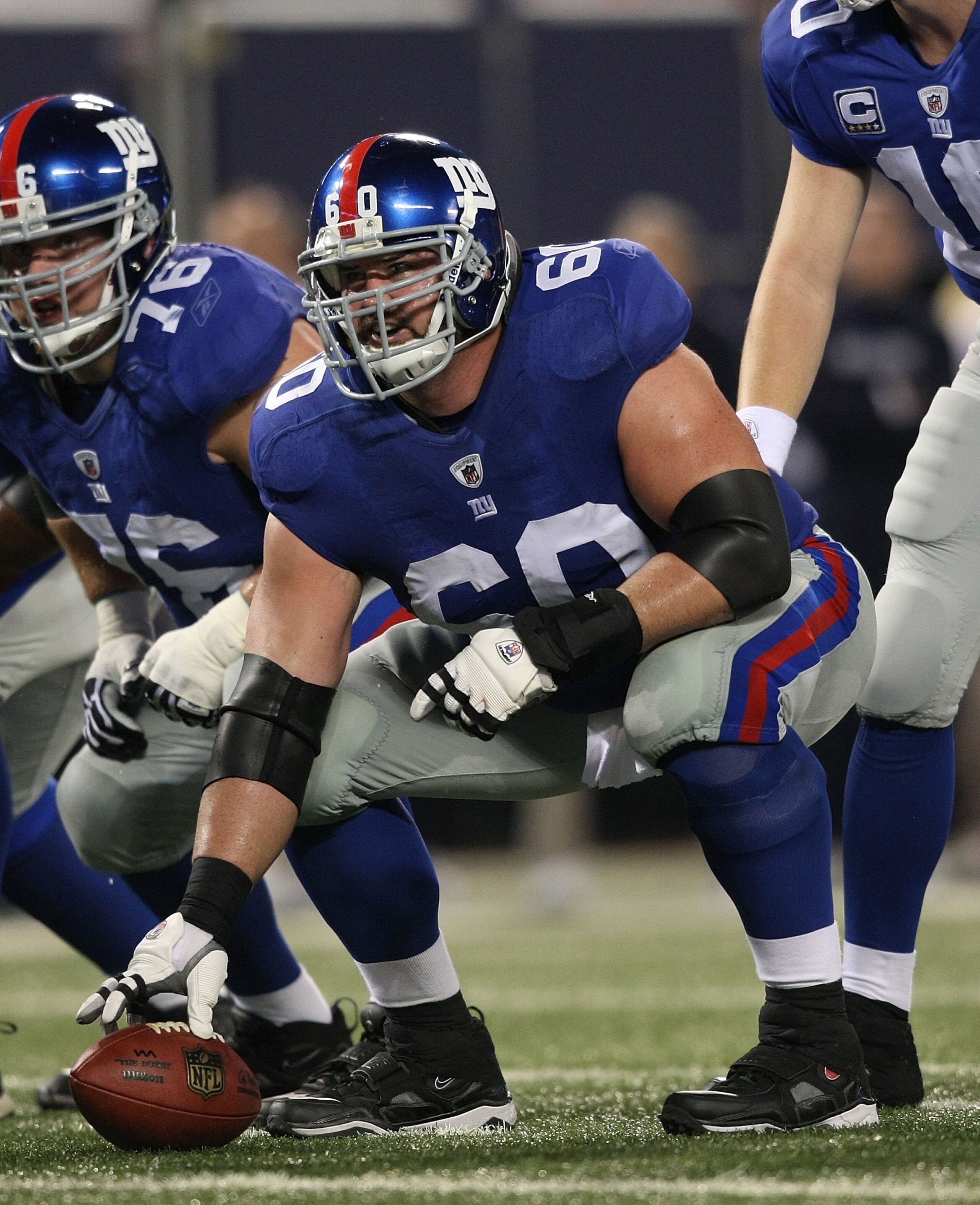
College: Rutgers
Rookie Season: 2000
Teams: Cleveland Browns (2000-03), New York Giants (2004-present)
Career Achievements: starter in Super Bowl XLII victory, two pro bowl selections
Although the general manager Dwight Clark and Browns missed on a handful of first-round draft picks when they returned to the league as an expansion team, someone in the scouting department hit on this undrafted free agent.
But when he left Cleveland for New York, O'Hara emerged as an excellent lineman.
He became a team captain the same year the Giants won their miracle Super Bowl in 2007.
No. 21: Wayne Chrebet
5 of 26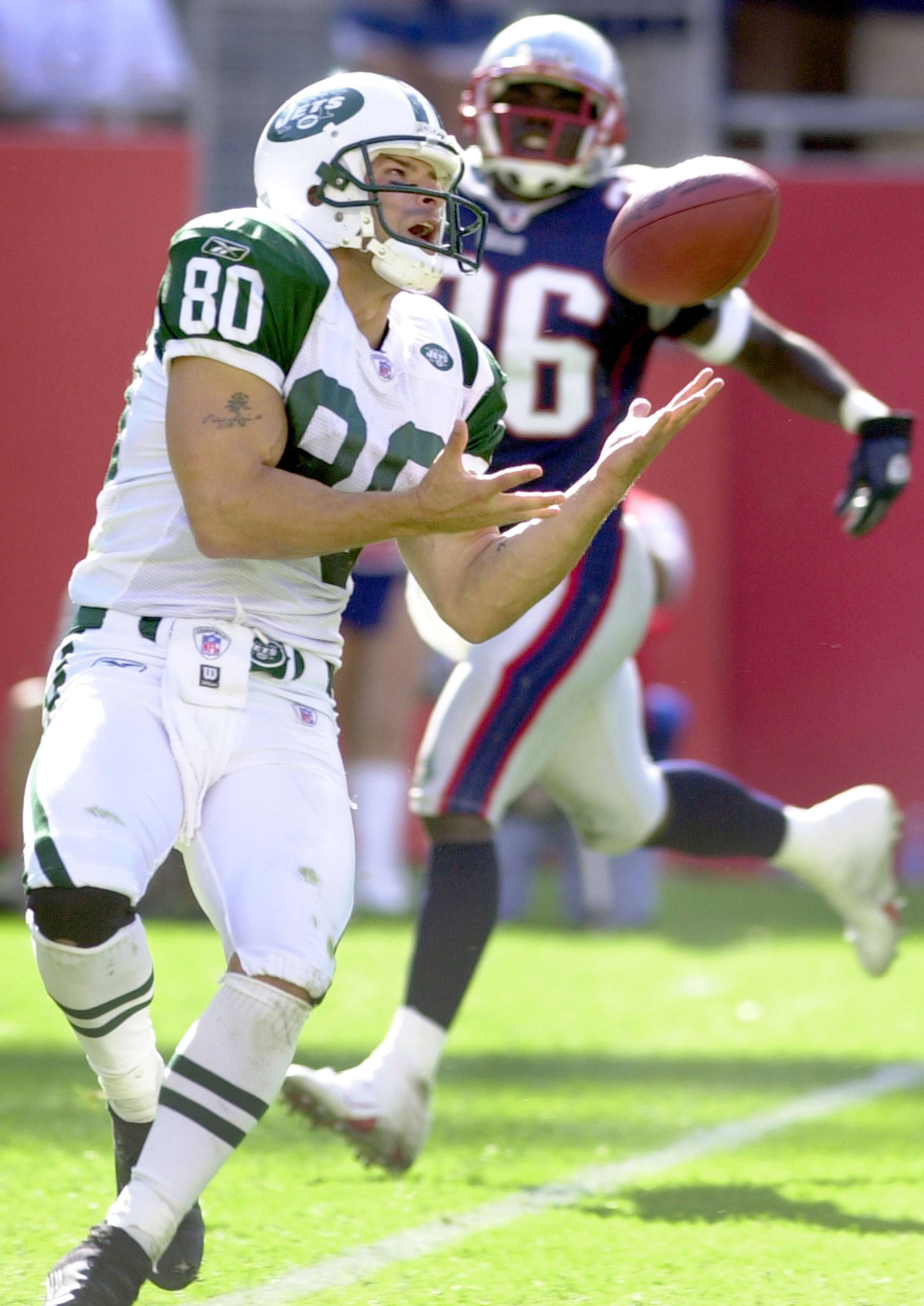
College: Hofstra
Rookie Season: 1995
Teams: New York Jets
Career Achievements: 580 receptions (2nd Jets all-time; third most by non-drafted player)
No one would list Chrebet on their list of great receivers. But his size, alma mater, New Jersey background, and legacy as a "hard worker" certainly made him something of a Big Apple icon.....
.....that and the fact that he played just as well as the team's other wide receiver, first overall draft pick from 1996 and multi-million dollar player Keyshawn Johnson.
Because he was a five-foot, ten-inch receiver with less-than blazing speed coming out of Hofstra, he went undrafted.
Since then, however, Saints star Marques Colston, Steelers tackle Willie Colon, and Cardinals and Titans defensive back Lance Schulters have become fellow Pride players who reached the NFL.
No. 20: Jim Burt
6 of 26College: Miami (Hurricanes)
Rookie Season: 1981
Teams: New York Giants (1981-88), San Francisco 49ers (1989-91)
Career Achievements: one-time pro bowler, two Super Bowl rings
Burt is one of the more surprise undraft-ees on this list. For the Hurricanes, he was an All-American, the Peach Bowl MVP, and made their Hall of Fame.
He joined the Giants and played in Bill Parcells and Bill Belichick's defense for several year, thought he was certainly overshadowed by Lawrence Taylor, Leonard Marshall, and Carl Banks.
But he made a tremendous impact: see his hit on Joe Montana in the 1986 NFC Divisional Playoff Game (which nearly ended Montana's career.)
And after he parted with the Giants, he went cross-country to San Francisco, where he earned a second Super Bowl in January 1990.
No. 19: Bart Scott
7 of 26
College: Southern Illinois
Rookie Season: 2002
Teams: Baltimore Ravens (2002-08), New York Jets (2009-present)
Career Achievements: 2006 All Pro
He may not be as accomplished as several of his teammates: Ray Lewis, Ed Reed, Darrelle Revis.
But has been the cornerstone of two fantastic defensive units, first the Ravens, and now the Jets.
And it's no coincidence that after Rex Ryan left the Ravens to coach the Jets, the club offered Scott $48 million to come with Ryan to the Meadowlands.
No. 18: Pat Williams
8 of 26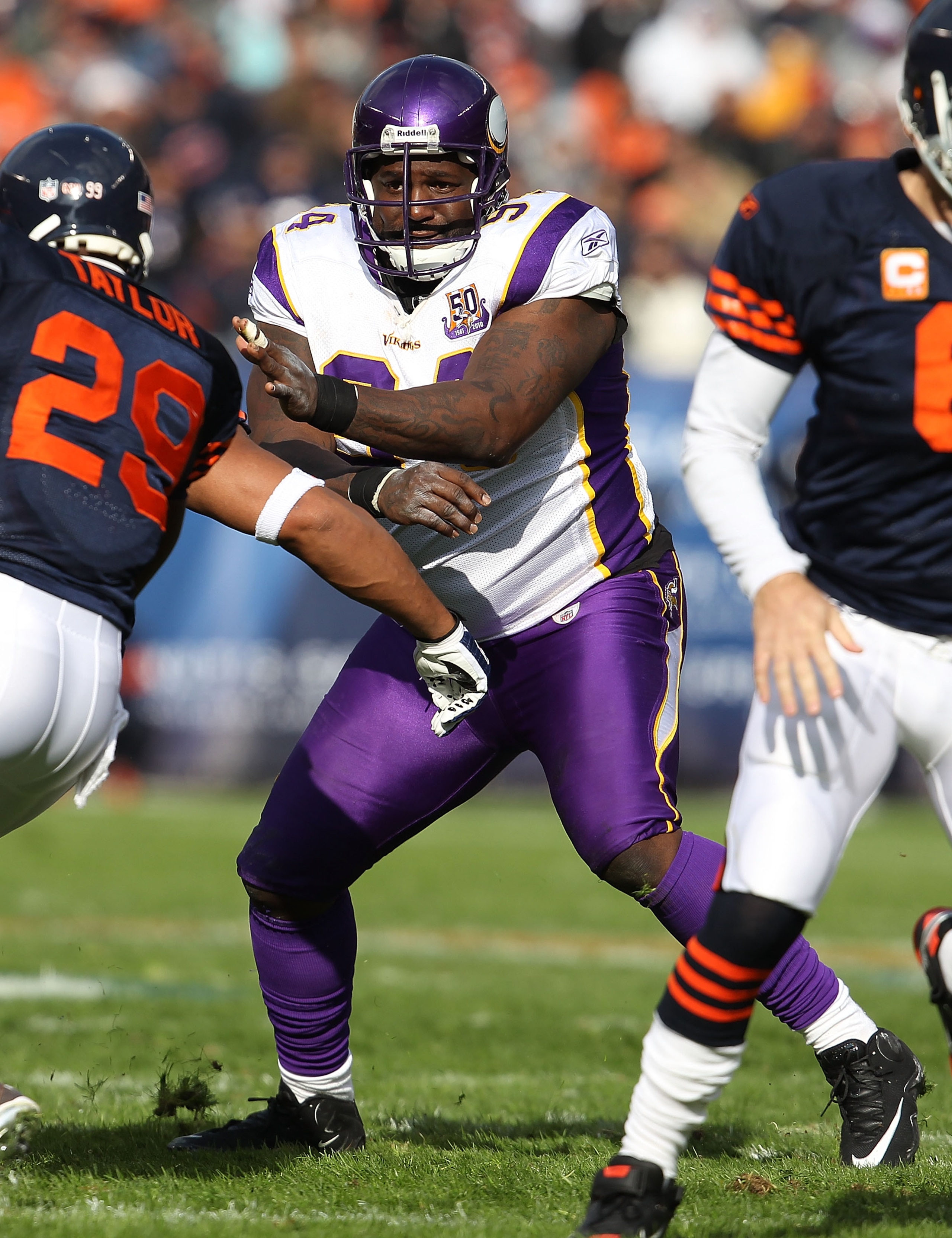
College: Texas A&M
Rookie Season: 1997
Teams: Buffalo Bills (1997-2004), Minnesota Vikings (2005-present)
Career Achievements: three-time pro bowler, one-time first team All-Pro
Probably the only time in his life that Williams (all six-foot, three-inches and 317 pounds of him) went overlooked was on the two days of the 1997 NFL Draft.
No one selected the former Aggie. But the Bills brought him to western New York that fall and he made the club. And late in 2004, he actually returned an interception 20 yards for a touchdown against the Dolphins.
That offseason, he signed with Minnesota, where, under Mike Tomlin, he quickly became a star, earning three straight pro bowl nominations.
No. 17: London Fletcher
9 of 26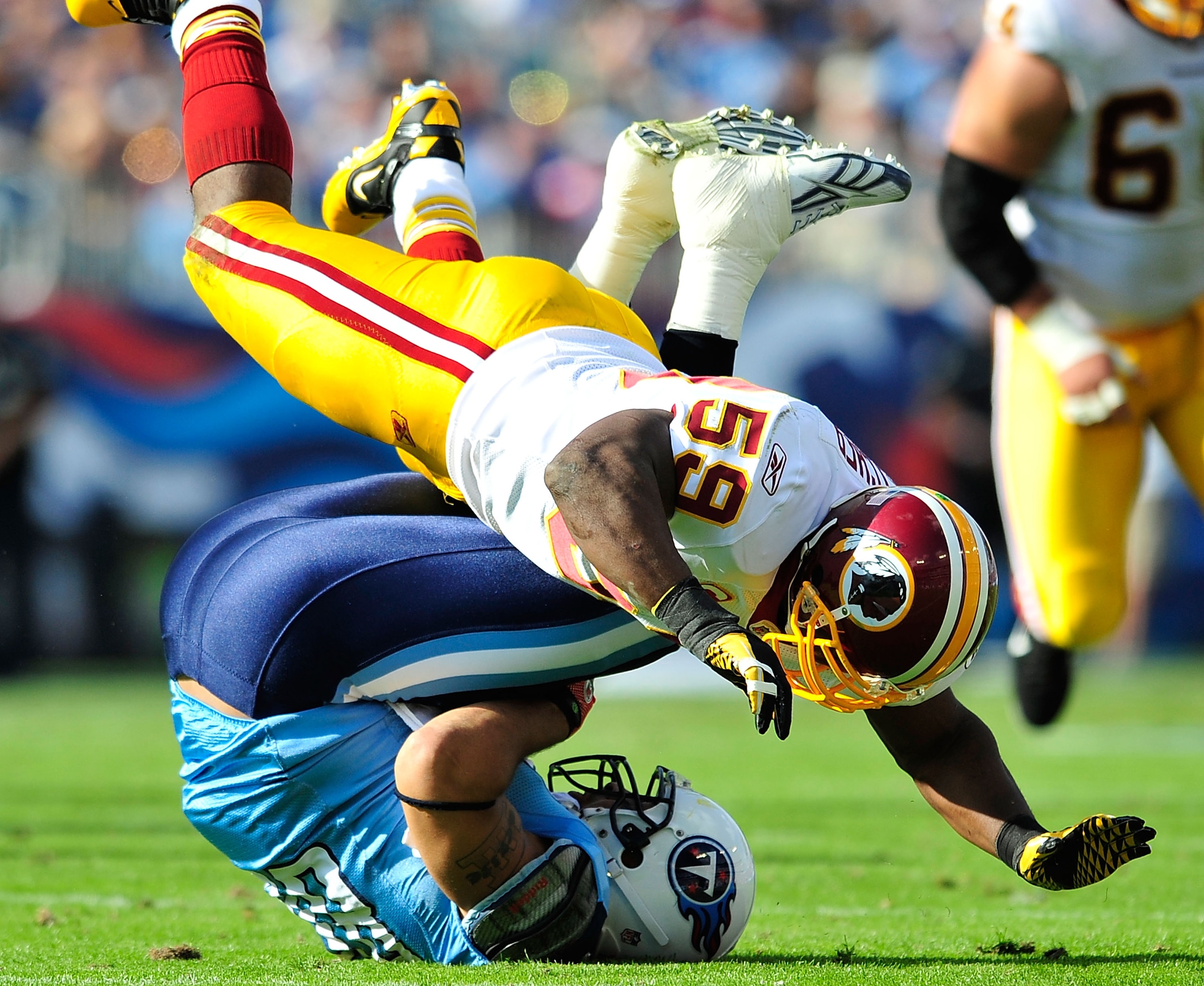
College: John Carroll
Rookie Season: 1998
Teams: St. Louis Rams (1998-2001), Buffalo Bills (2002-06), Washington Redskins (2007-present)
Career Achievements: one-time pro bowler, Super Bowl ring, leading tackler 2000s
Fletcher was a great player at the small college in a suburb of his hometown of Cleveland. But despite being the Division III National Linebacker of the Year at the same school where Don Shula played half-a-century before, no one selected him on draft day.
Dick Vermeil and the Rams overlooked his size (he is just five-feet, ten-inches) and brought him in. A year later, he was the starting middle linebacker on the world championship team. In Super Bowl XXXIV, Fletcher recorded a handful of tackles.
A decade later, he is still going strong and is the leading tackle for the Redskins in 2010, and is just about guaranteed his 11th consecutive 100-plus tackle season.
No. 16: Wes Welker
10 of 26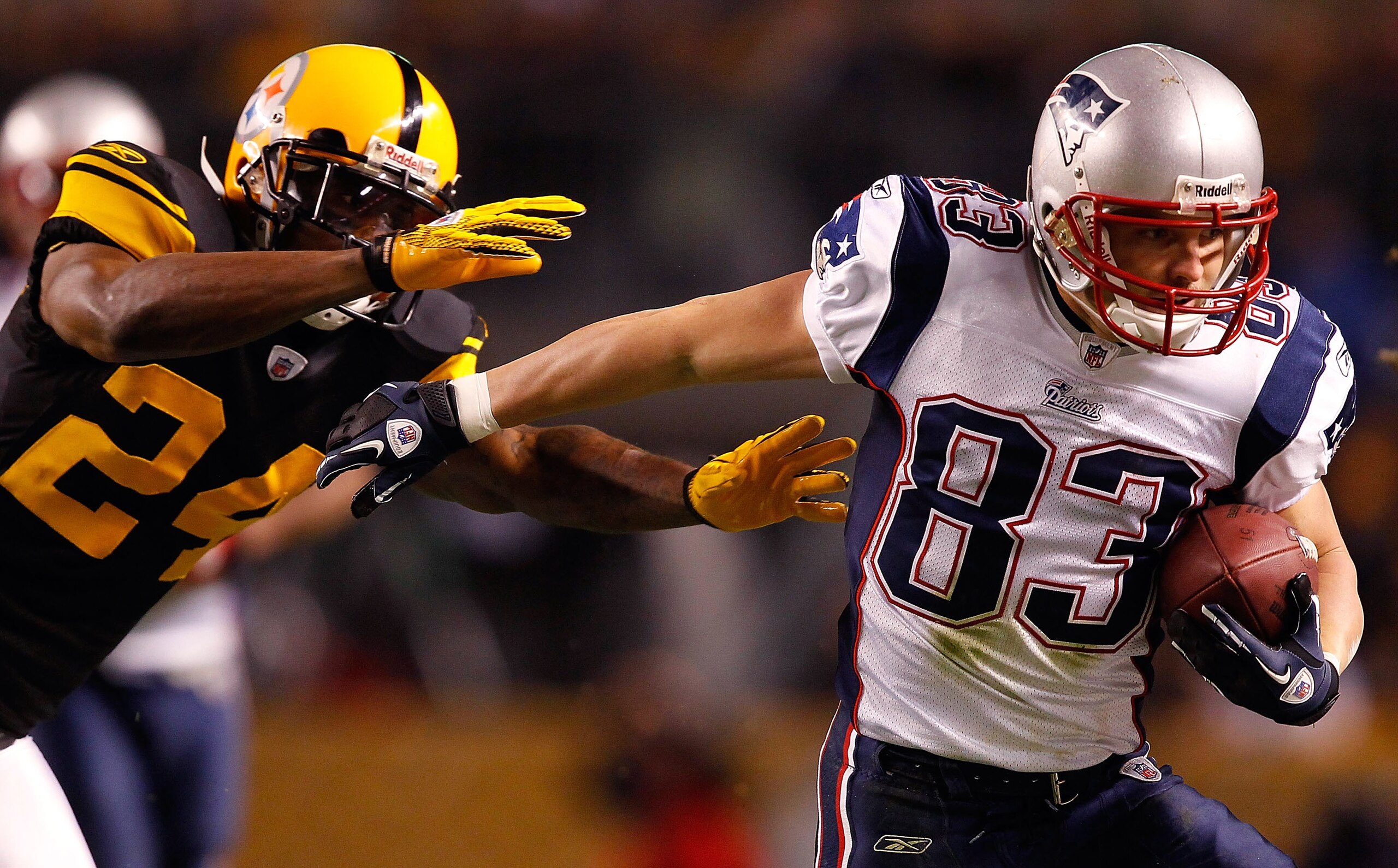
College: Texas Tech
Rookie Season: 2004
Teams: San Diego Chargers (2004), Miami Dolphins (2004-06), New England Patriots (2007-present)
Career Achievements: two-time pro bowler, two-time All Pro
Welker was overlooked by his size and because few of those potent Red Raiders offensive stars blossomed in the NFL (Kliff Kingsbury, Byron Hanspard, B.J. Symons).
But Welker eventually broke that when he joined the Patriots in 2007. From 2007-09, he led the league in receptions twice, averaged better than 1,200 yards receiving, and scored 15 touchdowns.
And in case people think he only posted those numbers because Randy Moss was opposite him, Welker has caught 21 passes for 237 yards and three touchdowns the past three weeks.
At age 29, Welker has a very good chance of becoming the club's all time leader in catches as early as next year.
No. 15: Jeff Garcia
11 of 26
College: San Jose State
Rookie Season: 1999
Teams: San Francisco 49ers (1999-2003), Cleveland Browns (2004), Detroit Lions (2005), Philadelphia Eagles (2006, 2009), Tampa Bay Buccaneers (2007-08)
Career Achievements: four-time pro bowler
No one would confuse Jeff Garcia with his two predecessors, Steve Young and Joe Montana. Still, he was a pretty good player for the next generation of 49ers.
Bill Walsh convinced his former team to sign the former CFL star and in just his second season, Garcia threw 31 touchdowns and racked up a club-record 4,278 yards.
That was the first of three consecutive trips to the pro bowl for the former Calgary Stampeder.
He was never the same without Terrell Owens as a target, but the second half of his career was respectable. In 2007, now with the Bucs, he earned a fourth pro bowl selection and led the team to a Wild Card spot.
No. 14: Everson Walls
12 of 26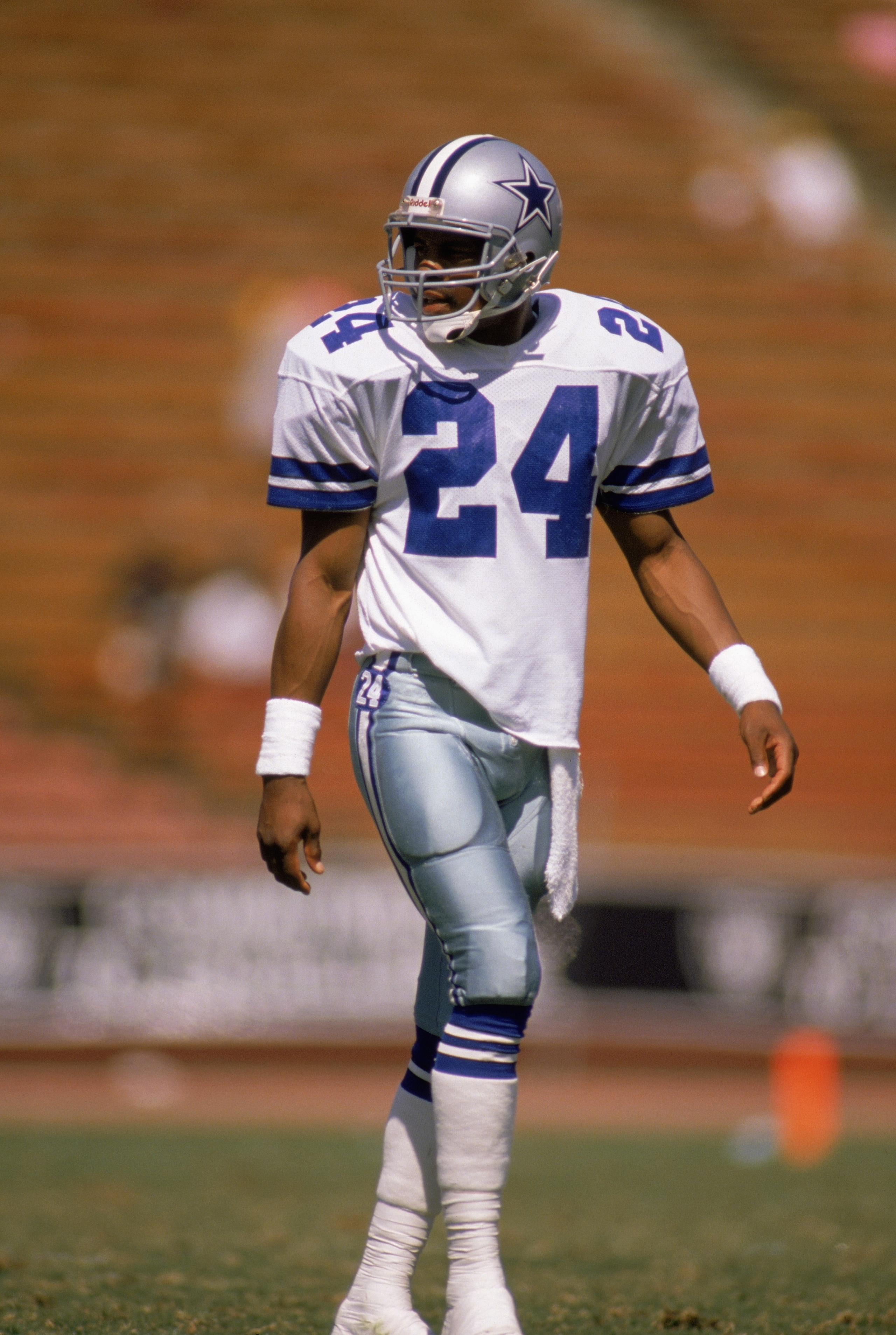
College: Grambling
Rookie Season: 1981
Teams: Dallas Cowboys (1981-89), New York Giants (1990-92), Cleveland Browns (1992-93)
Career Achievements: one-time Super Bowl ring, 57 career interceptions
Although he is better remembered for being the man over whom Dwight Clark made "The Catch," Walls was a fantastic cornerback throughout the decade that followed.
As a rookie in 1981, his 11 interceptions led the NFL (he did so again a year later), and in that, for him, infamous NFC Championship Game loss to the 49ers, Walls recorded seven tackles, two interceptions of Joe Montana, and a fumble recovery.
He continued to be a shutdown corner for Tom Landry, but when Jimmy Johnson came to town he soon cut Walls, a native of Dallas.
Bill Parcells signed him in the offseason and in his first season with the New York Giants, Walls led the team in interceptions and made two significant tackles in the team's Super Bowl XXV victory over Buffalo.
No. 13: Joe Jacoby
13 of 26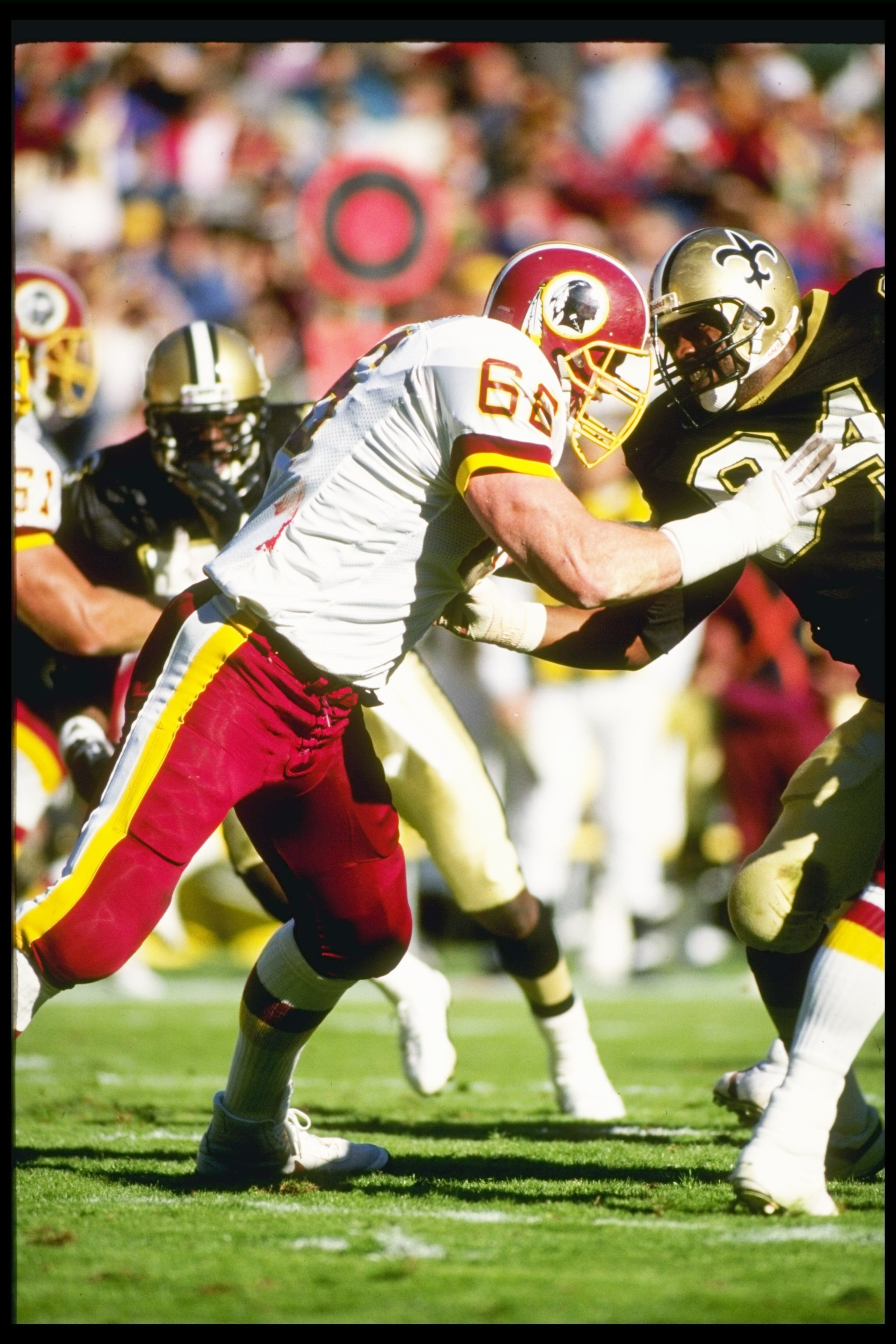
College: Louisville
Rookie Season: 1981
Teams: Washington Redskins (1981-93)
Career Achievements: four-time pro bowls, three-time Super Bowl champion, All-1980s NFL team
Offensive line talent might be harder to gauge than skill players; at least that's the explanation that works best for why Jacoby went unchosen in the 1981 NFL draft.
He played in four Super Bowls, won three, was named to the All-time Redskins team, and was one of the inaugural members of the famous "Hogs" offensive line.
It's hard to say which he and the Hogs excelled at more. John Riggins won a Super Bowl MVP thanks (in part) to the Hogs incredible play and five years later unknown Timmy Smith set a Super Bowl record with 204 rushing yards.
But they were just as adept in pass protection: how else did the Skins win three Super Bowls in ten season with three different starting quarterbacks.
No. 12: Rod Smith
14 of 26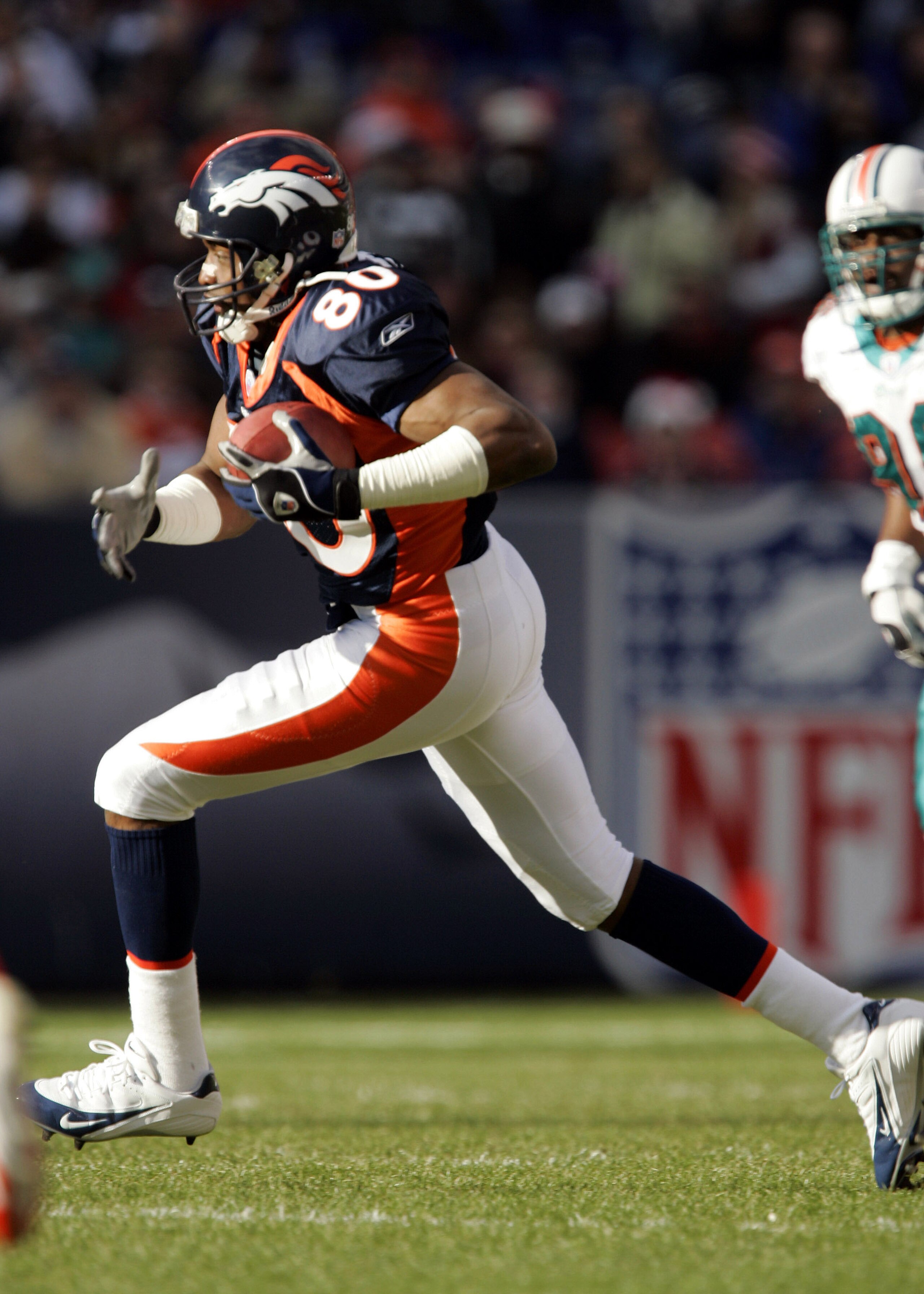
College: Missouri Southern
Rookie Season: 1995
Teams: Denver Broncos (1995-2006)
Career Achievements: three-time pro bowler, two Super Bowl rings, 849 catches, 11,349 yards, 69 touchdowns
John Elway played for so many seasons and played with so many different skill players that it's hard to say who his "favorite" was. But it's safe to say that towards the end of Elway's runs, Rod Smith was one of them.
When Denver won consecutive Super Bowls in 1997 and 1998, he led the team in yardage both seasons, and caught 18 touchdowns.
Had Elway not been the obvious sentimental choice, Smith (five catches, 152 yards, one touchdown) may have won the Super Bowl XXXIII MVP award.
And shockingly, he was even better without Elway throwing passes to him. Whether it was Bubby Brister, Brian Griese, or Jake Plummer, throwing him passes, Smith was an elite AFC receiver from 1999-2005.
No. 11: Donnie Shell
15 of 26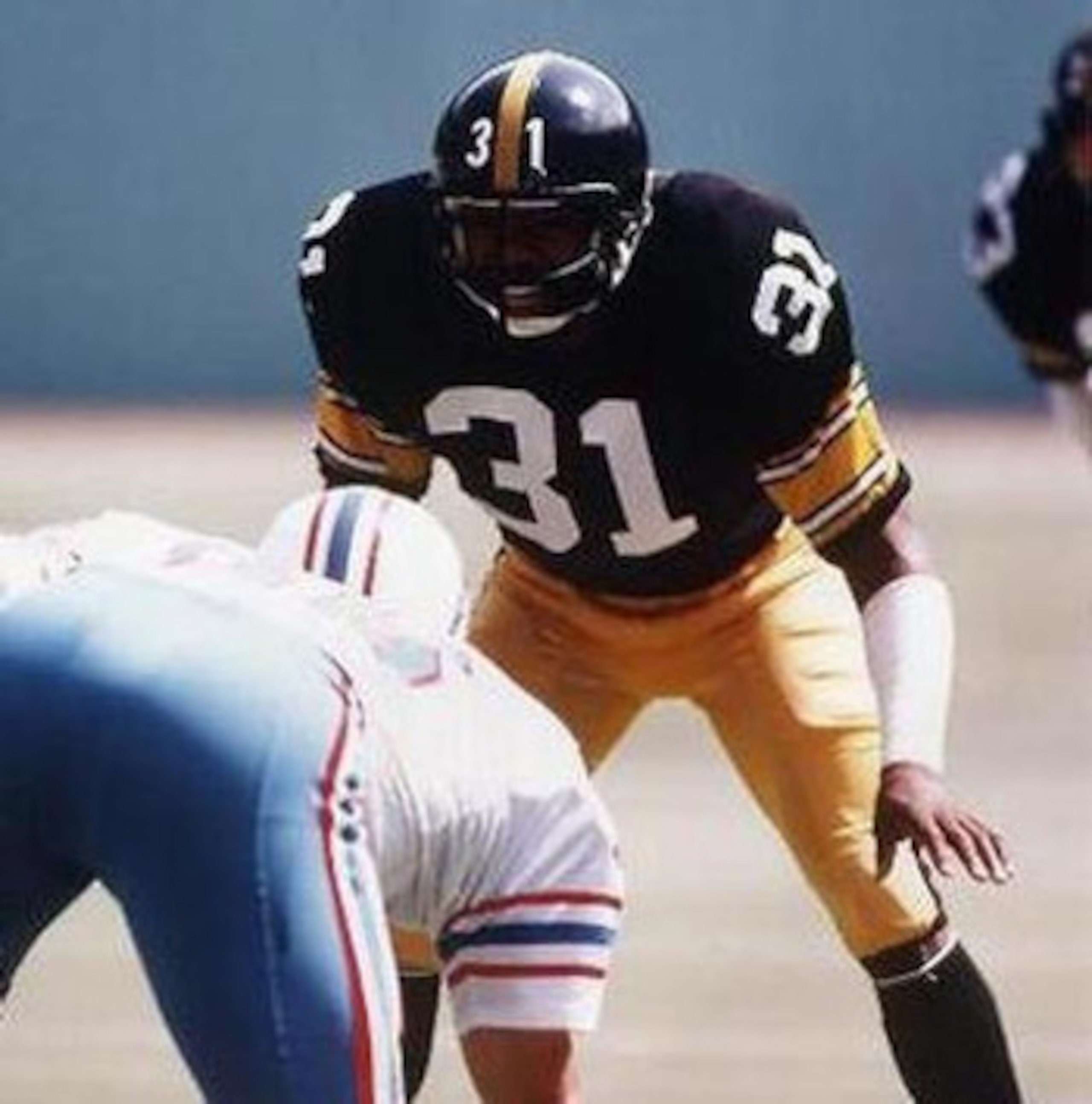
College: South Carolina State
Rookie Season: 1974
Teams: Pittsburgh Steelers (1974-87)
Career Achievements: four Super Bowl rings, five-time pro bowler
Shell belonged to arguably the finest rookie class of all time: Lynn Swann, Mike Webster, Jack Lambert, John Stallworth were all drafted by Pittsburgh that year.
Shell may end up joining them in Canton someday.
He certainly benefitted from the hall of fame talent around him (Lambert, Jack Ham, Joe Greene, Mel Blount), but "the Torpedo" was a great player too.
He still holds the club record for interceptions (that includes Rod Woodson) with 57, scored four touchdowns, and played more games on defense (201) than any other Steeler in history.
No. 10: James Harrison
16 of 26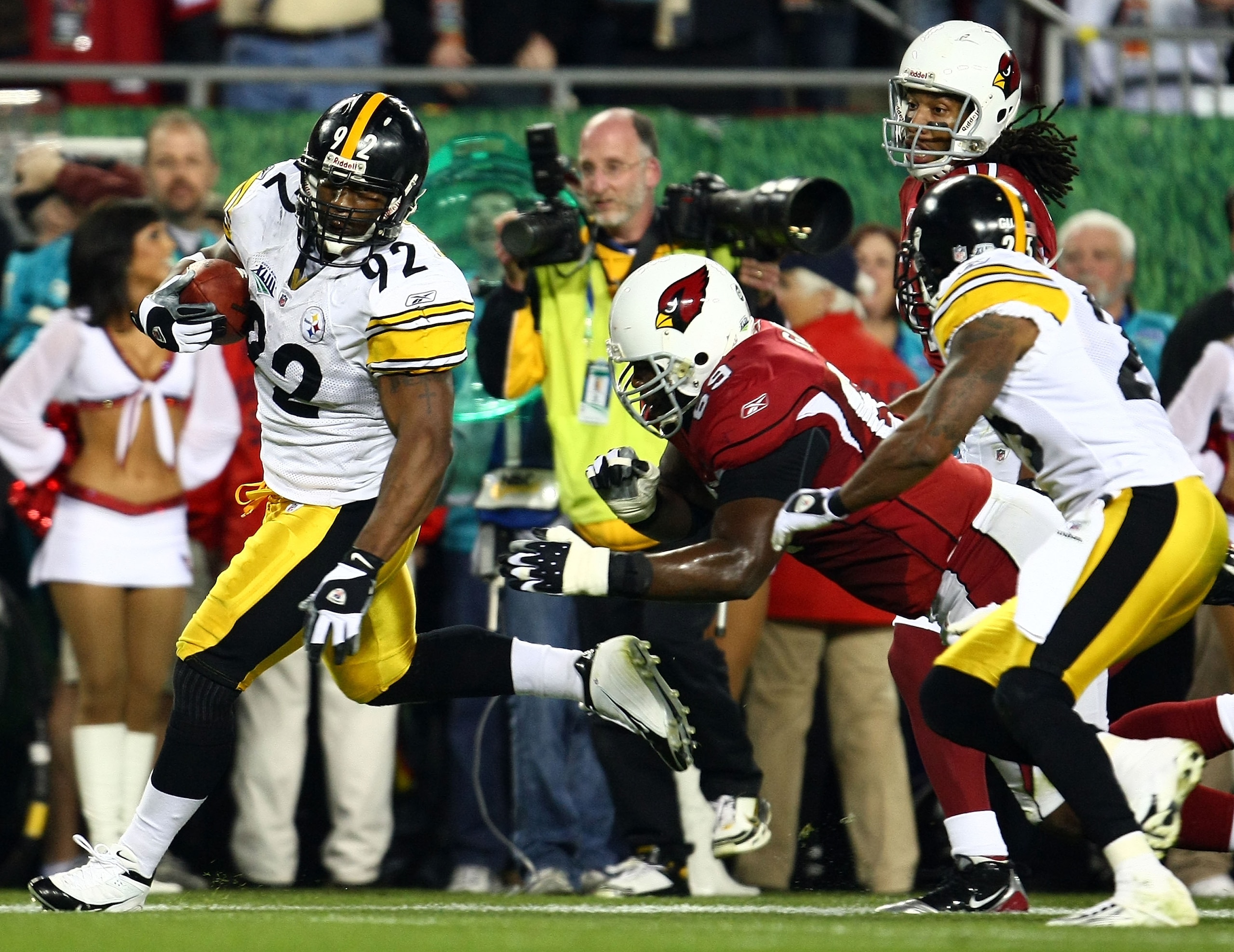
College: Kent State
Rookie Season: 2004
Teams: Pittsburgh Steelers (2004-present)
Career Achievements: two Super Bowl rings, three-time pro bowler, 2008 NFL Defensive Player of the Year
Since 2007, Harrison has been without question one of the NFL's premier defenders. Maybe his career resume doesn't stack up with a few others on this list, but in his era, Harrison has few equals.
The pass rushing skills are as good as anyones: 45.5 sacks in the last 3-plus seasons.
And he isn't a one-trick pony: he's forced 29 turnovers since 2007 and his 100-yard interception return in Super Bowl XLIII remains one of the greatest single plays of all time.
No. 9: Jeff Saturday
17 of 26
College: North Carolina
Rookie Season: 1999
Teams: Indianapolis Colts (1999-present)
Career Achievements: four-time pro bowler, one Super Bowl ring, five-time pro bowler
After a year on the Ravens practice squad, Saturday joined the Colts and spent the next decade-plus crouched in front of Peyton Manning.
Earlier this year, the two set an NFL record for consecutive starts at both center and quarterback: 157 consecutive games, a record still going strong.
During that time, the Colts have won 127 games, seven division titles, two conference titles and a Super Bowl.
No. 8: Priest Holmes
18 of 26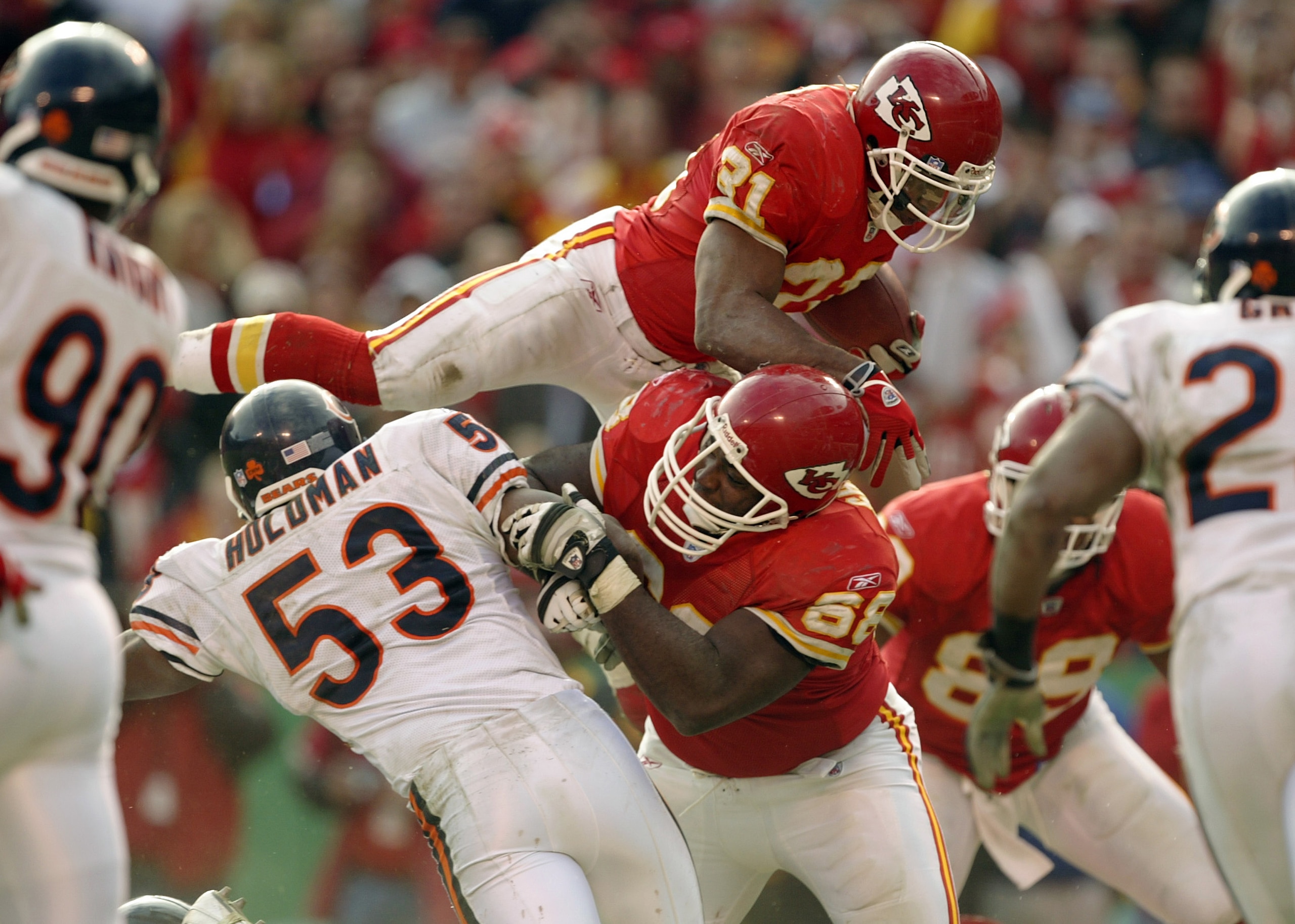
College: Texas
Rookie Season: 1997
Teams: Baltimore Ravens (1997-2000), Kansas City Chiefs (2001-2007)
Career Achievements: three-time All Pro, 94 career touchdowns
With all the history of great runners from the University of Texas, it's surprising that Holmes would go undrafted. Nevertheless, he did.
Baltimore snatched him up and in his second season became the franchise's first ever 1,000-yard runner.
The drafting of Jamal Lewis led to his departure, although not before he earned a Super Bowl ring.
But it was in Kansas City, with Dick Vermeil where he became a star.
He led the NFL in rushing in 2001, led the NFL in touchdowns in 2002, then set a new NFL record in 2003, scoring 27 rushing touchdowns.
From 2002-04, Holmes scored an incredible 66 touchdowns: that's more than Michael Irvin scored in his entire career.
Only a neck injury could slow Holmes down. Otherwise, there's an excellent chance he'd have become a Hall of Famer.
No. 7: Jim Langner and Larry Little
19 of 26
College: South Dakota State (Langer), Bethune-Cookman (Little)
Rookie Season: 1970 (Langer), 1967 (Little)
Teams: Miami Dolphins (1969-79)
Career Achievements: four combined Super Bowl rings, 11 combined pro bowls
What are the odds of two undrafted guards starting on the same team? The odds of two undrafted guards starting on back-to-back Super Bowl winners? The odds of two undrafted guards each being inducted into the Hall of Fame?
Whatever they are, Little and Langer defied them during the 1970s.
The two protected Bob Greise and blocked for Larry Csonka as Don Shula's team won Super Bowl VII and VIII.
No. 6: Willie Wood (Tie)
20 of 26
College: USC
Rookie Season: 1960
Teams: Green Bay Packers (1960-71)
Career Achievements: three-time NFL champion, two Super Bowl rings, eight-time pro bowler
The key component of the secondary for the Packers dynasty of the 1960s, Wood was a quarterback for the Trojans in the late 1950s.
Vince Lombardi made him a safety and he immediately made an impact.
Wood intercepted 48 passes, but none more important than the one he made in Super Bowl I.
Early in the second half, he hauled in a deflected Len Dawson pass, returned it 50 yards to the Chiefs five. The Packers promptly scored a touchdown, took a 21-10 lead and never looked back.
No. 6: Emmitt Thomas (Tie)
21 of 26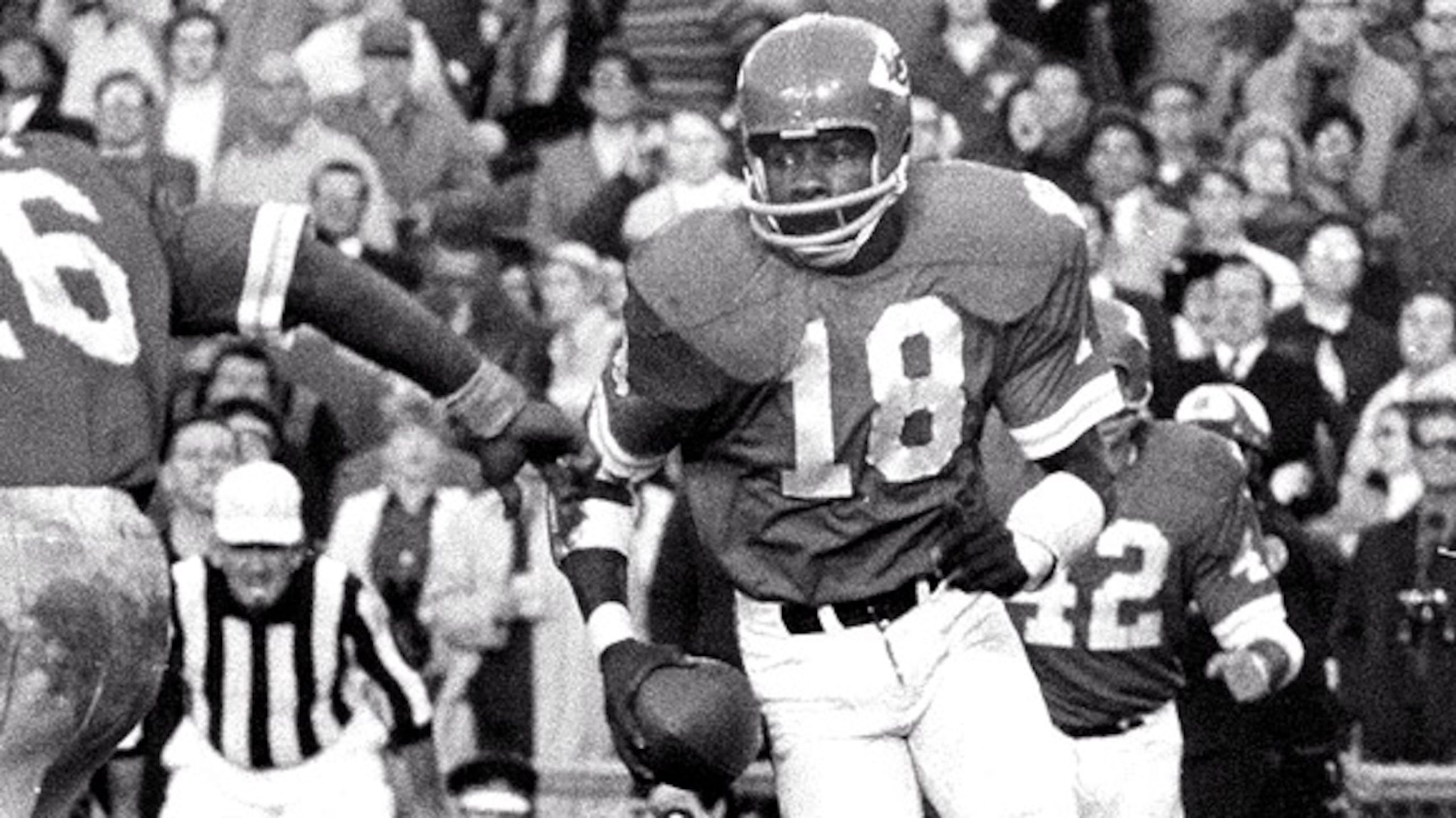
College: Bishop
Rookie Season: 1966
Teams: Kansas City Chiefs (1966-78)
Career Achievements: five-time pro bowler, 58 interceptions, one Super Bowl ring (two more as a coach)
Both Thomas and Willie Wood were undrafted Hall of Fame defensive backs who met in the first Super Bowl. So they belong together on this list.....it's to hard to say which one was "better."
Thomas recorded 58 interceptions and scored five touchdowns.
But 1974 might have been his best season, and was one of the best seasons ever recorded by a defensive back.
Thirty years before Ed Reed won the Defensive Player of the Year award for posting nine interceptions, 358 returns yards, and a touchdown, Thomas picked off 12 passes for 214 yards and two touchdowns, all in a 14-game season.
No. 5: Nate Newton
22 of 26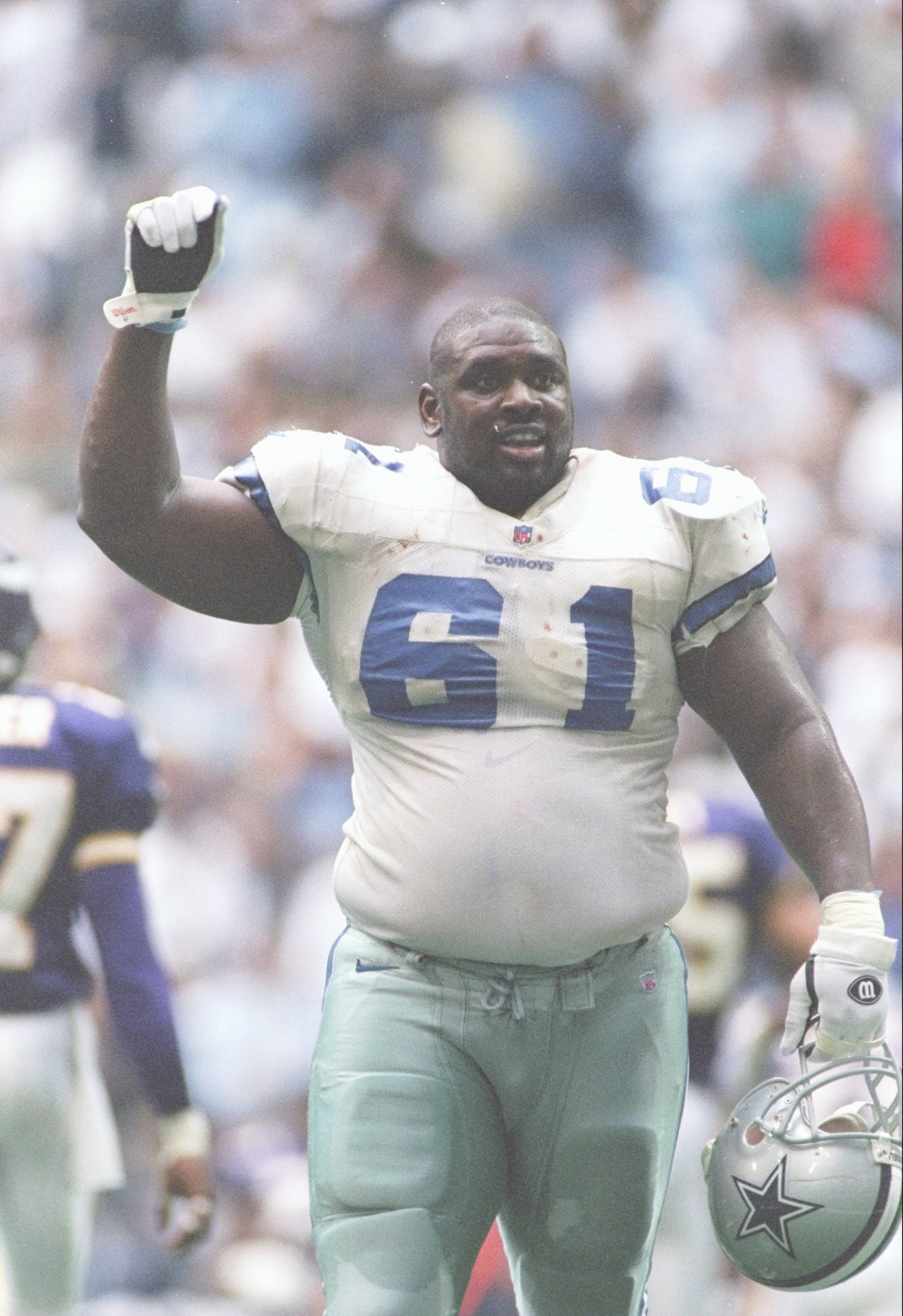
College: Florida A&M
Rookie Season: 1986
Teams: Dallas Cowboys (1986-98), Carolina Panthers (1999)
Career Achievements: three Super Bowl rings, six-time pro bowler
After two season with the Tampa Bay Bandits, blocking for Gary Anderson in Steve Spurrier's pre-fun-and-gun offense, Newton was signed by the Cowboys.
It took him a while, and the arrival of Jimmy Johnson, Michael Irvin, Emmitt Smith, and Troy Aikman), but Newton soon became the league's premier guard. Erik Williams and Mark Tuinei (another undrafted lineman) were exceptional as well. But Newton is probably the lone Hall of Famer.
A good portion of the credit for Smith's all-time record 18,355 rushing yards belongs to Newton.
No. 4: John Randle
23 of 26
College: Texas A&I
Rookie Season: 1990
Teams: Minnesota Vikings (1990-2000), Seattle Seahawks (2001-03)
Career Achievements: seven-time pro bowler, All 1990s team, 137.5 sacks
Several teams thought Randle was too small (six-feet, one-inch) to be an effective NFL defensive lineman, and he was passed up in the 1990 draft, in favor of more than a dozen other defensive linemen.
But in the end, Randle turned out to be the only defensive player from the 1990 class of players to make the Hall of Fame.
He caught on with Minnesota, where, beside Chris Doleman and Henry Thomas, he became a perpetual double-digit sack artist.
He led the NFL with 15.5 in 1997 and when he retired, ranked (tied for) fifth all-tiime.
No. 3: Antonio Gates
24 of 26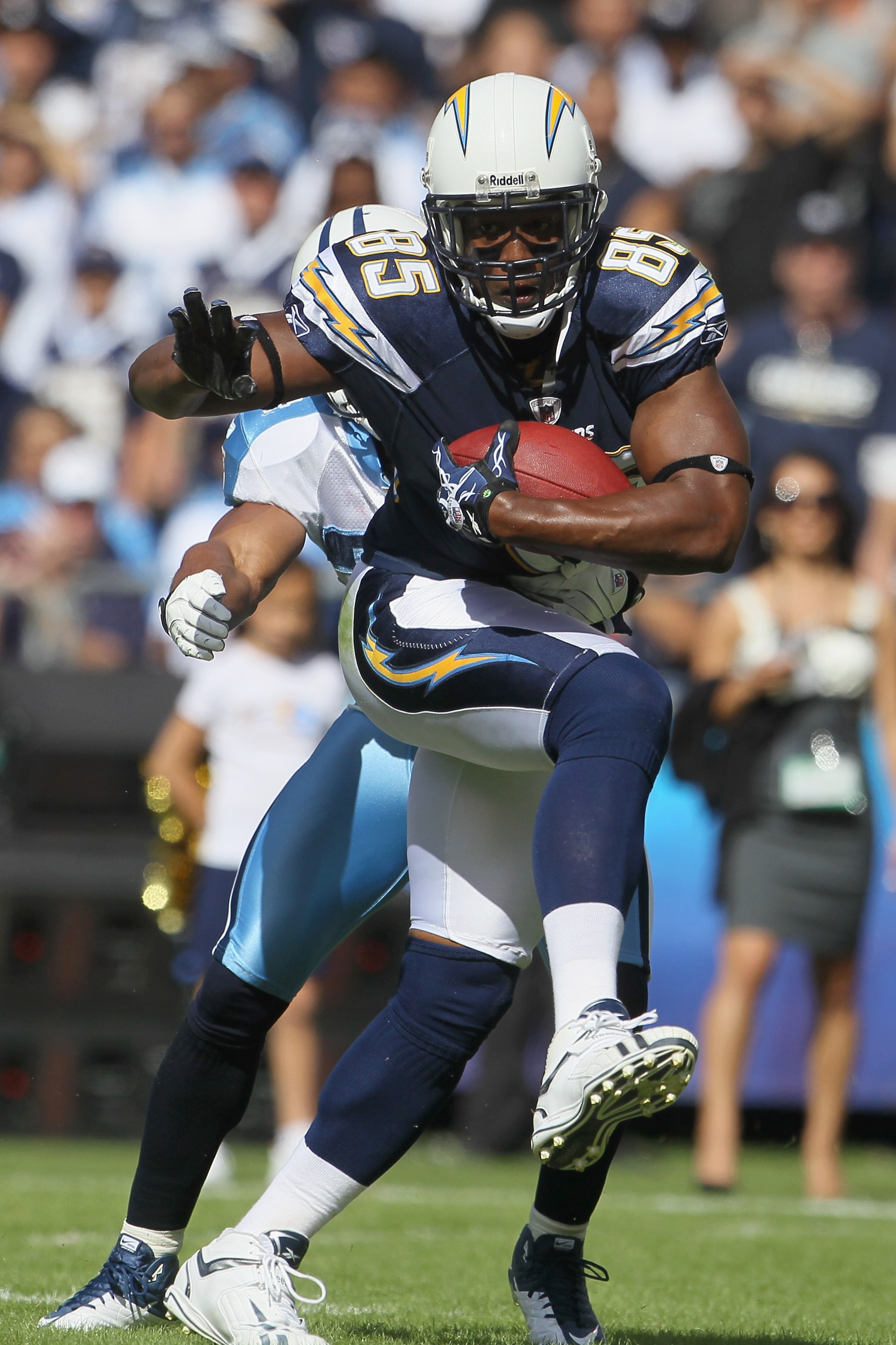
College: Kent State (that makes three former Golden Flashes on this list)
Rookie Season: 2003
Teams: San Diego Chargers (2003-present)
Career Achievements: three-time All-Pro, six-time pro bowler, 68 touchdowns
Tony Gonzalez is probably the best tight end of the 21st century, but within a few years, another former college basketball player might break several of his records.
Gates signed with the Chargers in 2003 and since his second year in the NFL has averaged 76 catches, 972 yards, and nine touchdowns every season.
Despite missing two games this year with a painful foot injury, he is still on pace to record his third 1,000-plus yard season.
No. 2: Warren Moon
25 of 26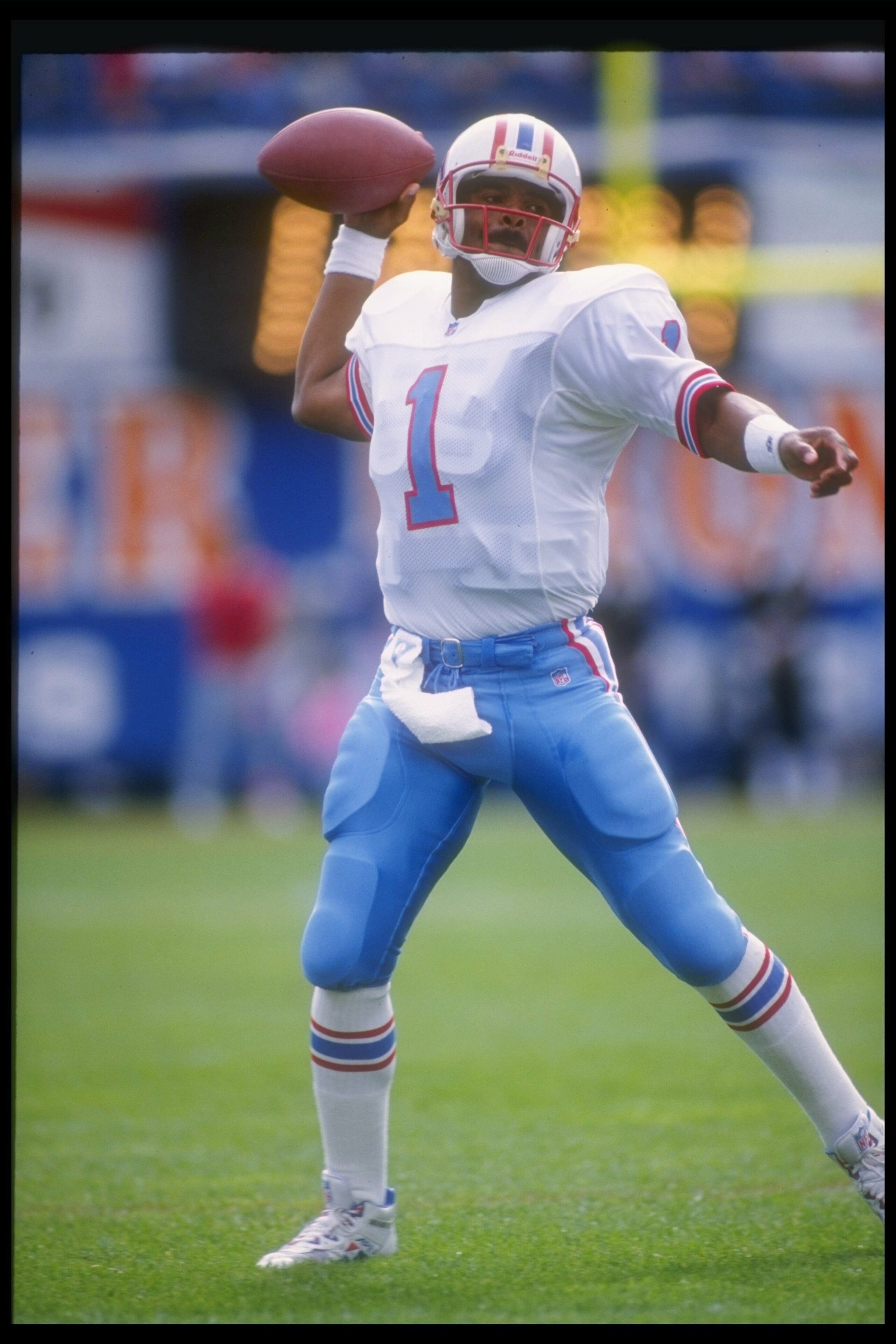
College: Washington
Rookie Season: 1984
Teams: Houston Oilers (1984-93). Minnesota Vikings (1994-96), Seattle Seahawks (1997-98), Kansas City Chiefs (1999-2000)
Career Achievements: nine-time pro bowler, 49,325 yards passing, 350 touchdowns
For whatever reason (race may have been the main factor), Moon went undrafted after leaving Washington in 1978.
He spent six seasons in the CFL proving he was a great thrower, winning five Grey Cups and two Grey Cup MVPs.
The Oilers finally signed him in 1984 and he immediately became a full-time starter. He struggled with interceptions for a few seasons, but by the late 1980s, he was one of the league's best passers.
In both 1990 and 1991 he led the NFL in attempts, completions, and yards, and tossed 55 combined touchdowns for the playoff bound Oilers.
He may never have reached a Super Bowl, but Moon was elected to the Hall of Fame in 2006 and still ranks in the top six all time for career yards, completions, attempts, and touchdowns.
No. 1: Kurt Warner
26 of 26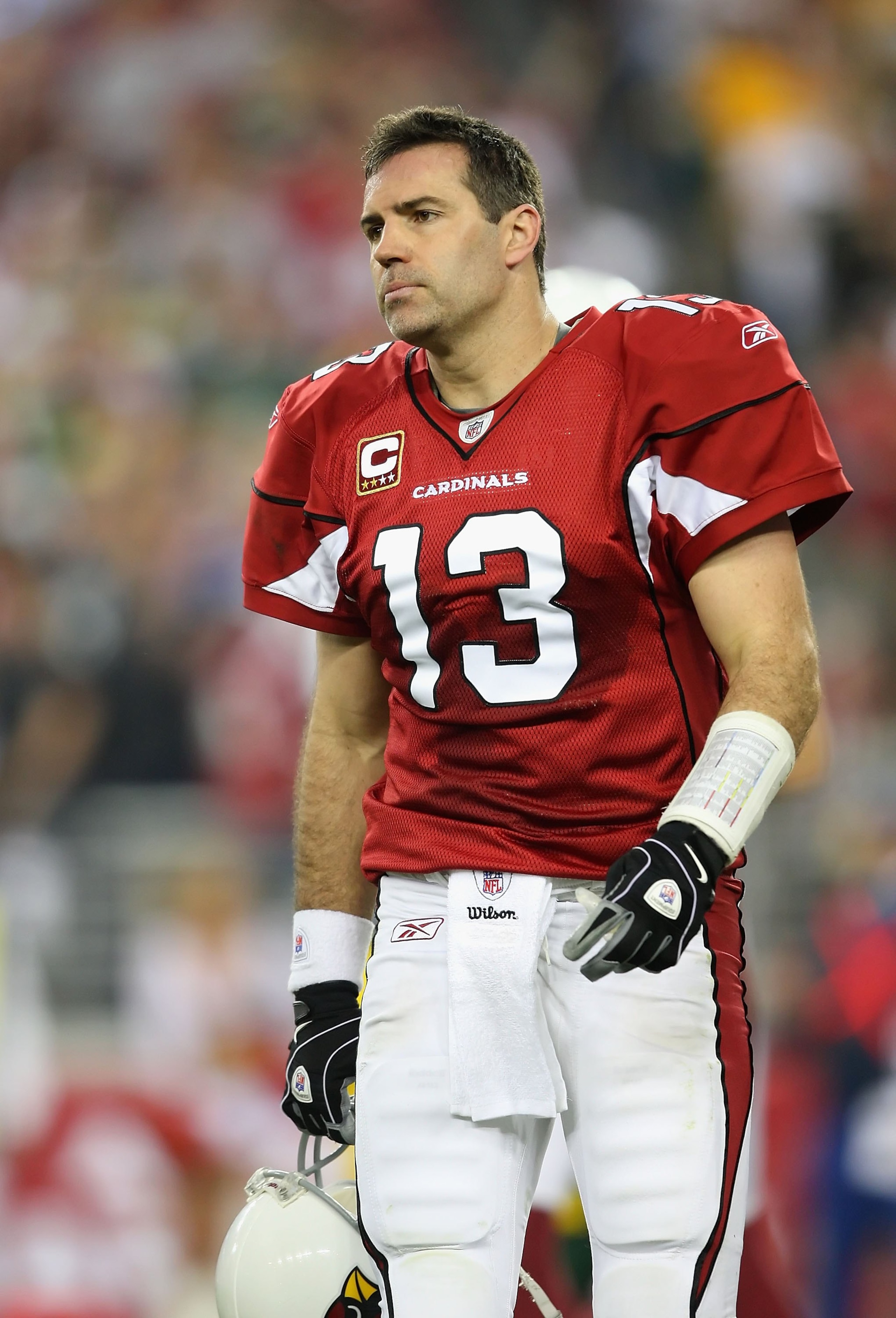
College: Northern Iowa
Rookie Season: 1998
Teams: St. Louis Rams (1998-2003), New York Giants (2004), Arizona Cardinals (2005-09)
Career Achievements: two-time NFL MVP, three Super Bowl appearances, four-time pro bowler
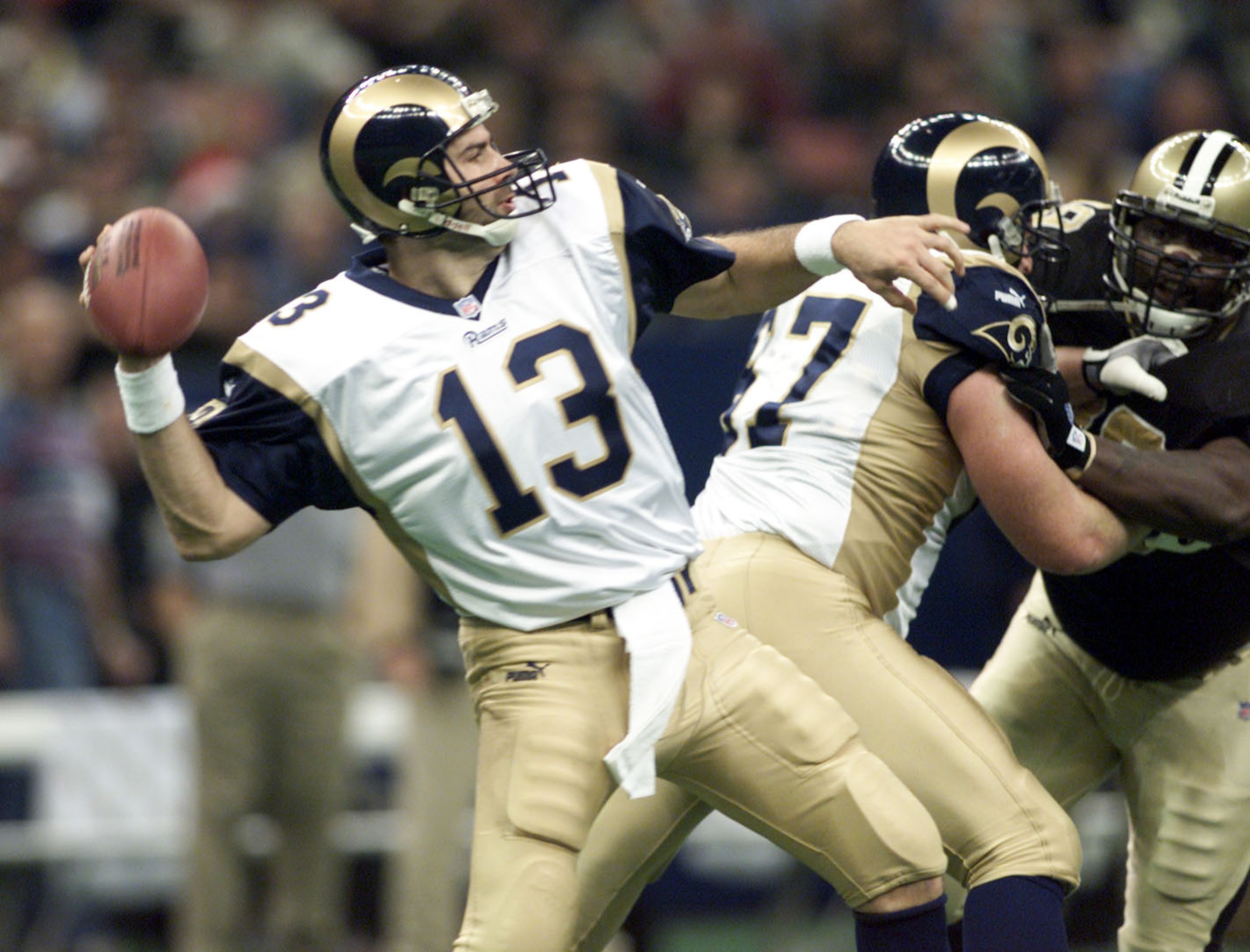
By now, you know the story: former grocery bagger and Arena leaguer wins league MVP and Super Bowl MVP in a Cinderella story that Hollywood studios would laugh at.
Warner was a great player for St. Louis from 1999-2001 and will be best remembered as a Ram. But he tops this list (and edges out Warren Moon) because of his career rebirth in Arizona.
He might as well have been another undrafted free agent with zero expectations when the Cardinals signed him in 2005: he had been a total washout in New York.
But like all great undrafted stars, he (again) defied logic to emerge as a superstar.
After taking over for first rounder Matt Leinart, Warner enjoyed another incredible three-year stretch with an underdog franchise: from 2007-09, Warner averaged 3,917 yards and 28 touchdowns, almost as good as what he did with the Rams.
Oh, and in just three Super Bowl appearances, fewer than Joe Montana, Tom Brady, John Elway, and Jim Kelly, Warner owns the record for passing yards with 1,156 (an incredible 386 per game).
.jpg?w=2560 "Cardinals Giants Football")
.jpg?w=2560 "Jets Dolphins Football")



.jpg?w=2560 "Mahomes' Wife Trolls Kubiak 💀")