

NASCAR's 15 Most Underrated Drivers of All Time
NASCAR has its champions and winners, the struggling drivers who try to make the field week after week and all the drivers in between who are trying to make their mark in the sport they love.
There is a group of drivers who performed well throughout the history of NASCAR. They won a lot of races, maybe even a championship title in the top-tier of the sport, yet when you talk about the legends or the modern era drivers, their worth to the sport is not fully recognized.
It is hard to define precisely what makes a driver underrated, but recognition of their accomplishments seems to generally get discounted. Perhaps it is because media failed to devote sufficient attention to the driver as time passed all too quickly, and the driver retired from the spotlight.
Some of the drivers have passed from this life and though they will never be forgotten, focus on what they gave to NASCAR and its fans has diminished.
There are active drivers who are young and look very promising as future winners, but they really can't be considered underrated just because media doesn't focus on their ability. They have not raced long enough to be judged fairly for their accomplishments.
The other group of active drivers has proven talent, wins and good statistics, but though they may race as well as drivers who garner more attention for whatever reason, their accomplishments fail to be recognized as much as they deserve.
The following 15 drivers have performed quite well in NASCAR's top-tier of racing. It is somewhat difficult to have an absolute criteria being that some drove in the early days and every decade since right up to the present day.
They are listed more by era than by ranking. Let's take a look at drivers who may well be the most underrated drivers in the history of NASCAR. See what you think.
Herb Thomas
1 of 15
Herb Thomas began running the NASCAR series when it began with his first win coming at Martinsville in 1950.
Thomas raced Hudson Hornets and won the Grand National (Sprint Cup) title in 1950 and 1951. He went on to win 48 races out of 230 starts during his career.
The North Carolina native came in second for the series title in 1952, 1954 and 1956. Thomas also won three Southern 500's at Darlington in 1951, 1954 and 1955.
Thomas ran his last race in the Hornet when the 1955 season came around as other teams began running more Chryslers and Oldsmobiles. Car owner, Smokey Yunick switched to the lighter Chevrolets, and Thomas won his final Southern 500 with a single set of Firestone Super Sport racing tires.
A racing accident ended his career. Yunick was quoted as saying, " He was as good as they came and, they have never given him enough credit for his ability."
Thomas died in 2000 at age 77.
Information courtesy of: Legends of Nascar
Junior Johnson
2 of 15
Junior Johnson, the NASCAR Hall of Fame owner, was quite the NASCAR Grand National (Sprint Cup) driver.
Johnson was a legend in the moonshine business with his ability to outrun the authorities. He invented the "bootleg turn" which put the car in a 180-degree turn on the highway, and he sped off in the opposite direction.
He ran his first Cup race in 1953 at Darlington. His first win on a superspeedway came at Daytona in 1960 with crew chief, Ray Fox.
Johnson wanted an advantage, so he discovered "slip-streaming" where he pulled in tight behind a faster car and his speed increased, thus drafting as we know it was invented.
The legendary car owner has winning statistics as a driver that shows 313 starts during 14 years with 50 wins and 148 top-10 finishes.
Tim Flock
3 of 15
Tim Flock came from a racing family including brothers Bob Flock and Fonty Flock. His sister, Ethel Mobley, was NASCAR's second female driver.
Flock began driving NASCAR's Strictly Stock (Sprint Cup) class in 1949. His first win came in 1950 at Charlotte Speedway.
The Alabama driver had 19 poles and 18 victories in 45 races, a record broken by Richard Petty in 1967. The 19 poles in a single season for the Cup series still stands.
Flock ran 187 races during 13 years with 40 wins, 129 top-10's and 38 poles.
The driver who had a Rhesus monkey, "Flocko Jocko" in his car when he won at Hickory Speedway in 1953, died of lung cancer in 1998.



Fred Lorenzen
4 of 15
Fred Lorenzen was the good-looking, charismatic Illinois native who started racing open-wheel cars and late models.
Lorenzen, nicknamed "The Golden Boy", became serious about NASCAR's top series of racing in 1961. He won 26 races, 32 poles, 84 top-10's and the 1965 Daytona 500.
He was best known as the driver for the white and blue No. 28 Ford for Holman-Moody from 1961 to 1967. During that time, he was known as one of NASCAR's all-time best drivers and was the first driver to earn over $100,000 in one season.
Despite his highly respected record, Lorenzen's name often does not garner the recognition he deserves.
Benny Parsons
5 of 15
Benny Parsons, a native of North Carolina, drove a taxi cab in Detroit before he began racing in NASCAR. His career began when he raced one time in 1964 for Holman-Moody. He raced in the ARCA series and won championships in 1968 and 1969.
During 1969, Parsons had three top-10 finishes in four Cup races. By 1973, he was able to win the NASCAR Winston Cup (Sprint Cup) championship.
Parsons went on to win 21 races with 283 top-10's and 20 poles. The final win for the well-liked driver was in 1984. In 1987, he went to Hendrick Motorsports as a substitute driver for the ailing Tim Richmond.
Parsons permanently retired from racing in 1988 and became a television commentator for NASCAR related programs and race coverage. He remained close to the drivers he raced with and reported on.
A diagnosis of lung cancer in 2006 shocked all who knew him. He had given up smoking many years earlier. Later Parsons announced treatment had been successful, but complications from his treatments for the cancer took his life in 2007.
LeeRoy Yarbrough
6 of 15
LeeRoy Yarbrough was born in Jacksonville, Florida where he built his own car and won a race at a local dirt track when he was 19 years of age.
The young driver raced in NASCAR's Sportsman (Nationwide) division and then to modifieds where he won 83 races in three consecutive years.
Yarbrough won his first NASCAR Grand National (Sprint Cup) race in 1964. His banner year was 1969 when he won seven races including the Daytona 500. His statistics show 14 wins, 92 top-10's and 10 poles.
Factory withdrawal contributed to his inability to get a good ride and after he failed to qualify for the 1973 Daytona 500, he vanished from the NASCAR scene.
In 1984, he died from head injuries suffered in a fall at age 46.
Harry Gant
7 of 15
Harry Gant was known as "Handsome Harry Gant" and was known for driving the No. 33 Skoal Bandit car. His career in NASCAR took off when he raced in the second-tier series currently known as Nationwide. He won 300 races and three titles in 1972, 1973 and 1974.
In 1973, he ran his first Cup race. In 1987, he began driving the Skoal Bandit car for Hal Needham, Burt Reynolds and Leo Jackson.
Gant finished second 10 times before winning his first race in 1982. He was runner-up to NASCAR Winston Cup (Sprint Cup) champion, Terry Labonte, in 1984.
Gant became known as "Mr. September" when he won all four September Cup races and two Busch (Nationwide) races in 1991 at the age of 51.
His statistics show 18 wins, 208 top-10's and 17 poles during 474 Cup races over a period of 22 years. He holds the record as the oldest driver to win a Cup race at 52 years, 219 days of age.
He retired from NASCAR's top-two series in 1994. Gant remains active and fit working on his ranch.
Ricky Rudd
8 of 15
Ricky Rudd is known as the "Ironman" for having started 788 consecutive Cup races. He drove his first race at North Carolina Speedway (Rockingham) in 1975.
Rudd drove the No. 88 Digard Chevrolet for a year then moved to Richard Childress Racing in 1982 where he got his first win in 1983.
In 1984, Rudd swapped rides with Dale Earnhardt and took over the No. 15 Wrangler Jeans Ford for Bud Moore with Earnhardt joining Richard Childress Racing.
Rudd formed his own team with Tide as his sponsor. He had several wins but was burned from hot outside air temperatures combined with a broken cooling system at Martinsville in 1998. Even though he won the race, his season was plagued with problems, and Tide discontinued their sponsorship.
Rudd drove his last Cup race in 2007. His record shows 23 wins, 374 top-10's and 29 poles during 906 races over 32 years.
Bobby Labonte
9 of 15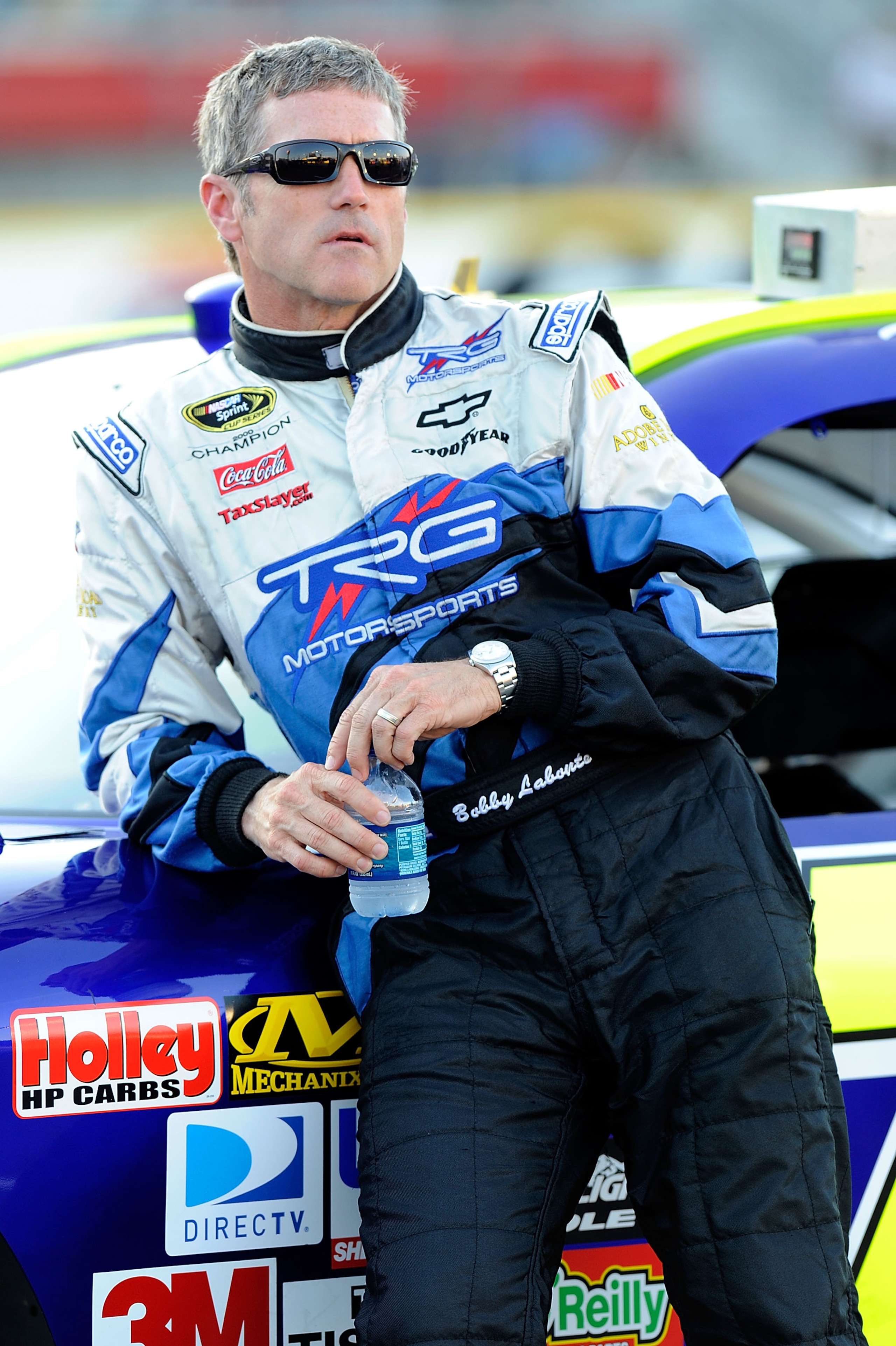
Bobby Labonte raced quarter midgets in Texas but moved to North Carolina when his brother, Terry Labonte, moved to the NASCAR Cup series.
He drove late models and advanced to the Busch (Nationwide) series eventually forming his own team with the No. 44 Slim Jim Oldsmobile. He had 10 wins and 100 top-10 finishes in that series. He became the 1991 Busch (Nationwide) Champion.
In 1995, after two years with the team, Labonte left Bill Davis Racing to join Joe Gibbs Racing in the No. 18 Interstate Batteries Chevrolet where he got his first Winston Cup (Sprint Cup) win. He became the Winston Cup (Sprint Cup) Champion in 2000.
Labonte's statistics show 21 wins, 199 top-10's and an average finish of 18.5. He will race for JTG Daugherty Racing in 2011, replacing Marcos Ambrose.
Jeff Burton
10 of 15
Virginia native, Jeff Burton, began driving in the NASCAR Busch series (Nationwide) during 1988, then moved to the Winston Cup (Sprint Cup) series in 1993.
Burton drove for several owners including Stavola Brothers and Roush Racing. He signed a contract with RCR in 2004 to run the No. 31 car previously driven by Robby Gordon.
Currently, Burton is driving the No. 31 Caterpillar Chevrolet at RCR. He finished 12th in the NASCAR Sprint Cup point standings this year. His statistics show 21 wins, 237 top-10's and an average finish of 16.0.
Matt Kenseth
11 of 15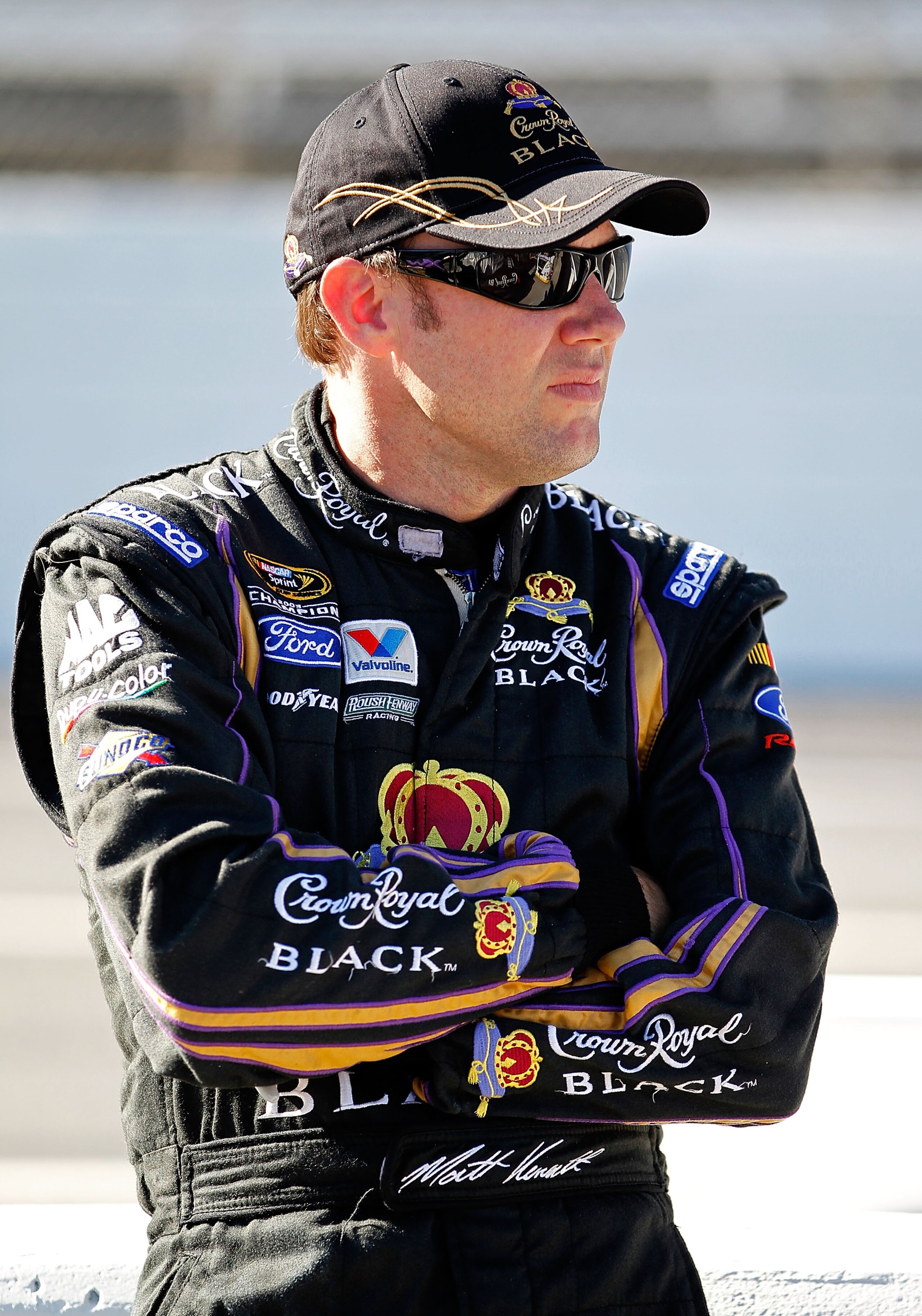
Matt Kenseth, the Wisconsin native, ran cars in the ASA and Hooter's Late Model series before moving to the Busch (Nationwide) series in 1997 with owner/crew chief, Robbie Reiser.
Kenseth moved to the Winston Cup (Sprint Cup) series substituting for Bill Elliott in 1998 at Dover. He finished sixth, the third best debut of any Cup driver.
Kenseth joined Roush Racing in 2000. During the 2003 season, he led the NASCAR point standings for 33 weeks but only had one win. His win of the NASCAR Championship triggered criticism and discussions that resulted in the formation of the new points playoff system known as the Chase for the 2004 season.
Currently, he drives the Crown Royal No. 17 Ford for Roush Fenway Racing, and he finished fifth in the NASCAR Sprint Cup point standings this season. His career statistics show 18 wins, 189 to-10's and an average career finish of 14.8.
Greg Biffle
12 of 15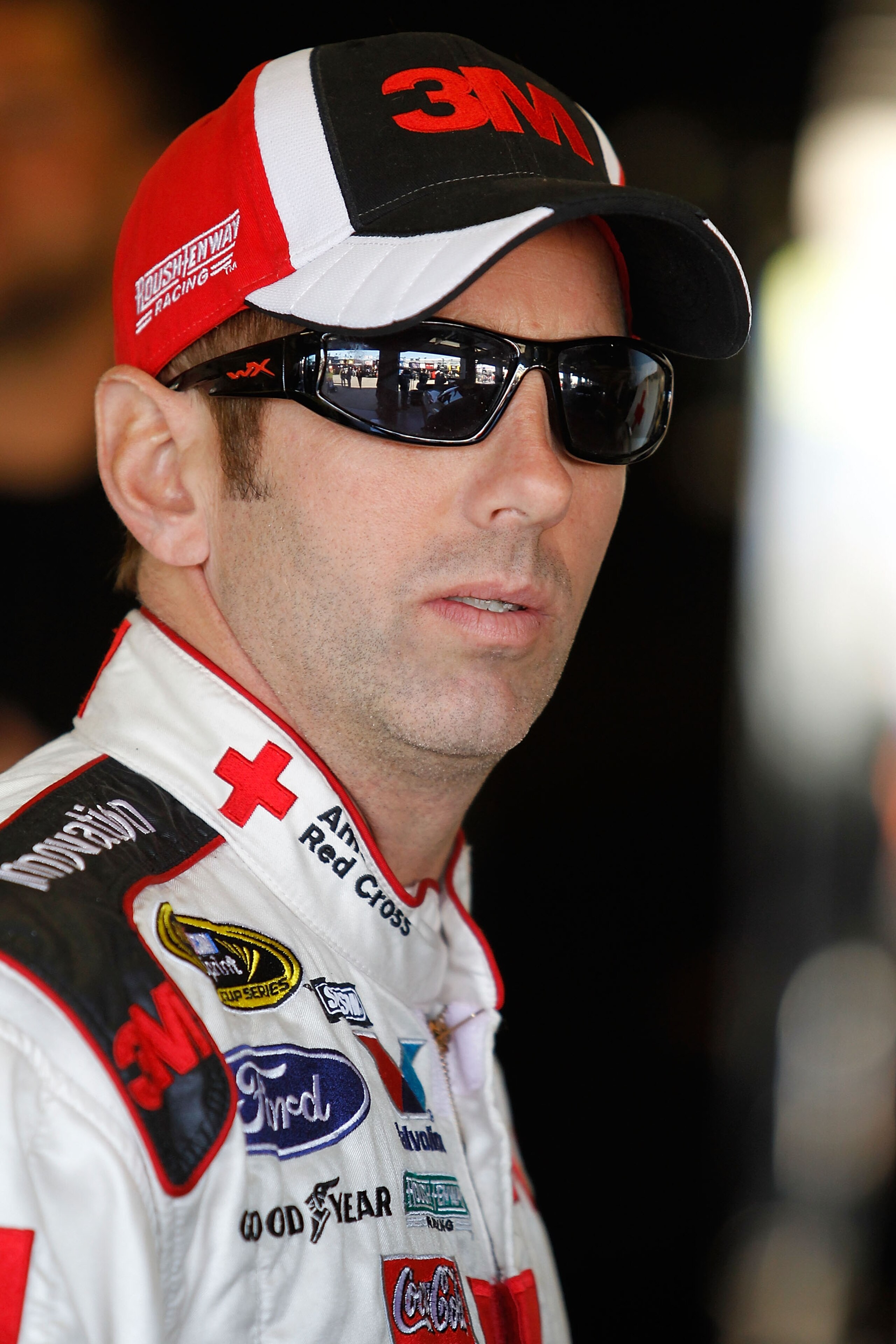
Greg Biffle, a native of the Pacific Northwest, raced on short tracks and the Winston West Series in 1996. He ran a few Busch (Nationwide) races and moved to the the NASCAR Craftsman Truck Series (Camping World) for Roush Racing, winning the series title in 2000.
Biffle raced in the Busch (Nationwide) Series in 2001, becoming Rookie of the Year, and he was the series Champion in 2002.
During 2002, Biffle began racing in the Cup series but didn't run a full schedule until 2003.
The Roush Fenway driver of the 3M Ford finished this season sixth in the point standings. He has 16 career wins in NASCAR's top series with 113 top-10's and an average finish of 16.5.
Ryan Newman
13 of 15
Ryan Newman graduated from Purdue University in 2001 with a B.S. in vehicle structure engineering. He is the only active NASCAR driver to have a college degree.
He started racing with quarter-midgets where he won 100 feature races and two titles. He moved to the Midget Series and Silver Crown in 1996.
In 2000, Newman began racing for Roger Penske and won three of five ARCA RE/MAX Series events, then made his debut in Winston Cup (Sprint Cup) in 2001. He also ran the Busch (Nationwide) series where he has seven wins and a win in the NASCAR Truck Series.
Newman announced he was leaving Penske at the end of 2008 to join Tony Stewart at Stewart-Haas Racing.
Driving the US Army Chevrolet, Newman finished 15th in the point standings this year. His career statistics show 14 wins, 135 top-10's and an average finish of 16.9.
Clint Bowyer
14 of 15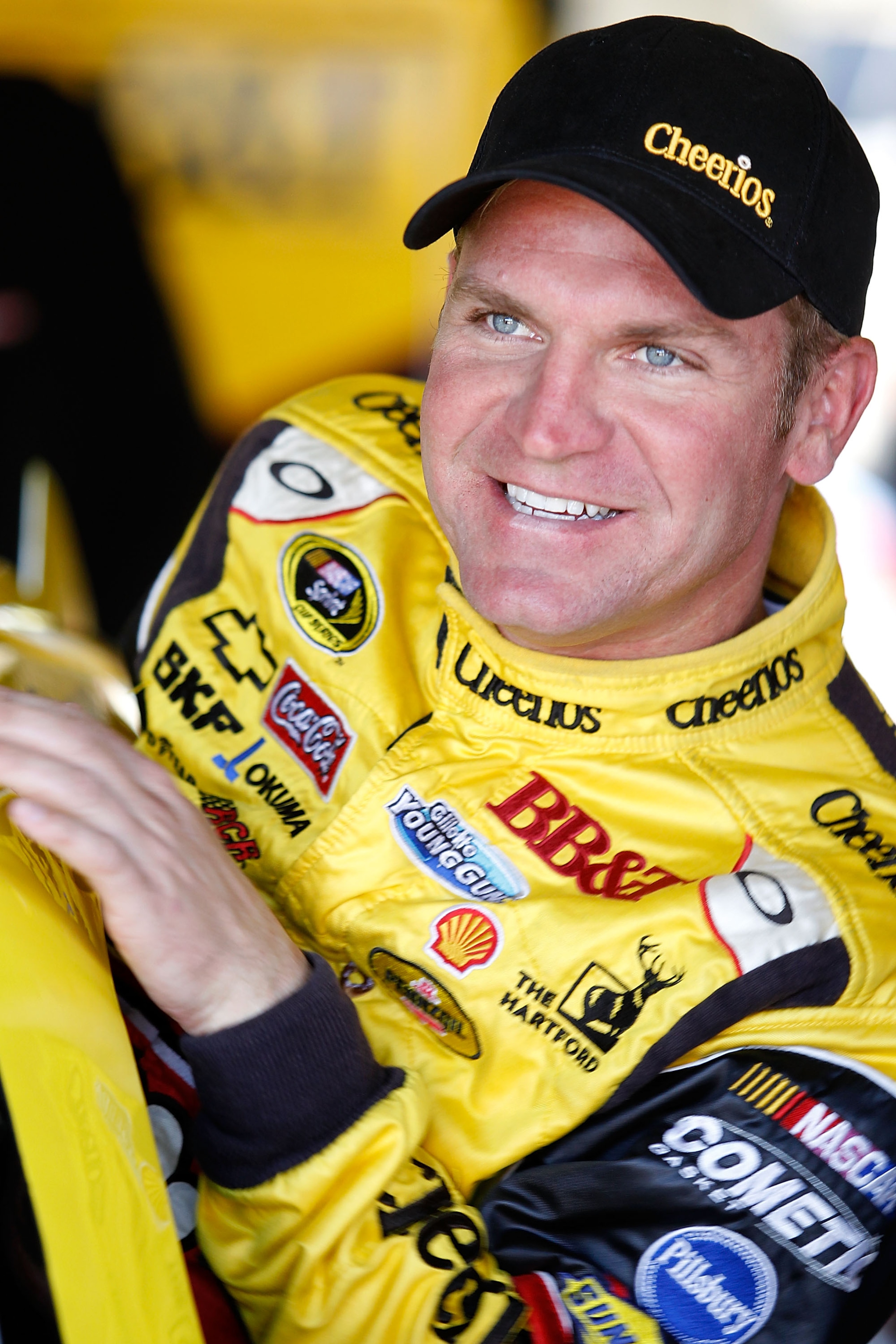
Clint Bowyer is a Kansas native who began racing motocross at age five, and he captured wins and championships during the following years. In 1996, he moved to street stocks, then modifieds where he won a championship. Bowyer went on to late model asphalt racing as opposed to dirt and won another title.
In 2003, Bowyer caught the eye of Richard Childress at an ARCA race at Nashville Superspeedway. The 2004 season found the young man from Kansas running in the Busch (Nationwide) Series along with Kevin Harvick for Richard Childress Racing.
His first full season in NASCAR's second-tier was 2005. Late that year, it was announced he would replace Dave Blaney in the No. 07 Chevrolet for RCR in the 2006 season.
Currently, Bowyer drives the No. 33 Cheerios/Hamburger Helper Chevrolet for RCR. He finished 10th in the final NASCAR Sprint Cup points standings. His record in the Cup series shows four wins, 79 top-10's and an average finish of 15.4.
Jamie McMurray
15 of 15
Jamie McMurray was the World Go-Kart Champion in 1991. He went on to late models, modifieds and trucks.
During 2001 and 2002, McMurray raced in the NASCAR Busch (Nationwide) series. In September of 2002, Chip Ganassi announced McMurray would drive the No. 42 Dodge for seven race in the remainder of the season.
In 2003, McMurray won the Rookie of the Year title in NASCAR's top series.
McMurray decided to leave the No. 42 ride to join Roush Fenway Racing. Ganassi tried to hold him to his contract but later released him. He joined RFR driving the No. 26 Ford.
The 2008 season found him as low as 36th in points, but he climbed back to finish 16th in the points. In 2009, he was allowed to leave Roush Fenway Racing so they could reach the NASCAR mandated maximum of four teams. He finished the season with a win at Talladega.
In 2010, McMurray reunited with Chip Ganassi at Earnhardt Ganassi Racing. It proved to be a very good move as McMurray won two prestigious races, the Daytona 500 and Brickyard 400 and the fall race at Charlotte Motor Speedway.
The driver of the No. 1 Bass Pro Shops Chevrolet has six Cup wins with 92 top-10's and an average finish of 19.0. McMurray finished 14th in the NASCAR Sprint Cup point standings this year.

.jpg?w=2560 "Colts Football")
.jpg?w=2560 "Mahomes Asked OT to Leave Meeting")



