25 Cities, 25 Champions: The Greatest Titles of America's Biggest Sports Cities
25 Cities, 25 Champions:
We're not going to try to debate what the 25 biggest cities are: That's an argument for another website.
But inside are 25 of the biggest sports cities in the United States. And for each one we've picked a team that earned them their most memorable or most important championship in the city's history.
Formulating a criteria for naming the best championship is complicated. But it's some combination of these elements:
1) Exciting nature of the victory.
2) Long-lasting impact of the victory.
3) Did it turn out to be the last championship for a long time?
4) Did it break a long dry spell?
5) What place does that championship have in the sport's history?
(Honorable Mention) New Orleans, Louisiana: Super Bowl XLIV
1 of 26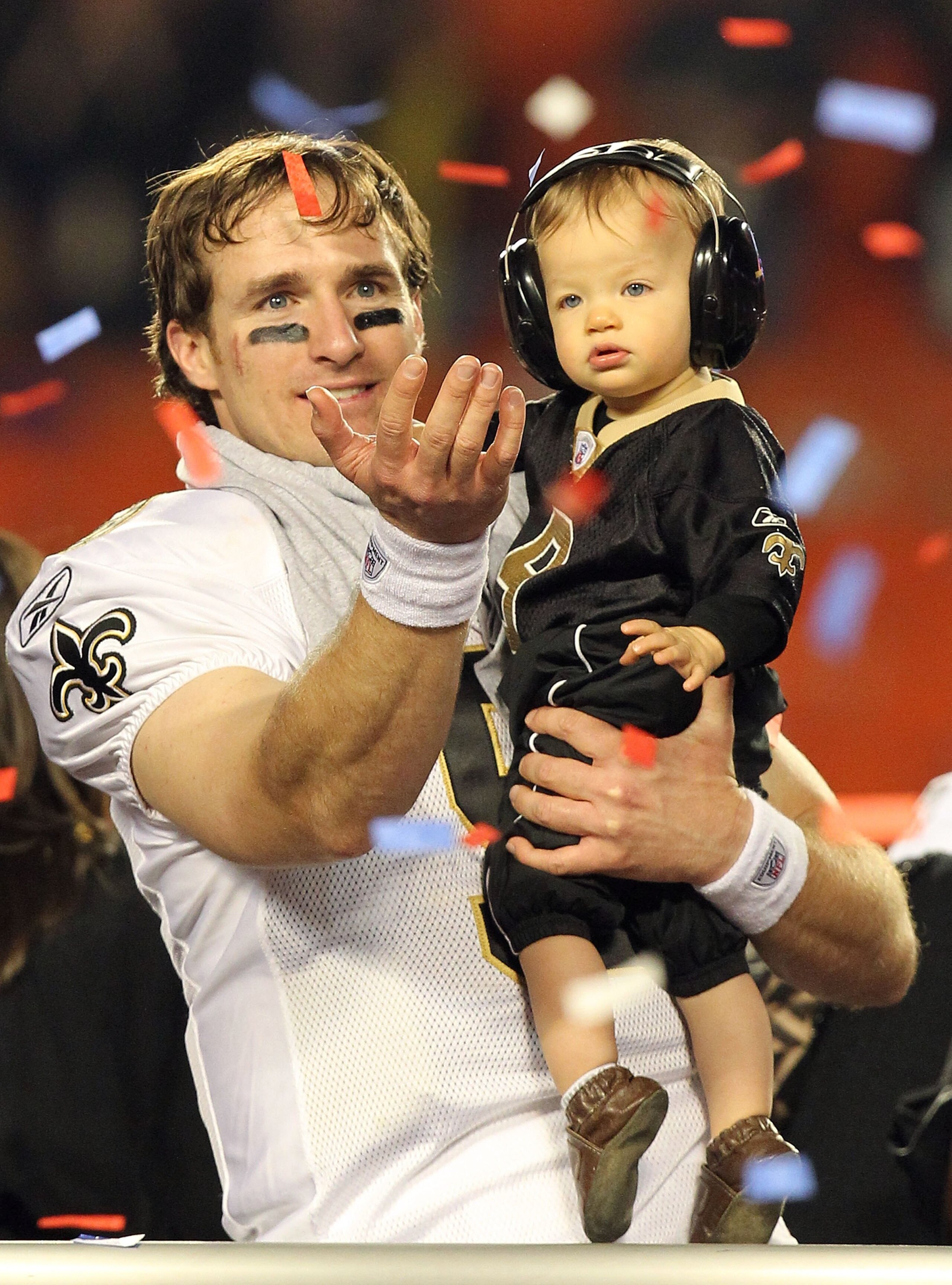
The Setup: Since their inception in 1967, the Saints were not a very good franchise. They wasted Archie Manning's talent, brought in great players and head coaches (Earl Campbell, Ken Stabler, Mike Ditka, Bum Phillips) way too late, and failed to have a winning season until 1987.
Worse yet, they didn't win a single playoff game in the 20th century. They came close to the Super Bowl in 2006, then met the Colts in Super Bowl XLIV, where the team once known as the Aints overcame a fourth quarter deficit to win 31-17.
Reason It's the Best: Yes, there are no other championships to compare this one to. But that doesn't make it any less special for the Big Easy. Their win in February 2009 was as special as any win in the history of any other sports franchise.
Runner-Up: N/A
Indianapolis, Indiana: Super Bowl XLI
2 of 26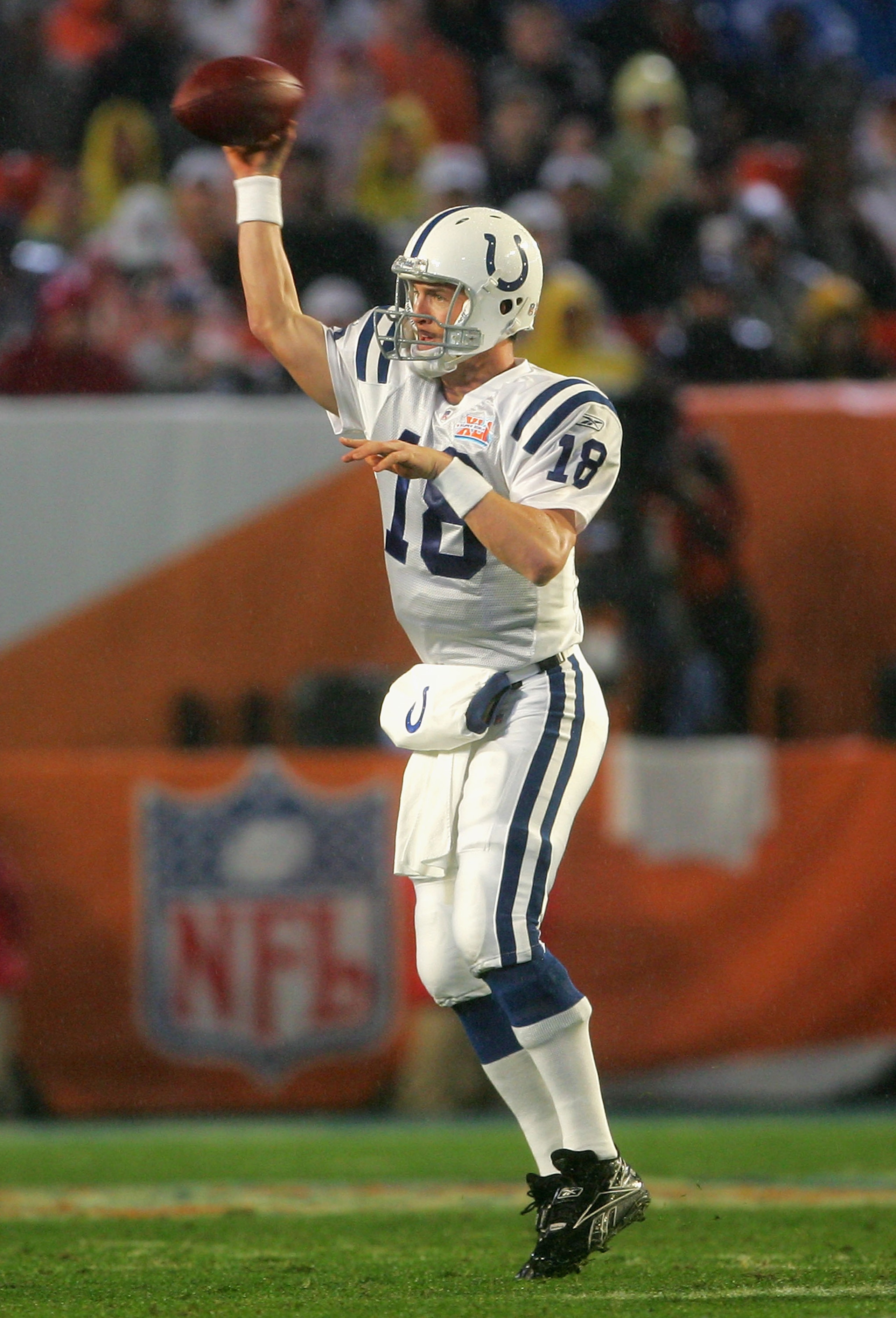
The Setup: Although they weren't quite as "tragic" as some of Denver's losses two decades earlier, the Colts of the 2000s endured some terribly heartbreaking losses.
They seemed unable to defeat the New England Patriots and Tom Brady in 2003 and 2004, and after finally earning home-field advantage in 2005, they were stunned in the first round by the sixth-seeded Pittsburgh Steelers.
The centerpiece of the franchise, quarterback Peyton Manning, was starting to get the rap once held by John Elway: unable to win "the big one." That reputation had started back in his days at the University of Tennessee.
The 2006 season gave the club a rematch with their playoff rivals, Bill Belichick and Tom Brady's New England Patriots, but this time at home. In the AFC Championship Game, Manning and the Colts overcame a 21-6 halftime deficit and won the game to achieve the first ever Super Bowl appearance for the Indianapolis Colts.
Reason It's the Best: The Colts moved to Indianapolis in 1984 and went through some hard times during the next two decades.
Finally overcoming the franchise's woes, as well as "getting the monkey off" of Peyton Manning's back, made this a very special moment for the city that had crowned so many auto-racing champions but never been crowned a champion itself.
Runner-Up: 1970 ABA Finals (Indiana Pacers)
Phoenix, Arizona: 2001 World Series
3 of 26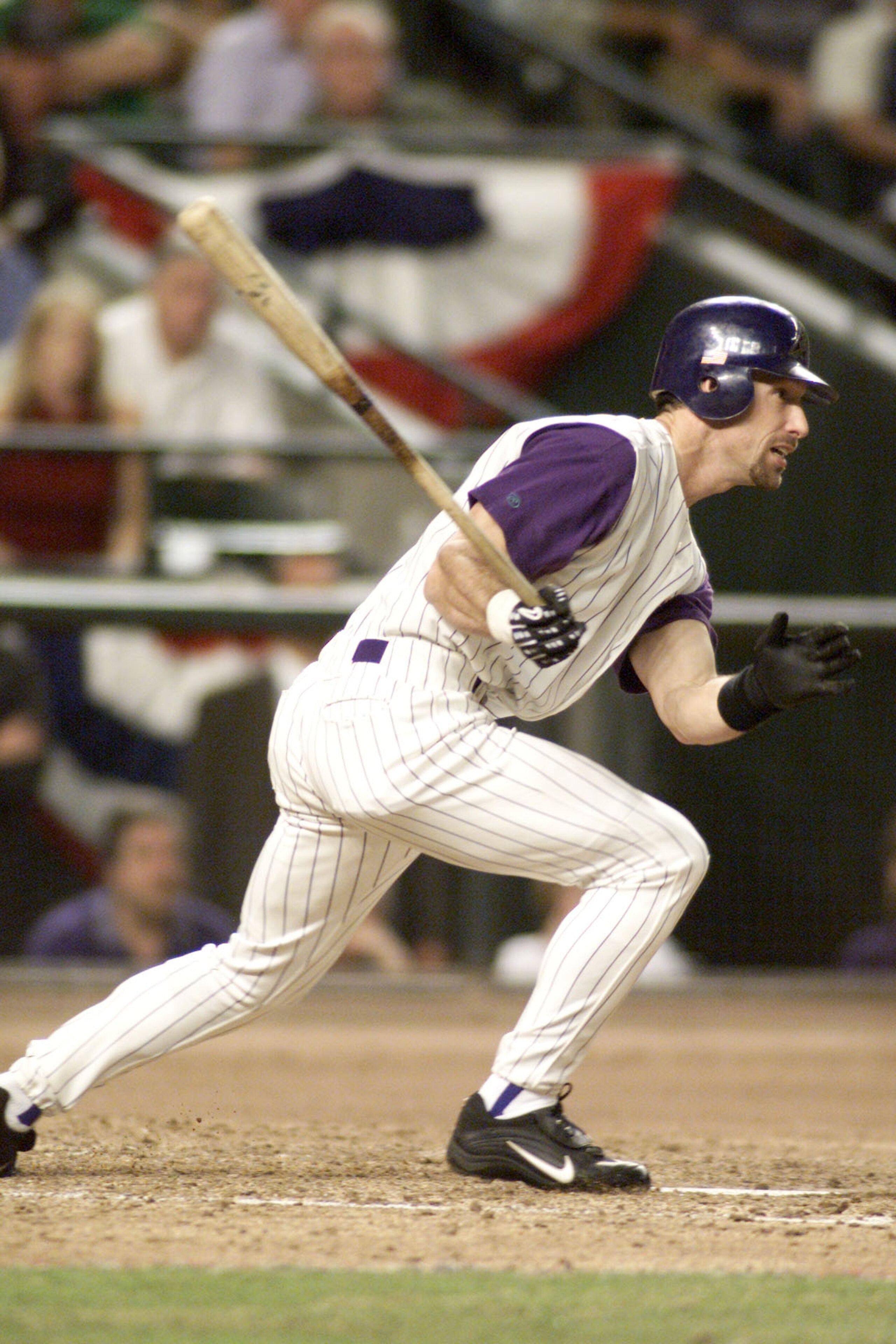
The Setup: Phoenix is the fifth-largest city in the Unites States, but its sports history isn't very rich. The population has skyrocketed in the last few decades but there isn't much of a sports tradition.
Still, there have been a few close calls for the town's sports franchises. The Suns almost won NBA titles in 1976 and 1993. And the Arizona Cardinals came within one Santonio Holmes miraculous catch of beating the Steelers in Super Bowl XLIII.
But the only world championship for the city came in 2001, and was won by a team that had only been in existence for four years.
Thanks to Luis Gonzalez's bottom-of-the-ninth single off Mariano Rivera, the Arizona Diamondbacks defeated the three-time defending champion New York Yankees.
Reason It's the Best: That World Series was one of the most thrilling and poignant (coming just a few months after 9/11) in recent memory, and just because it was won by an "expansion" team, doesn't make it any less of an accomplishment.
Runner-Up: N/A



Seattle, Washington: 1979 NBA Finals
4 of 26
The Setup: Like Phoenix and Indianapolis, Seattle has a rich history of professional sports, despite not being as old of a city as a New York or St. Louis.
And there is only one world championship on the town's sports resume, although Seahawks came close in February 2006 and the Mariners nearly reached the World Series three times from 1995 to 2001.
The only team to have multiple appearances in their sport's title game is the now-defunct Seattle Supersonics. Led by Shawn Kemp and Gary Payton, the Sonics were an NBA Finals sacrificial lamb for Michael Jordan's historic Bulls team in 1995-96.
But 17 years earlier, led by head coach Lenny Wilkens, the Supersonics defeated the Washington Bullets in five games to earn the only title in the city's history....unless you count the world title for most coffee houses on one street corner.
Reason It's the Best: Although there isn't any challenger for this championship, the team led by Gus Williams, Dennis Johnson, Fred Brown and Jack Sikma holds a special place in the hearts of Seattle sports fans.
Runner-Up: N/A (Honorable Mention, 1991 University of Washington Football)
Oakland, California: Super Bowl XI
5 of 26
The Setup: Beginning in the late 1960s, the Raiders became one of the premier teams of the American Football League. From 1967 to 1976, they won three AFL West titles, then six consecutive AFC West titles in the after the merger with the NFL.
But the only time they won the AFL or the AFC in that span, they were walloped by the Packers in Super Bowl II.
Not only that, they lost several playoff games during those years in heartbreaking fashion to so-called dynasty teams. In 1970 and from 1973 to 1975, they lost the AFC Conference Championship game to the eventual Super Bowl winner.
They also lost to the Steelers in 1972 playoffs only because of the "Immaculate Reception."
After the Dallas Cowboys won Super Bowl VI, the Raiders were given the pejorative title of "Next Year's Champion." But they finally defeated the Steelers in 1976 AFC title game, then crushed the veteran Minnesota Vikings, 32-14, in the Rose Bowl stadium to claim their first title.
Reason It's the Best: The long string of near-championship teams was what made this one great.
But so was the fact that they defeated their playoff nemesis, Pittsburgh. Finally, the legends on that team—John Madden, Art Shell, Gene Upshaw, Ken Stabler, Cliff Branch, Ted Hendricks, Super Bowl MVP Fred Biletnikoff—make this the most important in the city's comparatively brief sports history.
Runner-Up: 1972 World Series (Oakland A's)
Kansas City, Missouri: 1985 World Series
6 of 26
The Setup: In 1985, the Royals returned to the World Series six years after their first-ever appearance in the Fall Classic, when they lost to another long-suffering franchise, the Philadelphia Phillies.
And in their second World Series, they met another team with which they had something in common: the same state.
The first ever "Interstate 70 World Series" pitted George Brett and the Royals against Ozzie Smith and Whitey Herzog's St. Louis Cardinals.
Kansas City won in seven games, but only after one of the most controversial plays in history: Don Denkinger's blown call at first base in Game 6, which the Royals eventually won after trailing 1-0 in the game and 3-2 in the series.
Reason It's the Best: KC was down 3-1 in the series before coming back with three wins, so it was an especially great triumph. And the infamous nature of the win in Game 6 makes the series especially memorable.
But because that World Series was the franchise's last postseason appearance and the only championship in 55 years of Kansas City baseball, it's the most significant in the city's history.
Runner-Up: Super Bowl IV (Kansas City Chiefs)
Houston, Texas: 1994 NBA Finals
7 of 26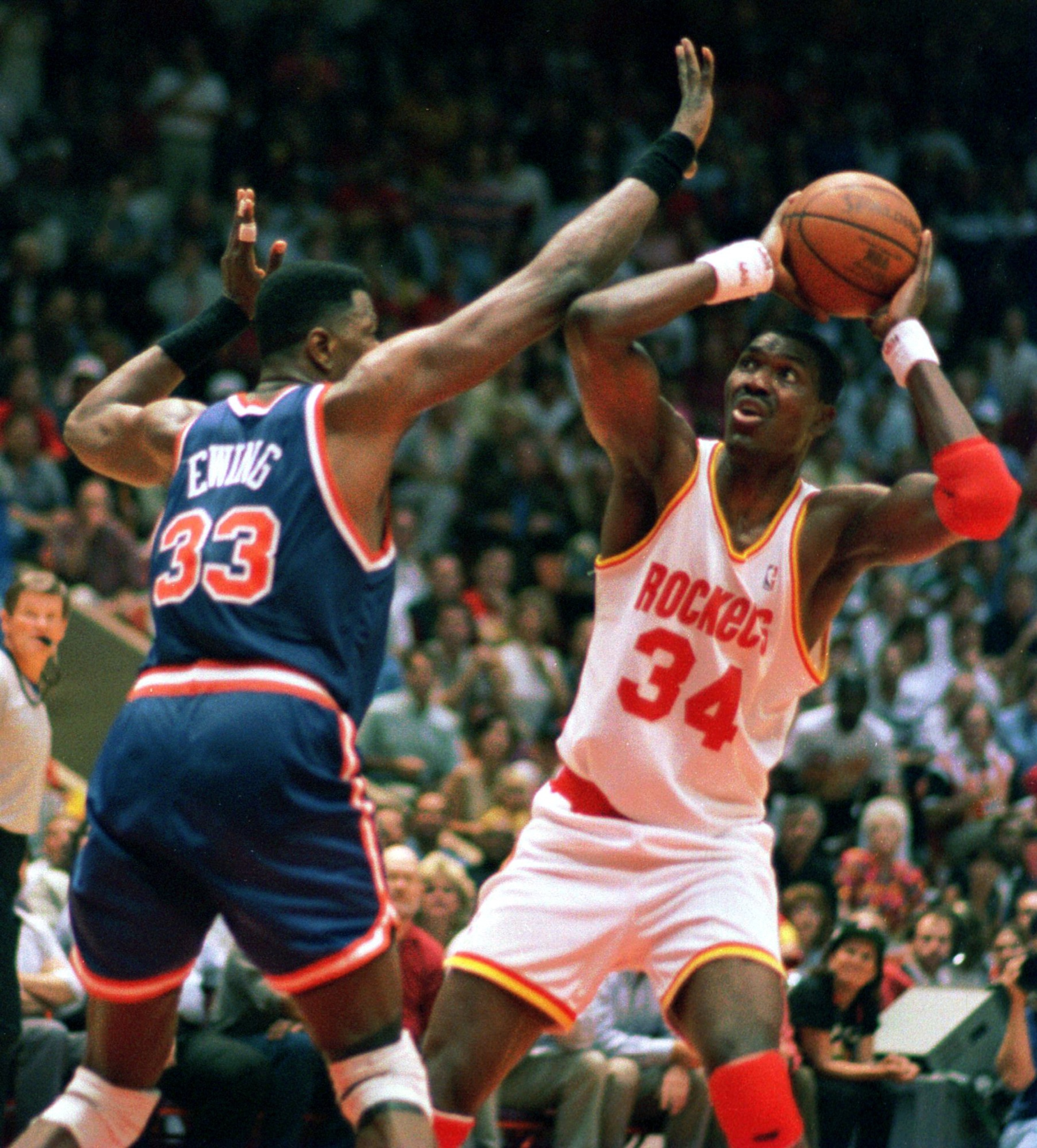
The Setup: Houston's professional sports teams had come close several times.
The Oilers reached consecutive AFC title games in the late 1970s, and if the referee hadn't missed Mike Renfro's touchdown catch in the 1979 AFC title game, the Oilers—not the Steelers—would have been playing in Super Bowl XIV.
Around that same time, the Astros were also on the verge of playing for a world championship: They won the NL West in 1980 and 1981 but lost in the postseason. Five years later, they lost the NLCS to the 1986 "miracle" Mets.
And the town's basketball team also flirted with titles in the early-to-mid 1980s. They won the NBA's Western Conference title in 1981 and 1986, only to be beaten in the Finals.
So when Hakeem Olajuwon and the Rockets defeated Karl Malone and John Stockton's Utah Jazz to reach the Finals, it was exciting. But the matchup and the series itself was what made it historic.
Reason It's the Best: The Rockets faced the Knicks in that year's finals. Beating the fabled New York franchise would be a big deal. But it also gave Olajuwon and the city of Houston a chance to exorcise an old demon.
The biggest matchup of the series was between the centers: Olajuwon vs. Patrick Ewing. It was Ewing's 1984 Georgetown team that beat Olajuwon and the University of Houston in the NCAA Tournament final a decade earlier.
The 1994 NBA Finals was a great series that lasted seven games. The Rockets came down from a 3-2 series deficit to win the title, the city's first ever professional championship. Olajuwon largely outplayed Ewing, earning the series MVP.
And because both Games 6 and 7 were won on their home floor, it was a great scene for Houston sports fans.
Runner Up: 1995 NBA Finals (Houston Rockets)
Green Bay/Milwaukee, Wisconsin: Super Bowl XXXI
8 of 26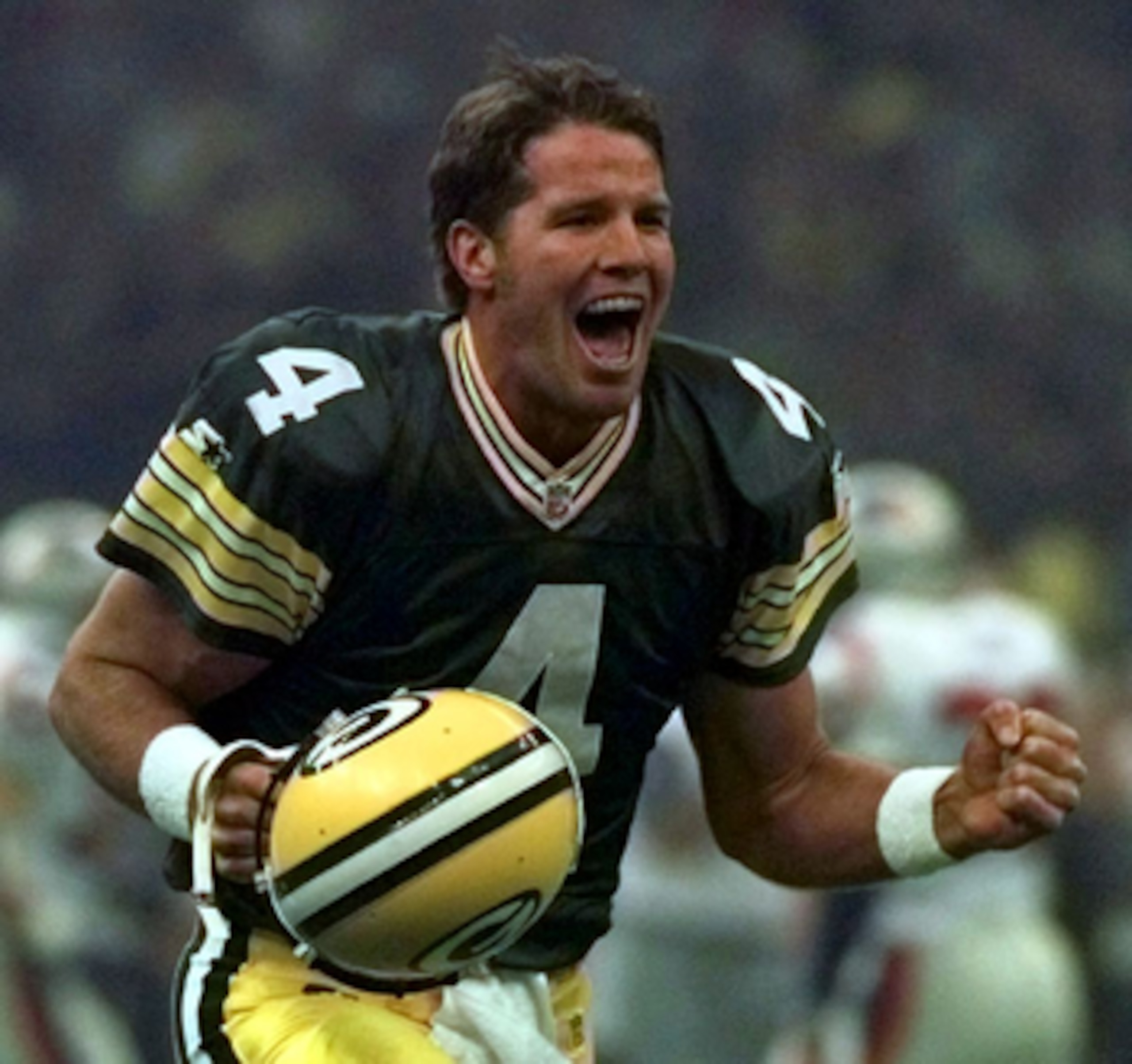
The Setup: The Packers were the best team in football, and arguably in all of professional sports, during the 1960s. They had legendary players like Bart Starr, Ray Nitschke and Paul Hornung, and the most legenday coach in sports in Vince Lombardi.
But after Lombardi retired, the franchise did very little through most of 1970s and 1980s. From 1973 to 1988 they never had a winning season. That all changed in 1992, when Mike Holmgren took over and Brett Favre entered the lineup.
They came close to the Super Bowl in the mid-1990s, losing to the Cowboys—the team they dominated in the late 1960s—in the playoffs each year from 1993 to 1995. But they finally won the NFC title in 1996 to reach Super Bowl XXXI, where they beat the New England Patriots.
Reason It's the Best: A long dry spell for such a proud franchise, with such a loyal and rabid fan base, is what made the win in Super Bowl XXXI so special.
The 1996 Packers weren't necessarily a better team or a more beloved team than any of the old Lombardi teams. But they gave a whole new generation a taste of the championship.
Runner-Up: 1971 NBA Finals (Milwaukee Bucks)
Cincinnati, Ohio: 1975 World Series
9 of 26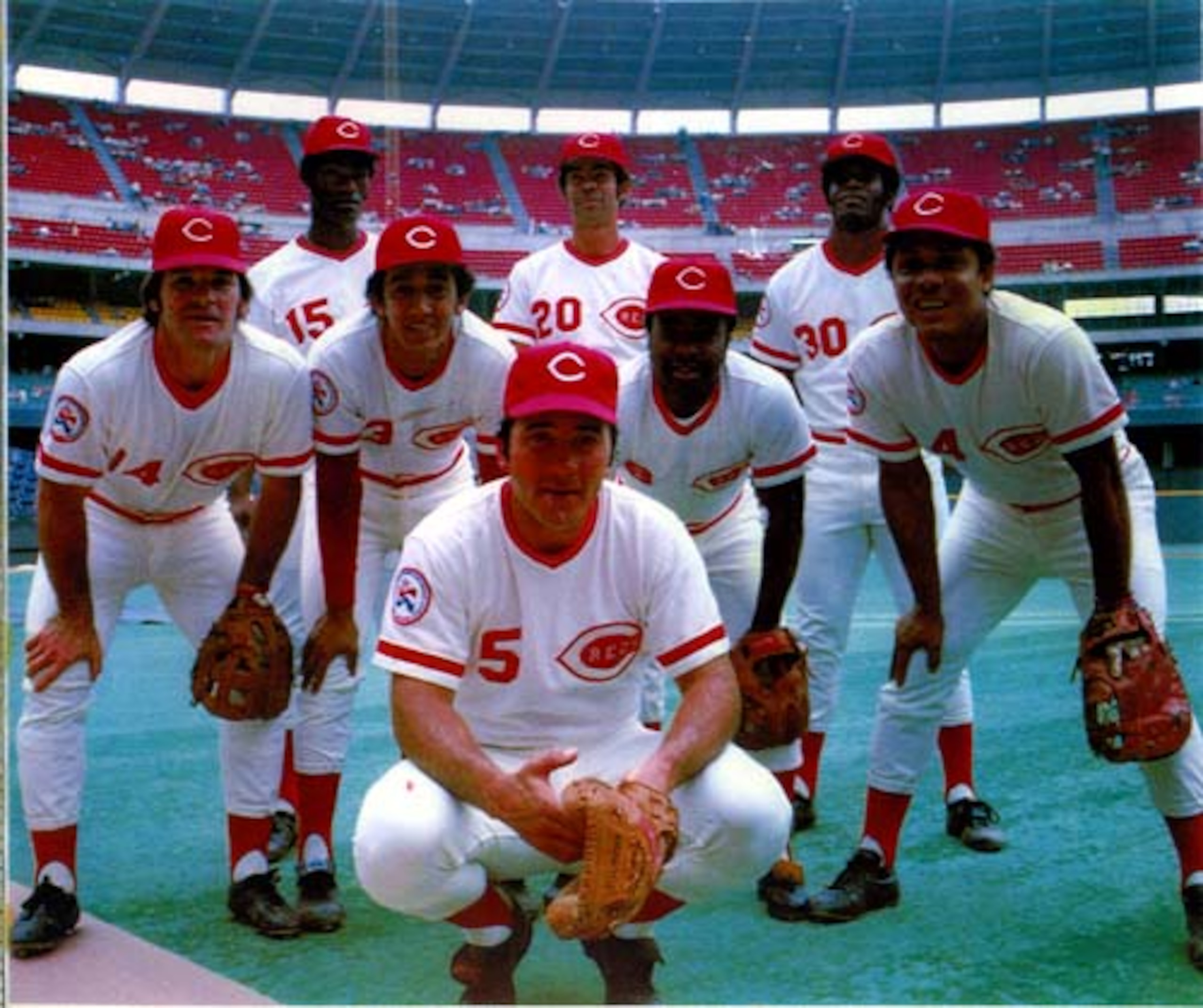
The Setup: The Reds are the oldest team in professional American sports. They had won several pennants and a few World Series before the late Sparky Anderson rebuilt the franchise in the early 1970s.
They had not won a World Series since 1940. And twice in the early 1970s they were rebuffed in the Fall Classic, first by the Orioles in 1970 and again by the A's in 1972.
But the 1975 team, known as the "Big Red Machine," won 108 games and the NL West (20 games better than the second-place Dodgers), then swept the Pirates to reach another World Series.
Reason It's the Best: The Reds would again win titles in 1976 and 1990, but both those championships were sweeps. The 1975 World Series was arguably the greatest in history: a seven game down-to-the-wire series that included the epic Game 6 capped off by Carlton Fisk's famous home run.
Fittingly, (perhaps) the greatest World Series of all time was won by (perhaps) the greatest team of all time: With Johnny Bench, Pete Rose, Joe Morgan, Tony Perez and Sparky Anderson, the team featured several of the best players of the era and the best manager of the era.
Runner-Up: 1990 World Series (Cincinnati Reds)
Denver, Colorado: Super Bowl XXXII
10 of 26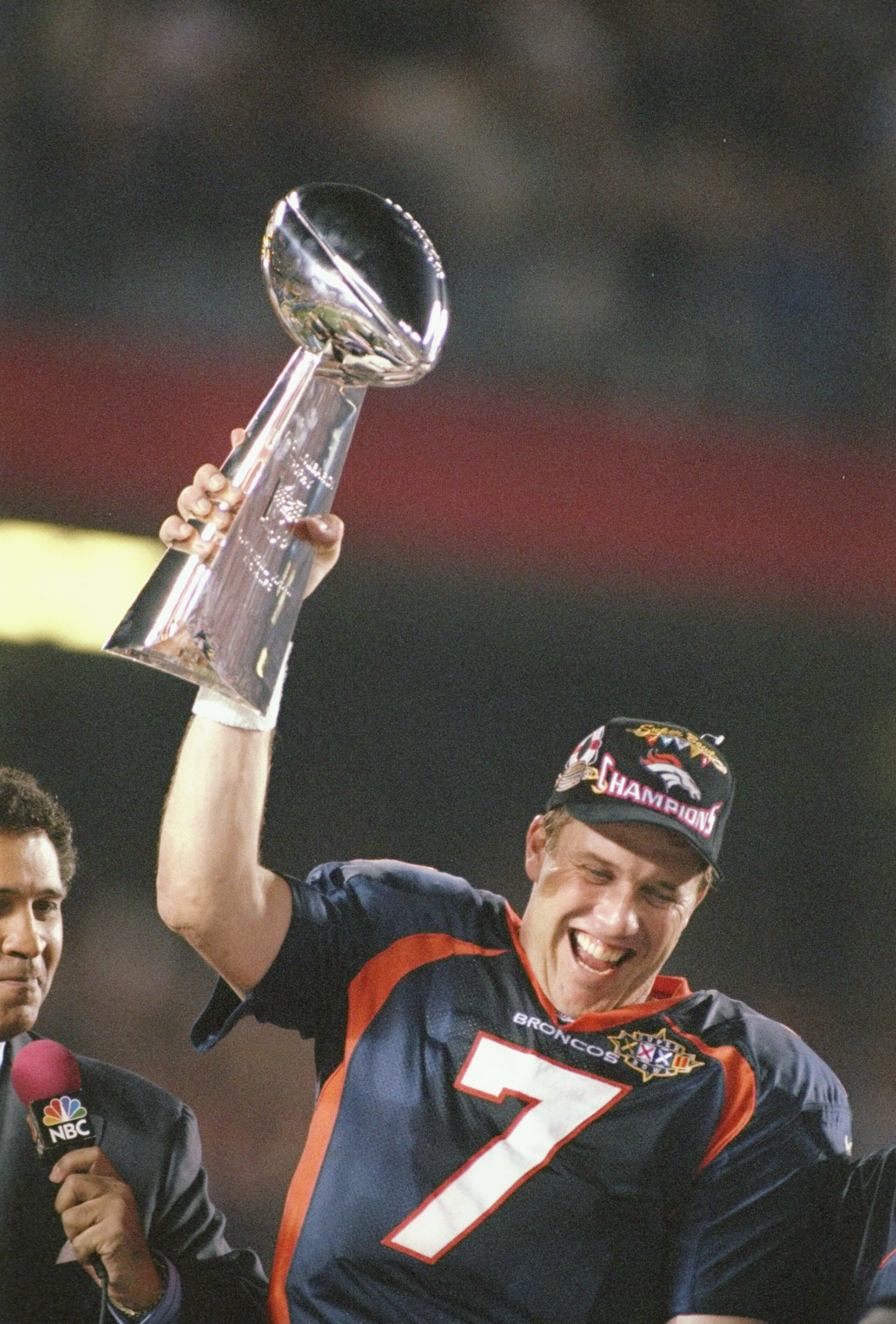
The Setup: In the 1980s, no franchise suffered worse than the Denver Broncos. Not only did they lose three Super Bowls in the span of four years, they were embarrassed in each one on the biggest stage in sports.
After losing Super Bowl XXIV by a record score of 55-10, their iconic franchise quarterback played another six seasons before returning to the top of the mountain.
The 1996 Broncos went 13-3 and earned home field in the playoffs only to be stunned at home in the first round by the expansion Jacksonville Jaguars. Some weren't sure if Elway would return; he would be 37 the next year.
But Elway came back, and after only earning a Wild Card, the Broncos redeemed themselves against Jacksonville, then went on the road and pulled off two stunning upsets against Kansas City and Pittsburgh.
In the Super Bowl, they faced the Green Bay Packers. At the end of one of the championship's greatest contests ever, Elway, Super Bowl MVP Terrell Davis and the rest of the Broncos bested the reigning champion Packers 31-24 to win the first title in franchise history.
Reason It's the Best: Elway's win was a great story: he had lost three Super Bowls and was the goat each time. But the franchise itself had actually been to four Super Bowls, beginning with the "Orange Crush" team of 1977. For them, the fifth time was a charm.
Runner-Up: 1995-96 Colorado Avalanche
Minneapolis, Minnesota: 1991 World Series
11 of 26
The Setup: The Twins were last in the AL West in 1990, but they rebounded quickly. In 1991, the club won 94 games and the American League pennant. In the World Series, they faced the Braves, another "worst-to-first" team.
Every game was a nail-biter, especially Game 7, which went into extra innings tied, 0-0. But the greatest moment in the series may have come a day earlier.
In the bottom of the 11th inning, with the Twins facing elimination, Kirby Puckett hit a home run, prompting Jack Buck's famous sound clip, "And we'll see ya tomorrow!" Jack Morris outdueled John Smoltz the next day to win the title.
Reason It's the Best: The Twins had just won the World Series four years earlier, so the 1991 title didn't end any long-standing drought for Minnesota baseball fans. But depending on what you think of the 1975 edition, the 1991 World Series may have been the greatest ever.
And because all four World Series game wins came at the Metrodome—the second time a team won all four games at home—it was especially perfect for Minnesota fans.
Runner Up: 1954 NBA Finals (Minneapolis Lakers)
Atlanta, Georgia: 1995 World Series
12 of 26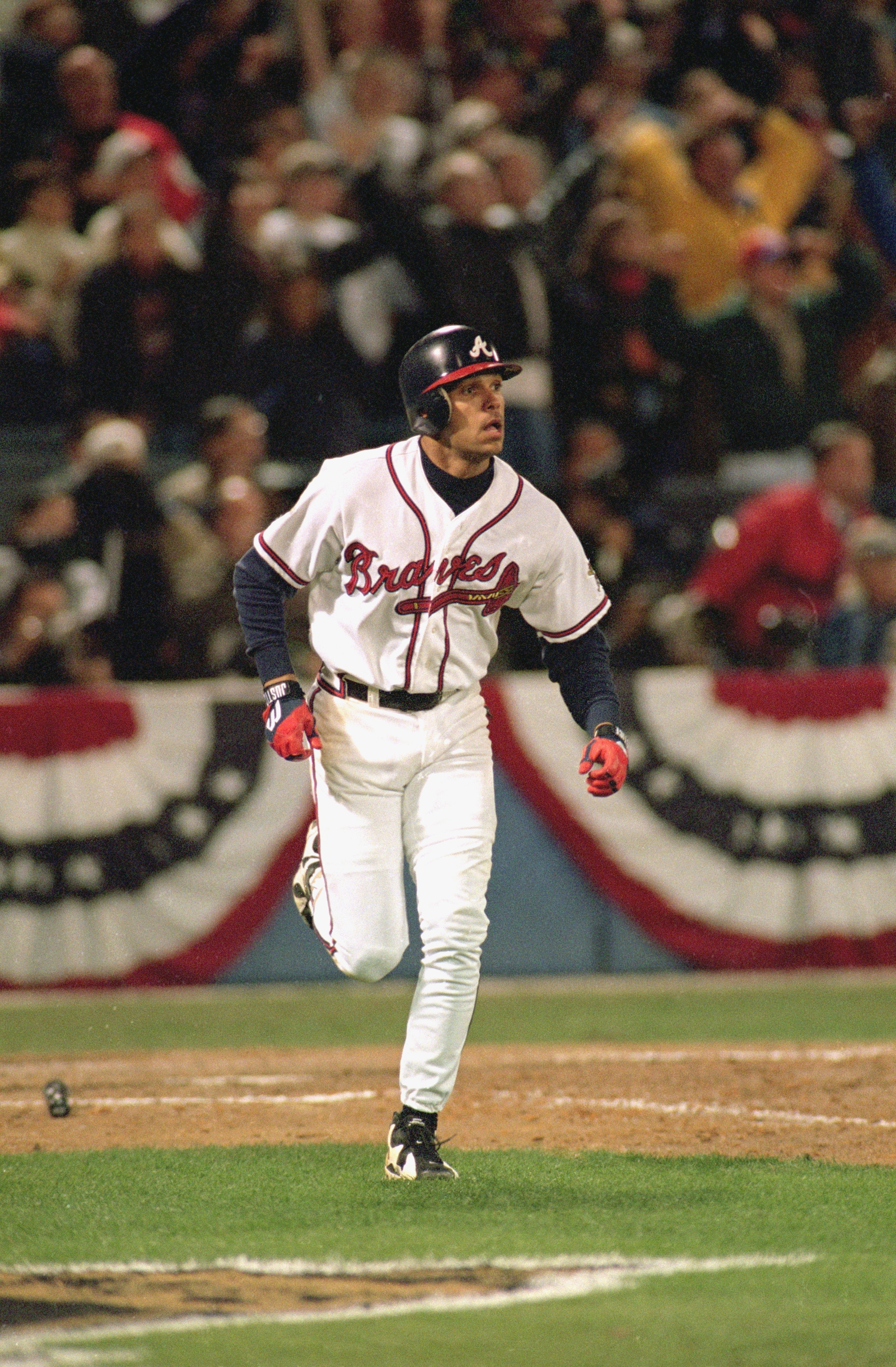
The Setup: In 1991 and 1992, Atlanta lost consecutive World Series. After waiting more than a quarter-century just to play in the Fall Classic, the Braves and their fans were hungry to actually claim the world title.
They got a third opportunity in 1995, defeating the Cleveland Indians in a great six-game series that featured outstanding pitching on both sides.
David Justice's winning home run in the Game 6 clincher was a pretty interesting moment in the club's history. Just a day before, he had indirectly criticized the Atlanta fans for not being as boisterous as Cleveland fans.
Reason It's the Best: The Falcons, Hawks and Thrashers have never won any of their sport's top titles, so the only other time Atlanta witnessed world supremacy was the 1996 Olympics. So the Braves win by default.
But because this was the only time the club was able to win the World Series (they had all five of their chances in the span of nine years), the win has become more special with time.
Runner-Up: N/A (Honorable Mention, 1990 Georgia Tech Football )
St. Louis, Missouri: Super Bowl XXXIV
13 of 26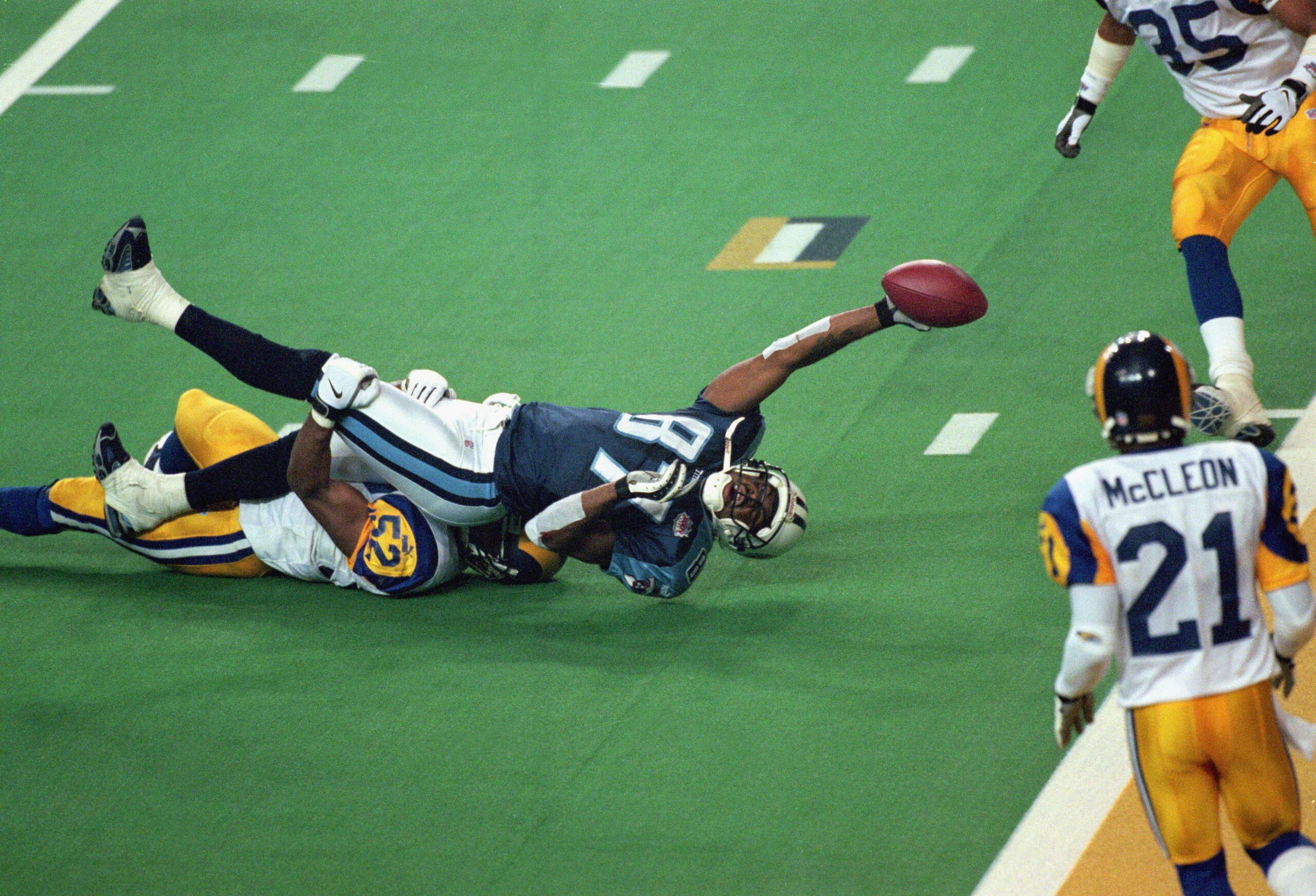
The Setup: Football has always been second in St. Louis. For decades, the city had not one, but two, major league baseball franchises, the Cardinals and the Browns.
Professional football only came to the Gateway to the West in 1960, when the nearby Chicago Cardinals moved to St. Louis. And for the next quarter-century, the Cardinals had a few good teams: The mid-1970s saw the club win consecutive NFC East titles.
And there were a handful of great players: Dan Dierdorf, Ottis Anderson, Jim Hart—even Neil Lomax had one of the few early 4,000-yard passing seasons.
But they never won a playoff game. So it's little wonder why the team left for Phoenix after 1987. Ironically, the same year, the city's baseball team won its 15th pennant.
For a decade, St. Louis was without pro football, until the Rams moved east in 1997. Two years later, they put together one of the most improbable championship seasons in American sports history.
Reason It's the Best: The greatest ending in Super Bowl history is still the January 2000 game between the Rams and the Tennessee Titans. (On the whole, the game itself wasn't very good, but the fourth quarter was the best).
The roller coaster of emotions that St. Louis Rams fans (and everyone else watching) had to endure that final hour was incredbile: blowing a late third quarter 16-point lead, taking it back in just one play via the longest touchdown pass in Super Bowl history (Kurt Warner to Isaac Bruce), watching Steve McNair will the Titans into scoring position, then culminating with the only truly championship-winning tackle in NFL history.
That game, and that season in general, had to draw in tens of thousands of new fans to the three-year-old St. Louis Rams franchise. Whether it was the turnaround from 4-12 to a Super Bowl winner, the electric play of Marshall Faulk, the emotion of Dick Vermeil or the fairy-tale story of Kurt Warner, the Rams captivated the city.
The Rams might not be as important or as popular in St. Louis as the Redbirds. But they became relevant with that 1999 season and that Georgia Dome victory.
Runner-Ups: 1964 World Series (St. Louis Cardinals), 1958 NBA Finals (St. Louis Hawks)
Baltimore, Maryland: 1958 NFL Championship Game
14 of 26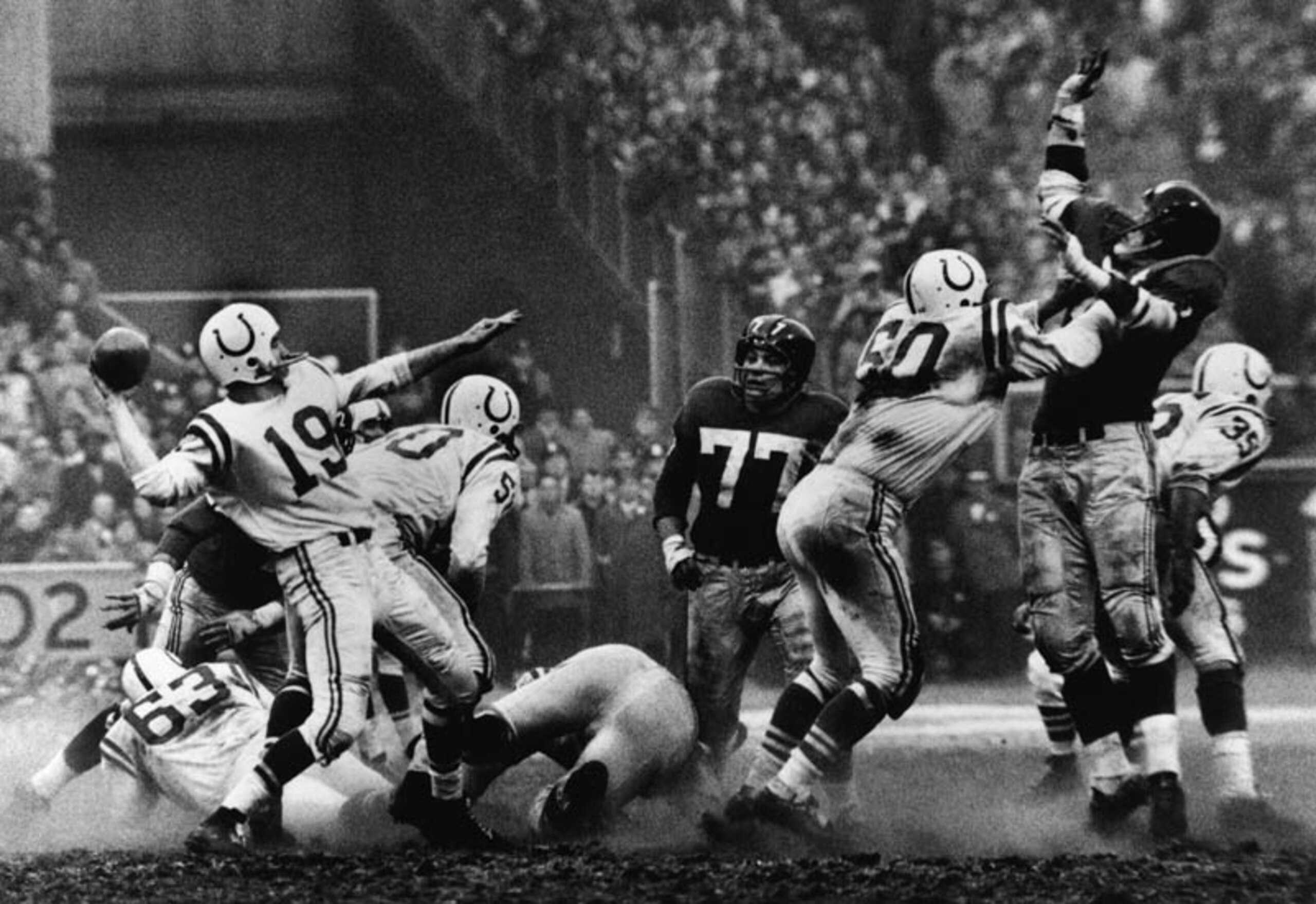
The Setup: There are lots of options for the greatest champion in the history of Baltimore. But, as is often the case, the first is the most important.
Eight years before the Orioles won their first World Series and 42 years before the Ravens won their first Super Bowl, the Baltimore Colts met the New York Giants in the NFL Championship Game. Led by Johnny Unitas, the Colts defeated the Giants in the first overtime game ever played.
Reason It's the Best: This was the probably the most important game in the history of the NFL.
Not only did it captivate the entire nation, but the legends of the game (Frank Gifford, Sam Huff, Vince Lombardi, Tom Landry, Lenny Moore, Raymond Berry, Jim Parker, Alan Ameche, Unitas) make it a seminal moment.
How could the winner of that game not claim the championship as the greatest in it's city's history?
Runner-Ups: 1970 World Series (Baltimore Orioles), Super Bowl XXXV (Baltimore Ravens)
Cleveland, Ohio: 1964 NFL Championship Game
15 of 26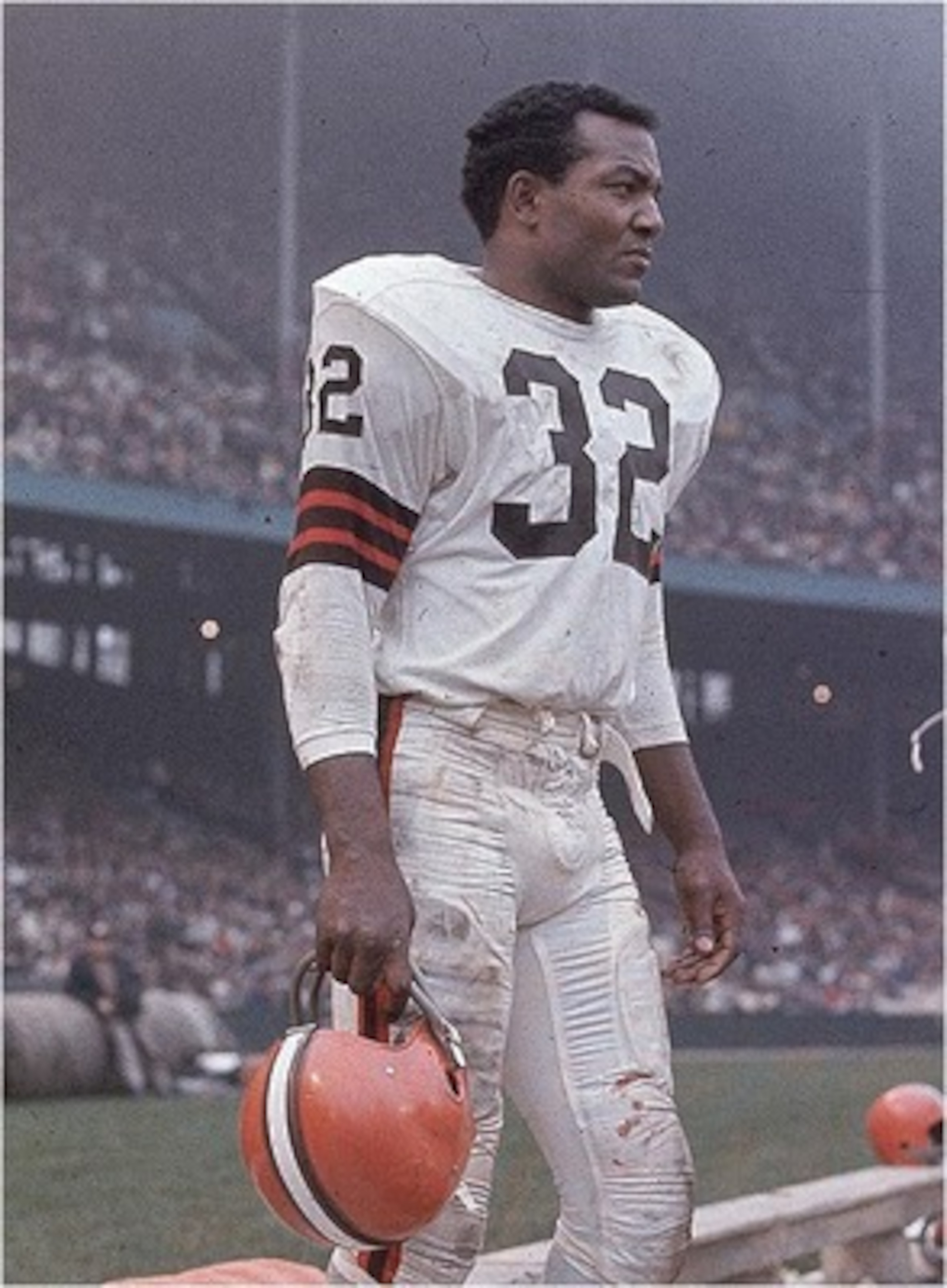
The Setup: If you look at the entire body of work, Cleveland has won plenty of titles—regardless of the losing stigma the city has these days.
The Indians won World Series in 1920 and 1948, while the Cleveland Rams won the 1945 NFL title and the Cleveland Browns won NFL titles in 1950, 1954, 1955 and 1964.
Clearly the 1950s-1960s Browns were a dynasty, playing in title games 10 straight years. And they did all of that without Jim Brown.
Brown joined the team in 1957, and in his second-to-last season, the club returned to the NFL Championship Game in 1964. With Frank Ryan throwing three touchdown passes, the Browns won the game 27-0 over Johnny Unitas' Baltimore Colts.
Reason It's the Best: It's the best because, as it stands today, it's the last. Cleveland hasn't won a championship since, although they came close in the 2007 NBA Finals and the 1954,1995 and 1997 World Series—not to mention four crushing losses for the Browns in AFC title games from 1980 1989.
Runner-Up: 1948 World Series (Cleveland Indians)
Miami, Florida: Super Bowl VII
16 of 26
The Setup: Although the Dolphins were an expansion team in 1966, they were especially bad in the later part of the 1960s. They only won 15 games in their first four seasons.
Then they went out and hired Don Shula, a move that completely turned around the franchise for the next quarter-century. Shula took the Dolphins to a Super Bowl in his second year, then put together the impossible "dream season" in 1972.
And completing that undefeated season in Super Bowl VII against the Washington Redskins was not a foregone conclusion like people remember: The Redskins were actually favored by a point.
Reason It's the Best: The Dolphins would repeat as champions the next season, and actually had a more convincing win in that year's Super Bowl.
But because no other team has been able to run the table from Game One through the end of the Super Bowl, it is one of the most impressive achievements in sports history. It has stood the test of time.
Runner-Up: 1997 World Series (Florida Marlins) (Honorable Mention, 1983 University of Miami Football)
Detroit, Michigan: 2004 NBA Finals
17 of 26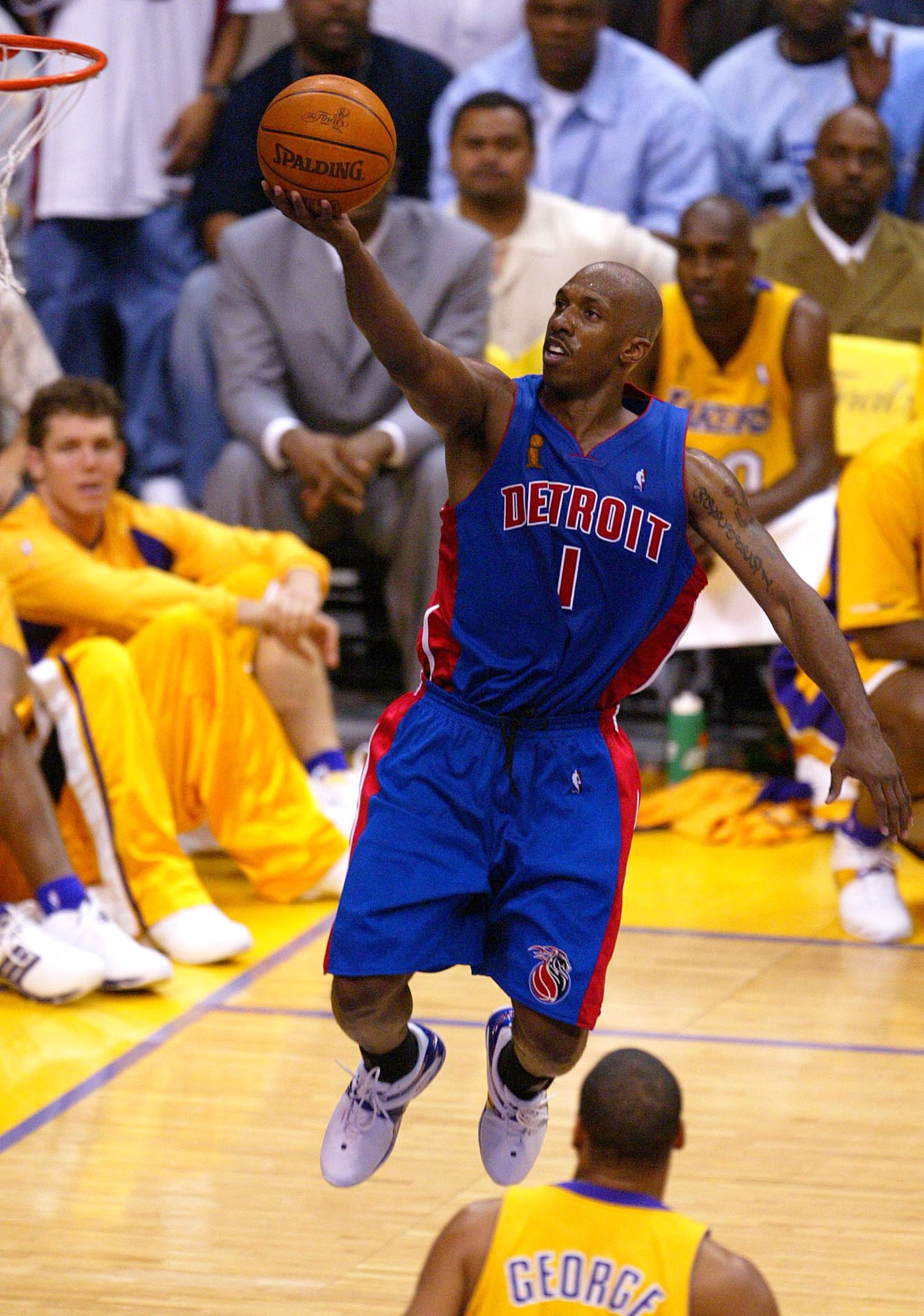
The Setup: The Bad Boy Pistons of the late 1980s were a special group, and, at the time, the only team not named the Celtics or the Lakers to win consecutive titles in the modern NBA.
But the 1988-89 and 1989-90 teams wasn't quite as special as the 2003-04 group. They didn't have the marquee names like Isaiah Thomas, Joe Dumars, Bill Laimbeer and head coach Chuck Daly. But they did have a marquee coach in Larry Brown, and a roster filled with excellent players.
Still, they didn't win the Central Division and were hardly a favorite to win the Eastern Conference, let alone the NBA Finals. Yet they reached the Finals and stunned the powerhouse Lakers, who had Shaquille O'Neal, Kobe Bryant, Karl Malone and Gary Payton.
Reason It's the Best: That team was one of the most surprising NBA champions of all time.
They weren't the best team around, and, top-to-bottom, were probably far less talented than the Lakers and maybe a few other teams that year. But they may have been the most balanced and deep team to come through the NBA ever.
The Tigers earned four World Series titles, the Lions won four NFL championships, and the Red Wings claimed a whole lot more Stanley Cups than both. But no Motown team pleasantly surprised the city with its play quite like the 2003-04 Pistons.
Runner-Ups: 1968 World Series (Detroit Tigers), 1997 Stanley Cup (Detroit Red Wings)
Washington, D.C.: Super Bowl XVII
18 of 26
The Setup: The Redskins were a powerhouse in the early years of the NFL, thanks mostly to the play of legendary Sammy Baugh. And George Allen took the team to it's first Super Bowl in 1972. But it wasn't until Joe Gibbs came along that the 'Skins won a Super Bowl title.
Gibbs somehow won three Super Bowls with three different quarterbacks, but, again, the most special one was the first.
In the strike-shortened season of 1982, 40 years after the franchise's last NFL title, the Redskins pounded their way into Super Bowl XVII at the Rose Bowl. There they rode "The Diesel," John Riggins, to the championship.
Reason It's the Best: Super Bowl XVII was the only close Super Bowl victory during the Gibbs administration: They walloped the Broncos in 1988 and the Bills in 1992.
The 1982 win was much closer than the score indicated: They trailed 17-13 early in the fourth quarter. So that makes it the greatest win of the Redskins' Super Bowl trio.
Two now-defunct teams, the Bullets and the Senators, won titles in D.C. But the greatest victory in the city's history came in January 1983, when President Reagan thanked Gibbs over a Rose Bowl stadium phone for returning the title to the Capitol city.
Runner-Up: 1924 World Series (Washington Senators)
Dallas, Texas: Super Bowl XXVII
19 of 26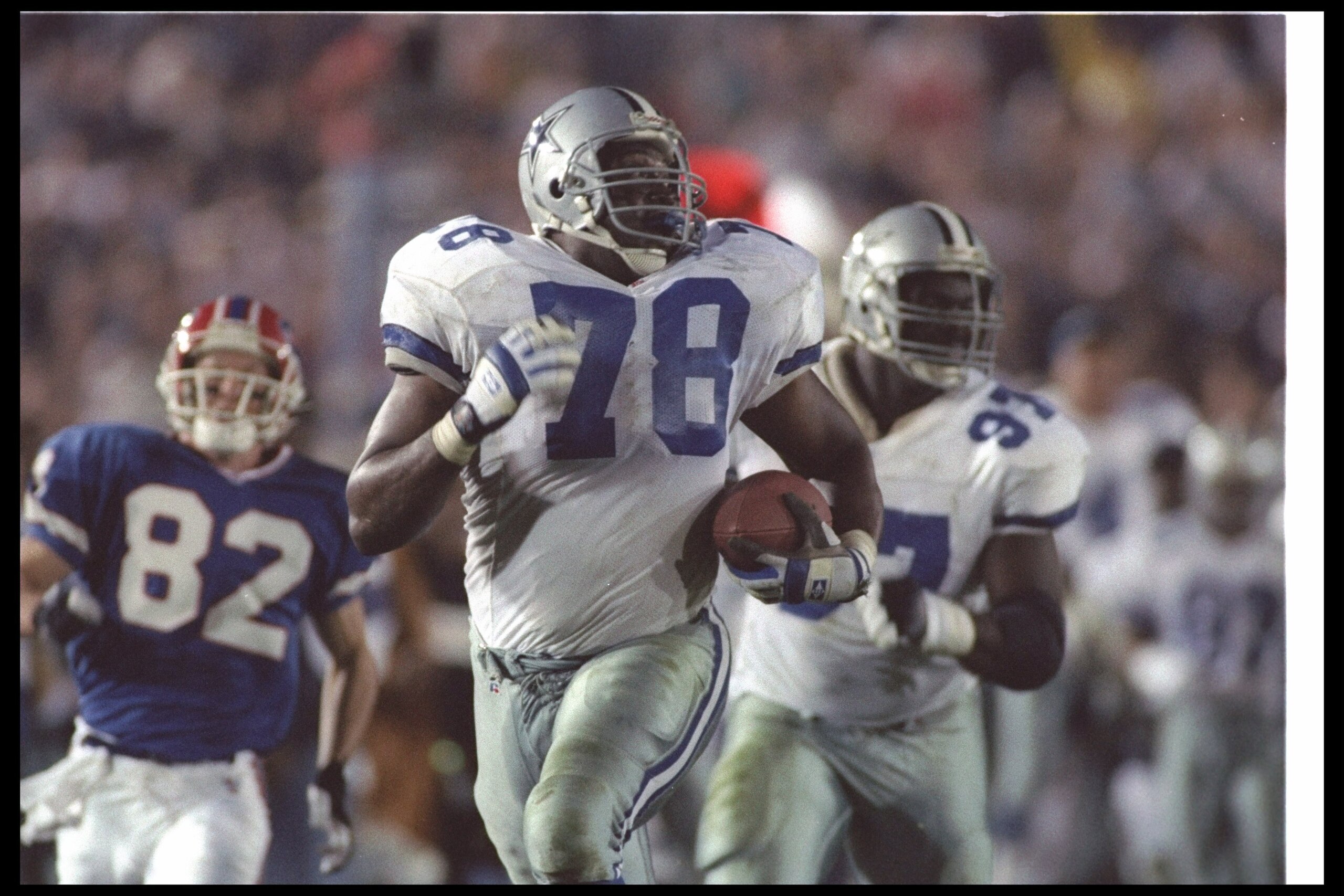
The Setup: The Cowboys dominated the NFC during the 1970s, winning two Super Bowls and playing in five. And in 1981, they were poised to appear in a fifth, until they lost to Joe Montana's 49ers via "The Catch."
By the end of the decade, the franchise fell on hard times. In 1989, new owner Jerry Jones fired legendary coach Tom Landry, officially bringing the Cowboy dynasty to an end. Or maybe the 1-15 season that followed brought it to an end.
Regardless, they didn't stay in the dumps long: Jimmy Johnson rebuilt the team in the span of three years, and they returned to the Super Bowl in 1992. There they faced the Super Bowl veteran Buffalo Bills.
Reason It's the Best: Super Bowl XXVII was the most lopsided Super Bowl of all time: Had Leon Lett not celebrated a touchdown a second too early, the Cowboys would have set a record for points in the Super Bowl. As it stood, even with Lett's gaffe, they won by five touchdowns.
It was obviously the biggest championship game win in franchise history, but because it completed the franchises rebirth, it was also the greatest.
Runner-Up: 1999 Stanley Cup (Dallas Stars)
San Francisco, California: 2010 World Series
20 of 26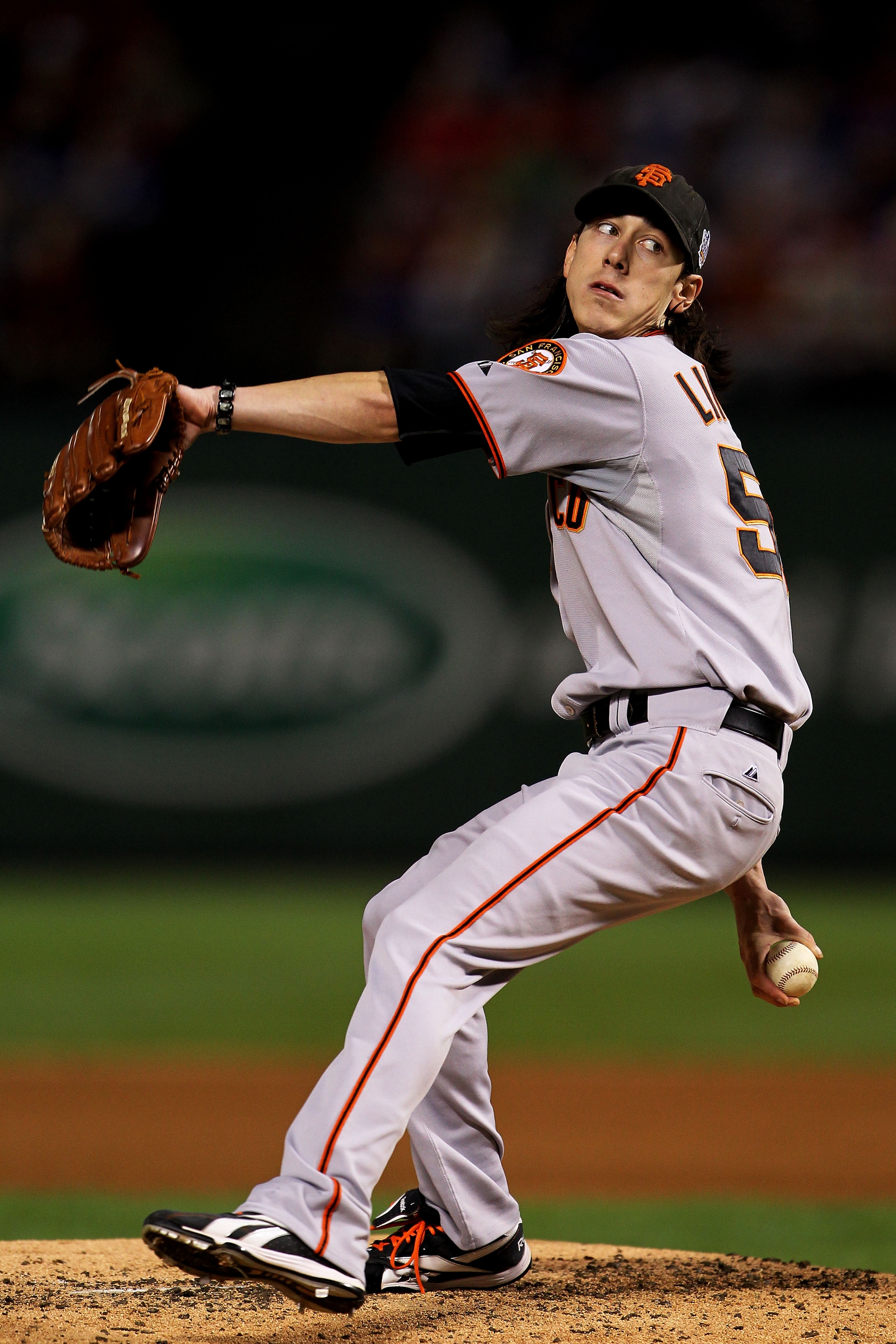
The Setup: It's almost hard to imagine that the San Francisco Giants never won a World Series prior to this year. They had so many great players: Willie Mays, Willie McCovey, Orlando Cepada, Juan Marichal, Vida Blue, Gaylord Perry, Will Clark, Barry Bonds, etc, etc, etc.
And they had two near-victories: Game 7 losses in 1962 and 2002.
So when they finally defeated the Texas Rangers this year, the City by the Bay earned its first ever world title after a 53-year drought.
Reason It's the Best: Relegating any one of the 49ers Super Bowl wins to second place is not easy to do, especially since their win in Super Bowl XVI was the first title in franchise history and Super Bowl XXIII was a thriller, featuring Joe Montana at his finest.
But the 49ers won five Super Bowls in the span of 14 years. The Giants ending more than half a century of failures was a once-in-several-generations victory.
Runner-Up: Super Bowl XVI (San Francisco 49ers)
Pittsburgh, Pennsylvania: Super Bowl IX
21 of 26
The Setup: The professional football club in Pittsburgh was one of the biggest laughingstocks in sports for nearly 40 years. Founded in 1933, the Pirates (eventually renamed the Steelers) never once played in a playoff game during the '30s, '40s, '50s or '60s.
In fact, aside from a stretch from 1958 to 1962, the Steelers never had a winning season prior to 1972, which featured the infamous "Immaculate Reception" win over the Oakland Raiders.
Two years later, against the Vikings, they reached their first NFL title game, where the Steel Curtain dropped fast and hard on Minnesota, winning 16-6.
Reason It's the Best: That win in January 1975 sparked a dynasty that won three more titles over the next five years. And like their Super Bowl rival, the Dallas Cowboys, the franchise would be reborn in the early 1990s and ultimately win two more Super Bowl titles in 2005 and 2008.
Even though Super Bowl IX was a pretty boring game and not a "classic" like some of the later victories, the first one—the one that ended a 41-year drought—was the best.
It's tough to overlook historic franchises like the Penguins and Pirates, who also overcame long dry spells and won thrilling world titles. But the Steelers are as closely tied to their city as any in American sports.
Runner-Ups: 1960 World Series (Pittsburgh Pirates), 1991 Stanley Cup (Pittsburgh Penguins)
Philadelphia, Pennsylvania: 1980 World Series
22 of 26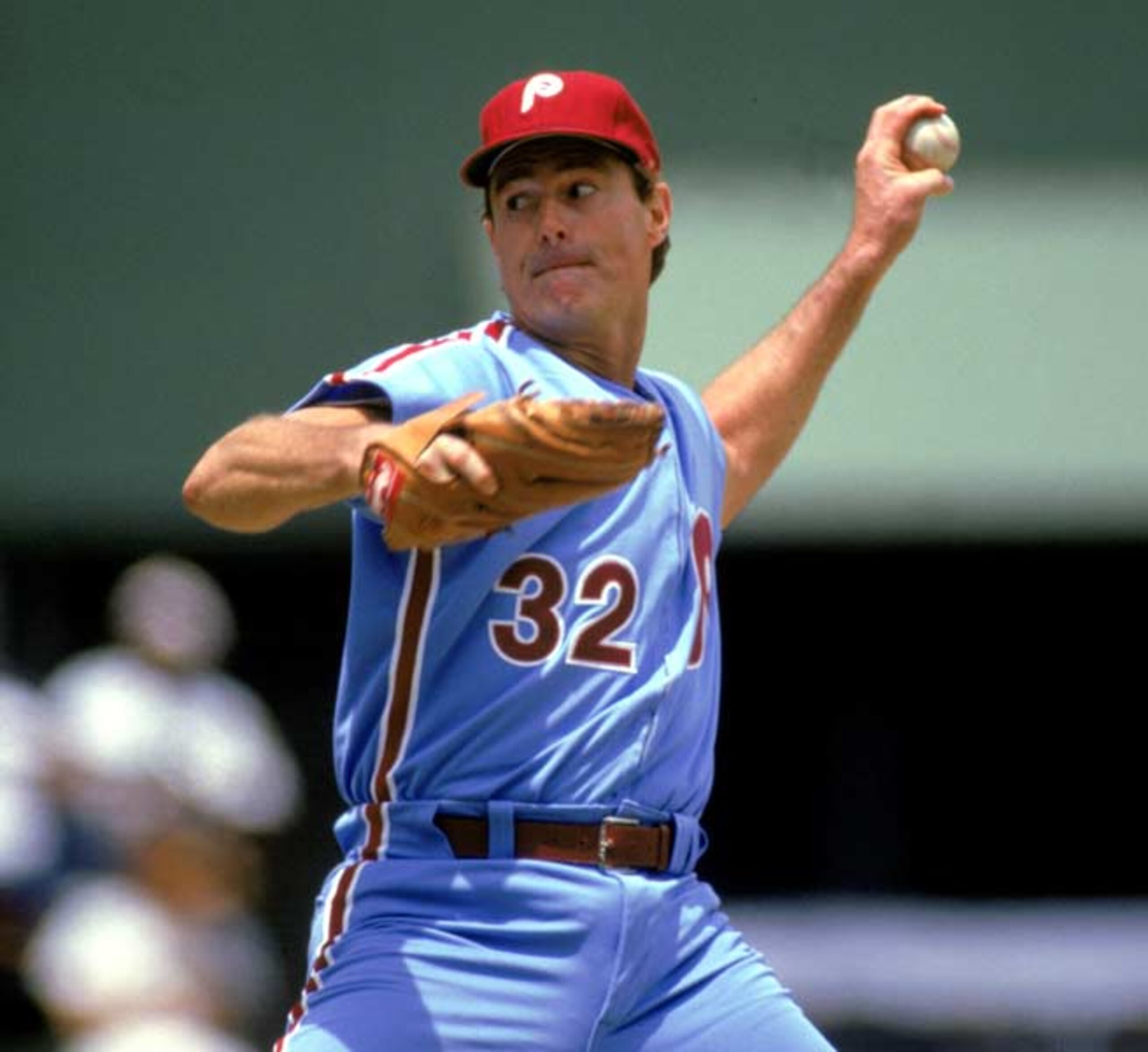
The Setup: As droughts go, the Phillies' dry spell from 1915 to 1980 was one of the longest in sports history.
Worse yet, aside from a few scant chances, they never came close to contending for a title during that time.
At the start of their ninth decade of the World Series era, the Phillies returned to the Fall Classic for the first time in 30 years. There they played another fresh face, the Kansas City Royals.
In six games, the Phils triumphed to earn their first ever world championship.
Reason It's the Best: Although the Phillies added a second world title in 2008, the 1980 victory was clearly the most important series win in club history. Philly is a great sports town, and all of their teams have won world titles in some form.
But a team that wins just one in more than a century's time? That has to be the best of all.
Runner-Ups: 1974 Stanley Cup (Philadelphia Flyers, "The Broad Street Bullies"), 1960 NFL Championship Game (Philadelphia Eagles)
Boston, Massachusetts: 2004 World Series
23 of 26
The Setup: Not much mystery here. The Red Sox history of painful failures in bids to win the World Series (after the team sold Babe Ruth to the Yankees) is about as well known as any tale in sports history.
Even without the "tragedies" of 1947, 1967, 1975, 1978 and (the worst) 1986, Boston fans endured a few major heartbreaks, post-Bill Buckner. They got pounded by the Yankees in the 1999 ALCS, then lost Game 7 of the 2003 ALCS on Aaron Boone's home run.
2004 seemed to be another notch on the list, when the club fell behind 3-0 to the Yankees in the ALCS and trailed Game 4 in the bottom of the ninth with Mariano Rivera on the mound.
Somehow they came back, won the game, then won the next three to reach the Series. Naturally, they swept the Cardinals in their first Fall Classic since 1986.
Reason It's the Best: As much as Boston loves their Celtics, Patriots and Bruins, aren't the "Sawks" the most tied to the hearts and minds of New Englanders? Each of those teams had stunning or great world-title years.
But the October in which the Red Sox managed to "reverse the Curse" had to be the most special moment in the city's history since the Battle of Bunker Hill.
Runner-Ups: Super Bowl XXXVI (New England Patriots), 1986 NBA Finals (Boston Celtics)
Chicago, Illinois: Super Bowl XX
24 of 26
The Setup: If the Cubs managed to win (or even reach) a World Series in the past half-century, that would certainly overwhelm any other sport, even the fabled Bears team of 1985.
As it stands—thank you, Mr. Bartman—we don't have that option. Still, there is a good second option.
The Chicago Bears and George Halas were the cornerstone of the early NFL. They won a handful of Depression/World War II-era titles, and earned another in 1963. But they fell to the bottom of the pile in the late 1960s, even with greats Dick Butkus and Gale Sayers. And they weren't very good with Walter Payton in his prime, either.
But eventually Payton, with Mike Ditka, Buddy Ryan and the great 46 defense, earned the franchise's first Super Bowl appearance ever, where they took on the New England Patriots.
Reason It's the Best: There is not a more mythical, fabled team in NFL history than the 1985 Chicago Bears. They had Walter Payton and a good quarterback in Jim McMahon.
But the defense of Mike Singeltary, Richard Dent, Willie Gault, William "the Refrigerator" Perry, and the others has become the most iconic single unit in NFL history: Even the Steel Curtain had five Hall of Famers on offense helping out.
The Bulls and Michael Jordan won six titles in the span of eight years, so it's hard to choose just one. And the Blackhawks' win last year overcame decades of futility. But the Bears and the 46 defense are such a legendary group in sports history that they have to take the top spot.
Runner-Ups: 1991 NBA Finals (Chicago Bulls), 2010 Stanley Cup (Chicago Blackhawks)
Los Angeles, California: 1985 NBA Finals
25 of 26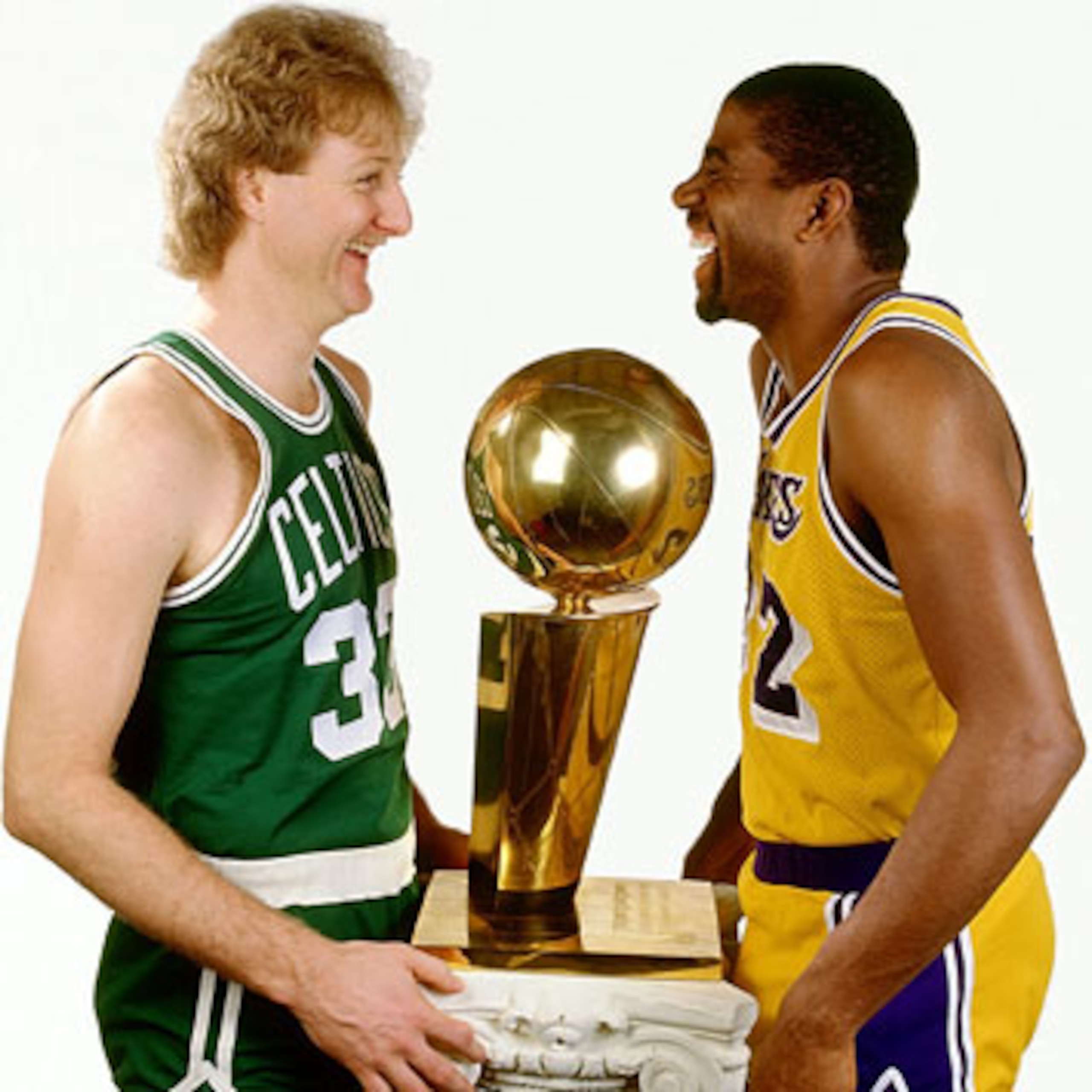
The Setup: The Lakers rule Los Angeles. As beloved as the Dodgers are, as great as the Raiders were during their brief stay, as much as Wayne Gretzky's arrival thrilled the Forum, it's the Lakers who own the town.
Jack Nicholson doesn't own season tickets by the dugout at Dodger Stadium; he didn't heckle Barry Bonds or Albert Pujols or shout encouragement to skipper Joe Torre or Tommy Lasorda.
Therefore, the greatest title in city history has to belong to the Lakers. But which Laker team: They have won 11 in L.A.
The 1972 team that had Wilt Chamberlain, Jerry West and Gail Goodrich was great, setting a record with 69 wins. And the Shaq/Kobe years were even better: They won three in a row, something this year's edition might pull off.
But the "Showtime" Lakers teams of the 1980s were the greatest of the great: Pat Riley, Magic Johnson, Kareem Abdul Jabaar, James Worthy. That was the premier team in the sport...unless you count the Boston Celtics, who had Larry Bird, Kevin McHale, Robert Parish, Dennis Johnson and even more depth.
Reason It's the Best: During the 1960s, the two most fabled franchises in the sport had already met in the NBA Finals six times. The Celtics won all six series. That trend continued when they renewed the rivalry in June 1984.
A year later, the Lakers again looked unable to snap the streak. In Game 1 against Boston, they were blown out 148-114: the so-called Memorial Day Massacre. But the Lakers came back, won three of the next four games, and defeated the Celtics in Game 6.
They remain the only team in history to clinch an NBA Finals on the Celtics' homecourt. Even though they were 3,000 miles away, Los Angeles was roaring at having finally won the title over their East Coast rival.
Runner-Up: 1988 World Series (Los Angeles Dodgers),
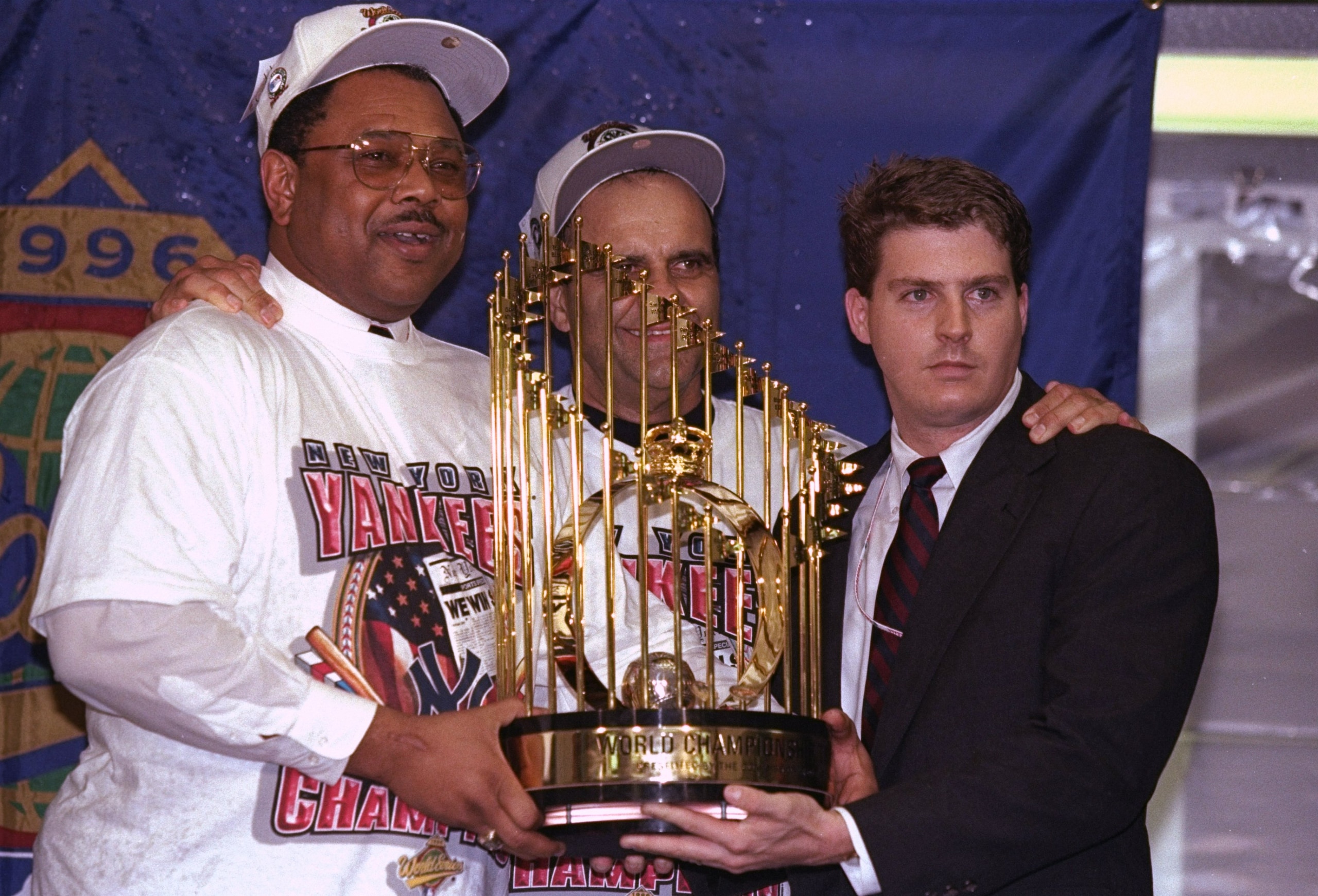
New York City, New York: 1996 World Series
26 of 26
(Obviously this is the most contentious entry, so let's just agree that you can make a perfectly acceptable case for the Jets in 1968, Giants in 1986, Mets in 1969 or 1986, Rangers in 1994, Islanders in 1979 or Knicks in 1970.)
The Setup: Although many people across America took great pleasure in seeing the Yankees flounder during the 1980s and early 1990s, baseball wasn't quite the same with the Bronx Bombers out of contention by the All-Star break each year.
They started to build momentum in 1995 and hit full stride a year later.
They fell behind 2-0 to the reigning world champion Atlanta Braves, then started a comeback that essentially lasted for a decade.
Reason It's the Best: Of all the Yankee teams in history, the 1996 group was probably the lone underdog to play in a World Series. They seemed pretty overmatched against the mighty Braves.
They didn't have a top-level star of the game (at that point) and won games in improbable fashion: Wade Boggs drawing a bases loaded walk in Game 4, Jim Leyritz hitting an enormous home run, 35-year-old Jimmy Key shutting out the Braves on the road for eight innings, etc.
Furthermore, that World Series started the making of Derek Jeter, Mariano Rivera, Andy Pettitte, Bernie Williams and Joe Torre as New York City legends.
Runner-Ups: 1969 World Series (New York Mets), 1986 World Series (New York Mets), Super Bowl III (New York Jets), Super Bowl XXI (New York Giants), 1970 NBA Finals (New York Knicks), 1994 Stanley Cup (New York Rangers), 1980 Stanley Cup (New York Islanders), and so on...

.jpg?w=2560 "Colts Football")




