The Raiders of the National Football League have had many great players over the years, and yet, a strong case can be made for many others. As difficult as this was to do, I made a list of the ten best players in the history of the Raiders that are not in the Pro Football Hall of Fame.
The key to choosing the right ten was to ask the following two-part questions.
Question 1: Can the history of pro football be written without him? How does he compare to a current member of the Hall of Fame?
Question 2: Did he dominate his position or role during a period in which the team won a championship (conference title or Super Bowl)? If not, does he have multiple rings, or multiple records?
I should also explain my nuanced view of statistics as a metric for greatness.
I compare the statistics of current inductees of the Hall of Fame. This is a catch-22, but those people have already been determined as great by the Hall, thus it sets a precedent for comparison.
In other words, I meet them halfway: If "you" think that person A is great, why isn't person B great, when he compares well to person A?
Although, the induction of Floyd Little in 2010 has really screwed-up the precedents.
It seems that the only reason that Little was inducted is because you can't tell the history of the Denver Broncos without him. Clearly then, the induction of Little was propaganda to make people think that the history of pro football required the Broncos to play in Denver.
Terrell Davis of the Denver Broncos has more yards, more touchdowns, more rings, and more awards than Little. And yet, Little is in and Davis is not. What a crock.
The fact that the Hall has often contradicted itself with double-standards is a source of ire for many fans that claim bias, especially amongst Raider Nation.
I also use career statistics if and when a record was set, but also, statistics produced in championship years. Championships are often overlooked by fans doting over individual statistics, because they ignore the logic of the conjunction.
Yes, championship are often under-rated by fans and even media, because there are people out there with championship rings that contributed very little to that team.
Once again, use the logic of conjunction: Was he a starter for a championship team and was he the best in the league at that position?
Use your brain, people.
10) Rich Gannon, Quarterback
1 of 11
If you look at the career of inductee Dan Fouts of the San Diego Chargers, you will see that his body of work mostly includes the period of 1978 to 1982.
During that period, the Chargers earned a postseason berth four times, including the AFC Championship game in 1981 against the Oakland Raiders, in which he was humiliated by stickum covered defenders in the biggest game of his life.
Fouts is also remembered for his performance in the legendary, "Epic in Miami."
For his career, Fouts earned six ProBowl berths, three All-Pros, led the league in passing yards four times, and earned the honor of NFL MVP in the strike shortened season of 1982. He was also named to the All-Decade Team for the 1980s (a distinction I find dubious, when you consider that Dan Marino and John Elway were snubbed). Fouts finished 86-84-1.
In the case of Rich Gannon, his body of work ranges mostly from 1999 to 2002, when he played for the Oakland Raiders, after he spent his career as a backup in Minnesota, Washington, and Kansas City. During the period in Oakland, the Raiders earned a postseason berth three times, including the AFC Championship game in 2000 and the Super Bowl in 2002.
For his career, Gannon earned four ProBowl berths, two All-Pros, the honor of NFL MVP in 2002, and led the league in passing yards in 2002. In 2002, Gannon also set numerous records that include the most games over 300 yards in the season. He finished 76-56-0.
Gannon achieved much of it with wide receivers that were in the twilight of their careers, Tim Brown and Jerry Rice, as well as Andre Rison in 2000. I think it's safe to say that Rice and Brown weren't out-running defenses in their mid to late 30s, they were outsmarting them. In order for that to work however, they needed a quarterback that saw everything on the field. Gannon did just that.
Fouts was known for running a well-oiled offense for the Chargers. I would submit to you that Gannon should also be known for running a well-oiled offense for the Raiders.
Ironically, Gannon would also be humiliated in the biggest game of his life by throwing five picks against the Tampa Bay Buccaneers in Super Bowl XXXVII in 2003.
Reason that Gannon is not in? The Hall's ignorance of its double-standards.
9) Todd Christensen, Tight End
2 of 11
I must refer again to a former member of the San Diego Chargers to compare to Todd Christensen of the Raiders.
As you will see, Kellen Winslow was marginally more productive in career yards, receptions, and touchdowns.
That however can be mitigated by the fact that Winslow had a better cast in the passing game, including Hall of Fame quarterback Dan Fouts and Hall of Fame wide receiver Charlie Joiner and the coaching philosophies of Don "Air" Coryell.
Christensen had support from Cliff Branch in his mid-thirties, the clutch passing of Jim Plunkett and the running of Hall of Fame tailback Marcus Allen.
Like I said, the difference between Christensen and Winslow is statistically marginal. It's the difference of one good season. Despite this, Christensen dominated the position in 1983, when the Raiders won Super Bowl XVIII against the Washington Redskins.
Reason that Christensen is not in? The Hall's ignorance of its double-standards.
Todd Christensen
Career Yards: 5,872
Career Receptions: 461
Career Touchdowns: 41
Career Starts: 90
Led league in receptions in 1983 and 1986
Five ProBowl berths and two All-Pros
Dominated the position in 1983 and 1986
Super Bowl season of 1983: 92 receptions, 1247 receiving yards, 12 touchdown receptions
Played through instability at quarterback between Jim Plunkett and Marc Wilson
Kellen Winslow
Career Yards: 6,741
Career Receptions: 541
Career Touchdowns: 45
Career Starts: 94
Led league in receptions in 1980 and 1981
Dominated the position in 1980 and 1981
Five ProBowl berths and three All-Pros
Played through knee injuries for much of career
8) Art Powell, Wide Receiver
3 of 11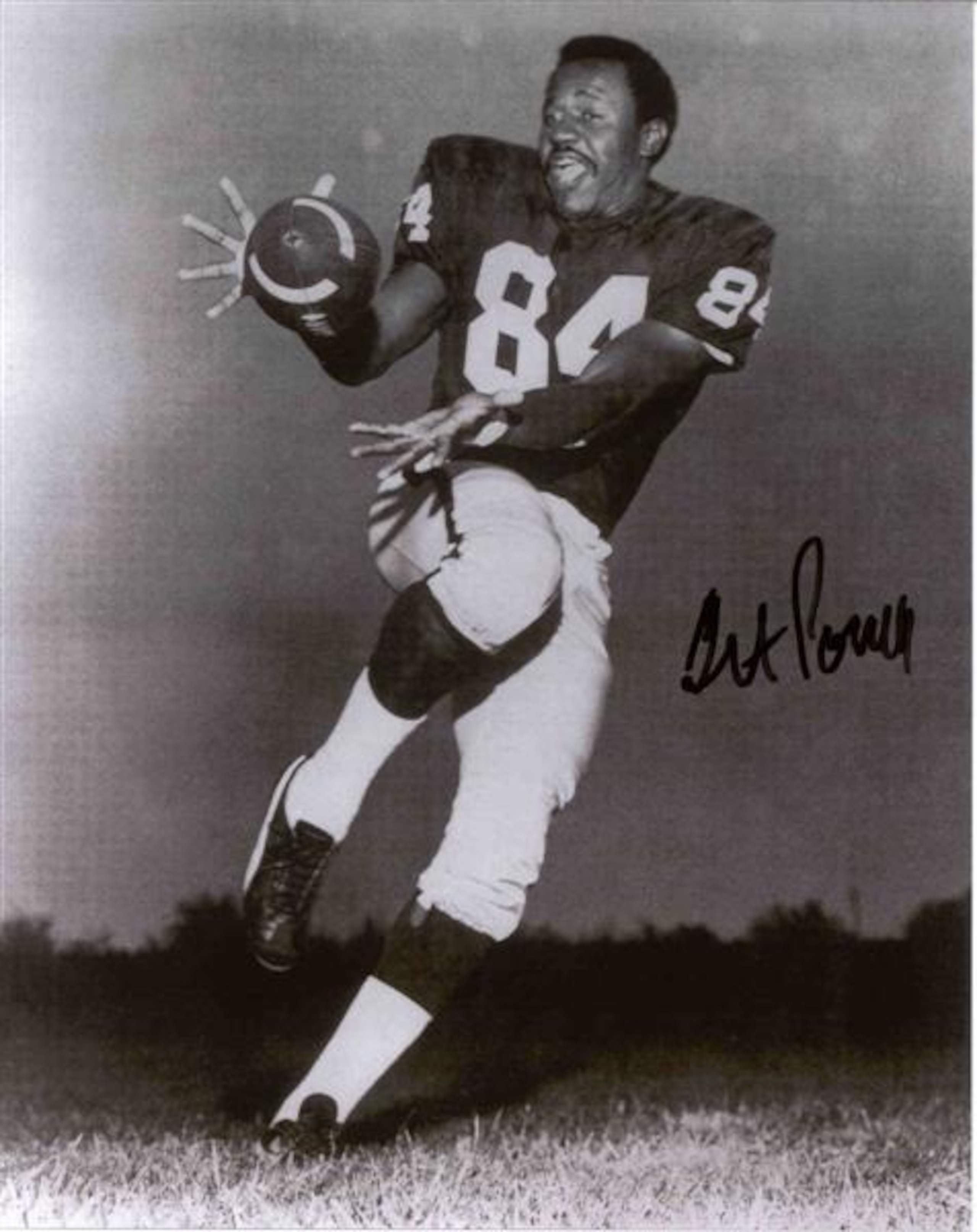
In evaluating whether former Raider Art Powell belongs in the Hall of Fame, I had to compare him to a former Raider that is in the Hall of Fame, Fred Biletnikoff.
I will stick to the quantitative in this slide, however, you can read a more in depth argument of this case in a related article of mine, in which I work my way backwards from the contemporary perceptions people have of the Raiders to conclude that the career of Powell has been cheated.
The statistical difference between Powell and Biletnikoff can be mitigated by the fact that Biletnikoff had a longer career, while Powell was more productive in a shorter period in New York, Oakland, and Buffalo.
The reason that Powelll is not in? The Hall created a false narrative about the Raiders by inducting only Fred Biletnikoff.
The Curious Case of Art Powell, Stickum, and Cheating
http://bleacherreport.com/articles/446738-oakland-raiders-the-curious-case-of-art-powell-stickum-and-cheating
Art Powell
Career Yards: 8,046
Career Receptions: 479
Career Touchdowns: 81
Career Games: 117
Led AFL in receiving yards in 1962 and 1963
Led AFL in touchdown receptions in 1960 and 1963
Four ProBowl berths and two All-Pros
Career Yards: 8,974
Career Receptions: 589
Career Touchdowns: 76
Career Games: 190
Led league in receptions in 1971
Six ProBowl berths and two All-Pros
MVP of Super Bowl XI
Award for Best College Receiver is named after him
.jpg?w=2560 "Colts Football")
.jpg?w=2560 "NFL Paris Football")
.jpg?w=2560 "Seahawks Chiefs Football")
7) Daryle Lamonica, Quarterback
4 of 11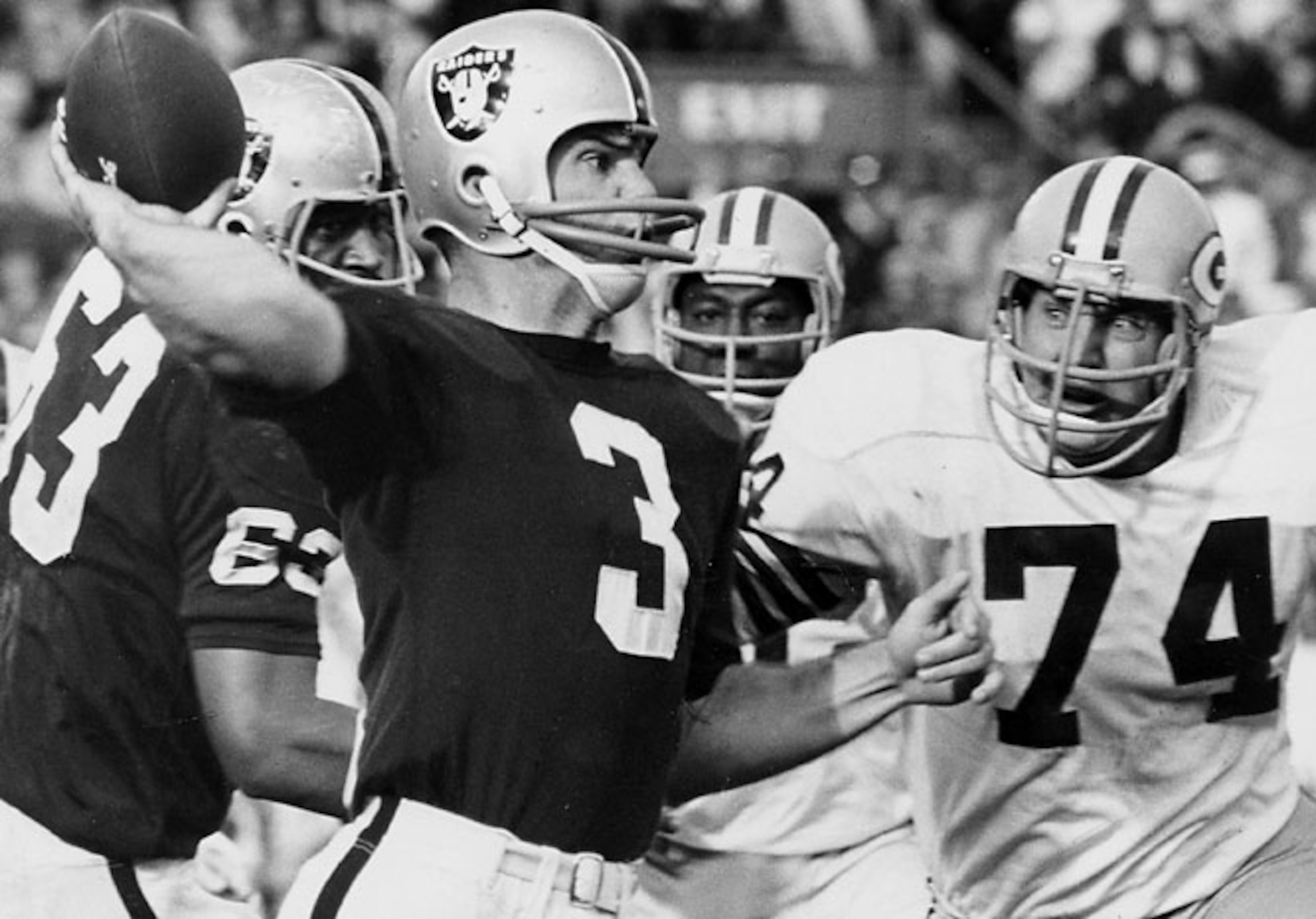
Norm van Brocklin and Daryle Lamonica were not contemporaries, yet I assert that van Brocklin was inducted because of leadership for championship teams in 1951 and 1960 with the Rams and Eagles, and his record of 61-36-4.
Lamonica can also claim comparable leadership for a championship team in 1967, and his record of 66-16-6. Lamonica was also more efficient, in an AFL that was known for high-stakes plays and interceptions.
Yet, Lamonica finished his career with 164 touchdown passes to 138 interceptions, while van Brocklin (who played in the supposedly more efficient league) finished his career with 173 touchdown passes to 178 interceptions.
According to NFL.com, van Brocklin led the league in "passing" in 1950 and 1952. NFL.com does not specify what they mean by "passing." Does that refer to passing yards, passing touchdowns, passer rating? According to sports-reference.com, van Brocklin led the league in passer rating in 1950 and 1952 with ratings of 85.1 and 71.5, and led in passing yards for 1954.
All that tells me is that passer rating as a statistic is mostly subjective.
Van Brocklin played when the NFL had a 12 game schedule, while Lamonica played with a 14 game schedule.
Reason that Lamonica is not in? Bias in favor of old school teams, and especially for the NFL.
Daryle Lamonica
Career Passing Yards: 19,154
Career Ratio of TD to INT: 164 to 138
Career Completion Percentage: 49.5
Career Record: 66-16-6
Career Games: 151
Led League in Passing yards in 1969
Led League in Touchdown passes in 1967 and 1969
Led League in Yards Per Game in 1968 and 1969
Two-time MVP of the AFL, 1967 and 1969
Four ProBowl berths and two All-Pros
AFL Champion in 1967
Norm Van Brocklin
Career Passing Yards: 23,611
Career Ratio of TD to INT: 173 to 178
Career Completion Percentage: 53.6
Career Games: 140
Career Record: 61-36-4
Led League in Passing Yards in 1954
Led League in Passer Rating in 1950 and 1952
Nine ProBowl berths and one All-Pro
Two-time NFL champion, 1951 and 1960
6) Cliff Branch, Wide Receiver
5 of 11
I have cited the fact that the Hall has rewarded careers that were longer yet similar in production
The difference I see between Cliff Branch and Bob Hayes is that Hayes never quite dominated during a significant year for the Dallas Cowboys.
Branch had a longer career, one in which he dominated the position when the Raiders won Super Bowl XI and regularly appeared in AFC Championship games. Yet, the Hall decided to induct Hayes as the symbolic deep threat rather than Branch, even though Branch's career was longer.
I don't buy the defense that Hayes revolutionized the position. Even if he did, the Hall doesn't sincerely care about players that revolutionize the game. If they did, then punter Ray Guy and Buffalo's Steve Tasker would already be in the Hall of Fame.
And besides, Branch was the better deep threat. Moreover, Branch's career numbers are also better than that of Pittsburgh's Lynn Swann and similar to Pittsburgh's John Stallworth and Miami's Paul Warfield.
According to the Hall of Fame, Hayes, Swann, Stallworth, and Warfield all had better quarterbacks because Dallas' Roger Staubach, Pittsburgh's Terry Bradshaw, and Miami's Bob Griese have been inducted into the Hall of Fame.
Reason that Branch is not in? The Hall's (likely willful) ignorance of its double-standards.
Cliff Branch
Career Receiving Yards: 8,685
Career Touchdowns: 67
Career Receptions: 501
Career Games: 183
Led League in Receiving yards in 1974
Led League in Receiving touchdowns in 1974 and 1976
Led League with Longest Reception in 1976 and 1983
Led League in Yards Per Game in 1976
Four ProBowl berths and three All-Pros
Rings from Super Bowl XI, XV, XVIII
Branch dominated the position in 1976
Bob Hayes
Career Receiving Yards: 7,414
Career Touchdowns: 71
Career Receptions: 371
Career Games: 132
Led League in Receiving touchdowns in 1965 and 1966
Led League with Longest Reception in 1970
Three ProBowl berths and two All-Pros
Ring from Super Bowl VI
Lynn Swann
Career Receiving Yards: 5,462
Career Touchdowns: 51
Career Receptions: 336
Career Games: 115
Led League in Receiving touchdowns in 1975
Three ProBowl berths and one All-Pro
Ring from Super Bowl IX, X, XIII, XIV
Swann dominated position in 1978
John Stallworth:
Career Receiving Yards: 8,723
Career Touchdowns: 63
Career Receptions: 537
Career Games: 165
Led League in Receiving touchdowns in 1968, 1971
Four ProBowl berths and one All-Pro
Ring from Super Bowl IX, X, XIII, XIV
Paul Warfield
Career Receiving Yards: 8,565
Career Touchdowns: 85
Career Receptions: 427
Career Games: 157
Led League in Receiving touchdowns in 1968, 1971
Eight ProBowl berths and two All-Pros
Ring from Super Bowls VII, VIII
5) Ray Guy, Punter
6 of 11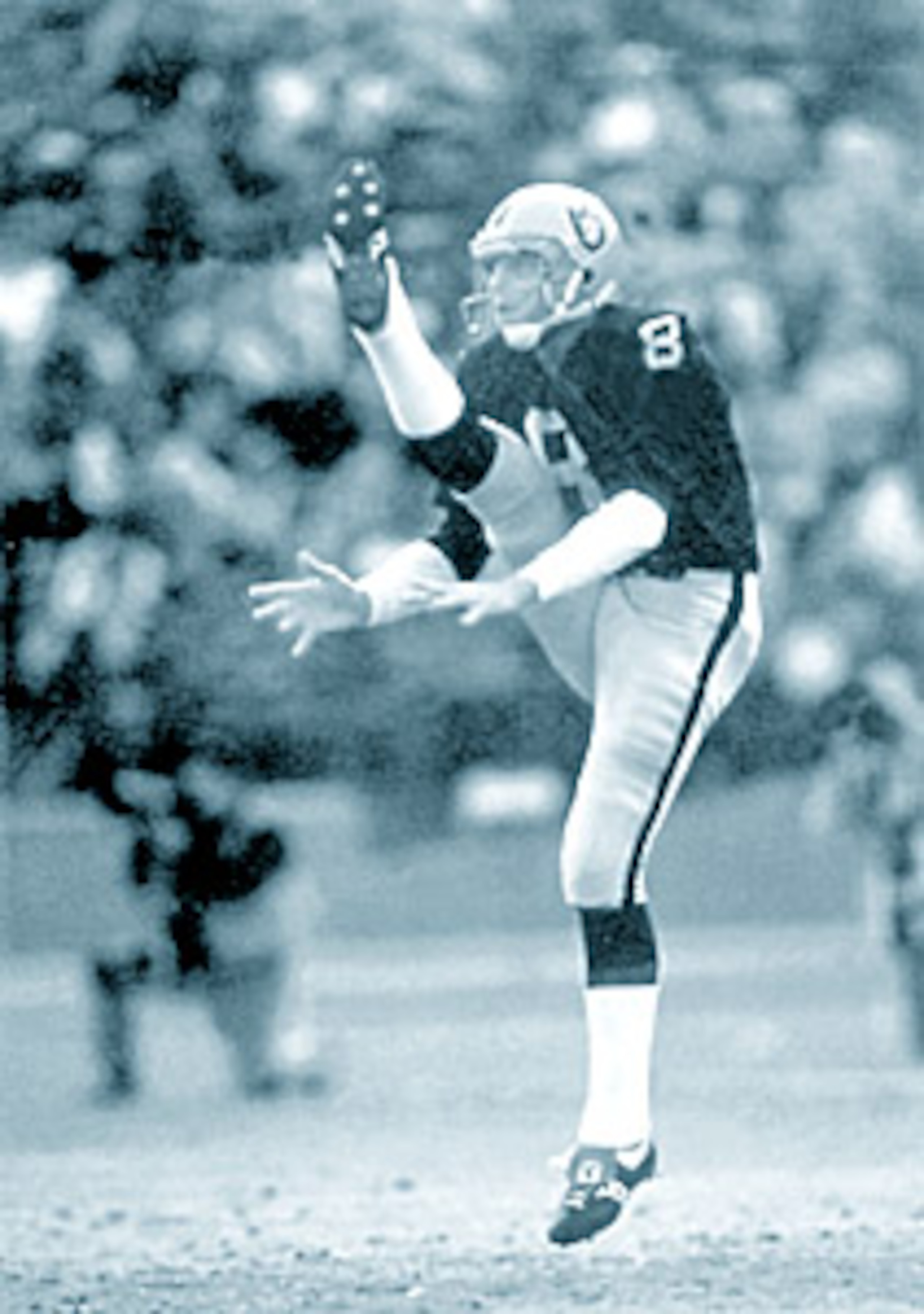
Widely regarded as the best pure punter in the history of pro football, Ray Guy has no true equal. There is no current member of the Hall of Fame to compare him too.
As I mentioned in the slide about Cliff Branch, the Hall of Fame does not sincerely care if a player revolutionized the position or the game.
Otherwise, Guy would be in the Hall of Fame.
The statistic that is the best reflection of the punter's ability is punts inside the 20, because that indicates superior control. For Guy to average more than one punt inside the 20 over his career is incredible, because that means that Guy was pinning the opponent in tough field position at least once per game.
Hypothetically, a punt of 30 yards that is pinned inside the 20 is better than a 60 punt that lands in the end-zone for a touchback.
Thus, a high average per punt is not necessarily good, although Guy's career average is only marginally lower than other punters.
A lower average could mean that the offense is relatively better, yet the punter had the control to pin the opponent in tough field position. It all depends on how far the punter needs to punt, not how far he can punt.
After Guy, coaches put more emphasis on special teams play, such as Dick Vermeil, Marv Levy, Bill Parcells, and Bill Belichik.
I'll learn from the great ones, not babblers that ask silly questions like, "Why don't special teams player go early in the draft?" By that logic, any undrafted or low round players cannot possibly be great. I don't need to cite examples of that to prove the idiocy of it.
Ray Guy
Career Games: 207
210 punts inside the 20, which does not include his first three seasons because the stat did not exist
Led the league in punting in 1974, 1975, 1977
Never had punt returned for a touchdown
Only three punts blocked throughout career
Seven ProBowl berths and three All-Pros
All-Decade Team for the 1970s
Ring from Super Bowl XI, XV, XVIII
His punts are responsible for the term "hang time"
Award for Best College Punter is named after him
4) Jack Tatum, Safety
7 of 11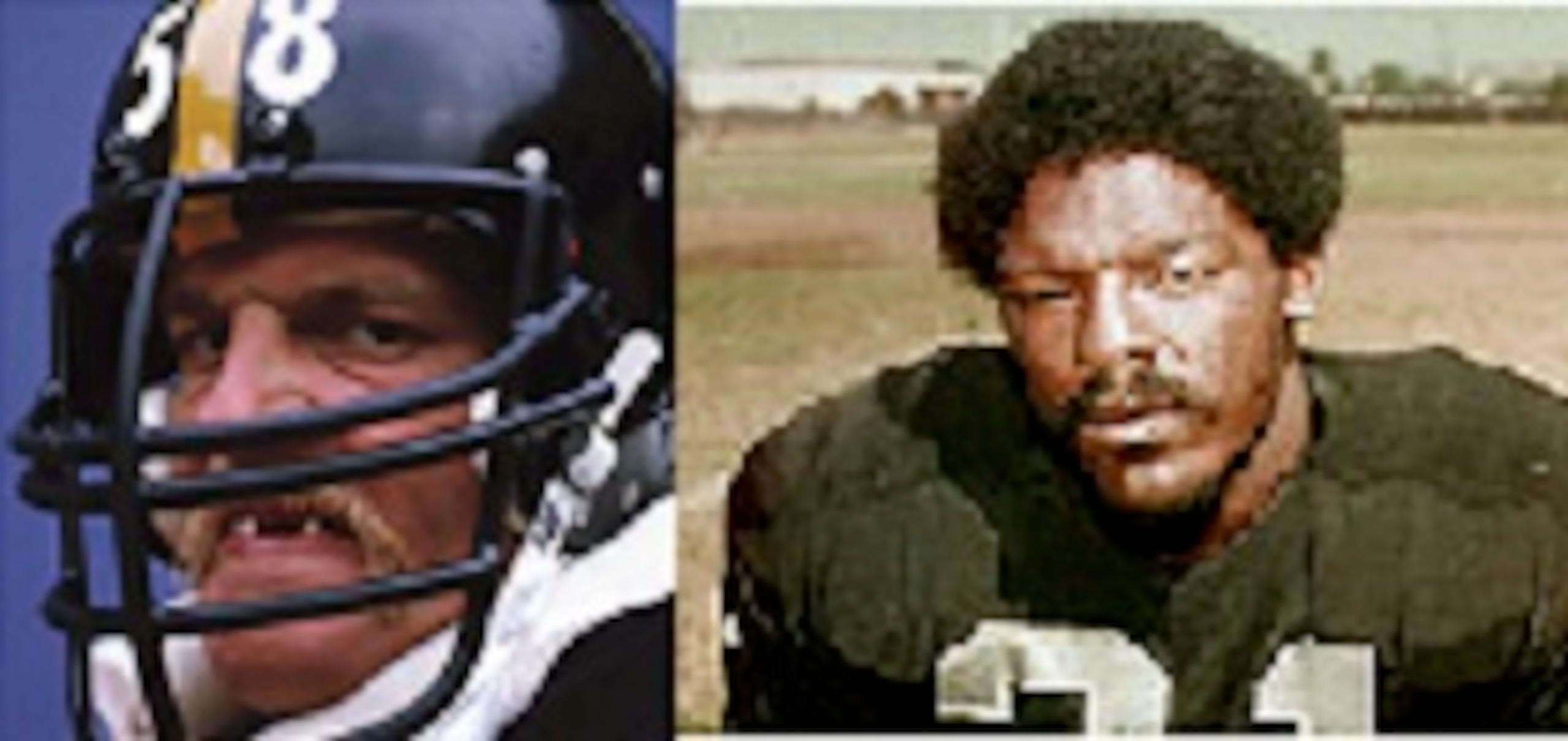
Rather than ask you to read "The Curious Case of Art Powell, Stickum, and Cheating," I will simply reiterate what I wrote about Jack Tatum of the Raiders in comparison to Jack Lambert of the Pittsburgh Steelers.
Reason that Tatum is not in? A smear campaign that has been perpetrated, either knowingly or by the ignorant, against Tatum.
The Raiders of the 1970s were certainly known for their vicious hits.
Articles will often cite such hits by the Raiders as evidence that suggests that they were uniquely dirty, to which I call nonsense and hypocrisy.
Steelers fans will often cite as dirty, a hit made by Raiders safety George Atkinson against Hall of Fame receiver Lynn Swann.
Another favorite amongst Raider Haters is the hit laid out by safety Jack Tatum against Patriots receiver Darryl Stingley, because the hit paralyzed Stingley.
Tatum moreover is often cited as the reason why the NFL has made changes to prevent vicious hits and tackling. Tatum used fear to alter the trajectory of the receiver, which has also changed the trajectory of the game.
Tatum once said notoriously, "I like to believe that my best hits border on felonious assault," yet Tatum has also said, "I always wanted to hit someone hard, and if they got hurt, that was part of the game. But you always wanted them to be OK."
The ridiculous double-standard is clear, because such a legacy has often been used to exclude Tatum from the Pro Football Hall of Fame.
Yet, Hall of Fame linebacker Jack Lambert of the Steelers is officially, "noted for vicious tackling" in the website biography for the Pro Football Hall of Fame, or as Lambert said in his words:
"I am very aggressive and very physical. On the field I guess I am just plain mean," or, "I believe the game is designed to reward the ones who hit the hardest. If you can't take it, you shouldn't play," and, "Yes, I get satisfaction out of hitting a guy and seeing him lie there for a while."
As Hall of Fame quarterback John Elway once described Lambert after Lambert knocked Elway out of his first game, "He had no teeth, and he was slobbering all over himself. I'm thinking, 'You can have your money back, just get me out of here. Let me go be an accountant." I can't tell you how badly I wanted out of there."
Elway made the factors of fear clear, as being the visceral image of Lambert as toothless and slobbering.
I will go out on a limb and surmise that the image of Tatum as a black man with an Afro who played in Oakland evoked an image of angry black men akin to the Black Panthers (founded in Oakland).
Thus, I submit to you crybaby Steelers fans and Raider Haters alike: STFU.
It's that simple.
3) Ron Wolf, Personnel and GM
8 of 11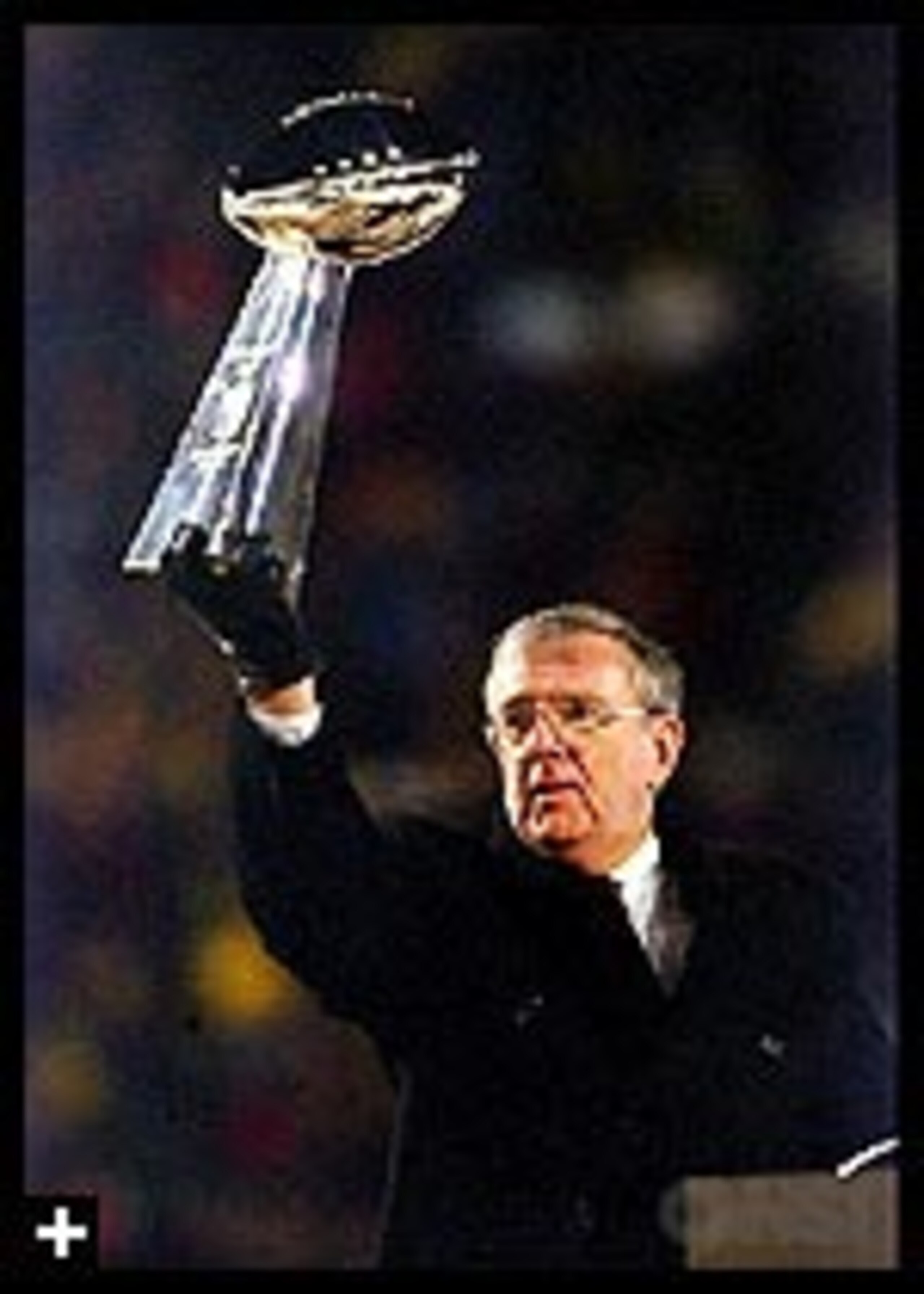
I should start by saying that Ron Wolf was the general manager of the Green Bay Packers from 1991 to 2001. He never served as GM for the Raiders from 1963-1975 and 1978 to 1990.
Wolf began his career with the Raiders in 1963, which is also the first year that the Raiders earned a postseason berth. He is considered responsible for the selections of Hall of Fame players, such as Art Shell, Gene Upshaw, Howie Long, and Marcus Allen.
He is also credited with the selections of quarterback Ken Stabler, safety Jack Tatum, and linebacker Matt Millen.
He briefly worked for the Tampa Bay Buccaneers in 1975, 1976, and 1977, in which he helped lay the foundation for the Tampa Bay's appearance in the 1979 NFC Championship game, with players such as Hall of Fame defensive end Lee Roy Selmon and quarterback Doug Williams.
Wolf was hired as GM of the Green Bay Packers in 1991 and is responsible for hiring coach Mike Holmgren, and the acquisitions of quarterback Brett Favre and then free agent and now Hall of Fame defensive end Reggie White.
During that time, the Packers boasted a return to glory with a winning percentage of .639 and victory in Super Bowl XXXI.
2) Tim Brown, Wide Receiver/Punt Returner
9 of 11
In the case of Tim Brown, I'm less concerned with the fact that Brown only once led the league in a significant receiving category. It is precisely because Brown lacked stability at quarterback for most of his career, whereas, the top receivers of the day, had top quarterbacks passing to them.
On top of that, Brown was a dual threat as a receiver and return specialist. He ranks fifth all-time in all purpose yards, behind only Jerry Rice, Brian Mitchell, Walter Payton, and Emmitt Smith.
Brown played longer than Hall of Fame receiver James Lofton from the Green Bay Packers. Brown also did more on the field, which should make Brown a Hall of Fame player some day.
I did not compare Brown to Cris Carter, because I think both of them should be in the Hall of Fame. Brown, Carter, and Jerry Rice are easily the three best wide receivers of their day.
Isaac Bruce fans don't bother me, because Brown's stats are better in every category except receiving yards, but only slightly. Brown picks up the difference with all-purpose yards.
The great debate has been which wide receivers from the 1990s belong in the Hall of Fame. I think Bruce is the odd-man out, because his career numbers are inferior to Brown, Rice, and Carter, while he wasn't the best offensive weapon when the Rams won the Super Bowl in 1999. The best weapon was Marshall Faulk.
Tim Brown
All Purpose Yards: 19, 679
Career Receiving Yards: 14,934
Career Touchdowns: 105
Career Receptions: 1094
Career Games: 255
Led League in Receptions in 1997
Nine ProBowl berths
All-Decade Team for the 1990s
James Lofton
All Purpose Yards: 14, 250
Career Receiving Yards: 14,004
Career Touchdowns: 76
Career Receptions: 764
Career Games: 233
Eight ProBowl berths and one All-Pro
All-Decade Team for the 1980s
1) Ken Stabler, Quarterback
10 of 11
Ken Stabler is the winningest quarterback in the history of the Raiders, and one of the winningest quarterbacks in the history of the league.
The current member of the Hall of Fame that I choose to compare Stabler to is Miami's Bob Griese.
Once you look through the information provided, you will surely be left wondering: What is the significant difference?
Griese had more ProBowls/All-Pros, yet Stabler won the MVP award and an All-Decade selection. Griese's first Super Bowl has an asterisk because Earl Morrall was the quarterback in the Super Bowl that year.
Really, the only blemish against Stabler is that he threw too many picks in his later years. Yet, there are quarterbacks currently in the Hall that threw more picks than touchdowns such as Joe Namath and, Norm van Brocklin.
I realize that people put a premium on "The Guarantee," as part of NFL history. Stabler though has also had his hand in the history of pro football (not just the Raiders) as the quickest quarterback to earn 100 wins, amongst many other examples.
Stabler was the original Brett Favre, as a high-stakes gambler on the field that would win regardless of momentary mistakes..
Ken Stabler
Career Passing Yards: 27, 938
Career Ratio of TD to INT: 194 to 222
Career Completion Percentage: 59.8
Career Record: 96-49-1
Career Games: 184
Led League in Touchdown passes in 1974 and 1976
NFL MVP in 1974
Four ProBowl berths and one All-Pro
All-Decade Team for the 1970s
Ring from Super Bowl XI
Memorable Lore: Made first appearance in, "The Immaculate Reception;" "Sea of Hands;" "Ghost to the Post;" "Holy Roller"
Bob Griese
Career Passing Yards: 25, 092
Career Ratio of TD to INT: 192 to 172
Career Completion Percentage: 56.2
Career Record: 92-56-3
Career Games: 161
Led League in Completion percentage in 1978
Eight ProBowl berths and two All-Pros
Ring from Super Bowl VII,* VIII
Memorable Lore: Started first five games of Miami's perfect season in 1972
Honorable Mentions
11 of 11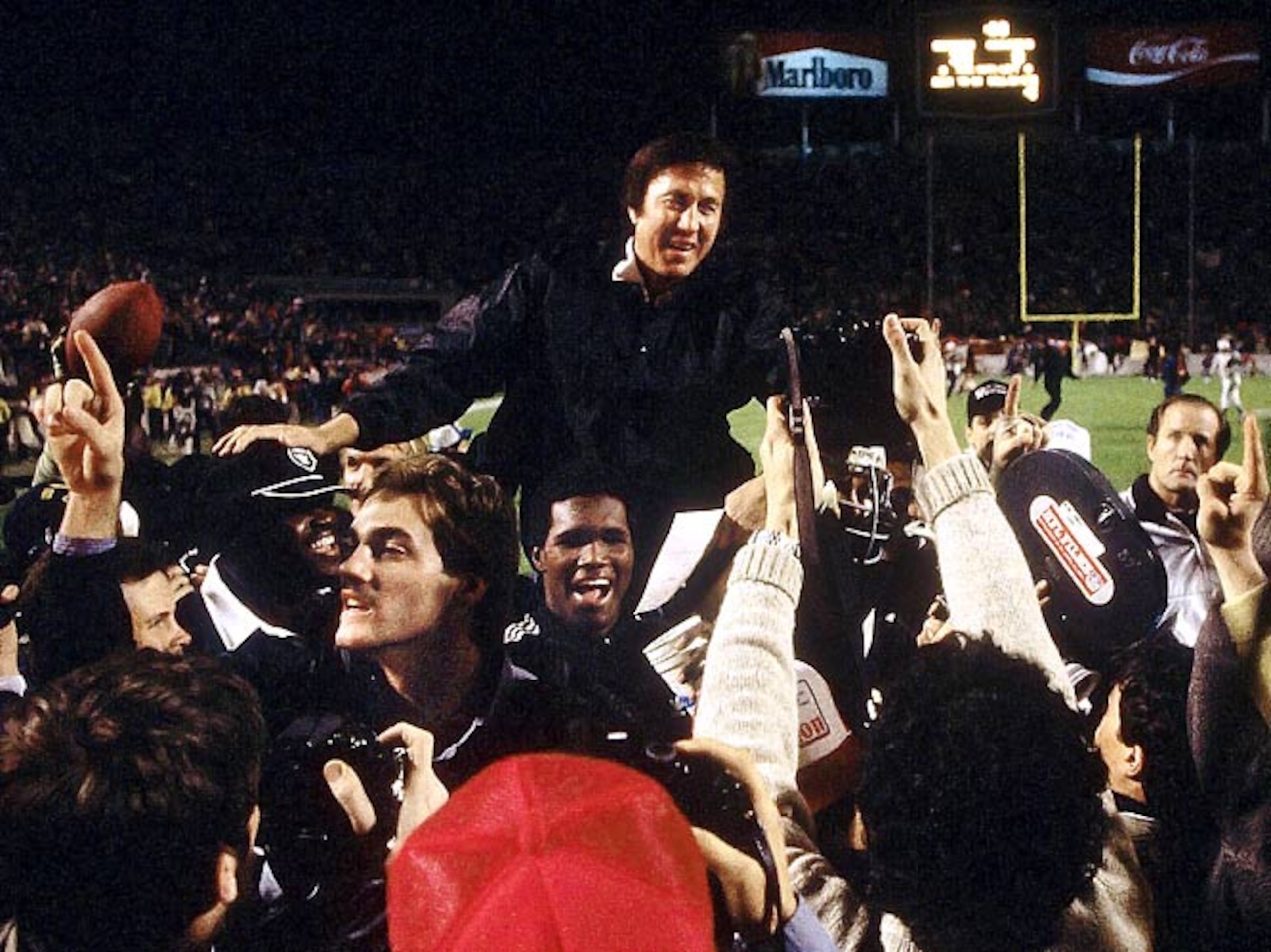
Tom Flores, coach
Jim Plunkett, quarterback
Lester Hayes, cornerback
Greg Townshend, defensive end/linebacker
Lyle Alzado, defensive end
Matt Millen, linebacker
Ben Davidson, defensive end
Tom Keating, defensive tackle
Dan Connors, inside linebacker
Clem Daniels, halfback
Warren Wells, split end
Billy Cannon, halfback/tight end
Mark van Eeghen, fullback
Lincoln Kennedy, right tackle
Steve Wisniewski, left guard
.jpg?w=2560)

.jpg?w=2560 "Malik Beasley Negotiating Plea Deal (AP)")