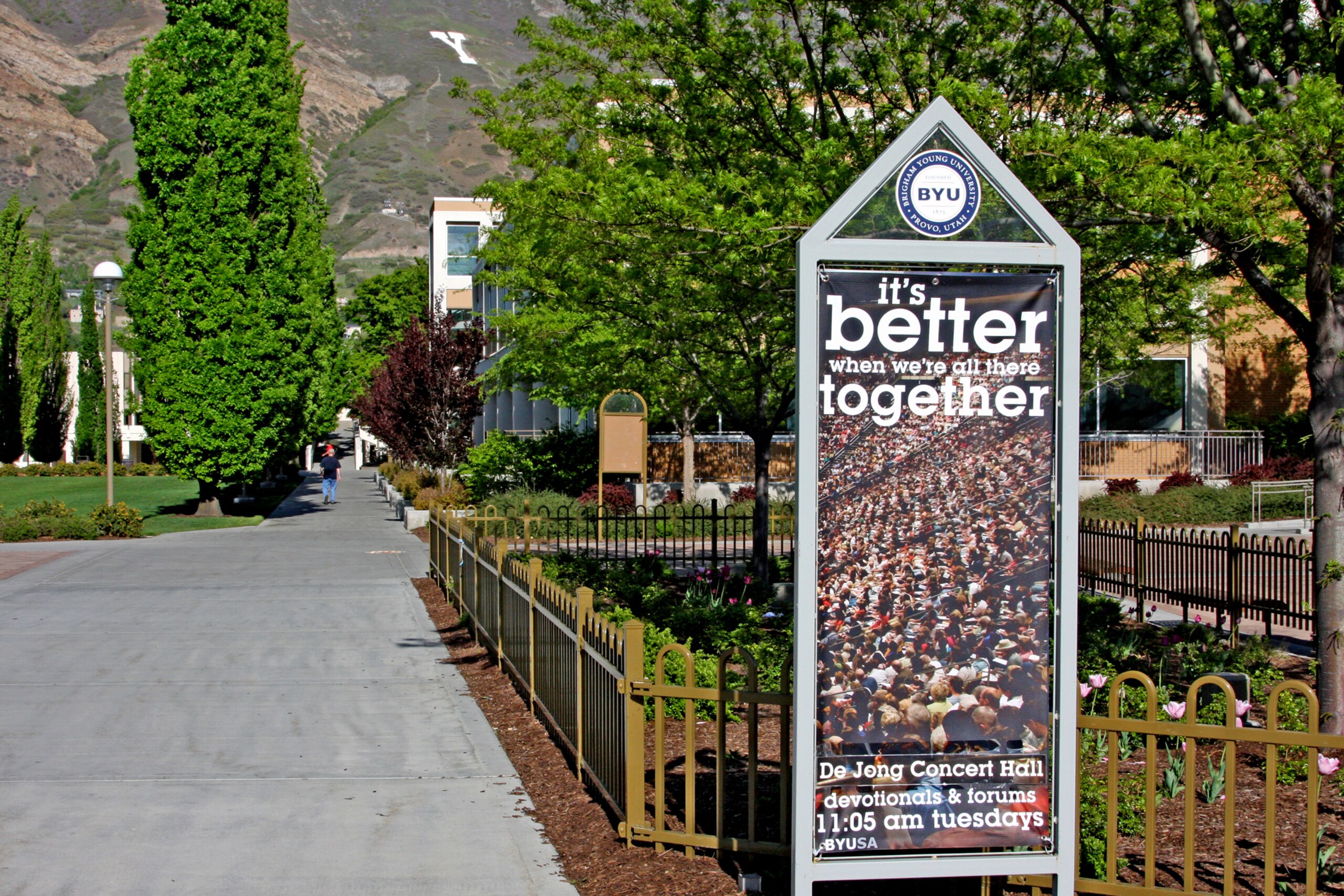


Conference movements and realignments are nothing new to the region that makes up the Mountain Time Zone of the United States. The Mountain West Conference is merely the fourth rendition of an NCAA division 1 athletic league to geographically position itself in the region over the past century, and the 8 states that make up this region Arizona, Colorado, Idaho, Montana, Nevada, New Mexico, Utah and Wyoming have been in the cross hairs of such movements in the past, and no doubt will in the future as the landscape of college sports ever evolves. But why has league alignment in this region become so fragmented over time? Why is it now split between 3 power leagues at first and then two? With all this talk of league alignment what schools would you grab for such a league with geographic parameters stretching from the desert Southwest to the northern plains stretching to the Canadian border with the mountain valleys in between?
Arizona
1 of 12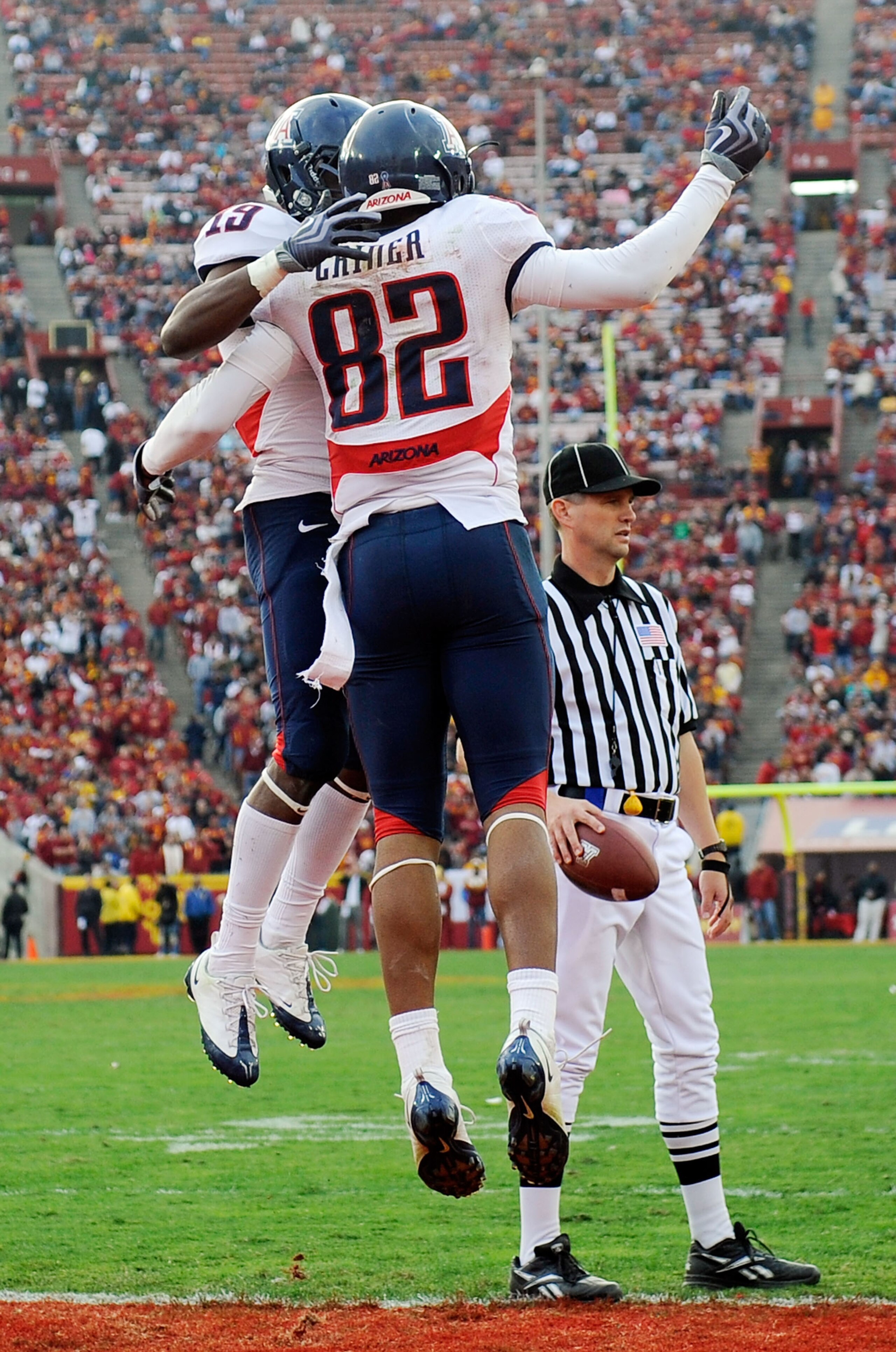
In 1961 Utah and BYU along with Wyoming and New Mexico got together with fast growing Border Conference rivals Arizona and Arizona State to form the Western Athletic Conference. Along with cross-state rival Arizona State, the Wildcats and the Sun Devils dominated the WAC for the first two decades of its existance.
Arizona State
2 of 12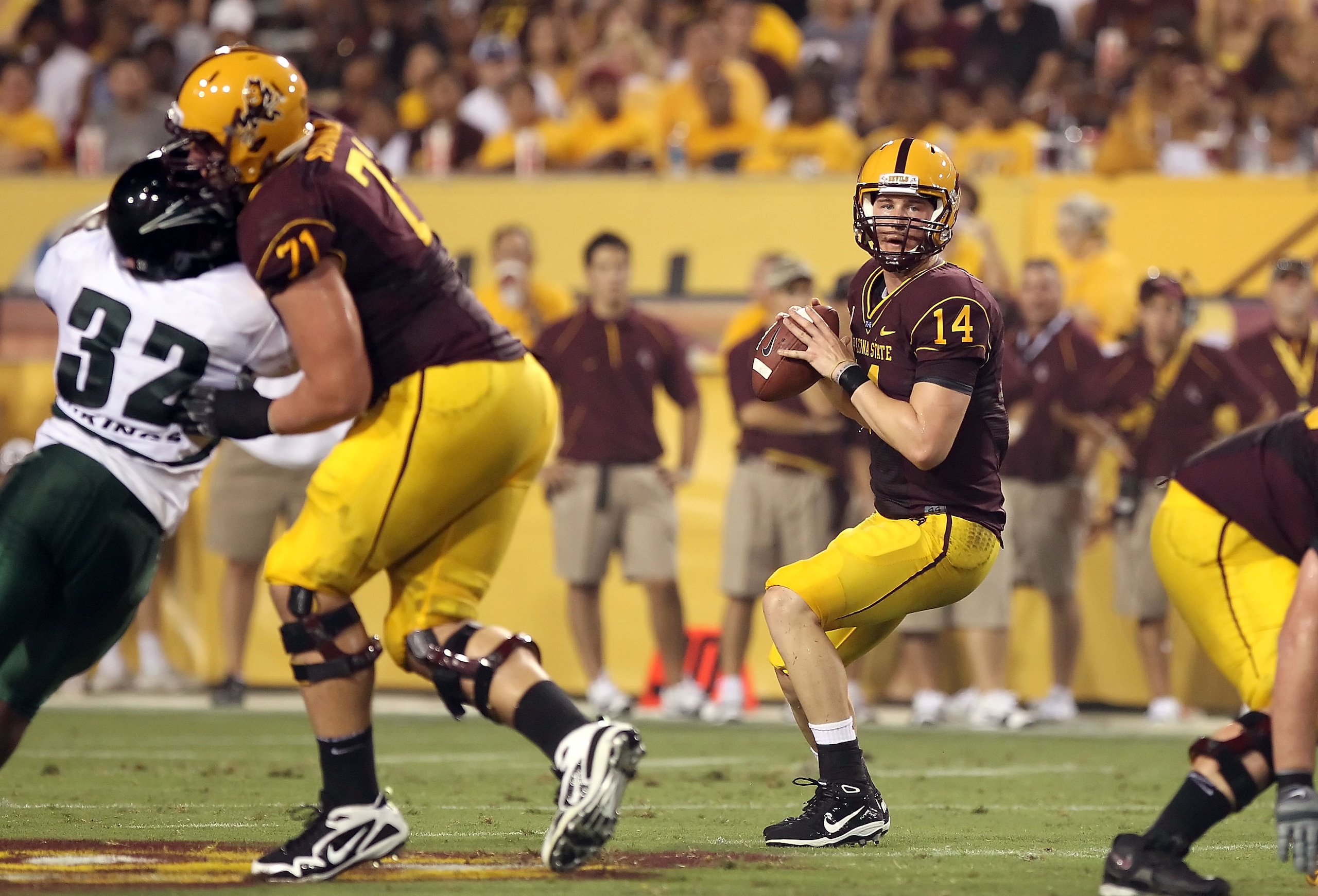
The Sun Devils dominated the Western Athletic Conference from 1969 until they departed for the PAC-10 in 1978. Even in the 1966-68 time frame only the Lloydd Eaton Wyoming teams could compete with them under Frank Kush.
Brigham Young
3 of 12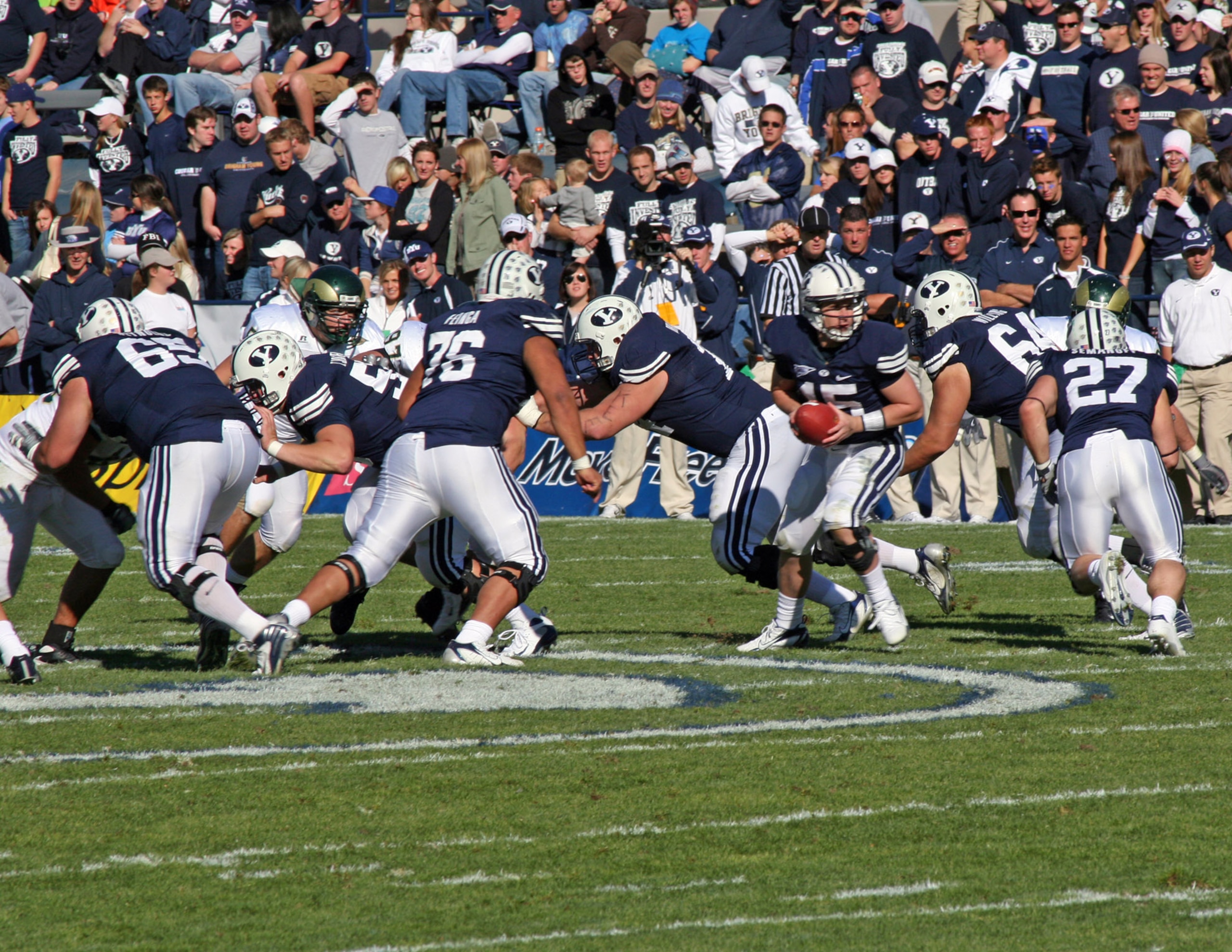
There is little doubt that this school owned and operated by the Church of Jesus Christ of Latter-day Saints would rise to the occasion and finally be competative in football.



Colorado
4 of 12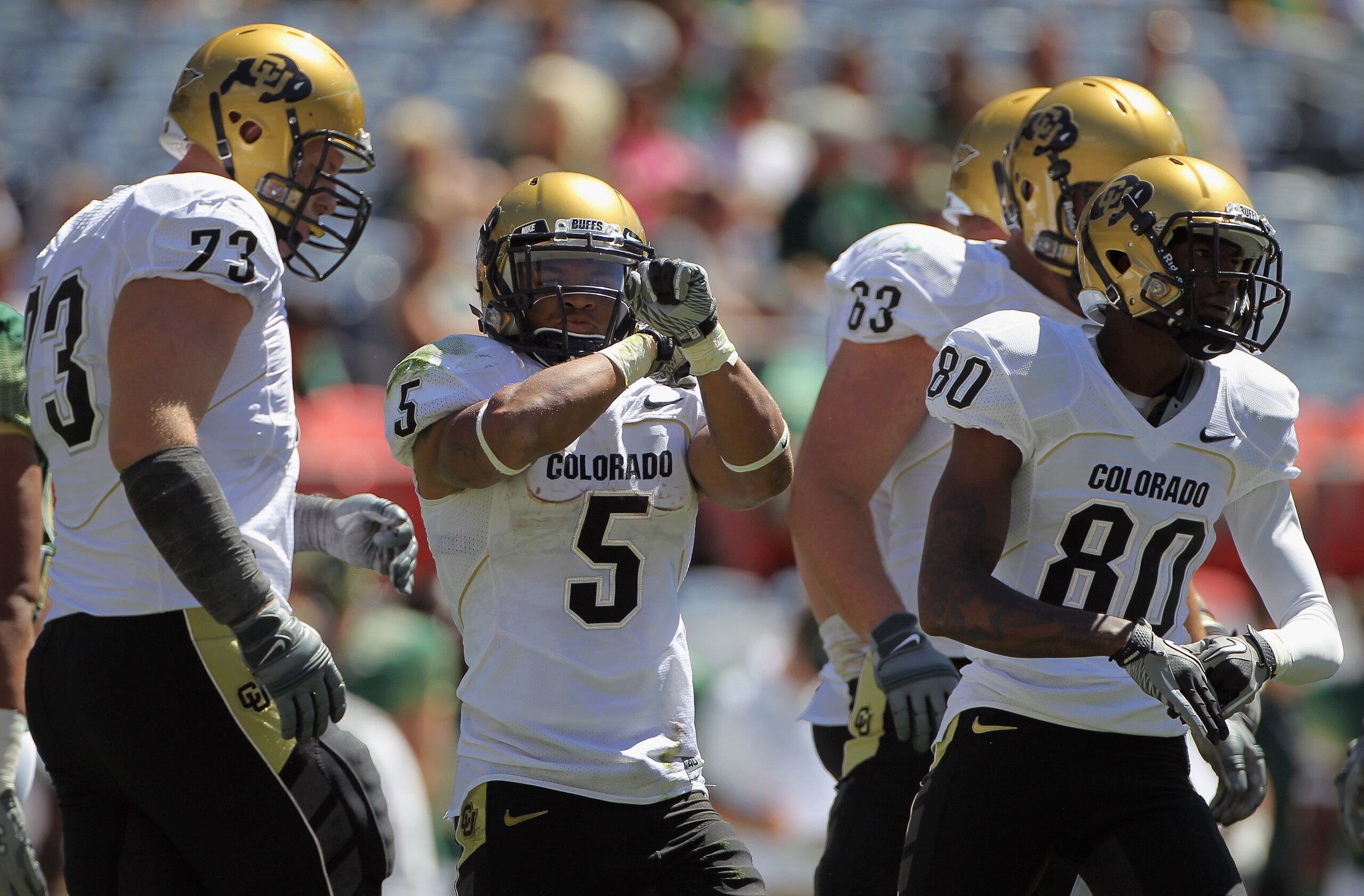
The Buffalos represented the missing link that could have made the original WAC configuration work once and for all. By bringing in the largest following in the Denver TV market, the Buffalos had a long standing rivalry with Utah that they played regularly until 1962, despite moving on from the Mountain States or Skyline Conference in 1947 to what would become the Big-8 and eventually the Big-12.
Colorado State
5 of 12
While a later addition to the WAC, Colorado State clearly gave the Front Range region a second big school and large alumni base. They have remained a WAC/MWC mainstay, and have made the facility and budget commitments not made by similar schools on the other side of the Rockies like Utah State who just as easily could have been included in this alignment.
New Mexico
6 of 12
Having competed in the old Border Conference with the Arizona schools, New Mexico represents the largest university and alumni base between Arizona and Texas. They may be going through an unplanned "dark age" now in football, but they are a large enough fan base that with the right pieces in place they can be very competative.
Wyoming
7 of 12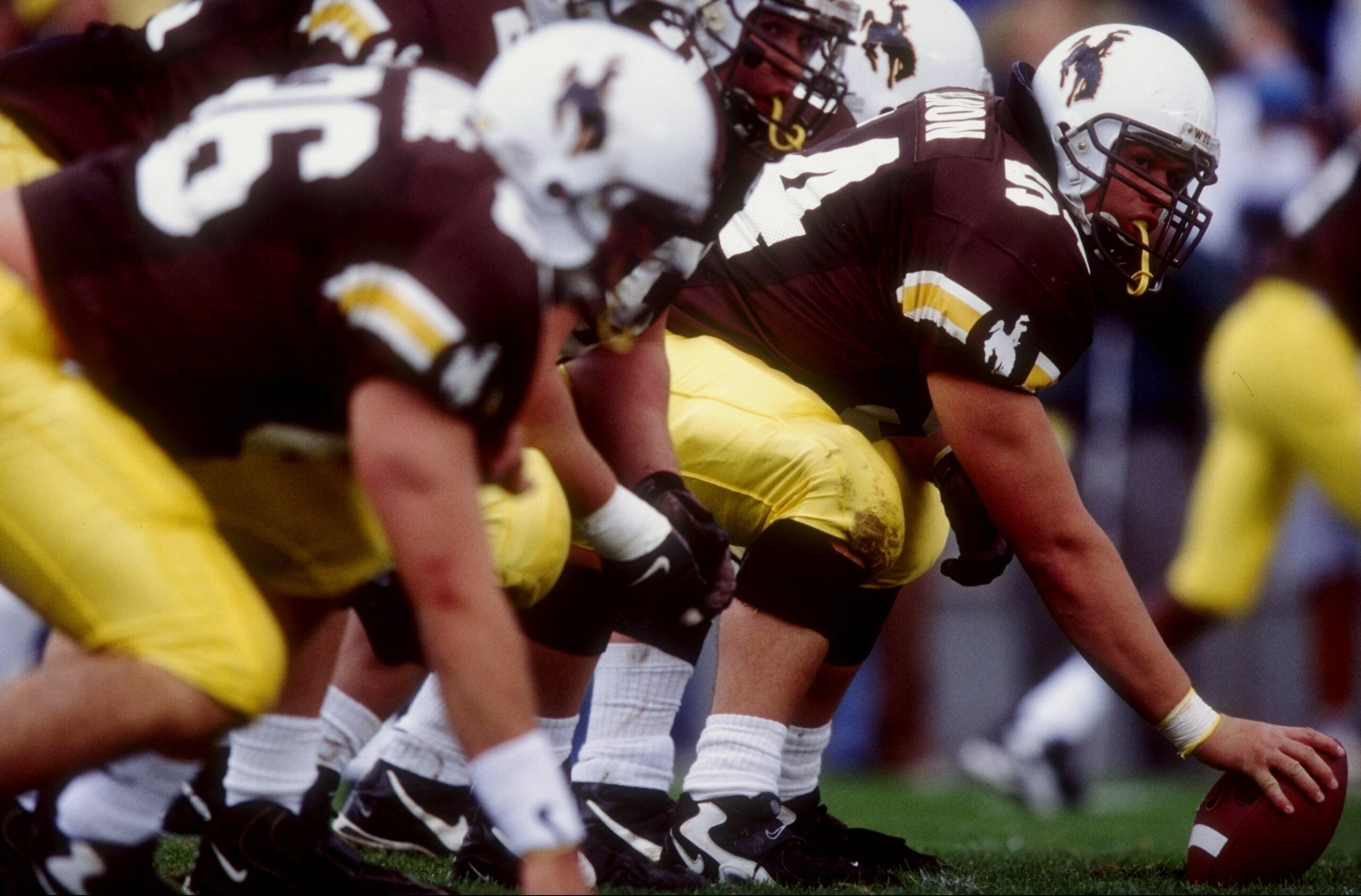
Despite their smaller size, Wyoming adds a much greater base of alumni from Colorados Front Range and the Denver metro area than many otehr schools in similar geographical situations (Utah State drawing from the Wasatch Front & Salt Lake City would be an example). While some will argue a league dead-weight, the Cowboys add a competative element to the alignment as well as a rough and roughty crowd.
Utah
8 of 12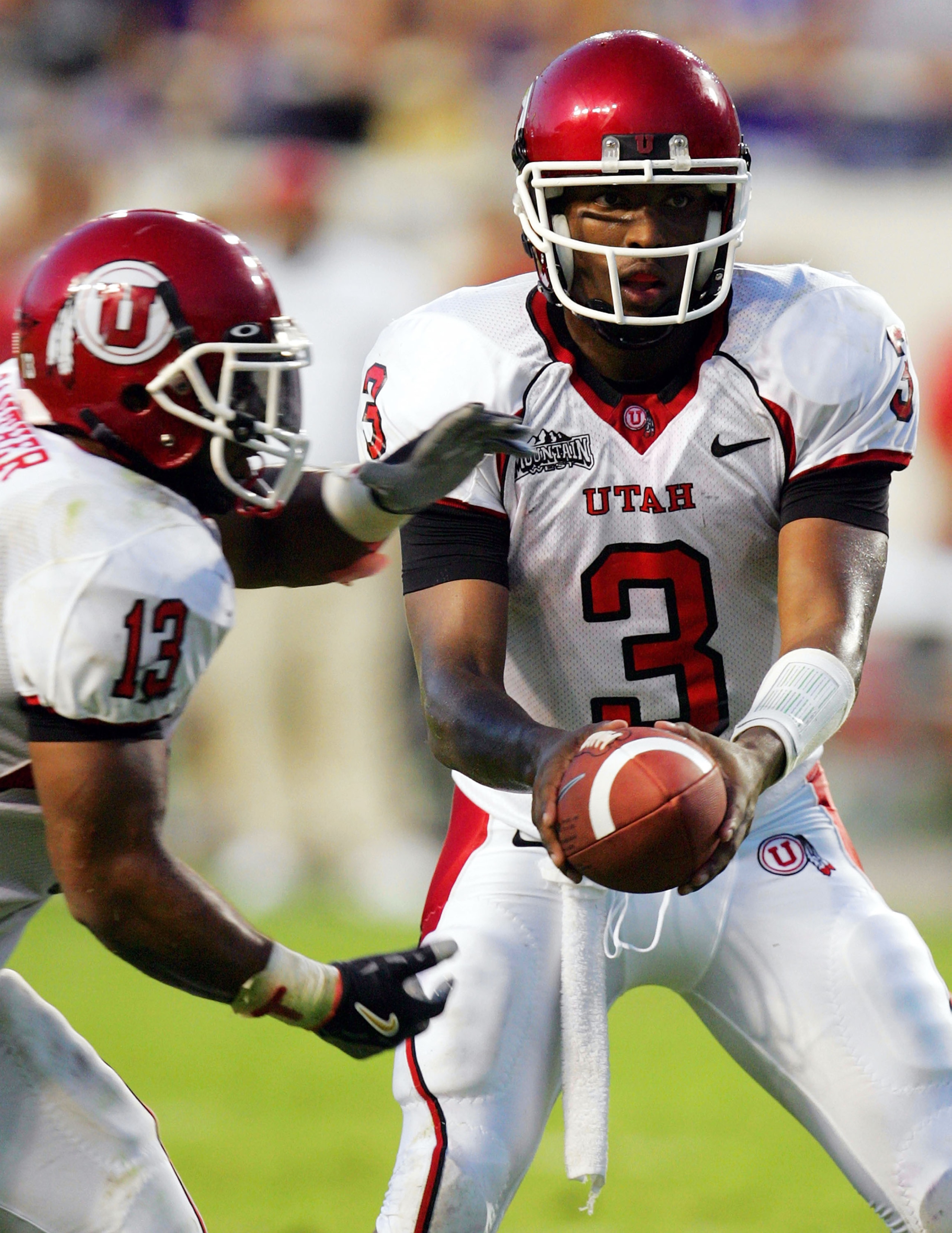
While going through a dark ages during the 1970s and 80s, they began to resurge and be competative once again with arch rival BYU going .500 against the Cougars for the past two decades and out accomplishing their heated rivals by busting the BCS twice in 2004 and 2008.
Texas Tech
9 of 12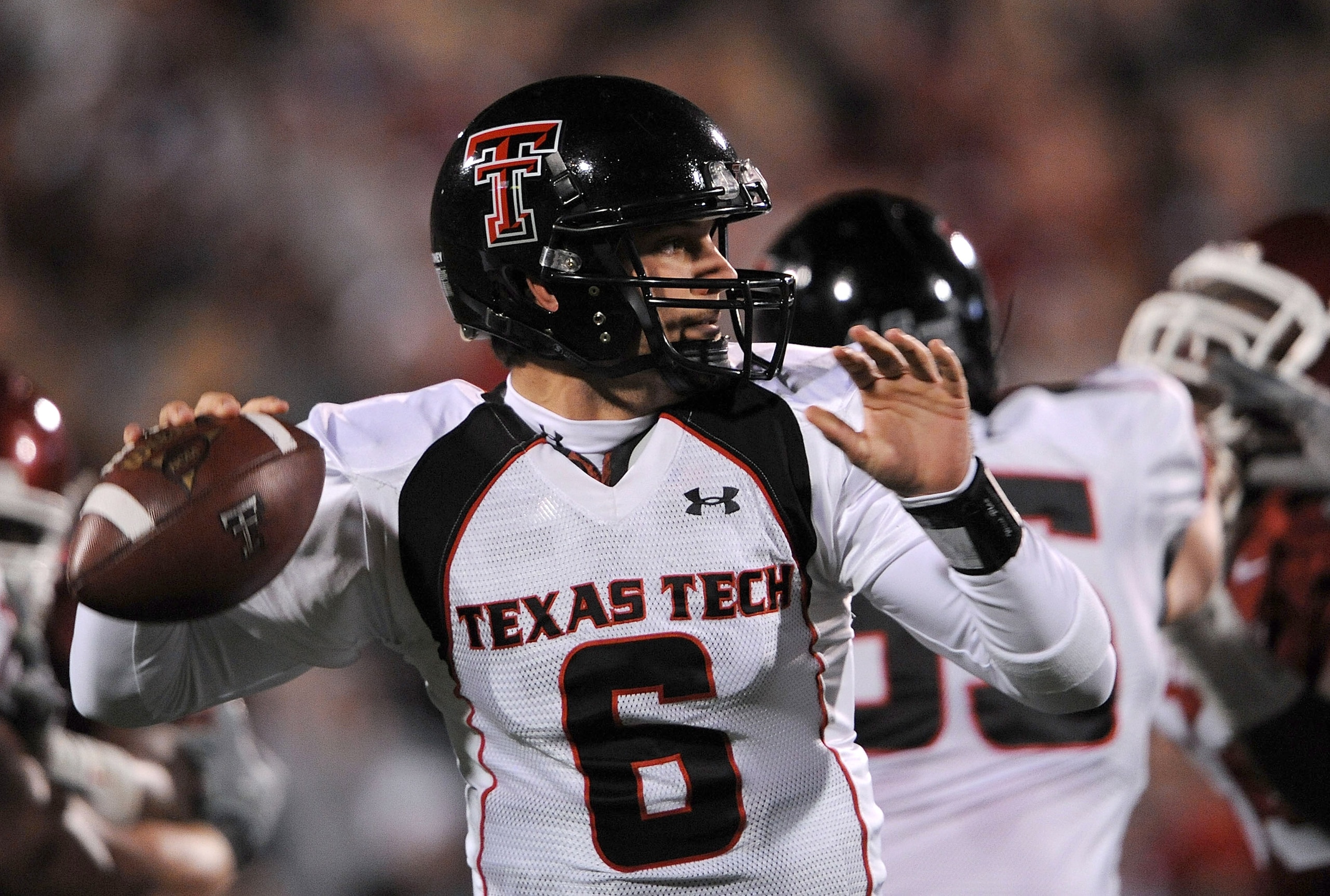
Lubbock is a panhandle community that is closer to the likes of New Mexico and Colorado than it is to Texas, Texas A&M or even the Oklahoma schools or Dallas/Fort Worth based religious schools. Historically the Red Raiders have had closer ties to Arizona and Arizona State than to any SEC school. Along with Colorado, this might have been an original that could have better solidified the WAC.
Nevada
10 of 12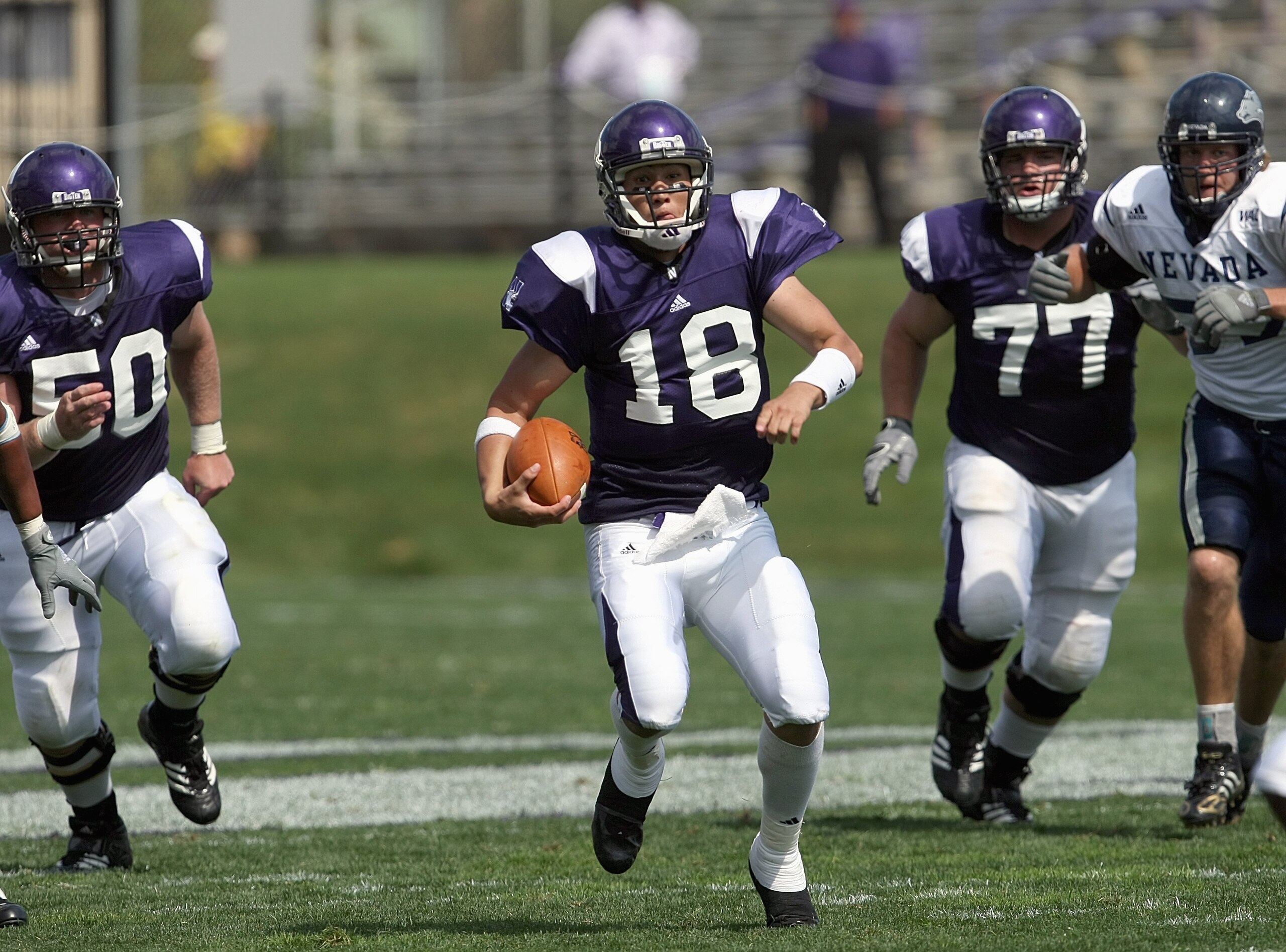
Beyond this original configuration the Nevada wolfpack represents one school that has grown into pre-eminence from the FCS ranks in the last 2 decades. Montana could still yet be another.
UNLV
11 of 12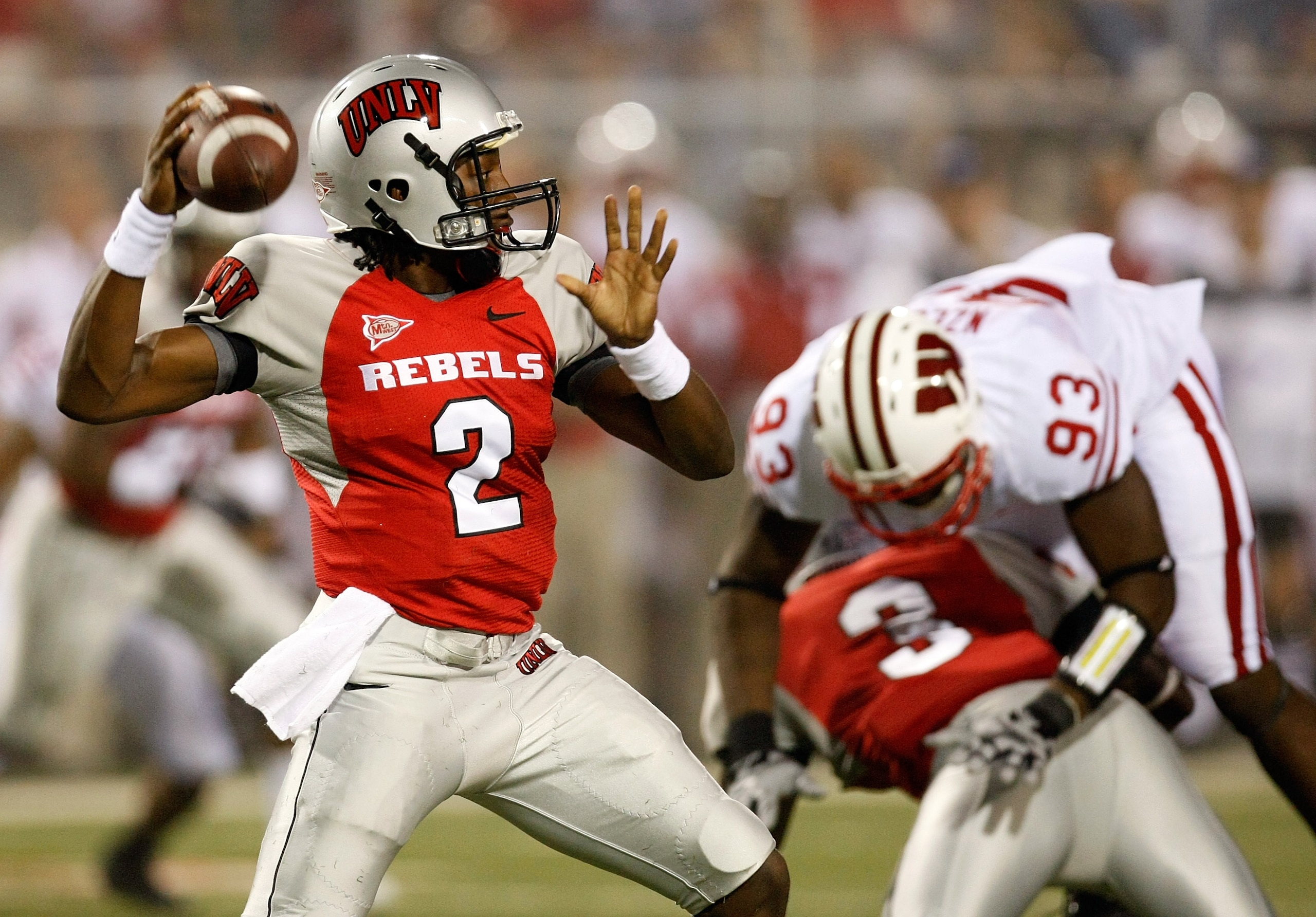
UNLV represents the 4th largest market in the interior west that is on the heels of Phonix, Denver and Salt Lake City.
Boise State
12 of 12
What can I say? Boise represents one of the fastest FCS to serious FBS competitors in a relatively short period of time!

.jpg?w=2560 "Chiefs Giants Football")
.jpg?w=2560 "Jonathan Taylor Landing Spots 📍")

.jpg?w=2560 "Five Teams Eyeing Taylor")

