They're Grounded: The Biggest LLWS Controversies of All Time
"I wish I could play little league now. I'd be way better than before."
Comedian Mitch Hedberg (r.i.p.) said this, and as laughable as it seems, a team using a guy in his 30's isn't that big of an exaggeration when compared to some of the things coaches and teams will pull to win Little League Baseball games.
Each summer we watch these pre-teens take the field in Williamsport to represent their state, region, and country. Yet it seems that every now and then, some people take it a wee bit too far.
Here's a few of the stories that have shaken up what should be baseball in its purest form.
2007: Warner Robbins, Georgia
1 of 5
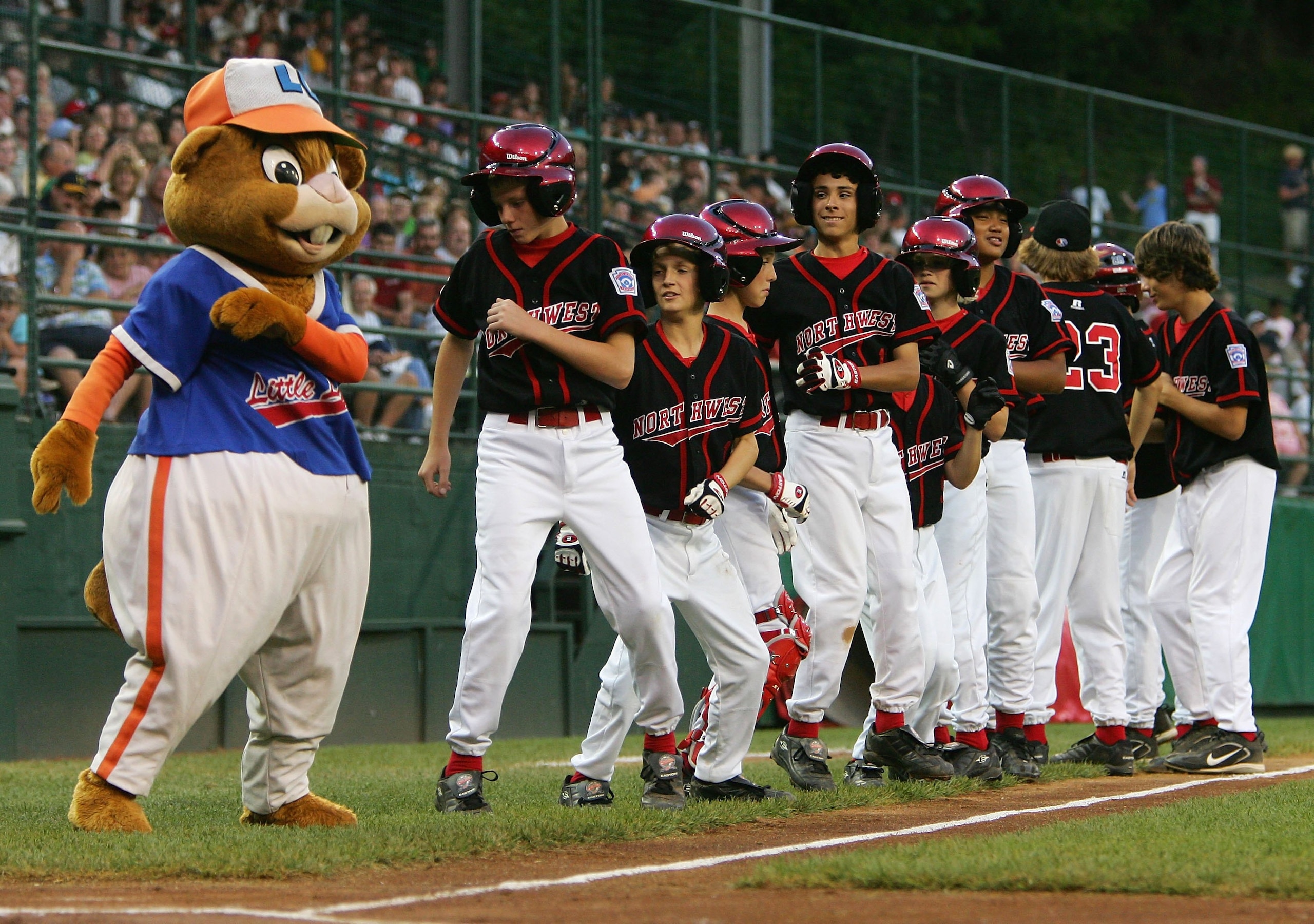
2007 overall champion Warner Robbins Georgia was the center of not one, but two interesting incidents on their road to the title.
The first occurred during U.S. pool play, when the Georgia team allegedly threw a game to ensure another team would be eliminated. The team from Phoenix, AZ claimed to be the victim of Georgia intentionally not scoring runs so they would be eliminated, thus preventing Georgia from having to play them.
Just two nights later, an opposing coach was heard on a dugout mic stating that Georgia baserunners were tipping pitches to their batters.
While this is a tactic practiced at all levels of baseball worldwide, Georgia's reputation and the fact the microphone caught the accusation just continued to raise questions about the team from Warner Robbins.
1992: Zamboanga City, Philippines
2 of 5
Eligibility requirements are always in issue in Little League Baseball.
One of the biggest occurred in 1992 when the champion team from the Philippines was stripped of their title for using players that were ineligible by way of either age or residency.
The catch was the Filipino journalists were actually the ones who blew the whistle.
The team from Long Beach, California that lost in the finals was eventually awarded the championship.
More on eligibility to come later...
2001: Bronx, New York
3 of 5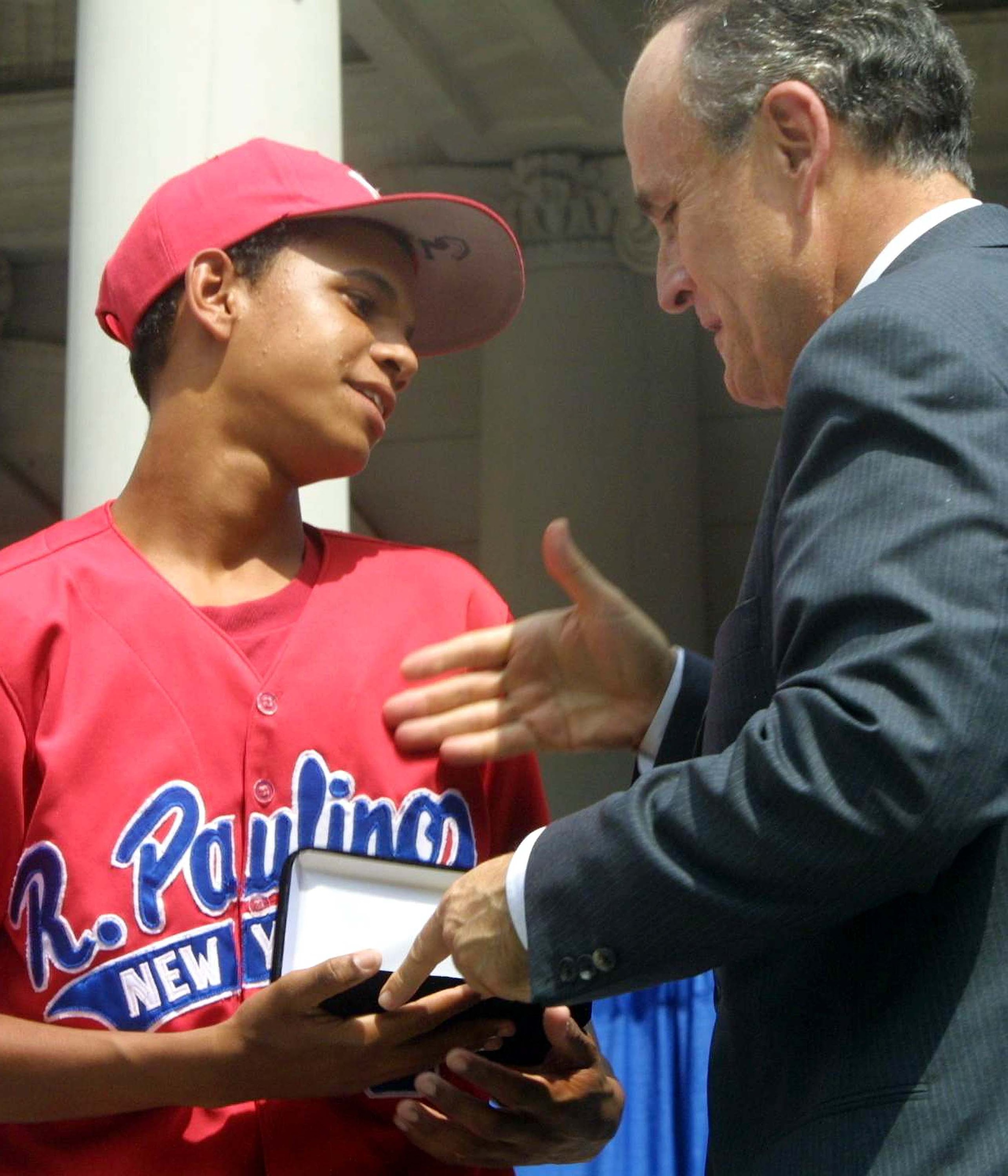
In 2001, America was enthralled with a twelve-year old flamethrower from the Bronx.
Danny Almonte would take the mound in Williamsport and throw the Major League equivalent of about 104 mph. He even tossed a perfect game en route to his team's third place finish.
The only catch? This twelve-year old kid was actually 14.
An in-depth search revealed Almonte's birth certificate had been altered and he was ineligible, thus leading to his team being stripped of their third-place finish.
In 2005, another age controversy surrounded Almonte when he was reported to have married a 30-year old woman.
He eventually ended up playing college baseball at a small Oklahoma college and semi-pro ball in 2009.
.jpg?w=2560 "Titans Giants Football")

2002: Harlem, New York
4 of 5
The lesser known scandal about a New York team.
The year after the birth certificate heard round the world, a team from Harlem, New York qualified to play in Williamsport.
After the Almonte controversy, it was a given that every player on this team would be checked out as though he was attending a meeting in the Oval Office.
The residency eligibility of a couple players on the Harlem team was questioned, but in the end, all players checked out okay and the team was allowed to continue in the tournament.
2007: The Pitch Count
5 of 5
After seeing 12 and 13 year olds throw 120 pitch perfect games, someone in the LLWS powers-that-be was struck with some inspiration and decided it may not be that good to have Little Timmy out there throwing 95 12-6 curveballs when he's 12.
In 2007, the LLWS mandated that no pitcher can throw more than 85 pitches in a game and laid out mandatory rest rules for pitchers.
While some may be upset that they don't get to see a kid blow out his arm to no-hit Piscataway or those dreaded Canadians, it may be better than having a never ending string of teenagers going in for Tommy John Surgery.
Foresight such as this is one of the main reasons LLWS is lightyears ahead of MLB in the public eye. They saw an issue, addressed it, and remedied it. They also have expanded the use of instant replay while MLB refuses to do so. And professional baseball wonders why they have a bad rap these days...