National Signing Day and the Blogosphere: Do Recruits Believe the Hype?
National Signing day is fast approaching and the college football blogosphere is whizzing away with hopes for future phenoms, dreams of the next Tim Tebow, promise of programs lifted, and fears of all that potential withering on the vine.
The recruiting process—which has been described as the life blood of any college athletic program—has become a high profile activity for college football in the last decade or so.
Fans follow recruiting almost as intensely as they follow the games themselves; they study the potential recruits on the growing number of sites (and services) dedicated to tracking and ranking the players, teams, and coaches involved in recruiting.

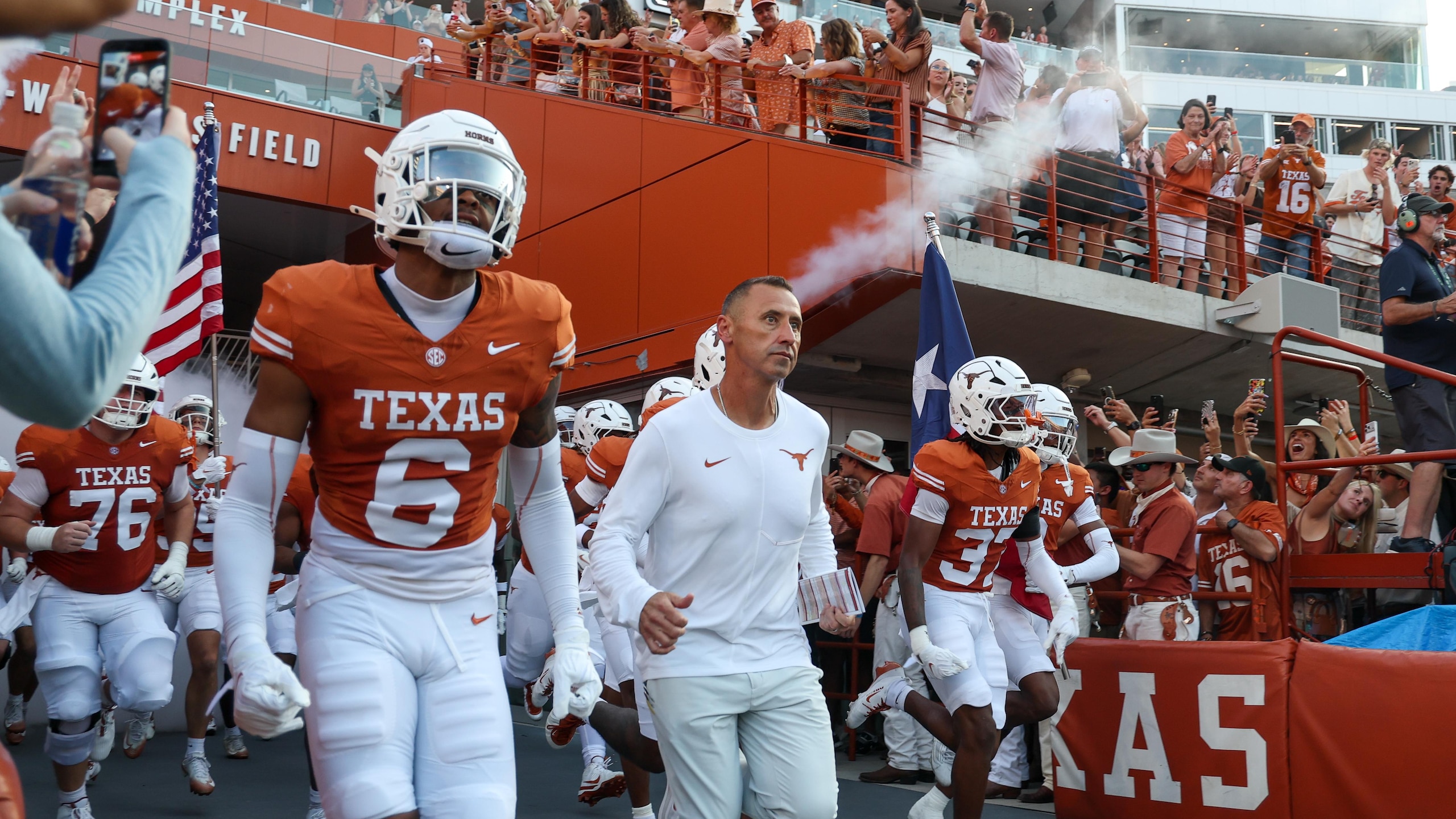

ESPN dedicates around-the-clock coverage on National Signing Day and the teams are ranked by methods second only to the BCS in complexity and subjectivity.
Reporters rush to the microphone with every ring of an athletic department’s fax machine.
Analysts opine with bated breath on how this 17-year-old kid that weighs a buck seventy-five soaking wet is destined to be the second coming of Ricky Henderson or this 19-year-old returning from his Mormon mission is the next Steve Young.
And bloggers, well they blog.
They blog about all things related to their team of interest, and frankly, you might very well find that sometimes the most abundant and most accurate information will find its way to the blogosphere long before it hits the mainstream.
For example, ESPN’s Ombudsman published an article yesterday criticizing ESPN’s coverage of the Alamo Bowl in light of the Mike Leach firing. However, if you follow Double T Nation—a Texas Tech athletic blog—you are well ahead of this story, as they have covered the issues more thoroughly and perhaps more objectively than any other source.
Yet there can be another side to the open access reporting of such sites. When basically anyone can "report" anything, they often do.
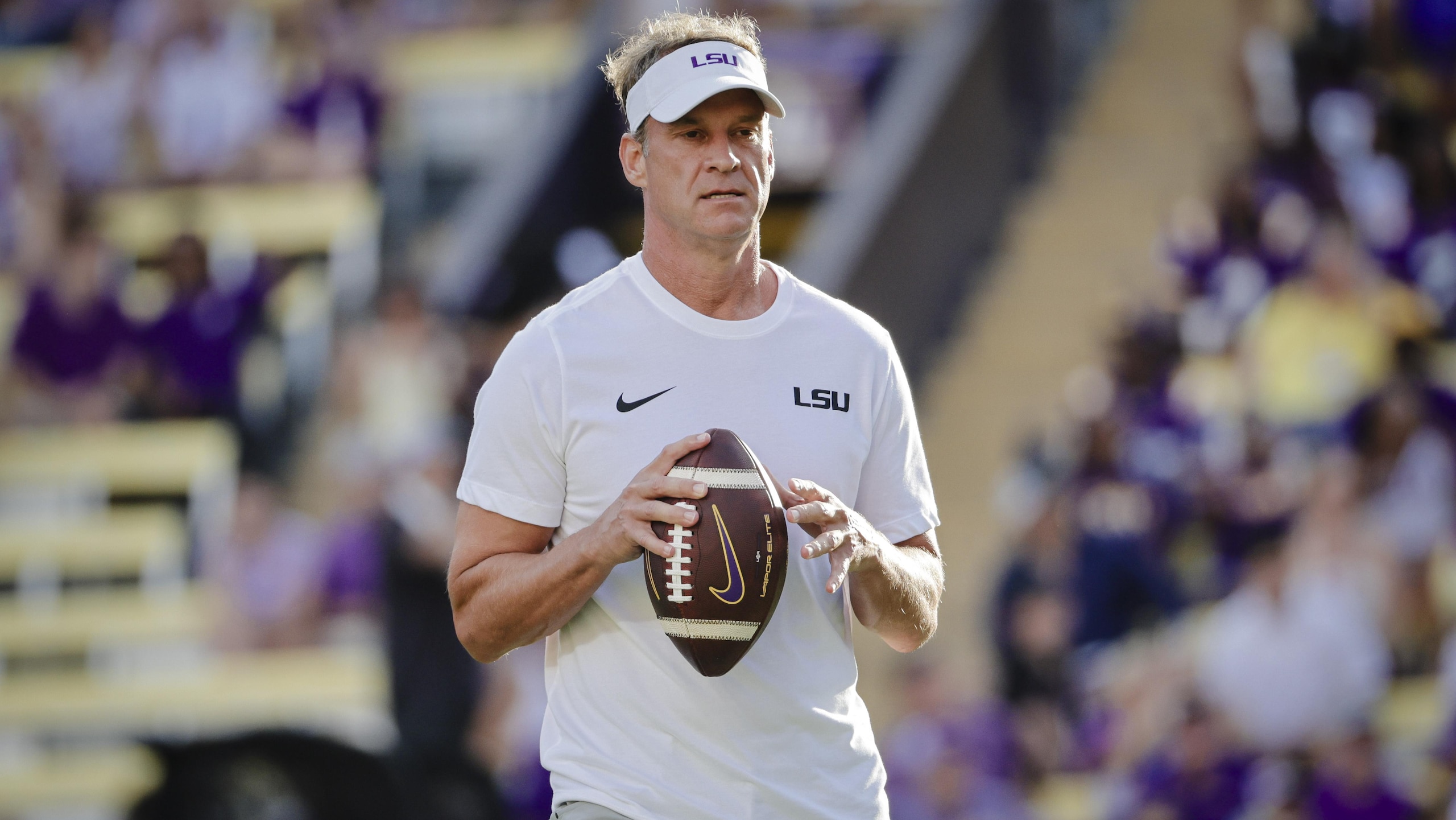
After Lane Kiffin accepted the head coaching position vacated by Pete Carroll at USC, articles and commentary started circulating about Kiffin "stepping out" with coeds and perhaps being unfaithful to his wife.
Turns out the "proof" photo that got millions of hits on the Internet was a photo of a family outing that included the back of his wife’s head as she was seated across from Kiffin.
The commentary and opinion offered online can also have an effect on the players, as evidenced in the downfall of the aforementioned Mike Leach.
Leach—known and beloved by fans and former players as "El Capitan"—had to ban his players from using Twitter, Facebook, and other social networks due to the effect it was having on the team’s attitude.
In turn, it has been reported that the team’s attitude got worse, and then the Adam "Electrical Closet" James’ saga unfolded.
In October 2008, Rutgers TE Malcolm Bush—a three-star recruit from Hackensack, NJ—decommitted from the Scarlet Knights due to the “constant criticism and negativity towards the Rutgers football program” according to NJ.com. (Bush would eventually recommit to Rutgers.)
In October of 2009, the Detroit Free Press published a story stating that “UM’s storm of negativity won’t fade.” Indeed, head coach Rich Rodriguez has been under fire in the blogs and in the mainstream media since he left Morgantown, WV. That fire storm led to the decommitment of Kevin Newsom—a four-star QB prospect—and potentially four other players that had committed, according to some UM blogs.
The Orlando Sentinel stated that the negativity surrounding now retired Bobby Bowden led directly to Matt Elam’s—five-star safety prospect—decommitment and commitment to Florida.
Elam had initially committed to Florida, but Urban Myer’s retirement and then decommitment to his family, I mean un-retirement, led him to FSU, but the negativity led him back.
Some Nittany Lion fans believe that fan negativity played a role in the decommitment of five-star WR prospect, Adrian Coxson. A member of the Penn State coaching staff allegedly has said it was because he just wasn’t good enough.
That declaration seems odd, considering how highly he was regarded by most of the recruiting services and schools offering him a scholarship, including PSU, one of the first teams to offer.
Who knows what the deciding factors are for teenagers deciding where to play college football? Program history, TV exposure, coaching staff, distance from home, girlfriend’s attendance, course study, coeds in the recruiting process, etc, etc….
One thing that is absolutely true is that information about those schools and teams is more abundant and more easily accessible than at any point in human history, thanks to the Internet and "new media."
According to a recent study, teenagers spend a whooping eight hours per day accessing information via texting, social networks, and the Internet.
Therefore, if there is a negative buzz surrounding a program—whether deserved or not—prospects are going to know about it. If it is abundant and ubiquitous, will it influence them or affect their decision-making?
There is an old maxim that laughter is contagious, and so is negativity.
If Johnny constantly hears how bad he is, will Johnny be a good boy?
If Johnny is a high school superstar and has his pick of any of the top colleges in the country, is he going to pick the one with the most negative vibe?
So, as National Signing Day rolls around, pay attention to the hype on the blogs if you want to know what’s really going on with your favorite college football team.
Just don’t be surprised when prospects change their mind and pre-de-or-re-commit to any number of schools for any number of reasons—it happens every year.
But maybe, just maybe, that one that got away did so because he did believe the hype.
.jpg?w=2560 "Vikings HC Talks Kyler Injury")