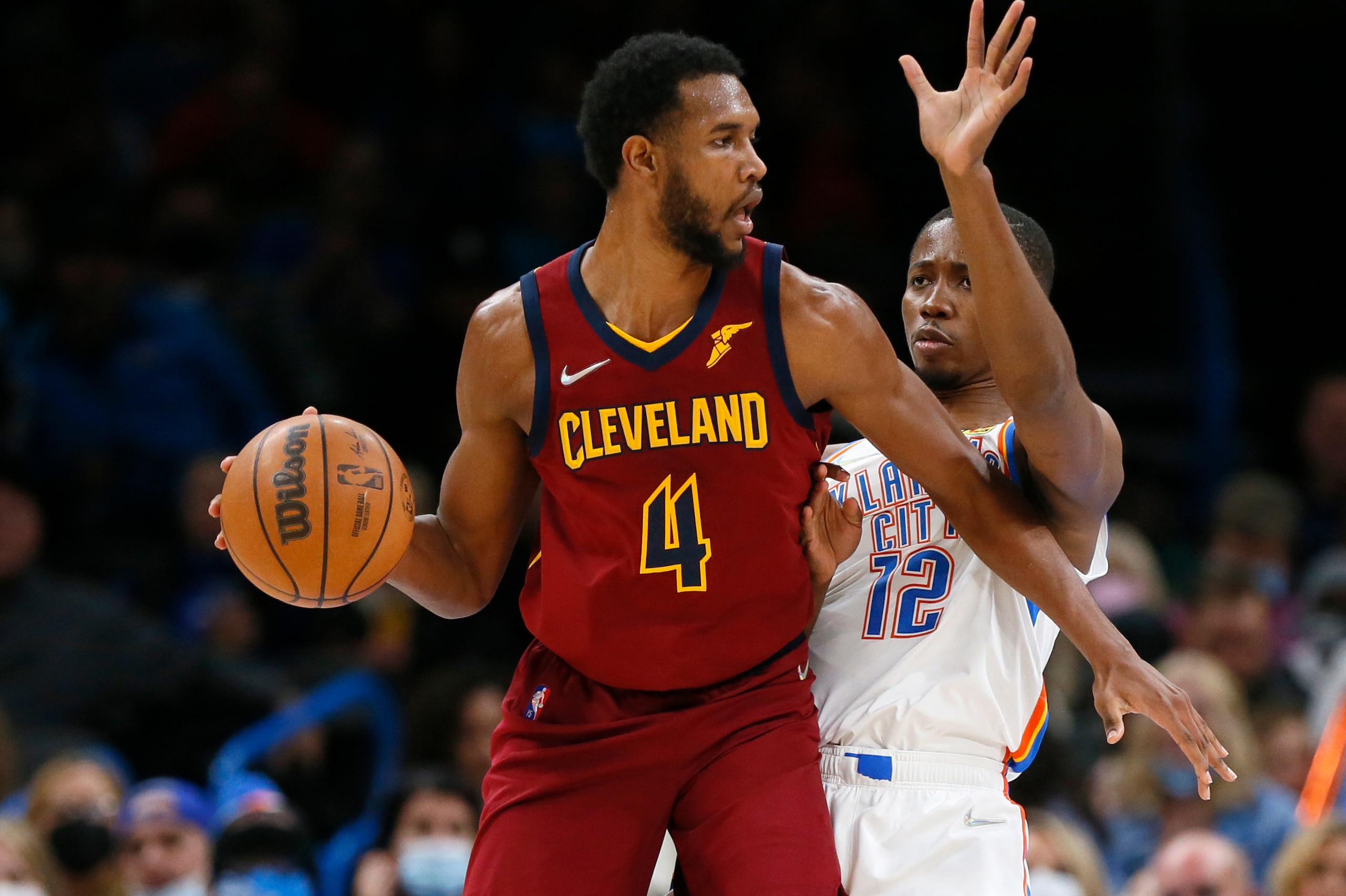


The Clorox Rising Stars rosters are set for the NBA's All-Star Weekend, complete with a dozen 2021 draftees spread among the four competing teams.
This midseason showcase is a good indicator of which members of the 2021 class have met or exceeded expectations, but we can be more thorough than that. We'll travel all the way back in time to, well, a few months ago to re-order the draft based on our partial-season sample of information.
Fit won't be a concern here, and we won't consider team needs. From top to bottom, consider this a best-player-available exercise.
Because these players have had so little opportunity to produce, and because almost none of them are anywhere close to their peaks, the majority of the re-ordering will be based on potential and upside. Numbers from this season will matter to some extent, but not nearly as much as flashes of promise or specific skills that indicate something special lies ahead.
End of First Round (30-21)
1 of 9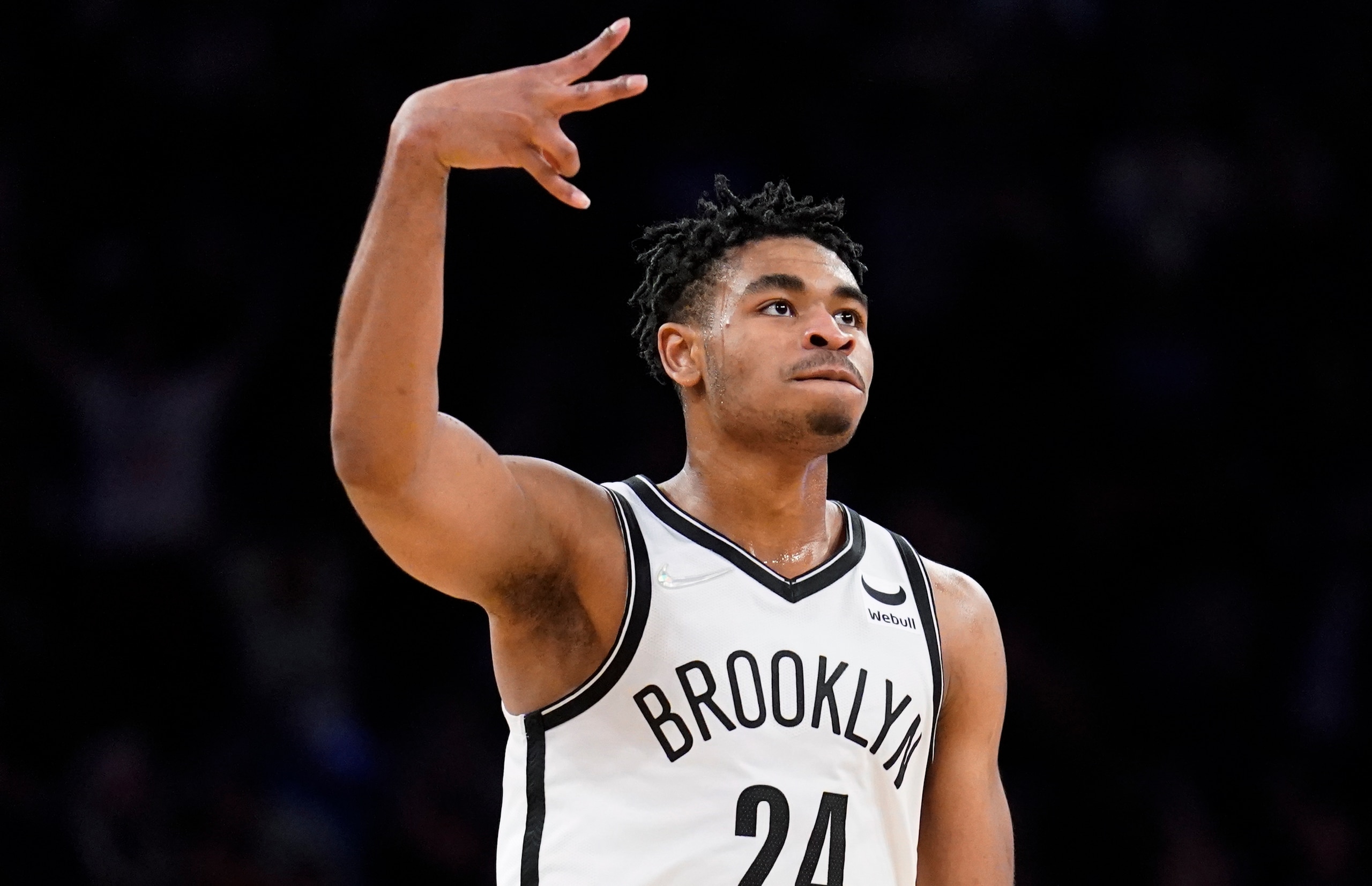
30. Utah Jazz: Dalano Banton
Banton is an unusual player type. He stands 6'9" but spends 99 percent of his minutes split between the two backcourt positions, according to Cleaning the Glass' lineup breakdowns. His size allows for excellent rebounding and shot-blocking at the position.
Other than solid passing, Banton doesn't bring much on offense. But his combination of length and potential as a playmaker intrigues.
Actual pick: Santi Aldama
29. Phoenix Suns: Brandon Boston Jr.
Boston was a top-five recruit coming out of high school, but a disappointing season at Kentucky caused him to slide all the way down to No. 51 in the actual draft. He just about splits the difference here by landing at the end of the first round.
The 6'6" forward has on-ball skills and can create his own shots, but those attempts generally haven't fallen. He's shooting under 40 percent from the field. He occasionally flashes some real skills, though, especially when he put up 27 points in a Dec. 8 win over the Celtics. There's something here.
Actual pick: Day'Ron Sharpe
28. Philadelphia 76ers: Josh Christopher
Christopher is a combo guard who can finish at the rim, make the occasional three (32.5 percent) and play disruptive defense. He's averaging 16.1 points, 4.6 rebounds and 3.7 assists per 36 minutes, though it's somewhat discouraging that he isn't averaging more than 16.3 minutes per game on a rebuilding Houston Rockets team.
Actual pick: Jaden Springer
27. Brooklyn Nets: Day'Ron Sharpe
A decent shot-blocker who'll improve if he can stay on the floor and avoid jumping for fakes, Sharpe's real contributions come on the offensive glass. The athletic 5 grabs more than 20 percent of his team's misses when he's on the floor, which is one of the best figures in the league.
Actual pick: Cam Thomas
26. Denver Nuggets: Keon Johnson
To borrow some baseball prospect verbiage, Johnson is a plus-plus athlete who has yet to do anything of consequence in 15 professional games. Some analysts projected the 6'5" guard as a potential top-10 pick, and he set the NBA combine record with a 48-inch vertical leap. Even with basically zero production, those two nuggets are enough to keep Johnson, whom the Los Angeles Clippers have already traded to the Portland Trail Blazers, in the first round.
Actual pick: Bones Hyland
25. Los Angeles Clippers: Trey Murphy III
Murphy shot 40.1 percent from deep across three collegiate seasons at Virginia and was among the most tantalizing shooters in the class. That skill figured to be even more valuable in a frontcourt player who stands 6'9".
In and out of the New Orleans Pelicans' rotation and owning only one double-digit scoring outing on the season to date, Murphy and his 33.6 percent hit rate from deep have yet to deliver. Shooting is always in demand, though, and there's no reason to believe Murphy has forgotten how to stripe it.
Actual pick: Quentin Grimes
24. Houston Rockets: Jeremiah Robinson-Earl
Oklahoma City Thunder fans might want the Rockets to go with Aaron Wiggins here if we're choosing between OKC-selected rookies, but Earl is two years younger and comes with the "immediately ready to play" Villanova pedigree. The 6'8" forward has a smooth stroke that suggests he'll raise his 33.3 percent knockdown clip from distance.
He's a fundamentally sound defensive piece who puts himself in the right spots and can turn in a highlight play every now and again.
Actual pick: Josh Christopher
23. Houston Rockets: Tre Mann
Another real-life OKC pick, Mann would rank higher if we focused only on the last few weeks.
The 6'3" guard hung 30 points on the New York Knicks on Feb. 14, then backed it up with 24 more against the San Antonio Spurs two nights later. Other than corner threes, Mann has been inefficient on the season. It's hard to make a living shooting under 40 percent from two-point range.
Actual pick: Usman Garuba
22. Los Angeles Lakers: Isaiah Jackson
A little lean and undersized for a 5, Jackson makes up for that disadvantage with energy on the glass, good timing as a roll man and intense defensive activity. He ranks in the top 5 percent of all bigs in both block and steal rate. If he adds some stretch to his offensive game (3-of-7 from deep so far), Jackson could be more than a quality backup.
Actual pick: Isaiah Jackson
21. New York Knicks: Cam Thomas
Thomas is a bucket, but you already knew that if you followed him at LSU, where he averaged more points per game than any freshman in the country. That knack for point-hoarding has translated to the NBA, where the quick-trigger 6'3" guard is taking and making a ton of self-created mid-range shots.
Thomas contributes little else on either end, and two-point jumpers are out of favor these days. But when you can make them like he can, the rules defining a "good shot" are a little different.
Actual pick: Keon Johnson
20-16: Bouknight, Kispert, Moody, Hyland, Grimes
2 of 9
20. Atlanta Hawks: James Bouknight
This is a perfect example of how a re-draft of players this inexperienced should work. Bouknight has been a major disappointment so far, averaging only 5.2 points in a small role for the Charlotte Hornets. A wrist injury hasn't helped, and Bouknight also may not be handling his frequent DNPs with the professionalism of a vet. But that's to be expected.
Ultimately, all the same plusses—scoring touch, athleticism and playmaking—that got him drafted at No. 11 are still there. The downside is just a little more apparent now, hence the slippage.
Actual pick: Jalen Johnson
19. New York Knicks: Corey Kispert
Kispert was a safe, low-upside pick at No. 15 in the real draft, and that's true here at No. 19 as well. Unspectacular athletically and already 22 years old on draft night, the Gonzaga product didn't figure to have a ton of growth ahead of him, though it's worth noting that Kispert has improved during his first season. He had one double-digit scoring game through Dec. 5 but has racked up 13 since.
If Kispert is only the 31.0 percent three-point shooter he's been as a pro so far, he doesn't belong this high. Consider his re-draft ranking a bet that the guy who shot 44.0 percent on threes as a college senior will emerge at some point.
Actual pick: Kai Jones
18. Oklahoma City Thunder: Moses Moody
Moody has had no trouble lighting up the G League, averaging 27.4 points and firing off nearly 10 three-point attempts per game. The results haven't been there on the rare occasions when the 6'5" wing has seen time with the Golden State Warriors, but his defensive instincts and "right play" wiring are already evident.
Given the portability of his (theoretical) skill set, Moody could easily find his groove and outperform four or five of the players re-drafted immediately ahead of him.
Actual pick: Tre Mann
17. Memphis Grizzlies: Bones Hyland
Bones Hyland arrived as advertised, toting a score-first mentality and the confidence of a star. Cade Cunningham is the only big-minute rookie attempting shots at a higher frequency per 100 possessions. It's worth noting that Hyland has a higher effective field-goal percentage than the top overall pick.
Hyland is a poor finisher at the rim, and his assist rate ranks in only the 37th percentile at his position. But he rebounds well for a combo guard and has no trouble getting threes up at high volume.
Actual pick: Trey Murphy III
16. Oklahoma City Thunder: Quentin Grimes
Arguably the best shooter in the class, Grimes figures to stick in the league as a catch-and-shoot specialist at a minimum. He's at 39.8 percent from deep overall, and his pure form suggests that accuracy rate is sustainable.
Grimes has also shown some flashes of gritty defense, which has earned him a minutes increase in every month this season.
Actual pick: Alperen Sengun
15-11: Primo, Mitchell, Dosunmu, Williams, Suggs
3 of 9
15. Washington Wizards: Josh Primo
Primo coming off the board at No. 12 to the San Antonio Spurs was one of the bigger draft-night surprises. Given how little he's played so far, it's still difficult to know whether that was actually a reach or not.
Primo was active for only eight games prior to Christmas. The 6'6" wing is one of the youngest players in the league, though, and he already has the frame and physical tools to be a difference-maker on both offense and defense.
Actual pick: Corey Kispert
14: Golden State Warriors: Davion Mitchell
There's no doubt that Mitchell brings it as an on-ball defender, but his lack of size limits the applicability of that skill. Meanwhile, he's often struggled to break opponents down off the dribble on the other end.
Mitchell has shot the ball much better as of late, and he's now a full-time starter for the Sacramento Kings with Tyrese Haliburton gone. In light of his competitive edge and willingness to do the dirty work, Mitchell could improve enough on offense to be a better-than-average starting point guard.
But we shouldn't just ignore the fact that his hot shooting streak only has his splits up to 40.6/32.6/55.8, or that he almost never gets to the foul line. Efficient scoring may be a career-long challenge.
Actual pick: Moses Moody
13. Indiana Pacers: Ayo Dosunmu
A major climber in the re-draft, Dosunmu has taken advantage of injuries in the Chicago Bulls' backcourt to carve out a significant role for a playoff team. That's rare for a second-rounder, but Dosunmu has made himself indispensable with high-energy defense and the highest true shooting percentage of any 2021 draftee who's taken at least 300 shots.
Dosunmu's scoring efficiency has actually increased with additional playing time, which is a sign that he could be a quality starter for years to come. Worst-case scenario, he's a disruptive defender who offers a scoring spark and some playmaking in a sixth-man role.
Actual pick: Chris Duarte
12. San Antonio Spurs: Ziaire Williams
Williams felt like a reach in his original No. 10 draft slot, but you can see lately why the stringy 6'8" forward had the Memphis Grizzlies' interest.
On fire in February, Williams' shooting stroke looks smooth. Squint, and you can see some Brandon Ingram in there. Williams is also a lob threat whose length can be an asset defensively. It's no small thing that he's played a rotation role (including 19 starts) for a Memphis Grizzlies team that is unlikely to finish any worse than third in the West.
Williams is still a lottery ticket, but it's getting a little easier to see how he could hit big in three or four years.
Actual pick: Josh Primo
11. Charlotte Hornets: Jalen Suggs
This is quite a drop for Suggs, who went to the Magic at No. 5 in reality. But the ball hasn't gone in often enough for him (46.2 true shooting percentage), and it's starting to look like he's more of a hybrid guard than a primary playmaker.
It's early, and Suggs lost time to a thumb injury in summer league and fought back from a sprained ankle in November. It's been tough for him to establish a rhythm. Still, he doesn't have the pick-and-roll feel you'd like in a point guard and hasn't shown the finishing craft necessary to be a high-end slasher.
Actual pick: James Bouknight

10-6: Duarte, Jones, Sengun, Green, Wagner
4 of 9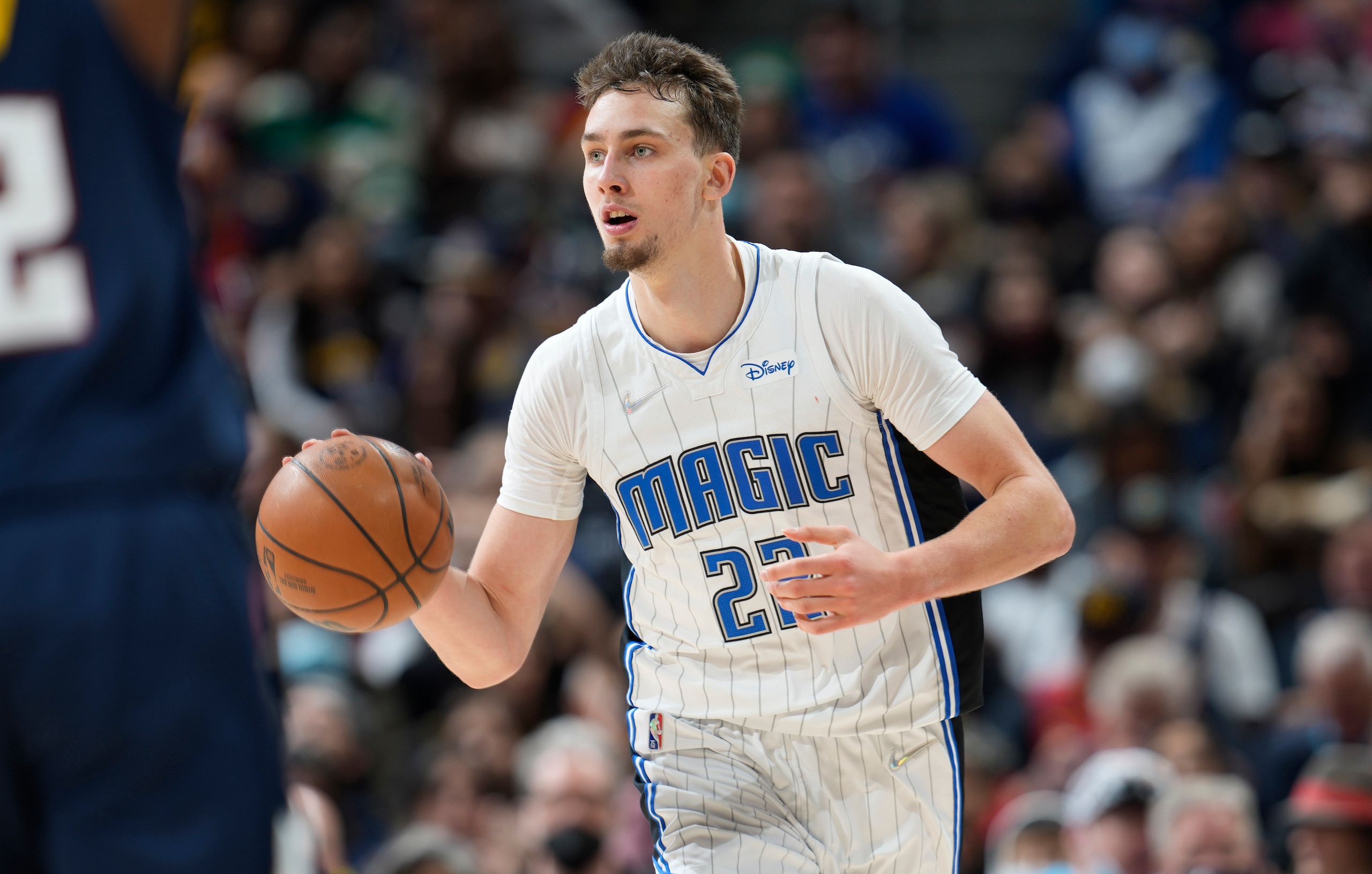
10. New Orleans Pelicans: Chris Duarte
Considering that he'll be 25 four months before his second season begins, Duarte is closer to his peak than any other rookie we'll cover. That's the reason why he slipped to 13th in the actual draft, and it's part of the explanation for slotting him behind at least four rookies who he's outperformed so far this year.
Potential is still king, and while Duarte has serious value in the present, his future just isn't as bright as some of the teenagers who have already come off the board.
Averages of 13.4 points, 4.1 rebounds and 2.2 assists get advanced support from top-10 rankings (among rookies) in RAPTOR WAR, BPM and win shares.
Duarte can really play, and he looks like a solid starter on the wing right now. It's just that he may be nearly topped out in terms of development.
Actual pick: Ziaire Williams
9. Sacramento Kings: Herbert Jones
We aren't considering fit in this re-draft, but it's hard to ignore how badly the Kings' wing-less roster could use a player like Jones.
The rangy lefty is a defensive menace, forever lurking in passing lanes and gifted with incredible hands that make dribbling in his vicinity a major risk. He's fourth in the league in deflections, which is remarkable given the difficulty of the individual assignments he's already drawing. Where does Jones find the time to break up plays away from the ball while spending so many possessions guarding the opponent's best scorer?
Offensively, Jones may only ever be a supporting piece. But he's shooting 36.2 percent from deep on low volume and has already established himself as a high-flying finisher. He projects as (at least) one of the league's best three-and-D forwards for the next several seasons.
Actual pick: Davion Mitchell
8. Orlando Magic: Alperen Sengun
An unusual prospect whose athletic limitations may prevent above-average defense at any point in his career, Sengun compensates with some of the best feel and skill of any rookie big this side of Evan Mobley.
A deft finisher with either hand, Sengun is deceptively strong down low and complements a developed post game with creative passing flair. It isn't unreasonable to imagine him as an offensive hub in the mold of Domantas Sabonis or the Orlando Magic version of Nikola Vucevic.
Sengun is third among rookies in BPM, and the Rockets' offense is better with him on the floor than off.
Actual pick: Franz Wagner
7. Golden State Warriors: Jalen Green
It may not be fair to judge Green by his production for the tanking Houston Rockets, but we can't just ignore the fact that he's been among the most negatively impactful rookies in the league.
Green is a blindingly fast straight-line driver, and he gets as much lift as anyone when he has a clean runway. His willowy frame makes it easy for defenders to bump him off balance, though, sapping his athletic advantage and forcing difficult finishes.
Green's 14.4 points per game rank among the top five in rookie scoring averages, but his true shooting percentage is well below the league average. And so far, he's been a one-to-one assist-to-turnover player.
Green's speed and bounce are too impressive to keep him out of the top 10, but the game has been a struggle on both ends during a tough rookie campaign.
Actual pick: Jonathan Kuminga
6. Oklahoma City Thunder: Franz Wagner
Wagner was billed as a game-ready role player on draft night, a plug-and-play forward who could hit an open three and capably execute a defensive scheme, but one who didn't have enough on-ball juice or upside to warrant top-five consideration.
Almost immediately, it was clear Wagner had more to his game than evaluators believed.
At a legit 6'9", Wagner has a developed handle and a diverse finishing package. He's dangerous attacking closeouts in a straight line and can elevate at the rim, but his lateral movement and cleverness around the basket are what lift him above the role-player class. He has the patience to slow down when most rookies fall into the trap of letting the defense speed them up.
Wagner is already a plus supporting piece. He's started every game for the Magic, ranks fourth among rookies in win shares and second in RAPTOR WAR. He might not have superstardom in his future, but he may find himself in consideration for several All-Star Games.
Actual pick: Josh Giddey
5. Orlando Magic: Josh Giddey
5 of 9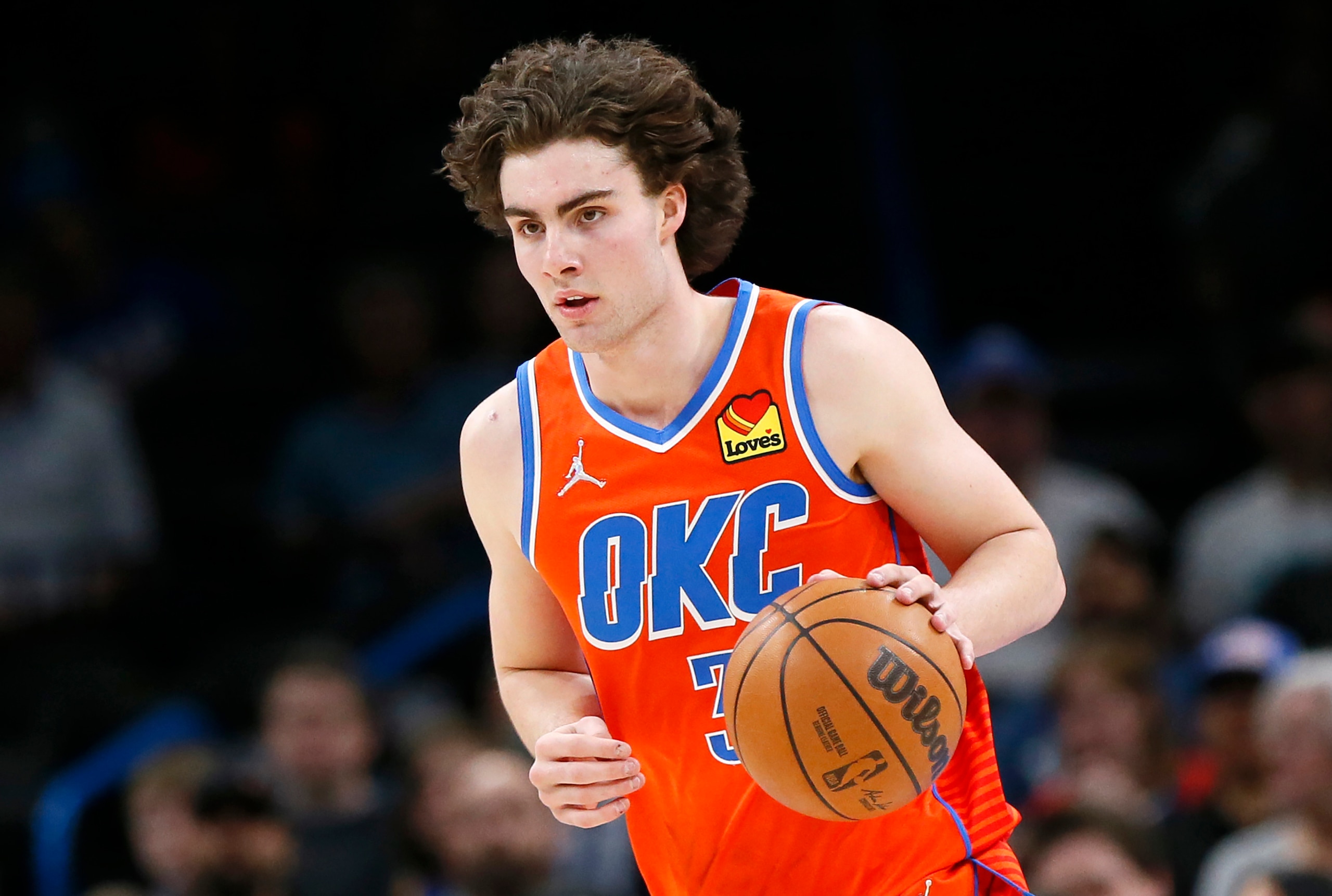
Shooting will be the swing skill for Josh Giddey, the oversized teenaged wing who's done just about everything else well (and a few things exceptionally) so far this season. At 26.7 percent from deep, it will be difficult for him to offer value away from the ball.
When Giddey has the rock, though, he is spectacular.
At 6'8", the Aussie playmaker is a dynamite passer, capable of slinging accurate one-handers to corner shooters, even when on the move. John Wall (remember him?) used to be the unofficial king of the corner-three assist, but Giddey may be coming for that crown.
He fired off several beauties during a 28-point triple-double against the New York Knicks on Feb. 14, examples of his uncommon vision and timing. He sees the action before it happens.
Giddey is the youngest player ever to record a triple-double, and he pretty much owns that section of the NBA record book.
A below-the-rim athlete who'll have to improve his finishing to keep defenses from giving him the "dare you to shoot" Ricky Rubio treatment in the lane, Giddey's size at least allows him to pin defenders on his hip when driving. He takes his time in the paint and almost always makes the right read. He's already an elite rebounder for his position, too.
Comps are tricky with such an unusual skill set, but Giddey has a little Rubio in his game, along with a dusting of Manu Ginobili and even a sprinkle of Gordon Hayward. He has superstar upside despite his lack of explosive athleticism, but only if he becomes a league-average three-point shooter.
Actual Pick: Jalen Suggs
4. Toronto Raptors: Scottie Barnes
6 of 9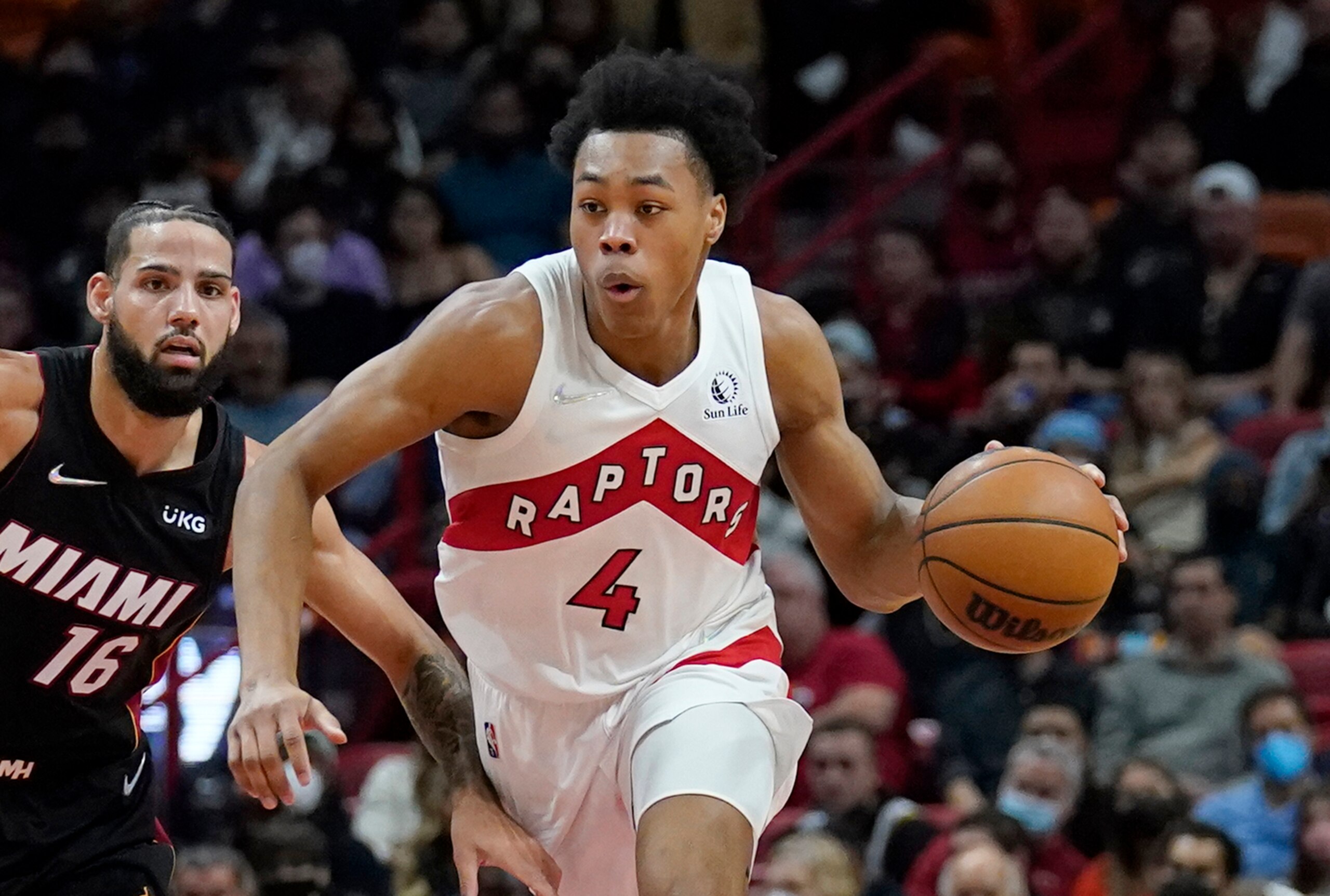
Scottie Barnes slips a bit from where most observers would slot him in this re-draft, but he ultimately ends up in his original position with his actual team.
Toronto feels like the right place for Barnes. He's at home among the team's other multi-skilled, positionless forwards. And you can bet the Raptors wouldn't change a thing about the 2021 draft.
By some measures the most versatile defender among rookies, Barnes has great length at 6'7" and has no trouble getting down into a stance to stay in front of guards. He isn't especially explosive vertically, but his long strides and speed make him a major transition threat.
Barnes came into the league with questions about his shooting. He displayed funky form in college, and while he hasn't shown reliability from long distance yet, he's at least become a serviceable shooter on two-point jumpers, toting a 42 percent hit rate on mid-range shots.
Trailing only Evan Mobley among rookies in win shares and box plus/minus, Barnes is also the only player who ranks among the top five in total points, rebounds, blocks and steals among rookies.
The main reason why Barnes and his stellar statistical profile land outside the top three is, wait for it: upside. His shooting is a concern, and the fact that he already thinks the game better than most vets means he may not have the kind of "aha!" breakthrough that awaits rawer prospects.
The trio of rookies ahead of him could become superstars, while Barnes seems more like an elite gap-filler, the second- or third-best player on a title team. Maybe that sells him short. Time will tell.
Actual Pick: Scottie Barnes
3. Cleveland Cavaliers: Jonathan Kuminga
7 of 9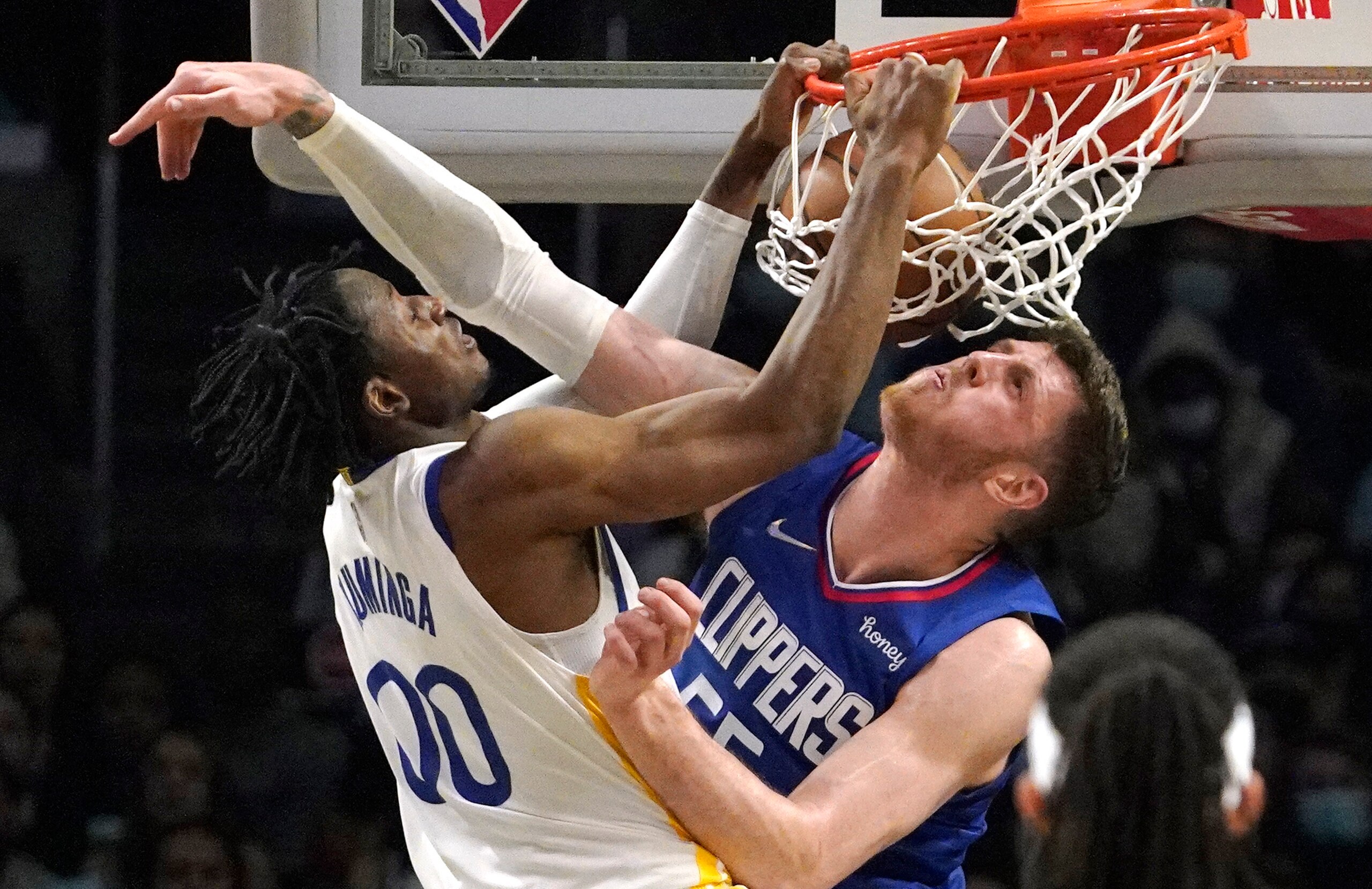
This will be the most controversial move of our draft do-over.
Scottie Barnes has been nothing short of a marvel for the real-life Raptors. A versatile forward with high-end defensive potential, playmaking chops and terrific feel for a rookie, Barnes has spent most of the season fighting with Evan Mobley for the inside track on the Rookie of the Year award.
Jonathan Kuminga's per-36 stats compare favorably with Barnes' numbers, highlighted by superior scoring volume and efficiency. But to make this as simple as possible, Kuminga has higher upside than Barnes. Draymond Green sees it.
In addition to being over a year younger than Barnes, Kuminga has the advantage of what can only be described as nuclear athleticism. Barnes is no slouch in that department, but Kuminga is a 99th percentile guy—someone whose size, speed and explosiveness stand out in a league populated entirely by the best athletes in the world.
In a recent game that featured LeBron James (whom Kuminga guarded most of the night) and Anthony Davis, Kuminga was the most physically overpowering player on the floor.
It isn't just the dunks, either. Kuminga has remarkable body control in the air, and he came into the league understanding how to use his strength. He seeks contact and already understands how to finish through it. If he's isolated at the elbow with a live dribble, it's already a wrap. He's getting to the front of the rim.
Because Kuminga wound up on a contender, he's had to work his way into a deep rotation. That he's embraced a limited role and contributed as a cutter and defensive stopper speaks to the myriad ways in which he could develop into a star. His willingness to take a back seat and defer to veterans while boasting such obvious talent is encouraging. He has to know he could be averaging 20 points per game on a lottery team.
It's impossible to know what Kuminga might become, but it's clear the only limiting factors will be his capacity to work and his ability to learn. A Kawhi Leonard-Paul George hybrid is a ridiculous target to aim for, but it isn't out of the question with Kuminga.
Actual Pick: Evan Mobley
2. Houston Rockets: Cade Cunningham
8 of 9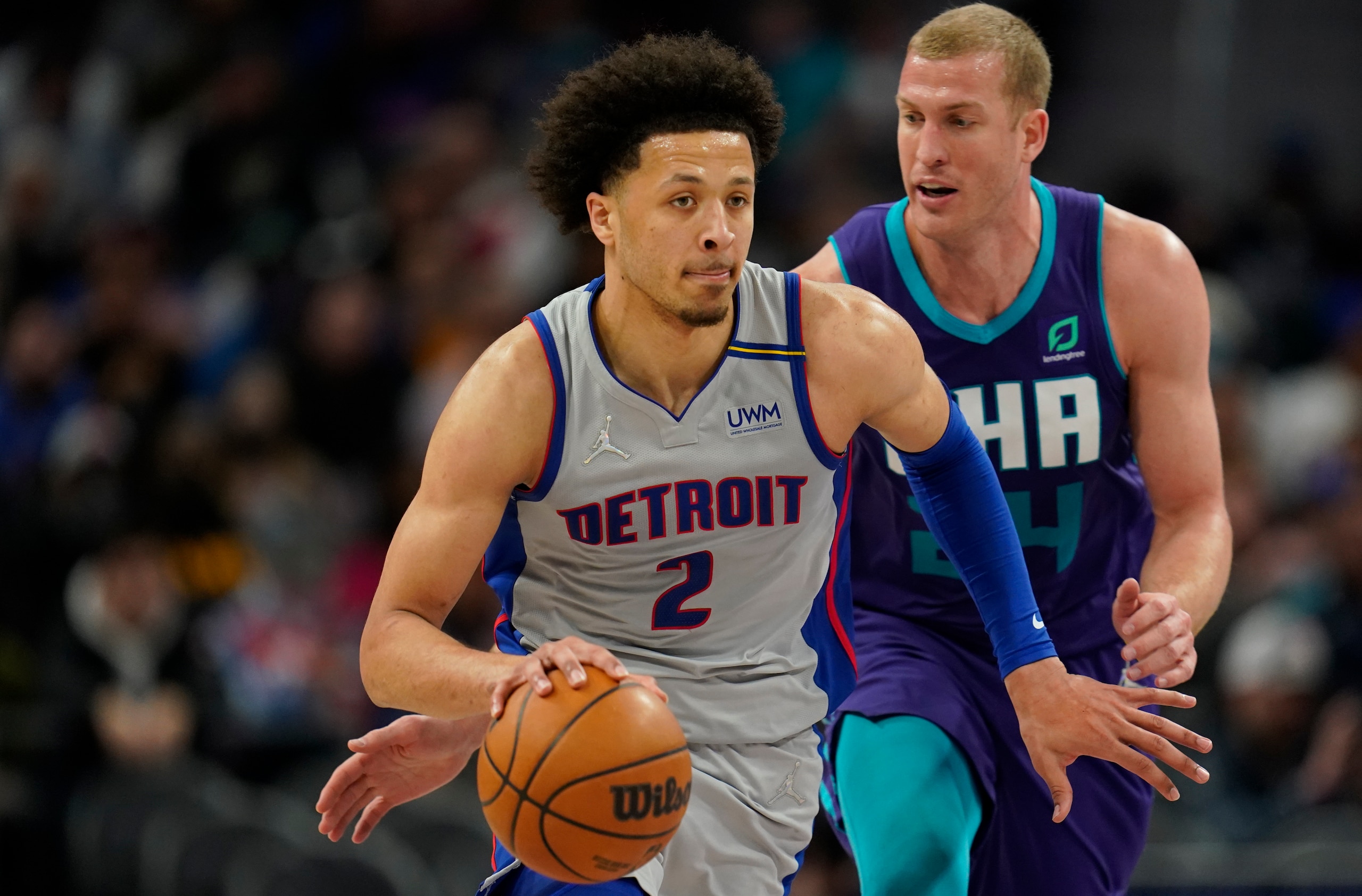
There's no real case for moving Cade Cunningham any further down the re-draft order than No. 2 unless you only watched the first dozen or so games of his career, when a preseason ankle injury prevented full revelation of his game.
Since Dec. 1, Cunningham is putting up 16.8 points, 5.5 assists and 4.9 rebounds per game while hitting 36.8 percent of his threes. Those numbers are impressive for a rookie, but the better indicator of his potential is how he's looked in accumulating them.
You hate to invite the comparison, but there's an undeniably Luka Doncic-esque cadence to Cunningham's game. He's patient and understands how to use his frame to get to his spots. Like Doncic, Cunningham doesn't have Grade-A fast-twitch athleticism, but he has a similarly advanced understanding of how to vary his pace and timing. He gets where he wants without rushing.
Playmaking instincts and ideal wing size are two of Cunningham's clear skills, but he also has some tantalizing areas that will likely develop. His shooting stroke stands out most, as Cunningham is on balance and releases the ball with clean consistency. He may struggle to shoot 40 percent overall because his role requires a larger portion of difficult off-the-bounce treys, but he's going to become a "can't leave this guy" threat on the rare occasions that he's off the ball.
Cunningham has first-option, All-NBA potential, but he also has a locked-in Plan B as an elite three-and-D wing who can make plays on the move.
He might be the prospect with the highest floor in this class.
Actual Pick: Jalen Green
1. Detroit Pistons: Evan Mobley
9 of 9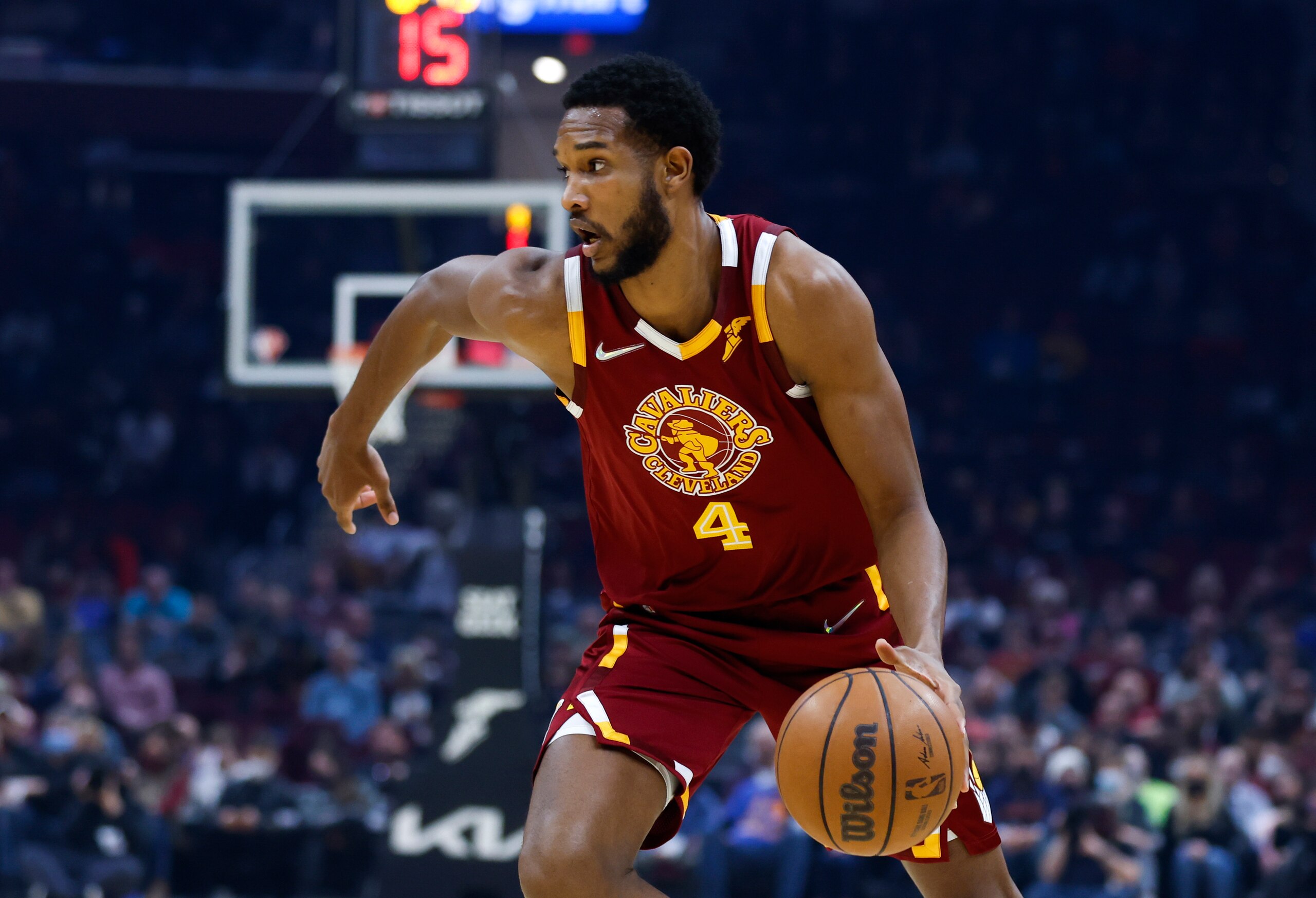
Cade Cunningham, a first-option wing, is exactly what teams target with high lottery picks. But there's an exceedingly rare level above the one Cunningham might reach: generational talent.
Evan Mobley might be one of those, and that earns him the top spot in this re-draft.
The exceptionally mobile center owns per-36 numbers that stack up well against the rookie stats of Kevin Garnett and Anthony Davis, just to name two megastars to whom Mobley's game summons comparisons. That Mobley is playing more minutes and producing for a winning team distinguishes him from KG and AD, whose squads finished a combined 53-111 in their rookie years.
Mobley has true five-position versatility on D, and among high-volume rim-protectors, only his teammate Jarrett Allen holds opponents to a lower field-goal percentage inside of six feet. He anticipates actions, covers absurd distances with his long strides and generally disrupts the offense at all times.
Mobley's instincts and intelligence combine with elite physical tools to create a player that could win multiple Defensive Player of the Year trophies over the next decade or so.
On offense, Mobley has a stroke that will eventually make him an accurate three-point shooter, a keen passing eye and great feel. He's improved as a self-starter on offense, and his face-up game is developing. It isn't difficult to picture him operating as an elbow initiator, but even that might sell his skills short.
Mobley's handle is already elite for a big. As he gains strength, he'll be able to get to any spot he wants with a live dribble. Don't rule out the chance of him becoming a mid-volume pick-and-roll initiator and isolation scorer down the line.
Mobley leads all rookies in box plus/minus and win shares, and he profiles as a genuine cornerstone of a title contender. He is impacting winning to a greater degree than any of his classmates right now. Several of them have immense potential, but none boast a ceiling as high as his.
Actual Pick: Cade Cunningham
Stats courtesy of NBA.com, Basketball Reference and Cleaning the Glass. Accurate through Feb. 17. Salary info via Spotrac.

.jpg?w=2560 "Mahomes Told Teammate to Leave Meeting")

.jpg?w=2560 "Baker Gets Glove From Rays 🧤")
.jpg?w=2560 "5 Teams Eyeing Jonathan Taylor")
.jpg?w=2560 "🚨 Week 8 AP Top 25 Poll")
.jpg?w=2560 "NFL investigating Eagles")
.jpg?w=2560 "Steelers Roll Saints in Paris")
