

5 Rules MLB Must Consider Implementing or Tweaking for 2022
Baseball might be more steeped in tradition than many other sports, but right now, baseball is broken. Strikeouts, home runs and pace of play are only a few issues facing the sport. The product has been diluted, the strategy has shifted and the sport has been marred by cheating scandals.
It's clear the game badly needs some changes, but baseball and change don't exactly go hand-in-hand. The smallest of changes and tweaks can be controversial.
MLB implemented a new rule putting a man on second base for extra innings. Admittedly, I'm a fan, though I do think it could use some tweaks. But the feedback I got when I wrote about why I like the rule was not all positive.
Not all rules have to be as drastically different as the extra-innings rule. There are some minor moves that can be made to improve safety, speed up the pace of the play and infuse a little more action into the game. There are also a few drastic moves that may not be embraced right away, but sometimes big changes are needed.
Here are five rule changes the league should adopt next season or beyond.
Universal Designated Hitter
1 of 5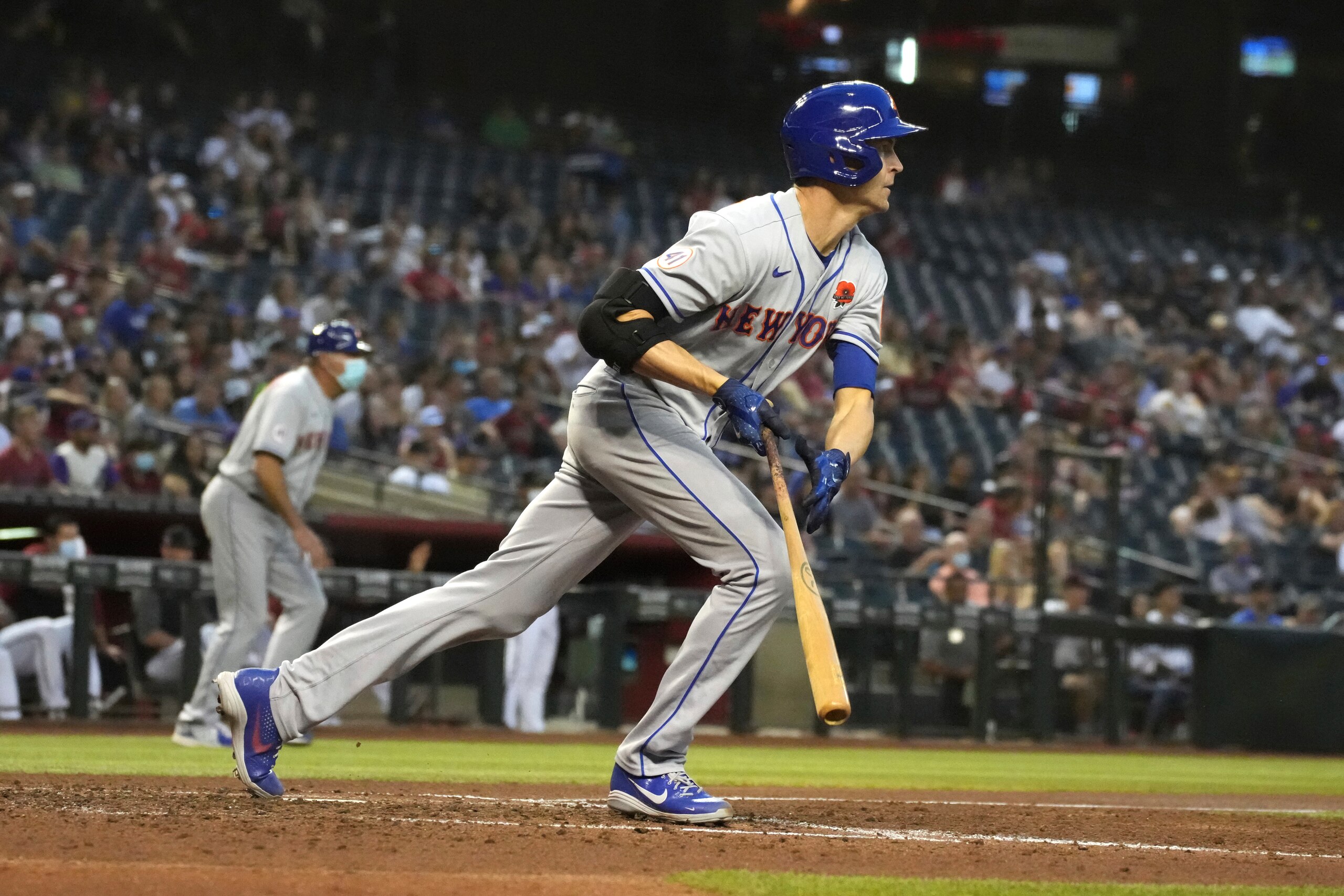
This is an easy one. This has long been a possibility, and it briefly became reality during the 2020 pandemic-shortened season. It was expected to be the norm moving forward, but MLB decided to go back to the traditional format.
The American League implemented the DH in 1973, and it opened up roles for a whole class of hitters.
Sure, there is some strategy in the National League that doesn't necessarily exist in the American League. And yes, it's humorous to see pitchers like Bartolo Colon getting a hold of a pitch and driving it deep, and it's pretty cool to see aces like Jacob deGrom do well at the plate. But aside from Shohei Ohtani, pitchers can't hit. It's an automatic out. Offensive production isn't very high right now, so shouldn't baseball be doing all it can to increase offense?
There is still plenty of strategy and intrigue with a designated hitter. These aren't just one-dimensional sluggers; sometimes, they're solid hitters with defensively deficient gloves. Plus, no one likes bunts, so this would be a way to reduce the number of them.
It's just time. Baseball should adopt the universal DH as soon as next season.
Larger Bases
2 of 5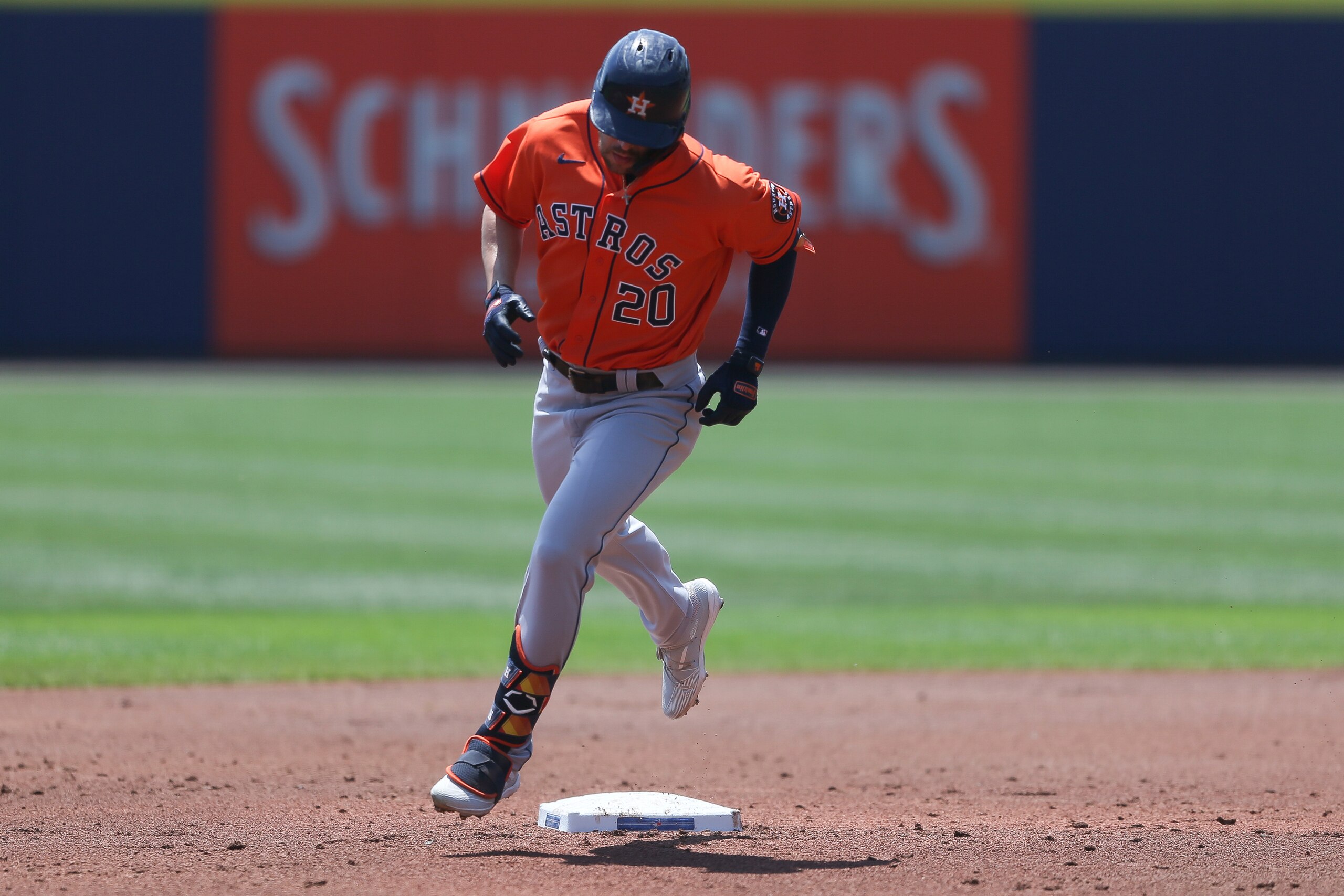
This is something being tested in the minor leagues this season. The size of the first, second and third base bags have been increased from 15 square inches to 18 square inches. The reason for this is to reduce injuries and collisions on the basepaths.
There is also an entertainment aspect to this as well. In an announcement about the new rules being tested, the Competition Committee said it expects larger bases to increase stolen bases and infield hits as well. With closer bases, the hope is that runners will reach base more frequently on infield hits and bunts.
This isn't any sort of earth-shattering change. Safety should be the priority, and a few more stolen bases aren't a bad thing, either.
Pickoff/Step-off Limitations
3 of 5
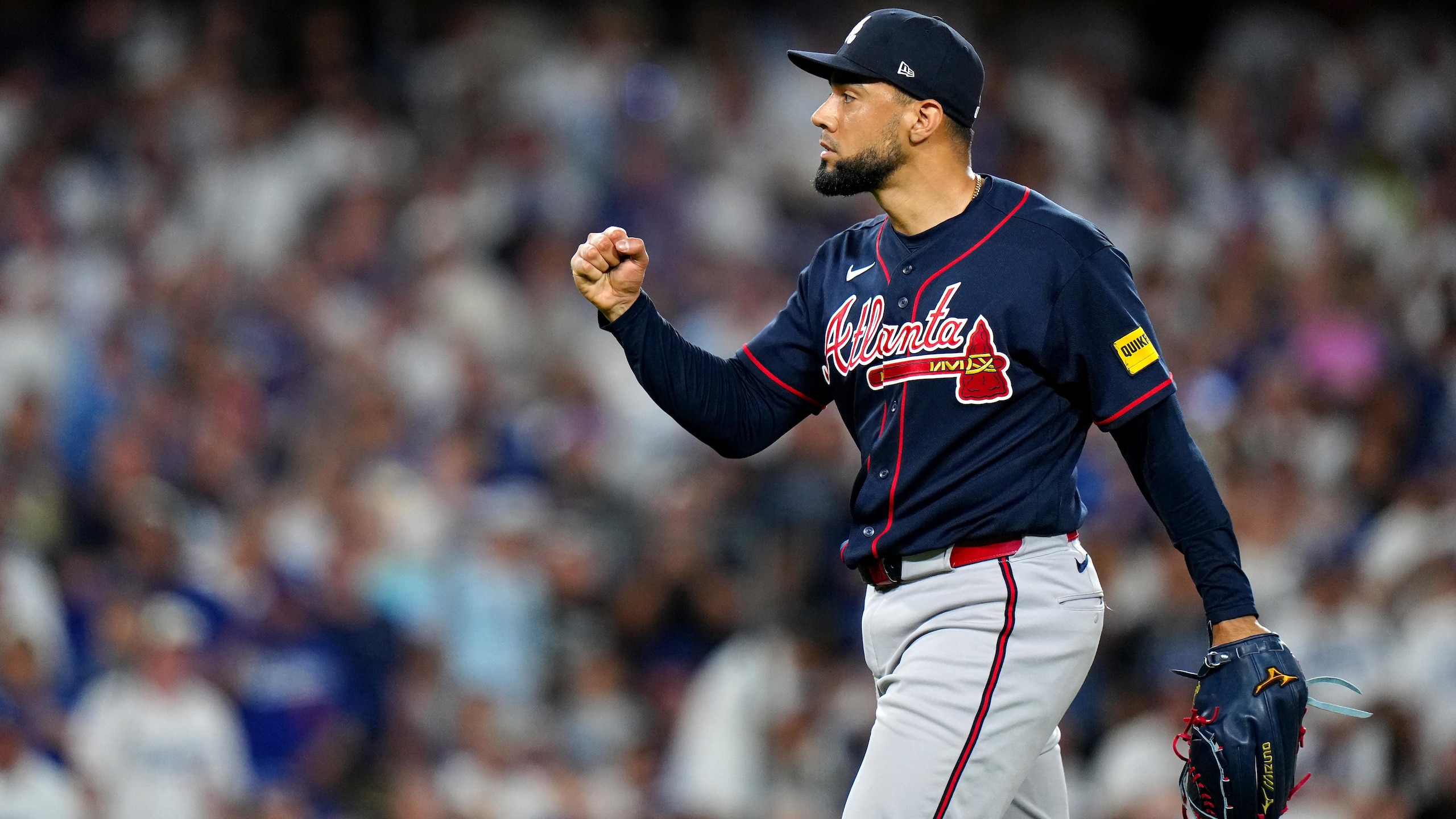
Here is the rule currently being tested at the Low-A level: "Pitchers will be limited to a total of two 'step-offs' or 'pickoffs' per plate appearance while there is at least one runner on base. A pitcher may attempt a third step off or pickoff in the same plate appearance; however, if the runner safely returns to the occupied base, the result is a balk. Depending on the preliminary results of this experimental rule change, MLB will consider reducing the limitation to a single 'step off' or 'pickoff' per plate appearance with at least one runner on base."
Here's my take: The league wants more stolen bases and action on the basepaths, and that's fine. But I like this rule because all of those pickoffs can really drag an inning out and drain it of action.


Automated Strike Zone
4 of 5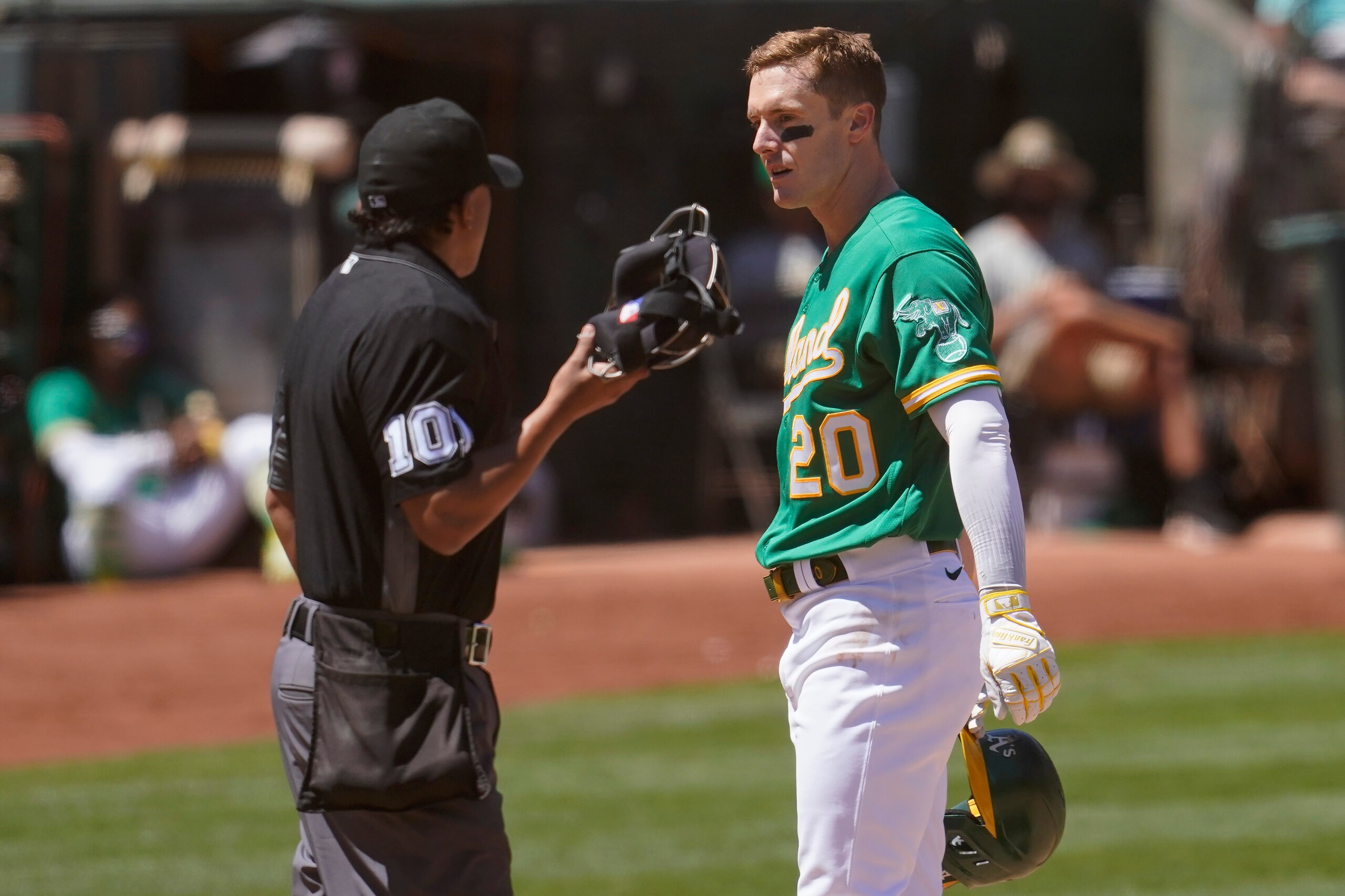
Here's where the changes start to become more than incremental. Robo-umps are coming, though likely not next season. I understand the need to test the rule to see the results, but we're getting to a point where MLB needs to rip off the band-aid and adopt an automated system.
In the Low-A Southeast League, an automated strike zone is being used to "assist home plate umpires with calling balls and strikes, ensure a consistent strike zone is called, and determine the optimal strike zone for the system."
Assisting an umpire is not quite replacing him. Baseball purists often argue that the human element of baseball is being lost with all of these advancements in technology, but assisting an umpire in making the correct call leaves room for the human element.
The TrackMan technology has also been tested in the Arizona Fall League and there have been complaints about how to call sharp breaking balls and the expansive zone it created. But that's why they're testing these technologies now, so the systems can be refined.
Baseball is probably not ready for robo-umps, but it needs to be prepared because an automatic strike zone or ABS is the way of the future.
Pitch Clock
5 of 5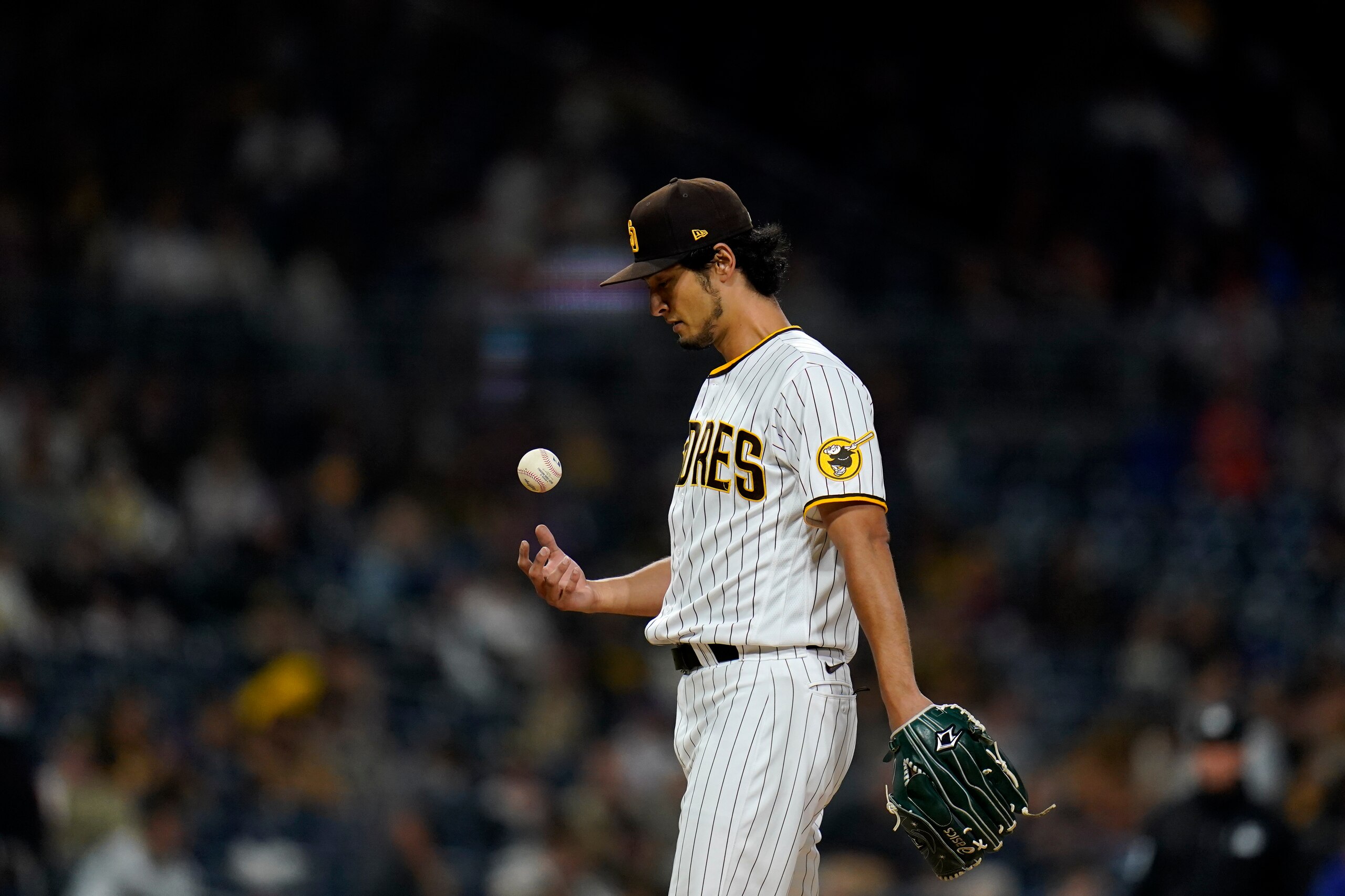
The three-batter minimum rule takes the strategy out of the game. An easier way to address pace of play is a pitch clock.
With this system, which has already been implemented in the minor leagues, there is one clock in the outfield and two behind home plate that are positioned between the two dugouts. The timers will also be used between innings to make sure the first pitch of each inning is thrown by a certain time, as well as between pitches and during pitching changes. A 20-second clock is fair for the pitchers, hitters and umpires.
Pitching changes can take forever. Relievers can take a lot of time in between warm-up throws. This doesn't limit any strategy—it just increases action and helps with the flow of the game.
Cutting TV timeouts has been one proposed way to do this, but that would cut into revenue, and revenue drives the business. This is a better solution for the entertainment value of baseball.
None of these alterations will be easy to implement. The collective bargaining agreement expires at the end of the season, and a labor battle is brewing.
Commissioner Rob Manfred has the power to unilaterally implement changes, so long as the league gives the Major League Baseball Players Association a year's notice of the intended rules, but it would be easier to get the players on board with the proposed rules.
A pitch clock was something he declined to implement in previous seasons, but something needs to be done to speed these games up.
.jpg?w=2560 "NFL investigating 2 referees for separate viral exchanges")

.jpg?w=2560 "Report: Chiefs Contact Hill's Agent")

.jpg?w=2560 "OBJ Calls Out Giants After Release")
.jpg?w=2560 "Tyreek makes another cryptic post amid Chiefs rumors")


.jpg?w=2560 "Greenlaw Talks Payton Exchange")