Predicting Which 2020 NBA Free-Agent Contracts Will Look Worst in 2021
The passage of time can ease the pain of a bad free-agent signing, if only because it brings the end of the rotten deal closer.
But for these 2020 free-agent contracts, time won't help. These bad deals will look even worse in a year.
It's a problem when teams don't get good production-to-dollar value in a given season. But when ill-advised contracts impinge on future flexibility, foreclose the option of pursuing other opportunities or—and this is the worst outcome—consign a franchise to mediocrity, that's where the real hurt happens.
As always, when we call a contract "bad," it's good for the player. We're passing judgment on the organizations writing the checks, not the guys depositing them. Lastly, only free-agent deals signed in the 2020 offseason count.
No rookie extensions allowed. Also, since we're about to get very critical: No mercy.
Malik Beasley, Minnesota Timberwolves
1 of 4
Sorry, but where was the four-year offer for, oh, let's say $52 million that the Minnesota Timberwolves had to beat?
An on-its-face overpay that results from a bidding war is one thing, but the Wolves handed Malik Beasley a four-year, $60 million contract of their own volition. Beasley never signed an offer sheet in restricted free agency—unsurprising given the dearth of cap space around the league and the availability of better, cheaper options—so Minnesota arrived at those years and dollars without being pushed by market forces.
Beasley is only 24, and he shot the lights out in 14 games for the Wolves after coming aboard via trade last year. If he approaches the 42.6 percent he shot on 8.2 three-point attempts per game with Minnesota in 2019-20, this contract may not be disastrous. The team option for 2023-24 also helps.
But that hot shooting feels like an outlier, and even if Beasley gives the Wolves something close to that level of offensive production, his track record suggests he won't improve their defense. He ranked 106th out of 138 qualified shooting guards in ESPN's Defensive Real Plus-Minus last season.
If we were talking about a big-market team where money was no object and where the addition of a three-point specialist could put said team over the top in a title chase, maybe there'd be an argument justifying this kind of expenditure for Beasley.
But in Minnesota, where versatility and wing defense are priorities, and where the rebuilding process remains in its infancy, this contract is going to look just as bad in 2021 as it did when Beasley signed it.
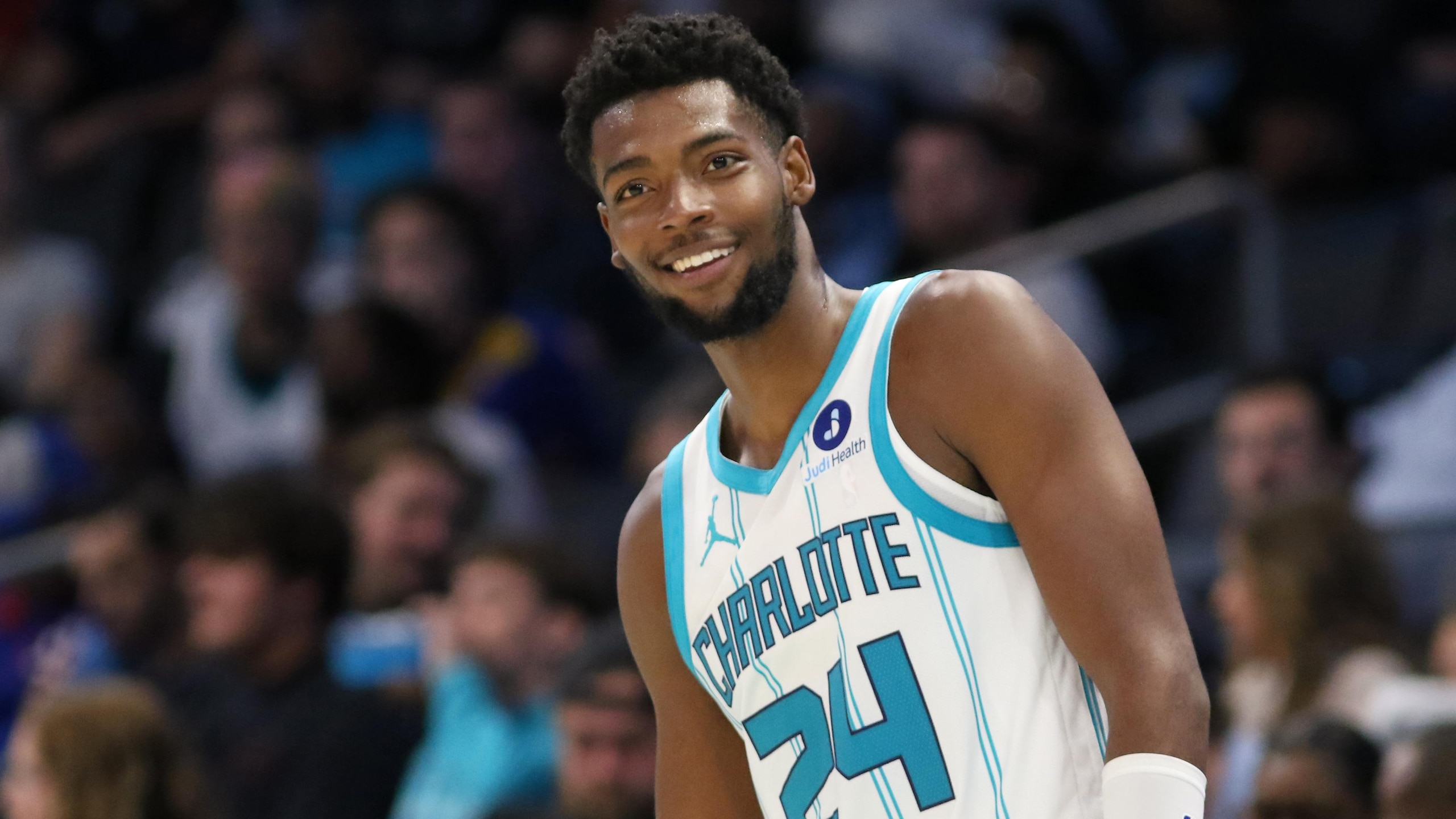
Gordon Hayward, Charlotte Hornets
2 of 4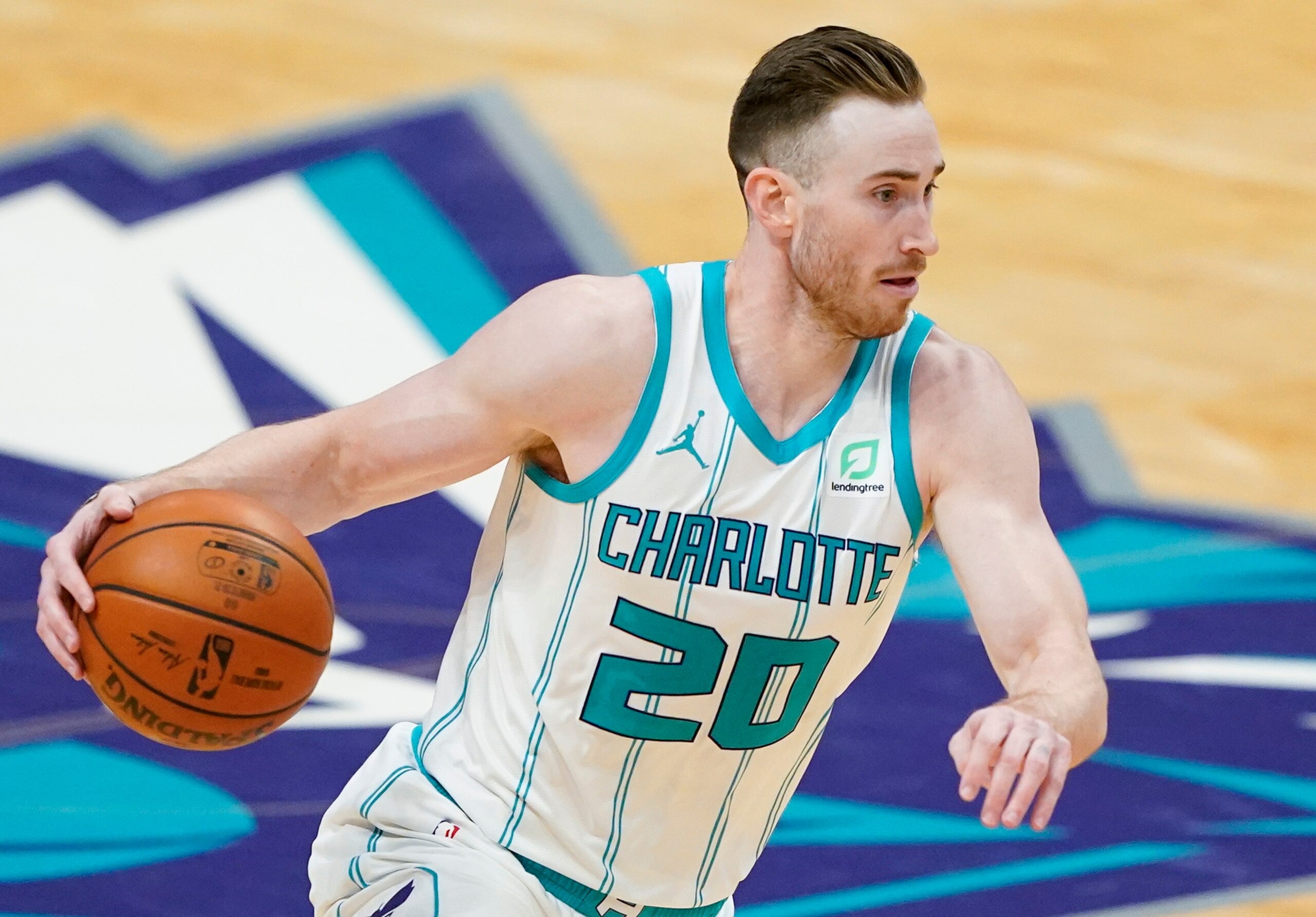
It isn't necessarily the worst part of the deal, but we can't forget that the Charlotte Hornets waived and stretched Nicolas Batum to sign Gordon Hayward to the most roundly panned contract of the 2020 offseason.
As a result, we shouldn't think of Hayward as a player making an average of $30 million per year through his age-33 season. With Batum's stretched salary hitting the Hornets' cap for $9 million in each of the next three years, it's more accurate to peg Hayward's cost at $39 million until 2023-24, when Charlotte will be through with its payments to Batum.
Bigger picture: Hayward's injury history is significant, and he's a borderline All-Star afterthought—at best—when healthy. The Hornets went 23-42 in 2019-20, should have been four wins worse than that based on their differential, and ought to be focused on giving rookie LaMelo Ball increasing on-ball responsibilities as this season progresses. Every single one of those factors screams "rebuild," yet here's Hayward, in his 30s, being compensated as if he's the last piece of the puzzle on a winner.
Charlotte can put forth all of the typical small-market excuses. It can claim its dollars don't stretch as far in free agency as other teams'. It can argue preserving cap space isn't useful for an organization that never gets meetings with the highest-end talents. It can cite the value of a veteran presence for a young core.
But while the Hornets should be better with Hayward than with cap space unspent, the opportunity cost is enormous. Bad contracts with draft picks attached are always available to teams with room and long-term aims.
A year from now, when Charlotte again finds itself in the lottery (except not as well-positioned as it would have been without Hayward adding a few extra wins), it'll be even clearer that this was a classic case of step-skipping impatience.
This is how you lock in sub-mediocrity for another half-decade.
Marcus Morris Sr., Los Angeles Clippers
3 of 4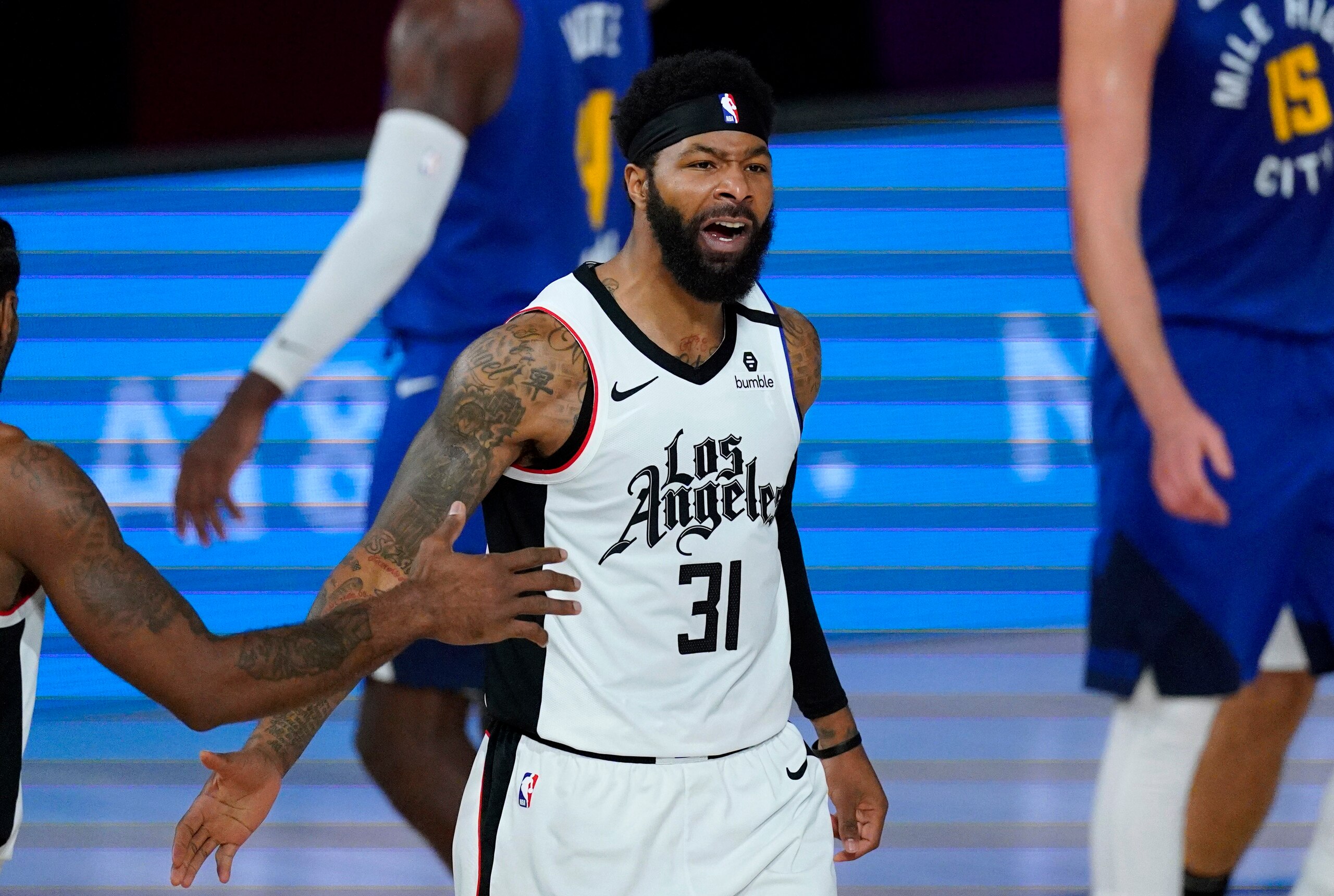
The Los Angeles Clippers' exceptionally deep pockets and championship-or-bust intentions skew everything. For them, the tax pain of Marcus Morris Sr.'s four-year, $64 million contract won't be as significant as it'd be for other organizations.
At the same time, it'd be unfair to give the Clips a complete pass on their roster-building decisions just because their ownership's ambitions and largesse exceed almost everyone else's. We have to account for each team's differing circumstances to some degree, but the subjectivity has to stop short of ignoring an objective mistake: giving a 31-year-old role player $16 million per year through 2023-24.
Morris struggled in 19 regular-season games with the Clips last season but put on a marksmanship exhibition during the playoffs. His 47.5 percent hit rate on 59 postseason three-point attempts isn't repeatable, though it was illustrative of why Los Angeles put such a high value on retaining him.
The main reason why Morris got such a windfall was that L.A. had no other means by which to replace him. The capped-out Clippers couldn't fill his roster slot with a similarly useful player, but they could use his non-Bird rights to retain him. Nobody else was going to offer Morris a deal this rich, but that didn't matter. He had the Clippers over a barrel.
If L.A. wins a title this year and Morris has something to do with it, every dollar will have been worth it. But the Clippers are more likely to fall short of a ring than win one, which will leave them with three more fully guaranteed years and a total of $48 million still owed to Morris, who'll turn 32 in September.
Mason Plumlee and Jerami Grant, Detroit Pistons
4 of 4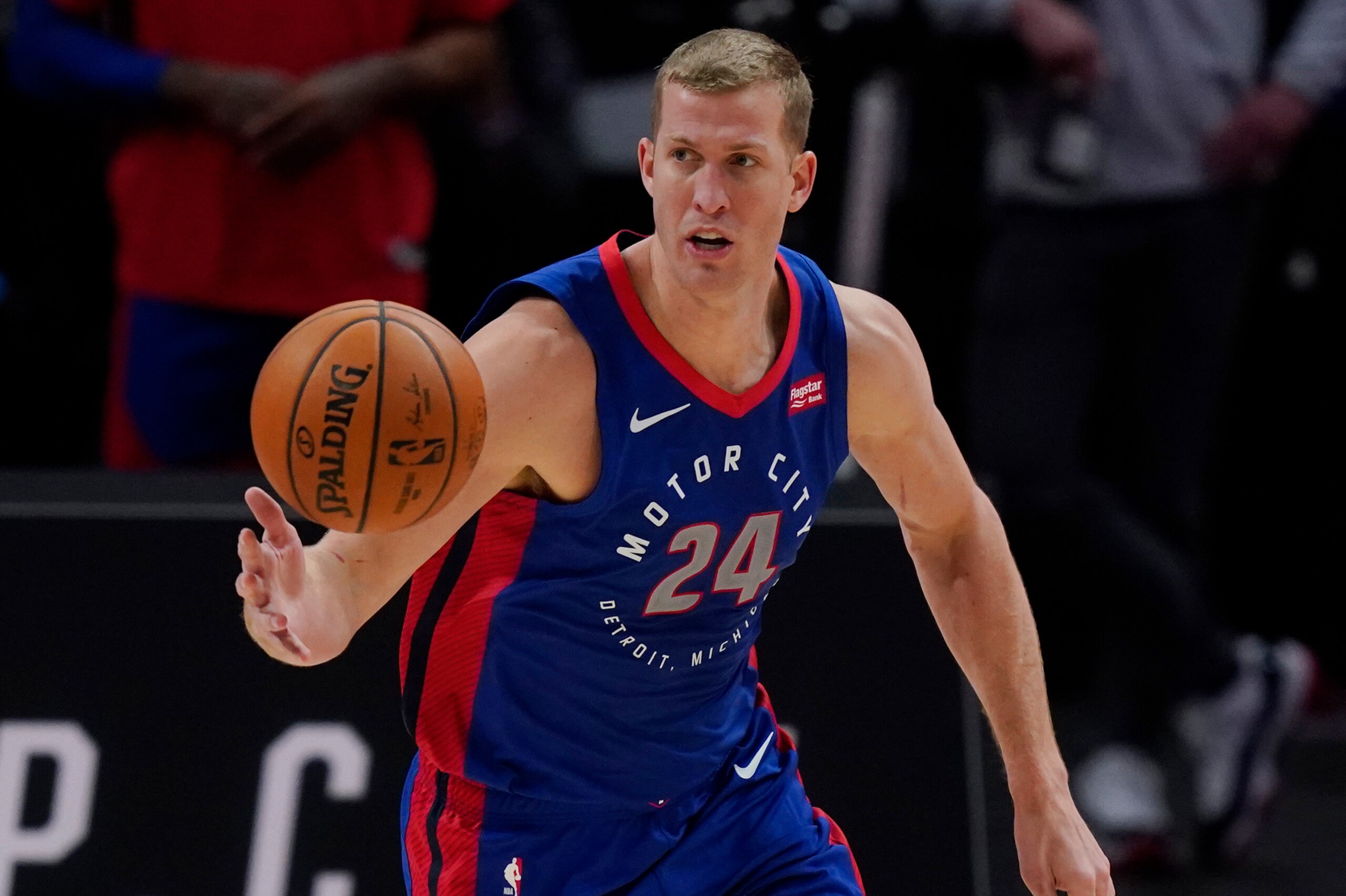
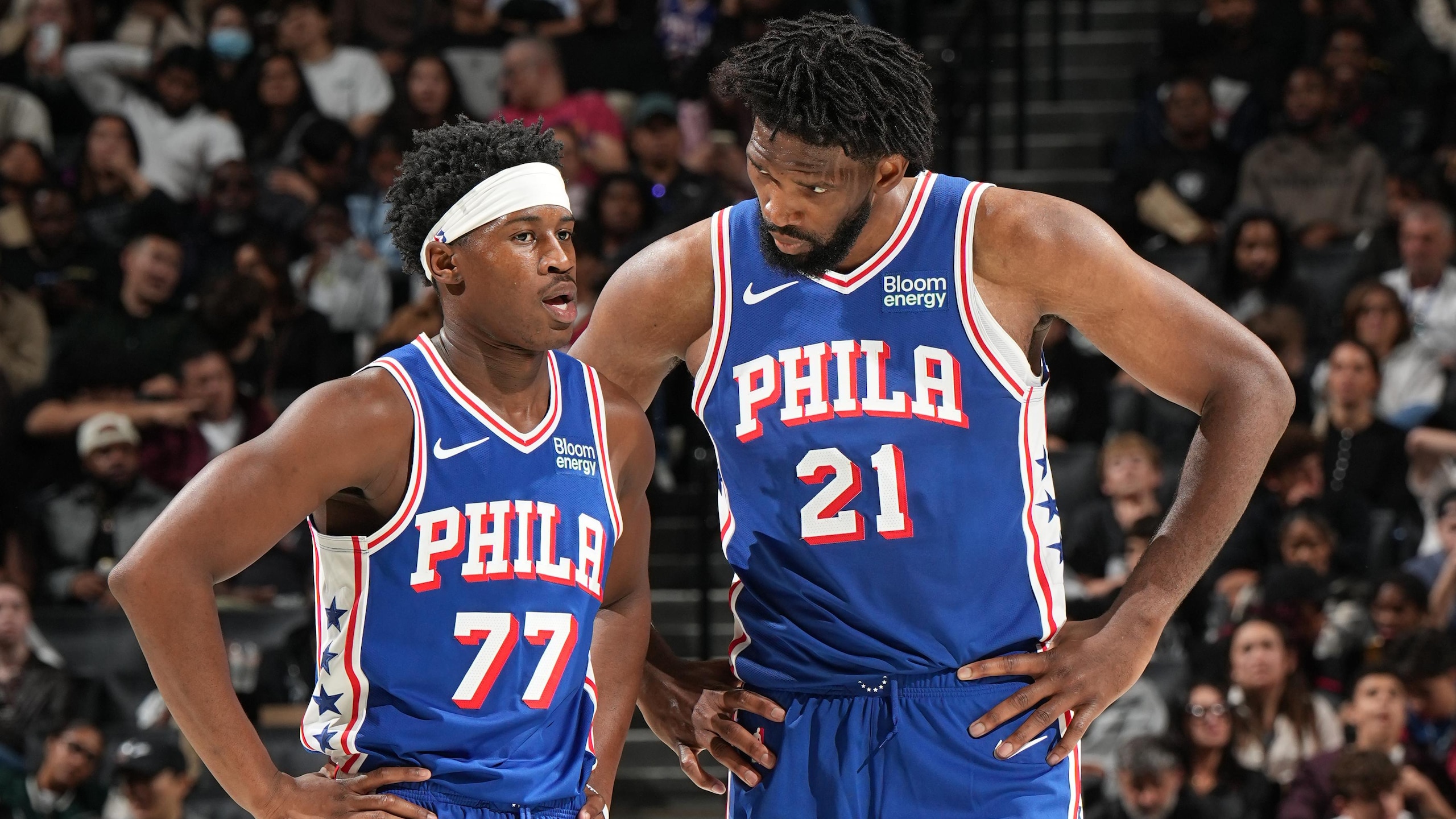
We'll lump the Detroit Pistons' two most noteworthy 2020 signings together here because on their own, the deals Mason Plumlee and Jerami Grant signed will both look quite a bit better in 2021 than they do right now.
Better. Not "good."
The third year on Plumlee's $25 million contract is non-guaranteed, which means it will effectively function as an expiring in 2021-22. There's an outside chance the Pistons overpaid him (much like the Miami Heat did with Meyers Leonard) to create a mid-tier, movable salary to use in a trade for a star. That's giving Detroit a lot of credit, and there's no way to argue the Plumlee deal was a sound one. But it'll look less terrible with the passage of time.
Grant's three-year, $60 million contract is fully guaranteed and a market-busting overpay. Three years isn't an eternity, though. Grant defends multiple positions, can shoot it from deep and is in his early prime at 26. He makes much more sense on a winner where he'd be a lower-usage role player, but he has some upside and can help the Pistons.
The reason Detroit's dual signings will cause so much pain going forward has to do with what the franchise sacrificed in the bargain.
Christian Wood departed for a smaller deal than Grant signed, for starters. Worse still, whatever cap space the Pistons would have had available for a superior 2021 free-agent class is basically gone now, surrendered for a backup center and a player they hope is an above-average starter. Blake Griffin's massive $39 million player option, which he'll almost certainly exercise, is the real cap-clogger for next season. But even after he's off the books in 2022, Detroit will still be on the hook for Grant and Plumlee.
Again, neither of these signings are catastrophic on their own. They just represent a bizarre failure of patience and big-picture consideration. New front offices typically get a chance to strip things down and absorb some losses, but this one acted as if the Pistons were a player away from being relevant.
Stats courtesy of NBA.com, Basketball Reference and Cleaning the Glass. Salary info via Basketball Insiders.

.jpg?w=2560 "Cam Ward Says He's Not A Loser")
.jpg?w=2560 "Chargers Fall to 0-5 🤢")
.jpg?w=2560 "Viral Dan Campbell Presser 💙")