

The Worst Trade by Every MLB Team Since 2000
Though trades occasionally work out for all involved parties, those are the exception to the rule in Major League Baseball.
To illustrate the point, we dug up the worst trade that every team has made since 2000.
For the most part, these are trades in which teams ended up giving away a lot more value than they received. Yet in some cases, we forgave a larger value disparity in favor of scolding teams for deals that were doomed to begin with and indeed ended up failing.
Another important note is that we only considered what players did with the years of club control they had remaining at the time they were traded. This is to say we didn't count what they did after signing free-agent contracts or extensions that bought out free-agent years.
We'll proceed in alphabetical order by city.
Arizona Diamondbacks: The Shelby Miller Trade
1 of 30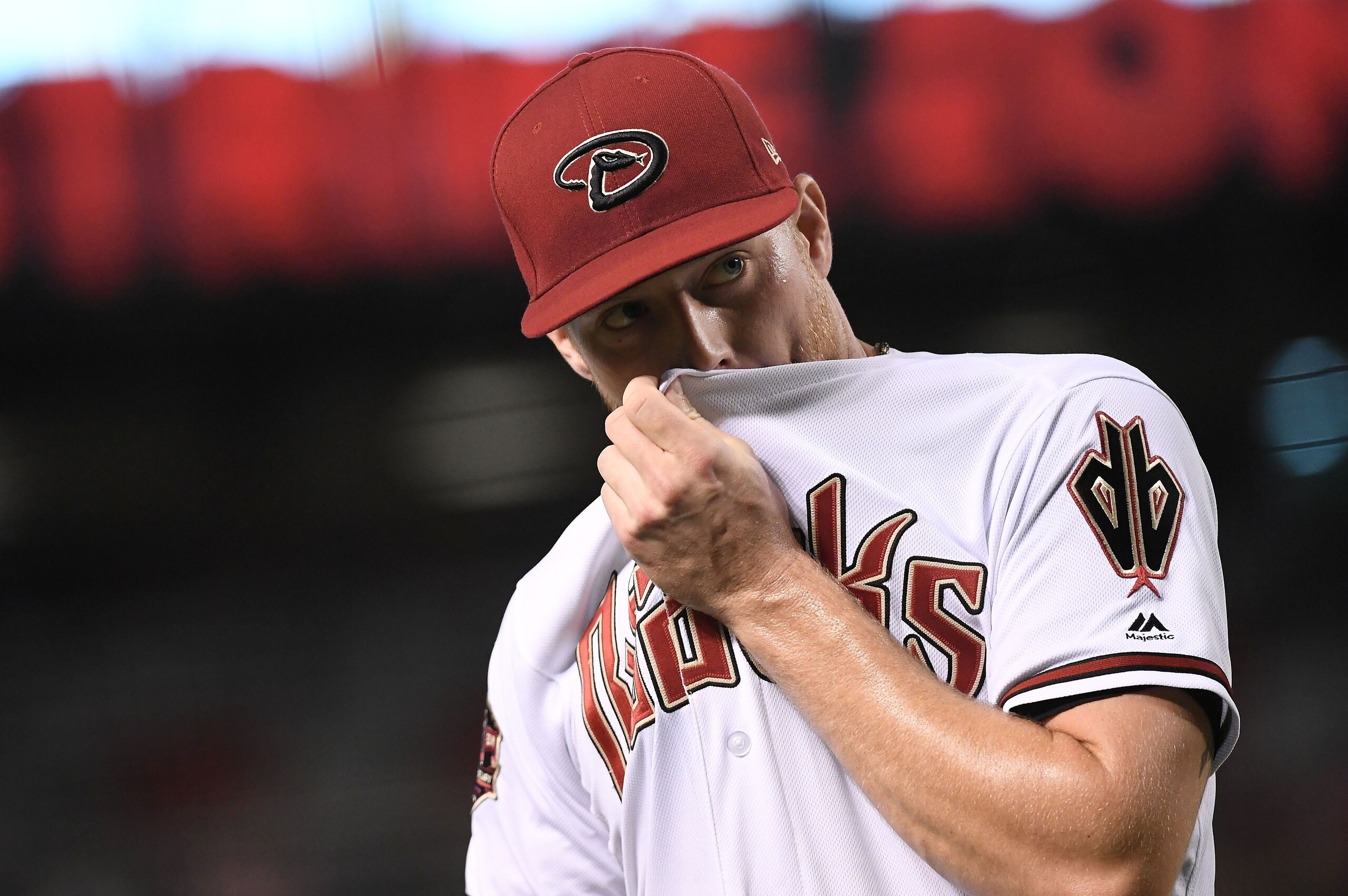
Date: December 9, 2015
The Deal (WAR): Arizona Diamondbacks get RHP Shelby Miller (-1.1) and LHP Gabe Speier (0); Atlanta Braves get CF Ender Inciarte (10.6), SS Dansby Swanson (4.6) and RHP Aaron Blair (-1.9)
Value Deficit: 14.4 WAR
The Arizona Diamondbacks erred when they traded Max Scherzer to the Detroit Tigers in 2009, but at least they got Ian Kennedy out of it. He was the ace of their 2011 playoff squad.
As for the Shelby Miller trade, the D-backs had the right idea in bringing him aboard to be their No. 2 behind newly signed ace Zack Greinke. Though Miller lost 17 games in 2015, he was nonetheless an All-Star who finished with a 3.02 ERA.
But in three years in the desert, Miller struggled with both injuries and ineffectiveness en route to a 6.35 ERA over just 29 appearances. Notably, he barely contributed to the D-backs' playoff run in 2017.
The Atlanta Braves, meanwhile, gained a solid two-way center fielder in Ender Inciarte. And while Dansby Swanson has struggled to live up to his status as the 2015 No. 1 pick, he's at least been a good shortstop for Atlanta.
Atlanta Braves: The (1st) Mark Teixeira Trade
2 of 30
Date: July 31, 2007
The Deal (WAR): Atlanta Braves get 1B Mark Teixeira (6.1) and LHP Ron Mahay (0.8); Texas Rangers get SS Elvis Andrus (17.0), RHP Neftali Feliz (8.7), LHP Matt Harrison (9.2), C Jarrod Saltalamacchia (0.5) and LHP Beau Jones (0)
Value Deficit: 28.5 WAR
Come deadline day of the 2007 season, the Braves were 55-51 and 4.5 games out of first in the National League East. Clearly, they needed a boost.
Enter Mark Teixeira, who did his part by posting a 1.020 OPS with 17 home runs in 54 games down the stretch. But it was for naught. The Braves went just 28-27 in August and September and missed the playoffs.
So it went at the outset of the 2008 season. Teixeira was hot, yet the Braves were not, prompting them to cash in his final two months of club control by flipping him to the Los Angeles Angels for Casey Kotchman and pitching prospect Stephen Marek, who never made the majors.
That deal didn't yield much for the Braves, but it eventually hurt a lot less than their initial trade for Teixeira. In particular, Elvis Andrus, Neftali Feliz and Matt Harrison became key players on the Texas Rangers' pennant-winning teams of 2010 and 2011.
Baltimore Orioles: The Jake Arrieta Trade
3 of 30
Date: July 2, 2013
The Deal (WAR): Baltimore Orioles get RHP Scott Feldman (0.6) and C Steve Clevenger (0.2); Chicago Cubs get RHP Jake Arrieta (20.0) and RHP Pedro Strop (5.3)
Value Deficit: 24.5 WAR
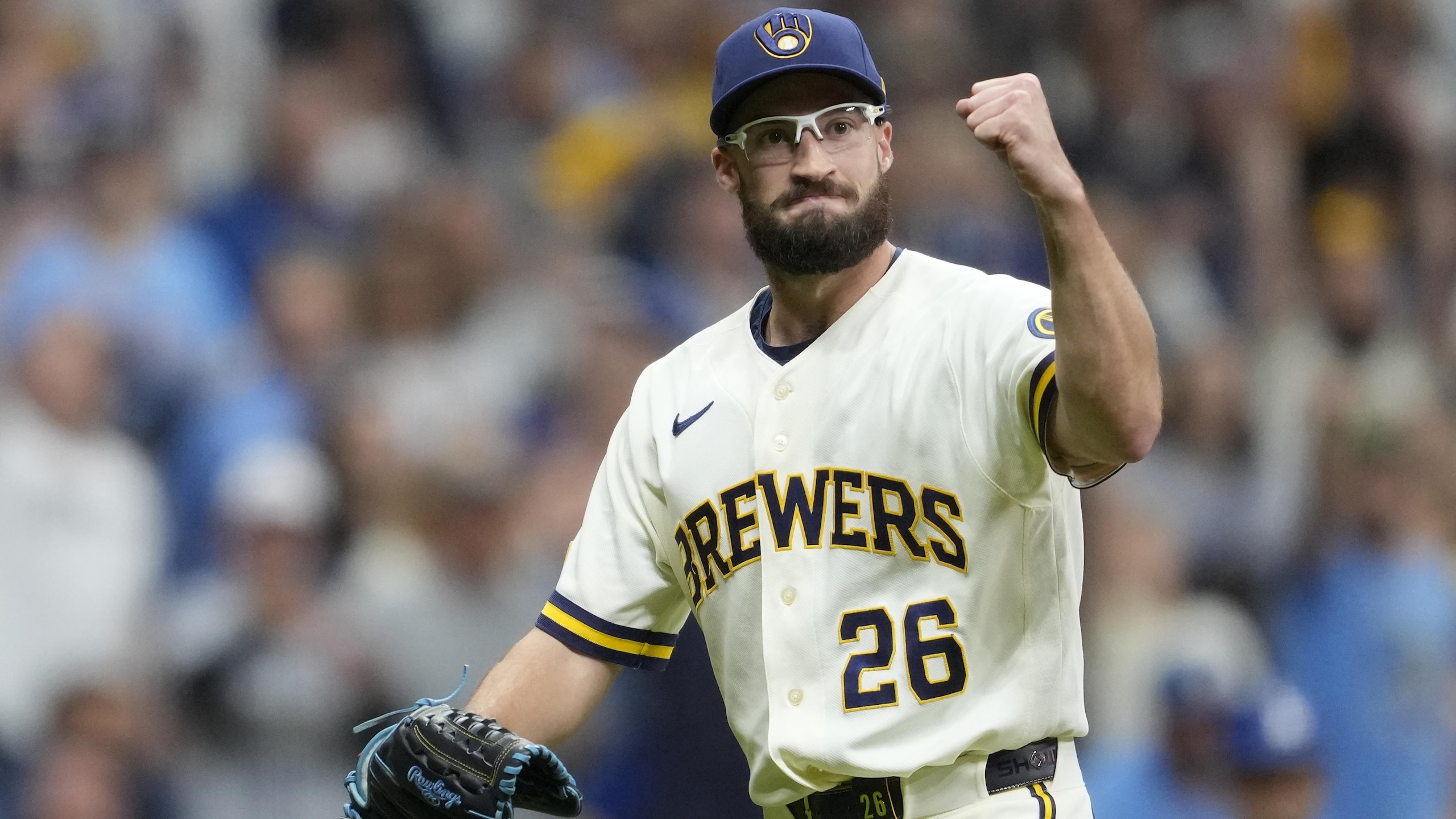
In fairness to the Baltimore Orioles, Jake Arrieta and Pedro Strop did seem expendable when the organization traded them to the Chicago Cubs in 2013.
Arrieta's 7.23 ERA in five starts marked the low point of his struggles to establish himself in Baltimore's rotation. And after breaking out in 2012, Strop had an ERA north of 7.00.
To boot, Feldman looked like a good get on account of his 3.46 ERA at the time. Any more of that, and he'd help push the Orioles to a second straight playoff berth.
Alas, Feldman stumbled with a 4.27 ERA, and the Orioles fell short of October. And in the years to come, Strop would regain his footing as a star reliever, and Arrieta would become an All-Star and a Cy Young Award winner. Both were on the Cubs team that snapped the franchise's 108-year championship drought in 2016.


Boston Red Sox: The Freddy Sanchez Trade
4 of 30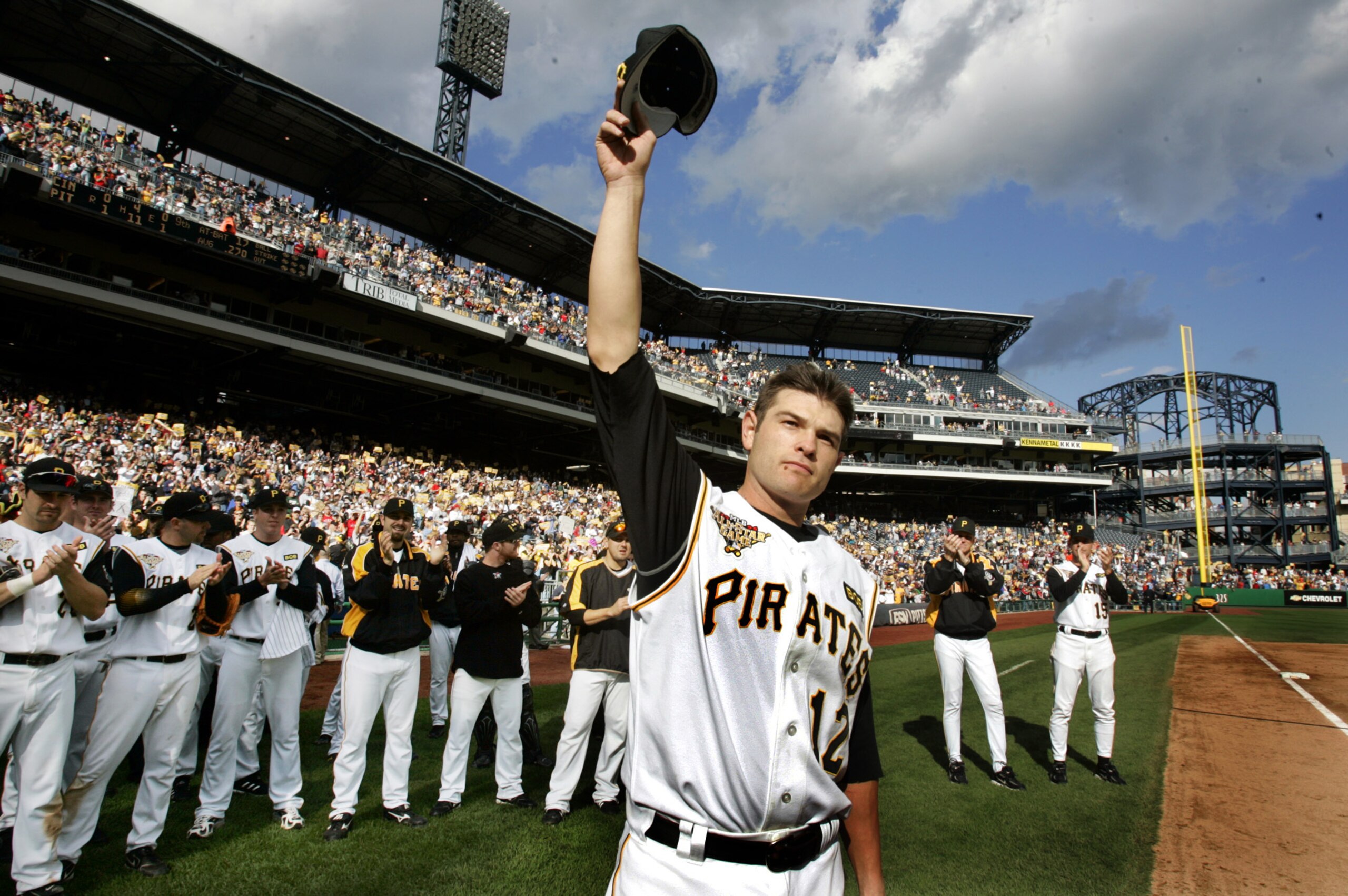
Date: July 31, 2003
The Deal (WAR): Boston Red Sox get RHP Jeff Suppan (0.3), RHP Brandon Lyon (0.4) and RHP Anastacio Martinez (-0.3); Pittsburgh Pirates get 2B Freddy Sanchez (12.9 WAR) and LHP Mike Gonzalez (5.6 WAR)
Value Deficit: 18.1 WAR
The worst of the Boston Red Sox's many trades since 2000 is subject to debate. One could make a case for the Adrian Gonzalez deal of 2010 or perhaps the Bronson Arroyo-Wily Mo Pena swap from 2006.
But lest anyone forget, the big bet that Boston made on Jeff Suppan in 2003 really didn't pan out.
The Red Sox targeted Suppan—who had come up through their system in the 1990s—as a fix for a rotation that was weak outside of staff ace Pedro Martinez. But Suppan wasn't that guy. He posted a 5.57 ERA for Boston down the stretch and was eventually sidelined during the club's doomed postseason run.
With the Pittsburgh Pirates, Freddy Sanchez evolved into a batting champion and a three-time All-Star. Mike Gonzalez was also no slouch, as he became one of the most effective lefty relievers in the National League.
Chicago Cubs: The DJ LeMahieu Trade
5 of 30
Date: December 8, 2011
The Deal (WAR): Chicago Cubs get 3B Ian Stewart (0) and RHP Casey Weathers (0); Colorado Rockies get 2B DJ LeMahieu (15.9) and OF Tyler Colvin (1.1)
Value Deficit: 17.0 WAR
Anyone who's well-steeped in the history of bad trades might be wondering why the selection here isn't the Chicago Cubs' July 2008 deal with the Oakland Athletics for Rich Harden, which cost them Josh Donaldson.
Well, Harden's dominance in the final two months of the '08 season did help the Cubs make the playoffs. And while Donaldson went on to become a star for the A's, it wasn't until five years later in 2013.
In retrospect, the Cubs' deal for Ian Stewart was worse. He wasn't a game-changing player, so it's no wonder he was powerless to stop Chicago from following a 91-loss season in 2011 with a 101-loss season in 2012.
The Colorado Rockies, meanwhile, got a decent campaign out of Tyler Colvin in 2012. They eventually got a lot more from DJ LeMahieu, who turned into a batting champion, an All-Star and a Gold Glover.
Chicago White Sox: The Jeff Samardzija Trade
6 of 30
Date: December 9, 2014
The Deal (WAR): Chicago White Sox get RHP Jeff Samardzija (0.3) and RHP Michael Ynoa (0.2); Oakland Athletics get SS Marcus Semien (20.5), RHP Chris Bassitt (3.4), C Josh Phegley (2.5) and 1B Rangel Ravelo (0)
Value Deficit: 25.9 WAR
Though the Chicago White Sox's June 2016 trade of Fernando Tatis Jr. and Erik Johnson for James Shields seems destined to become one of the most lopsided trades of all time, it's a bit too soon to declare it as such. Tatis only has one season under his belt, after all.
Instead, how about the other star shortstop the White Sox traded for a not-great pitcher?
To be sure, Jeff Samardzija was coming off a 2.99 ERA over 219.2 innings when the White Sox got him from the Oakland Athletics in 2014. Yet such an aggressive maneuver from an 89-loss team seemed odd, and it backfired when Samardzija posted a 4.96 ERA in his one and only season with Chicago.
For their part, the A's made out like bandits. Marcus Semien has gradually made himself into an MVP-caliber shortstop, and he still has the 2020 season standing between him and free agency.
Cincinnati Reds: The Josh Hamilton Trade
7 of 30
Date: December 21, 2007
The Deal (WAR): Cincinnati Reds get RHP Edinson Volquez (4.2) and LHP Danny Herrera (0.3); Texas Rangers get OF Josh Hamilton (22.5)
Value Deficit: 18.0 WAR
Josh Hamilton's rise with the Cincinnati Reds was perhaps the feel-good story of 2007. Here was the 1999 No. 1 pick whose career had nearly been derailed by addiction, and suddenly, he was playing like a star.
Yet it's not the biggest shock that the Reds subsequently traded him. If Hamilton's backstory wasn't a good enough excuse to sell high on him, the injuries that limited him to 90 games in '07 surely did the trick.
Initially, the Reds' trade with the Texas Rangers paid off when Edinson Volquez emerged as an All-Star and a Rookie of the Year contender in 2008. But over the next three seasons, injuries and ineffectiveness pushed him out of the picture.
As it turned out, Hamilton had more than one good season in him after all. He was the 2010 AL MVP and an annual All-Star who played in two World Series in his five years with the Rangers.
Cleveland Indians: The Brandon Phillips Trade
8 of 30
Date: April 7, 2006
The Deal (WAR): Cleveland Indians get RHP Jeff Stevens (0); Cincinnati Reds get 2B Brandon Phillips (23.0)
Value Deficit: 23.0 WAR
The Cleveland Indians originally acquired Brandon Phillips as part of the infamous Bartolo Colon trade—more on that later—in June 2002.
But unlike Cliff Lee and Grady Sizemore, Phillips had a rough time establishing himself in Cleveland in subsequent seasons. He got a decent look in 2003, when he played in 112 games with the Indians, but he mustered only a .553 OPS. He then played in only 12 games over the next two years.
As such, the Indians didn't seem to be surrendering much when they flipped Phillips to the cross-state Reds for a player to be named later in April 2006. But he made an immediate impact with Cincinnati in 2006, and he later became an All-Star and Gold Glove winner.
The player to be named later became Jeff Stevens, who never even pitched for the Tribe.
Colorado Rockies: The Chone Figgins Trade
9 of 30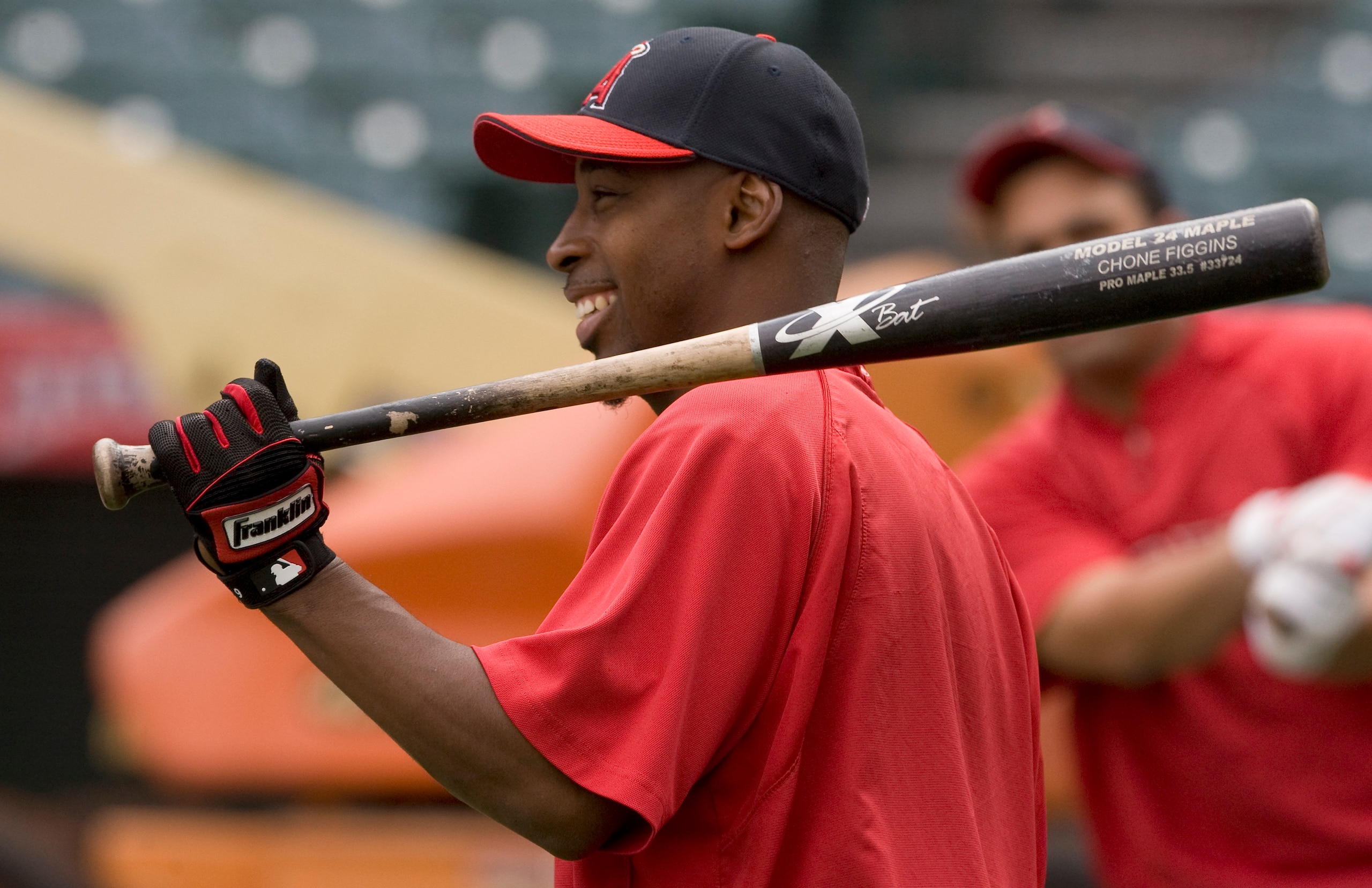
Date: July 13, 2001
The Deal (WAR): Colorado Rockies get OF Kimera Bartee (-0.4); Anaheim Angels get INF/OF Chone Figgins (22.4)
Value Deficit: 22.6 WAR
Not long after a solid run of seasons during the 1990s, the Colorado Rockies were more or less tethered to the bottom of the National League West by 2001.
It was in July of that year that they made an upside play on Kimera Bartee in a trade with the then-Anaheim Angels. He'd had some moments for the Detroit Tigers in the '90s, and he was fresh off hitting .298 for the Reds' Triple-A affiliate in 2000.
Nothing became of Bartee in Colorado, but it initially looked like the trade didn't cost the Rockies too badly. Going the other way to the Anaheim was a minor leaguer named Chone Figgins, who was a .220 hitter at Double-A at the time.
But come 2002, Figgins was a World Series champion. In the years after, his versatile glove and blazing speed made him one of the most dynamic players in the American League.
Detroit Tigers: The Eugenio Suarez Trade
10 of 30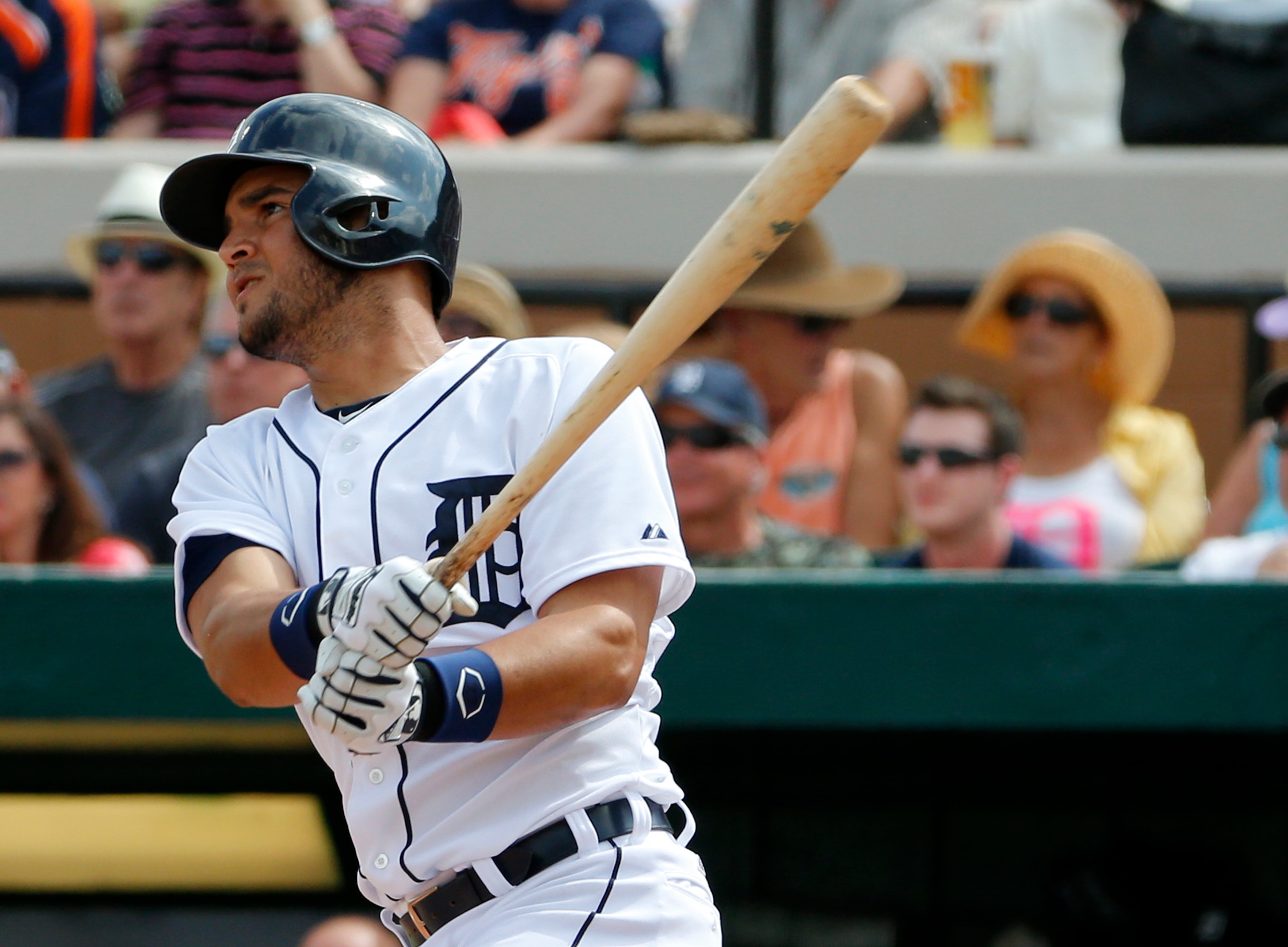
Date: December 11, 2014
The Deal (WAR): Detroit Tigers get RHP Alfredo Simon (-0.4); Cincinnati Reds get 3B Eugenio Suarez (14.1) and RHP Jonathon Crawford (0)
Value Deficit: 14.5 WAR
Fresh off their fourth straight trip to the postseason in 2014, the Detroit Tigers made a trade that seemed somehow both low-risk and high-risk at the same time.
In Alfredo Simon, they were getting a pitcher who had just been an All-Star on his way to a 3.44 ERA over 196.1 innings for the Reds in '14. And all the Tigers had to give up to get him was a couple of spare parts.
Yet Simon was in the midst of a civil lawsuit filed by a woman who said he raped her. There were also questions about whether he could maintain his 2014 numbers. He ultimately didn't, as he posted a 5.05 ERA in his one and only year with the Tigers in 2015.
All Suarez has done over the last five years is prove he's no mere spare part. He's increased his home run output on an annual basis, culminating in a whopping 49 blasts in 2019.
Houston Astros: The Aubrey Huff Trade
11 of 30
Date: July 12, 2006
The Deal (WAR): Houston Astros get 1B Aubrey Huff (0.2); Tampa Bay Devil Rays get INF/OF Ben Zobrist (31.0) and RHP Mitch Talbot (-0.4)
Value Deficit: 30.4 WAR
After winning 89 games and advancing to the World Series in 2005, the Houston Astros went into the following year's All-Star break under the .500 mark.
In a bid to improve their fortunes, they pulled off a trade for Aubrey Huff. Despite his 0.2 WAR, he did his part to get the club back to October by putting up an .819 OPS with 13 home runs in 68 games.
The Astros, however, couldn't overcome the St. Louis Cardinals in an NL Central race that went down to the wire. Huff then departed as a free agent, and the Astros eventually slipped into a state of irrelevance that lasted until their return to October in 2015.
In Ben Zobrist, the then-Tampa Bay Devil Rays gained the ultimate do-it-all utility man who made two All-Star clubs before leaving town ahead of the 2015 season.
Kansas City Royals: The Johnny Damon Trade
12 of 30
Date: January 8, 2001
The Deal (WAR): Kansas City Royals get SS Angel Berroa (2.2), RHP Roberto Hernandez (1.3) and C AJ Hinch (-0.2); Tampa Bay Devil Rays get OF Ben Grieve (3.2); Oakland Athletics get OF Johnny Damon (2.4), 2B Mark Ellis (21.8) and RHP Cory Lidle (7.0)
Value Deficit: 20.9 WAR (for Kansas City)
Despite all Johnny Damon had done for them since his debut in 1995, the Kansas City Royals were justified in trading him ahead of the 2001 season.
After all, they were coming off an 85-loss campaign, and he was due for free agency at the end of the year. And dealing him paid some short-term dividends. Roberto Hernandez pitched well out of the Royals bullpen in 2001 and 2002, and Angel Berroa won the AL Rookie of the Year in 2003.
Yet that proved to be the peak of Berroa's major league career, which ended in 2009. And while trading Damon was a sound decision, the Royals' willingness to include Mark Ellis came back to bite them.
Though he never made an All-Star team, Ellis turned into an underrated two-way player who ranked behind only Brian Roberts in WAR among American League second basemen between 2002 and 2008.
Los Angeles Angels: The Mike Clevinger Trade
13 of 30
Date: August 7, 2014
The Deal (WAR): Los Angeles Angels get RHP Vinnie Pestano (0.1); Cleveland Indians get RHP Mike Clevinger (12.3)
Value Deficit: 12.2 WAR
Let's just say that the then-Anaheim Angels' trade of Jim Edmonds to the St. Louis Cardinals in March 2000 isn't as bad as it looks in retrospect.
Though Edmonds starred in St. Louis through 2007, that's only because he preempted his pending free agency by signing a contract extension in the middle of the 2000 season. Given that Edmonds left Anaheim as a rental, the Angels did well to get Adam Kennedy back in the deal.
The club's trade for Vinnie Pestano 14 years later, meanwhile, wasn't a total catastrophe. Their 2014 club needed a reliever, and he came through with a 0.93 ERA in 12 appearances down the stretch.
Yet it's still one the Angels would surely like to have back right now. Mike Clevinger has been one of baseball's best pitchers since 2017, and he's still under the Cleveland Indians' control for another three years.
Los Angeles Dodgers: The Casey Blake Trade
14 of 30
Date: July 26, 2008
The Deal (WAR): Los Angeles Dodgers get 3B Casey Blake (0.9); Cleveland Indians get C Carlos Santana (24.3) and RHP Jon Meloan (0.1)
Value Deficit: 23.5 WAR
Yordan Alvarez is only one year into his career with the Houston Astros, yet he's already made a mockery of the Los Angeles Dodgers' decision to trade him for middle reliever Josh Fields in 2016.
For now, though, the Dodgers' trade for Casey Blake in 2008 still looms as their worst of the 21st century.
It's not because Blake was bad for them after coming over in '08. He was solid with a .773 OPS and 10 home runs in 58 games during the season's final two months. Plus, the two sides liked each other so much that they eventually reunited in free agency.
However, the Indians got the better end of the deal. Between 2011 and 2017, Carlos Santana was one of only four hitters with at least 600 plate appearances and a 100 OPS+ on an annual basis.
Miami Marlins: The Christian Yelich Trade
15 of 30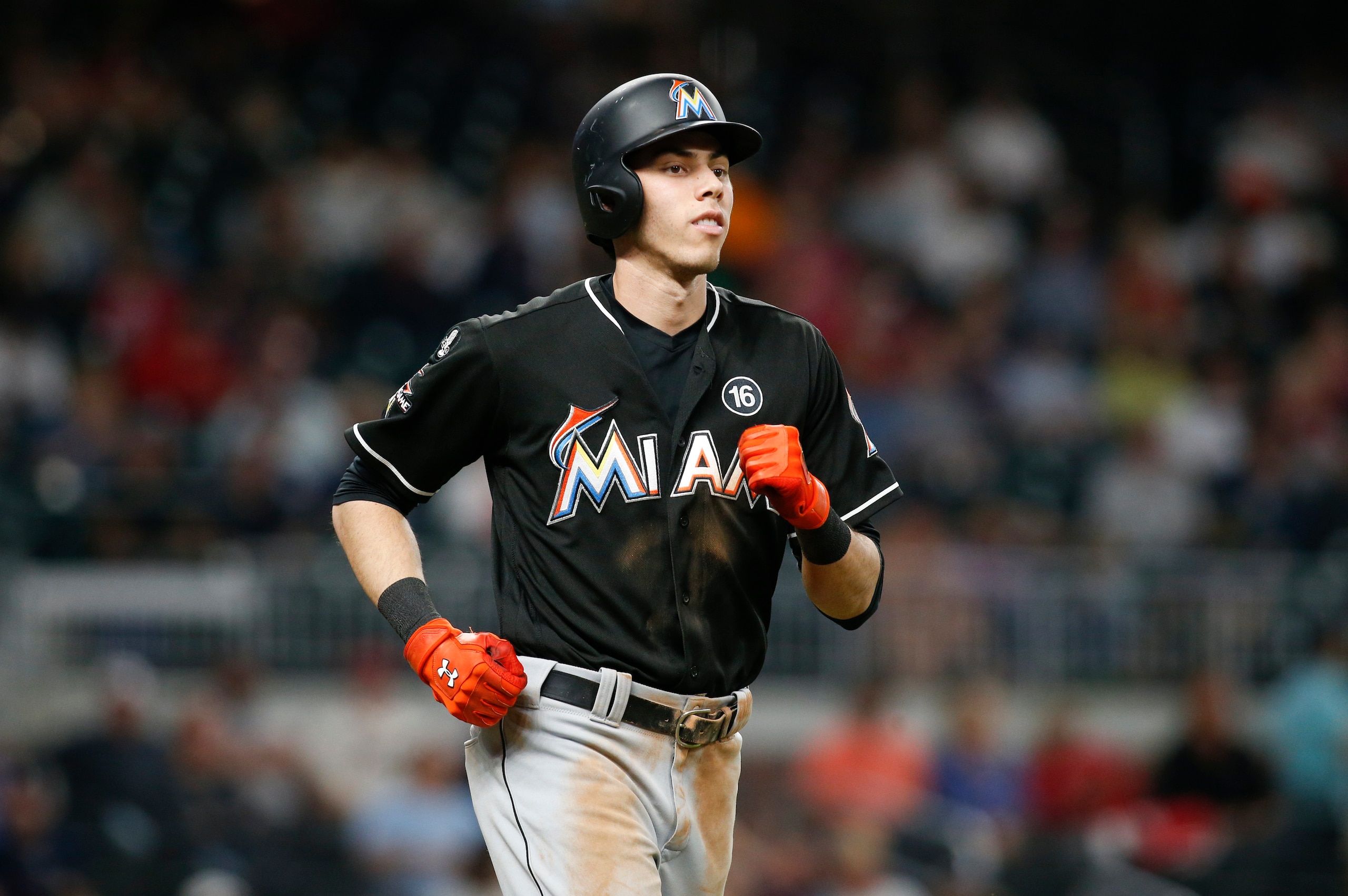
Date: January 25, 2018
The Deal (WAR): Miami Marlins get OF Lewis Brinson (-2.9), 2B Isan Diaz (-0.8), RHP Jordan Yamamoto (0.9) and OF Monte Harrison (0); Milwaukee Brewers get OF Christian Yelich (14.3)
Value Deficit: 17.1 WAR
As bad as the Miguel Cabrera trade looks in retrospect, an important thing to remember is that he and Dontrelle Willis only had two years of club control left when they went to the Detroit Tigers in 2007.
By contrast, Christian Yelich was only three seasons into a seven-year, $49.6 million contract when the Miami Marlins traded him to the Milwaukee Brewers. Between that and how he was only coming off his age-25 season, the Marlins didn't need to trade him for prospects.
As it is, the prospects they did acquire in the deal have thus far been duds. Lewis Brinson in particular has looked overmatched in his two seasons with Miami.
Meanwhile in Milwaukee, the Brewers have gotten far more than they bargained for out of the Marlins' cynicism. Yelich won the NL MVP for his first campaign with the team and has been arguably the best player in baseball since the 2018 All-Star break.
Milwaukee Brewers: The Nelson Cruz Trade
16 of 30
Date: July 28, 2006
The Deal (WAR): Milwaukee Brewers get RHP Francisco Cordero (3.1), OF Kevin Mench (0.1) and OF Laynce Nix (-0.6); Texas Rangers get OF Carlos Lee (0.9) and OF Nelson Cruz (12.1)
Value Deficit: 10.4 WAR
You might be wondering why the Milwaukee Brewers' 2010 trade for Zack Greinke—which cost them Lorenzo Cain, Alcides Escobar, Jake Odorizzi and Jeremy Jeffress—avoided our ire.
That trade was undeniably a value loss for the Brewers, but it wasn't all bad. Greinke was Milwaukee's ace during their 2011 playoff run, and the Brewers later turned him into Jean Segura in 2012.
The best thing the Brewers got out of their 2006 trade with the Texas Rangers, meanwhile, was Francisco Cordero. But he was done in Milwaukee after an All-Star season in 2007, in which the Brewers missed the playoffs.
Carlos Lee was a nice addition for the '06 Rangers, but it was Nelson Cruz who emerged as their biggest prize. As he mashed in Texas through 2013, the Brewers could only wonder how he would have fared in their lineup alongside Ryan Braun, Prince Fielder and Corey Hart.
Minnesota Twins: The Delmon Young Trade
17 of 30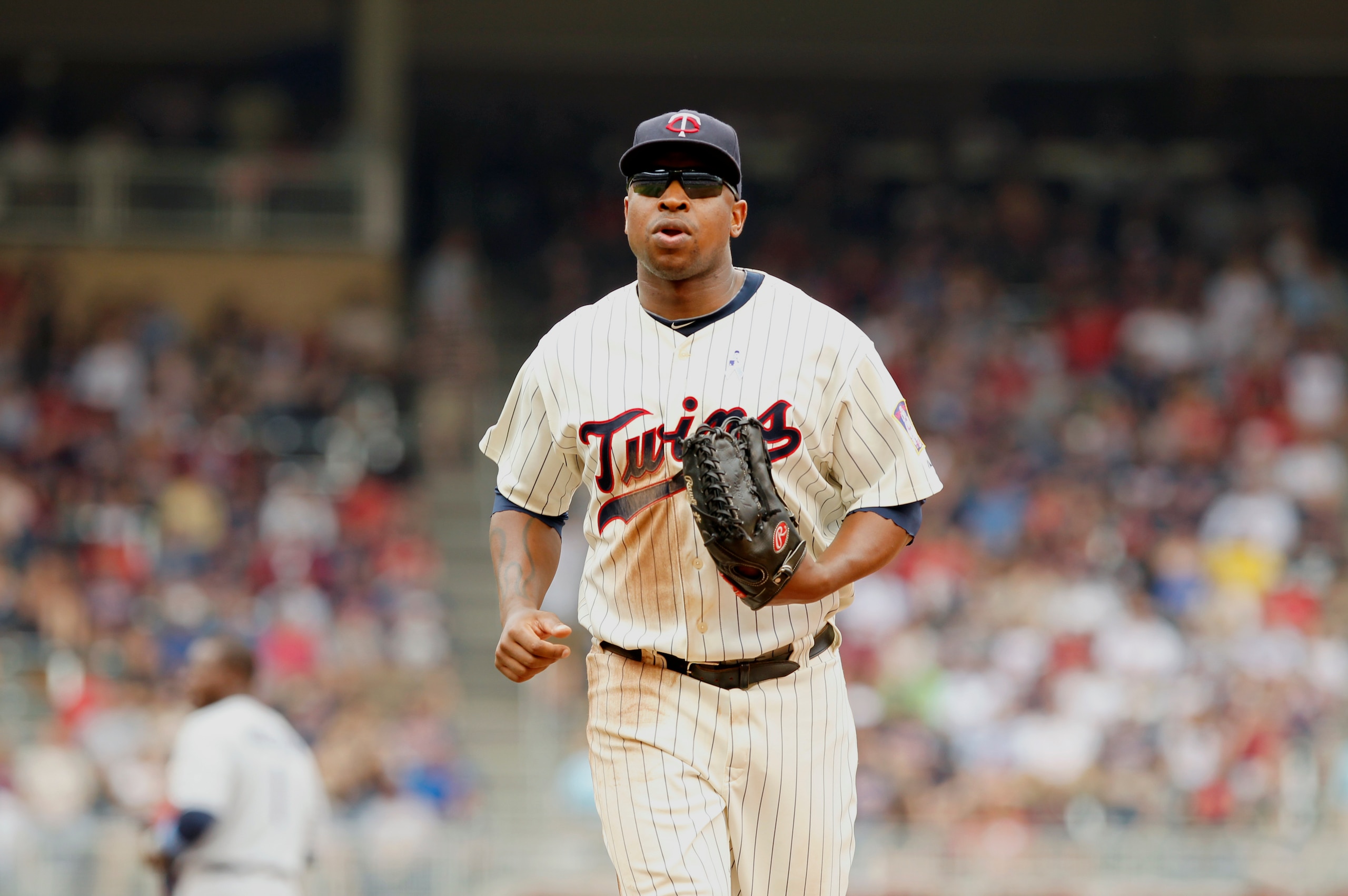
Date: November 28, 2007
The Deal (WAR): Minnesota Twins get OF Delmon Young (1.0), SS Brendan Harris (-0.6) and OF Jason Pridie (-0.2); Tampa Bay Rays get RHP Matt Garza (8.5), SS Jason Bartlett (10.4) and RHP Eddie Morlan (0.0)
Value Deficit: 18.7 WAR
When the Minnesota Twins traded for Delmon Young in 2007, they brought aboard a No. 1 pick who had just been the runner-up for the American League Rookie of the Year Award.
But even in Young's "breakout" season in '07, he mustered only a .723 OPS and 0.9 WAR. He'd also had a rocky road to the majors after he was drafted in 2003, notably drawing a 50-game suspension in 2006 for throwing his bat at an umpire.
Young wasn't a flop in Minnesota, as he drove in 112 runs and earned MVP votes in 2010. But even then, his limited skill set resulted in 1.9 WAR. He slumped in 2011, prompting a trade to the Tigers.
In part thanks to Matt Garza's and Jason Bartlett's contributions, the newly rebranded Tampa Bay Rays reached the World Series in 2008. Both were quality players in their three seasons with the Rays.
New York Mets: The Melvin Mora Trade
18 of 30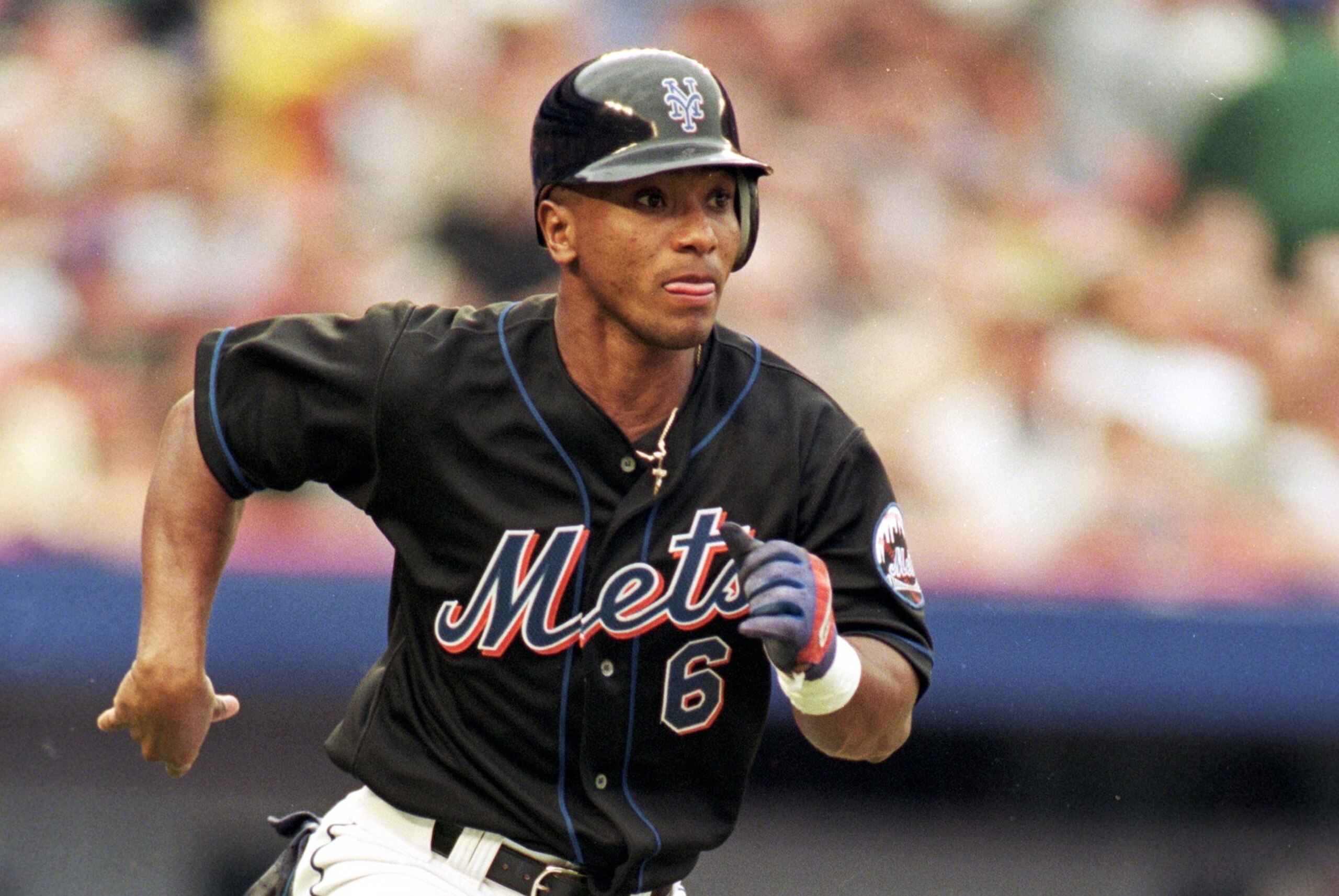
Date: July 28, 2000
The Deal (WAR): New York Mets get SS Mike Bordick (0.2); Baltimore Orioles get 3B Melvin Mora (25.4), OF Mike Kinkade (-0.2), RHP Leslie Brea (-0.6) and RHP Pat Gorman (0.0)
Value Deficit: 24.4 WAR
The New York Mets' trade for Mike Bordick in July 2000 didn't break them.
Bordick didn't pan out, as he struggled offensively throughout the remainder of the regular season and into the postseason. Nevertheless, the Mets advanced to their first World Series since 1986.
In giving up Melvin Mora, the Mets didn't seem to be losing a fundamental piece of the puzzle for their future. He was in only his second season in the majors—and putting up unspectacular numbers as a utility infielder.
But before long, Mora flourished with the Baltimore Orioles. He put together a solid 4.7-WAR year in 2002 and then graduated to stardom from 2003 to 2005. In those three seasons, he hit .312/.391/.513 and made two All-Star teams.
New York Yankees: The Esteban Loaiza Trade
19 of 30
Date: July 31, 2004
The Deal (WAR): New York Yankees get RHP Esteban Loaiza (-1.0); Chicago White Sox get RHP Jose Contreras (7.7)
Value Deficit: 8.7 WAR
It was a big deal when the New York Yankees signed Cuban defector Jose Contreras to a four-year, $32 million contract in December 2002.
Yet Contreras failed to make an impression in 2003, and he was sitting on a 5.64 ERA after his first 18 starts of 2004. So the Yankees pulled the plug, shipping the big right-hander to the Chicago White Sox for Esteban Loaiza.
Though Loaiza went into 2004 fresh off a run at the AL Cy Young Award, he also struggled with a 4.86 ERA through 21 outings. He got worse for New York, as he had an 8.50 ERA in the regular season and a memorable loss in the American League Championship Series.
With the White Sox, Contreras blossomed into a top-of-the-rotation starter in 2005 and 2006. Notably, he pitched to a 3.09 ERA during the club's World Series run in '05.
Oakland Athletics: The Matt Holliday Trade
20 of 30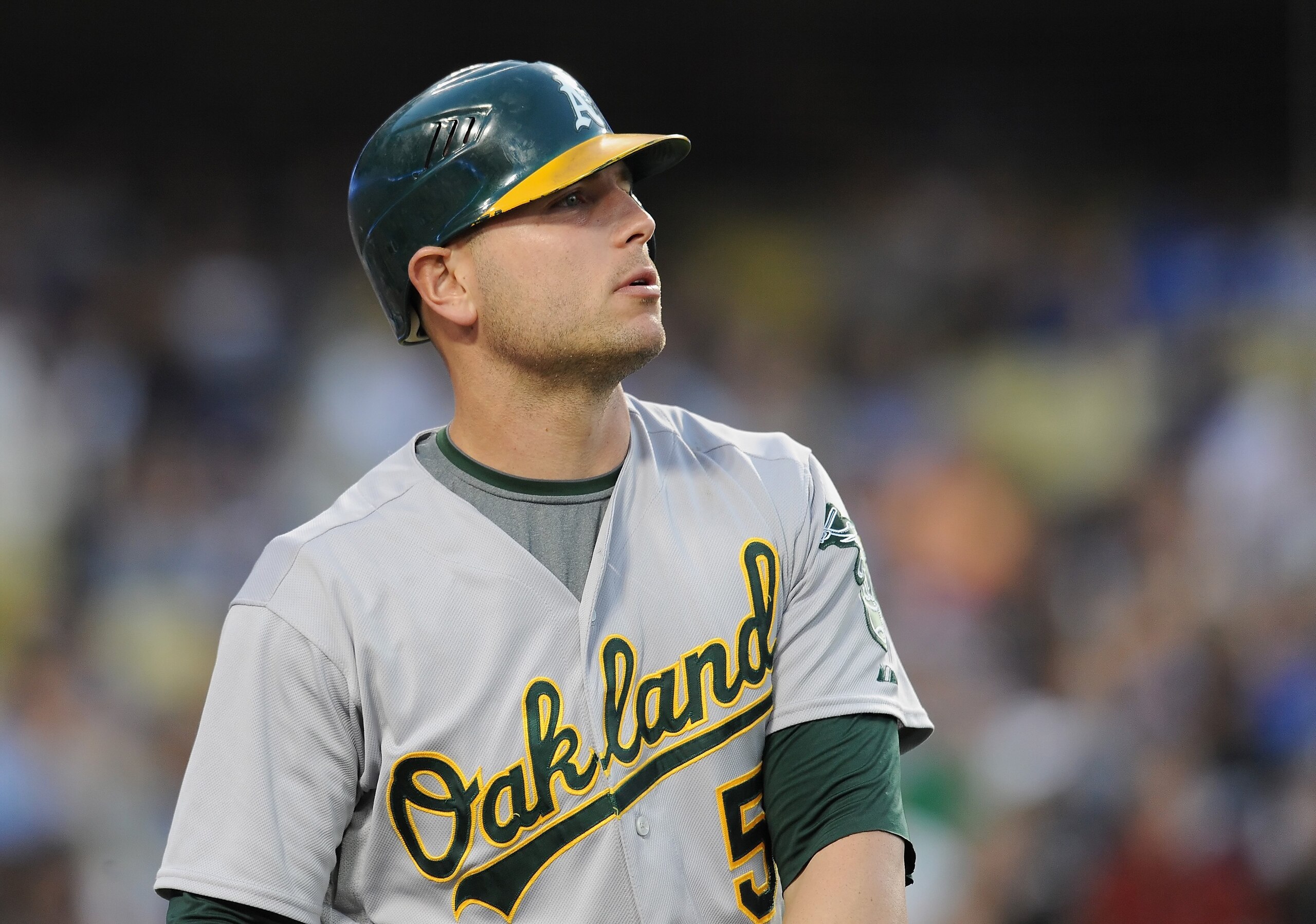
Date: November 10, 2008
The Deal (WAR): Oakland Athletics get LF Matt Holliday (3.0); Colorado Rockies get OF Carlos Gonzalez (18.3), RHP Huston Street (2.5) and LHP Greg Smith (-0.4)
Value Deficit: 17.4 WAR
It's fair to take issue with two trades the Oakland Athletics made in 2014.
They arguably sabotaged their lineup and, in turn, their World Series odds when they dealt Yoenis Cespedes and a draft pick to the Boston Red Sox for Jon Lester, Jonny Gomes and cash. They also lost Addison Russell in the trade that brought Jeff Samardzija and Jason Hammel back from the Chicago Cubs.
But even at the time, Oakland's trade for Matt Holliday in 2008 defied easy explanation. The A's were coming off an 86-loss season, and he was headed into his final season under club control. To give up young talent for him was...well, risky.
To his credit, Holliday played well. But it didn't translate to the win column for Oakland, so he was on the move again in July. Meanwhile in Colorado, Huston Street continued to be a good closer, and Carlos Gonzalez became a superstar.
Philadelphia Phillies: The (Second) Cliff Lee Trade
21 of 30
Date: December 16, 2009
The Deal (WAR): Philadelphia Phillies get RHP Phillippe Aumont (-0.8), RHP JC Ramirez (-0.7) and OF Tyson Gillies (0.0); Seattle Mariners get LHP Cliff Lee (3.5)
Value Deficit: 5.0 WAR
If you focus strictly on the WAR exchange, the Philadelphia Phillies' decision to trade Cliff Lee to the Seattle Mariners in December 2009 doesn't look so bad.
And yet the question remains: Why the heck did the Phillies do it in the first place?
Their initial trade for Lee in July 2009 worked out beautifully, as he pitched well for them down the stretch and posted a 1.56 ERA in the postseason. What's more, he wasn't due for free agency until after the 2010 season, during which he could have teamed up with newly acquired ace Roy Halladay.
But as Phillies general manager Ruben Amaro Jr. later explained, he felt Lee had to go as a means to restock the team's farm system after the Halladay trade. But their haul was a flop, and they missed out on an ace-like season from Lee in 2010.
Pittsburgh Pirates: The Chris Archer Trade
22 of 30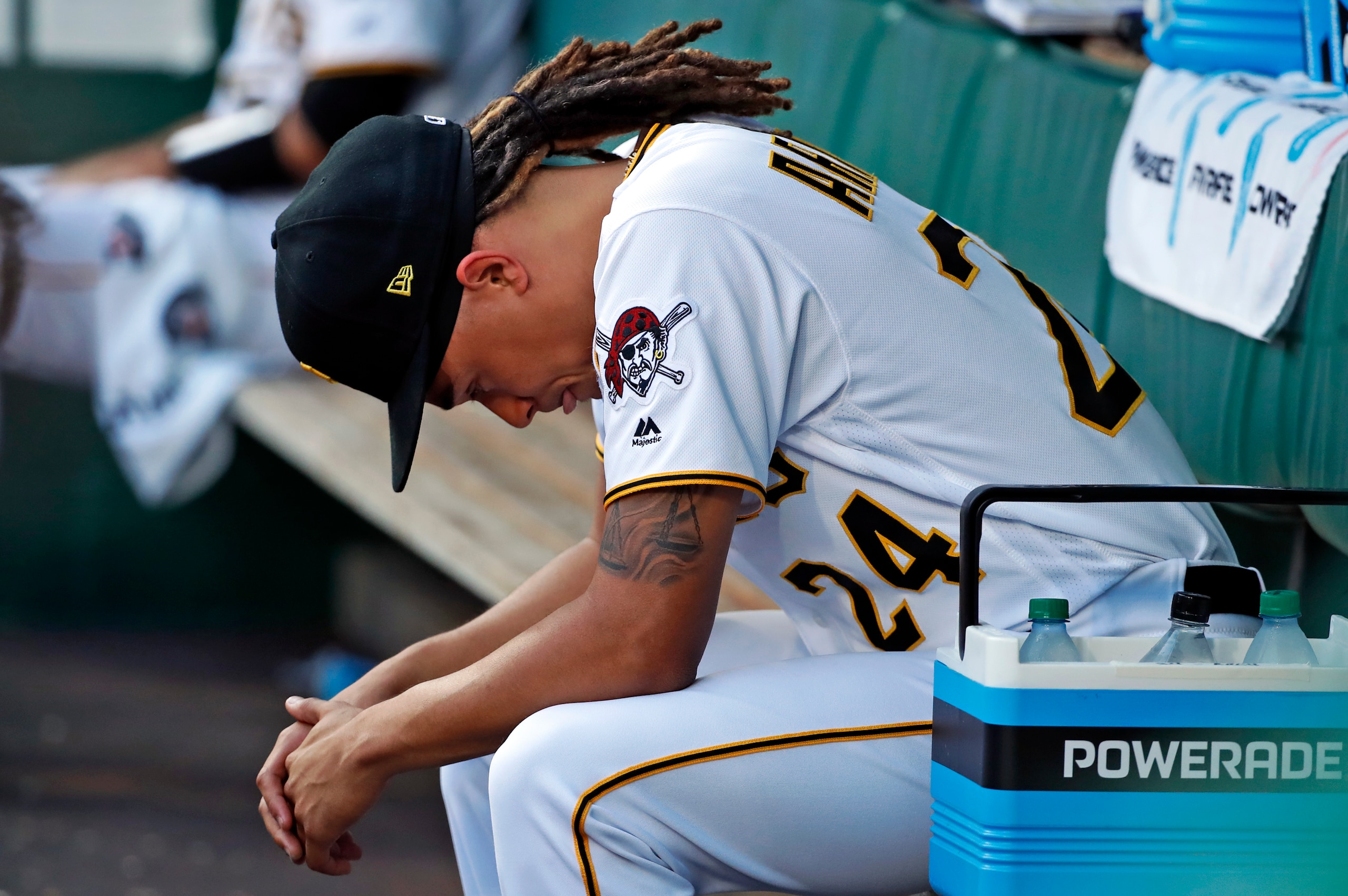
Date: July 31, 2018
The Deal (WAR): Pittsburgh Pirates get RHP Chris Archer (1.3); Tampa Bay Rays get OF Austin Meadows (3.9), RHP Tyler Glasnow (3.1) and RHP Shane Baz (0.0)
Value Deficit: 5.7 WAR
It hasn't even been two years since the Pittsburgh Pirates traded for Chris Archer, so it might be a bit soon to render final judgment on that decision.
But it's a bad deal that has the potential to get so, so much worse.
It perhaps wasn't the best idea for the Pirates to covet Archer in the first place. He was in the midst of his third straight difficult season with the Rays, and he thus offered no guarantee to help a club that went into deadline day just 55-52.
San Diego Padres: The Corey Kluber Trade
23 of 30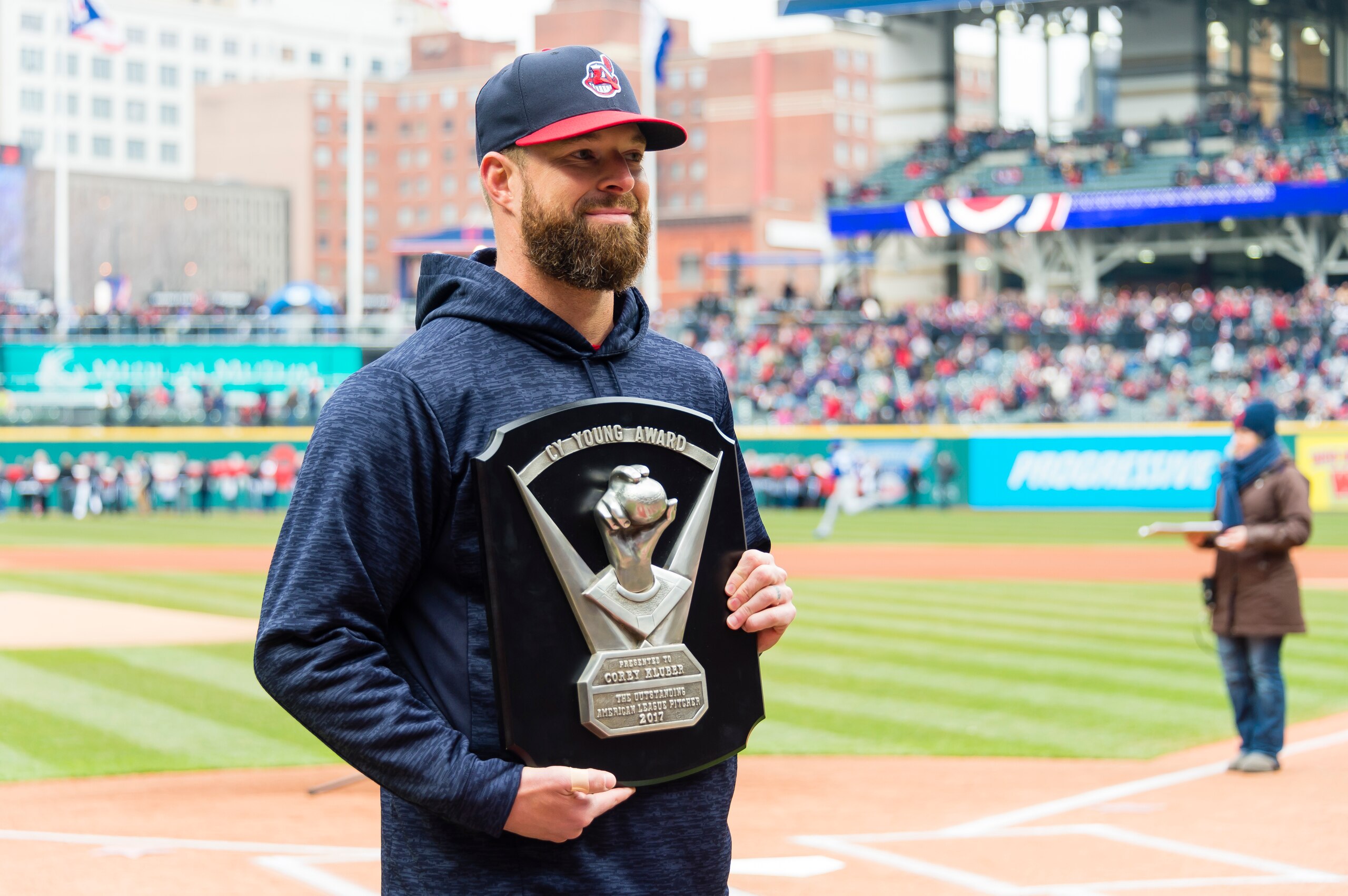
Date: July 31, 2010
The Deal (WAR): San Diego Padres get OF Ryan Ludwick (-0.6); St. Louis Cardinals get RHP Jake Westbrook (0.9) and LHP Nick Greenwood (-0.2); Cleveland Indians get RHP Corey Kluber (32.2)
Value Deficit: 33.0 WAR (for San Diego)
The 2010 San Diego Padres were a good but offensively challenged club. To wit, they went into deadline day with just a .700 OPS.
On paper, Ryan Ludwick was a solid, low-risk fix for this problem. He was only two years removed from a 37-homer breakout with the St. Louis Cardinals, and he was rocking an .827 OPS with 11 homers when the trade went down.
But Ludwick never got on track with the Padres, putting up a .659 OPS over 160 games. In part because of his struggles, the Padres missed the playoffs in 2010.
At the time, Corey Kluber was essentially a non-prospect. But he found something with Cleveland, and it led him to three All-Star selections and two Cy Young Awards.
San Francisco Giants: The A.J. Pierzynski Trade
24 of 30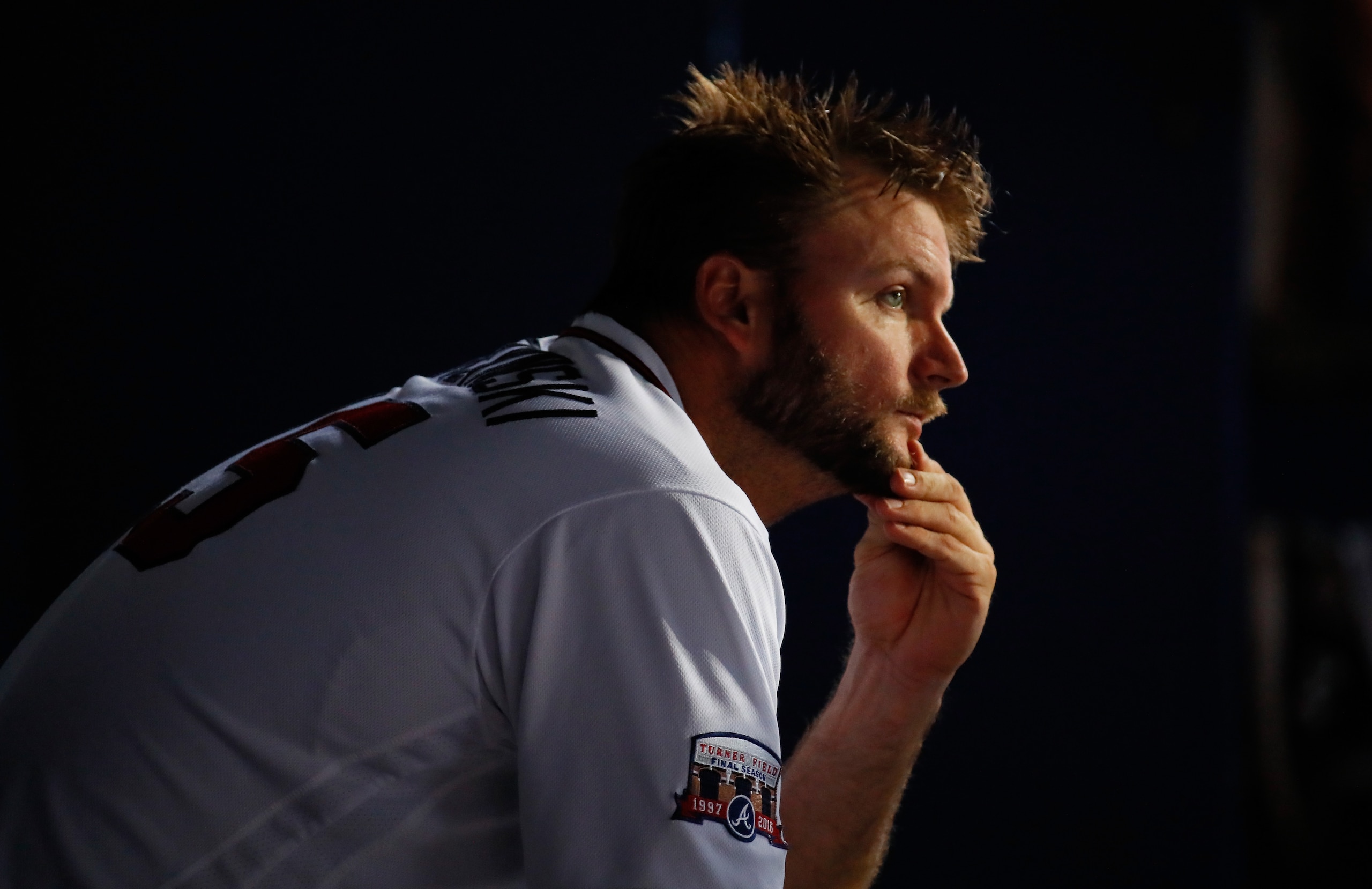
Date: November 14, 2003
The Deal (WAR): San Francisco Giants get C A.J. Pierzynski (0.3); Minnesota Twins get RHP Joe Nathan (9.4), LHP Francisco Liriano (9.4) and RHP Boof Bonser (-0.2)
Value Deficit: 18.3 WAR
Following the 2003 season, the San Francisco Giants needed a new starting catcher and the Minnesota Twins had one they needed to get out of Joe Mauer's way.
Hence how A.J. Pierzynski ended up on the Giants, but their union would prove to be short-lived. Pierzynski played in 131 games for the Giants in 2004, but he mustered only a .729 OPS and was released at the end of the year.
For the Twins, the main prize of the deal ended up being Joe Nathan. He was coming off a low-key breakout in 2003, and he built on it to become one of the top closers in baseball between 2004 and 2006. By way of extensions, he carried on that way for the Twins through 2009.
Francisco Liriano was a revelation in his own right in 2006 before he had to undergo Tommy John surgery. Upon returning, he was a solid innings-eater for them through 2012.
Seattle Mariners: The Erik Bedard Trade
25 of 30
Date: February 8, 2008
The Deal (WAR): Seattle Mariners get LHP Erik Bedard (3.1); Baltimore Orioles get OF Adam Jones (19.3), RHP Chris Tillman (10.0), LHP George Sherrill (1.8), RHP Kam Mickolio (0.2) and LHP Tony Butler (0)
Value Deficit: 28.2 WAR
The 2007 Seattle Mariners were good enough to win 88 games, but it was clear throughout the season that budding ace Felix Hernandez needed a proper co-ace.
In the Mariners' defense, they picked a fine candidate for the role when they traded for Erik Bedard. He was coming off a 3.16 ERA and an MLB-best rate of 10.9 strikeouts per nine innings in 2007. To boot, he was under club control through 2009.
But while Bedard pitched well when he could in 2008 and 2009, he was limited to 30 starts by injuries. The Mariners fell short of October in both seasons.
For the Baltimore Orioles, Adam Jones and Chris Tillman played the roles of star center fielder and ace pitcher for postseason clubs in 2012, 2014 and 2016.
St. Louis Cardinals: The Mark Mulder Trade
26 of 30
Date: December 18, 2004
The Deal (WAR): St. Louis Cardinals get LHP Mark Mulder (0.7); Oakland Athletics get RHP Dan Haren (11.4), 1B Daric Barton (8.9) and RHP Kiko Calero (1.8)
Value Deficit: 22.1 WAR
Though the St. Louis Cardinals won 105 games in 2004, their lack of a true No. 1 starter loomed throughout the season and was a factor in their loss to the Boston Red Sox in the World Series.
As a solution, the Cardinals set their sights on Oakland Athletics ace Mark Mulder. He was coming off back-to-back seasons as an All-Star, and he had also been a Cy Young Award contender in 2001. He was also signed to a team friendly deal that had an option for 2006.
But while Mulder was solid with a 3.64 ERA in 2005, his health and effectiveness promptly deteriorated in 2006. So it went in 2007 and 2008, the latter of which marked the end of his major league career.
On their end, the A's got to watch Dan Haren develop into an ace and Daric Barton eventually turn into a capable on-base artist.
Tampa Bay Rays: The Evan Longoria Trade
27 of 30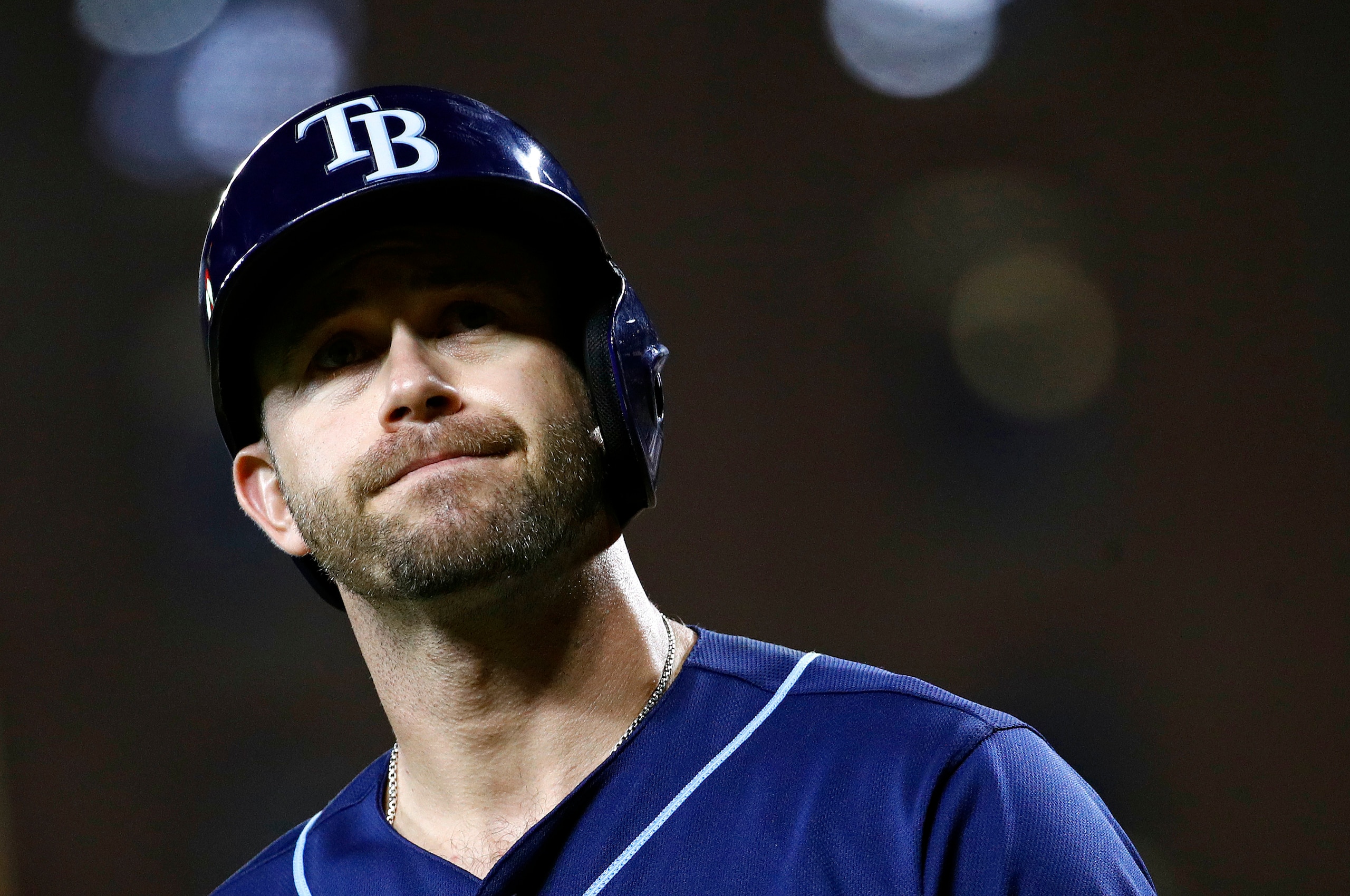
Date: December 20, 2017
The Deal (WAR): Tampa Bay Rays get OF Denard Span (1.1), INF Christian Arroyo (0.3), RHP Stephen Woods (0) and LHP Matt Krook (0); San Francisco Giants get 3B Evan Longoria (4.2)
Value Deficit: 2.8 WAR
There's a 2014 tweet from ESPN's Sam Miller that pretty well sums up the Tampa Bay Rays' trading history: "LOVE this trade for the Rays. Who'd they give up? And who'd they get?"
It's a stretch to say that the Rays have won all the trades they've made since their inception in 1998. But when they do a deal, they typically get at least one worthwhile piece in return.
To this end, their trade of Evan Longoria is a big exception. Denard Span only stuck around for 43 games. Christian Arroyo never gained a foothold in Tampa Bay before being sent to the Cleveland Indians last July. Neither Stephen Woods or Matt Krook has made the majors.
In all, the Rays only got payroll relief out of the Longoria trade. That's better than nothing, yet it's surely a disappointing return for the greatest player in their history.
Texas Rangers: The Adrian Gonzalez Trade
28 of 30
Date: January 6, 2006
The Deal (WAR): Texas Rangers get RHP Adam Eaton (0.4), RHP Akinori Otsuka (3.3) and C Billy Killian (0); San Diego Padres get 1B Adrian Gonzalez (20.4), RHP Chris Young (8.3) and OF Terrmel Sledge (-0.6)
Value Deficit: 24.4 WAR
The first time Adrian Gonzalez was traded was by the Florida Marlins for closer Ugueth Urbina in 2003. That gamble paid off when Urbina helped lead the Marlins to a World Series title.
The Texas Rangers weren't so lucky with their Adrian Gonzalez trade.
He was stuck behind Mark Teixeira at the time, so the Rangers at least had a good reason to flip him to the San Diego Padres in 2006. But they didn't get much out of Adam Eaton and Akinori Otsuka, while Gonzalez immediately blossomed in '06 and later became an All-Star and Gold Glove winner.
The Padres also got a good value in Chris Young. Though he battled injuries in 2008, 2009 and 2010, this was after he broke out as an All-Star in 2007.
Toronto Blue Jays: The Michael Young Trade
29 of 30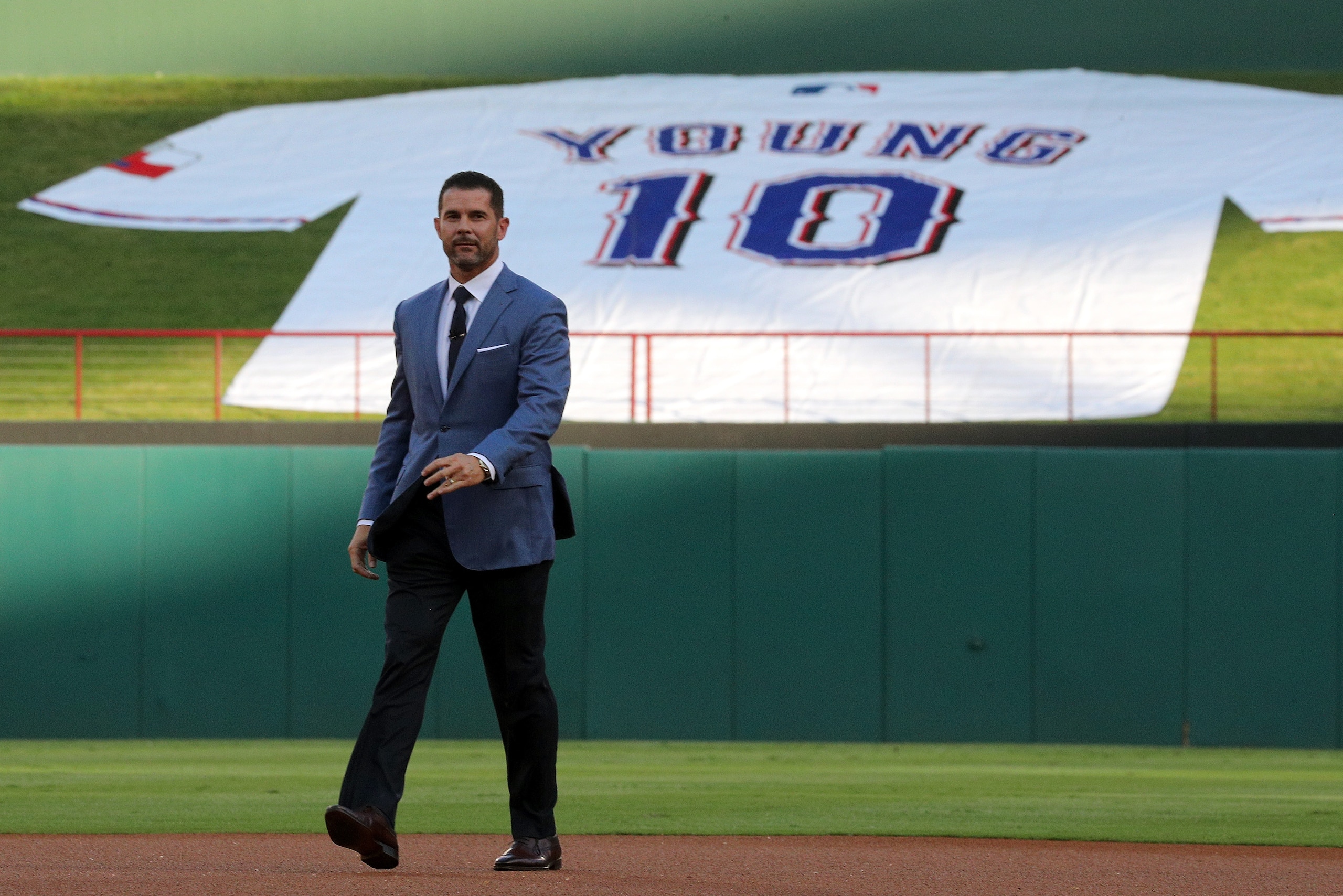
Date: July 19, 2000
The Deal (WAR): Toronto Blue Jays get RHP Esteban Loaiza (3.7); Texas Rangers get INF Michael Young (14.1) and RHP Darwin Cubillan (-0.5)
Value Deficit: 9.9 WAR
Though the New York Yankees had dominated the American League East in the late 1990s, the Toronto Blue Jays were in a virtual tie with them for the division lead going into the 2000 All-Star break.
That prompted the Blue Jays' trade for Esteban Loiaza, and it initially paid off as he finished the year with a 3.62 ERA in 14 starts. Yet it was for naught as the Blue Jays missed the playoffs, and the right-hander subsequently struggled in 2001 and 2002.
In 2003, it was apparent that the Blue Jays had given up something special in the person of Michael Young.
He hit over .300 an annual basis between 2003 and 2007. Contract extensions ultimately kept him with the Texas Rangers through 2012, during which time he played in seven All-Star Games and two World Series.
Washington Nationals: The Bartolo Colon Trade
30 of 30
Date: June 27, 2002
The Deal (WAR): Montreal Expos get RHP Bartolo Colon (2.4) and RHP Tim Drew (-0.5); Cleveland Indians get OF Grady Sizemore (27.5), LHP Cliff Lee (11.8), 2B Brandon Phillips (-0.5) and 1B Lee Stevens (0.3)
Value Deficit: 37.2 WAR
After losing 94 games in 2001, the Montreal Expos surprisingly found themselves in contention early in the 2002 season.
So, they decided to get aggressive with a trade for Bartolo Colon. He'd already posted a 2.55 ERA for the Cleveland Indians, and he kept it up with a 3.31 ERA in 17 starts with Montreal.
It didn't make a difference in the end, however. The Expos won only 83 games and missed the playoffs, and they later flipped Colon to the Chicago White Sox ahead of his walk year in 2003.
Otherwise, Grady Sizemore and Cliff Lee went on to become superstars for the Indians. And while they didn't get anything out of Brandon Phillips, that was surely no comfort for the newly minted Washington Nationals as they watched him star for the Cincinnati Reds in the mid-2000s and early 2010s.
Stats courtesy of Baseball Reference.

.jpg?w=2560)
.jpg?w=2560 "AD Trolls Bears WR on IG 😂")
.jpg?w=2560 "Viral Dan Campbell Presser 💙")
.jpg?w=2560 "Report: Steelers WR to Miss 'Weeks'")
.jpg?w=2560 "Buzz: MHJ Hired Agents for Trade")
.jpg?w=2560 "Cam Ward Says He's Not A Loser")
.jpg?w=2560 "Chargers Fall to 0-5 🤢")