
10 Teams Built to Bust Brackets in the 2020 Men's NCAA Tournament
If you have ever become invested in filling out a March Madness bracket, you probably know the feeling of the prediction going horribly wrong.
You didn't believe the upset was even possible. Yet that underdog—in the first or second round, especially—managed to pull off a surprise. And now, your bracket is busted.
As the 2020 men's NCAA tournament nears, we're continually trying to identify upset candidates. Each team highlighted is listed as a No. 7 seed or lower on BracketMatrix.com, which collects and averages more than 100 bracket projections.
While the definition of a bracket buster may vary around the sport, our view is a double-digit seed or a team with an opportunity to eliminate a No. 1 or 2 seed on the opening weekend.
Vermont Catamounts
1 of 10
Projected seed: 13
After falling to Stony Brook in the America East opener, Vermont rattled off 12 straight wins and is on the verge of clinching the conference title. The Catamounts seem destined to reach March Madness for the third time in the last four seasons.
Could this finally be the breakthrough year?
In 2017, Vermont put a scare into Purdue. Last year, Florida State survived an unnerving game with the Catamounts. And in 2020, they've surrendered the fifth-fewest points per game as one of KenPom.com's top five defenses from a traditional one-bid league.
Vermont will need to win the AEC tournament to make the Big Dance. A No. 4 seed would not be thrilled to see the Catamounts.
Stephen F. Austin Lumberjacks
2 of 10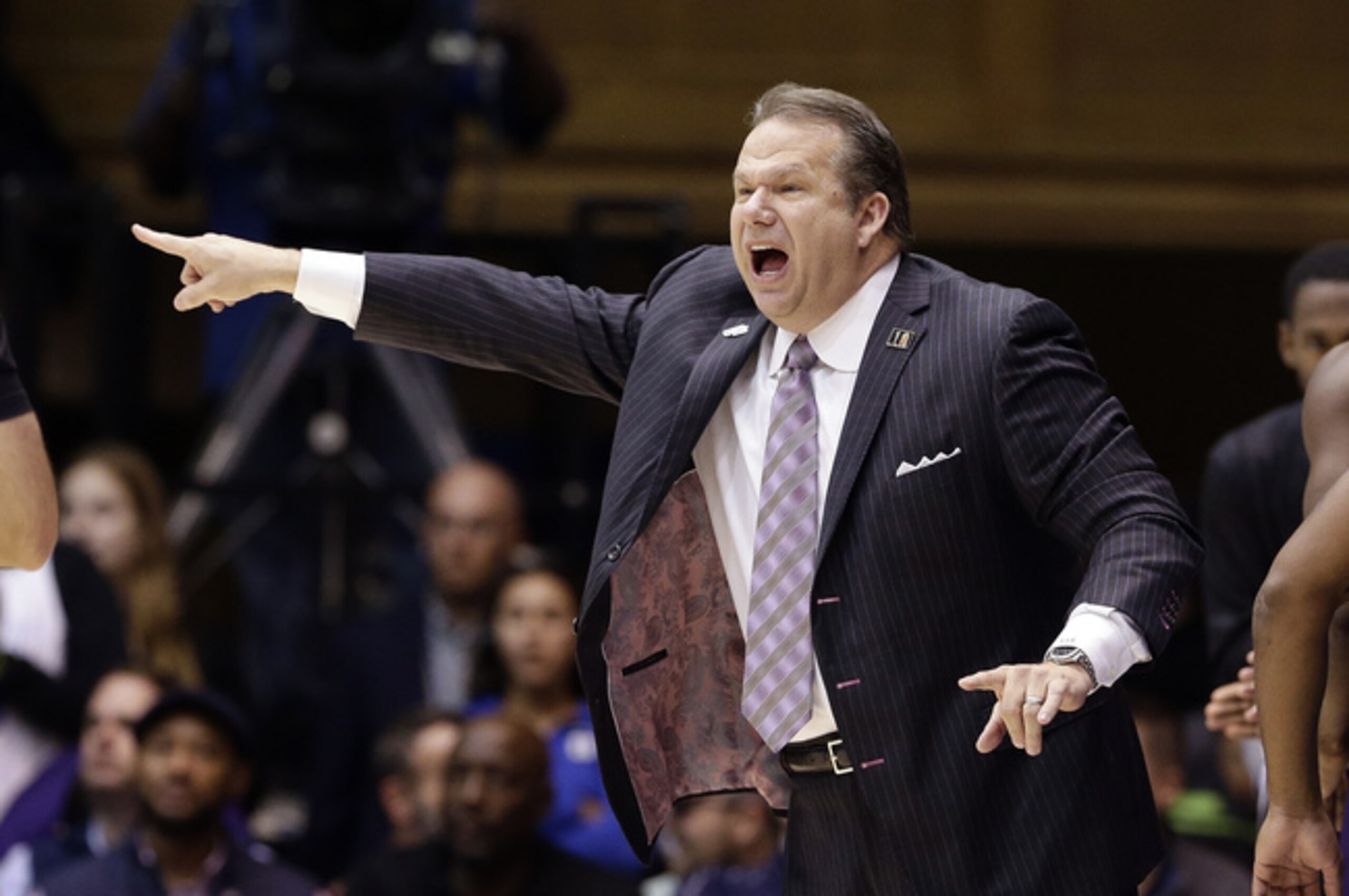
Projected seed: 13
Early in the regular season, Stephen F. Austin toppled Duke at Cameron Indoor Stadium. Do you need any more evidence?
The Lumberjacks are 24-3 and heading into the final stretch riding an 11-game winning streak. As usual, their exhausting defensive pressure is causing turnovers at a spectacular clip; they force the highest turnover rate in the country.
While the offense isn't a high-volume perimeter shooting group, its 36.5 three-point rate ranks 41th nationally.
If SFA can navigate the Southland Conference tournament, it'll have a chance to spring a third upset in the last seven years (VCU in 2014 and West Virginia in 2016).
Akron Zips
3 of 10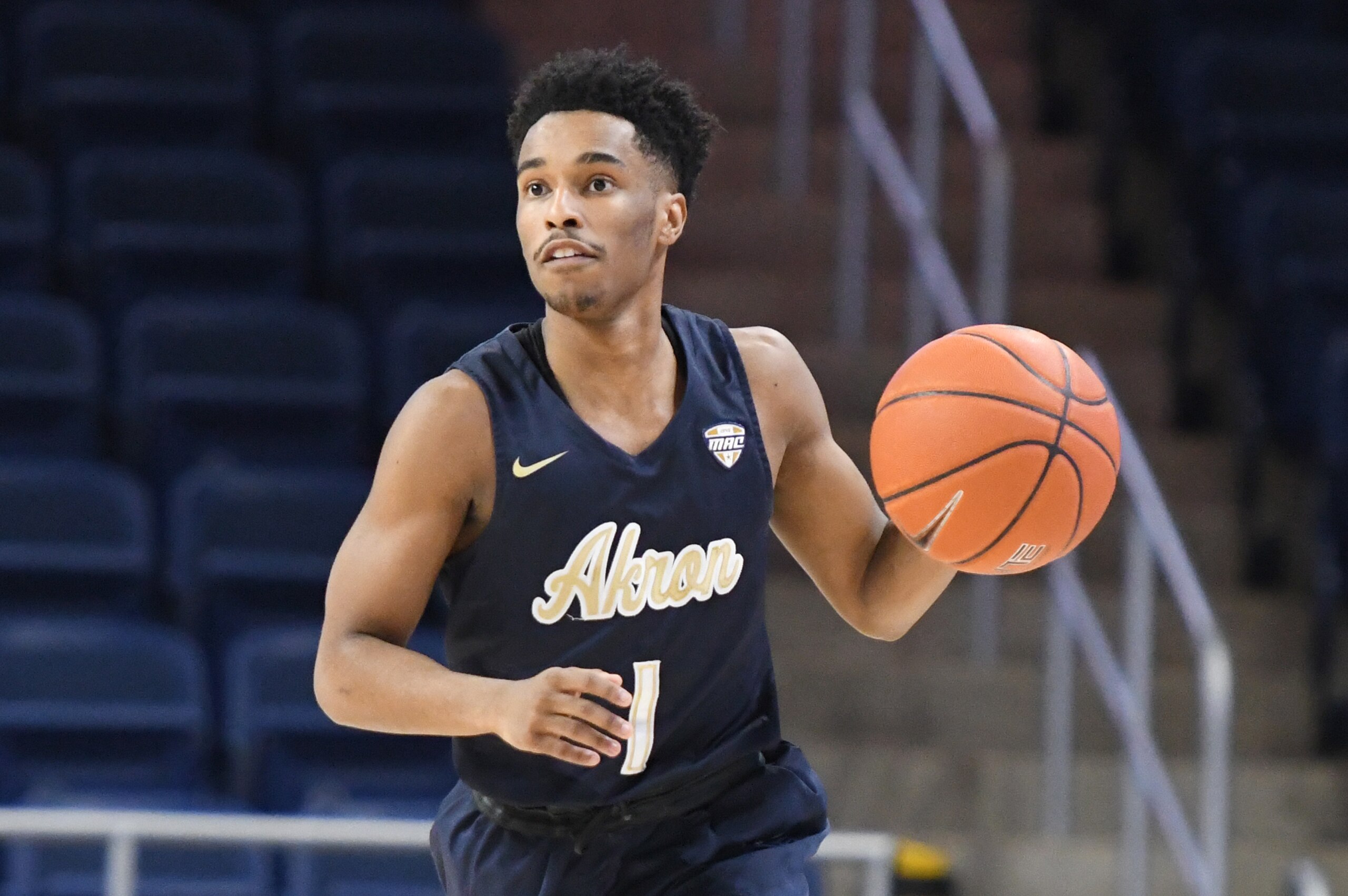
Projected seed: 13
If the Zips can win the perimeter battle, they'll be a thorn. Akron ranks 20th in three-point percentage offensively and 33rd defensively.
Loren Jackson and Channel Banks shoot efficiently at a high volume, so upset hopes mostly depend on Tyler Cheese and Xeyrius Williams. They've combined to convert only 32.7 percent of their threes despite launching 11.4 per game.
Though the Zips fell short in both games, late comebacks at West Virginia and Louisville add to their appeal. The Zips have showed they'll keep competing—a trait that shouldn't be devalued in March—and they have the shooters to make it interesting.
Akron would be a feisty first-round opponent.

.jpg?w=2560 "Texans Titans Football")

Yale Bulldogs
4 of 10
Projected seed: 12
Yale upset fifth-seeded Baylor in 2016 and forced a thrilling finish with third-seeded LSU last season. History has showed the Bulldogs are a threat, and the 2019-20 team is similarly talented.
Paul Atkinson has scored a team-high 17.5 points per game, while Azar Swain is at 16.8. Do-everything forward Jordan Bruner is averaging 11.3 points, 9.1 rebounds, 3.8 assists and 1.8 blocks, propelling Yale atop the Ivy League standings.
Yale has five legitimate three-point shooters; each one connects on 35.9 percent or better while attempting at least 1.5 per game. The team has also secured rebounds at the nation's 15th-highest rate.
That's a potentially devastating combination for a No. 5 seed to encounter in the opening round.
Northern Iowa Panthers
5 of 10
Projected seed: 12
Potentially the highest-seeded program from a one-bid league, Northern Iowa fits the bracket-buster prototype well.
Earlier this season, the Panthers knocked off Colorado on the road and only lost to West Virginia by five points at a neutral site. Both teams could get top-five seeds.
Northern Iowa has three excellent shooters in AJ Green, Trae Berhow and Spencer Haldeman. They're each hitting 40-plus percent of their long-range attempts while hoisting five-plus per game, and Isaiah Brown is at 37.6 percent with 3.1 attempts.
If it gets in, Northern Iowa will be a popular upset choice.
Arizona State Sun Devils
6 of 10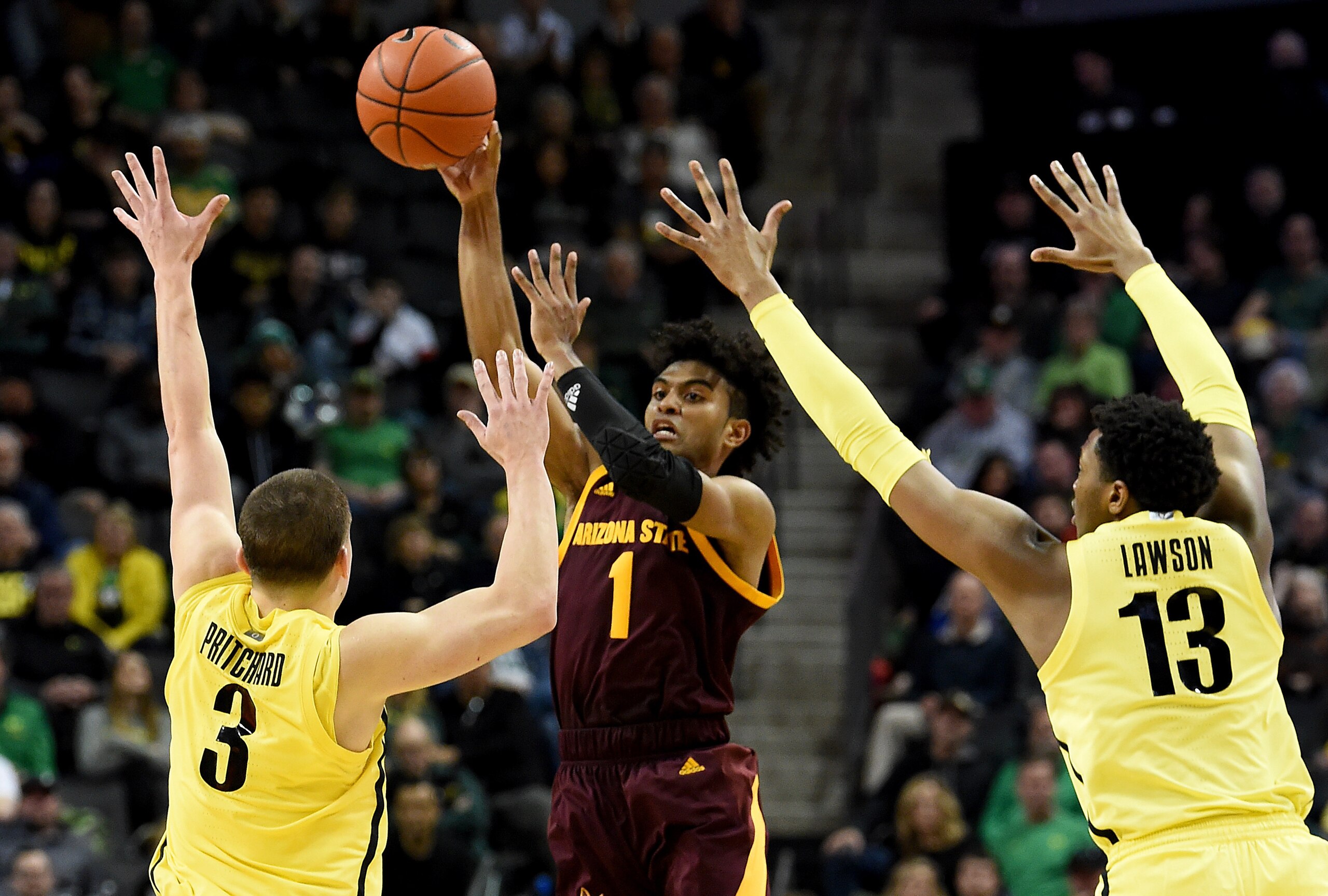
Projected seed: 9
About a month ago, Arizona State held a 10-7 record with a 2-5 mark in its previous seven games. To have a legitimate shot at the NCAA tournament, the Sun Devils needed to get hot.
Well, they're scorching right now.
Since mid-January, Bobby Hurley's squad is 9-1 with a couple of excellent victories over Arizona and Oregon. ASU has climbed from a struggling team to a projected No. 9 seed behind Remy Martin (19.1 PPG) and three more double-digit scorers.
Although the Sun Devils are an average offensive team, they've atoned for their shooting woes by ranking 36th in adjusted defensive efficiency, per KenPom. When its shots are falling, ASU is dangerous.
Saint Mary's Gaels
7 of 10
Projected seed: 9
During the first meeting with Gonzaga, Saint Mary's didn't exactly provide much optimism. The Gaels surrendered a horrendous 67.9 field-goal rate in a 90-60 loss.
It was a dreadful performance, no question.
But we're not going to overlook an elite shooting team. Jordan Ford, Malik Fitts and Tanner Krebs all launch four-plus triples per game and connect at a 40 percent rate or better. Alex Ducas is also a quality long-range shooter in a lesser role. Saint Mary's ranks second nationally in three-point percentage.
The Gaels are vulnerable inside because of a relative lack of size without center Matthias Tass (torn right ACL), but they have the perimeter weapons to stress a top opponent.
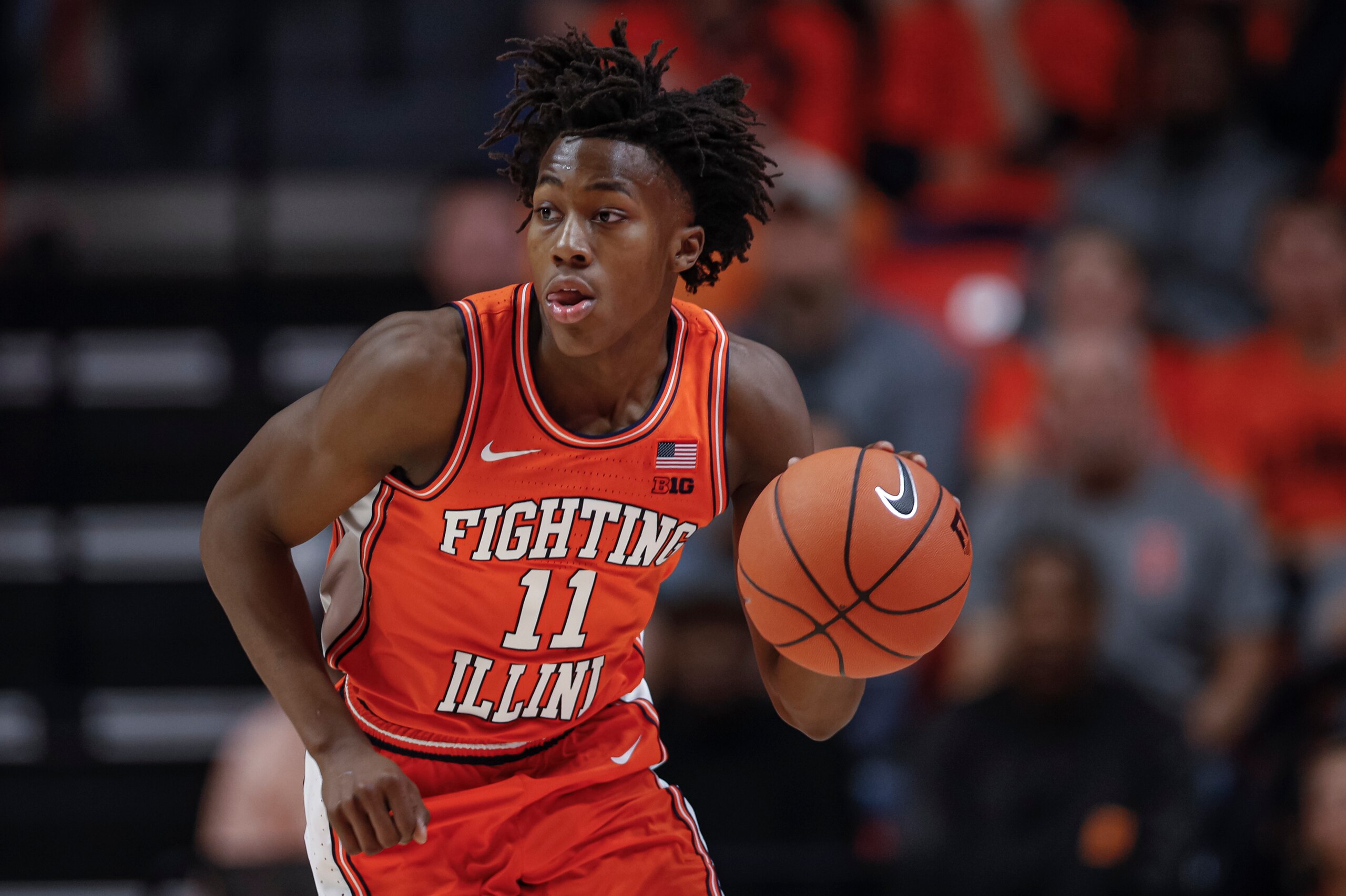
Illinois Fighting Illini
8 of 10
Projected seed: 8
Illinois recently found itself in a cold streak, dropping four straight games to basically fall out of the Big Ten race.
However, the Illini snapped the skid with a victory at then-No. 9 Penn State. Ayo Dosunmu returned from a scary knee injury and one-game absence to pour in 24 points. He and freshman center Kofi Cockburn (13.6 PPG, 8.9 RPG) offer a high-upside combination capable of carrying Illinois to a couple of upsets.
As long as the Illini aren't in a perimeter shooting battle—something they'd likely lose decisively—they can be a nuisance.
LSU Tigers
9 of 10
Projected seed: 8
Will LSU play enough defense? That question is up for debate, but the Tigers certainly can score.
Every starter is averaging double figures, led by Skylar Mays at 16.4 points per game. Trendon Watford, Emmitt Williams, Darius Days are each grabbing two-plus offensive rebounds per contest, and Ja'vonte Smart leads the team in assists.
That quintet has propelled LSU to a No. 3 ranking in adjusted offensive efficiency, according to KenPom. The Tigers rank eighth nationally at 80.8 points per game.
A little defense could go a long way for the SEC squad.
Michigan Wolverines
10 of 10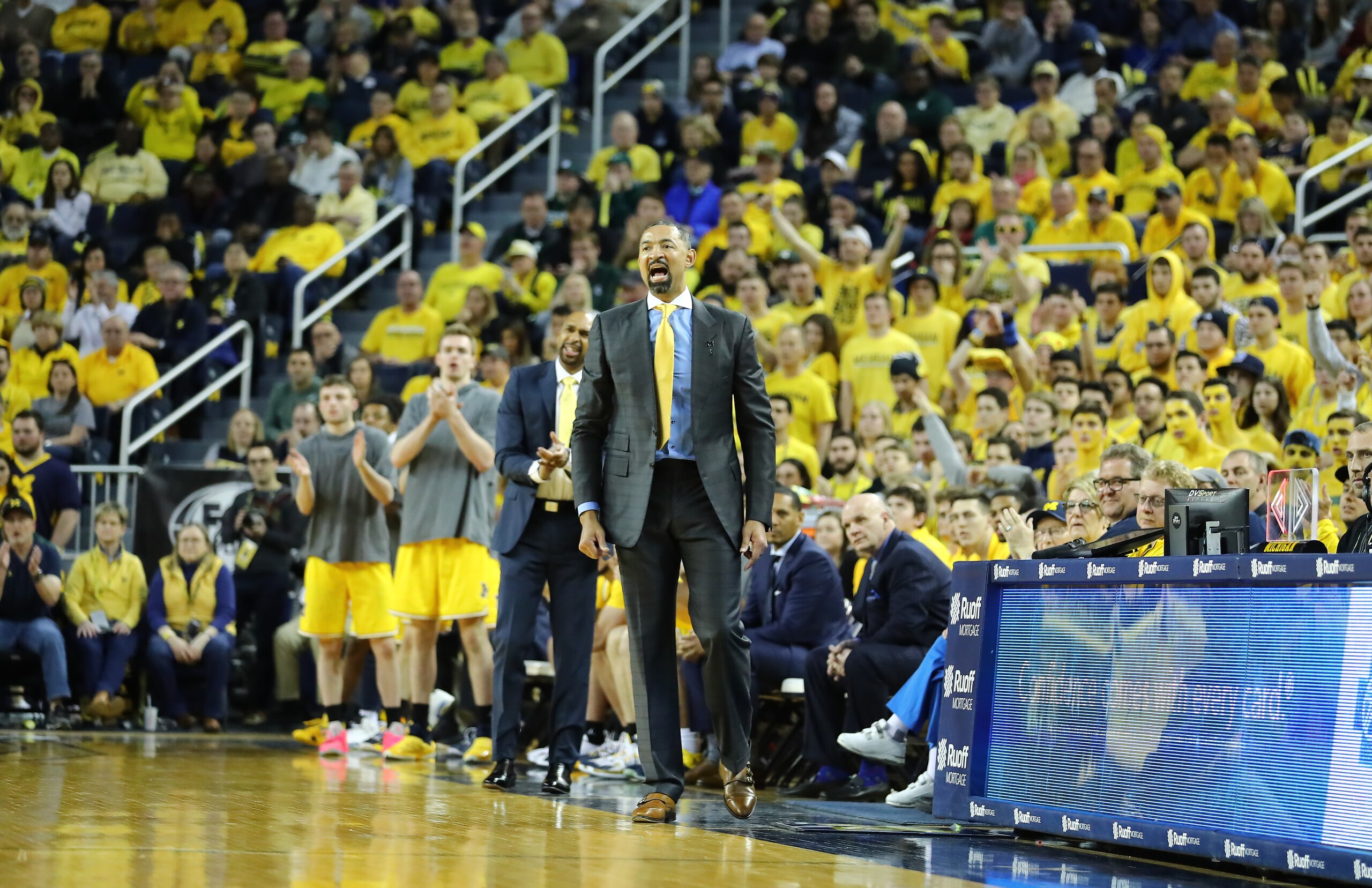
Projected seed: 7
After surging to an unexpected 10-3 start, Michigan cooled off dramatically with a 3-6 stretch. In classic fashion, though, the Wolverines are playing their best basketball in February.
While the struggles coincided with an injury to Isaiah Livers (13.6 PPG), the overall trend continuing under new coach Juwan Howard is noteworthy. Michigan recently handed Rutgers its first home loss of the season while Livers watched from the sideline.
Zavier Simpson (12.3 PPG, 8.0 APG) otherwise leads the Wolverines, who have three additional double-digit scorers in Jon Teske, Eli Brooks and Franz Wagner.
Michigan's depth is relatively thin, but with a healthy Livers, the Wolverines would be intriguing in March.
Statistics courtesy of KenPom.com or Sports Reference unless otherwise noted. Stats accurate as of Sunday, Feb. 23. Follow Bleacher Report writer David Kenyon on Twitter @Kenyon19_BR.
.jpg?w=2560)
.jpg?w=2560 "Broncos Chargers Football")

.jpg?w=2560 "Grading MHJ Trade 📝")