
Biggest Potential Busts of the 2020 NFL Free-Agency Class
We often associate busts with high-potential players who don't live up to outside hype in the early stages of their careers, but even experienced veterans fail to play up to expectations. Teams sign some of the biggest underachievers off the free-agent market. Buyer beware.
Certain players will fit best with specific teams, but several veterans come with major question marks regardless of their destination.
In many cases, a player's productive past gives him the benefit of the doubt, but aging and a sharp decline in performance provide warnings that indicate teams should look elsewhere. Some middle- to low-tier free agents will sign lucrative deals because of the limited talent available at their respective positions.
Two years ago, within a depleted wide receiver market, Paul Richardson signed a five-year, $40 million contract—the third-highest-paid deal in total dollars behind Sammy Watkins and Allen Robinson II. He's caught 48 passes for 507 yards and four touchdowns in 17 games since arriving in Washington.
Let's take a look at eight veterans with established resumes or track records as starters. Each player could sign a sizable deal in March, but teams should think twice before breaking the bank for them.
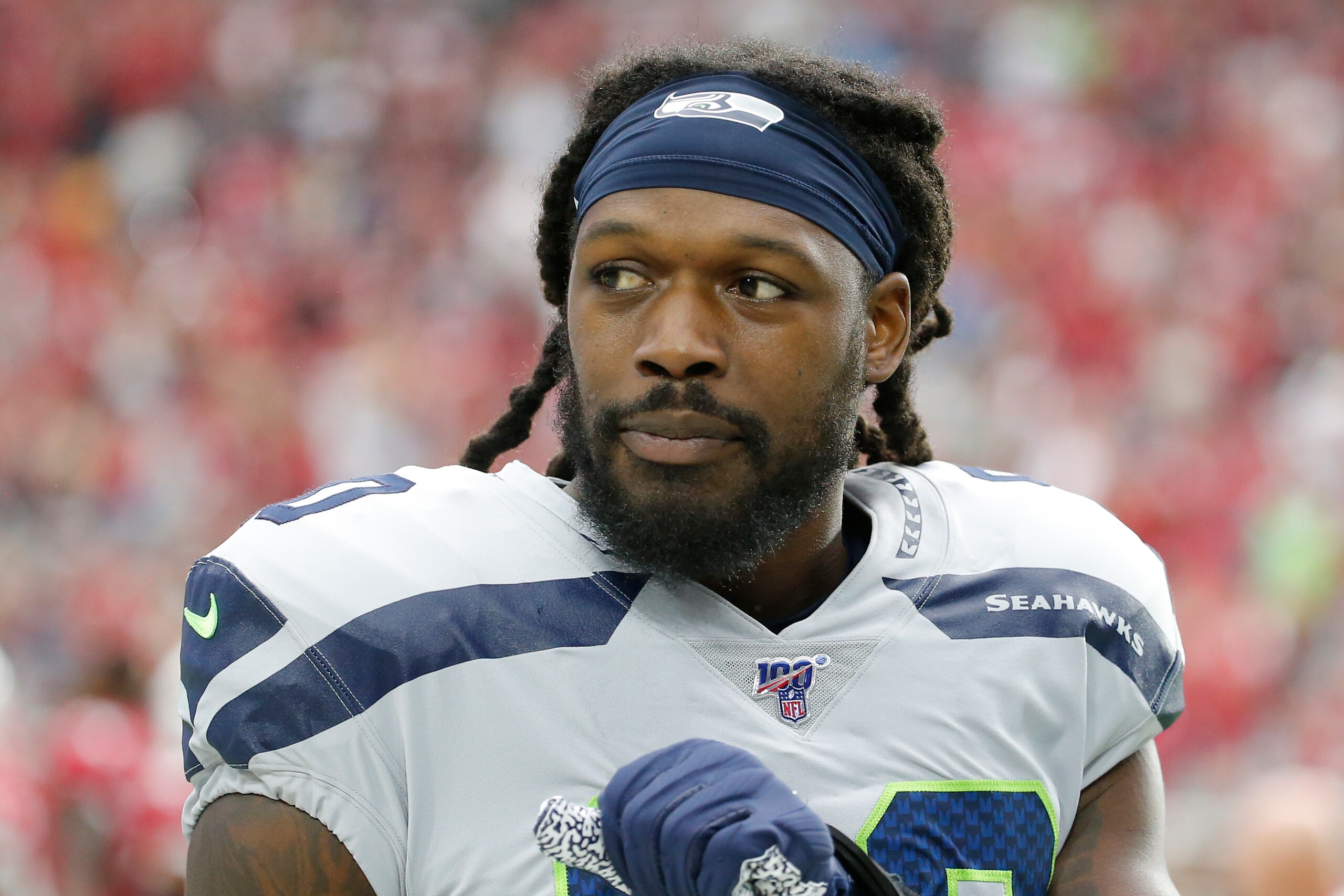
WR Robby Anderson
1 of 8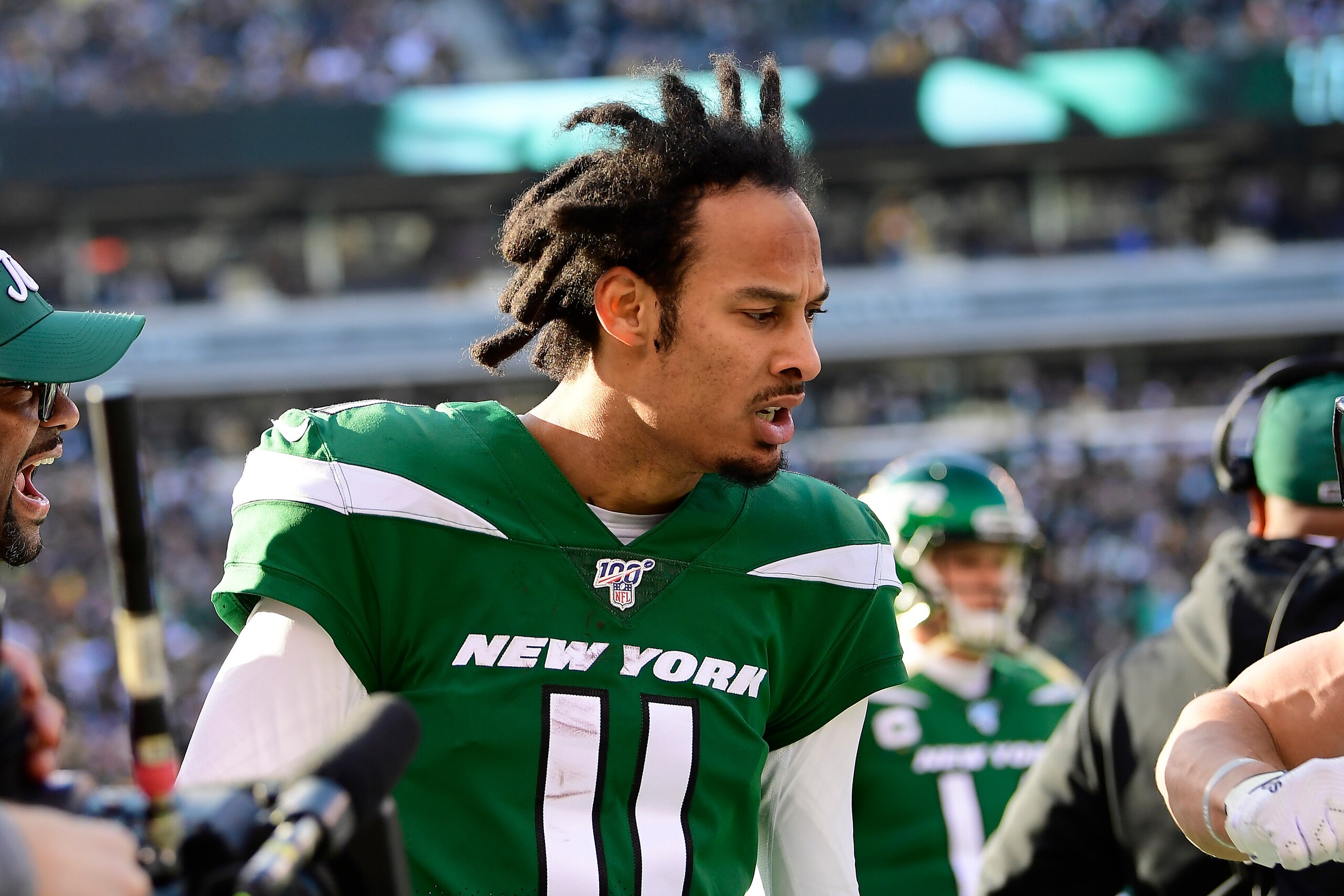
If Amari Cooper and A.J. Green re-sign with the Dallas Cowboys and Cincinnati Bengals, respectively, teams will need to target No. 2-type wide receivers to fill needs at the position.
Robby Anderson led the New York Jets in receiving yards for two out of his four seasons, but he hasn't performed at the level of a lead wideout.
Despite playing the most offensive snaps on the roster (90.88 percent) last year, he ranked third on the team in receptions (52) and second in yards (779). Wideout Jamison Crowder led Gang Green in all major receiving categories (78 catches for 833 yards and six touchdowns).
The Jets have experienced instability at quarterback over the last four years, but Anderson isn't someone to rely on as a complete receiver. In August, Connor Hughes of The Athletic broke down the holes in his game.
"The jury's still out on if Robby Anderson will develop into a legitimate No. 1 wideout. ... His route tree was nothing more than a stick his first three seasons: go deep. Now, there are a few more branches. The Jets used Anderson on screens, ins, outs, comebacks, posts and flags, in addition to his signature go route, during camp. He's found success on each."
Even with Anderson's progress, he finished with a 54.2 percent catch rate and went through a five-game stretch logging fewer than 44 receiving yards this past season.
According to ESPN's Rich Cimini, Anderson will push for at least $14 million annually. If a team pays him close to that number, he's a prime candidate to underperform on a new deal.
WR Nelson Agholor
2 of 8
Nelson Agholor's career receiving numbers fall behind Anderson's even though he's played in nine more games. He logged catch rates below 57 percent in three out of his first five seasons with the Philadelphia Eagles, and he notably struggled this past season.
Agholor couldn't capitalize on an injury outbreak across the Eagles' receiver depth chart, and he missed time down the stretch with a knee injury. He also failed to eclipse 50 receiving yards in 10 of his 11 games.
As a 2015 first-round pick, Agholor will likely have another opportunity to shine elsewhere. Decision-makers across the league shouldn't allow short glimpses of promise and only 224 catches across five seasons cloud their overall assessment of the 26-year-old.
As the Eagles witnessed over the last five years, Agholor lacks consistency. However, he might sign a deal worth $10 million or more annually because of his speed and upside. Based on potential alone, the market may inflate his price tag.
With an eight-figure salary, Nelson would rank in the top 25 at his position, per Spotrac. However, he produces at the level of a secondary or tertiary option in an aerial attack. Teams would be better off drafting incoming wideouts as opposed to slightly overpaying a mediocre veteran option like Agholor.
TE Eric Ebron
3 of 8
Barring extensions, Eric Ebron will compete with Austin Hooper and Hunter Henry for a big contract on the tight end market. All three have solid pass-catching skills along with the ability to expose coverage voids in the middle of the field.
Injuries may hurt Henry's stock. He tore his ACL in 2018 and suffered a tibial plateau fracture midway through this past season, which cost him four games. Ebron underwent surgery on both ankles in December, but he hadn't missed more than three games in a single season before this past year.
At 6'4" and 253 pounds, Ebron could serve as an oversized wide receiver because of his athleticism and underdeveloped blocking skills. Front-office executives will see him as a big-bodied pass-catching threat who could do major damage in the red zone.
During his first year with the Indianapolis Colts in 2018, Ebron finished with a career-high 66 receptions for 750 yards and 13 touchdowns with Andrew Luck under center. However, he dropped nine passes that year.
Potential free-agent suitors shouldn't forget about Ebron's inconsistent four-year stretch in Detroit, either. He hauled in only 11 touchdowns during those four seasons and averaged a mediocre 37.0 yards per game.
Whichever team signs Ebron will have a solid threat in between the 20-yard lines, but his infrequent trips to the end zone and inconsistent hands should significantly lower expectations of his projected impact.
.jpg?w=2560 "Texans Titans Football")
.jpg?w=2560)
OT D.J. Humphries
4 of 8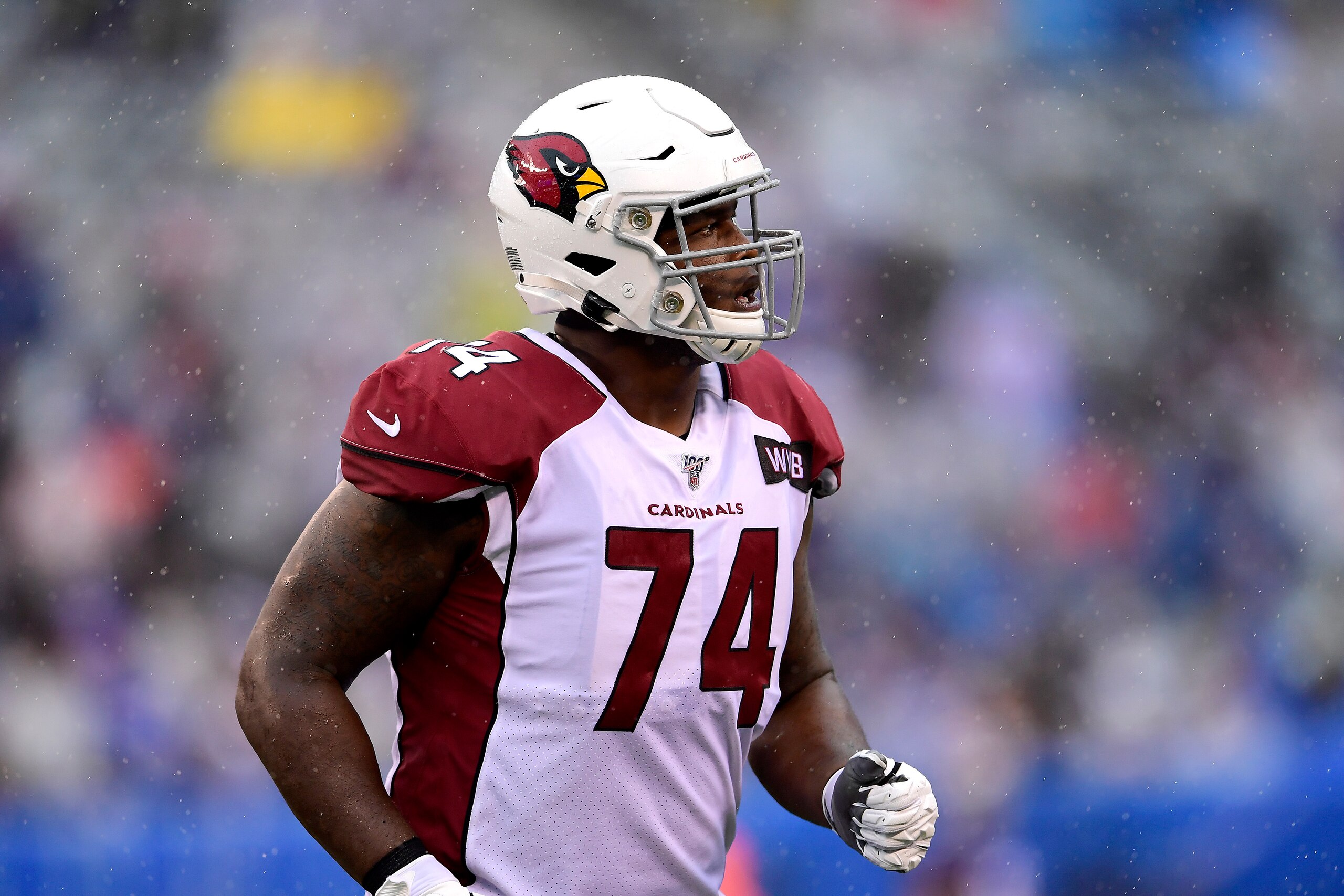
The Arizona Cardinals may have to pay a hefty price to retain offensive tackle D.J. Humphries, per Scott Bordow of The Athletic.
"To keep Humphries, who has said he won’t take a hometown discount, Arizona likely will have to shell out between $50 million and $60 million, with more than $30 million in guarantees," Bordow wrote.
Bordow's projected total cost would push Humphries into the top 10 among offensive tackles in salary, per Spotrac. The estimated guaranteed cash would slot him seventh at the position.
Looking at the tackle market, those approximations seem accurate for a 26-year-old tackle who can play both sides of the line and allowed only two sacks this past season, per STATS (via the Washington Post).
However, Humphries has been inconsistent since the Cardinals selected him 24th overall in 2015, and he has missed 37 games in five years because of injuries.
In addition to durability concerns, teams should be wary about Humphries' ability to maintain his high-level performance in pass protection. He allowed at least five sacks in two of his seasons, and he committed a career-high 13 penalties this past year, per STATS (via the Washington Post).
Humphries will likely sign one of the bigger deals among offensive linemen, but he's still shaky in his technique and may not hold up for an entire season.
DE/OLB Jadeveon Clowney
5 of 8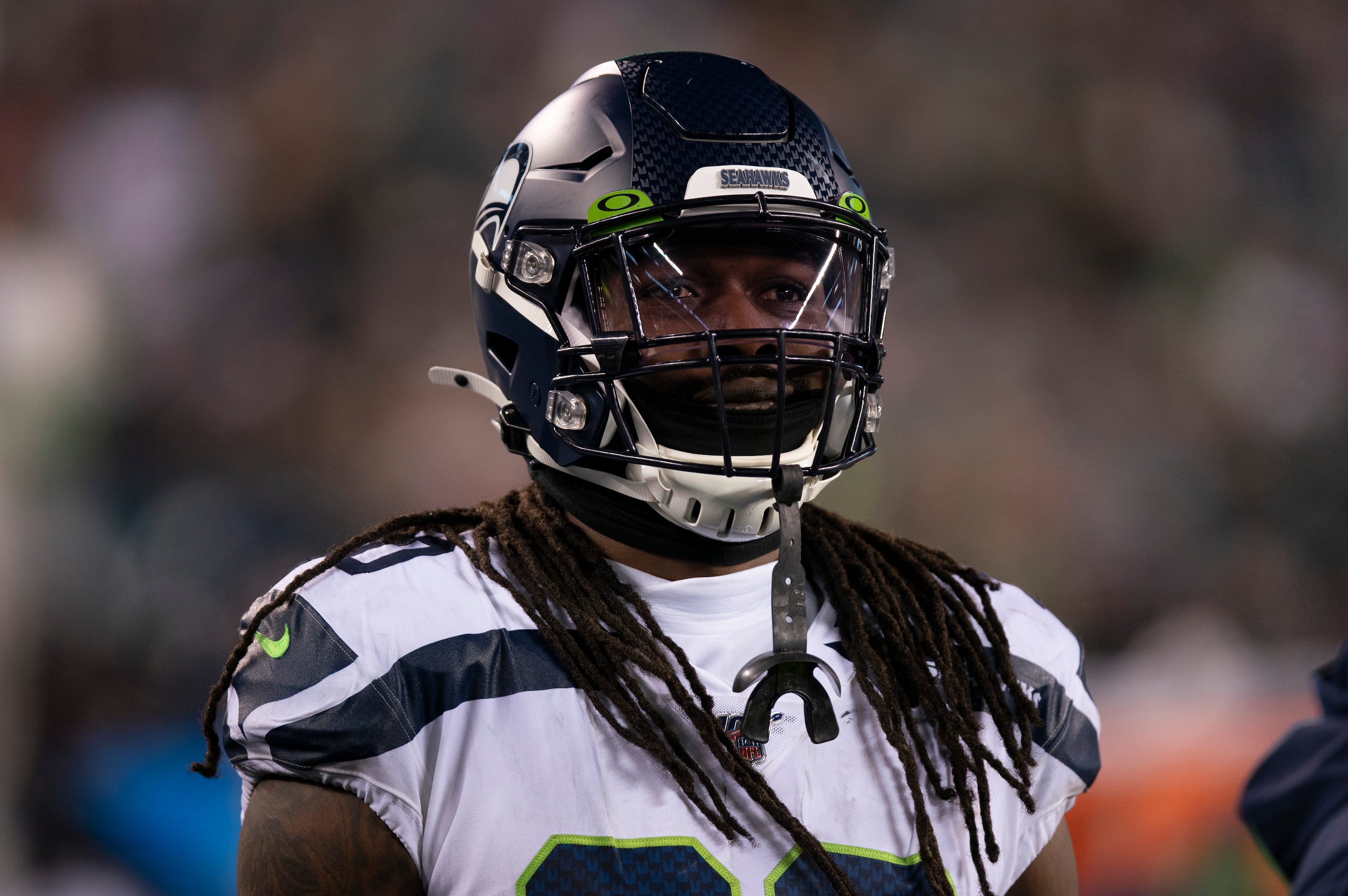
Jadeveon Clowney has a portfolio of highlight plays dating back to his time at South Carolina in college, but he isn't a consistent playmaker. In 2019, the sixth-year veteran recorded 31 tackles, seven tackles for loss, three sacks, three pass breakups and an interception.
Clowney isn't a dominant edge-rusher, having logged fewer than 10 sacks in each of his six NFL seasons. The 26-year-old was tied for 27th in quarterback pressures (30) in 2019. However, his spotty standout performances don't add up to an estimated $20 million annual salary, per Spotrac.
Clowney makes his presence felt against the run. He's a tough assignment in the trenches who's capable of blowing up plays in the backfield, having registered 53 tackles for loss from 2016 through 2018.
However, teams rarely pay top dollar for the best run-stoppers. On the edge, Clowney has to become more of a pocket-pusher to justify an $80-100-plus million price tag, depending on the length of the contract.
The No. 1 overall pick from the 2014 draft will likely sign an inflated deal, but his production is more befitting of a player who should be in the $16-18 million annual price range.
Clowney could be a solid asset to a defense that needs run support more than pocket pressure, but front-office executives shouldn't consider him a complete fix for a weak pass rush.
DT Jarran Reed
6 of 8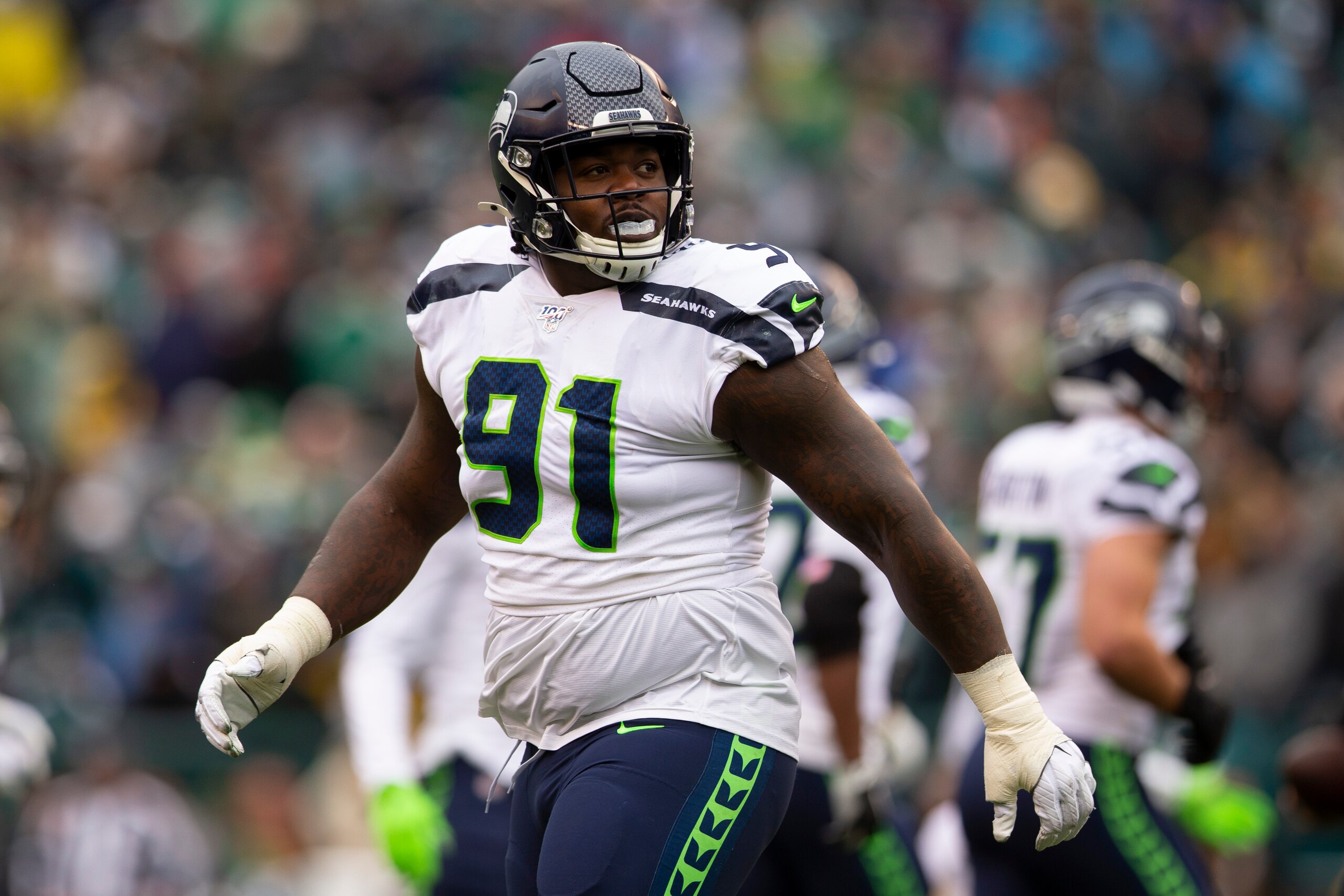
Teams often make the mistake of paying a free agent based on one standout season among multiple mediocre or nondescript campaigns. That's the potential pitfall in inking Jarran Reed to a long-term deal.
Reed had a breakout year in 2018, recording 10.5 sacks and 12 tackles for loss. However, the league suspended him for the first six games of the 2019 season because he violated the personal conduct policy, stemming from a domestic violence accusation in 2017.
Upon his return from suspension, Reed didn't move the needle, logging 27 tackles (none for loss) and two sacks.
While the suspension might have contributed to Reed's uneventful 2019 season, he's been an average rotational player for most of his four-year career. The 27-year-old flashed his ability to penetrate gaps and take down quarterbacks in 2018, but that isn't the norm for him.
Reed's double-digit sack season will earn him extra cash on the open market. But the team paying that cost might not have more than a rotational low-impact interior tackle who's played fewer than 57 percent of defensive snaps in three out of four years.
On top of his uneven pass-rushing numbers, Reed didn't strengthen the Seahawks run defense after serving his suspension. Seattle allowed an average of 4.72 yards per carry without him through Week 6, which was the league's eighth-highest mark, and 4.91 yards per carry (fifth-most) with him for the last 10 games.
LB Jamie Collins Sr.
7 of 8
Since the New England Patriots selected Jamie Collins Sr. in the second round of the 2013 draft, he's been a productive playmaker against the run and in coverage. He also finished as the team's sack leader (seven) last year.
Although Collins didn't receive a Pro Bowl invite, he made plays all over the field in 2019. The versatile linebacker registered 80 tackles, 10 tackles for loss, seven pass breakups and three interceptions in addition to his team-leading sack number.
However, Collins didn't look like the same dynamic playmaker during his 2.5-year stint with the Cleveland Browns over the previous few seasons.
"Multiple seasons of elite play in New England during his first stint with the franchise led the Browns to become besotted with him, but his time in Cleveland was little north of disastrous," Sam Monson and Steve Palazzolo of Pro Football Focus wrote.
Collins is equipped to line up on all three downs in different situations, but his new team would have to rely on its defensive coordinator to extract the most out of him. He might be most valuable with the Patriots.
Collins boosted his value with his strong 2019 season, but teams should approach him with skepticism on the free-agent market unless New England's staff comes along with him.
CB Eli Apple
8 of 8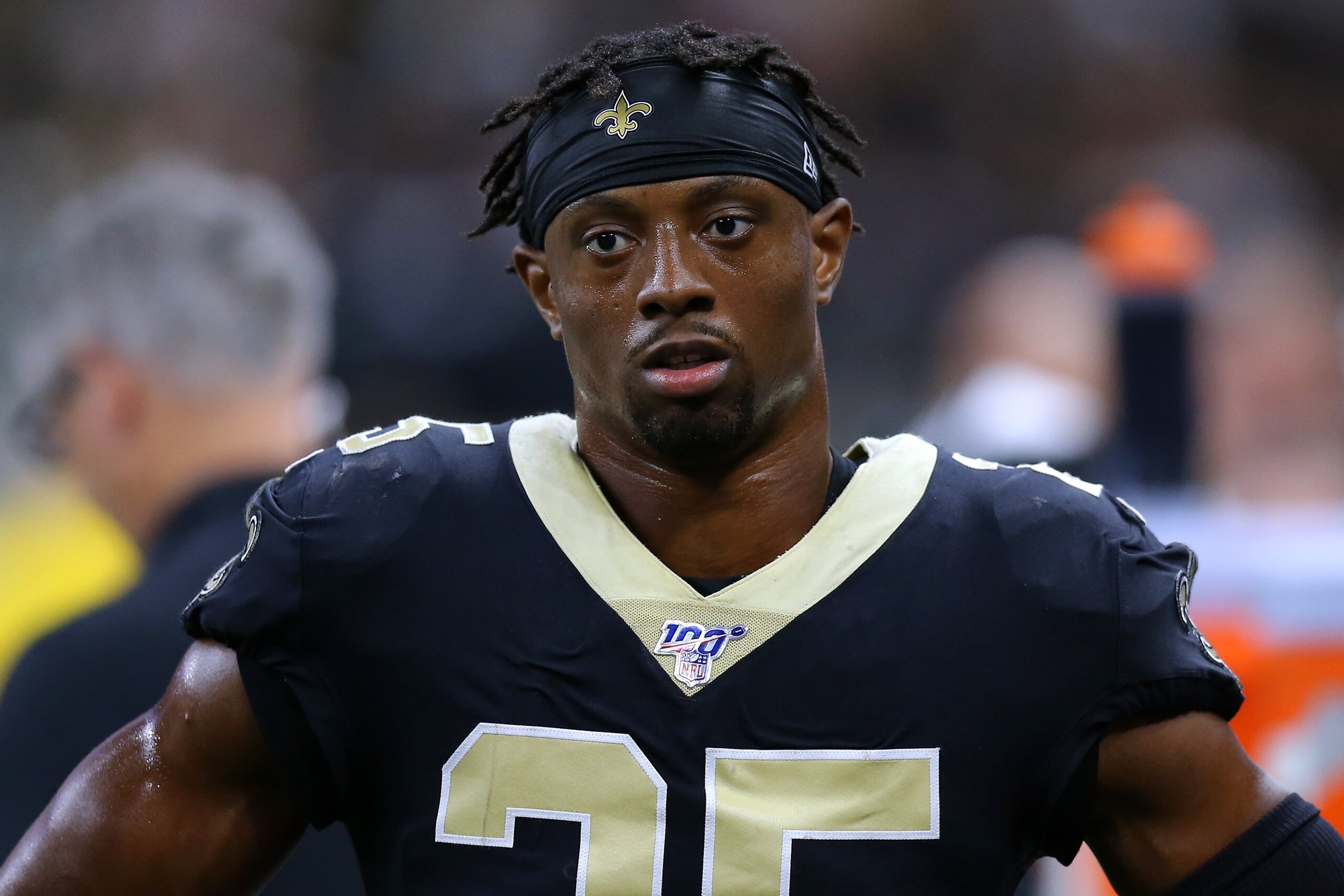
Eli Apple could hold down a starting job, but that shouldn't be enough for him to land a huge deal during free agency.
After the New York Giants traded Apple to the New Orleans Saints midway through the 2018 season, he had some bright moments. However, the fourth-year veteran struggled down the stretch last year, per Canal Street Chronicles' Andrew Bell.
"In Weeks 10-16, he was targeted 40 times and allowed 27 catches, for a 67.5 percent catch rate," Bell wrote. "He also committed six penalties, which was tied for the fourth-most among corners in that span."
Any time multiple teams move on from a top-10 pick, buyers on the open market shouldn't overlook the factors that made him replaceable. In Apple's case, it's his tendency to give up big plays.
He performed well upon arriving in New Orleans in 2018, logging nine pass breakups and two interceptions in 10 games. This past season, however, he played 15 games and finished with only four pass breakups and zero interceptions. The 24-year-old also allowed a 100.9 passer rating when targeted.
Apple is a middle-tier No. 2 cover man, but a depleted free-agent cornerback pool may elevate the demand for his services in March.
.jpg?w=2560 "Broncos Chargers Football")
.jpg?w=2560 "Cardinals Giants Football")