Changing of the NFL Guard: Could 2019 Be the Year NFL's Rising QBs Take Over?
The NFL is finally getting a long-overdue changing of the guard at quarterback.
That's not a knock on Tom Brady, who has become a treasured civic institution like Fourth of July fireworks (breathtaking, inspiring and, if we're being honest, more than a little annoying). Nor is it a knock on Drew Brees, the NFL's comfort food. Nor on Philip Rivers, Ben Roethlisberger, Eli Manning or any other aging veteran embarking on his latest last chance to prove that he's a champion, a respected leader or simply not overdue for a 4 p.m. dinner special in Boca Raton.
But both the league and many, many fans crave an infusion of fresh blood in the form of fresh faces, arms, heroes and storylines.
.jpg?w=2560 "Colts Football")
.jpg?w=2560 "Commanders 49ers Football")
.jpg?w=2560)
Fortunately, the next wave of franchise quarterbacks has arrived in force. And they're ready to take over.
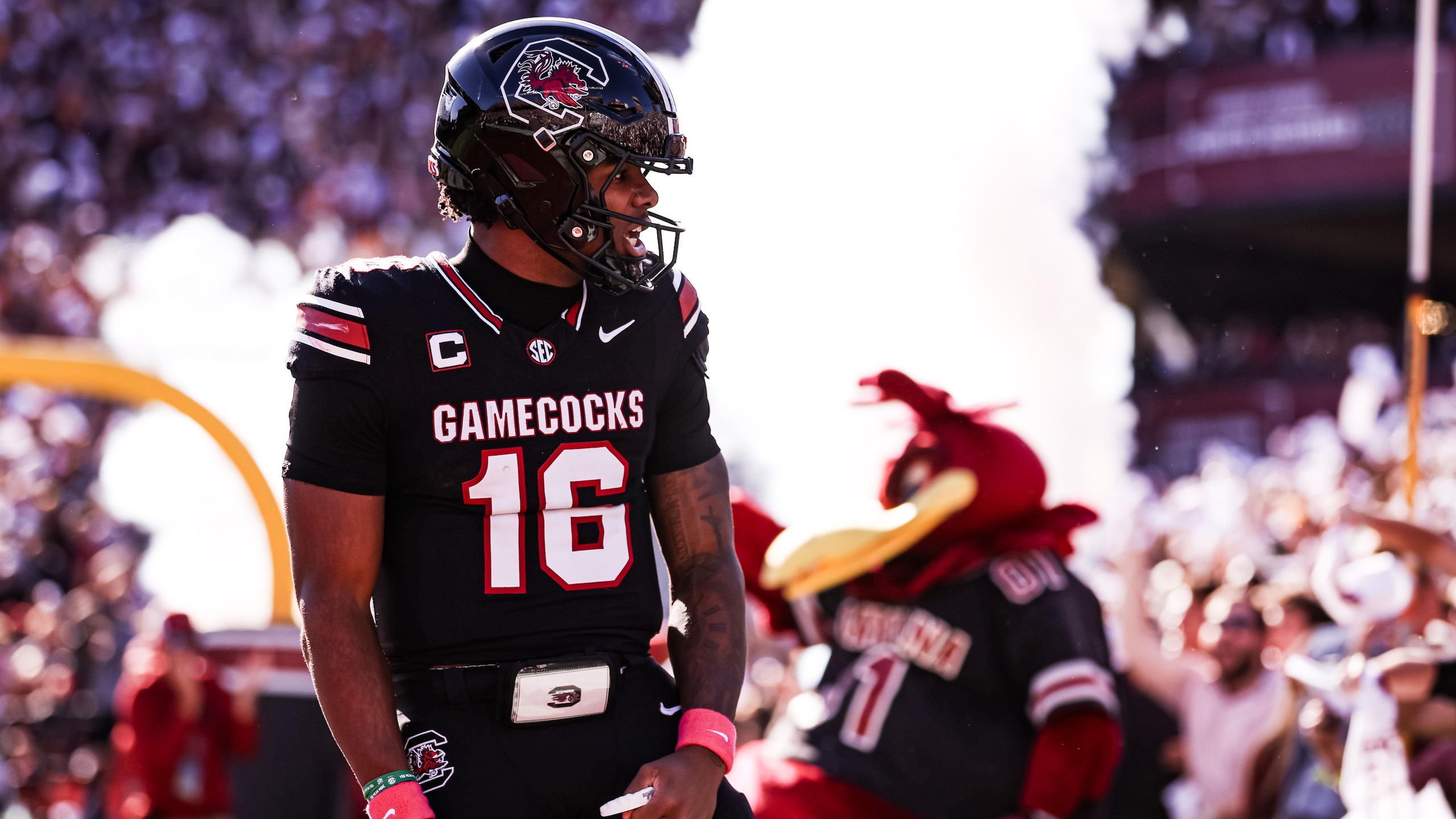
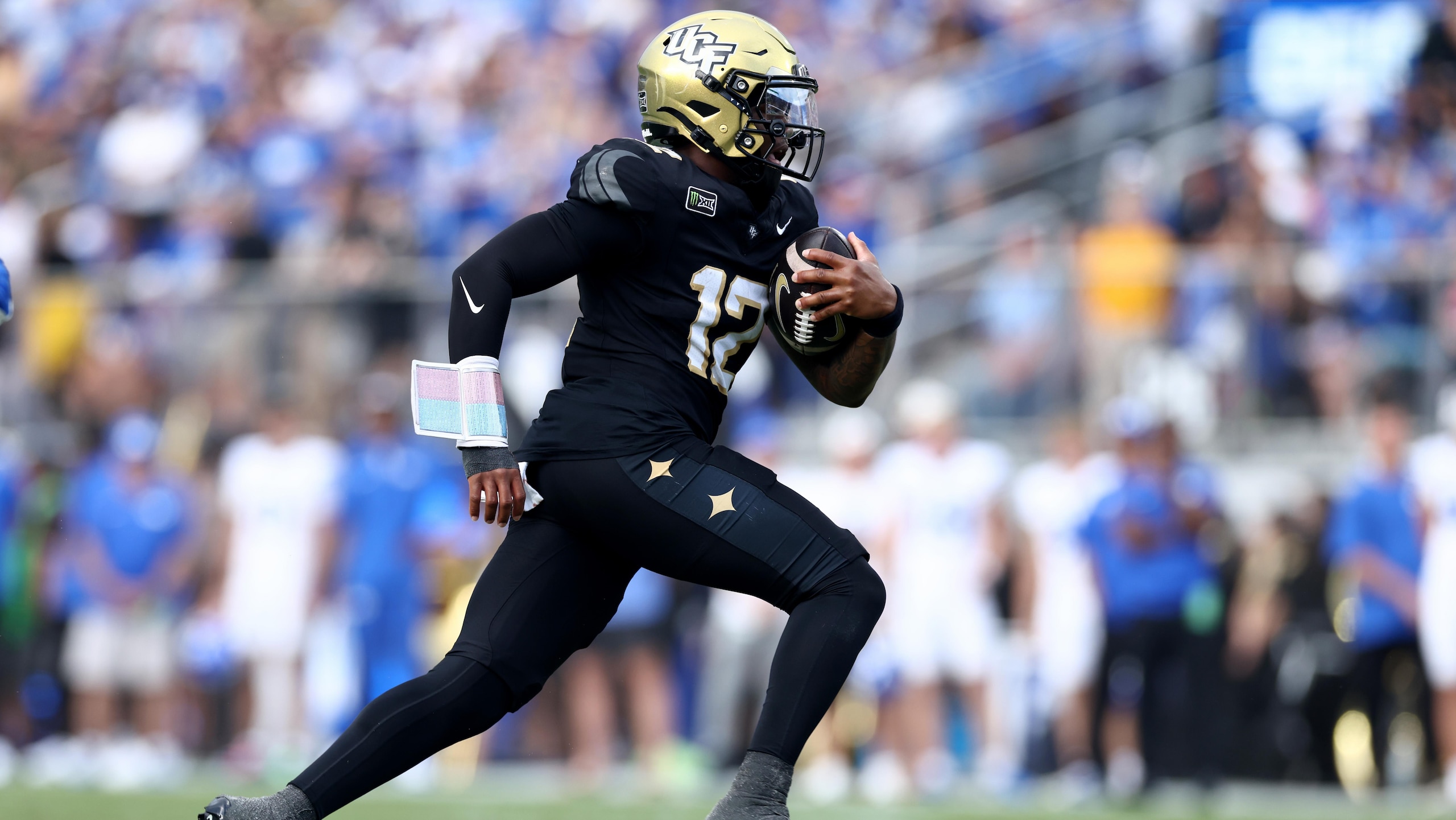
Josh Allen. Sam Darnold. Jared Goff. Lamar Jackson. Patrick Mahomes. Marcus Mariota. Baker Mayfield. Dak Prescott. Josh Rosen. Mitchell Trubisky. Deshaun Watson. Carson Wentz. Jameis Winston. Throw in Kyler Murray and Dwayne Haskins—rookies expected to start—and nearly half of this year's starting quarterbacks are 26 years old or younger. And they're all bona fide starters or blue-chip prospects: no wishful-thinking Nathan Peterman/Trevor Siemian types in the bunch.
That's a youthquake. It's also a very wide tent: pocket passers, scramblers, fit-the-system guys, break-the-system guys, tall guys, tiny guys, brash guys, quiet guys, guys of many colors and creeds, guys who have already made it, are just climbing the mountain or have already reached the crossroads.
There's strength in that diversity. This groundswell of young quarterbacks isn't tied to any one trend, tactic or gimmick; they cannot all be defeated by one new squiggle on Bill Belichick's whiteboard. All they have in common are age, occupation and dazzling potential.
The quarterbacks were listed alphabetically above to dissuade quibbling about their relative merits. Mahomes is already an MVP, Wentz pitched eight innings in a Super Bowl season, Goff ran out of gas inches from last year's finish line. But Winston and Mariota may already be plateauing below expectations, Prescott runs torrid and frigid, Rosen is starting over at age 22, Jackson and Allen looked like the Roadrunner and Coyote for much of last year, Trubisky like the kid with the learner's permit "borrowing" his brother's Mustang, and so on.
You can poke all the holes you want in their various games, but you can't deny the talent: They have various combinations of ballistic arms, turbocharged wheels, wise-beyond-their-years minds and Impressionist-caliber creativity with the ball in their hands.
Their sheer strength of numbers also cannot be denied. It's that breadth of individuals, styles, situations and already-mounting accomplishments that sets this youth movement apart.
Lots of observers (myself included) have predicted a changing of the quarterback guard or two in the past: when Andrew Luck and Russell Wilson rose to prominence, when Winston and Mariota started their rookie seasons red-hot, whenever we got bored with Brady vs. Peyton Manning Roman numeral games and saw something shiny on some corner of the stat sheet.
But in the past, young phenoms arrived in small batches of two or three. One might flame out, another might get injured or just fall short of excellence. The rest inevitably bowed before the Brady monarchy and then aged into veteran quarterbacks themselves, quashing the rebellion.
There's no way that can happen to all of these guys, not when there are so many of them, not with Brady and Brees embarking on middle age.
While Mahomes and the Goff-Prescott-Wentz class of 2016 lead the vanguard, the class of 2018 is what makes this youth movement so unstoppable. As Mayfield and company come of age, they will have the same impact on the NFL that the legendary class of 1983 had on pro football after a year or two.
You probably know that John Elway, Dan Marino, Jim Kelly, Tony Eason, Ken O'Brien and Todd Blackledge were all first-round picks in 1983. You may not know that the passing leaders in their 1983 rookie season were 30-something-year-old veterans like Lynn Dickey and Steve Bartkowski. The Raiders won the Super Bowl that year with 36-year-old Jim Plunkett under center, defeating the Redskins and 34-year-old league MVP Joe Theismann.
In other words, it took a year for the quarterback rebellion of the early 1980s to get going. Then Marino led the Dolphins to the Super Bowl with 48 touchdowns while Elway led the Broncos to a 13-3 record in 1984. Then a punky quarterback named Jim McMahon (drafted in 1982) brought the MTV generation crashing through the NFL's gates in 1985. From Elway's trade demands to Marino's record-obliterating numbers to McMahon's headbands to Kelly's K-Gun offense, they changed the NFL in incalculable ways.
We're seeing a similar culture change now: an acceptance—even an embrace—of Mayfield's McMahon-like brashness, a willingness to rewrite the playbook for Jackson, a shattering of the old archetypes for Murray, a reimagination of what's possible around Mahomes. The new Sean McVay/Kliff Kingsbury/Freddie Kitchens generation of coaches rise through the ranks based on their willingness to tailor schemes to young quarterbacks instead of cramming them into outdated modes. The NFL, reliably five to 50 years behind the rest of society, is finally catching up with the Millennial generation.
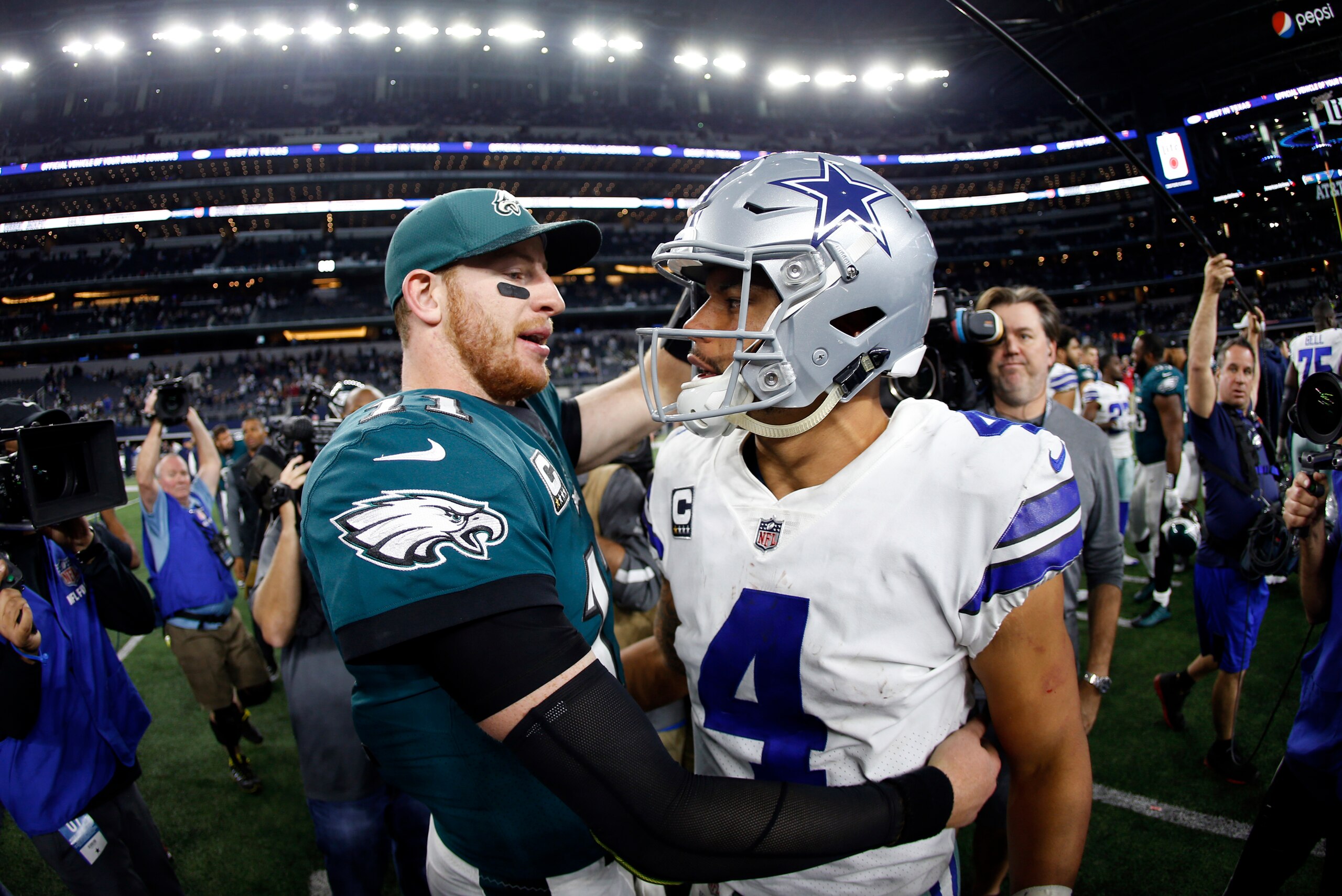
Fans are hungry for the change. We saw it last year in the excitement that surrounded the Rams-Chiefs Monday night shootout and other new marquee matchups. We hear it when Jets, Bills and Browns fans talk seriously about the postseason and in biannual Cowboys-Eagles Prescott-Wentz debates. We feel it in the eager anticipation to see just what the Browns, Ravens and Cardinals offenses will look like this year.
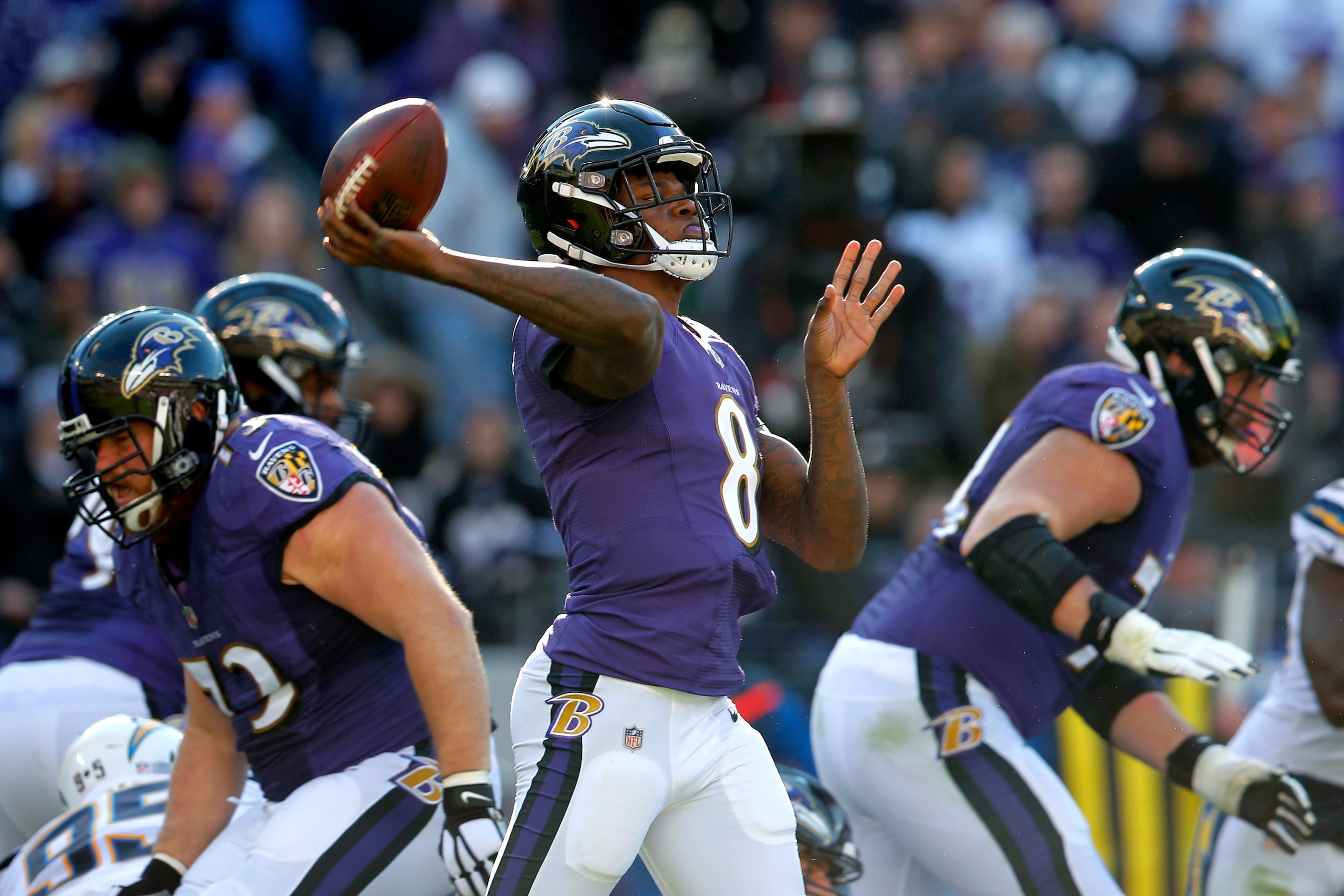
The new wave of young quarterbacks are already changing the way the league looks, sounds and carries itself. Soon, they will take over the stat leaderboards, playoffs and Super Bowl.
No doubt some Patriots fans will read this "Rise of the Young QBs" column as a "Fall of Brady" column and respond negatively; some Patriots fans can read Horton Hears a Who! as a "Fall of Brady" column and respond negatively. Rest assured that the 2019 season could easily end in a Patriots-Saints Brady-Brees Super Bowl, and any fans worth their salt would glue their eyeballs to the screen for that one.
But if that does happen, it will feel like Avengers: Endgame: a climactic battle before our heroes (spoilers) fall, grow old or blast off toward new challenges, leaving the universe in the capable hands of some worthy new champions ready for their own epic journeys.
This isn't an orderly Buckingham Palace-style changing of the guard. Brady, Brees and the others are unlikely to simultaneously retire with a smart salute to the next generation. It will be messy and gradual. But it's as inevitable as what happened in the 1980s, and it has already started.
The revolution is underway. It will be televised. And it's gonna be a thrill to watch.
Mike Tanier covers the NFL for Bleacher Report. Follow him on Twitter: @MikeTanier.
.jpg?w=2560 "DOLPHINS-AIKMAN")




.png?w=2560 "Week 8 Winners & Losers 📊")