
One Player Each MLB Team Should Buy Low on in Trade Season
Sometimes you have to aim low to get high.
With that, we're going to pinpoint a buy-low candidate for each of Major League Baseball's 30 teams ahead of the July 31 trade deadline.
For buyers, these are major leaguers who could get hot in the stretch run and/or turn into productive players in the long run. For sellers, these are prospects or fringe major leaguers who are either undervalued or who could benefit from a change of scenery.
Be warned that some players make sense for more than just one team.
We'll go in alphabetical order by city.
Records and statistics accurate through play Sunday.
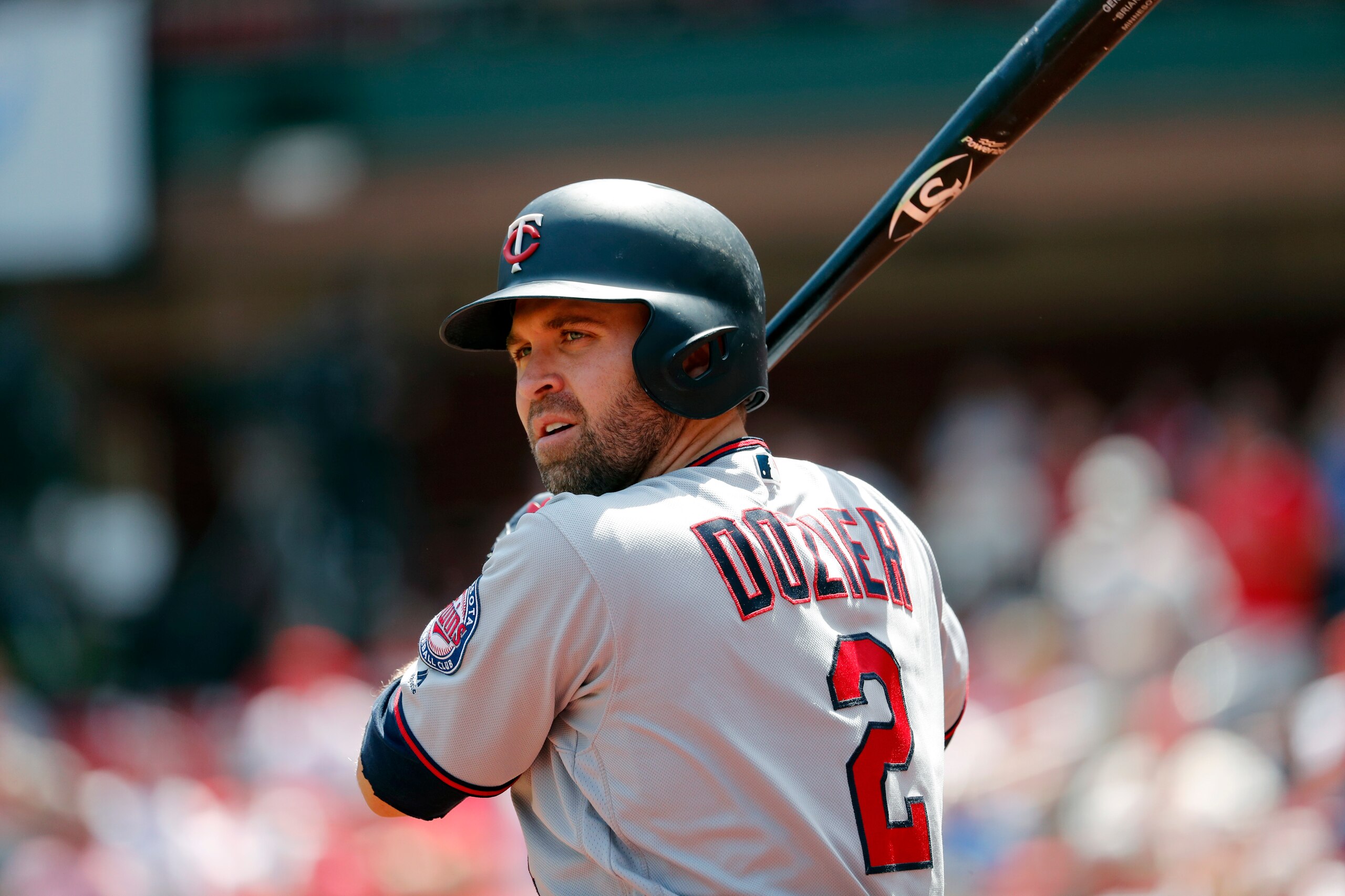
Arizona Diamondbacks: Brian Dozier
1 of 30
It may be showing signs of life, but it's no secret the Arizona Diamondbacks offense has been their biggest weakness in 2018.
Rather than go all-in on Manny Machado, they can fix this by going in on Brian Dozier.
After cranking 76 home runs in 2016 and 2017, the slugging second baseman is having a down year for the Minnesota Twins. He has just a .728 OPS and nine homers through 61 games.
That puts the Twins in an awkward position. They need Dozier to mash if they want to climb back in the American League Central race. But because of his pending free agency, they can't wait forever to trade him.
The D-backs need offense at second base (.701 OPS) even more than shortstop (.719). The sooner they move on Dozier, the more likely they are to benefit when his power inevitably goes supernova.
Atlanta Braves: Lance Lynn
2 of 30
The Atlanta Braves have enjoyed a little bit of everything (mainly offense) in their rise to the top of the National League East. But going forward, they could use a sturdy veteran for their rotation.
The Braves have more than enough prospects to go big in this pursuit. But since they also have enough firepower elsewhere in the rotation, they can settle for more of an innings-eater type.
They could do worse than Lance Lynn.
The longtime St. Louis Cardinal has just a 5.08 ERA in 12 starts for the Twins. Between that and his $12 million salary, pitching-needy contenders figure to overlook him.
Lynn, however, has turned things around with a 3.05 ERA over 38.1 innings in his last seven starts. Even if he can't keep that up, the Braves could bank on a move back to the National League and into their power-suppressing park being just what Lynn needs.
Baltimore Orioles: Adonis Medina
3 of 30
Among the wares the Baltimore Orioles have to sell are a star shortstop (Machado) and, if healthy, a star closer (Zach Britton).
Given that they need both things, the Philadelphia Phillies are a good bet to be doing business with the O's. Baltimore will make out well if it can squeeze hotshot pitching prospect Sixto Sanchez out of Philadelphia.
Failing that, settling for Adonis Medina would be acceptable.
Medina, 21, is struggling to live up to his preseason billing as a top-100 prospect. He has just a 4.82 ERA in 10 starts for High-A Clearwater, in part because he's not repeating the strikeout rate (10 per nine innings) that earned him attention in 2017.
Medina nonetheless has a high floor based on his ability to throw strikes with his fastball, changeup and slider. No organization needs pitchers like that more than the Orioles.

Boston Red Sox: Keone Kela
4 of 30
Because they're sitting on a farm system that was shallow even before Michael Chavis' suspension and Jay Groome's Tommy John surgery, the Boston Red Sox don't have much choice but to buy low this summer.
The relief pitcher market is their best hope for doing so. And their top target should be Keone Kela.
It'll be tough for the Texas Rangers to market him as an upgrade. He has a modest 4.24 ERA in 25 appearances, in part because of his vulnerability against left-handed batters (1.008 OPS).
Kela's solid 3.2 strikeout-to-walk ratio, however, points to his upside. He's also been death on right-handed batters to the tune of a .406 OPS.
The latter talent would be valuable to a club that must be prepared to face Aaron Judge, Giancarlo Stanton, Gary Sanchez, Jose Altuve, Carlos Correa and George Springer in the postseason. And it wouldn't be a one-time thing, as Kela is controlled through 2021.
Chicago Cubs: Brad Ziegler
5 of 30
The Chicago Cubs have recently been living up to their NL-best plus-89 run differential. As long as they keep doing that, they shouldn't need to make significant moves at the trade deadline.
One thing they should be wary about, however, is how their bullpen is walking batters at a higher rate (4.3 per nine innings) than any other NL pen. They can seek to fix that with a typically reliable veteran, ideally one who has more than just good control to offer.
Thus, Brad Ziegler.
The 38-year-old put up just a 4.79 ERA for the Miami Marlins in 2017, and he's following that with a 6.83 ERA this year. He is, however, walking only 2.3 batters per nine innings. He's also getting ground balls at a characteristically elite rate (69.8 percent).
He's just the guy to help the Cubs prevent and stop fires in the late innings.
Chicago White Sox: Tyler Nevin
6 of 30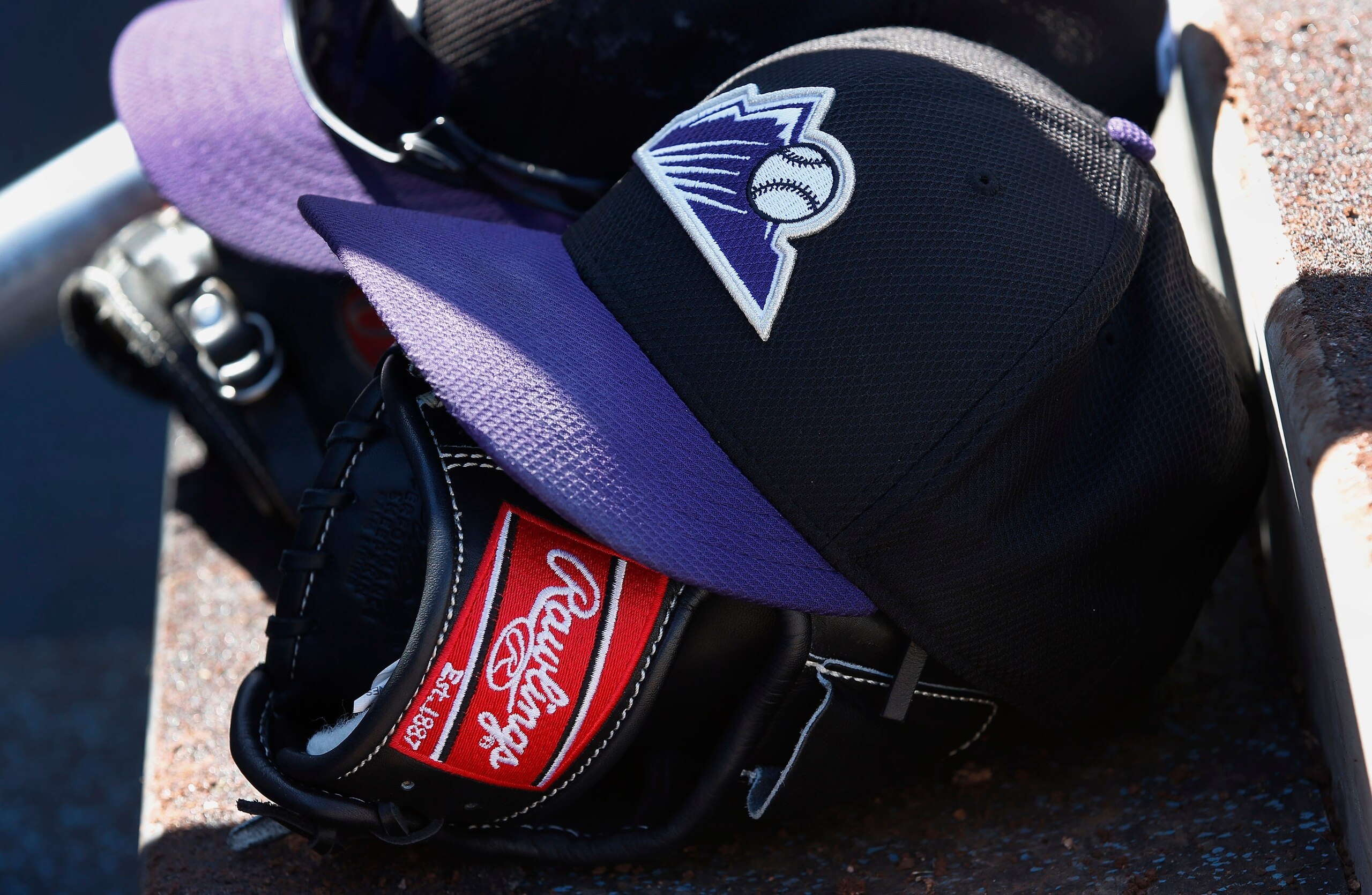
If the Chicago White Sox put slugging first baseman Jose Abreu on the block, the Colorado Rockies might be first in line. No contender needs an impact bat at first base like they do.
The White Sox wouldn't have to settle in a deal with Colorado. But they could angle for an intriguing add-on such as Tyler Nevin.
He's the son of Phil Nevin, who's probably most famous for being picked No. 1 overall in the 1992 draft, five spots ahead of Derek Jeter. The younger Nevin was selected a little lower, at No. 38, in 2015. Since then, he's mostly struggled at the plate and raised questions about his long-term viability at third base.
And yet, Nevin is still only 21. Just last year, he showed some life with a .305/.364/.456 line at Single-A Asheville. Were he to recapture that mojo in the White Sox system, he could be Abreu's replacement at the not-so-hot corner.
Cincinnati Reds: Erick Fedde
7 of 30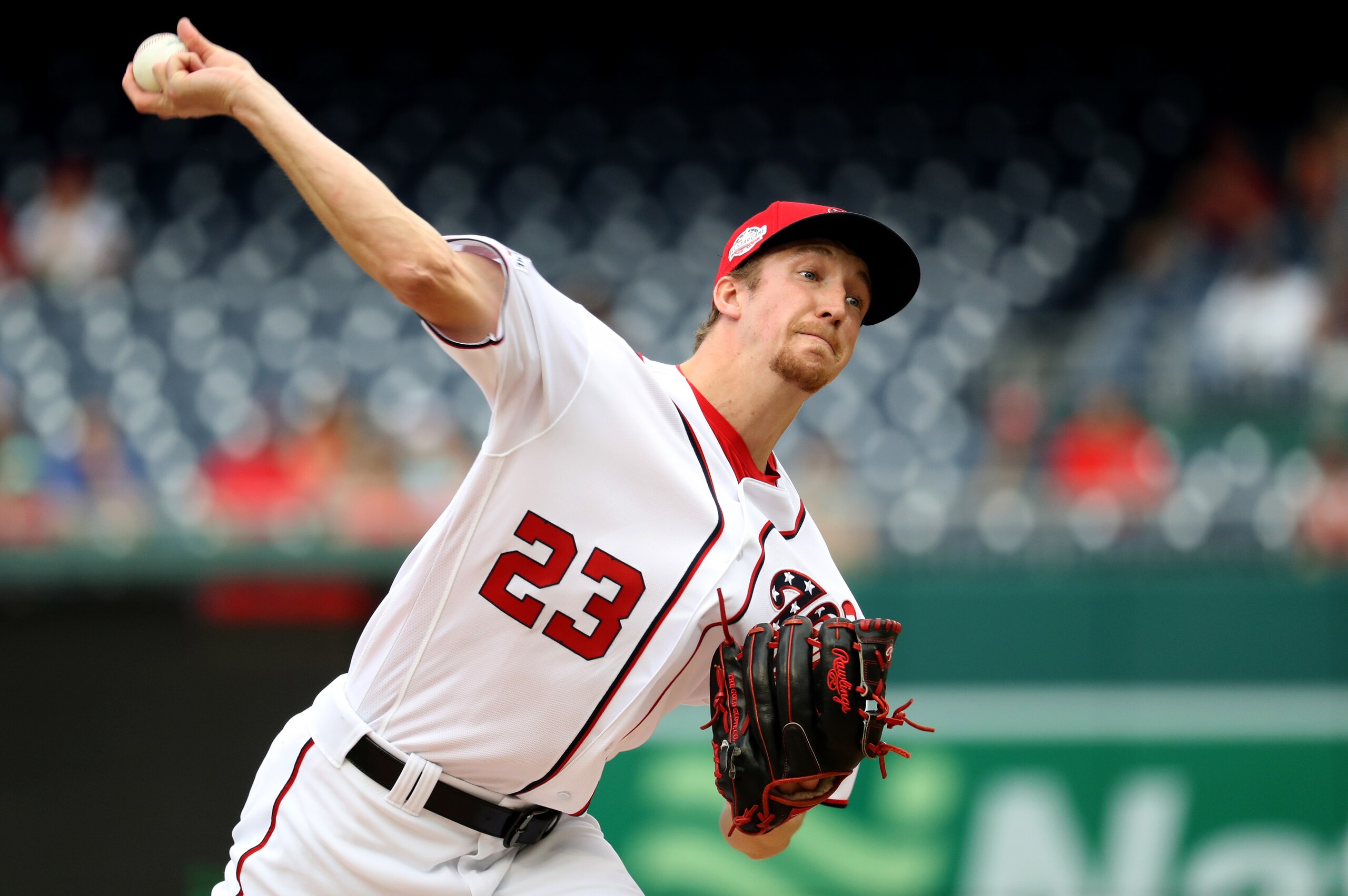
The Cincinnati Reds' top priority should be landing MLB-ready pitchers in trades of second baseman Scooter Gennett and/or closer Raisel Iglesias.
While he wouldn't necessarily be the headliner in a deal for either/or, the Washington Nationals have one such pitcher to offer in Erick Fedde.
Granted, this idea is a long shot. The Nationals aren't an obvious suitor for Gennett or Iglesias. And in light of recent injuries to Stephen Strasburg and Jeremy Hellickson, they shouldn't rush to deal MLB-ready pitchers.
But if Strasburg and Hellickson heal well, Fedde may go right back to being in no man's land. He has strong minor league numbers, but his struggles to find his footing in the majors have contributed to his fall from the ranks of MLB's top prospects.
Nonetheless, the right-hander's solid arsenal and control give him a fairly high floor. Like the Orioles, the Reds need pitchers like that.
Cleveland Indians: Adam Jones
8 of 30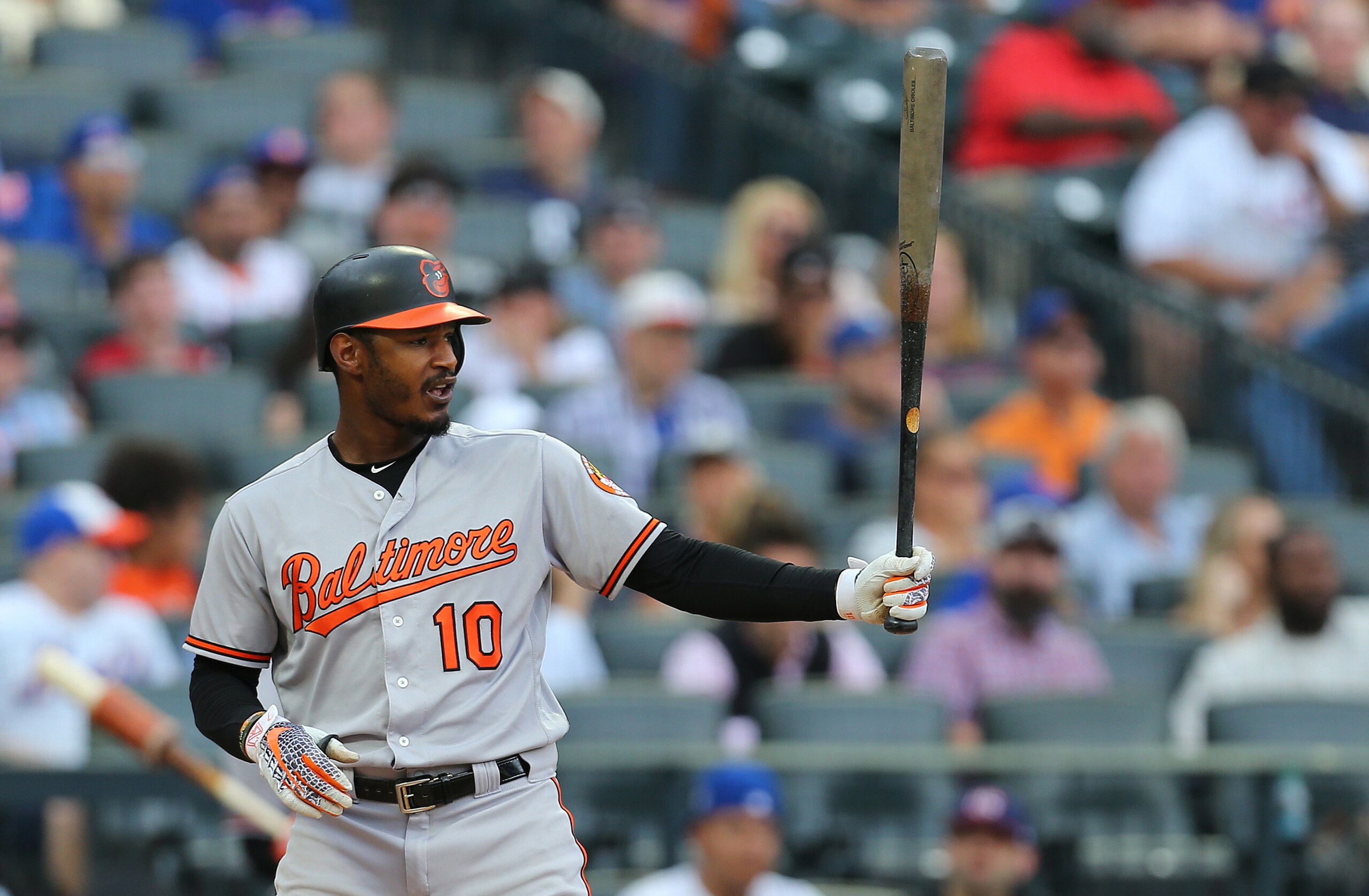
Everyone and their uncle knows how badly the Cleveland Indians need bullpen help. And while they could look to buy low to solve that problem, they shouldn't risk it.
Instead, they should buy low on an outfielder by targeting Adam Jones.
His reputation precedes him, and he's doing a decent job of living up to it at the plate with a .754 OPS and 10 homers in 62 games. But then there's his .301 on-base percentage. And then there's his center field defense, which is still very much bad, according to the metrics. Lastly, there's his $17 million salary.
The Orioles could have trouble drumming up interest in Jones if they put him out there, but they'd be wise to take what they can get for him rather than to simply see him into free agency. Given the Indians' need for a solid right-handed outfield bat, they are just the team to give the O's something.
Colorado Rockies: Lucas Duda
9 of 30
It wouldn't be the worst idea for the Rockies to splurge on a sure thing like Abreu. Their first base problem is that bad, after all, and he would remain under their control through 2019.
But if they'd rather keep their best prospects, they can always pivot to Lucas Duda.
That will depend on how well he recovers from a bout with plantar fasciitis, which is a tough ailment to win a bout against. But if he does, the Rockies shouldn't be scared off by the pedestrian numbers (.716 OPS and four homers) he's put up for the Kansas City Royals.
Duda's ability to hit right-handed pitching is alive and well with an .854 OPS. That makes him an ideal platoon partner for Ian Desmond, who could also platoon with Gerardo Parra and Carlos Gonzalez in Colorado's outfield.
Detroit Tigers: Franklyn Kilome
10 of 30
In choosing Casey Mize at No. 1 overall in last week's draft, the Detroit Tigers used their first pick on a pitcher for the fourth straight year.
That makes it clear what the Tigers are basing their rebuild on, but there is one nit to pick: The hurlers who headline their farm system are arguably more high-floor guys than high-ceiling guys. It wouldn't hurt to spice things up with an upside play.
For example, Franklyn Kilome.
They believe in Kilome over at Baseball Prospectus, but he's had trouble landing on other top-100 lists. He's been inconsistent in the minors, and among the things he has to figure out is a reliable third pitch and control of his lanky 6'6" frame.
On the plus side, he has "future closer" written all over him because of his blistering fastball and 12-to-6 curveball. Acquiring him may only cost the Tigers their current closer, Shane Greene.
Houston Astros: Zach Britton
11 of 30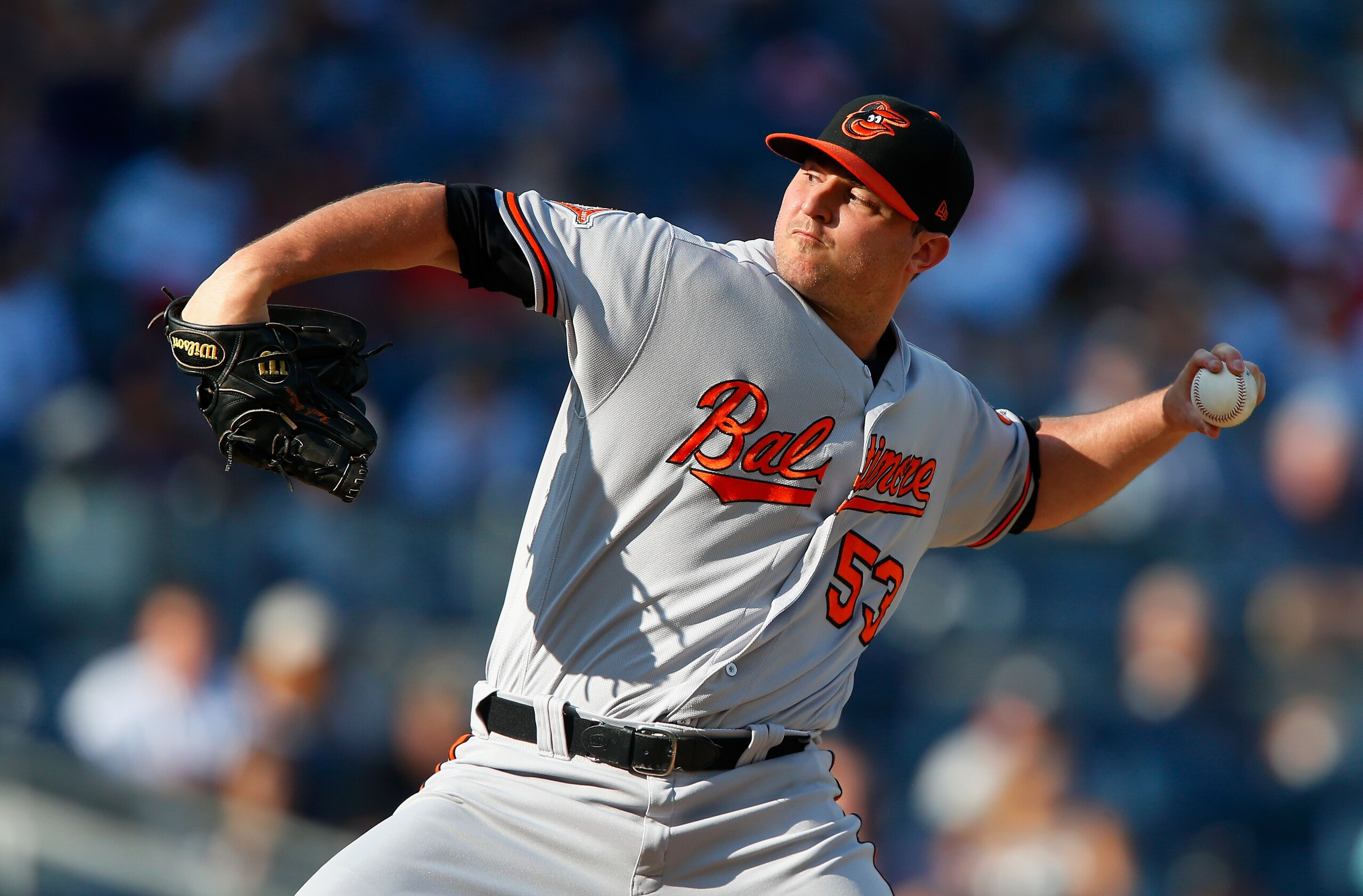
The Houston Astros bullpen needs an upgrade at closer and could use a better left-hander than Tony Sipp.
How about going for two birds with one stone via Britton?
Of course, he doesn't match the usual description of a buy-low candidate. He was the best reliever in baseball from 2014 to 2016, and he figures to be in demand this summer if he stays healthy.
But for many contenders, Britton may be Plan D behind Iglesias, Kelvin Herrera and Brad Hand. And not just because of his health woes, but also because of how vulnerable he was when he was healthy in 2017.
If somebody is going to roll the dice on Britton, it should be the Astros. The one talent of his that remained elite amid his trying 2017 was his ability to get ground balls. That would jibe well with an Astros infield that's permitted just a .230 average on grounders.
Kansas City Royals: Adbert Alzolay
12 of 30
The Cubs are a sneaky candidate to call the Royals about Herrera. After all, their bullpen could use a guy who's walked zero of the 89 batters he's faced in 2018.
Because of how thin their farm system has become, the Cubs wouldn't be the best trade partner for the Royals. It's nonetheless hard to imagine a better landing spot for Chicago's top prospect: Adbert Alzolay.
The 23-year-old righty entered 2018 as a fringe top-100 prospect, but you wouldn't know it by what he's done in eight starts for Triple-A Iowa. He has a 4.76 ERA with just 27 strikeouts in 39.2 innings. He's also a fly-ball pitcher, which isn't a great thing to be in baseball's homer-happy era.
But if a pitcher like that can thrive anywhere, it's in the cavernous confines of Kauffman Stadium. And the Royals could look forward to greeting him sooner rather than later.
Los Angeles Angels: Jay Bruce
13 of 30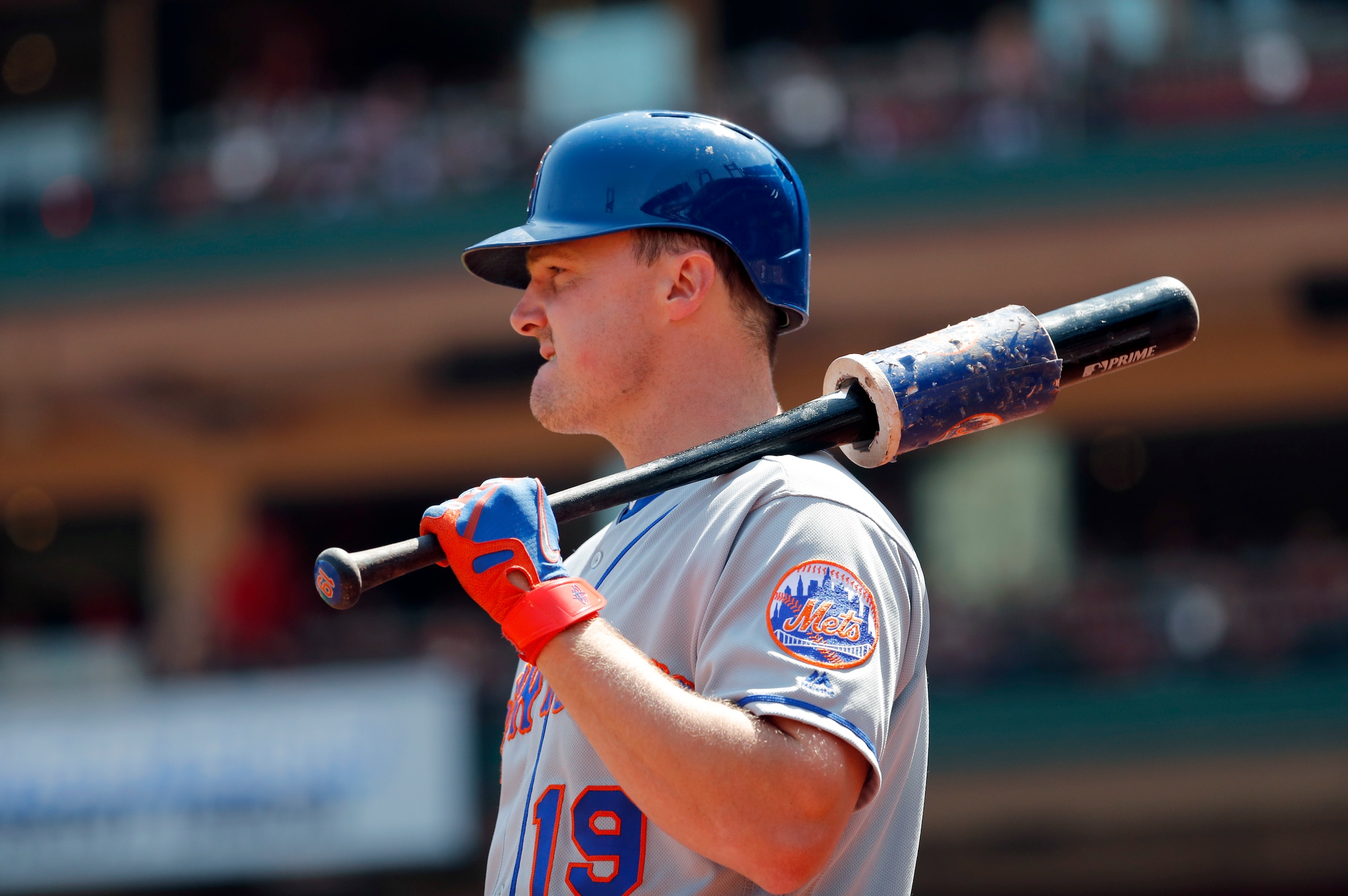
If Shohei Ohtani is indeed unable to avoid Tommy John surgery, the Los Angeles Angels must scour the market for a guy who's both an ace pitcher and a star slugger.
Since that's a tad unrealistic, they could settle for Jay Bruce.
The first year of Bruce's three-year, $39 million contract with the New York Mets has been a disaster. He has just a .627 OPS with three home runs through 59 games. He's also in the way of regular playing time for Brandon Nimmo and Michael Conforto.
But as bad as Bruce has been, the Angels have had to endure worse in right field. Kole Calhoun has gotten the bulk of the at-bats at the position, and his .374 OPS makes Bruce look like Ted Williams.
At this point, taking on Bruce probably wouldn't cost the Angels much in terms of money or prospects. In return, they'd get a guy with offensive upside well beyond what he's shown.
Los Angeles Dodgers: Bartolo Colon
14 of 30
The Los Angeles Dodgers are riding a 17-6 stretch that's put them right back in a winnable National League West race.
Still, they'd be fools to not address their pitching depth. The rotation needs a guy who can provide innings until Clayton Kershaw, Rich Hill and Kenta Maeda are healthy again. Then, said guy could serve as a swingman.
Bartolo Colon would do the trick.
The markedly large and sexy 45-year-old got off to a strong start with the Rangers, but his ERA is now on a steady upward trajectory. That raises suspicions about how much he's changed since putting up a 6.48 ERA in 2017.
As evidenced by his 1.3 walks per nine innings and six innings per start, however, Colon can still throw strikes and eat innings with the best of 'em. And the Dodgers wouldn't have to worry about upsetting their luxury-tax standing by bringing him aboard. He's making only $1.8 million.
Miami Marlins: Brett Phillips
15 of 30
The Marlins should look to sell high on J.T. Realmuto this summer. A somewhat distant second priority will be offloading Starlin Castro and his contract.
The Milwaukee Brewers make sense for Castro. They need offense at second base. And if they agree to take on his remaining contract, they should be able to save their best prospects for an impact starter.
But if the Marlins are going to agree to a contract dump, they should at least get Brett Phillips out of it.
The 24-year-old's stock has fallen in recent years, and he isn't helping it with a pedestrian .764 OPS at Triple-A Colorado Springs. He's also blocked from Milwaukee's outfield by Lorenzo Cain and Christian Yelich.
But if nothing else, Phillips remains intriguing because of his defensive upside. A guy like that would be an asset at Marlins Park, which has one of the bigger center fields in the majors.
Milwaukee Brewers: Brian Dozier
16 of 30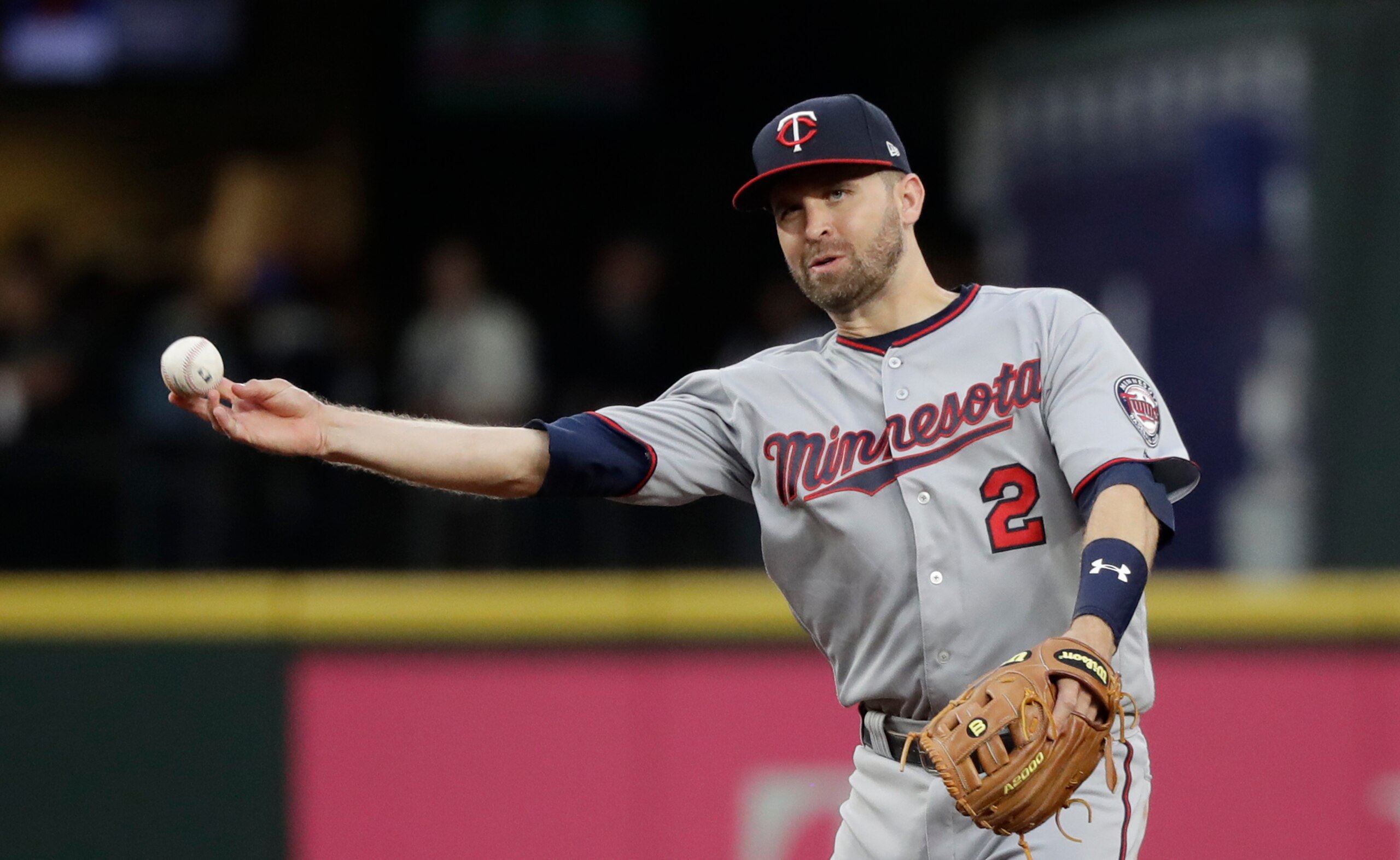
Alternatively, Milwaukee could make like Arizona and angle for an upside play on Dozier.
As far as needs go, an upgrade at second base is certainly secondary to a rotation upgrade. However, the Brewers have enough prospect wealth to aim for something substantial on the latter front. Somebody like Chris Archer, for example, would be perfect.
Even as is, Dozier would be a solid fix for a second base position that's produced just a .681 OPS. The Brewers can also dream big about what he would mean for their offense if he were to go on one of his trademark hot streaks.
They rank second in the NL in homers, so Dozier might make them far and away the circuit's best home run-hitting team.
As a bonus, his presence would free up Jonathan Villar and Hernan Perez to serve the Brewers in super-utility roles that they're well suited for.
Minnesota Twins: Mitchell White
17 of 30
The Twins have enough talent locked in for the long haul to avoid a total rebuild.
They do, however, have to worry about the long-term depth of their starting rotation. Lynn is signed just for 2018. Ervin Santana, Jake Odorizzi, Kyle Gibson and Michael Pineda are only controlled through 2019.
In the past, Minnesota likely would have been on the lookout for low-ceiling, pitch-to-contact types. But since it's begun to embrace strikeout pitchers, it should have its eyes on Mitchell White.
The 23-year-old Dodgers farmhand has flopped in his first season as a top-100 prospect, putting up a 5.87 ERA with just 22 strikeouts in 23 innings for Double-A Tulsa. And yet, he's still the same guy who used a plus fastball-slider combination to whiff 10.8 batters per nine innings in 2017.
If the return is Dozier or one of the Twins' starters, the Dodgers may be willing to surrender White.
New York Mets: Lucas Erceg
18 of 30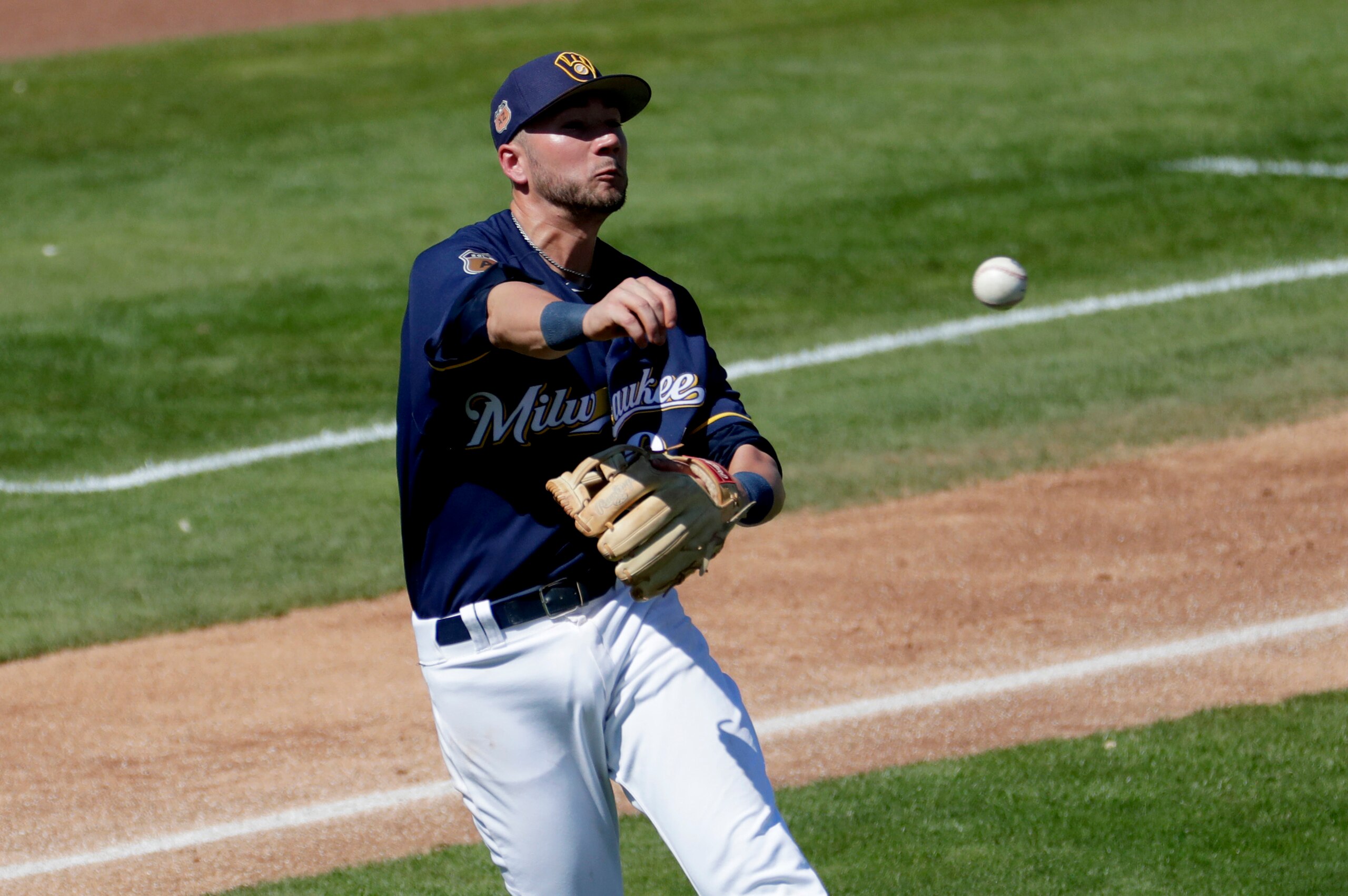
If there's a silver lining in Mets land these days, it's that New York shouldn't have to sell low on many trade chips this summer. Least of all Asdrubal Cabrera, who's an impact bat at second base.
Among the usual suspects for second base help, the Brewers have an interesting player to offer in third baseman Lucas Erceg.
Erceg earned recognition by hitting .327 with an .895 OPS and 30 extra-base hits in 68 games in rookie ball and Single-A following the 2016 draft. The 23-year-old has hit some walls since then and has a .650 OPS for Double-A Biloxi this season.
Still, it's too early to give up on his potential as a well-rounded offensive producer with a slick glove at the hot corner.
With Travis Shaw at third base, the Brewers don't need a player like that for the long run. With David Wright on his way out and Todd Frazier only signed through 2019, the Mets do.
New York Yankees: Ivan Nova
19 of 30
The New York Yankees shouldn't buy low on anyone this summer. Their ambitions are too high, and their farm system is too deep, for such activity.
But if they choose to go that route anyway, they might consider old friend Ivan Nova.
The 31-year-old found success with the Pittsburgh Pirates after the Yankees effectively gave up on him in 2016, and he parlayed that into a three-year, $26 million contract. Over the last two years, though, his returns include a modest 4.28 ERA over 43 starts.
The Pirates would probably be glad to get rid of the final year-and-a-half of Nova's deal. And the Yankees wouldn't eradicate their luxury-tax standing. Their rotation would also get a much-needed strike-thrower. Nova owns a 1.4 walks-per-nine-innings rate in a Pirates uniform.
In addition, his ground-ball habit would play better with the New York infield than the Pittsburgh infield.
Oakland Athletics: Jeff Hoffman
20 of 30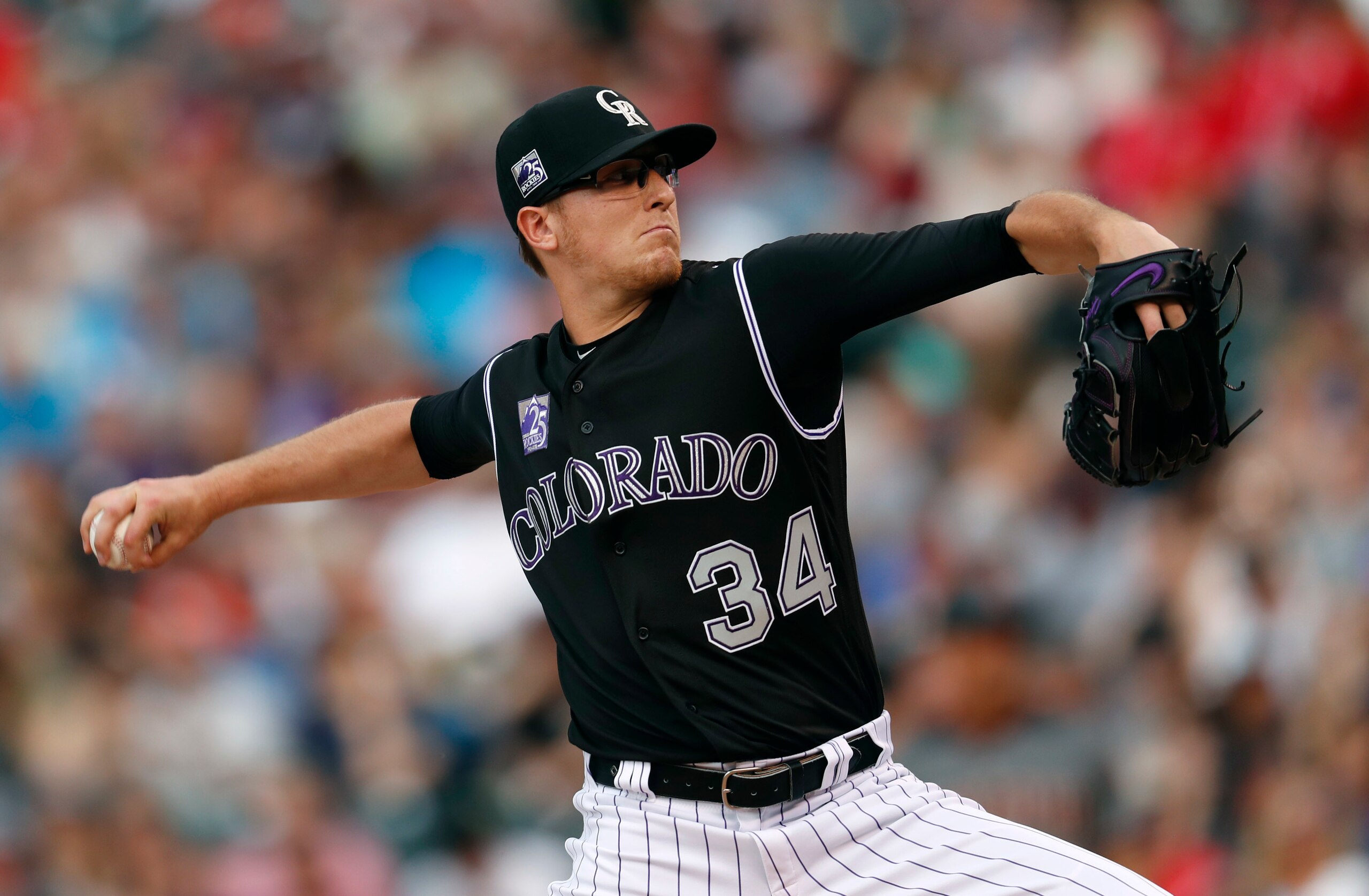
The Oakland Athletics aren't bad enough for a fire sale, yet they're not good enough to avoid selling what parts they must at the trade deadline.
It would be like the A's to angle for has-been prospects whose values they might resuscitate. To this end, priority No. 1 should be Jeff Hoffman.
The right-hander began his career as the ninth overall pick by the Toronto Blue Jays in 2014. He was a centerpiece in the Troy Tulowitzki trade a year later. What's followed is a 5.60 ERA in three seasons with the Rockies plus a modest 4.29 ERA for Triple-A Albuquerque this year.
The inconvenient truth is that Hoffman isn't suited for the altitude of either Denver or Albuquerque. He throws hard, yes, but his best secondary pitch is his curveball. Those don't break as well in thin air.
If the A's put Hoffman and his stuff at sea level, they could have a steal on their hands.
Philadelphia Phillies: Keone Kela
21 of 30
According to Jon Heyman of FRS Sports, the Phillies "love" Machado and may be the favorites for him. They have prospects, and they need offense at shortstop, so that adds up.
If they do go big for Machado, however, they won't have much choice but to buy low on a closer they also need. Once again, Kela emerges as a distinct possibility.
Though he probably works best as a right-handed specialist, he's not totally without the goods to cut it as a closer. For example, there's an average fastball that's up to 96.6 mph. For another example, there's his rate of contact allowed, which is well below the MLB average.
Best of all, Kela hasn't been as prone to home runs as incumbent Phillies closer Hector Neris. A move to the NL could only help his home run suppression.
Pittsburgh Pirates: Jeff Hoffman
22 of 30
Apologies for putting the same guy just two slides apart, but that speaks to how similar the Pirates are to the A's.
For one thing, they're also only a borderline contender that's more likely to sell than to buy this summer. For another thing, they're also an organization that's obligated to try for upside plays on other teams' fallen prospects.
Hoffman also fits with Pittsburgh's pitching philosophy. The organization likes pitchers who can throw hard. Hoffman's heater typically fits the bill, with an average of 94.3 mph in the majors. To boot, a move from Coors Field to PNC Park could only help him.
Matching the Pirates and Rockies on a trade is the tricky part. But since the Rockies could use a catching upgrade and/or a versatile right-handed hitter, Francisco Cervelli and Josh Harrison are two possibilities.
San Diego Padres: Max Fried
23 of 30
The San Diego Padres are in a charmed position for a last-place team. They already have a farm system with seven players in MLB.com's top 100, and they have the trade chips to add to it this summer.
Because they have many prospects to deal and they could use a veteran starter (e.g., Tyson Ross) and/or a shutdown reliever (e.g., Brad Hand), the Braves are a possible trading partner. If the Padres do business with them, they should try for Max Fried.
Six years after the Padres originally drafted him seventh overall and nearly four years after he went to Atlanta in the Justin Upton trade, the 24-year-old is in an uncertain place in the team's future. Though he's still well-regarded, his control issues cast him as something of an unknown in an Atlanta system loaded with talented arms.
San Diego is a better place for Fried to get on-the-job training. Down the road, that could turn him into the leader of a rotation with Cal Quantrill, MacKenzie Gore and others.
San Francisco Giants: Josh Tomlin
24 of 30
Madison Bumgarner is back, but the San Francisco Giants rotation needs more help if the team is going to have any shot of finishing atop the NL West.
Whatever help comes must be cheap. The Giants don't have much in the way of prospects, and they surely don't want to go any further over the luxury-tax threshold.
In lieu of better options, they should put in a call to Cleveland about Josh Tomlin.
The 33-year-old lost his spot in the Indians rotation in May, in no small part because he just couldn't stop giving up dingers. He allowed 15 homers over his first seven appearances.
But in walking only seven batters through 37.1 innings, Tomlin is showing he's still a strike-thrower. He may therefore be just a move to AT&T Park away from re-establishing himself as a solid back-end starter.
Seattle Mariners: Lucas Duda
25 of 30
Starting pitching looked like the Seattle Mariners' biggest need for a while there, but a 3.01 ERA over the last 30 days has tossed that concern out the window.
The biggest concern for the Mariners now should be the sustainability of their 21-9 record in one-run games. Additional offense can help them protect against that, and replacing Robinson Cano's left-handed power is an ideal way to go about getting some.
Survey says: Duda.
Duda has a more tried-and-true ability to mash right-handers than Seattle's large adult son, Dan Vogelbach. And that ability would play well in tandem with Ryon Healy, who typically mashes lefties, at first base.
And that, for the record, is the position where the Seattle offense lags far behind most of the rest of MLB.
St. Louis Cardinals: Zach Britton
26 of 30
The St. Louis Cardinals must prioritize finding bullpen help ahead of the trade deadline. Specifically, they need an upgrade at closer and a more reliable lefty than Tyler Lyons or Brett Cecil.
That basically puts them in the same boat as the Astros, so they might as well angle for the same guy: Britton.
To one extent, Britton doesn't fit quite as well in St. Louis as he does in Houston. The Cardinals' infield defense isn't quite as good, as it's allowing a .235 average on ground balls.
But whereas the Astros have to worry about facing a whole bunch of right-handed sluggers in the postseason, the threats to the Cardinals are mainly on the left side: Bryce Harper, Anthony Rizzo, Freddie Freeman, Shaw, Yelich, Cody Bellinger, Brandon Belt and so on.
To that extent, Britton would fit just fine in St. Louis.
Tampa Bay Rays: Kodi Medeiros
27 of 30
It's largely by design that Rays starters are last by a mile in innings pitched. They've been challenging the notion that starting pitchers are even necessary.
If this experiment sticks, the Rays will need as many interesting relievers as they can get. That's their cue to try for Kodi Medeiros in a trade with the Brewers.
The lefty was the No. 12 pick in the 2014 draft. He's all but fallen off the radar since then, as he's struggled to gain footholds in the minors. He's had problems with his control (4.6 walks per nine innings) in racking up a 5.02 ERA. He's still mostly being used as a starter, but a move to the pen seems inevitable.
On the plus side, Medeiros' arm action and fastball-slider combination give him an ideal relief profile. If the Rays were to pick him up in a trade for, say, Archer, they'd stand to get a steal in the long run.
Texas Rangers: Chance Adams
28 of 30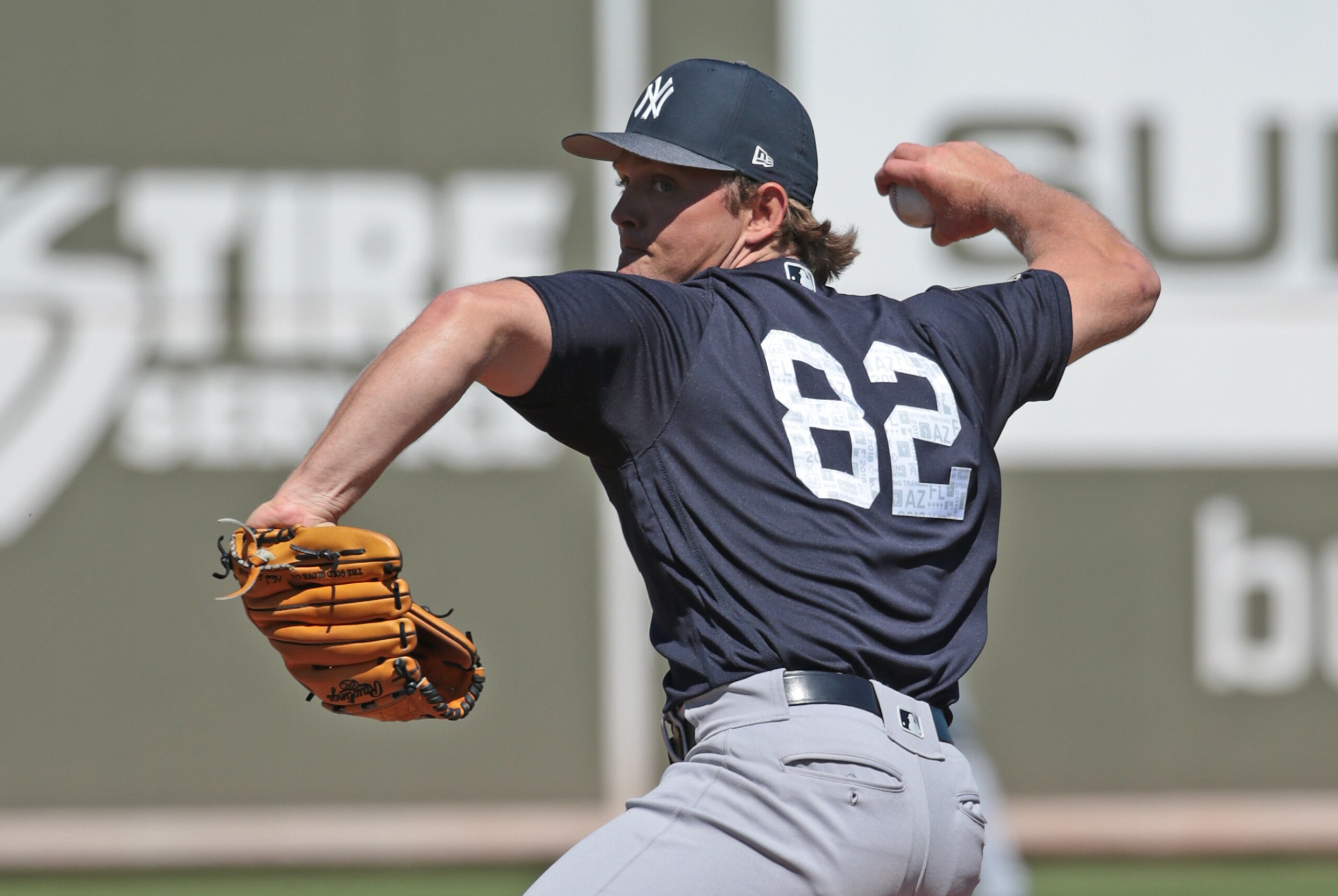
One trade that seemingly everyone wants to see involves Cole Hamels going from the Rangers to the Yankees.
The Rangers might be willing to eat the bulk of Hamels' remaining contract in order to leverage a blue-chip prospect from the Yankees. Instead, a likely compromise involves them eating a lesser portion and making an upside play with one of the Yankees' lesser youngsters.
For instance: Chance Adams.
Adams entered 2018 as a consensus top-100 prospect after putting up a 2.45 ERA at Double-A and Triple-A in 2017. He's since struggled to live up to that with a 5.43 ERA for Triple-A Scranton/Wilkes-Barre. He's struggled with homers (1.5 per nine innings) and walks (4.3).
Yet he's still only 23, and his 10.7 strikeouts per nine innings point to his potential as a K artist. And in Texas, he could slide right into a rotation that sorely needs some long-term hope.
Toronto Blue Jays: Mickey Moniak
29 of 30
If the Phillies can't do a deal for Machado, they might turn their attention to elsewhere in the American League East with the Blue Jays.
Between Josh Donaldson, J.A. Happ and any number of relievers, the Blue Jays would have plenty to interest the Phillies. And the Phillies have an outfielder who could be a good fit in a Toronto system that's already well-off with infielders and pitchers: Mickey Moniak.
Though it's been barely two years since he was the No. 1 pick in the 2016 draft, Moniak is already turning into a bust. His allegedly excellent hit tool has produced just a .248/.291/.347 slash line in 222 minor league games.
Still, he turned only 20 just last month. And given that he wouldn't have to be the guy in Toronto—Vladimir Guerrero Jr. can handle that—such a change of scenery might be good for him.
Washington Nationals: Brad Brach
30 of 30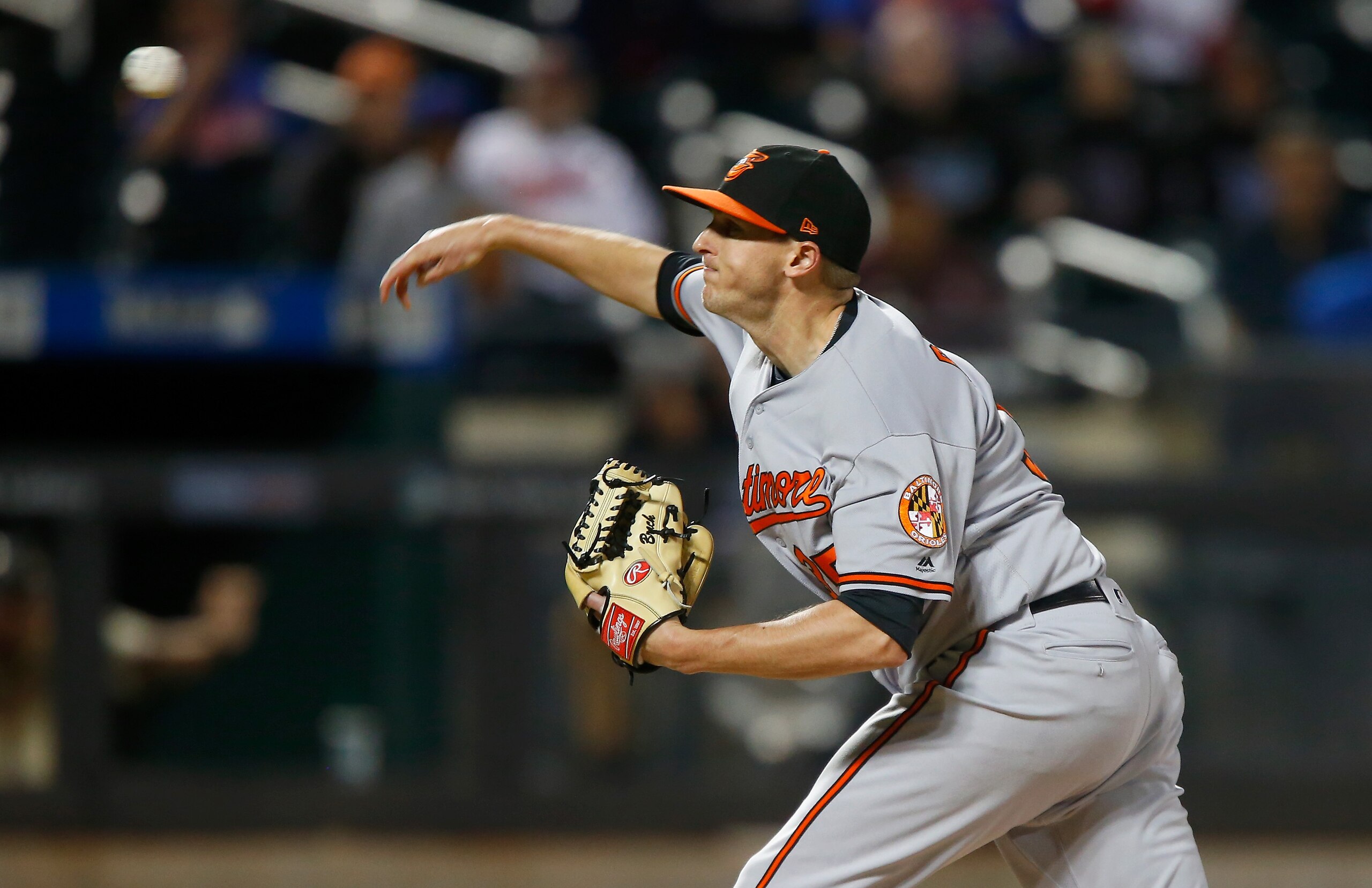
Depending on how their many injuries heal in the coming weeks, there are myriad directions in which the Nationals could go on the summer trade market.
The most likely scenario, however, involves them upgrading their bullpen with a solid setup man. There's a chance this search could end in a trade for a proven closer type like Herrera or Britton, but somebody like Brad Brach is more their speed.
The right-hander's walk year isn't going so well, as he's arrived at a 4.24 ERA in part because he's walked 5.4 batters per nine innings. It also hasn't helped that his average fastball has dropped from 95.0 mph in 2017 to 93.1 mph.
And yet, Brach's rate of contact allowed has never been lower. A skill like that would be of use to a Nationals bullpen that has the eighth-highest contact rate in MLB.
If they can fix that by adding Brach at a bargain rate, they should do it.
Stats courtesy of Baseball Reference, FanGraphs, Brooks Baseball and Baseball Savant.
.jpg?w=2560 "NFL investigating 2 referees for separate viral exchanges")
.jpg?w=2560 "OBJ Calls Out Giants After Release")



.jpg?w=2560 "Another Cryptic Tyreek Post 🤨")