

How to Dominate the Trade Deadline: A Lesson from the 2016 Yankees
The game is about winning, on the field and off. Of course everyone wanted to be the 2016 Chicago Cubs, or at least the Cleveland Indians. But if you can't, at least be the New York Yankees.
The Yankees won 84 games last year, which doesn't sound bad except it equaled their lowest total in a non-strike year since 1992. But last July, the Yankees won.
By acclamation, the 2016 Yankees were trade-deadline winners for turning Aroldis Chapman, Andrew Miller and others into 13 younger players, many of them top prospects. They cashed in on a season in which they weren't a serious World Series contender, and they built a better future—not just for four or five years down the line but for this season, too.
TOP NEWS
Skubal Reacts to Improbable HR 🤝

Ranking Top 25 Trade Chips For Offseason 🔢

MLB Playoffs Winners and Losers ⚾
A year later, it's worth looking back on how and why they did it, and at which teams can learn from it as this year's non-waiver deadline fast approaches. There's no team that's a perfect match for the 2016 Yankees, but there are some who could gain by following what the Yankees did.
Think of the Toronto Blue Jays and Baltimore Orioles, who entered Tuesday 4.5 games out of a playoff spot, right about where the Yankees were a year ago. Close enough to think you have a chance with 70 games still to play but far enough back and flawed enough to realize how slim that chance really is.
Think of the Texas Rangers, who are a couple of games closer to a wild-card spot but much further behind in their division. Think of the St. Louis Cardinals, in range but not really close in either the division or the wild-card race.
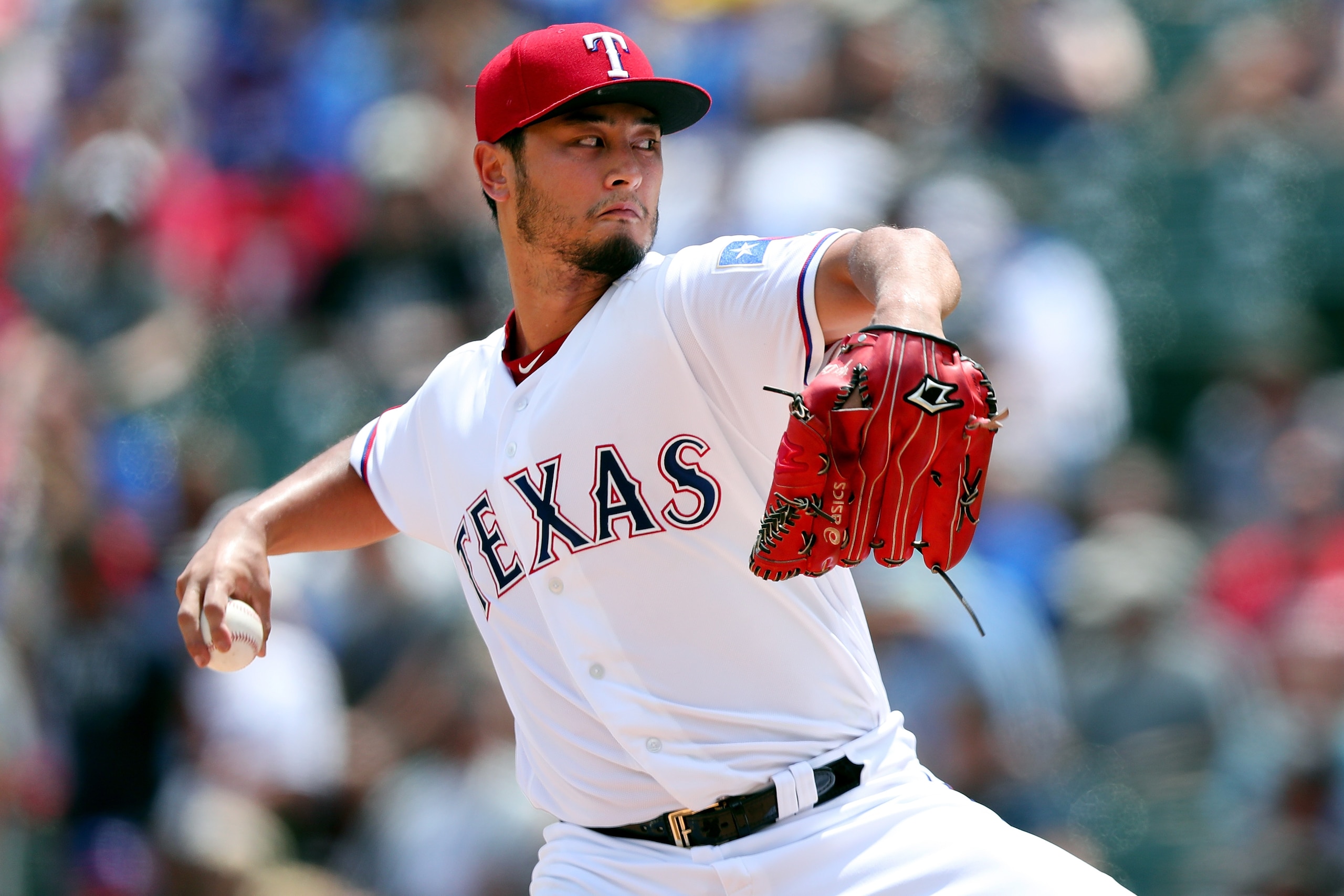
Can any of them become the 2016 Yankees? Can the Blue Jays do it by trading Josh Donaldson and Marcus Stroman? What about the Orioles with Zach Britton, the Rangers with Yu Darvish or the Cardinals with Carlos Martinez and Lance Lynn?
Every team is different, but every team can learn. Here's what they can learn from the 2016 Yankees:
1. You'd better have the goods. Teams pay (and overpay) for value, and elite players with reasonable contracts are trade-deadline gold. Years of control add big value, which is why the Yankees could cash in so big on Miller and why the Chicago White Sox have already done so this month with Jose Quintana.
You also need a robust market to sell to, which the Yankees had last year, with multiple teams seeking back-end relievers. Top-level starters seem to be in the highest demand this month, which is why the Blue Jays (Stroman), Rangers (Darvish) and Cardinals (Martinez) could be best positioned.
Darvish is a free agent at the end of this season, more comparable to Chapman than Miller. Stroman is under control through 2020 and Martinez through 2023, which makes them much more valuable but also harder to consider trading.
Hey, this isn't supposed to be easy, which brings us to...
2. You'd better be bold. The Yankees didn't have to trade Miller last year. There were plenty of good reasons not to trade him, starting with how good he is. He was under control, his contract was affordable, and if they were going to try to contend soon, it sure would have been nice to have him in the bullpen.
But Yankees general manager Brian Cashman understood the market. As good as Miller is, Cashman understood how the desire to win now could tempt another team to give up more than equal value for him. He got Clint Frazier, who a year later is already contributing in the big leagues, and also pitching prospect Justus Sheffield and two other players.

It's (relatively) easy to make the decision to trade someone who is going to be a free agent. It's a lot harder to reconcile trading someone who is supposedly key to your future success. It's even harder when it's a young starting pitcher, as opposed to a reliever like Miller, who was 31 years old at last year's deadline.
But does it really hurt to find out what you can get back? Joel Sherman made the argument in the New York Post that the Mets would be foolish not to find out how much someone will pay for Jacob deGrom. Same goes for the Blue Jays and Stroman, the Cardinals and Martinez and the Detroit Tigers and Michael Fulmer.
Ask for a supposedly untouchable prospect. The Yankees got Frazier and Gleyber Torres last year. The White Sox got Yoan Moncada over the winter in the Chris Sale trade, and Moncada was ranked as the best prospect in all of baseball.
But even if they say yes, there's one other huge obstacle.
3. You'd better have an understanding owner. After he traded Miller last year, Cashman acknowledged he had decided fairly early on it was time to exploit the market. He also said others above him took more convincing. Steinbrenner consented to trading Chapman more than a week before the deadline, but he held off on green-lighting more moves until the Yankees lost the first two games of a series at Tampa Bay the weekend before the deadline (they went on to lose the third game, too).
"The inconsistency of our club reared its ugly head," Cashman said a couple of days later. "A playoff contender wouldn't have done that."
Even then, not every owner would have done what Steinbrenner did. The Yankees were only 4.5 games out of a playoff spot when Steinbrenner gave his OK. The Orioles and Blue Jays were 4.5 games out as of Monday.
But as Jon Heyman wrote last week for FanRag Sports, owner Peter Angelos has always been a "go for it" kind of guy. As Ken Rosenthal wrote Sunday on Facebook, when Orioles executive vice president of baseball operations Dan Duquette tells teams he's willing to deal Britton and others, it comes with the caveat "as long as he receives ownership approval."
As for the Blue Jays, ownership no doubt has an eye on attendance. The Jays are averaging 39,645 fans a game, fourth-best in the major leagues. How will those people react if Toronto trades away its stars?
The choices aren't easy. It's not easy to win—on the field or off.
Danny Knobler covers Major League Baseball as a national columnist for Bleacher Report.
Follow Danny on Twitter and talk baseball.

.jpg?w=2560)

.jpg?w=2560 "Commanders OL HEATED After Tie ▶️")
.jpg?w=2560 "49ers LB Suspended for Headbutt")
.jpg?w=2560 "AD Trolls Bears WR on IG 😂")