

Pat Laprade Talks Women Main-Eventing WWE WrestleMania, Ronda Rousey and More
Women's wrestling has finally arrived in WWE.
That's not exactly news to fans that have been following the company over the past couple of years. Those fans have seen the women's division transition from the days of two-minute matches to now sharing the main event stage on TV and pay-per-view.
What once was considered a joke to many is now considered to be completely relevant.
.jpg?w=2560)
.jpg?w=2560)
The women are holding their own alongside their male counterparts, and it's all because of the talent that's currently on the roster. Charlotte, Sasha Banks, Bayley and Becky Lynch are the nucleus of the division in WWE—they are the foundation.
But now Alexa Bliss, Naomi and Nia Jax are all sharing the spotlight. Natalya is the veteran of the group, while Carmella, Emma, Tamina, Alicia Fox and Dana Brooke are all regularly featured on Monday Night Raw and SmackDown Live.
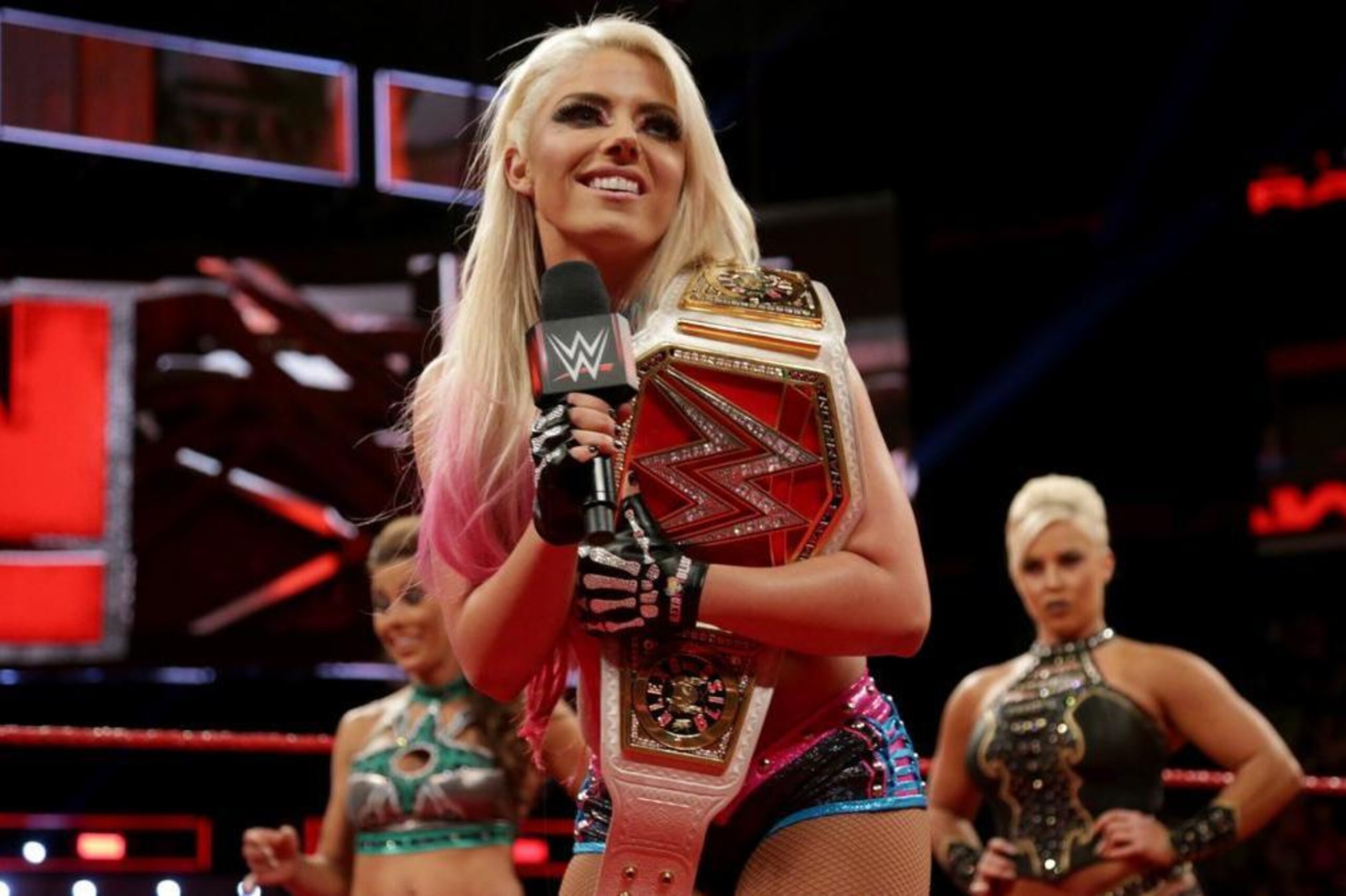
All of these women are competing not for one, but two, women's championships. Women's wrestling has truly evolved.
Much of that evolution has been chronicled recently in Sisterhood of the Squared Circle: The History and Rise of Women's Wrestling. Authors Dan Murphy and Pat Laprade interviewed many of today's stars, including the top names from WWE, for the book. Laprade recently spoke to Bleacher Report about why he chose to tell this story now.
"It was the right timing; let's say it this way," he said. "I mean women's wrestling has never been as pushed in the WWE and as popular as you know; we have to go back to the early 1940s and 1950s, to see that level of popularity toward women's wrestling. It (the book) was an idea I'd had in the back of my mind for a few years; I was just waiting to have an opportunity to pitch it."
Laprade also spoke about the amount of research that went into the book.
"We went back to the late 1800s. There were some books on women's fighting that were already released, but not too much into pro wrestling. But you know in the early stages of pro wrestling back in the late 1800s and early 1900s," he continued, "we were able to get some information there.
"We started doing interviews with some of the women that wanted to talk about, and doing more research online, trying to find gems...you know, interviews that were not really publicized...and see what kind of information we could find."
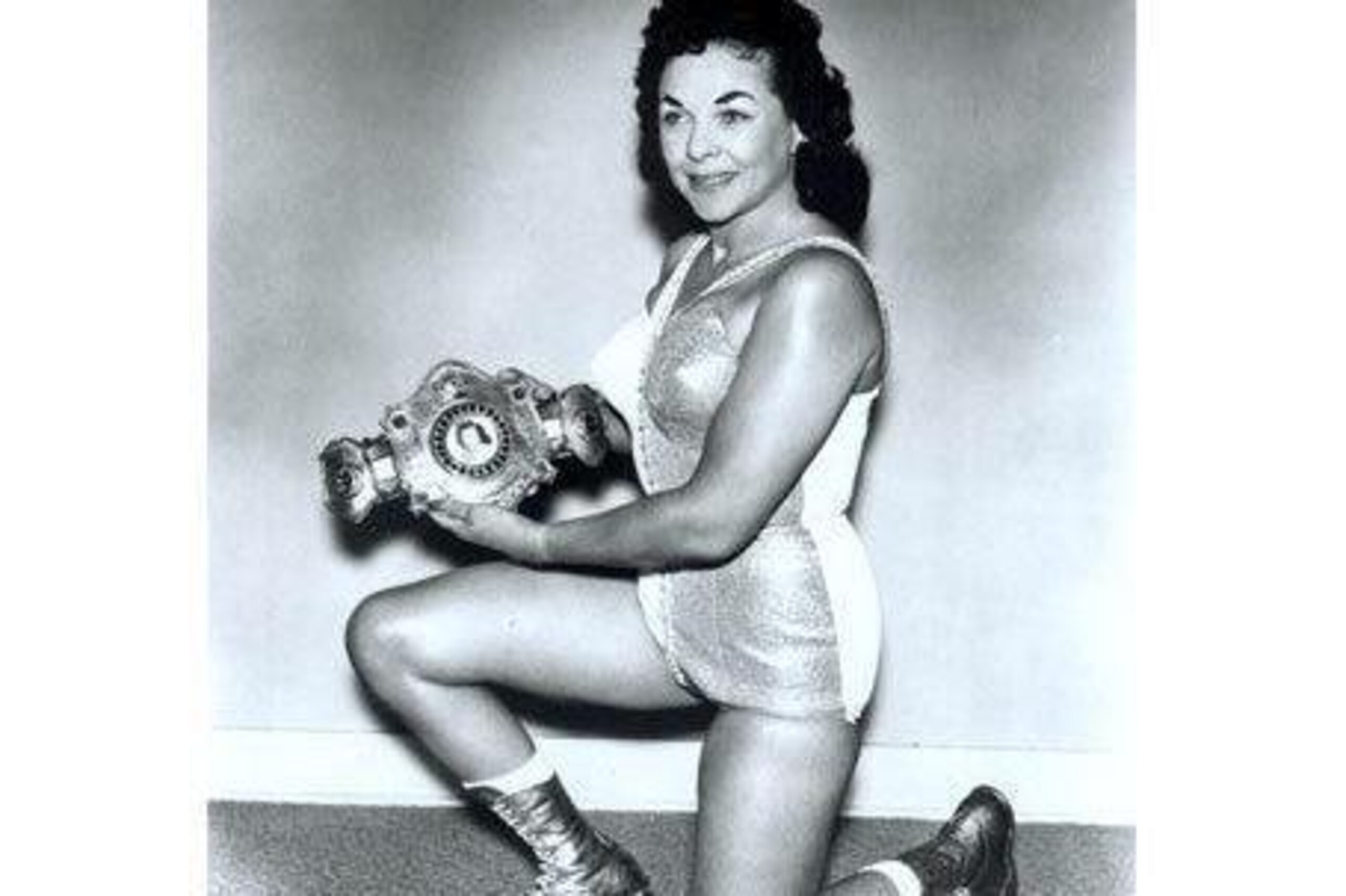
Laprade spoke of Mildred Burke, one of the earliest stars of women's wrestling, and how she paved the way for so many that followed. Mae Young and The Fabulous Moolah were both inspired by Burke and may have not gotten in the business had it not been for her.
But those pioneers could perhaps never have imagined what the sport morphed into during WWE's Attitude Era.
Despite how far women's wrestling has come from the carnival days of the last century, many longtime fans can't forget how silly the division was during that time. Bra and panties matches ruled the day, as WWE seemed intent on stripping its talents down every week on TV.
Considering that Laprade has always been a fan himself, was he bothered by WWE's treatment of the women during that time?
"Actually to tell you the truth, I started getting into women's wrestling maybe late in my life in the sense that back when the bra and panties matches were happening, I was just a regular wrestling fan. Women's wrestling was not something I was looking to," he said. "I was just a wrestling fan, whatever product you put in front of my eyes, I would watch.
"My love for women's wrestling just grew from all the shows I was actually going to, and from the product I was watching, and from my involvement into the women's scene as well. To me, I was younger, and it's good-looking women doing stuff in the ring that I don't really care about, but they're good-looking women.
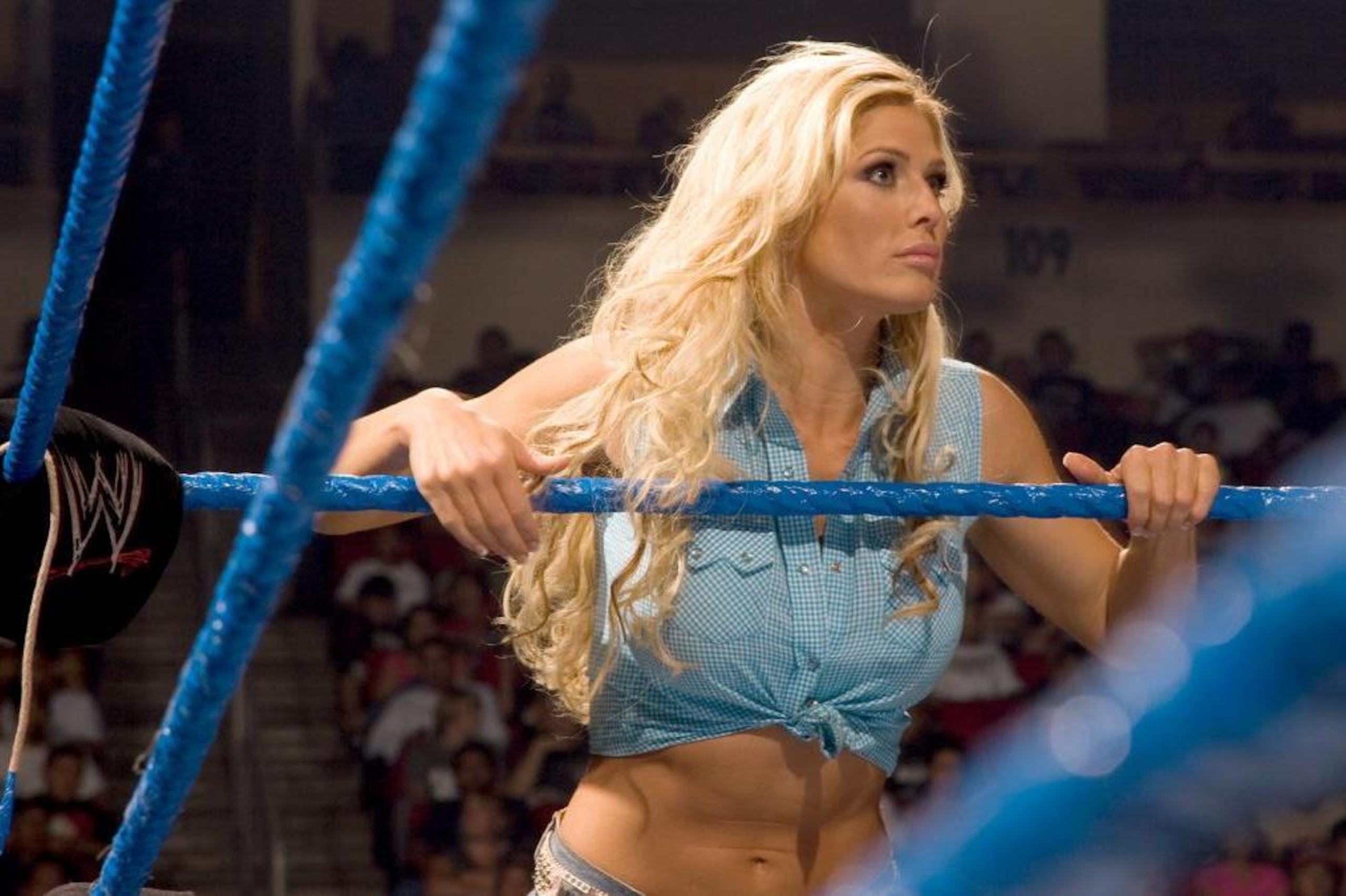
"But of course, when I see those matches today, with the eyes I have in 2017, of course, it was terrible. I can understand why not a lot of people were interested in the matches, but more into the women who were wrestling those matches, if we can even call that wrestling."
Laprade also said that Sisterhood of the Squared Circle does cover that era, which provides a great contrast to WWE's current product. Fans get the whole story of what women's wrestling was and what it became later. But what is the next step of evolution for women's wrestling in WWE?
Some fans believe that WrestleMania is the key to answering that question. Could two women from WWE actually work the main event on pro wrestling's biggest night? Charlotte and Sasha are two obvious choices to perhaps one day have that distinction, but Laprade's personal belief on the situation is a bit different.
"My belief is it's possible with the right people. I do think that from, and it's not a knock on anyone on the main roster right now, but I don't think that there's two women there that could actually main-event WrestleMania. That's a huge step from main-eventing just a regular pay-per-view or main-eventing a SmackDown or Raw. I do think they would need a more known name to that roster, and the person I have in mind is Ronda Rousey.
"Ronda openly says she loves wrestling; she did an angle a few years ago with The Rock, Stephanie and Triple H. And why I'm saying that, I'm not sure if Vince McMahon would actually see two women being able to, I'm not sure if he would see money out of two women main-eventing WrestleMania. I'm not sure if he's there yet in his openness to women wrestling. But Ronda Rousey has credentials."
But despite how much forward progress must be made until fans see two women main-event WrestleMania, WWE's work to this point cannot be denied. Women's wrestling is indeed relevant again, and perhaps more important than it ever has been. Of course the real issue is can WWE continue with the division in the right way, or does Laprade think the company will stumble when it counts the most?

"I don't think they're gonna drop the ball," he said. "I mean, you know, they have not always taken the easy road. Remember when that so-called revolution started, instead of just letting the fans grow a liking to these girls, like organically, they made teams, like a teacher will do. Those three will be together, and those three, instead of just letting, you know, the fans get into that new thing they were trying to do. It was a bumpy road when it first started.
"But still, they were able to overcome that and they were able to put women's wrestling to a level that it's never been put before in WWE. I'm sure they won't drop the ball. But sometimes they're gonna make a few mistakes here and there, which I guess is normal to a degree, but if their focus is to make sure that this division is no longer going back to what it was once, if that's the focus, they're going to succeed."
Laprade also discusses his views on the company giving its female talent a show on the WWE Network, which he believes is entirely possible. After all the cruiserweights have 205 Live and the United Kingdom division will eventually also be featured on the network; why not use the women to their full potential as well?
WWE does appear to be moving in the right direction, which is great news for any pro wrestling fan that's been waiting for this moment to finally arrive. With any luck, the company can continue pressing forward and do not only what's best for business, but also what's best for women's wrestling.
Pat Laprade's interview can be heard in its entirety here. Sisterhood of the Squared Circle: The History and Rise of Women's Wrestling, is available in book stores and through Amazon.
Tom Clark can regularly be seen on Bleacher Report. His podcast, Tom Clark's Main Event, is available on iTunes, Google Play, Amazon Android, Windows Phone and online at boinkstudios.com.
.jpg?w=2560 "Aiyuk Slammed by Ex-Teammates 😬")
.jpg?w=2560 "Report: Eagles to Sign Cowboys QB")

.jpg?w=2560 "Caleb Reposts Hype Video 🥶")
.jpg?w=2560 "Josh Jacobs Can Play in Week 7")
.jpg?w=2560 "Kittle Pushing for Mack Trade")