B/R Presents: NFL1000 Guide to Day 2 of the 2017 NFL Draft
The first round of the 2017 NFL draft was notable for a number of reasons.
Three teams traded up to get the quarterbacks they wanted, and now Mitchell Trubisky with the Bears, Patrick Mahomes with the Chiefs and Deshaun Watson with the Texans are in that unique pressure position of having to produce at the game's most important position in a hurry.
The Browns traded their way into three first-round picks, grabbing end Myles Garrett, defensive back Jabrill Peppers and tight end David Njoku. There were big runs on receivers and cornerbacks, and new Falcons end Takkarist McKinley fired the crowd up with his emotional, profane appearance on the big stage.
But now that the glamor spots are gone, it's time for the guys running the personnel offices of every NFL team to do a quick wrap-up of the first day, get a very little bit of sleep and get back on the phones to see what else may happen.
Day 2 of the draft carries the second and third rounds, and this is where these executive start to really make their money by plucking the best of the next level of draft picks.
There's a ton of talent left in this class, and here's how we see the stories developing.
Players to Know in Round 2 of the NFL Draft
1 of 7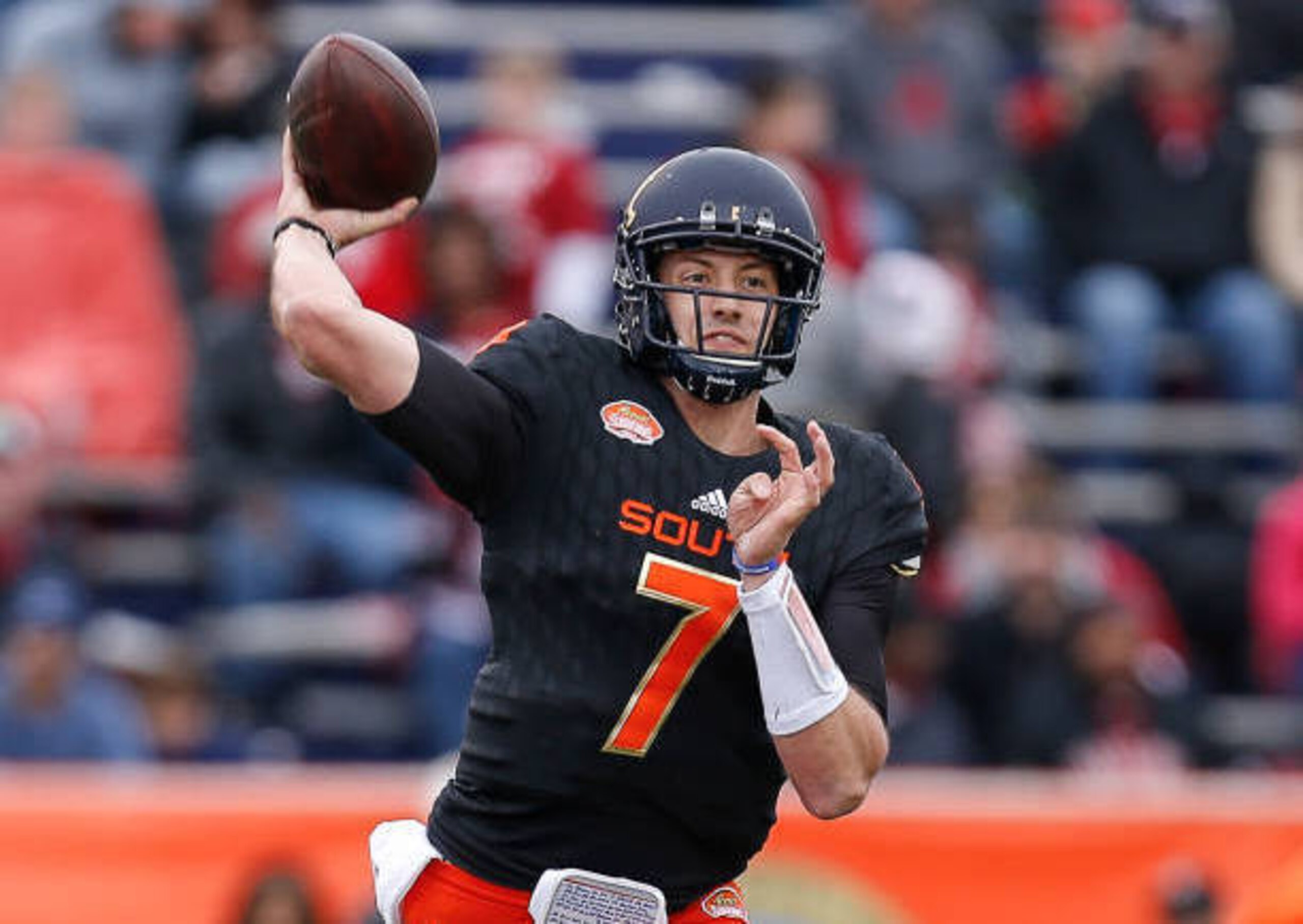
Cooper Kupp, WR, Eastern Washington
There's one reason Kupp isn't a first-round player in the minds of NFL executives and coaches: speed. When you watch Kupp, it's clear he doesn't have the raw speed to create separation from defenders. He gets free from coverage with an understanding of route concepts and leverage, which will make him an ideal slot receiver.
At 6'2" and 204 pounds, running a 4.62 40-yard dash at the combine, Kupp's measurables won't blow you away. You have to watch the tape to see him sink into zones, run two-way go routes from the slot and lull cornerbacks to sleep to understand his value.
He caught 117 passes on 153 targets for 1,704 yards and 17 touchdowns in 2016. Of those, 702 yards came after the catch.
Alvin Kamara, RB, Tennessee
Kamara gained just 1,294 yards rushing and 1,977 yards from scrimmage in his two years at Tennessee, so when you look at him as an elite production machine in the NFL, some projection is involved.
However, Kamara does have the potential to be a great rotational back. He accelerates impressively through gaps, can get to full speed to the outside in a hurry and is an accomplished receiver with an understanding of route concepts and catch mechanics.
Add in his value as a return man, and though Kamara isn't talked about in the same breath as Leonard Fournette and Christian McCaffrey, he could have a decisive impact in any offense where backs are tasked to be versatile.
Joe Mixon, RB, Oklahoma
Mixon's assault of a woman in a Norman, Oklahoma, restaurant in 2014 got him suspended for the entire 2014 season and has caused some NFL executives to take him off their boards entirely, per Bob McGinn of the Milwaukee Journal Sentinel.
It's more likely the assault just keeps Mixon out of the first round because of what he did for the Sooners in 2016: 1,812 yards from scrimmage on 224 plays, averaging 8.1 yards per play. Mixon is the kind of dynamic player who can redefine an offense as both a rusher and receiver.
That ability will make him tempting.
Davis Webb, QB, Cal
Webb began his collegiate career at Texas Tech before injuries took him out of the equation in favor of Patrick Mahomes. He moved on to Cal, excelling in two different Air Raid offenses.
He's a well-built athlete who throws most vertical routes quite well, but he does let defensive pressure affect his accuracy at times. Webb may have second-round tape, but he's one of the smartest and most well-prepared players in this draft class, which I discovered when I watched tape with him in March.
Webb can develop into a plus starter in time.
Players to Know in Round 3 of the NFL Draft
2 of 7
Kareem Hunt, RB, Toledo
Hunt's small-school background put him down the boards a bit, but make no mistake: He has the abilities and attributes to succeed in the NFL.
He gained 4,945 rushing yards and scored 44 touchdowns on 782 carries, adding 403 receiving yards his senior season. He fumbled just once in his collegiate career, and he finished second in the NCAA last season with 76 missed tackles.
Hunt has power at the line of scrimmage, but it's when he gets into the open field that he can really make things happen with his second-level speed and power.
Sidney Jones, CB, Washington
Jones may have had the best tape of any cornerback in this class. He can play press coverage and off-coverage (to a point), and he's especially impressive when following receivers over the middle and in short angular routes.
Unfortunately, his attributes were thrown in the back seat when he tore his Achilles at his pro day in March. When I recently reviewed Jones' tape with him, he told me he has a six-month timeline for recovery from his March 21 surgery. If that's true, it gets him on the field for his first season, but the time it will take to get his backpedal and recovery speed together may be longer.
Jones' NFL team may have to redshirt him as a result, but if he ever plays the way he did in college, getting him in the second or third round would count as the steal of this draft.
Nathan Peterman, QB, Pitt
I recently asked ESPN's Jon Gruden if he had to take one quarterback in this draft class, and had to start him in his first season, who would it be? Gruden said he would take Peterman because of his understanding of pro-style offenses, and he's not the only one in and around the NFL who thinks that way.
Coaches (and ex-coaches) love guys who don't require years to understand offenses and coverages, and Peterman gets a lot of praise for this. So, what pushed him out of the first day, and what might push him further down? He doesn't have ideal arm strength, and he'll have to be in the right offense.
Kirk Cousins, who the Redskins selected in the fourth round of the 2012 draft, is his ceiling.
Taylor Moton, OT, Western Michigan
Western Michigan receiver Corey Davis went fifth overall to the Titans, and there's another draft prospect from Kalamazoo who could succeed in the NFL from this class.
At 6'5" and 319 pounds, Moton looks the part, and he's a formidable run-blocker who can stone linebackers at the second level. To win consistently in the pros, however, he'll have to overcome a few technique issues. He allowed pass-rushers into his body too often, and his footwork is a work in progress.
Moton is a developmental player, but the upside is there.
Surprises of Round 1
3 of 7
Deshaun Watson, QB, Clemson
I had Watson going sixth to the Jets in my mock draft, but he fell to the 12th pick, where the Houston Texans pounced after their trade with the Browns.
Watson has excelled on the biggest stages, and that ability leads me to believe he'll be able to handle the pressure of starting right away in the NFL. The Texans have a QB depth chart of Tom Savage and Brandon Weeden, so Watson has to be thought of as the Day 1 guy.
Teams may have been concerned about Watson's 17 interceptions in 2016, as well as his conversion from a limited spread offense. Mitchell Trubisky and Patrick Mahomes, the quarterbacks taken before Watson, have better overall arms and perhaps more upside.
Still, Watson lands in a sweet place. The Texans were perhaps a quarterback away from a deep playoff run, and they might now have their guy.
Jonathan Allen, DL, Alabama
Allen put top-10 tape up during his time with the Crimson Tide, and I had him going seventh to the Chargers. But due to shoulder and possible back issues, Allen fell all the way to the 17th overall pick, and he'll be Chris Baker's replacement along Washington's defensive line.
That's an ideal fit for Allen, who can rush inside and outside at 6'3" and 286 pounds. He had 13 sacks, 13 quarterback hits and an astonishing 41 quarterback hurries last season, and he's also an excellent run defender.
Malik Hooker, S, Ohio State
Hooker went to the Colts with the 15th pick, but I had him going fifth overall to the Titans in my mock—the second defensive back off the board after LSU's Jamal Adams, who I projected as the second overall player.
It's surprising to me that Hooker fell this far because he's a potentially dominant deep-field safety, and those types of players are so rare and valuable in today's NFL. However, Hooker missed the combine and his pro day recovering from labrum and hernia surgeries.
Teams may have also been concerned that Hooker had just one season as a starter, but as long as he checks out medically, the Colts got a steal here. He has the range to run with any receiver, and he led the Big Ten with seven interceptions.
Offensive Linemen
According to NFL Research, this is the first time since 1982 that an offensive tackle hasn't been selected in the first 15 picks. In fact, no offensive lineman was selected until the Broncos took Utah's Garett Bolles at No. 20.
It makes sense when you consider that none of these offensive tackles—not Bolles, not Western Kentucky's Forrest Lamp and not Alabama's Cam Robinson—projects as first-year starters at either left or right tackle.
Bolles has the speed and nastiness but a lot of technique issues, and he's 25 years old in May. Lamp is a great technician, but with his shorter arms and limited agility, he might work better inside. The same could be said of Wisconsin's Ryan Ramczyk. Robinson is a bigger run-blocker who will need time to get the hang of pass protection in the NFL.
Dalvin Cook, RB, Florida State
Cook may have been the best back in the nation last season. He gained 1,765 yards on the ground, averaged 6.1 yards per carry and scored 19 touchdowns. Add 488 receiving yards to that, and you have the kind of back who can lead an offense.
I had him going 19th to Tampa Bay, but his off-field history clearly put teams off. Cook has multiple arrests on his record, and though he was never convicted, it's not a good look. Cook also has a shoulder issue, but to see him still available at the end of the first day is a shocker.
Malik McDowell, DL, Michigan State
I had McDowell going to the Redskins with the 17th overall pick, and it's clear to me that when he's on, he has the potential to be among the best defensive linemen in this class.
But the questions about his effort and attitude appear to be real, because based on the tape, he has the look of a first-round talent. Frankly, I didn't see severe effort issues from him. McDowell proved the ability to win from every gap, a rare skill, and his closing speed points to excellent overall effort.
Yet something must have happened in those interview rooms for a talent like this to still be available.
Cam Robinson, OT, Alabama
Utah's Garett Bolles and Wisconsin's Ryan Ramczyk were the only offensive linemen selected so far. That leaves Robinson as the man in the lurch, which says to me NFL teams were concerned about his 2016 arrest for weapons and drug charges.
Robinson wasn't prosecuted after the district attorney in Monroe, Louisiana, put forth some specious reasoning on the issue. In addition, while he is a powerful run-blocker, Robinson struggles against speed-rushers, and he may be a better fit at guard.

.jpg?w=2560 "Cardinals Giants Football")
.jpg?w=2560 "Hill Injury Update Football")
Best Team Fits in Round 2
4 of 7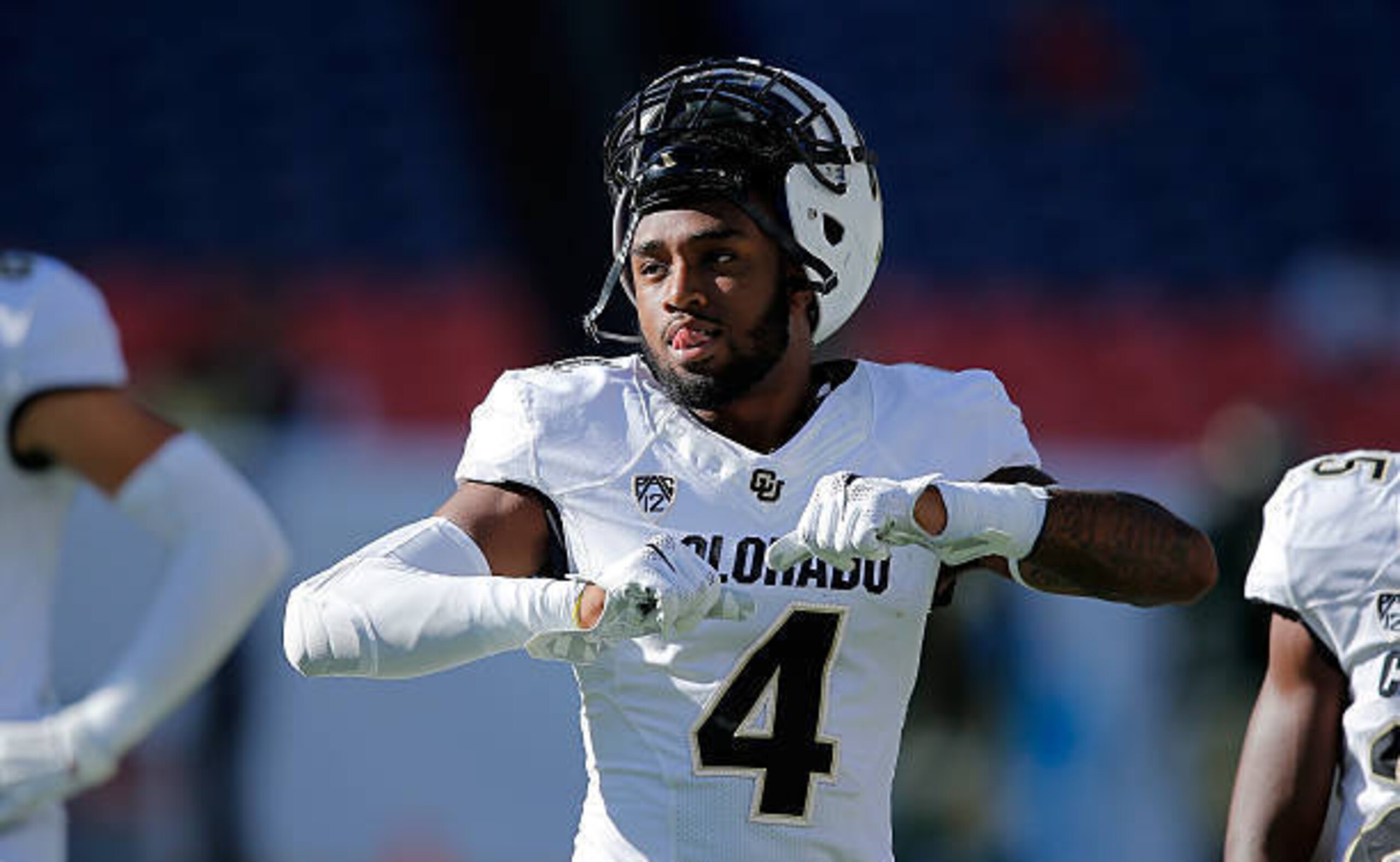
There's still a ton of talent left in the second round and beyond. Here's the best scheme and talent fits I see for the first 10 picks in Day 2.
Green Bay Packers: Chidobe Awuzie, CB, Colorado
If the Packers don't trade out of this pick, Awuzie would be an ideal fit for a cornerback-needy team. He's a lockdown press cornerback, making him a great fit in Dom Capers' defense.
Seattle Seahawks: Kevin King, CB, Washington
The Seahawks could go offensive line here, but from a scheme-fit perspective, it's hard to imagine a better fit than King, who has the size, aggressiveness and boundary speed to be an immediate fit in Pete Carroll's defense.
Jacksonville Jaguars: Carl Lawson, DE, Auburn
Getting Leonard Fournette with the fourth overall pick allows head coach Doug Marrone to define his offense around an elite power back.
Now, the Jags desperately need to reinforce their pass rush, and Lawson has the speed around the edge, and the strength to bull-rush, that defines top-tier pass-rushers in the NFL.
Chicago Bears: Zay Jones, WR, East Carolina
Now that the Bears are all set at quarterback, having given Mike Glennon a ton of money in free agency and traded up to take Mitchell Trubisky with the second overall pick, it's time to give these guys some receivers.
Jones is a high-volume receiver with the size, route awareness and ability to create after the catch that could make him a No. 1 receiver in the NFL.
Los Angeles Rams: Cam Robinson, OT, Alabama
Yes, the Rams signed Andrew Whitworth in free agency, but Whitworth is nearing the end of his career, and new head coach Sean McVay needs a developmental guy who has the potential to anchor Jared Goff's blind side in time.
Robinson is a great run-blocker who needs help with mechanics and footwork in the passing game. Who better to help him with that than Whitworth, one of the league's best technicians?
Los Angeles Chargers: Forrest Lamp, OT, Western Kentucky
It's easy to love the selection of Clemson's Mike Williams for the Chargers. Philip Rivers will be happy to have a receiver with Williams' ability to make contested catches. Now, it's time to help the Chargers offensive line.
Lamp was a tackle in college, but he projects better at guard in the NFL, where he can use his short-area toughness and technique. His lack of outside speed won't be an issue.
New York Jets: Dalvin Cook, RB, Florida State
The Jets also need a ton of help along their offensive line, but Cook could help ease the transition to the post-Matt Forte era. Though off-field issues took him out of the first round, Cook is a do-it-all back who can run with power, hit the outside with great speed and catch the ball efficiently.
This is a team in desperate need of offensive playmakers, and Cook would help address that.
Carolina Panthers: Malik McDowell, DL, Michigan State
It's time for the Panthers to get younger and stronger along the defensive line, and though effort and attitude issues apparently took him out of the first round, McDowell can be dominant on the field.
At 6'6" and 295 pounds, he can win everywhere from 1-tech tackle to edge-rusher, and if his intensity can be corralled, McDowell might be the best defensive lineman in this class.
Cincinnati Bengals: Dan Feeney, OG, Indiana
Losing Kevin Zeitler in free agency was a huge hit for Cincinnati's offense. Zeitler's combination of power and agility will not be easily replaced.
Feeney can drive people back, and his ability to transition to pass blocking at a high-volume level in Indiana's tempo offense proves his versatility. He's a two-time team captain whose work ethic is lauded.
New Orleans Saints: Budda Baker, S, Washington
Getting Marshon Lattimore with the 11th overall pick will help a cornerback rotation in desperate need, but the Saints need reinforcements at safety as well. Baker fits the bill because he can play multiple roles.
He can come down and deal with slot receiver and tight ends or back off to the deep third and play center field. His size (5'10", 195 lbs) may have dropped him out of the first round, but given the increased demand for positional versatility among NFL safeties, Baker looks like an ideal fit here.
Which Quarterbacks Could Go in Day 2?
5 of 7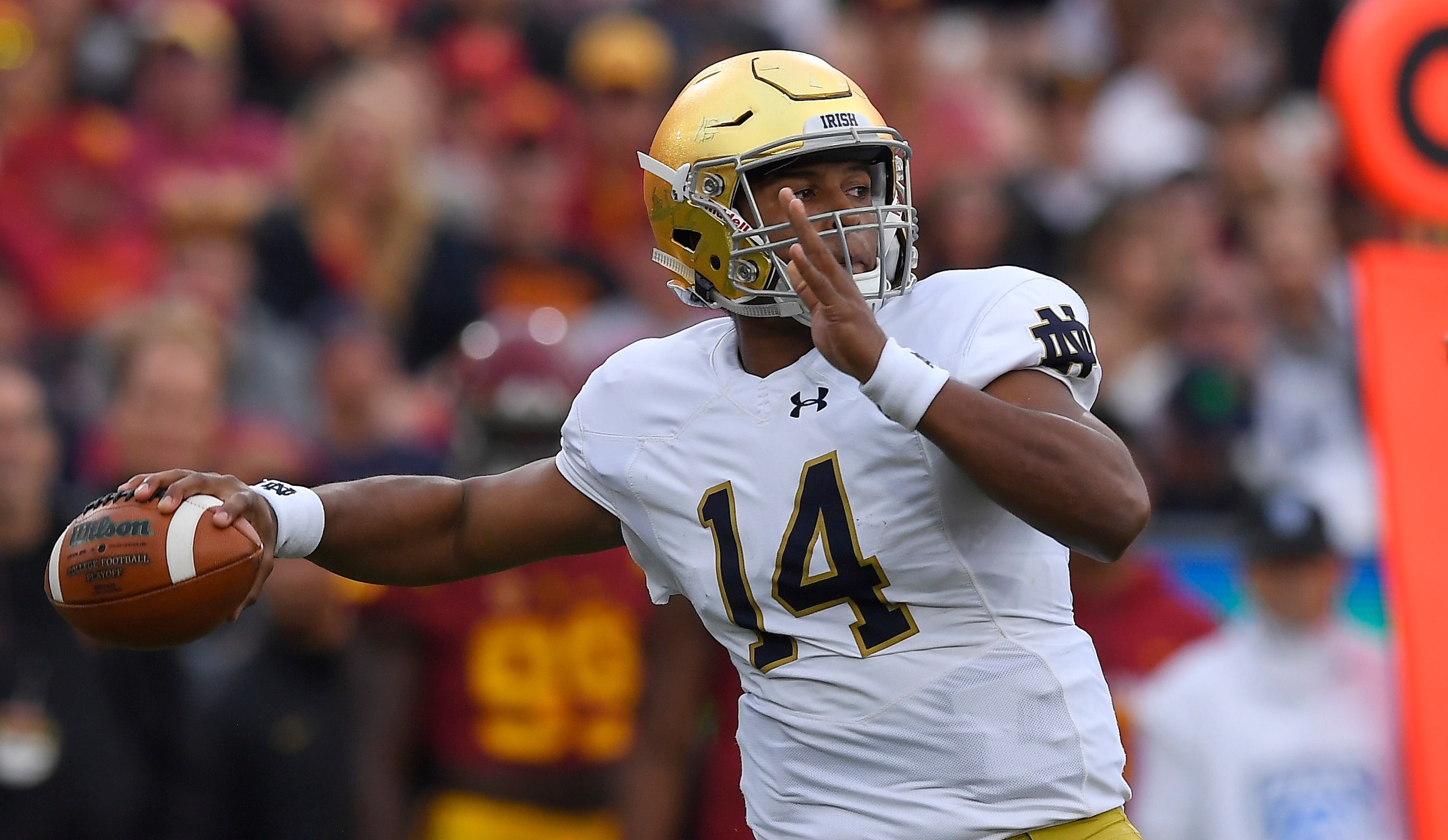
The narrative says that none of the quarterbacks in this draft class are ready to start in the NFL right away. That didn't stop the Bears, Chiefs and Texans from trading up to get the quarterbacks they wanted, and there's still a lot of developmental talent at the position.
Who could go in Day 2?
DeShone Kizer, Notre Dame
Kizer threw for 5,809 yards, 47 touchdowns and just 19 interceptions in two seasons for the Fighting Irish. At 6'4" and 233 pounds, he has the ideal size for the position, and he has both velocity and touch to complete any downfield pass.
He worked out of an advanced playbook, so there won't be a lot of concerns about adapting to the complexity of NFL schemes. However, Kizer has a habit of throwing late, making completions more complicated than they need to be, and he doesn't always throw from a consistent base.
He'd be a great project quarterback for a vertical offense.
Davis Webb, Cal
After losing his starting job to Patrick Mahomes at Texas Tech, Webb transferred to Cal, where he broke a lot of Jared Goff's single-season records.
He has as much game intelligence as any quarterback in this class. He can easily break down blitzes and coverages, and he has a great deep arm when his mechanics are straight.
Webb needs work in his overall accuracy, especially under pressure. There are too many times when he doesn't get the ball where it needs to be on time. Any West Coast offense team with a need for a young quarterback who can develop would do well to take him in the second round.
Nathan Peterman, Pitt
Peterman transferred to Pitt after failing to beat out Joshua Dobbs at Tennessee, but he was certainly efficient enough for the Panthers, with 47 touchdown passes to 17 picks in two seasons.
In addition, he has enough experience in a pro-style offense to allay the fears of those executives and coaches who are gun-shy when it comes to spread quarterbacks.
Peterman doesn't have ideal arm strength, which could push him into the late second or early third round, but he does project well as a starter in a power-based scheme or as a top-level backup.
Joshua Dobbs, Tennessee
Dobbs started the last two seasons for the Vols, increasing his production and efficiency against some of the NCAA's best defenses.
At 6'3" and 216, he'll need to put on a bit of weight to handle the pounding quarterbacks take at the NFL level, and he needs to throw more with his lower body. His mechanics can suffer because of this. But he's a full-field reader with a great arm who throws with anticipation.
Dobbs isn't a first-year starter by any stretch of the imagination, but he could be worth a third-round pick for the things he has already developed and the physical potential to do more.
Trends to Watch in Day 2
6 of 7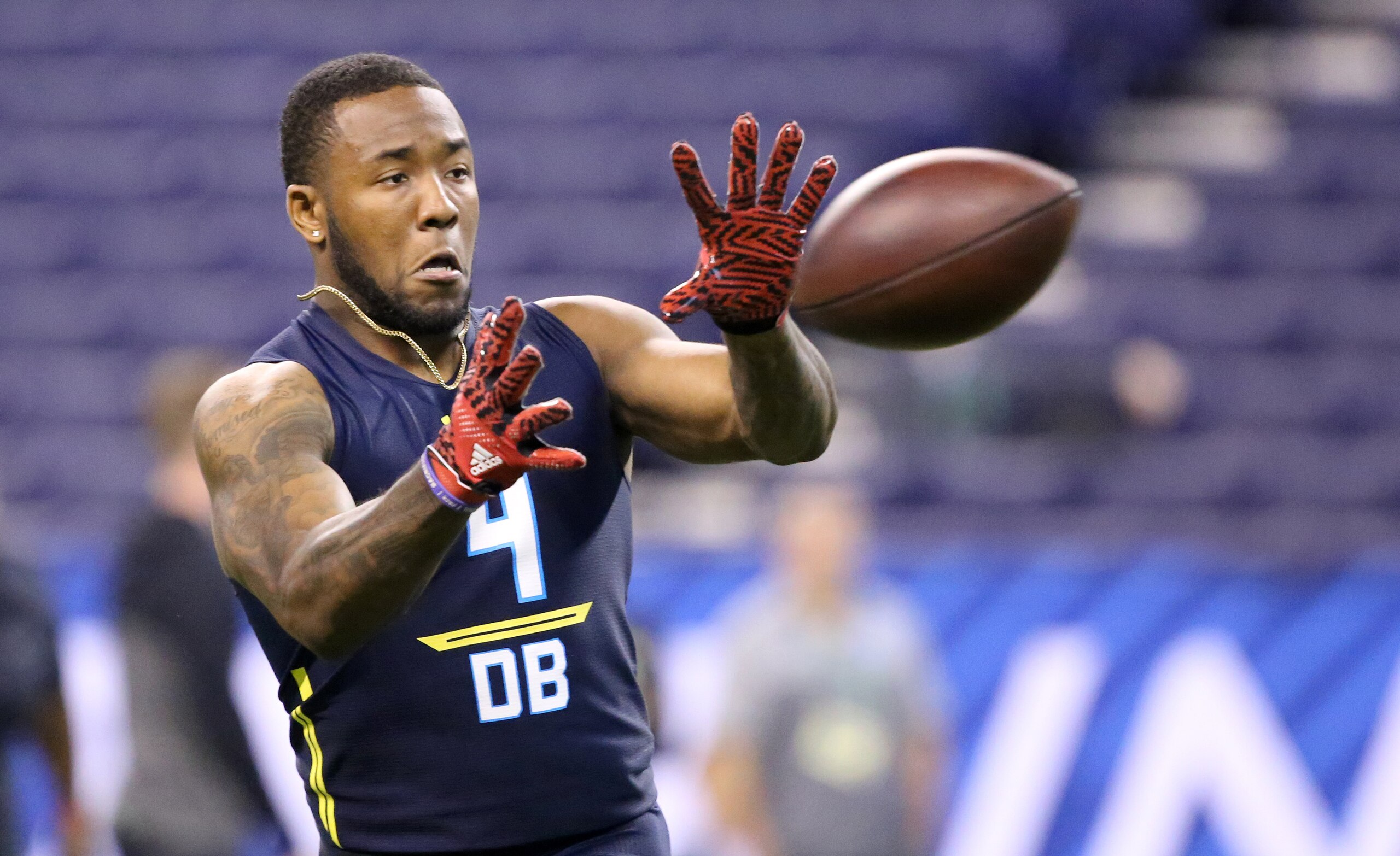
With NFL trends and preferences ever-changing, here's a few things we expect to guide the selections of teams in the second and third rounds.
Slot Transition
NFL teams have been playing sub-package defense as their base defenses over the last few years, and according to ESPN's research department, they did so on 68 percent of their snaps in 2016.
The Patriots were in either nickel or dime on an amazing 88 percent of their total snaps, and this trend means one thing: You're going to see more slot cornerbacks and multiposition defensive backs selected in the second and third rounds to cover all that ground.
Colorado's Chidobe Awuzie and Washington's Budda Baker are among the best slot defenders in this draft class, which adds to their overall value (Awuzie as an outside cornerback, and Baker as a rangy safety).
Likewise, expect to see a run on slot receivers in the second and third rounds. Eastern Washington's Cooper Kupp and Eastern Carolina's Zay Jones are two receivers to watch in this regard.
Multifaceted Running Back
When the Panthers took Stanford's Christian McCaffrey with the eighth overall pick, it represented a clear change in offensive philosophy. McCaffrey is a great running back, but he's not the power guy the Panthers have preferred in years past. He can get his production in many ways.
Moving to the second and third rounds, there's a lot of backs who can produce for their teams as both rushers and receivers, as pure starters or in a rotation.
Florida State's Dalvin Cook and Oklahoma's Joe Mixon fit in this category if teams are willing to overlook their off-field issues, but there are other options as well. Toledo's Kareem Hunt, Tennessee's Alvin Kamara and San Diego State's Donnel Pumphrey are other guys who can get it done as rushers and receivers.
Multigap Pass-Rusher
If you want proof that teams covet the pass-rusher who can win from multiple gaps, look no further than the 49ers' selection of Stanford's Solomon Thomas as the third overall pick. Thomas has an ability to generate pressure from the end and tackle positions, and with today's hybrid fronts, that versatility is a necessity.
Look for Michigan State's Malik McDowell, Kansas State's Jordan Willis, Michigan's Chris Wormley and Youngstown State's Derek Rivers to draw attention as players who can generate pressure inside and outside.
Teams to Watch on Day 2
7 of 7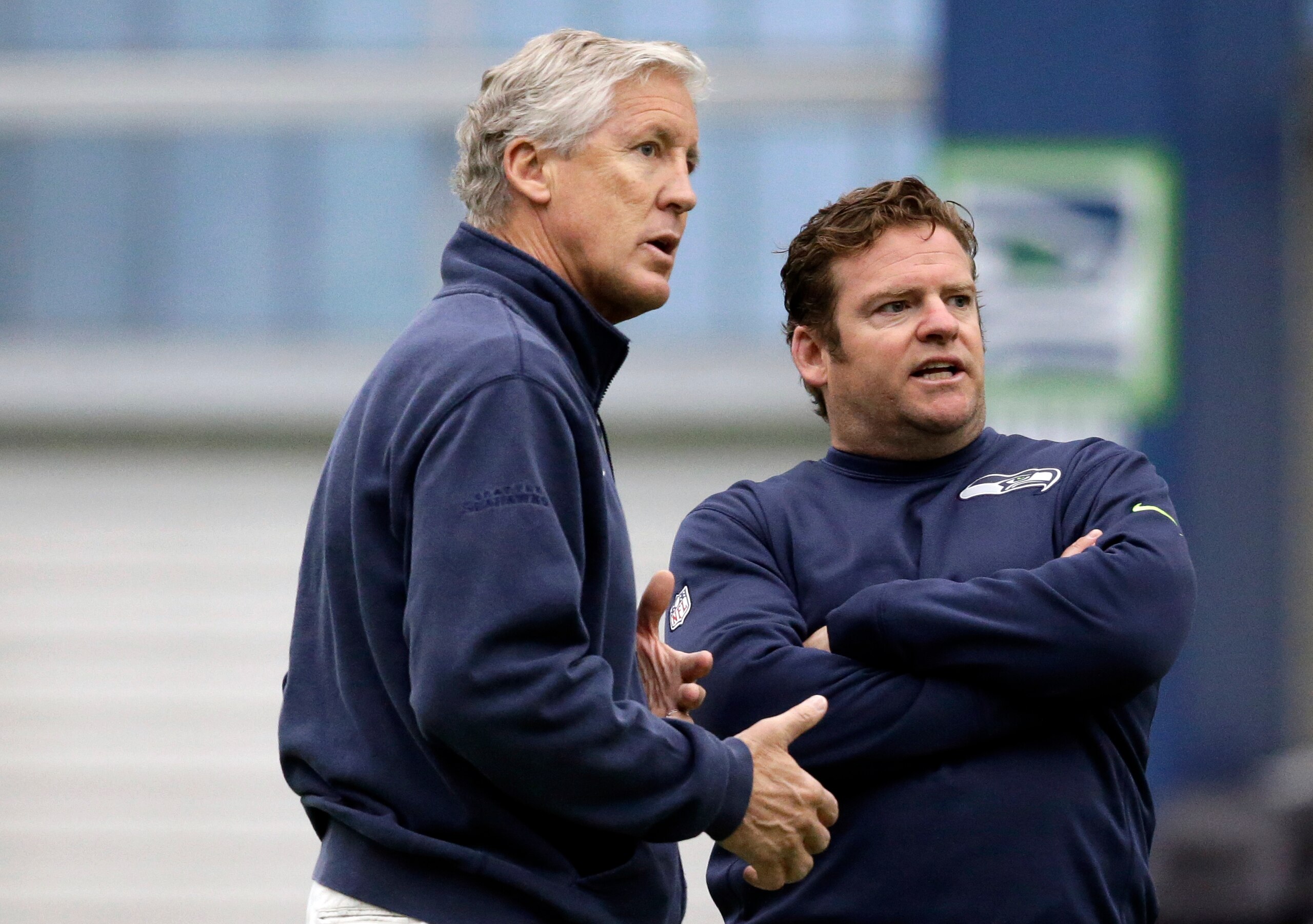
Here are the teams with the most picks in the second day and how they could use those picks.
Green Bay Packers
The Packers have the 33rd and 61st overall picks in the second round and the 93rd overall pick in the third round. They have clear needs at running back, cornerback, linebacker and along the defensive line. They had no first-round pick; they traded it to Cleveland and got the 33rd and 108th picks in return.
Seattle Seahawks
Seahawks general manager John Schneider loves to trade down and acquire additional midround picks, and with the moves he's made, Seattle has the 34th and 58th overall picks in the second round and the 90th, 95th, 102nd and 106th overall picks in the third round.
Schneider must address needs all along the offensive line, at cornerback and safety, and at backup quarterback.
Cleveland Browns
Incredibly, after making the trades that netted them three first-round picks in the 2017 draft, the Browns still have the 52nd overall pick in the second round and the 65th overall pick in the third round. They still have obvious needs at quarterback, cornerback and linebacker.
Minnesota Vikings
The Vikings didn't have a first-rounder in this draft, having traded it to the Eagles for Sam Bradford last year. However, they have the 48th overall pick in the second round and the 79th and 86th picks in the third round.
They'll likely look to address needs along their offensive line, as well as running back and linebacker.
New Orleans Saints
The Saints had two picks in the first round thanks to the Brandin Cooks trade, and they have three picks on the second day: the 42nd overall pick in the second round and the 76th and 103rd picks in the third round.
They took Ohio State cornerback Marshon Lattimore with the 11th overall pick, but they still could use more help at that position, as well as safety, linebacker, pass-rusher and receiver.
.jpg?w=2560 "Titans Giants Football")
.jpg?w=2560 "Dolphins Bills Football")