

Breaking Down Every NFL Team's Draft Tendencies
It's speculation season. Everyone in the media is publishing mock drafts because fans just can't get enough of them. They take educated guesses, maybe with the help of sources who at best are correct half the time, to construct what fans might see Thursday night.
Fans then rip them apart because they don't like a player they've seen five minutes of YouTube highlights of or because of what a coach or general manager said about a position group in Indianapolis. Here are the best tips about draft season: Everyone has an agenda; don't trust anything that comes out of anyone's mouth when there's a microphone around; and judge a franchise's future based on its past actions rather than current words.
For the most part, general managers never change. What and how they value draft picks has been embedded in them for over a dozen years as they work through a front office tree, and for better or worse, they dance with the one that brought them.
If a general manager hates small school players, he's probably going to avoid them—in success and failure. If a general manager loves trench players, he's probably going to hoard them—in success and failure.
With that in mind, just days before the draft, we took a look at every NFL decision-maker's early-draft tendencies. During a time in the draft cycle that is full of speculation but lacking in action, we'll throw some facts at you in the calm before the storm.
Arizona Cardinals
1 of 32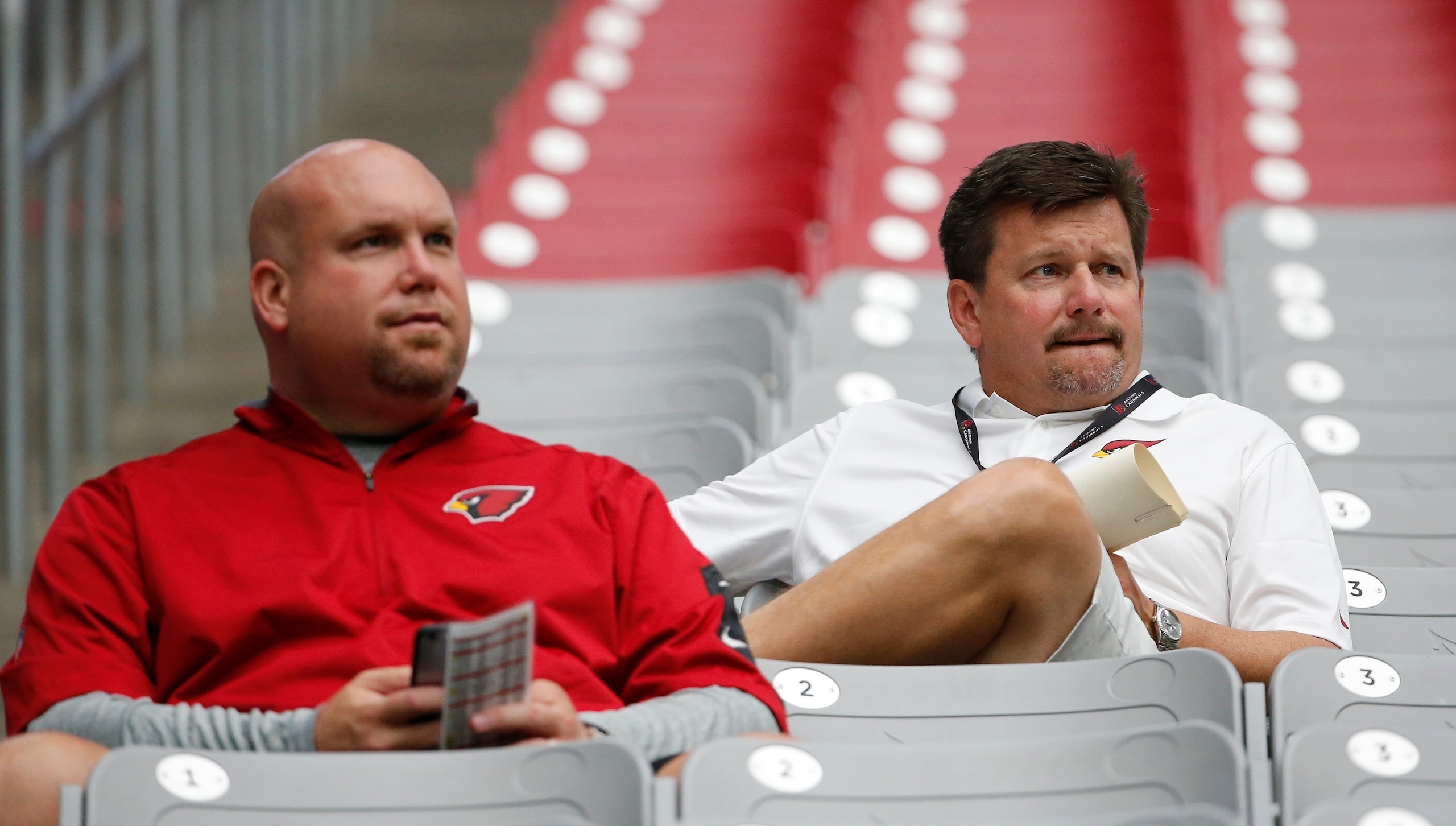
Since Steve Keim took over as Arizona Cardinals general manager in 2013, the only tendency the team has shown is the absolute disregard of fear. In the first half of the draft alone, Keim's Cardinals have picked players out of Northern Iowa, Pittsburgh State, Delaware State and James Madison—all far from the football factories of Alabama and Ohio State.
They've taken character risks in defensive back Tyrann Mathieu of LSU and defensive lineman Robert Nkemdiche of Mississippi. They took Markus Golden, a productive pass-rusher from the Southeastern Conference who was an over-aged 24-year-old rookie. They didn't shy away from former Texas A&M receiver Ryan Swope because of his concussion history.
They aren't scared to redshirt players, like first-round picks Nkemdiche and D.J. Humphries, or ease them into different positions, like Andre Ellington, Deone Bucannon and Brandon Williams. They were also the team to take Logan Thomas, who was projected to be the first selection at his position but fell from the mountaintop in his last two years at Virginia Tech.
Every pick hasn't turned out for Arizona, but it embodies the "shooters shoot" saying. If you are a GM and there is a Football Championship Subdivision prospect you like, you need to worry about the Cardinals taking him before your next pick. If there is an injured player or one with character issues you like, you need to worry about Arizona taking him before your next pick.
Atlanta Falcons
2 of 32
While Thomas Dimitroff has been the general manager of the Atlanta Falcons since 2008, it seems like the team turned around its philosophy at certain positions once former Kansas City Chiefs general manager Scott Pioli came to town in 2014 to become assistant general manager.
Pioli was the general manager who took chances on Justin Houston, Allen Bailey and Dontari Poe. He clearly put an emphasis on athletic defensive lineman.
With the Falcons, he has added Ra'Shede Hageman, Vic Beasley and Grady Jarrett through the draft and signed Adrian Clayborn, a former first-round pick who is athletic for his frame (6'3", 280 lbs), Brooks Reed, whose NFL production has never matched his combine testing, and Dwight Freeney, one of the best speed-counter pass-rushers in this generation of the NFL.
Atlanta lacks a second starting-caliber pass-rusher, so it wouldn't be out of the question for it to grab one early. Keep an eye on the likes of Houston's Tyus Bowser, Wisconsin's T.J. Watt, Kansas State's Jordan Willis and Youngstown State's Derek Rivers.
Baltimore Ravens
3 of 32
Since 2003, Ravens General Manager Ozzie Newsome has selected five defenders and seven offensive players in the first round.
The key is they tend to target premier positions in the first round. Of those 12 first-round picks, nine played at the line of scrimmage: four linemen, two quarterbacks, two receivers and one bookend compared to one off-ball linebacker and two defensive backs.
If you're trying to project who Baltimore will look at early, your best bet is to eye the big-money positions. It doesn't seem like the Ravens care where players come from, either. Newsome is a former Southeastern Conference tight end, but he's taken players from programs like the Football Championship Subdivision's Delaware, the mid-major's Central Florida and the low-end Power Five's Colorado.
In his run with Baltimore, Newsome has drafted just about every type of player: good athletes and bad athletes, tweeners and prototypes. On the surface, the Ravens appear to targets players based on what they think of their film instead of their measurables or pedigrees.
.jpg?w=2560 "Colts Football")
.jpg?w=2560 "Chiefs Giants Football")
.jpg?w=2560 "Titans Colts Football")
Buffalo Bills
4 of 32
Doug Whaley's draft history has been interesting. In the last three years, the Buffalo Bills have made 20 draft selections. Here's the conference breakdown of those picks:
- ACC: 10
- SEC: 3
- Big 12: 2
- Big Ten: 2
- Pac-12: 1
- Other: 2
The only non-Power Five conference selections were two seventh-round picks out of Florida Atlantic and Central Arkansas. On top of that, half of the selections came out of one conference alone in the ACC. Those picks included the trade for Clemson receiver Sammy Watkins where the Bills traded away their first round selection in 2015 to move up in the 2014 NFL Draft.
The Bills also at least double-dipped with five programs: Clemson, Florida State, Alabama, Louisville and Ohio State. The head coaches of those five programs have a combined 64 years on the job, and all but one, Louisville's Bobby Petrino, has won a national championship.
It's possible Whaley thinks prospects used to playing in East Coast weather are especially important in Buffalo, which has lost many players in free agency and seems to have to pay above market value for players on their second contracts. The staff also seems to believe in winning programs. The Bills haven't won a playoff game since 1995, the same year some of these 2017 draft prospects were born, so it makes sense they'd want to infuse their locker room with leaders and champions.
Buffalo has 51 receptions returning from its receivers. It needs help at that position more than any team in the NFL and also needs a receiver who can block for the running game, so you can assume Washington's John Ross is out of the question. That leaves Clemson's Mike Williams, an ACC product, and Western Michigan's Corey Davis. History says the pick will be Williams.
Carolina Panthers
5 of 32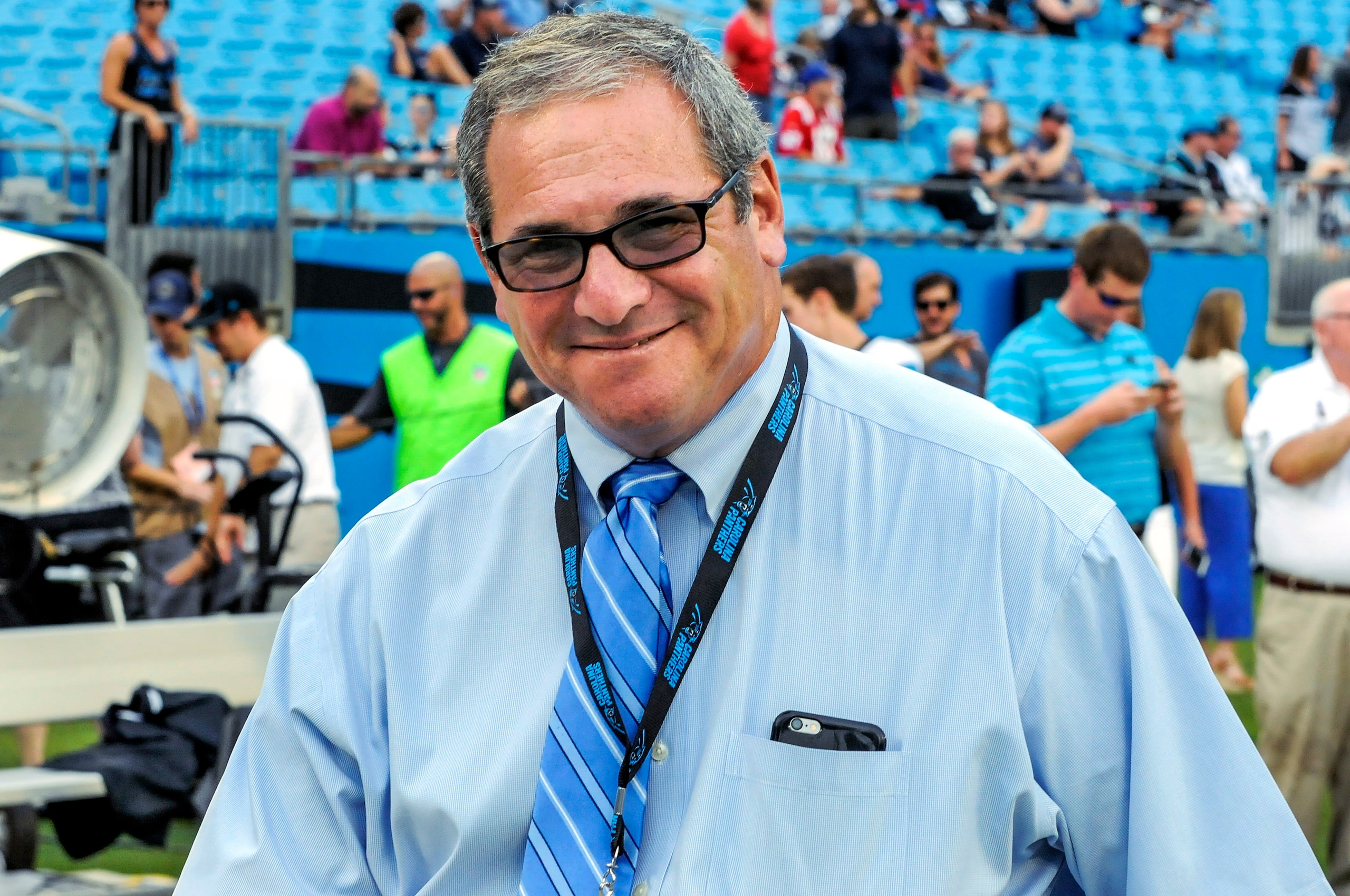
Dave Gettleman is a 66-year-old who was the head coach of a high school football team in 1973. Dave Gettleman builds the Carolina Panthers like a 66-year-old who was the head coach of a high school football team in 1973.
In the first four rounds of the draft, he has picked line-of-scrimmage players and unathletic defensive backs in volume. He also drafted Kelvin Benjamin, Kony Ealy and Devin Funchess—players who play premium-athleticism positions without premium athleticism.
His starting linebackers are all former first-round picks. He didn't draft them all, but he's taken it upon himself to re-up their deals while letting players like Josh Norman walk. On Sundays, the Panthers use tight ends in extra protection to try to get the ball to their big wideout targets when they aren't trying to run power plays on the ground.
They say the NFL has ebbs and flows and that the league will turn into a running one again soon, and it seems like Gettleman has been expecting that trend to swing his way for years now. If a player is better suited for the 1980s NFL than the 2010s NFL, he's the type of guy who ends up in Carolina.
LSU's Leonard Fournette, a one- or two-down running back, and Alabama's O.J. Howard, who was used mostly as a blocking tight end, would make sense on offense. Tennessee's Derek Barnett and Michigan's Taco Charlton, two big-school defensive linemen who lack the athleticism of stud first-round pass-rushers, would make sense on defense.
Chicago Bears
6 of 32
If you're trying to pin down the tendencies of a general manager who is heading into just his third draft, you're going to have a bad time. It's hard and possibly reckless. If there aren't trends, you have to act like the GM is a blank slate.
Outside of one trait, there doesn't seem to be a rhyme or reason for how Chicago Bears general manager Ryan Pace drafts players. With that in mind, let's look into which programs his top-180 draft picks have come from. That sample includes all but two sixth-round picks and one seventh-round pick.
In 2015:
- West Virginia
- Florida State
- Oregon
- Michigan State
- Penn State
- TCU
In 2016:
- Georgia
- Kansas State
- Florida
- West Virginia
- Miami (Fla.)
- Northern Iowa
- Indiana
Of those 13 selections, 12 of the first- through fifth-round picks not only came from the Football Bowl Subdivision, but they also came from Power Five conferences. There are over 250 Division I football programs in America, but 11 of Pace's 12 picks came from just a small pool of 64 teams.
Even Pace's Northern Iowa pick, cornerback Deiondre' Hall, was a Senior Bowl and combine invite. The Bears aren't going to dig deep for selections at the top of the draft.
Cincinnati Bengals
7 of 32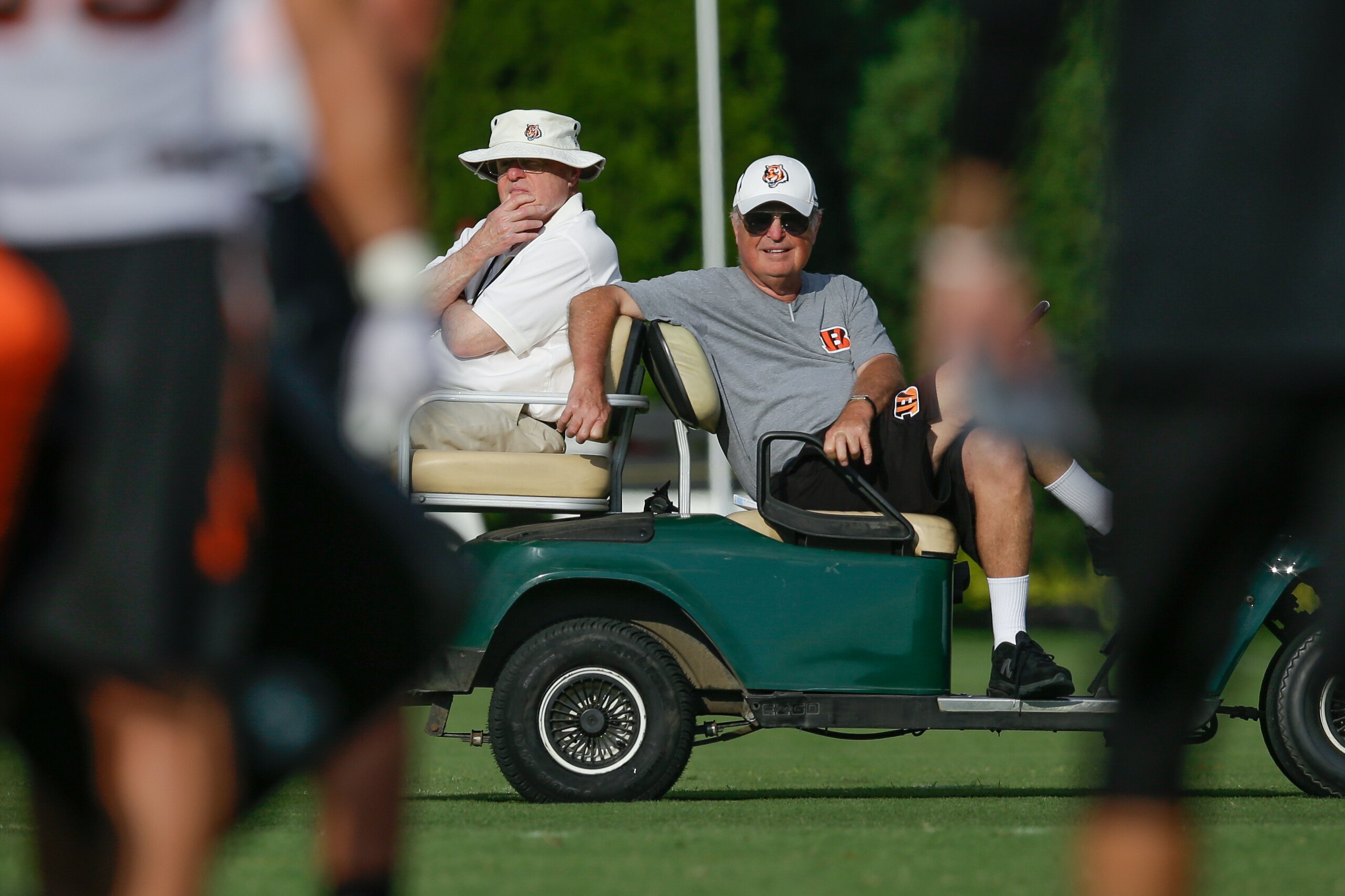
Mike Brown is the owner of the Cincinnati Bengals. Mike Brown is the general manager of the Cincinnati Bengals. When the owner wants something done, it happens. For whatever reason, the Bengals have a strong lean toward long 4-3 defensive ends.
You don't have to look anywhere but the team's recent depth charts to know this. Their star defensive end, Carlos Dunlap, is listed at 6'6". The team's second-best defensive end in its recent stretch under head coach Marvin Lewis has been Michael Johnson, who is listed at 6'7".
Cincinnati spent a second-round pick on Margus Hunt, who is listed at 6'8", in 2013. It also used a third-round pick in 2014 on Will Clarke, who is listed at 6'6". For a 4-3 team, the Bengals sure draft their defensive ends like they play a 3-4.
In this class, Michigan State's Malik McDowell, Michigan's Chris Wormley, Michigan's Taco Charlton, Villanova's Tanoh Kpassagnon, Texas A&M's Daeshon Hall and Arkansas' Deatrich Wise would be solid bets to land with Cincinnati, which is struggling on the edge.
Cleveland Browns
8 of 32
We're in Year 2 of the Paul DePodesta-Sashi Brown-Hue Jackson triumvirate in Cleveland. From the outside looking in, it seems DePodesta is the numbers mind, Brown the marketing mind and Jackson the football mind.
The Browns still don't have much of an identity as a team, but they do have an identity in transactions. In 2016, they made 14 draft selections after trading down from the second overall pick. Many thought they would package those pieces for higher draft picks, but their mentality was obviously to post a good batting average.
After trading a third-round pick for New England Patriots linebacker Jamie Collins, who received an extension before he hit the open market, Cleveland has 11 selections to make in the 2017 draft. In addition to a sixth-round pick this year, it added a 2018 second-round pick in exchange for a fourth-round pick and Brock Osweiler in a move that had never before been made in the NFL.
The Browns have already acquired four extra picks, including two second-rounders, in the 2018 draft while retaining all of their original selections. Without adding compensatory picks to the equation, that means Cleveland has 36 picks over a three-year span in a sport with 53-man rosters.
At some point, the team is going to run out of roster slots, but until then, it appears to be loading up on draft picks in bulk. Everyone expects the Browns to trade up from the 12th overall pick, but they went from picking second overall to eighth overall to 15th overall last year. A trade down shouldn't be out of the question.
Dallas Cowboys
9 of 32
Recently, it seems like Jerry Jones and the Dallas Cowboys have taken a draft-and-develop approach, much like the Green Bay Packers and Seattle Seahawks. They're more willing to bring in great athletes and trust their coaching.
At the top of last year's draft, they picked Ohio State running back Ezekiel Elliott and Notre Dame linebacker Jaylon Smith. Maliek Collins of Nebraska was a defensive tackle with the hips of a linebacker. Collins scored at or above the 70th percentile among defensive tackles in both the three-cone and short shuttle drill, according to Mockdraftable. He started 14 games as a rookie and nearly led the team in sacks with five.
Charles Tapper of Oklahoma, a defensive end, missed most of the 2016 season but ranked in the 95th percentile among ends in the 40-yard dash, according to Mockdraftable. Darius Jackson, a sixth-round pick, was most comparable to David Johnson, another former small school running back, on Mockdraftable. Rico Gathers, a former Baylor basketball player, was drafted as a tight end in the sixth round.
The year before, Byron Jones, a defensive back from UConn who broke the combine broad jump record, was the team's first-round pick. Randy Gregory, a former Nebraska pass-rusher, was the team's second-round pick. His 6.80-second three-cone time at his pro day, per NFL Draft Scout, would have been 0.05 seconds off the fastest time in this year's group of defensive linemen and linebackers at the combine.
Under defensive coordinator Rod Marinelli, the team seems to be targeting athletes, especially along the defensive line. If a player flashed explosion or agility in drills, it's safe to assume he's on Dallas' draft board.
Denver Broncos
10 of 32
In 2011, John Elway took over as the executive vice president of football operations with the Denver Broncos, the team he had won two Super Bowls with as quarterback. This year, he has two draft picks in the first two rounds, with the latter being the 51st overall pick.
Since 2011, he's used eight draft choices in the first 51 picks. Here's the breakdown of those picks:
- Defensive linemen, outside linebackers: 4
- Defensive backs: 2
- Offensive tackle: 1
- Quarterback: 1
Three-fourths of his high picks have been spent on defenders, which isn't surprising considering he built a legendary defense and is a former quarterback. What's the biggest obstacle he ever faced as a professional? Super Bowl-caliber defenses.
Now, you can go ahead and cross quarterback off the list since Trevor Siemian is still the team's starter and Paxton Lynch, a sophomore first-round pick, is still on the bench. If the team wanted to make a run at a quarterback, it could have tried to impress former Dallas Cowboy Tony Romo or signed former San Francisco 49er Colin Kaepernick, who, according to the Denver Post's Nicki Jhabvala, met with Elway last offseason about a possible trade to the Broncos.
That leaves the premium positions of defenders and offensive tackle on the table for Denver's first two picks, with the former earning a six-to-one lean. That seems significant.
Detroit Lions
11 of 32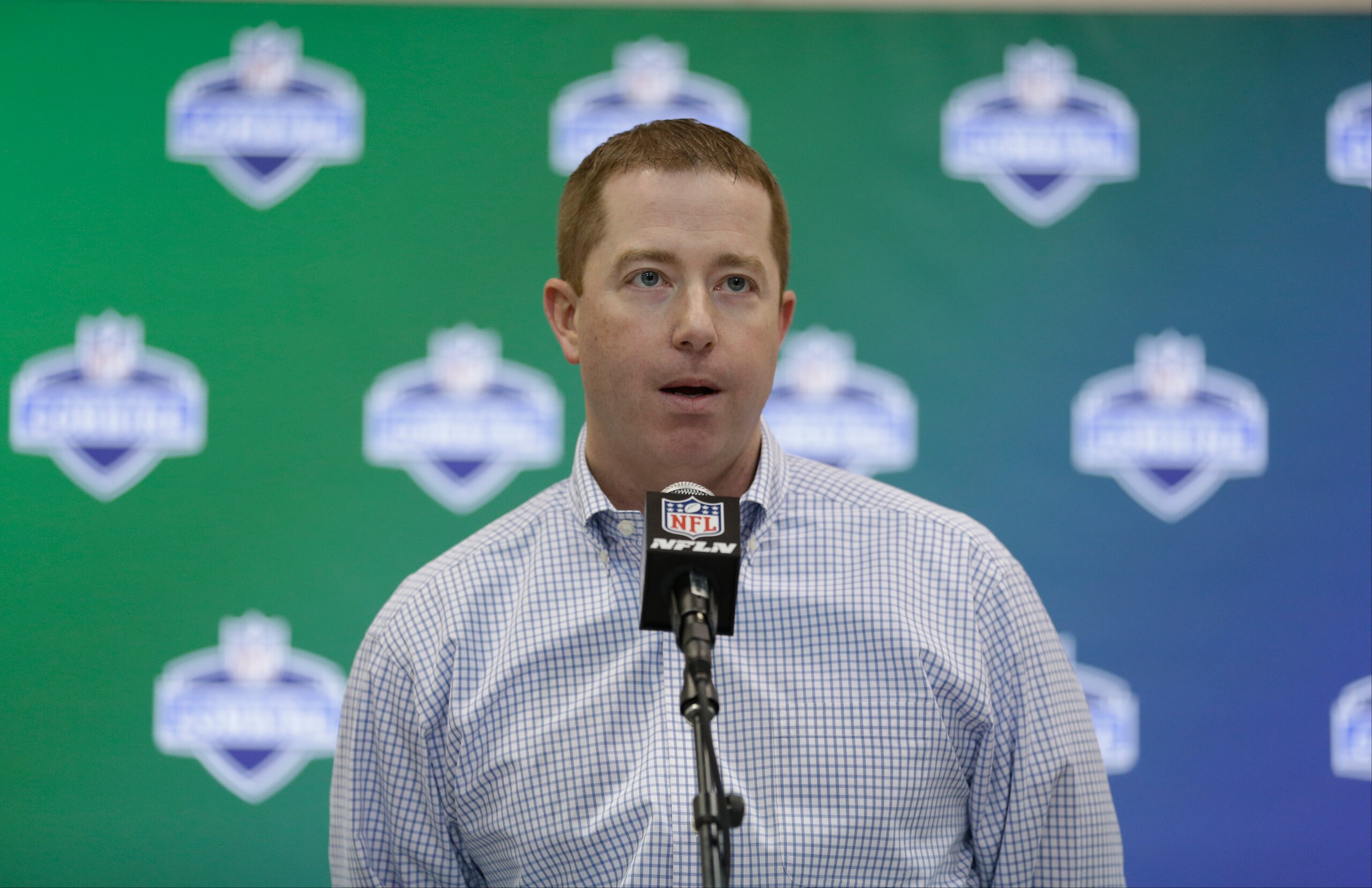
Bob Quinn of the Detroit Lions has only been on the job for a year, but he's already establishing the Patriot Way in the Motor City. Quinn was with New England in various role from 2000 to 2015, and his first three picks with the Lions tell a story.
Besides Randy Moss and Corey Dillon, two short-lived experiments, the Patriots never had flashy offensive talents while Quinn was in New England. They built their offense in the trenches and at quarterback while loading up a bend-don't-break defense in various forms.
Quinn's top-100 picks last year are as follows:
- 6'7", 311-pound offensive tackle Taylor Decker
- 6'3", 320-pound defensive tackle A'Shawn Robinson
- 6'6", 308-pound guard Graham Glasgow
Expect beef to be a yearly tradition in Detroit as long as Quinn is making decisions.
Green Bay Packers
12 of 32
The Green Bay Packers have strong tendencies all over the board, at least in the early rounds. Al Davis is Ron Wolf, and Ron Wolf is Ted Thompson. Some of that Davis rubbed off on Thompson, and it's why he's been one of the more consistent general managers in the NFL.
With the Packers, he's only drafted one receiver under 5'11": Randall Cobb. In the last decade, he hasn't drafted an offensive lineman who wasn't a college left tackle in the first four rounds. He won't even look at a defensive back who isn't closer to 5'11" than 5'10".
In the last decade, this is how his first-round picks have been used:
- Interior defensive linemen: 3
- Pass-rushers: 3
- Offensive tackles: 2
- Defensive backs: 2
He seems to be process-orientated, and that means drafting from valuable positions at the top. Offensive skill players, interior offensive linemen and off-ball linebackers seem to be out of the question early.
He hasn't drafted an interior offensive linemen in the first four rounds in a decade. Since defensive coordinator Dom Capers, the longest-tenured defensive coordinator in the league, came to town, he hasn't drafted an off-ball linebacker in the first three rounds of the draft, either.
Houston Texans
13 of 32
Rick Smith has been the general manager of the Houston Texans since 2006. In over a decade, he has favored defensive players at the top of the draft.
Here's how his first-round picks have gone:
- Mario Williams, EDGE, North Carolina State
- Amobi Okoye, DL, Louisville
- Duane Brown, OT, Virginia Tech
- Brian Cushing, LB, USC
- Kareem Jackson, CB, Alabama
- J.J. Watt, DL, Wisconsin
- Whitney Mercilus, EDGE, Illinois
- DeAndre Hopkins, WR, Clemson
- Jadeveon Clowney, DL, South Carolina
- Kevin Johnson, CB, Wake Forest
- Will Fuller, WR, Notre Dame
Every one of those players other than Hopkins was a noted plus athlete. And of those 11 picks, eight of them were used on defense. Of the three offensive picks, two were used on receivers—a position that would seem almost irresponsible to address in 2017.
So if defenders outnumbered non-receiver offensive players on an eight-to-one basis one could assume another defender is in play despite the team's need for a right tackle and quarterback. In a class full of good cornerbacks and pass-rushers, two positions Smith has addressed several times, the Texans are a sleeper candidate for a Tyus Bowser of Houston or T.J. Watt of Wisconsin or Kevin King of Washington.
Arron Wilson of the Houston Chronicle noted the Texans were expected to be aggressive in their attempt to re-sign cornerback A.J. Bouye, even with Jackson, Johnson and Johnathan Joseph still on the roster. One would assume that if Houston was willing to pay for another cornerback, it would be willing to draft one, too.
Indianapolis Colts
14 of 32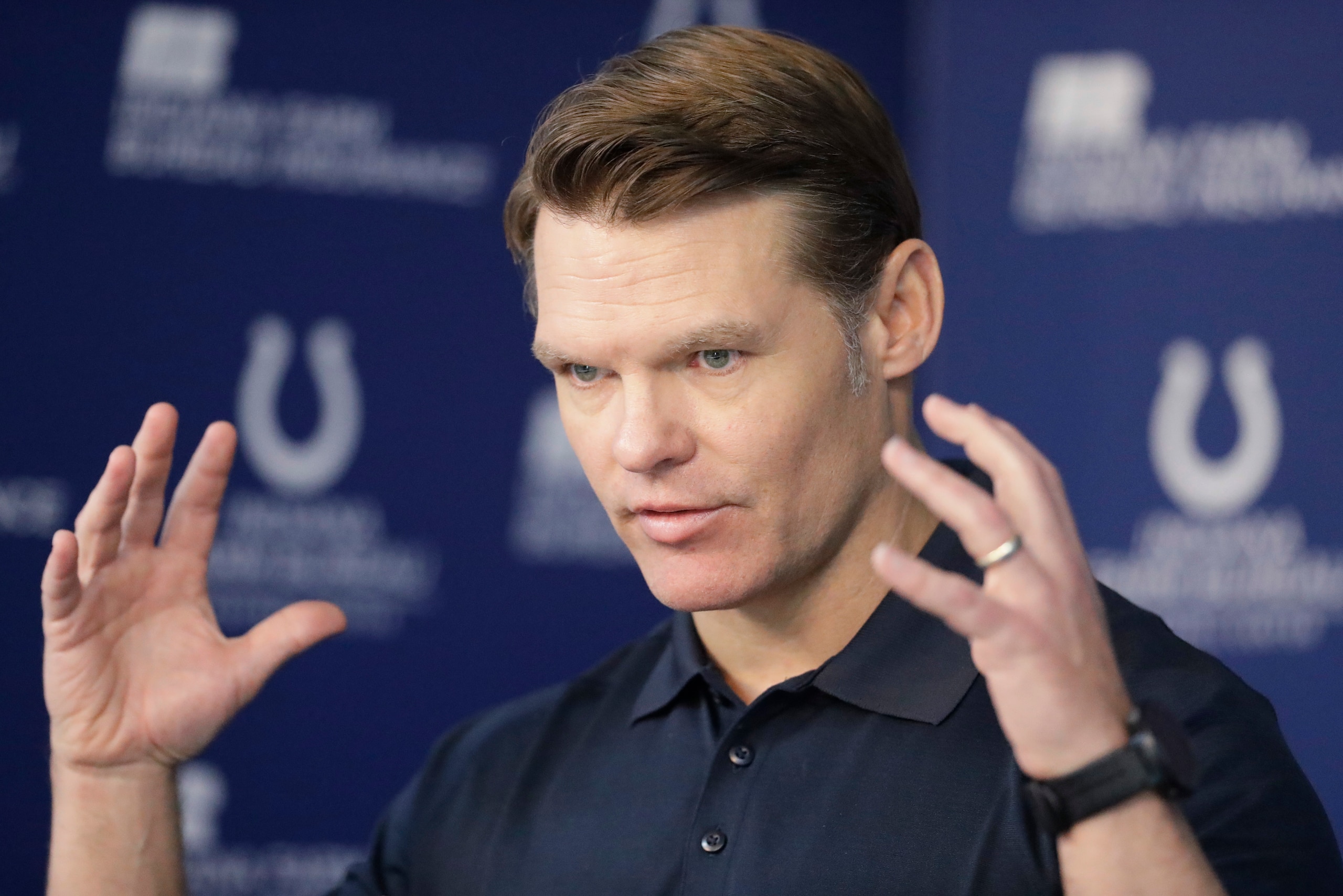
Chris Ballard is in his first year as general manager with the Indianapolis Colts after spending a decade with the Chicago Bears and the last four years under longtime Green Bay Packers scout John Dorsey in Kansas City. With no draft under his belt, it might be best to predict Ballard's draft approach will be similar to those from the Ted Thompson tree, which has expanded from Green Bay to Kansas City, Oakland and Seattle.
Expect upside and athleticism at premium positions to outweigh everything in Indianapolis' philosophy until proved otherwise. What we can judge Ballard on is his free-agency approach. This year, the Colts signed five players to contracts worth more than $4 million. Here they are:
- Johnathan Hankins, DT
- Jabaal Sheard, OLB
- John Simon, OLB
- Al Woods, NT
- Margus Hunt, DE
The team is clearly trying to load up on the line of scrimmage on the defensive side of the ball, which is no surprise if you've followed the Thompson tree over the years.
Jacksonville Jaguars
15 of 32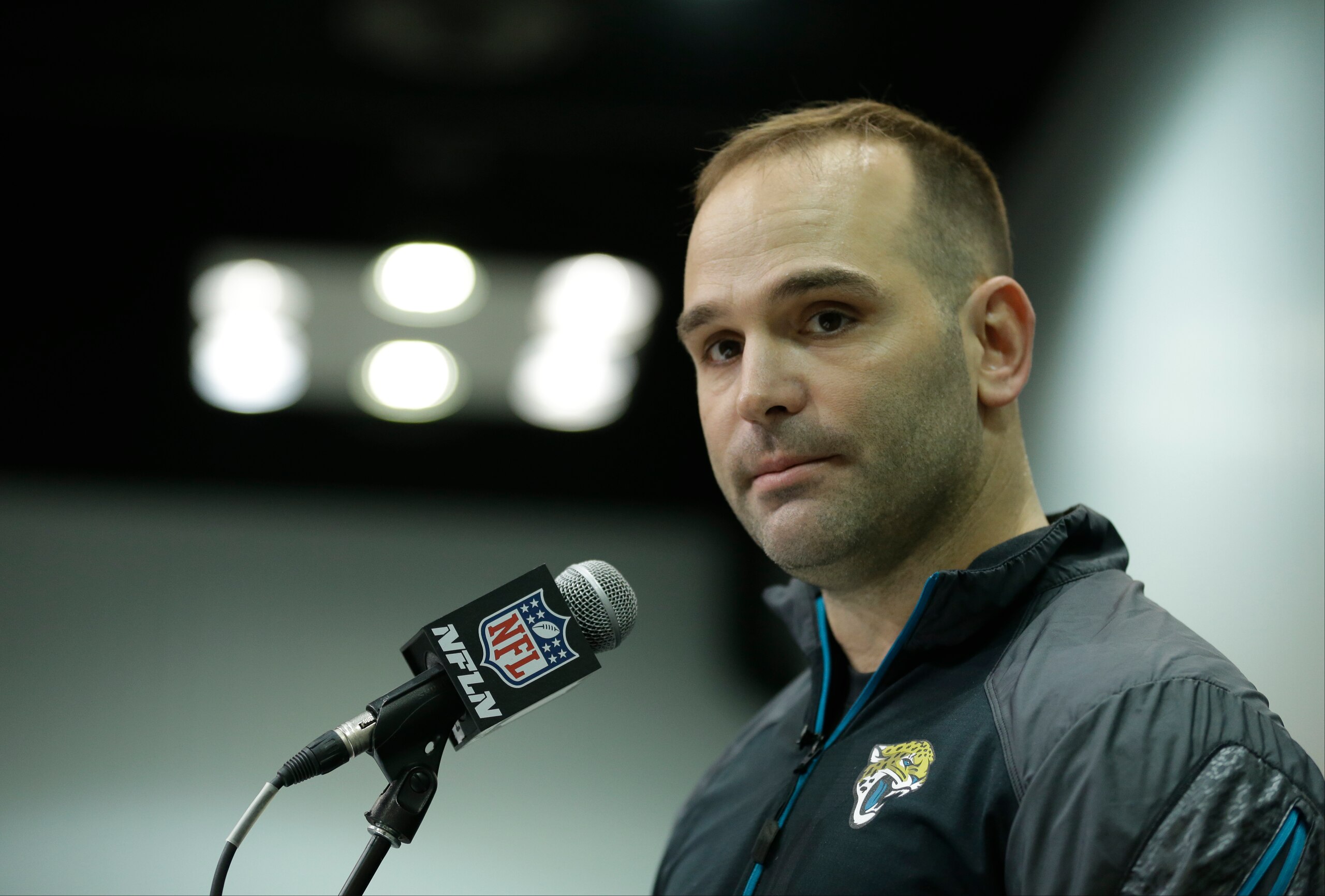
The addition of former New York Giants head coach Tom Coughlin changed everything, but this is Year 5 with David Caldwell as the Jacksonville Jaguars general manager. After the firing of Gus Bradley, Caldwell is getting a second shot to save his career with Coughlin watching over his shoulder.
The Jaguars have two of the first 35 picks in the draft. Since Caldwell has been in Jacksonville, the team has made five selections in that range.
The team has focused on in-state talent:
- Texas A&M
- Florida International
- Central Florida
- Florida
- Florida State
Four of the team's five highest-drafted players have come from the Sunshine State, which contains just seven of the 128 Football Bowl Subdivision programs in the NCAA. If Jacksonville trades back, could it target David Njoku of Miami to fill a position of need after it traded free-agent signing Julius Thomas? Coughlin had success in New York with Jeremy Shockey, a former Hurricanes tight end.
If Dalvin Cook of Florida State slips to the second round, could the Jaguars find themselves in the market for a No. 1 running back? In a Cover 3 scheme, defensive backs are a necessity. Florida Gators Quincy Wilson, Marcus Maye and Teez Tabor aren't exactly on mock drafters' radars for Jacksonville in the second round, but the team has shocked mock drafters before by taking in-state talent high.
Kansas City Chiefs
16 of 32
It's hard to look at the Kansas City Chiefs, Green Bay Packers, Oakland Raiders and Seattle Seahawks as different entities. Their schemes mean they value positions differently, but the approach their front offices take on individual traits are so similar.
All of those general managers were in Green Bay over various years during the Ted Thompson administration, and they combined for a 44-19-1 record in 2016, with three division titles. Oakland and Kansas City can't both win the AFC West, but they both made the playoffs.
When you look at the Chiefs from a wide lens, they seem to value on-field potential more than personality. First-round pick Marcus Peters was suspended from Washington. Second-round pick Chris Jones's effort was questioned when he was coming out of Mississippi State.
Fifth-round pick Tyreek Hill was one of the more talked about players last year. Hill had been suspended by Oklahoma State after he pleaded guilty to domestic assault and battery by strangulation of his then-pregnant girlfriend, according to the Associated Press.
Al Davis influenced Ron Wolf, who influenced Ted Thompson, who influenced John Dorsey, Reggie McKenzie and John Schneider. Talent reigns over ethics, injury and personality for these teams. Keep that in mind on draft week if someone like Oklahoma running back Joe Mixon starts to slip.
Los Angeles Chargers
17 of 32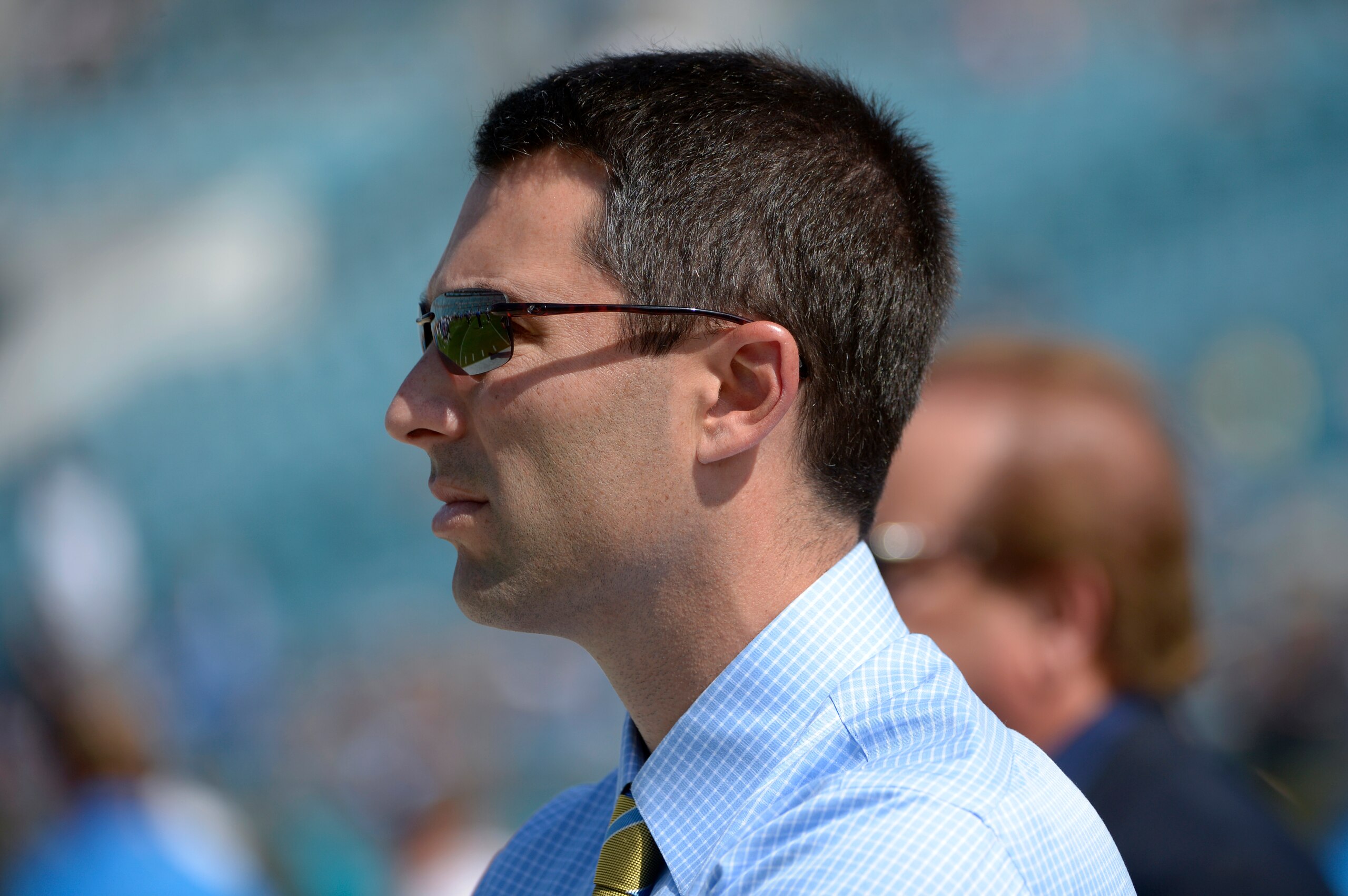
Tom Telesco has been the general manager of the Chargers since 2013. In that time, the team has gone 27-37 and moved from San Diego to Los Angeles.
Telesco doesn't appear to have a set strategy on draft day. He's taken big-name players who lacked the combine results of those taken in the top 100, like D.J. Fluker, Manti Te'o and Keenan Allen. He's also taken undersized athletes, like Jeremiah Attaochu and Jason Verrett.
Los Angeles has spent nine top-71 picks on players since Telesco came to town. They have come from:
- Alabama
- Notre Dame
- TCU
- Georgia Tech
- Wisconsin
- Miami
- Ohio State
- Arkansas
- USC
Those programs not only play in the Power Five but also consistently go to bowl games. Telesco is a big-school brand guy, and his drafts reflect that.
Los Angeles Rams
18 of 32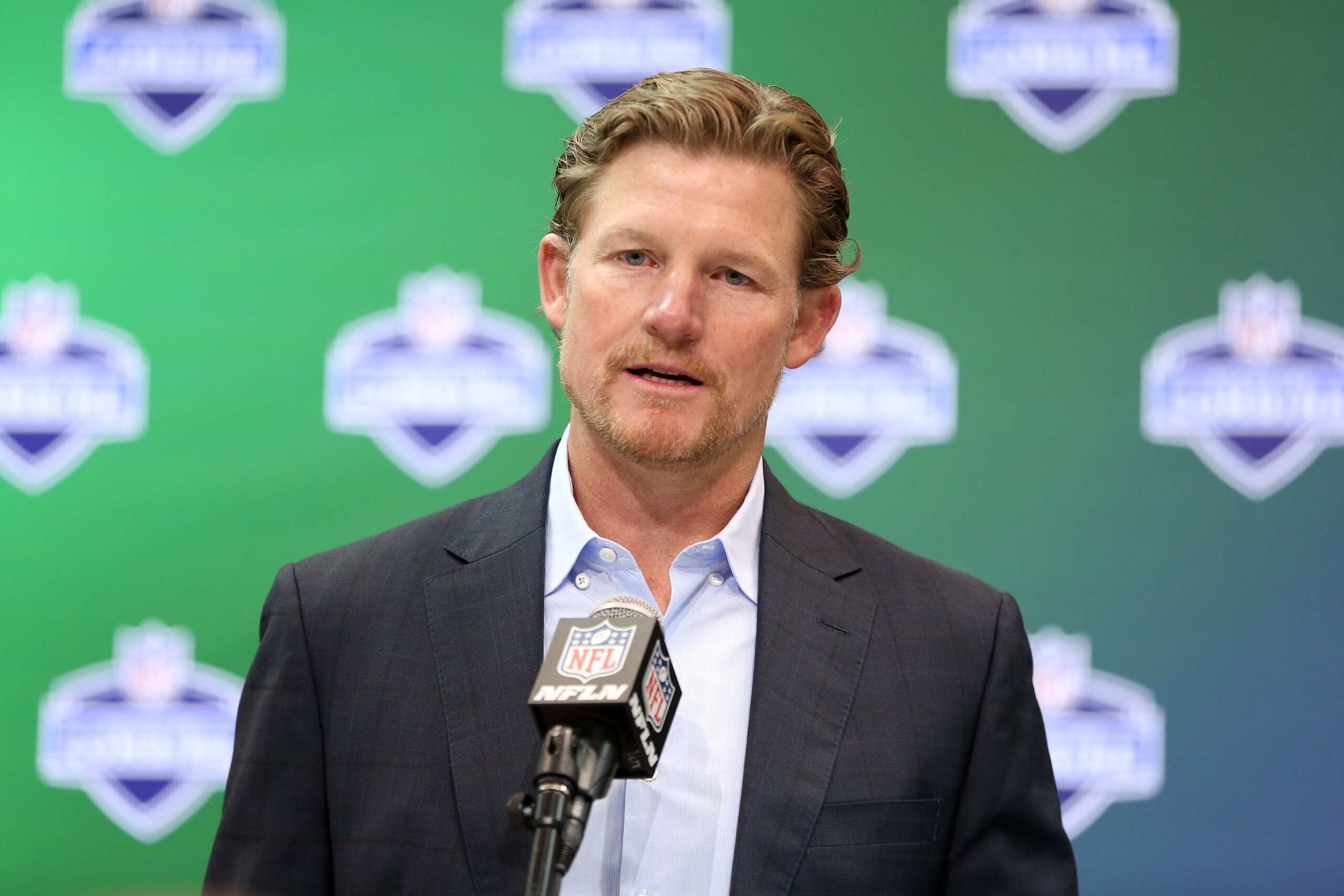
Les Snead became the general manager of the St. Louis Rams in 2012. Since then, he's traded the second overall pick to the Washington Redskins, who selected Robert Griffin III, traded up to No. 1 overall to select Jared Goff, who had one of the worst rookie years of all time, and been part of a move from St. Louis to Los Angeles.
Nothing has stuck. The team's record under Snead is 31-48-1. If you're heading into Year 6 with a record 17 games under .500, a bottom-five record in the NFL the previous year and nary a top-35 pick in the draft, you're going to be on a red-hot seat.
One thing you can say about Snead, though, is that he's invested in the right defensive linemen. The Rams have Aaron Donald, Dominique Easley, Robert Quinn, Connor Barwin and Michael Brockers.
Unfortunately for Snead, there is more to building an NFL team than the defensive line. If the team wants to replace the aging Barwin, oft-injured Quinn or soon-to-be-expiring contracts of Donald and Easley, expect it to focus on plus athletes.
Miami Dolphins
19 of 32
Chris Grier became the general manager of the Miami Dolphins in 2016. He had spent the previous 16 years with the organization, moving up from scout to director of college scouting.
It's hard to know much about Grier's process just one year in, but there was a trend at the top of the draft last year. Grier picked Laremy Tunsil, the former Mississippi offensive tackle whose Twitter account was hacked about an hour before the draft kicked off, and Leonte Carroo, a former Rutgers receiver who was arrested during his final season as a Scarlet Knight for simple assault.
Grier didn't have a problem with these issues, and it's possible he thinks Miami is the type of city in which these types of problems will slide from the front page of the newspaper without much notice.
Minnesota Vikings
20 of 32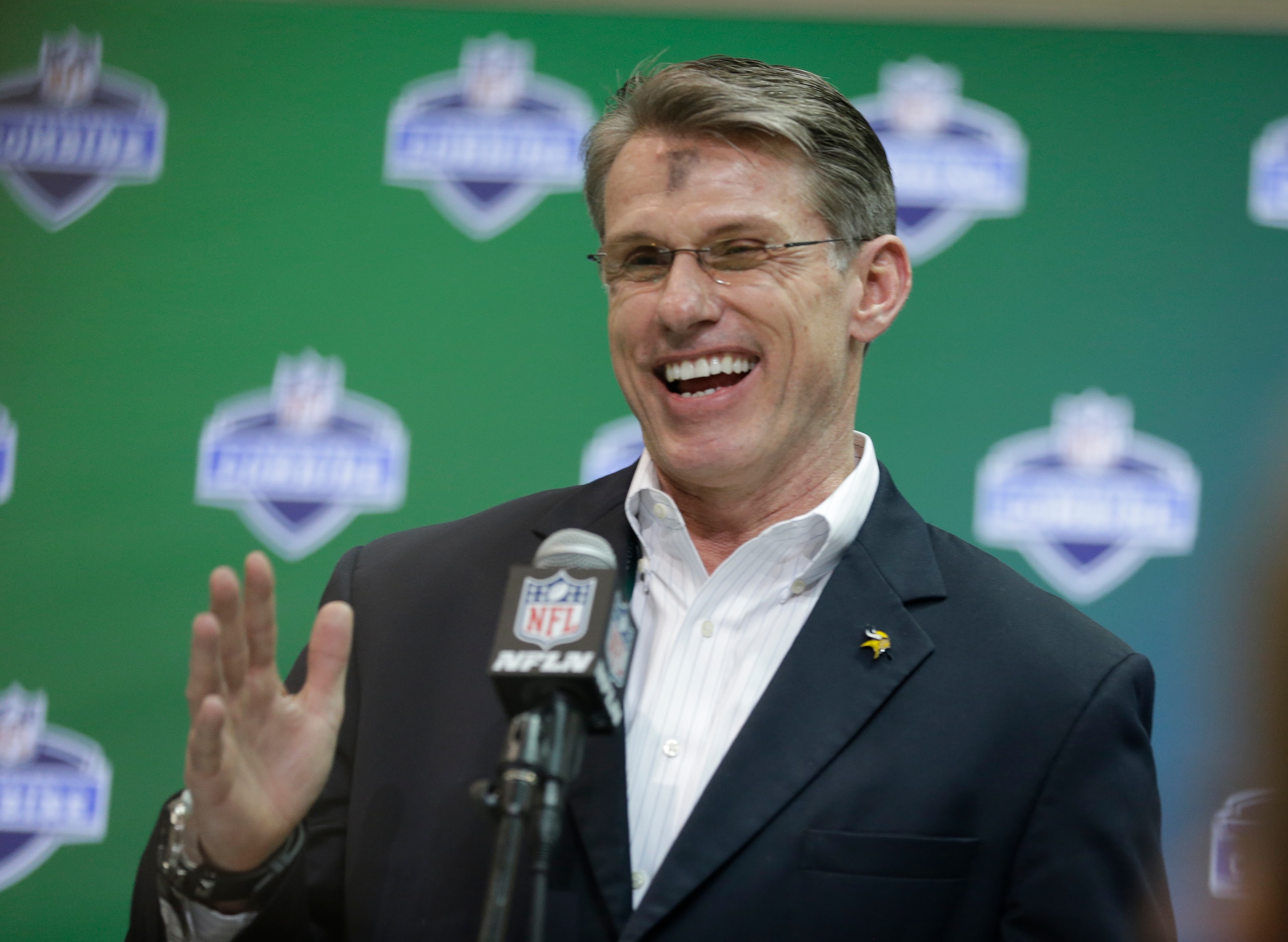
Rick Spielman has only been the general manager of the Minnesota Vikings since 2012, but he has been running drafts in Minnesota since he left ESPN in 2005. There is one area in which he has had a lot of success, and that's on the defensive line.
Brian Robison, Everson Griffen and Danielle Hunter are all incredible athletes. You might also be able to make the case they are the best mid-round trio of pass-rushers in the NFL.
Pass-rushers are like quarterbacks in that the hit rate drops off significantly after the first round. Robison and Griffen were fourth-round picks, while Hunter, a third-rounder, is a 22-year-old with 18.5 sacks under his belt. Spielman knows the key to drafting defensive linemen is athleticism relative to size, and it's why he's taken fliers on players like Scott Crichton, Stephen Weatherly and Datone Jones over the years.
In need of depth on the line because of the uncertain long-term futures of Robison, Griffen, Jones and Sharrif Floyd, the Vikings will have their eyes on players like Michigan's Chris Wormley and Youngstown State's Derek Rivers on Day 2 of the draft.
New England Patriots
21 of 32
The first pick the New England Patriots own in this upcoming draft is the 72nd overall selection. That's a mid-third-round pick they acquired from the Carolina Panthers after swapping their second-round pick with the team for defensive end Kony Ealy.
Here's a rundown of the picks that have already touched their hands this year:
- 32nd overall: Traded to New Orleans for receiver Brandin Cooks
- 64th overall: Traded to Carolina for defensive end Kony Ealy
- 72nd overall: Acquired via Carolina in the Ealy trade
- 96th overall: Original third-round pick
- 103rd overall: Traded to New Orleans for Cooks
- Fourth-round pick: Forfeited because of Deflategate
- 131st overall: Acquired via Seattle in the 2016 draft
- 137th overall: Traded to Indianapolis for tight end Dwayne Allen
- 163rd overall: Acquired via Denver for tight end A.J. Derby and then awarded to Buffalo for running back Mike Gillislee
- 175th overall: Traded to Cleveland for defensive end Barkevious Mingo
- 183rd overall: Original fifth-round compensatory pick
- 200th overall: Acquired via Indianapolis in the Allen trade
- 215th overall: Traded to Detroit for linebacker Kyle Van Noy
- 239th overall: Acquired via Detroit in the Van Noy trade
- 250th overall: Traded to Detroit for tight end Michael Williams
After all of those moves, the Patriots have a league-low six draft picks in 2017. They still have two pieces they can move, though: quarterback Jimmy Garoppolo and cornerback Malcolm Butler.
Bill Belichick, the team's longtime head coach and general manager, is unpredictable. We know he leans toward three-cone times, slot receivers and a bend-don't-break defense, but his draft selections are hard to pin down because of New England's constant maneuvering. Expect nothing less than that this week.
New Orleans Saints
22 of 32
Mickey Loomis has been the general manager of the New Orleans Saints since 2002, and he has been the vice president of basketball operations of the New Orleans Pelicans, also owned by Tom Benson, since 2012. That has sparked speculation Loomis is spreading himself too thin, but if you look at how he has drafted, he's still finding gems.
Loomis' first 22 picks as general manager came from what would now be called Power Five conferences, but that changed in 2006. After some positive reinforcement following the selection of Jahri Evans in the fourth round out of Bloomsburg and Marques Colston in the seventh round out of Hofstra, the team has taken numerous shots at small school prospects.
Since Loomis took over, these are the non-Football Bowl Subdivision programs he's drafted players from:
- Hofstra
- Bloomsburg
- Wingate
- Towson
- Samford
- Regina
- Tarleton State
- Arkansas-Pine Bluff
- Tennessee-Chattanooga
- Manitoba
Not all of those players panned out, but Evans, Jamon Bushrod, Akiem Hicks and Terron Armstead were picked in the first four rounds and had solid NFL careers. Hicks posted nine sacks as a nose tackle with the Chicago Bears last year, while Evans, Bushrod and Armstead have made nine combined Pro Bowls. Regina and Manitoba aren't even located in the United States.
This is the landing spot for small school prospects like Albany State's Grover Stewart.
New York Giants
23 of 32
Jerry Reese took over as the New York Giants general manager in 2007 after spending over a decade climbing the team's front office ladder. Reese has been on the job so long he's drafted a few of every type of player, but if you split the first third of his career from the last two-thirds of his career, there is a clear difference.
From 2007 through 2009, the team spent 11 picks on players in the first through third rounds. Of those 11 selections, only two, or 18 percent, were used on players at the line of scrimmage. Only one, a Cal Poly prospect, wasn't from a Power Five conference.
From 2010 through the present day, the team has spent 20 picks on players in the first through third rounds. Of those 20, 10 selections, or 50 percent, were used on players at the line of scrimmage. Only five were from non-Power Five conferences, with the schools represented being South Florida, East Carolina, Troy, Colorado State and Boise State.
In the last two-thirds of Reese's career, the team has been more likely by nearly three times to spend top picks on trench players. The team is also about three times more likely to spend an early pick on a player from a school outside the traditional football factories of the Power Five conferences.
While Reese has done a little of everything, he is recently much more open to bringing in big bodies and small schoolers than he previously was.
New York Jets
24 of 32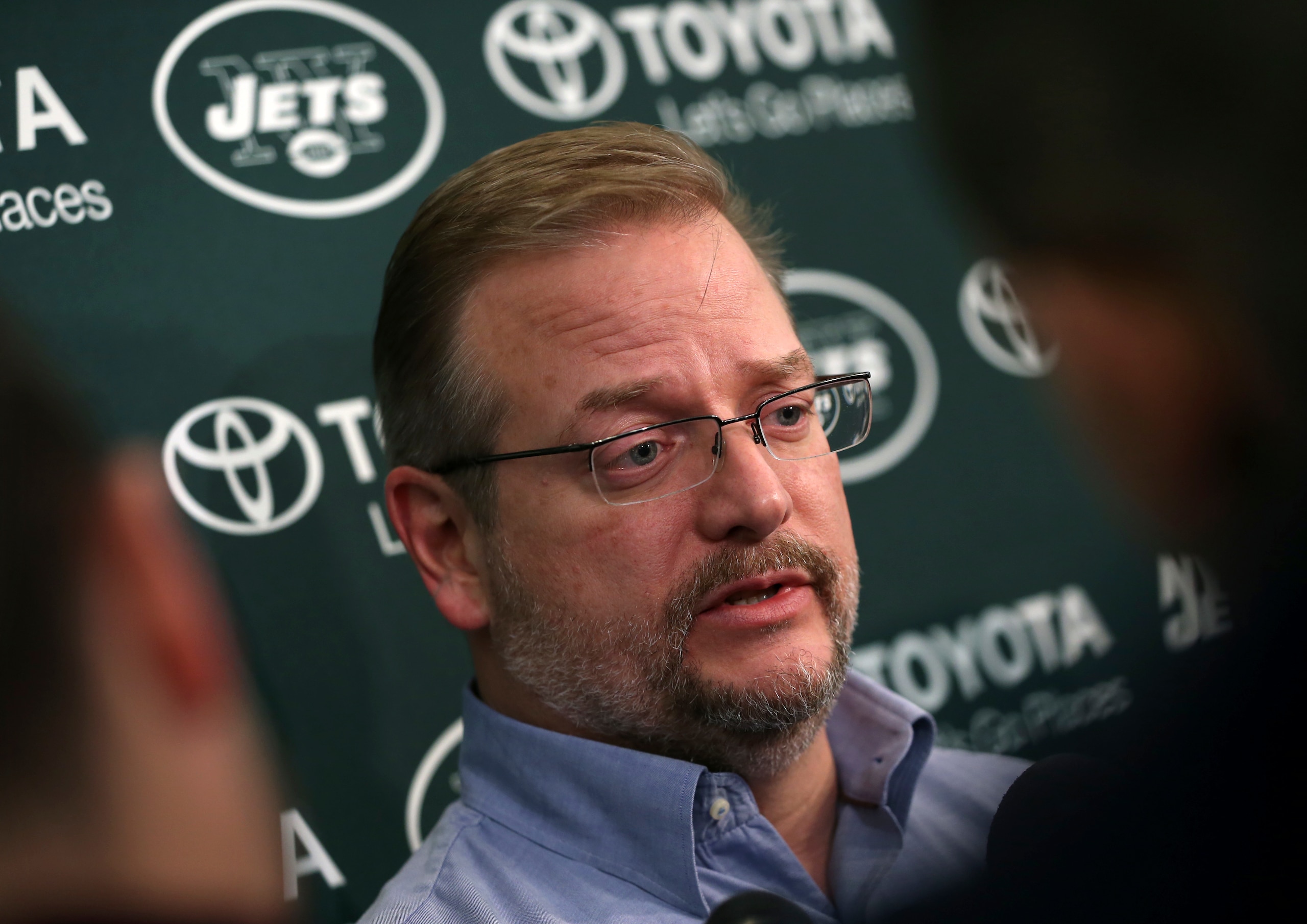
Mike Maccagnan has only been general manager for two years, but he's starting a full rebuild with the New York Jets. There is no team with weaker starters heading into the draft than the Jets, who after years still haven't figured out how to move defensive lineman Sheldon Richardson.
Maccagnan has four picks in the top 107, so New York fans should focus on how he's spent picks of that caliber. He's had seven at-bats with selections that high, and he's spent three on linebackers: Lorenzo Mauldin, Darron Lee and Jordan Jenkins. He's also spent two on quarterbacks: Bryce Petty and Christian Hackenberg.
For a team that may need a pass-rusher and quarterback more than any other team in the NFL, that's not a positive sign. Overall, the team has made 13 picks in the draft under Maccagnan, and only two—a seventh-round defensive tackle from Northwestern State and a seventh-round punter from Sam Houston State—have come from non-Power Five programs.
The team acquired five players—DeVier Posey, Brandon Marshall, Zac Stacy, Ryan Clady and Ryan Fitzpatrick—with picks Maccagnan traded that were slated for the 2015 and 2016 drafts. None of them are on the team anymore.
Brands and trades are the leans, with an emphasis on the Jets again drafting a quarterback and linebacker early.
Oakland Raiders
25 of 32
Reggie McKenzie was named the Oakland Raiders general manager in 2012 after spending the previous 18 years with the Green Bay Packers. He has strong ties to the Ted Thompson tree, and every Raiders, Packers, Kansas City Chiefs and Seattle Seahawks fan should make it a point to read what is written about all of those teams in this piece.
Oakland didn't have many picks in McKenzie's first draft in 2012, and his first selection was Tony Begstrom of Utah, a guard, in the third round. Since then, though, the Raiders have made a number of surprising or bold picks to get where they are—atop the up-and-comers in the AFC.
In 2013, D.J. Hayden, a cornerback who had almost died on the football field, was the team's first-round pick. Menelik Watson, an English-born college basketball player turned junior college and eventual Florida State tackle, was the team's second-round pick.
In 2014, Khalil Mack, a pass-rusher from Buffalo, which hadn't had a top three-round pick drafted since 1964, was the team's first-round pick. Derek Carr, the former brother of first overall bust David Carr, and a spread quarterback to boot, was the team's second-round pick.
In 2015, the team's second-round pick was Mario Edwards, who some thought was a first-round pick before his last collegiate season. The same could be said of 2016 fourth-round pick Shilique Calhoun, another defensive lineman.
The team's first-round pick in 2016 was Karl Joseph, a safety coming off an ACL injury. The team's second-round pick that year was Jihad Ward, a former junior college player who was a virtual unknown to the draft community until the Senior Bowl.
McKenzie has no tendencies. What we do know is he's bold. Injuries, background, one bad year or college pedigree don't seem to bother him or his staff.
Philadelphia Eagles
26 of 32
Howie Roseman was named the Philadelphia Eagles general manager in 2010, but he never had full say while head coaches Andy Reid and Chip Kelly were running the team.
It wasn't until 2016, in Roseman's second run as the official general manager of the Eagles, that he had control without the influence of Reid or Kelly. His new head coach is Doug Pederson, an offensive coordinator under Reid.
In Roseman's first draft in his second stint, the team traded up to get North Dakota State quarterback Carson Wentz, a Football Championship Subdivision product, even though it had Sam Bradford and Chase Daniel under contract. Bradford was later traded for a first-round pick, and Daniel was released.
The only other top-100 pick the team used was on Isaac Seumalo, an injured Oregon State Beaver. Philadelphia went bold early but used its next six picks on healthy Power Five conference talents, with three coming from the Southeastern Conference.
It is worth noting the Eagles spent their first four picks last year on offensive players. Is Roseman trying to fill the talent vacuum Kelly left behind? Could running back Christian McCaffrey of Stanford be a trade-up option for Philadelphia?
Pittsburgh Steelers
27 of 32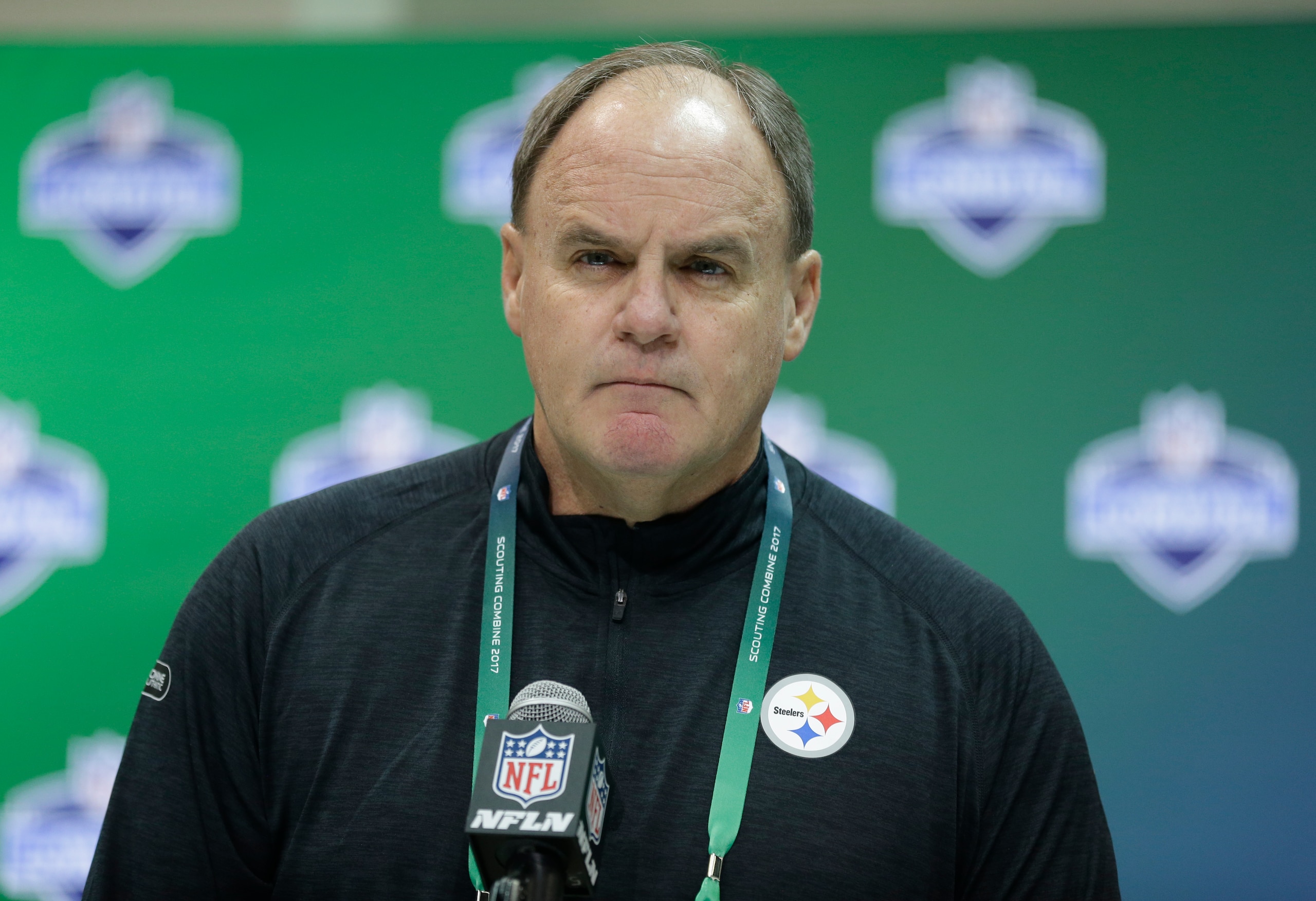
Kevin Colbert has essentially been running the Pittsburgh Steelers since 2000, when Bill Cowher was still their head coach. He wasn't named general manger until 2010, though, after he had already earned two Super Bowl rings with the team.
He's drafted a lot of players, but a recent bust in pass-rusher Jarvis Jones has seemed to change his philosophy on defensive linemen. Jones was an unathletic pass-rusher but had a great college pedigree, having played at both USC and Georgia and earned back-to-back All-American honors as a Bulldog.
Jones' deficiencies, though, showed up at the combine. He slipped to No. 17 in 2013, and the Steelers scooped him up. He's never recorded more than two sacks in a single season in his NFL career.
Since then, though, the team has drafted tremendous athletes at the top end of the draft to play in its front seven. Ryan Shazier was an athletic inside linebacker who was considered a tweener. Bud Dupree was one of the more explosive pass-rushers we've ever seen at the combine. Javon Hargrave was an athletic defensive tackle from South Carolina State who at 305 pounds started 13 games for Pittsburgh as a rookie nose tackle.
Jones' bust label has led the Steelers to draft versatile defenders who play in the box.
San Francisco 49ers
28 of 32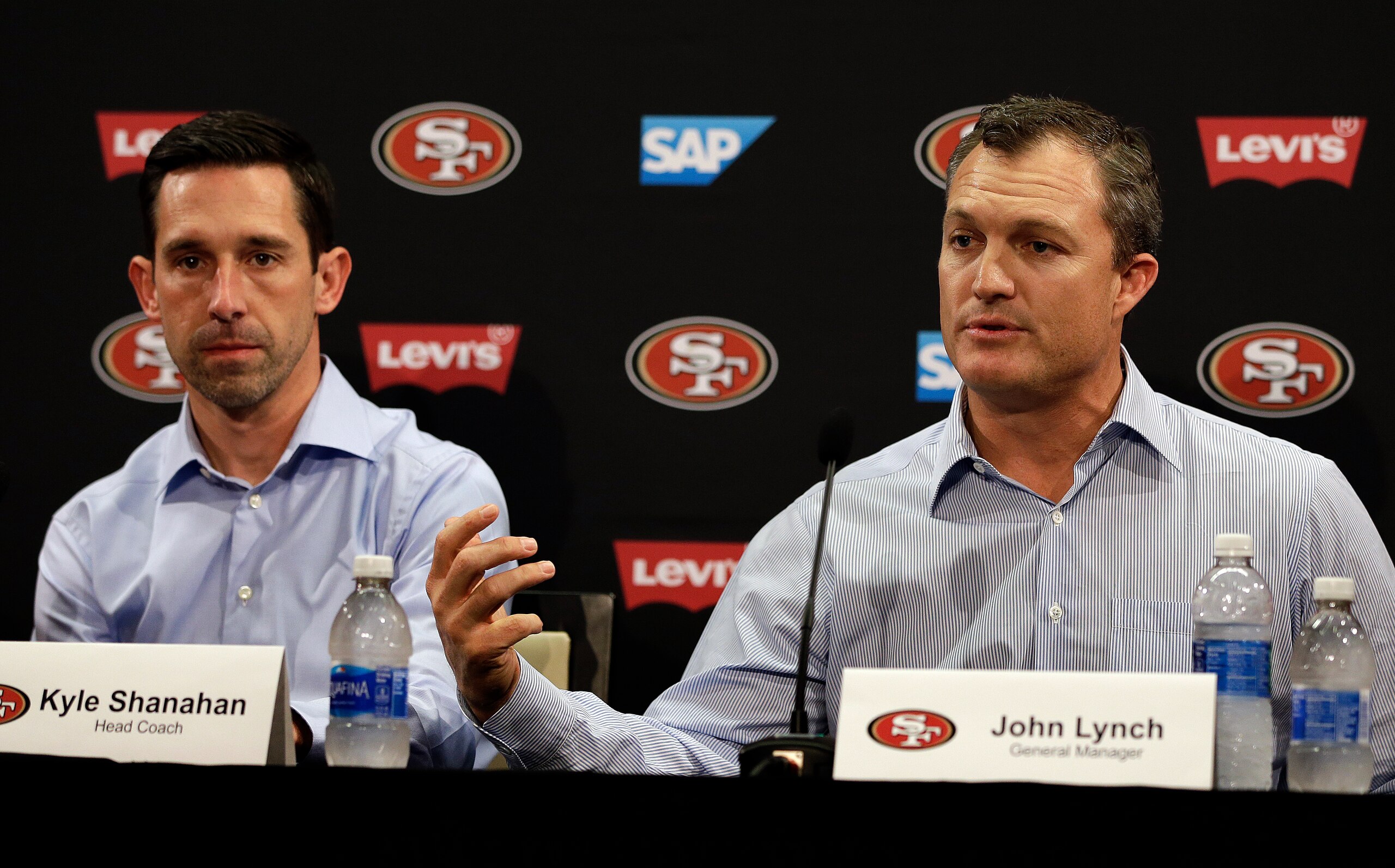
John Lynch became general manager of the San Francisco 49ers after spending years on Fox as a color commentator. The former Pro Bowl safety has paired up with first-year head coach Kyle Shanahan on a six-year contract, according to ESPN's Adam Schefter.
Neither of these 49ers have any experience in personnel, and if Shanahan is just going to be an offensive guru in San Francisco like he has been everywhere else in his coaching tour, the draft is going to be on Lynch's shoulders.
What will he do? No one knows. There's a reason there's no consensus second overall pick in this year's class. It's because Lynch has never been a member of a front office before and he has the big red button at his disposal.
Seattle Seahawks
29 of 32
John Schneider became the general manager of the Seattle Seahawks in 2010 after spending the better part of two decades somewhere in the Ron Wolf-Ted Thompson tree. His way of building defenses has become the new wave of NFL strategy.
The Seahawks play a Cover 3-heavy scheme, which requires a rangy, middle-of-the-field safety and long, smooth cornerbacks. In the box, their linebackers and strong safety are tempo-setters, and they demand their four pass-rushers get home versus five to seven blockers.
They have brought in athletic edge-defenders in Cliff Avril, Frank Clark and Bruce Irvin, who moved to outside linebacker before leaving for the Oakland Raiders in free agency. On offense, though, Seattle has struggled a bit.
Paul Richardson, Tyler Lockett and Pervin Harvin are light receivers who haven't stuck with the team. On the line, college tackles like Justin Britt and Germain Ifedi have been kicked inside, and the team's struggled to find NFL-caliber bookends.
Athleticism is the mold for the Seahawks, but those types on the offensive side of the ball just haven't panned out for Seattle, though the approach did lead them to nail the Russell Wilson selection in the third round in 2012.
Tampa Bay Buccaneers
30 of 32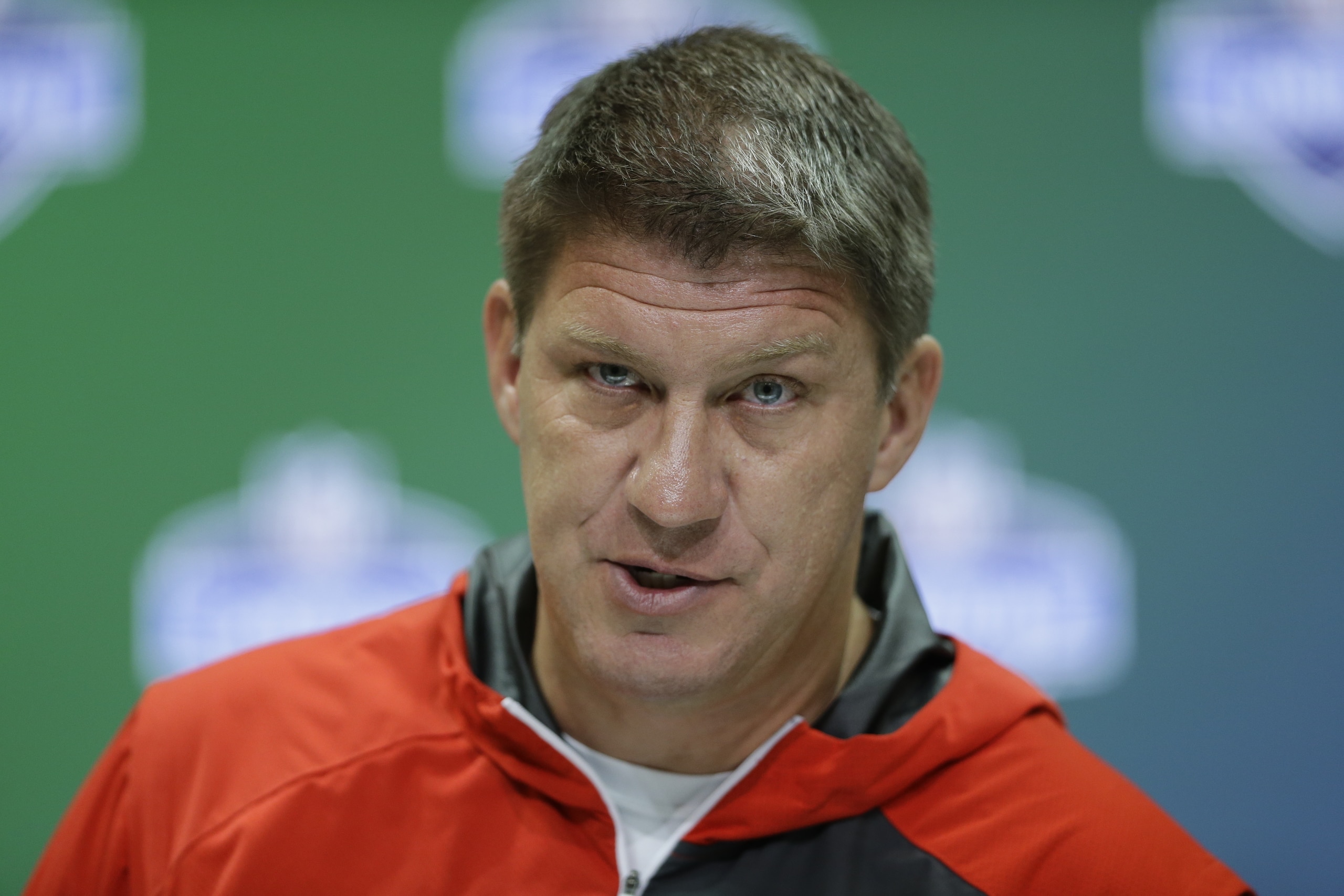
Jason Licht has been the Tampa Bay Buccaneers' general manager since 2014, with his first selection being wide receiver Mike Evans. In the first three rounds of his three drafts, the Buccaneers have taken six offensive players to just two defenders and one specialist (Roberto Aguayo).
Of Licht's first 20 picks as a general manager, 14 of them have been spent on the offensive side of the ball, though five of seven were on defense or special teams in 2016.
Still, he appears to favor offense thus far.
Tennessee Titans
31 of 32
Jon Robinson is a second-year general manager with the Tennessee Titans. From 2002 through 2013, he spent time in the New England Patriots' organization, and he's branded in the media as a former Bill Belichick disciple.
With the help of the first overall pick in last year's draft, Robinson's Titans ended up with 10 draft picks in 2016, including five in the top 64 picks. This year, he has eight, with two in the first round.
His first draft included investing early in an All-Pro right tackle in Jack Conklin, two national championship game stars in pass-rusher Kevin Dodd and running back Derrick Henry and non-Power Five players from Middle Tennessee State, Massachusetts, Southern Utah and Southern Mississippi.
He likes to trade down, take players from big programs early and sprinkle in some small-school, off-the-radar selections on Day 3. That's about as Belichick as you can get.
Washington Redskins
32 of 32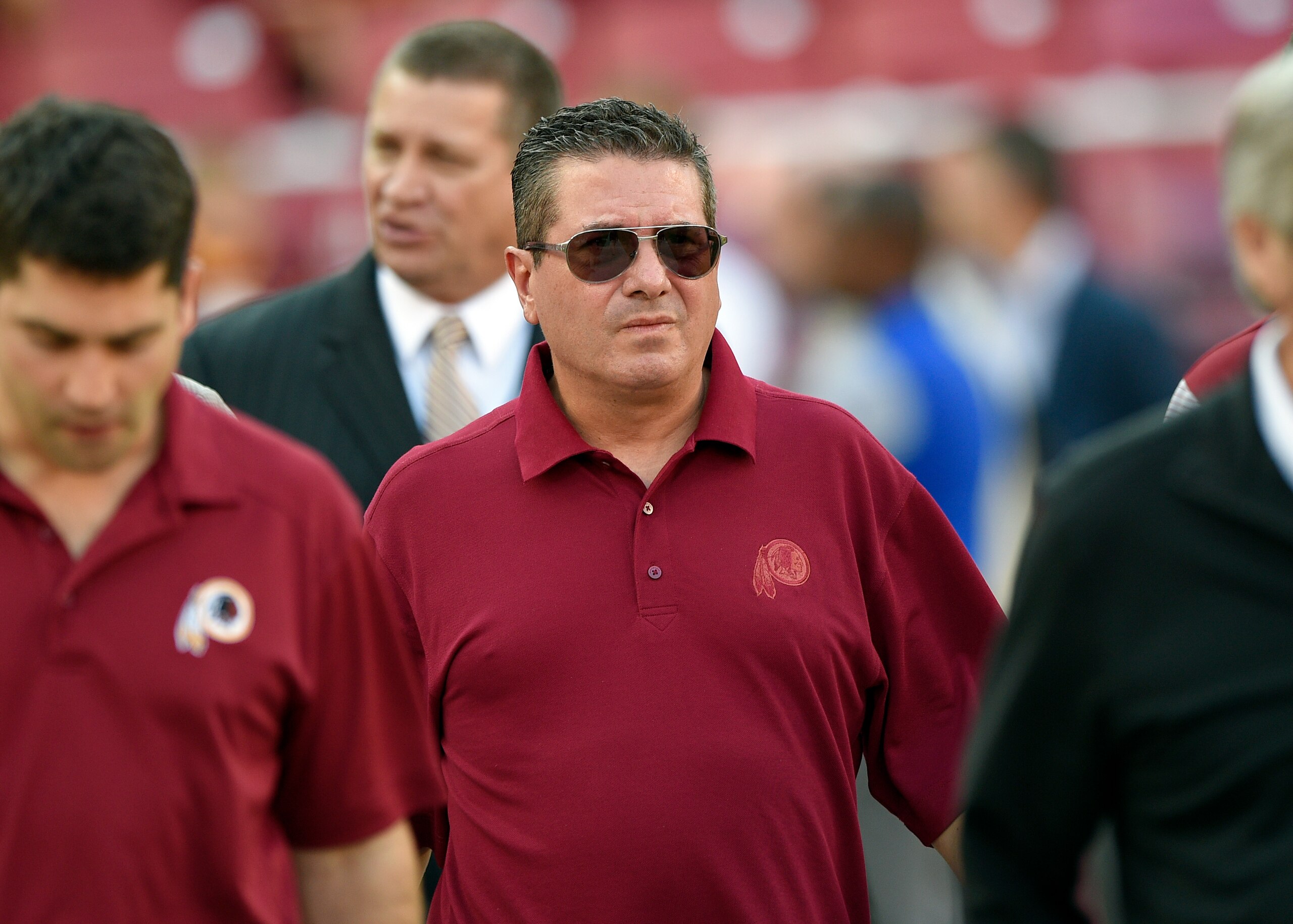
The Washington Redskins fired general manager Scot McCloughan in the middle of the free-agency portion of the NFL offseason and have yet to name a general manager since then. Is the team run by Dan Snyder? Is it run by Bruce Allen?
Washington is as dysfunctional as ever.
.jpg?w=2560)
.jpg?w=2560 "Cardinals Giants Football")







