

Man for Man Comparison: Have Barcelona Progressed Since PSG Were Bought in 2011?
Barcelona's 4-0 defeat to Paris Saint-Germain in the UEFA Champions League sent shock waves around the football world, with BT Sport going as far as to question whether the result signalled a changing of the guard at the elite level of the game in Europe.
PSG's vast wealth and their willingness to invest in the best players has been a feature of the game since they were bought by QSI in summer 2011, and while it hasn't yet translated into enormous success in the Champions League, it's clear the French outfit are on track to go closer this year than they have previously.
But what of Barcelona?
When QSI bought PSG, Barca were just celebrating one of their finest campaigns: 2010/11 yielded first place in La Liga, runners-up in the Copa del Rey, winner of the Supercopa and, most poignantly, winners of the Champions League.
Six years on, they're in danger of going out in the last 16.
Have Barcelona regressed? Man-for-man and as a total composite of the team, are they better or worse than they were in 2011?
GK: Valdes vs. Ter Stegen
1 of 12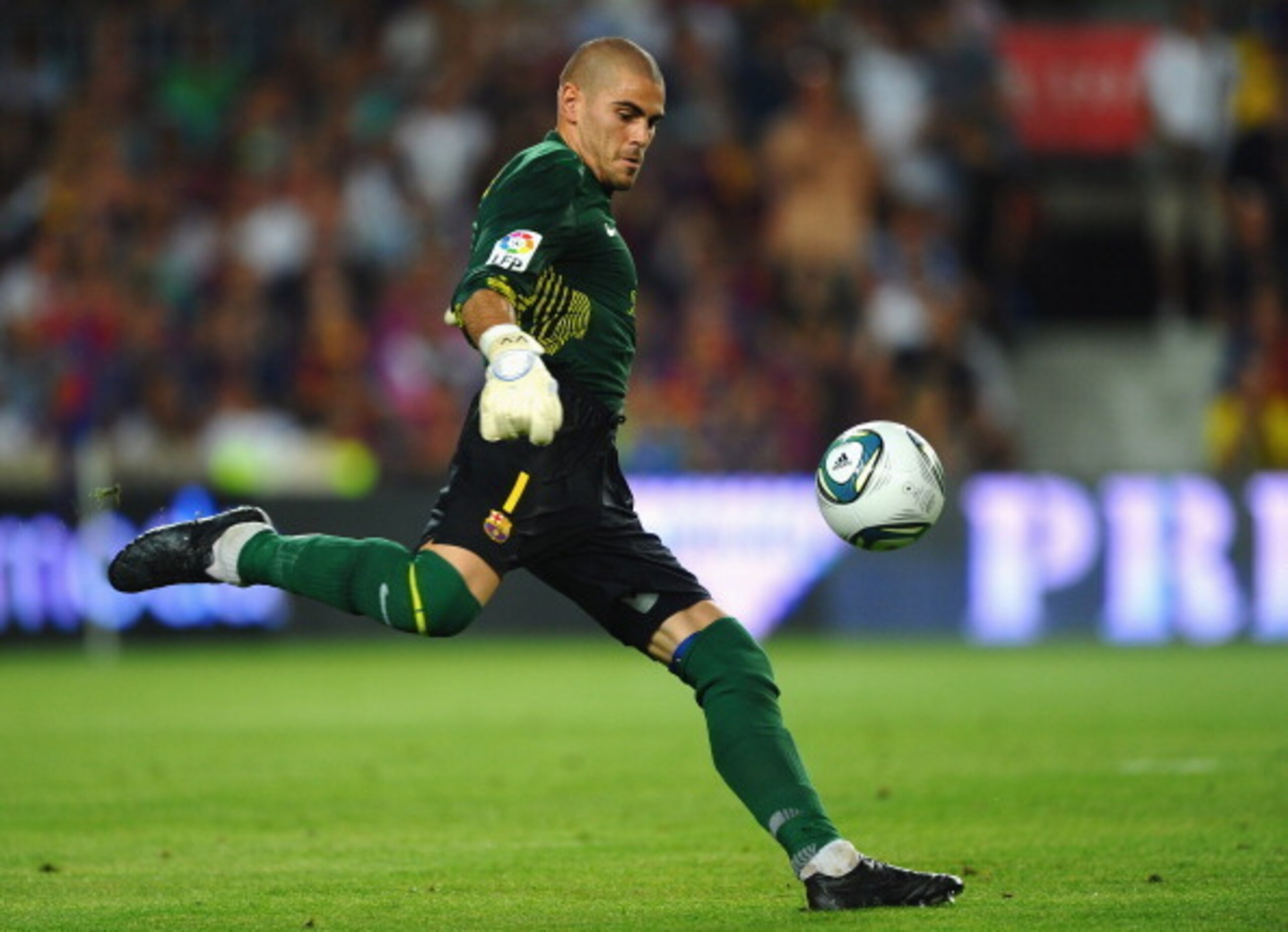
The long-serving Victor Valdes now resides at Middlesbrough, but he was an immovable presence between the sticks for Barca. The Spaniard was assured with the ball at his feet and had great reflexes for making close-range saves, but he had plenty of limitations to his game, too.
Marc-Andre ter Stegen is a far more accomplished, rounded goalkeeper than Valdes was, even though he also carries more errors in his game as a result. His decision-making and timing in runs off his line are vastly superior, while his awareness of his near post and his capacity to deal with high threats in the box are also major plus points.
The German has a much higher ceiling than Valdes and can be a better long-term stopper for the team.
Our pick: Ter Stegen
RB: Dani Alves vs. Sergi Roberto
2 of 12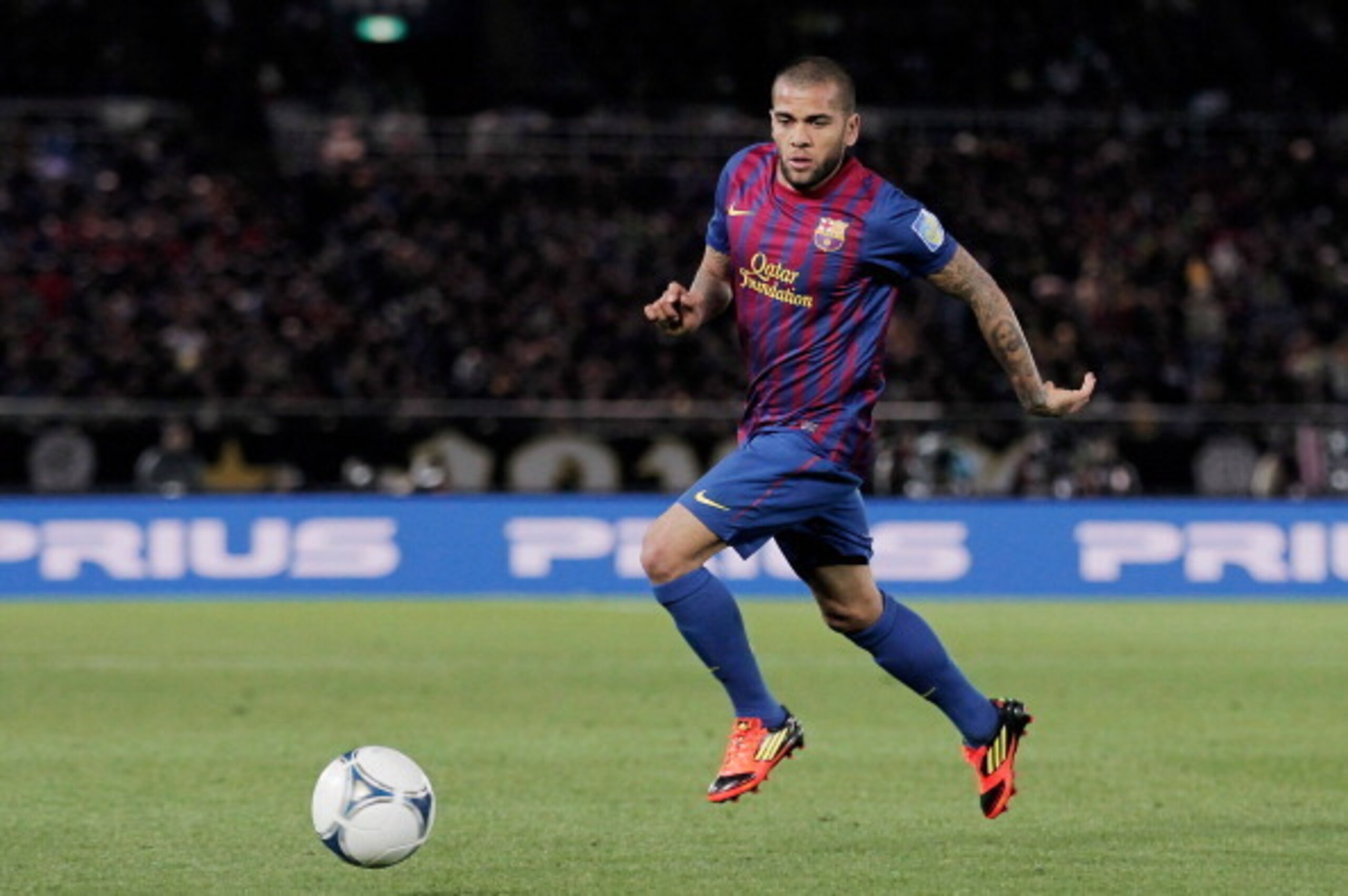
There's not really any discussion to be had for the right-back position: Dani Alves was one of the finest in Europe at providing attacking thrust from full-back, while also not neglecting defensive duties.
He had power, speed, crossing ability, one-on-one skill, aggression and, importantly, a great understanding with the players ahead of him—first Pedro, then Leo Messi. Alves was naturally less of an athlete and consistent performer by the time he left, but overall he was the master.
Sergi Roberto is still learning the trade, having switched from central midfield, and while his tactical awareness, determination and link play are exceptional, he doesn't have the acceleration or the drive to play the role the same way Alves did.
Our pick: Dani Alves
CB: Pique vs. Pique
3 of 12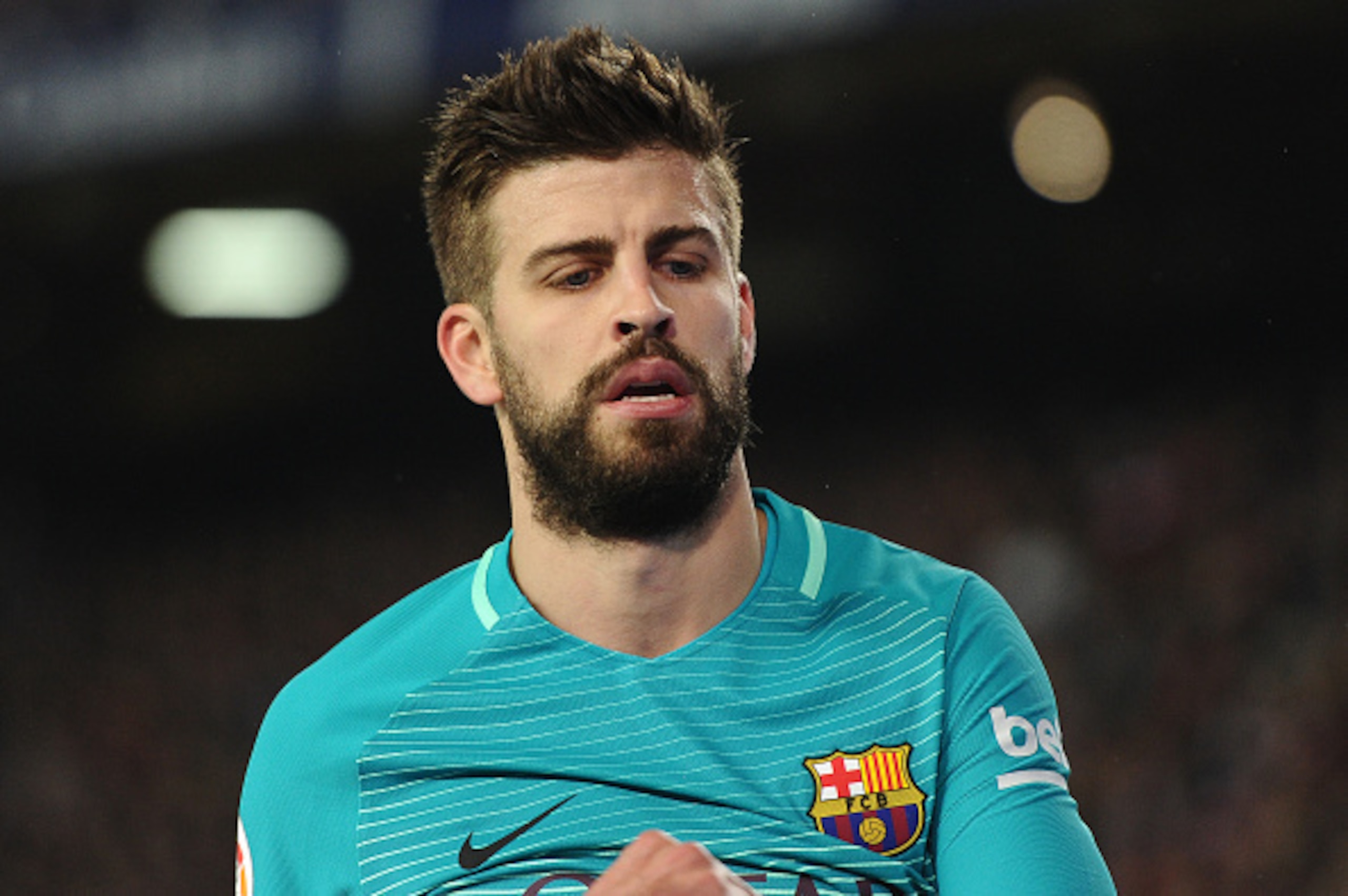
No change in personnel in a number of positions means we'll merely look at the individual as they were, and as they are.
For Gerard Pique, it's natural that he's a much more rounded and experienced defender now, while his impetuosity in the challenge and decision-making in possession have clearly been worked on in the interim period also.
Pique was only 24 at the time; now at 30, he's in his prime years and is captaincy material for the club.
Our pick: 2017's Pique

.jpg?w=2560)
CB: Puyol vs. Umtiti
4 of 12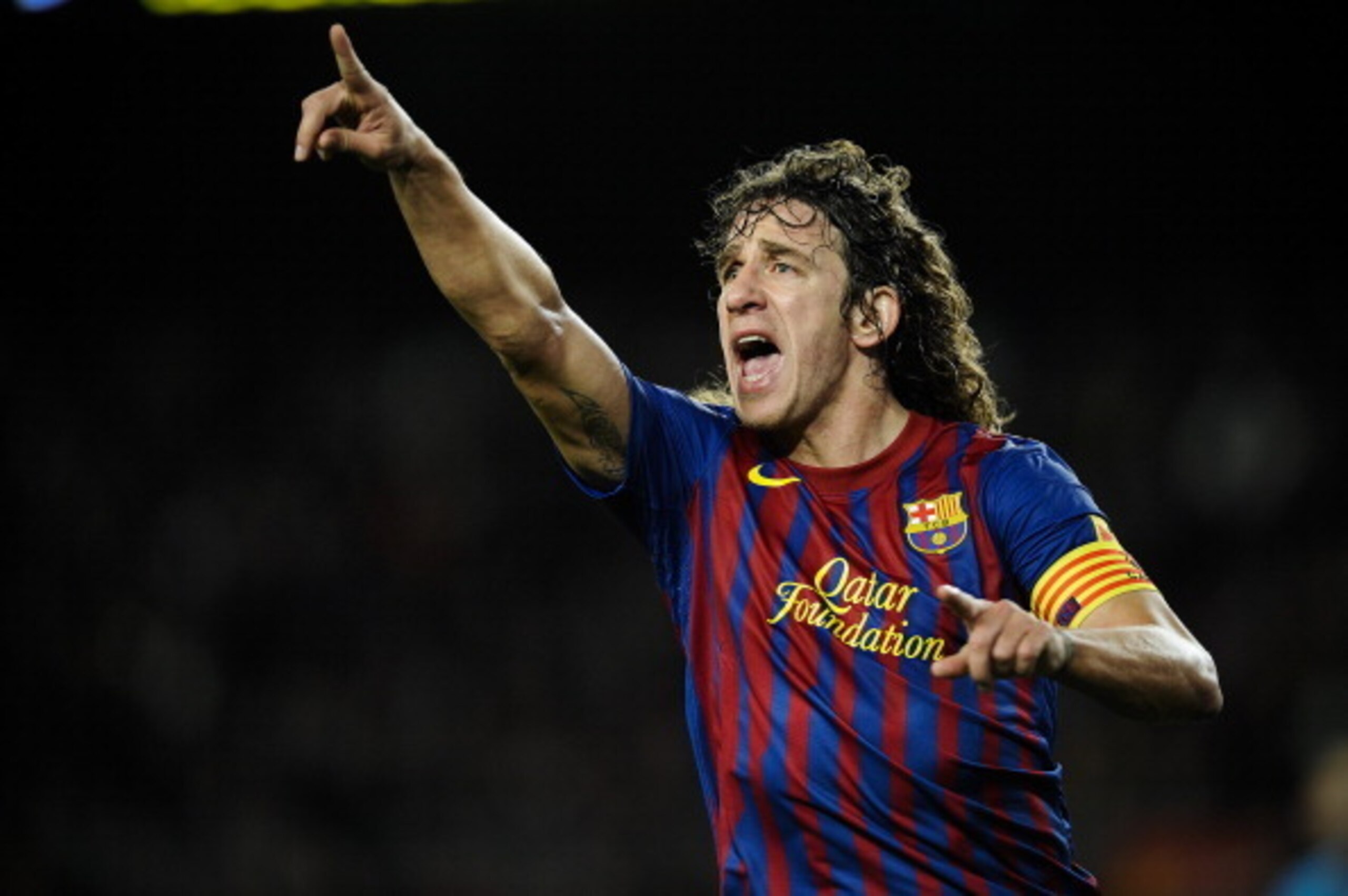
The argument is constructed in comparing Barcelona on the day of PSG's buyout to the day of PSG's defeat of the Catalan club, so it's Samuel Umtiti rather than Javier Mascherano for the second defensive slot.
The French youngster is promising, has good pace and power and has shown his capacity to bring the ball out of defence, but he's also still lacking in judgement, consistency and aerial ability at times.
On the other hand, Carles Puyol is a club legend, a long-time servant who gave everything for the cause, every match. Despite not having the greatest stature, he was one of La Liga's most aggressive, committed defenders, tackling and winning balls in the air that he had no right to go for.
Our pick: Puyol
LB: Abidal vs. Alba
5 of 12
One of the toughest battles to call, perhaps, and much of it depends on preference for style in the role rather than actual quality.
Eric Abidal was a strong presence, defensively excellent and assured in possession, but he was a support act for the attack rather than an outright extra body in the final third...whereas Jordi Alba occupies the entire flank himself in the same way Dani Alves did on the opposite side of the pitch.
Alba's forceful personality is not to everyone's taste, but he provides a lot to the team, and his technique is as important as his pace and power on the run.
Our pick: Alba
DM: Busquets vs. Busquets
6 of 12
The second of four battles that pits the same player against himself, Sergio Busquets has long been recognised as one of the world's best holding midfielders. And, primarily, that reputation was forged in his early days when he and his fellow midfielders dominated every game with a combination of possession and pressing.
Busquets and indeed the entire midfield no longer operate the same way for Barcelona; they are no longer the fulcrum of the side, the main point of supremacy.
Individually, Busquets is still a great player, of course, but his form has wavered over the past two seasons. It's possibly systematic rather than his own failings or dropping-off, but it impacts our decision either way.
Our pick: 2011's Busquets
CM: Xavi vs. Andre Gomes
7 of 12
Andre Gomes started over Ivan Rakitic on the night for Barcelona, but in truth, both players could be fused as one and they wouldn't come close to matching the levels of genius, consistency and ability that Xavi Hernandez possessed.
Barcelona's former No. 6 was a player who defined an era of football, who redefined how a position could be not just played, but dominated.
Andre Gomes doesn't even come close to touching the sides of Xavi's vast quality.
Our pick: Xavi
CM: Iniesta vs. Iniesta
8 of 12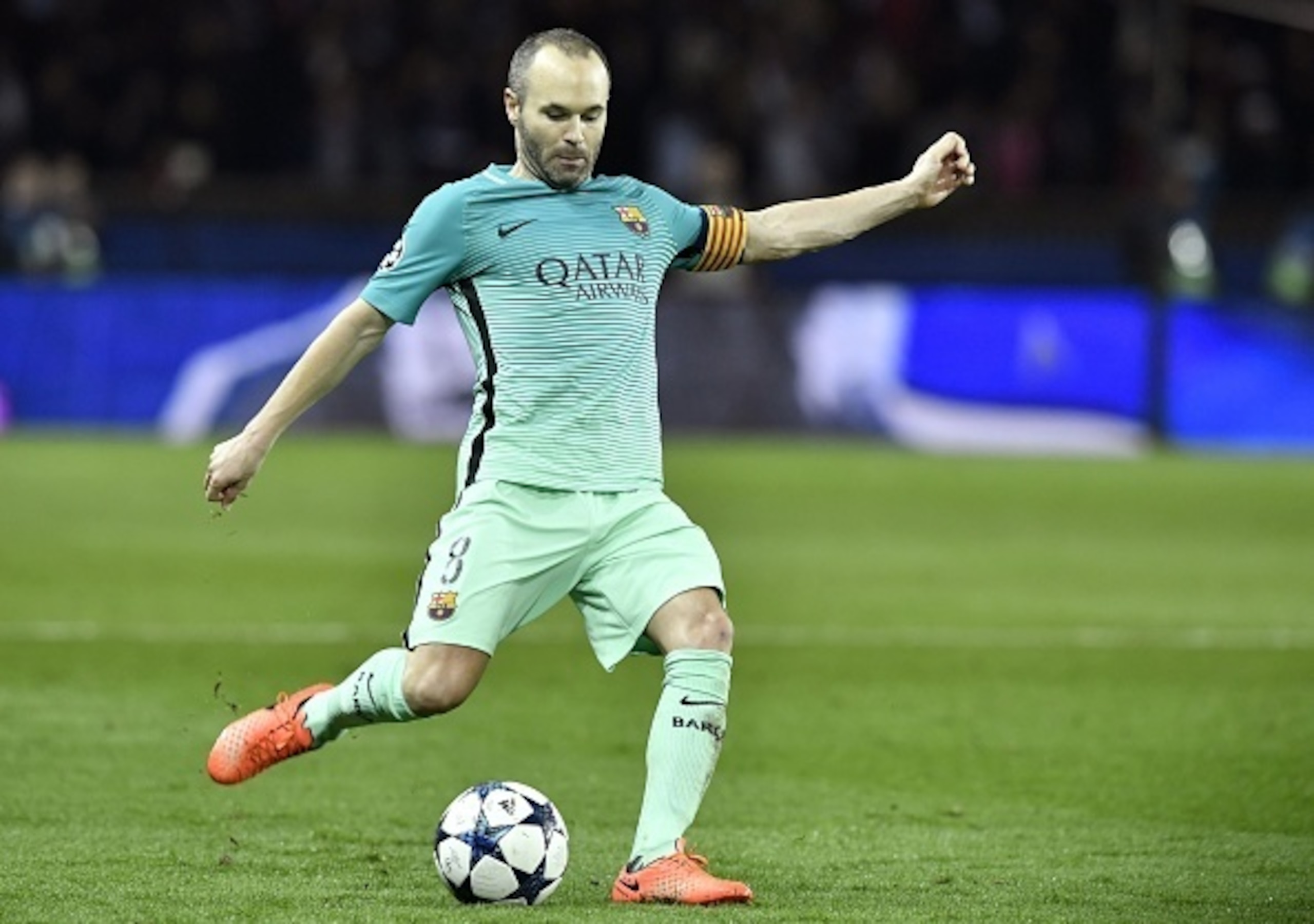
The Don, one of the remaining legends in action who comes close to matching his own levels of consistency from Barcelona's most dominant era right up to the present day...but even so, not quite as much.
Like Busquets, Iniesta's influence has been curtailed to a point by the changed methodology of Barcelona's approach, but also by age and injury. He remains one of the most creative, incisive and unstoppable players around when on his game, as adept at splitting a defence with a through ball as he is at changing direction and leaving three players for dead at once with a short dribble, but his best and most consistent days are behind him.
Our pick: 2011's Iniesta
FW: Messi vs. Messi
9 of 12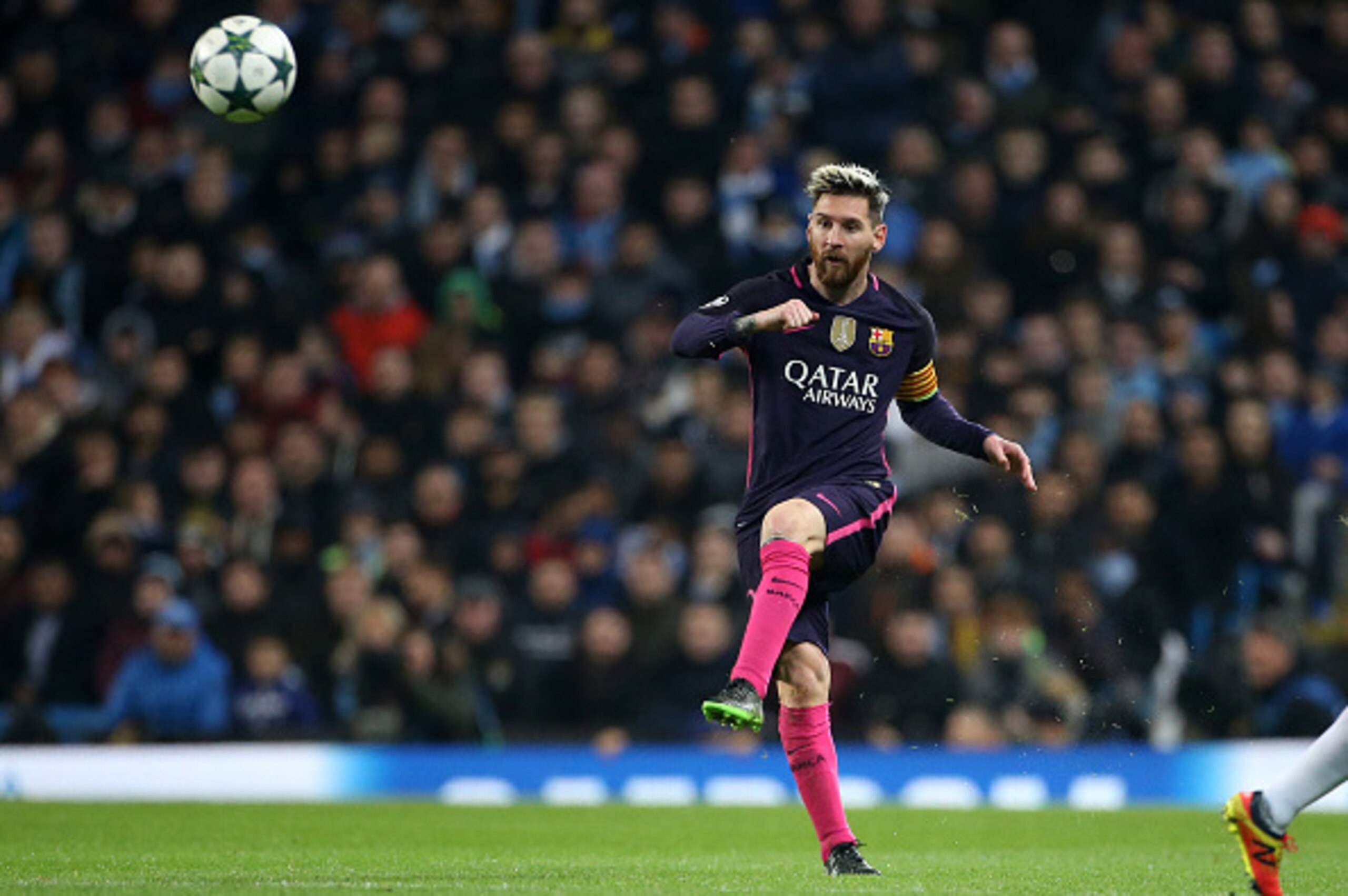
If Abidal vs. Alba was the toughest head-to-head to call, Messi vs. Messi is the toughest single-player comparison.
For starters, the No. 10's role has changed. In 2011 he was the centre-forward, the false nine, the goal-getter, creator-from-deep and the man the attack was built around. Now, he's a scheming playmaker from the flank, the link man from midfield to front line with ample licence to roam centrally and still get bushel-loads of goals.
Which Messi was better? Aged 24, he was more mobile, faster and more involved in the game on an individual level with his dribbling and scoring 53 goals, but now at 30, he's more central to Barca's build-up play, more able to bring other top-class forwards into dangerous positions.
And he can still score 40 a season.
But perhaps it was the individualism, the creative genius, the unstoppable run-and-shot, which made Messi the amazing standout player in the first place, and perhaps it's not seen quite as often over the last season or two.
Our pick: 2011's Messi
FW: Pedro vs. Neymar
10 of 12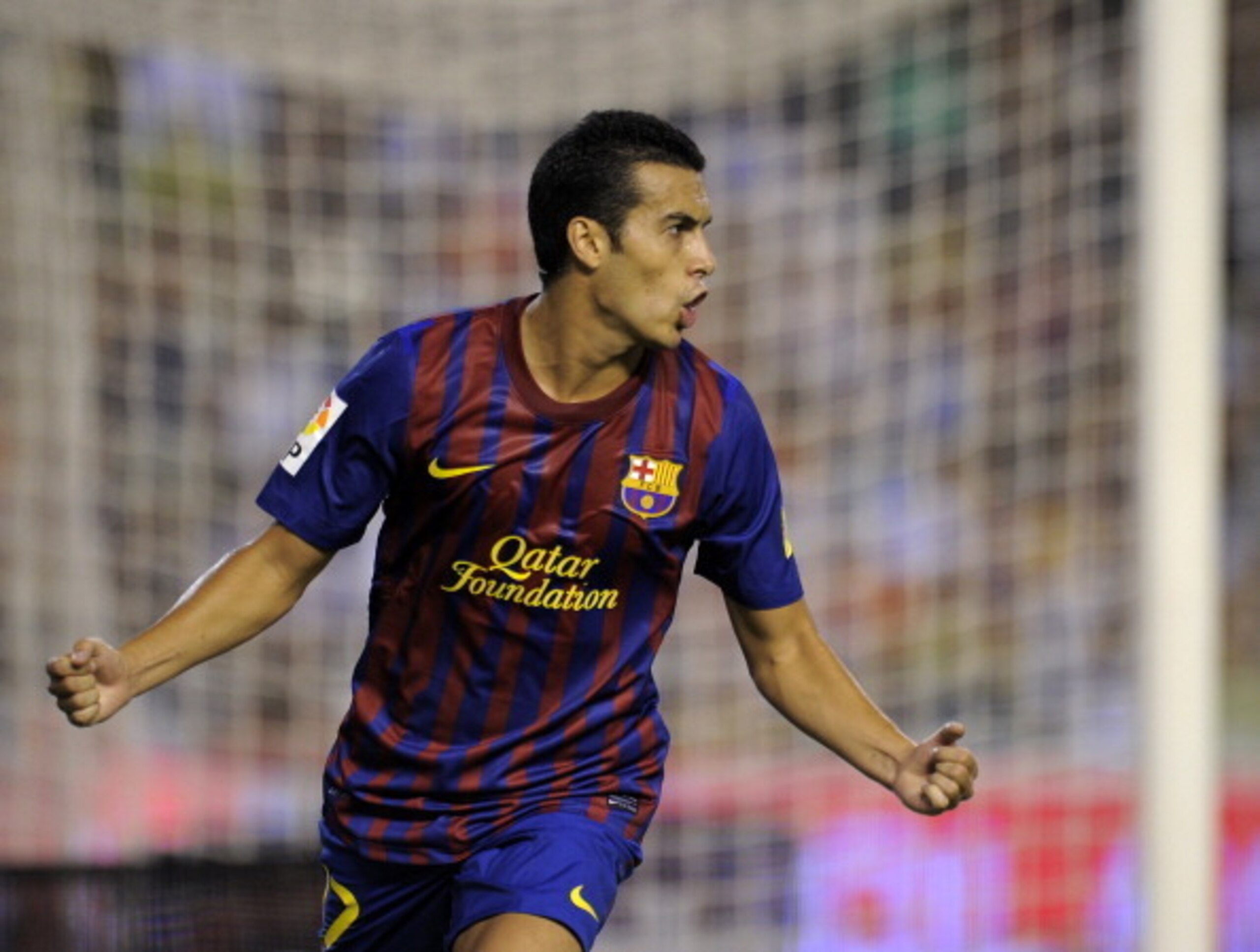
Wide forwards, goal-getters, link players in different ways.
Pedro was the homegrown boy who ended up being all too easy to leave off the pitch, and he had to seek out pastures new, while Neymar was the poster boy for the recruitment age, the marketable product and the face of the new era. Also, he's pretty good.
While Pedro was hard-working, had excellent movement and—early on, at least—a great goal record, Neymar is one of the elite, a top-tier player who is part of the most feared attack in the game.
Our pick: Neymar
FW: Villa vs. Suarez
11 of 12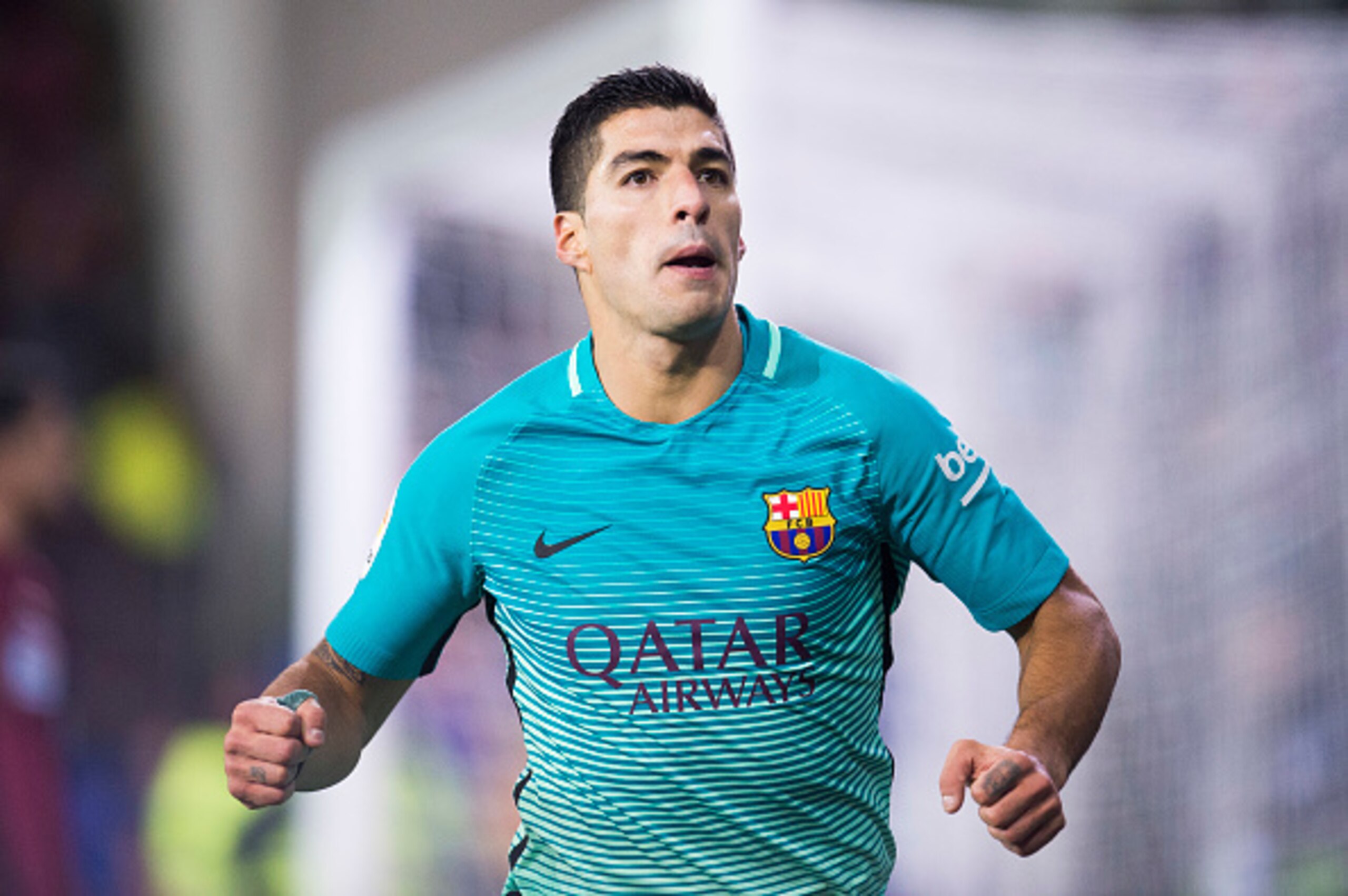
A slight difference here, in that David Villa played from the left while Luis Suarez plays as the centre-forward, but it's still the role comparison: the main striker, the runner behind the defence who is the primary option to occupy the back line and look to score.
As with the Pedro-Neymar battle, it's great against even better: Nothing Villa did could be construed as not good enough, with his relentless movement, excellent finishing prowess and coolness in front of goal, but Suarez is again on another level.
More aggression, more individual skill and being the focus point of the team (and playing centrally) means he's a notch above Villa.
Our pick: Suarez
Overall
12 of 12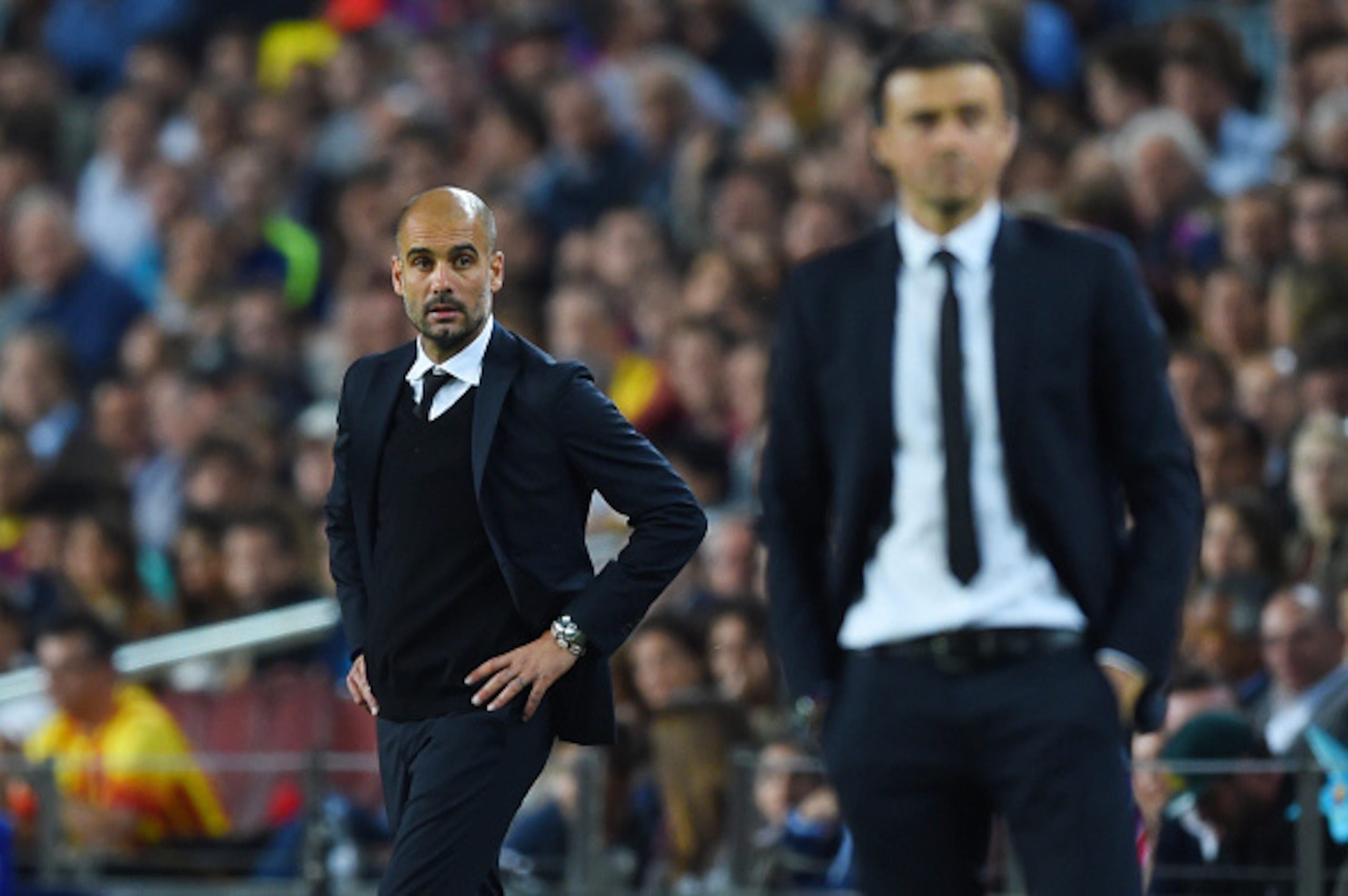
The 2011 vintage come out on top with six players picked to 2017's five, but even more than that, the earlier side was constructed with absolute dominance in mind and a style of play few could cope with.
Of course, when you reach the top it's difficult to remain in place, and Barca manager Luis Enrique should be commended to a point for being willing to reshape, if not break, the mould of the team. He has had enormous success himself, but a handful of ageing players and one or two below-par additions (compared to who they were replacing) can only mean a downward trend.
All the while, of course, other teams are improving.
That's what Barcelona were facing, and now it'll be the challenge they take on again: to return toward the elite of European football...which, after the disastrous first leg against Paris Saint-Germain, looks well beyond them at this point.


.jpg?w=2560 "2 NFL Officials Suspended")


.jpg?w=2560 "Viral Rams Coach Vid 🖕")