
College Basketball's Most One-Dimensional Teams This Season
Balance is what we all strive for in life, not being too reliant or dependent on one thing to the point where we're lacking too much in other areas. College basketball teams aim for the same type of stability by trying not to lean too heavily on one player or a certain aspect of the game.
That's all great in theory, but reality often takes over and tilts things heavily in one direction or another.
That's what has happened with some Division I teams so far during the 2016-17 season. Try as they might not to let this happen, they've become somewhat one-dimensional and thus in a position where they face real trouble if their lone key attribute or contributor flounders.
Georgia Tech
1 of 8
Josh Pastner has a major rebuilding project on his hands with Georgia Tech, though last week's upset of North Carolina indicates it isn't an impossible task. It just might be easier if the Yellow Jackets had the ability to take (and make) all of the types of shots available in college basketball.
Through 14 games, Georgia Tech has attempted 168 three-pointers, the fewest of any team in Division I, hitting on 33.3 percent of them. Its three-point-attempt rate, which is based on the percentage of shots taken by a team that are outside the line, is second-worst in Division I at 21.2 percent. Only Evansville (20.1 percent) takes a lower percentage of threes, but the Purple Aces have shown better offensive efficiency (102.1 points per 100 possessions compared to 95.7 for Tech).
Pastner's patchwork squad, many of whom are in their first season with the program, has only two players who have made more than 10 threes: junior guard Tadric Jackson and senior forward Quinton Stephens. They're making 36 percent of their shots from outside while the remainder of the team is 24-of-79.
Grand Canyon
2 of 8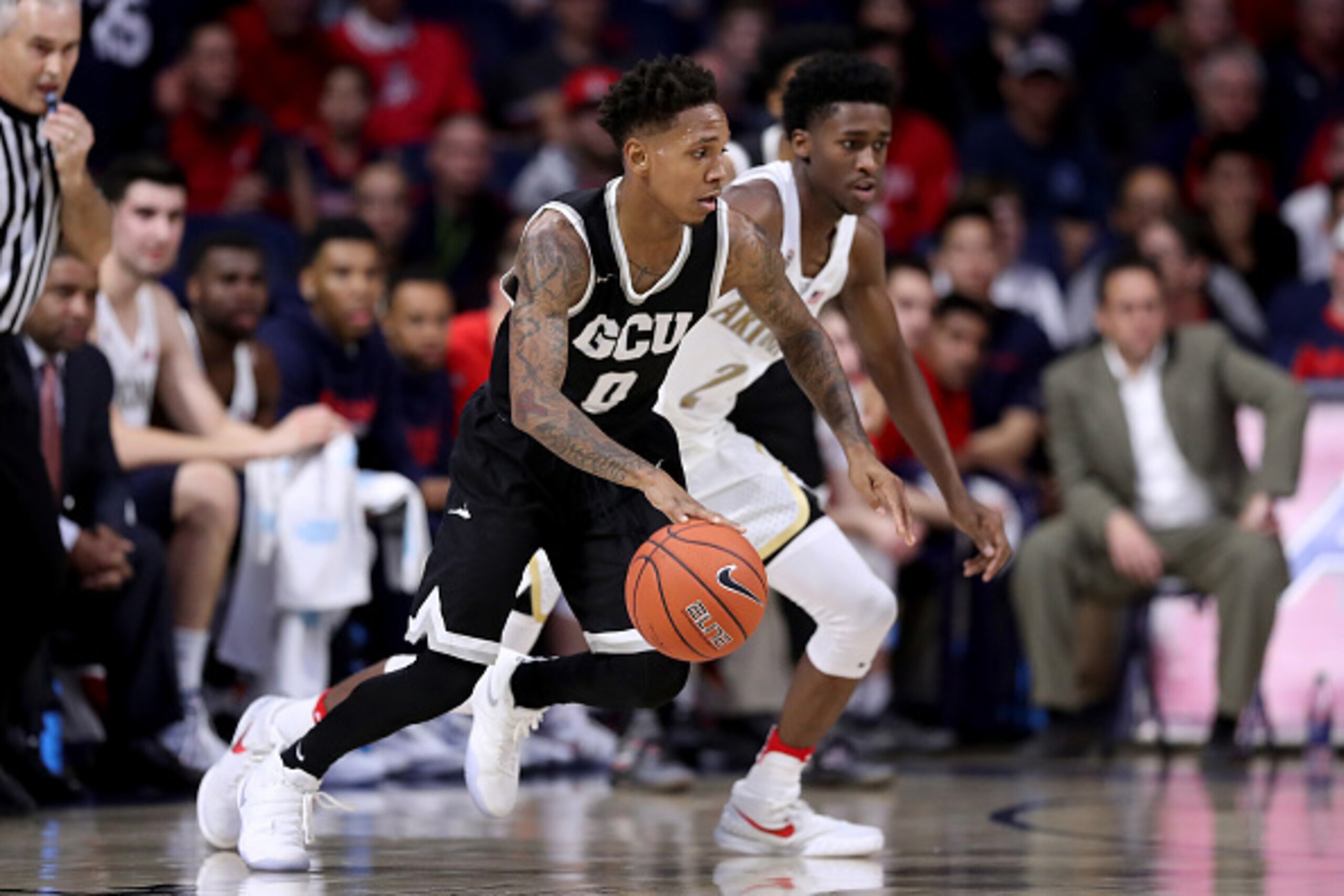
Having DeWayne Russell be Grand Canyon's overwhelming scoring leader was never part of the plan for 2016-17, though the senior was expected to play a major role as the starting point guard who is very capable of creating for himself. But when junior guard Joshua Braun went down with a knee injury in late November that required surgery, Russell became the Antelopes' only viable scoring threat.
And he's run with that increased role, averaging 24.2 points per game to rank third in the country. That's more than 15 points better than any other active player on the team, as junior forward Keonta Vernon (8.9) is currently the second-leading scorer.
Russell isn't just doing the lion's share of Grand Canyon's scoring, such as when he had 42 of its 70 points in a November loss to Louisville, he's also been far and away its most frequent shooter. The 5'11” guard is attempting 19.1 shots per game, 12 more than anyone else.
He took 27 of Grand Canyon's 49 shots against Louisville and has taken at least 20 shots six times. Russell is shooting 41.1 percent overall and 43.8 percent from three-point range and when he struggles—he was 4-of-25 from the field in a Dec. 31 loss at UC Riverside in which the Antelopes shot a season-low 31.3 percent as a team—it's been difficult for them to win.
Marshall
3 of 8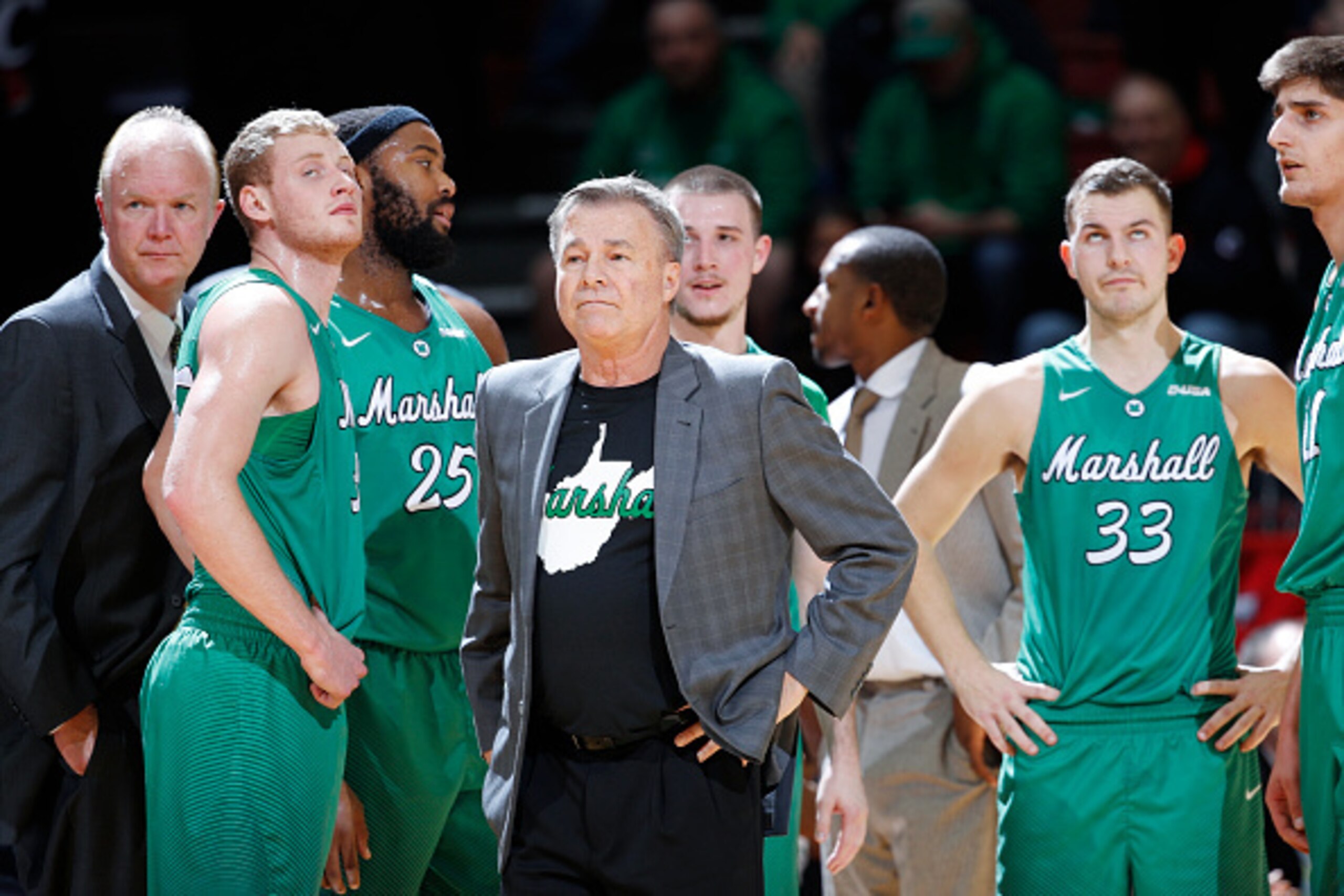
Dan D'Antoni is in his second season as Marshall's coach and second season as a head coach at any level other than high school. Prior to coming to the Thundering Herd, he spent 10 years as an assistant on various NBA teams coached by his brother, Mike D'Antoni.
And it should be no surprise that the brothers share a similar offensive philosophy that centers around scoring as quickly as possible without much regard for the consequences on the defensive end.
Marshall averages 88.6 points per game, which ranks eighth in the country, but also allows 84.8 per game which is sixth-worst in Division I. Its overall offensive rating (112.5) ranks 48th and the defensive rating (107.6) is 297th out of 351 schools.
Six Thundering Herd players average at least 11 points per game, led by junior guard Jon Elmore's 20.5 per game, and their lowest team scoring output was 70 points in a November loss at Ohio State in which they allowed 111. They've yielded 100-plus three times and on Thursday pulled out a 90-86 overtime win over Old Dominion, a team that had previously allowed 68 or fewer points in every game and had never scored more than 65.
.jpg?w=2560 "49ers Seahawks Football")
New Mexico
4 of 8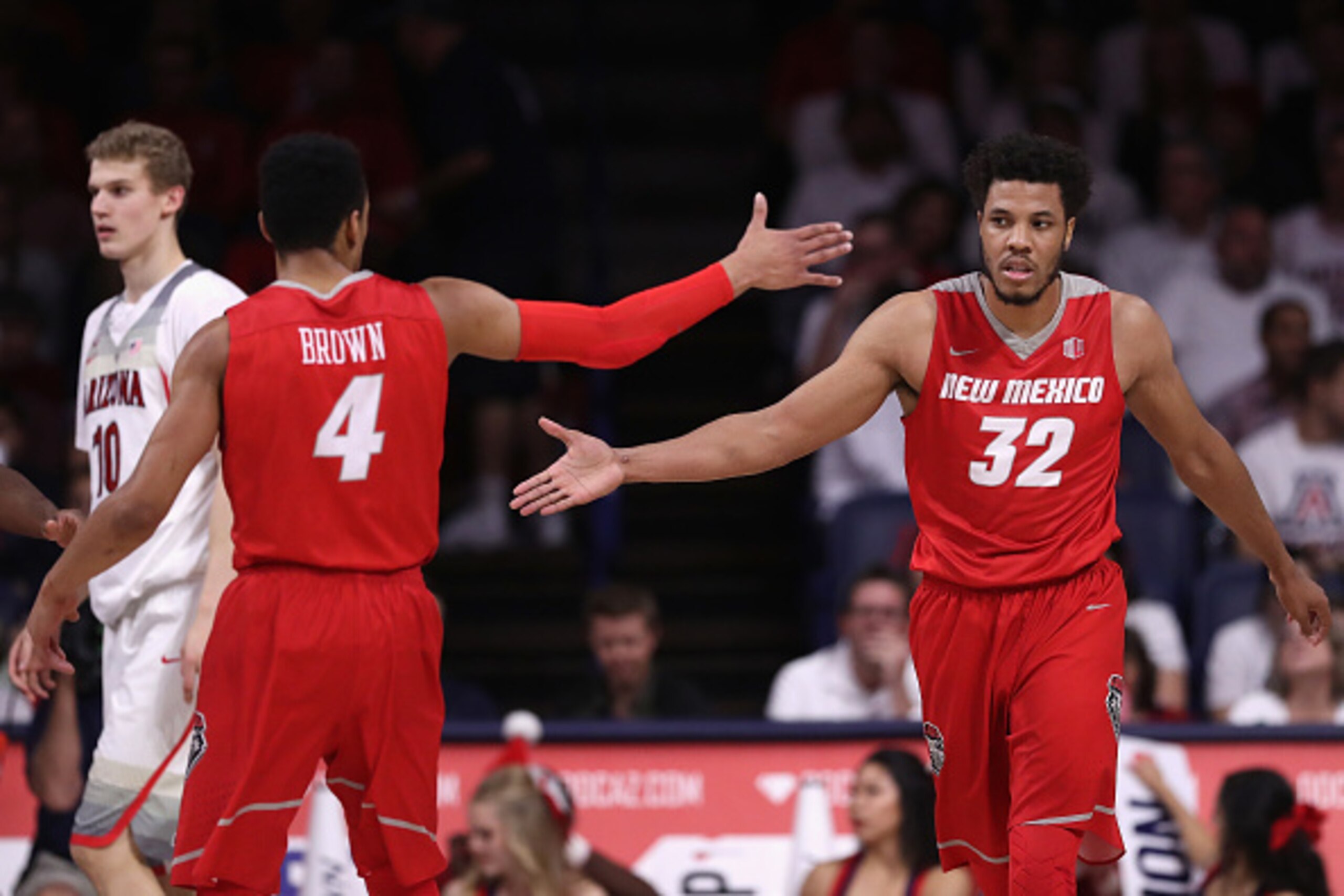
Fouling is part of the game, and an ideal strategy is being able to draw fouls and translate them into free throws. New Mexico understands this, getting to the line at a higher rate than any other team in the country.
The Lobos get 0.398 points off free throw for every field goal they attempt, which ranks first in Division I. In 15 games they've taken 416 foul shots and made 316, their 76 percent accuracy 23rd overall. More than 28 percent of their 74.6 points per game come without any time coming off the clock.
And it's not just one or two players who are drawing the fouls and scoring at the line. While senior forward Tim Williams and junior guard Elijah Brown have taken 184 of New Mexico's 416 free throws, there are four other players attempting at least two per game.
New Mexico has drawn 334 fouls, meaning it gets 1.25 points for every foul. It gets just over one point for every field goal it's taken.
Old Dominion
5 of 8Old Dominion is coming off its highest-scoring game of the season, a 90-86 loss at Marshall on Thursday. It required an extra five minutes of overtime for the Monarchs to score more than 45 percent above their previous average of 59.1 points per game.
But offense isn't what Old Dominion and coach Jeff Jones have built this season around. Instead, it's preventing the other team from doing so. Even after allowing 90, it's still fifth in Division in scoring defense at 58.6 per game.
Old Dominion plays at one of the slowest paces in the country at 64 possessions per 40 minutes. Five other teams are slower, including ranked schools Saint Mary's and Virginia, and Big Ten contender Michigan but while those teams are still managing to be efficient despite a slower pace, the Monarchs aren't. They rank 327th in offensive rating and shoot just 37.1 percent from the field.
The Monarchs have shot 50 percent once this season, in a 62-56 win over Rice on Dec. 31, and they've managed to win twice while shooting below 30 percent.
Savannah State
6 of 8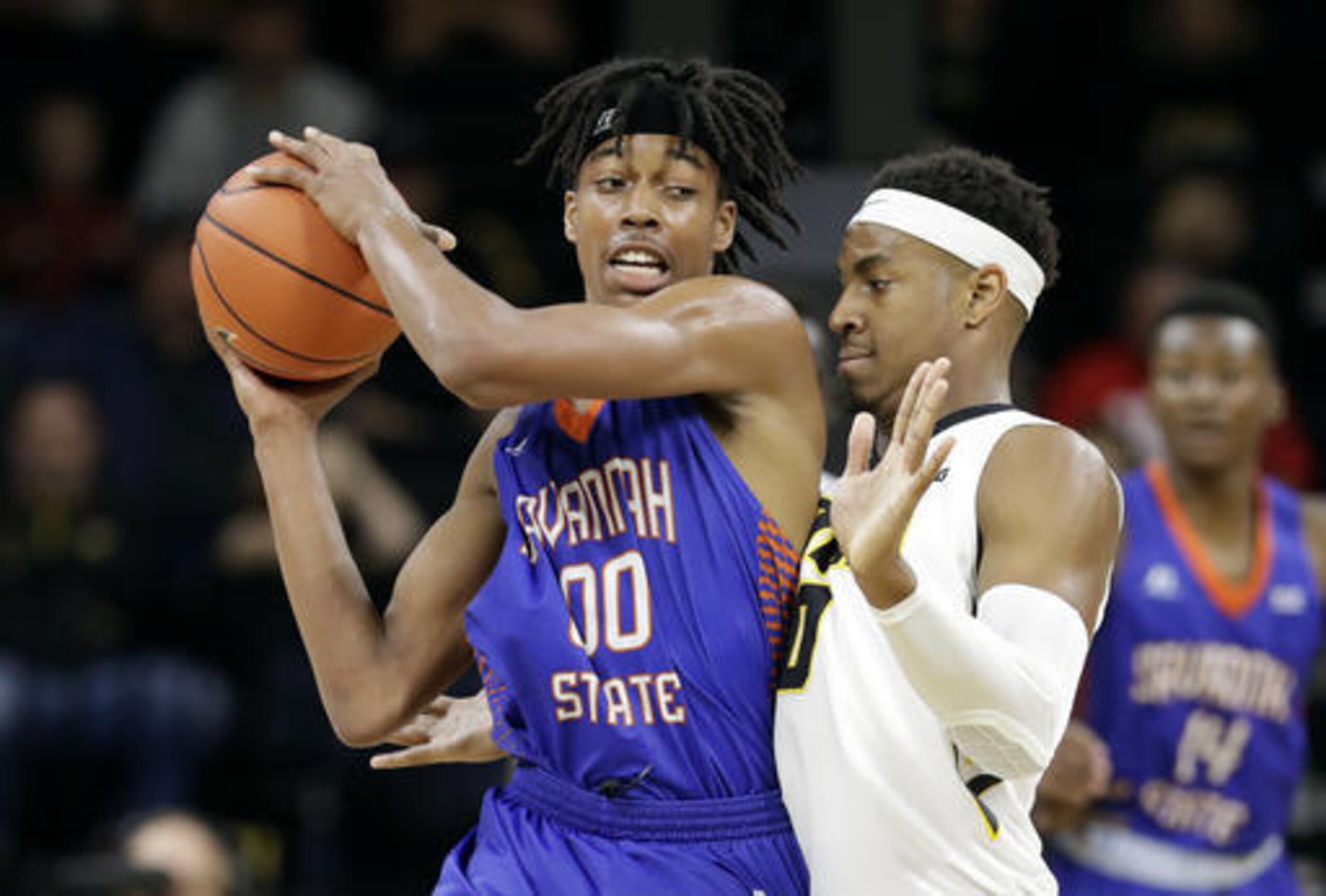
Three is greater than two—that's simple math. That's probably why Savannah State takes 59.7 percent of its shots from three-point range, far more than any other team in the country. And though its three-point accuracy (36.9 percent) ranks just 108th nationally, the sheer volume of long-distance shots the Tigers take makes up for missing more threes (361 in 14 games) than all but 79 other schools have even attempted.
Savannah State hasn't made the most of all those threes, though, sitting at 4-10 on the season, since all the misses have contributed to horrible defense and a national-worst 102.6 points allowed per game. It has yielded 100-plus seven times and never fewer than 90 points, giving up 128 at Oregon and a combined 229 points in losses at Iowa and Iowa State to start the season.
Even more abnormal than this up-tempo, three-heavy pace is the fact it has been a major shift from what the Tigers did in 2015-16 despite having the same coach. Horace Broadnax has been with Savannah State since 2005-06, and none of his previous teams averaged more than 63.3 points per game. Last year it allowed only 67.7 per game.
Seton Hall
7 of 8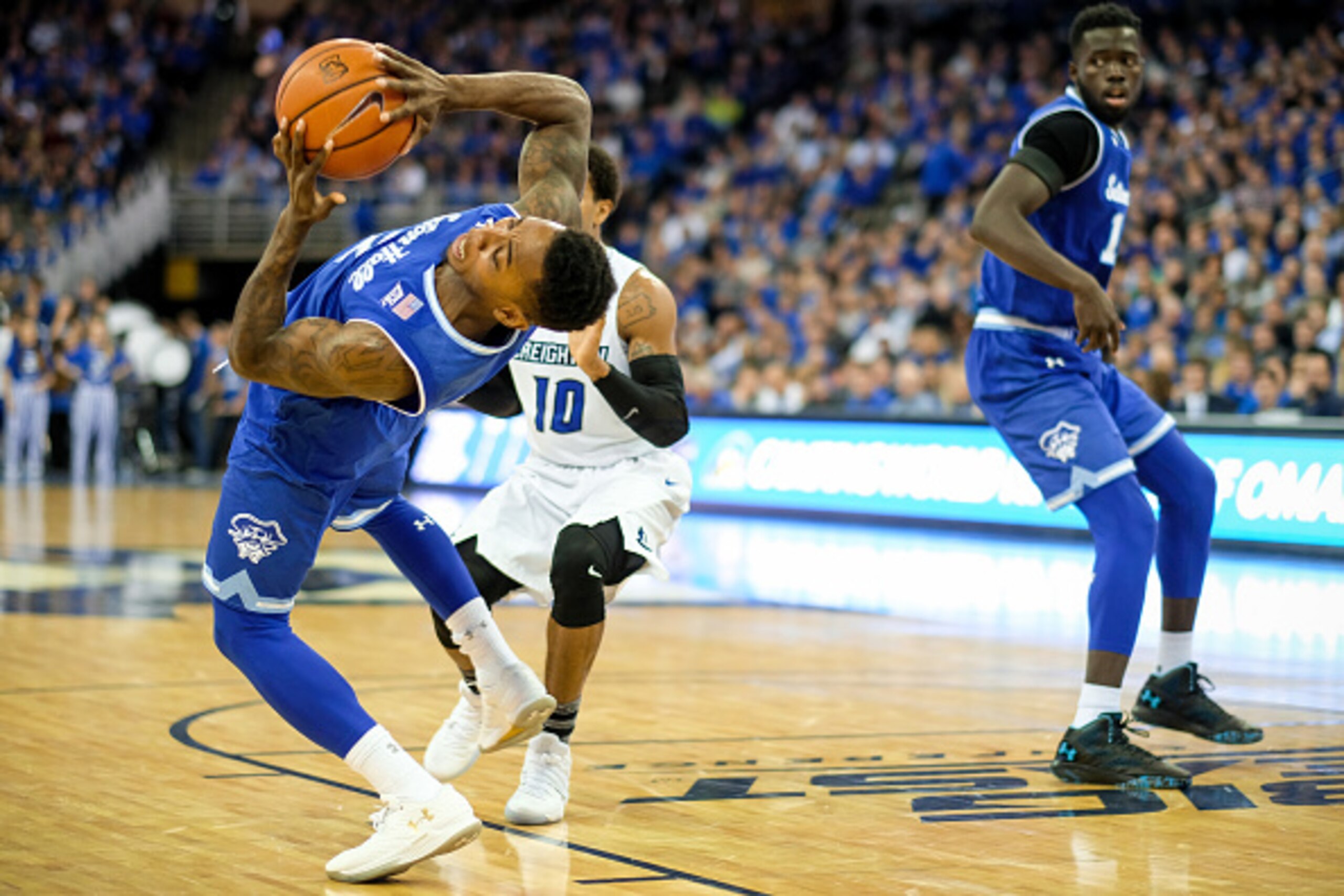
At 11-3 with wins over California, Iowa and South Carolina along with a 2-1 start in Big East play, Seton Hall looks poised to make consecutive trips to the NCAA tournament for the first time since 1993-94. To ensure that happens, the Pirates might want to spend a little more time passing the ball and a little less playing one-on-one.
Only 41 percent of Seton Hall's made field goals have been assisted, the fifth-lowest rate in the country. The four teams who assist less frequently are a combined 15-47.
Senior guard Madison Jones leads the team in assists per game at 3.3, followed by junior guard Khadeen Carrington (2.6). No one else averages more than 1.6.
Adding to this is the fact Seton Hall has turned it over 40 more times than it's dished out an assist, a ratio of 0.8-to-1. That's ranked 306th in the country, per the NCAA.
Virginia
8 of 8
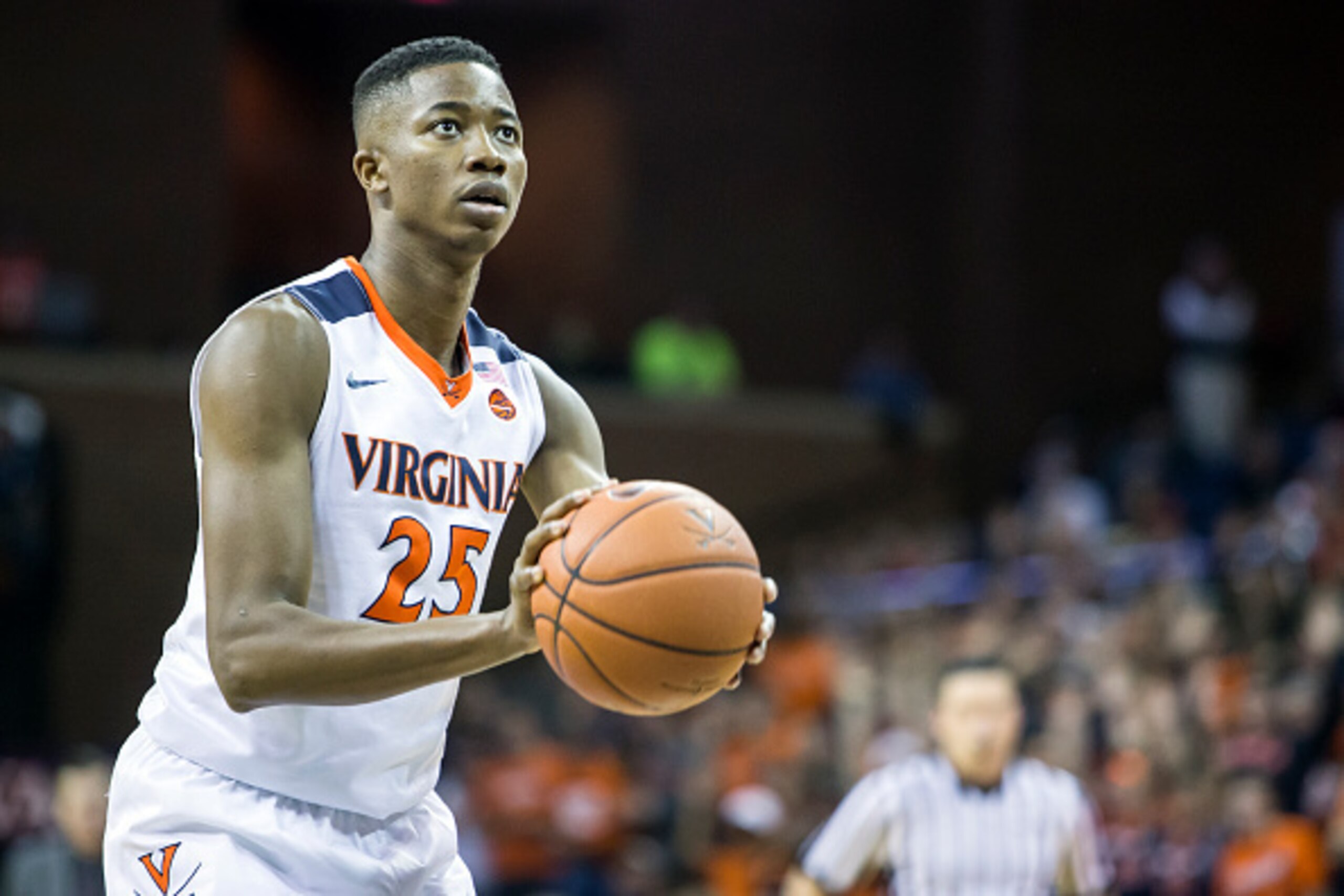
It's now well-chronicled that Virginia plays at a methodical pace, one that preaches patience and efficiency on offense and dedication to discipline on defense. It's led the Cavaliers to win 100 games since the start of the 2013-14 season.
But there's still one thing missing from how Virginia operates when it has the ball: getting to the line. In 14 games they've attempted 178 free throws, third-fewest in the country, and are making only 69.1 percent, which is in the bottom half of all Division I teams.
The Cavaliers get 0.235 foul shots per field-goal attempt, the lowest rate in the nation, and less than 13 percent of their scoring comes at the line. That's all well and good most of the time since Virginia shoots 49.4 percent and holds opponents to 36.7 percent shooting, but when their foes are getting so many more foul shot opportunities, it negates those numbers.
Virginia has taken more free throws than the opposition six times and in its three losses the discrepancy has been enormous, particularly in its two ACC losses. Florida State only made 12 of 24 foul shots, but that was three more than Virginia made (on 16 attempts) in a two-point victory. While on Wednesday, Pittsburgh had a 28-5 edge in free-throw attempts (and 17-2 advantage in makes) in winning by 12 in overtime.
All statistics courtesy of Sports-Reference.com, unless otherwise noted. All recruiting information courtesy of Scout.com, unless otherwise noted.
Follow Brian J. Pedersen on Twitter at @realBJP.
.jpg?w=2560 "Seahawks Cardinals Football")

.jpg?w=2560 "AD Trolls Bears WR on IG 😂")
.jpg?w=2560 "Report: Steelers WR to Miss 'Weeks'")