
Did These Teams and Players 'Cheat to Win?'
Lewis Hamilton slowed down on purpose despite leading the Formula One finale and despite directives from team officials to speed up. If other drivers were able to catch up to Nico Rosberg, then perhaps Hamilton could win the race and the championship.
It didn't work out that way for him, but the strategy did result in some debate.
Was Hamilton cheating in an attempt to win the title? And even if he wasn't technically, should his actions be deemed dishonest?
There are many gray areas like this in sports—slowing down on purpose or using a foreign substance on gloves, for example.
In most of the following 10 cases of questionable tactics, the rules are clear. But what should the rules be?
Read on to find out.
Odell Beckham Jr.
1 of 10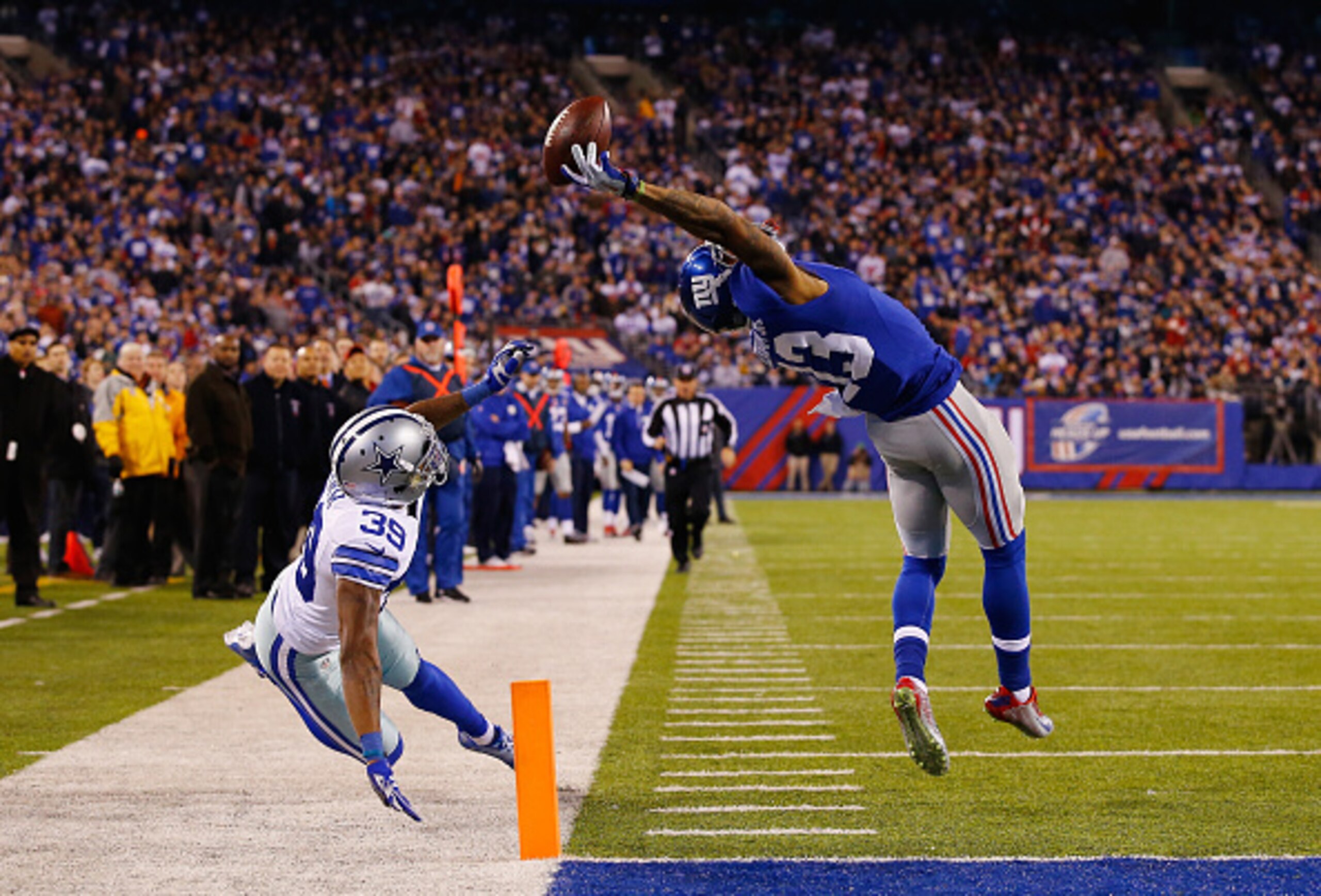
In a 2015 ESPN video on the evolution of football gloves, Hall of Fame wide receiver Jerry Rice admitted to using Stickum during his playing days.
Rice said in the video (via Mike Florio of NBC Sports), "I know this might be a little illegal, guys, but you put a little spray, a little Stickum on them, to make sure that texture is a little sticky."
As Florio put it, "It wasn't a little illegal, it was a lot illegal."
Remember Odell Beckham Jr.'s unbelievable one-handed grab in 2014? Asked if his gloves assisted in the catch, the New York Giants wide receiver said, per Tom Rock of Newsday, "The gloves definitely do help. It's part of the game, part of football. You can wear gloves. I don't think it's against the rules. But they definitely do help."
In March, the NFL discussed setting some guidelines for the "tackiness" of gloves.
Should this be considered cheating? Not if the NFL sets reasonable parameters and players operate within them.
San Diego Padres
2 of 10
In October, Los Angeles Dodgers catcher Yasmani Grandal accused Chicago Cubs infielder Ben Zobrist of stealing signs. Zobrist denied the allegations, but even if had been stealing signs, is that cheating?
The short answer is no. R.J. Anderson of CBS Sports wrote, "Of course the Cubs are stealing signs—every team steals signs. There's no rule against it; at best, there's an unwritten rule to not be so obvious about it."
Ah, the famous "unwritten rules."
Meanwhile, in April, St. Louis Cardinals catcher Yadier Molina pointed out a San Diego Padres staffer holding binoculars during a game. The Padres said he was a member of security, but what if, hypothetically, he had been stealing signs? Is that cheating?
Mike Axisa of CBS Sports wrote, "But when stealing signs goes off the field and involves, say, a guy with binoculars and a walkie talkie in the camera well, then it's going too far."
Should this be considered cheating? Axisa's point is a good one—on-field sign-stealing should be OK, but not off-field spy tactics.
Henrik Lundqvist
3 of 10
You know how pufferfish can expand their bodies to protect themselves from predators? NHL goalies may or may not use the same tactic with their equipment in order to protect against opposing shot attempts.
This is something the NHL has been seeking to address for some time. For the 2013-14 season, regulations were put in place to limit pad size and and hopefully increase goals. In fact, the NHL and NHLPA are working to agree on several equipment changes to be implemented throughout the 2016-17 season.
New York Rangers netminder Henrik Lundqvist has long been known to don too-big equipment and has said he doesn't necessarily agree with the new regulations, per the New York Post.
On the idea of custom-measured equipment, Buffalo Sabres goaltender Robin Lehner said in March, per Michael Traikos of the National Post:
"I love that. I love that idea. It's just not consistent through the league. A lot of goalies have way-too-big equipment on. They can fit four sets of arms in one sleeve of the chest protector. I know guys in this league who wear player pants underneath their goalie pants. That's how big their pants are. You see guys look like absolute monsters on the ice. It's nuts. You can have guys weigh 175 and they look like a 300-pound sumo wrestler out there.
"
Should this be considered cheating? Yes. At the risk of making an obvious statement, players should wear uniforms that fit them.



Joe Maddon
4 of 10
There are a lot of unspoken things that go on in baseball. For instance, during a September game against the St. Louis Cardinals, Chicago Cubs pitcher Kyle Hendricks lost a no-hitter in the ninth inning.
Cubs manager Joe Maddon, in an apparent attempt to buy time for closer Aroldis Chapman to warm up, sent his infielders to the mound to talk to Hendricks.
Umpire Joe West was not having it, and Maddon erupted. He was eventually ejected, and yet, ironically, his goal had been accomplished.
Hendricks later said, per Patrick Mooney of CSN Chicago, "We were joking on the mound. I knew he was trying to get some time to get Chapman up—(that's just) Joe and his ways."
To call something like this cheating outright is too extreme. One could also argue the manager was simply using creativity to accomplish a goal.
Should this be considered cheating? Nah, it's just part of the game.
Paula Creamer
5 of 10
Should a caddie be allowed to line up a putt for his or her golfer?
According to golfer Tripp Isenhour (via the Golf Channel), this happens more often in the LPGA than in the men's game.
American Paula Creamer told Alasdair Reid of the Telegraph in 2014, "I played eight years on Tour having Colin [Cann, her English caddie] line me up on every shot. But for me, I needed to take control of my own game."
In a January piece for ESPN.com, golfer Dottie Pepper listed this type of assistance as one issue in golf that needs more attention.
She wrote:
"Lining up the shot is the player's responsibility. Period. It is part of being a golfer, part of playing the game. You can have all the help you want on the practice range, but get at it and get at it by yourself on the course. It not only looks bad to the television viewer, but also gives the impression that the player isn't in command of his or her game.
"
Should this be considered cheating? Yes. Unless golf is suddenly a doubles sport, players should be responsible for their own lines.
Jose Tabata
6 of 10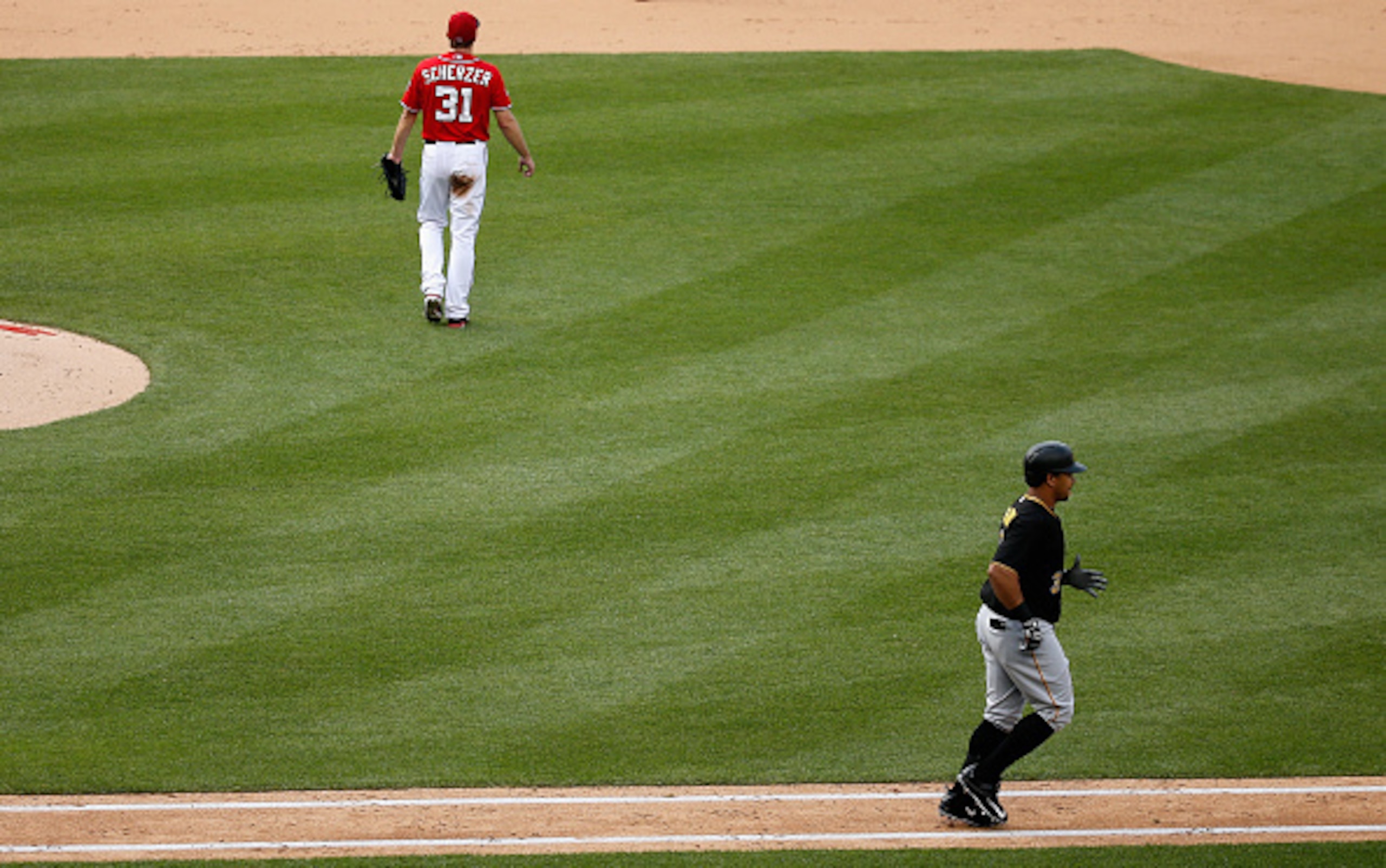
Why would anyone want to lean into a major league slider? To get to first base, of course.
Or perhaps, to break up a perfect game? In 2015, Washington Nationals pitcher Max Scherzer had a perfect game going against the Pittsburgh Pirates in the ninth, but he hit pinch hitter Jose Tabata, ending the bid for perfection. (He still ended up with a no-hitter.)
Later, there was speculation Tabata leaned in on purpose. He denied the idea.
Meanwhile, it was only May 2015 when Nationals infielder Danny Espinosa had already been hit by six pitches.
He said, per Chelsea Janes of the Washington Post, "If you're gonna try to come in and brush me off the plate and move me, I'm not gonna move. I’m not gonna give up the inside part of the plate when they try to free that up. I'm not trying to lean in. If you hit me, you hit me."
Should this be considered cheating? Holding ground? No. Leaning in? Yes.
Dan Carpenter
7 of 10
In November, Seattle Seahawks cornerback Richard Sherman took a lot of heat for hitting Buffalo Bills kicker Dan Carpenter. He was not flagged for unnecessary roughness even though Carpenter ended up on the ground.
Seahawks coach Pete Carroll said of Carpenter, per Michael David Smith of NBC Sports, "He hams it up a little bit too, which makes it bad."
Carpenter was not flagged either, but assuming he did add a little theatrics to his fall, is that cheating?
According to the NFL, yes.
In 2013, former Chicago Bears linebacker Brian Urlacher flat-out admitted the defense faked injuries at times to slow down fast-paced offenses. And at that time, the league issued a memo reminding teams such a thing is illegal.
Dan Hanzus of NFL.com wrote, "Do NFL teams fake injuries during games? That's a rhetorical question. Of course they do. They've been doing it for-ev-er. It's not glamorous or particularly endearing, but it's an unwritten rule of a game that's filled with them."
Should this be considered cheating? Yes, and it is.
Paul Clemens
8 of 10
Pine tar can be useful to pitchers, particularly to help grip the ball in cold weather.
And yet, there is an actual rule forbidding pitchers to use it (or, specifically, to "apply a foreign substance of any kind to the ball," per rule 8.02 of the official rules). So, spoiler, it is cheating. (Batters can use pine tar within specified limitations.)
That said, there is one of those pesky "unwritten rules" that allows pitchers to use pine tar, provided they also use discretion.
What San Diego Padres pitcher Paul Clemens used during an August game against the Philadelphia Phillies showed the opposite of discretion. He went out to the mound with pine tar all over his jersey and ultimately had to find a replacement.
So yes, he cheated. But, Nick Cafardo of the Boston Globe once pointed out the hypocrisy of the pine tar rules and wrote, "So instead of, 'It's OK to use it if it's discreet but not if it's blatantly visible,' why isn't the rule amended once and for all?"
Should this be considered cheating? Only if it is illegal for batters as well—consistency, people.
Philadelphia 76ers
9 of 10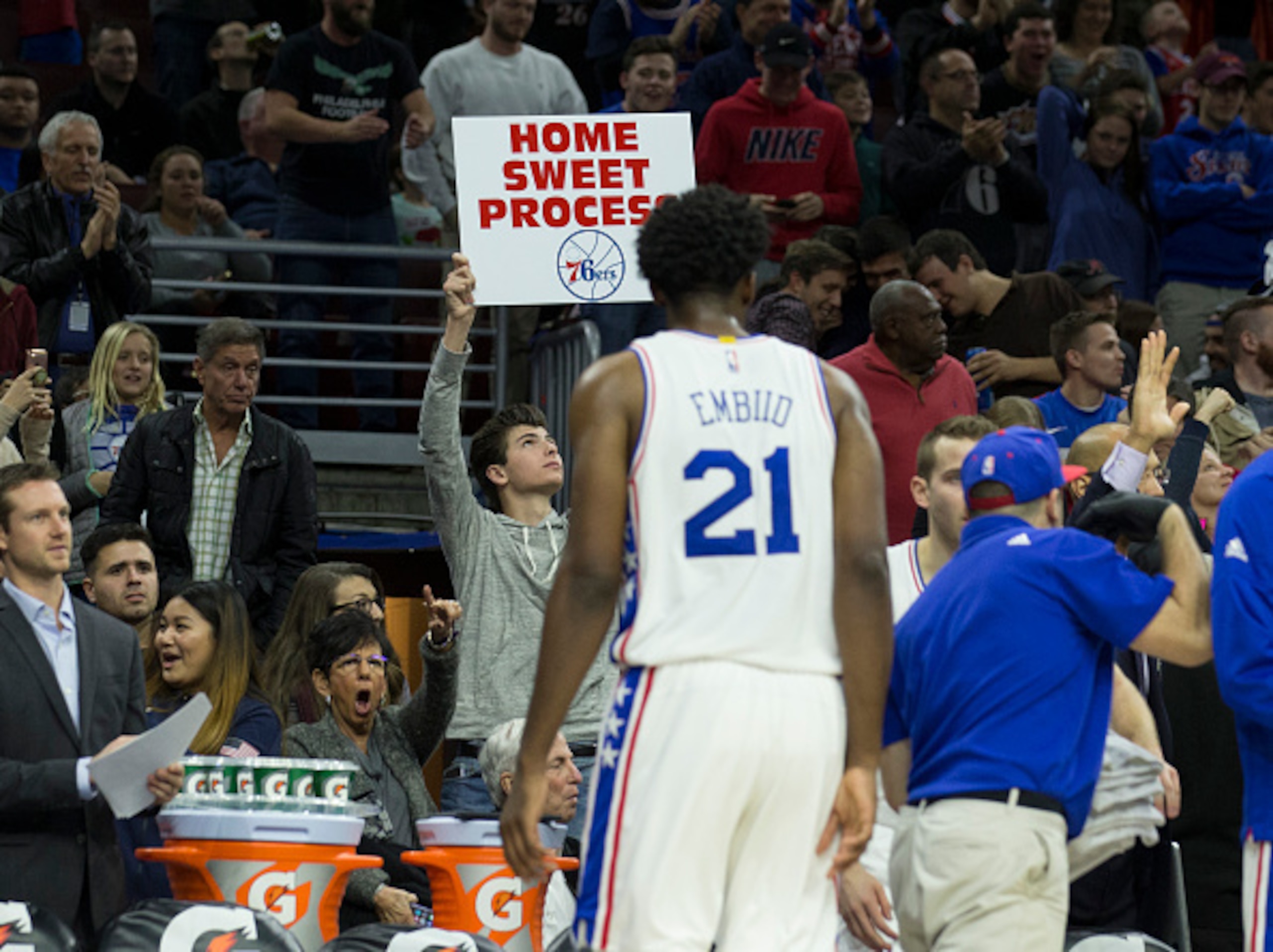
Here's a tough one. Does attempting to lose on purpose constitute cheating? What about intentionally giving something less than an all-out effort?
There's a lot of talk about tanking in sports and the NBA specifically. Everyone knows about the Philadelphia 76ers and their "Process."
On former general manager Sam Hinkie, Jake Fischer of SI.com wrote, "The brazen tank job Hinkie employed was clearly designed to deliver premier draft pick after premier draft pick for the 76ers, just as the surplus of second round picks he acquired bordered on absurd."
Throwing a sporting event for money is outright illegal. In 2012, Olympic badminton players were disqualified from competition after allegedly throwing matches to improve their overall situation.
But what about the subtler instances like that of the Sixers?
Should this be considered cheating? It would be tough to regulate, but steps should be taken to eliminate the advantages of such tactics.
Lewis Hamilton
10 of 10
In a similar vein, consider what Formula One driver Lewis Hamilton did during the Etihad Airways Abu Dhabi Grand Prix in late November.
In order for Hamilton to win the F1 championship, he had to win the finale, and his Mercedes teammate, Nico Rosberg, could not finish on the podium.
Hamilton jumped out to a lead and strategically slowed down the pace so other drivers could catch up to Rosberg. He continued with his slow-down tactic late into the race despite directives from his team to speed up.
Hamilton later said, per Graham Caygill of the National, "I don't know why they didn't just let us race. There was never a moment where I felt that I was going to lose the race."
Lewis did win, but Rosberg took second and the overall title, anyway.
Was Hamilton's tactic shady? And, did he cross a line by ignoring the instructions of team officials?
Should this be considered cheating? Let's go with no for now. Again, it would be hard to prove and enforce in many situations.
.jpg?w=2560 "Colts Football")





