

Bret Hart vs. Shawn Michaels' Survivor Series '92 Match Created Modern Wrestling
As 2016 continues its winding road toward conclusion, Shinsuke Nakamura, Kevin Owens and AJ Styles are world champions under the WWE umbrella.
To understand just how far professional wrestling has come since the height of Hulkamania and jacked-up former bodybuilders seeking a big paycheck and international recognition in the ring of sports entertainment, one must travel back to 1992 and a single pay-per-view main event that changed the perception of wrestling promoters forever.
The match, Bret Hart vs. Shawn Michaels for the WWE Championship in the headliner of the Survivor Series spectacular, would create opportunities for Chris Jericho, Chris Benoit, Eddie Guerrero and the current crop of Superstars to achieve greater success than they could have ever imagined
TOP NEWS
Bold WWE Title Predictions 🔮
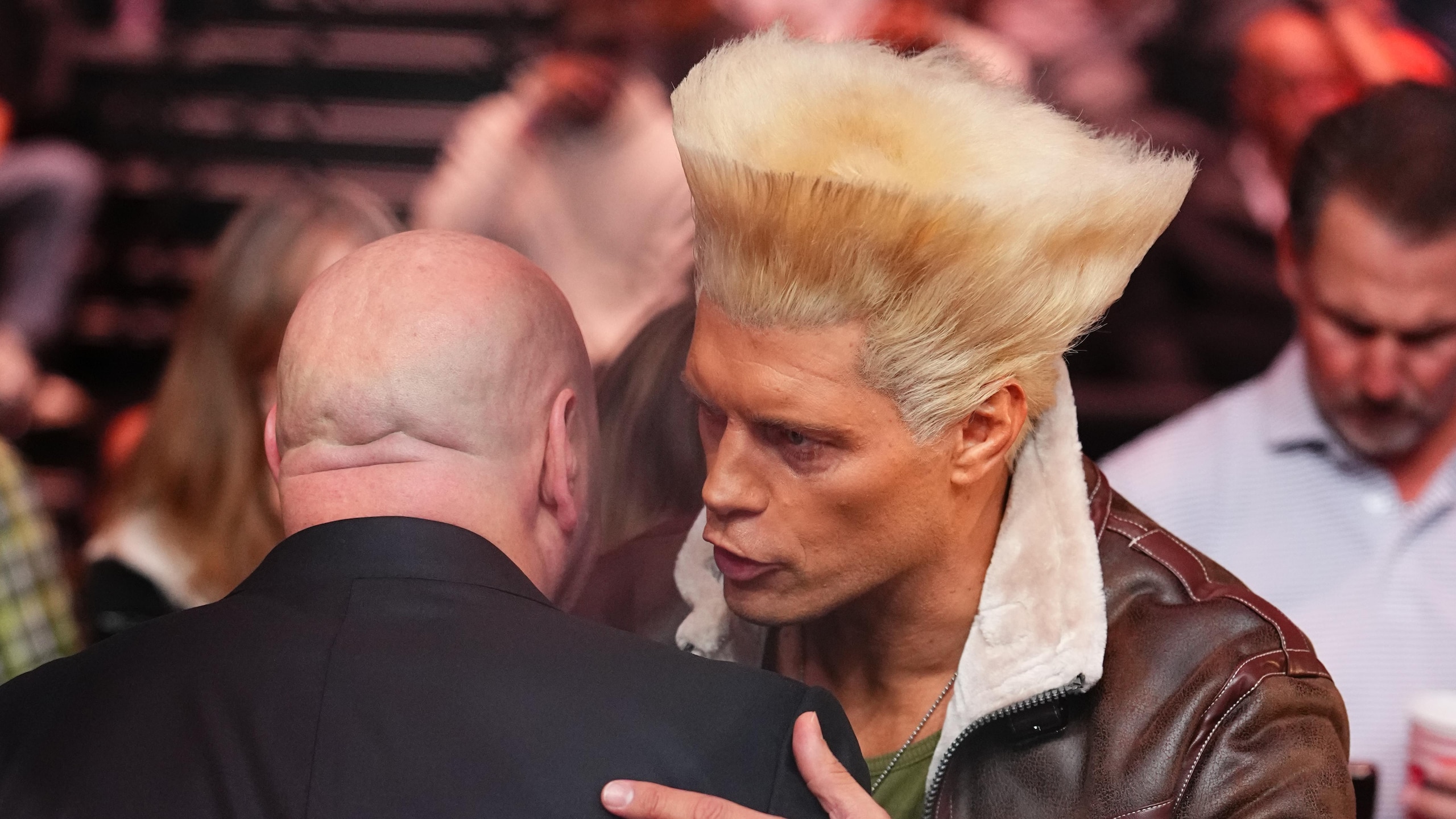
Cody Rhodes’ Epic Guile Look 👊
WWE Money in the Bank 2026 Preview 🔮
To understand why that match was so significant, one must look further back, to the mid-to-late 1980s, when muscularity was the key to success and guys who looked like Hart and Michaels were squashed or shoved into tag teams.
The Bigger, The Better
Late-1980s WWE is best defined by Hulkamania and the larger-than-life characters that entered fans' living rooms each and every week. They were enormous men, with biceps straight out of a Superman comic book. They looked poised to either save or endanger Lois Lane at any given turn and were suitable villains for The Hulkster.
Their work rate was often minimal, and the power-based offense was their go-to, but that did not stop fans from falling in love with them.
As the decade progressed, tape-traders and fans from around the globe were turned on to lightning-quick, harder-hitting action from Japan and Mexico. The stars from those countries opened their eyes to (subjectively) more exciting and entertaining styles of professional wrestling.
With the 1990s rapidly approaching, the "bigger and better" mindset became antiquated. The 20-minute house show slugfests between Iron Mike Sharpe and Hercules Hernandez no longer satiated the audience's appetite for enthralling in-ring content.
Subtly, Vince McMahon began shifting his product. Hogan and The Ultimate Warrior remained at the top of the card, but Rick Martel, Tito Santana, Curt Hennig and Hart brought a work rate to the midcard that fans of the sports-entertainment empire were not accustomed to.
The signing of Ric Flair in 1991 helped progress the movement from punching and kicking to actual artistic grappling, but it would be another year until the smaller, more technically sound competitors would wrest the spotlight from the meatheads who had previously oppressed them.
The Background
Even with Ric Flair at the top of the promotion, a lead heel the show could be built around, there was still skepticism that McMahon was truly interested in changing the direction of his company. After all, Flair was iconic, he could be the exception to the rule.
Anyone thinking that was the case had their doubts erased on October 12, 1992, when Hart defeated Flair for the title, tapping him out to the Sharpshooter.
After years of hard work and two legitimate Match of the Year contenders (1991's SummerSlam classic with Hennig and an all-time great with British Bulldog one year later), Hart was rewarded for his hard work, persistence and dedication with the most prestigious prize the industry had to offer.
The Survivor Series would be home to his first title defense, a championship clash with intercontinental champion Shawn Michaels, a man whose path to stardom was eerily similar to Hart's.
Both men earned recognition in WWE as tag team stars. They were both smaller, and their main event prospects under McMahon were limited by their lack of size. But neither allowed that to affect their performances.
The resistance on the part of management to allow them to move up the card fueled their determination and ultimately landed them in the main event of the annual extravaganza.
Add to that the fact that Michaels defeated Bulldog, the man who unseated Hart as IC champion, and there was a compelling story to be told on mere weeks of build.
The Match
Hart and Michaels wrestled a 30-minute match that not only established Hart as a champion capable of carrying the promotion going forward, but elevated Michaels in the eyes of the fans. No longer a pretty boy rocker with feathered hair and a penchant for bad tights, he was a wrestler's wrestler capable of carrying his own in a high-profile situation.
Despite a red-hot feud between Randy Savage and Ric Flair taking up another spot on the card, it was Michaels and Hart who were given the opportunity to sink or swim in the marquee position.
They seized the opportunity and silenced all of their critics with a championship clash that introduced fans to a new style of main event match. It was one that would not insult their intelligence while ending with a leg drop.
The Superstars were presented as equals until Hart trapped his opponent in the Sharpshooter and secured the victory.
Unbeknown to them at the time, the quality of the match would forever alter the course of WWE.
The Fallout
The significance of that match on the future of professional wrestling cannot be emphasized enough.
Yes, McMahon attempted to abandon the movement toward smaller wrestlers over the next year, employing Lex Luger to be his next American hero, but audiences rejected it. They had tasted the fruit that Hart and Michaels had presented, and they liked it.
The Hitman became the hero that Luger was supposed to be. Michaels gradually grew into the Showstopper he would ultimately become.
When WWE attempted to go back to the bigger, more physically imposing stars, fans demanded Hart, Michaels and Stone Cold Steve Austin. The latter got his opportunity because of his work with The Hitman, and he beat Michaels to win his first world title.
Jericho, Benoit, Guerrero and Kurt Angle all achieved the greatness they did because of the contributions of Hart and Michaels, both of whom used the Survivor Series showdown to catapult the industry forward.
Ring of Honor was founded on the idea of intense competition and strong in-ring work, reflecting the styles of the Hall of Famers. Seth Rollins and Owens emanated from that promotion, while Styles, a competitor with the innate ability to mesh the styles of the two competitors, became the best of his generation.
Today's WWE roster is full of workers in the mold of Hart and Michaels, the men they grew up watching that had incredible influence on them as performers.
There is a much more notorious Survivor Series main event featuring Hart and Michaels that fans remember, but for the sake of today's wrestling landscape, it is the 1992 match that is of greatest significance, for without it, many of those currently employed would not have had the opportunity to achieve the success they have to this point.
.jpg?w=2560)
.jpg?w=2560 "OBJ Calls Out Giants After Release")


.jpg?w=2560 "Rap: Lions, LaPorta End Contract Talks")

.jpg?w=2560 "Report: Baker May Miss Up to 6 Weeks")