

Teams in the NFL have always sought competitive advantages. Pushing the envelope and thinking outside the box are just part of the sport.
One could even say that the best NFL minds are prone to hacking the system.
Now, we don't mean that legendary football coaches necessarily try to break the rules or cheat the game, only that they may have looked for shortcuts and other innovative strategies to help make winning a bit easier.
Just like ever-popular life hacks, the football hacks we're talking about are all perfectly legal. However, this doesn't mean that everyone in the NFL has been on board with them. Today, we're going to examine some of the most notable football hacks from NFL history.
We'll be looking at some of the most creative, unexpected and interesting ideas and moves to come to the pro game over the years. Both on- and off-field moves will be considered.
The Giants' Polaroid Plan
1 of 6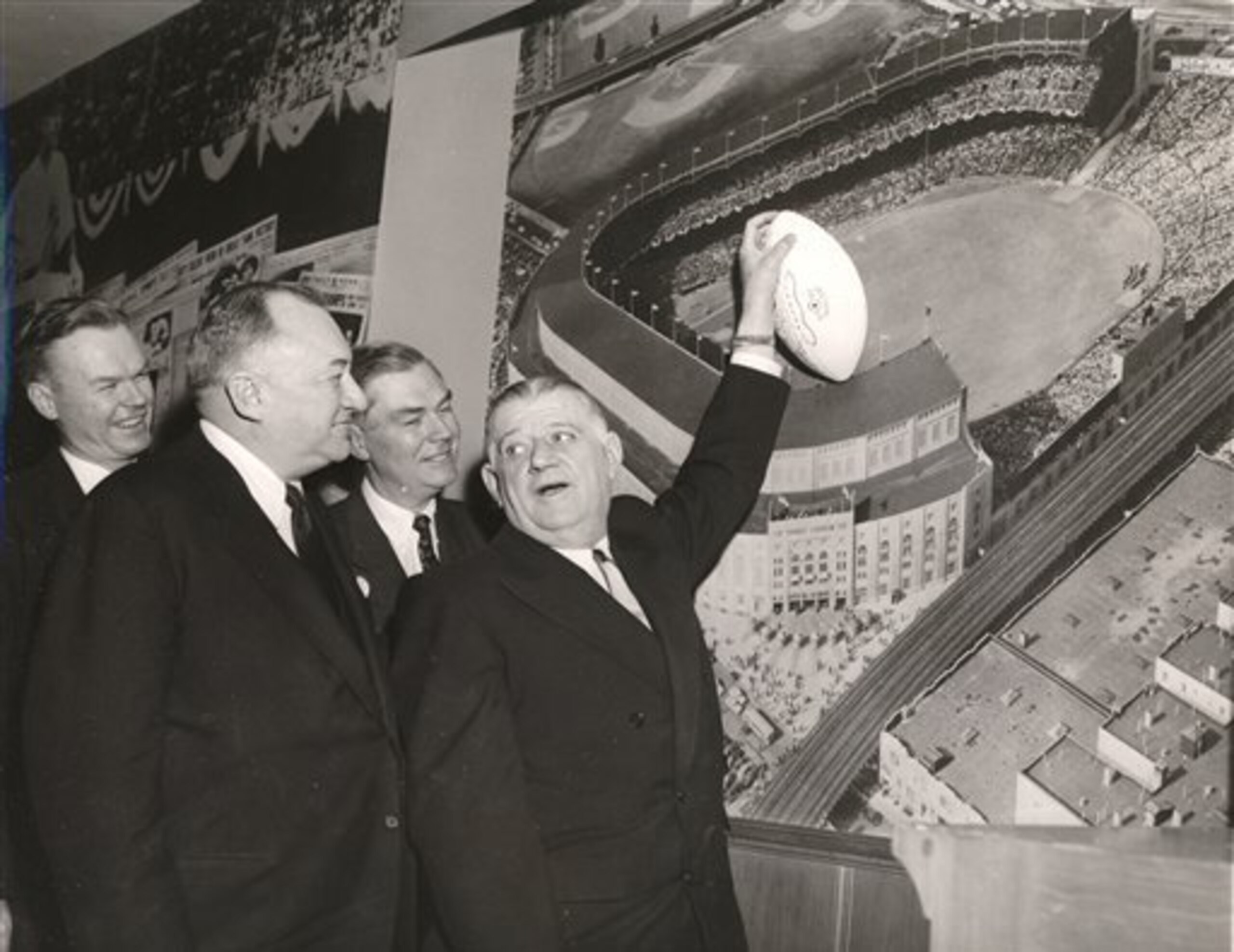
We've become used to seeing players and coaches studying photographs (and now tablets) on the sidelines of an NFL game. The process allows for an almost instant study of what is happening on the game field.
At one time, though, the idea of studying photographs on the sideline was laughable. Former co-owner of the New York Giants Wellington Mara, however, pushed it into everyday use.
According to Pro Football Hall of Fame historian Joe Horrigan, Mara put the idea into practice after receiving a Polaroid camera.
“When Polaroid cameras were new,” Horrigan said, per Jeff Bradley of SI.com. “Wellington Mara, whose father owned the Giants, sat up in a catwalk at the top of Yankee Stadium, sending down pictures in a weighted sock, down a cable to the field, so he could show what the opponent’s formation looked like.”
Buster Olney wrote for the New York Times that the camera was given to Mara as a Christmas gift from his parents. He also explained that the idea was given to him by an assistant named Vince Lombardi—you might have heard of him.
This innovative little hack has given quite a bit back to the game of football.
Paul Brown's Messenger Guards
2 of 6
At one time, the Cleveland Browns were the most dominant professional football franchise in the nation—first in the AAFC and later in the NFL. One of the biggest reasons for the team's success was head coach Paul Brown.
Brown can be credited with creating several football hacks, but one of his more interesting ones was his use of "messenger guards."
Since Brown liked to call his own offensive plays, he developed a system with which he could communicate those plays on the field. He would simply rotate offensive guards after each play, with the one coming onto the field knowing the next play he wanted to be called.
It wasn't the most complicated of football hacks, but it allowed Brown to stay in constant communication with his offense and ahead of the competition. The offense wouldn't have to rely on a scripted set of plays or a quarterback's ability to strategize and perform at the same time.
Brown clearly saw the value in proper communication. He later became the first pro coach to utilize the radio helmet as a means of communication, though the NFL later banned its use.
As we all know now, the radio helmet has become an NFL staple.
Bernie Kosar and the NFL Draft
3 of 6
This particular hack wasn't done by an NFL team, but rather by a player who wished to join a specific one.
Back in 1985, Miami Hurricanes quarterback Bernie Kosar announced that he would forgo his final two years of college eligibility in order to enter the NFL draft. However, Kosar didn't file the necessary paperwork to enter the regular NFL draft. Instead, he waited for some things to unfold.
First, the Buffalo Bills, who owned the first pick in the draft, went ahead and signed defensive end Bruce Smith. The Minnesota Vikings, who wanted Kosar, then traded up for the second overall pick in the draft.
The third event was Kosar's hometown Browns' trade to acquire the first pick in that year's supplemental draft. Since Cleveland was the team Kosar wanted to join, he didn't make himself draft-eligible until after the regular draft had passed.
Since then-commissioner Pete Rozelle essentially let Kosar choose which draft he wanted to enter, he allowed the young quarterback to choose his hometown team. There was nothing technically illegal about the move, though the Minnesota Vikings couldn't have been happy about how things unfolded.
The NFL has since changed the supplemental draft process to more of a weighted bidding process, though nobody has ever given Kosar's hack as the reason.
"Today it isn't the optimal way to want to get in, because it typically means you have a mistake after...you're supposed to declare," Kosar said years later of the supplemental draft, per Mary Schmitt Boyer of the Plain Dealer.
.jpg?w=2560 "NFL Paris Football")
.jpg?w=2560 "Seahawks Chiefs Football")
.jpg?w=2560 "Colts Football")
Buccaneers Trade for Jon Gruden
4 of 6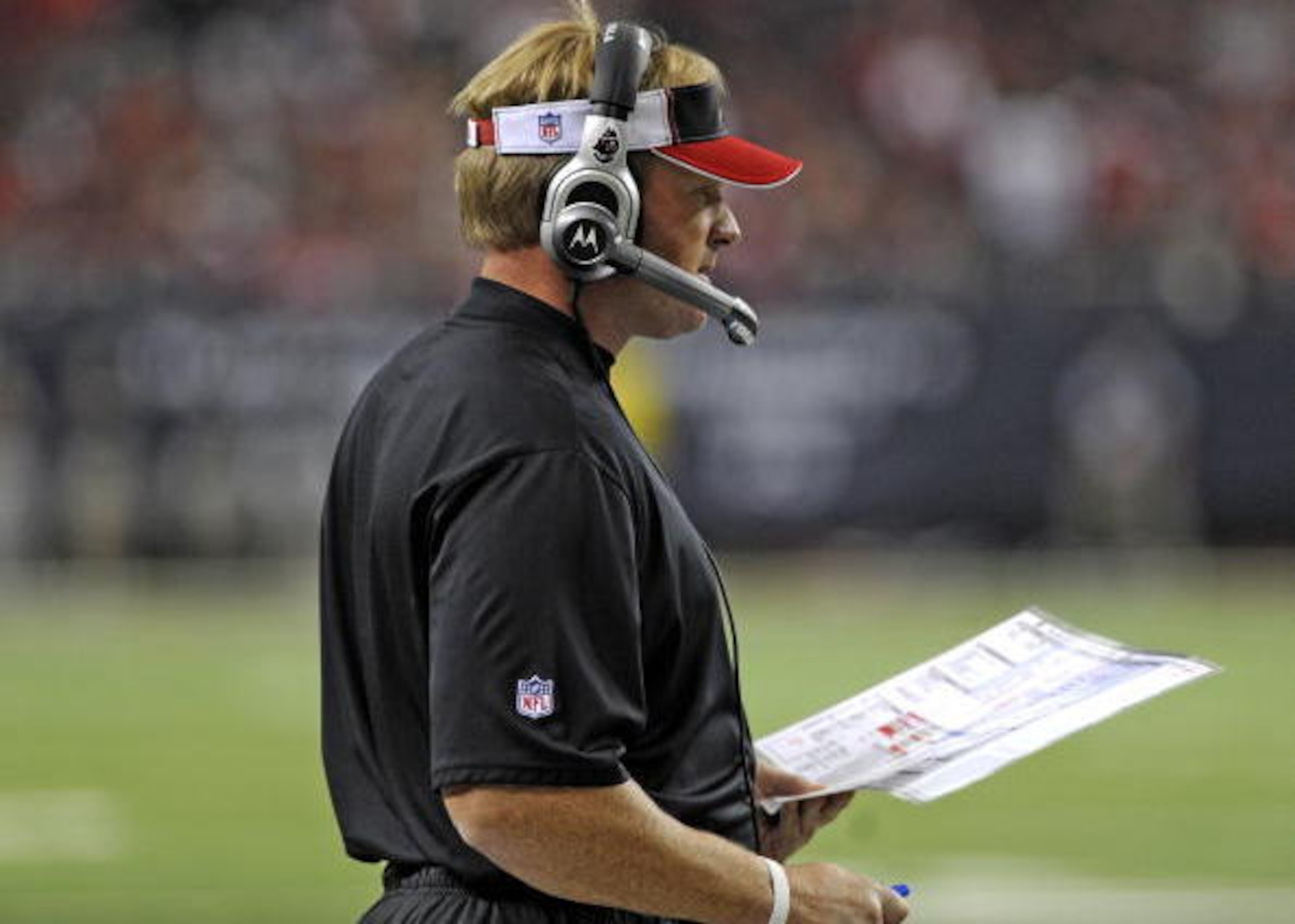
While the NFL discourages the trading of head coaches, it doesn't strictly forbid the practice. The Tampa Bay Buccaneers took advantage of this fact back in 2002 when searching for a coaching replacement for Tony Dungy.
Tampa Bay traded a package of draft picks plus $8 million in order to acquire coach Jon Gruden from the Oakland Raiders.
"You never try to get too surprised in this business, but this certainly was surprising," Gruden said at the time, per Sam Farmer of the Los Angeles Times.
Gruden, as you may well know, led the Buccaneers to a Super Bowl victory over his former team in his first year with the franchise.
The idea of trading for a head coach came up again a couple of years ago when rumors surfaced that the Browns were considering trading for then-San Francisco 49ers head coach Jim Harbaugh. Mike Florio of Pro Football Focus explained then—citing the league's anti-tampering policy—that only high-level executives and head coaches can be traded.
So the lesson here is that if you fail to hire a quality head coach, you can always try trading for one. This is a potential hack we probably wouldn't even know about if not for the Buccaneers and their move for Gruden in 2002.
Miami's Wildcat
5 of 6
What do you do when you have a journeyman quarterback and a lack of top-tier skill-position players? You just put your two best ones in the backfield and let them operate the offense.
This was the strategy the Miami Dolphins employed during the 2008 season, and it worked to near-perfection. What the team dubbed the "Wildcat" formation generally consisted of running backs Ronnie Brown and Ricky Williams in the backfield at the same time.
Brown was usually the one taking snaps, though sometimes it was Williams. The formation allowed the back getting the snap the option of running, handing off or passing the football. Not only did the formation confuse opponents, it allowed the Dolphins to put their two best offensive weapons on the field.
“I felt it was getting harder to put Ronnie and Ricky in the game at the same time and get them touches,” then-head coach Tony Sparano later said, per Harvey Greene of the Dolphins' official website.
Though the Wildcat didn't last long in the NFL before defensive minds around the league figured out how to defeat it, it was a football hack that generated a lot of success in 2008.
Brown finished the 2008 season with 916 yards rushing, 254 yards receiving, 41 yards passing and 11 total touchdowns. Williams finished with 659 yards rushing, 219 yards receiving and five scores.
The 2008 Dolphins finished with 11 wins and the AFC East title.
New England's Unbalanced Formations
6 of 6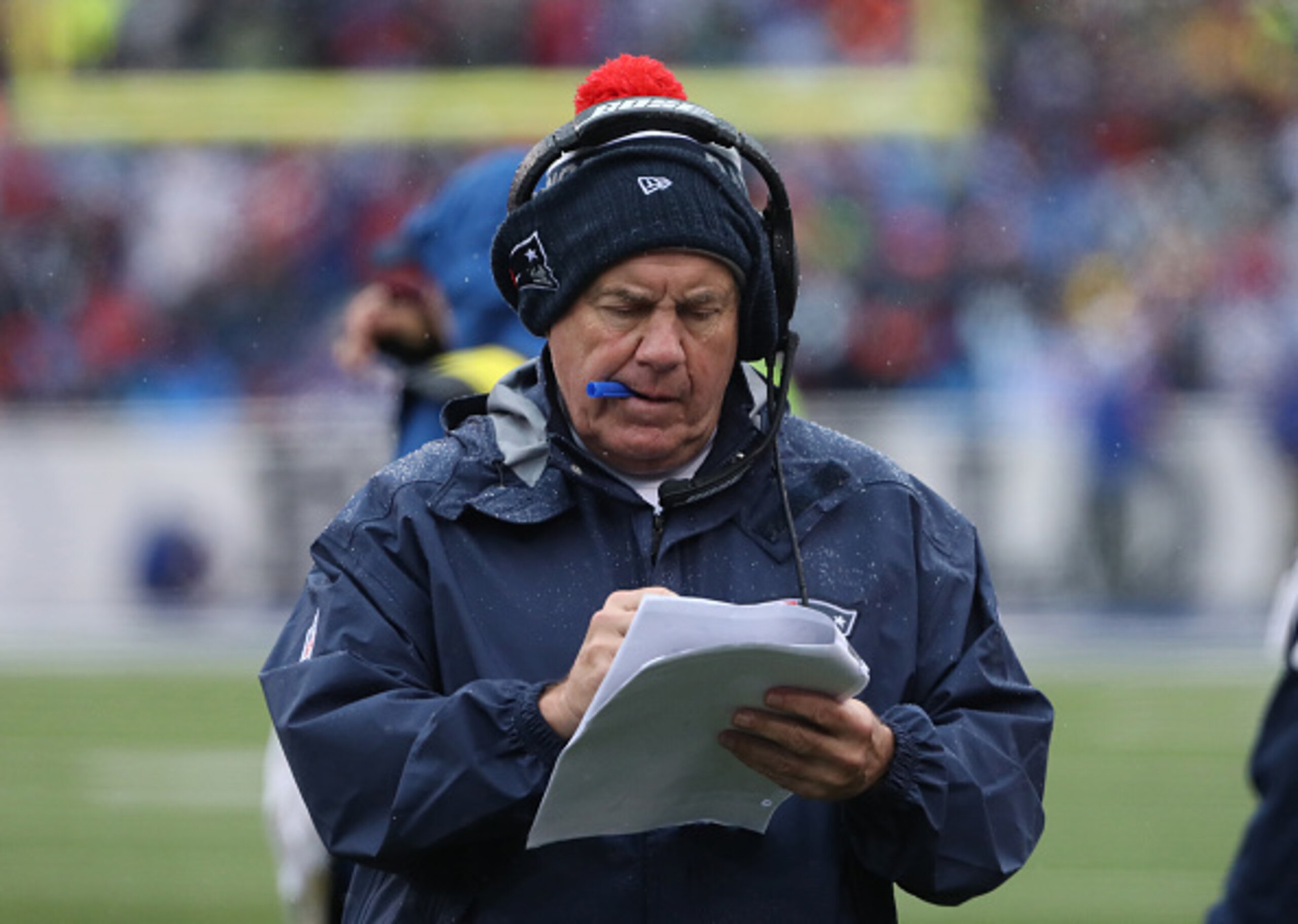
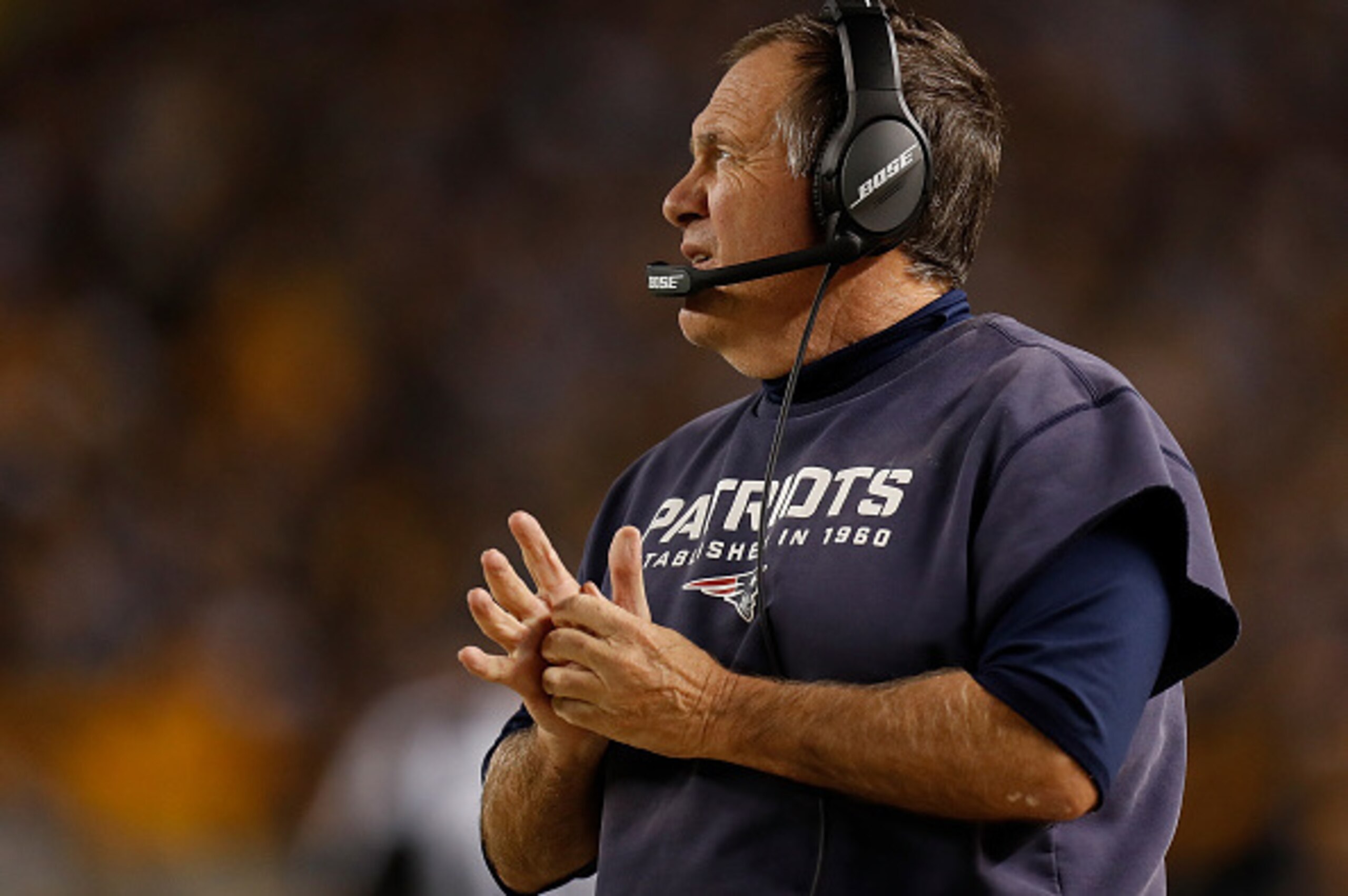
Whether or not you buy into the whole Deflategate conspiracy that surrounded the 2014 New England Patriots, you have to admit that the team found a way to hack the system in the postseason.
We're talking about coach Bill Belichick's use of unbalanced and unconventional formations in order to essentially hide eligible formations.
What the Patriots offense would basically do was place ineligible receivers in spots where eligible receivers would typically be, and vice versa. So a running back or tight end split wide to the left might not be eligible, but the opposing defense might be wasting a cover man on him anyway.
This was a brilliant though controversial tactic that helped the Patriots come back and win against the Baltimore Ravens early in their playoff run. The Ravens naturally complained, but as former NFL official Mike Pereira later explained, it wasn't illegal.
"Bend versus break," Pereira said, pointing to the use of formation, per Erik Brady and Jim Corbett of USA Today. "Rules get bent, not necessarily broken."
Of course, NFL owners banned the tactic the following offseason. Ineligible receivers are now required to line up within the tackle box.
Patriots owner Robert Kraft believes the team was just operating ahead of the curve.
"We didn’t take advantage of anything,” Kraft said, per Ryan Mink of the Ravens' official website. “We played by the rules. If you read the rulebook, you’d see that. We didn’t take advantage. We executed according to the rules, and we’ve always tried to do that."
This is just another example of how an NFL team will always try to hack the game.
.jpg?w=2560)