
The Best College Basketball Players in the Country by Jersey Number
From Jayson Tatum and De'Aaron Fox at No. 0 all the way to J.P. Macura and minor-conference stud John Konchar at No. 55, these are the best college basketball players for the 2016-17 season by jersey number.
By now, you've probably seen at least one ranking of the top 100 players in the country. Maybe you've even devoured half a dozen of them. But we're hoping to bring you something a little more unique.
Yes, most of these players are the same ones you've been seeing in the top 50 of the aforementioned lists. However, once we get into the 40s and 50s, I guarantee you'll see a few names that don't show up in any top-100 lists.
Heck, a couple of these guys wouldn't even crack into a top-1,000 ranking of this year's players. They just happen to be on a shockingly short list of guys wearing that number.
One interesting takeaway from this exercise is that, as a rule of thumb, the guys most likely to average double-digit points per game prefer to wear single-digit numbers. Also, apparently no one wants to be like Michael Jordan anymore.
0/00: Jayson Tatum, Duke
1 of 36
2015-16 Stats: N/A (Incoming freshman)
Of the 72 players on this list, there are only 11 freshmen. It just so happens that two of the best ones will be wearing No. 0 in what should be their one and only season of college hoops.
Duke head coach Mike Krzyzewski told reporters at ACC media day that the injury Jayson Tatum suffered at pro day was just a sprained ankle and that he should be back in two weeks. As a result, he may be operating at less than full strength early in the season.
But 85 percent of Tatum is still better than most players' 100 percent. A 6'8" wing who oozes athleticism and fluidity, he may be the most NBA-ready player in the country this year. His ability to create for himself in isolation is one of the many reasons Duke's lack of a true point guard is an overblown complaint about this team's potential.
Runner-up: De'Aaron Fox, Kentucky
Kentucky's freshman backcourt is going to have both thunder and lightning. Malik Monk brings the boom with his incredible dunks while De'Aaron Fox brings the flash with the type of end-to-end speed that has drawn comparisons to John Wall. He has the potential to be special. There are some incredible freshman point guards this year, but do not forget about Fox.
1: Ivan Rabb, California
2 of 36
2015-16 Stats: 12.5 PPG, 8.5 RPG, 1.2 BPG
In the latest NBA mock draft posted on DraftExpress, the lottery consists of 12 freshmen, one international player and Ivan Rabb.
A lot will change between now and June, but Rabb enters the season with the highest expectations among players we have already seen at this level.
He both scored and rebounded efficiently as a freshman. If California is going to make any noise this season, he'll need to be more aggressive in both areas. In a Pac-12 tournament game against Oregon State, Rabb set career highs in both categories with 21 points and 15 rebounds to go along with four blocks. Expect to see at least a few more lines like that in his second season.
Runner-up: Harry Giles, Duke
There were a handful of jersey numbers with nearly a dozen strong candidates, but none is more stacked than No. 1. Jonathan Isaac, Dedric Lawson, Jawun Evans, Austin Nichols and James Blackmon Jr. are among the players who were tough to leave on the cutting-room floor. But if Harry Giles plays at all this season, he's the no-brainer runner-up to Rabb.
A lot of people have compared Giles to Chris Webber over the past few years. At this point, though, we're just hoping he's not the next Greg Oden. Head coach Mike Krzyzewski still has no idea if or when Giles will be healthy enough to play following his latest knee surgery, per Aaron Torres of FoxSports.com.
2: Melo Trimble, Maryland
3 of 36
2015-16 Stats: 14.8 PPG, 4.9 APG, 3.6 RPG, 1.3 SPG, 31.4 3P%
Take away the slightly unrealistic expectations we had for Melo Trimble after his freshman season and he was doggone good as a sophomore—aside from that pedestrian three-point percentage.
Maryland lost four of its seven leading scorers from the previous year, but thanks to Trimble's lead it was one of the best teams in the country into mid-February.
Could he guide the Terps to a similar fate after losing four of the seven leading scorers yet again? Lack of big men may be an issue, but Trimble will be the main cog of one of the best backcourts in the country. If he rediscovers his freshman-year three-point stroke (41.2 percent), look out.
Runner-up: Lonzo Ball, UCLA
If you're placing bets on the one player most likely to record a triple-double this season, Lonzo Ball is worth at least a couple of your jelly beans. A 6'6" freshman point guard with incredible court vision, it'll only be a matter of time before more people are comparing him to Rajon Rondo or a poorer-shooting version of Jason Kidd.

.jpg?w=2560)

3: Grayson Allen, Duke
4 of 36
2015-16 Stats: 21.6 PPG, 4.6 RPG, 3.5 APG, 1.3 SPG, 41.7 3PT%
As a sophomore, Grayson Allen led the nation in tripping controversies and almost led the nation in scoring.
A lethal three-point shooter who also drives to the rim with more reckless abandon than your average bear, Allen can beat you in a number of ways. Elite defenders and shot-blockers were able to keep him from getting to the rim once they saw him put his head down to build up steam, but if he can showcase a better floater/mid-range game this year, he'll be completely unstoppable.
Allen's scoring is more likely to decrease than increase on this loaded Duke roster, but he should still be the best player on the best team in the country. Whether it's enough for the Wooden Award remains to be seen, but it makes him the best player in the country wearing No. 3.
Runner-up: Josh Hart, Villanova
At just about any other jersey number, Josh Hart would have been the guy. The versatile, veteran leader of the reigning national champions is going to be a preseason All-American and might be the most valuable player in the country. He was only an average three-point shooter last year (35.7 percent), but a repeat of his sophomore year (46.4 percent) would put him in Buddy Hield/Denzel Valentine territory in terms of national intrigue in a senior.
4: Dennis Smith Jr., North Carolina State
5 of 36
2015-16 Stats: N/A (Incoming freshman)
This was the most obvious pick among the single-digit numbers, as N.C. State's Dennis Smith Jr. is going to be a star.
Pick an adjective used to compliment a point guard and it has been used to describe Smith's game. He is exceptionally athletic with the speed to blow by a defender and the explosiveness to dunk on anyone. He can create plays for both himself and his teammates with relative ease. And he might be the best defensive guard the Wolfpack have had in the past decade—though it wouldn't take much to meet that description.
Moreover, unlike the average stud freshman, Smith has already been working with this team for nearly a full year after enrolling at N.C. State for the 2016 spring semester. Others may have a bit of an adjustment period, but Smith should be ready to shine immediately.
Runner-up: Edmond Sumner, Xavier
Tendinitis limited Edmond Sumner to just six games in 2014-15. A scary fall in the middle of last season cost him a few games right when he seemed to be hitting his stride. If he can stay healthy for a change, he's going to explode this year, delivering a couple highlight-reel dunks along the way.
5: Jaron Blossomgame, Clemson
6 of 36
2015-16 Stats: 18.7 PPG, 6.7 RPG, 1.5 APG, 1.3 BPG, 44.1 3P%
Playing on a Clemson team that not a lot of people outside of South Carolina bother to pay attention to, Jaron Blossomgame crept onto the national scene last season, showing off a ton of versatility as both a shooter and a shot-blocker.
He won't be sneaking up on anyone this year.
Blossomgame tested the NBA draft waters before opting for one final year—a decision that turned the Tigers into a legitimate contender for the first time in a long time. He averaged 18.7 points over the course of the season, but he put up at least 22 in 10 of his last 14 games. If he continues playing like that, Allen is going to have one major competitor for the ACC scoring title.
Runner-up: Trevon Bluiett, Xavier
A shooting guard-turned-stretch 4, Trevon Bluiett has become the driving force of a title contender. Similar to a guy like Perry Ellis or C.J. Fair, Bluiett doesn't have many big performances, but good luck keeping him from getting at least 13 points and five rebounds in every single game. And with both Jalen Reynolds and James Farr out of the picture, there should be more than just the occasional double-double for Bluiett this year.
10: Nigel Hayes, Wisconsin
7 of 36
2015-16 Stats: 15.7 PPG, 5.8 RPG, 3.0 APG, 1.1 SPG
Expectations for Nigel Hayes' senior season are all over the map. Chris Dortch, author of the Blue Ribbon College Basketball Yearbook, has Hayes as his preseason national player of the year. Meanwhile, NBC Sports doesn't even consider Hayes a top-two player on his own team, ranking him No. 58 in its list of the top 100 players in the nation, behind Bronson Koenig at No. 56 and Ethan Happ at No. 27.
Both of those are a bit extreme, but top-10 player in the country seems perfectly reasonable for this No. 10. His field-goal percentages and turnover rate were brutal last year, but he was still undeniably crucial to Wisconsin's turnaround. Even in the midst of his struggles, he was good for one heck of a gem every couple of weeks.
If and when his efficiency improves, Hayes will be the driving force of a team legitimately vying for its third Final Four appearance in four years.
Runner-up: Lauri Markkanen, Arizona
No freshman has had a meteoric rise in offseason projections quite like Lauri Markkanen. In mid-April, he was almost an afterthought in Arizona's loaded freshman class. Once more people actually saw the Finnish phenom in action, though, he became a projected lottery pick and a stretch 5 who could immediately demand the type of national acclaim that Frank Kaminsky had at the end of his college career.
11: Josh Jackson, Kansas
8 of 36
2015-16 Stats: N/A (Incoming freshman)
The highest-rated recruit in the country is going to the same school and playing the same position as Andrew Wiggins did. Comparisons to the 2013-14 freshman stud were bound to come.
But Josh Jackson might be even better than Wiggins was.
Before you declare that blasphemy, wait until you see the type of impact he's going to have in every aspect of the game. Jackson can score, rebound, pass and defend at a high level. One of the things that wowed us about Wiggins was his second jump in rebounding situations. Jackson is an equally impressive leaper who can play above the rim.
What will stand out the most about Jackson is his motor. This guy doesn't just want to win every game. He wants to win every possession. Figuring out a way to harness that competitiveness might be head coach Bill Self's biggest challenge with this star.
Runner-up: Monte Morris, Iowa State
If you were building a college basketball all-star team, it would be hard to argue with Monte Morris as the starting point guard. Remarkably efficient in an uptempo offense, Morris has quietly been one of the best lead guards in the country over the past several years. He has been overshadowed by guys like Georges Niang and Melvin Ejim, but this is his year to become "The Guy" for the Cyclones.
12: Jack Gibbs, Davidson
9 of 36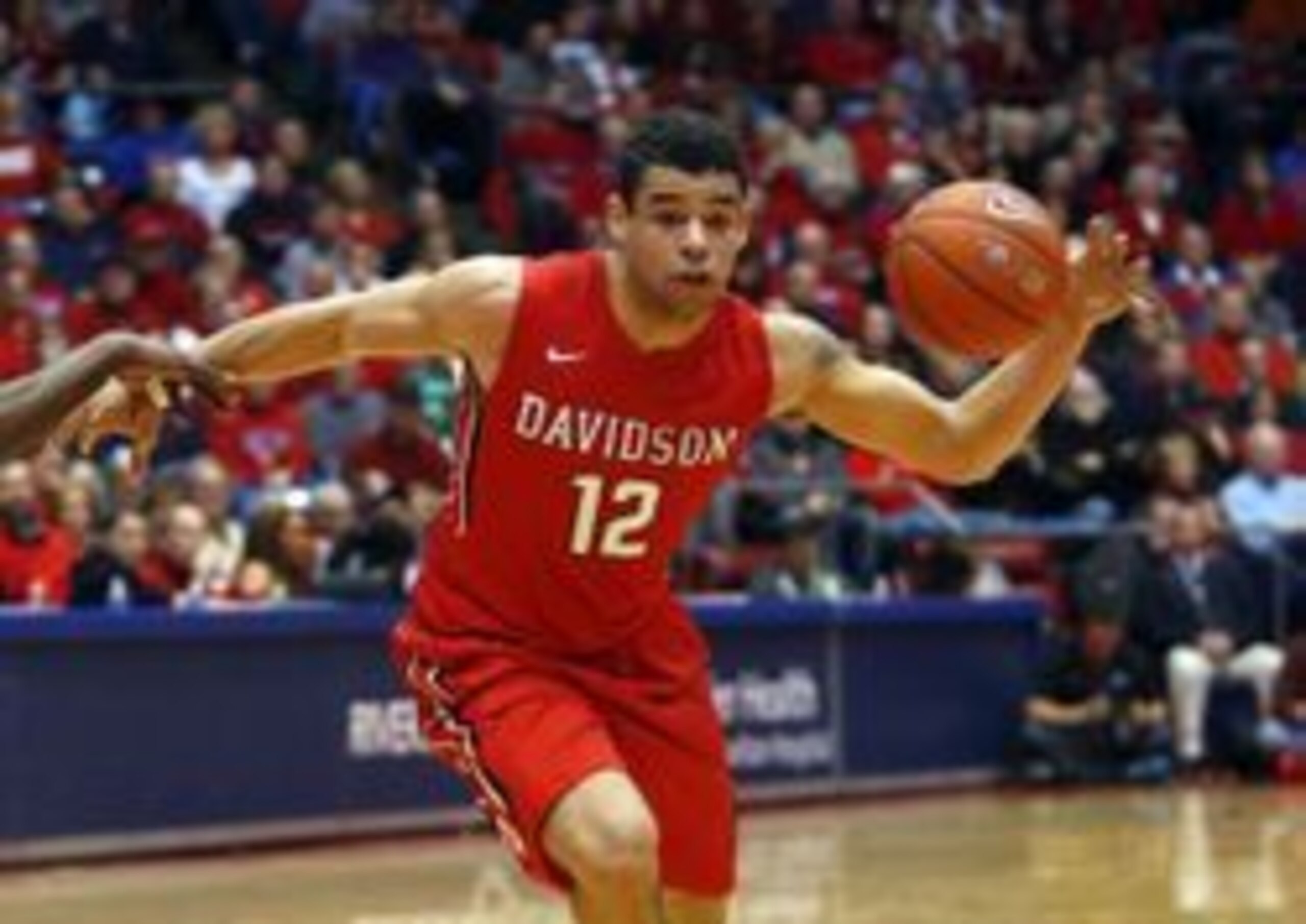
2015-16 Stats: 23.4 PPG, 4.9 APG, 4.1 RPG, 1.8 SPG
Provided he makes a full recovery from the minor shoulder injury suffered in mid-October, Davidson's Jack Gibbs should lead the nation in scoring as a senior.
Gibbs was seventh in that category last season. However, Nos. 2-6 on that list are no longer playing college basketball, and the Wildcats need him to score more than ever with Brian Sullivan and Jordan Barham both out of the picture. And we know from the days of Stephen Curry that head coach Bob McKillop isn't afraid to let his best scorer takes as many shots as possible.
The scary thing is that Gibbs averaged 23.4 points per game while having a down year in efficiency. He shot just 33.2 percent from beyond the arc after connecting on 42.5 percent of his 127 attempts as a sophomore. If he can shoot closer to 40 percent this year, 30 points per game is a legitimate possibility.
Runner-up: Justin Robinson, Monmouth
The reigning MAAC Player of the Year, Justin Robinson is right there with Monte Morris on the list of the best two-way lead guards in the country.
Level of competition in the MAAC and fascination with the Bench Mob has kept Robinson from getting the respect he deserves. However, he was phenomenal in games against USC, Notre Dame, Dayton and UCLA last year. We're excited to see what he can do on the big stage against Syracuse (Nov. 18) and North Carolina (Dec. 28) this season.
13: Isaiah Briscoe, Kentucky
10 of 36
2015-16 Stats: 9.6 PPG, 5.3 RPG, 3.1 APG, 1.0 SPG
Few players are willing to embrace the unlucky number, but Kentucky's sophomore leader is hoping to make No. 13 look good this year.
Isaiah Briscoe's freshman-year shooting percentages have been lamented repeatedly this offseason, but we expect significant improvement. With better interior weapons at his disposal, Briscoe's ability to drive and dish should open up easier looks within six feet of the rim, which is where he does the bulk of his scoring.
Even if he continues to shoot poorly, Briscoe is a great rebounding guard who passes well and is a capable defender. He has been overlooked this offseason in favor of the 5-star freshmen, but he should remain a 30 minutes-per-game type of guy as one of the veterans of this roster.
Runner-up: Bryant Crawford, Wake Forest
Speaking of overlooked, did any freshman have a more underappreciated season than Bryant Crawford? Thrust immediately into a starting role because of an injury to Codi Miller-McIntyre, Crawford averaged 13.8 points, 4.4 assists and 1.7 steals per game. Turnovers and mediocre shooting percentages destroyed his O-rating and various advanced stats, but Wake Forest would have been significantly worse than 11-20 without his contributions.
14: Peter Jok, Iowa
11 of 36
2015-16 Stats: 16.1 PPG, 3.5 RPG, 1.4 APG, 1.3 SPG, 40.2 3P%
Usually when a player's usage rate nearly doubles, his shooting percentages suffer. We've already seen that on this list in the form of Nigel Hayes and Jack Gibbs.
Peter Jok, though, became much more efficient while getting a ton of touches. As a sophomore, he scored just 239 points on 232 field-goal attempts (FGA), barely averaging one point per shot. As a junior, he exploded for 514 points on 397 shots, amounting to a much-improved 1.29 points per FGA. He became a three-point assassin who also increased his two-point percentage by 90 points.
Now, let's see how he does as the clear-cut No. 1 scoring option.
The Hawkeyes lost star player Jarrod Uthoff, as well as Adam Woodbury, Mike Gesell and Anthony Clemmons. Jok shot a lot last season, but he averaged only 27.7 minutes, accounting for 12.4 FGA per game. Don't be surprised if that number jumps to 17 or 18 FGA this year while he leads the Big Ten in scoring at more than 20 points per contest.
Runner-up: Eron Harris, Michigan State
Like Jok, Eron Harris said goodbye to virtually all of his key teammates from last year. And with both Ben Carter and Gavin Schilling likely to miss a good chunk of the season due to leg injuries, Harris is one of the only veteran presences left on this Michigan State roster.
Miles Bridges will likely be the star for the Spartans, but Harris is destined to become the senior leader and a major contributor. He scored only 9.3 points per game last year, but he put up 17.2 per night as a sophomore with West Virginia. Michigan State needs him to become that type of volume scorer again.
15: Carlton Bragg Jr., Kansas
12 of 36
2015-16 Stats: 3.8 PPG, 2.5 RPG
Kansas' presumed starting power forward for the 2016-17 season didn't have numbers worth boasting about last year.
Carlton Bragg Jr. played only 8.9 minutes per game, buried on the depth chart behind Perry Ellis, Landen Lucas and Jamari Traylor, sharing those limited remaining frontcourt minutes with Cheick Diallo and Hunter Mickelson. Of that group, Lucas is the only one returning, which should thrust Bragg into a starring role.
There are some great players on this year's Jayhawks roster, but most of the starters are glad to defer to others. Lucas (12.1 percent), Devonte' Graham (17.6 percent) and Frank Mason III (19.6 percent) each accounted for less than 20 percent of the team's shots while on the floor last season. Stud freshman Josh Jackson will pick up a lot of those, but the opportunity is there for Bragg to match Ellis' 16.9 points per game from last year.
Foul trouble (7.2 per 40 minutes) and turnovers (3.4 per 40 minutes) plagued Bragg as a freshman, but he will be a monster as a sophomore if he can cut down on those mental mistakes.
Runner-up: Rodney Purvis, Connecticut
Rodney Purvis was originally No. 0 with North Carolina State and was No. 44 for the past two years with Connecticut. He's making one more switch for his final season, dressing in No. 15 this year. Regardless of the jersey number, Purvis should be the leading scorer for the Huskies. Ryan Boatright, Daniel Hamilton and Sterling Gibbs stole a lot of his thunder in recent years, but this is his team to lead as a senior.
20: Markelle Fultz, Washington
13 of 36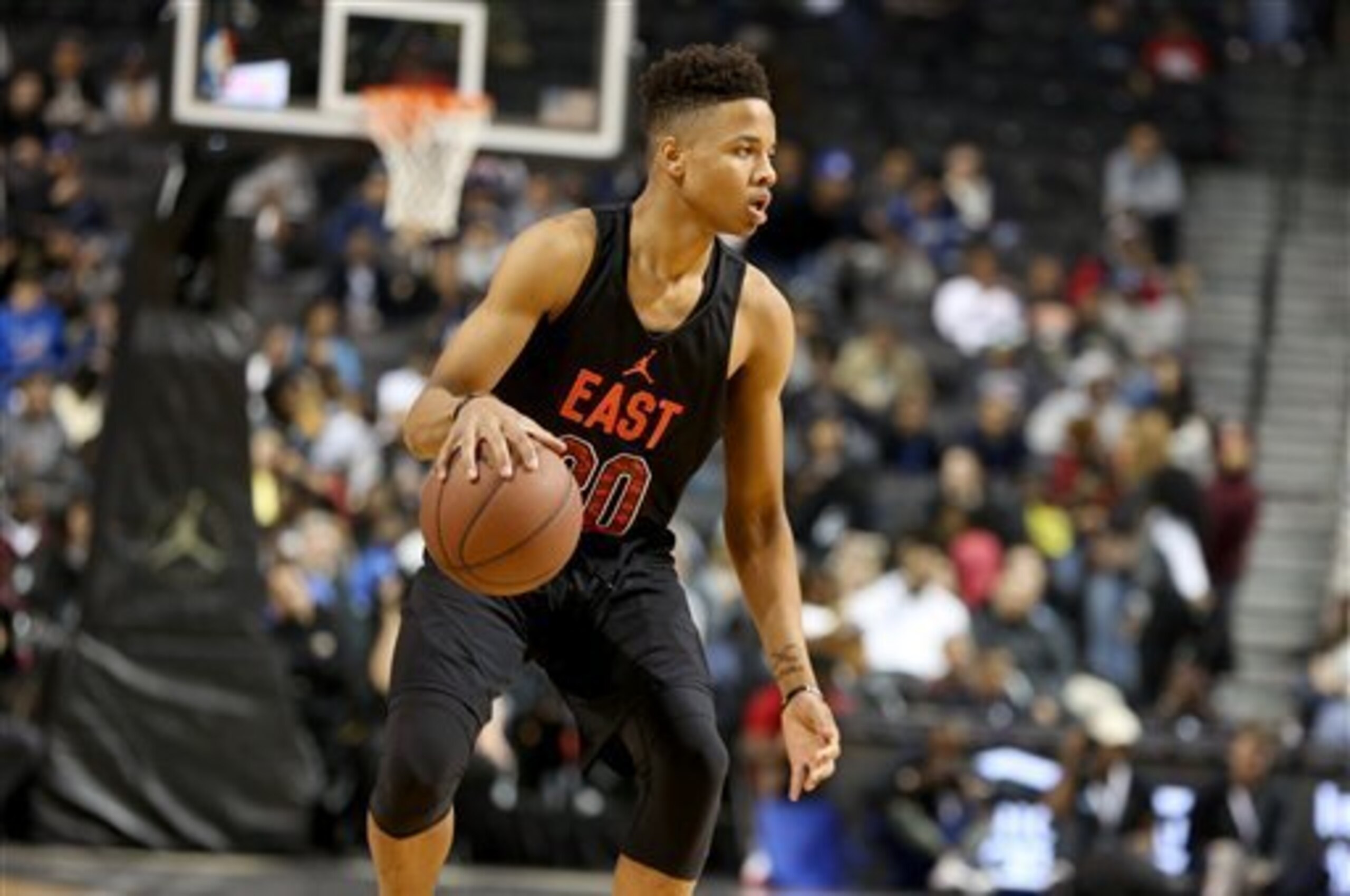
2015-16 Stats: N/A (Incoming freshman)
We spent much of last season obsessing over the possibility that the No. 1 pick in the NBA draft (Ben Simmons) would not appear in the NCAA tournament.
Could Markelle Fultz make that happen two years in a row?
A 6'4" total package, Fultz is going to do some unbelievable things this year. DraftExpress has him projected as the No. 1 pick next June, and anyone who has seen him play would be hard-pressed to argue with that status. Fultz isn't the fastest or best-shooting player in the country, but he's one of the smoothest all-around players ever—a more explosive, right-handed version of D'Angelo Russell.
But he doesn't have much of a supporting cast at Washington. All three of last year's leading scorers are gone, leaving role players like David Crisp, Malik Dime and Matisse Thybulle as his primary running mates. Fultz is the type of point guard whose presence immediately makes everyone else on the court better, but it might not be enough of a boost for the Huskies to be tournament-bound. Make sure to catch him during the regular season just in case March isn't an option.
Runner-up: Tyler Lydon, Syracuse
Yet another total package wearing the No. 20, Tyler Lydon had a remarkable freshman season with the Orange, emerging as one of the best shot-blocking three-point shooters in the game today. An efficient scorer and committed defender, Lydon is one of the most valuable players in the ACC on both ends of the court. If head coach Jim Boeheim insists on bringing him off the bench a la Dion Waiters for another season, there's no question Lydon will be the unofficial national Sixth Man of the Year.
21: Malcolm Hill, Illinois
14 of 36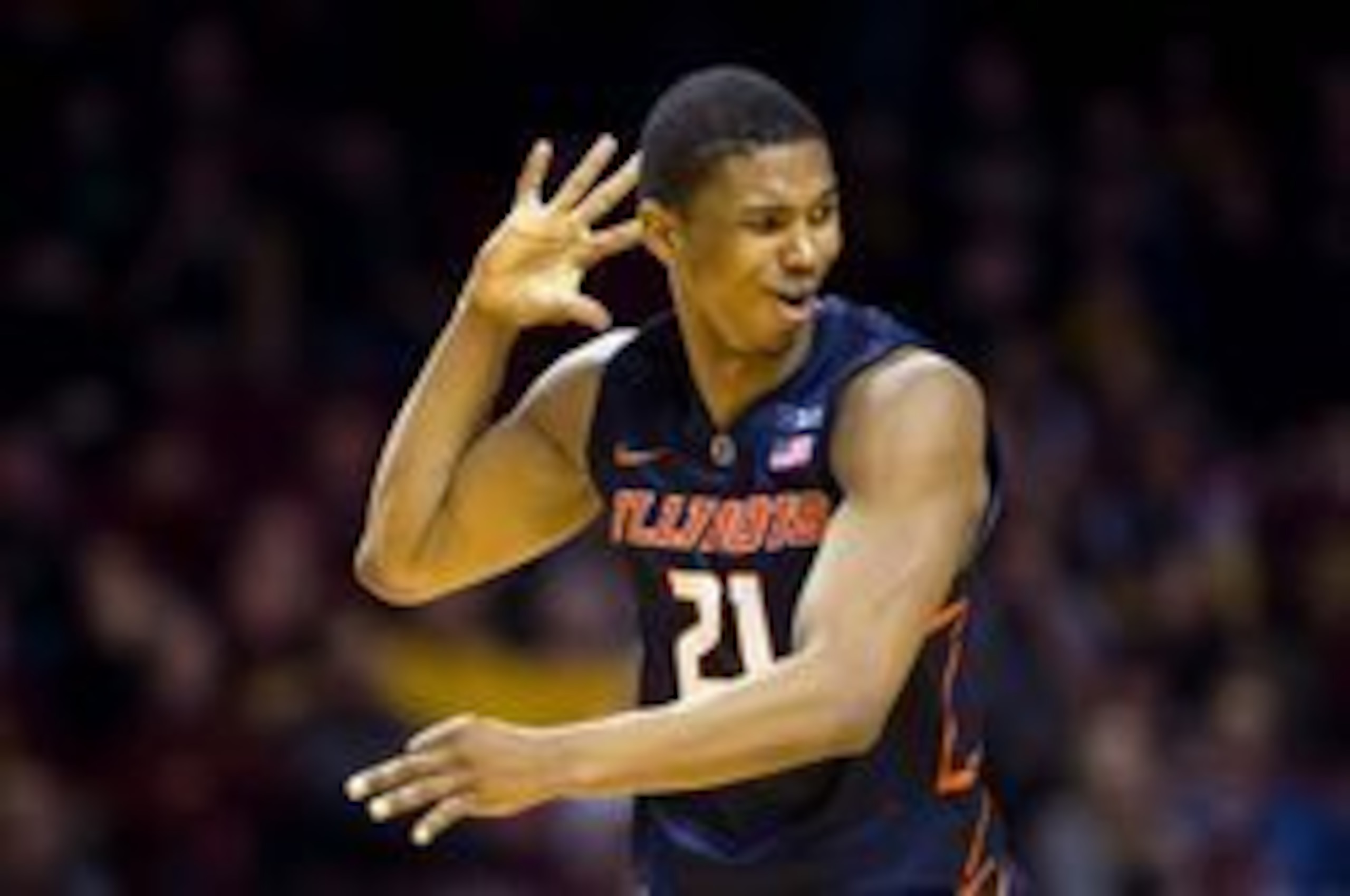
2015-16 Stats: 18.1 PPG, 6.6 RPG, 3.3 APG, 1.2 SPG
Illinois has struggled in recent years, but don't blame Malcolm Hill. He ranked third in the Big Ten in points per game last season, trailing only Denzel Valentine and Jarrod Uthoff while finishing ahead of Yogi Ferrell. He wasn't nearly as efficient as those guys, but that comes with the territory of serving as one of the only offensive threats for a 15-19 team.
Though his three-point stroke suffered as a junior (31.4 percent), Hill became a more impactful player in just about every other facet of the game. Formerly a shooting guard who grabbed occasional rebounds and didn't pass much, he was Mr. Do-It-All for the Illini in 2015-16. He didn't quite notch any triple-doubles, but he had six games with at least 12 points, five assists and five rebounds.
If Illinois is finally going to get back to the NCAA tournament this year, it starts with Hill. The return of Tracy Abrams and Mike Thorne Jr. may result in a decrease in assists and rebounds, but Hill has the offensive skill set to put up more than 20 points per game.
Runner-up: Amile Jefferson, Duke
He missed most of last season, but fifth-year senior Amile Jefferson was averaging a double-double prior to the foot injury that forced him to the bench for the rest of the year. He probably won't put up those numbers again this season, but he has always been the type of player whose value is greater than what you see in the box score. Even in a loaded Duke frontcourt, he should start at power forward and play a critical role as veteran leader.
22: Ethan Happ, Wisconsin
15 of 36
2015-16 Stats: 12.4 PPG, 7.9 RPG, 1.8 SPG, 1.3 APG, 0.9 BPG
When a freshman redshirts for a non-medical reason, we typically don't expect him to make much of an impact when he does get on the court for regular-season action.
Ethan Happ was the exception to that rule.
Happ voluntarily sat out the 2014-15 season, busting his tail in practice while not playing a minute for the Wisconsin team that nearly won the national championship. With wisdom beyond his years, he knew he wouldn't play much with Frank Kaminsky, Sam Dekker, Nigel Hayes, Duje Dukan and Vitto Brown all blocking his path to minutes. Instead, he opted to improve himself to be the best he could be when the team needed him.
And he didn't disappoint, serving as the MVP on both ends of the floor for the 2015-16 Badgers. In their three NCAA tournament games, Happ scored 28 percent of the team's points while averaging 9.3 rebounds as part of his excellent defense. Both Pittsburgh and Xavier succeeded throughout the season because of their frontcourt prowess, but they looked completely helpless against Happ.
If he stays for all four years, he has the potential to become a college basketball icon.
Runner-up: Miles Bridges, Michigan State
One of the best recruits Tom Izzo has ever signed, Miles Bridges made waves last week by scoring 33 points on just 14 shots in an exhibition game against Northwood. He also had eight rebounds, four blocks and three assists. Brendan F. Quinn of MLive.com has been saying for a while that the best comp for Bridges might be Vince Carter. With limited options on that Spartans roster, the freshman could continue to put up absurd numbers.
23: Zeek Woodley, Northwestern State
16 of 36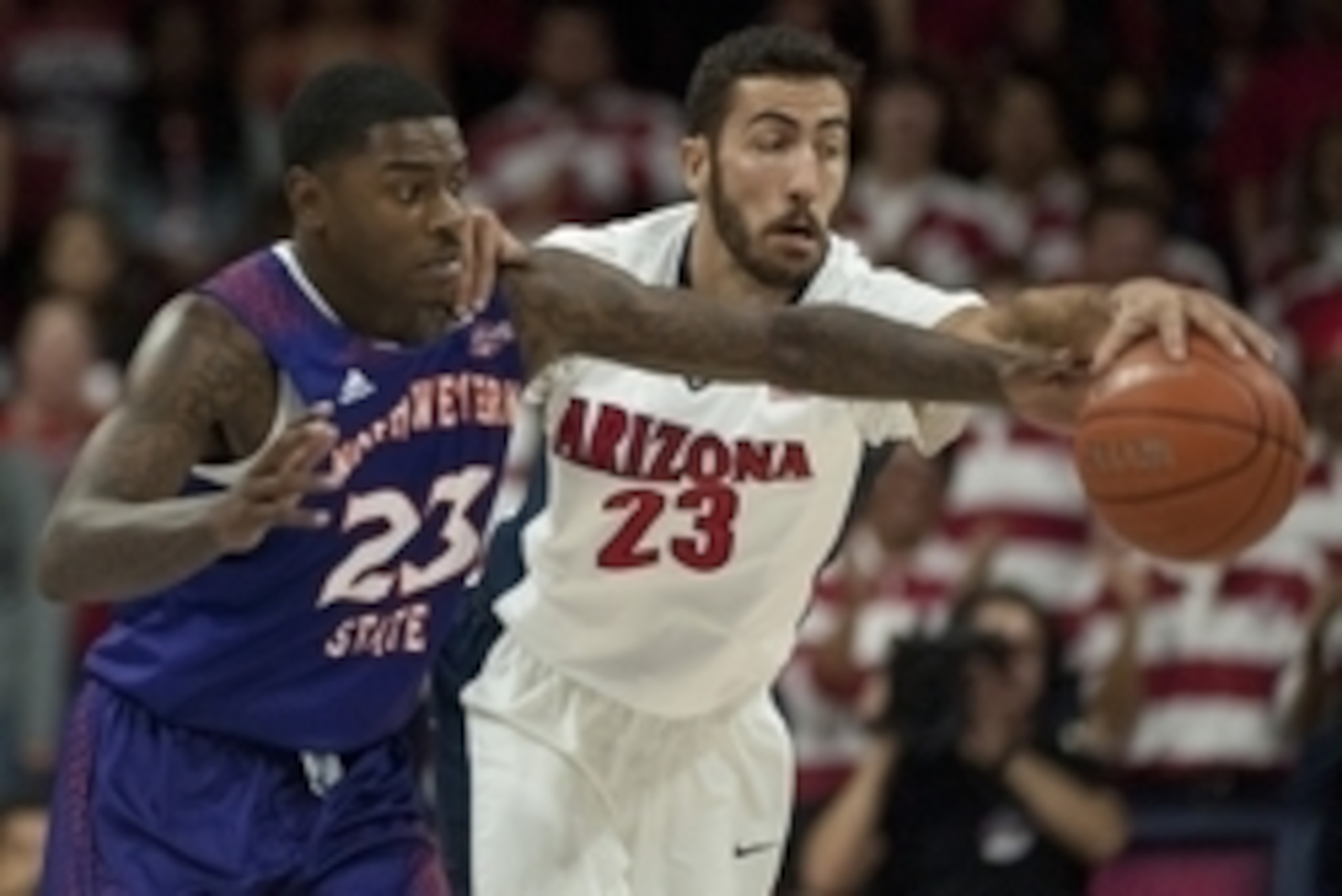
2015-16 Stats: 22.2 PPG, 5.2 RPG, 1.6 APG, 1.0 SPG, 40.7 3PT%
It wasn't that long ago that everyone wanted to wear No. 23. But apparently today's college kids are too young to want to "be like Mike," as strong options for this jersey numbers are few and far between.
One guy who embraces No. 23 by scoring in bunches is Northwestern State's Zeek Woodley.
He has averaged 22.2 points per game in consecutive seasons and enters his senior year with 1,764 points already to his name. Never mind 2,000 points, he might hit 2,500 career points, which is a plateau only Doug McDermott and Tyler Haws have hit in the past five years.
Sure, he benefits from Northwestern State's breakneck pace of play. And, yes, the team is still pretty bad even with him filling up the box score. But he's easily the best we've got for this number.
Runner-up: Kuran Iverson, Rhode Island
Following a couple of brutal years at Memphis, Kuran Iverson finally starting living up to some of his recruiting hype at Rhode Island. He led the Rams in rebounds and was one of their best defenders and three-point shooters. With E.C. Matthews returning from the injury that cost him all but 10 minutes of last season, this is a team that could do some serious damage with help from Iverson.
24: Dillon Brooks, Oregon
17 of 36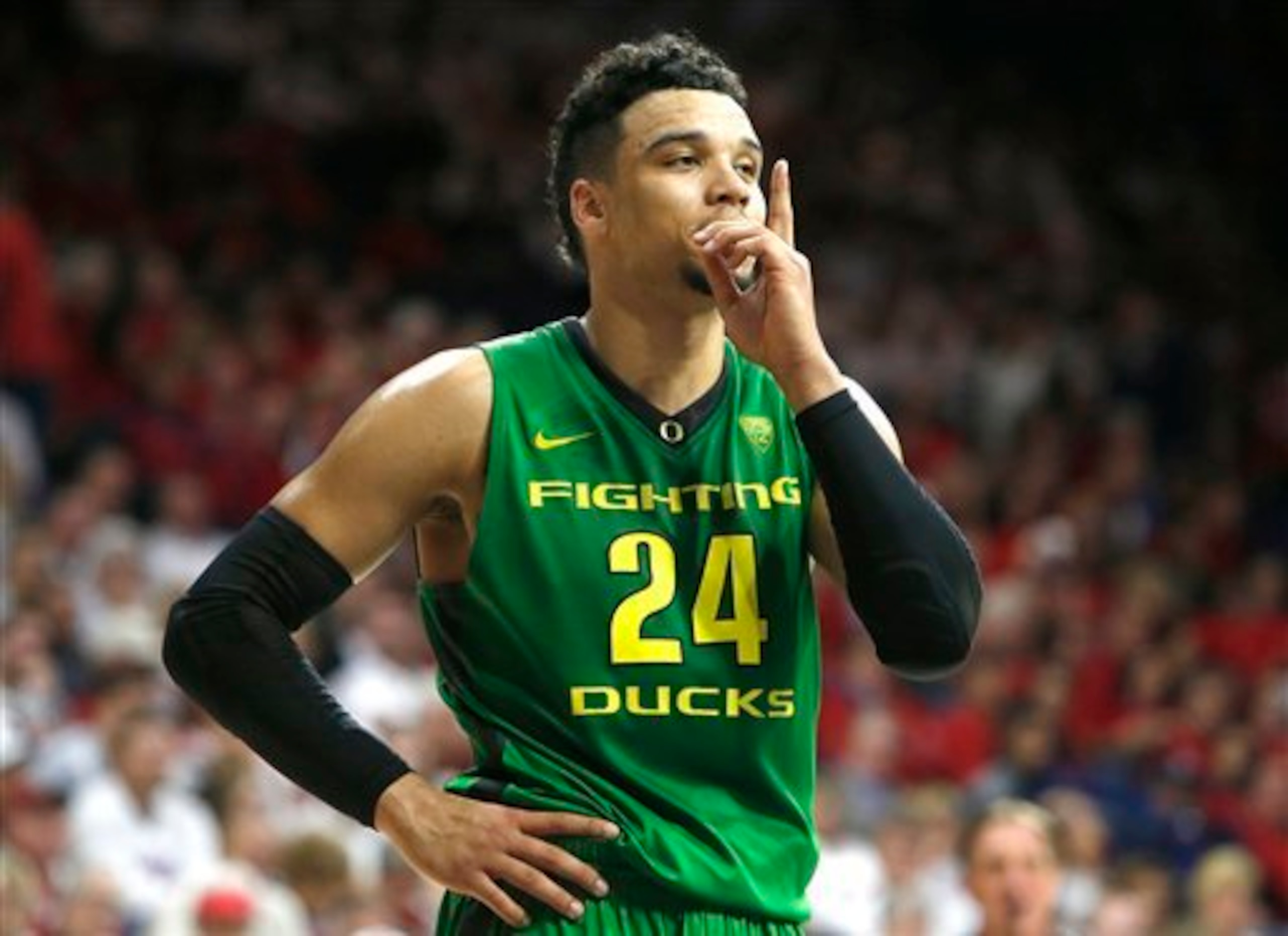
2015-16 Stats: 16.7 PPG, 5.4 RPG, 3.1 APG, 1.1 SPG
Offseason foot surgery might cost Dillon Brooks at least the first few games of the 2016-17 season, but he's one of the best players in the country when he's fully healthy.
There's nothing flashy about his game and he's not the type to put up monster numbers. He has scored more than 26 points in a game only once in his career and he has recorded only five double-doubles. But he's a consistent grinder who impacts the game in a variety of ways. Even when his shot isn't falling, he finds a way to make opposing coaches miserable.
Brooks was one of the last players to make up his mind about the NBA draft, but his decision to return put Oregon in the running for a second consecutive No. 1 seed in the NCAA tournament. As long as No. 24 is back out there sooner than later, the Ducks should be the best team west of Kansas, if not in the entire country.
Runner-up: Casey Jones, Chattanooga
Most fans don't know Casey Jones, but he's a Roosevelt Jones type of guard for Chattanooga. As a junior, the 6'5" Jones averaged 14.2 points, 7.0 rebounds, 1.8 assists, 1.2 steals and 1.2 blocks per game. He has made just eight three-pointers in his career, but he still finds a way to fill up the stat sheet. Loaded with quality seniors, the Mocs are near the top of the list of minor-conference teams to watch. Jones should be the leader of that team in several categories.
25: Alec Peters, Valparaiso
18 of 36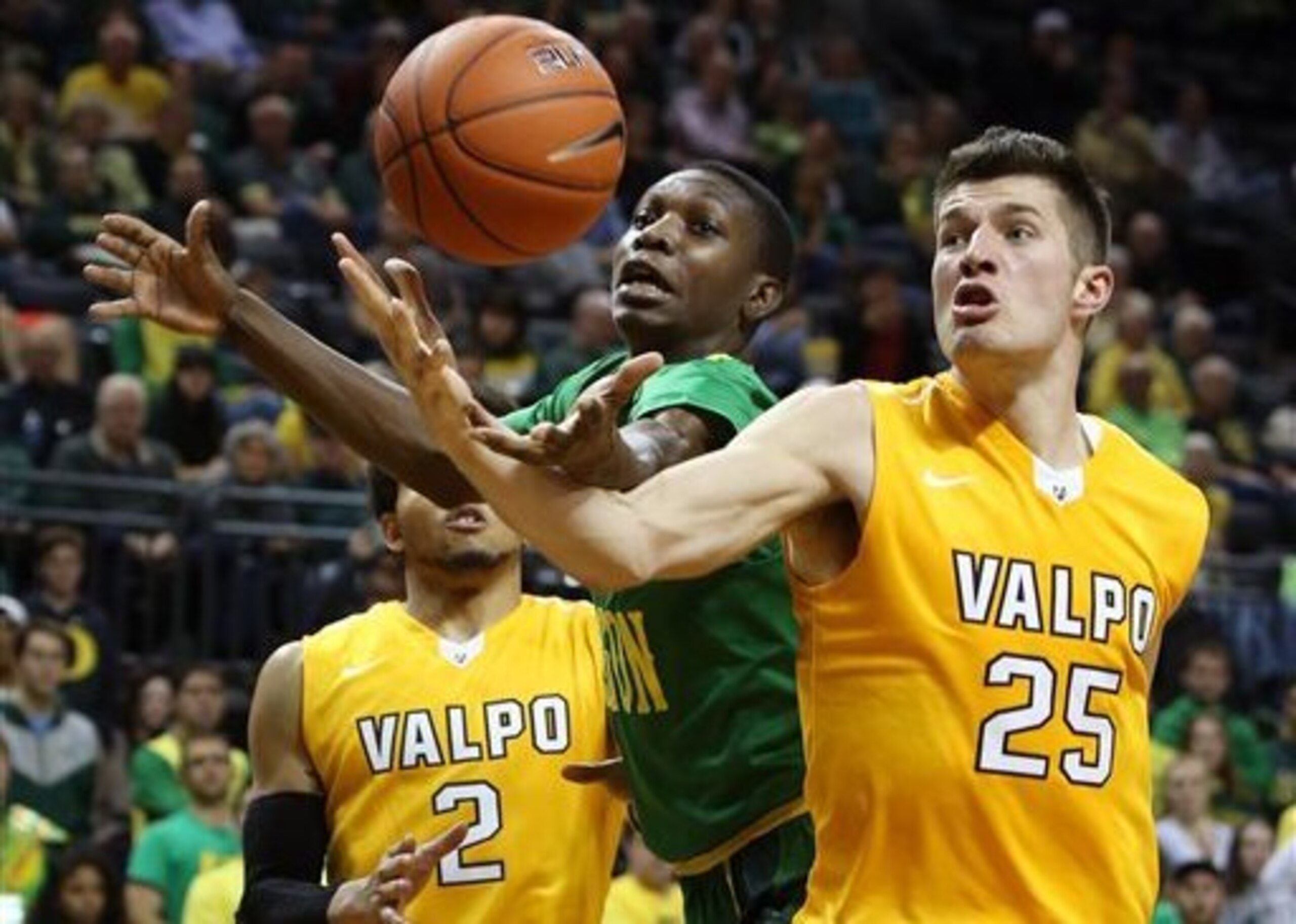
2015-16 Stats: 18.4 PPG, 8.4 RPG, 1.3 APG, 44.0 3PT%
Like Zeek Woodley, Alec Peters is well on his way to 2,000 career points. He's already at 1,682 and should be in the running for leading scorer in the country after Valparaiso lost five of last year's nine top scorers.
Unlike Woodley, Peters is a 6'9" phenom with lethal three-point range who racks up a ton of rebounds along with his points.
Gonzaga's Kyle Wiltjer put up 20.4 points and 6.3 rebounds per game as last year's premier stretch 4, but Peters could exceed both of those figures with room to spare. There's not a better minor-conference player in the country, and it wouldn't be a huge surprise if he gets into the running for some of the National Player of the Year awards.
Runner-up: Chris Boucher, Oregon
Apparently No. 25 is the trendy number for giants who can hit threes, as 6'10" Chris Boucher might be the most versatile player in the country. He isn't nearly as deadly from beyond the arc (33.9 percent) as Peters, but Boucher makes up for that gap on offense by blocking 4.5 shots per 40 minutes on defense. Along with Jordan Bell, Kavell Bigby-Williams and M.J. Cage, Boucher could be the anchor of the stingiest defensive unit in the country.
30: Kelan Martin, Butler
19 of 36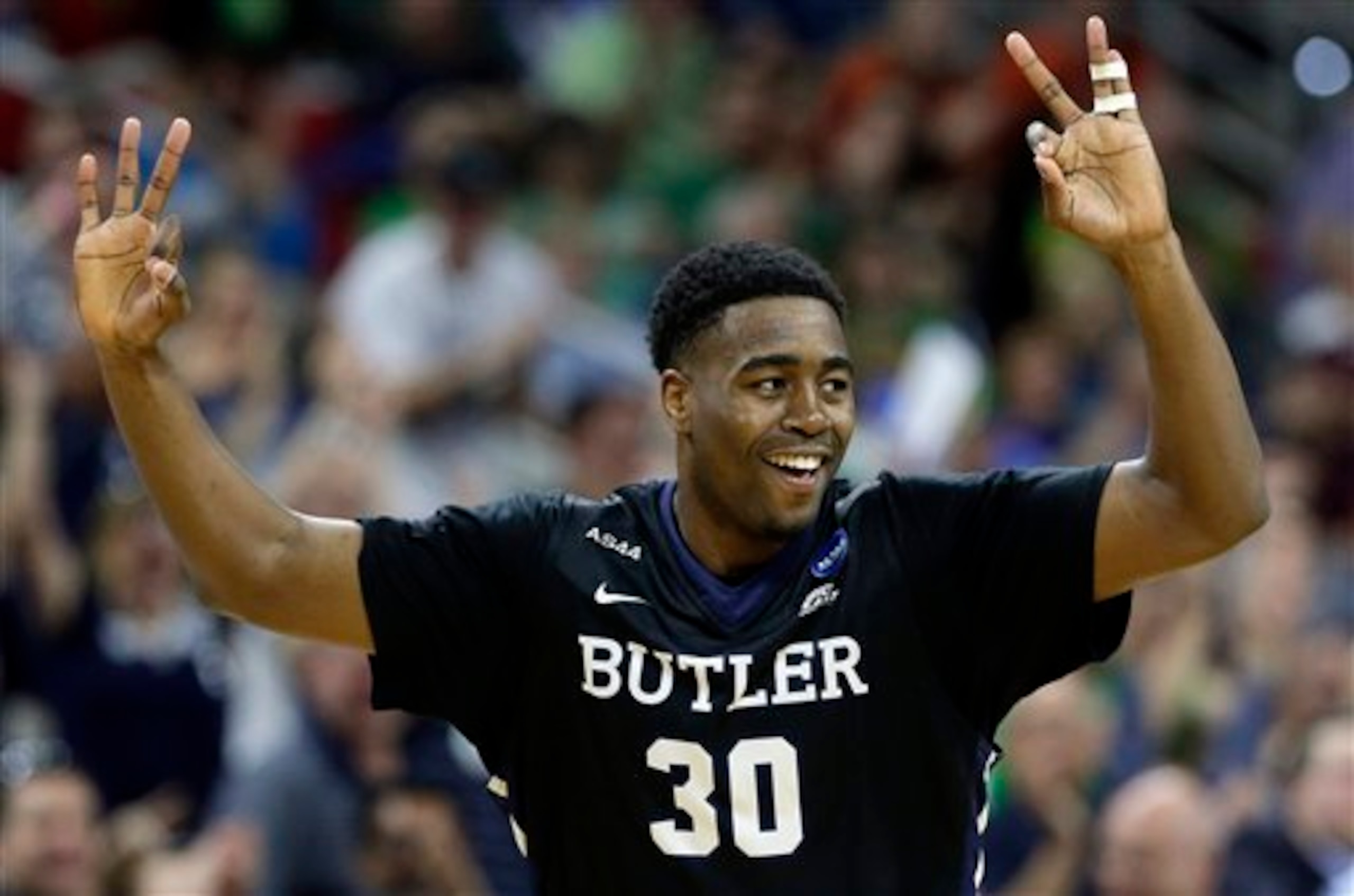
2015-16 Stats: 15.7 PPG, 6.8 RPG, 1.1 APG, 37.7 3PT%
Like so many others on the list, Kelan Martin is a guy who put up solid numbers last season and is now in a position to explode because of departed teammates.
Martin was one-third of Butler's primary offensive attack, along with Roosevelt Jones and Kellen Dunham. That trio scored a combined 45.7 points per game, pacing Butler to its best adjusted offensive efficiency in the KenPom era while also playing at a slightly faster tempo than usual.
But Jones and Dunham graduated, leaving Martin as the alpha dog for the Bulldogs. He'll have some help from newcomers Kethan Savage, Avery Woodson and Joey Brunk, but if Butler expects to go anywhere this year, Martin needs to be an All-Big East first-team player.
Runner-up: Bryant McIntosh, Northwestern
We don't often think of players from Northwestern as nationally relevant stars, but Bryant McIntosh put up Monte Morris-like numbers as a sophomore, averaging 13.8 points and 6.7 assists per game against just 2.4 turnovers. Morris' numbers as a junior were 13.8, 6.9 and 1.6, respectively, and he was named the preseason Big 12 Player of the Year. Second-best No. 30 in the country is at least a step in the right direction for McIntosh's quest for recognition.
31: Thomas Bryant, Indiana
20 of 36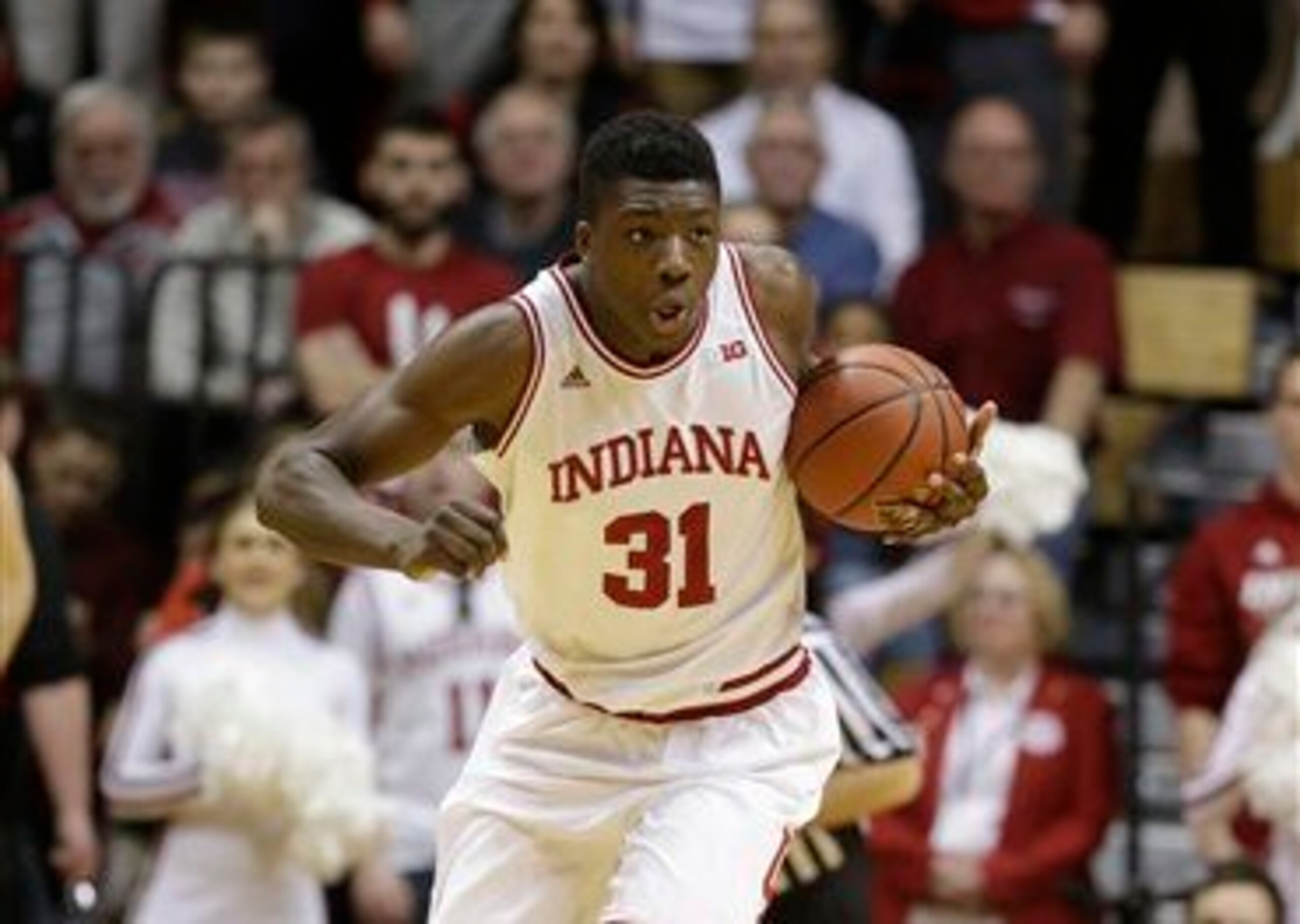
2015-16 Stats: 11.9 PPG, 5.8 RPG, 1.0 APG, 0.9 BPG
Save for Ivan Rabb, Thomas Bryant is the one returning player at the top of NBA scouts' wish list.
Indiana's power forward was a ridiculously efficient freshman, converting on 70.7 percent of his two-point attempts while also showing off a little bit of three-point range late in the season. Bryant rebounded well and was a slightly better-than-average defender, but what we need and expect to see from him this season is more assertiveness.
A big man this talented should never have to settle for fewer than eight shots in a game, but he did so 22 times last year. A couple of those were due to foul trouble, which is another thing he needs to work on this year. However, he played at least 20 minutes in 14 of those 22 games. Even in the type of perimeter-oriented offense that the Hoosiers run, Bryant should be doing more damage than that.
The lack of a true point guard on the roster could be a problem for Bryant, but look for him to have a monster sophomore year. He didn't turn down a chance to become a lottery pick just for another year as the third or fourth option in this offense.
Runner-up: Jarrett Allen, Texas
When Jarrett Allen committed to Texas, the Longhorns went from an afterthought with no viable frontcourt weapons to a team with enough talent to finish second to Kansas in the Big 12. Arguably the best center in this year's freshman class, Allen could put up even better numbers than Myles Turner did a couple of years ago.
32: London Perrantes, Virginia
21 of 36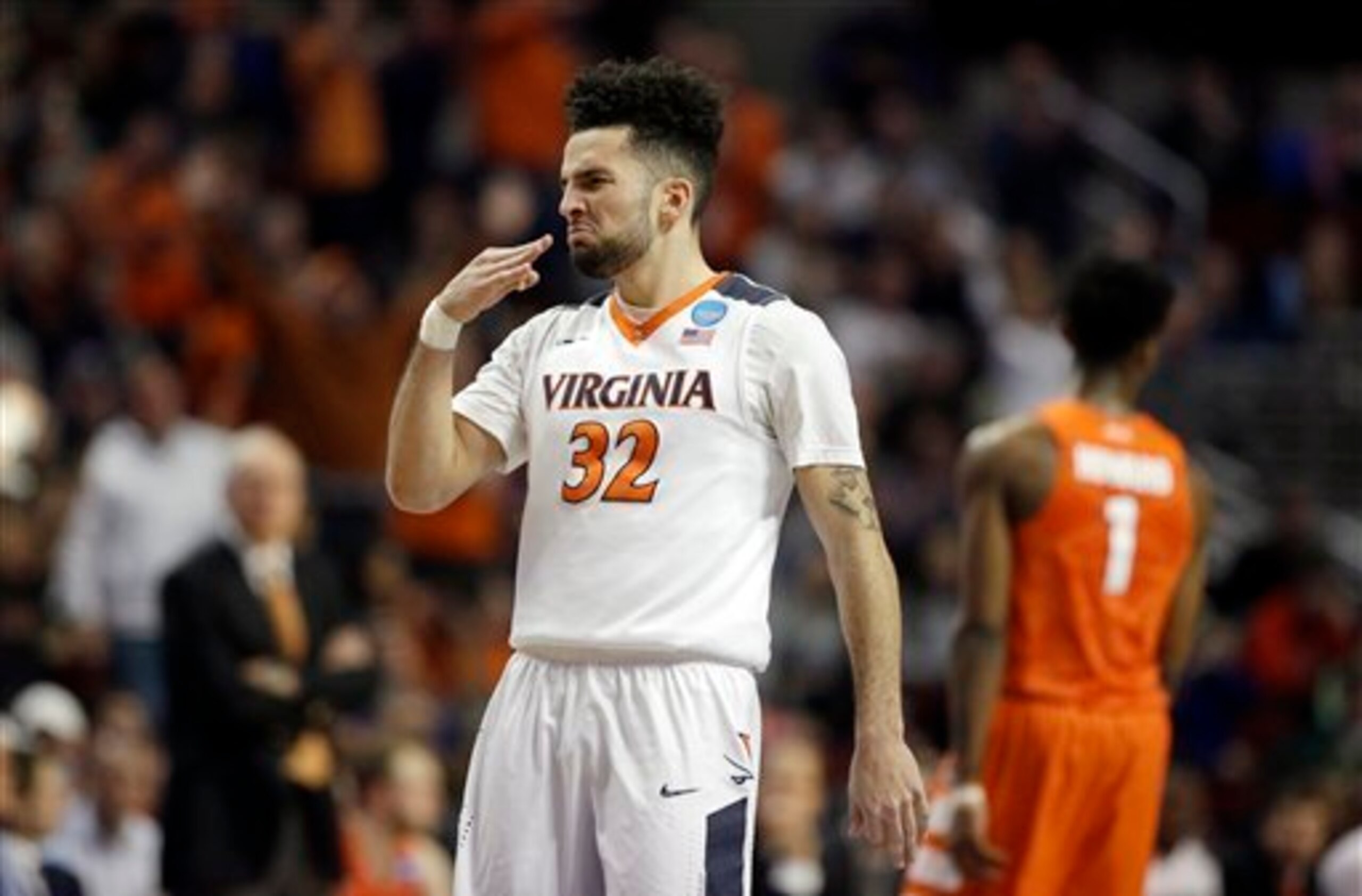
2015-16 Stats: 11.0 PPG, 4.4 APG, 3.0 RPG, 1.1 SPG, 48.8 3PT%
If nothing else, London Perrantes definitely has the best hair among players wearing No. 32.
Virginia's point guard was one of the best shooters in the entire country last season, draining clutch three-pointers on a regular basis, including shooting 52 percent in the NCAA tournament.
But scoring was almost a last resort for him at times; a fourth asset behind his passing, defense and on-court leadership. In fact, Virginia was better off when he wasn't scoring much. The Cavaliers lost three of the five times that he scored at least 17 points, including the NCAA tournament loss to Syracuse.
Finding that proper balance could be a challenge with both Malcolm Brogdon and Anthony Gill out of the picture. With 85 wins over the past three seasons, this senior has more than enough experience with winning to earn our trust that he'll find a way to lead Virginia to another great year.
Runner-up: Tim Kempton, Lehigh
Tim Kempton isn't a household name, but perhaps the back-to-back Patriot League Player of the Year should be. Lehigh's primary big man has put up solid numbers over the past three seasons, but he was still heating up late last year, averaging 18.8 points and 12.4 rebounds over his final 10 games. The season opener against Xavier may be one of your only chances to see him in action before the conference tournament, so tune in early to get a glimpse of what his senior year will bring.
33: Moses Kingsley, Arkansas
22 of 36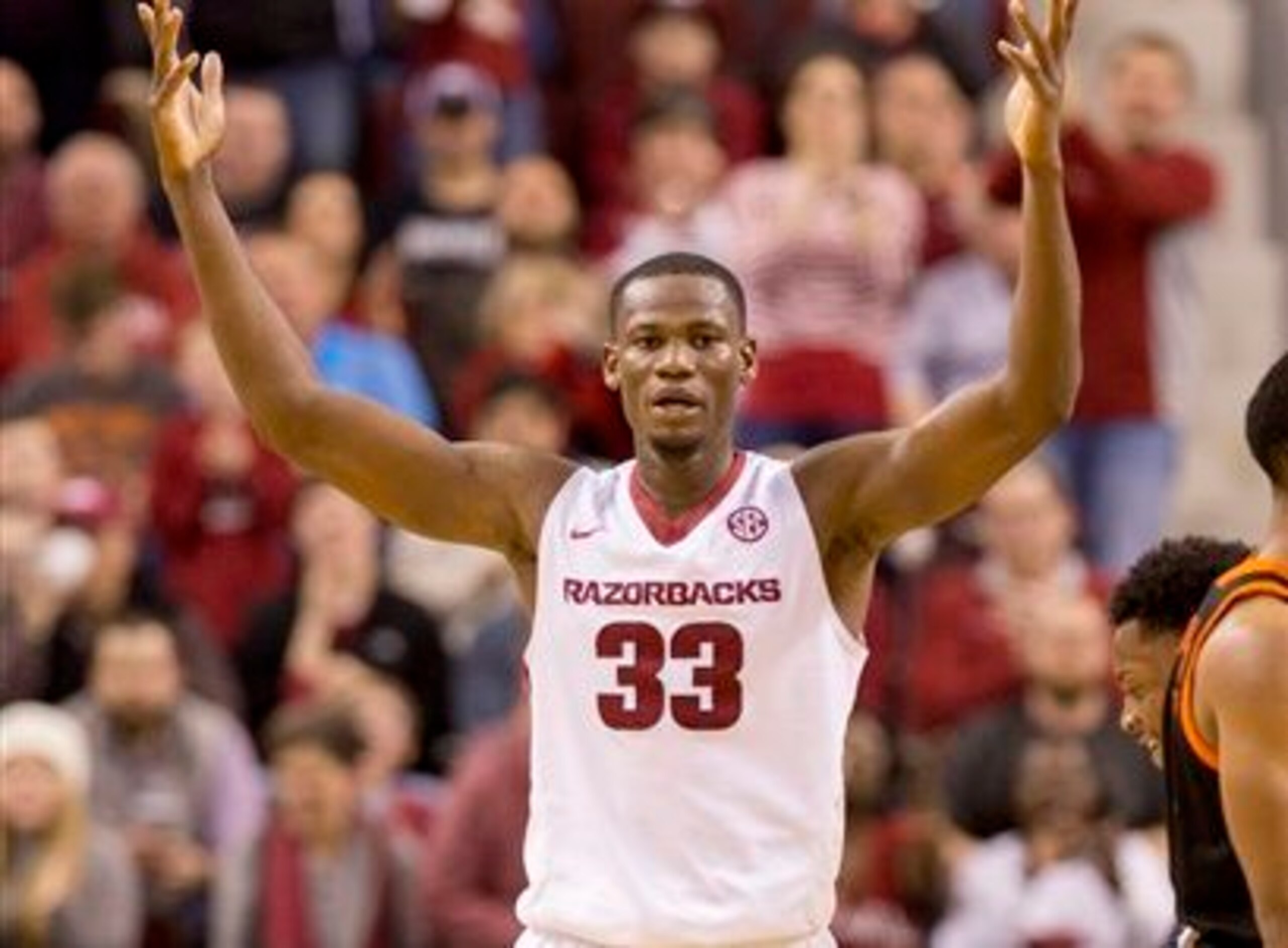
2015-16 Stats: 15.9 PPG, 9.3 RPG, 2.4 BPG, 1.2 APG, 1.1 SPG
Though Arkansas lost just about its entire frontcourt after the 2014-15 season, Moses Kingsley's breakout season was tough to see coming.
He played just 10.8 minutes per game as a sophomore, averaging a good-not-great 13.4 points and 9.2 rebounds per 40 minutes. For sake of comparison, teammate Bobby Portis put up 23.4 and 11.9, respectively, in those categories.
But Kingsley's efficiency increased by roughly 50 percent while his minutes nearly tripled, per Sports-Reference.com. He went from 3.6 points and 2.5 rebounds per game to 15.9 and 9.3 with 16 double-doubles. And now he's the preseason SEC Player of the Year.
The Razorbacks are loaded with intriguing JUCO transfers, but Kingsley will determine whether they even sniff the NCAA tournament this year.
Runner-up: Antonio Campbell, Ohio
One better than Moses Kingsley, Antonio Campbell had 17 double-doubles and is one of just seven returning players who played at least 25 games and averaged a double-double last year, according to Sports-Reference.com. The reigning MAC Player of the Year also blocked 63 shots and shot 36.8 percent from three-point range, so there's not much that he can't do.
34: Tyler Davis, Texas A&M
23 of 36
2015-16 Stats: 11.3 PPG, 6.2 RPG, 1.1 BPG
Tyler Davis was so good as a freshman that he broke Elijah Thomas' will to be an Aggie.
Both players were highly touted members of Texas A&M's 2015 recruiting class. Scout had Davis at No. 33 nationally and Thomas at No. 50. But it only took eight games for Thomas—who committed to A&M two months after Davis—to realize he was never going to make an impact with Davis in the picture. He opted to transfer to Clemson, leaving Davis to become the star of this year's Aggies.
Davis never got that many touches with Jalen Jones and Danuel House hogging the ball, but he made 65.5 percent of his shots, finishing just 99 points behind Jones while taking 183 fewer shots. He is an offensive rebounding machine who can both block shots and draw fouls at a high rate. And he should become a bigger focus in the offense with Jones and House out of the picture.
Runner-up: Tyler Cavanaugh, George Washington
After winning 74 games in three seasons, GW could be headed for a rough season. Four of its seven leading scorers graduated and a fifth transferred. Its head coach was fired. And the top four in the A-10 might be as strong as ever. But at least the Colonials still have Tyler Cavanaugh—the stretch 4 who averaged 16.8 points and 7.6 rebounds in his first season after transferring from Wake Forest. Look for him to get a ton of touches this year.
35: Allonzo Trier, Arizona
24 of 36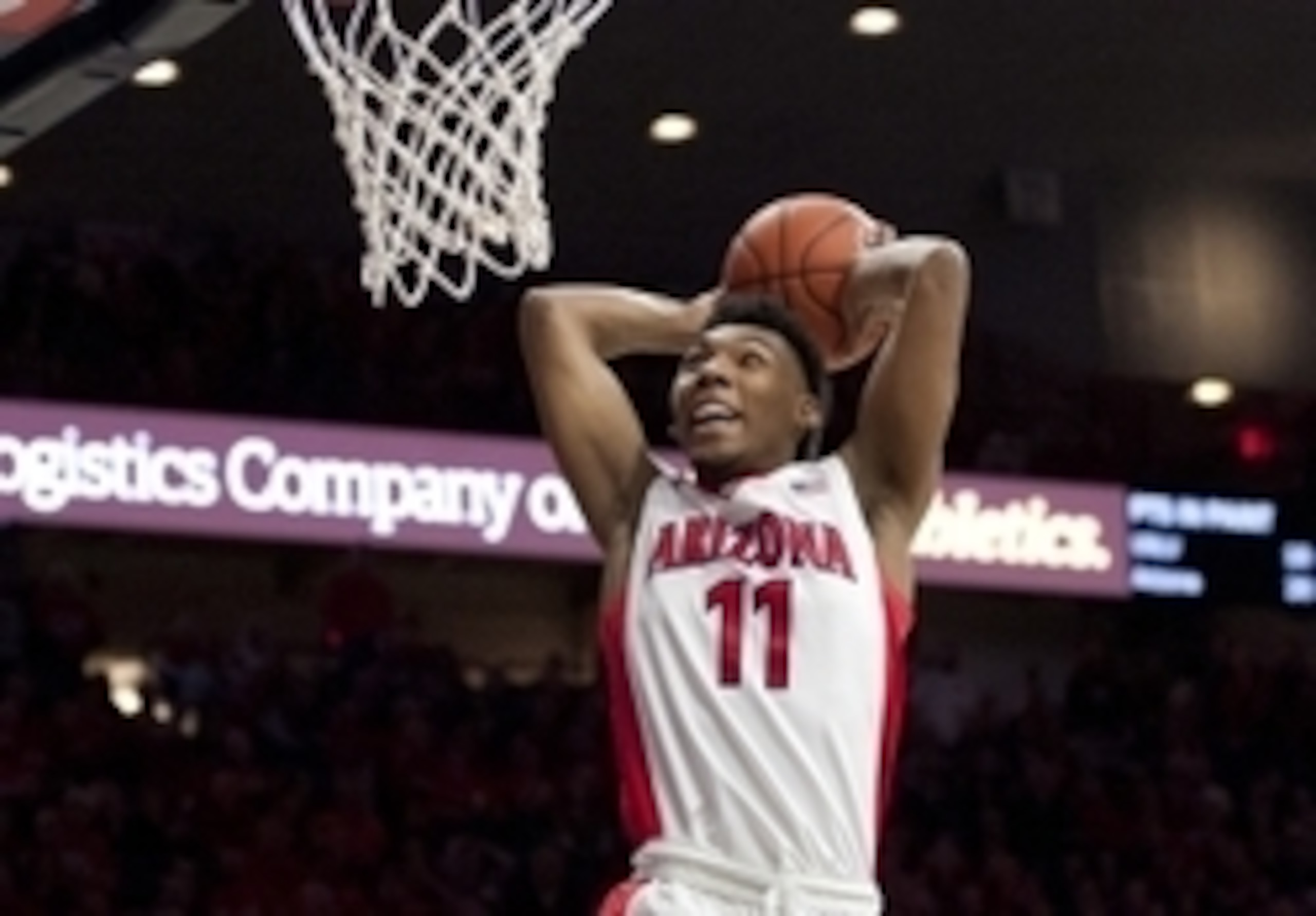
2015-16 Stats: 14.8 PPG, 3.3 RPG, 1.1 APG, 36.4 3PT%
Whether Allonzo Trier will actually play this season remains to be seen. His last-minute absence from Pac-12 media day added some credence to the rumors, per Jason Bartel of Arizona Desert Swarm, that had been swirling about the possibility that he could be ruled ineligible for the 2016-17 season.
Until there's some hard evidence on that front, let's agree to assume that Trier will play and that he will be one of the most critical players in the Pac-12.
Trier doesn't do much in terms of rebounds, assists or steals, but he is a dynamic scorer who was surprisingly efficient for a freshman. A broken hand cost him nearly a month, but he barely missed a beat, scoring 18 points in the rivalry game against UCLA in just his second game back on the court.
(Yes, I'm aware he's wearing No. 11 in the photograph, but he switched to No. 35 this summer, as Kaleb Tarczewski's graduation made it available.)
Runner-up: Amida Brimah, Connecticut
Speaking of hand injuries, Amida Brimah missed about six weeks with a broken finger, but he also returned to form in quick order. He has been one of the best shot-blockers in the nation over the past three seasons, and he swatted at least two shots in each of his final 11 games of last season. He may need to get a bit more involved in the offense as a senior, but his presence on defense will be a game-changer, regardless of his points scored per game.
40: Luke Fischer, Marquette
25 of 36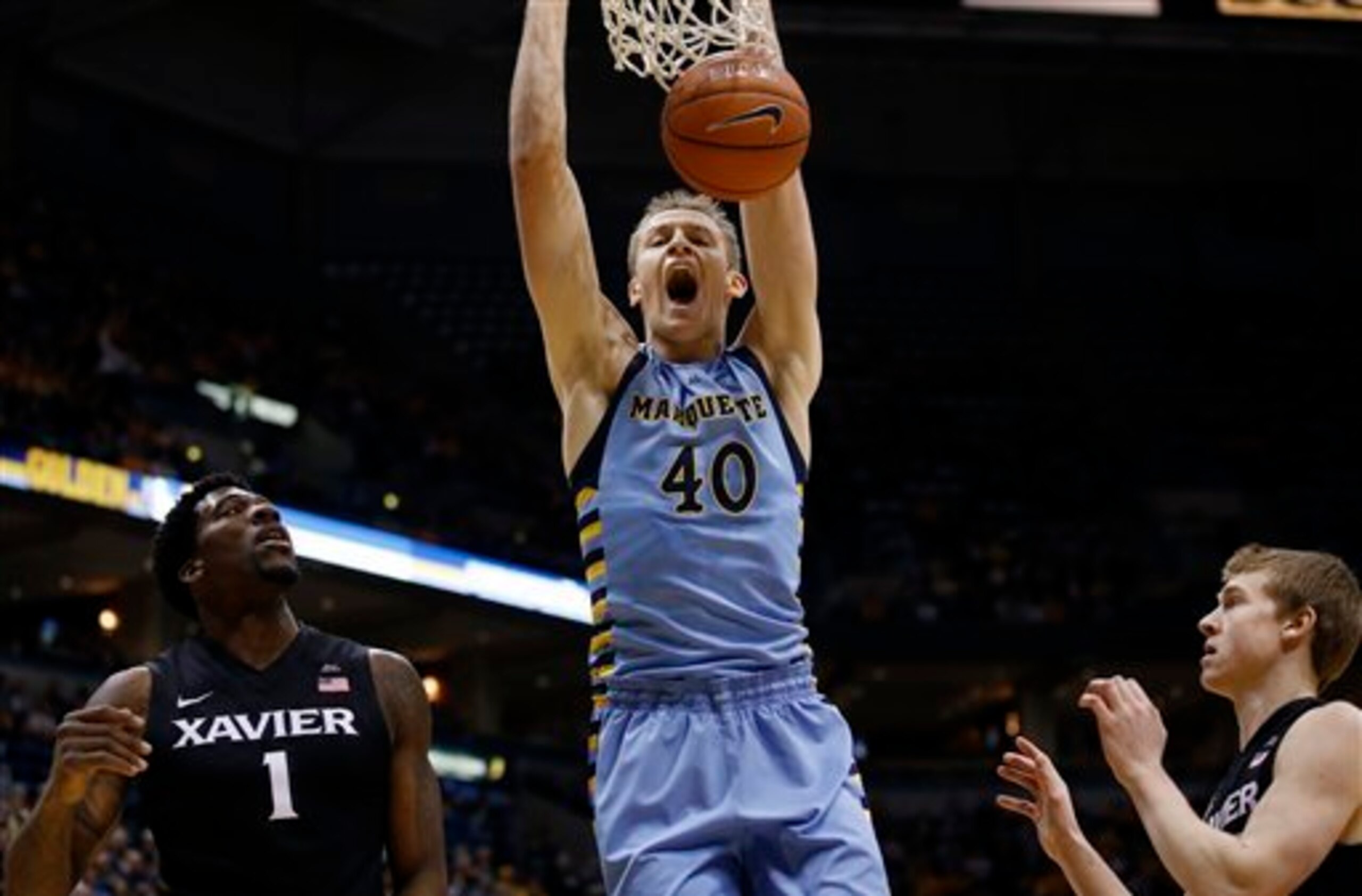
2015-16 Stats: 12.1 PPG, 6.2 RPG, 1.4 BPG, 1.0 APG
Luke Fischer might not be the best No. 40 in the country, but there's not a more important one.
Marquette is loaded with quality guards. Transfers Andrew Rowsey (19.7 PPG in two years with UNC-Asheville) and Katin Reinhardt (10-plus PPG in all three years with UNLV and USC) join an already solid group headed by Haanif Cheatham, Duane Wilson and Jajuan Johnson.
However, none of those players is taller than 6'6" and not one of them averaged better than 3.4 rebounds or 0.3 blocks per game in his most recent season. With Henry Ellenson leaving for the NBA, Marquette's frontcourt is Fischer or bust.
Steve Wojciechowski and Co. are hoping that Matt Heldt will offer some assistance as a sophomore center, but the Golden Eagles need a big year from their primary big man if they expect to go dancing for the first time since 2013.
Runner-up: Thomas Welsh, UCLA
Thomas Welsh is in a similar situation as the main big on a roster overflowing with guards, but at least he has some help, as the Bruins have six players 6'9" or taller on their roster. With Tony Parker out of the picture, Welsh ought to average a double-double. He put up 11.2 points and 8.5 rebounds in just 26.8 minutes per game as a sophomore. He might be the best big man in the Pac-12 this year.
41: Mitchell Solomon, Oklahoma State
26 of 36
2015-16 Stats: 3.7 PPG, 3.9 RPG
With all due respect to Mitchell Solomon, this is where things start to get ugly.
The single-digit jersey numbers are extremely popular while everything from Nos. 10-35 get solid representation. Once you get into the 40s and 50s, it's difficult to find players that most fans know. Nos. 40, 44, 50 and 55 are exceptions, since players apparently love round numbers and palindromes, but the "weird" higher numbers have limited options.
Case in point, Solomon is a junior who averaged 8.1 points, 8.5 rebounds and 7.4 personal fouls per 40 minutes last season. He's not the second coming of Jahlil Okafor, but the Cowboys lost every other frontcourt player from last season, so it's possible he could be headed for a Moses Kingsley type of breakout junior year out of sheer necessity.
Solomon has yet to record a double-double in his career, but Oklahoma State could be in the running for a tournament bid if he can tally a few of them this year.
Runner-up: Brian Pegg, Stetson
Brian Pegg is the furthest thing from a household name. He doesn't put up mind-blowing numbers (12.6 PPG and 9.8 RPG as a junior) and he plays for a team that has never made the NCAA tournament and hasn't finished above .500 since 2000-01.
But have we mentioned the lack of all-stars wearing some of these higher numbers? At least Pegg had 18 double-doubles last season, including a ridiculous one in the Atlantic Sun tournament against Lipscomb in which he had a career-high 22 points and 12 rebounds in just 14 minutes.
42: Jeremy Hemsley, San Diego State
27 of 36
2015-16 Stats: 12.0 PPG, 2.4 RPG, 1.8 APG
Not since Kawhi Leonard in 2009-10 had a freshman averaged at least six points per game for San Diego State, but Jeremy Hemsley was twice that good in his first collegiate season.
He suffered a bone bruise in mid-February and just wasn't the same for the final 12 games, but it was clear from the outset that head coach Steve Fisher had something special in Hemsley. He had 20 points, six rebounds and five assists in his debut and was averaging close to 14 points per game before the injury that forced him out of the starting lineup.
With Winston Shepard out of the picture, Hemsley should become SDSU's primary ball-handler this season. It wouldn't be crazy if he did as a sophomore what Xavier Thames did as a senior a few years ago—17.6 PPG, 3.2 APG, 2.9 RPG.
Runner-up: Bradley Hayes, Georgetown
In what we thought was his final season, Bradley Hayes came out of nowhere. He entered 2015-16 with 30 points and 32 personal fouls in 42 career games. But after Joshua Smith and Mikael Hopkins graduated, Hayes became Georgetown's starting center and exceeded his career scoring total in just two games. He was granted a fifth year of eligibility and should remain a key member of a loaded frontcourt.
43: Chris Brady, Monmouth
28 of 36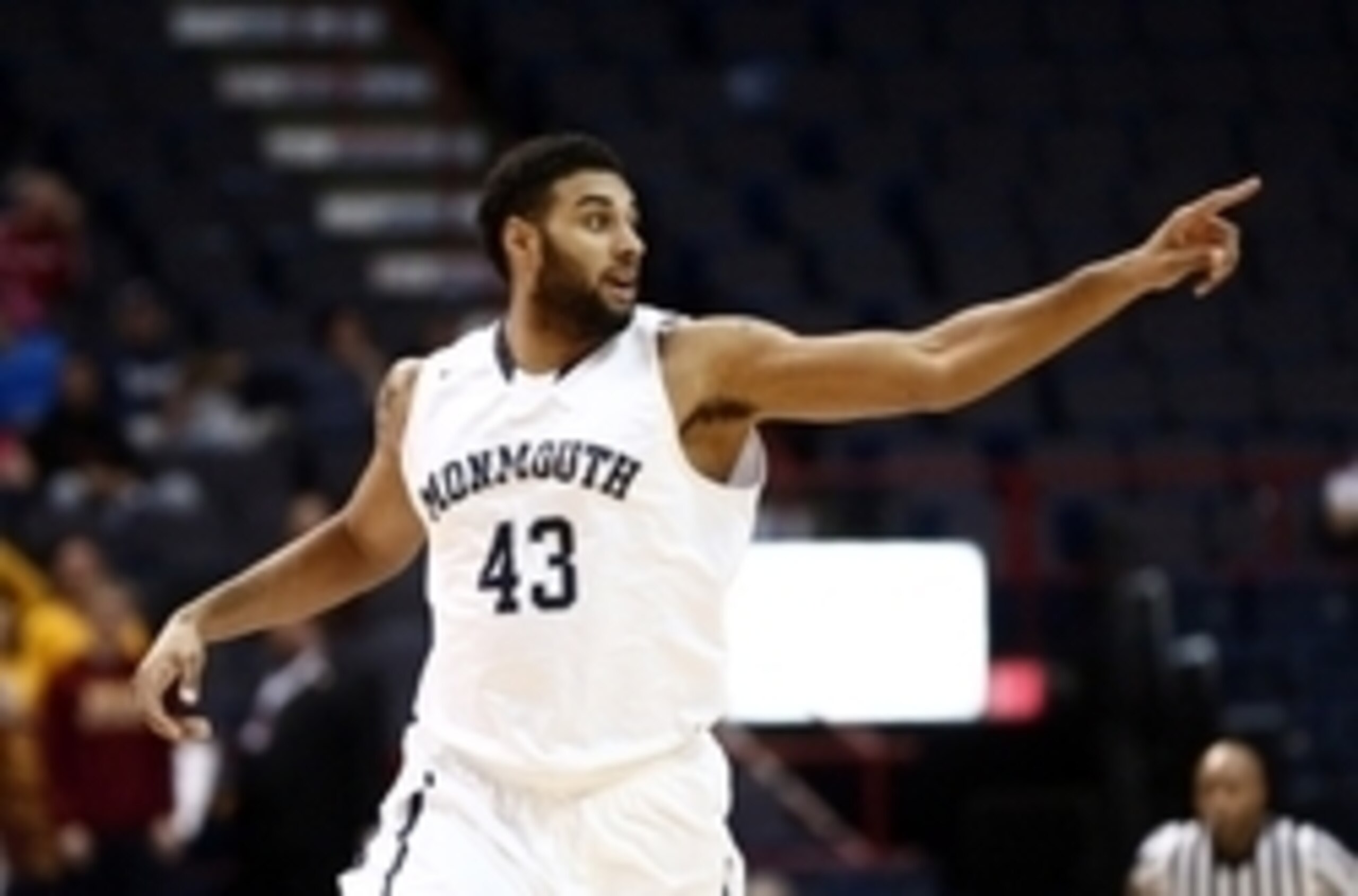
2015-16 Stats: 6.6 PPG, 5.9 RPG, 1.3 BPG
Another jersey number with limited options, but Chris Brady is a crucial player for one of the best minor-conference teams in the country.
One number for Brady that isn't listed above is that he only played 18.2 minutes per game, thus averaging 14.5 points, 12.9 rebounds and 2.7 blocks per 40 minutes. The Hawks only lost one noteworthy player from last season, but Deon Jones graduating should mean more playing time and more touches for Brady.
In five games last season that Jones missed with a broken hand, Brady had marginally better numbers, including 12 points and nine rebounds in a rare low-scoring, 59-48 win over Rider in the MAAC tournament. Maybe he doesn't quite average a double-double, but look for Brady to give Monmouth a strong senior year.
Runner-up: Michael Finke, Illinois
Following early injuries to Mike Thorne Jr. and Leron Black, freshman Michael Finke was thrown into an unexpected starting gig for a couple of months. He was hit or miss in that role, finishing the season averaging just 7.5 points and 3.7 rebounds per game. But he did score in double figures 10 times, including a 24-point game against Western Carolina. He'll play a smaller part on this year's team if guys can stay healthy, but he showed enough as a freshman that he could be a key reserve as a sophomore.
44: Justin Jackson, North Carolina
29 of 36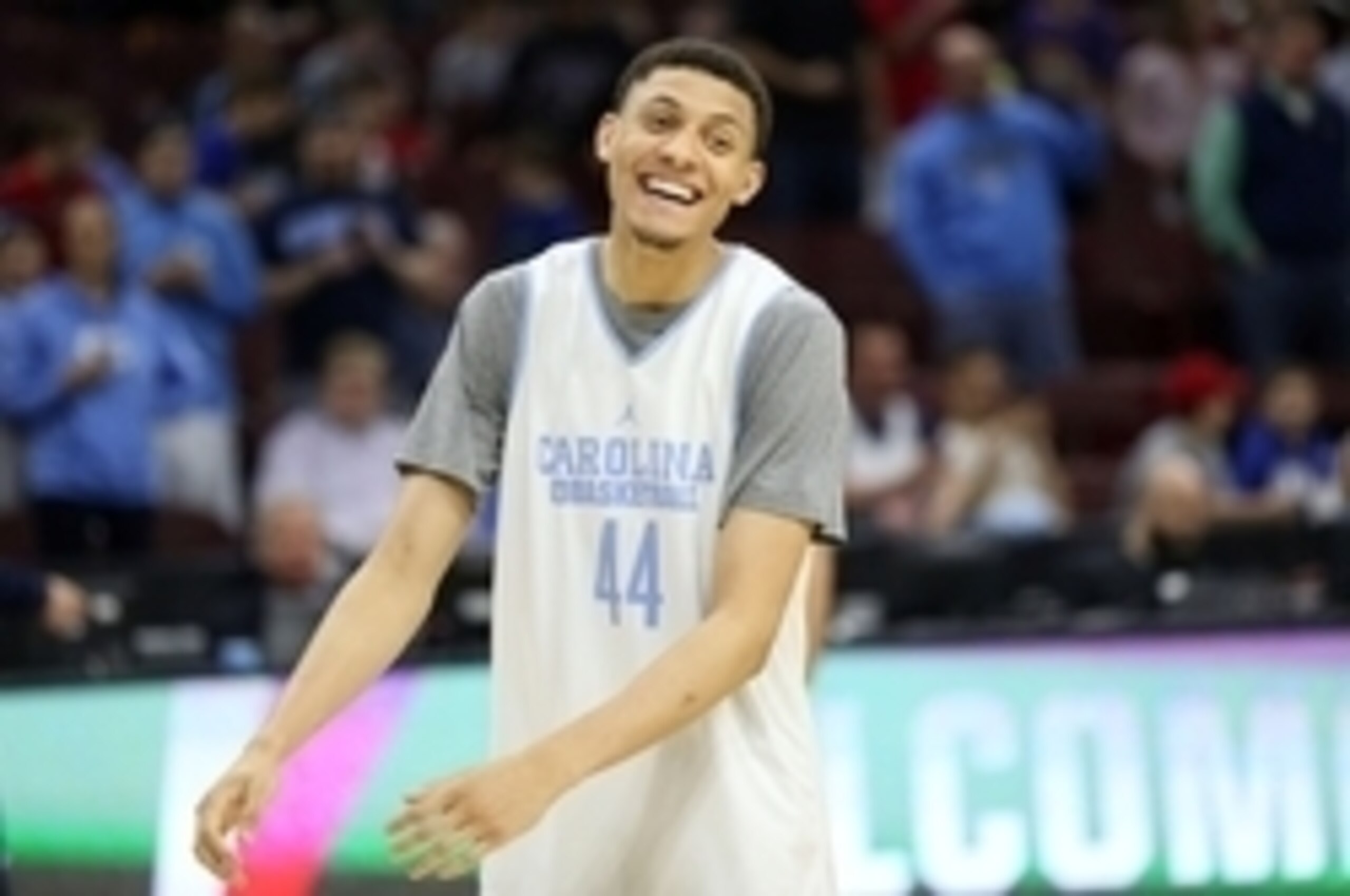
2015-16 Stats: 12.2 PPG, 3.9 RPG, 2.8 APG
Justin Jackson is North Carolina's most enticing NBA prospect. Will this be the year he finally taps into his great potential?
Jackson hasn't been bad by any means, but he's kind of caught in no-man's land between shooting guard and small forward. He hasn't shot well enough (29.7 career three-point percentage) to be a true 2, but he doesn't rebound well enough (3.8 per game in his career) to be a conventional 3, either. One of those numbers needs to improve before he can be taken seriously as a first-round pick.
Fortunately, the opportunity is there for him. Marcus Paige graduating means the Tar Heels need more consistent shooters, while Brice Johnson graduating opens up nearly 15 rebounds per 40 minutes. And with Theo Pinson likely out for two or more months after undergoing foot surgery, North Carolina needs even more help in both of those categories than initially thought. This could/should be the year Jackson explodes.
Runner-up: Isaac Haas, Purdue
Isaac Haas has been remarkably efficient thus far in his career, averaging 24.1 points and 10.8 rebounds per 40 minutes through two seasons. But he has played only 14.4 minutes per game thanks in large part to A.J. Hammons blocking his path to the court. The 7'0" center graduated, opening the door for the 7'2" center to make a bigger impact as a junior. Haas and Caleb Swanigan should make life miserable for opposing frontcourts.
45: Donovan Mitchell, Louisville
30 of 36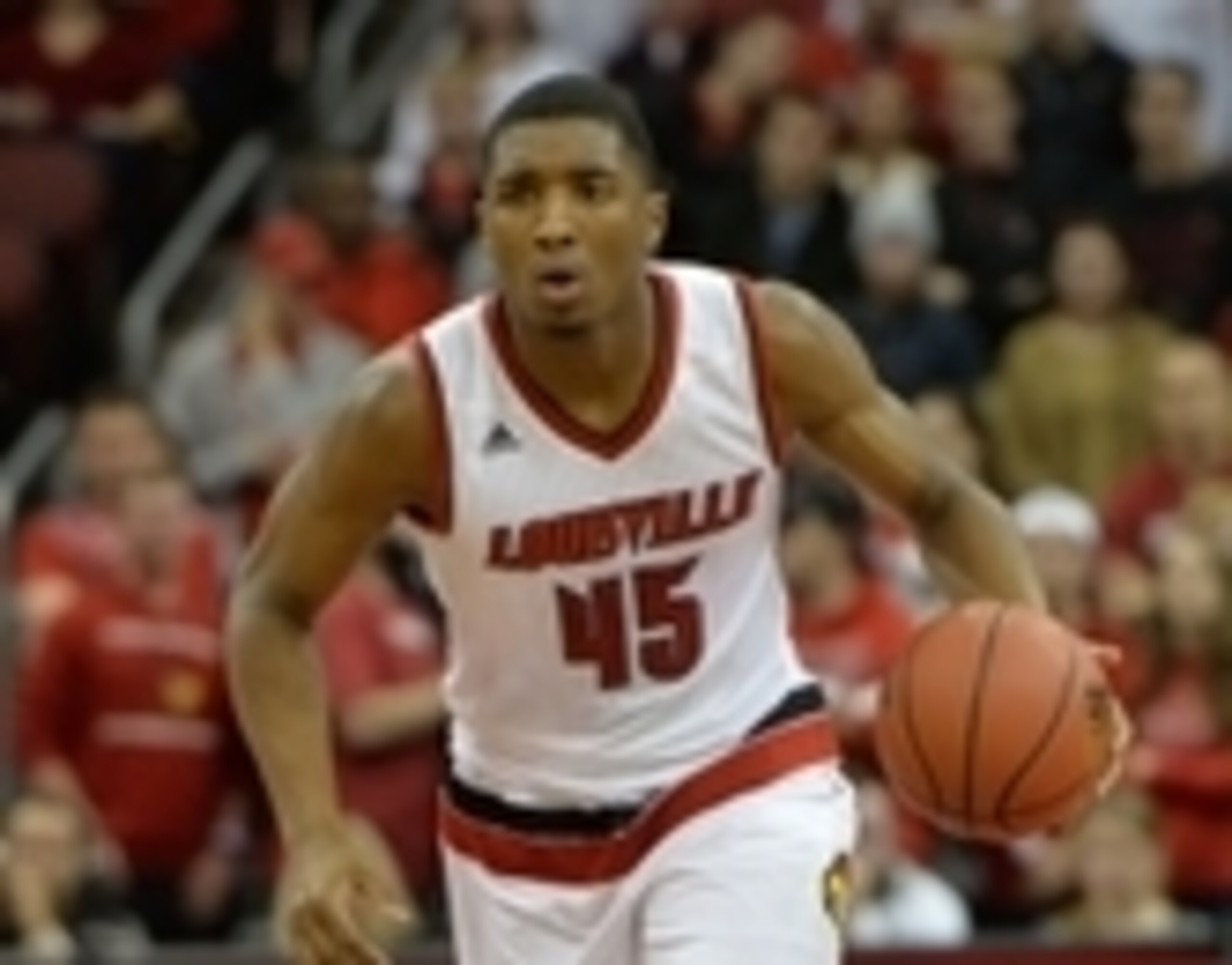
2015-16 Stats: 7.4 PPG, 3.4 RPG, 1.7 APG
No. 45 is something of a hotbed for breakout stars on title contenders this year.
The leader in the clubhouse is Louisville sophomore Donovan Mitchell. His numbers weren't great as a freshman, but he knows that as well as anyone.
"I'm big on motivation," Mitchell told Bleacher Report at ACC media day. "Any negative articles, I save on my phone. ... 25.0 percent is the number I've been saying in my head all summer. That's how poorly I shot from the three-point line. I'm not that bad of a shooter."
On the plus side, he did establish himself as one of the best dunkers in the country with some crazy slams against Florida State and Syracuse.
Runner-up: Darryl Reynolds, Villanova
Villanova's backup center was an afterthought for most of the offseason until Omari Spellman was ruled ineligible for the year and Darryl Reynolds became a probable starter. The big man hasn't been much of a scorer in his career, but a 19-point, 10-rebound game against Providence while Daniel Ochefu was sidelined by a concussion would seem to suggest he can answer the bell when needed. Even if he doesn't get many points, expect a lot of rebounds for Reynolds in his senior year.
50: Caleb Swanigan, Purdue
31 of 36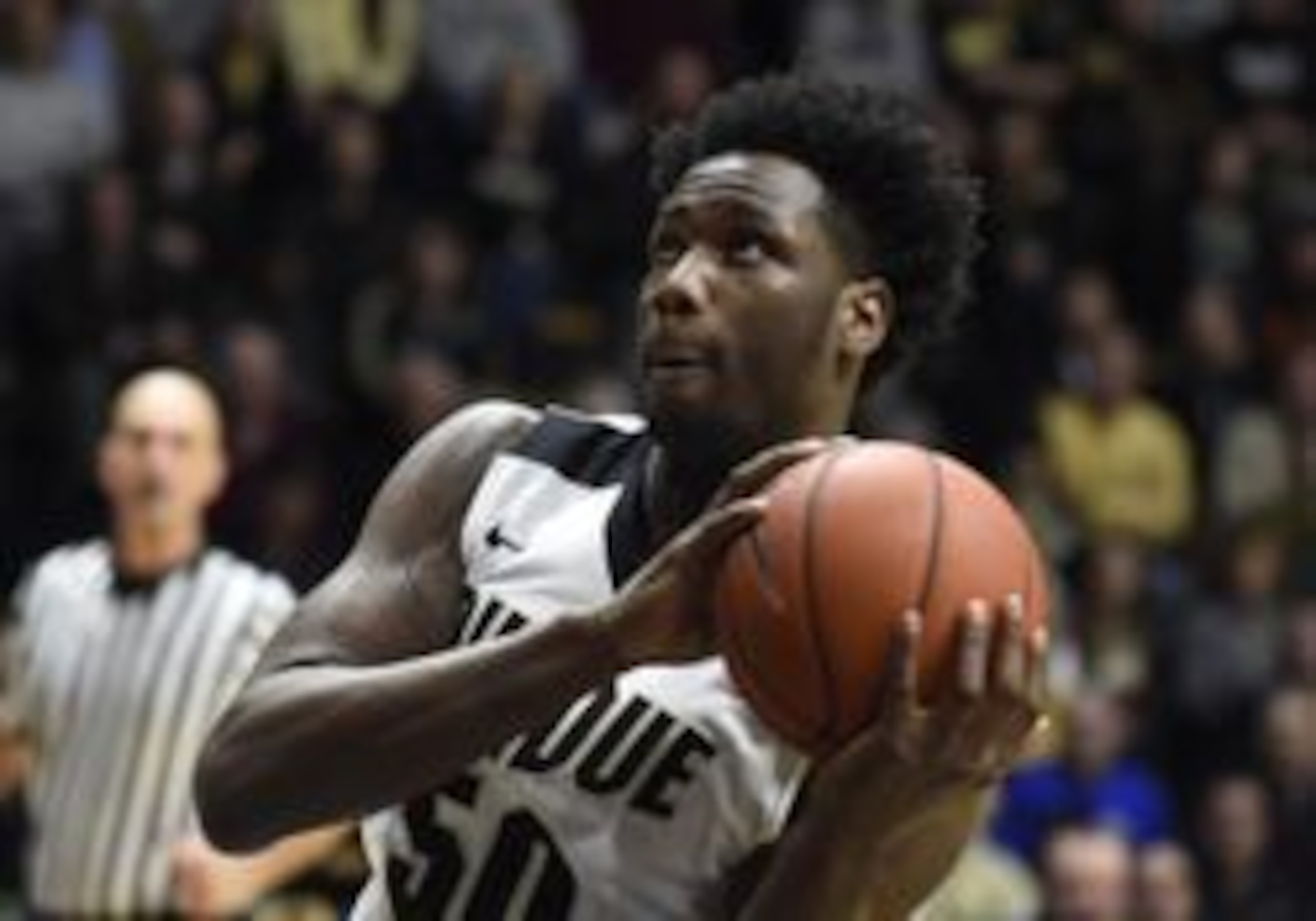
2015-16 Stats: 10.2 PPG, 8.3 RPG, 1.8 APG
If Caleb Swanigan either improves as a three-point shooter (29.2 percent as a freshman) or decides to abandon that element to focus on improving as a two-point shooter (51.9 percent), he legitimately could be the best forward in the country this year.
When he was on, it was a thing of beauty. Despite sharing a frontcourt with A.J. Hammons and Isaac Haas, "Biggie" had eight double-doubles and a pair of games with at least 25 points scored.
Turnovers were a major issue for the first half of the season, but Swanigan had matured in a big way in that area by year's end. More touches should be coming his way with Hammons out of the picture, which is where those shooting percentages come into play. If he can become even a somewhat consistently efficient scorer, look out.
Runner-up: Sagaba Konate, West Virginia
He wasn't a highly rated recruit, but Sagaba Konate figures to make a significant impact as a freshman at West Virginia. Esa Ahmad and Elijah Macon will be the primary big men for the Mountaineers with Nathan Adrian playing a fair amount of stretch 4, but look for Konate to be a key, physical reserve in the absence of Devin Williams and Jonathan Holton.
51: Chris Harrison-Docks, DePaul
32 of 36
2015-16 Stats: 10.0 PPG, 1.9 APG, 1.0 RPG, 38.0 3PT%
After three solid years with Western Kentucky, Chris Harrison-Docks is taking his three-point stroke to DePaul.
He's a perimeter shooter and not much else. Last season, he averaged 5.6 three-point attempts per game compared to a combined total of 5.4 two-point attempts, assists and rebounds. But at least his bread and butter is fairly reliable, as he has made 36.2 percent of his career three-point attempts.
That shot should go a long way with the Blue Demons. They averaged just 5.4 made triples per game last season and three of the four best shooters (Tommy Hamilton, Aaron Simpson and Myke Henry) are no longer on the roster. Outside of Eli Cain, Harrison-Docks is just about all they've got.
Runner-up: Nicholas Baer, Iowa
Peter Jok is clearly going to be Iowa's primary scoring weapon this season. Dom Uhl is likely second on that list. Could No. 51 be the No. 3 option for the Hawkeyes? Nicholas Baer played only 14.5 minutes per game as a freshman, but he shot 39.4 percent from downtown and averaged 13.2 points and 7.1 rebounds per 40 minutes.
52: J-Mychal Reese, North Texas
33 of 36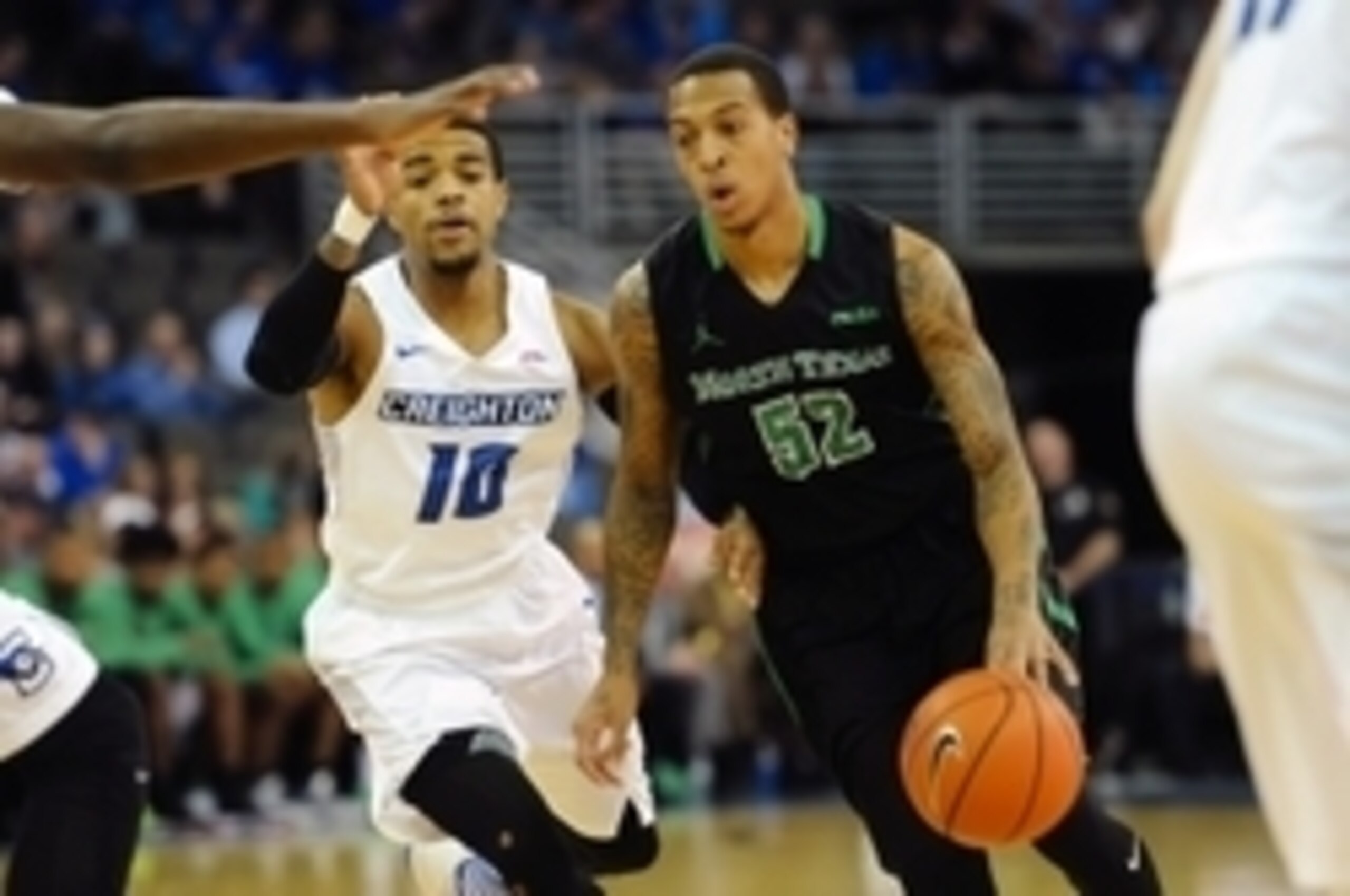
2015-16 Stats: 14.7 PPG, 3.7 APG, 2.9 RPG, 1.1 SPG
Scout had J-Mychal Reese rated as the No. 67 overall recruit in the class of 2012. He originally signed with Texas A&M and had a featured role as a starter for a few months. But by the end of that season, it was clear that Alex Caruso was the point guard of the future for the Aggies. Reese played just six games the following year before transferring to North Texas and sitting out another season.
By the time he finally resurfaced this past November, most of us had forgotten all about him.
He clearly hadn't forgotten how to play, though. The Mean Green went 12-20, but not for lack of effort from Reese, who scored at least 15 points in half of their games. He finished strong after committing a ton of turnovers in the first half of the season. Now that the rust is gone, Reese and Jeremy Combs (14.9 PPG, 10.5 RPG) should help North Texas turn a corner this year.
Runner-up: Brandon Gilbeck, Western Illinois
In frankly the only game of the season that mattered for Western Illinois, freshman big man Brandon Gilbeck had six points and six rebounds to help the Leathernecks upset Wisconsin. He dropped out of the starting lineup midway through the season, but he got back in there for the final two games, averaging 9.5 points and 7.5 rebounds in those outings.
53: Brennan Besser, Duke
34 of 36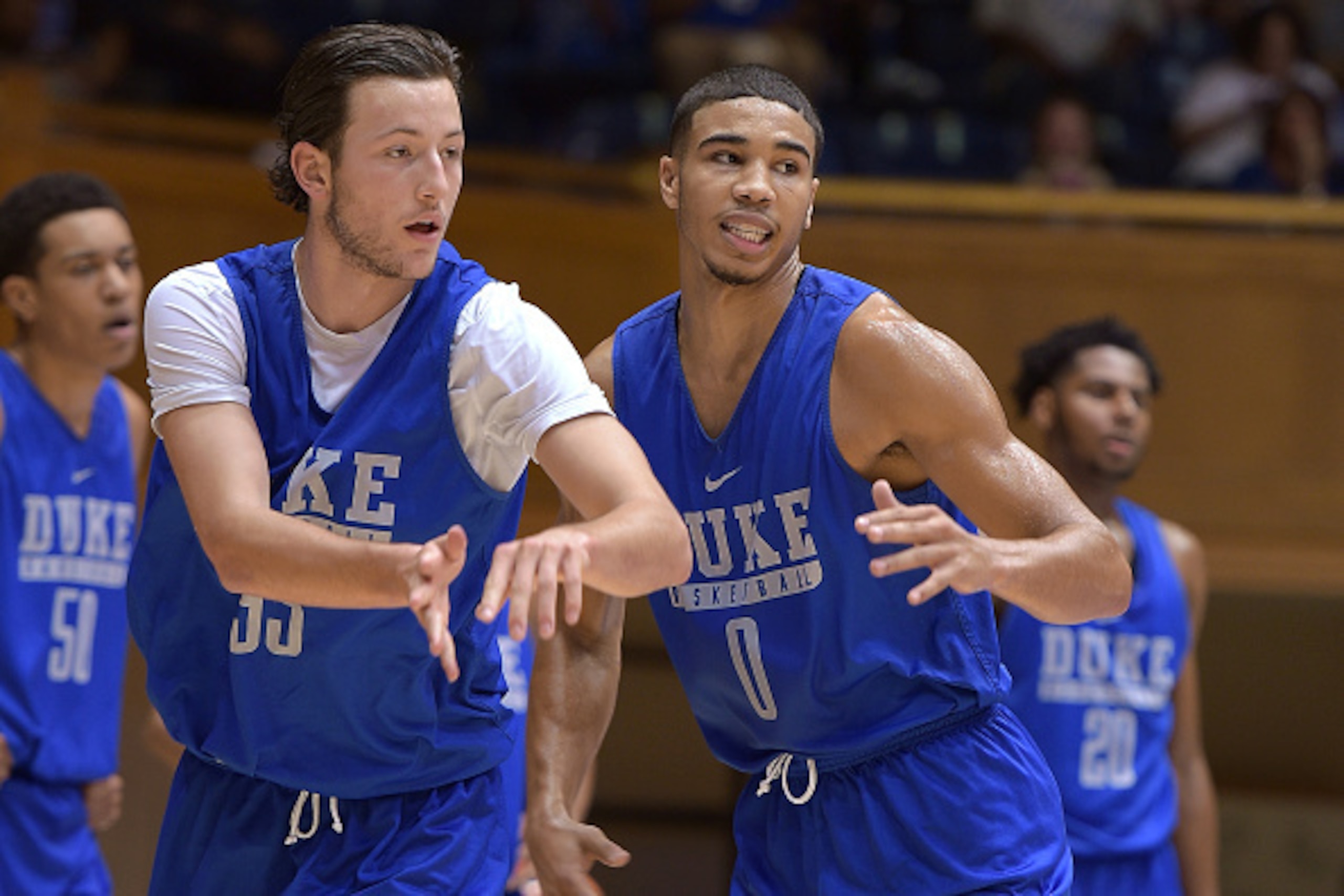
2015-16 Stats: N/A (Played one minute)
With no close second, No. 53 is the saddest state of affairs in college basketball jersey numbers. There are only a couple qualified players who touched the floor for a D-I team last season, and most of them made almost no impact whatosever.
So, why not Brennan Besser?
Duke's walk-on guard played just one minute in one game, missing the only shot he took in a 105-66 win over Elon. But to even make the Blue Devils roster takes a good deal of talent. According to MaxPreps, Besser averaged 14.6 points and 7.1 rebounds per game as a senior at Latin High School.
Harry Giles and Amile Jefferson were runners-up at their numbers. Marques Bolden, Luke Kennard and Matt Jones didn't even crack the top two for theirs. But Besser takes the cake among players wearing No. 53, even though he might not appear in a single game.
Runner-up: Julius van Sauers, LIU-Brooklyn
Julius van Sauers played only 54 more minutes than Besser, but at least he did score a dozen points for the Blackbirds last year. Did we mention that players wearing No. 53 were tough to find?
54: Sean O'Mara, Xavier
35 of 36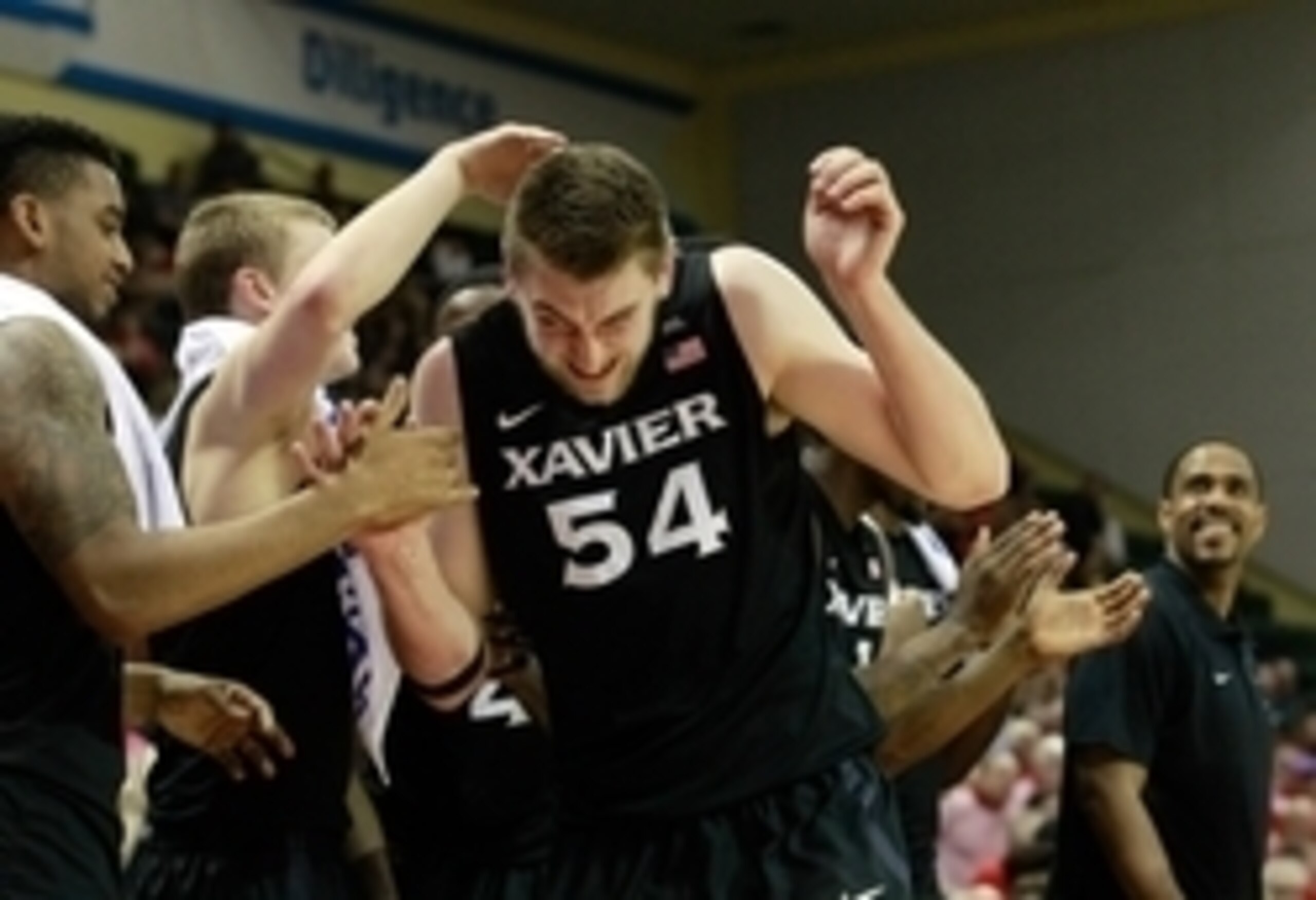
2015-16 Stats: 3.2 PPG, 1.9 RPG
No. 54 has better options than No. 53, but it would easily be next-to-last if we were power-ranking the jersey numbers.
Xavier's Sean O'Mara averaged only seven minutes per game as a sophomore, but he'll get a more significant amount of playing time this year with Jalen Reynolds, James Farr and even Makinde London all out of the picture. The 6'10" forward should be one of the primary frontcourt reserves for the Musketeers, putting to good use the 18.1 points and 10.7 rebounds he averaged per 40 minutes last year.
When he played at least nine minutes in a game, O'Mara averaged 7.5 points and 3.4 rebounds, shooting 70.0 percent from the field. It happened only eight times, but he made the most of those opportunities, scoring at least five points in each one. Don't be surprised if he has at least one or two impact performances on nights when RaShid Gaston gets into early foul trouble.
Runner-up: Darnell Tillman, UMKC
If you've made it this far into the list and are still reading about the runners-up, you've officially earned a peak behind the curtain at how some of these spots were filled. After matching up the top 150 or so players in the country to their jersey numbers, I looked at every roster, team by team, searching for players to fill the remaining spots. And for No. 54, I got all the way down to UMKC—310th alphabetically—before finding any.
It's completely possible I missed one, but I believe O'Mara and Darnell Tillman are the only players (excluding walk-on freshmen) in the country wearing No. 54 this year. So, yes, Tillman's 2.7 points per game last season were good enough to be this number's runner-up.
55: J.P. Macura, Xavier
36 of 36
2015-16 Stats: 9.4 PPG, 2.6 RPG, 2.0 APG, 1.1 SPG
Just about everyone has pegged J.P. Macura as a breakout candidate in what figures to be an extended role.
The shooting guard has started only seven games thus far in his career, but with Remy Abell gone and Myles Davis still not a certainty to play this season, Macura is headed for considerably more than the 22.7 minutes per game he played as a sophomore.
In addition to his ability to score, Macura showed a lot on the defensive end over the final six weeks of last season, recording at least one steal in 12 consecutive games, including three steals (and 19 points) in the season-defining win over Villanova.
If both Macura and Edmond Sumner are able to tap into their potential this year, the Musketeers are going to make a lot of opponents look silly.
Runner-up: John Konchar, IPFW
It was tempting to go with Spike Albrecht here, but we have to hand it to John Konchar, who averaged 13.0 points, 9.2 rebounds, 2.7 assists and 2.1 steals as a freshman. Dating back to 1993-94, only 14 players have put up at least 12.5, 8.5, 2.5 and 2.0, respectively. Konchar was the only one to do it as a frosh. And with IPFW losing three of its five players who averaged at least 10 points per game, he may put up even more ridiculous numbers this year.
Stats are courtesy of KenPom.com and Sports-Reference.com. Recruiting information is courtesy of Scout.com.
Kerry Miller covers college basketball for Bleacher Report. You can follow him on Twitter @kerrancejames.
.jpg?w=2560 "Rams Eagles Football")

.jpg?w=2560 "Injury-stricken Seahawks signing veteran RB")
.jpg?w=2560 "Bijan's INSANE 1st Half 🤩")

.jpg?w=2560 "2 NFL Officials Suspended")
