Team GB's Rugby Sevens Success Shows That Football Is Missing a Trick
From a British perspective, the past couple of days have seen the 2016 Rio de Janeiro Olympic Games explode into action. Team GB have been busy winning golds—four in total now—to drag themselves up the medals table, and the action has been coming thick and fast.
On Thursday, the track cycling got under way, heightening British interest as Team GB secured the men's team sprint gold at the expense of New Zealand.
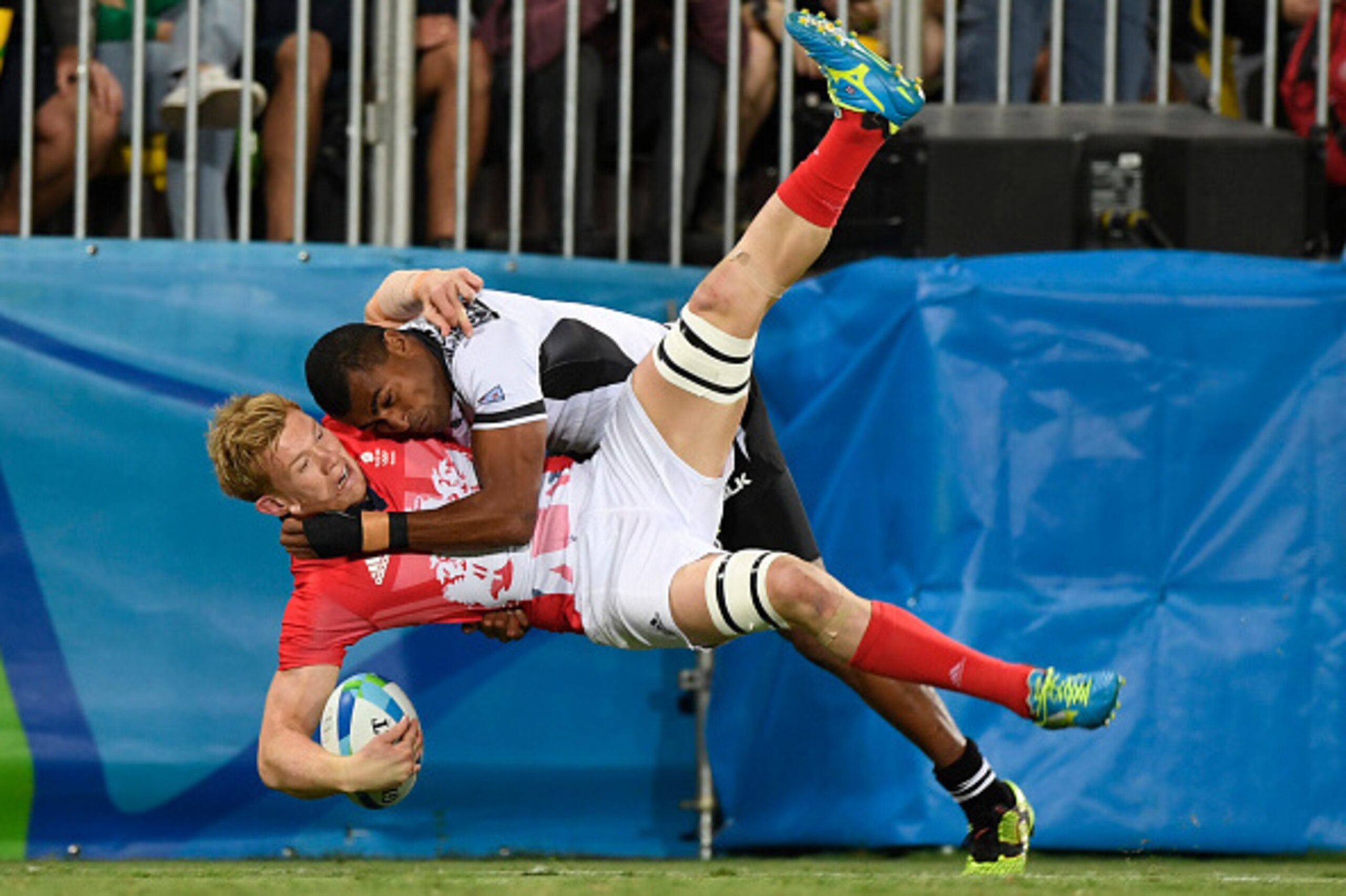
If that race left viewers out of breath, they didn't have long to get their lungs back to functioning properly before it all went off again, this time with the rugby sevens final moments later.


Team GB were taking on favourites Fiji, and despite an emphatic 43-7 win for the South Pacific nation, Britain's place in the final spoke volumes for the success of the tournament.
Simon Amor's team was only put together shortly before the Olympics. They traveled to Brazil having barely played together. That mattered little, however, as the four nations of England, Wales, Scotland and Northern Ireland came together under the Team GB banner to great effect.
Had the unions not joined forces, it would have meant Britain missing out on a silver medal; it would have meant Britain missing out on what has been a pulsating exhibition of rugby of the highest order in Brazil.
The sevens tournament—men's and women's—has been a massive highlight of these Games. We've been treated to everything the sport is about. There have been big hits, expansive rugby and some thrilling, high-scoring encounters. It really has captured the imagination.
It's on the Olympic roster for Tokyo 2020, but beyond that, the future of rugby sevens at the Olympics isn't clear, and in the coming weeks, World Rugby will meet with the IOC to put forward a case to securing its long-term inclusion.
On this evidence, the decision should already be made, as the Olympic Games will be poorer for not including the sport.
On this evidence, the four individual football associations of Britain should put aside their political differences and enter a Team GB football team at every Olympics.
When we look at how British rugby has benefited so much by coming together for this event, it shows the power that Great Britain can produce collectively.
That doesn't mean England, Scotland, Wales and Northern Ireland should be surrendering their sovereignty when it comes to World Cups and European Championships any time soon. It's more a realisation that they can adapt to modern times and work together for events that require Britain to compete as one.
Facing the might of New Zealand and South Africa en route to the sevens final, Team GB did it the hard way in Rio. Eventually meeting Fiji in the final, it proved a step too far, and they were outclassed.
That shouldn't shame them, however. Getting so far in the competition is a great advert for rugby in Britain, and taking a silver medal at the first time of asking is a major boost for everything the British Olympic Association is attempting to achieve.
Rugby sevens has captured the public's imagination because of the way the four unions have combined as one. The performances of the men and women has helped breed a sense of national pride, watching Team GB come close to securing the ultimate success of a gold medal.
Throw football into the equation, and the impact will be amplified tenfold. Nothing unites Britain the way football can; it's the national obsession, and it's about time Team GB was represented at the Olympic Games.

Yes, there are obstacles to overcome in the four-year cycle of each Games. There are the countless issues of managing qualification and the politics of getting the best players into each team. When we see the impact it can have, as with rugby sevens, surely that's all worth it, though.
Indeed, even the hockey teams put individual national pride aside in the name of coming together for British interests.
The problem with British football is that it's played a lead role in segregating itself from the world for over a century now. From England not entering the early World Cups, to Britain not having a football team in Rio, the attitudes that shape the game have been damaging. It's about time things changed.
Rugby sevens is winning right now, and that means Britain is, too. And if Team GB can come together for rugby, there's no reason football shouldn't be joining the party.

.jpg?w=2560 "LA Premiere of \"Chad Powers\"")