
What Is Roger Federer's Clay-Court Legacy?
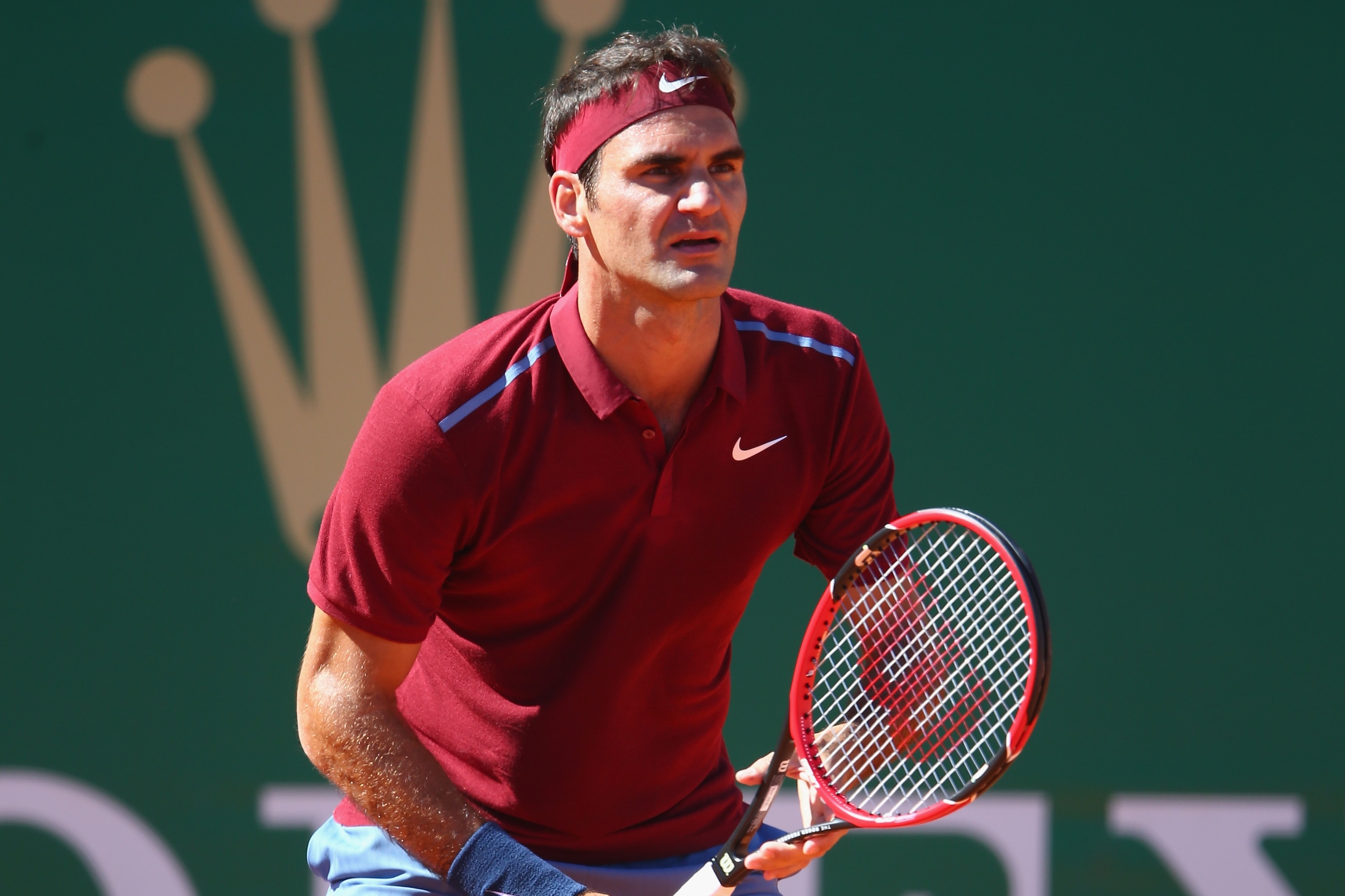
Roger Federer’s return to tennis for the first time since the 2016 Australian Open was a 6-3, 6-4 win over a good clay-court player in Guillermo Garcia-Lopez at the Monte Carlo Masters. The Swiss Maestro passed his first test in knocking off the rust and showing no ill effects from knee surgery and rehabilitation.
Is a strong start on clay meaningful, or is Federer's legacy great regardless of what surface he plays?
Clay is generally considered Federer’s weakest surface, which often leads to divided observations about his success on it. Is he an all-time great on clay? Just very good?

It’s even more complicated when comparing across eras and generations, so where does Federer rank in comparison to the other all-time greats on clay?
Against the 1970s
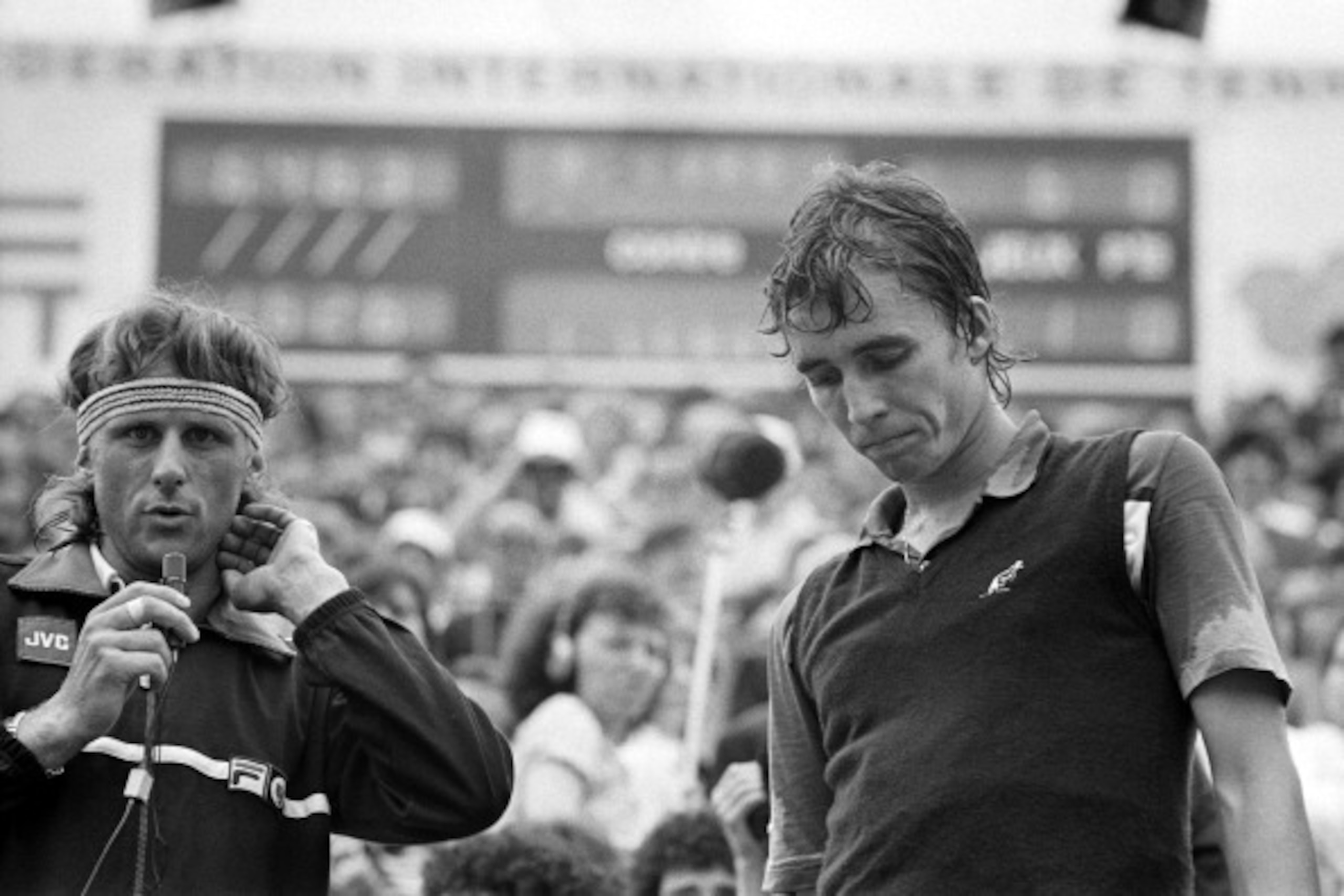
Nobody knows how Federer would do against the likes of Bjorn Borg or Guillermo Vilas, the two clay-court titans of the 1970s. Borg created his version of sweeping high topspin with the small head of a wooden racket and won six French Open titles. His fitness and footwork were supreme, traits that Federer has embodied.
While it’s uncertain if Borg could come to the modern era and beat Federer with modern equipment, the Swede will always get the nod for his gaudy numbers at Roland Garros. He won 30 total clay-court titles and held a 251-41 (.860) record on clay.
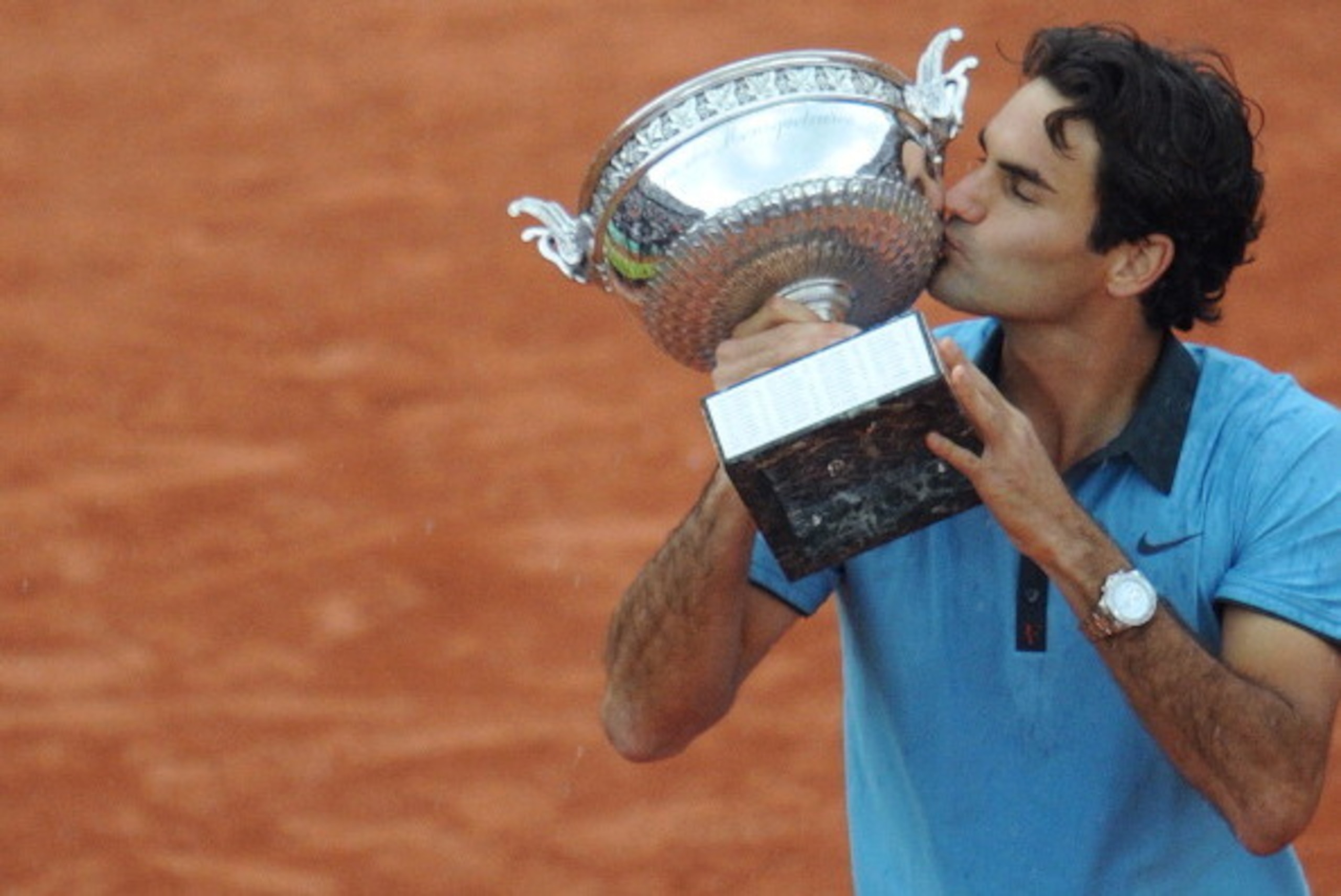
Federer’s totals include one French Open title and four finals losses at Roland Garros. He has 11 total clay-court titles and is 211-66 (.762) on clay.
Meanwhile, Vilas, who was a clay king during the time of Borg, played an insane number of matches on his favorite surface. The little left-hander compiled a 659-162 (.803) record on clay to go with 49 titles and two major titles on clay in 1977—the French Open on red clay and the U.S. Open on faster green clay.
Would Federer have been able to overcome Borg and Vilas? Modern athletes like Federer are bigger, fitter and carry better support systems and technology, but Borg and Vilas had better numbers for their time.
Against the 1980s
After Borg’s virtual departure from tennis by 1982 (he would play a handful of matches in subsequent years), Ivan Lendl and Mats Wilander each won three French Open titles with very different styles.
Lendl hit his huge forehand through the court to overwhelm opponents, but Wilander was a backboard who consistently hit deep balls and outlasted his opponents with defense and smart offensive patterns.
Straight up, Lendl (327-76 .811 and 28 clay-court titles) might be the easier opponent for Federer in that the Swiss is better at all of the things Lendl did best, especially with his footwork and underrated defense. Wilander (263-78 .711 and 20 clay-court titles) might steal some matches if he could absorb Federer’s best shots, and it would probably be more likely with 1980s graphite rackets and strings.
Against the 1990s
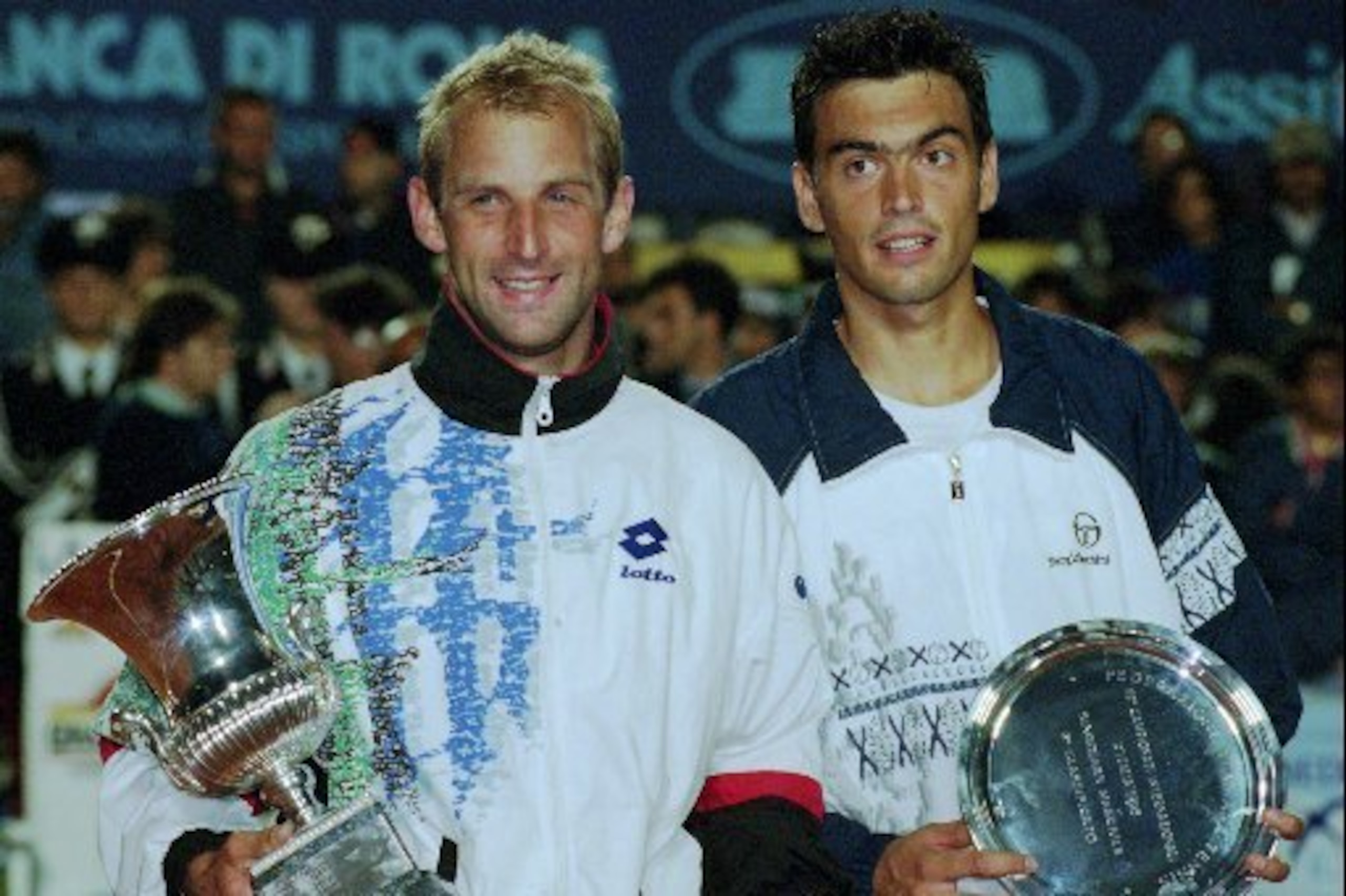
The 1990s was a deep era for many clay-court stars, but it lacked a truly dominant champion at the French Open. Sure, Jim Courier and Sergi Bruguera each took a couple titles at Roland Garros, but Courier (115-52 .689 and five clay-court titles) was ahead of the curve for only a couple years in slugging his way to those titles. His footwork and longevity on clay were nowhere near Federer’s.
Bruguera (296-135 .687 and 13 clay-court titles) had enormous topspin and defensive speed, and he was a great clay-court player for half a decade, but he lacked the firepower and competitive zeal to be truly dominant. By 1995, he paled next to the ferocious left-hander Thomas Muster, a prototype that foreshadowed the way Rafael Nadal would play, at least offensively.
Muster seemed nearly unstoppable for 1995-96, but he only bagged the '95 French Open. Perhaps that one year he would have bludgeoned Federer’s backhand with his physical style, but Muster also had much of his early career thwarted by a few lost years in recovering from a car accident. He retired with a legacy of 422-127 .769 with 40 clay-court titles.
Then along came Gustavo Kuerten, who reigned from 1997-2001 and won three French Open titles with graceful, smooth groundstrokes and athleticism. His 189-80 .703 record and 20 clay-court titles is not as impressive as a few other legends, but he showed his greatness in defeating 2004 Federer at Roland Garros even as his ailing hips had him on the brink of retirement in his late 20s.

Against Nadal
This is the easy comparison. Anyone who has followed tennis for at least the last 15 years knows Nadal built his clay-court legend on the foundation of Federer. His clay-court game was superior in terms of wins, titles, French Open titles and in punishing Federer in head-to-head matches. There’s no disputing 348-32 .916 nine French Open titles and 47 clay-court titles, including 19 Masters 1000 titles.
We will probably never see a player as dominant on clay ever again, an argument we put to bed three years ago.
It also raises the question what Federer would have accomplished on clay had Nadal never played professional tennis. Would he have locked down French Open titles from 2005-09 and added a sixth one in 2011 to tie Bjorn Borg? Would he have been esteemed as the all-time clay-court king? There is an argument here.

Against Djokovic
Don’t remind world No. 1 Novak Djokovic he must win the French Open to join the clay-court pantheon and forge a similar clay-court legacy to Federer. Until 2015, Djokovic also had a Nadal problem on clay, but his 160-41 .796 record, three finals appearances at the French Open and 11 clay-court titles could also be bolstered with more legacy-defining wins.
Right now, Federer keeps his edge on the Serb, primarily because he is the 2009 French Open champion who could rarely get an opportunity to break down the door with Nadal standing in the way. Djokovic has now been cleared to add to his legacy without a prime Nadal blocking the entrance.
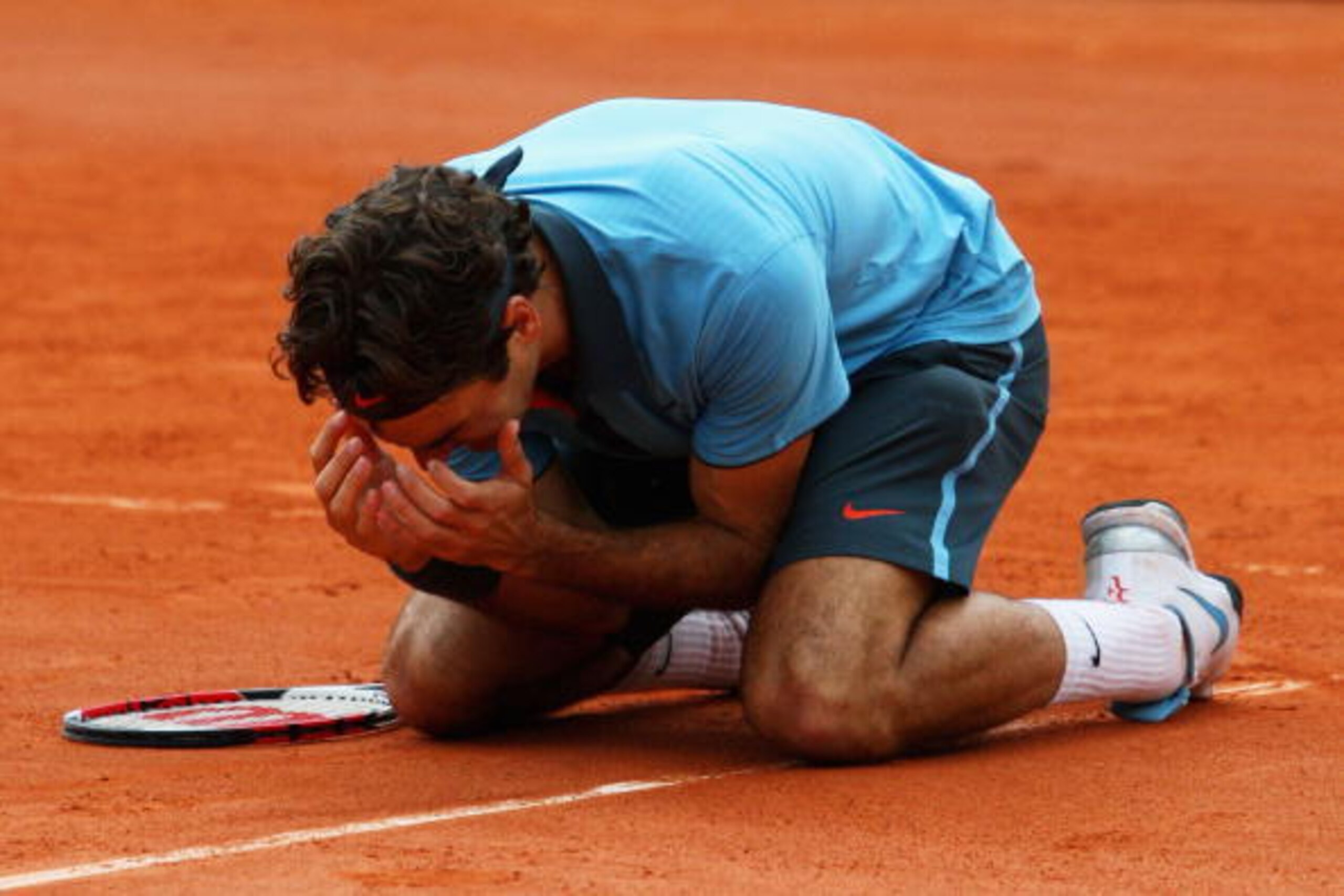
The eight career head-to-head matches between Federer and Djokovic on clay have been split 4-4. The former lost to the latter at 2009 Rome just before winning his French Open title, but Federer defeated the streaking Serb in the 2011 French Open semifinals. There’s little to separate between these two on clay.
All-Time Clay-Court Player
There's a big difference between "better player" and "better legacy."
The most ardent Federer fan could place him as high as the No. 2 clay-court player if they believe the modern tennis athlete is vastly superior to legends of the past and that sans Nadal he would have set the standard.
Djokovic fans could make an argument for their man, and he has the greater opportunity to pile on more clay titles in the next few years.
But if legacy is based on numbers, the French Open being the biggest coup of all, then Federer would rank behind the likes of Borg, Vilas, Lendl, Wilander, Kuerten and perhaps Bruguera.
If matchups and greatness were appraised for one calendar year, tennis fans could place Thomas Muster’s 1995 year ahead of anything that Federer did on clay. Perhaps his very peak year was better than anything Federer could muster (pardon the pun) at his peak, but Federer’s longevity near the top of the clay world was a better career legacy. Then again, Federer’s 11 titles are nowhere near Muster’s 40 titles.
Regardless, Federer is probably one of the greatest five players on clay with one of the top 10 legacies of all time. Had Federer never played on grass or hard courts, he would still be a hall-of-fame player strictly with his results on clay. And that is true even with his career spanning the entire peak of Nadal.

.jpg?w=2560 "Latest Peyton-Colts Rumors")