2016 NFL Draft: Prospects Who Could Thrive at New Positions
Making the jump from college to the pros is remarkably difficult. Only 255 or so players get drafted, and few last more than a couple of years. But for these eight players, they’re already behind the eight ball: they’ll be changing positions for NFL teams to give themselves their best opportunity to succeed.
While some players on this list will be playing somewhat familiar positions at the pro level, it’s important to not downplay their transition when considering their evaluations. The NFL draft process is a drawn-out interview session, and these eight players are trying to alter who they are as interviewees almost on the fly with the hope they can earn a job at the NFL level.
Braxton Miller, Ohio State
1 of 8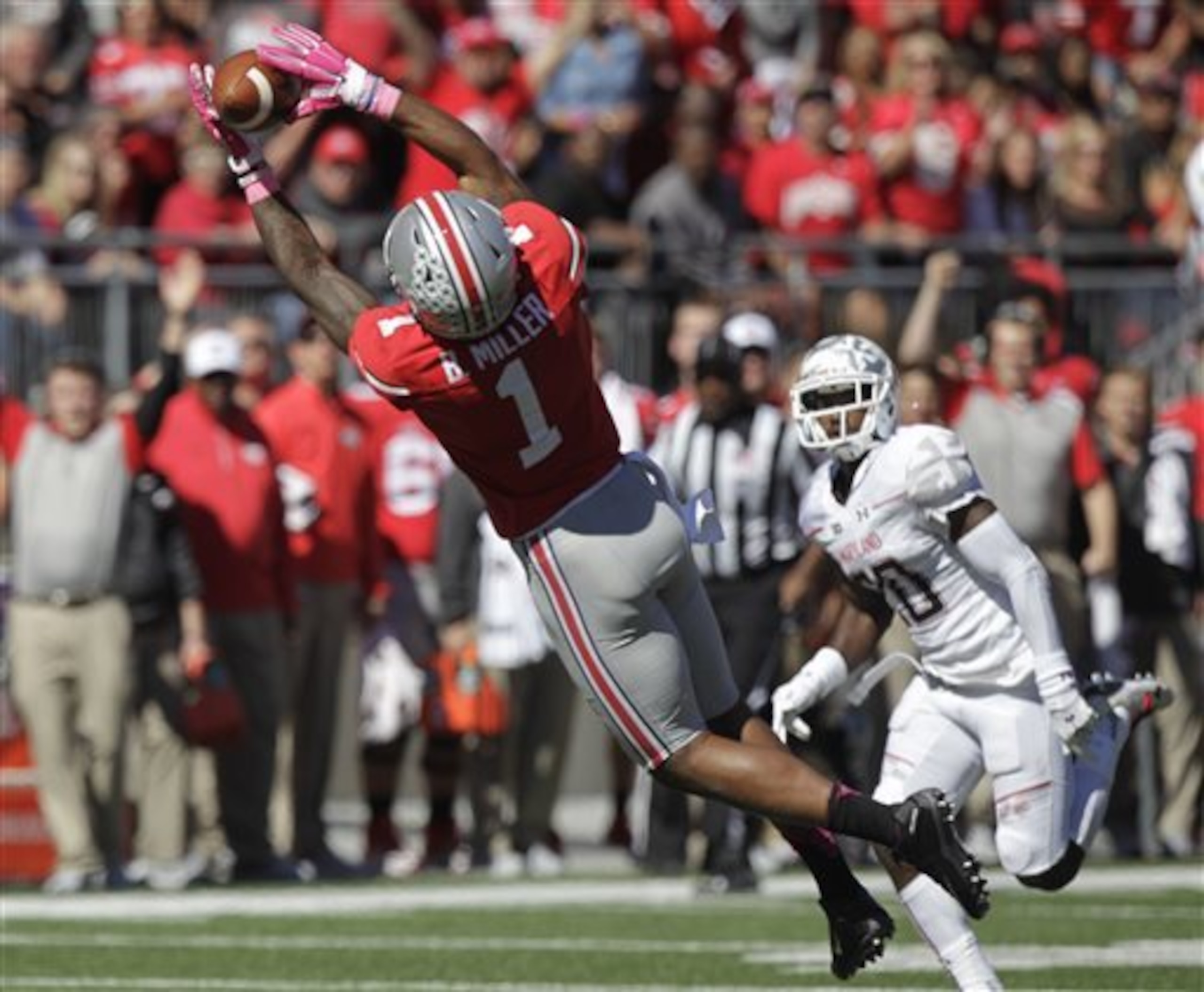
The most obvious and readily discussed position-changing prospect of the 2016 draft, Braxton Miller has been remarkably seamless in his transition to receiver thus far. After impressing in his first career game at the position against Virginia Tech, Miller’s production as a senior was limited within the Ohio State offense, but alluded to a development in route running, finishing ability away from his frame and a natural feel for separating down the field.
After a breakout week of Senior Bowl practices, Miller is firmly in the first-round discussion. While other top receivers in the 2016 class boast more production (like Baylor’s Corey Coleman) or a more immediate NFL skill set (like Ole Miss’s Laquon Treadwell's all-around game or TCU’s Josh Doctson’s jump-ball ability), no other receiver has the open-field elusiveness or vertical speed that Miller can tap into in his NFL future.
Keenan Reynolds, Navy
2 of 8
The NCAA’s all-time rushing touchdown leader, Keenan Reynolds could be looked at as a running back or receiver at the NFL level. Orchestrating an option-based offense in college that saw him featured as Navy’s best “runner,” running back appears to be the simplest transition.
He played running back during the East-West Shrine Game practices, but was unable to perform in the game due to a lingering injury. Still, he proved that he wasn’t all that “new” to the position during practices, which bodes well for his NFL transition in scouts' minds.
Running back is the obvious position switch, but the quick-twitch athlete with passing game experience can also lend himself to a transition to receiver. With a physical, compact body type that can sustain awkward contact and continue running, he may be worth considering as a slot receiver as well. New England head coach Bill Belichick has made the most of former Navy players in the past, and Reynolds may become his new pet project, whether that is at running back or receiver.
Glenn Gronkowski, Kansas State
3 of 8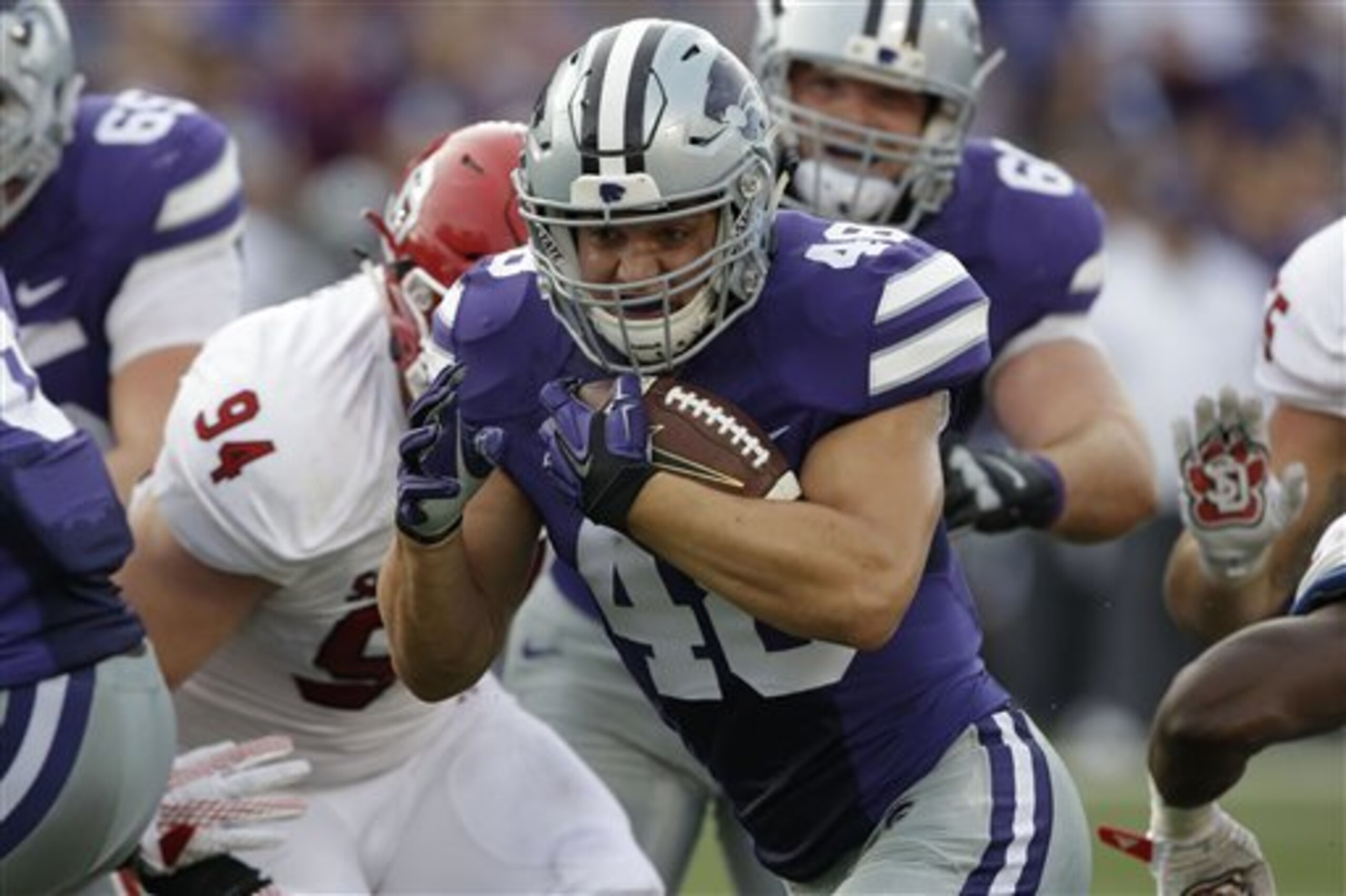
While not in line for a total position change, the youngest Gronkowski will likely need to be more of a tight end than an H-Back at the NFL level to earn draftable support. Playing a fullback/H-Back role at Kansas State, Glenn Gronkowski thrived as a lead blocker and flare route pass-catcher, two areas that could continue situationally.
But at the NFL level, his interest from teams may wane unless he can flash in-line tight end or, at the very least, off-line tight end potential. He did so at the Senior Bowl, creating separation as a pass-catcher against linebackers and working underneath or through safeties, but it’ll be an ongoing transition.
Don’t expect Glenn to dominate in the red zone early in his career like his older brother Rob, but he could a unique mix between a nonrunning version of Carolina’s Mike Tolbert and a developing version of Green Bay’s Richard Rodgers as a tight end.
Spencer Drango, Baylor
4 of 8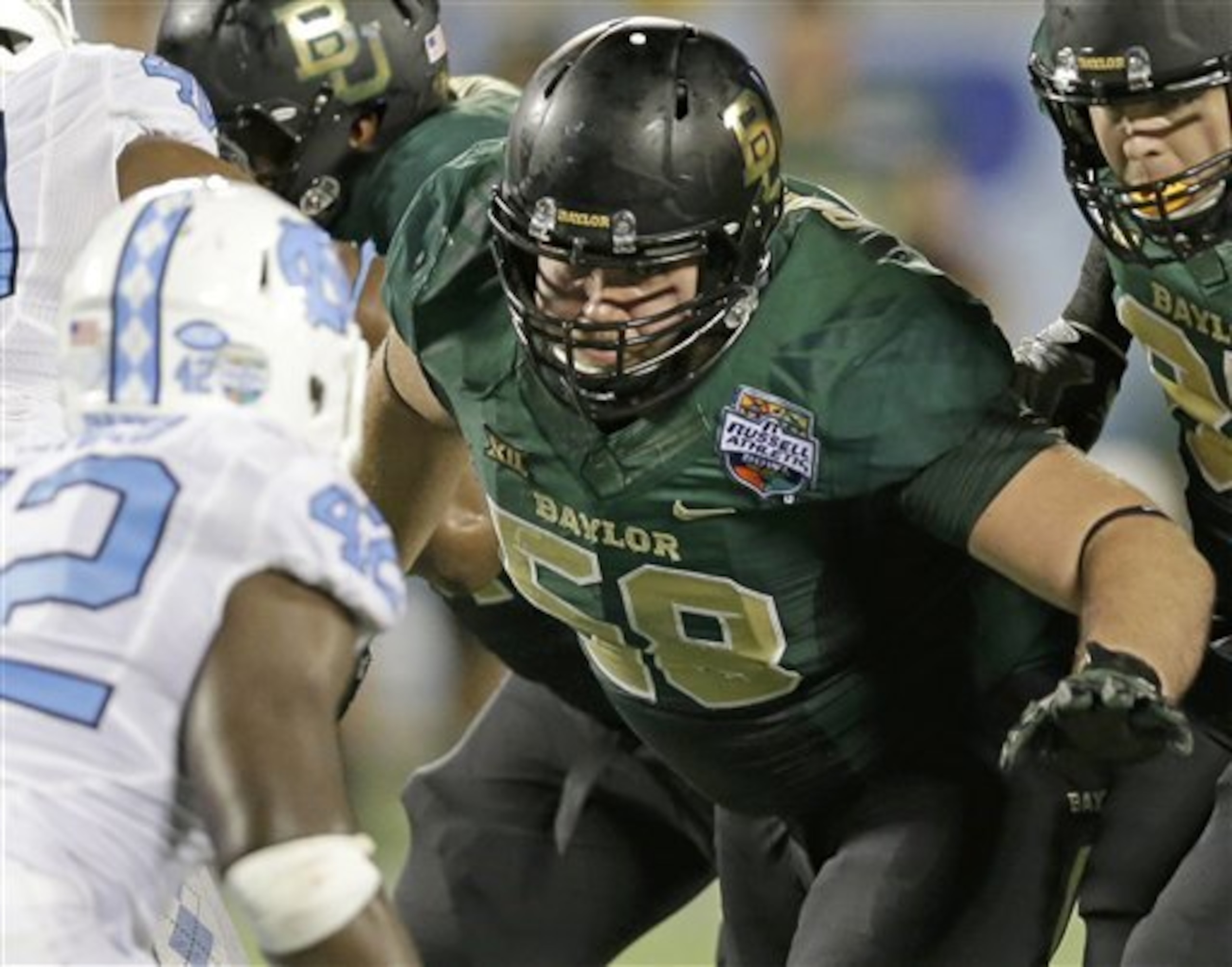
For a player who’s started 48 games at left tackle in his four-year college career, it’s amazing to think that Spencer Drango may not be considered at that spot by most NFL teams. But with some limitations in his kick slide and regaining balance on the perimeter—along with adequate but not great arm length for a tackle compared to his peers—Drango will likely be viewed as a guard or center prospect at the NFL level.
Drango received ample work on the interior during the week of Senior Bowl practices, and his powerful planting ability on inside movement thoroughly impressed. Drango struggled with speed-rushers in space and with interior rushers who have a plus-burst off the line, but his body technique, hand adjustments and sturdy base all indicate that a transition inside could lead to a long NFL career. And with 48 starts of experience to his name, the center transition may take time fundamentally, but could maximize his mental development of the game.
Sheldon Day, Notre Dame
5 of 8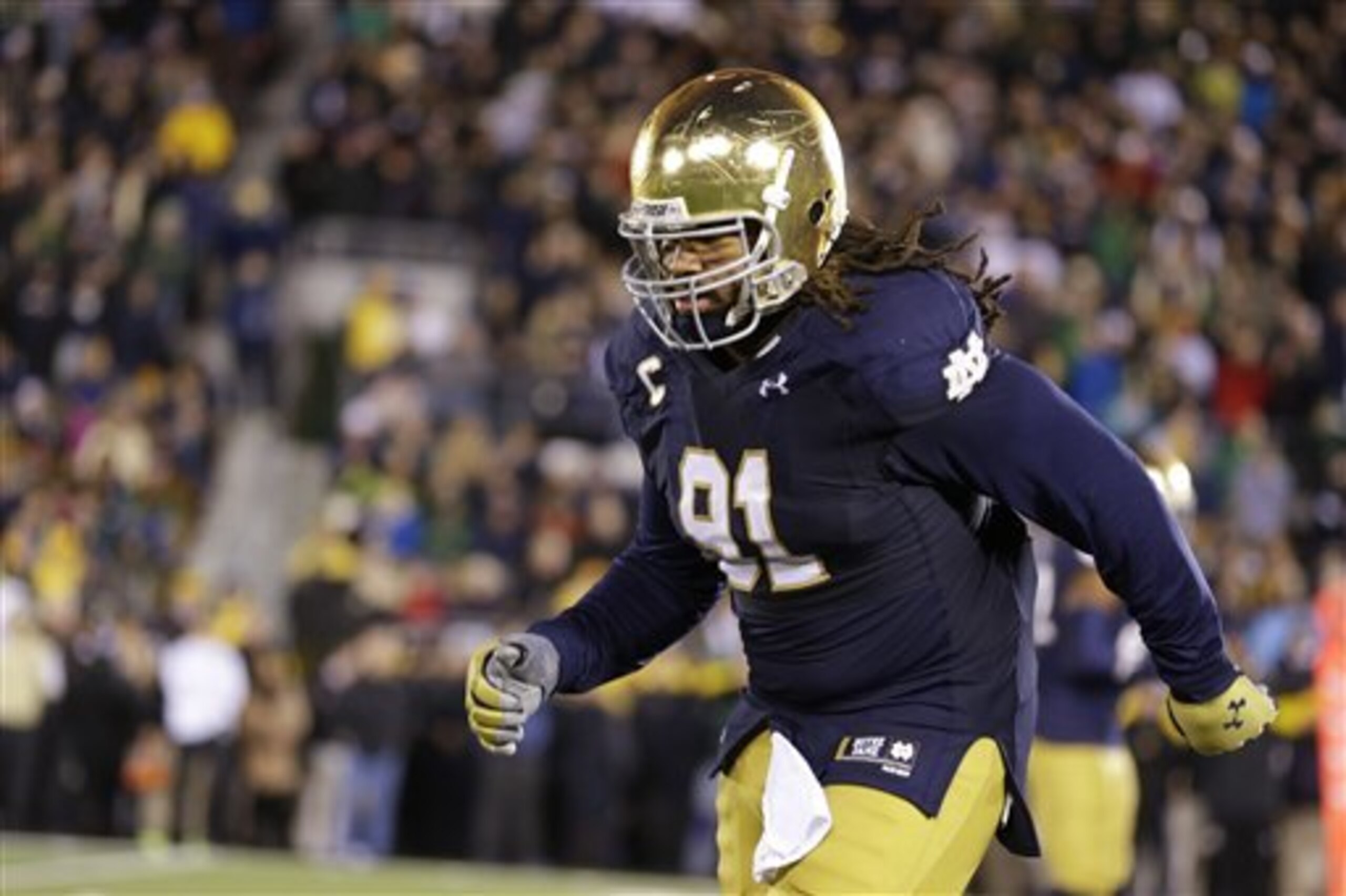
Determining Sheldon Day’s NFL position is more of a team-by-team decision than a unanimous one. While his hybrid 5-technique/outside rusher role at Notre Dame this year allowed him to generate consistent pressure—showcasing his ability to dip low as a rusher and play with both great activeness and fundamental refinement—his lack of great length, size or finishing quickness will limit how many teams are genuinely excited.
Day’s body type lends itself to playing a true 3-technique, upfield penetrating role in the NFL, but that’s not quite his style of play. Day is at his best when he has space to set up his rushes, generating pressure with refined rush moves instead of elite first-step quickness or devastating lower-body strength. He’ll be changing positions for whichever team he plays for, but a 5-technique or stand-up edge-rusher role (similar to how Pernell McPhee has been used throughout his career) may be his best bet for a long-term NFL future.
Yannick Ngakoue, Maryland
6 of 8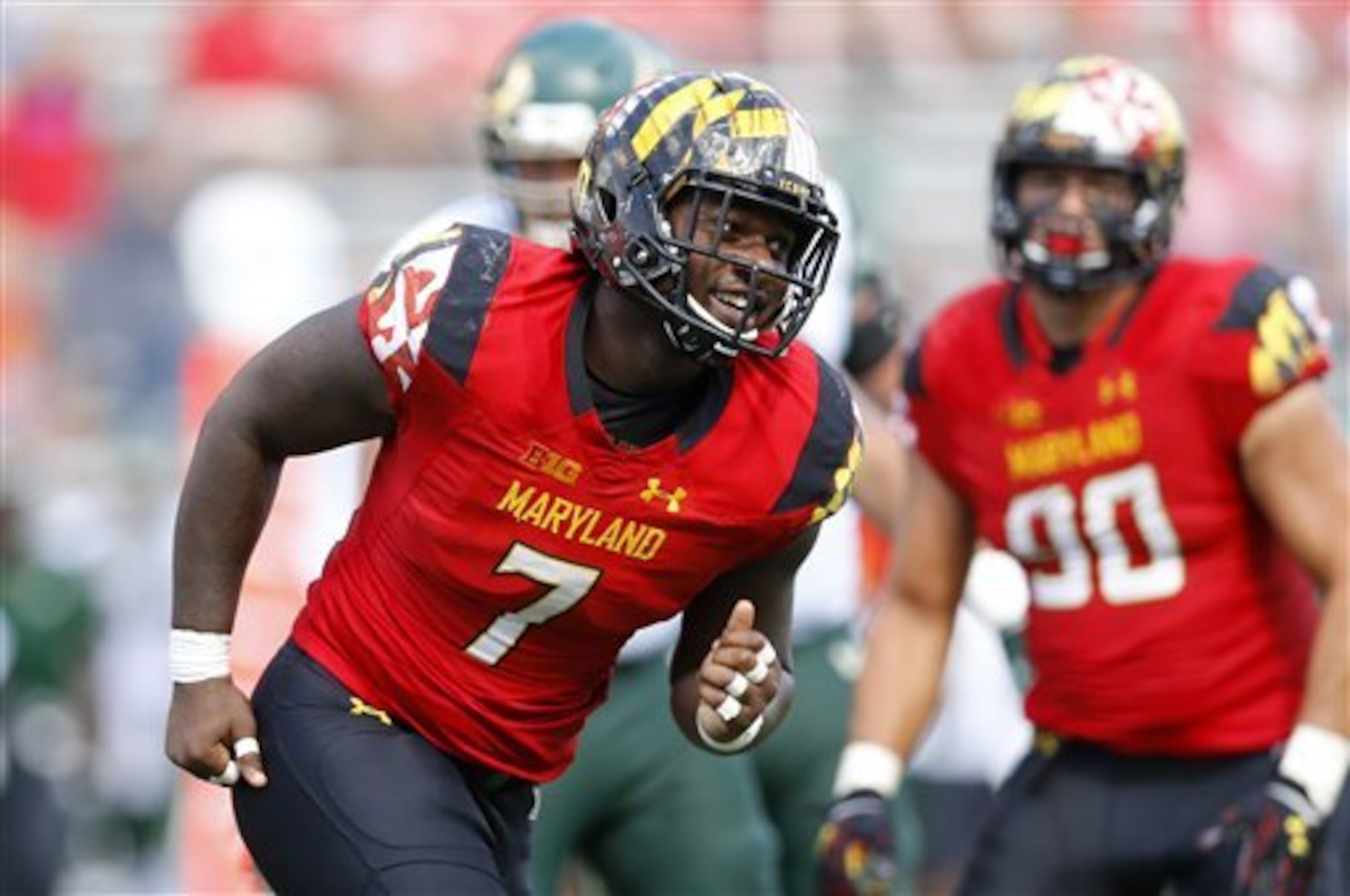
An underappreciated and quietly productive edge-rusher, Yannick Ngakoue hasn’t yet become a topic of discussion among those who follow the draft, but he has plenty of NFL interest. Playing a true 4-3 weak-side defensive end role at Maryland, Ngakoue will be transitioning to a 3-4 outside linebacker role in the NFL.
While he’s far from the only edge-rusher making that transition, Ngakoue's move is most curious because he was a breakout performer for a Maryland defense that was undergoing ample defensive changes. He thrived as an edge player, and how he handles standing up and getting more work in space as a coverage man and edge-setter will be a transition. And that transition will have to be sped up early in his career, as he may be destined for the first round.
Sean Davis, Maryland
7 of 8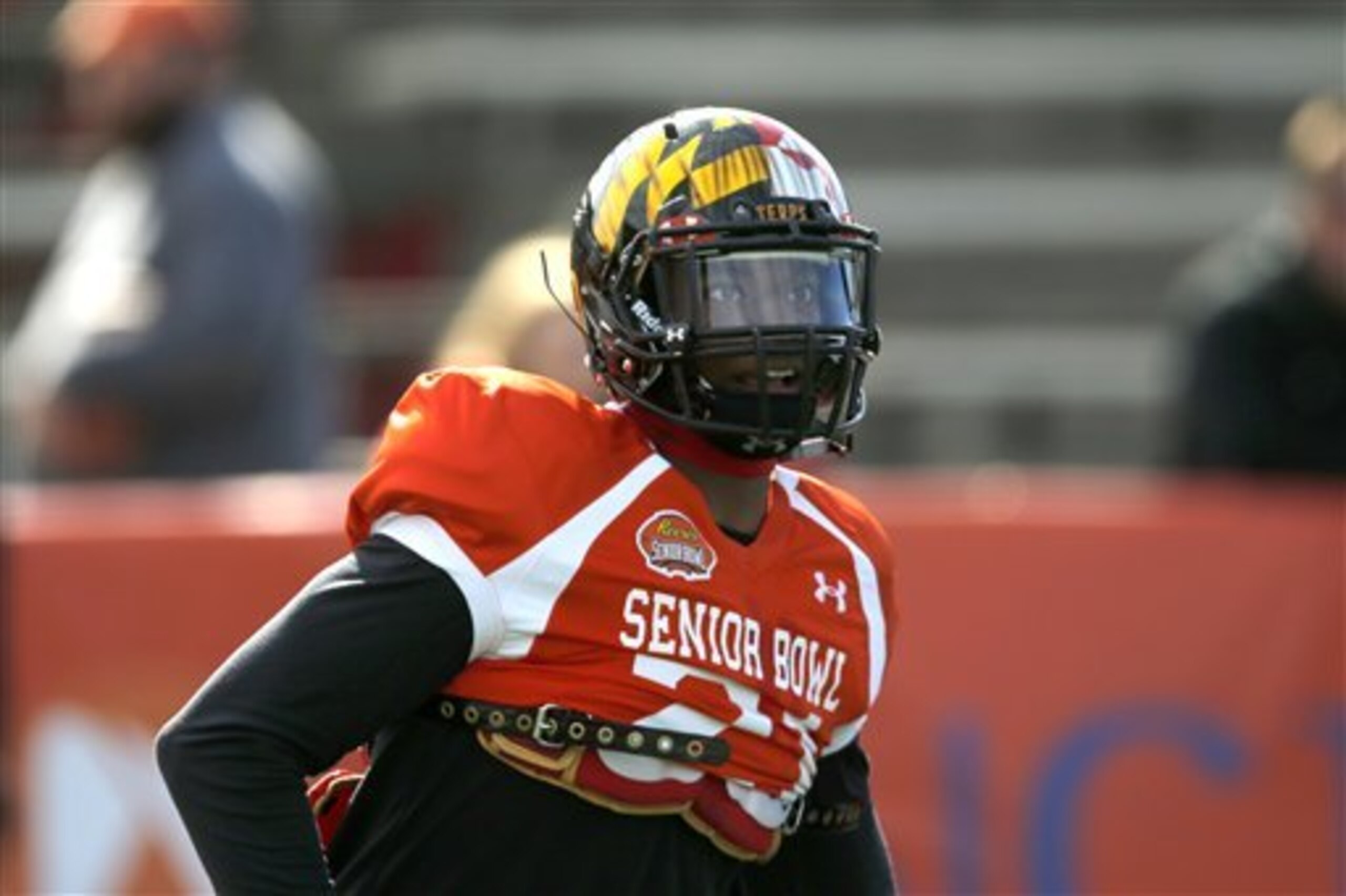
Sean Davis won’t be making a huge jump in his position change from cornerback to safety for the 2016 NFL draft. Davis struggled as an isolation boundary cornerback in 2015, but impressed plenty as a junior at his more natural safety position. That's where NFL teams likely preferred him before this season, and where he played at the 2016 Senior Bowl.
Reminiscent of former Utah defensive back Eric Rowe, who also got experience at cornerback and safety during his college career, Davis can certainly provide value at both spots, but he can provide a bigger impact back at safety. His year of experience at cornerback will bode well for him as a versatile prospect while offering a better feel for cornerback-safety responsibilities at the NFL level.
Deion Jones, LSU
8 of 8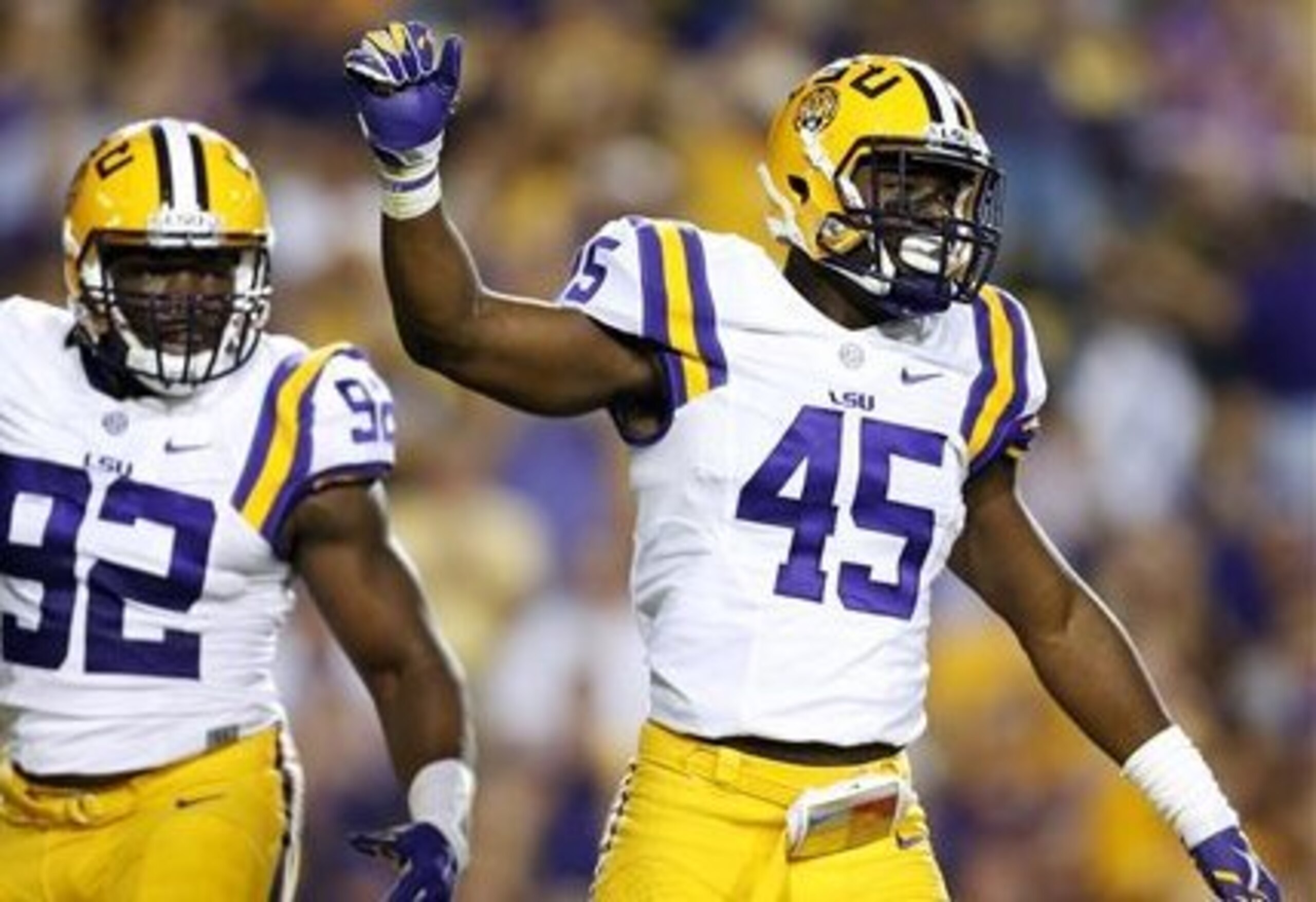
Sometimes measurables alone can dictate a position change. After measuring in at barely 6’1" and 219 pounds at the 2016 Senior Bowl, LSU linebacker Deion Jones may quietly become a strong safety prospect. While it’s not a death sentence for his linebacking future (see Jacksonville Jaguars' Telvin Smith), it will give teams pause before they brush off his bulk when considering him.
While the obvious comparison is current Arizona Cardinal Deone Bucannon, that’s an optimistic expectation for Jones. He’s highly active with explosive, quick feet to adjust laterally and attack ball-carriers in space, but his ability to hold up against more refined NFL interior blockers will be a cause for a concern.
With teams focusing on their nickel coverage units more and more, Jones could still be a nickel linebacker if he can shine in coverage drills during individual team workouts, but the safety question mark will likely be discussed among NFL teams throughout the process.