Is Formula 1 Missing an Opportunity with Boring Car Launches in 2016?
The first Formula One pre-season test is less than a month away, and we're entering "launch season"—the time when the teams show off their cars for the year ahead.
In days gone by, these launches would often be extravagant parties featuring beautiful backdrops or world-famous celebrity guests.
Fans who recall the 1990s will remember McLaren's glitzy 1997 launch of the MP4/12, where Mika Hakkinen and David Coulthard were joined on stage at London's Alexandra Palace by the Spice Girls—at the time, one of the world's most popular pop groups.
TOP NEWS

New NFL contenders starting to emerge after Week 4
.jpg?w=2560 "Cardinals Giants Football")
NFL investigating 2 referees for separate viral exchanges

Deion Playbook Found at Hotel
It was a little bit awkward and ever so slightly cringeworthy, but nonetheless, it remains one of the most memorable launches of all time—and it certainly drew the attention McLaren were seeking.
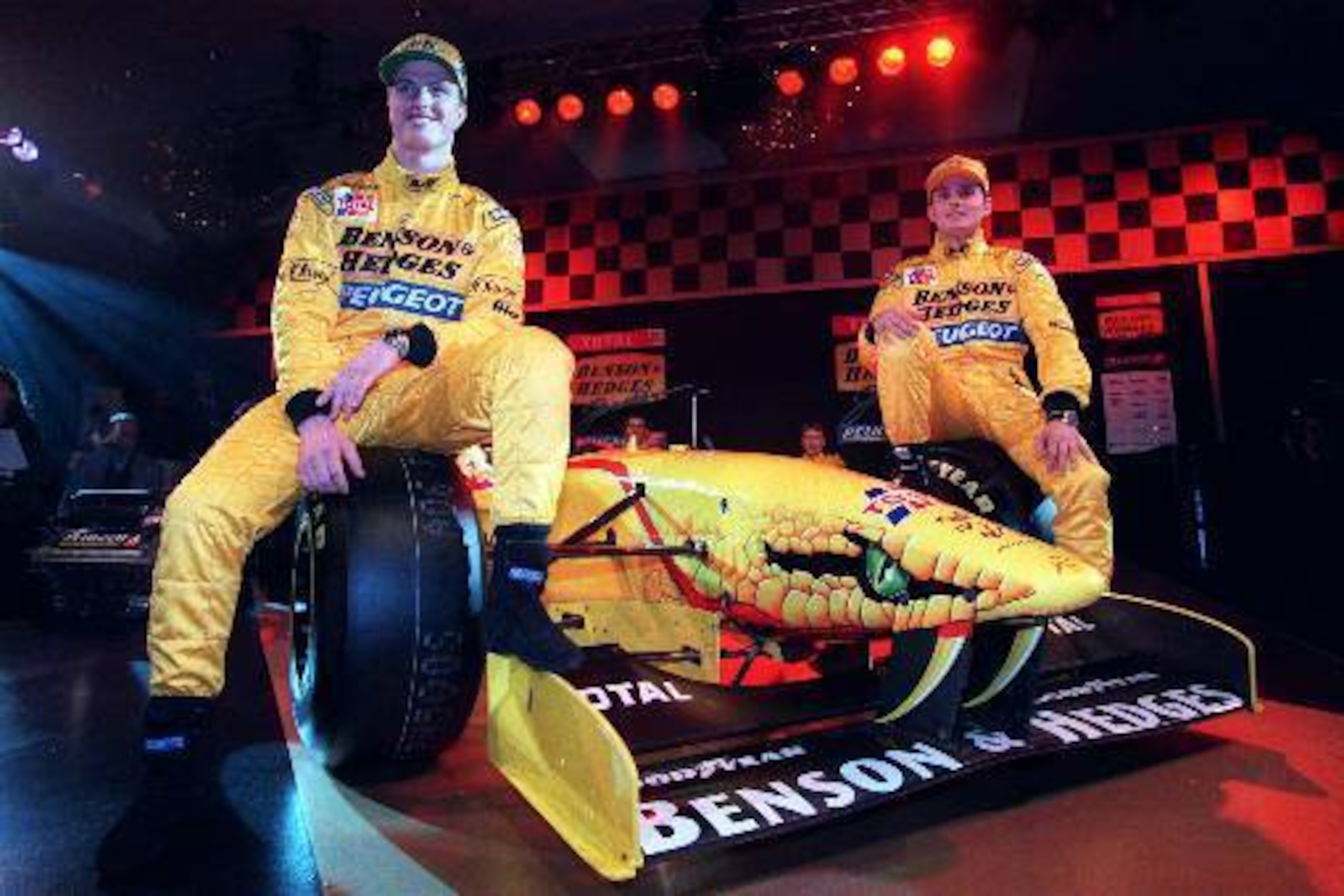
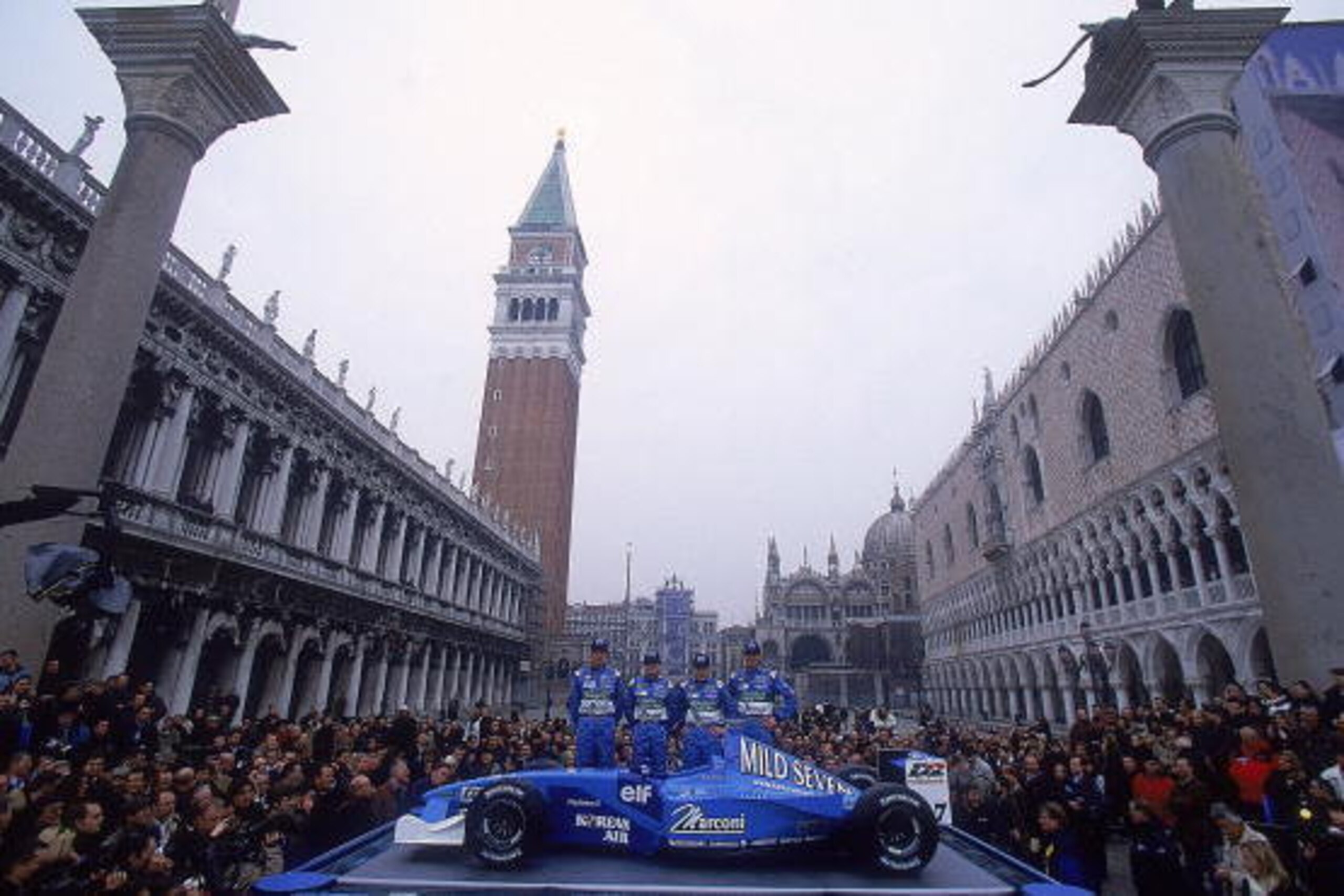
Launches continued to be special and often showy occasions into the 2000s. Venice was the scene for Benetton's 2001 launch, Sauber hired the Sugababes for their 2004 reveal, and Jordan went all the way to Moscow to show off their 2005 EJ15 in Red Square.
But as costs rose, sponsors exited and the world moved forward through the financial crisis of the late 2000s, these flashy launches became increasingly rare—and the month leading up to the start of the season became less interesting as a result.
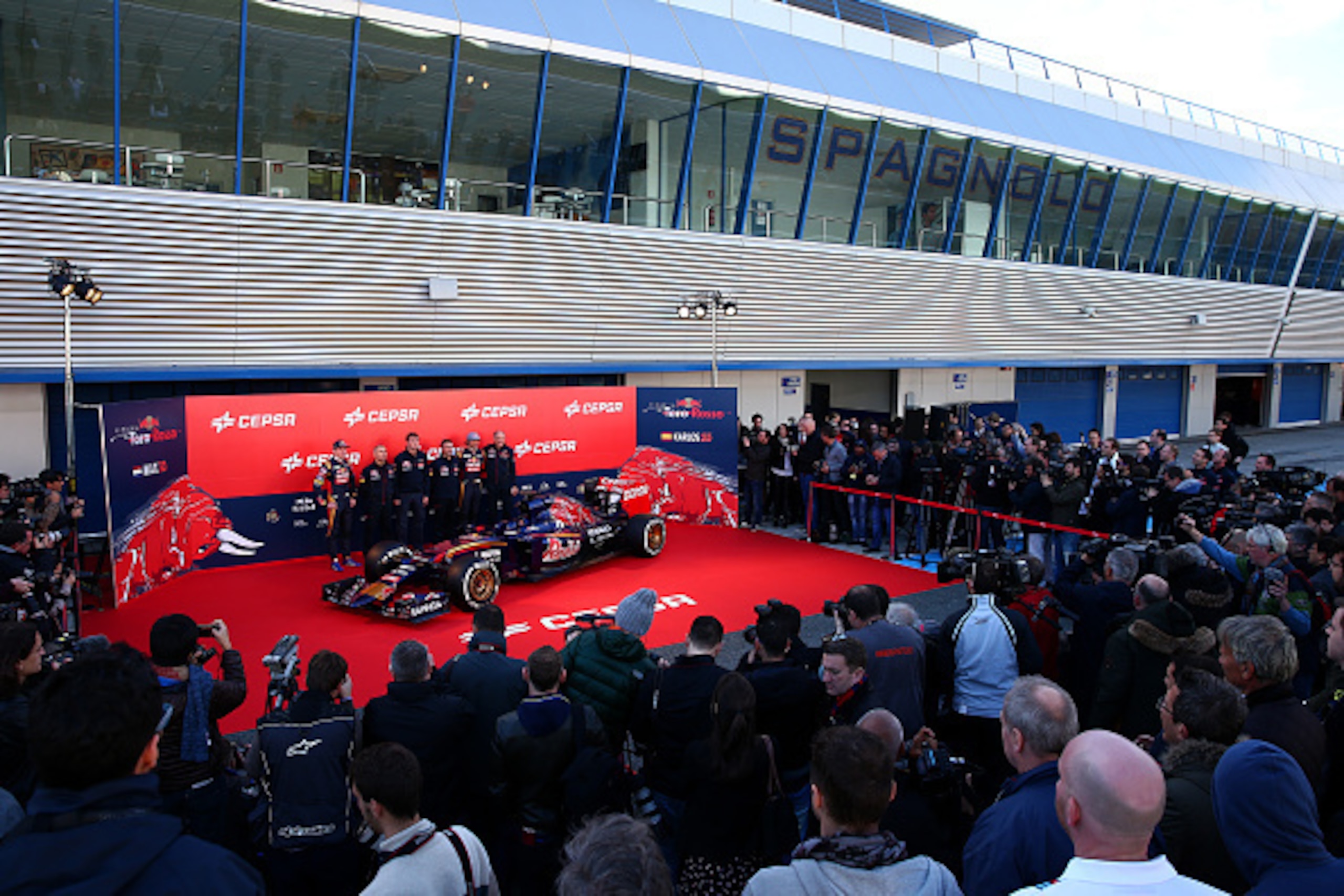
Nowadays, launches are so unassuming and quiet that "launch" isn't even the right word for most of them. Every now and then a team will do some sort of proper event to mark the occasion, but for the most part, the internet rules the roost.
The best we can usually hope for is that a team will put some photographs of their new car on their website at the end of a countdown to give fans a peek, maybe accompanied by a video of some sort.
McLaren did this in 2014; we got to see a handful of carefully selected images of the car, a photograph of the drivers stood beside it and a video showing a 360-degree view of a computer model.
It wasn't mind-blowing, but at least we got to see what the real car looked like.
Some teams don't even give us that. Many will only release a handful of renders of their new challenger—nice, clean, computerised images that may or may not reveal any sort of detail about the car. All we really get is the basic shape and the colours.
As an example, Williams did this with their 2015 FW37, releasing the pictures to Autosport's sister publication F1 Racing. It's interesting, of course—but nothing like seeing even a single image of the real car.
But even that is better than the method used by an increasing number of teams—the roll-out, in which the car is presented to photographers and journalists in the pit lane ahead of the opening test.
Craig Scarborough's tweet highlights how popular this option will be in 2016:
This method is not only the least interesting and exciting of the lot, it's also ineffective for the team and their sponsors in terms of generating buzz.
The gleaming new machines barely have a chance to catch the sun before the press have to scamper down the pit lane to watch the next car being revealed, then the next, and the next.
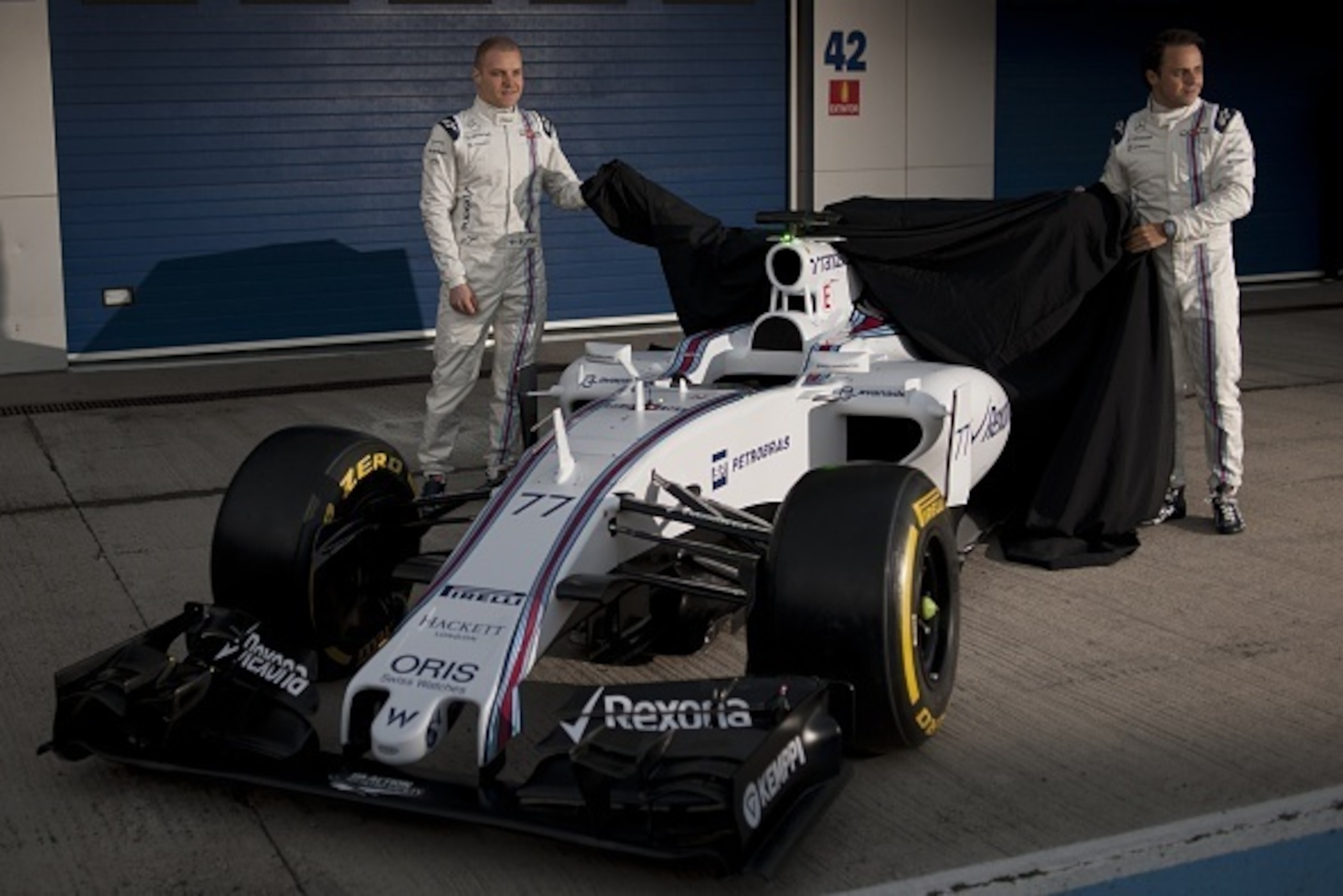
Shortly after they're all done, the action gets under way—and, unsurprisingly, the fans, analysts and reporters end up paying more attention to the opening morning of testing than they do to breaking down and examining the half-dozen new cars that have just been shown off.
The finer points of the cars that received an earlier, partial reveal are also being picked over. Each newly launched car is just one of many, and none of the teams that show off their challengers in this way get anything like the level of interest they could be getting.
Journalist Adam Cooper highlighted this with tweets about the new Haas team's decision to go with a roll-out:
And F1 itself loses out, too.
There's already enough hype and excitement about the start of testing—because there are cars doing laps on a race track, fans all over the world are already paying attention to and talking about F1.
The car reveals become mere footnotes to the day's action.
Instead of a steady bubbling-up of interest followed by a big spike as the action starts, the sport only gets the spike. The excitement surrounding the car launches is totally wasted.
F1 has a lot of difficult challenges ahead, but one of the biggest is attracting new fans while keeping the ones it already has.
Autosport reported worldwide viewing figures in 2011 were 515 million, but by 2014, the Daily Mail's Nick Harris reported the number had fallen to just 425 million.
Old fans need to be retained and new eyeballs need to be attracted, but that's not happening. F1 has what has been caled a "fan engagement" problem, as noted by Kate Walker of Motorsport.com and by Williams deputy team principal Claire Williams.
Existing fans feel the same way—in the 2015 GPDA fan survey, 85 per cent of participants agreed with the statement, "F1 needs to do more to attract and retain new fans."
Some improvements have been made since the survey results came out, especially on the social media side. F1's Twitter feed and YouTube offerings in particular have been given a bit of attention—the former has become a little more "human" and interesting, while the amount of decent content on the latter has definitely increased.
The "engagement levels" have risen a little, and the teams and drivers are continuing to do their bit as well.
But F1 still feels like a rather distant, cut-off and "exclusive" sport in a world that increasingly craves openness and easy access. It should, therefore, be focusing less on charging fans to access detailed race data and more on looking for any opportunity to show itself off to either existing or potential fans.
And it needs to do this 365 days a year—not just when the races are happening between March and November.
So wouldn't it be great if there was a way to create a month-long buzz before the season had even begun that would not only engage the fans, but involve them?
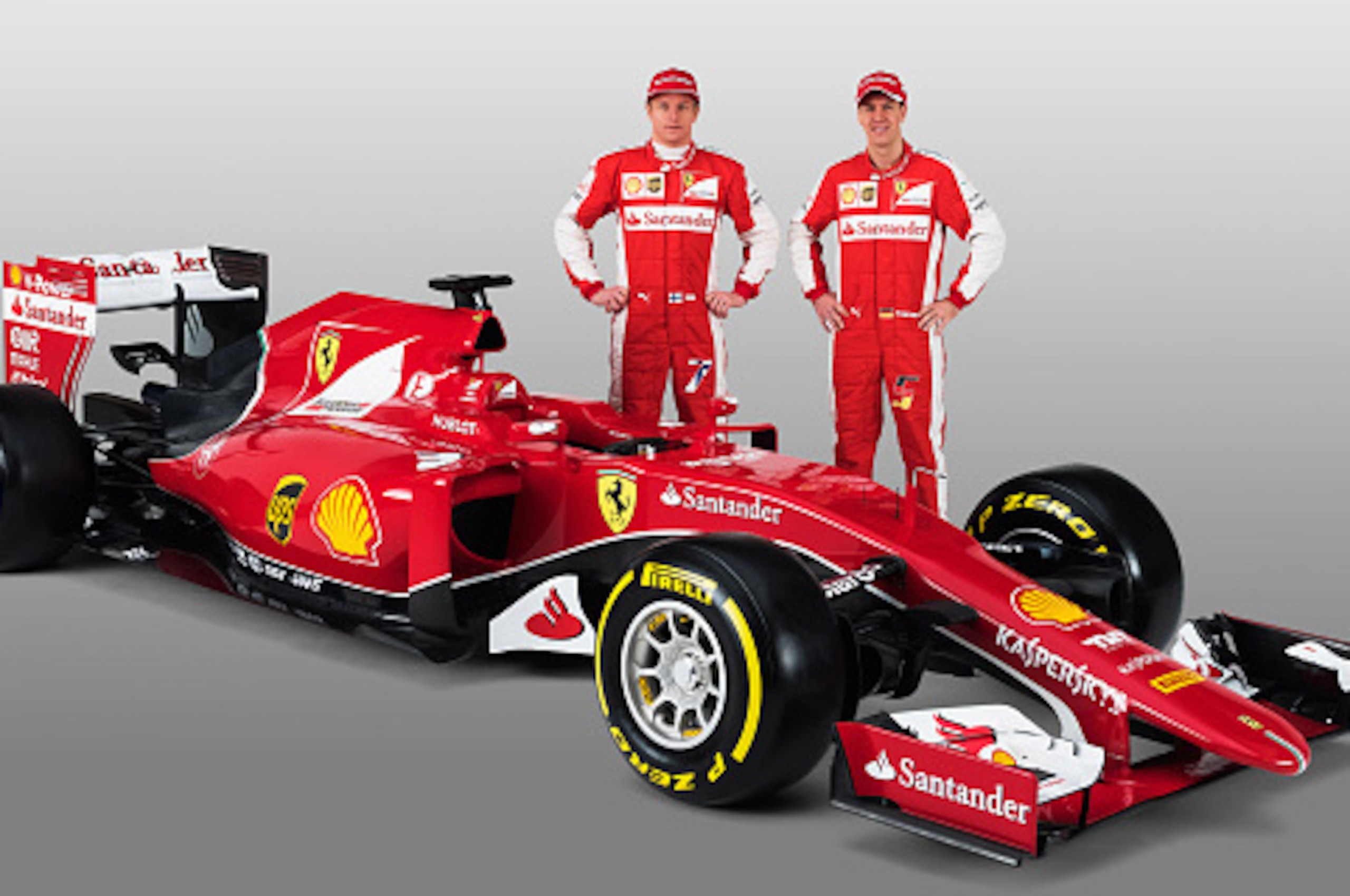
The fancy, ostentatious launch events of the past had a real sense of occasion about them. They were something to look forward to, eagerly anticipated and, often, very special.
And they didn't just draw interest from existing fans and the motorsport press. Some were unusual or glitzy enough to catapult F1—for a brief, fleeting moment—from the sports pages to the news pages.
That sort of exposure had real value because it reached people who probably wouldn't normally seek out news about F1, and it's the kind of "free advertising" the sport desperately needs to grab a little more of.
Bringing back the proper launch events wouldn't be a magic bullet, but they'd certainly help.
There would be benefit to the teams and their sponsors because, for at least a day or two, all eyes would be on them. Their new car would be the focus of discussion, debate and analysis—for some teams, it might be the only time all year they are the centre of attention.
And perhaps F1 itself would feel the biggest benefit of all. A string of proper launch events would lead to a sustained period of news stories, social media chatter, likes, shares and retweets—gold dust to any marketing department.
Free-spending sponsors are a thing of the past for the most part, so it would unrealistic to expect every team to put on a huge, costly extravaganza.
If, say, Mercedes, wanted to break the bank to hire out London's O2 Arena and have Adele warbling away as their new car serenely parachuted down onto the stage after being dropped out of the back end of a chartered B2 Spirit, then by all means they should do that.
But that wouldn't be necessary. A proper launch event could be organised and held at a modest venue for a relatively small sum of money, and it would still have the look and feel of a proper, engaging occasion.
A bit of window dressing from the teams or sponsors who could afford it would be nice, but the main event—showing off the new car—would still be the same.
It would still be something that could easily be live-streamed on team websites and social media, something for fans to put in their diaries and share with their friends as it was happening, pushing that team to the forefront for a night, a day or a weekend.
And a physical event would have another, very unique upside—it's something the teams could use to repay their biggest supporters by inviting them along to be a part of it.
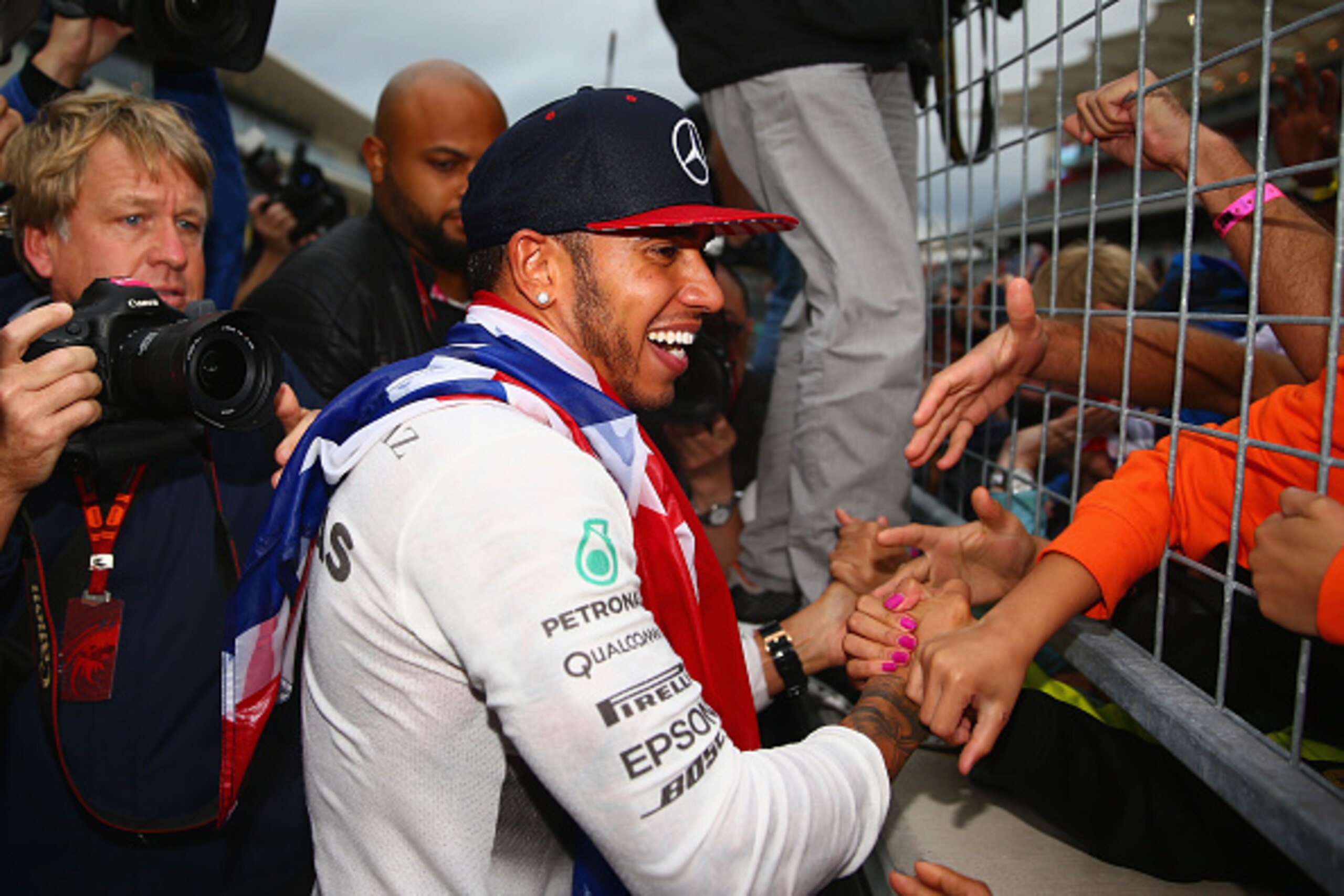
The technology and secrecy of F1 ensures fans are kept at arm's length during race weekends, but a launch event would give them the opportunity to get up close and personal, meet the drivers and have a decent look at a current F1 car.
Every fan on the planet couldn't be invited, but once the sponsor guests, journalists and the odd celebrity have been taken care of, any spare tickets to the launch could be given away to ordinary fans via a simple lottery on Facebook or Twitter.
"Retweet to enter the draw for tickets to our car launch." "Like this post for an opportunity to be a part of our start to 2017."
It wouldn't be at all difficult to do, and it would be a more engaging and exciting competition than, say, one to win a team hat.
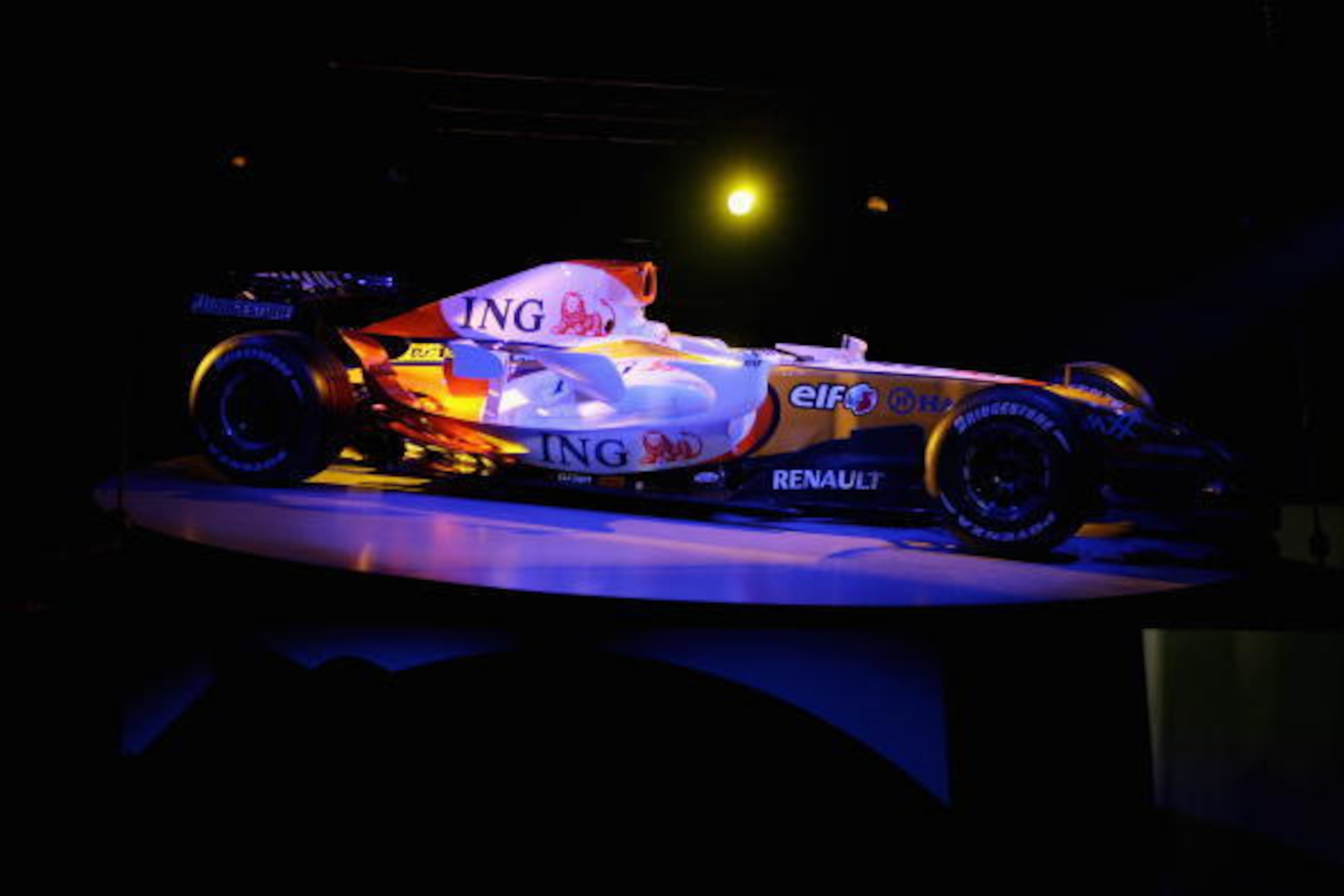
The only major downside to the return of a proper launch season would be cost. Venues can be hired for very reasonable sums, but adding in catering, transport, security, staff and other miscellaneous costs would inevitably push the prices higher.
So high, it seems, that none of the teams currently consider a launch to be worth it—if they did, they wouldn't have stopped doing them.
But a full and engaging launch season would boost fan interest in the entire sport. So perhaps some sort of arrangement could be found where the basic cost of a launch could be paid for out of F1's global marketing and advertising budget.
Everyone, from Mercedes to Manor, would receive enough to host a simple, cheap function at a decent venue, with enough space to fit in the journalists, photographers, guests and as many fans as possible.
Should the team wish to put on a greater show and spend some of their (or their sponsors') own money, they'd be more than welcome to do it—but they wouldn't have to.
It's entirely likely those in charge of F1's budgets—Bernie Ecclestone, CVC and friends—would pale at the idea of spending their precious pennies on anything without a resale value.
But if they're serious about boosting fan engagement, it would be worth their while to just give it a try.
.jpg?w=2560 "Hill Injury Update Football")
.jpg?w=2560 "Titans Giants Football")
.jpg?w=2560 "Tyreek makes another cryptic post amid Chiefs rumors")