
The Evolution of the Roger Federer vs. Novak Djokovic Rivalry
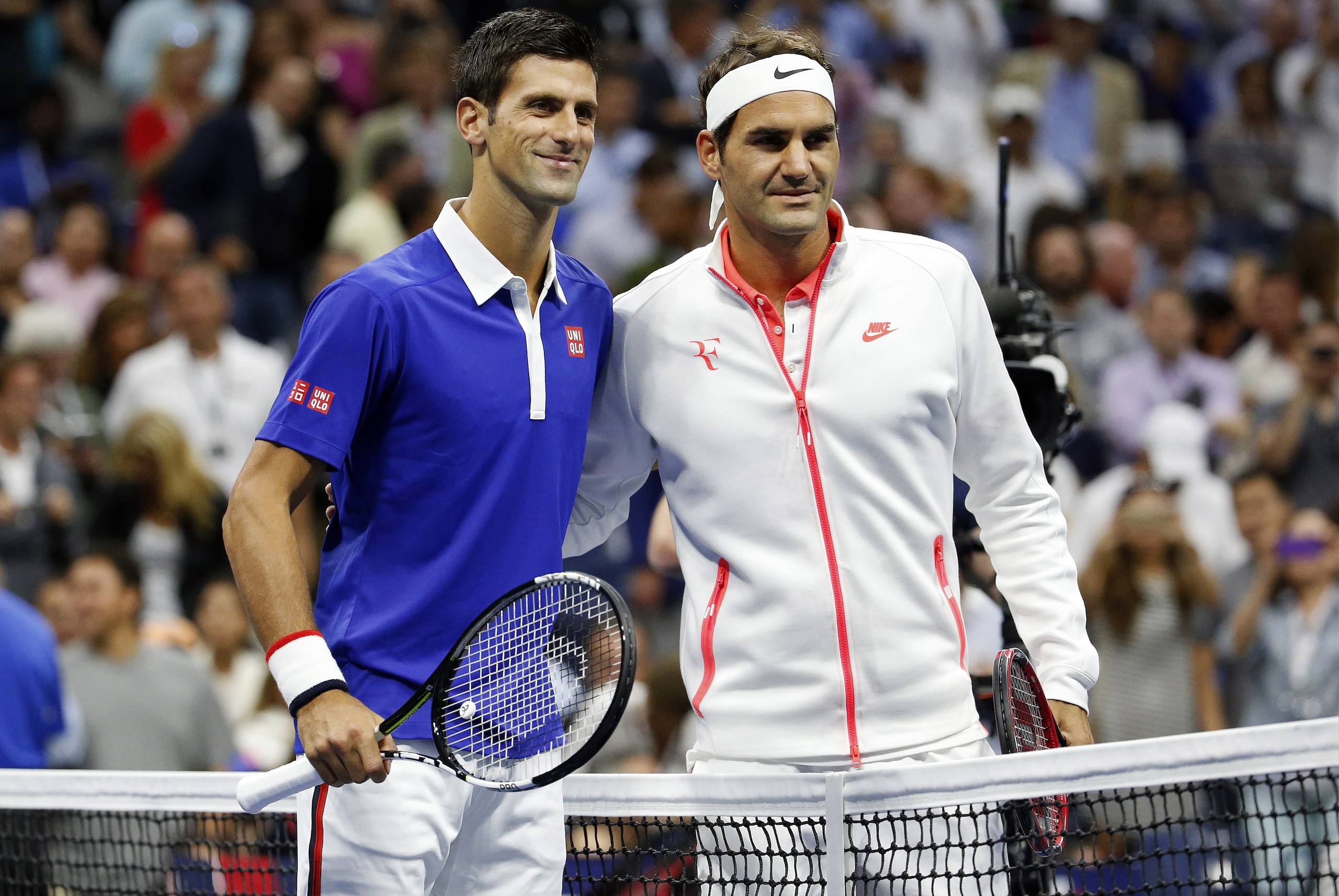
The rivalry between Roger Federer and Novak Djokovic began as the established star versus the upstart. It then developed into one part of a four-man show. Now, it's the premier matchup in men's tennis.
Djokovic and Federer will meet for the 45th time when they play in the semifinals of the 2016 Australian Open on Thursday.
They first met in 2006. Federer won the first four meetings, each in straight sets. At the time, he had already won 10 Grand Slam titles. On one hand, Federer was an international superstar. On the other hand, Djokovic was a talented teen who was trying to make a name for himself on the tour.

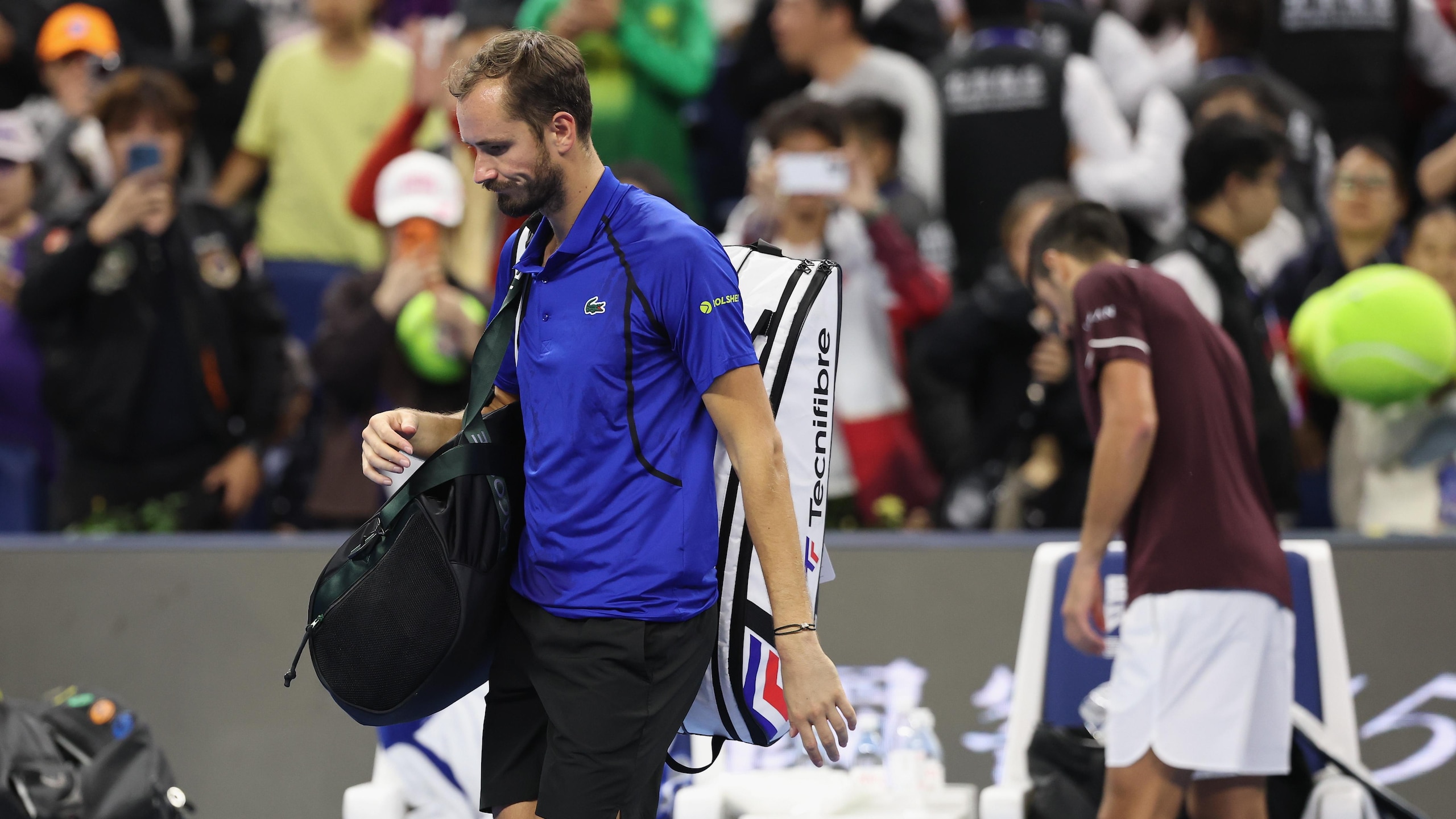

Djokovic was 20 when he got his first win over Federer. It was in the finals of the Rogers Cup in Montreal in 2007.
As shown in the video below, Djokovic made history that day by becoming the first player to defeat the world's Top Three players in the same tournament since Boris Becker defeated No. 3 Michael Stich, No. 1 Pete Sampras and No. 2 Goran Ivanisevic in Stockholm in 1994. Djokovic was seeded third. Federer was ranked No. 1.
Back then, Djokovic was still a bit in awe of Federer. After the match, he measured his accomplishments based on his admiration for Federer. In a post-match interview with ATP Tour staff, Djokovic said, "And to win two tiebreaks against the World No. 1, probably the strongest player mentally on the tour, it's another achievement, it's another success so I'm really, really happy."
Federer was as dominant in 2007 as Djokovic is now. In fact, Federer made the finals of every Grand Slam that year and won all of them except the French Open, which he lost to Rafael Nadal.
Although Djokovic was ranked in the Top Five, Nadal was Federer's chief rival.
Their rivalry had become one of the most intriguing matchups in sports. Djokovic, meanwhile, was playing himself into a position to win a Grand Slam but kept coming up short. Federer finished the season ranked No. 1 for the fourth consecutive time.
From Contender to Champion
The next year, Djokovic won his first Grand Slam title, the 2008 Australian Open. Later that year, a young British chap named Andy Murray reached his first Grand Slam final.
Still, Federer's primary nemesis remained Nadal. Beginning in 2004, Federer and Nadal had combined to win 17 of the next 20 Grand Slams. The emergence of Djokovic and Murray caused a stir. However, it was the Nadal-Federer show until 2010.
The first major shift in Djokovic's rivalry with Federer came at the 2010 U.S. Open. Djokovic saved two match points against Federer in the semifinals, winning a five-set thriller, 5-7, 6-1, 5-7, 6-2, 7-5.
The next year, they again faced each other in the U.S. Open. That's when Djokovic hit the forehand heard around the world. Federer had match point on his racket. He served, and Djokovic sent the ball back across court before Federer could move.
Djokovic went on to win the match and the U.S. Open. Suddenly, the Serbian had graduated from nuisance to nemesis. A few years earlier, Djokovic had referred to Federer as the toughest guy mentally on tour. During this match, Djokovic appeared to have gotten inside Federer's head.
By 2011, Murray was making his way up the rankings and into the race for No. 1.
So, before Djokovic could establish himself as the party crasher in the Federer-Nadal fest, the beloved British guy began gobbling up press. The Big Four was born.
Federer had built a wealth of goodwill and an unrivaled fanbase. Nadal had his faithful followers. All of the United Kingdom got behind Murray. Djokovic, the first Serbian to win a Grand Slam, clearly belonged among the Big Four. However, outside of his home country, Djokovic appeared to struggle to find a spot in the hearts of fans.
Djokovic seemed to relish his role as spoiler. Meanwhile, Federer's game began to fall off. Nadal was in the middle of an unprecedented run on French Open titles. Murray defeated Federer in the gold-medal match at the 2012 Olympics in London. He went on to win the 2012 U.S. Open and Wimbledon the following year.
The Big Four dominated the tour until Nadal dropped off, Federer's age became a factor and Murray underwent back surgery.
That left Djokovic in charge. He began to flex his elastic muscles.
A New Sheriff in Town
By 2014, Djokovic had emerged as the clear favorite at every tournament except the French Open.
Last year, he went 82-6 and reached the final at every major, falling just one win shy of a calendar-year Slam.
But there was Federer, rejuvenated, right there with him. Only now, Federer was the underdog who was fighting to win one off the dominant Djokovic.
Eurosports writer Desmond Kane called Djokovic the roadblock in Federer's way. He wrote of Federer's failures against Djokovic in Grand Slams, "It has been an unsolved conundrum so late in his career, and one that has certainly deprived him off passing the 20 mark in major titles having lost to Djokovic in three finals since 2012."
The Guardian's Kevin Mitchell thinks Federer looks refreshed and ready to take on Djokovic. In an article about their quarterfinal triumphs and pending semifinal, Mitchell wrote: "Djokovic defeated him in the past two Wimbledon finals, but he has to deal here with a Federer who looks unnervingly ready for it. This, at 34, is one of Federer’s few remaining chances to hit back. It makes an old row very fresh."

After the 2015 ATP Tour finals last year, Federer told reporters that it was more difficult to prepare for Nadal than Djokovic. "For me, Rafa is the unique player in the field," he said. "I used to work more precisely toward him. ... With Novak, it's more straightforward. If you don't play very well, you're going to have a hard time. If you're going to play better, I know I have my chances with my game."
Federer would love to close the book on his career with another Grand Slam title. It appears he's going to have to go through Djokovic to get it.
.jpg?w=2560)
.jpg?w=2560 "Rams Eagles Football")
.jpg?w=2560 "Bijan's INSANE 1st Half 🤩")

.jpg?w=2560 "Injury-stricken Seahawks signing veteran RB")

.jpg?w=2560 "2 NFL Officials Suspended")
