7 Reasons It's Expensive to Be a Sports Fan
It's great to be a sports fan. Sports bring passion, joy, despair and a whole host of emotions into the lives of millions of fans around the world.
It's great, but man is it expensive sometimes.
Here are seven ways sports might break your bank if you're not careful.

Pay-Per-View Fights

Anyone who bought Floyd Mayweather vs. Manny Pacquiao for almost $100 understands this one.
Despite the widespread dissatisfaction with the entertainment value of that fight, Mayweather's next bout against Andre Berto still cost around $70 on pay-per-view.
And even though Ronda Rousey is a boss, spending $60 to watch her destroy Bethe Correia in 34 seconds is a good way to throw money out the window.
Merchandise
Good fans rep their teams, but merchandise can really set a person back these days. A good jersey is going to cost around $100 as it is, and the alternate jersey craze just makes it tempting to buy a flashy new model every year.
Attending Games in the Flesh
It's pretty expensive to go to any live professional sporting even these days. Costs vary by sport and by team, but here are a few figures as points of reference.
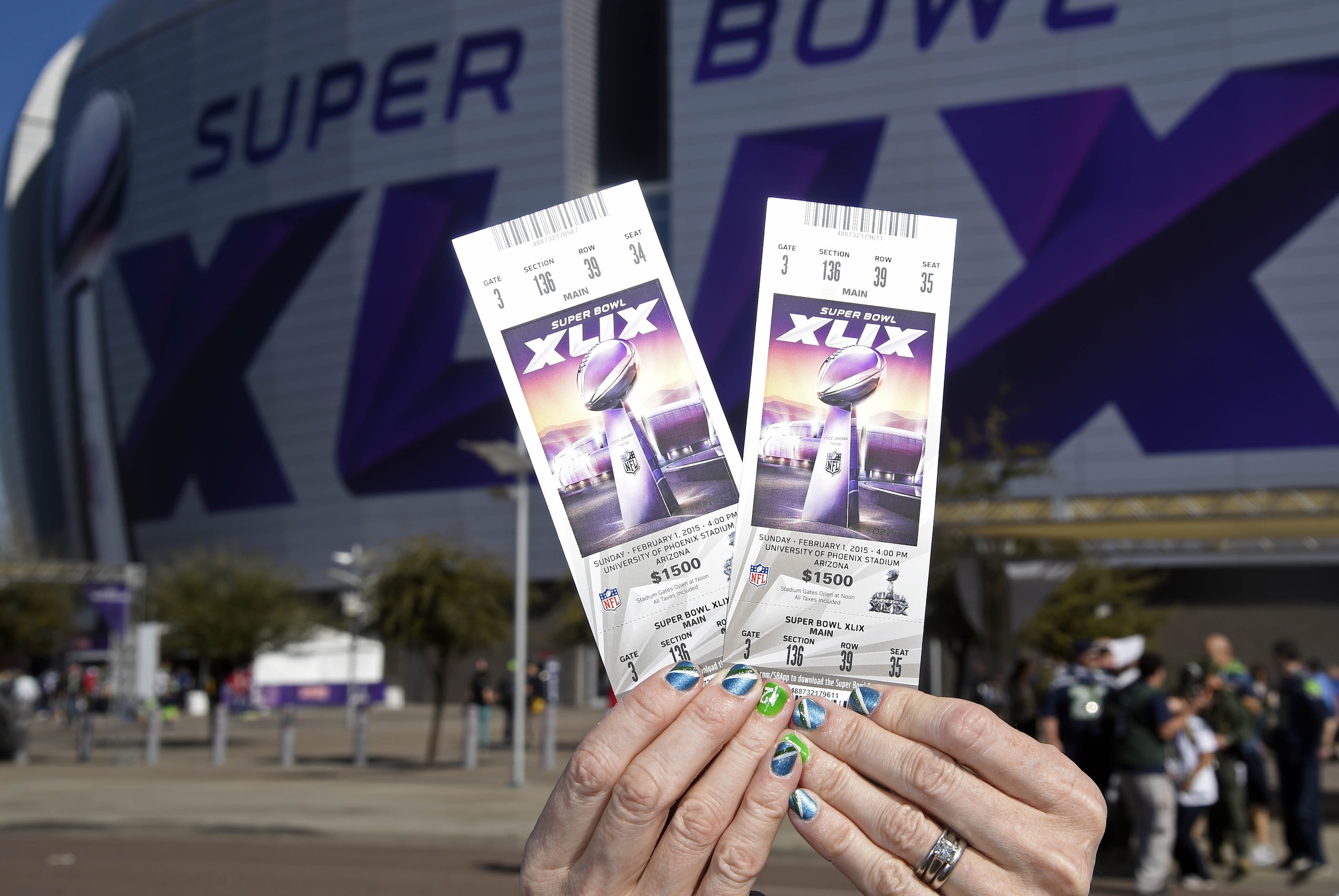
The Associated Press reported in April (via ESPN) that the average MLB ticket cost $28.94. According to Howard Bloom of Sporting News, the average NFL ticket cost $84.83 in 2014, representing a 30 percent increase over the previous nine years. And that's not even taking the secondary market into consideration. Bloom also reported that NFL resale prices had reached record highs.
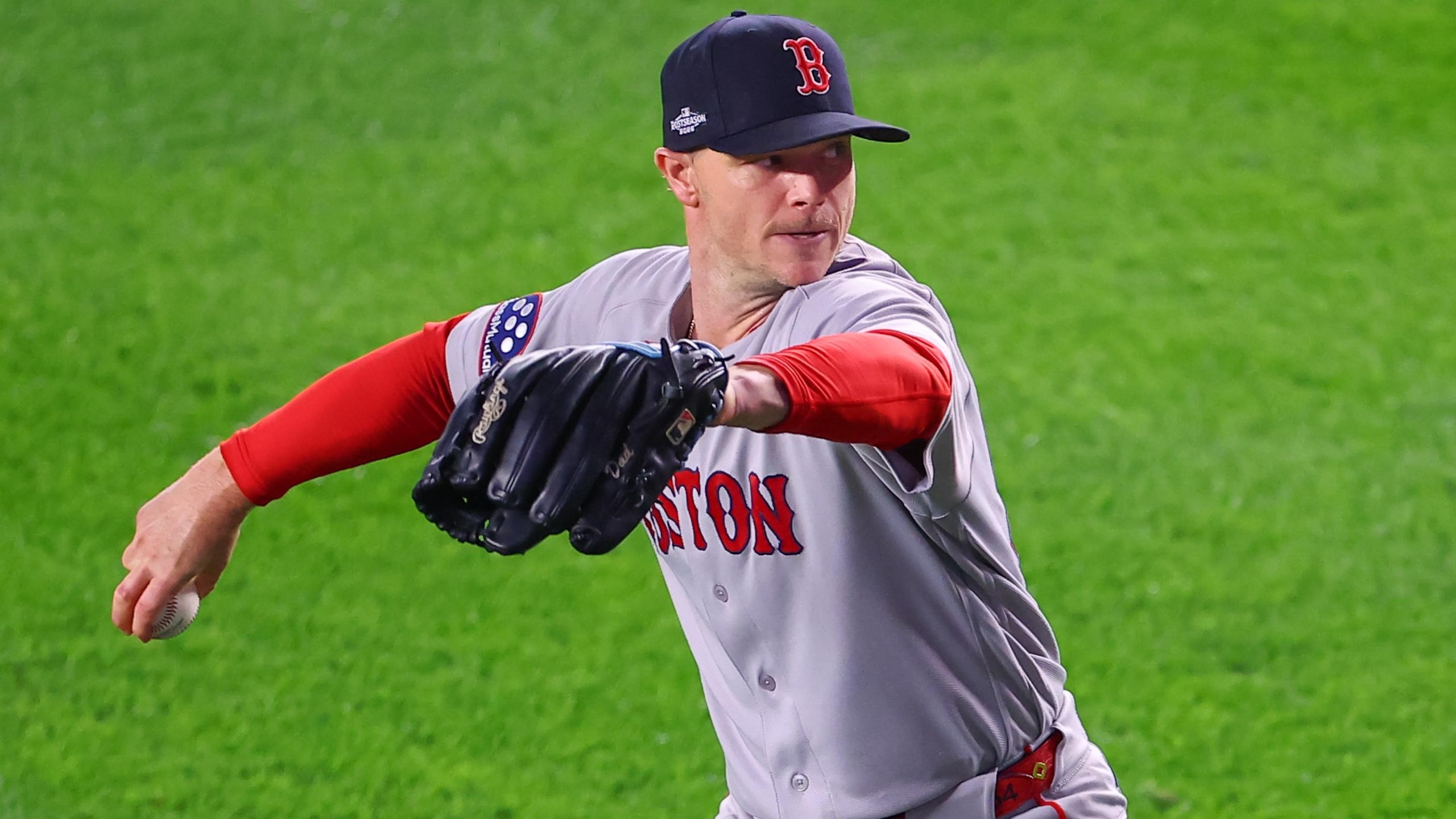
Add in parking, concessions, merchandise and the like, and the cost can become pretty astronomical, especially for families and groups. According to the AP report, the cost of taking a family of four to a Boston Red Sox game is $350.86. That includes tickets, food, drinks, parking and two adult caps.
Watching Games at Home
Even for fans who choose the "cheap" route and watch games at home, things can still get pricey. The number of sporting events available on basic cable is pretty low, and most often fans are forced to purchase additional packages to get the games they want.
Some packages are not only expensive but also come with geographical blackout restrictions. Consider this: According to Ben Geier of Fortune, the state of Iowa falls into the blackout region for six MLB teams. That means that even if Iowans shell out the dough for Extra Innings or MLB.TV, they can't get any games involving the Chicago Cubs, Chicago White Sox, Milwaukee Brewers, St. Louis Cardinals, Kansas City Royals or Minnesota Twins.
Guess what that means? Spending money on a couple of beers and wings to watch at a bar.
Personal Seat Licenses

Fans can buy personal seat licenses (PSLs), which in turn give them the right to buy season tickets for particular seats in a stadium. (Doesn't the ticket itself represent the right to sit in a given seat? No? OK, cool.)
For example, according to Mike Rosenberg of the San Jose Mercury News, PSLs at the new Levi's Stadium in Santa Clara, California, set San Francisco 49ers fans back from $2,000-$80,000 apiece. The sales raised almost half a billion dollars, which then went toward paying for the stadium itself.
Publicly Funded Stadiums
At least people who buy PSLs are, presumably, actual fans. Publicly funded stadiums mean that even non-fans are helping to pay for massive new venues through their taxes. In this way it's not just expensive to be a sports fan—it's expensive to simply live in a world with sports fans.
In July, John Oliver gave a hilarious yet completely on-point monologue on HBO's Last Week Tonight regarding the excessive use of public funding to build sports stadiums and arenas. He covered many salient points, among them the following: Billions of dollars are spent, most of the revenue goes back to the teams and studies have shown that stadiums don't necessarily boost the surrounding economy.
According to Oliver (and Forbes), residents of Florida's Miami-Dade County helped pay for a $639 million ballpark that includes a fish tank behind home plate.
Paying for Things You Don't Want

It's expensive to be a sports fan because you are sometimes required to buy things you don't even want just to get the things you do.
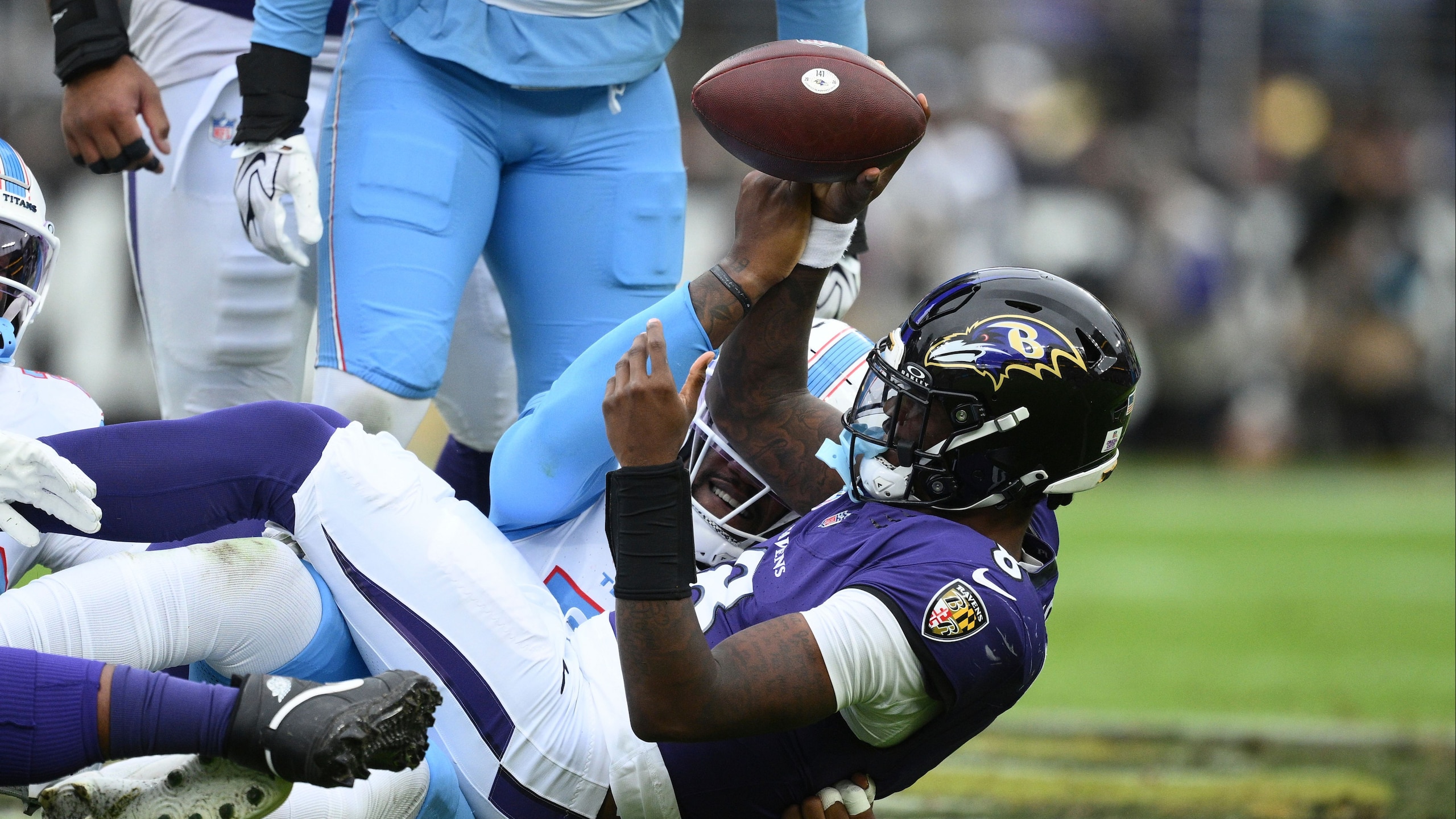
Take the NFL preseason, for example. Season-ticket holders are forced to purchase tickets at full price as part of their packages, despite a general dissatisfaction with the game quality.

.jpg?w=2560 "Eagles Titans Football")