

Flavia Pennetta's Retirement Brings to Light Female Athletes' Reality
After winning the 2015 U.S. Open, Flavia Pennetta stunned the crowd at Arthur Ashe Stadium by announcing her retirement.
Pennetta defeated longtime friend Roberta Vinci in an all-Italian women's final. She becomes the first Italian woman to win the U.S. Open. But she's not the first woman to leave the game shortly after winning a Grand Slam.
Last year, Li Na retired not long after winning her second Grand Slam title and first Australian Open. Two years ago Marion Bartoli left the game just two months after winning Wimbledon. Kim Clijsters retired after getting married, having a child in 2008. She then returned and retired again—all by age 29.

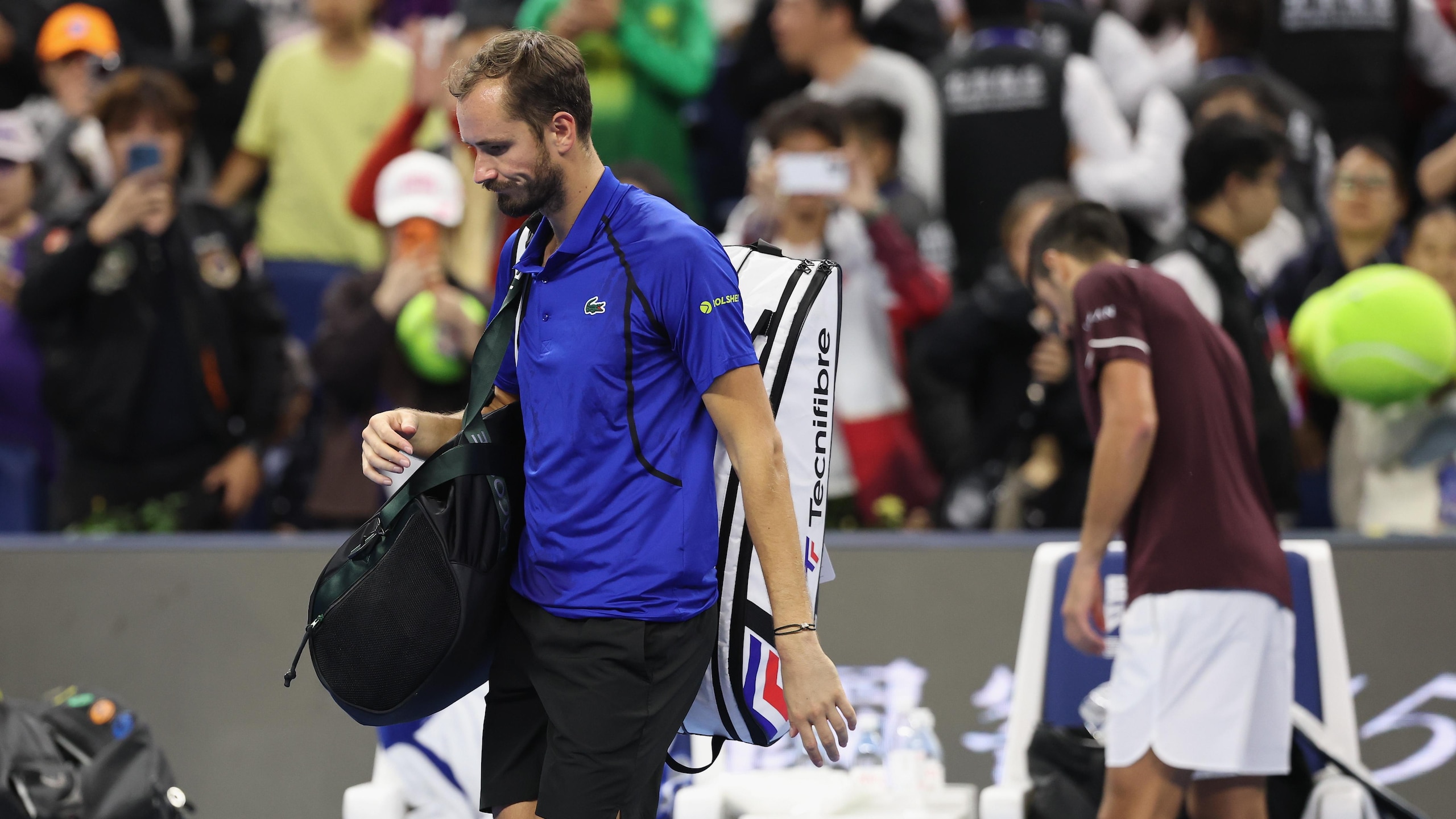

These abrupt retirements represent a dilemma faced by many female athletes, including those on the WTA Tour. Like many working women, sooner or later the career collides with the desire to get married or start a family.
Yes, even in 2015, when Ronda Rousey is kicking butt, Serena Williams is chasing Slams, Danica Patrick races against men and the U.S. Women's soccer team wins the World Cup, female athletes still wrestle with this age-old issue.
It's not the same for men.
Five of the top six players on the ATP World Tour—Roger Federer, Novak Djokovic, Andy Murray, Stan Wawrinka and Tomas Berdych—are married or have children. None of the women in the WTA Tour's Top 20 are married or have children. There are only a handful in the Top 100.
Lleyton Hewitt, who is only a year older than Pennetta, announced his retirement earlier this year. He has a wife and three kids.
Pennetta is engaged to ATP player Fabio Fognini. She's enjoyed a lengthy, successful career. She may have retired whether she were getting married or not. However, the timing makes you wonder.
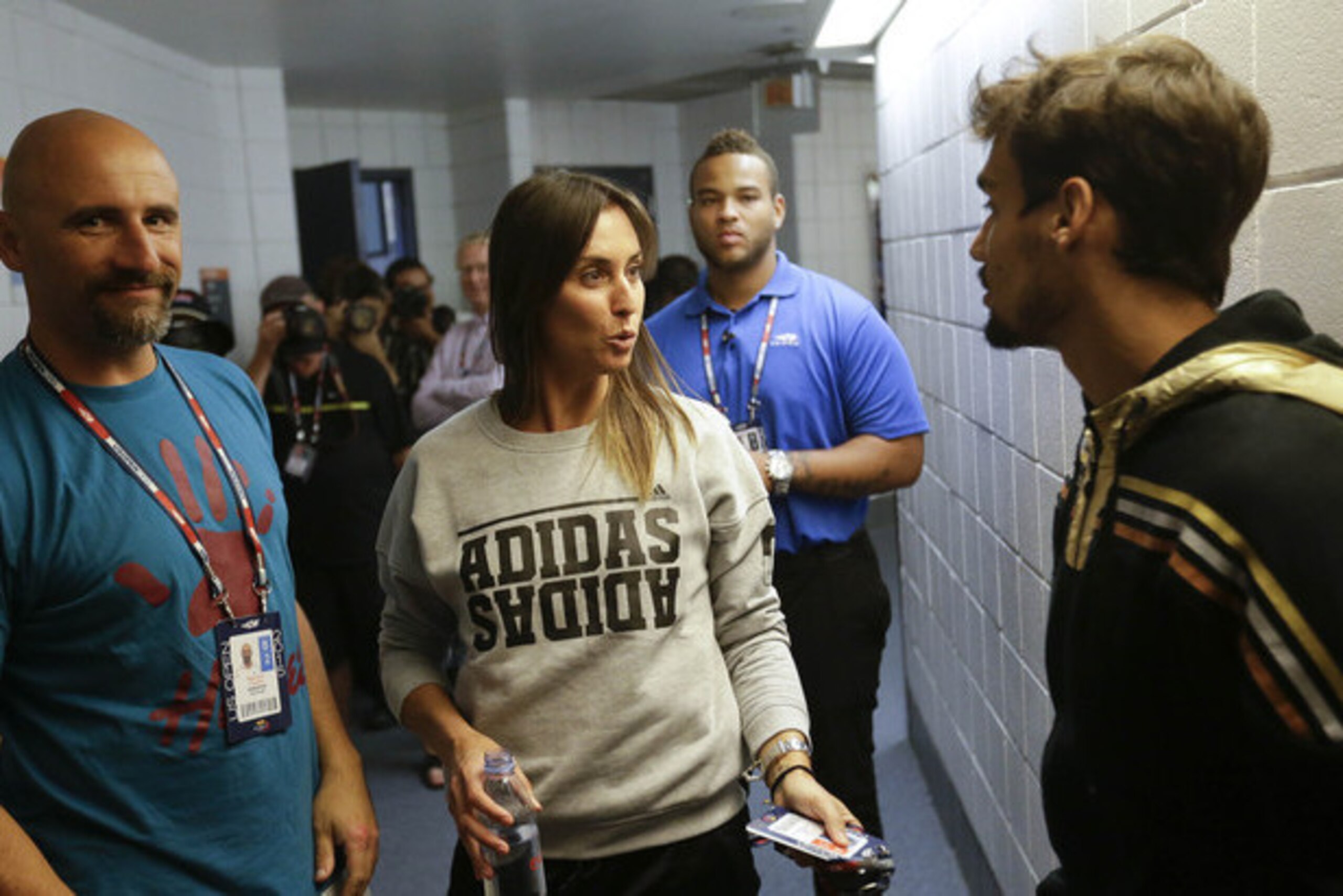
When Li Na announced her retirement, she was ranked a career-high No. 2. She cited a knee injury as the reason for the retirement. Yet she gave birth to her first child nine months later.
Gisela Dulko, once ranked as high as No. 26, announced her retirement at age 27. She released a statement that named "other priorities in life" as her reason for leaving. Dulko has since gotten married and is expecting her second child. Ironically, Dulko won the 2011 Australian Open doubles title with Pennetta.
When Justine Henin made a brief comeback in 2009 after retiring at age 27, her Belgian compatriot, Clijsters, had also returned. When asked about Clijsters' balancing motherhood with playing, Henin told the Daily Mail's Malcolm Folley, "I dream of having kids myself, just not yet. ... I am a godmother five times. But at the moment I'm not seeing anyone, but if this comes to me, I'm open to the possibilities."
Last year, Henin told the press she would consider coaching after she had more children. She married the father of her daughter earlier this year.
It seems that even after their playing days, female athletes must consider family when making career choices.
Anyone who follows women's tennis notices that most of the WTA players have male coaches. Lindsay Davenport, who is married and a mother of four, struggled with whether to coach Madison Keys because of the time it would mean on the road. She juggles the coaching duties with her husband.
Andy Murray's female coach, Amelie Mauresmo, gave birth to a son this summer and was unable to make the trip to the U.S. Open. Murray plans to retain Mauresmo as coach, per Sky Sports.
Pregnancy takes a toll on the body, but it also pulls the athlete away from the sport. Even the most glorious pregnancy means at least nine to 12 months off the court. That type of time away from the game impacts ranking, preparation and competition.
Whether resulting from injury, pregnancy or matrimony, a long absence from a sport is a career setback.
The decision to start a family has such an impact on the careers of female athletes that the International Olympic Committee enlisted the help of former LPGA star Annika Sorenstam to address the issue.
Sorenstam retired from golf in 2008, and like Dulko, she referenced other priorities in her announcement, per the Associated Press (via ESPN.com). At the time, Sorenstam was engaged and planned on starting a family.
She was featured in a video that was part of the IOC program titled "Athlete's Transition from Sport to Family Life." The IOC offered female athletes the following advice:
"Be aware and prepare yourself for the external pressure about leaving sport that you will endure when approaching life stages such as getting engaged or married. Just like Annika, make up your own mind about your choice of leaving sport and founding a family: the more voluntary the retirement, the better the chances of adjusting to your new life. Plan early in your career the way to coordinate your sports career with your educational and vocational training, along with your personal development as a woman. Try to make the step from sport to family life once you perceive you have achieved your goals as an athlete. Leave yourself the option to return to sport after pregnancy.
"
After her win, Pennetta sat down with the ESPN tennis crew that included Chris Evert and Pam Shriver, both mothers and former tennis players. Pennetta told them she started thinking about retirement back in February and made the decision while in Toronto for the Rogers Cup.
Evert and Shriver said it made them sad to think of a player with her talent calling it quits. But it appears Pennetta did much of what the IOC program recommended. She gave it some thought, she achieved her goal and the choice was voluntary.
"This is the way that I would like to say goodbye to tennis," Pennetta told the crowd at Arthur Ashe, per Richard Osborn of USOpen.org. "I'm really happy. This is what all the players think to want to do. This one was my last match at the U.S. Open and I couldn't think how to finish in a better way."
Pennetta leaves on her terms, something every athlete hopes for, male or female.





.jpg?w=2560 "Weather Channel Trolls Texans-Titans 💀")
.jpg?w=2560 "Grading WWE Raw 🔠")