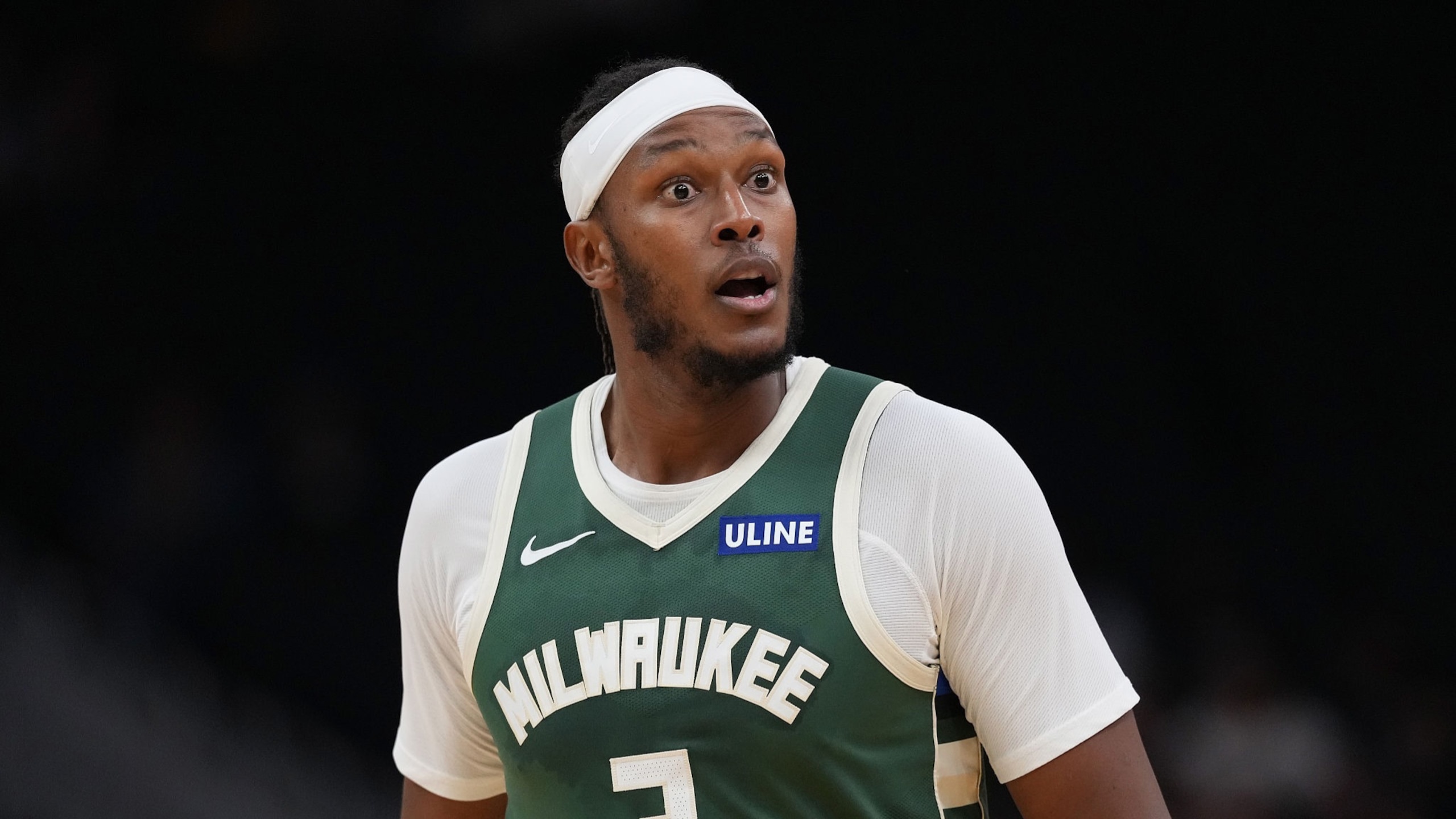


In July 2025, the Denver Nuggets sent Michael Porter Jr. and a 2032 first-round pick to the Brooklyn Nets for Cam Johnson. Denver has tried to carefully mind its finances, hoping to remain a contender while dancing around the NBA's restrictive aprons.
Currently, the Nuggets are the only team above the league's $221.7 million second apron. Johnson is averaging 11.8 points a game, shooting 34.0 percent from three-point range, while Porter is at 21.8 points and 37.6 percent for the Nets.
Simply put, the Nuggets (7-5) miss him. What if there were a way to reverse the trade—at a price—to bring Porter back home while also dropping Denver's salary to a less punitive level?
Full Trade Details
1 of 3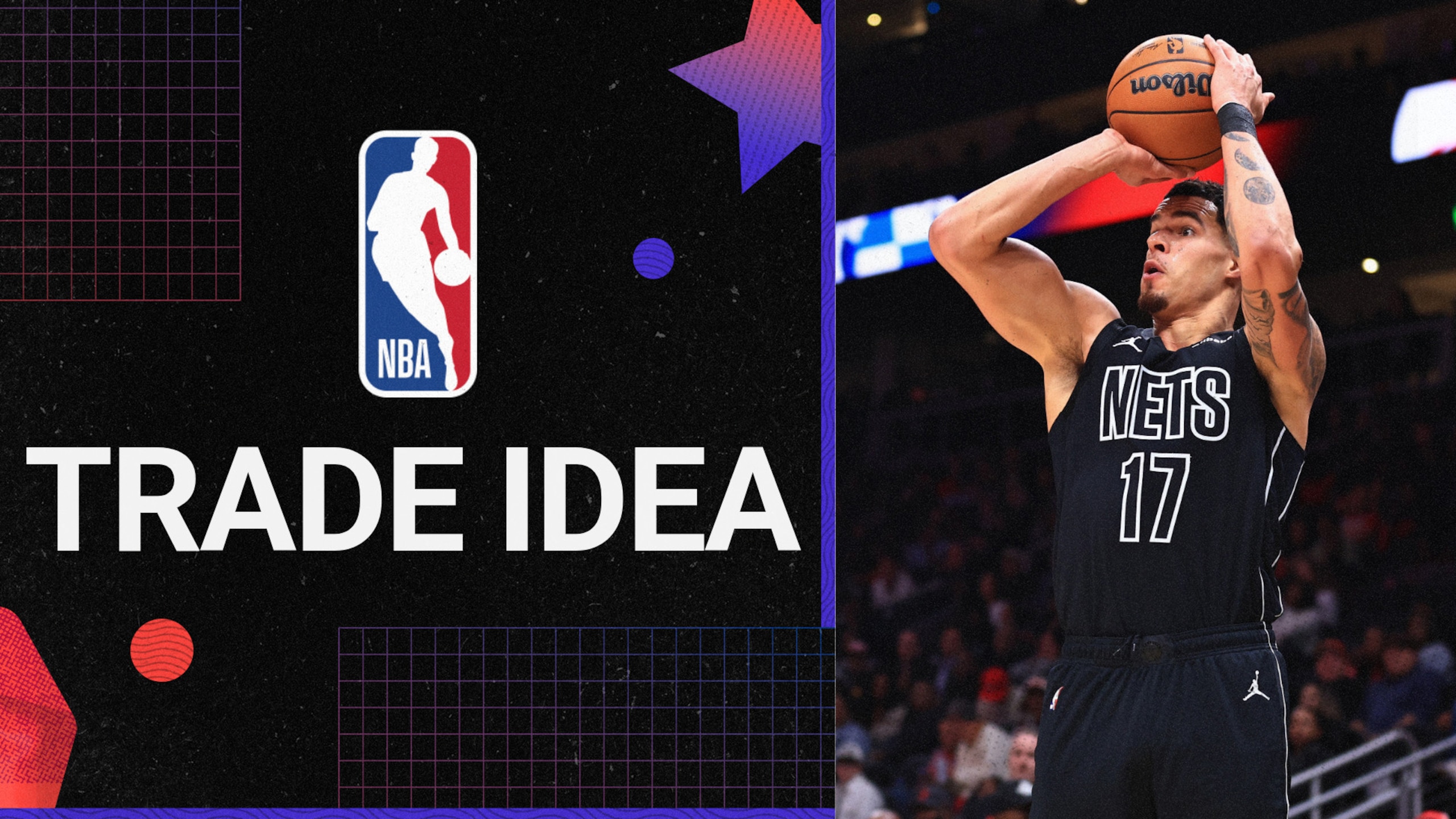
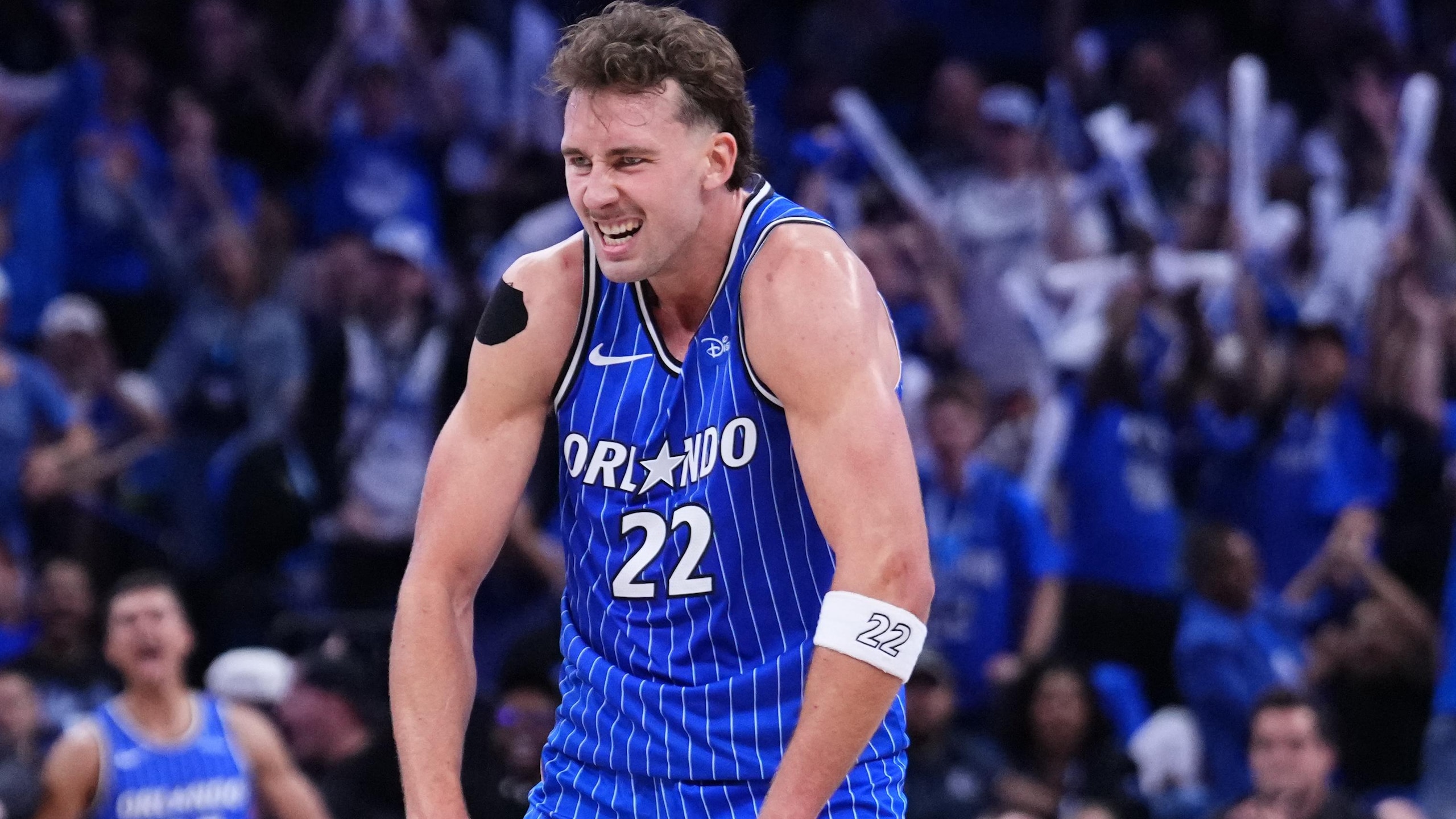
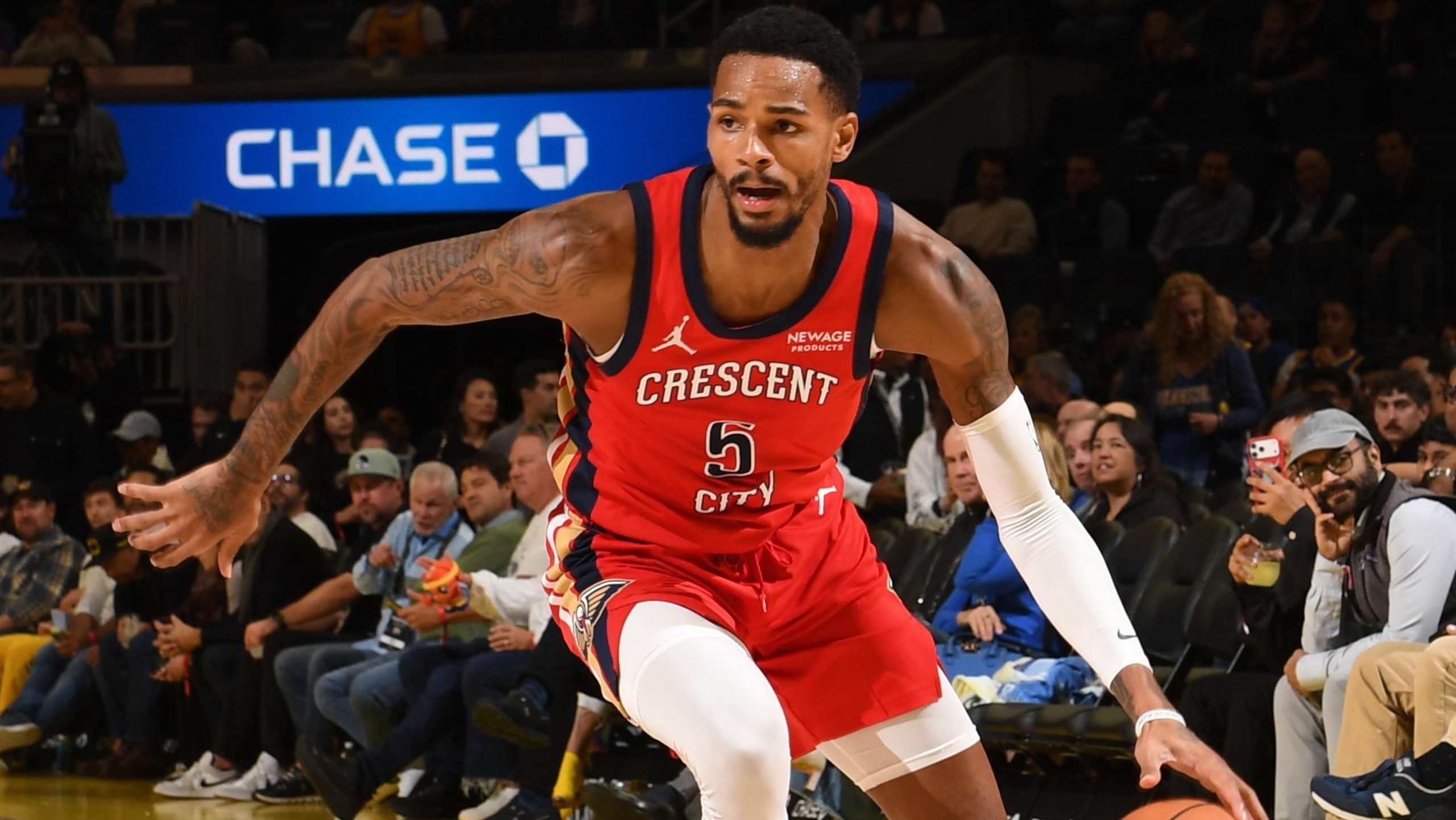
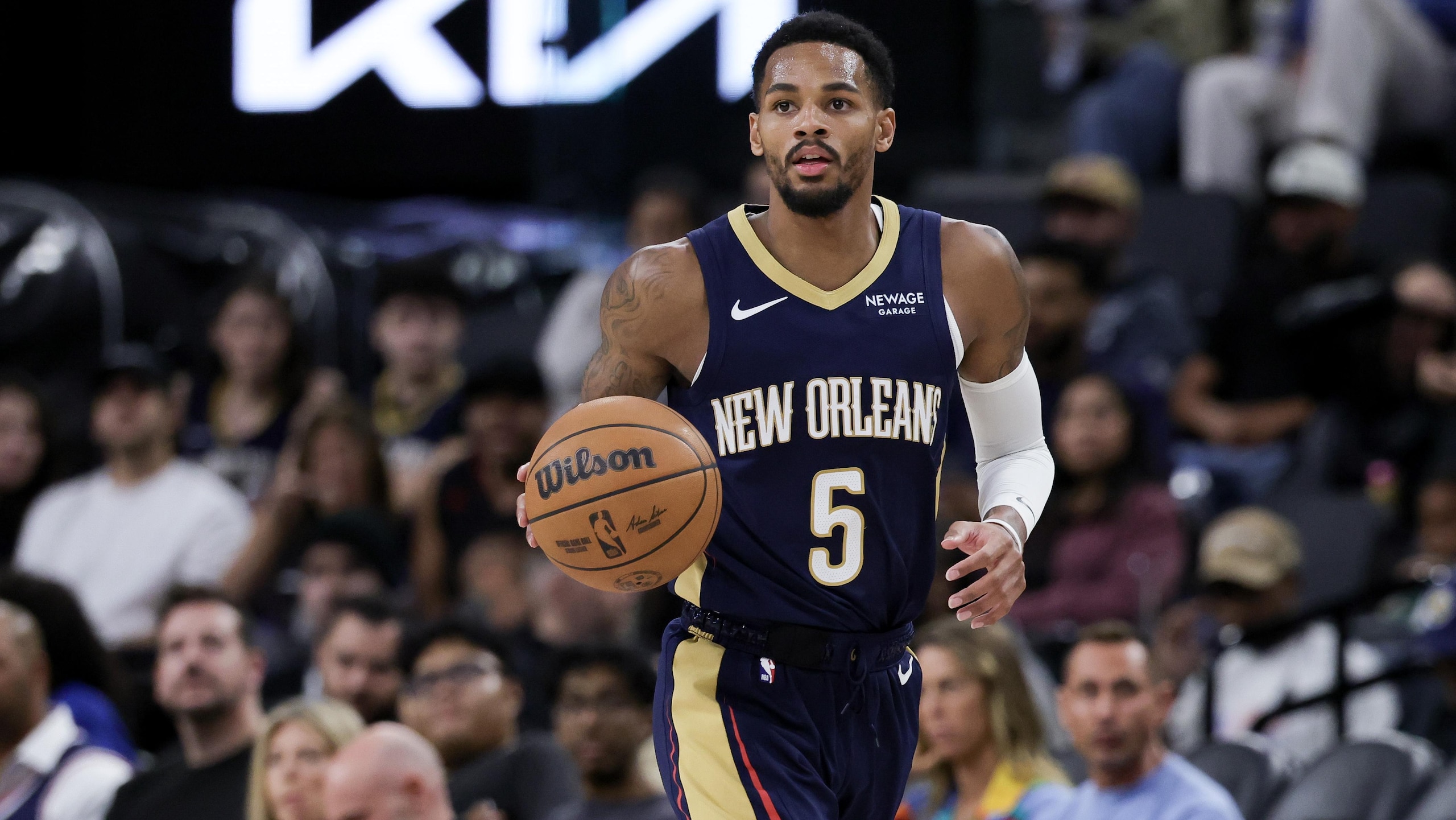
Denver Nuggets receive: Michael Porter Jr., Keon Ellis, Ben Saraf, $7.5 million trade exception (Zeke Nnaji), $3.4 million trade exception (DaRon Holmes II)
Brooklyn Nets receive: Cam Johnson, Christian Braun, Zeke Nnaji, DaRon Holmes II, 2031 Cleveland Cavaliers first-rounder, 2031 Sacramento Kings second-rounder, $6 million, $9 million trade exception (Keon Ellis), $3 million trade exception (Ben Saraf)
Why the Denver Nuggets Do It
2 of 3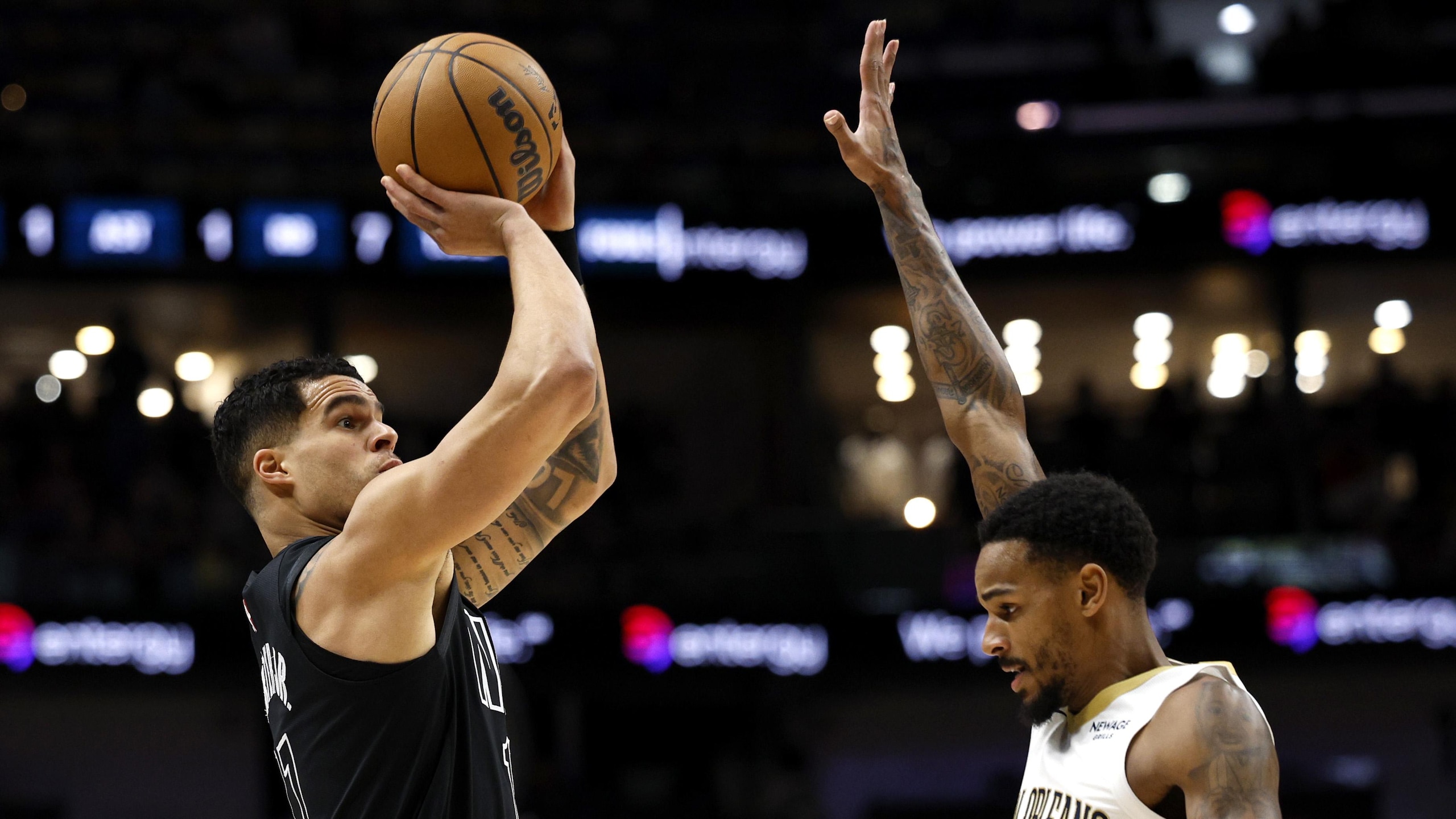
After winning the 2022-23 title, Denver hasn't advanced past the second round of the playoffs—last season, they fell in the first round to the Minnesota Timberwolves.
Nikola Jokić remains one of the best players in the world, but the roster hasn't had enough support to compete at the highest level. Financial constraints and concerns about Porter's next contract led to his exit. The trade brings back a proven scorer alongside most of the core that won in 2023: Jamal Murray, Aaron Gordon, and Jokić.
Instead of Porter, Denver invested in Braun, whose productivity isn't enough to elevate the Nuggets to the top tier in the Western Conference. Braun is in the first season of a five-year, $125 million extension. The Nuggets get off Johnson's final year and Braun's contract, plus fringe rotation players in Nnaji (player option at $7.5 million for 2027-28) and Holmes, to enable taking in Porter's larger $40.8 million expiring deal.
Ellis, a capable defender and combo guard with a $9 million mutual option for 2027-28, would help replace Braun. It takes just one side (Ellis or the Nuggets) to continue his contract for next season. Denver also gets a free look at Saraf and can take on one more minimum player through an additional trade or signing.
The Porter deal would need to wait until Dec. 15, when Ellis's signing restriction lifts. Once under the second apron by sending out $55.5 million in salary while taking back $52.8 million, the Nuggets can send cash, use their Payton Watson trade exception to take on Ellis, and absorb Saraf with the taxpayer mid-level exception. Now with a second-apron hard cap, the Nuggets can aggregate Johnson and Braun to take in Porter.
Focusing on sending a first to get rid of Porter, only to send another (plus a second) to bring him back, loses sight of the fact that Jokić can opt out of his contract after this season. The Nuggets must give him a compelling reason to re-sign.
The budget to retain Porter could range from a $20 million to $30 million starting salary, depending on whether Denver intends to use its larger non-taxpayer mid-level exception in July (projected at $16.1 million) or the taxpayer at $6.5 million.
Why the Brooklyn Nets Do It
3 of 3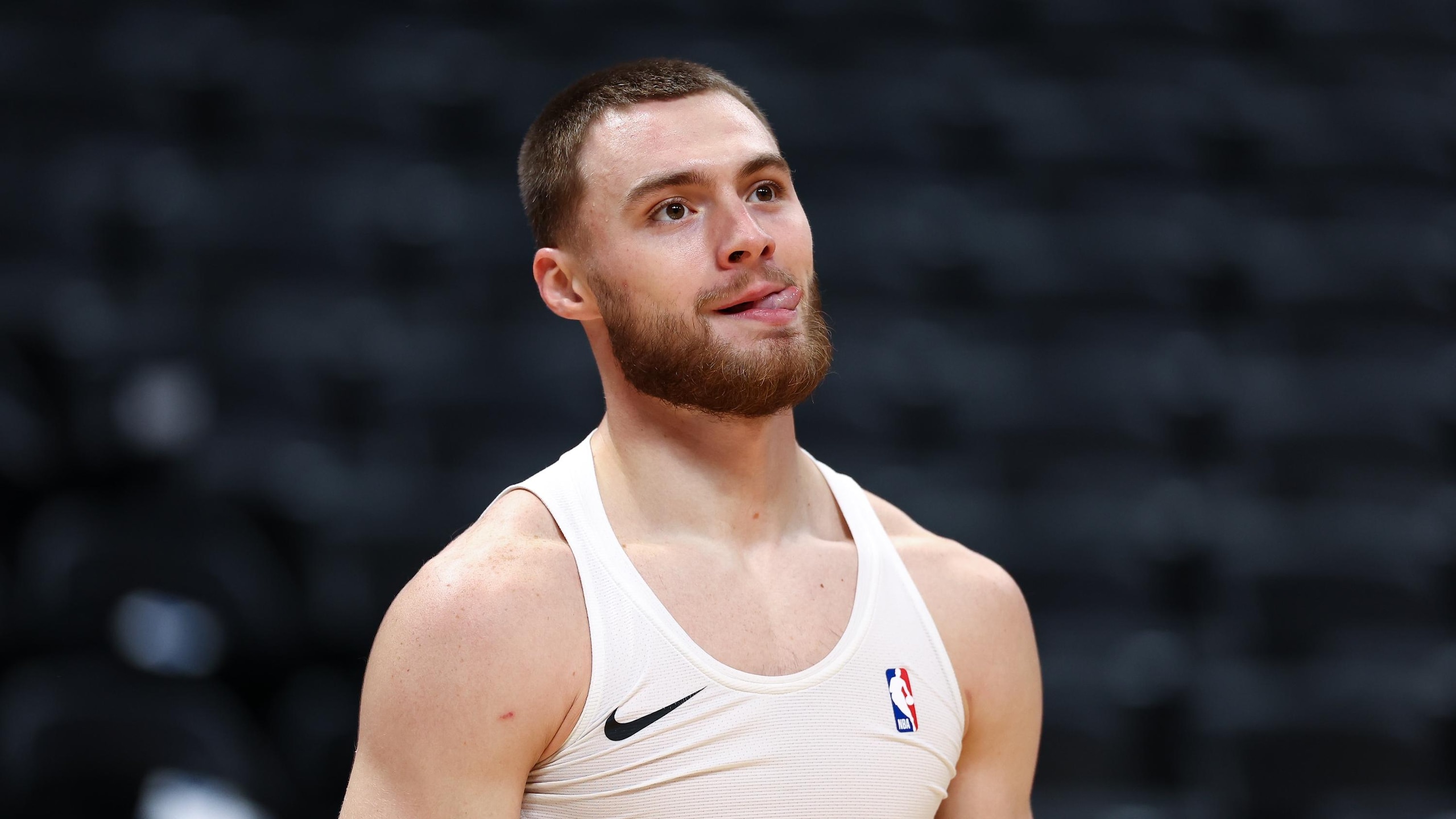
Brooklyn's participation hinges on its evaluation of Braun, a 25-year-old, 6'6" guard averaging 12.6 points and 2.2 steals per game. His $25 million average salary is more palatable for the Nets, with their lower payroll, than for the Nuggets.
Brooklyn also gets a potentially valuable first-round pick from the Cavaliers in 2031, when Cleveland has no one under contract except potentially All-Star Donovan Mitchell, who can opt out of his deal before the 2030-31 season. The Kings' second-rounder is a bonus, given that Sacramento has had one playoff appearance since 2006.
Johnson was a strong player for the Nets before joining Denver, but neither he nor Porter is likely in the franchise's long-term plans. Nnaji's extra year, assuming he opts in, isn't destructive to Brooklyn's flexibility next summer. Getting a free look at Holmes for the rest of the season plus a decent amount of cash from the Nuggets is a win. Saraf, No. 26 in 2025, hasn't found a steady place in the team's rotation. Finally, Ellis isn't vital enough to the Nets' plans to get in the way of the deal.
Brooklyn would use its remaining cap room on Holmes, most of the room, with an exception on Nnaji, and Porter's outgoing salary to take in Johnson and Braun. The franchise can choose to slip back under the salary cap by about $2.3 million, but has more flexibility staying over with a pair of trade exceptions (Ellis and Saraf). Josh Minott was penciled in as a cut before the trade for roster space, though the Nets can make other moves to stay at the 15-player limit.
Brooklyn would still project to have nearly $36 million in cap room next summer, sacrificing about $14 million by taking on Braun and Nnaji.
Email Eric Pincus at eric.pincus@gmail.com and follow him on X @EricPincus.