

Ghosts are scary. Full stop.
But ghosts of trades past still bouncing around the nightmares of the NBA teams that brokered them? Well, that's the kind of horror befitting of the Halloween season.
Because the trade market is almost always active, it's bound to feature mistakes and the regrets that come along with them. Every franchise has them. In fact, they all have ones recent enough to still spook them.
From major, timeline-disrupting misfires to minor miscalculations of fit, readiness or value, let's take an appropriately timed stroll through the trades gone wrong (and, in a lot of cases, still going wrong) of every team in the league.
Atlanta Hawks
1 of 30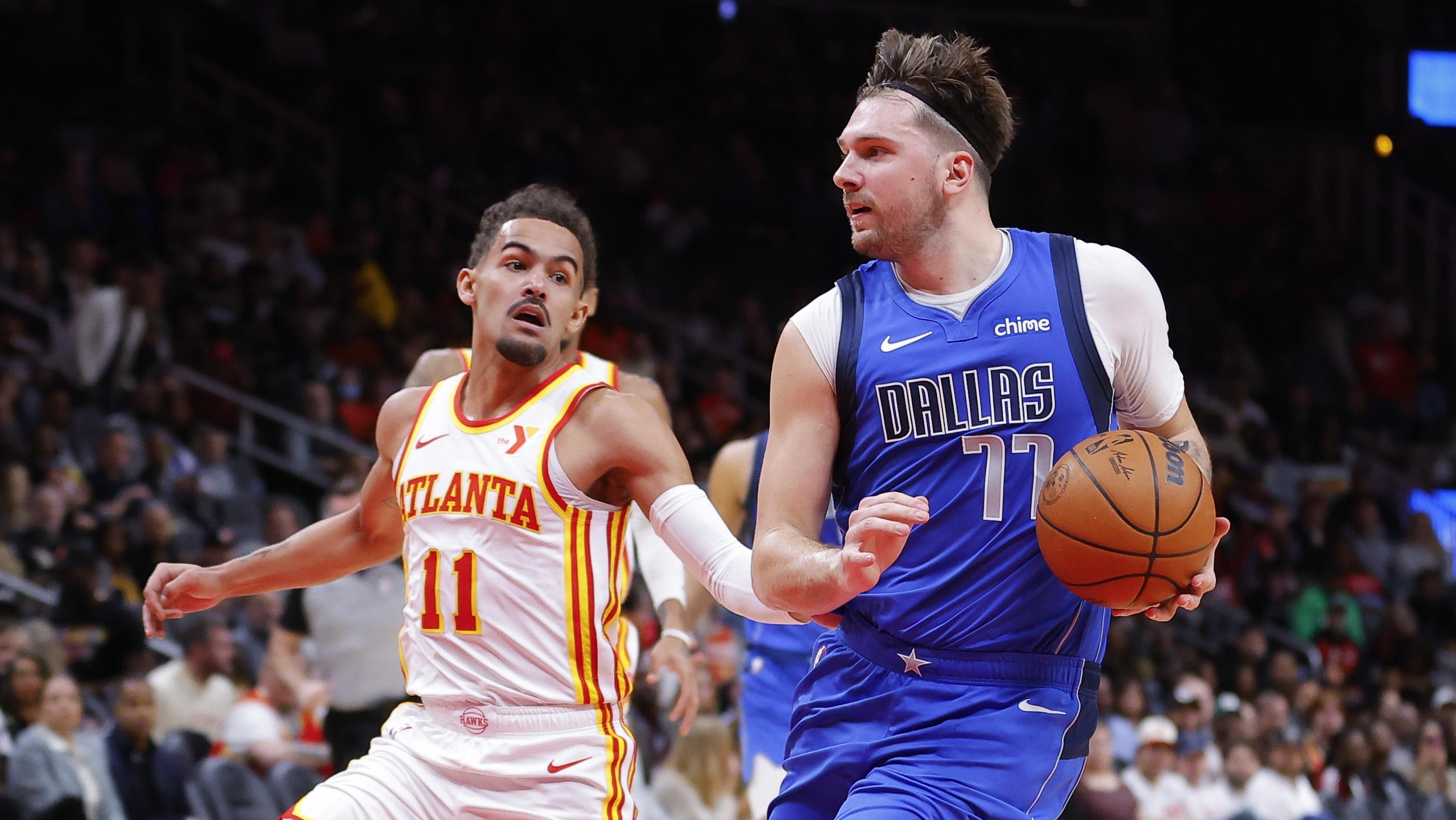
The trade: Luka Dončić for Trae Young and a first-round pick
The Hawks didn't come up totally empty here, but they missed out on the chance to roster a superstar so they could have an All-Star and a draft pick that never amounted to much (Cam Reddish).
And they should've seen this coming. Not the Reddish part, obviously, but Dončić arrived with a resume as rich as any seen in a teenaged prospect. He was already a EuroBasket champion and a EuroLeague MVP. Not to mention a big playmaker with two-steps-ahead processing speeds, and a scoring bag already bursting at the seams.
Atlanta should've recognized the sky-high ceiling attached to him—and the difference in elevation (literally and figuratively) with Young. They instead hitched their wagon to a one-way contributor who delivered just two playoff series wins over his eight-plus seasons.
Boston Celtics
2 of 30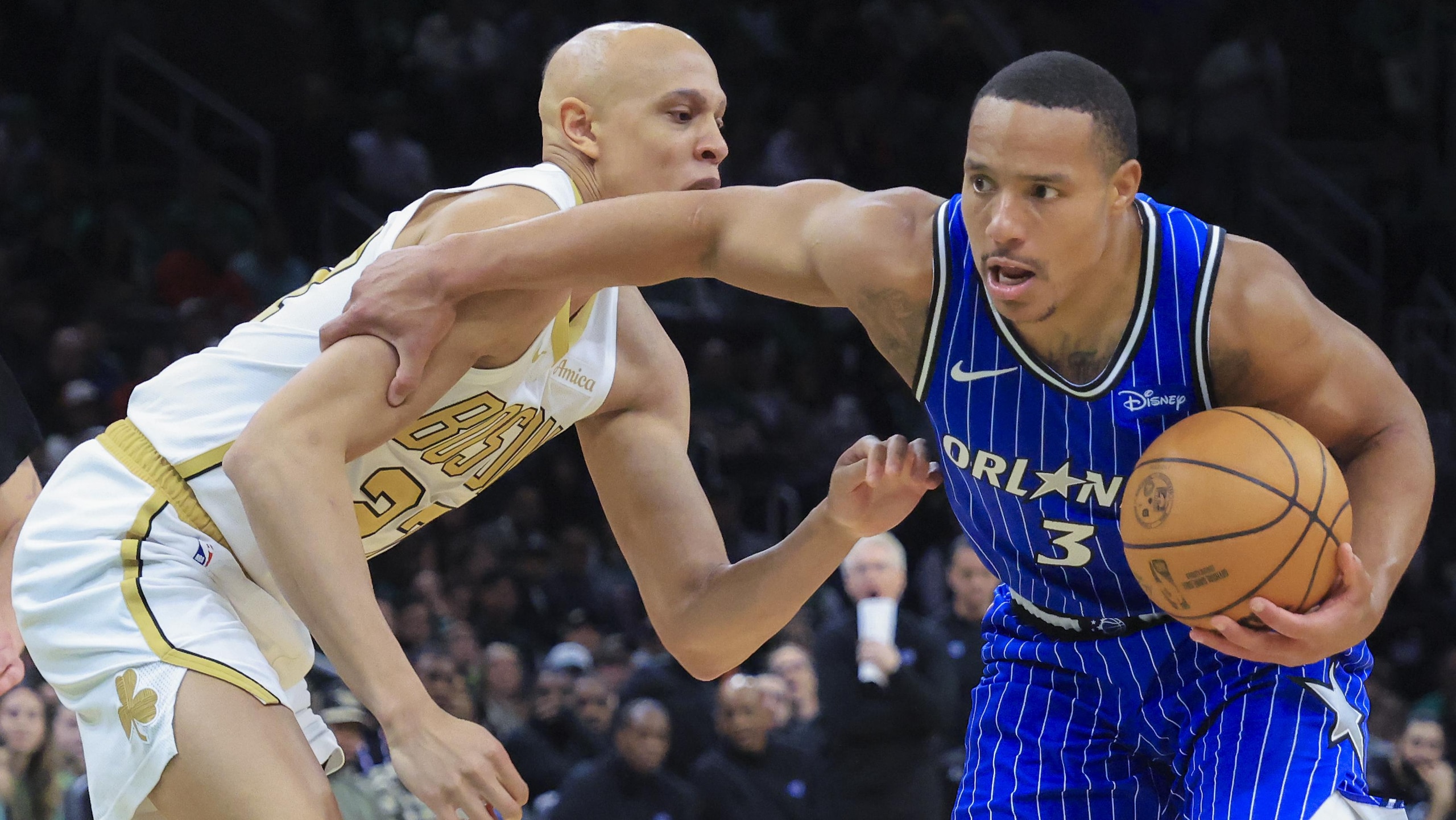
The trade: Desmond Bane for two future second-round picks
Every team has some draft-night disasters hanging above its head, and if that's as bad as the trade market gets, then the franchise is mostly faring pretty well. Now, some might argue that selling Jaylen Brown for 10 cents on the dollar this summer should instead snag this spot, but that feels premature with how Paul George is playing and without knowing what the two firsts and two seconds attached to him will deliver.
For now, then, the clearest ghost haunting this group is this 2020 draft regret, which helped Boston rid itself of Enes Kanter (smart) and create flexibility later used to sign Tristan Thompson (not ideal).
Bane, the 30th pick of that draft, wasted little time proving a whole lot of clubs miscalculated his valuation. He's a career 18.3 points per game scorer and 47.3/40.5/88.9 shooter.
Brooklyn Nets
3 of 30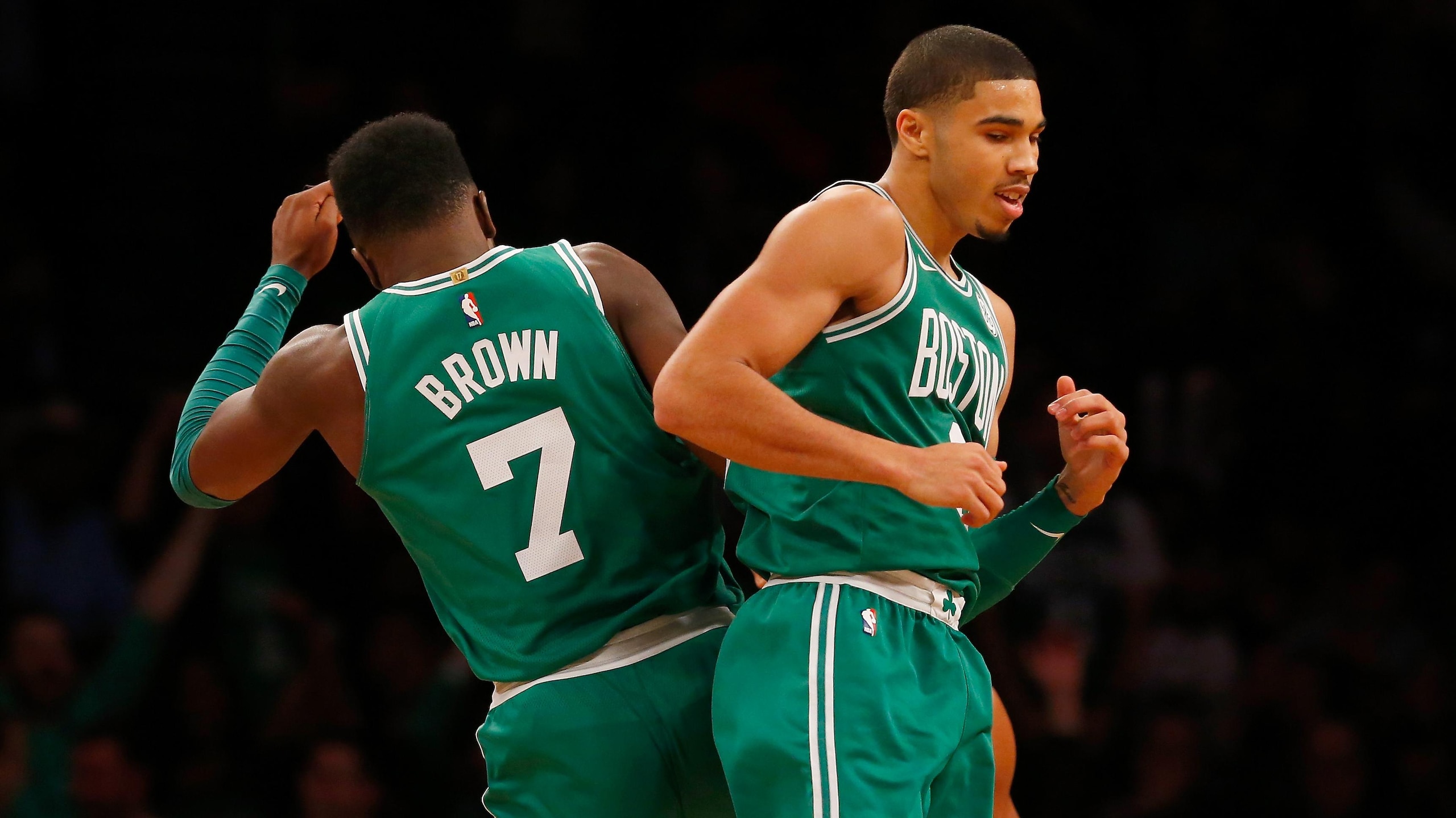
The trade: Keith Bogans, MarShon Brooks, Kris Humphries, Kris Joseph, Gerald Wallace, three first-round picks and a first-round pick swap for Kevin Garnett, Paul Pierce, Jason Terry, DJ White and a future second-round pick
The Nets have enough trade skeletons in their closet to populate a cemetery. Not to pile onto their misery, but let's just note two decisions that somehow weren't obvious choices here:
- Sacrificing a first-round pick later spent on Damian Lillard to rent Gerald Wallace for a season-plus and giving up four players (including Jarrett Allen), three first-round picks
- Four first-round pick swaps for 80 regular-season games of James Harden.
Those doesn't look great (to say the least), but this is as egregious as it gets. Or bottom-15 all-time trade, at least.
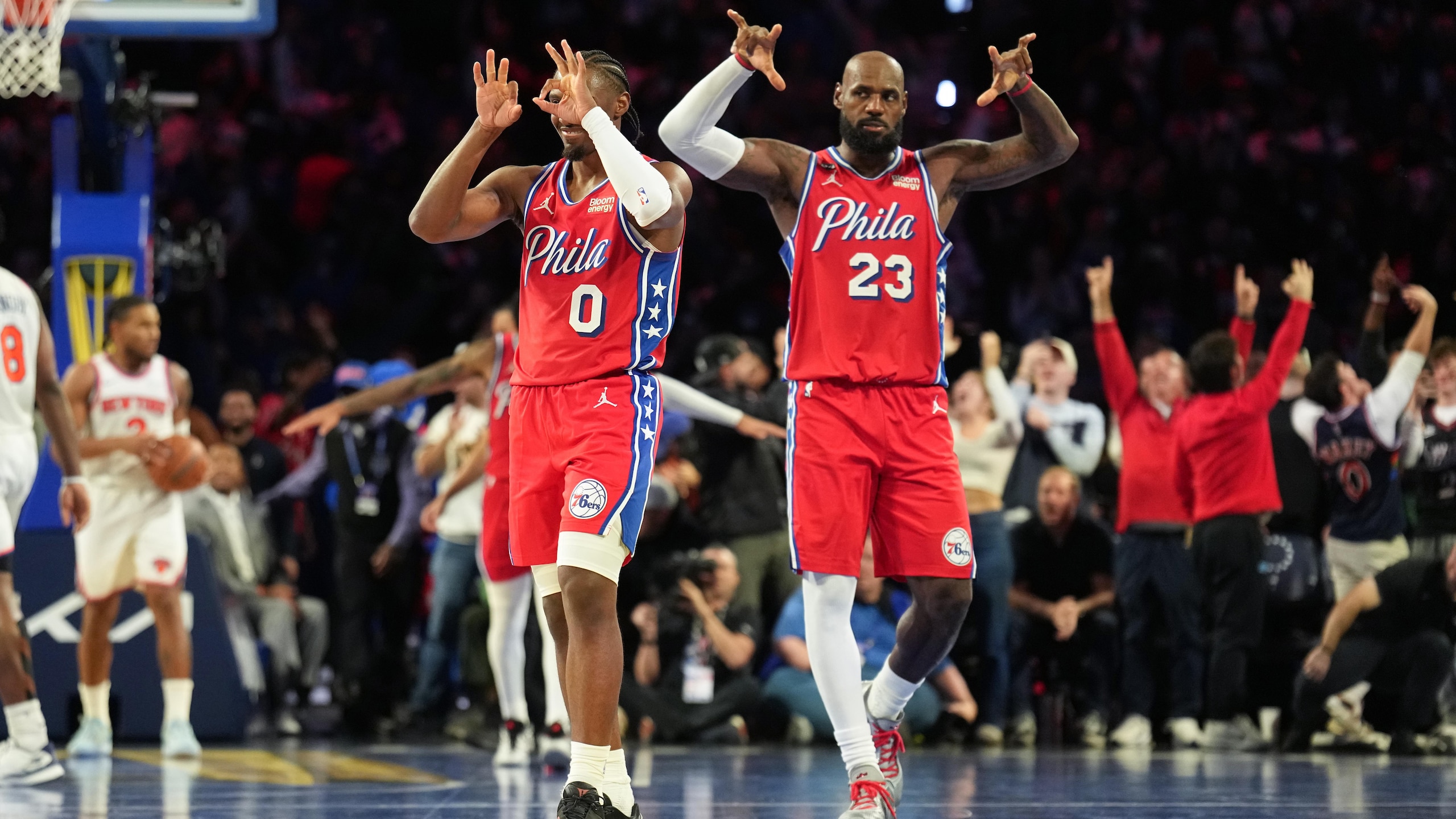
The Nets thought they were finalizing a superteam roster, but they wound up building the Celtics' championship blueprint instead. Because while Brooklyn wound up getting a single playoff series out of this exchange, Boston constructed a perennial contender (and one-time champion) by turning two of those picks into Jayson Tatum and Jaylen Brown.
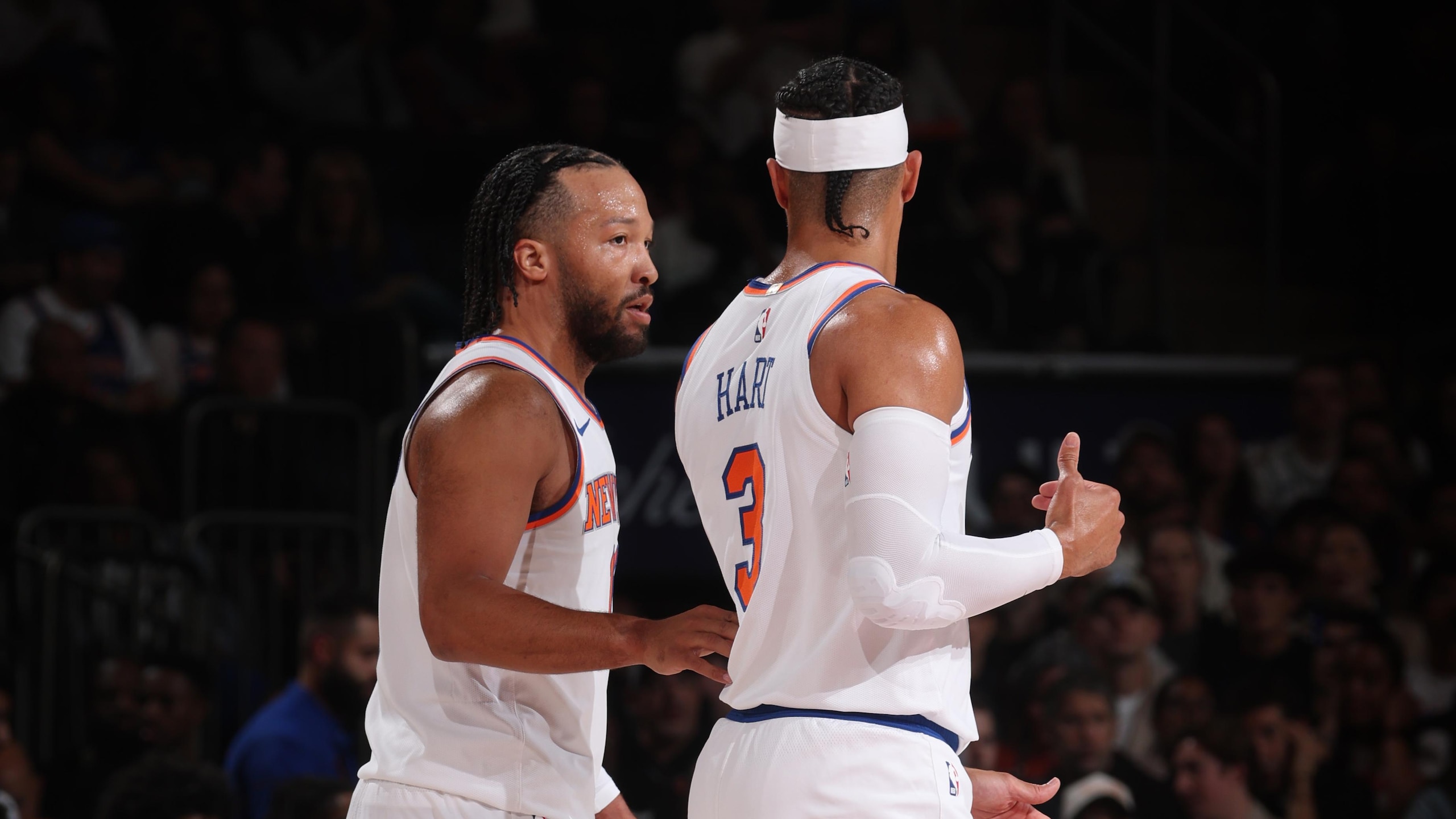
Charlotte Hornets
4 of 30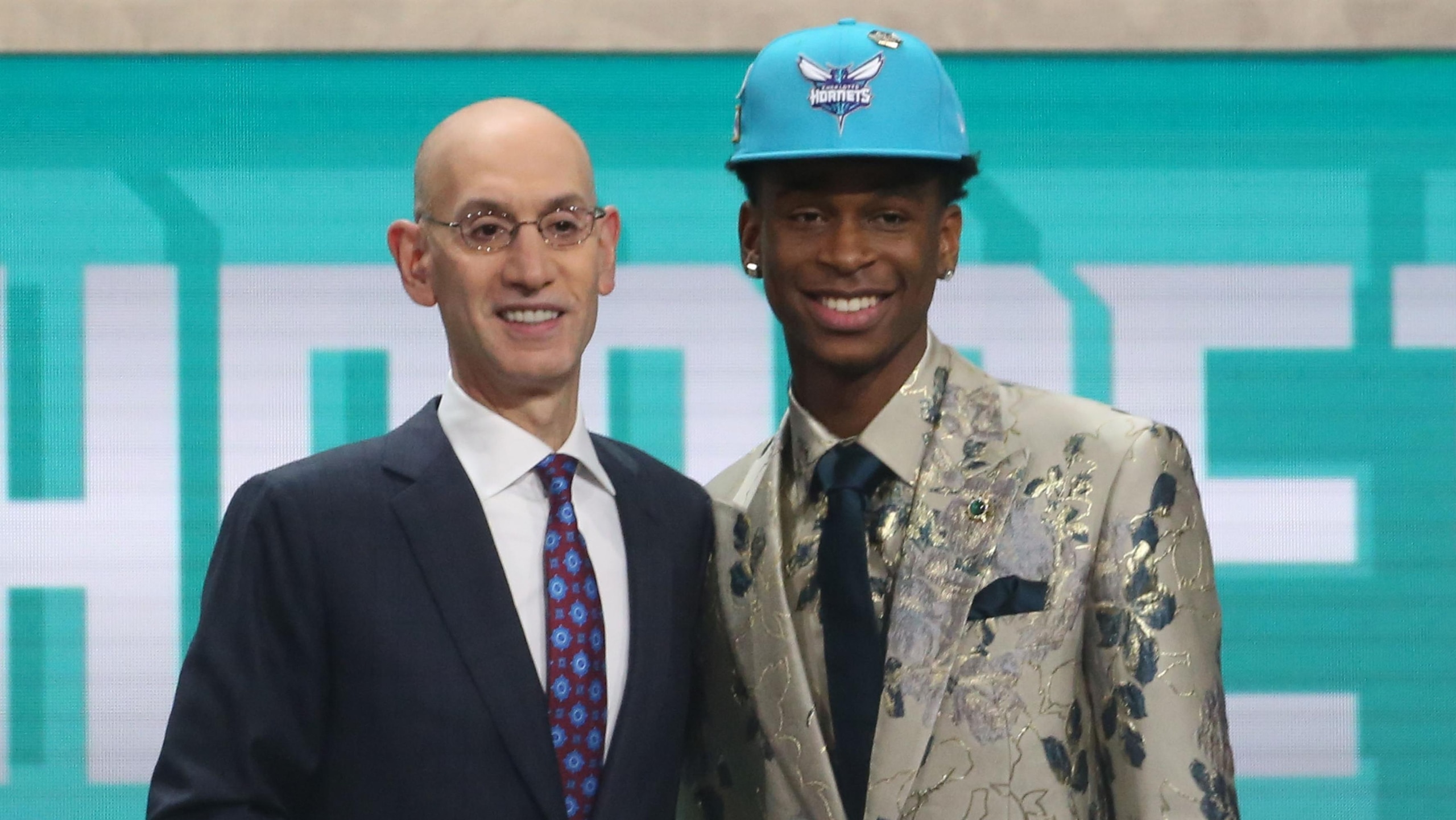
The trade: Shai Gilgeous-Alexander for Miles Bridges and two future second-round picks
The same franchise that once drafted and traded Kobe Bryant made another franchise-altering mistake during the 2018 talent grab. The Hornets spent the No. 11 pick on Shai Gilgeous-Alexander, the two-time defending MVP and single biggest factor in the Oklahoma City Thunder's run of dominance.
But Charlotte shipped it out immediately, apparently favoring the fit of Miles Bridges over SGA alongside then-franchise face Kemba Walker. Everything about this decision quickly fell apart, including Walker's significance to the organization, as he was sign-and-traded out of Buzz City barely a year after this trade.
Bridges had some loud stat lines in Charlotte, but he was functionally a scoring specialist who wasn't particularly efficient at the craft. Those second-rounders, meanwhile, were spent on Vernon Carey Jr. and Scottie Lewis, who combined to play all of 25 games for the Hornets.
Chicago Bulls
5 of 30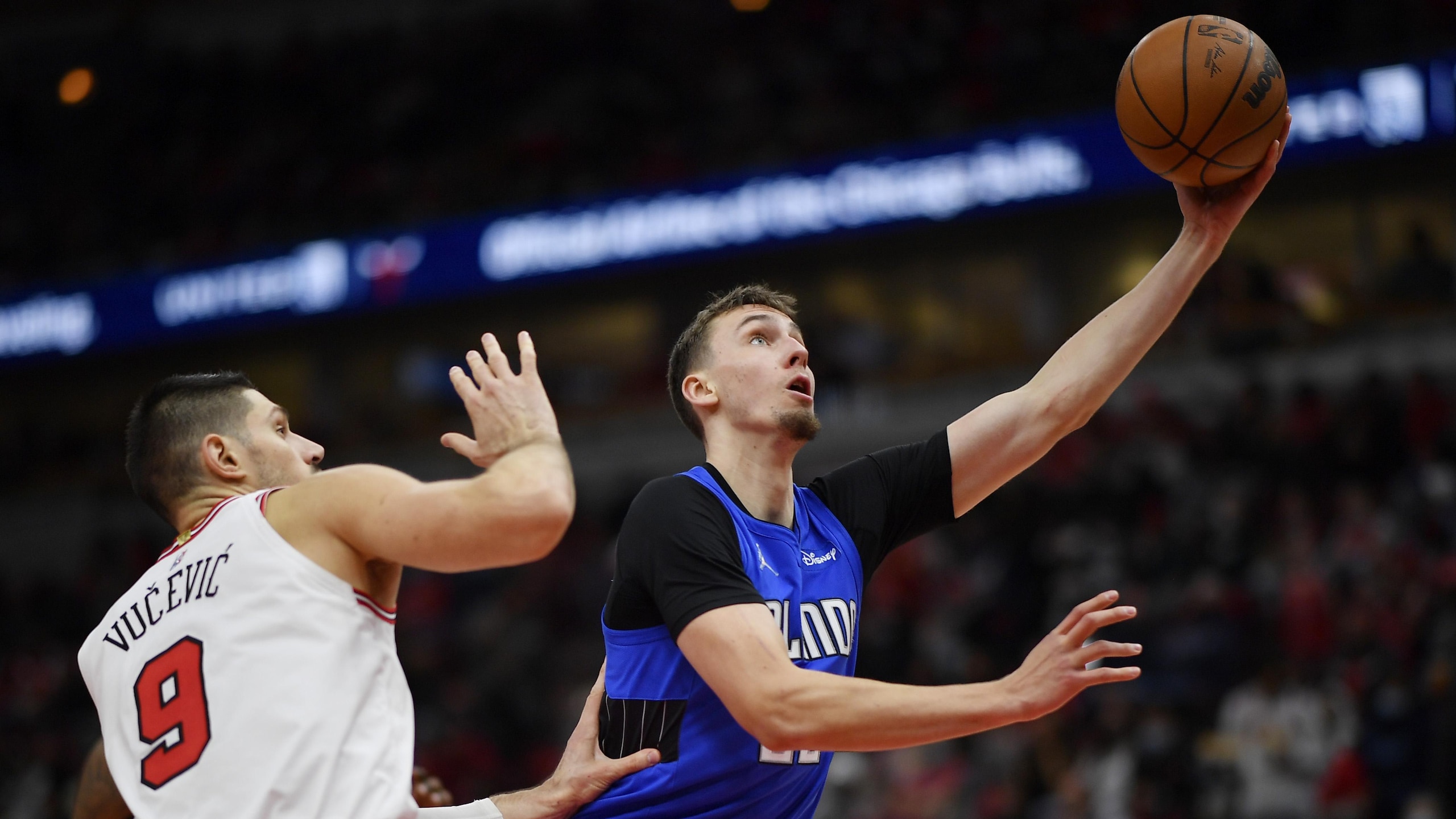
The trade: Wendell Carter Jr., Otto Porter Jr. and two first-round draft picks for Al-Farouq Aminu and Nikola Vučević
The previous Bulls regime guessed wrong on a number of topics, but they typically showcased their errors at the draft or in free agency. But this March 2021 trade, brokered with the intention of giving Zach LaVine a co-star, stands out as a pretty massive swing and a miss.
Chicago, as it would prove wont to do, overinflated its standing within the Eastern Conference and pushed a ton of chips toward a team that topped out at Play-In mediocrity. The Bulls then compounded that mistake by clinging to that core for way too long and torpedoing the returns from its inevitable sell-off.
The process was flawed from the start, but it grew worse with time. Both picks landed in the lottery, and while Orlando only connected on one, it was a pretty massive get (Franz Wagner, No. 8 in 2021). It also found a new interior anchor in Carter, who's been a mostly locked-in starter and nightly double-double threat ever since.
Cleveland Cavaliers
6 of 30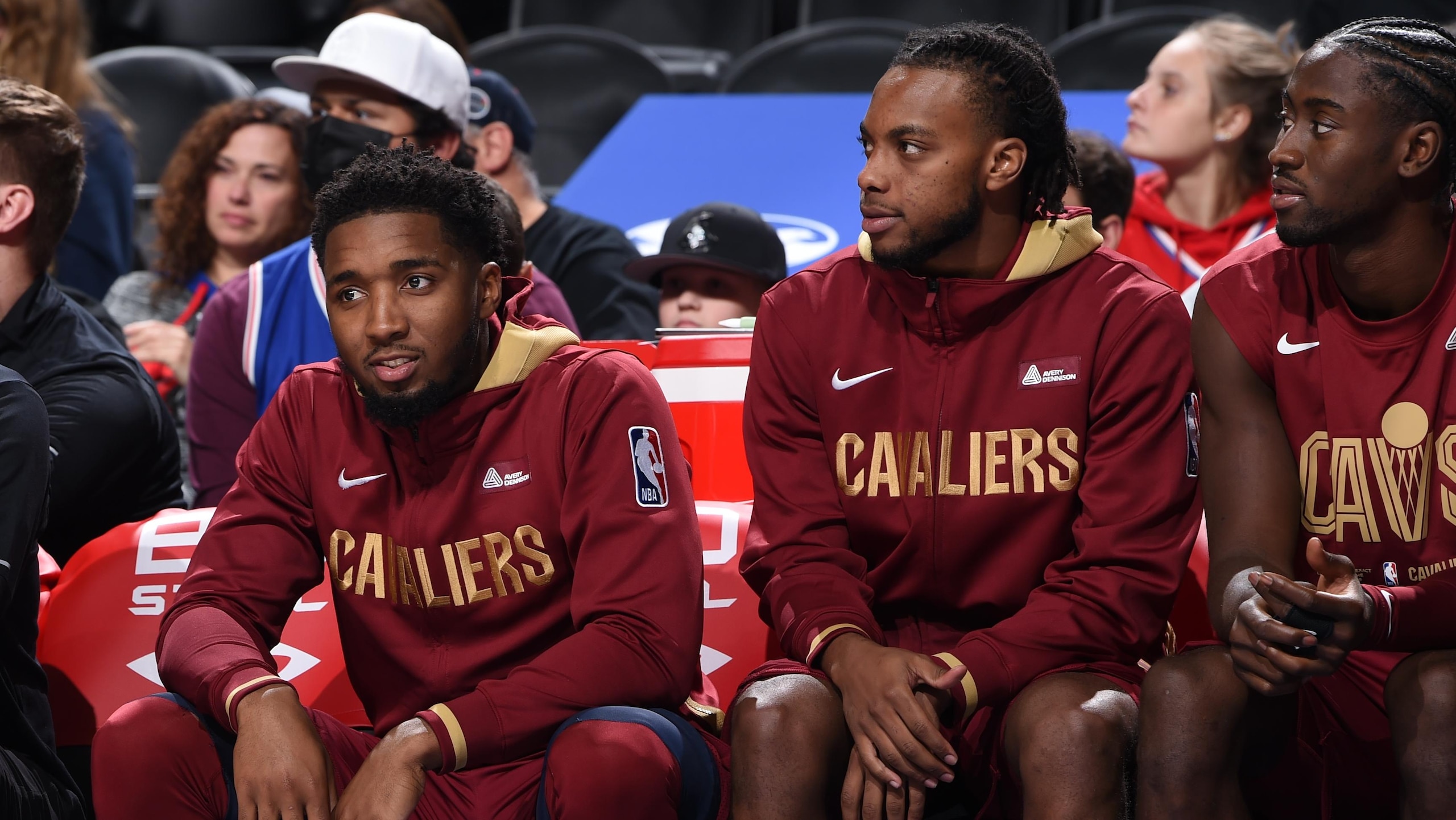
The trade: Ricky Rubio, a lottery-protected first-round pick and two second-round picks for Caris LeVert
To be transparent here, there was non-zero consideration given to last season's deadline deal swapping out Darius Garland for James Harden. That was (and is) risky given their respective ages and Harden's shaky track record, but since Donovan Mitchell signed off on it, it's probably reasonable to assume that helped secure his long-term commitment.
So, let's time travel back to his 2022 trade deadline deal, when the Cavs sought out perimeter depth and secondary scoring and creation from LeVert. It was a reasonable enough wager, and you could argue LeVert lived up to his end of the deal across parts of four seasons in Northeast Ohio.
His play style wasn't super compatible with Donovan Mitchell and Darius Garland, though, and the price wound up being higher in hindsight. Because one of those second-round picks became Andrew Nembhard, a two-way contributor and rock-solid starter, and the first landed Ben Sheppard, a 6'6" guard with encouraging three-and-D flashes.
Dallas Mavericks
7 of 30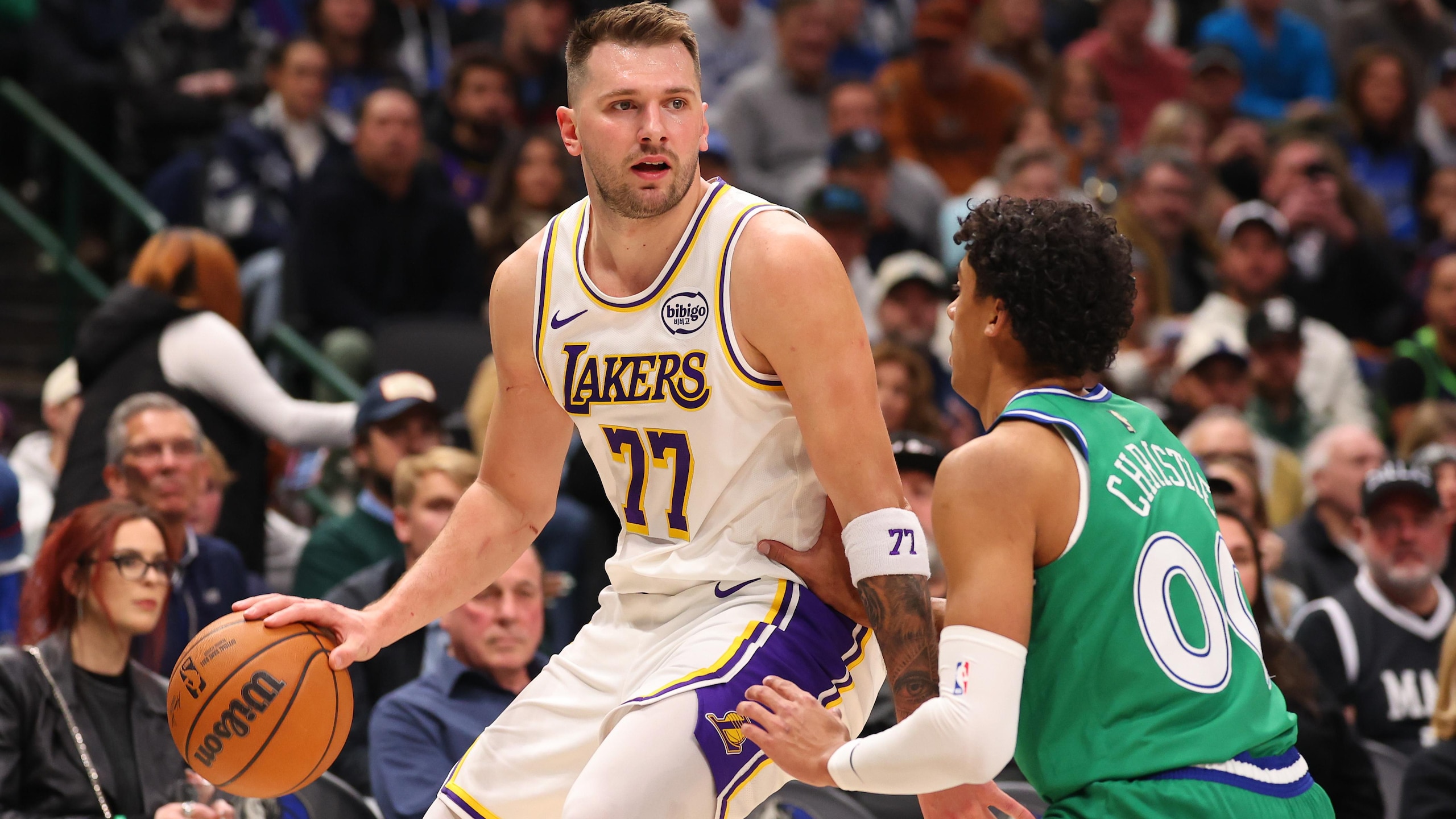
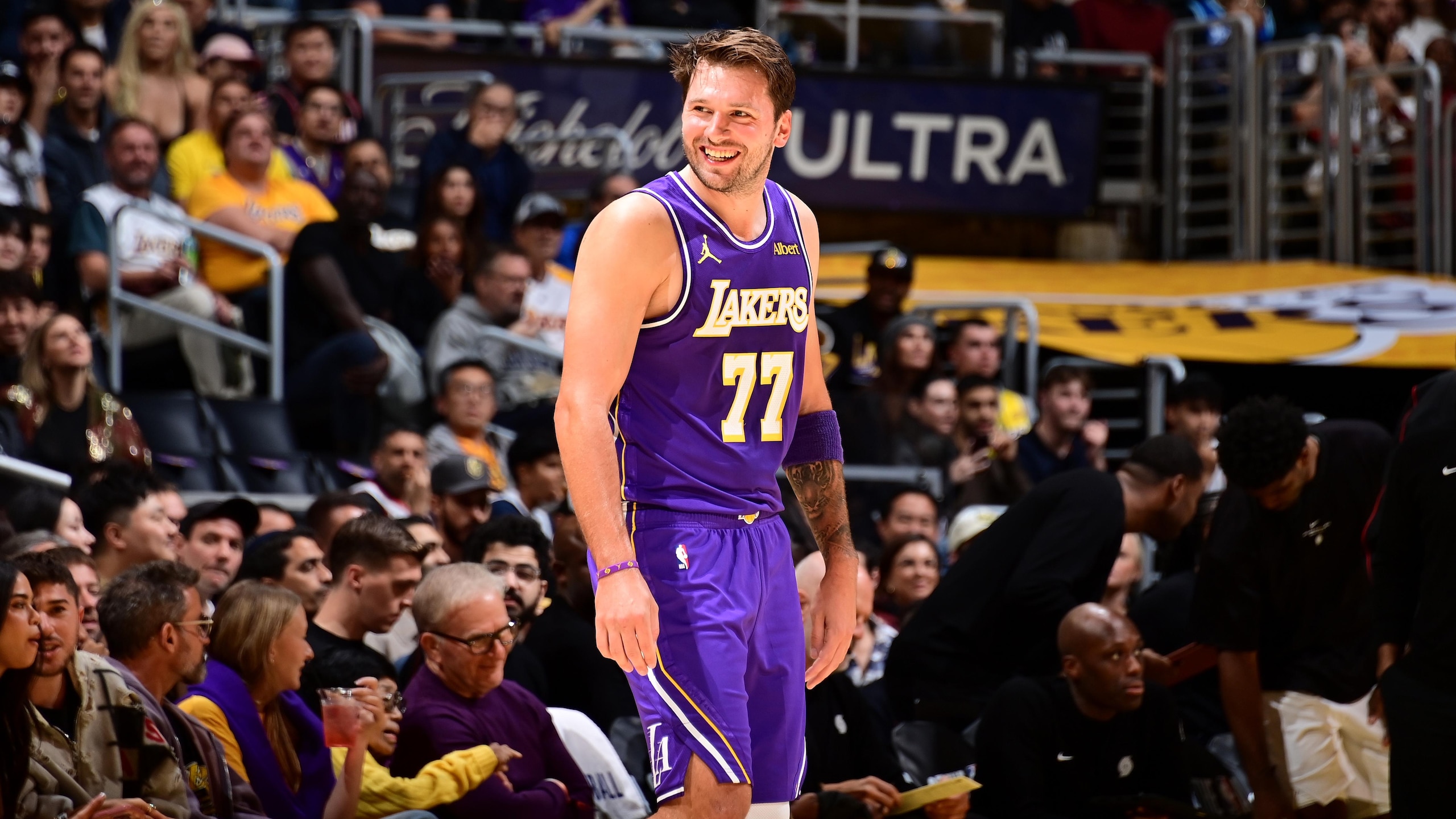
The trade: Luka Dončić, Maxi Kleber and Markieff Morris for Max Christie, Anthony Davis and a 2029 first-round pick
Look, that sounds hyperbolic, but we did run the numbers, and...yeah. Yikes.
Dončić is a once-in-a-lifetime type of megatalent. Davis is older, more injury-prone and far less dynamic on the defensive end. A healthy version of Davis might help complete a puzzle, but Dončić can almost paint the picture himself.
Nothing about this deal made sense. Dallas' willingness to deal Dončić was a head-scratcher on its own, but this went from bad business to a fireable offense (in the same calendar year) when the Mavericks muted their own market by negotiating with only a single suitor.
While the Lakers have reconfigured their roster around Dončić, the Mavericks have already moved on from Davis (and the executive who brokered this blockbuster). Oh, and that 2029 first-round pick probably won't be great, since Dallas brightened L.A.'s future by gifting it Luka freakin' Dončić.
Denver Nuggets
8 of 30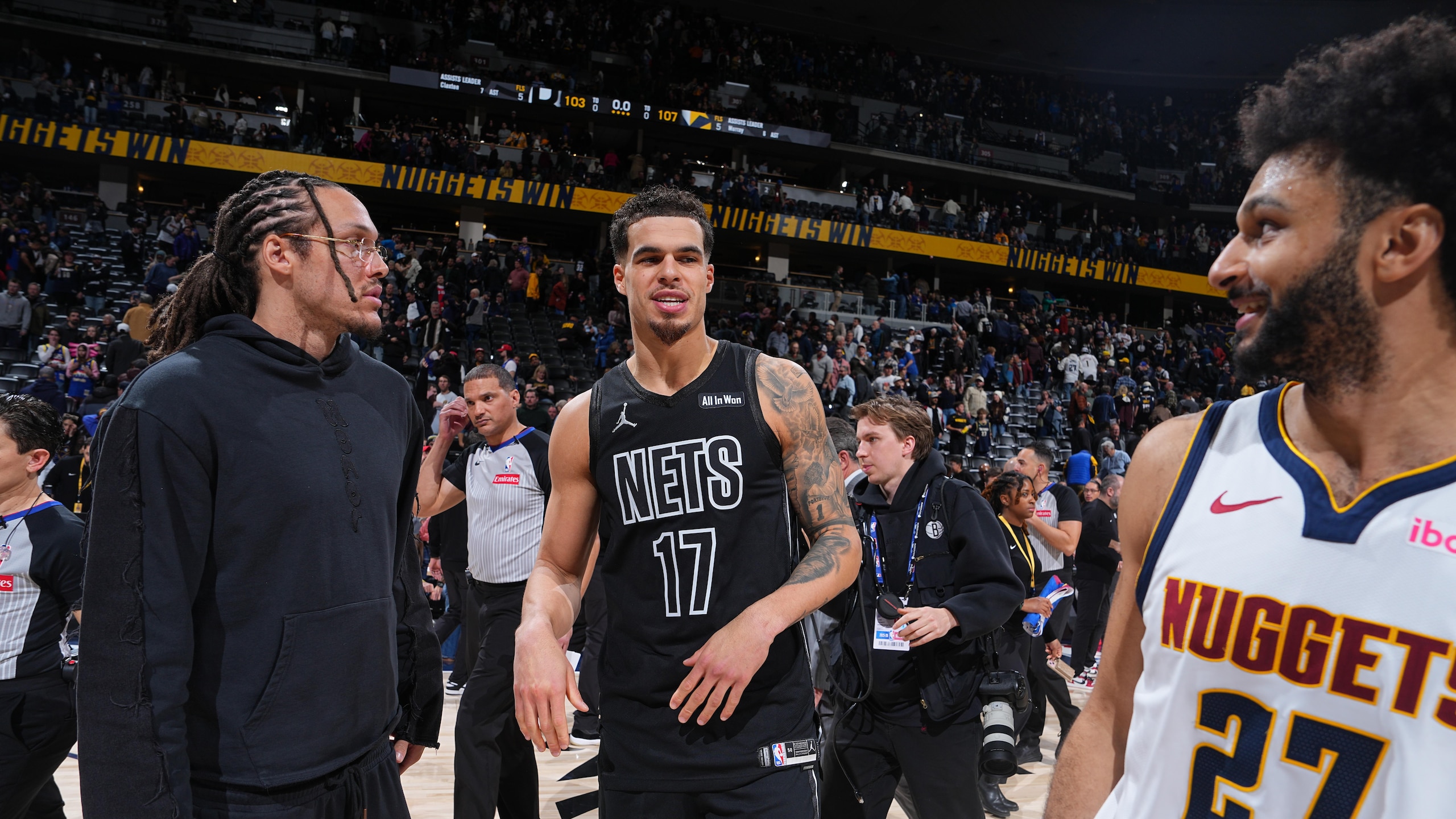
The trade: Michael Porter Jr. and an unprotected future first-round pick for Cameron Johnson
Admittedly, the Nuggets have more glaring misfires on their resume. They drafted both Rudy Gobert and Donovan Mitchell and didn't nab even a short-term keeper in either exchange. Those are arguably worse trade crimes, but they're also distant memories, and they're filled with enough what-if variables that they might not haunt anyone outside of the history books.
This deal is different. It only went down in July 2025, so the wound is still fresh enough to feel it. And, yes, it is very much a wound, even if the Nuggets felt they needed to do this in order to dial back some of their spending.
You know what's not a great look, though? Having a contending-caliber roster built around the planet's best player (Nikola Jokić) and then doing a deal in which you're sending out the better player and the only pick involved (an unprotected future first at that). Porter has said the Nuggets got this wrong, and this is our agreement.
Detroit Pistons
9 of 30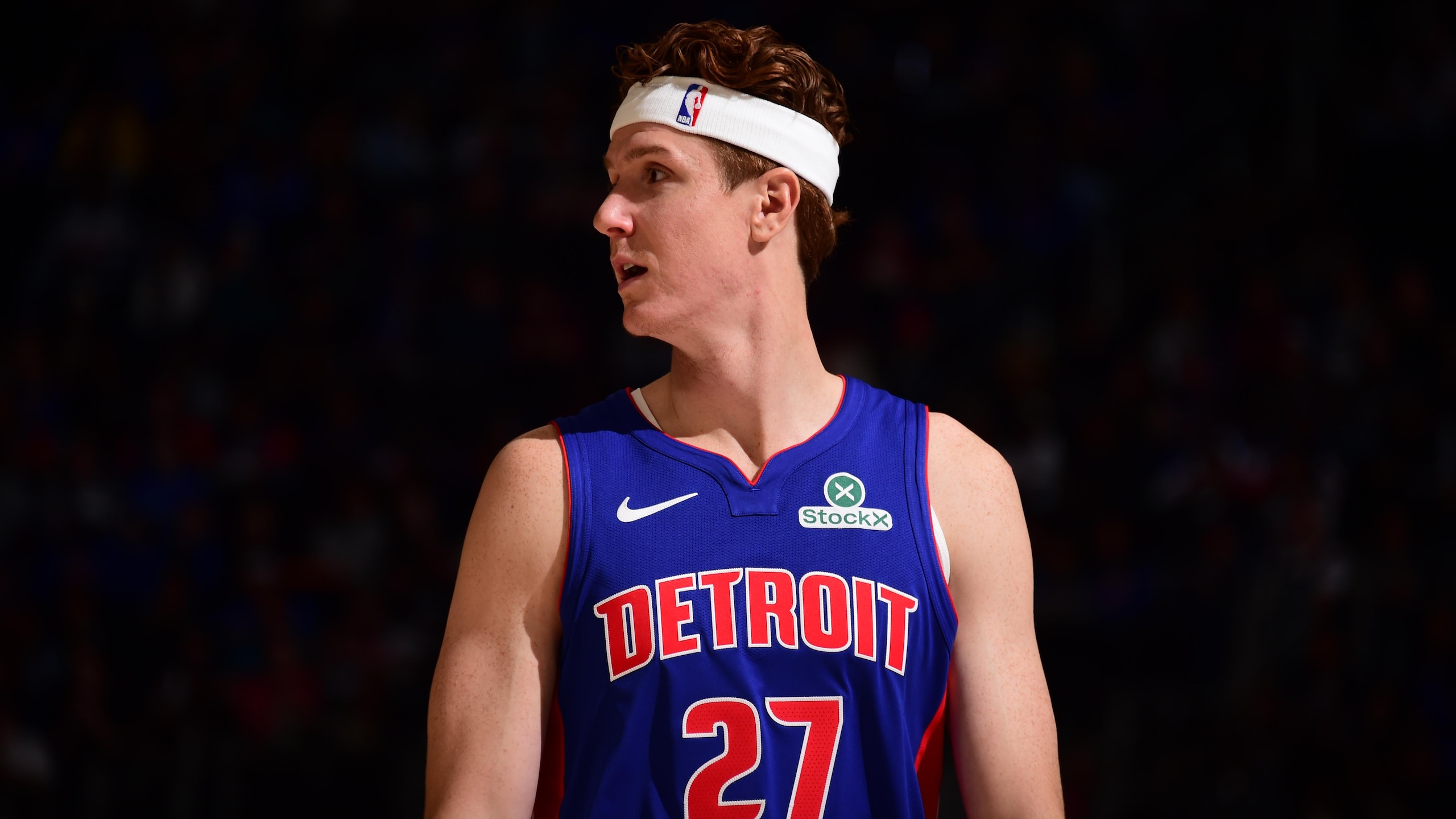
The trade: Jaden Ivey and cash for Kevin Huerter and a first-round pick swap
In terms of trade value, this is fine. In fact, it's probably better than fine, since Ivey is out of the league, Huerter is in Detroit's rotation and the first-round swap later helped the Pistons swing a trade for intriguing rookie Ebuka Okorie.
So, what's the problem? Well, Ivey seemed at least asset-adjacent at the time of this trade, a great change-of-scenery candidate who seemed he might thrive in a system with more on-ball opportunities. And Detroit's payroll flexibility made it the rare contending team with the ability to add salary.
So, the Pistons had a chance to strike and tried to capitalize on it—but they splurged on the wrong player. Huerter is a shooting specialist who hasn't actually been even a league-average shooter for a while now. In fact, he's toting around an unsightly sub-30 percent connection rate during his 30-game tenure with the team so far.
Golden State Warriors
10 of 30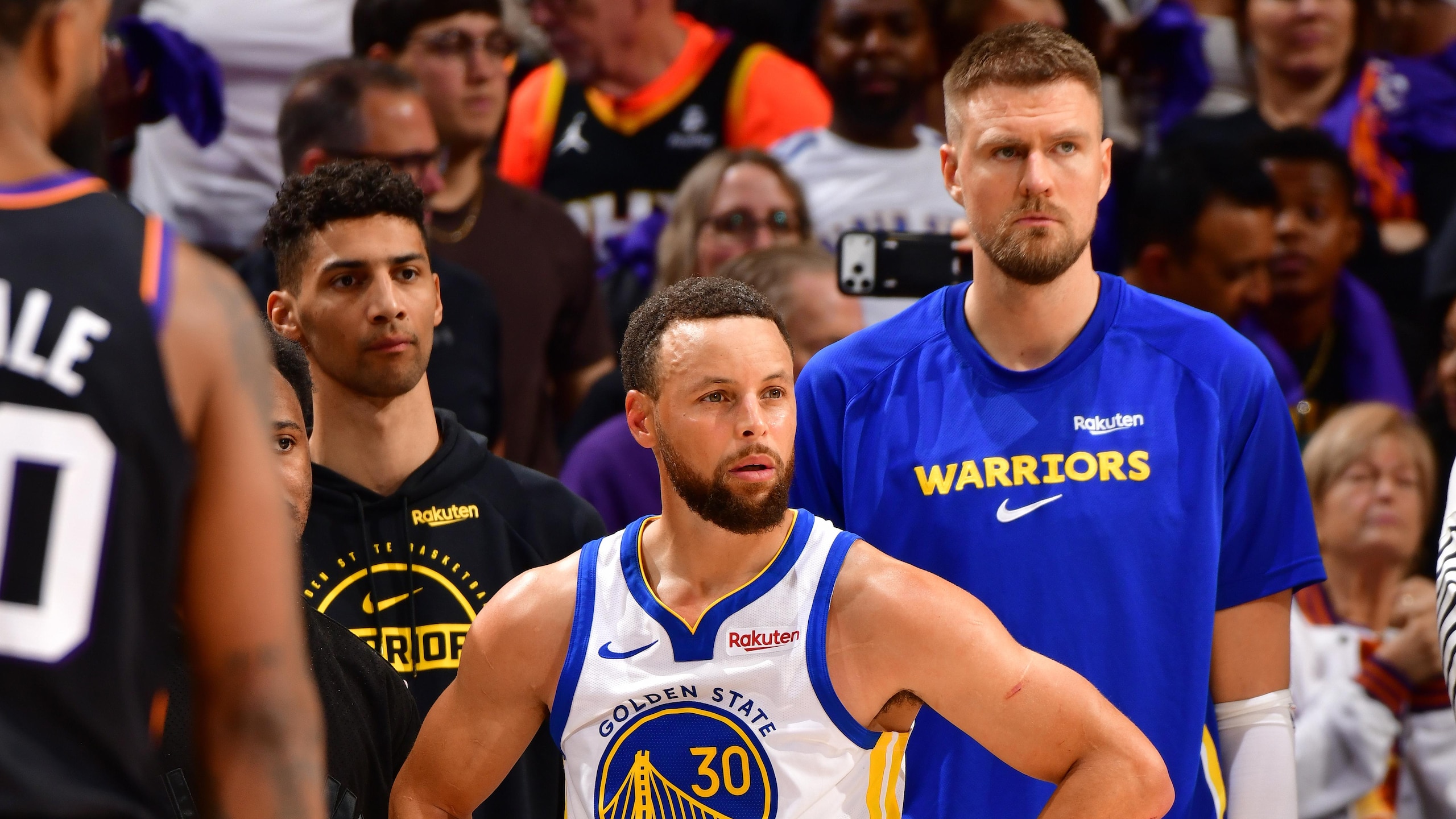
The trade: Jonathan Kuminga and Buddy Hield for Kristaps Porziņģis
Because the Warriors dragged out Kuminga's clearly inevitable departure for so long, they really wrecked the kind of return they could expect to fetch. That said, they didn't totally tank it, so they should have found something in return for the athletic swingman.
Instead they rolled the dice on Porziņģis, an oft-injured big man who was struggling to get control of a health situation even before he arrived. That health situation has since become career-threatening, and even if he's able to suit up again, it sounds like that won't happen in Golden State.
"Team sources continue to express an extreme level of pessimism that Porzingis will ever play for the Warriors again," ESPN's Anthony Slater reported.
The Warriors, who are already missing both Jimmy Butler and Moses Moody, now have a $20 million player absent from the equation. They're also noticeably lacking size, spacing, paint protection and support scoring—all boxes Porziņģis was intended to check.
Houston Rockets
11 of 30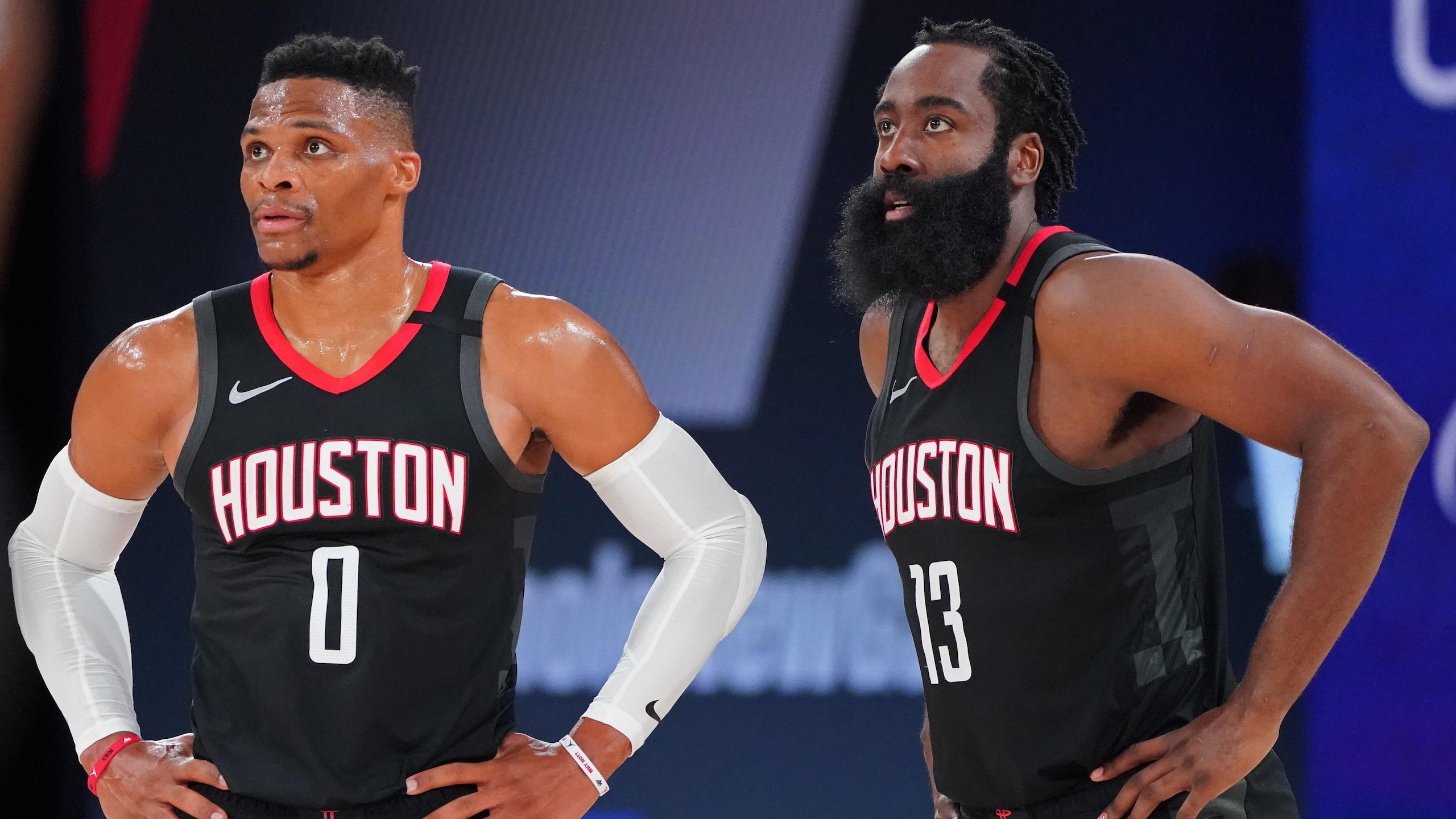
The trade: Chris Paul, two first-round picks and two first-round pick swaps to the Oklahoma City Thunder for Russell Westbrook
This July 2019 trade was supposed to give Houston one last shot at extending the James Harden era and helping him get over the championship hump. It wound up closing that chapter for good instead.
While Harden and Westbrook shared a hoops history, there was also an oil-and-water element to their stylistic fit. Harden needed a knockdown shooter who was comfortable playing off the ball; Westbrook was one of the more ball-dominant players of his generation and one of the least reliable volume shooters this league has ever seen.
The Rockets won a playoff series that season, but that was it. Westbrook, Daryl Morey and Mike D'Antoni were all out of Space City that summer, and Harden forced his way out during the early portion of the following season. While the draft swaps never conveyed, the picks themselves became a couple of intriguing guard prospects in Nikola Topić and Labaron Philon Jr.
Indiana Pacers
12 of 30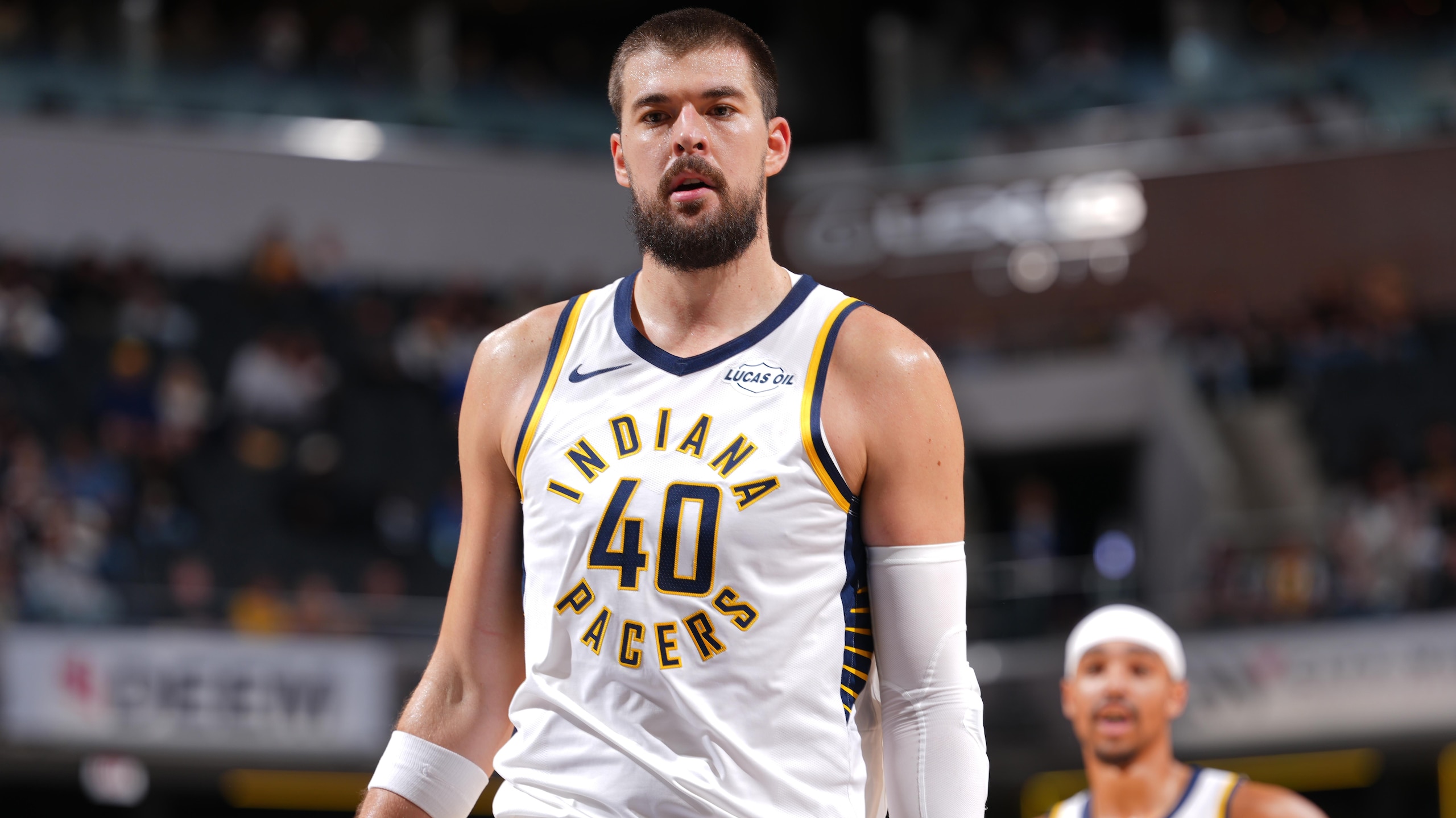
The trade: Isaiah Jackson, Bennedict Mathurin, two first-round picks and a second-round pick for Ivica Zubac and Kobe Brown
Pacers fans (and probably front office members) will side-eye this selection, and they have every right to. It's way too early to tell what kind of career Zubac will have in Indiana, and his on-paper fit with this group remains strong.
So, "haunt" might feel a bit harsh, but here's why it could still work. A few months after making this deal, Pacers president of basketball operations Kevin Pritchard felt the need to apologize for it, as the top-four protected pick sacrificed in this deal came in at No. 5 and therefore conveyed to the Clippers:
Would it have been impossible for Indy to do this deal with top-five protection instead of top-four? That was surely discussed, but even so, it seems like the kind of question that could contribute to a lot of sleepless nights in the Circle City—especially if Keaton Wagler, the player taken fifth overall, starts tapping more into his star potential.
Los Angeles Clippers
13 of 30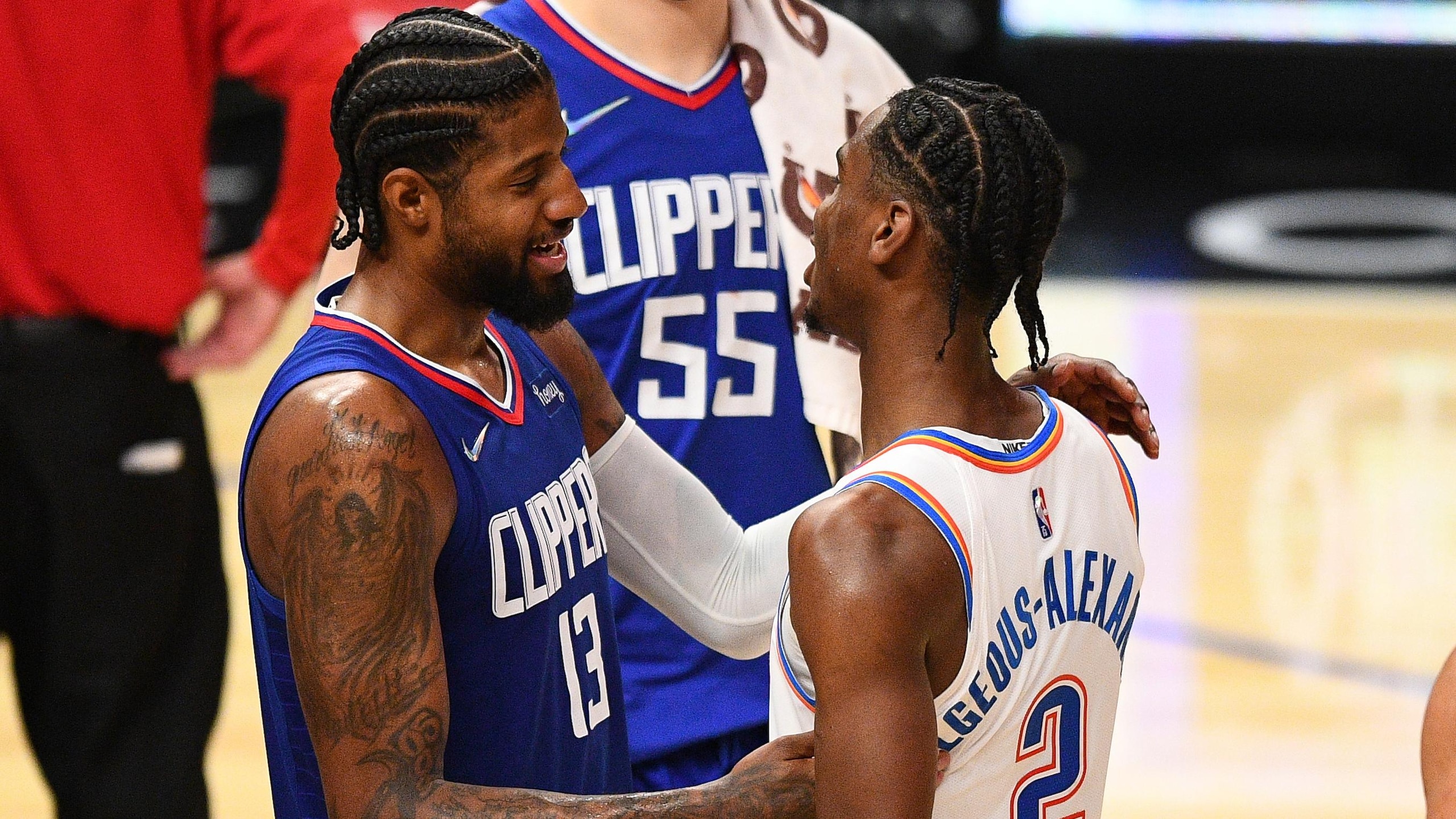
The trade: Danilo Gallinari, Shai Gilgeous-Alexander, five first-round picks and two first-round pick swaps for Paul George
Yikes. Just yikes.
Clippers fans will try to justify some of this cost by noting that this deal was required to gain Kawhi Leonard's commitment. They'll also note that, at the time, expectations were enormous for the George-Leonard pairing, and that no one really knew what kind of player Gilgeous-Alexander, fresh off a solid but unspectacular rookie season, would become.
All of that is fine, and all of that is true. This is still a yikes. Just the George-for-SGA elements looks atrocious in hindsight, and that's before factoring in how some of these draft picks became Jalen Williams, Jaime Jaquez Jr. and Aday Mara.
So, what did L.A. collect for such an astronomic cost? Three series wins across five seasons with the George-Leonard partnership in place and now the bleakest future in basketball. Say it with me, folks: YIKES!
Los Angeles Lakers
14 of 30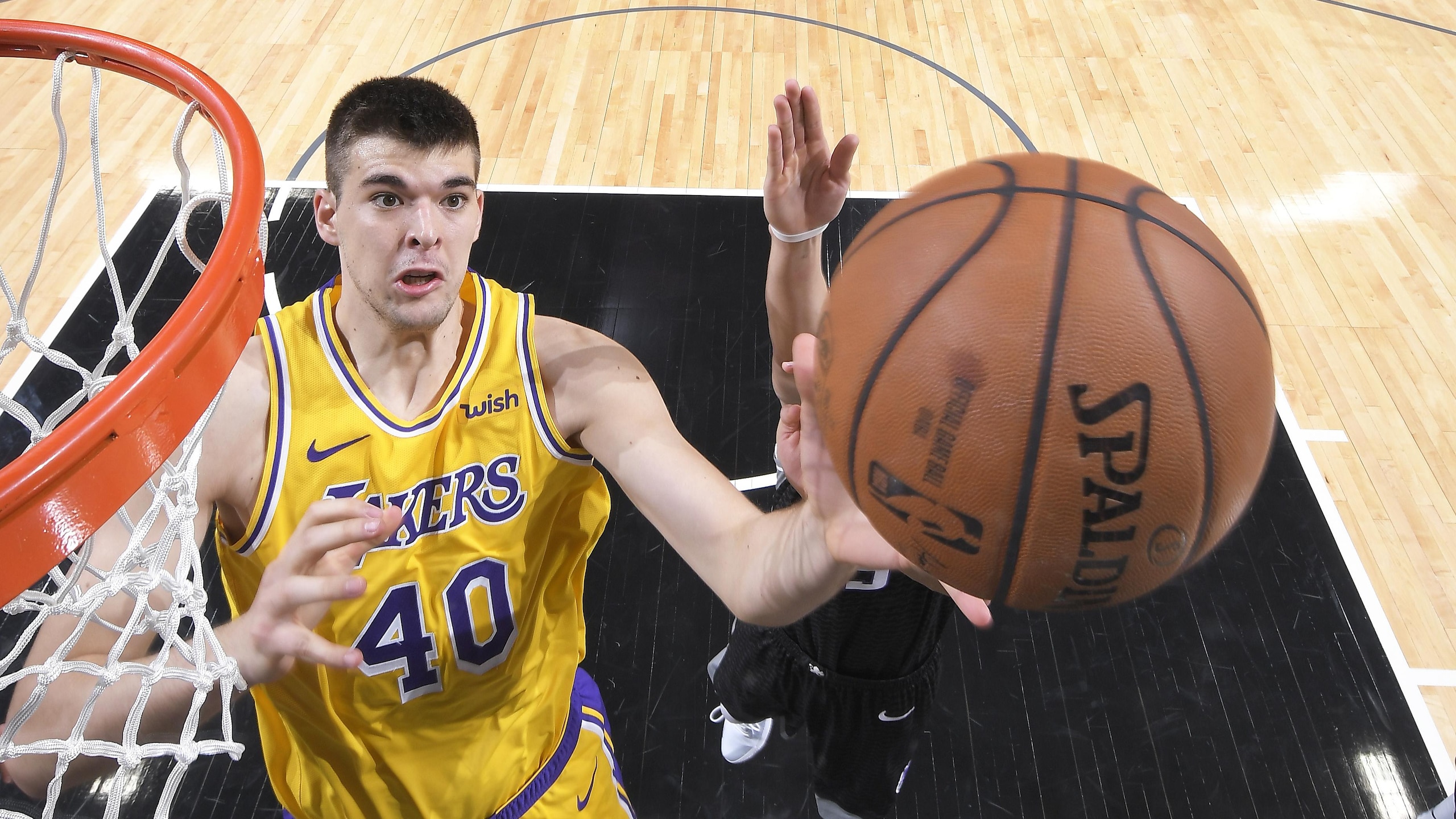
The trade: Ivica Zubac and Michael Beasley for Mike Muscala
Remember how the Lakers, prior this summer, had a glaring hole at the center position? You know, the one they sacrificed two unprotected firsts, two unprotected swaps and $130 million for Walker Kessler to cover up this offseason?
Well, it never needed to exist. The Lakers had a fully capable center in place long before this, but they didn't give Zubac the chance to earn the role (despite strong per-36-minutes numbers suggesting he clearly deserved an audition). Instead, they included him in a laughably bad offer to rent Muscala for the latter portion of a non-playoff season.
Muscala bolted in free agency right after and bounced around a few franchises before calling it quits in 2024. Zubac, on the other hand, established himself as a legitimate starter shortly thereafter and routinely ranks favorably among the Association's non-star centers.
Memphis Grizzlies
15 of 30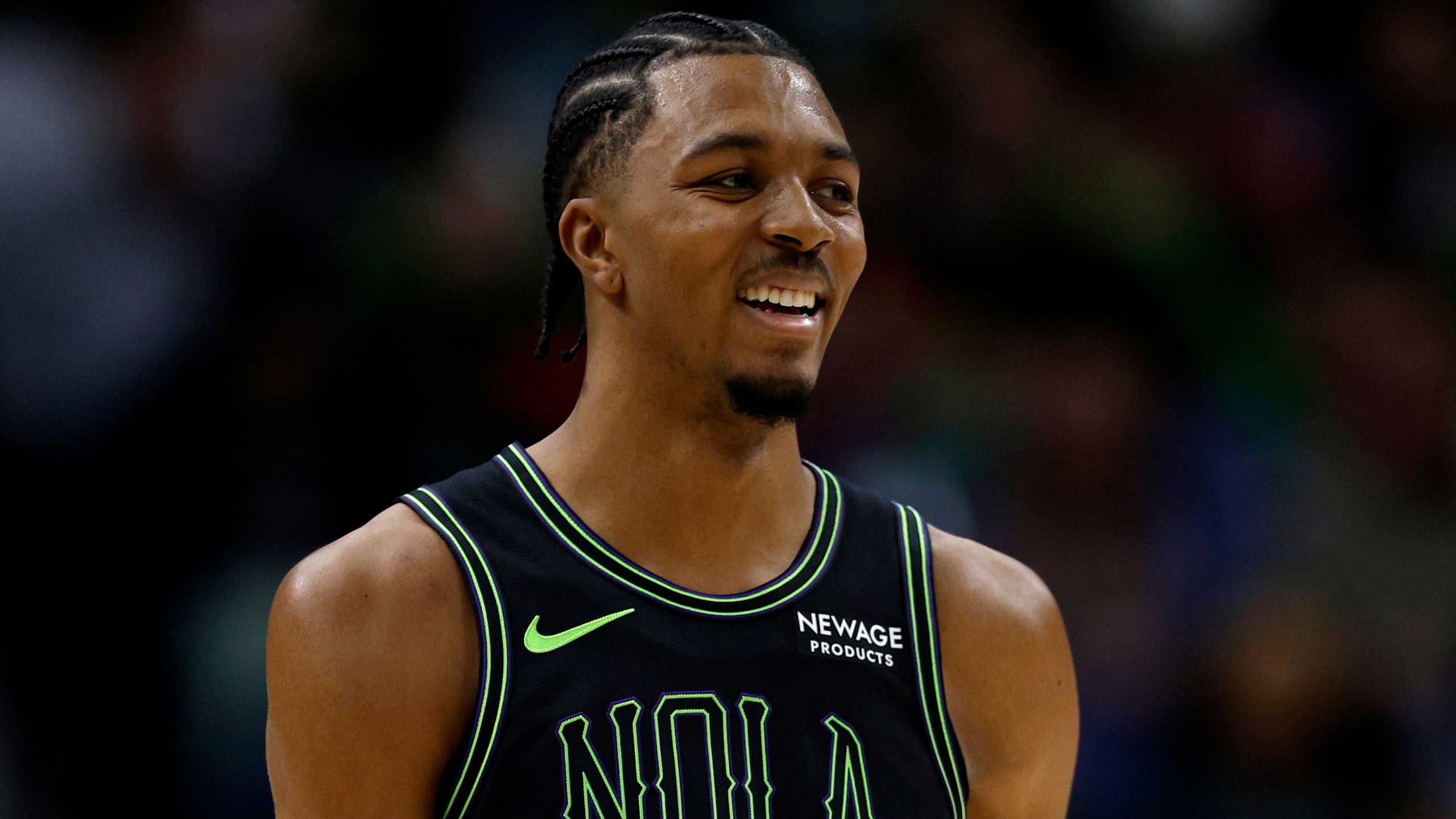
The trade: Trey Murphy III, Jonas Valančiūnas, Brandon Boston Jr. and Tyler Harvey for Ziaire Williams, Steven Adams, Eric Bledsoe, Jared Butler and two future second-round picks
Hoops historians, who might be a little hazy on the particulars, might wonder why the Grizzlies got so little in return for Ja Morant this summer. Because if he stays upright and on the attack, he's a steal for the paltry price Portland paid (Jerami Grant and Kris Murray).
This close to the trade, though, it's easy to remember how much a split seemed needed for all parties involved and how much damage Morant's availability issues had done to his market value. The Grizzlies probably got what they could.
A much more haunting memory, then, is this 2021 attempt by Memphis to plug up a problematic hole on the wing. The Grizzlies made an aggressive move up for Williams, the 10th pick, not knowing they could have had the actual solution at their original selection spot with Murphy, the 17th pick.
Miami Heat
16 of 30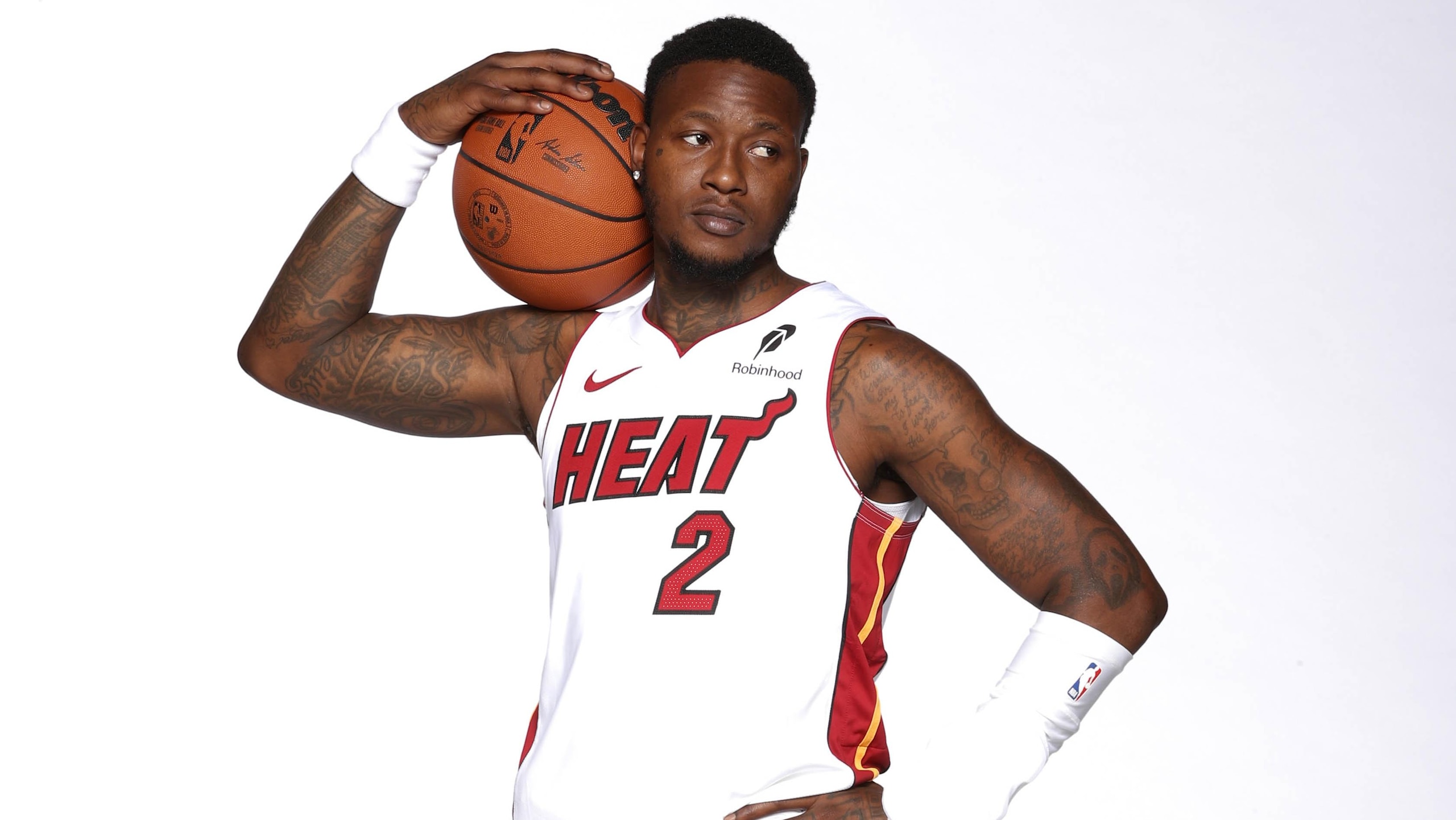
The trade: Kyle Lowry and a future first-round pick for Terry Rozier
Was there some temptation to go with the Giannis Antetokounmpo trade? Sadly, yes—and not for engagement purposes. He has been exactly as advertised, and you'd much rather have a superstar player than not, but this feels like the textbook reason why teams can't get themselves in this kind of pursuit. It's a win-right-away attempt, but Miami didn't leave enough pieces in place to allow Antetokounmpo to lead a winner.
The Heat aren't feeling buyer's remorse or anything, but they are surely struggling to identify means of fleshing out the roster around him.
But this Jan. 2024 trade for Rozier? It's just all regret, and that can be said while keeping the focus entirely on the (basketball) court. Rozier was either injured or ineffective over the past season-plus, and Miami doesn't even know how much he actually cost. The draft pick carries lottery protection in 2027, but if it's not conveyed, the safety net evaporates, and it'll be an unprotected 2028 first. Gulp.
Milwaukee Bucks
17 of 30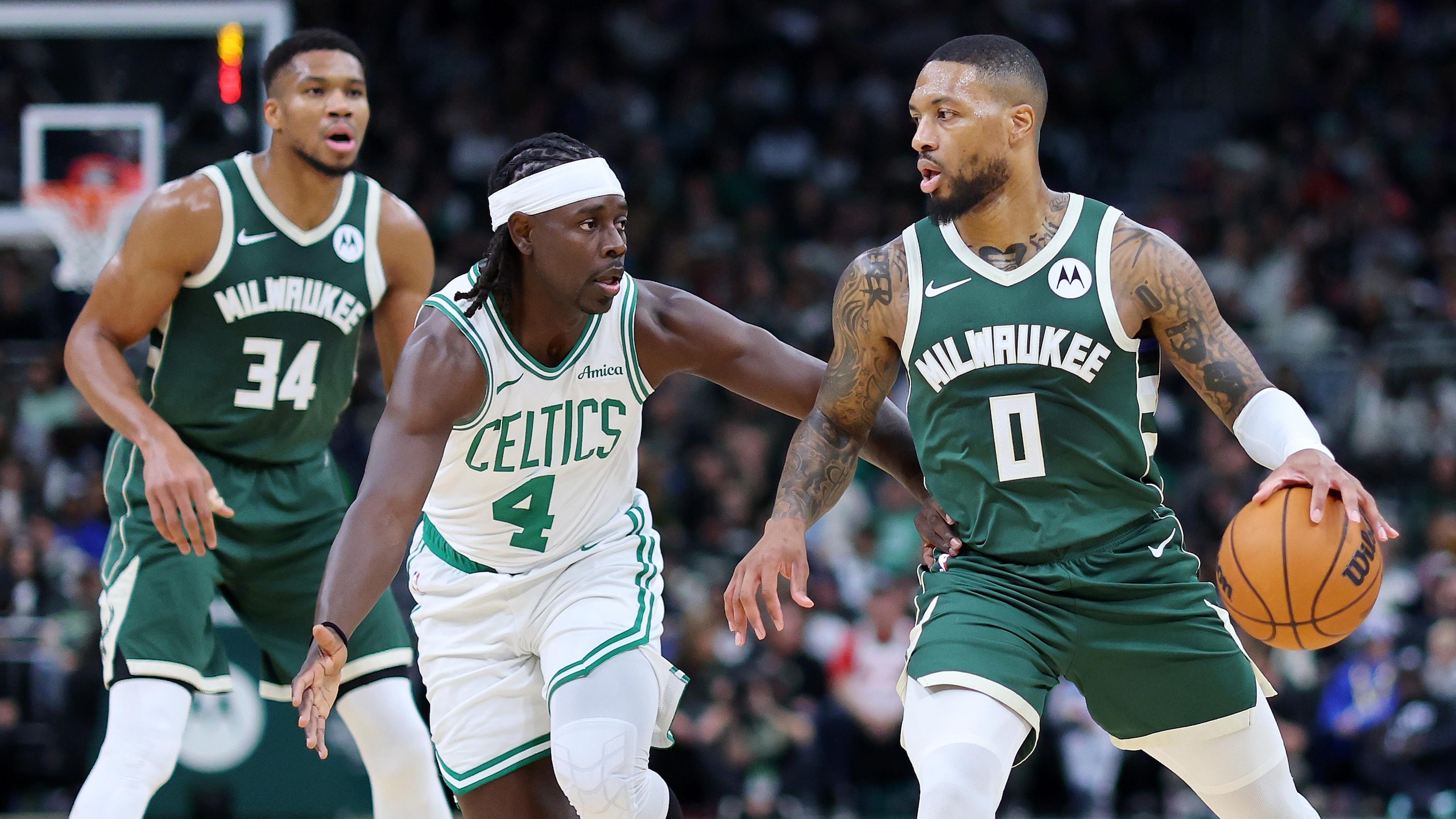
The trade: Jrue Holiday, a first-round pick and two first-round pick swaps for Damian Lillard
Franchises can (relatively) easily get over a mistake that was just a miscalculation from the start. They'll wonder what the heck they were thinking, obviously, but they can own the error and move on.
This trade was different. This was supposed to work. Milwaukee needed a move capable of convincing Giannis Antetokounmpo to stick around, and this felt like it could scratch that itch and do so much more. Lillard had ample star power of his own, and his imaginary connection with Antetokounmpo on pick-and-roll plays felt unguardable.
But that never became reality. Lillard and Antetokounmpo had great individual moments, but their whole fell short of the sum of their parts. The injury bug got the better of both, too, limiting this partnership to three playoff wins (games, not series) over two seasons before the Bucks waived and stretched Lillard's remaining salary to sign Myles Turner to an over-market deal.
Minnesota Timberwolves
18 of 30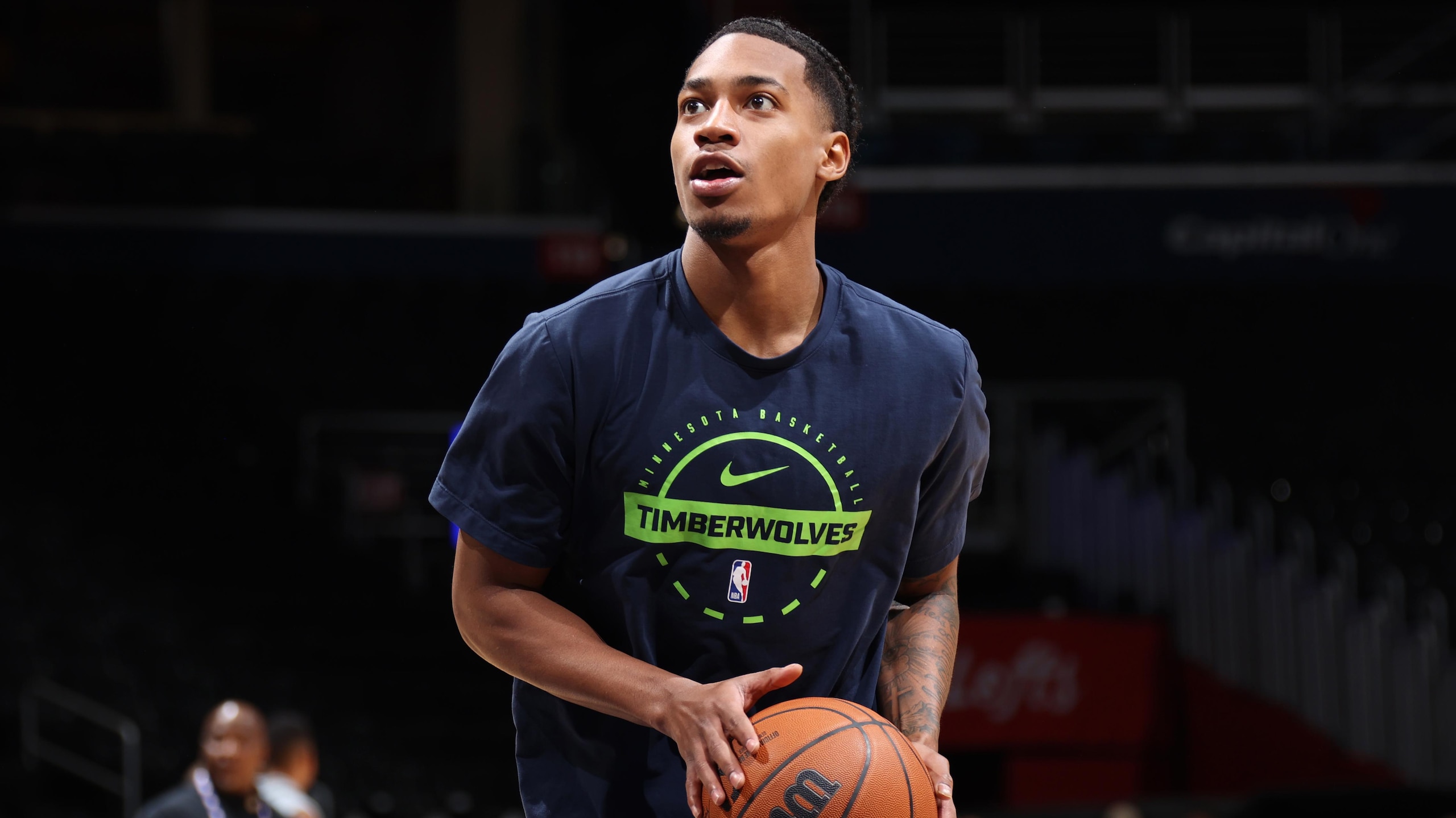
The trade: A first-round pick and a first-round pick swap for Rob Dillingham
This haunt lands under the right-idea, wrong-execution label. Had the 2024 draft deal worked, the Wolves would've had a successor for Mike Conley, scoring and creation help for Anthony Edwards and some cost-controlled relief for their climbing payroll costs.
So, again, the logic was there; Minnesota just erred on the target. Dillingham wasn't remotely worth the cost. A lack of size (6'2", 175 lbs.) forced him to wrestle with a steep learning curve, and the win-now Wolves, conference finalists the previous season, could ill-afford to stomach his growing pains.
Dillingham didn't exactly force the issue, though, struggling with everything from shooting and creating to playmaking and defending. The Wolves abandoned hope by the 2026 trade deadline, and Dillingham, who was traded again in September, isn't even on an NBA roster now.
New Orleans Pelicans
19 of 30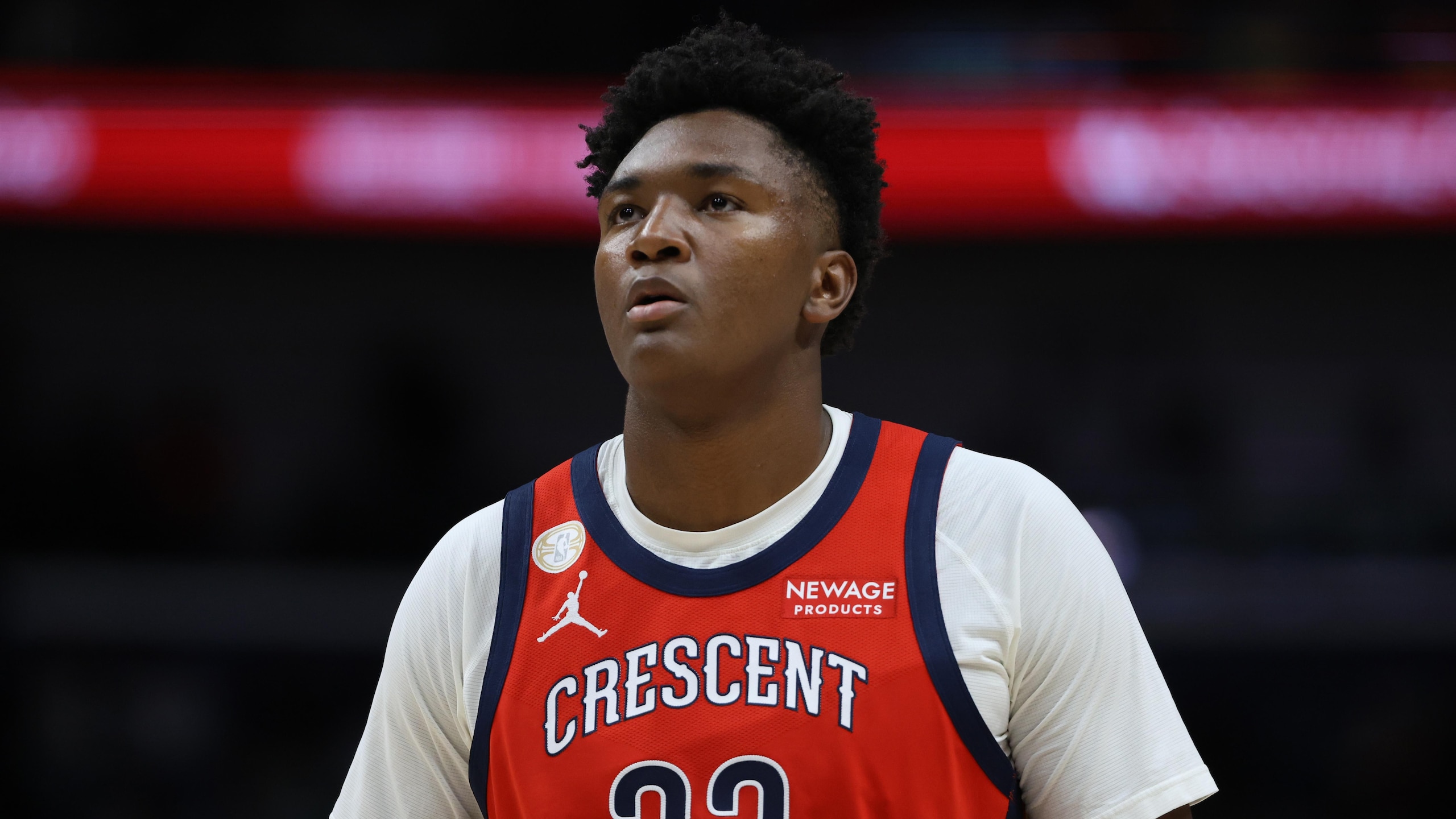
The trade: Asa Newell and a first-round pick for Derik Queen
Had the Pelicans gotten luckier (or maybe unluckier would be the better way to phrase it) at the 2026 lottery, this haunt could've been nightmarish. Because the draft pick used to move up for Queen was the better of theirs or the Bucks', meaning it had serious helium in a celebrated draft class.
The pick wound up landing eighth overall, leaving it clear of the super-elite class at the top, though still delivering a possible star (Kingston Flemings). So, it certainly could've been worse.
That doesn't really erase the bad-business regret of it all, though. It's too early to make major proclamations about the kind of career Queen will or won't have, but his questionable (at best) fit with Zion Williamson was clear from the start. If New Orleans was fully committed to a youth movement, maybe that wouldn't matter, but the Pels keep stiff-arming trade suitors who come calling about their plug-and-play vets.
New York Knicks
20 of 30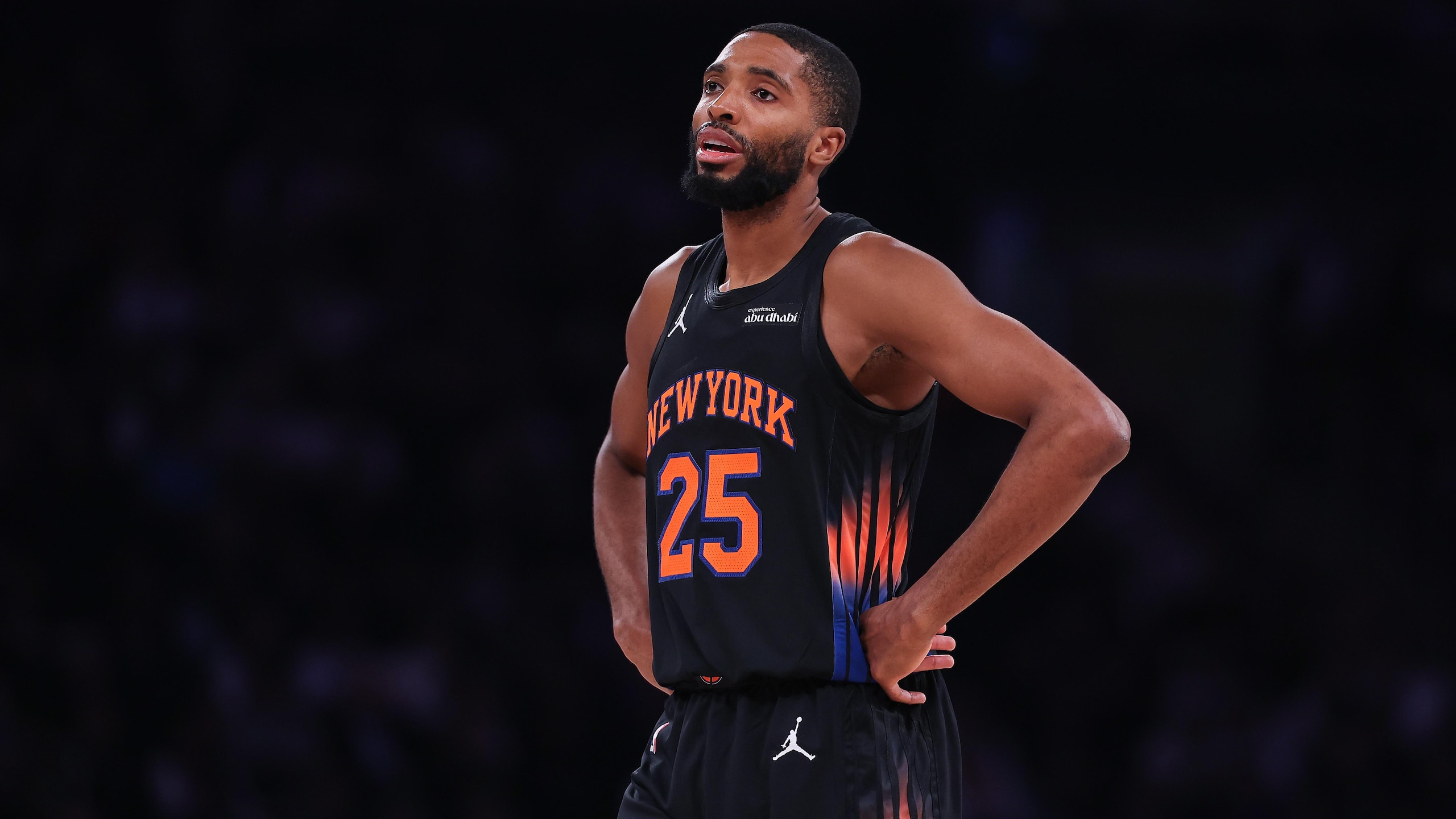
The trade: Five first-round picks and a first-round pick swap for Mikal Bridges
The Knicks brokered this trade—which featured other moving parts, but these were the ones that mattered—in July 2024, plugged Bridges into their starting five and celebrated a title less than two years later. The defending champs might laugh at the notion they are haunted by anything at the moment.
But with New York grappling with a sky-high payroll and struggling to relieve it without losing a key contributor due to their asset shortage, doesn't this deal feel like the direct precursor to those problems? Bridges peaked as a solid starter, and he has struggled to even live up to that label here lately.
The Knicks, though, paid a megastar trade price to get him, and the total tally won't be clear for a while, since they're still on the hook for unprotected first-round picks in 2027, 2029 and 2031 (plus an unprotected 2028 swap). Bridges, who's off to a dreadful start this season, has averaged 15.7 points, 3.7 assists and 3.4 rebounds over 169 games in New York.
Oklahoma City Thunder
21 of 30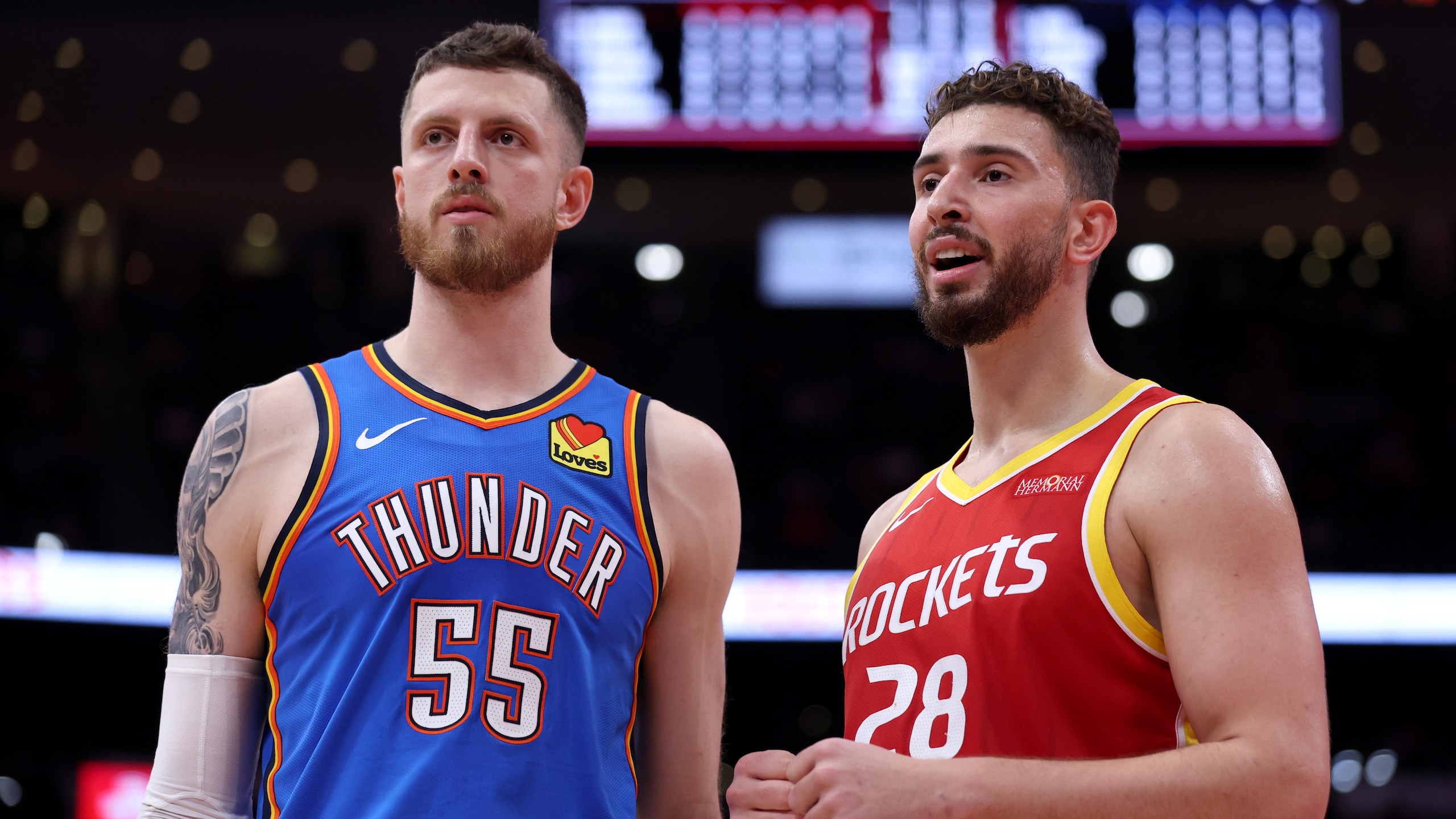
The trade: Alperen Şengün for two first-round picks
The Thunder failed to defend their title last season in part because they struggled to find an offensive co-star for Shai Gilgeous-Alexander amid Jalen Williams' injury issues. With Williams now shelved by a devastating leg injury, OKC might have to hit the trade market for offensive reinforcements.
You know what the Thunder are unlikely to find there? A two-time All-Star, 24-year-old center who might be taking his game to previously unseen heights. And that hurts because Şengün was originally drafted by them, only to be quickly rerouted to the Rockets for draft assets the Thunder later used as part of a package for Ousmane Dieng, who was salary dumped at last season's deadline.
Şengün is now an offensive hub for a Houston team that appears ready to challenge the very best in the West—OKC included. His 24.5 points and 7.0 assists are both career-highs, as are each layer of his sizzling 58.1/66.7/76.9 shooting slash.
Orlando Magic
22 of 30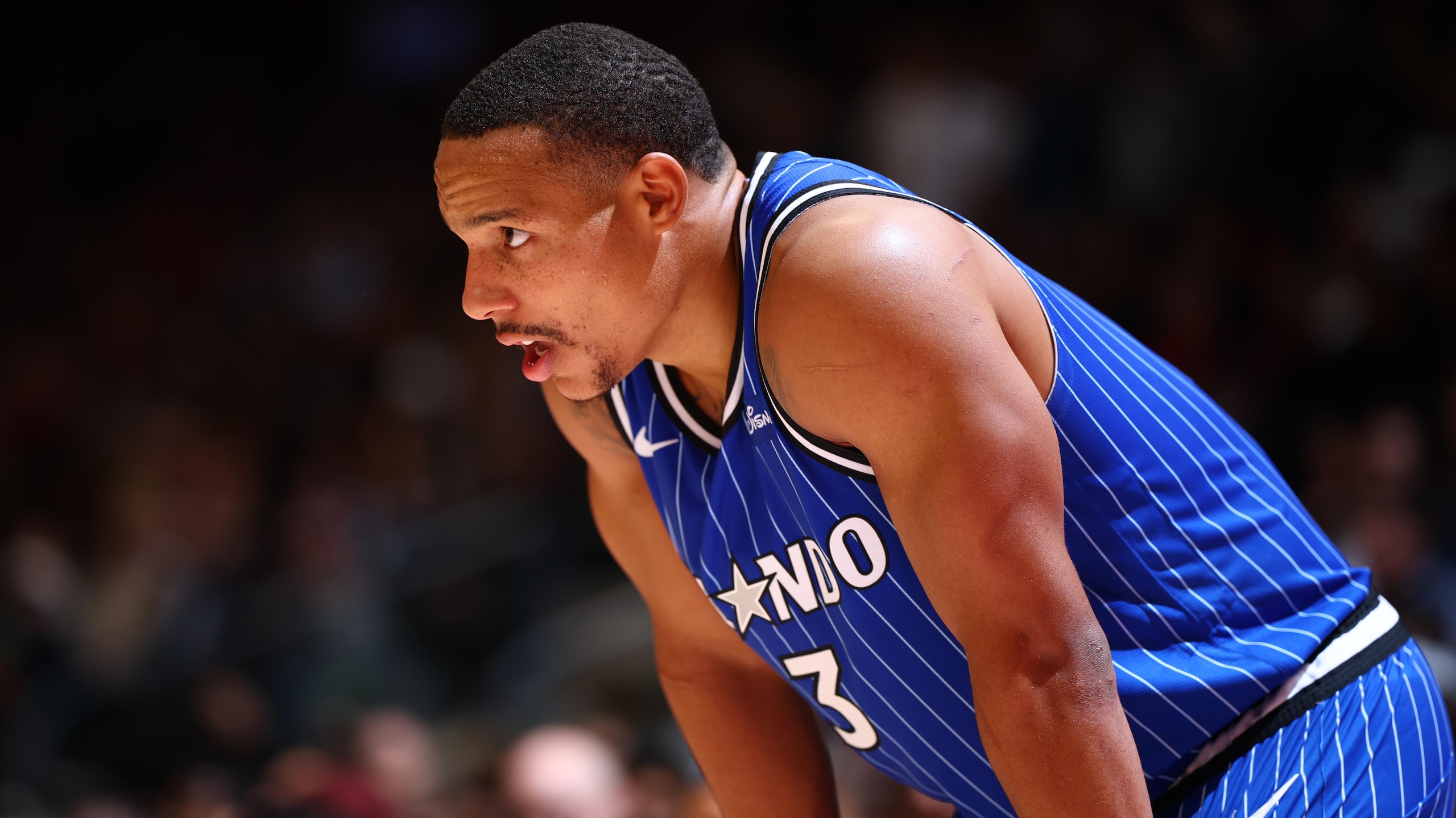
The trade: Four first-round picks, one first-round pick swap, Kentavious Caldwell-Pope and Cole Anthony for Desmond Bane
This feels a little icky to list here, since Bane has been mostly solid for the Magic (and helpful in the ways they needed him to be), and it's never easy criticizing a club for trying to for it.
But Orlando made this aggressive June 2025 move under the assumption it was a Desmond Bane away from a championship breakthrough. That's the only way to justify forking over this many assets for a zero-time All-Star.
The Magic just weren't as close as they thought. They also haven't seen the kind of superstar growth they seemingly projected for Paolo Banchero, as neither he nor Franz Wagner feels at all capable of steering a championship run. They were 41-win, first-round losers the season before Bane's arrival and 45-win, first-round losers during his first go-round with the group.
Philadelphia 76ers
23 of 30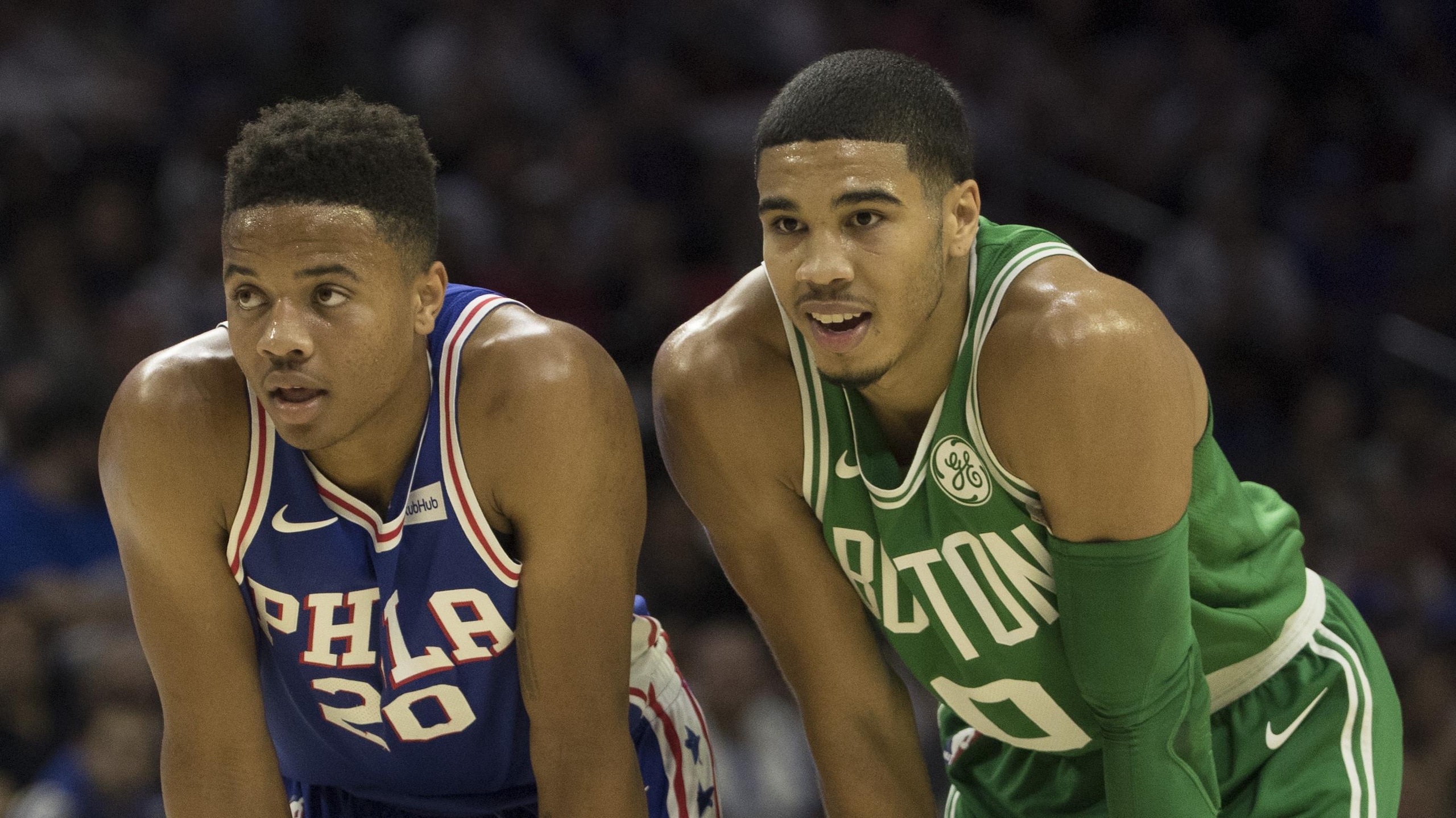
The trade: Jayson Tatum and a future first-round pick for Markelle Fultz
The Sixers might have processed their way into Joel Embiid, but their other maneuvers atop the draft board were almost all misfires. None was more punishing than this seemingly simple swap ahead of the 2017 draft, which saw Philly flip the No. 3 pick and a future first (later used on Romeo Langford) for the No. 1 pick.
It was bold, it was daring and it was wholly unnecessary. Had Boston stayed at No. 1, it was planning to take Tatum anyway. At least, that's his word and the team's.
Shoulder issues short-circuited Fultz's shooting mechanics, and his NBA film never came close to what his college work said it would be. He was in and out of Philly in fewer than two seasons, and he last held an NBA roster spot in March. Tatum, of course, has ascended to superstar status, earning six All-Star selections and four All-NBA first-team honors (and counting) while piloting a championship run.
Phoenix Suns
24 of 30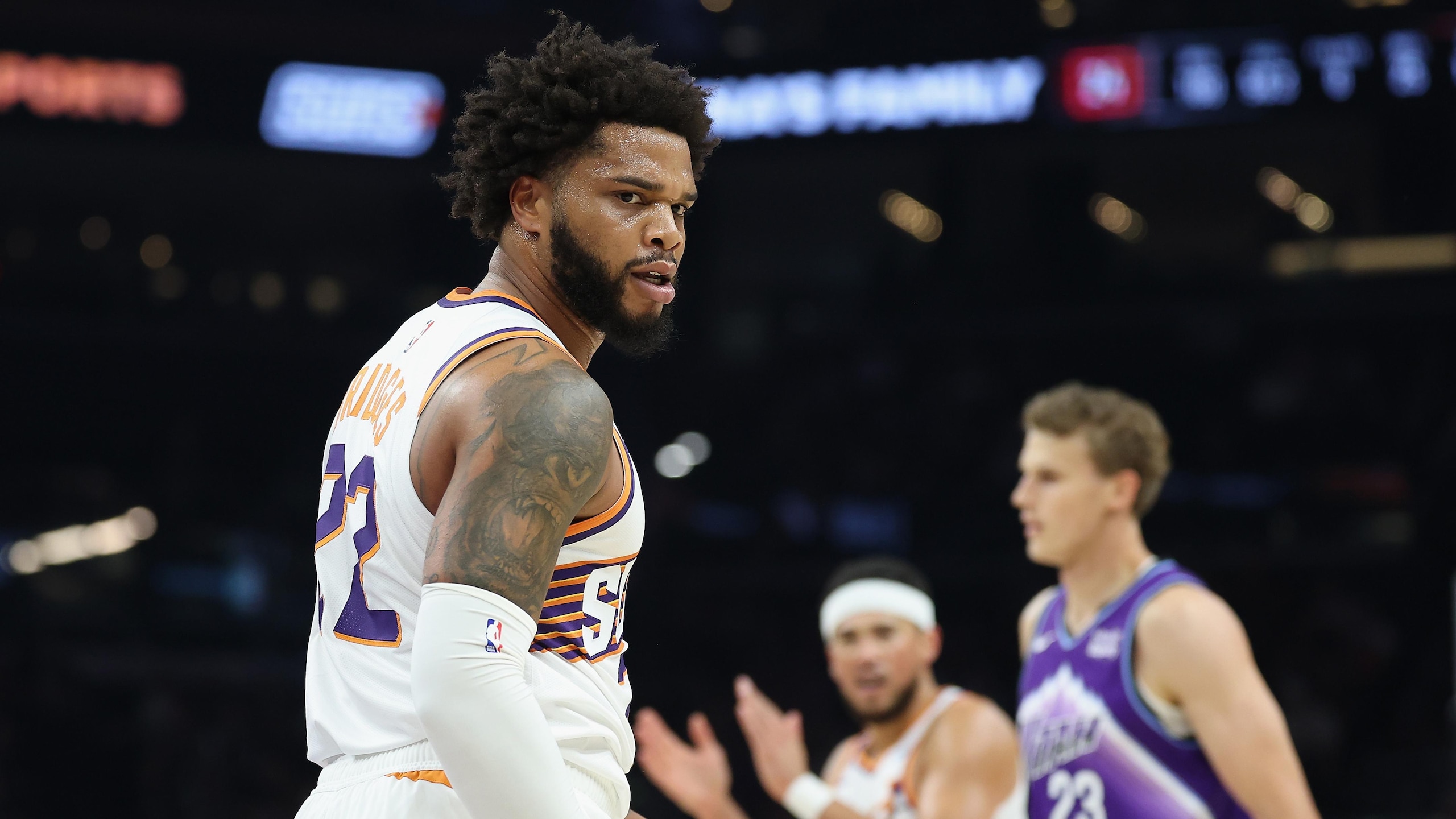
The trade: A future first-round pick, Grayson Allen and Royce O'Neale for Miles Bridges, a second-round pick and a protected first-round pick
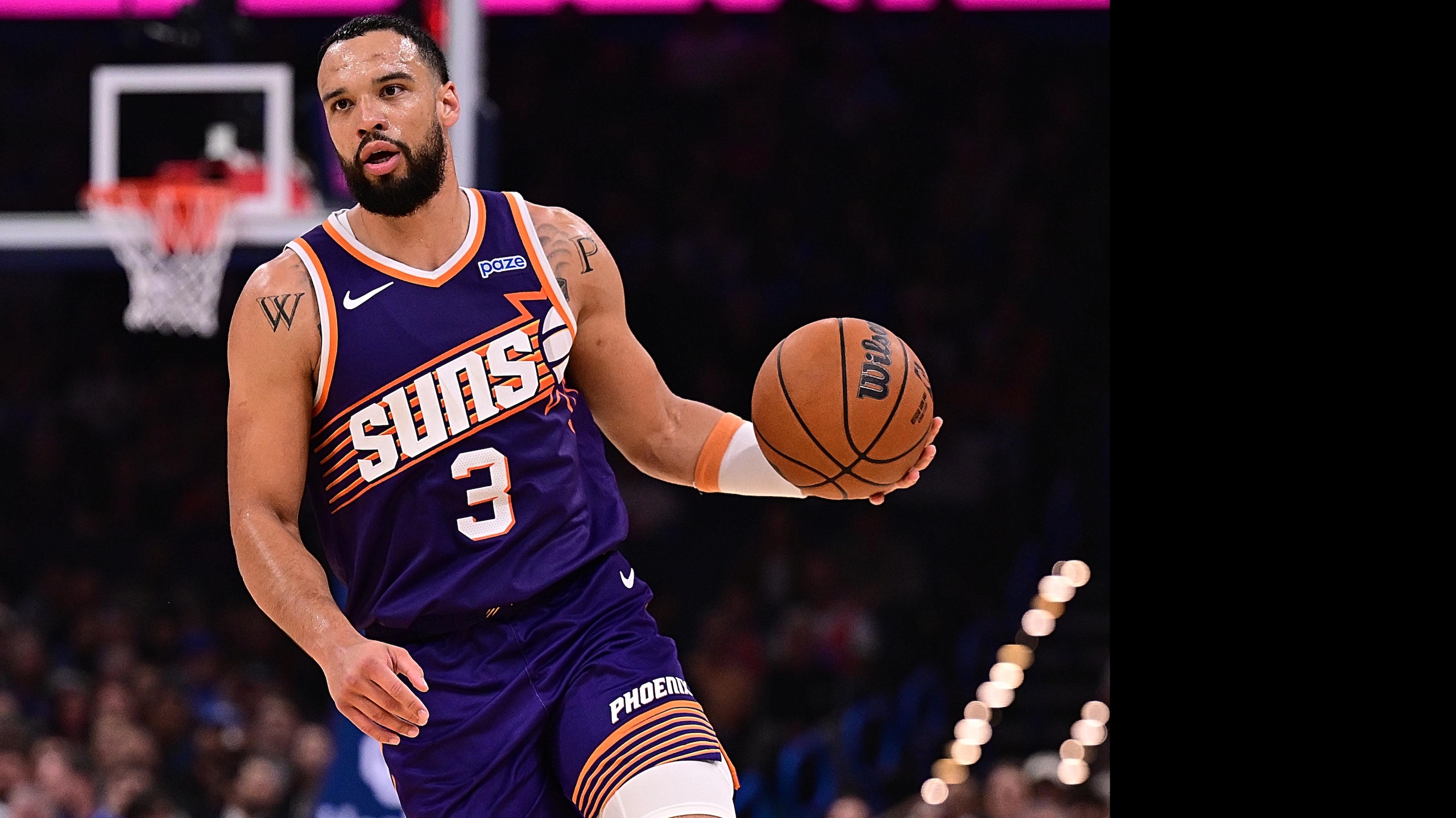
Too soon? Some will certainly say that, since Bridges has only made three appearances since the Suns added him in July. That side loses a lot of steam, though, when you consider this looked like a bad, overpriced trade from the start.
With Phoenix already operating at a severe asset shortage and needing to strengthen its roster around Devin Booker, it should have treated that 2033 unprotected first as its one golden ticket. But it rushed to cash it in on the decidedly average Bridges, who does nothing to improve this team's limitations with spacing, creating, and organizing.
The Suns' roster issues are real and far less easily solved after this deal. You could argue Phoenix would've been better off with Allen's shooting over Bridges' inside-the-arc scoring, making the pick portion of this trade scarier than anything you'll see in a horror movie.
Portland Trail Blazers
25 of 30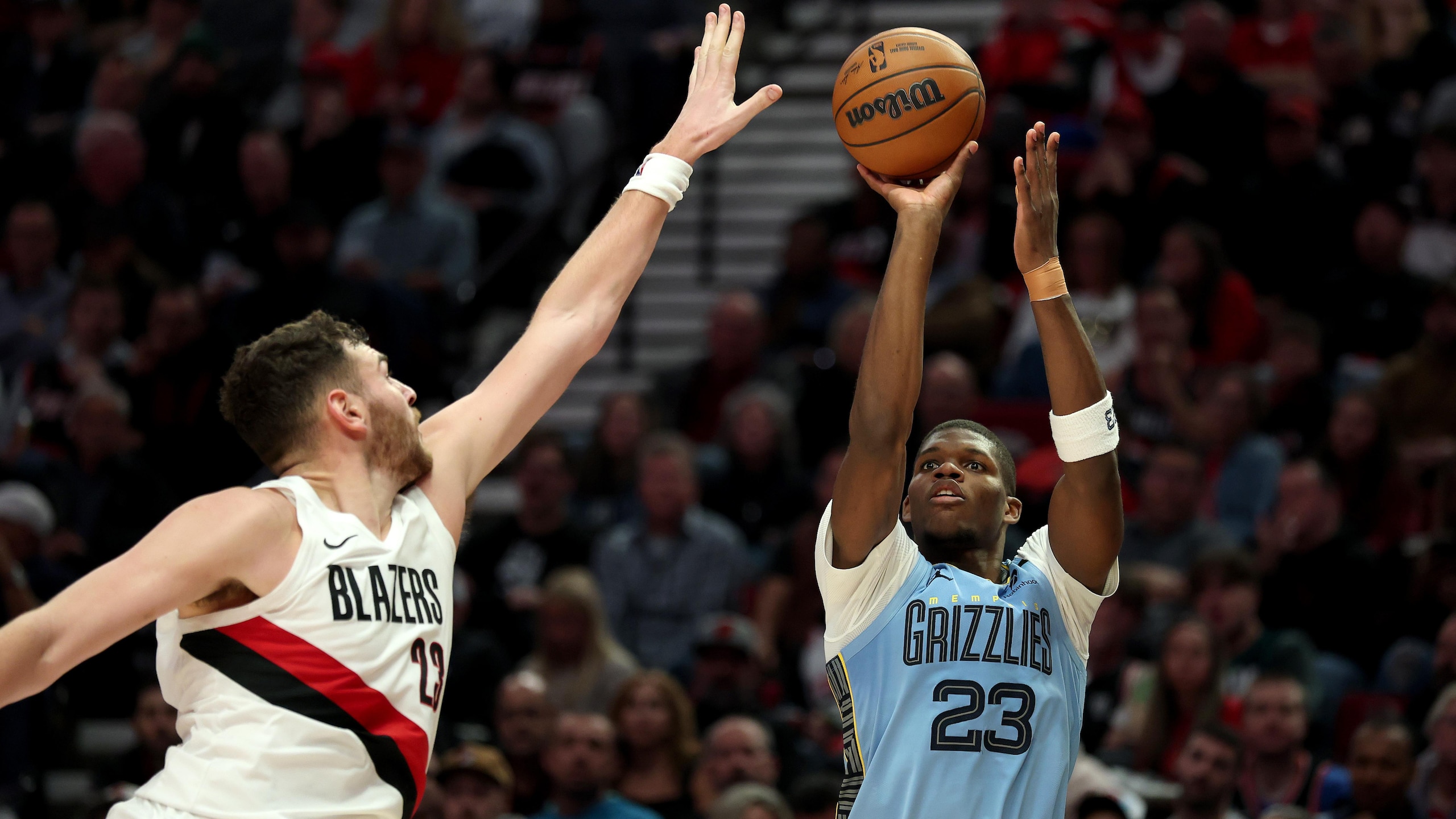
The trade: Cedric Coward for Yang Hansen, a future first-round pick and two second-round picks
The Blazers haven't had many trade flops in recent memory. Not that this trade looks good or defensible, but highlighting it has some rush-to-judgment aspects, since they haven't collected those draft picks or really given Hansen his sink-or-swim chance yet.
But is anyone holding out hope that Portland will come out ahead? Because while Hansen is once again failing to secure a rotation spot, Coward is starting (and sometimes starring) for a Grizzlies team following the lead of its young core to a 5-0 start.
Coward projects as sort of a turbo-charged three-and-D wing. He can ace both of those roles, but he might add more to the equation with his attacking, finishing and gear-turning passing.
Sacramento Kings
26 of 30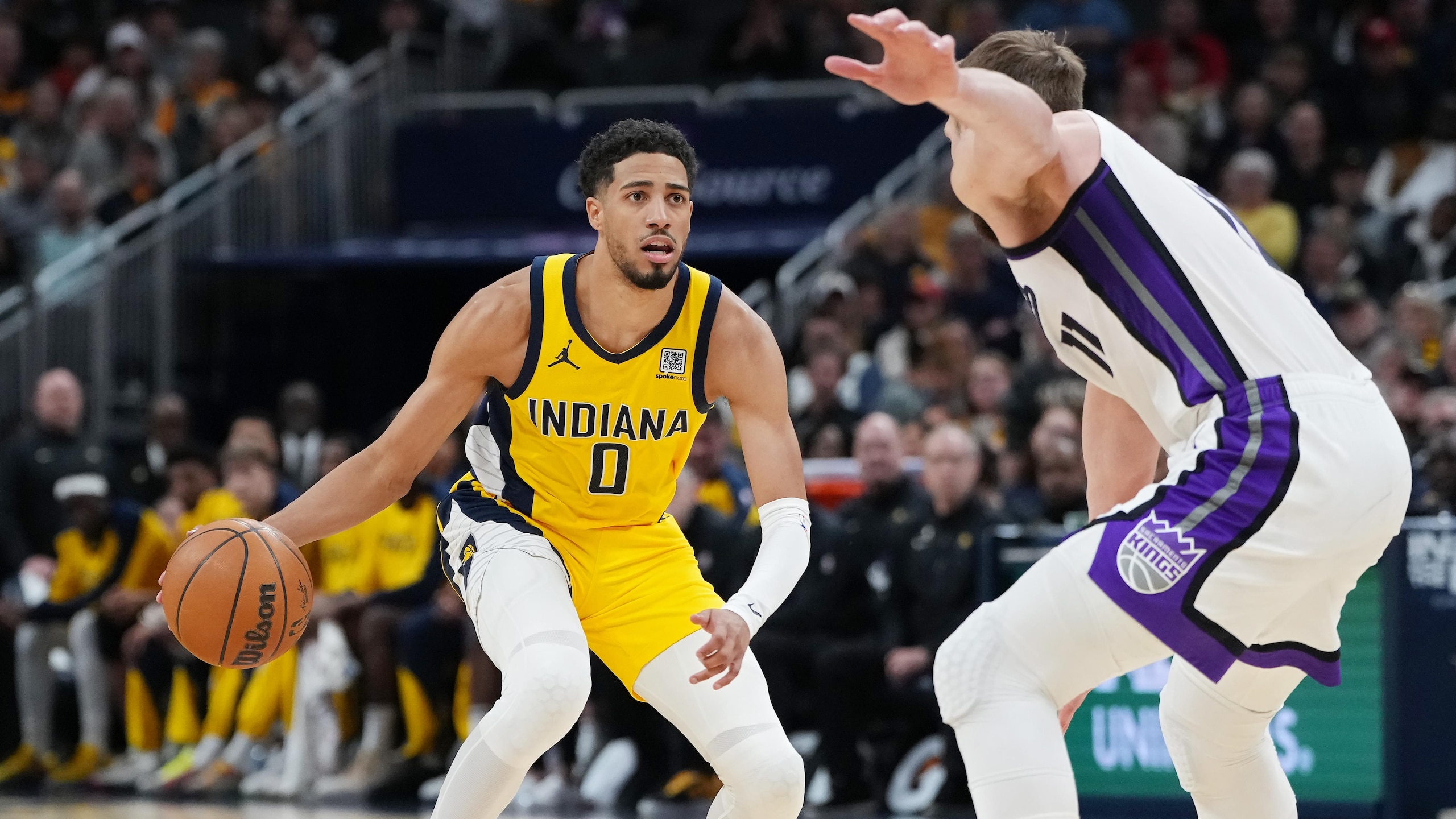
The trade: Tyrese Haliburton, Buddy Hield and Tristan Thompson for Domantas Sabonis, Justin Holiday, Jeremy Lamb and a second-round pick
Sabonis has played plenty of productive games in Sacramento since this Feb. 2022 deal went down. Very few of them have carried any kind of significance, and the biggest development in Sacramento now is when it can find a taker for Sabonis and Zach LaVine and lean fully into a youth movement.
The Kings just misjudged a few things with this trade. Like the height of Haliburton's ceiling. Or the amount of time they could keep De'Aaron Fox content. And the specific challenges of building a winner around Sabonis given his unique strengths and weaknesses.
The Kings have no identity and no real hope for the foreseeable future beyond whatever mileage they think they can get out of Darius Acuff Jr.'s volume production. The Pacers, meanwhile, know exactly how they want to play and how good they can be, having already had an NBA Finals run orchestrated by Haliburton.
San Antonio Spurs
27 of 30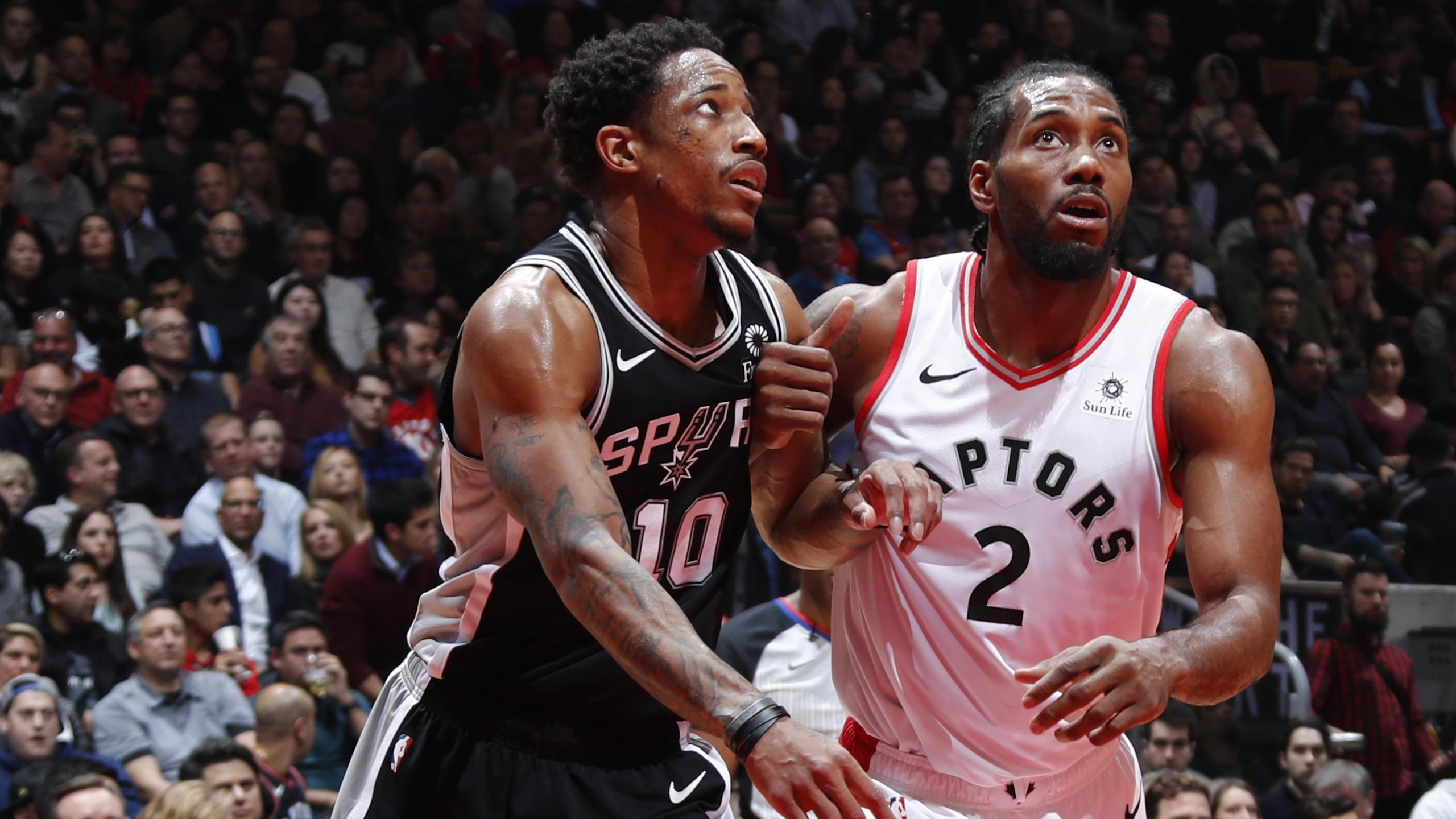
The trade: Kawhi Leonard for DeMar DeRozan, Jakob Poeltl and a first-round pick
The Spurs don't exactly make many missteps, so we have to hit the wayback machine and revisit this July 2018 decision. It may, however, have some new haunts this summer, since Leonard was involved in a trade that arguably delivered a better return—Brandon Ingram, Gradey Dick, two unprotected future firsts, a first-round swap and two seconds—despite Leonard being older, more injury-prone and in the middle of a salary cap circumvention investigation.
There were, of course, factors working against San Antonio at the time. Everyone knew Leonard wanted out. He was coming off an injury-ravaged nine-game season and approaching the final year on his contract.
Even still, that's a pretty nothing return for a star two-way wing in the heart of his prime. And it was clearly shortsighted, with the Spurs (for some reason) seeking immediate competitiveness over long-term assets. San Antonio lost in the first round the following season and started a long playoff drought right after, while Toronto, of course, won it all in Leonard's first (and, at the time, only) season.
Toronto Raptors
28 of 30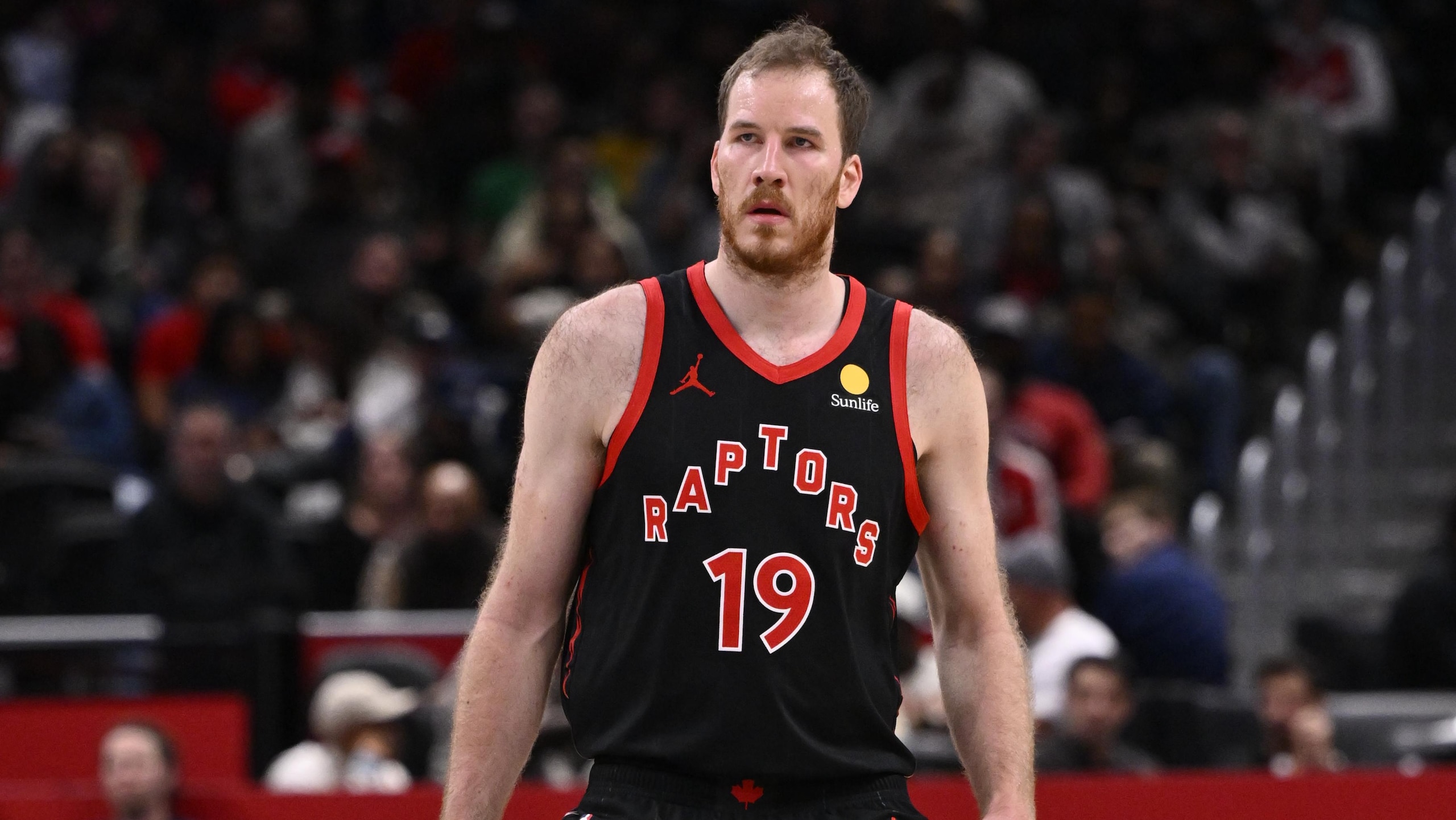
The trade: A first-round pick, two second-round picks and Khem Birch for Jakob Poeltl
The value doesn't seem atrocious here, especially since the first-round pick wound up being draft bust Rob Dillingham. Still, it was a healthy investment in a center who ranked somewhere between fine and pretty good.
It also started a pattern of the Raptors investing too much into Poeltl, which now stands as perhaps the biggest hurdle on their road to contention.
Because they didn't just stop at this deal. They doubled-down on that commitment by giving him a four-year, $104 million extension that just kicked in this season. Back problems have plagued his availability and general abilities, rendering him a problem both on the court and on the cap sheet.
Utah Jazz
29 of 30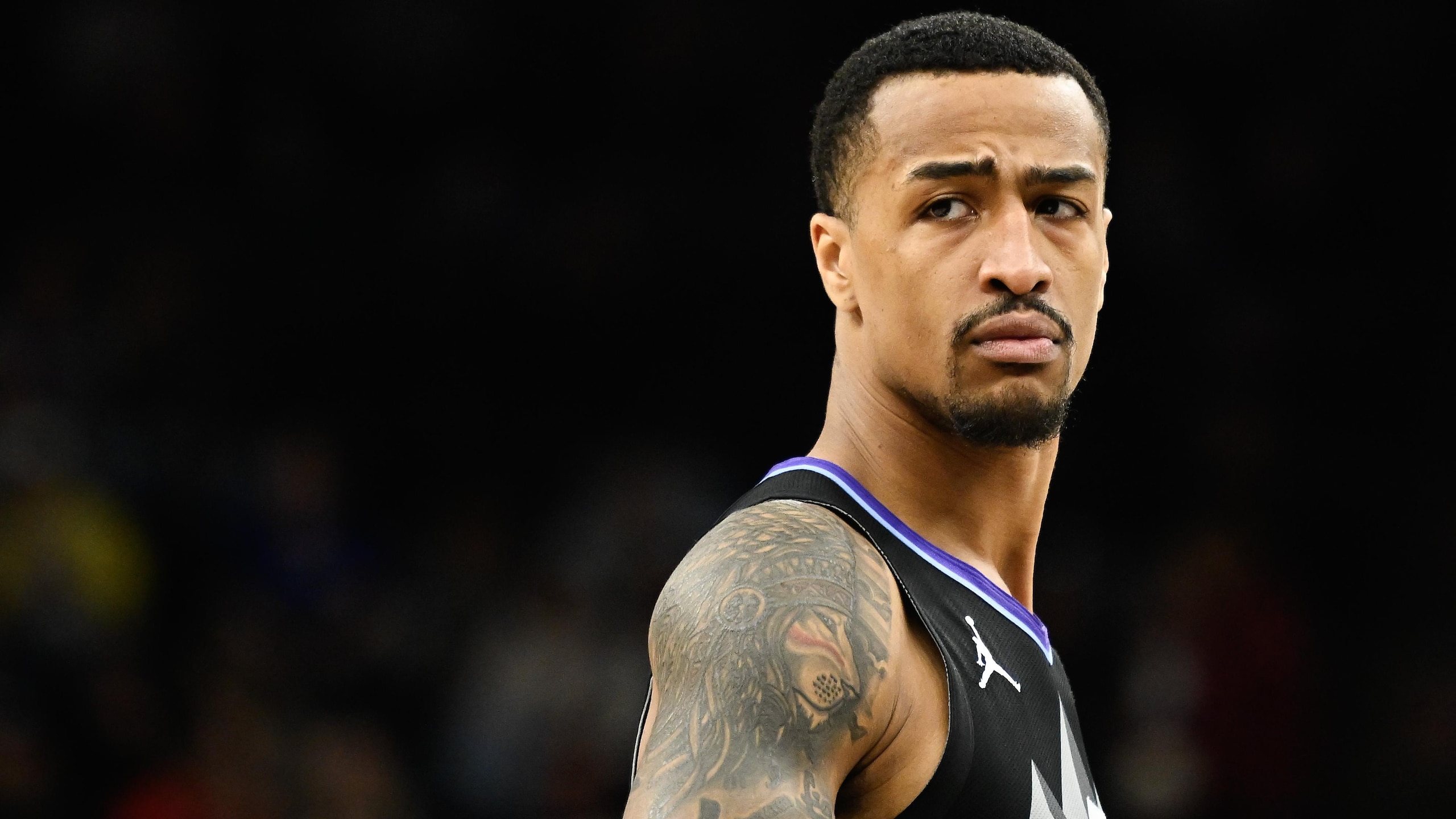
The trade: John Collins for Kyle Anderson, Kevin Love, a future second-round pick and cash
The Jazz have generally done well when they have dabbled in the trade market. Depending on how things go, maybe the aggressive move for Jaren Jackson Jr. will challenge that notion, but they need more time to shift their mindset and get healthy before that 2026 deadline deal can be properly evaluated.
So, let's instead revisit this July 2025 trade, even if the players involved aren't the kind to keep anyone up at night. The Jazz were clearing out money and clearing up minutes for their young players, and this trade helped on both fronts.
It just feels like there should've been more available for Collins. He was super productive the season prior (19 points on 52.7/39.9/84.8 shooting, 8.2 rebounds in 30.5 minutes) and shined bright enough as a play-finisher for the Pistons to make him a part of their championship-hopeful plan this past summer.
Washington Wizards
30 of 30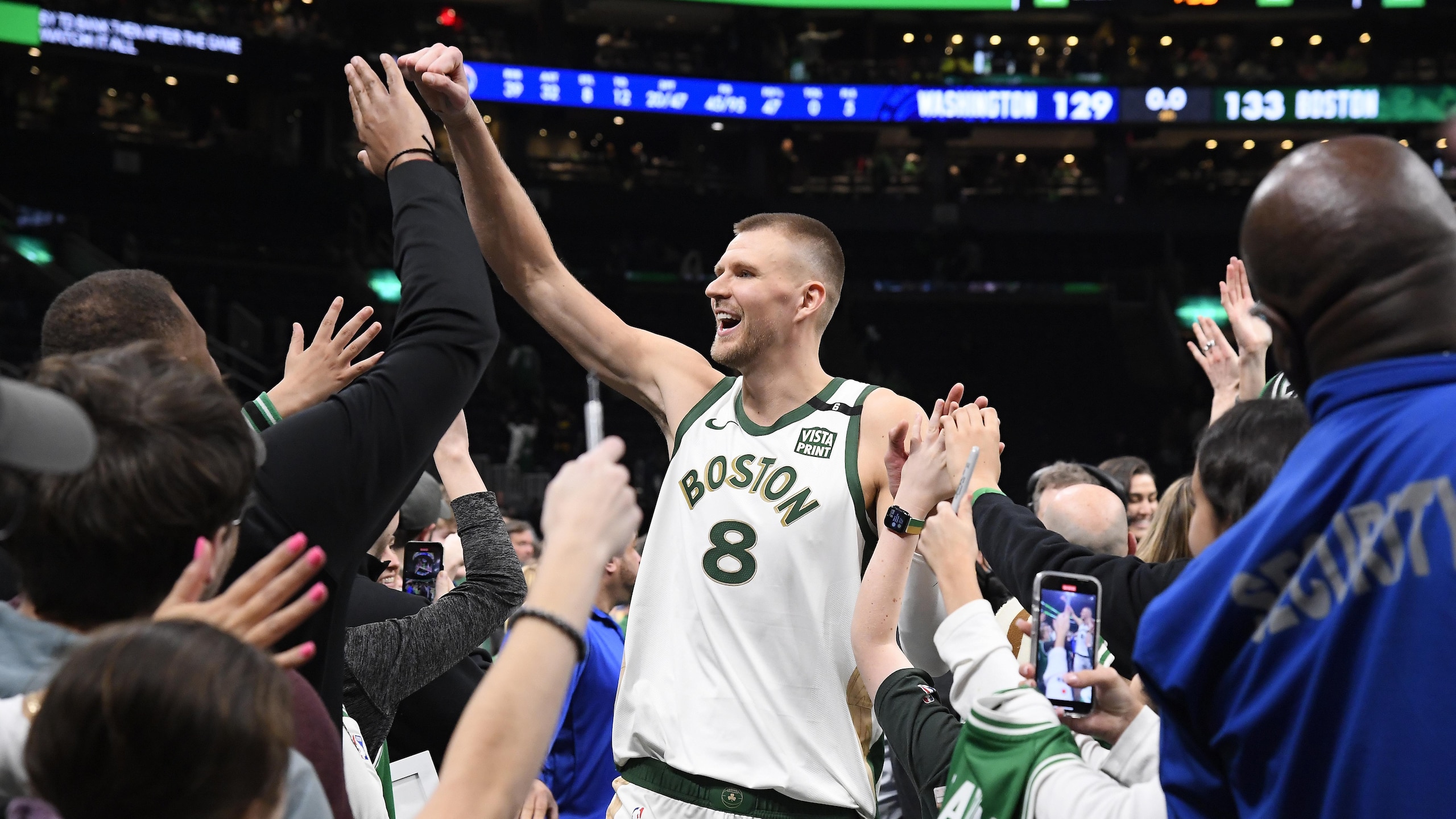
The trade: Kristaps Porziņģis for Tyus Jones, Danilo Gallinari, Mike Muscala and Julian Phillips
The Wizards are one of the true wait-and-see teams of this entire exercise. Because trading for and then maxing out Trae Young certainly feels like a temptation of fate, and the same would ring true if they give Anthony Davis the kind of coin he's seeking.
That said, the trade costs for both were entirely reasonable, and they are legitimate need-fillers when healthy. Washington can also balance some overpays (to a degree) with a wealth of rookie-scale contracts on the books.
So, we'll spare those trades of haunting status for now and instead spotlight this June 2023 exchange. Porziņģis should've had real trade value then, as he'd just filled the shot-blocking, floor-spacing unicorn mold while also serving as a 23.2-points-per-game scorer across 65 contests. But the Wizards turned him into almost nothing, as Phillips was rerouted immediately, and Jones, Gallinari and Muscala were all out of Washington by the following summer.