
The B/R Blame Game: Ranking the People Most Responsible For Manchester United's Downfall
Manchester United's misery continues.
At this point, 13 years after Sir Alex Ferguson called it a day, it's fair to say a lot of the fun has been sucked from watching the Red Devils. They're not a fun club to support, and they're not really a fun club to hate on as much as they used to be; such is the consistency of the failure.
But who is to blame? This article can only feature so many names, so let's take a run through the big hitters before the inevitable axing of another manager (Michael Carrick, but possibly someone else by the time you read this).
Before we begin, some deep cuts who deserve blame, just for starters: Richard Arnold, Matt Judge, John Murtough, Old Trafford's leaky roof.
6. Sir Alex Ferguson
1 of 6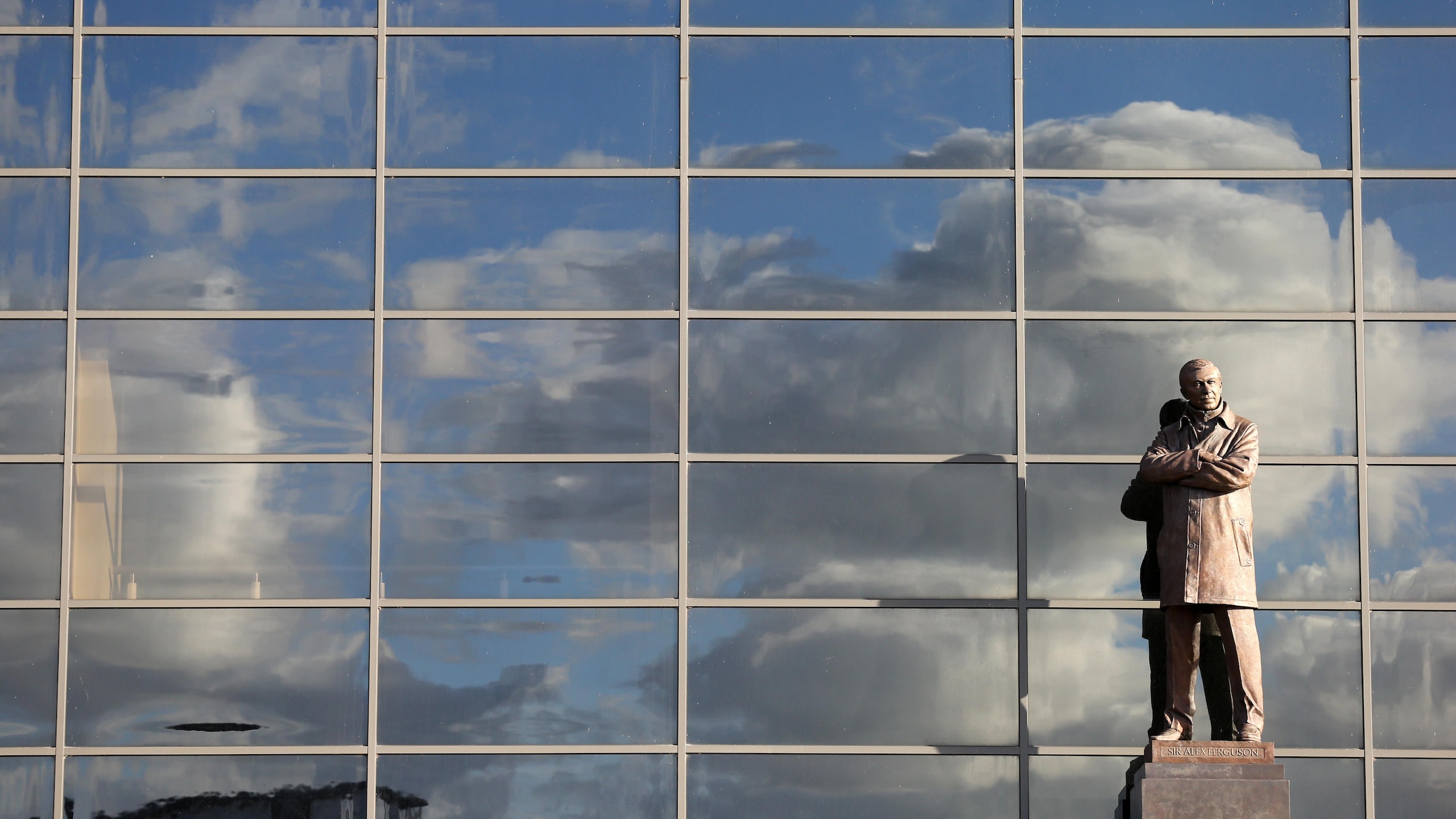
Stay with me on this. Sir Alex Ferguson is Manchester United. He's a major reason the Red Devils turned into a global powerhouse. His extraordinary success also helps explain how they could fall so far.
Fergie won 38 trophies in 26 years at Old Trafford. If someone achieved even half of that these days, there would be calls to declare them the greatest of all time.
The iconic manager's shadow is a genuine problem for the club. When we hear pundits talking about "playing the Manchester United way" or "United DNA," this is what they mean. Everything is compared to Fergie.
The cynic in me would suggest Sir Alex's support for the Glazers doesn't help things. He also recommended David Moyes as his successor.
But let's be frank—the expectations surrounding Manchester United were shaped by the Scotsman's historic tenure. The failures of his successors only underline how extraordinarily high he set the bar.
5. David Moyes
2 of 6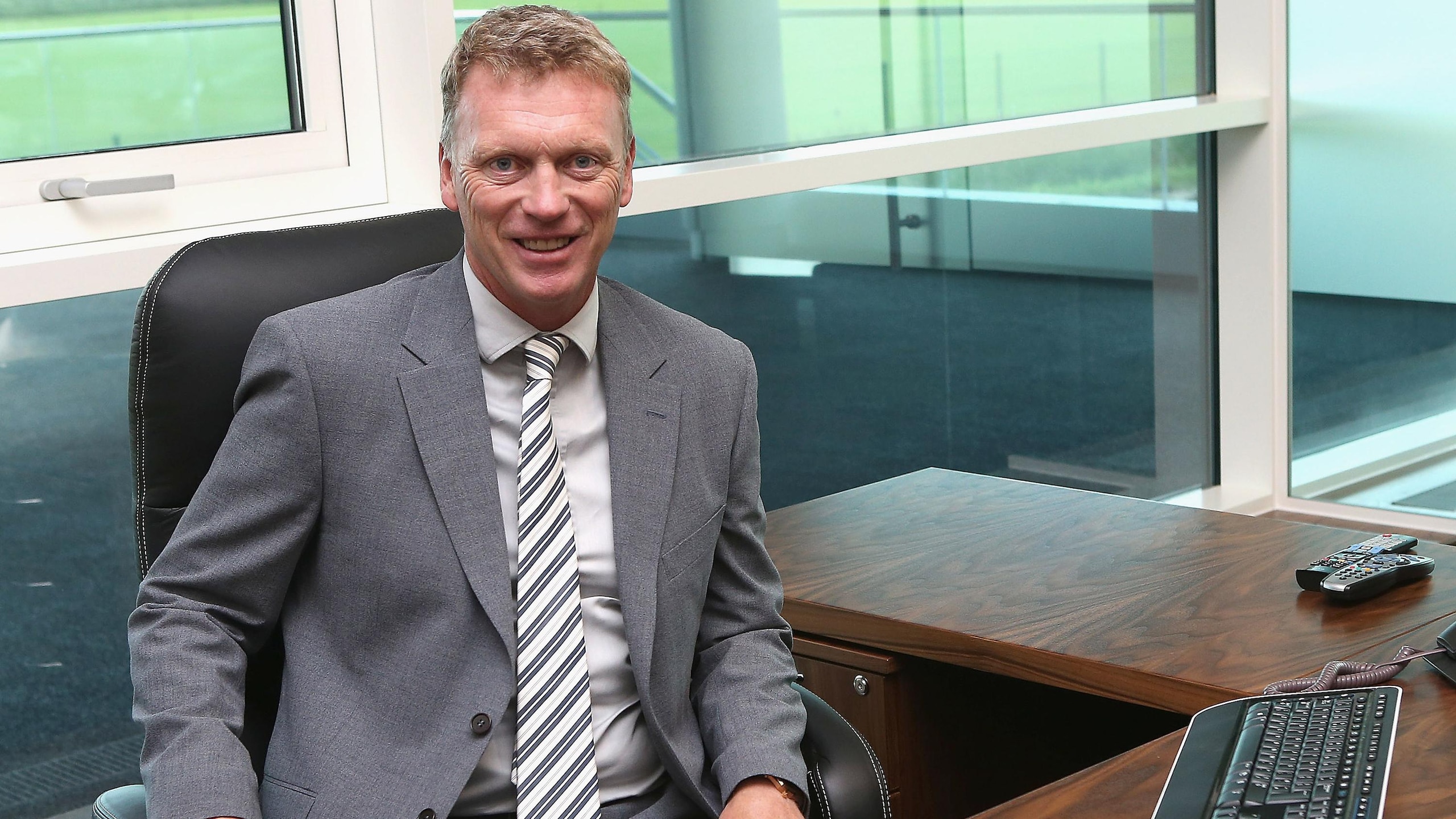
There are a lot of Manchester United memes out there. The one of David Moyes sitting at his desk perfectly captures how awkward his time at Old Trafford felt. He just doesn't look comfortable in the role.
The problem went beyond the photograph. Moyes brought an approach that seemed better suited to hard-working underdogs than to a club expecting free-flowing attacking football.
Moyes won 27 of his 51 games in charge—a record today's fans would probably die for—but poor results piled up and longstanding records began to fall. "United's first loss to Team X since…" became commonplace. There was also the Match of 81 Crosses, after which bottom-placed Fulham's Dan Burn compared United's approach to what he had faced in the Conference.
Perhaps most damaging of all, Moyes' decision to sign Marouane Fellaini became a stick with which to beat him and United. The Belgian international's physical style was made for Moyes' Everton. The signing suggested a lack of ideas in his new role and a way of playing that didn't exactly scream "modern football."
While Moyes has proved he's an excellent manager in the right situation since leaving United in April 2014, he set the tone for an era of struggle defined by managers ill-suited to Old Trafford.
4. Jason Wilcox
3 of 6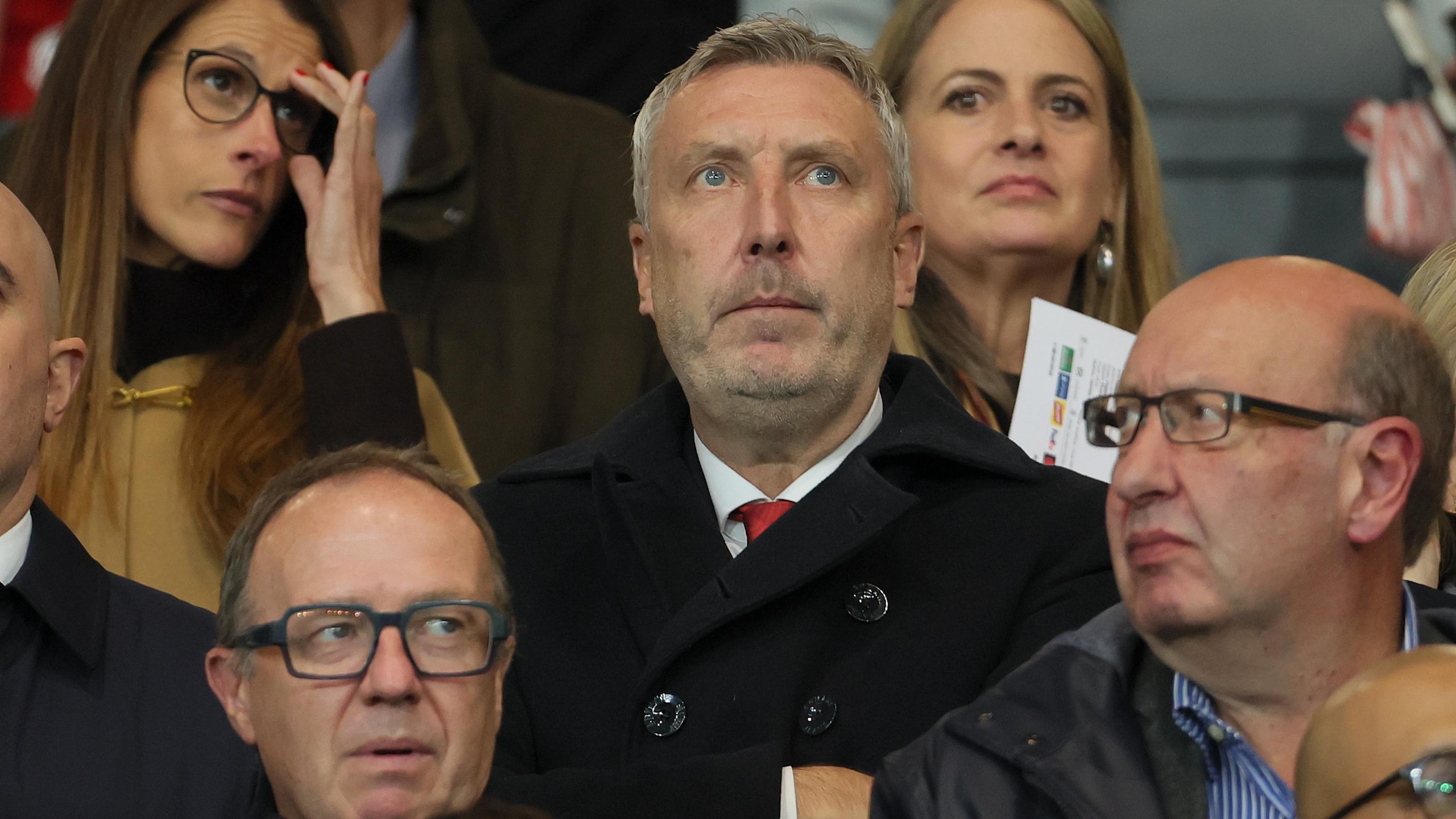
It's never a good sign for a director of football when an important player publicly criticises the club's upper management. It's even worse when significant sections of the fanbase share that criticism.
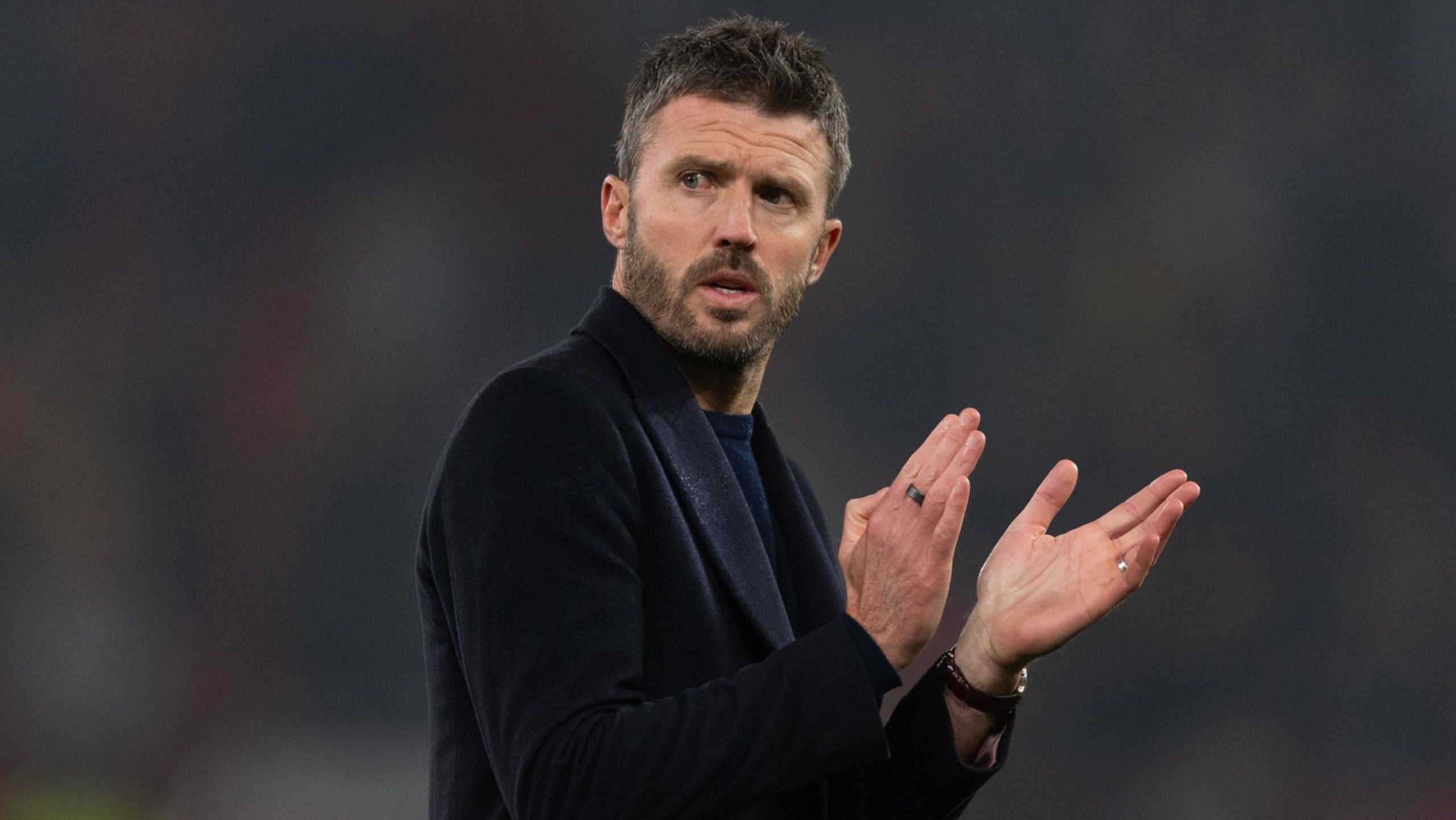
Lisandro Martinez's recent comments should act as a warning shot to Wilcox, even though the defender subsequently apologised. The spotlight is increasingly focused on the club's hierarchy, not just the manager. Michael Carrick isn't blameless, but his excellent run as interim manager last season helped secure United's return to the Champions League.
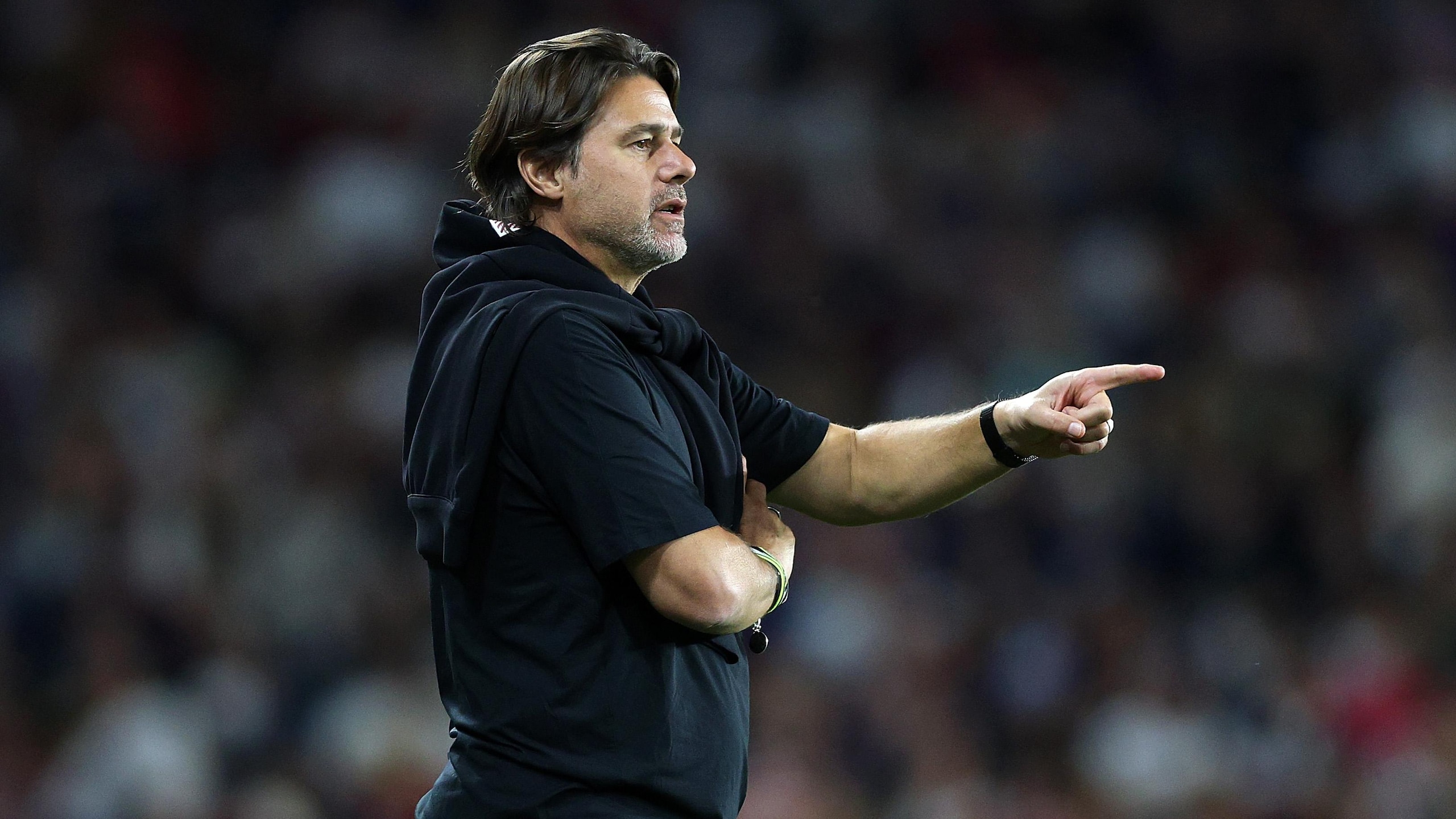
That achievement should have been a springboard for strengthening the squad. Instead, United appear to be pursuing a recruitment strategy that prioritises one area at a time, risking significant gaps elsewhere. Last summer they prioritised attackers; this summer it was midfielders. Defenders appear to be next on the shopping list. Wilcox must answer for that approach, although he is operating within a budget set by those above him.
Not only does that put pressure on each new signing to perform immediately and consistently, but it also leaves huge gaps elsewhere in the squad. United have concentrated their midfield rebuild into a single summer, bringing several new players into the same area at once. Is that now the midfield for the next three years?
The need for a striker and at least one new full-back also went unaddressed this summer. The squad is painfully thin. Wilcox had a chance to capitalise on United's unexpected success, but he dropped the ball.
3. Sir Jim Ratcliffe
4 of 6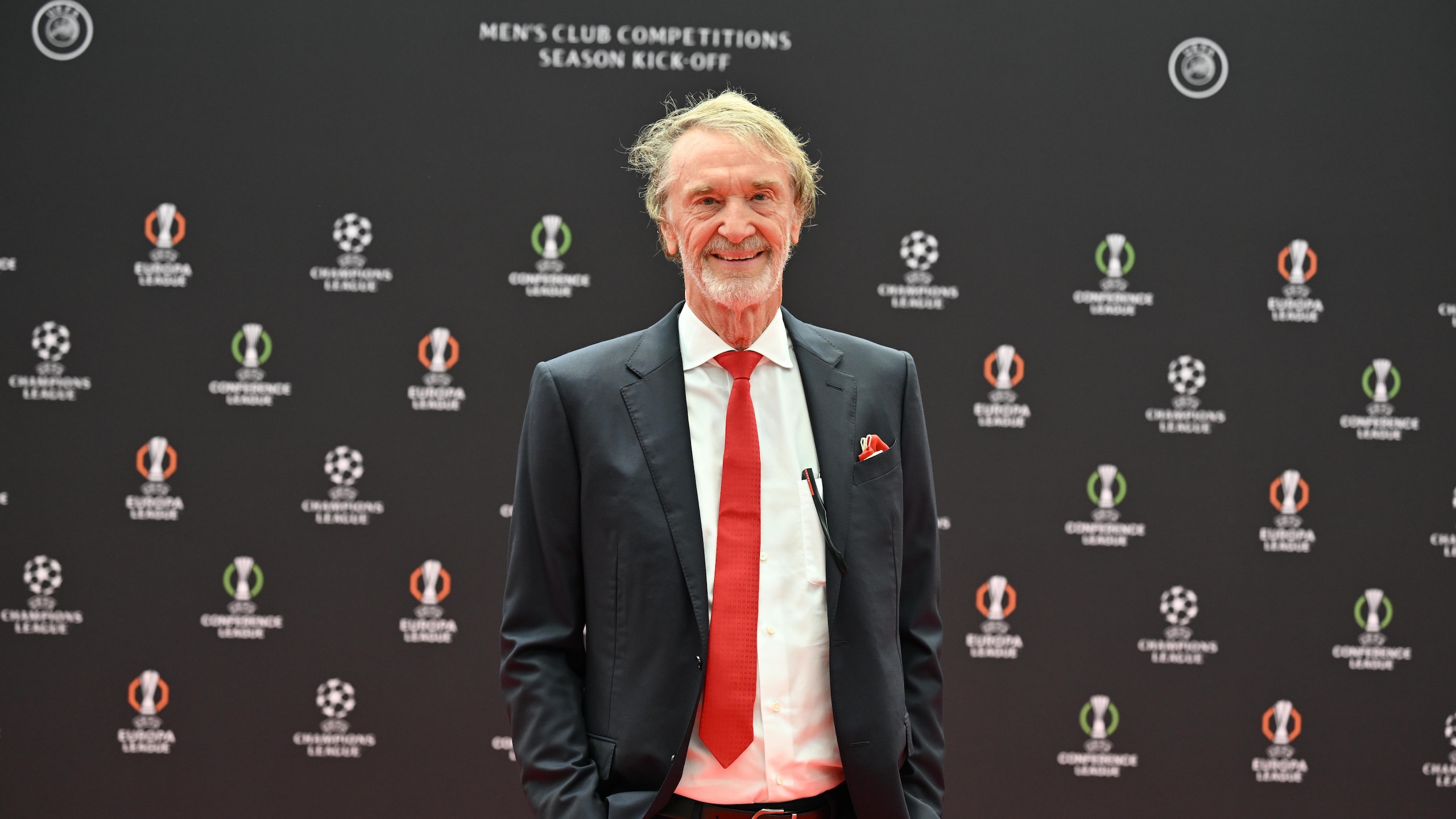
The Glazer family's decision to conduct a "strategic review" of United's future ultimately allowed them to retain majority ownership while handing someone else much of the public scrutiny for the problems that developed under their watch.
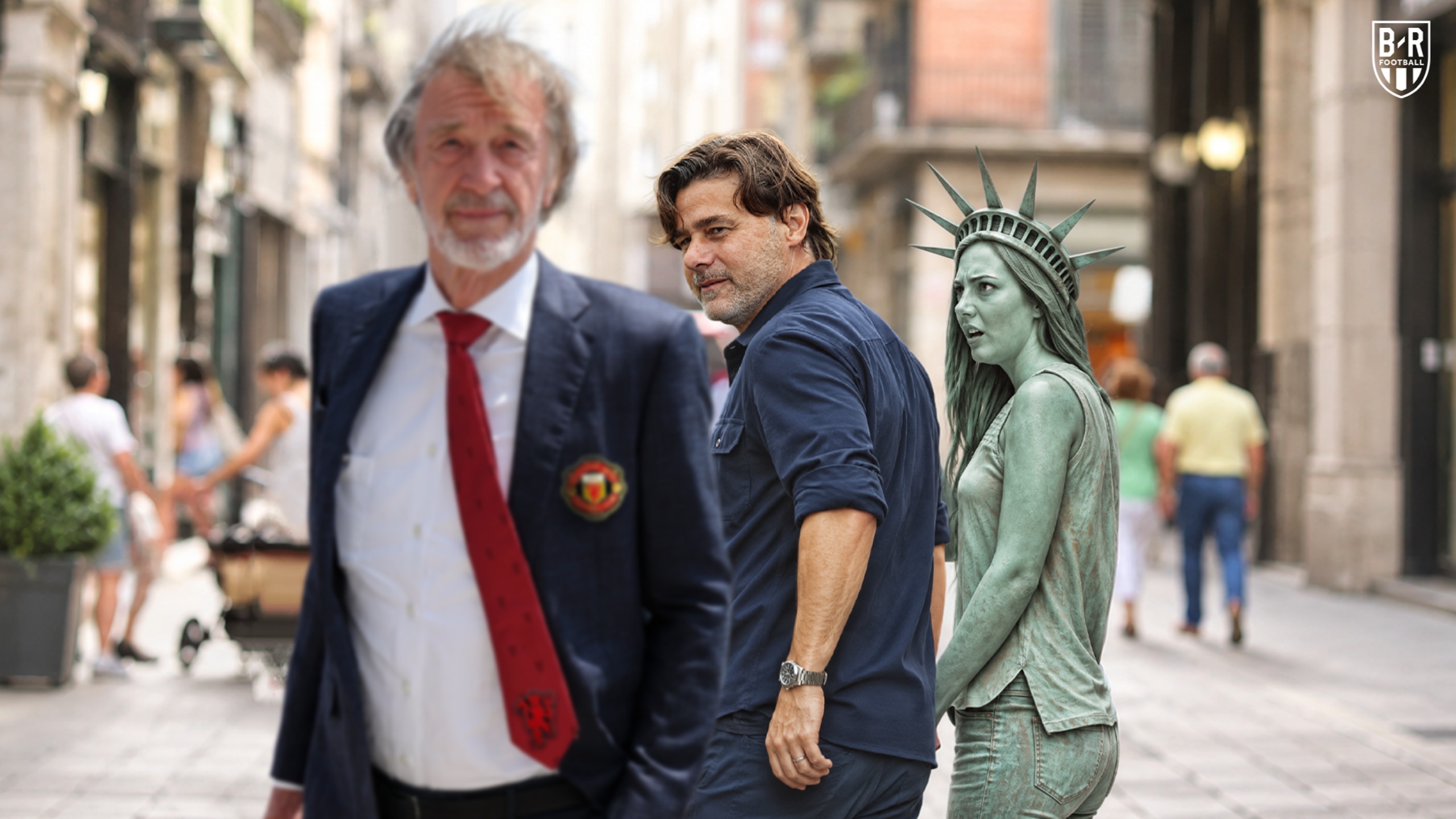
However, even they may be surprised by how quickly Sir Jim Ratcliffe has evolved from a supposed man of the people into a villain in the eyes of many supporters.
Ratcliffe acquired an initial 27.7% stake in the club in February 2024, increasing it to 28.94% in December. The deal also gave INEOS responsibility for football operations, making him the public face of United's attempts to reverse its decline.
Pretty much nothing has worked under Ratcliffe. United retained Erik ten Hag after the FA Cup win and extended his contract, only to sack him less than four months later following a poor start to the season.
Meanwhile, a sweeping cost-cutting programme under Ratcliffe brought plans for up to 250 redundancies across the club. While there was a case for cutting costs, raising ticket prices for match-going supporters was a kick in the teeth.
Then there are his comments suggesting the UK was being "colonised," which drew criticism from the anti-racism organisation Show Racism the Red Card, and his focus on delivering a new stadium while problems elsewhere at the club remain unresolved. The list goes on and on.
The initial optimism surrounding Ratcliffe's arrival has faded. Rather than providing a clean break from the Glazers, he has become another owner for supporters to direct their frustration toward.
2. Ed Woodward
5 of 6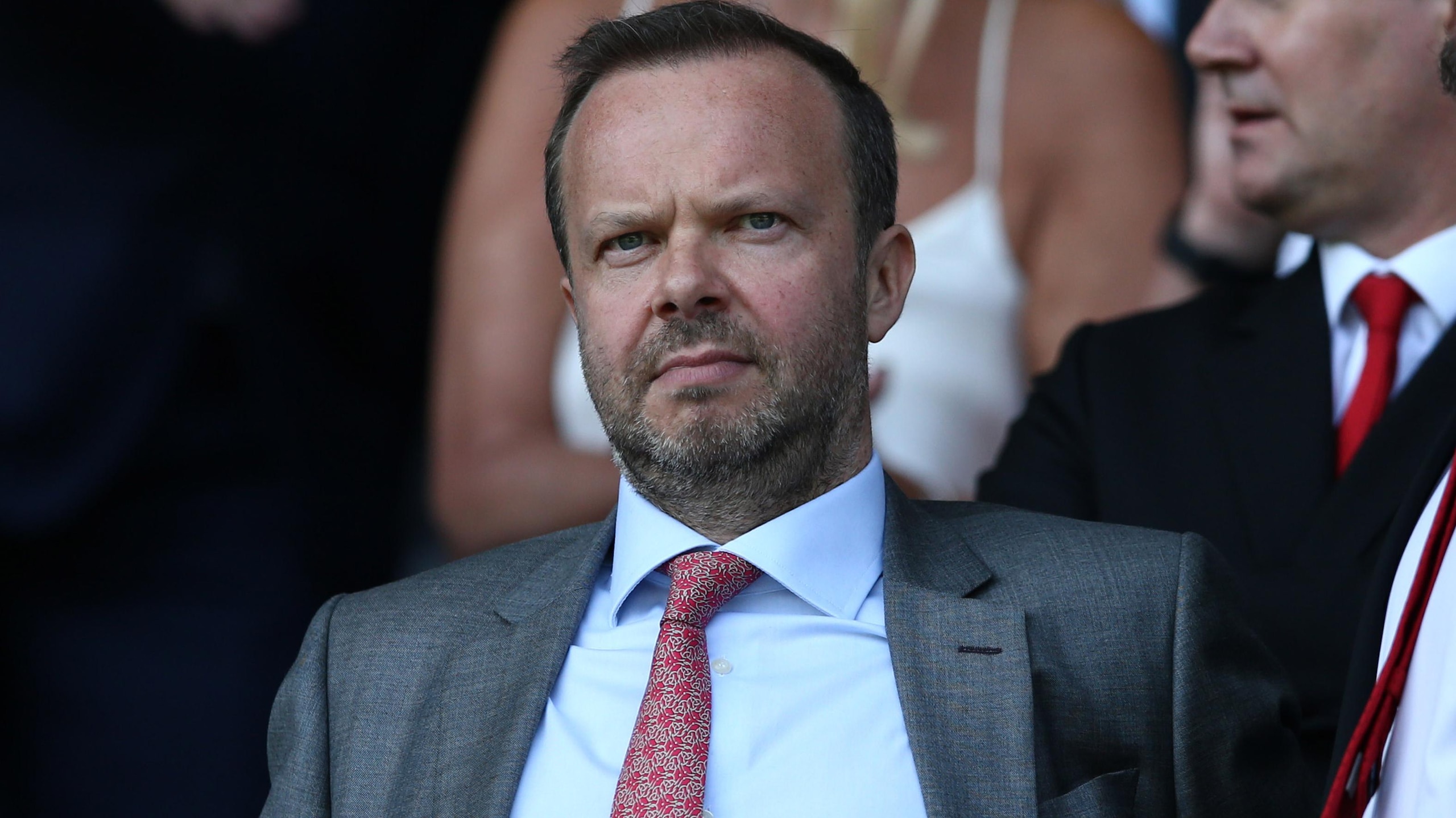
David Gill's departure shortly after Sir Alex's retirement placed a lot of pressure on Ed Woodward. His tenure as vice-chairman was devastating for the club, marked by enormous spending on players who would have gone for lesser fees to any other team.
Think Angel Di Maria, Alexis Sanchez, and that £80 million on Harry Maguire that still looms over the squad.
Granted, United's commercial deals grew under Woodward, but his 2018 comment fuelled criticism that commercial performance had become disconnected from success on the pitch: "Playing performance doesn't really have a meaningful impact on what we can do on the commercial side of the business."
Woodward's rise placed a commercially focused executive in one of football's most demanding leadership roles. His involvement in the proposed European Super League became another focus of criticism during a tenure marked by questions over recruitment, squad planning and wages.
His leadership came to symbolise United's wider problems: questionable decisions, an unclear footballing strategy and expensive mistakes.
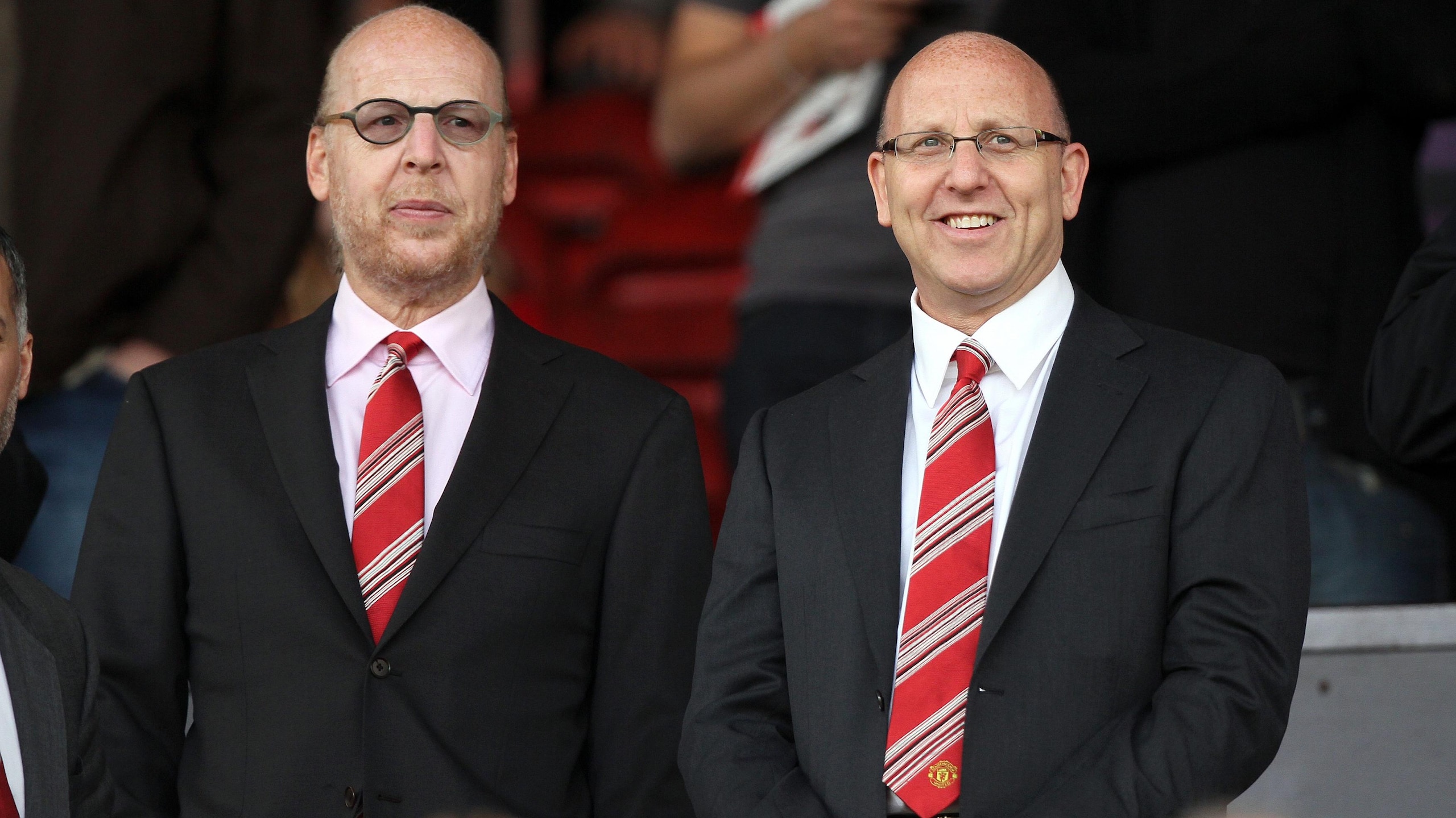
1. The Glazer Family
6 of 6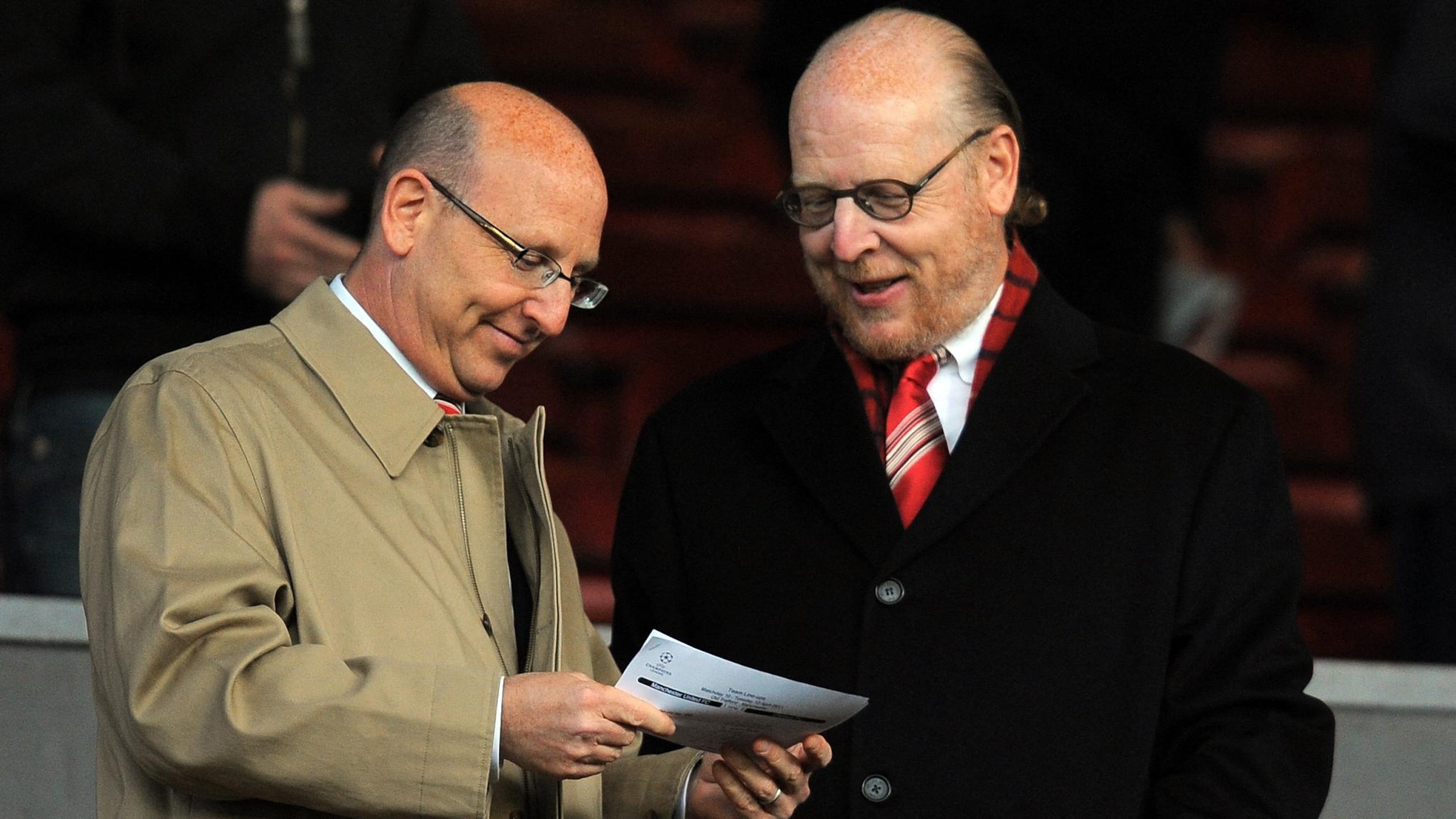
It's sometimes easy to forget exactly how messed up United's situation is.
In June 2005, the Glazer family completed a leveraged takeover of Manchester United that left the club with £604 million in debt, compared with gross debt of £50 million before the deal.
The financial consequences have been substantial. According to BBC Verify's June 2025 analysis, approximately £1.2 billion left the club between 2005 and 2024 through debt interest, net debt repayments, shareholder dividends, and management and administration fees. Interest accounted for £815 million of that total, while £10 million went to Glazer family companies in management and administration fees.
Separately, BBC Verify reported that United had paid £125 million in compensation to directors since its 2012 stock-market listing. The report noted that half the directors were Glazer family members, but its estimate of their share of those payments was not a confirmed breakdown.
Stories have surfaced over the years suggesting the Glazers might sell, but a full exit still feels distant. In our view, Ratcliffe's involvement has yet to demonstrate that a partial change in control can resolve United's deep-rooted problems.
A lasting turnaround may require a more fundamental reset and substantial investment. After years of disappointment, supporters have reason to question whether another change at the top would deliver the renewal they want.